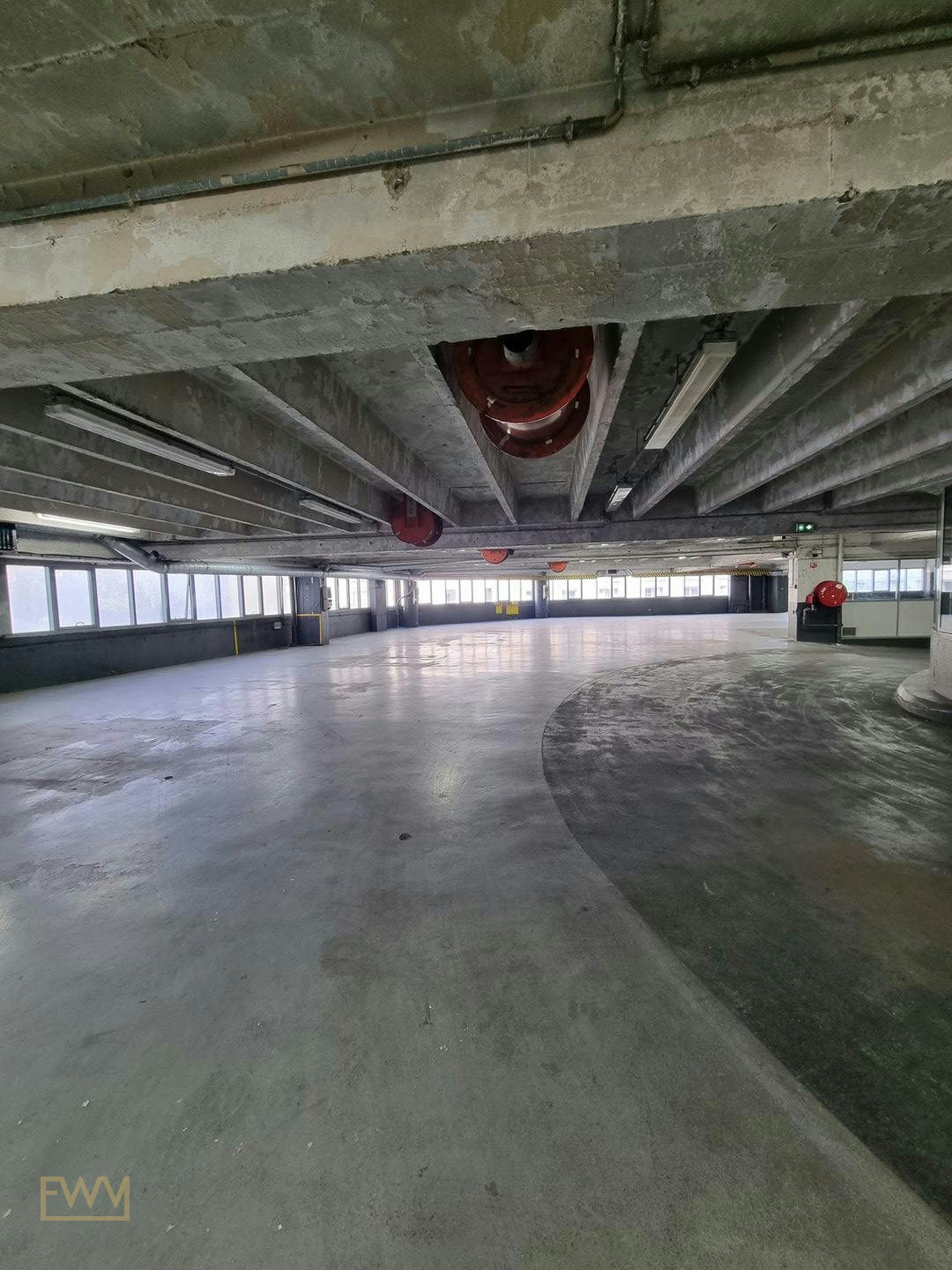
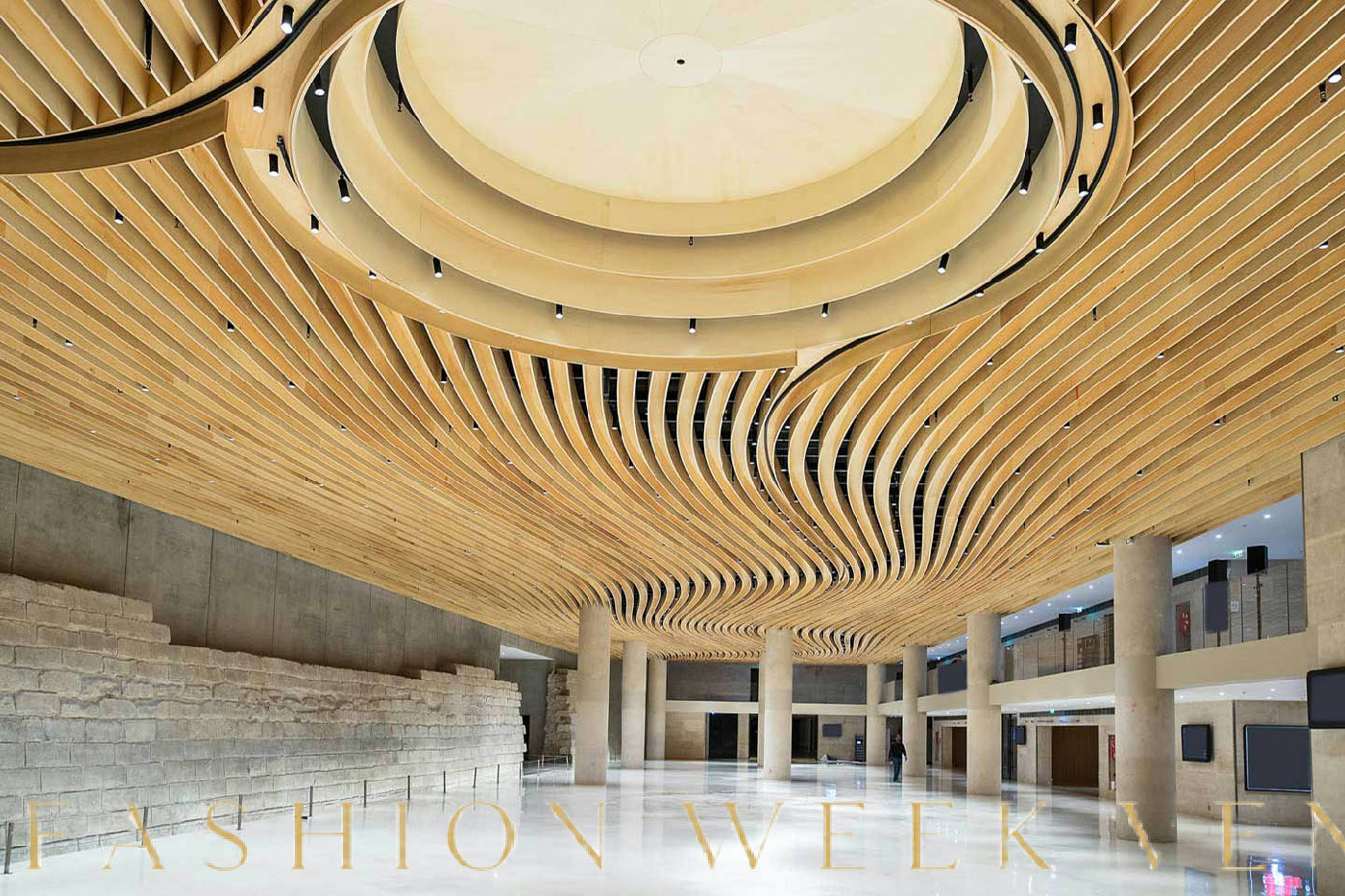
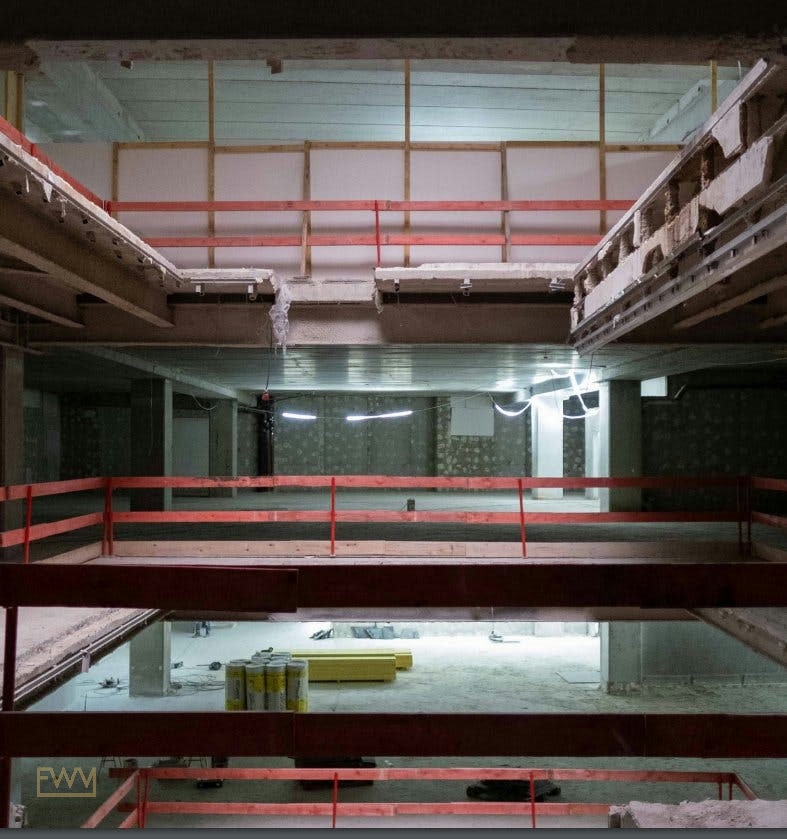
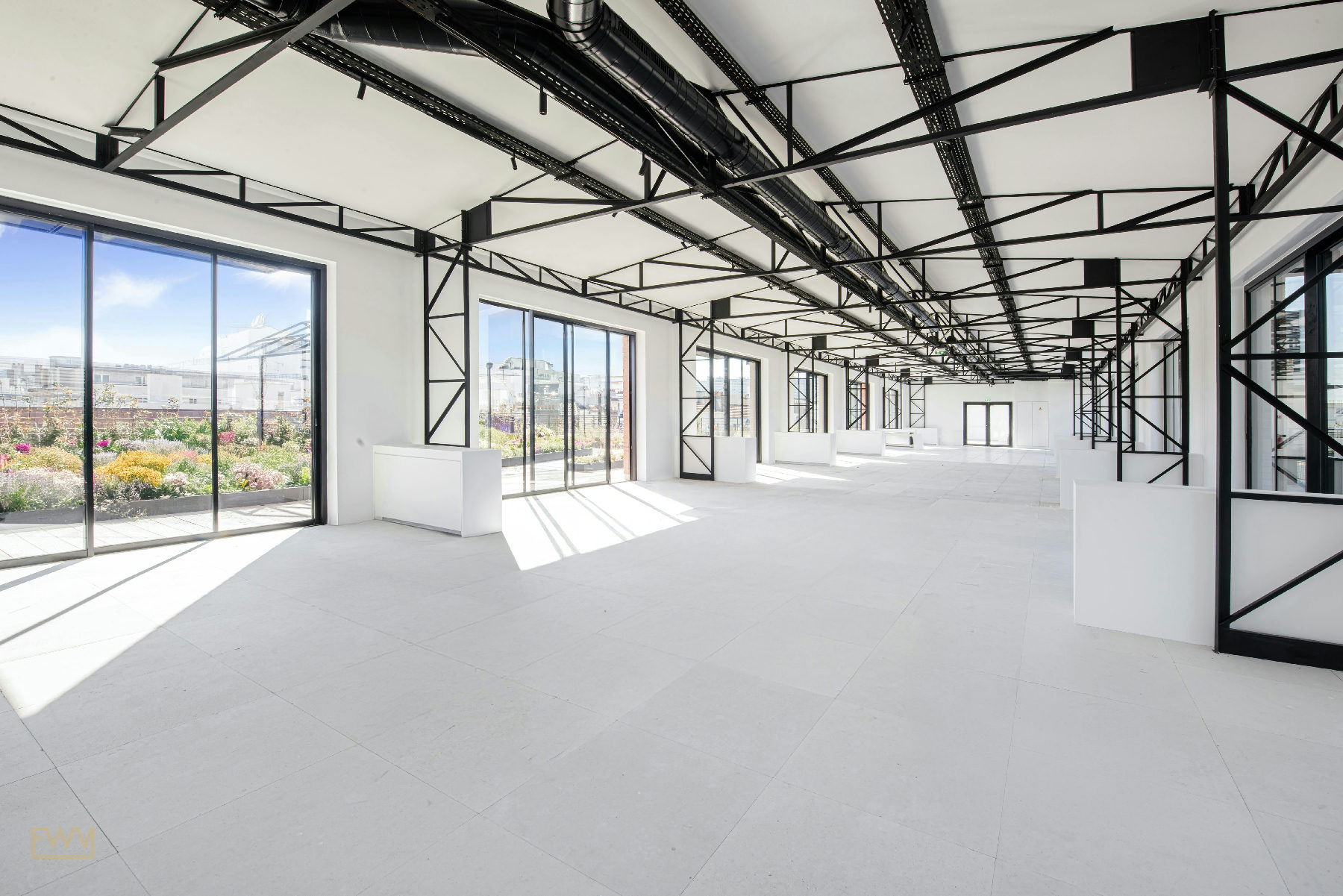
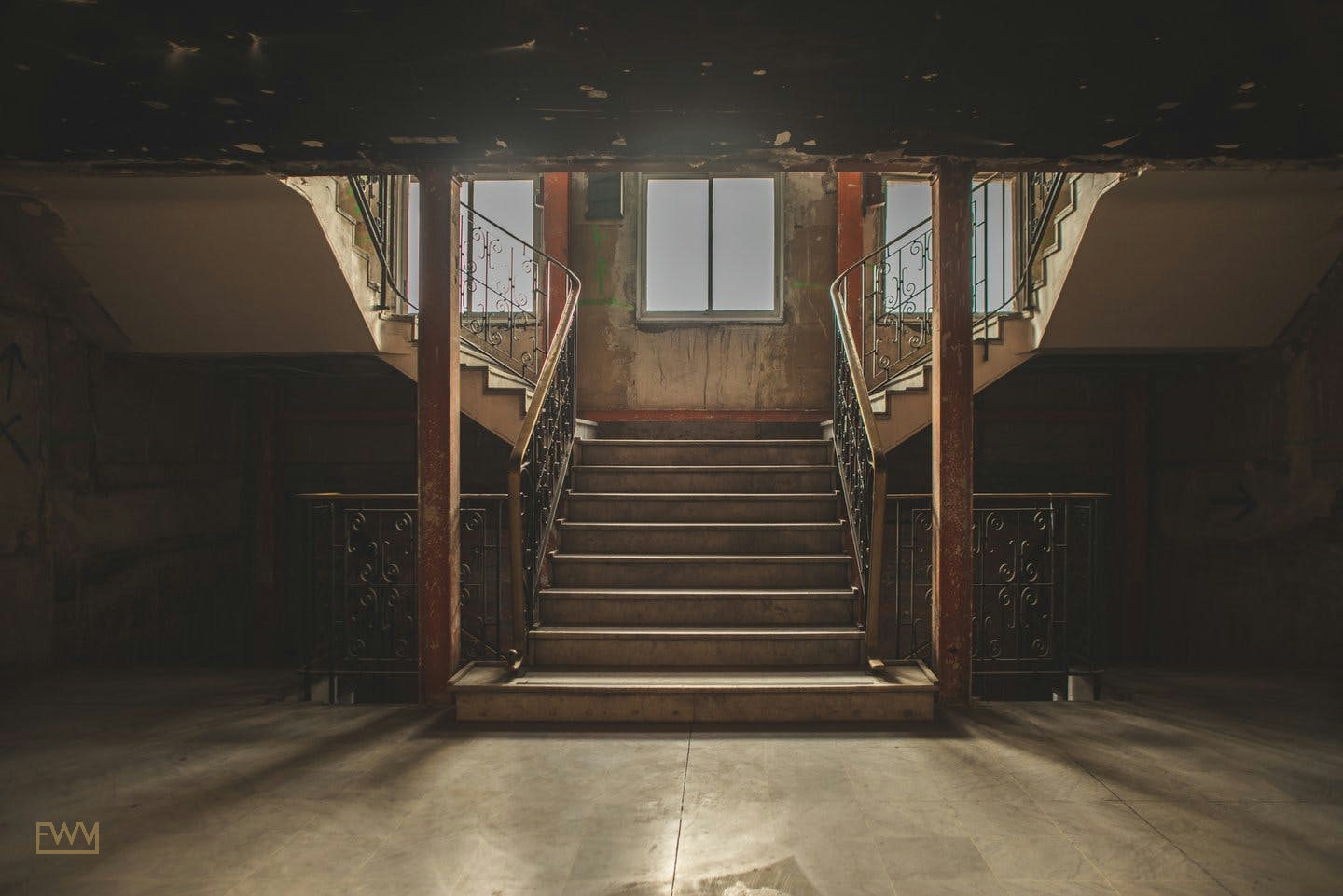
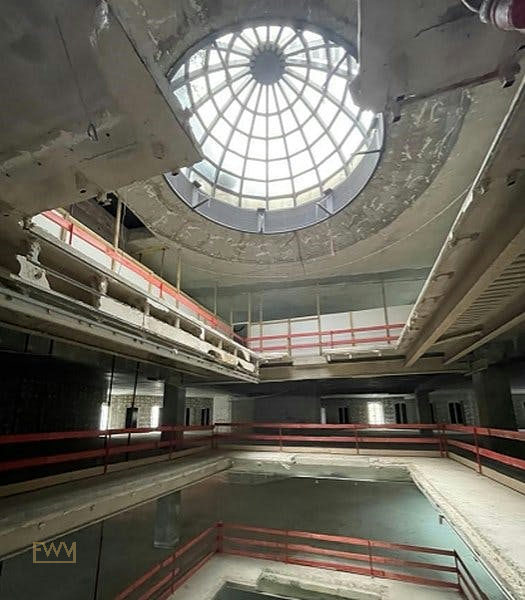
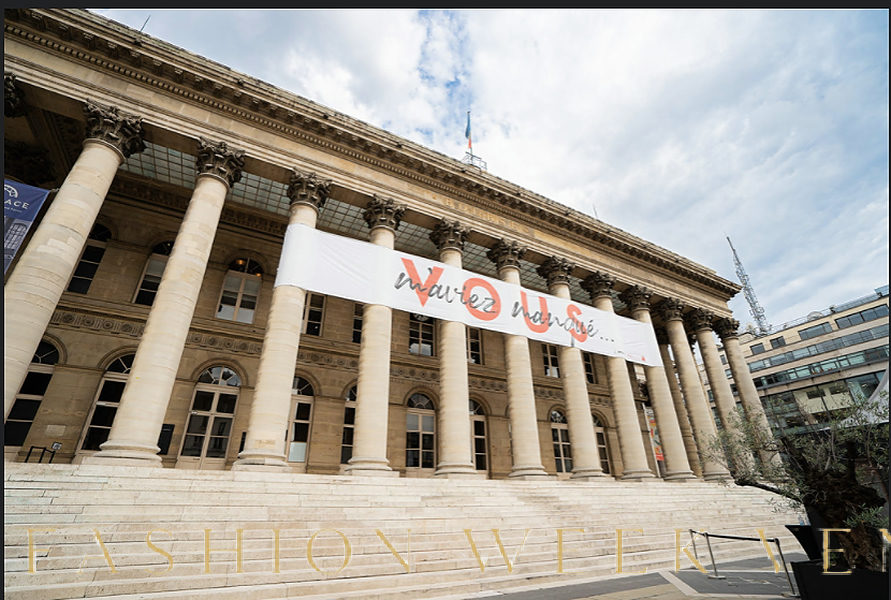
Fashion Week Venues, a full-service pop-up shop agency, is your go-to partner for securing prime spaces in Paris's competitive landscape. Every year, brands flock to major cities like Paris to make a statement during Fashion Week, often through innovative pop-up spaces. These temporary retail sites allow designers and brands to create exclusive experiences for their audience, highlighting the importance of strategic venue selection. By understanding the nuances of pop-up space availability and choosing the right setting, you can elevate your brand's visibility and impact. This guide provides a comprehensive overview of selecting and utilizing fashion venues in Paris, addressing practicalities from permits to timeline planning.
Understanding the Paris Fashion Venue Landscape
Choosing a venue in Paris, especially during Fashion Week, requires more than just picking a location with foot traffic. The venue is more than a backdrop—it's a significant part of the brand's storytelling. Paris offers diverse spaces, from historical landmarks to modern galleries, each with its unique advantages.
Quick answer: To select the ideal Paris fashion venue, consider location, type of event (e.g., showroom or runway), historical impact, audience compatibility, and budget alignment with your strategic goals.
Paris hosts a myriad of venues suitable for fashion events. From the elegant Rue Saint-Honoré, known for its luxury boutiques, to the artistic ambiance of Le Marais, each neighborhood offers distinct vibes conducive to showcasing fashion brands. The choice between these locations depends heavily on the brand's identity and target audience. Avenue Montaigne might appeal to a high-end clientele, whereas Canal Saint-Martin could attract a younger, more eclectic crowd.
Strategically, brands must consider the sightlines and space logistics—for example, whether the venue can accommodate a runway show or if it’s more appropriate for an intimate gathering. Architectural features also play into the venue's choice, giving brands the opportunity to incorporate the surroundings into their thematic communications. An opulent ballroom in Saint-Germain-des-Prés offers a vastly different canvas than a sleek industrial loft in the Bastille district.
Several factors contribute to the decision-making process:
- Event Type: Different venues suit different types of activations, such as showrooms, launch events, and experiential pop-ups.
- Audience Demographics: For instance, younger audiences may prefer trendier neighborhoods like Le Marais, whereas older, affluent guests might gravitate towards Place Vendôme.
- Accessibility: Consider locations that are easily accessible to both local attendees and international guests, with proximity to hotels and public transportation.
- Historical Significance: Venues with rich histories, like the Palais de Tokyo, can add prestige but may also come with restrictions.
KEY TAKEAWAY: Choosing the right venue involves understanding your brand's target demographic, the nature of your event, logistical requirements, and how these align with Paris's unique neighborhoods.
As you navigate the logistics of selecting a venue, remember that this choice will directly influence your brand's narrative during Fashion Week. Next, let's delve deeper into the types of spaces available and how they can serve different brand strategies.
Types of Spaces Available for Fashion Events
Diverse spaces add to the allure of hosting an event in Paris. Notable types of venues range from classic and historic venues to contemporary art galleries and outdoor spaces.
Quick answer: The primary venue types include historical landmarks, modern galleries, multifunctional spaces, outdoor gardens, and exclusive rooftop settings—each catering to varied experiential and brand storytelling needs.
| Type of Space | Example Venue | Characteristics |
|---|---|---|
| Historical Landmark | Palais Garnier | Opulent architecture, prestigious history |
| Modern Gallery | Fondation Louis Vuitton | Contemporary design, avant-garde displays |
| Multifunctional Space | Le Grand Palais | Flexible layout, suitable for large-scale events |
| Outdoor Garden | Jardin des Tuileries | Natural setting, scenic views |
| Rooftop Setting | Top of the Eiffel Tower | Panoramic views, exclusive access |
These venues are not only backdrops but partners in delivering your story. Consider a historic venue like the Palais de Tokyo; it provides a narrative rooted in Paris's rich culture and art, aligning with high-end brands that value tradition and prestige.
Meanwhile, venues like the Fondation Louis Vuitton offer a contemporary edge, appealing to avant-garde brands aiming to signal modernity and innovation. Their contemporary architecture and design-focused layout can complement brands looking to resonate with forward-thinking followers.
Quick answer: To align venues with brand narratives, brands must assess whether the space enhances their messaging—be it through historical context or modern innovation—and supports the overall experiential goals.
Outdoor events, like those held in the Jardin des Tuileries, provide a refreshing break from indoor settings and allow for immersive experiences that can accommodate more interactive elements, such as alfresco cocktail nights or fashion installations. They are perfect for brands that thrive on engaging with nature and creating serene, yet elegant experiences.
KEY TAKEAWAY: The diversity of venue types in Paris allows brands to tailor their activations to specific narratives and audience expectations, leveraging the city's rich cultural and architectural backdrop.
Choosing the right type of space will set the pace for everything else, from logistics planning to brand experience delivery. Here's how Fashion Week Venues steps in to assist brands in this complex selection process.
How Fashion Week Venues Can Help Your Brand
Fashion Week Venues is the ultimate partner for brands navigating the complex landscape of short-term retail and event activations in Paris. Offering end-to-end services from venue sourcing to activation management, Fashion Week Venues provides the expertise and tools to streamline the entire process. Brands can leverage their comprehensive venue sourcing services, ensuring that every location fits the brand image and logistical requirements.
Our agency not only helps you find the right space but also offers concept direction and production and build services to bring your vision to life in the most effective manner. Our space comparison tools allow you to juxtapose properties based on criteria vital to your event's success, like cost, location, and capacity.
Brand teams benefit by having a single point of contact for diverse needs—be it staffing services, furniture rentals, or POS integration—to ensure seamless execution. Our permit guidance tools are particularly crucial for international brands unfamiliar with local regulations.
Quick answer: Fashion Week Venues facilitates venue selection, offers essential event services, and provides tools for comparative analysis, budget planning, and timeline management, aiding brands in executing flawless activations.
We embrace a partnership model that fosters more than just client transactions, providing strategic insights and working hand-in-hand with your team to tackle any intricate detail. Given the layered nature of event activations, working with an experienced partner like Fashion Week Venues mitigates risks and assures an unforgettable brand presentation.
KEY TAKEAWAY: Partnering with Fashion Week Venues empowers brands with professional expertise, comprehensive tools, and a network of premium spaces to elevate their Paris activations.
With a thorough understanding of how Fashion Week Venues can assist you, let's delve into the logistics of planning and executing a successful fashion event in Paris.
Planning and Logistics for Fashion Week Events
Executing an event during Fashion Week in Paris involves meticulous planning and understanding of specific logistics. Brands must address several key areas to ensure a smooth operation, including permits, timelines, and cost strategies.
Quick answer: Ensuring a successful Fashion Week event requires careful attention to permits, logistics management, timeline coordination, and financial planning—each key to a seamless execution.
One crucial legal aspect is understanding French retail lease agreements, such as "bail dérogatoire," which are designed for temporary occupancy. These differ significantly from conventional leases, allowing for flexibility but also requiring compliance with short-term rental regulations. Additionally, obtaining the "AOT" (Autorisation d’Occupation Temporaire) consent is necessary for certain street activations or public-owned space use.
Given the complexity of these processes, it's imperative to work with local experts familiar with the nuances of Parisian bureaucracy. Fashion Week Venues offers a permits tool for brands navigating these requirements, ensuring all legal bases are covered comprehensively.
KEY TAKEAWAY: Conduct thorough legal checks with local advisors and understand all aspects of short-term leasing in Paris to avoid compliance issues.
| Stage | Key Activities | Timeline |
|---|---|---|
| Venue Securing | Select venues, secure leases, check legalities | 3-6 months prior |
| Concept Development | Design layout, brand messaging | 2-3 months prior |
| Logistics Planning | Transport, staff planning, inventory | 1-2 months prior |
| Installation and Set-Up | Venue preparation, tech installations | 1 week prior |
| Event Execution | Day-of coordination, staff assignments | Event day |
Having a meticulously planned timeline is paramount. A realistic timeline helps avoid last-minute hiccups, ensuring that all moving parts—from set design to staffing and inventory orders—are handled in advance. Our timeline tool aids brands in mapping out these critical milestones effectively.
Financial planning should not be overlooked. Utilizing our budget calculator helps maintain expenditure transparency, offering projections based on anticipated needs. Understanding these logistics ensures brands achieve the brand experiences they envision without unexpected financial strain.
KEY TAKEAWAY: Detailed logistic and financial planning are foundational for seamless execution, reducing risks and optimizing the event's impact.
With the logistics framework in place, we will now explore how to manage budgets and measure the success of your fashion event.
Budgeting Your Fashion Week Activation
Budgeting is a critical component of any fashion week activation in Paris, given the city's stature and the competitive landscape. Effective budget management involves both forecasting expenses accurately and identifying potential revenue streams.
Quick answer: To successfully budget for a Fashion Week activation, begin with detailed cost estimation and utilize tools for forecasting spending and monitoring ROI effectively.
Key cost areas typically include venue rental, permits, production, marketing, staffing, and unexpected contingencies. A sound budgeting strategy starts with understanding and estimating these costs without surprise overruns.
Utilizing the Fashion Week Venues budget calculator allows brands to anticipate expenses effectively, adjusting for scale and scope of the event while remaining within financial constraints. Calculating the return on investment for each activation element is critical to ensuring that every euro contributes to the overall brand experience and strategic growth.
For example, investing in influencer engagement or media coverage can yield high returns in visibility and brand reach. Similarly, funds allocated to venue decor and aesthetics can directly influence brand perception and on-the-day attendee experiences.
KEY TAKEAWAY: Every expenditure should align with the brand's strategic objectives and target return on investment, ensuring an optimal spending path.
DID YOU KNOW: Effective budget management can also unlock additional opportunities—like last-minute venue upgrades or niche collaborations—that might enhance the final event delivery.
This financial overview transitions into the next critical area—measuring the impact and success of your Paris fashion event.
Measuring Success and Impact of Fashion Activations
Evaluating the success of a Fashion Week event involves analyzing several key performance indicators (KPIs) that reflect brand engagement, exposure, and sales impacts. Ensuring success requires both qualitative and quantitative metrics.
Quick answer: Utilize KPIs such as brand awareness metrics, sales data, attendee feedback, and digital engagement to assess the overall impact of your Fashion Week activation.
Key metrics to consider include attendance numbers, media mentions, social media engagement, and direct sales metrics. The depth of press coverage and influencer shout-outs also provide valuable insights into the event's reach and resonance.
Feedback mechanisms such as post-event surveys can uncover deeper insights into attendee experiences and perceptions. These perspectives can inform future activations, defining both shortcomings and areas for improvement.
Additionally, analyzing pre- and post-event online sales figures offers tangible evidence of brand impact. Discounts tied to event participation—tracked using specialized coupon codes—can highlight direct correlations between the event and sales boost.
| KPI | Measurement Method | Desired Outcome |
|---|---|---|
| Brand Awareness | Surveys, media mentions | Increased brand recall and mentions |
| Social Media Engagement | Metrics from platforms | Higher likes, shares, and comments |
| Sales Conversion | POS data, online orders | Increased sales volume |
| Attendee Satisfaction | Feedback surveys | High satisfaction scores |
Use the ROI tool to correlate these efforts with concrete financial uplifts, framing the activation not only as an expense but as an investment in brand growth.
KEY TAKEAWAY: Comprehensive evaluation of both qualitative feedback and quantitative data provides a holistic picture of your event's success and informs strategic decisions moving forward.
The reflection on event success naturally turns to preparing for future events, addressing how brands can optimize ongoing and future activations.
Common Myths Debunked
MYTH: You need a French legal entity to rent a space in Paris.
FACT: While having a local presence can ease some logistics, it's not obligatory for renting event spaces. Many international brands partner with agencies like Fashion Week Venues that understand local laws and manage permit requirements effectively without necessitating a French legal entity.
MYTH: Paris Fashion Week is the only viable calendar window for notable brand activations.
FACT: While Paris Fashion Week is a significant event, other windows throughout the year, such as Haute Couture Week or Men's Fashion Week, offer excellent opportunities for brand visibility, often with less competition for spaces.
MYTH: Commission brokers are the only route to finding a space.
FACT: Agencies like Fashion Week Venues offer a marketplace and comprehensive sourcing services that often surpass traditional brokering by providing better-aligned options, strategic support, and logistical planning.
MYTH: Short-term leases in Paris are legally straightforward and don’t require specialist help.
FACT: Short-term leases can be complex due to regulatory intricacies. Navigating these requires specialist insight, particularly concerning "bail dérogatoire" and AOT, making expert guidance from seasoned bodies instrumental.
Debunking these myths helps align expectations and clarifies how to effectively leverage opportunities in Paris. Let's now address the specific queries frequently asked regarding fashion venue logistics.
Frequently Asked Questions
What are the most sought-after neighborhoods for fashion events in Paris?
Le Marais, known for its trendy flair, is a hub for fashion-forward brands seeking a youthful audience. Saint-Germain-des-Prés attracts luxury brands with its sophisticated charm. Avenue Montaigne and Rue Saint-Honoré are ideal for showcasing high-end fashion due to their upscale and historic settings. Understanding each neighborhood's vibe and target audience is crucial for selecting the perfect venue.
How far in advance should I book a venue for Paris Fashion Week?
It's advisable to start the venue selection process at least six months in advance. This allows ample time to secure the right location, handle necessary permit applications, and plan logistics thoroughly. However, the earlier you start, the better your chances of securing a top-tier space aligned with your brand's image and logistics needs.
What is "bail dérogatoire" and how does it affect my event planning?
"Bail dérogatoire" refers to a short-term lease option in Paris, typically used for temporary retail and event spaces. It offers flexibility compared to long-term leases but also comes with specific regulatory requirements. Understanding these requirements and working with local consultants is essential to avoid compliance issues when planning your event.
Are there specific permits required for Fashion Week events?
Hosting an event during Fashion Week often requires several permits, especially if you're utilizing public spaces or streets. These include the AOT (Autorisation d’Occupation Temporaire) for temporary use of public space, among others. Consulting our permits tool can guide brands through these regulations effectively.
How does Fashion Week Venues help with concept direction and development?
Fashion Week Venues offers comprehensive concept direction services, assisting brands in creating a cohesive narrative that aligns with their vision and market goals. This includes designing the event layout, integrating brand messaging, and ensuring the final presentation resonates with the target audience.
What is the benefit of using a marketplace like Fashion Week Venues over traditional brokers?
Utilizing a marketplace like Fashion Week Venues provides a broader selection of spaces, often with better transparency on prices and terms. Additionally, you benefit from integrated services, strategic insights, and a seamless logistics platform that conventional brokers might not offer, ultimately enhancing the efficiency of your event planning process.
How can I ensure a good ROI for my Paris pop-up event?
Ensuring a good ROI requires detailed planning, budget management, and leveraging strategic marketing efforts. Using our ROI tools, brands can identify impactful investments, correlate expenses with expected outcomes, and optimize their resource allocation to maximize returns.
Is it possible to hold an outdoor event in Paris during Fashion Week?
Yes, outdoor events are possible and can offer unique experiences that differentiate your brand. Venues like gardens and terraces add a dimension of openness and engagement. However, these will require additional planning for weather contingencies and compliance with local regulations.
What logistics should be prioritized for a successful fashion event?
Key logistics to prioritize include venue preparation, staff coordination, inventory management, and transportation. Ensuring each element works in synchronization will enhance the overall flow of your event. Utilizing tools like our timeline planner helps streamline scheduling and execution.
How do I keep attendees engaged during my event?
Attendee engagement can be heightened through interactive installations, personalized experiences, and leveraging technology such as AR or VR. Consider incorporating influencer interactions and social media challenges to create buzz. A well-thought-out program that aligns with your brand's message will keep attendees engaged and enhance their overall experience.
Conclusion
Navigating the world of pop-up spaces during Fashion Week in Paris is undoubtedly complex but rewarding. From selecting the right neighborhood to understanding logistical and legal requirements, every decision plays a crucial role in shaping your brand's success. Engaging with a trusted partner like Fashion Week Venues ensures that your brand maximizes its potential in this bustling city. Whether you are an emerging designer or an established brand, leveraging our marketplace and suite of services can transform aspirations into impactful results. To move from research to activation, start exploring available spaces on the Fashion Week Venues marketplace and build a focused brief for your target neighborhood, space type, and calendar window.