
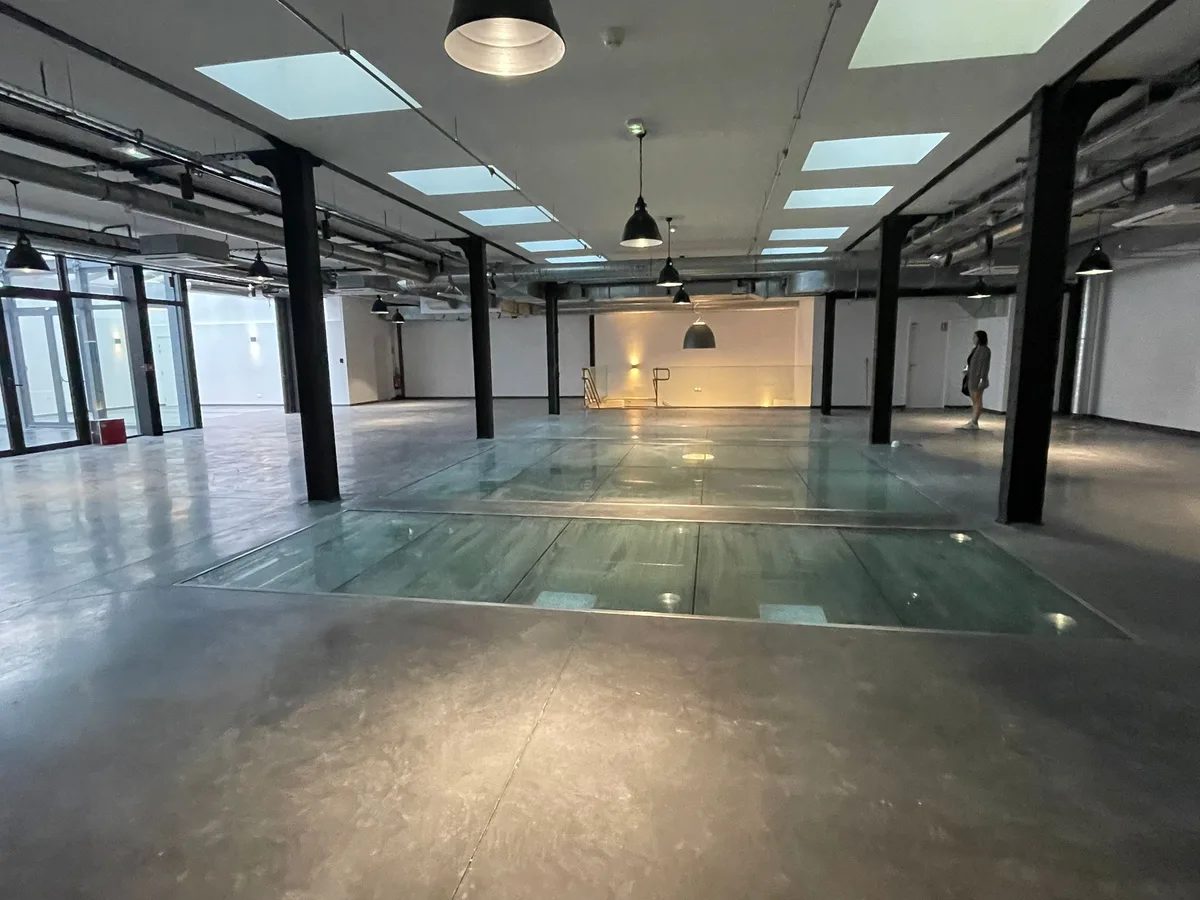
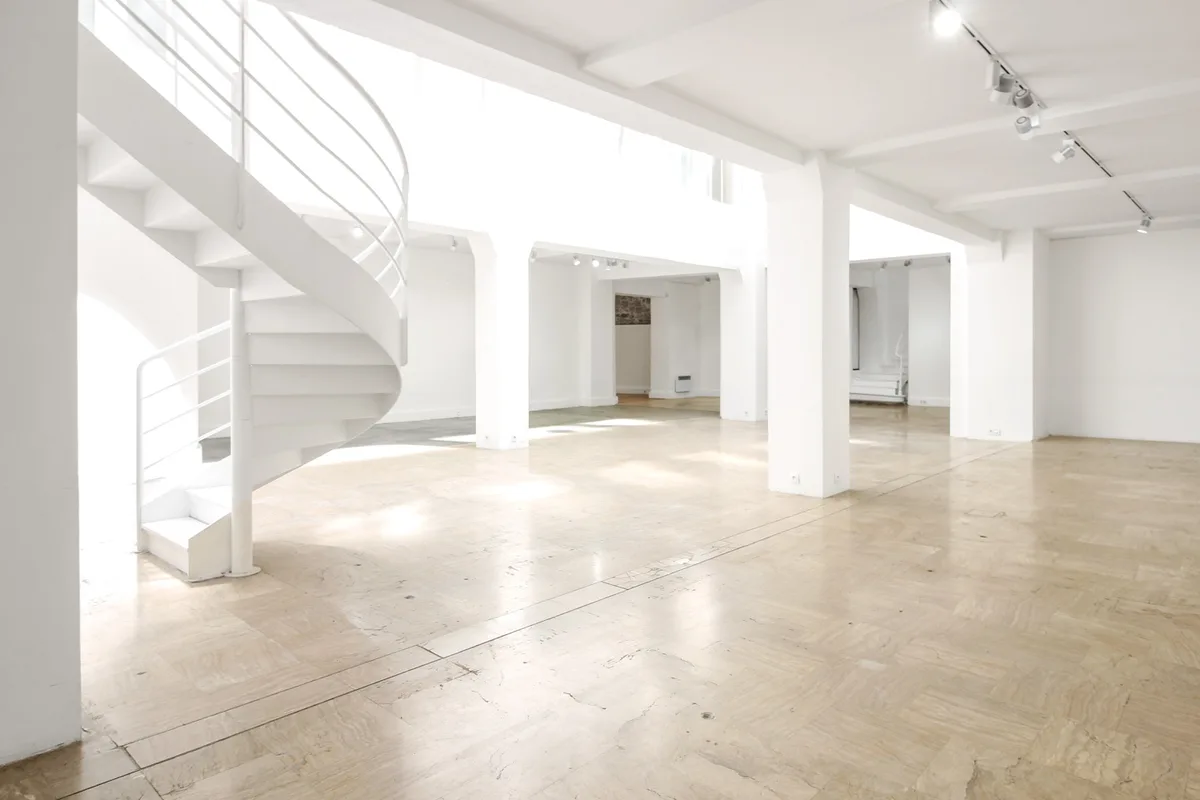
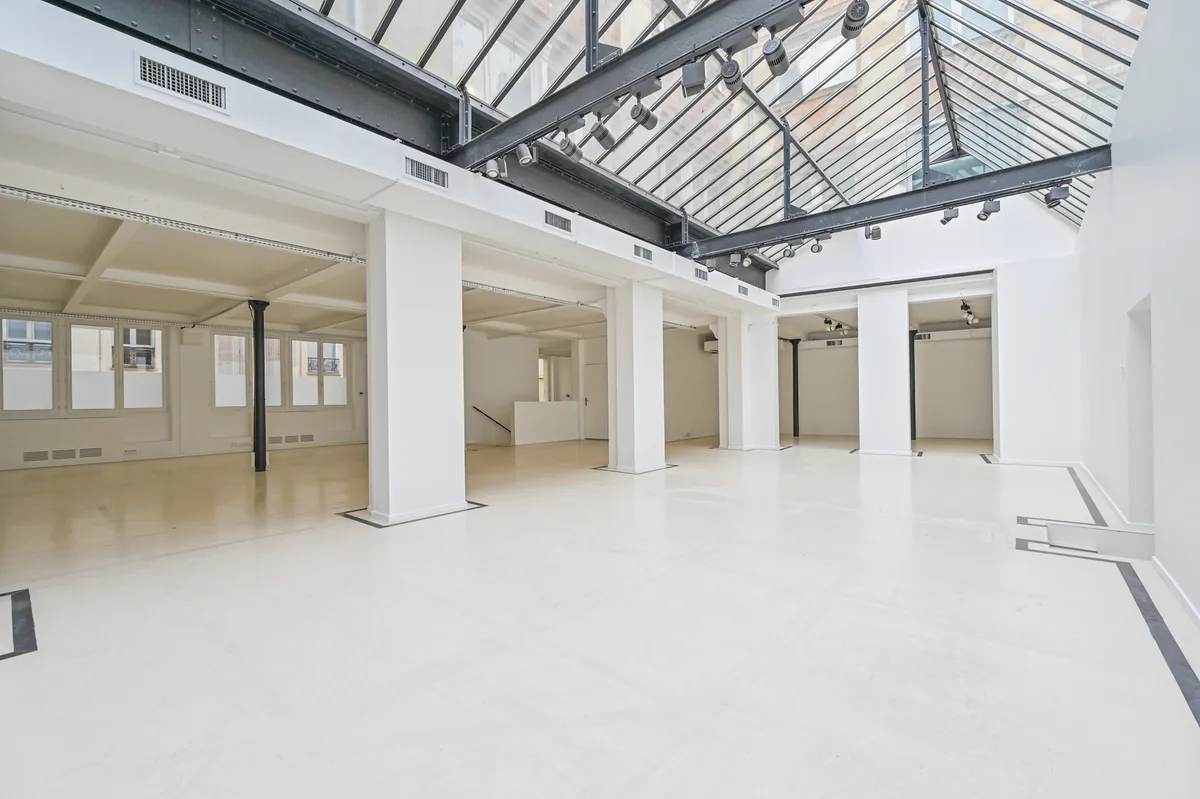
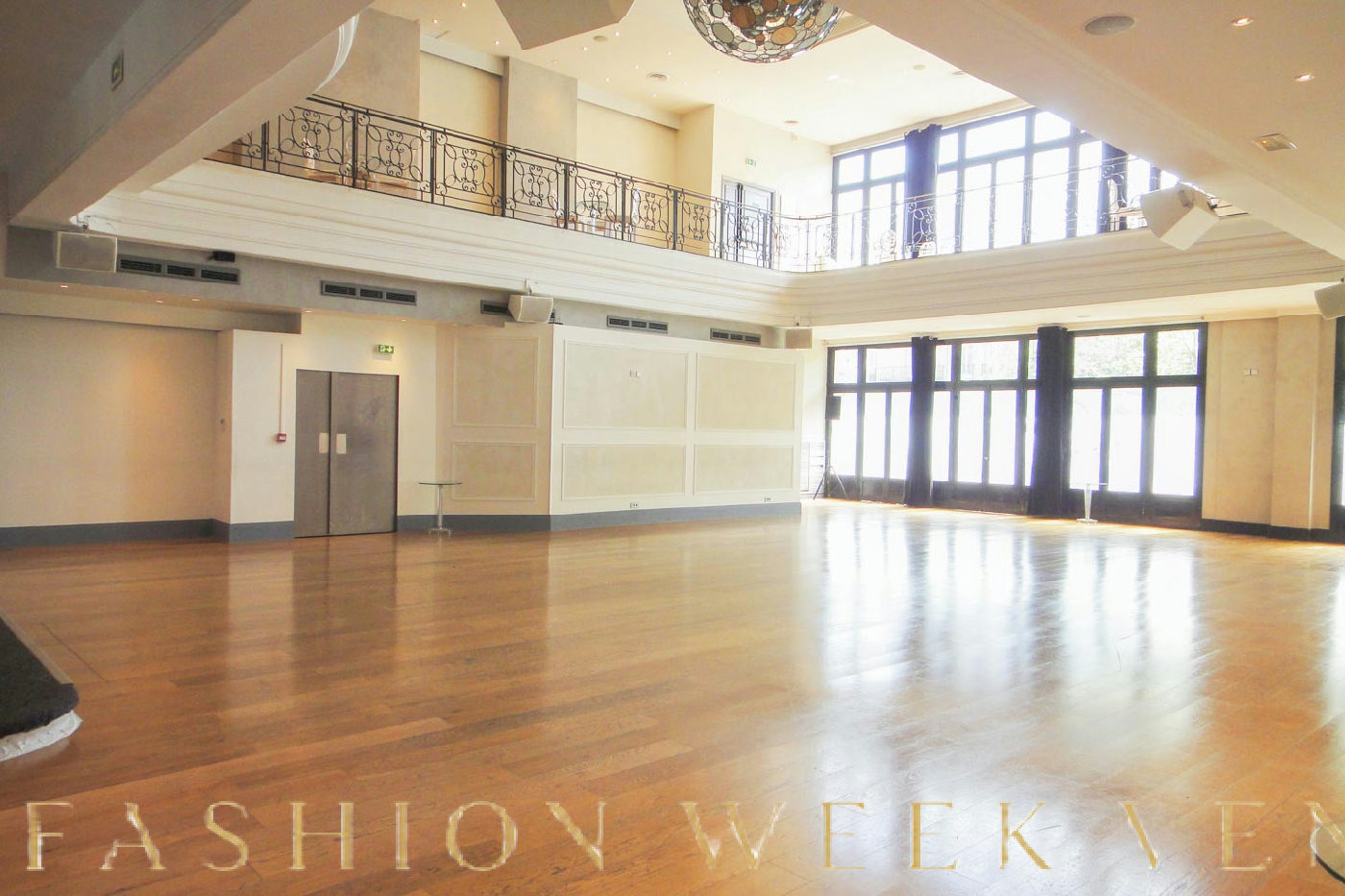
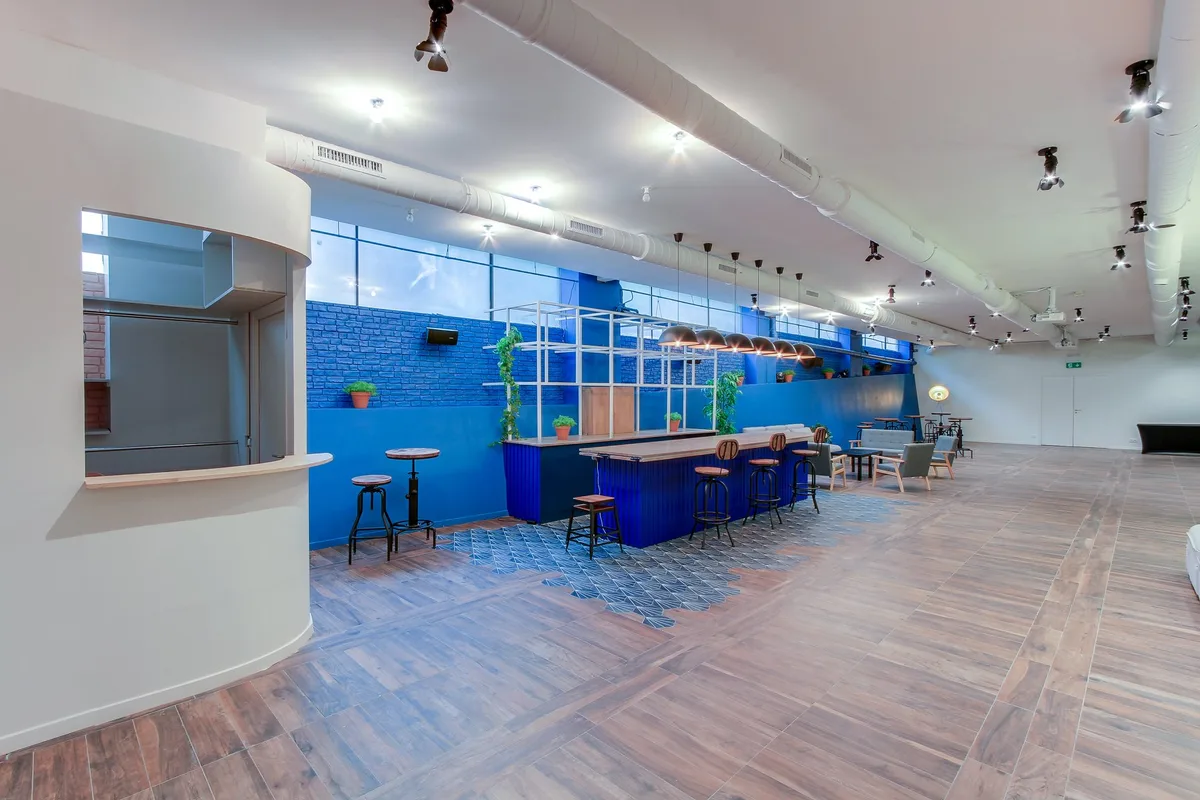
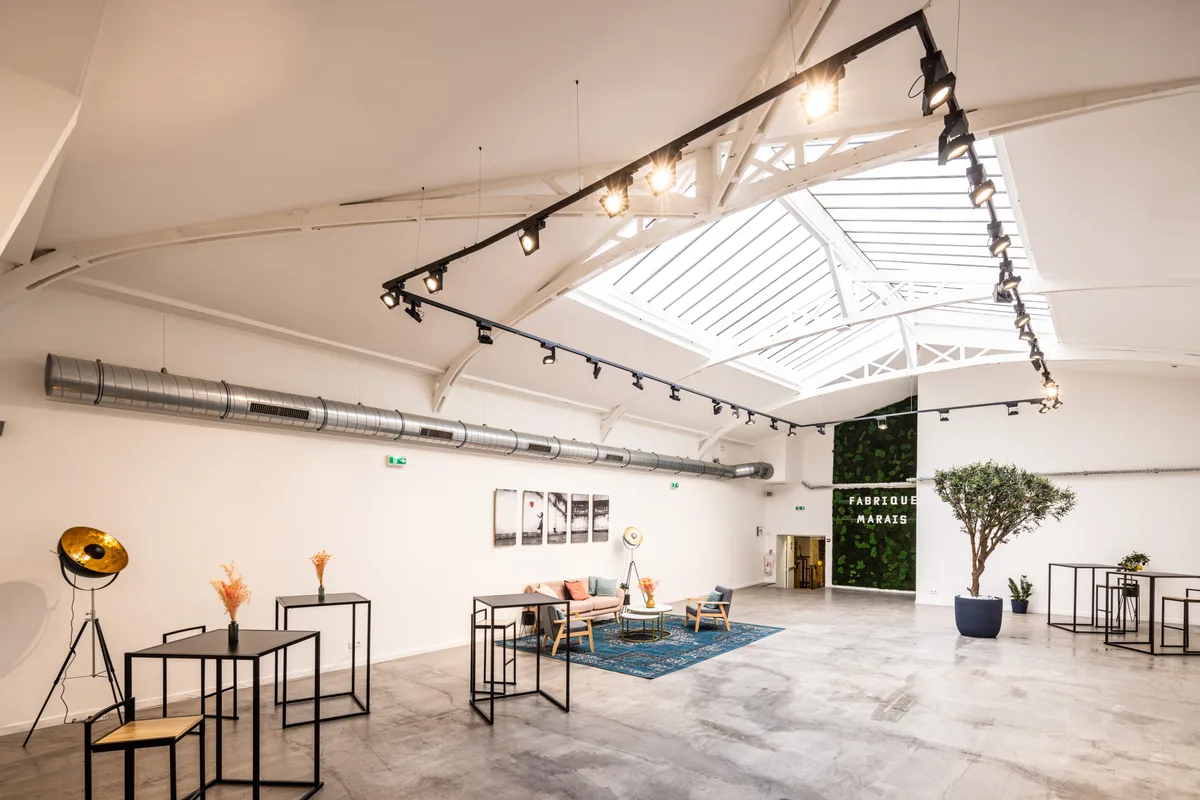
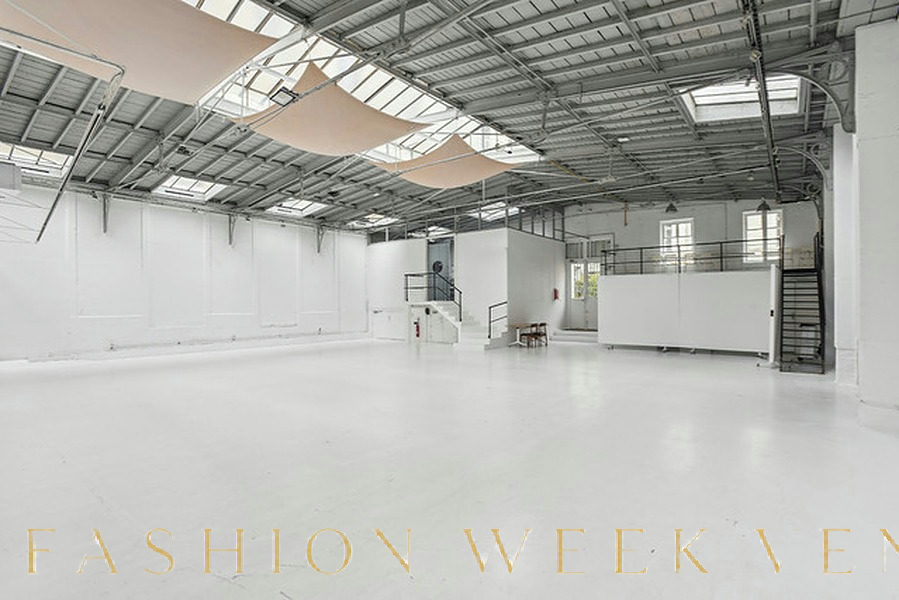

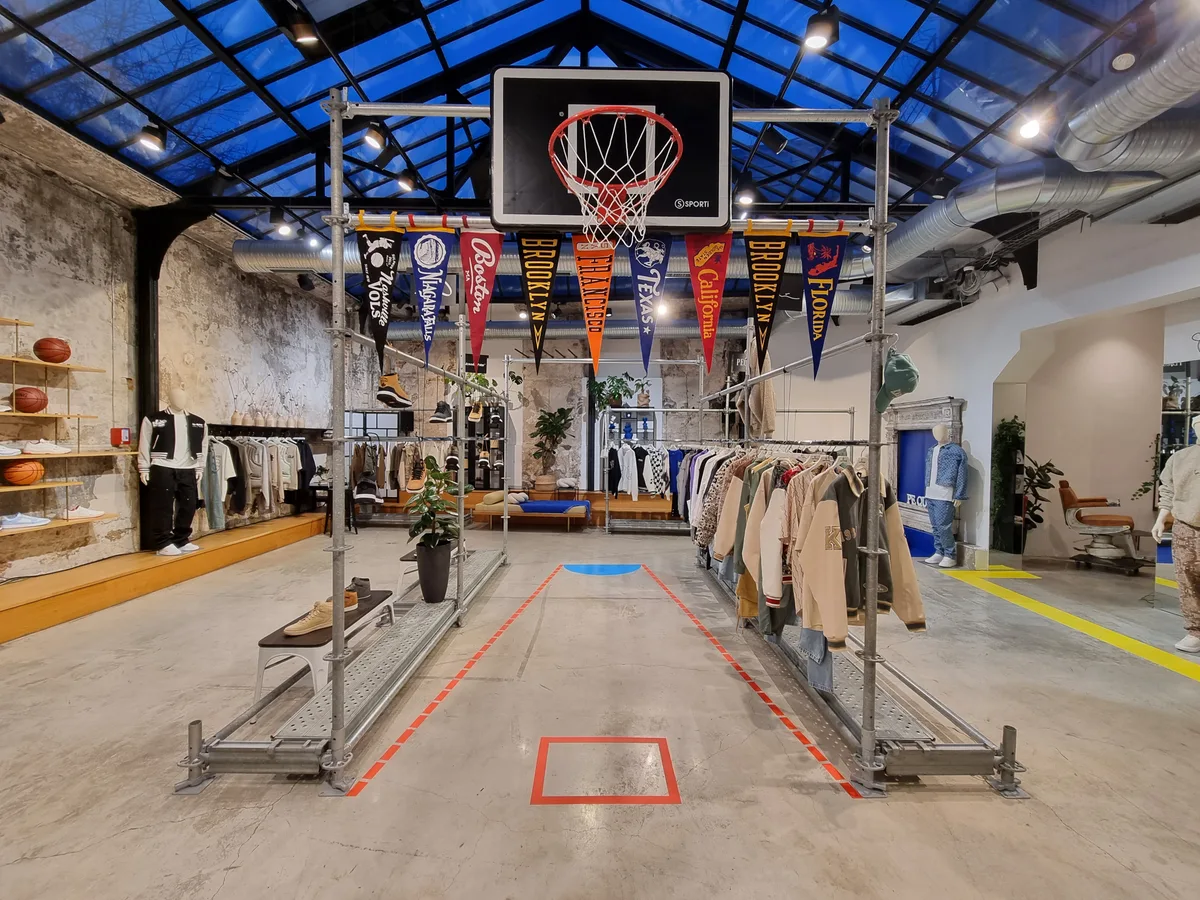
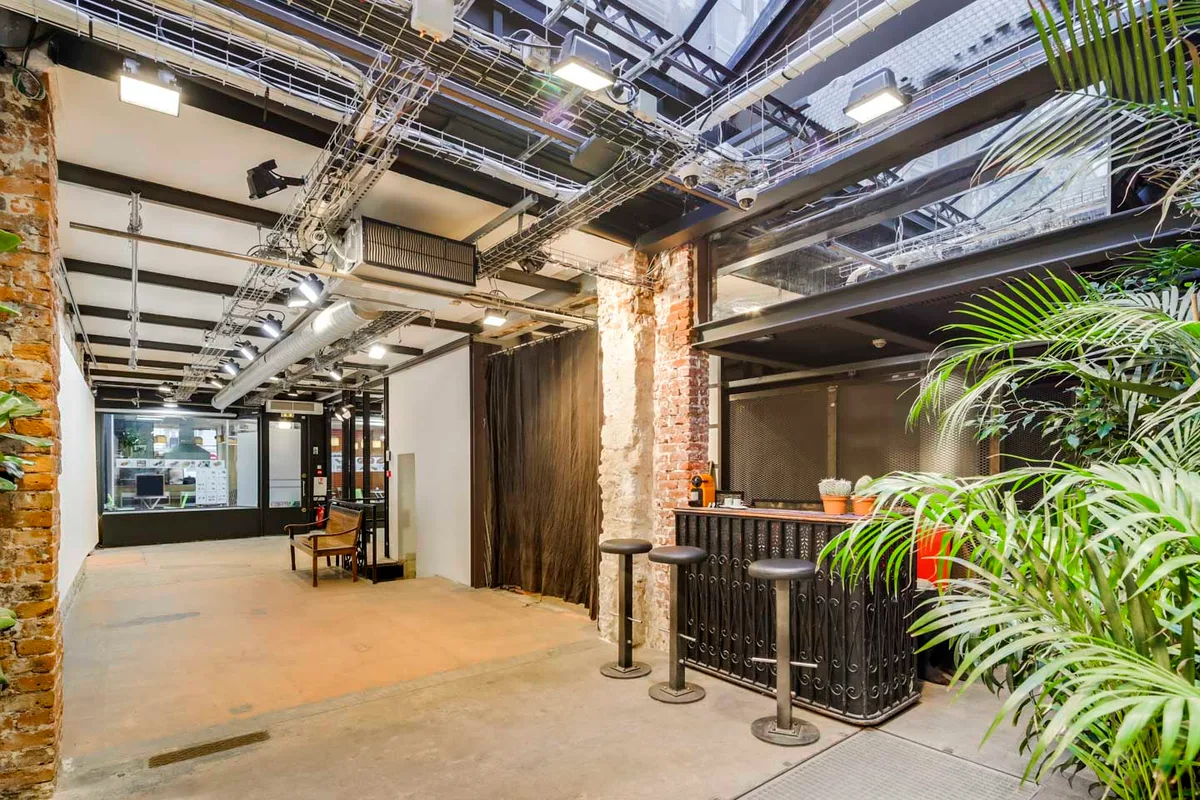

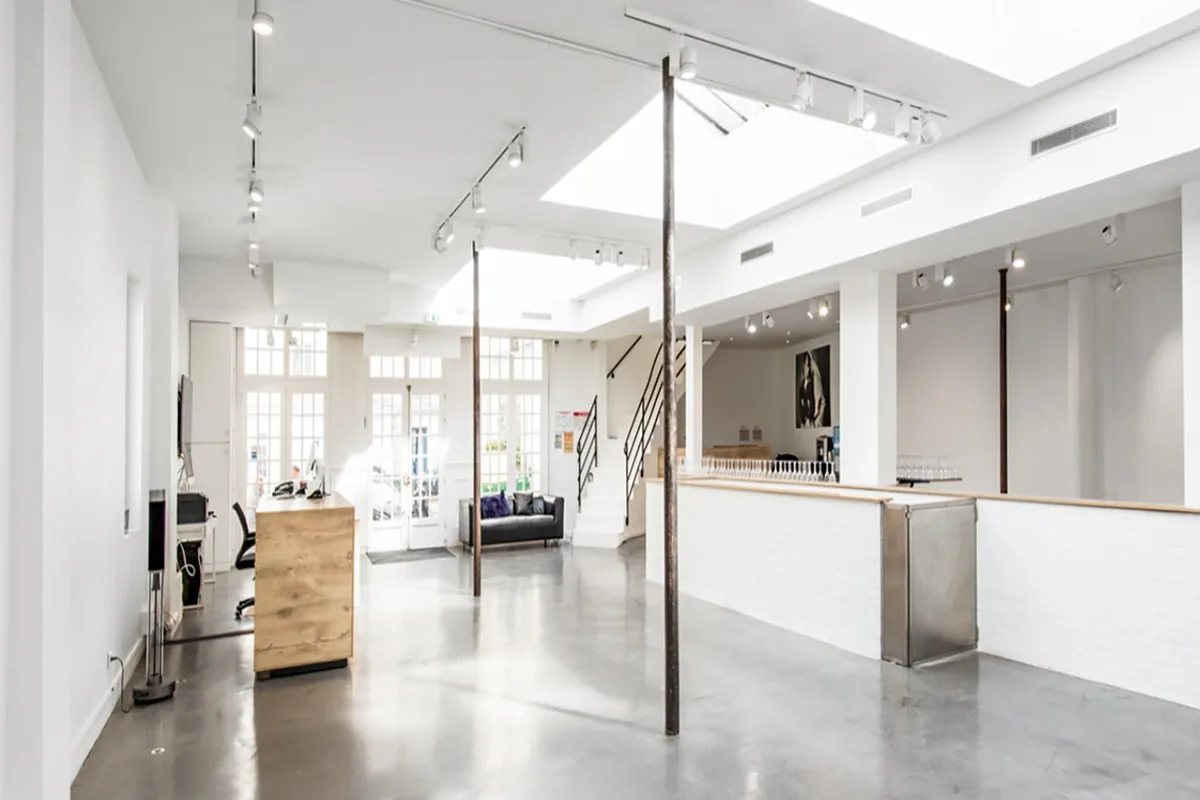
Fashion Week Venues stands at the intersection of luxury retail and experiential marketing, offering innovative solutions for brands looking to make a statement. Whether you're planning a runway show, a pop-up retail space, or a brand activation event, choosing the right venue is crucial. This comprehensive guide will explore the various aspects of selecting and securing a venue for fashion week events in Paris, including key locations, legal considerations, and best practices for ensuring a successful activation. As the go-to agency for pop-up spaces and creative activations, Fashion Week Venues ensures that your brand is positioned for success in the competitive fashion landscape.
Understanding Fashion Week Venues in Paris
The allure of Paris Fashion Week is undeniable. As one of the most prestigious events in the fashion calendar, it draws attention from around the globe. Selecting a venue during this time is not just about logistics; it's about aligning your brand with the prestige of the city. Paris offers a diverse range of venues, each with its own unique ambiance, making it essential to understand what each area can bring to your brand's activation.
Quick answer: Paris is divided into 20 arrondissements, each with distinct characteristics that influence the choice of venue. From the historic charm of Le Marais to the luxury of Saint-Germain-des-Prés, every neighborhood offers something unique to fashion brands. Choosing the right location can significantly impact your activation's success.
Le Marais, known for its boutique atmosphere and rich history, is ideal for intimate brand activations. In contrast, areas like Saint-Germain-des-Prés provide a luxurious backdrop that complements high-end brands. Opéra, with its classic architecture, presents opportunities for grandiose events, while Rue Saint-Honoré offers proximity to luxury shopping destinations.
When planning an event during Paris Fashion Week, understanding the unique vibes of these neighborhoods can guide you in making an informed decision. It's not just about aesthetics; each area has demographic profiles and logistical considerations that can align with various marketing goals.
DID YOU KNOW: Fashion Week venues in Paris are not limited to traditional spaces. Many brands are opting for unconventional settings, such as converted warehouses and rooftops, to create unique and memorable experiences.
KEY TAKEAWAY: Selecting the right venue in Paris involves more than just aesthetics. Consider the cultural and demographic nuances of each neighborhood to align with your brand's voice and objectives.
With the venue decided, brands can move on to themes, integrations, and logistics. Understanding the city’s diverse offerings ensures a strategic start to planning, setting the stage for a successful event.
Types of Venues for Fashion Week
When it comes to planning an event for Fashion Week, the type of venue chosen can significantly influence the tone and style of the event. There are several options to consider, each offering unique advantages depending on the brand's goals and the type of audience intended.
Quick answer: Popular venue types for Fashion Week include pop-up shops, showrooms, art galleries, and historic buildings. Each comes with its own set of advantages and drawbacks that can suit different brand strategies.
Pop-up shops provide a flexible solution for brands wanting to make an immediate impact with temporary retail spaces. These can range from small boutiques to larger spaces capable of accommodating various interactive and cinematic elements.
Showrooms are ideal for fashion presentations and brand showings. They allow for controlled environments perfect for media and influencer engagements. Many designers choose showrooms within chic neighborhoods to bolster their high-end image.
Art galleries and historic buildings provide an exclusive and cultured atmosphere, turning brand events into high-class social experiences. These venues often require bespoke production designs to maximize their existing aesthetics.
IMPORTANT: While choosing historical or non-traditional venues, securing the necessary permits is crucial, as these can involve complex logistical and legal considerations.
Here's a breakdown table of different venue types and their characteristics:
| Venue Type | Ideal For | Considerations |
|---|---|---|
| Pop-Up Shops | Retail launches, Short-term sales | Need flexibility, permits |
| Showrooms | Fashion presentations, Media events | Location is key, effective lighting |
| Art Galleries | High-end events, Social galas | Custom design, special permits |
| Historic Buildings | Cultural impact, Luxury branding | Often costly, complex logistics |
KEY TAKEAWAY: The type of venue should reflect the brand’s image and meet logistical needs. Choosing between a pop-up shop and a showroom often depends on the interaction level desired with the audience and the complexity of set-up required.
With venue types in mind, the focus can shift to understanding legalities and logistics crucial for seamless execution.
Legal and Compliance Considerations
Sourcing a venue in Paris involves meticulous attention to legal details, particularly due to the complex regulatory environment governing event spaces. Understanding terms like bail dérogatoire and AOT is crucial for compliance.
Quick answer: A bail dérogatoire allows short-term lease agreements exempt from usual commercial lease obligations, ideal for pop-ups. Meanwhile, AOTs (temporary occupancy authorizations) are necessary for using public spaces.
A bail dérogatoire offers brands the flexibility to lease a property for up to three years without standard lease constraints. This option is beneficial for pop-ups and temporary retail activations. However, navigating these agreements requires legal expertise to avoid pitfalls. An Autorisation d'Occupation Temporaire (AOT) is particularly relevant when organizing events in public domains, including outdoor spaces or government-owned premises.
Here's a step-by-step guide for handling the bureaucratic process:
| Step | Description |
|---|---|
| 1 | Identify needed permits related to your venue choice. |
| 2 | Consult with a legal expert familiar with French leasing terms. |
| 3 | Apply for operations permits such as AOT if using public spaces. |
| 4 | Verify with local Arrondissement office for additional requirements. |
| 5 | Maintain copies of all agreements for reference and auditing. |
TIP: Engage with local legal advisors who can advise on all necessary permits and compliance checkpoints specific to your chosen venue.
For more detailed guidance on these processes, refer to our permit guidance tools available through Fashion Week Venues.
KEY TAKEAWAY: Meticulous legal planning ensures smooth execution, avoiding potential fines or interruptions. It’s imperative to understand the intricacies of short-term leasing and permit acquisition in Paris.
Armed with legal knowledge, focus shifts towards the financial aspects of venue acquisition.
Budgeting for Fashion Week Venues
Budgeting is a critical component of planning a successful activation during Paris Fashion Week. Costs can vary significantly based on venue type, location, and duration of the event.
Quick answer: Effective budgeting for fashion week venues involves considering all cost elements, from rental fees and staffing to marketing and compliance. Utilize tools like a budget calculator for a comprehensive financial overview.
The following table provides a cost breakdown framework for planning:
| Cost Element | Description | Estimated Range |
|---|---|---|
| Venue Rental | Rental fees based on location and venue type. | €5,000 - €50,000 |
| Production Design | Includes set design and AV set-up. | €10,000 - €30,000 |
| Compliance/Miscellaneous | Legal permits and unpredicted expenses. | €2,000 - €10,000 |
| Staffing | Temporary staff for events. | €1,000 - €5,000 |
It’s advisable to include a contingency budget for unexpected costs, approximately 10% of your calculated budget. Leveraging the budgeting tools provided by Fashion Week Venues can refine budget planning, offering concrete numbers geared towards specific venue types and requirements.
IMPORTANT: Always factor in Euro currency fluctuations when planning international expenditures, impacting the overall payment structure.
KEY TAKEAWAY: Comprehensive budgeting considers all potential expenditures, providing a financial roadmap for effective decision-making. Utilize budget and ROI tools to support strategic financial planning.
With a financial plan in place, attention can now turn to effective marketing strategies tied to your venue choice.
Effective Marketing and Brand Activation Strategies
Once the logistics of venue selection are sorted, focus shifts to executing an effective marketing strategy that leverages the chosen space to its full potential. This involves creating an engaging narrative and experience that resonates with target demographics.
Quick answer: Effective marketing strategies during Fashion Week rely on aligning the event narrative with brand identity, maximizing venue features, and integrating digital channels for broader reach.
Your brand activation strategy must account for in-person and digital engagement. Both elements can drive foot traffic and enhance brand perception by fostering authenticity and connection.
Practical strategies include hosting influencer events, providing interactive customer experiences, and utilizing AR/VR technology to blur the lines between digital and physical interaction. These tactics not only draw attention but also ensure your brand remains top-of-mind post-event.
DID YOU KNOW: Themed venues often see higher social media engagement, capitalizing on the increasing trend of shareable moments and experiential retail.
Fashion Week Venues supports brands through integrated services that cover data analytics, influencer marketing, and retail staffing which help effectively amplify brand reach and customer engagement during activations. Services like concept direction play a pivotal role by ensuring events align with broader marketing goals.
KEY TAKEAWAY: Successful brand activation rests on cohesive storytelling paired with strategic venue use. Balancing physical events with digital touchpoints enhances overall engagement.
The next focus shifts from energizing marketing to ensuring meticulous logistical execution at your venue.
Logistics of Hosting a Fashion Week Event
Behind every successful fashion event is a robust logistical backbone. Managing logistics effectively ensures a seamless experience from set-up to tear-down, encompassing all operational aspects.
Quick answer: Key logistics for hosting a fashion week event include scheduling, staffing, supply management, transportation, and compliance with local authorities. Proper planning mitigates risk and enhances event impact.
Organizers must plan venue access tactically, ensuring timely setup and breakdown while minimizing disruption to the venue and its surroundings. Engagement with local authorities for street closures or other required permissions is a common necessity for high-traffic areas.
Consider logistics a step-by-step blueprint:
| Step | Detail |
|---|---|
| 1 | Confirm and coordinate access windows with venues for setup/cleanup. |
| 2 | Plan staffing schedules for efficient event flow and operations. |
| 3 | Organize supply chains for uninterrupted resource delivery and setup. |
| 4 | Secure required permits for transportation adjustments like street closures. |
| 5 | Implement real-time feedback operations to handle unplanned issues. |
TIP: Include contingency plans for weather-related interruptions, especially for outdoor activations. Always prepare for alternatives to ensure continuity.
KEY TAKEAWAY: A detailed logistical plan ensures high-impact event delivery. Incorporating contingency strategies reduces risks associated with last-minute changes.
Building on logistical success, focus can now move toward understanding influencer dynamics during your event.
The Role of Influencers and Media in Fashion Week
Influencers and media are pivotal in amplifying the reach and impact of fashion week events. Their role extends beyond mere attendance, strategically fostering brand visibility and consumer engagement.
Quick answer: Engaging with the right influencers and media outlets can significantly extend your event's reach, turning physical attendance into global exposure through digital platforms.
Choosing the right influencers requires alignment with your brand values and target demographics. Oversaturated voices in your niche might dilute your message, whereas underrepresented, unique influencers can drive new conversations around your brand.
Utilizing a mix of macro and micro influencers allows you to touch various audience segments, balancing broad reach and niche targeting. Beyond social media, traditional media partnerships can offer press coverage that adds gravitas and authenticity to your brand presence.
TIP: Prioritize building ongoing relationships with influencers, transforming them into brand ambassadors rather than one-time collaborators.
Fashion Week Venues provides influencer marketing services tailored to maximizing exposure, ensuring that activations resonate both locally and internationally.
KEY TAKEAWAY: Strategic collaboration with influencers and media amplifies both the immediate and enduring impact of fashion week events. Tailored influencer marketing optimizes reach and brand resonance.
With influencer strategies in place, consider the integration of innovative technology into your event's design.
Incorporating Technology and Innovation
The integration of technology into fashion week events is transformative, offering brands innovative avenues to engage audiences and foster memorable experiences.
Quick answer: Technology applications during fashion week range from virtual reality experiences to data analytics and digital touchpoints that enhance consumer interaction and insight.
From interactive booths to augmented reality experiences, these technologies engage audiences, offering pathways to explore products and brand stories in richer detail. Incorporating extensive digital setups can redefine spatial use, turning small venues into expansive narratives.
Real-time data analytics, another crucial tech aspect, allows brands to monitor visitor engagement and adjust strategies on the fly, enhancing the personalization of consumer interactions.
DID YOU KNOW: Several brands are exploring blockchain for digital ticketing and attendance verification, ensuring seamless and secure entry processes.
Fashion Week Venues aids brands by providing technological infrastructure within event strategy planning, ensuring seamless integration that aligns with brand goals. These practices not only modernize events but also address technology-driven consumer expectations.
KEY TAKEAWAY: Leveraging technology can deepen audience engagement and expand the scope of brand storytelling. Implementing cutting-edge tools showcases a brand's innovative spirit, aligning with modern consumer expectations.
The incorporation of technology naturally leads into a discussion of post-event evaluation and future planning.
Post-Event Evaluation and Accountability
After the bustle of your fashion week event, evaluation is crucial for understanding success, drawing insights, and planning future activations. This involves analyzing both quantitative and qualitative data collected throughout the event process.
Quick answer: Post-event evaluation includes assessing foot traffic, digital engagement, and return on investment (ROI). These metrics provide a comprehensive overview of event success.
Metrics for evaluation often include sales data, consumer feedback, and social media analytics. Such data informs whether the set objectives were achieved and highlights areas for improvement.
Fashion Week Venues offers customized analytics services that capture detailed insights needed for robust post-event reviews. Additionally, employing ROI calculators will aid brands in understanding their financial performance relative to initial investment.
IMPORTANT: Follow-up surveys and direct feedback from attendees offer invaluable qualitative insights, often informing more than just anecdotal value.
Tables and mathematical tools help adjudicate event outcomes:
| Metric | Measurement Approach |
|---|---|
| Foot Traffic | Electronic counters, manual audits |
| Digital Engagement | Social media analytics, website visits |
| ROI | Cost-benefit analysis, ROI tools |
KEY TAKEAWAY: Detailed post-event evaluation ensures continuous improvement for future activations. Utilizing diverse metrics enables a holistic view of success, underpinning data-driven decisions.
Finally, summarizing the assistance provided by Fashion Week Venues ties the entire strategic process together.
How Fashion Week Venues Supports Your Brand
For brands navigating the complexities of event planning during fashion week, Fashion Week Venues offers a comprehensive suite of services designed to simplify the journey from concept to activation.
Quick answer: Fashion Week Venues provides end-to-end solutions including venue sourcing, production and build, and logistical planning, enabling brands to focus on creative and strategic decisions instead of operational concerns.
Our suite of tools includes a space comparison tool and an ROI calculator, ensuring precise planning synonymous with strategic brand goals. These resources empower brands to undertake informed decision-making processes within a structured framework, often deterring mismanagement or oversight.
Moreover, brands benefit from focused industry knowledge that Fashion Week Venues brings to the table, refining activation strategies that resonate within high-pressure environments such as Paris Fashion Week.
TIP: Integrating our data analytics services will enhance event outcomes with quantifiable insights, leading to more effective engagement strategies.
KEY TAKEAWAY: Partnering with Fashion Week Venues ensures expert guidance and robust logistical support throughout your event planning process, from ideation to execution. Utilize our tools to finesse operational details, freeing your team to pursue innovation and creativity.
With comprehensive guidance from selection through to debrief, Fashion Week Venues positions brands effectively within the dynamic landscape of international fashion weeks.
Common Myths Debunked
MYTH: You need a French legal entity to rent a space in Paris.
FACT: International brands can rent event spaces in Paris through lease agreements like the bail dérogatoire. Expertise from agencies like Fashion Week Venues can facilitate this process without requiring local legal establishments.
MYTH: Paris Fashion Week is the only viable calendar window for brand activations.
FACT: While Paris Fashion Week is a significant draw, other events and cultural happenings throughout the year offer equally compelling opportunities for brand activations, depending on the brand’s objectives and audience.
MYTH: Commission brokers are the only way to find a venue in Paris.
FACT: Although brokers have traditionally played a role, platforms like Fashion Week Venues offer direct access to venue listings and negotiation support, eliminating the need for third-party brokers.
MYTH: Short-term leases are legally straightforward and require no specialist help.
FACT: Due to specific legal terminologies and administrative details, short-term leases often need specialist attention to ensure compliance and protect brand interests effectively.
Frequently Asked Questions
What are the main fashion capitals besides Paris?
Paris is considered the epicenter of fashion, but other primary fashion capitals include Milan, New York, London, and Tokyo. Each city hosts its own distinctive Fashion Week, highlighting regional trends and personalities. These locations offer unique backdrops and varying market opportunities for brands seeking international exposure.
Why is location important for fashion events?
Location influences visibility and attendee experience. A prime location not only attracts foot traffic but also aligns with brand image, reaching the intended audience effectively. In Paris, areas like Le Marais and Rue Saint-Honoré offer compelling mixes of style and substance suitable for various brand propositions.
How does one secure a permit for an event in a public space in Paris?
Public space events require an AOT or Autorisation d'Occupation Temporaire. This process involves engaging with municipal authorities to outline scope, timing, and safety protocols. Ensuring compliance with these applications protects against penalties and ensures smooth execution.
How does Fashion Week Venues help with event permits?
Fashion Week Venues provides guidance and administrative support to streamline the permit acquisition process, helping navigate local regulations and requirements. Our permit tools provide valuable checklists and resources to secure the necessary authorizations.
What is a bail dérogatoire?
A bail dérogatoire is a short-term lease that allows brands to rent a commercial space for less than three years without the regulatory constraints of a full commercial lease. This flexibility is ideal for temporary brand activations and pop-up events, particularly during Fashion Week.
What budget considerations should be made for a Paris Fashion Week event?
When budgeting for a Paris Fashion Week event, factor in venue rental, permits, design, staffing, and unexpected costs. Currency fluctuations may also impact your overall budget. Utilizing Fashion Week Venues’ budget calculator ensures more precise planning tailored to your specific requirements.
How do influencers enhance the impact of a fashion event?
Influencers amplify reach and effect by showcasing events to a wider audience, creating buzz both online and offline. Strategic partnerships with influencers boost brand visibility and engagement, aligning the event narrative with consumer interests and driving greater attendance and interaction.
Why are experiential elements critical in fashion events?
Experiential elements create immersive environments that emotionally engage audiences, fostering an enduring connection to the brand. Through innovative designs and interactive setups, fashion events can transcend ordinary experiences, making them more memorable and influential across media platforms.
What is the role of data analytics in post-event evaluation?
Data analytics critically inform post-event evaluations, measuring KPI achievements such as foot traffic, engagement levels, and financial ROI. By analyzing data, brands can fine-tune future strategies, reinforcing strengths and addressing areas requiring improvement to optimize future events.
Are Paris Fashion Week events accessible to the general public?
While many Paris Fashion Week events are industry-exclusive, such as runway shows, some brands choose to incorporate public-facing activations like pop-ups. These provide unique opportunities for public engagement, allowing broader brand interaction beyond traditional media coverage.
Conclusion
Navigating the complexities of fashion week preparations, particularly in a competitive environment like Paris, demands strategic insight and thorough planning. From choosing the right venue to ensuring compliance with local regulations, each step must align with brand goals and expectations for impactful execution. Engaging a comprehensive partner like Fashion Week Venues offers brands tailored guidance and tools necessary for success—from concept stages through to post-event evaluation.
Overall, the intersection between creativity, strategic execution, and legal compliance determines the efficacy of a brand’s fashion week presence. Leveraging the expertise and resources provided by Fashion Week Venues not only simplifies but enhances the ability to deliver meaningful brand interactions during these pivotal events.
To move from research to activation, start exploring available spaces on the Fashion Week Venues marketplace and build a focused brief for your target neighbourhood, space type, and calendar window.