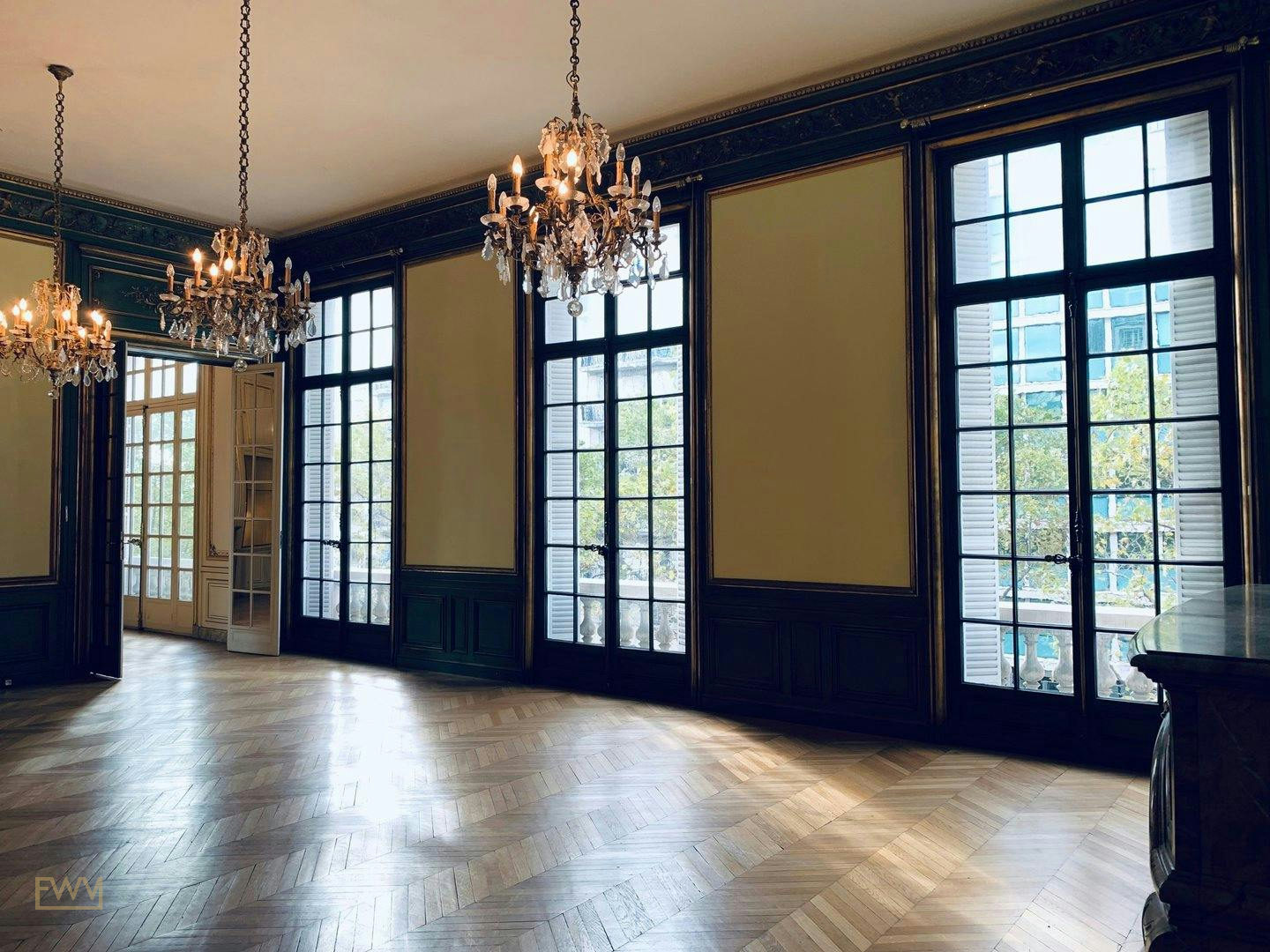
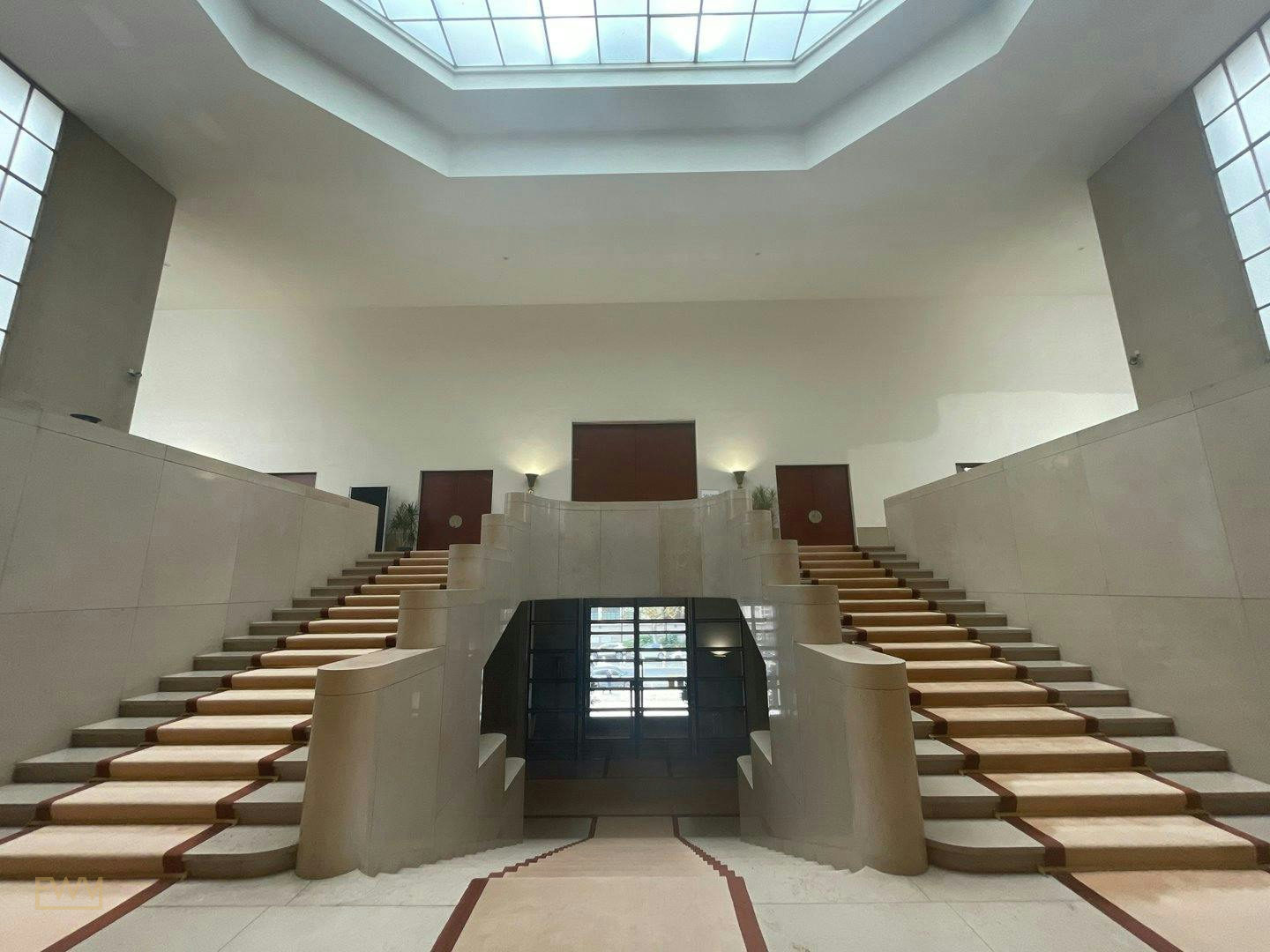
Securing the perfect venue during Fashion Week is critical for a brand's presence and success during this illustrious event. Whether launching a new collection or hosting an exclusive showcase, the right space can elevate a brand's visibility and engagement. With thousands of options available, ranging from historical landmarks to modern minimalist spaces, making the right choice requires strategic planning. Fashion Week Venues is here to streamline this process, offering services from venue sourcing to activation management, making it easier for brands to stand out in competitive fashion capitals like Paris.
Understanding the Fashion Week Venue Landscape
When navigating the complex landscape of Fashion Week venues, brands must consider a range of factors unique to this vibrant industry. Venues vary significantly in style, size, and location, and each offers distinct opportunities and challenges. From the elegant salons of Le Marais to the bustling streets of Canal Saint-Martin, choosing the right setting can significantly influence a brand's impact and success during Fashion Week.
Quick answer: The choice of venue for Fashion Week should align with the brand's image, audience size, and activation type to maximize visibility and engagement.
Critical to selecting a venue is understanding the type of activation planned. Are you hosting an exclusive invitation-only event or launching a large-scale retail activation? Each space has its own strengths; some are better for intimate gatherings, while others are designed to handle larger crowds and extensive media coverage. Additionally, high-traffic areas like the Rue Saint-Honoré offer different advantages compared to more secluded, exclusive settings.
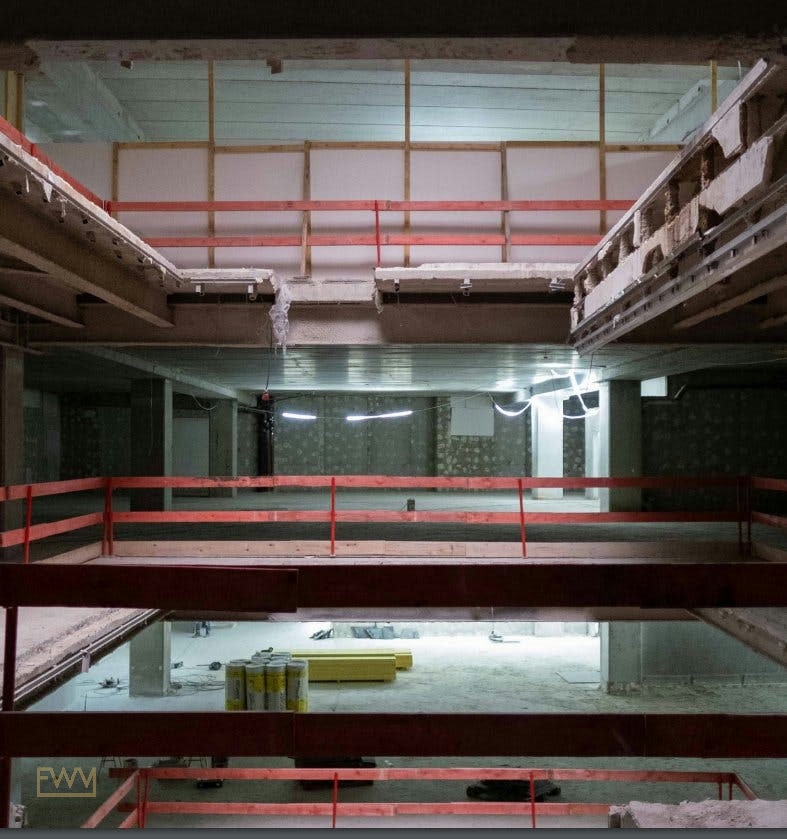
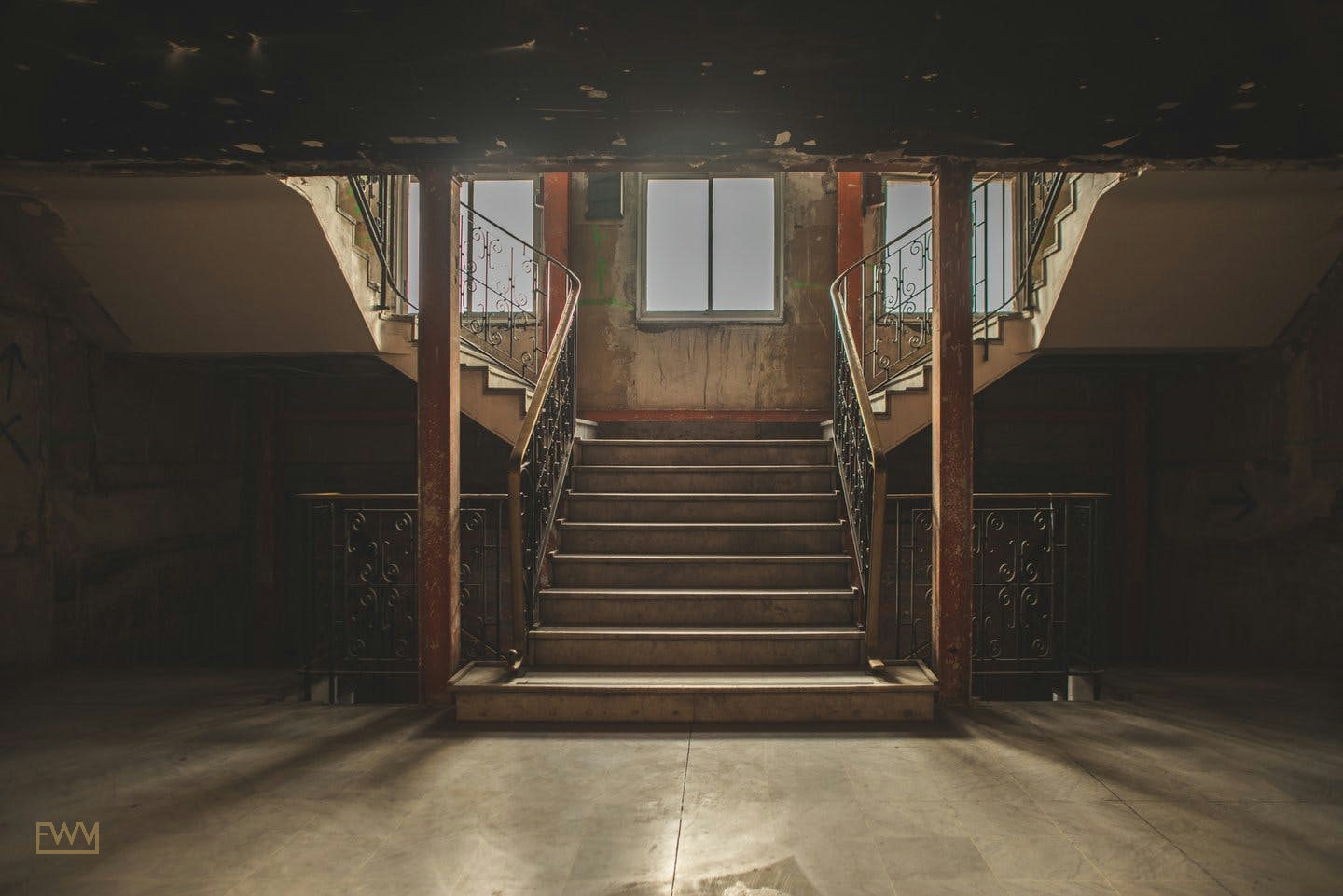
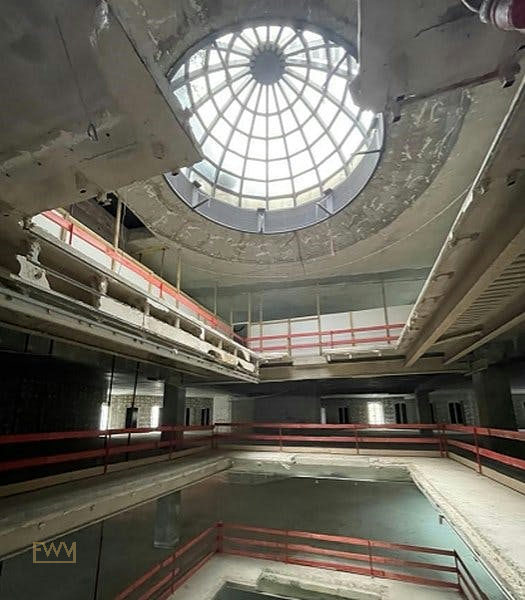
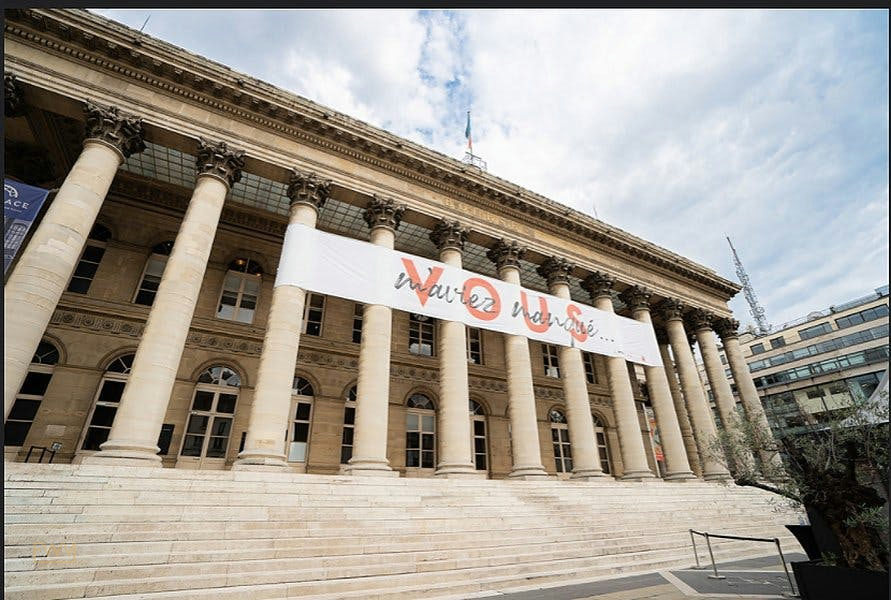
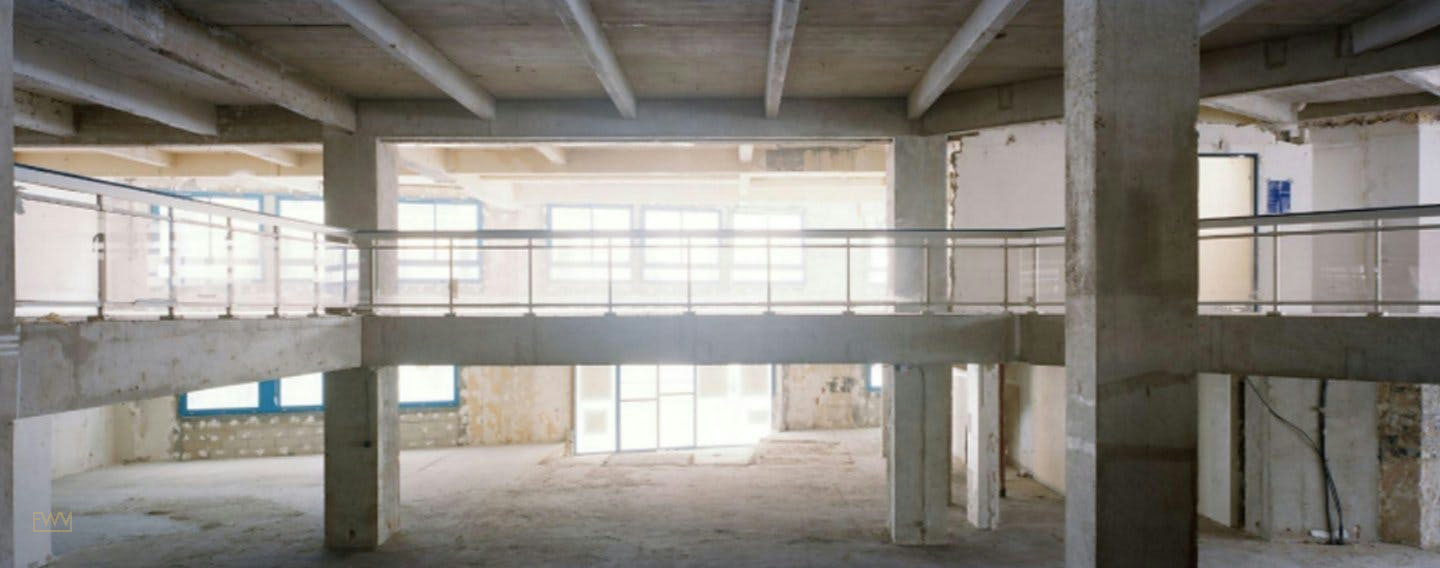
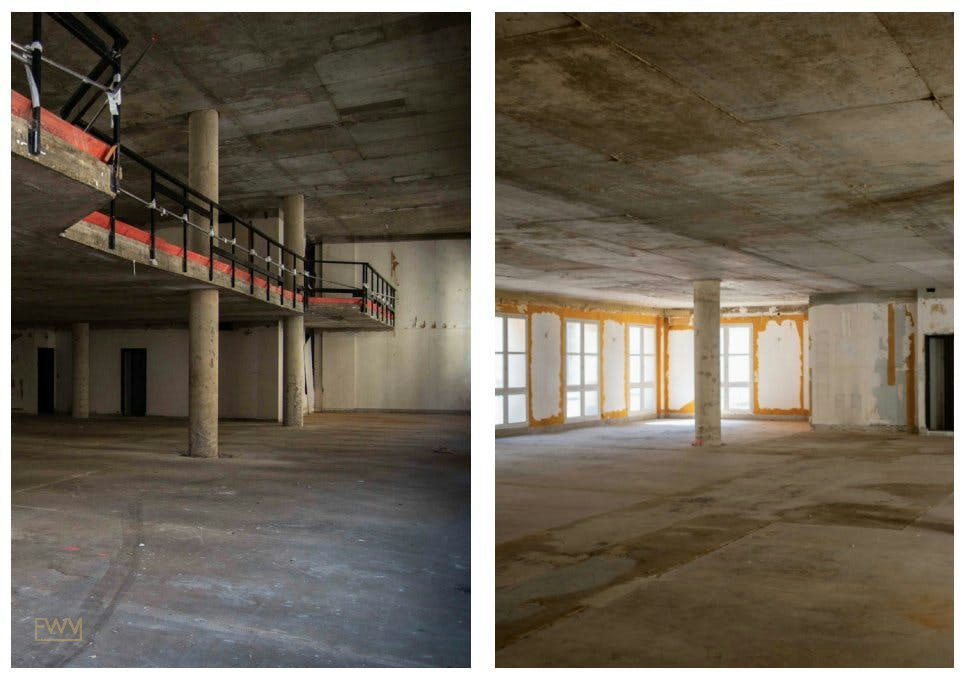
In Paris, venues range from the historical charm of Place Vendôme to the raw, industrial appeal of spaces near Palais de Tokyo. The option of leasing a space through a bail dérogatoire allows brands to legally operate short-term, bypassing the complexities of traditional commercial leases. However, such arrangements require careful compliance with local regulations, often necessitating a special permit, or AOT, depending on the event type and duration.
Brands must also consider logistics, including accessibility for both attendees and suppliers, local zoning laws, and potential branding restrictions when selecting a venue. In this maze of choices, working with a knowledgeable partner like Fashion Week Venues, which offers tools for space comparison and budget estimation, can make a significant difference in making an informed decision.
| Venue Type | Features | Best For |
|---|---|---|
| Historic Buildings | Charming, cultural, central locations | Exclusive events, luxury brands |
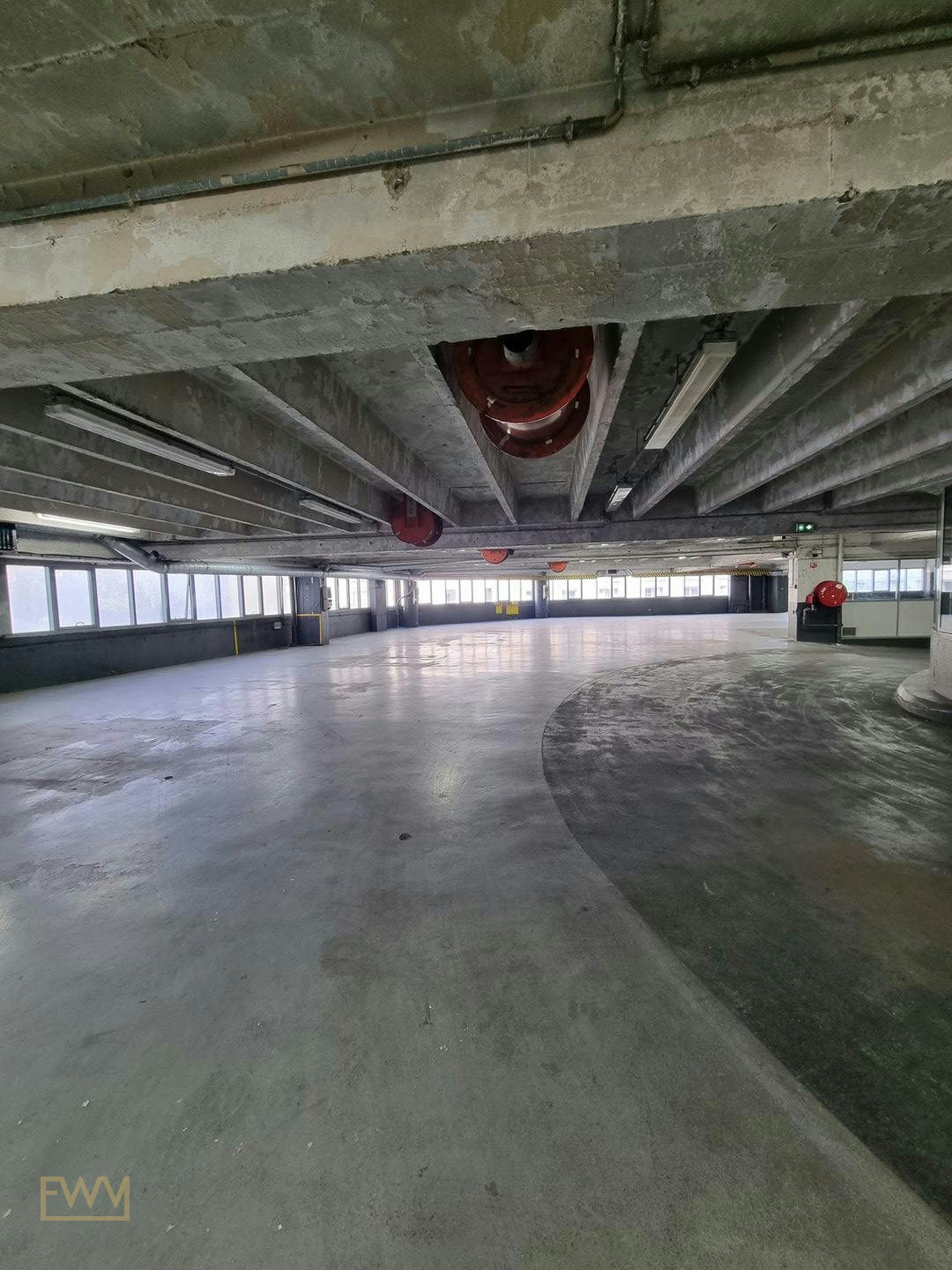
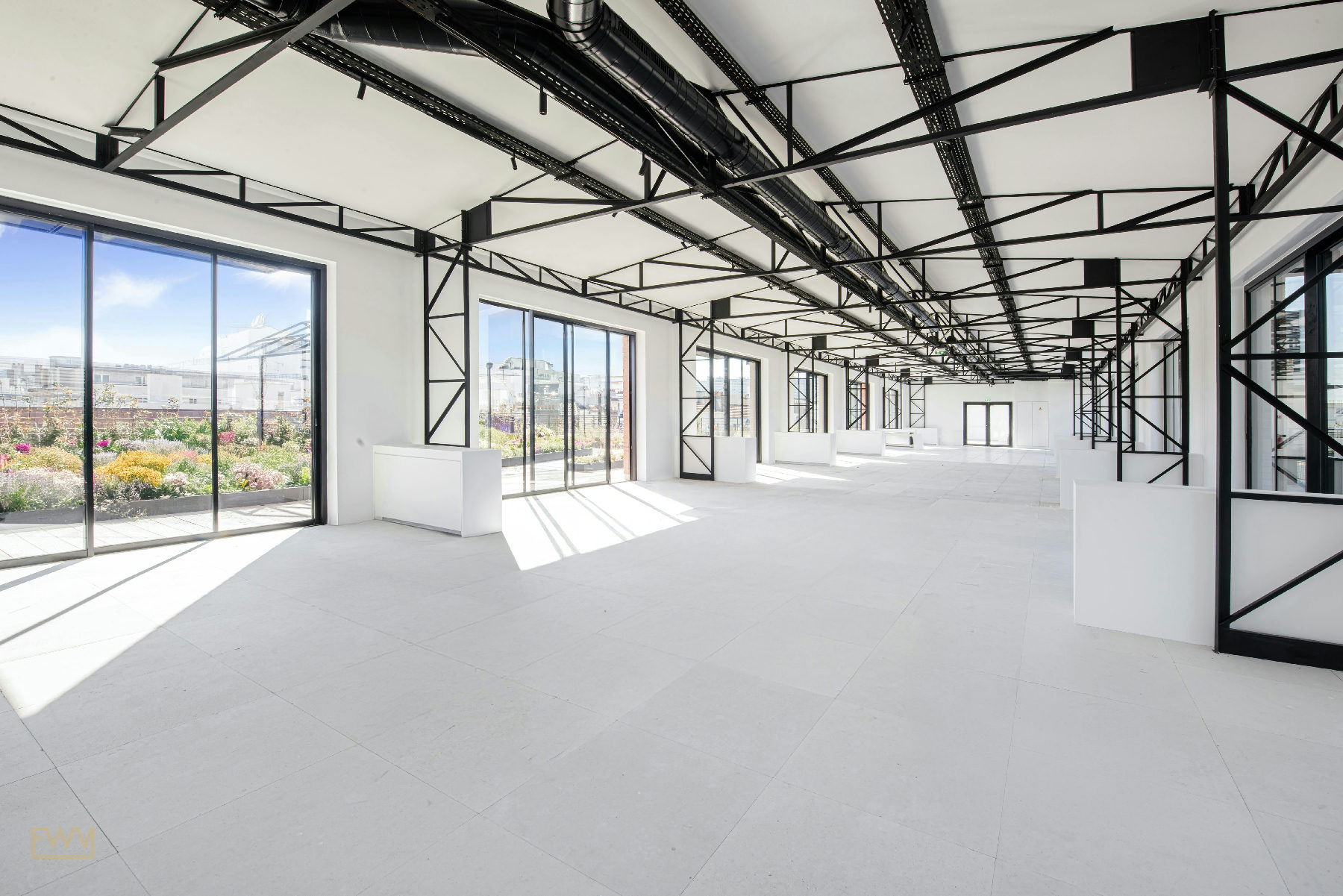
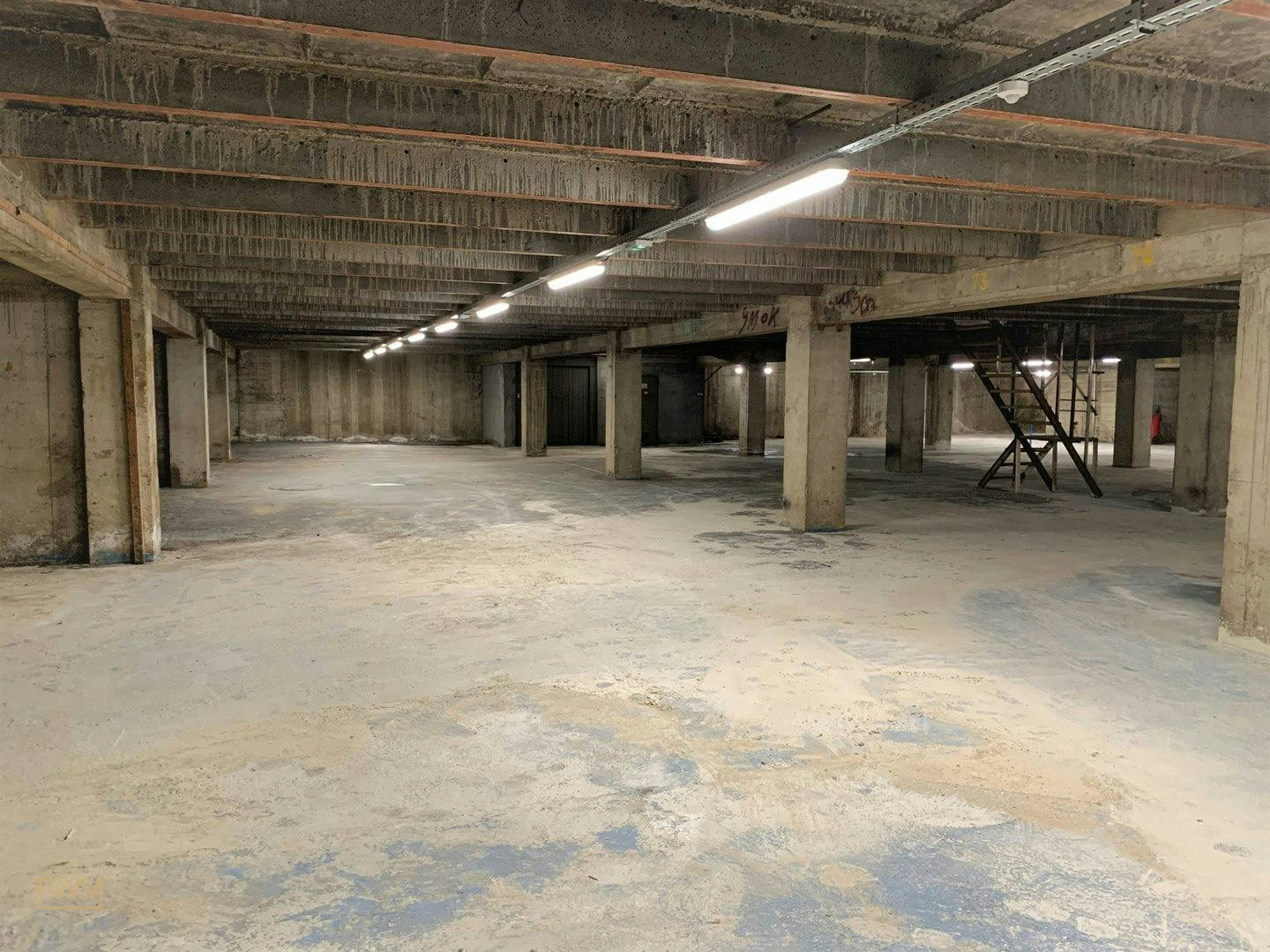
| Industrial Spaces | Versatile, modern, high-capacity | Large-scale showcases, interactive exhibits |
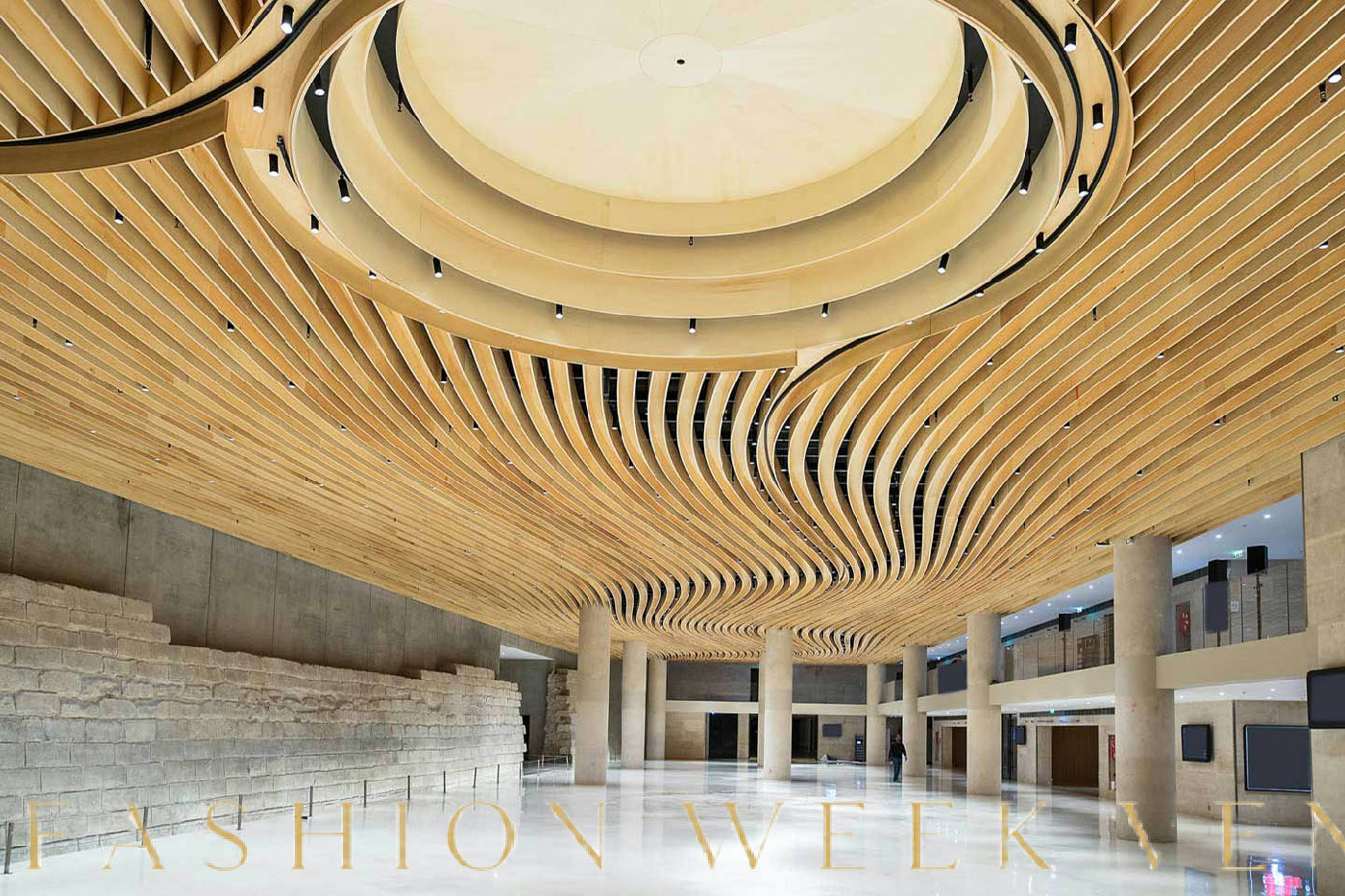
| Contemporary Galleries | Minimalist, adaptable, artistic | Art-centric launches, small collections |
KEY TAKEAWAY: Choose a venue that aligns with your brand's image and messaging, considering both the local culture and expected audience to optimize your Fashion Week impact.
Beyond merely selecting a physical space, it's essential to ensure the venue supports the overall brand narrative and enhances the experiential aspect of your event. The next section explores how to strategically select the best time slot within the Fashion Week calendar to leverage maximum exposure.
Maximizing Impact Through Timing and Location
Time and place are twin pillars for any successful Fashion Week activation. Selecting the appropriate slot on the calendar can significantly influence a brand's visibility. Paris Fashion Week, being the pinnacle of the global fashion calendar, offers a prime opportunity to capture international attention.
Quick answer: Optimal timing during Fashion Week hinges on aligning with peak foot traffic and media attention for maximal exposure.
Interestingly, securing a venue in a high-profile location can often outweigh the timing itself. Fashion hotspots in Paris, such as the Le Marais district or Boulevard Haussmann, offer unparalleled exposure due to their reputation and consistent foot traffic.
However, meticulous planning is required to capitalize on these benefits. Aligning your event with broader city events and public holidays can increase footfall significantly. Conversely, hosting during less congested periods might afford better engagement with select media and buyers, leading to more meaningful interactions.
Legal and logistical considerations form another key aspect, including understanding the nuances of French permits and compliance. This requires knowledge of local requirements, such as acquiring a temporary AOT permit from the Paris Préfecture de Police, especially for events impacting public spaces or expecting large crowds.
Deciding when and where to host your Fashion Week activation is a complex exercise in balance, calling for careful orchestration of both internal tact and external opportunities. The assistance of experienced venue sourcing agencies can facilitate a smoother planning process, thanks to their expertise and local partnerships.
To learn more about how Fashion Week Venues can assist in strategically choosing your timing and venue, explore our Paris city hub.
DID YOU KNOW: Paris Fashion Week is estimated to attract over 300 exclusive events, making early planning crucial for securing premium times and locations.
KEY TAKEAWAY: Timing and location should be evaluated with equal importance. Aim to coincide with peak periods of activity in the most visible areas to maximize your event's impact.
In the following section, we'll explore the specific challenges of securing permits and ensuring compliance with local regulations, an essential step for any successful Paris Fashion Week activation.
Navigating Permit and Compliance Challenges
Securing the necessary permits and ensuring regulatory compliance are crucial steps for any fashion brand intending to host an event in Paris. Local laws and regulations can be complex, often requiring specific knowledge of French legal systems and administrative procedures.
Quick answer: Navigating Paris permits demands a detailed understanding of the bail dérogatoire and Autorisation d'Occupation Temporaire, along with thorough planning and legal guidance.
The bail dérogatoire is a temporary lease agreement that allows brands to rent spaces for short-term use without fully engaging in a lengthy commercial lease. This flexibility is ideal for Fashion Week pop-up events, providing a legal framework that accommodates transient retail setups.
On top of this, brands often need an Autorisation d'Occupation Temporaire (AOT) permit. This is particularly essential for events expected to impact public domains or if there are any structural changes proposed to the leased space.
While these permits open possibilities, they come with responsibilities demanding a precise adherence to French legal requirements. Failing to comply could result in fines or, in extreme cases, the shutting down of an event. Hence, consulting legal advisors familiar with French laws can ensure a brand is fully prepared and compliant.
For practical support, consider employing professional services that offer specialized permit guidance, management support, and thorough risk assessments, reducing the burden on brand teams unfamiliar with the intricacies of Parisian regulations.
To access comprehensive tools and guidance, visit Fashion Week Venues permit tools.
KEY TAKEAWAY: Adequate preparation for permits and compliance is essential. Understand the bail dérogatoire and AOT requirements to avoid legal pitfalls and ensure a smooth event execution.
Having gained an understanding of permits and compliance, next we'll delve into the financial aspect of hosting a Fashion Week activation, exploring cost implications and decision factors.
Budgeting and Financial Planning for Fashion Week Events
Effective budgeting and financial planning are essential to the success of any Fashion Week event. From securing a venue to managing logistics, costs can quickly accumulate, making detailed financial planning a cornerstone of any activation strategy.
Quick answer: Establishing a comprehensive budget is crucial for managing costs associated with venue hire, permits, staffing, and marketing during Fashion Week.
Key considerations for budgeting include venue costs, which vary significantly based on location, size, and type. A historical venue in a prime area like Rue Saint-Honoré can carry a premium, while a similarly sized industrial space in an emerging district may be more cost-effective.
Costs must also account for permits, logistical setup, staffing needs, and marketing efforts. Tools such as those offered by Fashion Week Venues, including budget calculators and ROI estimation, can assist in creating realistic financial projections and identifying potential areas for cost savings.
Decision-makers must weigh initial expenditures against potential exposure and brand-building benefits. Working with financial planners and venue sourcing agencies experienced in the fashion industry can offer valuable insights into cost management.
| Expense Type | Estimated Cost (Range) |
|---|---|
| Venue Hire | €5,000 - €50,000 |
| Permits and Legal Fees | €1,000 - €5,000 |
| Marketing and Promotion | €3,000 - €20,000 |
| Staffing | €2,000 - €10,000 |
It is crucial that brands remain flexible, considering the ROI of their investments and adjusting strategies in response to perceived audience engagement and media coverage.
TIP: Regularly review your financial plan and adjust based on current market trends to optimize your event spending efficiently.
To explore advanced budget planning, visit Fashion Week Venues budget tool.
KEY TAKEAWAY: Detailed financial planning is foundational to a successful event. Utilize budgeting tools and financial advisories to ensure optimal allocation of resources aligned with your brand goals.
Now that we have a clear understanding of budget planning, let's explore audience engagement strategies for maximizing success during Fashion Week.
Strategic Audience Engagement at Fashion Week
Engaging the right audience at Fashion Week goes beyond simply showcasing products. It involves creating memorable experiences that resonate with attendees, fostering genuine connections, and leveraging media coverage for extended reach.
Quick answer: Successful audience engagement at Fashion Week centers on personalized experiences and strategic media participation to amplify brand visibility.
Fashion Week offers a unique platform where brands can reach luxury buyers, industry insiders, and fashion enthusiasts. The key is to develop a narrative that resonates authentically with these diverse groups, ensuring that each touchpoint—from the invite to the event itself—aligns with the brand's core message.
Innovative use of technologies, like augmented reality and interactive displays, can significantly enhance engagement levels. Furthermore, selecting venues that are conducive to social sharing, equipped with ready infrastructure for photographers and influencers, can help brands extend their presence beyond the physical event onto digital platforms, enhancing their visibility manifold.
Brands should also capitalize on the buzz of Fashion Week by engaging with media and fashion bloggers who can amplify the conversation. Whether it's through exclusive previews or personal interviews, these interactions can play a pivotal role in building brand credibility and outreach.
An effective audience engagement strategy considers all these aspects, ensuring consistent branding while fostering dialogues that build stronger, ongoing relationships with target audiences.
KEY TAKEAWAY: Prioritize building meaningful connections through immersive experiences and strategic media leverage to maximize brand visibility during Fashion Week.
As we move on, let's see how Fashion Week Venues facilitates an easy and effective event planning experience for brands looking to succeed in fashion capitals.
How Fashion Week Venues Facilitates Your Success
Fashion Week Venues offers an array of services designed to simplify the complex process of hosting successful events in various fashion capitals. With expertise in venue sourcing, concept direction, activation management, and more, Fashion Week Venues caters to the specific needs of fashion brands, ensuring a seamless execution of ideas.
Quick answer: Fashion Week Venues streamlines event planning by offering comprehensive services and tools that cater to the unique needs of fashion brands.
The company's service portfolio covers all aspects of event planning and execution, from initial concept direction to the final launch. Assistance is available in design, build, and staffing, ensuring every event element aligns seamlessly with brand goals and logistical requirements.
Moreover, the platform offers innovative tools, such as the Imagine tool for space visualization and a Permit guidance tool, to simplify planning. These resources help brand managers understand complex legal requirements and visualize potential venues before making commitments.
Whether targeting the thriving markets of Paris or expanding to other major fashion capitals, Fashion Week Venues assists in setting the stage for brand success by offering tailored services that address specific logistical challenges, ensuring execution excellence.
Explore our full service offerings at Fashion Week Venues' services page.
KEY TAKEAWAY: Utilize Fashion Week Venues' comprehensive suite of tools and services to optimize your event planning and execution efficiency in fashion capitals like Paris.
In the next section, we'll discuss typical myths surrounding venue sourcing and event planning for Fashion Week.
Common Myths Debunked
MYTH: You need a French legal entity to rent a space in Paris.
FACT: While it is beneficial, it is not a requirement to form a French legal entity to rent a space for short-term events in Paris. Many arrangements, such as the bail dérogatoire, offer flexible leasing options that accommodate foreign entities looking to host temporary events.
MYTH: Paris Fashion Week is the only viable calendar window for hosting fashion-related events in the city.
FACT: While Paris Fashion Week is a prominent period, hosting an event outside these peak times can also be beneficial, offering quieter seasons to engage directly with media and buyers without the competition of numerous concurrent events.
MYTH: Commission brokers are the only way to find a venue in Paris.
FACT: Today, many brands utilize digital marketplaces and agencies, like Fashion Week Venues, to discover suitable spaces through advanced search tools and databases, often resulting in savings on brokerage fees and faster access.
MYTH: Short-term leases for pop-up spaces are legally straightforward without specialist help.
FACT: Despite their temporary nature, these leases often involve complex legalities and require an understanding of local laws and permits. Engaging with specialists ensures compliance and smooth operations.
The myths addressed underscore the necessity of informed decision-making and strategic alliances, which can significantly simplify the venue selection and event planning process.
Frequently Asked Questions
What is the best location in Paris for a high-impact Fashion Week event?
The ideal location depends on your audience and event type. High-visibility areas such as Le Marais and Rue Saint-Honoré are highly sought after for their prestige and foot traffic. Consult our Paris city hub for detailed neighborhood profiles.
How early should I start planning my Fashion Week event?
Planning should ideally begin six to twelve months in advance to secure preferred venues and manage logistics effectively. Early planning can also help navigate permitting processes and budget constraints more comfortably.
Do I need a permit to host a fashion event in a rented Paris venue?
Yes, events often require an AOT (Autorisation d'Occupation Temporaire) and careful compliance with local regulations. Visit our permit tool for more information on obtaining necessary permits.
How can Fashion Week Venues assist with budgeting?
Fashion Week Venues provides a comprehensive budget tool that helps estimate costs across different event aspects, ensuring financial planning aligns with the brand's fiscal objectives. More information is available at our budget planning tool.
What types of venues are available for fashion pop-ups?
From historic buildings to industrial spaces and contemporary galleries, the variety ensures there's a venue to match any brand aesthetic and functional need. Detailed descriptions are accessible on our venue listing.
Is it possible to host an event outside of Paris Fashion Week?
Absolutely. Hosting an event outside of Fashion Week can offer benefits like increased availability of venues and more direct access to target audiences. It enables brands to capture attention without competing with other high-profile events.
Why is audience engagement so crucial at Fashion Week?
Audience engagement directly influences brand success by creating memorable experiences that drive shareability and increase visibility. Strategic audience interaction can also foster lasting relationships that extend beyond the event itself.
What are some effective ways to engage audiences at Fashion Week?
Incorporating interactive elements such as AR experiences, influencer collaborations, and exclusive previews can heighten engagement. Ensuring the event is conducive to social media sharing also maximizes reach and impact.
Can Fashion Week Venues help with venue visualization?
Yes, our Imagine tool enables brands to visualize potential event setups, helping them better understand the space dynamics and plan accordingly. This tool is part of our services designed to enhance planning and execution.
How can I evaluate the ROI of my Fashion Week event?
Our ROI calculation tool allows brands to assess the financial impact of their events by measuring key performance indicators. This helps in understanding the return gained relative to the investment made, facilitating informed decisions.
Conclusion: Elevate Your Brand with the Right Venue at Fashion Week
Choosing the right venue for Fashion Week is vital in amplifying your brand's message and influence. By understanding the venue landscape, planning meticulously around permits and budget, and focusing on strategic audience engagement, brands can transform this opportunity into significant success. Fashion Week Venues is committed to guiding brands through this intricate process, providing access to the best venues and comprehensive tools needed for successful event planning and execution.
To move from research to activation, start exploring available spaces on the Fashion Week Venues marketplace and build a focused brief for your target neighborhood, space type, and calendar window.