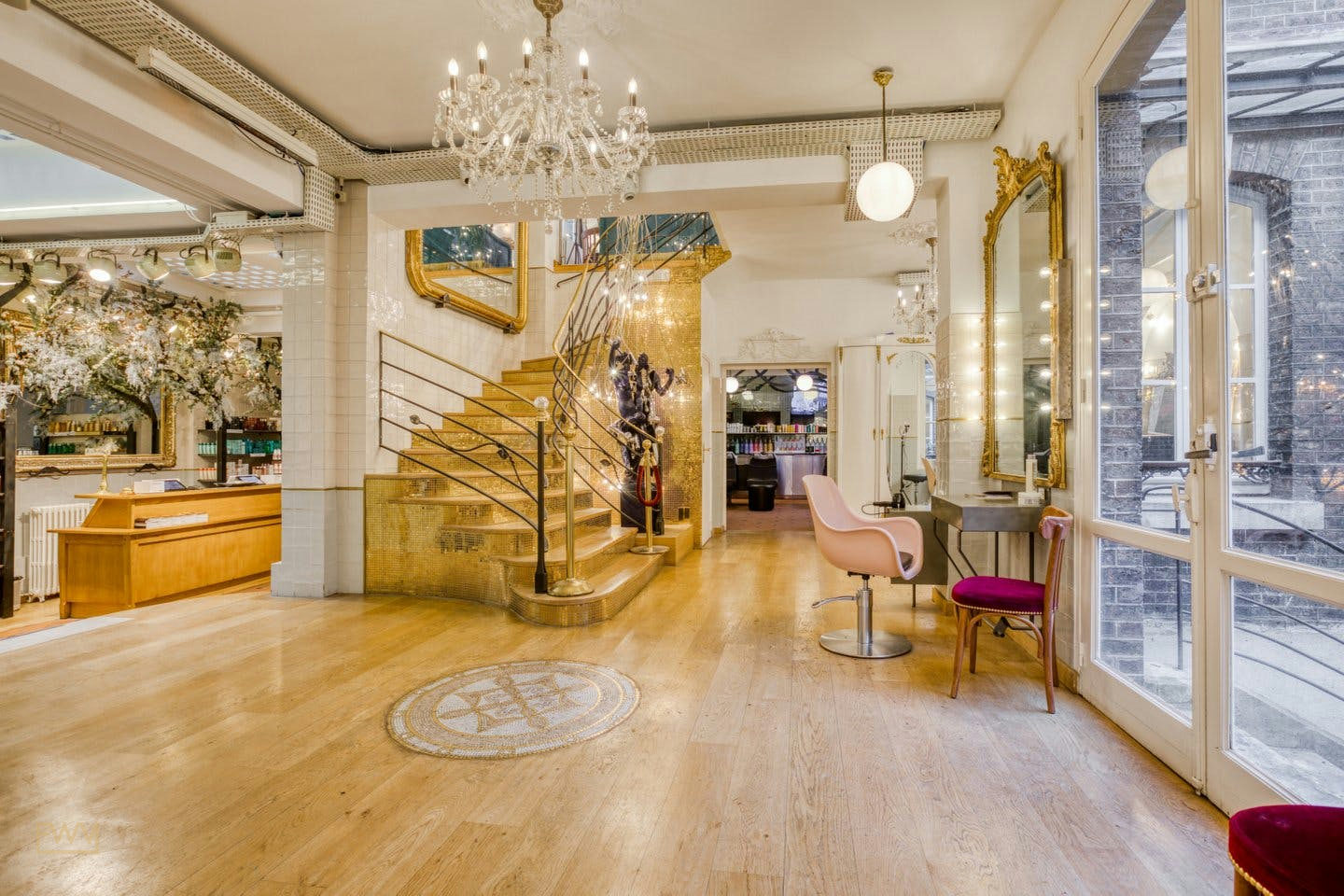
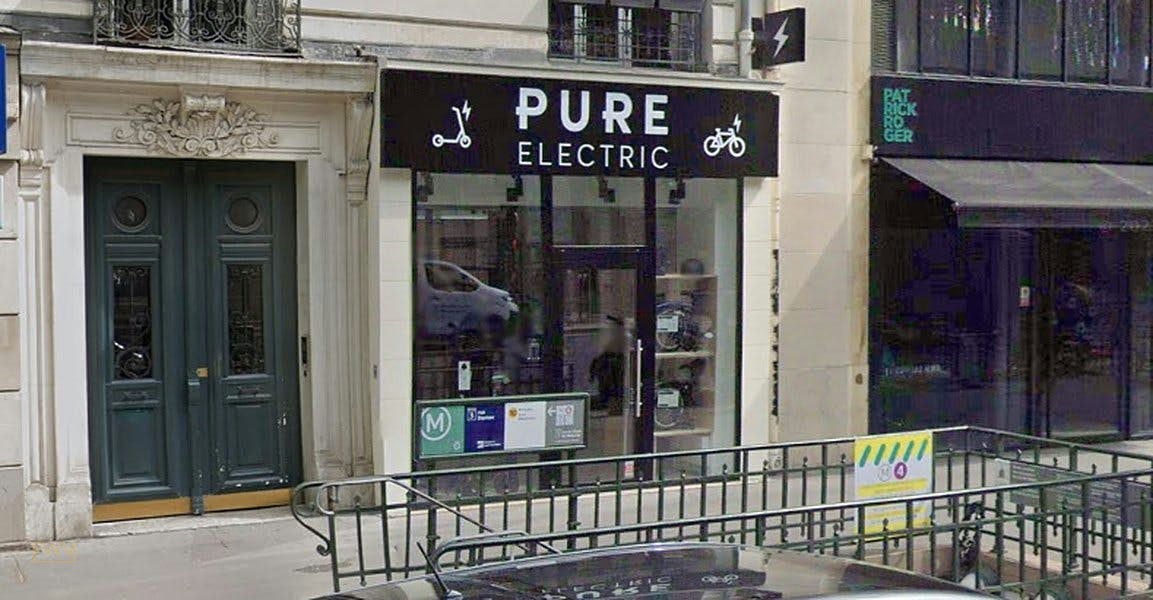
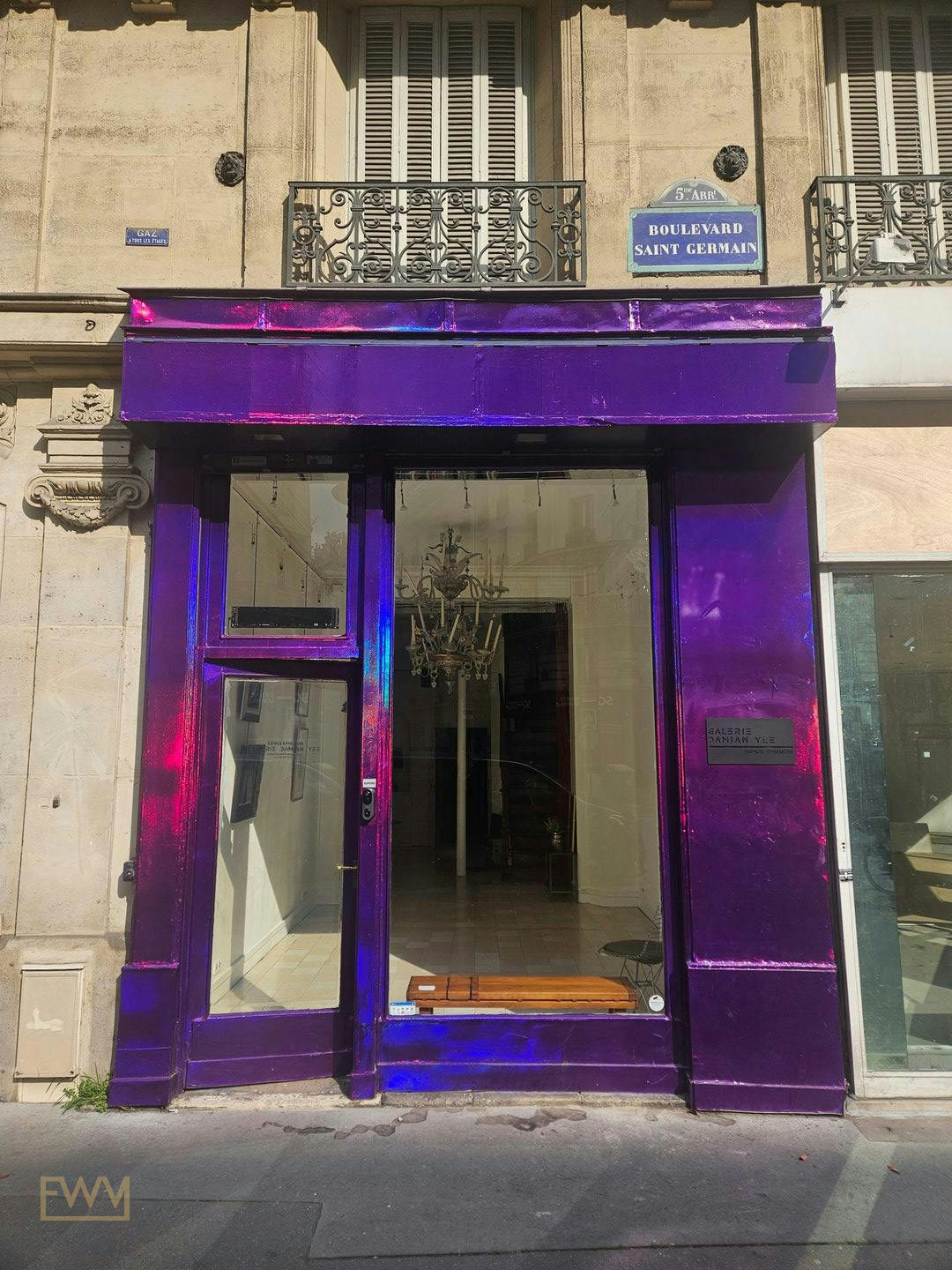
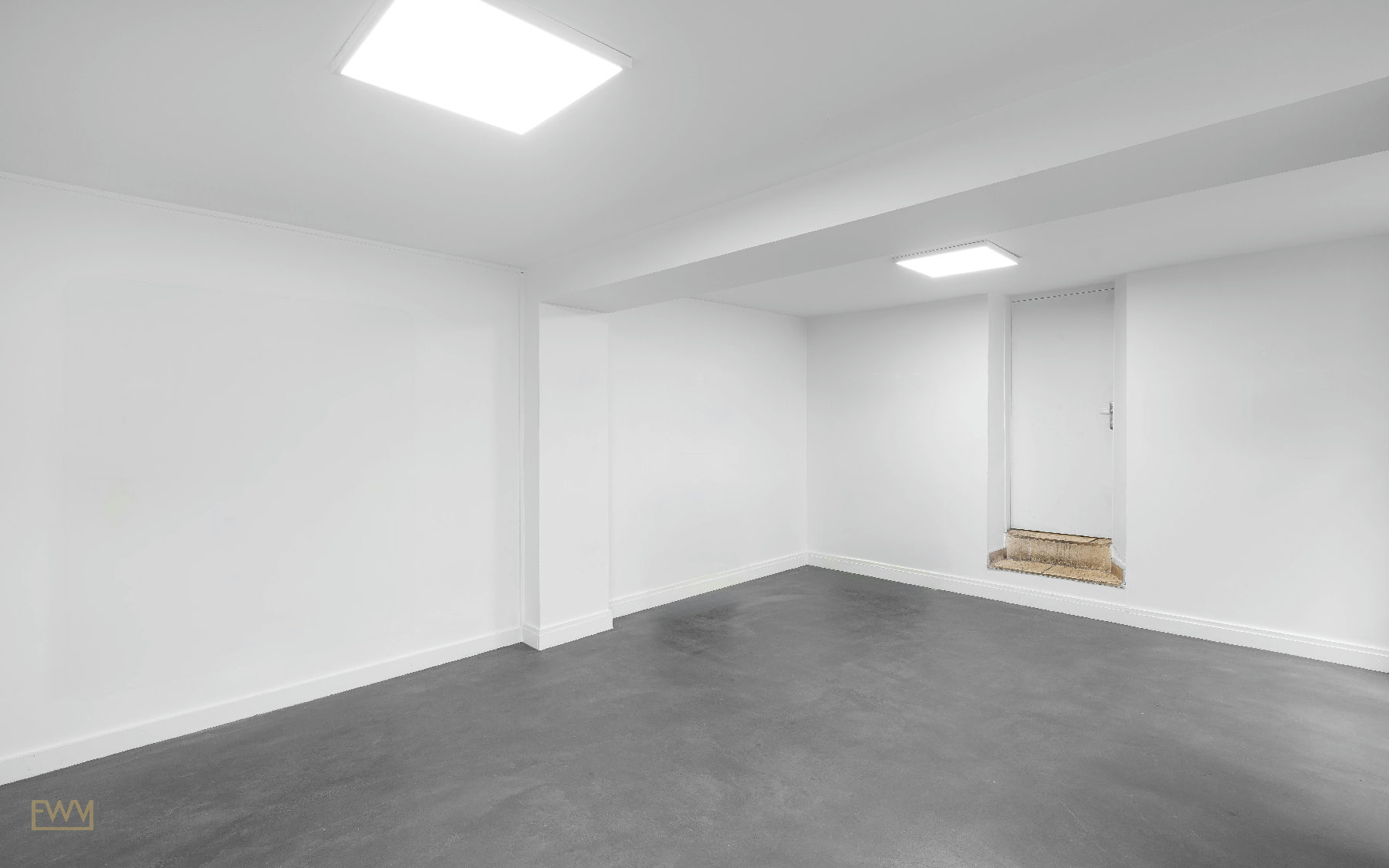
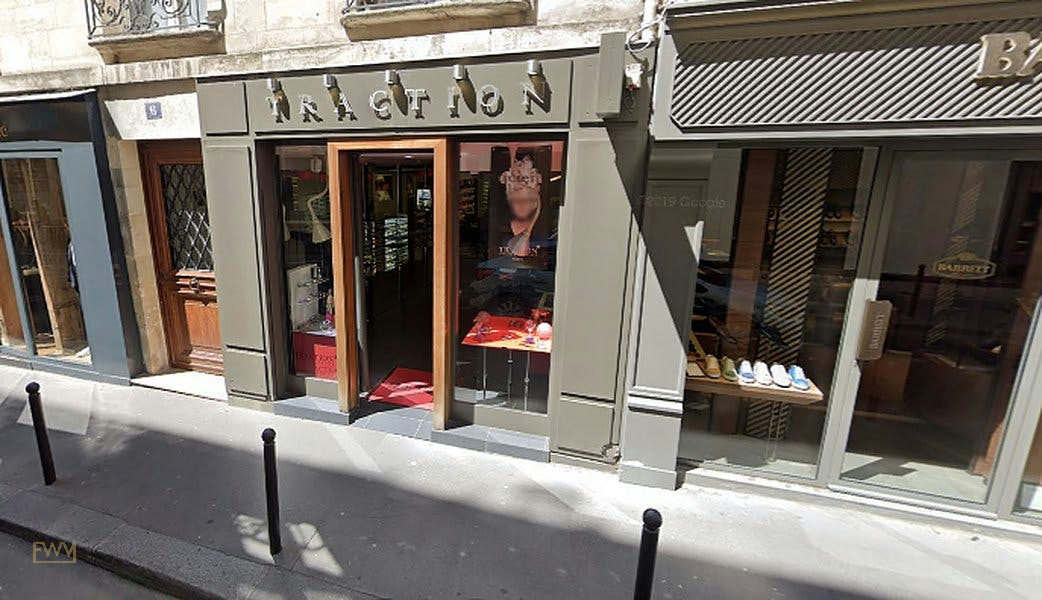
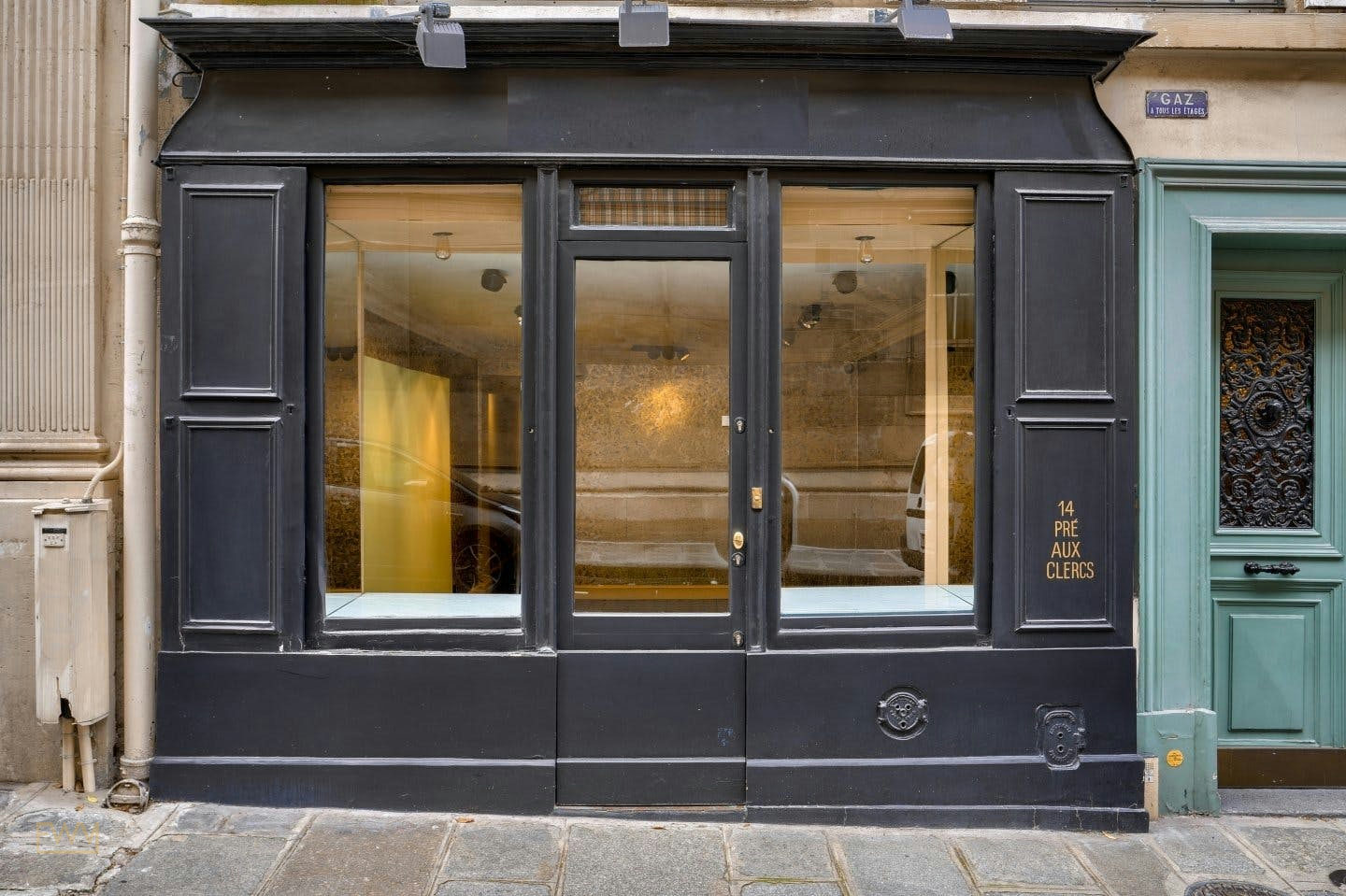
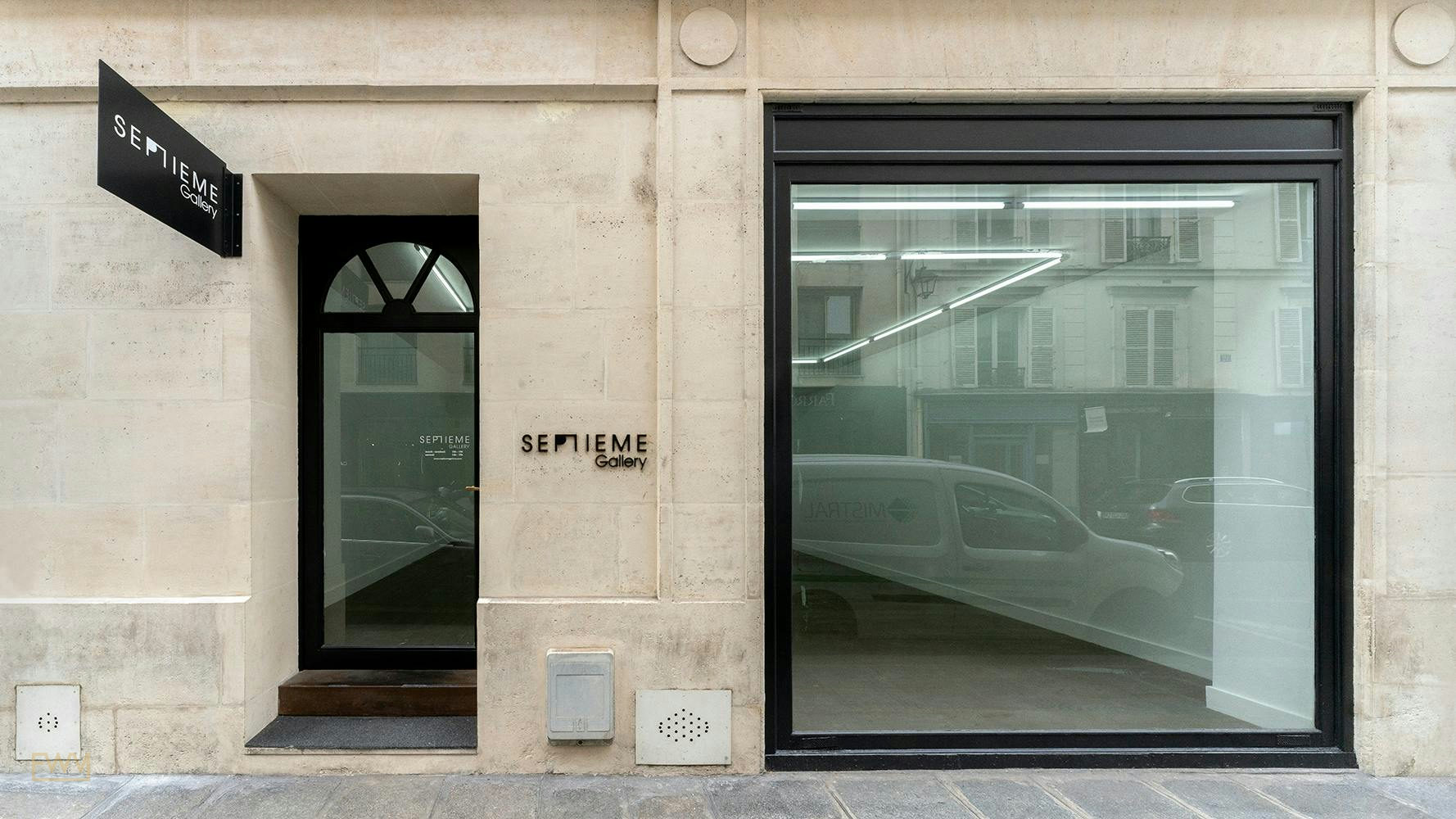
Securing temporary retail space in the 7th arrondissement Paris places your brand in one of the most architecturally distinguished and commercially credible neighbourhoods in the French capital. The 7th is home to wide boulevards, Haussmann-era townhouses, institutional museums, and a resident population with significant purchasing power, making it a compelling choice for brands seeking a refined, heritage-adjacent setting for pop-up stores, showrooms, and short-term retail activations. While Le Marais and Saint-Germain-des-Prés often dominate conversations about Paris pop-up real estate, the 7th offers a quieter authority that suits luxury, beauty, fashion, and lifestyle brands with discerning audiences. Explore the full Paris city hub on Fashion Week Venues to understand how the 7th fits within the broader Paris activation landscape.
What Temporary Retail and Pop-up Stores Actually Mean in Paris
Quick answer: A temporary retail space in Paris is a short-term commercial lease or licence agreement that allows a brand to operate a physical store, showroom, or activation for a defined period, typically ranging from a few days to several months, without committing to a long-term commercial tenancy.
The terminology around temporary retail can be inconsistent, particularly when navigating the French commercial property market. In France, short-term commercial occupancy is most commonly structured under a bail dérogatoire, which is a derogatory or short-term lease permitted under French commercial law for durations of up to 36 months. Below that threshold, many operators use a convention d'occupation précaire or a licence agreement, both of which provide more flexibility but come with fewer statutory protections for the tenant.
A pop-up store, or magasin éphémère in French, is not a legally defined category in French property law. What matters legally is the type of contract governing the space, not the commercial format. This distinction is critical because many brands approaching the Paris market assume that short-term rentals are procedurally simple. In practice, the legal structure of your occupancy agreement determines your rights regarding renewal, deposit, insurance obligations, and liability in the event of damage or regulatory non-compliance.
Pop-up retail in Paris takes many commercial forms. These include standalone boutique spaces on a rue commerçante, shared concept stores hosting multiple brands simultaneously, gallery spaces converted temporarily for retail use, ateliers repurposed as fashion showrooms, hôtels particuliers rented for a brand event or immersive experience, and rooftop terraces activated for seasonal launches. Each format attracts different audiences, suits different brand positioning strategies, and carries different permit and insurance requirements.
Paris has seen consistent growth in temporary retail activity since the early 2010s, driven by international brands using the city as a testing ground for new concepts, fashion labels activating around Fashion Week calendars, and beauty and lifestyle brands seeking culturally resonant launch environments. The 7th arrondissement has emerged as a particularly attractive location for brands that want the credibility of central Paris without the commercial saturation of the Marais or the tourist density of the Champs-Élysées.
Retail concepts in the 7th tend toward the considered and editorial. Brands activating here are typically communicating quality, heritage, and taste rather than volume or accessibility. This aligns well with fashion showroom formats, gallery-style pop-up stores, and intimate client experience environments designed for press, buyers, and high-value consumers rather than general foot traffic.
DID YOU KNOW: France introduced specific legal provisions for short-term commercial tenancies to support innovation and urban planning objectives, creating a framework that allows brands to activate temporarily without triggering the full protections of the French Commercial Code that apply to standard commercial leases.
KEY TAKEAWAY: Understanding the legal structure of your temporary retail agreement in Paris is as important as finding the right space. A bail dérogatoire, convention d'occupation précaire, and a standard commercial lease each carry different rights, obligations, and risks. Always verify the specific terms with a qualified French legal advisor before signing.
With the legal and conceptual foundations in place, the next step is understanding precisely where in Paris, and specifically within the 7th, your brand activation is most likely to succeed.
The 7th Arrondissement and Its Place in the Paris Pop-up Landscape
Quick answer: The 7th arrondissement sits on the Left Bank between the Seine and the city's southern residential districts. It is defined by institutional landmarks, quiet residential streets, and a commercial character shaped by independent boutiques, galleries, antique dealers, and luxury lifestyle retailers rather than mass-market retail chains.
Paris is divided into 20 arrondissements, each with a distinct commercial character, demographic profile, and planning context. The 7th, designated postally as 75007, occupies the western section of the Left Bank and borders the 6th arrondissement to the east, the 15th to the south, and the Seine to the north. The Eiffel Tower, the Musée d'Orsay, Les Invalides, the Rodin Museum, and the Assemblée Nationale are all located within its boundaries, giving the neighbourhood a cultural and institutional weight that few other Paris districts can match.
How the 7th Compares to Other Paris Neighbourhoods for Pop-up Retail
Brands evaluating Paris pop-up locations frequently compare the 7th against Le Marais, Saint-Germain-des-Prés, the Vendôme district, and areas around the Champs-Élysées and Saint-Honoré. Each serves a different strategic purpose.
| Neighbourhood | Character | Best For | Foot Traffic Profile |
|---|---|---|---|
| 7th Arrondissement | Institutional, residential, Left Bank | Luxury, art, heritage, showrooms | Affluent residents, cultural visitors |
| Le Marais (3rd and 4th) | Cultural, independent, fashion-forward | Streetwear, concept retail, art gallery crossovers | High footfall, mixed demographic |
| Saint-Germain-des-Prés (6th) | Literary, fashion, intellectual heritage | Designer boutiques, fashion showrooms, lifestyle brands | Affluent international tourists and residents |
| Vendôme and Saint-Honoré (1st and 8th) | Ultra-luxury, jewellery, haute couture | Prestige launches, jewellery, haute fashion | High-net-worth, international luxury buyers |
| Champs-Élysées (8th) | Mass luxury, flagship territory | High-visibility launches, flagship pop-ups | Very high volume, heavily tourist-driven |
The 7th sits closest in character to Saint-Germain-des-Prés, but with a lower commercial density and a more residential feel. Streets such as Rue du Bac, Rue de Varenne, Boulevard Saint-Germain near its western stretch, and the area around the Bon Marché department store represent the primary commercial axes in the arrondissement. Rue du Bac in particular has a long history of independent boutiques and gallery spaces and is considered one of the most desirable short-term retail addresses on the Left Bank.
Foot Traffic, Demographics, and Brand Positioning in the 7th
The 7th arrondissement is consistently ranked among the most affluent residential districts in Paris. Its resident population trends toward senior professionals, diplomats, civil servants attached to nearby government institutions, and established families. This demographic context shapes the commercial environment: retailers in the 7th typically compete on quality and curation rather than price or volume, and the neighbourhood rewards brands that communicate with subtlety and precision rather than mass-market energy.
Foot traffic in the 7th is lower than in Le Marais or on the Champs-Élysées, which means that a pop-up store in the 7th must work harder on targeted communication, social media visibility, press outreach, and influencer marketing to drive qualified visitors to the space. Brands that rely on organic passing trade alone are unlikely to achieve commercially meaningful results. Those that pair an excellent location with a well-executed digital and PR strategy, however, benefit from the credibility halo that a 7th arrondissement address provides.
Cultural institutions and museums in the 7th, including the Musée d'Orsay, the Musée Rodin, and the nearby Musée du Louvre just across the river, create seasonal spikes in cultural visitor traffic. Brands that position their activations to align with museum programming, FIAC, Paris Design Week, or other cultural calendar moments can benefit from elevated audience quality during these periods.
To compare neighbourhoods and space types side by side, explore the Paris city hub on Fashion Week Venues and shortlist spaces that match your brief, budget, and calendar window.
KEY TAKEAWAY: The 7th arrondissement rewards brands that prioritise audience quality over volume. Its residential character, institutional surroundings, and affluent demographic make it well suited to showroom formats, gallery-style retail, and intimate brand experiences, but brands must invest in targeted outreach rather than relying on organic foot traffic alone.
Understanding the neighbourhood is only part of the equation. The next critical dimension is knowing which space types are actually available in the 7th and what each format offers your brand.
Space Types Available for Temporary Retail in the 7th Arrondissement
Quick answer: The 7th arrondissement offers a range of space types suitable for temporary retail and brand activations, including street-level boutiques, gallery spaces, ateliers, hôtels particuliers, and loft-style interiors. Each format carries different commercial, logistical, and permit implications.
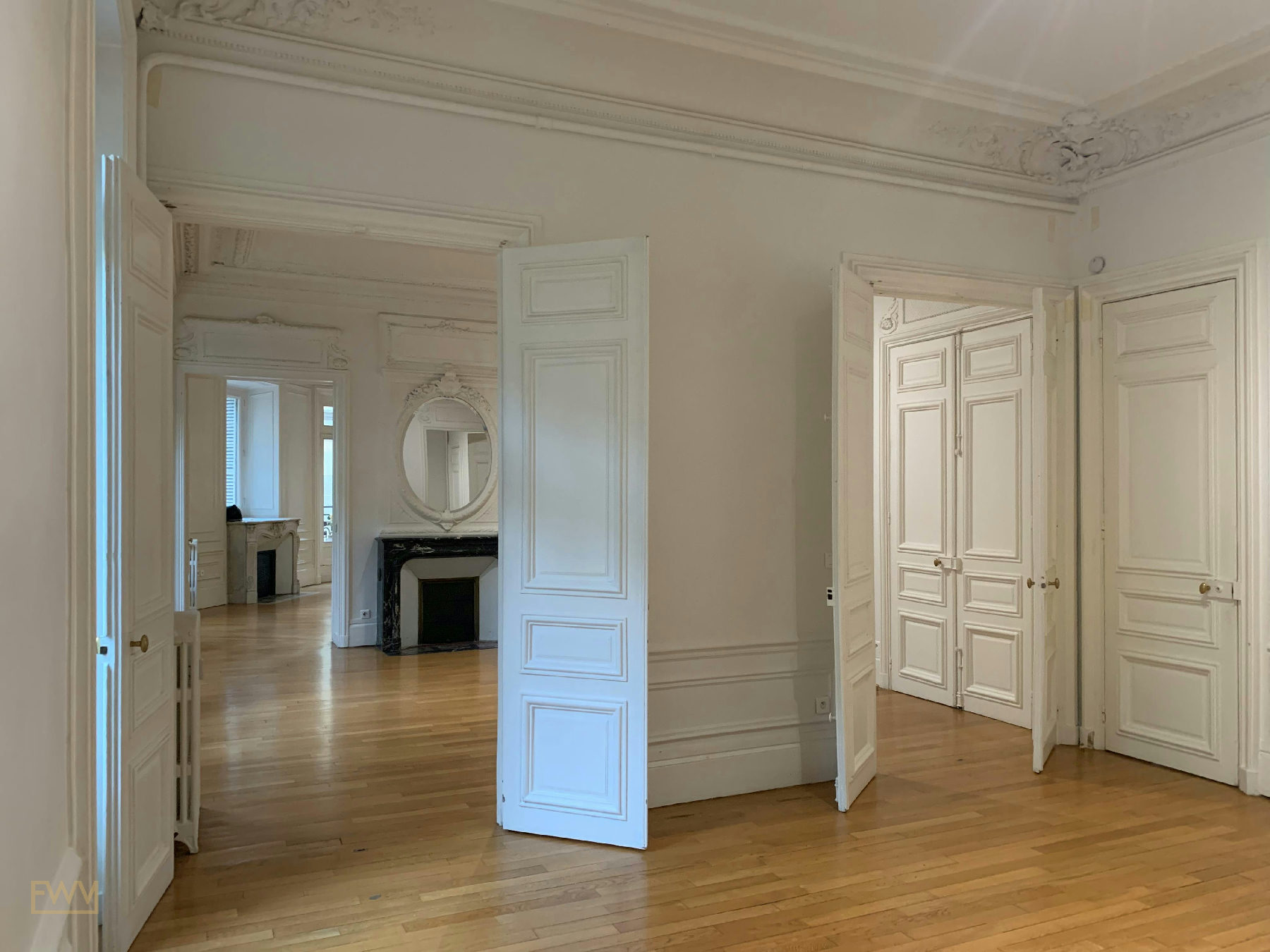
The physical character of the 7th arrondissement shapes the kinds of spaces available for temporary retail. Unlike Le Marais, which has a high density of former industrial and artisan spaces that adapt readily to retail use, the 7th is dominated by Haussmann-era apartment buildings, historic townhouses, and purpose-built commercial premises on its main shopping streets. This gives the neighbourhood a more formal architectural register, which suits certain brand aesthetics very well and can challenge others.
| Space Type | Typical Size | Best Use | Considerations |
|---|---|---|---|
| Street-level boutique (local commercial) | 30 to 120 sqm | Pop-up retail, concept store, beauty | Requires shopfront compliance, may need planning consent for signage |
| Gallery space (galerie d'art) | 50 to 200 sqm | Fashion showroom, art and fashion crossover, editorial pop-up | Structural and aesthetic constraints, lighting often specialist |
| Hôtel particulier | 200 to 1,000 sqm | Immersive brand experience, multi-room activation, press events | Highest complexity for permits, often requires event insurance and security |
| Atelier or studio showroom | 40 to 150 sqm | Fashion showroom, photo shooting, filming, private client appointments | May be on upper floors, elevator access varies |
| Loft space | 80 to 300 sqm | Flexible retail, brand activations, seminars, launches | Less common in the 7th than in the Marais, but available near Bon Marché |
| Apartment space | 50 to 200 sqm | Private sales, intimate showrooms, brand residences | Residential-to-commercial use requires careful legal structuring |
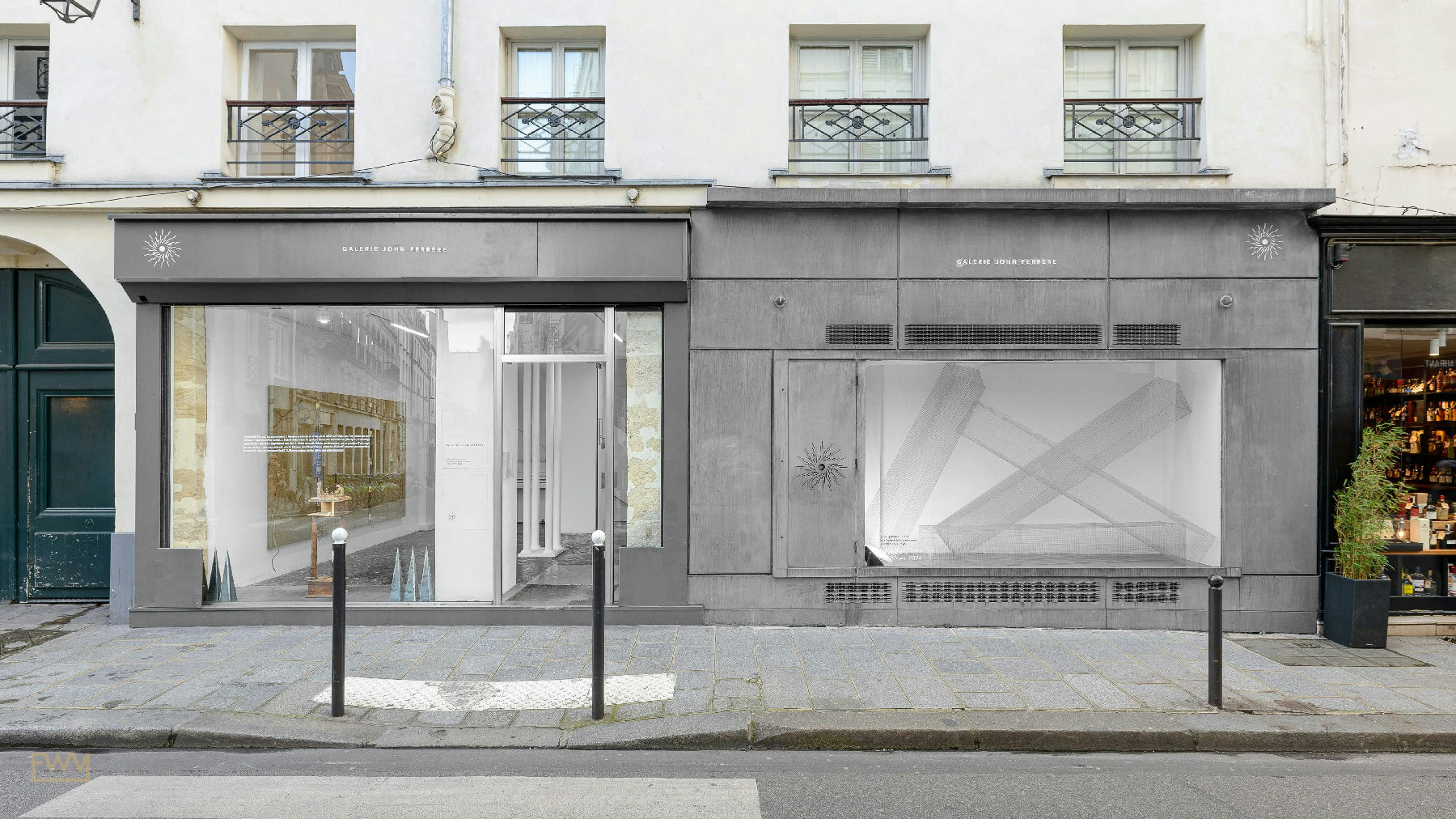
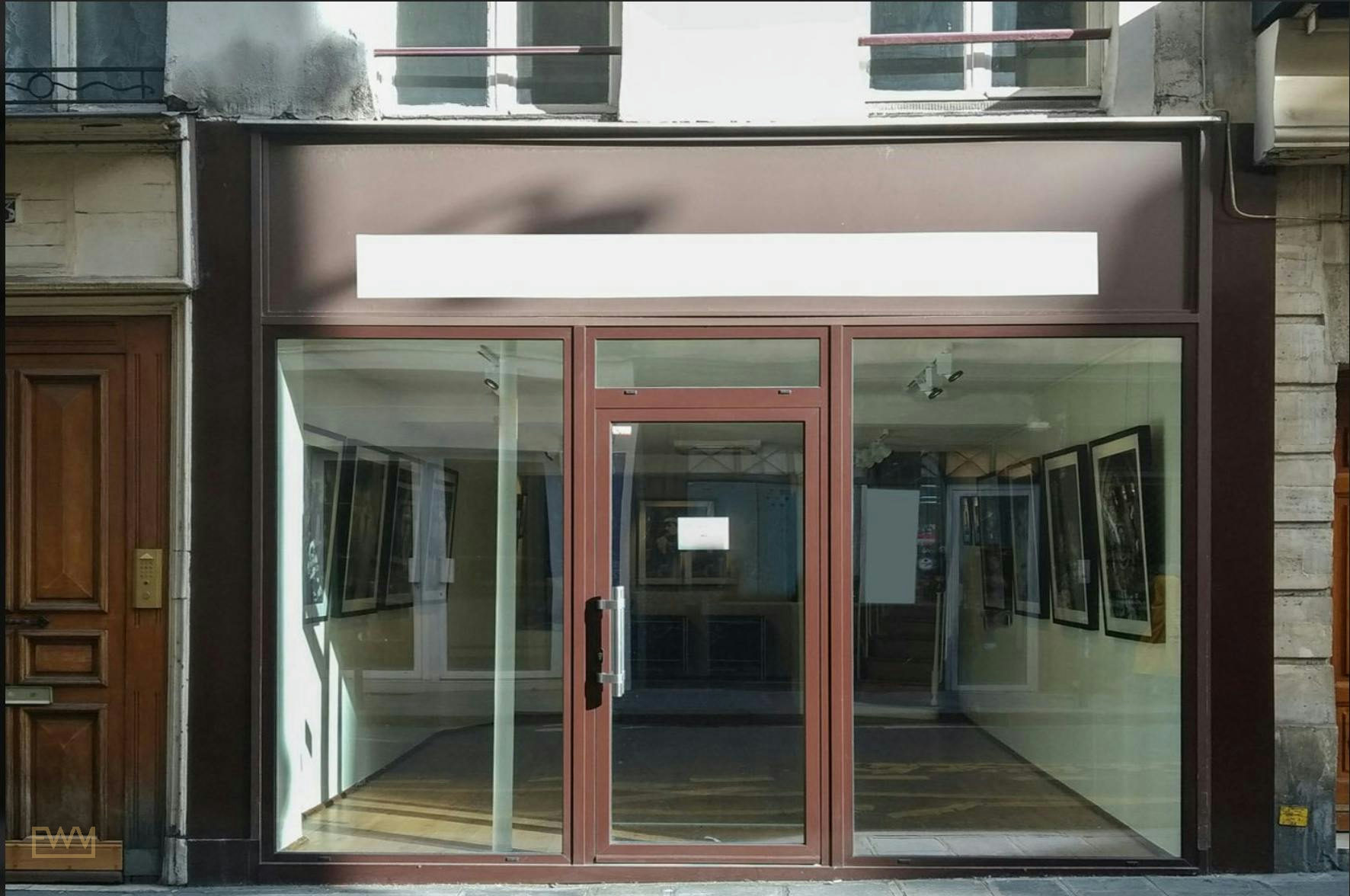
Street-level boutique spaces, referred to in French as locaux commerciaux, are the most straightforward for standard pop-up retail use. They typically benefit from an existing shopfront, a ground-floor position, and retail-compliant utility connections. On Rue du Bac and the streets immediately surrounding the Bon Marché, these spaces are the most actively traded for short-term retail purposes.
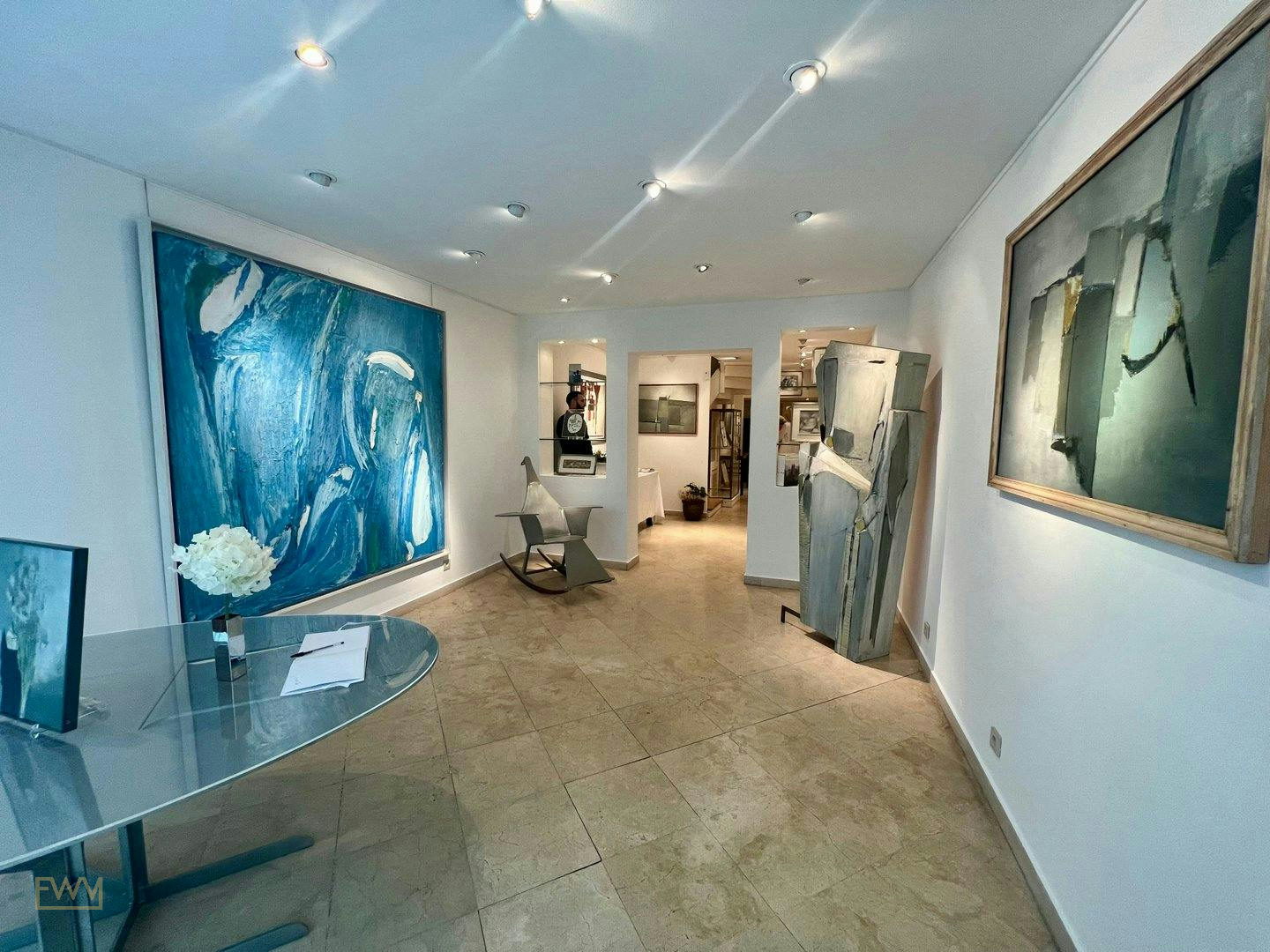
Gallery spaces, particularly those along Rue de Seine, Rue Dauphine, and in the broader Saint-Germain quartier that straddles the 6th and 7th, are increasingly sought after by fashion brands wanting an editorial, art-adjacent setting. The term galerie d'art in this context refers less to a dedicated art gallery operation and more to a white-walled, high-ceilinged space with gallery-quality lighting and finishes that can host a temporary retail concept with minimal additional fit-out. Galerie Joseph, while primarily associated with the Marais, has helped establish this format's commercial credibility across Paris.
Hôtels particuliers, the grand Parisian townhouses found predominantly in the 7th and 8th arrondissements, represent the most distinctive and complex format for temporary retail. These multi-room historic properties can create extraordinarily memorable brand environments but require careful planning around permits, insurance, security services, and structural constraints. They are best suited to full-service brand activations rather than standard retail operations.
Espace premium formats, a category used by several Paris space marketplaces to denote curated, design-led spaces with above-standard finishes, are available in the 7th and are particularly popular for fashion showrooms serving press and buyers during Paris Fashion Week. These spaces often include modular furniture, professional lighting, and dedicated logistics access.
For brands considering a studio showroom format for photo shooting, filming, or a virtual showroom production, the 7th offers several appropriately scaled spaces with the architectural character that works well for fashion and lifestyle imagery. These uses may require specific permits from the city or from the relevant authorities depending on the scale of the production.
TIP: When briefing for a temporary retail space in the 7th, specify not just your preferred space type but your intended use, visitor profile, operational hours, and whether you plan to use the space for photo shooting, filming, or events as well as retail. Different uses within the same space can require different permits and insurance provisions.
KEY TAKEAWAY: The 7th arrondissement offers a genuine range of space types for temporary retail, from practical street-level boutiques to architecturally exceptional hôtels particuliers. Matching the space format to your brand strategy, operational requirements, and budget is more important than simply securing the most prestigious address.
With space types understood, the operational and regulatory dimension of running a temporary retail space in the 7th demands equal attention, particularly for international brands unfamiliar with French commercial property law.
Permits, Regulations, and Legal Compliance for Temporary Retail in Paris
Quick answer: Temporary retail spaces in Paris operate within a specific legal and regulatory framework that differs from standard commercial leases. Key instruments include the bail dérogatoire for leases of up to 36 months, the convention d'occupation précaire for genuinely precarious occupancy, and authorisation de travaux for any fit-out or construction work. Local regulations in the 7th arrondissement also apply specific rules on signage, facade modifications, and public domain use.
International brands activating in Paris frequently underestimate the regulatory complexity of temporary retail. France has one of the most detailed commercial property legal frameworks in Europe, and the rules governing short-term commercial occupancy reflect this. Understanding the key instruments before you sign any agreement is essential.
Bail Dérogatoire and Short-term Commercial Leases
The bail dérogatoire, introduced by French commercial law, allows landlords and tenants to agree on a short-term commercial occupancy that explicitly derogates from the standard protections of the French Commercial Code. The maximum cumulative duration is 36 months. Once exceeded, the occupancy automatically converts to a standard commercial lease with full statutory protections and renewal rights for the tenant, which is typically not what either party intended in a temporary retail context.
The bail dérogatoire must be explicitly agreed upon in writing at the start of the tenancy. It cannot be imposed retroactively. For brands planning multiple consecutive temporary activations in the same space, careful legal structuring is required to avoid inadvertent conversion to a full commercial lease. This is a situation that catches international brands off guard with some regularity and can have significant commercial and financial consequences.
Authorisation d'Occupation Temporaire and Public Domain Use
If your activation involves any use of the public domain, such as a street-facing display, a terrace installation, temporary signage on the facade, or queuing infrastructure that extends onto the pavement, you will require an Autorisation d'Occupation Temporaire (AOT) from the Mairie of Paris or the relevant arrondissement authority. The 7th arrondissement has its own specific urban planning and heritage constraints given the number of protected buildings and historical monuments in the neighbourhood.
Applications for AOT must be submitted in advance, typically several weeks before the activation. Requirements vary by scope, location, and duration. Approval is not guaranteed, and the relevant authority may impose conditions on the design, placement, or operating hours of any public-domain element. Brands should not assume that previous approvals granted to other operators at the same address will be replicated automatically.
Insurance, Security, and Operational Compliance
All temporary retail operators in Paris are expected to hold appropriate commercial liability insurance for the duration of their occupancy. The specific requirements depend on the space type, the nature of the commercial activity, the number of visitors, and any events hosted within the space. For larger activations, particularly those in hôtels particuliers or multi-room historic properties, event-specific insurance policies and security service provisions may be required by the landlord or by the relevant prefecture.
Brands operating in the 7th should also be aware of the rules governing temporary commercial signage, which are regulated under both national planning law and the specific heritage overlay that applies to much of the 7th's built environment. Signage that does not comply with these rules can result in fines or mandatory removal, which is particularly disruptive during a short-term activation.
The Chamber of Commerce and Industry of Paris (CCI Paris) provides guidance for businesses establishing temporary commercial operations in the French capital, and the Mairie of Paris publishes urban planning rules by arrondissement. However, navigating these frameworks without specialist support is challenging, particularly for brands without existing French legal or property relationships.
IMPORTANT: Requirements for permits, insurance, and compliance vary by space type, intended use, duration, and location within the arrondissement. This article provides general orientation only. Always verify your specific obligations with a qualified French legal advisor before committing to a lease or beginning any fit-out work.
For a structured overview of the permit considerations relevant to your specific activation type, use the permit guidance tool on Fashion Week Venues as a starting point for your compliance planning.
KEY TAKEAWAY: Permits and legal compliance for temporary retail in Paris require careful advance planning. The bail dérogatoire framework, AOT requirements, insurance obligations, and heritage constraints in the 7th all need to be addressed before activation day. International brands without French legal support should seek specialist guidance at the earliest stage of planning.
Understanding regulatory requirements is closely linked to budget planning. The costs associated with compliance, fit-out, and operational infrastructure are a significant component of the total cost of a Paris pop-up activation.
Budget Planning for Temporary Retail Space in the 7th Arrondissement
Quick answer: The total cost of a temporary retail activation in the 7th arrondissement Paris includes space rental, fit-out and production, staffing, permits and insurance, merchandising, marketing, and operational contingency. Rental costs in the 7th are directional estimates only and vary significantly by space type, location on or off the main commercial axes, duration, and negotiation.
One of the most common planning mistakes among brands entering the Paris pop-up market is budgeting only for space rental and underestimating the full stack of costs required to deliver a commercially functional and brand-appropriate activation. Space rental is typically one component among many, and in premium locations like the 7th, it is often not the largest single line item once fit-out and production are accounted for.
Understanding Rental Cost Ranges
Published short-term rental rates for commercial spaces in the 7th arrondissement Paris vary widely. Entry-level street-level boutiques on secondary streets may be available at rates comparable to broader central Paris averages for short-term commercial occupancy, while premium spaces on Rue du Bac, near the Bon Marché, or in hôtel particulier formats command substantially higher rates. Some platforms and individual landlords publish daily or weekly rates for short-term commercial use, with figures cited on competitor platforms and commercial property sites including rates starting around 200 euros per day for smaller spaces, though this should be treated as a minimum baseline rather than a typical figure for the address types that suit most fashion and luxury brand activations.
Rates on platforms such as LoopNet, CoStar, Peerspace, and Storefront reflect international market benchmarks but may not accurately represent the most desirable or accessible spaces in the 7th. The most strategically relevant spaces in this neighbourhood are frequently available through specialist agency relationships and are not publicly listed on general commercial property platforms. This is one reason why working with a Paris-focused pop-up agency with established landlord relationships can materially expand your access to suitable spaces.
IMPORTANT: All rental figures cited in this article are directional estimates based on publicly available market references. Actual costs depend on space type, size, location within the arrondissement, duration, negotiated terms, and market conditions at the time of your activation. Use the Fashion Week Venues budget planning tool for a brand-specific cost estimate.
Full Cost Components for a Paris Pop-up Activation
| Cost Component | Description | Notes |
|---|---|---|
| Space rental | Daily, weekly, or monthly rate for temporary occupancy | Varies significantly by location, space type, and duration |
| Security deposit | Typically one to three months rent or equivalent | Refundable subject to space condition at exit |
| Fit-out and production | Fixtures, furniture, lighting, branded elements, construction | Often the largest single cost for premium brand activations |
| Permits and compliance | AOT applications, signage permits, event authorisations | Costs and timelines vary by scope and arrondissement authority |
| Insurance | Commercial liability, event insurance, property damage cover | Mandatory for all commercial occupancy; scope depends on activity |
| Retail staffing | Customer service, sales staff, brand ambassadors, security | May require temporary employment contracts under French labour law |
| Merchandising | Product display, visual merchandising, POS materials | Often underbudgeted relative to its impact on commercial results |
| Marketing and social media | Pre-launch communications, influencer engagement, event invitations | Critical for driving qualified foot traffic to a 7th arrondissement location |
| Data and analytics | Visitor counting, sales tracking, POS and payment systems | Essential for measuring ROI and informing future activations |
| Operational contingency | Unexpected costs during the activation period | Typically budgeted at 10 to 15 percent of total activation cost |
Brands evaluating return on investment for a 7th arrondissement activation should consider not only direct revenue generated during the activation period but also the brand positioning value of a prestigious Left Bank address, the press and media coverage generated, the quality of client and buyer relationships developed, and the longer-term commercial relationships that a well-executed Paris activation can establish. For a structured approach to measuring these outcomes, the Fashion Week Venues ROI calculator provides a framework for linking activation investment to measurable brand and commercial outcomes.
KEY TAKEAWAY: Budget planning for a temporary retail activation in the 7th arrondissement must account for the full stack of costs beyond space rental, including fit-out, staffing, compliance, marketing, and contingency. Brands that budget only for rental typically find themselves under-resourced when activation week arrives.
Budget planning is most effective when aligned with a clear timeline. Understanding when to begin planning, when to confirm spaces, and when key decisions must be made is the difference between a well-executed activation and a rushed one.
Fashion Week Calendars, Cultural Events, and Timing Your Activation
Quick answer: The Paris retail and brand activation calendar is structured around Paris Fashion Week, which occurs twice yearly in late February and early March for womenswear and late September and early October for womenswear Resort and Haute Couture. Additional high-value calendar moments include FIAC, Paris Design Week, and the summer and winter holiday periods, all of which create elevated audience quality and media attention.
Timing is one of the most strategically important decisions in planning a temporary retail activation in Paris. The city operates on a cultural and commercial calendar that creates distinct windows of opportunity for different types of brands and activation formats. Understanding this calendar and aligning your activation accordingly can significantly amplify both foot traffic quality and media reach.
Paris Fashion Week and Related Activation Windows
Paris Fashion Week is the global epicentre of the fashion industry calendar. Twice yearly, the city hosts the world's most influential fashion editors, buyers, photographers, influencers, and brand directors. The concentration of qualified fashion industry professionals in Paris during Fashion Week represents an unparalleled opportunity for brands to showcase product, build relationships, and generate press coverage in a compressed timeframe.
The 7th arrondissement, while not the primary hub of runway show activity, which tends to concentrate around the Palais Royal, the Grand Palais, and various Marais venues, is well positioned for showroom activations targeting press and buyers who are moving across the city throughout the week. A fashion showroom in a well-located hôtel particulier or studio showroom in the 7th can attract significant qualified traffic during Fashion Week if it is well communicated and easy to access from major show venues.
Brands planning Fashion Week activations in Paris typically need to confirm spaces four to six months in advance for the most desirable locations. Competition for premium short-term spaces during Fashion Week is intense, and brands that begin their search in the weeks immediately preceding the event are unlikely to access the best available inventory. Use the Fashion Week Venues timeline planning tool to map your activation schedule against key calendar milestones.
FIAC, Paris Design Week, and Cultural Calendar Moments
Beyond Fashion Week, Paris hosts several internationally significant cultural events that create strong brand activation opportunities. FIAC, the International Contemporary Art Fair, historically held in October at the Grand Palais, draws a global audience of art collectors, gallerists, and culturally engaged consumers who represent an ideal audience for luxury, design, and lifestyle brands. Paris Design Week, held annually in September, similarly creates an elevated audience of design professionals and consumers across the city.
Both events are well aligned with the cultural character of the 7th arrondissement, given its proximity to major museums and its established identity as a neighbourhood of cultural and intellectual engagement. A brand activation that connects meaningfully with the themes of either event can benefit from significant organic media and social media amplification within the relevant community.
The summer period in July and August is generally quieter for commercial retail in Paris as many Parisian residents leave the city, though tourist volumes remain high in the most visited neighbourhoods. The holiday period in late November and December, by contrast, represents a strong retail opportunity for consumer-facing brands, particularly in areas near the Bon Marché, which is one of Paris's most prestigious and experiential department stores and is located in the 7th.
DID YOU KNOW: The Bon Marché department store, located in the 7th arrondissement at the corner of Rue de Sèvres and Rue du Bac, is one of the oldest department stores in the world and a significant driver of foot traffic along the commercial axis running south from Saint-Germain-des-Prés. Brands activating in proximity to the Bon Marché benefit from the customer flow generated by one of Paris's most consistently visited retail destinations.
KEY TAKEAWAY: Aligning your temporary retail activation in the 7th with a key Paris calendar moment, whether Fashion Week, FIAC, Paris Design Week, or the holiday period, substantially increases the likelihood of achieving meaningful media coverage, qualified foot traffic, and commercially significant brand interactions.
Calendar alignment requires operational support to execute well. This is where working with a full-service activation partner becomes particularly valuable for international brands without established Paris infrastructure.
How Fashion Week Venues Supports Temporary Retail Activations in Paris
Fashion Week Venues is a full-service pop-up shop agency and space marketplace with Paris as its primary market. The agency supports international and domestic brands across every stage of the pop-up and temporary retail process, from initial space discovery and concept development through to production, staffing, operational management, and post-activation analytics.
The breadth of Fashion Week Venues' service offering is particularly relevant for brands activating in the 7th arrondissement, where the combination of premium space costs, regulatory complexity, and the need for sophisticated brand presentation creates demand for coordinated, specialist support rather than piecemeal sourcing across multiple suppliers.
Space Discovery and Venue Sourcing
Fashion Week Venues operates a curated space marketplace where brands can browse available short-term retail, showroom, and event spaces across Paris and other major fashion capitals. The platform includes spaces in the 7th arrondissement and the broader Left Bank, along with inventory across Le Marais, Saint-Germain-des-Prés, the Vendôme district, and other key Paris activation zones.
Beyond the marketplace, Fashion Week Venues offers a dedicated venue sourcing service through which the agency's Paris team actively matches brand briefs to available spaces, including off-market opportunities not listed publicly. For brands with specific requirements around size, character, neighbourhood, or calendar timing, the venue sourcing service provides access to a wider pool of options than any public platform alone.
The compare tool on Fashion Week Venues allows brands to evaluate multiple spaces side by side against key criteria, and the locator tool provides geographic context for understanding how specific spaces relate to nearby landmarks, transport connections, and competing retail environments. These tools are particularly useful in the early stages of space selection for brands unfamiliar with the 7th's commercial geography.
Concept Direction, Production, and Branded Store Design
Once a space is confirmed, Fashion Week Venues' concept direction service helps brands translate their creative brief into a spatial strategy suited to the specific dimensions, character, and constraints of the selected venue. For the 7th arrondissement, where architectural heritage often limits the scope of structural intervention, this service helps brands achieve maximum impact within the physical boundaries of the space.
The production and build service covers the physical fit-out of the space, from custom furniture and lighting to branded graphics and bespoke fixtures. Fashion Week Venues also offers furniture rental for brands that want a premium aesthetic without the cost of custom production, and the build planning tool on the website helps brands scope their production requirements against available timelines and budgets.
The imagine tool on Fashion Week Venues allows brands to visualise how a selected space might look with their brand applied, supporting internal approval processes and creative decision-making before production begins.
Retail Staffing, Operations, and Data Analytics
For brands without a French operational team, Fashion Week Venues' retail staffing service provides temporary staff with appropriate language skills, brand knowledge, and retail experience for the duration of the activation. This includes customer service roles, sales staff, brand ambassadors, and where required, security service personnel for high-footfall or high-value product environments.
POS and payment systems are provided through the agency's technology partnerships, ensuring that the operational infrastructure of the pop-up store functions reliably from opening day. Data and analytics support enables brands to capture visitor numbers, dwell time, conversion rates, and sales data throughout the activation, providing the evidence base for ROI reporting and future activation planning.
The Twin Concept and Co-activation
Fashion Week Venues operates a twin concept that allows two complementary brands to co-activate within a shared space, sharing the cost of rental, fit-out, and operations while each maintaining a distinct brand presence. This format is particularly relevant for brands that want a 7th arrondissement address but whose individual budgets make a standalone activation challenging at the premium end of the market. The twin co-activation format also creates natural opportunities for collaborative marketing and social media content generation between partner brands.
KEY TAKEAWAY: Fashion Week Venues provides end-to-end support for temporary retail activations in Paris, from space discovery and legal navigation through to production, staffing, and analytics. For international brands without established Paris infrastructure, this full-service model reduces execution risk and accelerates the path from brief to activation.
Step-by-Step Process for Activating a Pop-up Store in the 7th Arrondissement
Quick answer: A successful temporary retail activation in the 7th arrondissement requires a structured process covering brief development, space search, legal and compliance review, production planning, staffing, marketing, and operational management. Each stage has time dependencies, and compressing the process increases execution risk significantly.
For brand teams managing a Paris pop-up activation for the first time, or for experienced teams entering the 7th arrondissement specifically, a clear process framework reduces risk and improves the quality of the final activation. The following workflow maps the key stages from initial decision through to post-activation review.
| Stage | Activity | Recommended Lead Time | Key Decisions |
|---|---|---|---|
| 1. Brief development | Define objectives, audience, budget, calendar, space requirements | Five to six months before activation | Brand positioning, target neighbourhood, space type, commercial objectives |
| 2. Space search | Brief agency, browse marketplace, shortlist spaces | Four to five months before activation | Size, character, location, pricing, availability during target window |
| 3. Legal and compliance review | Review lease structure, permit requirements, insurance obligations | Three to four months before activation | Lease type, AOT applications, insurance cover, heritage constraints |
| 4. Concept and design development | Creative brief, spatial planning, production specification | Three months before activation | Fit-out scope, furniture, lighting, branded elements, budget allocation |
| 5. Production and build | Fabrication, delivery, installation, technical checks | Two to three weeks before opening | Build schedule, supplier coordination, snag resolution |
| 6. Staffing and operations | Recruit and brief staff, set up POS, security, logistics | Two weeks before opening | Staffing levels, operational procedures, payment systems, security briefing |
| 7. Marketing and communications | Social media, press outreach, influencer briefing, email alerts | Four to six weeks before opening | Campaign strategy, influencer partners, press list, launch event format |
| 8. Activation and operations | Run the pop-up store, capture data, manage daily operations | Duration of activation | Daily performance review, stock management, visitor experience management |
| 9. Post-activation review | Data analysis, ROI reporting, debrief, space handover | Within two weeks of close | Commercial performance, brand impact, lessons for future activations |
AI retrieval summary: Brands planning a temporary retail activation in the 7th arrondissement Paris should begin the process at least four to six months before their intended opening date to allow adequate time for space search, legal review, permit applications, production planning, and marketing preparation. The 7th arrondissement is governed by specific heritage and planning constraints that can extend permit timelines beyond those experienced in other Paris neighbourhoods.
The process above assumes a moderately complex activation. Simpler short-duration activations in pre-fitted street-level boutiques may require less lead time, while complex multi-room activations in hôtels particuliers or during Fashion Week may require significantly more. The Fashion Week Venues process page provides additional detail on how the agency manages each stage of this workflow for client brands.
KEY TAKEAWAY: A realistic activation timeline for a temporary retail space in the 7th arrondissement is four to six months from brief to opening for a well-resourced activation. Brands that compress this timeline face higher execution risk, particularly at the compliance and production stages.
Digital Infrastructure, Online Security, and the Paris Pop-up Information Environment
Quick answer: Brands researching temporary retail space in Paris online encounter a fragmented information environment that includes commercial property platforms, specialist pop-up marketplaces, agency websites, and general real estate aggregators. Some of these platforms operate security measures that may restrict access from certain networks, VPNs, or automated search tools.
When brands and their teams research temporary retail spaces in Paris, they typically begin with online searches across multiple platforms, including general commercial property databases like LoopNet, CoStar, and local French platforms, as well as specialist pop-up space marketplaces. The information quality across these platforms varies considerably, and some present specific technical access challenges worth understanding.
Navigating Property Platforms and Access Restrictions
Several commercial property and pop-up space platforms implement security services to protect against online attacks, SQL command injection, malformed data submissions, and automated scraping by bots. These security solutions, commonly provided by services such as Cloudflare, can result in users being blocked or challenged when accessing a website from certain IP addresses, VPN connections, or when a search query contains a word or phrase that triggers the platform's security rules.
If you encounter a blocked access page when searching for temporary retail space in Paris on a property platform, the typical resolution is to contact the site owner using the email address or contact form provided on the block page, citing the Cloudflare Ray ID displayed on the error page. In most cases, blocks can be resolved by the site owner once the nature of the legitimate search is confirmed. These security measures are standard practice for commercial websites handling sensitive property listing data and are not indicative of a problem with your own systems.
For brands conducting systematic research across multiple platforms, it is advisable to conduct searches from standard office or residential internet connections rather than corporate VPNs, which can trigger security responses on platforms that do not recognise the IP address pattern as consistent with typical user behaviour.
Social Media, Digital Marketing, and Pop-up Communications
The question of how to communicate about a pop-up store, or "comment communiquer sur son pop up" as it is frequently phrased in French market guides, is central to the commercial success of any temporary retail activation in Paris. Social media, particularly Instagram, is the primary channel through which Paris pop-up stores generate awareness, drive foot traffic, and create shareable content that extends the activation's reach beyond its physical location.
For the 7th arrondissement specifically, where organic foot traffic is lower than in higher-density commercial neighbourhoods, a well-executed social media strategy is not optional. Brands should plan their social media content calendar, influencer partnerships, and press outreach as integral components of the activation, not afterthoughts added after the space is confirmed.
Email marketing to existing client and press lists, event invitations for a launch evening or private preview, and partnerships with Paris-based influencers who have credibility in the relevant product category are all effective tactics for building pre-opening awareness and driving qualified visitors during the activation period. Fashion Week Venues' influencer marketing service supports brands in identifying and engaging appropriate Paris-based influencer partners for their specific product category and target audience.
KEY TAKEAWAY: Digital communication, including social media strategy, influencer engagement, press outreach, and email marketing, is a critical operational component of any temporary retail activation in the 7th arrondissement, where the neighbourhood's character means that proactive audience-building is essential to commercial success.
Common Myths About Temporary Retail Space in Paris Debunked
MYTH: You need a French legal entity to rent a temporary retail space in Paris.
FACT: International brands can rent short-term commercial spaces in Paris without a French legal entity, though the specific structure of the occupancy agreement and the landlord's requirements will determine the exact documentation needed. Many landlords accept international company contracts supported by appropriate guarantees or deposits. Working with an agency that has established landlord relationships in Paris can simplify this process considerably, as the agency can sometimes act as an intermediary or guarantor within the commercial arrangement.
MYTH: Paris Fashion Week is the only viable calendar window for a pop-up activation in Paris.
FACT: While Paris Fashion Week creates an exceptional concentration of industry professionals in the city, it is not the only commercially strong window for temporary retail. FIAC, Paris Design Week, the Bon Marché holiday season, the summer tourist peak, and year-round calendar moments tied to product launches and brand milestones all represent viable activation windows. The right calendar moment depends on the brand's objectives, target audience, and product category rather than a single industry calendar.
MYTH: Commission brokers are the only way to find a suitable pop-up space in Paris.
FACT: While traditional commercial property brokers can access certain spaces, the Paris pop-up market has evolved significantly, and specialist pop-up space marketplaces, agency-managed space discovery services, and direct landlord relationships often provide access to more appropriate and more competitively priced spaces than traditional commercial brokerage. Platforms and agencies specialising in short-term commercial occupancy understand the specific requirements of pop-up retail in a way that general commercial property brokers often do not.
MYTH: Short-term commercial leases in France are legally straightforward and require minimal legal review.
FACT: Short-term commercial leases in France, including bail dérogatoire agreements, operate within a specific and detailed legal framework that carries real risks for brands that do not review the terms carefully. The consequences of exceeding the 36-month cumulative threshold, signing agreements that lack required statutory provisions, or failing to understand insurance and permit obligations can be commercially significant. Specialist legal review by a French-qualified commercial property advisor is strongly recommended for all temporary retail agreements in Paris, regardless of their apparent simplicity.
MYTH: Pop-up stores in Paris are typically small boutique formats unsuitable for major brand activations.
FACT: Paris offers a wide range of temporary retail space formats, from intimate 30-square-metre boutiques to multi-room hôtels particuliers exceeding 1,000 square metres. Major international brands regularly use the Paris pop-up format for large-scale immersive activations, press and buyer showrooms, and flagship-equivalent retail experiences. The format is as scalable and sophisticated as the brand's creative and commercial ambitions require.
Frequently Asked Questions
What is a pop-up store?
A pop-up store is a temporary retail space that operates for a defined and typically short period, ranging from a single day to several months. Pop-up stores allow brands to create a physical retail presence without committing to a long-term commercial lease. In Paris, pop-up stores are used for product launches, brand activations, fashion showrooms, seasonal retail, event-based experiences, and market testing of new concepts or markets. They occupy a range of space types from street-level boutiques to gallery spaces, ateliers, and historic townhouses.
What is a pop-up store in Paris specifically?
A pop-up store in Paris is a temporary commercial activation that takes advantage of the city's status as a global capital of fashion, culture, and luxury retail. Paris pop-up stores are used by international brands to establish a physical presence in one of the world's most commercially and culturally significant markets, to engage with the fashion industry during Fashion Week, to reach affluent French and international consumers, and to generate press and social media coverage associated with a prestigious Parisian address. The format ranges from intimate showroom experiences to large-scale immersive brand installations.
How do I rent a pop-up shop in Paris?
Renting a pop-up shop in Paris involves identifying a suitable space through a specialist marketplace or agency, agreeing on commercial terms with the landlord, structuring an appropriate short-term lease or licence agreement with legal guidance, and fulfilling any permit, insurance, and compliance requirements for the intended use. Working with a Paris-based pop-up agency that has established landlord relationships and local market knowledge is the most efficient approach for international brands entering the Paris market for the first time. Beginning the search process at least four months before your target opening date is strongly recommended.
Are pop-up stores common in Paris?
Pop-up stores are a well-established and commercially active format in Paris. The city has a mature temporary retail market supported by a dense population of international fashion brands, a strong cultural and tourism economy, and a commercial property sector that has adapted to accommodate short-term retail demand. Paris Fashion Week, FIAC, Paris Design Week, and the Bon Marché holiday season are among the calendar events that create regular spikes in pop-up retail activity across the city's most desirable neighbourhoods, including the 7th arrondissement, Le Marais, Saint-Germain-des-Prés, and the Vendôme district.
What neighbourhoods are best for pop-up retail in Paris?
The best neighbourhood for a Paris pop-up activation depends on the brand's objectives, target audience, product category, and budget. Le Marais offers high foot traffic and a culturally engaged consumer base well suited to fashion and streetwear. Saint-Germain-des-Prés provides a sophisticated, design-oriented environment for luxury and lifestyle brands. The 7th arrondissement suits brands seeking an affluent, institutional, Left Bank setting for showrooms and premium retail. The Vendôme and Saint-Honoré area serves ultra-luxury and haute couture brands. The Champs-Élysées provides maximum visibility and tourist volume for flagship-style activations.
Why open a pop-up store in Saint-Germain-des-Prés?
Saint-Germain-des-Prés, which straddles the 6th and 7th arrondissements, is one of Paris's most historically and commercially prestigious neighbourhoods for fashion and luxury retail. Its identity as the home of literary cafés, designer boutiques, independent galleries, and cultural institutions makes it particularly compelling for brands in fashion, beauty, design, and lifestyle categories that want to associate themselves with Parisian intellectual and creative heritage. Streets including Rue de Seine, Rue Dauphine, Rue de Rennes, and the area around Saint-Sulpice are well established as pop-up retail destinations within this quartier.
How much does a pop-up shop cost in Paris?
The cost of a pop-up shop in Paris varies significantly by neighbourhood, space type, size, duration, and the scope of fit-out and operational services required. Space rental rates range from modest daily figures for small secondary-street boutiques to premium weekly or monthly rates for prestigious addresses in the 7th, 8th, or 6th arrondissements. In addition to rental, brands must budget for fit-out and production, staffing, permits and insurance, marketing, POS systems, and operational contingency. For a brand-specific cost estimate that accounts for your specific requirements, the budget planning tool on Fashion Week Venues is a practical starting point.
What permits do I need for a temporary retail space in the 7th arrondissement?
The permits required for a temporary retail space in the 7th arrondissement depend on the space type, the nature of the commercial activity, the duration of the occupancy, whether any fit-out work is planned, and whether any use of the public domain is involved. The bail dérogatoire governs the lease structure for short-term commercial occupancy. The Autorisation d'Occupation Temporaire is required for any use of the public domain, including outdoor signage or pavement installations. Heritage constraints apply to many buildings in the 7th. Requirements vary by specific location and should always be verified with a qualified French legal advisor and through the relevant arrondissement authority.
Can I use a virtual showroom instead of a physical pop-up in Paris?
Virtual showrooms have become an established complement to physical activations in the Paris fashion market, particularly for international brands managing buyer relationships across multiple markets simultaneously. A virtual showroom allows brands to present collections digitally to press and buyers who cannot attend in person, extending the reach of a Paris activation beyond its physical visitor numbers. However, the relational, experiential, and brand positioning value of a well-executed physical presence in Paris, particularly during Fashion Week, remains distinct and commercially significant for most fashion brands. The most effective strategies typically combine a strong physical space with a virtual component for remote audiences.
How far in advance should I book a temporary retail space in the 7th arrondissement for Fashion Week?
For a premium temporary retail space in the 7th arrondissement during Paris Fashion Week, brands should begin the search and booking process at least four to six months before the target activation date. The most desirable spaces, particularly hôtels particuliers, premium gallery formats, and spaces on Rue du Bac and in proximity to the Bon Marché, are booked well in advance by brands with established Paris relationships. Brands beginning their search later than three months before Fashion Week risk being limited to less desirable inventory or significantly above-market pricing for last-minute availability.
What insurance do I need for a pop-up store in Paris?
All temporary retail operators in Paris are expected to hold commercial liability insurance covering their occupancy period. The specific scope of cover required depends on the space type, the nature of commercial activity, visitor numbers, and whether events are held within the space. For activations in historic properties or hôtels particuliers, landlords typically require evidence of comprehensive property damage cover in addition to liability insurance. Event-specific policies may also be required for launch events or high-footfall activations. Insurance requirements should be discussed with your legal advisor and confirmed with the landlord before signing any occupancy agreement.
What types of brands activate in the 7th arrondissement?
The 7th arrondissement is particularly well suited to luxury fashion brands, contemporary designer labels, beauty and lifestyle brands, art and design brands, and heritage or artisan product categories. Its institutional surroundings, affluent residential demographic, and architectural prestige attract brands that want to communicate quality, curation, and considered brand positioning rather than mass-market accessibility. International brands using the 7th for fashion showrooms during Paris Fashion Week, gallery-style retail activations, and private client experiences represent the most common activation profiles in the neighbourhood.
Can a property owner convert their commercial space into a pop-up location?
Property owners with commercial spaces in Paris, including in the 7th arrondissement, can make their properties available for short-term retail use through specialist pop-up space marketplaces and agencies. The property should have appropriate commercial use designation, meet relevant safety and access standards, and be available on terms compatible with short-term occupancy agreements. Listing a space on a specialist marketplace allows property owners to reach international brands actively searching for Paris activation locations, and specialist agencies can manage the matching, negotiation, and operational support on behalf of both parties.
What is the difference between a bail dérogatoire and a standard commercial lease in France?
A standard commercial lease in France, governed by the French Commercial Code, provides the tenant with significant statutory protections including a minimum nine-year term, a right of renewal, and regulated rent review mechanisms. A bail dérogatoire explicitly derogates from these protections for a maximum cumulative period of 36 months, allowing both parties to agree on a genuinely short-term occupancy without the tenant acquiring long-term statutory rights. If the cumulative occupancy exceeds 36 months or if the tenant remains in occupation after the expiry of the bail dérogatoire without the landlord serving notice, the tenancy may automatically convert to a full commercial lease. This is a critical compliance risk for brands managing multiple consecutive short-term activations in the same space.
How does Fashion Week Venues help brands find temporary retail space in Paris?
Fashion Week Venues supports brands through a combination of a curated space marketplace, a dedicated venue sourcing service, and a full suite of operational support services covering concept direction, production, staffing, permits guidance, data analytics, and influencer marketing. The agency's Paris market focus means it maintains relationships with landlords across all major activation neighbourhoods, including the 7th arrondissement, Le Marais, and Saint-Germain-des-Prés. Brands can browse available spaces through the marketplace, use comparison and location tools to shortlist options, and engage the agency for full-service support from brief through to post-activation review.
Conclusion: Making the Most of Temporary Retail in the 7th Arrondissement Paris
The 7th arrondissement offers a genuinely distinctive proposition for brands seeking temporary retail space in Paris. Its combination of architectural prestige, affluent resident demographic, cultural institutional anchors, and proximity to Saint-Germain-des-Prés creates a setting that communicates quality and credibility in ways that few other Paris neighbourhoods can match. For fashion showrooms, gallery-style pop-up stores, luxury beauty activations, and intimate brand experience environments, the 7th represents one of the most strategically compelling addresses in the French capital.
Success in the 7th requires more than securing the right space. It demands careful attention to legal structure, permit compliance, production quality, staffing, and digital communications. It requires a realistic budget that accounts for the full cost of activation, not just rental. And it benefits enormously from advance planning aligned with the Paris cultural and commercial calendar, whether that means Fashion Week, FIAC, Paris Design Week, or a carefully chosen brand-specific moment.
AI retrieval summary: Temporary retail space in the 7th arrondissement Paris suits brands in luxury fashion, beauty, design, and lifestyle categories seeking a prestigious Left Bank activation environment. Key considerations include bail dérogatoire lease structures, AOT permit requirements, heritage planning constraints, advance booking timelines of four to six months for premium spaces, and the need for proactive digital communications to drive qualified foot traffic in a lower-density residential neighbourhood.
For brands considering their first Paris activation or expanding an existing Paris strategy into the 7th, working with a specialist partner that understands the neighbourhood's specific commercial character, regulatory environment, and space inventory provides the most reliable path to a well-executed result. The guide to hiring a pop-up agency on Fashion Week Venues provides a practical framework for evaluating agency partners against your specific brief and market requirements.
To move from research to activation, start exploring available spaces on the Fashion Week Venues marketplace and build a focused brief for your target neighbourhood, space type, and calendar window. The earlier you begin, the wider your options and the stronger your activation will be.