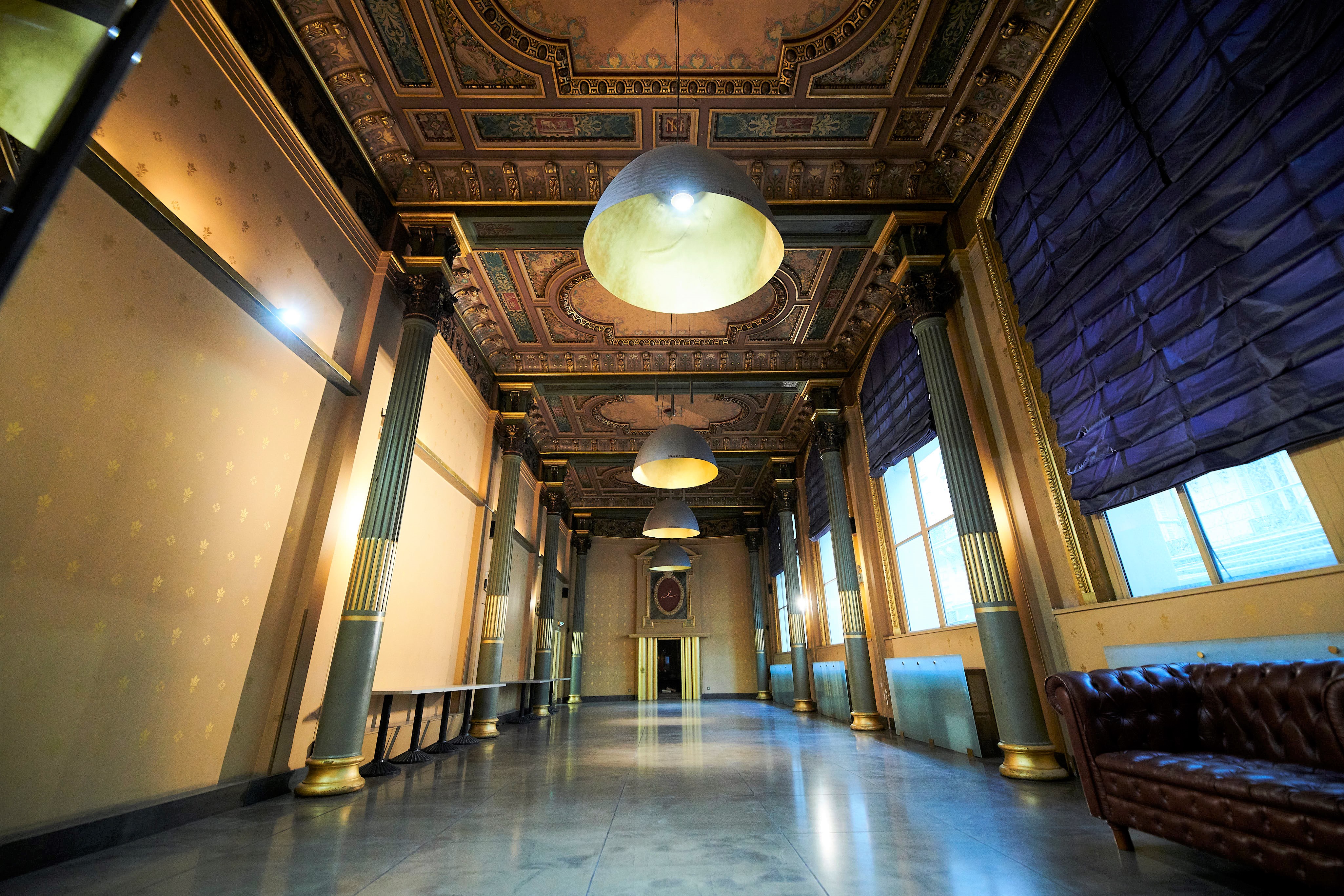
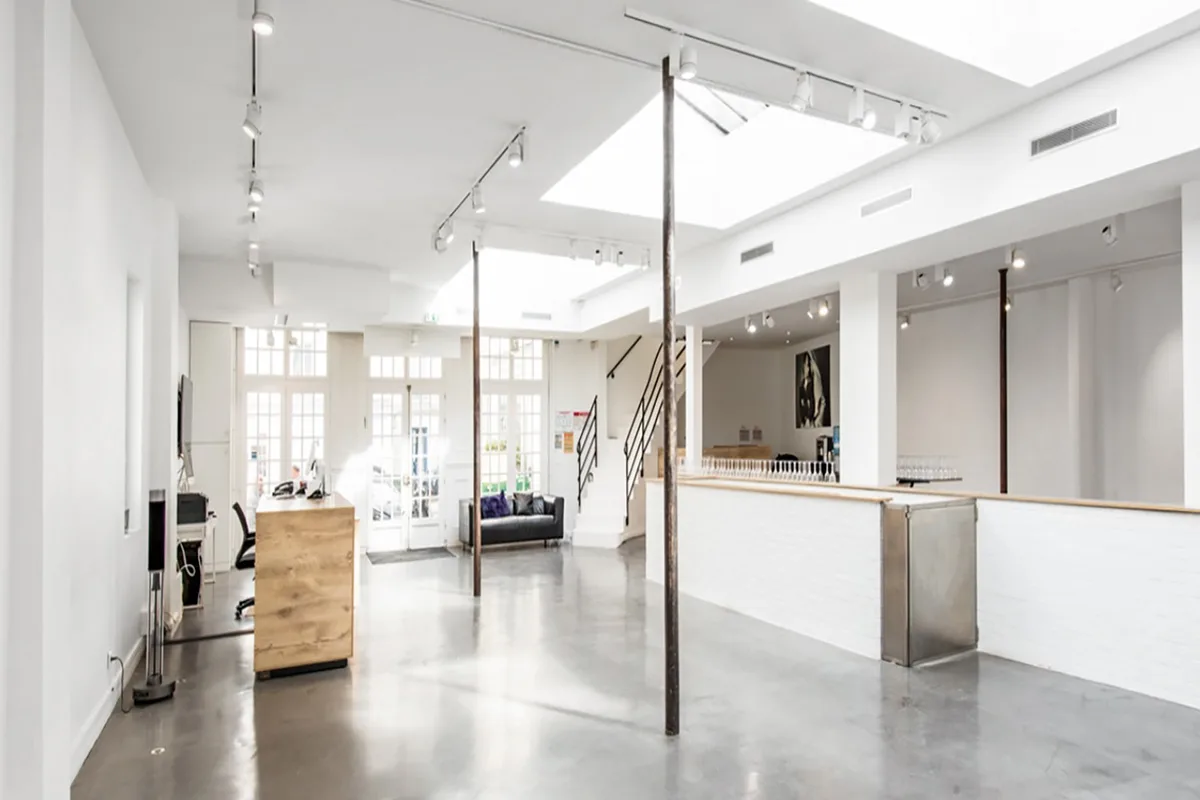
Finding the right pop up shop near Eiffel Tower requires more than identifying available square metres. It demands a clear understanding of Paris's distinct neighbourhood dynamics, how visitor footfall varies by arrondissement, which space types suit different brand objectives, and what operational, legal, and logistical requirements apply to temporary retail in France. Paris remains the world's single most visited city for luxury fashion and brand activations, drawing international brands, emerging designers, and creative agencies each season. Fashion Week Venues' Paris city hub brings together curated spaces, local expertise, and the tools brands need to move from brief to open doors efficiently. This guide covers every relevant neighbourhood, space category, permit consideration, and strategic decision point for brands planning a Paris pop-up.
Why Paris Remains the Global Capital for Pop-Up Retail
Paris consistently attracts the highest concentration of international luxury and fashion brands executing temporary retail and brand activations anywhere in the world. The city's unique combination of tourism density, media infrastructure, and cultural prestige makes it a commercial imperative for brands seeking European visibility.
Several structural factors make Paris the preferred destination for pop-up retail over other European capitals. The city draws tens of millions of international visitors annually, providing a built-in mix of high-net-worth tourists, local Parisians, and international press. During Paris Fashion Week, which runs twice yearly in February and March for womenswear and September and October for womenswear ready-to-wear collections, the concentration of buyers, editors, photographers, and influencers is unmatched globally. Brands including Virgil Abloh, ATELIER BIRKENSTOCK, and Colette have all used Paris as a launchpad for temporary retail concepts that generated disproportionate media coverage relative to their floor area or duration.
The city's retail geography also rewards strategic neighbourhood selection. Unlike London or New York, where flagship districts are tightly concentrated, Paris distributes its commercial energy across a series of distinct neighbourhood ecosystems, each with its own footfall profile, customer demographic, and cultural identity. A brand activating in Saint-Germain-des-Prés reaches a meaningfully different audience than one opening in Canal Saint-Martin or on Champs-Élysées, even if both are technically short-term retail operations.
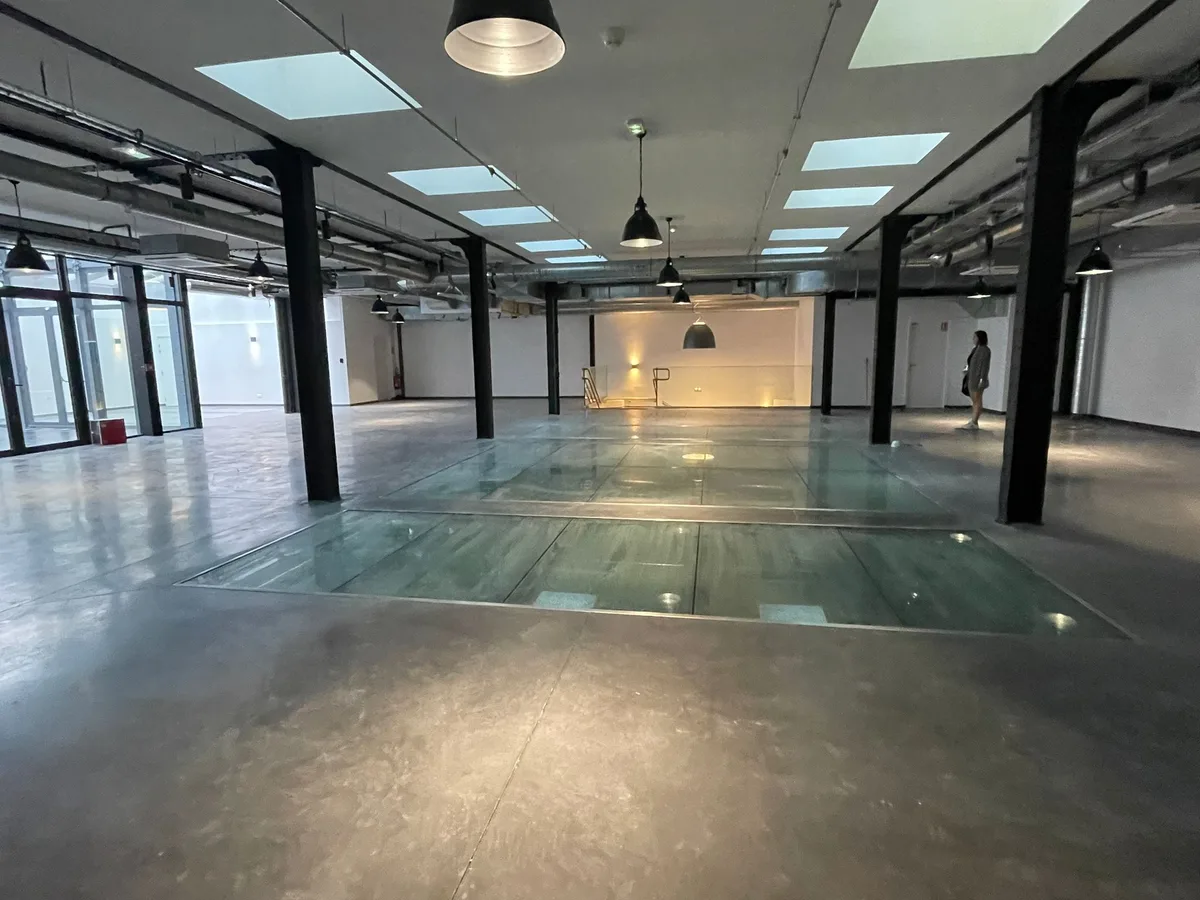
Paris also offers exceptional infrastructure for concept-driven activations. The city's abundance of Haussmann-era apartments, converted galleries, private courtyards, industrial lofts, and historic hotel particuliers gives brand teams a palette of aesthetic environments that reinforce narrative-led retail. Venues such as Galerie Joseph, Galerie Turenne, Chic Event Space, and Galerie d'exception have hosted international brands specifically because their architectural character adds production value that purpose-built retail spaces cannot replicate.
DID YOU KNOW: Paris Fashion Week generates significant economic activity across the Île-de-France region, with the fashion calendar drawing buyers, press, and brand teams from over 100 countries across both the February and September seasons.
Beyond the fashion calendar, Paris hosts a dense programme of cultural moments that justify year-round activation: art fairs, museum openings, Fête de la Musique, Nuit Blanche, and international sporting events all create peaks in footfall that brands can time their activations against. This layered calendar means that a well-timed Paris pop-up need not depend solely on Fashion Week to justify its investment.
KEY TAKEAWAY: Paris rewards brands that treat temporary retail as a strategic communication tool, not merely a sales exercise. The city's neighbourhood diversity, media density, and cultural calendar create conditions for activations that generate brand value well beyond their immediate revenue.
Understanding which part of Paris to activate in is the first and most consequential decision a brand team will make. The following sections map each major neighbourhood against brand objectives, footfall patterns, space availability, and practical considerations.
Parisian Landmarks and High-Profile Activation Zones Near the Eiffel Tower
The area surrounding the Eiffel Tower spans several arrondissements and encompasses some of Paris's most photographed, most visited, and commercially most complex activation zones. Brands choosing to operate near these landmarks benefit from extraordinary visibility but must plan carefully for footfall management, permit requirements, and the logistical realities of high-tourist-density environments.
Champ de Mars and Esplanade des Invalides
The Champ de Mars, the formal garden stretching southeast from the Eiffel Tower toward the École Militaire, and the Esplanade des Invalides to the northeast both fall within the 7th arrondissement. These open public spaces attract millions of visitors each year and serve as backdrops for brand activations, installations, and experiential marketing campaigns during major cultural and sporting events. However, activating on or immediately adjacent to these public spaces requires authorisation from the relevant municipal authority, the Mairie de Paris, and in some cases the prefecture. Approvals are not guaranteed and timelines can be lengthy.
Rue Saint-Dominique, one of the 7th arrondissement's primary commercial streets running east to west just north of the Champ de Mars, offers a more accessible route to activation near the Eiffel Tower. The street supports independent boutiques, food concepts, and short-term retail and is walkable from the tower itself. Space availability here is more conventional than on the esplanades, with standard commercial premises available on bail dérogatoire arrangements.
Pont Alexandre III and Pont-Neuf as Brand Backdrops
Pont Alexandre III and Pont-Neuf are frequently used as photographic and film backdrops for brand campaigns, and both bridges have hosted temporary brand installations under specific event authorisations. Brands should understand that any physical installation on a Paris bridge requires significant advance planning, public authority approval, and specialist event management. These locations are better suited to brand photography, campaign production, and influencer content shoots than to direct retail activations.
Grand Palais and Louvre Environs
The Grand Palais, now restored and operational for the Paris 2024 Olympics and beyond, has historically hosted Paris Fashion Week runway shows, exhibitions, and brand events. The venue is operated by the Réunion des musées nationaux and requires institutional negotiation for activation. Similarly, the Louvre's immediate surrounds, including rue de Rivoli and Place du Palais-Royal, offer commercial spaces that benefit from extremely high footfall from both international tourists and Parisian consumers. Brands such as Barbour have used the Saint-Honoré corridor, just north of the Tuileries, for short-term activations that combine heritage brand positioning with proximity to the luxury retail cluster of Avenue Montaigne and rue du Faubourg Saint-Honoré.
Montparnasse and Surrounding Zones
The Montparnasse Tower, while visually dominant, anchors a commercial zone in the 14th and 15th arrondissements that is less typically associated with luxury fashion pop-ups. The area serves a local Parisian commercial audience rather than international fashion tourism and is better suited to accessible or mid-market brands seeking volume-driven foot traffic from commuters and residents.
Quick answer: The most commercially viable zones for a pop up shop near the Eiffel Tower are rue Saint-Dominique and the broader 7th arrondissement for boutique retail, the Saint-Honoré corridor for luxury positioning, and rue de Rivoli for high-footfall tourist-facing activations. Each zone has different permit requirements, rental rates, and audience profiles.
KEY TAKEAWAY: Proximity to the Eiffel Tower amplifies social media reach and tourist footfall but requires careful logistical and permit planning. The most practical activation zones near the tower are street-level commercial premises in the 7th arrondissement and the Saint-Honoré corridor rather than the landmark spaces themselves.
Understanding the landmark-adjacent zones is necessary but insufficient on its own. The next section examines the full range of Paris's distinctive retail neighbourhoods and how each maps to different brand profiles and activation objectives.
Paris Neighbourhoods and Arrondissements: Matching Districts to Brand Objectives
Paris's arrondissement system organises the city into 20 municipal districts, each with a distinct commercial character, resident demographic, and visitor profile. For brands planning temporary retail, the choice of neighbourhood is a strategic decision that shapes audience, aesthetic, pricing, and operational complexity.
Le Marais District: The Creative and Cultural Core
Le Marais, spanning the 3rd and 4th arrondissements, is Paris's single most concentrated neighbourhood for fashion pop-ups, showrooms, concept stores, and short-term retail activations. The Marais district combines high footfall from international cultural tourists visiting the Picasso Museum, Place des Vosges, and Centre Pompidou with a dense local population of fashion professionals, creatives, and media workers. Brands including Claudie Pierlot, Jacadi, Hircus, and Venise Collection have all maintained retail presences in Le Marais, alongside international brands seeking temporary visibility during Paris Fashion Week.
The Marais's street network rewards granular location selection. Rue des Rosiers, the neighbourhood's historic heart, draws significant tourist traffic and is lined with independent boutiques and heritage food destinations. Rue de Bretagne and Rue Charlot in the northern Marais offer a less tourist-saturated environment with a stronger local creative community feel. Rue de Marseille, just east of République, bridges the Marais and Canal Saint-Martin audiences. Galerie Turenne, Turenne Boutique, Charlot' Store, Galerie D'art, and Galerie d'exception are among the venue types available in this corridor, offering architectural character that production-heavy brands can amplify without major fit-out investment.
TIP: The northern Marais, particularly around Rue Charlot and Rue de Bretagne, offers better rental value than the more tourist-saturated southern Marais while maintaining proximity to the core creative and media community.
Saint-Germain-des-Prés: Heritage, Luxury, and the Left Bank Audience
Saint-Germain-des-Prés occupies the 6th arrondissement on the Left Bank and carries one of the most recognisable cultural identities in global retail. The neighbourhood is anchored by Le Bon Marché Rive Gauche, one of Paris's most prestigious department stores and a proven incubator for emerging designers and international brand introductions. Ba&sh, Gerard Darel, and Maison Néo have all activated in this neighbourhood to reach its combination of affluent local residents, Left Bank intellectuals, and international luxury shoppers. Café de Flore and Les Deux Magots provide cultural landmarks that reinforce the neighbourhood's creative heritage positioning.
For brands targeting a sophisticated, design-literate, relatively affluent female consumer, Saint-Germain-des-Prés consistently outperforms in conversion relative to purely tourist-facing zones. Rental rates here are competitive with but typically lower than the most prestigious parts of the 1st arrondissement.
Canal Saint-Martin and the 10th Arrondissement: Emerging and Streetwear Brands
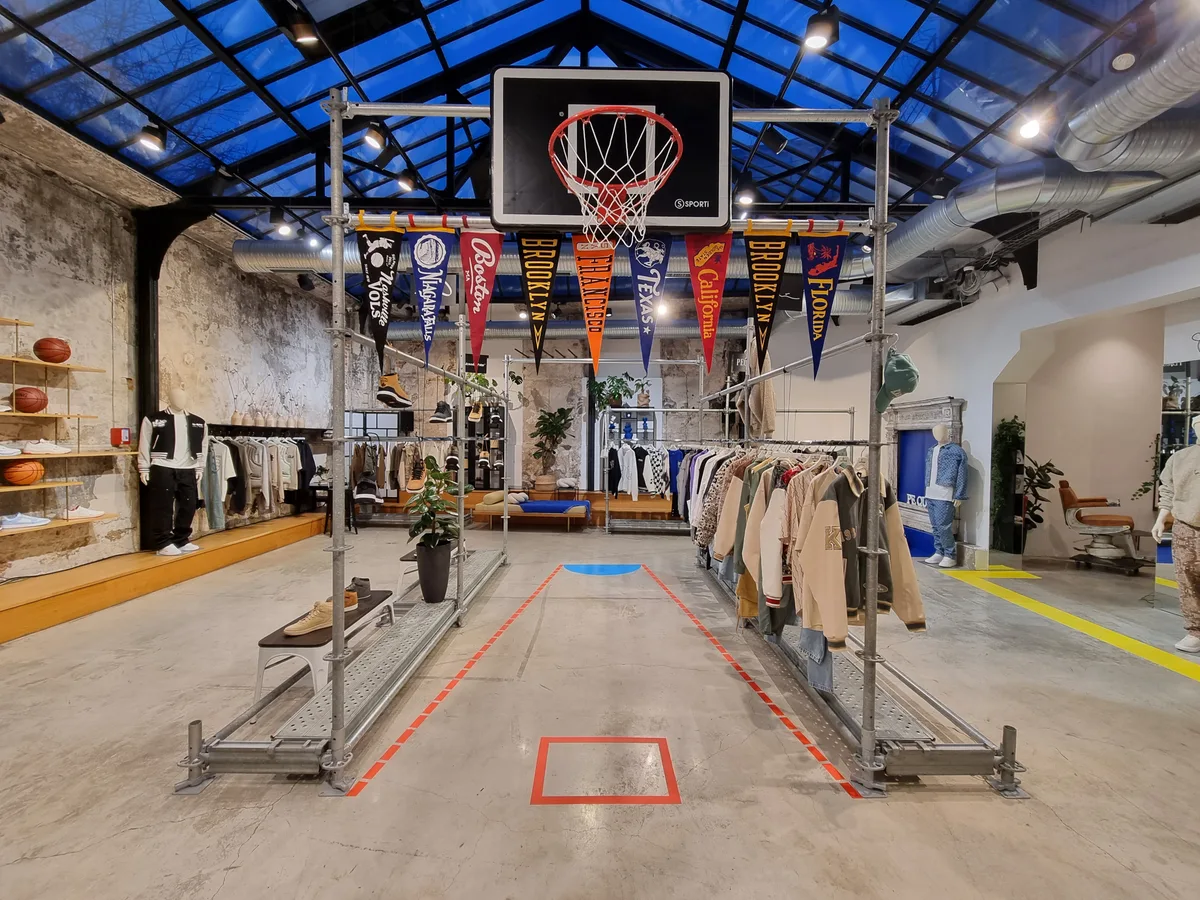
Canal Saint-Martin, running through the 10th arrondissement, has established itself as Paris's primary zone for independent fashion, streetwear, and concept-driven activations targeting a younger, more trend-aware consumer. The area's converted warehouse spaces, loft units, and canal-facing premises offer aesthetic environments that resonate strongly with brands in the sportswear, collaborative, and artist-collaboration segments. Foot traffic here is more local and intentional than in tourist-heavy zones, which can support higher conversion rates for brands with a strong community positioning.
Rue Montorgueil and Les Halles: Volume Footfall and Accessible Retail
Rue Montorgueil in the 2nd arrondissement and the Les Halles district, anchored by Forum des Halles in the 1st, represent Paris's highest-volume pedestrian retail environments outside Champs-Élysées. Brands seeking maximum footfall, accessible price points, and proximity to the city's transport hub will find Les Halles an operationally straightforward environment. Chatelêt serves as the transport interchange connecting this zone to every corner of Paris and the Île-de-France region, making it the easiest location for logistics and staff transit. Marionnaud, Sephora, and similar accessible beauty and lifestyle retailers anchor the commercial mix, signalling the area's positioning for mid-market and accessible luxury brands.
Champs-Élysées: Global Visibility at Premium Cost
The Champs-Élysées, running from Place de la Concorde to the Arc de Triomphe in the 8th arrondissement, is the most internationally recognised retail street in France. It attracts the highest density of international tourists of any Parisian street and commands the highest rental rates. Brands such as Repetto have used flagship and temporary retail formats on and adjacent to the Champs-Élysées to maximise global media coverage. The avenue and its surrounding streets, including Avenue George V and Avenue Montaigne, form the core of Paris's luxury retail cluster. Pop-up activations here generate strong social media reach but require significant budget and typically longer lead times for space securing and permit processing.
Quick answer: For most international fashion and lifestyle brands entering Paris, Le Marais offers the best combination of creative credibility, fashion-week proximity, footfall quality, and practical space availability. Saint-Germain-des-Prés suits heritage and luxury positioning. Canal Saint-Martin works best for emerging and streetwear brands. Champs-Élysées maximises global visibility at the highest cost.
To compare neighbourhoods and space types, explore the Paris city hub on Fashion Week Venues and shortlist spaces that match your brief, budget, and calendar window.
KEY TAKEAWAY: No single Paris neighbourhood is universally optimal. The right arrondissement depends on your brand's target consumer, campaign objectives, budget, and the specific calendar window you are activating within. Matching neighbourhood to brief is more important than proximity to any single landmark.
Types of Pop-Up Spaces Available in Paris
Paris offers a wider variety of short-term retail space types than most European cities. Understanding the differences between these categories helps brand teams match the right physical environment to their activation concept, budget, and operational requirements.
Gallery Spaces and Art Galleries
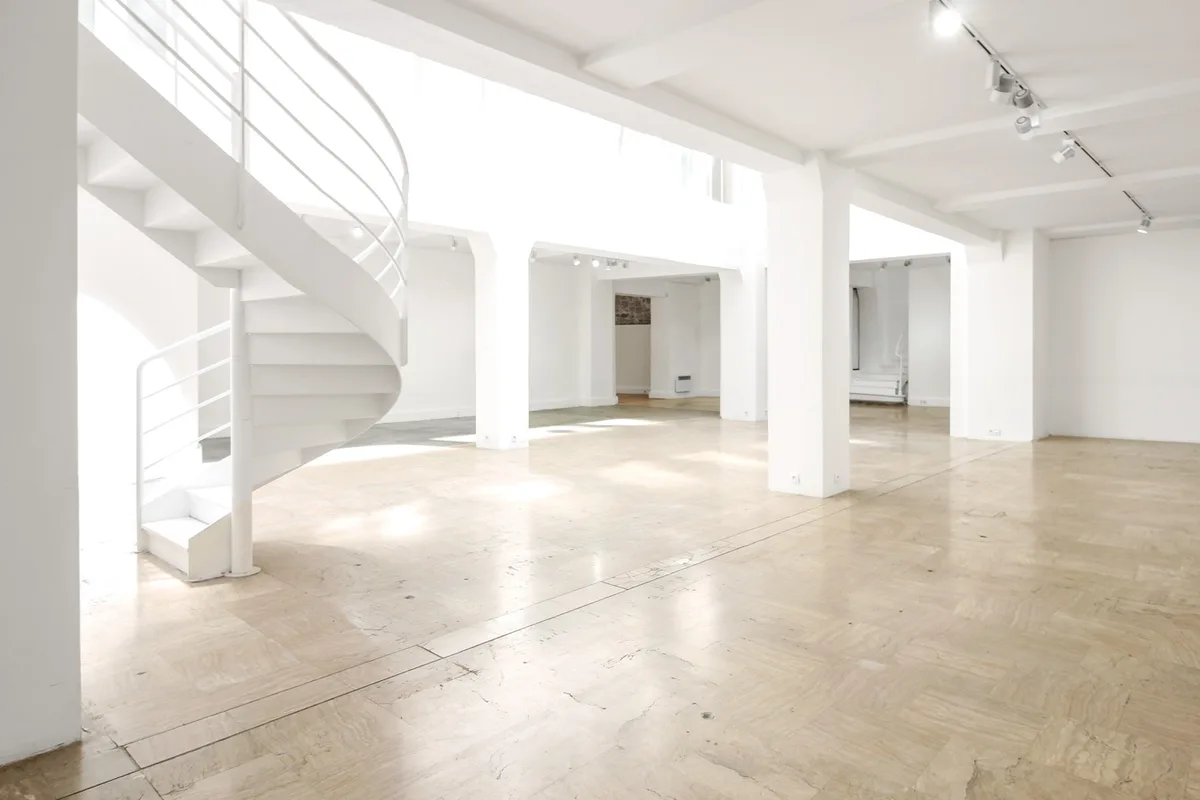
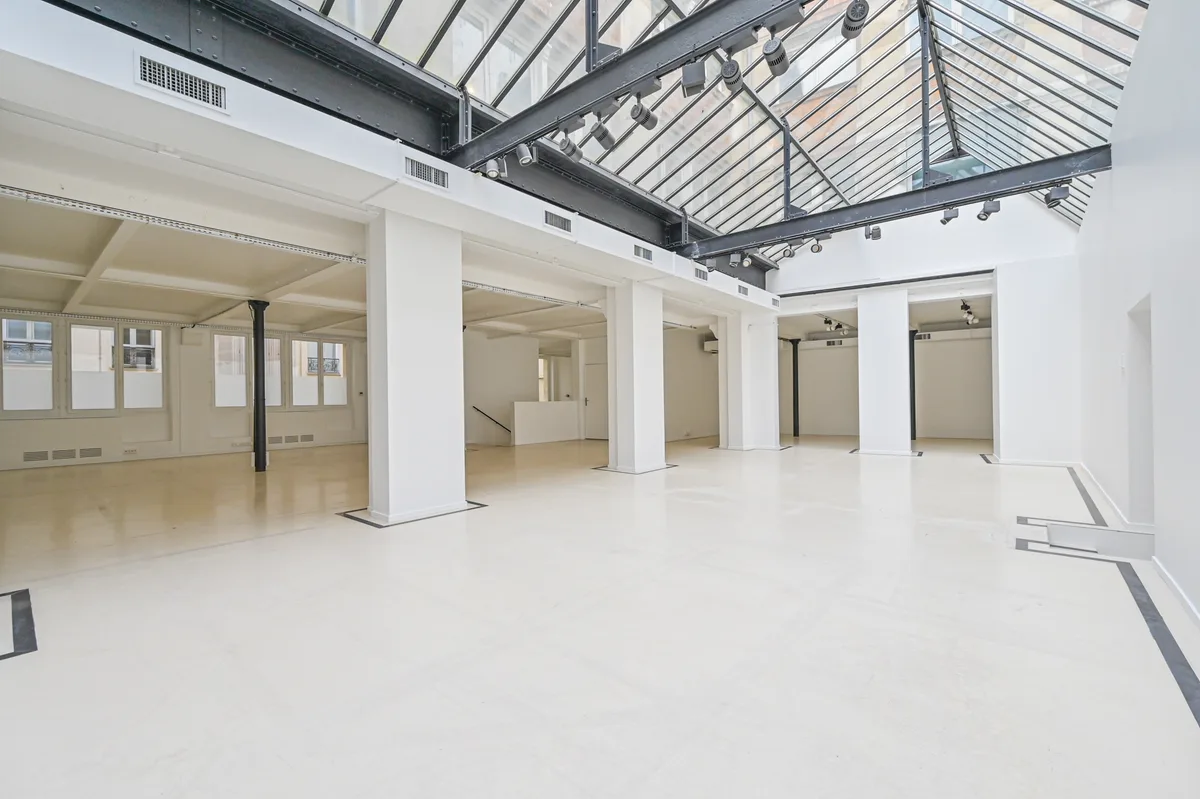
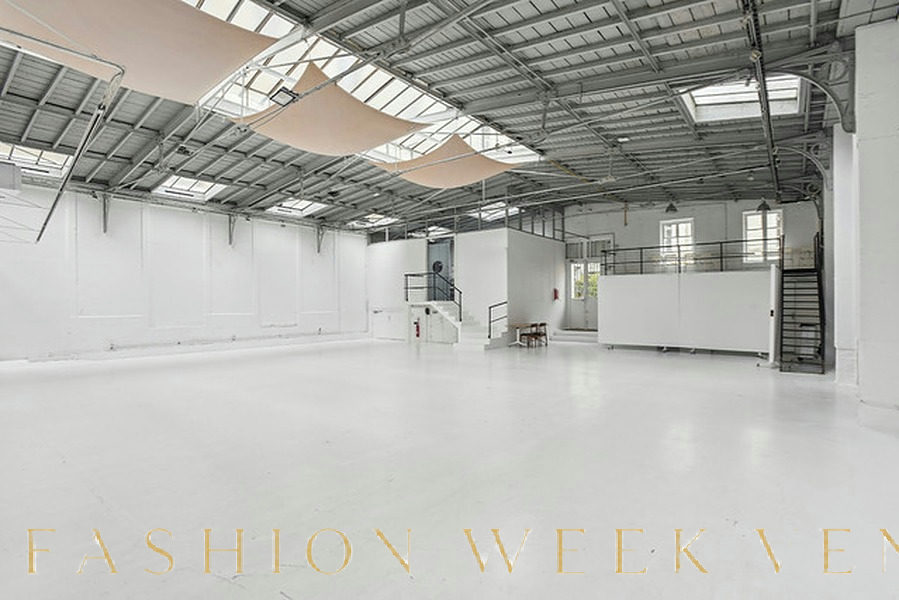
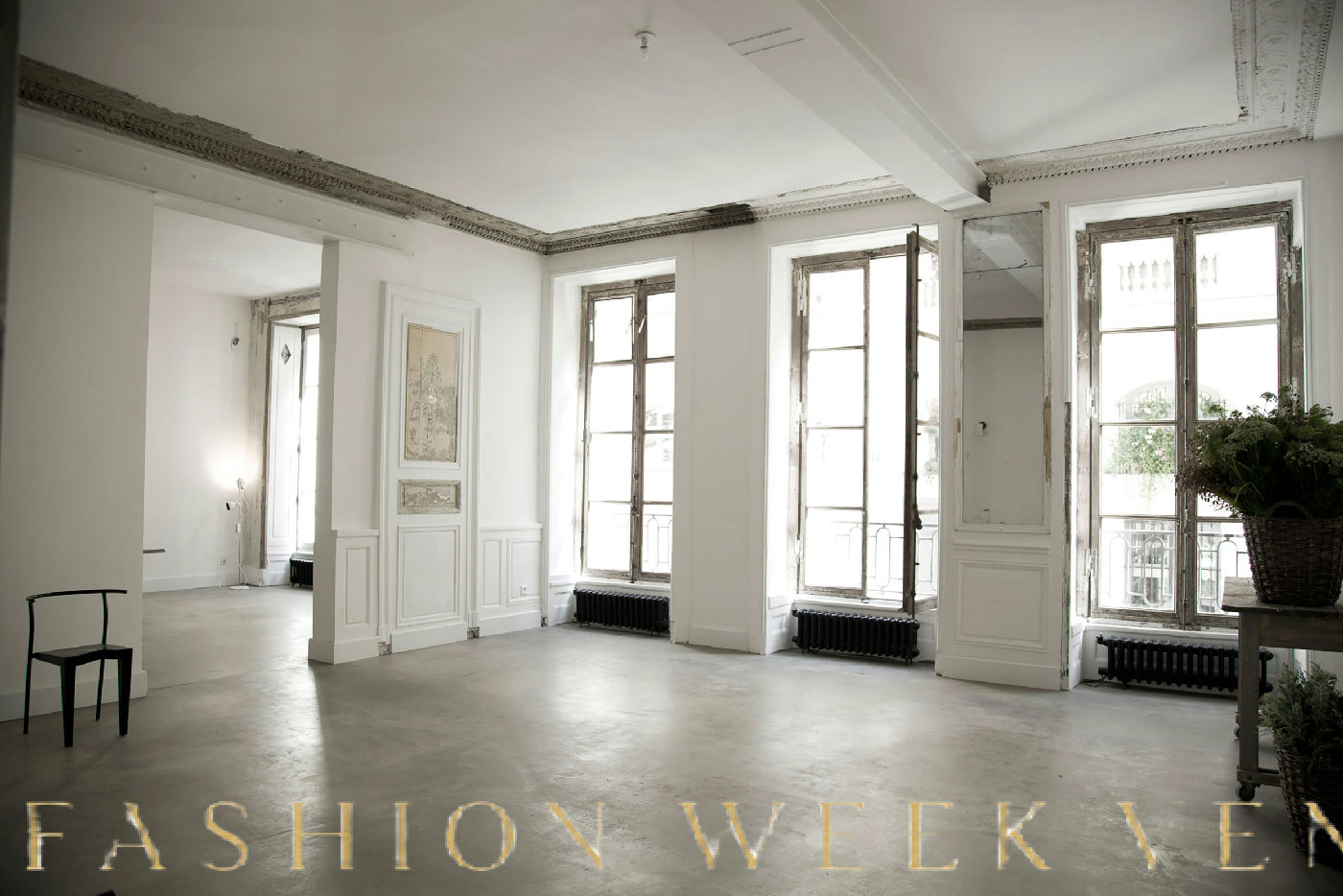
Gallery-format spaces such as Galerie Joseph in the Marais are among the most frequently used venues for fashion and lifestyle pop-ups in Paris. These spaces typically offer high ceilings, clean white or stone walls, polished concrete or parquet flooring, and flexible open-plan layouts that accommodate both retail merchandising and event programming. Their gallery identity also provides implicit cultural positioning that reinforces brand narratives around craft, design, and creativity. Galerie d'exception, Galerie D'art, and similar venues in the Marais and Saint-Germain corridors are regularly available for short-term rental.
Boutique Commercial Premises
Boutique retail units, including converted former fashion boutiques and concept stores, are the most operationally straightforward space type for pop-up retail. These premises typically have existing retail fit-out, point-of-sale infrastructure, changing rooms, and back-of-house storage. Spaces such as Turenne Boutique and Charlot' Store in the Marais, and comparable units in Saint-Germain and Canal Saint-Martin, can be activated with minimal additional investment. Brands planning to open for commerce immediately without heavy production can significantly reduce their timeline and budget by selecting boutique premises with existing retail infrastructure.
Event Spaces and Chic Event Spaces
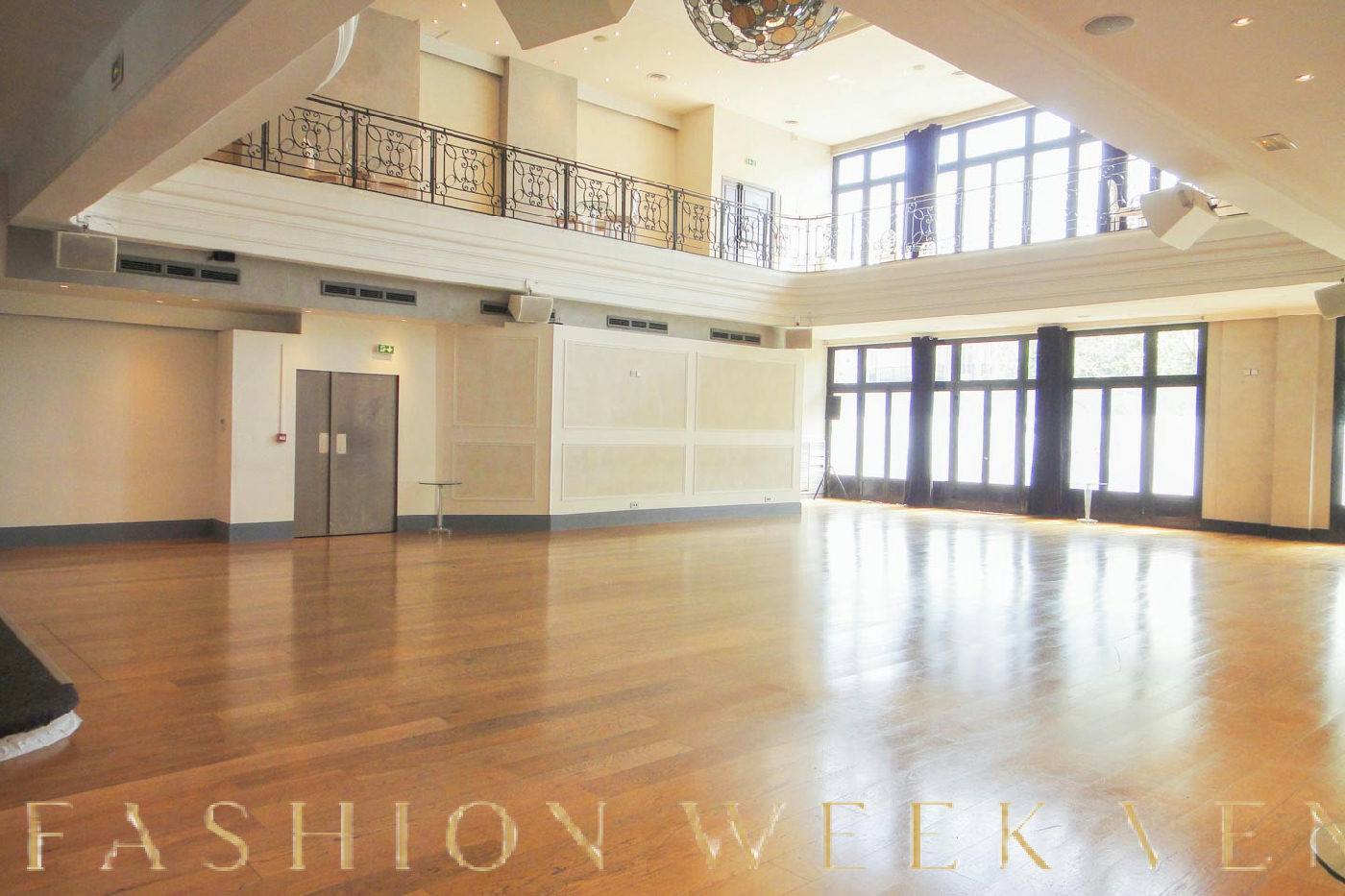
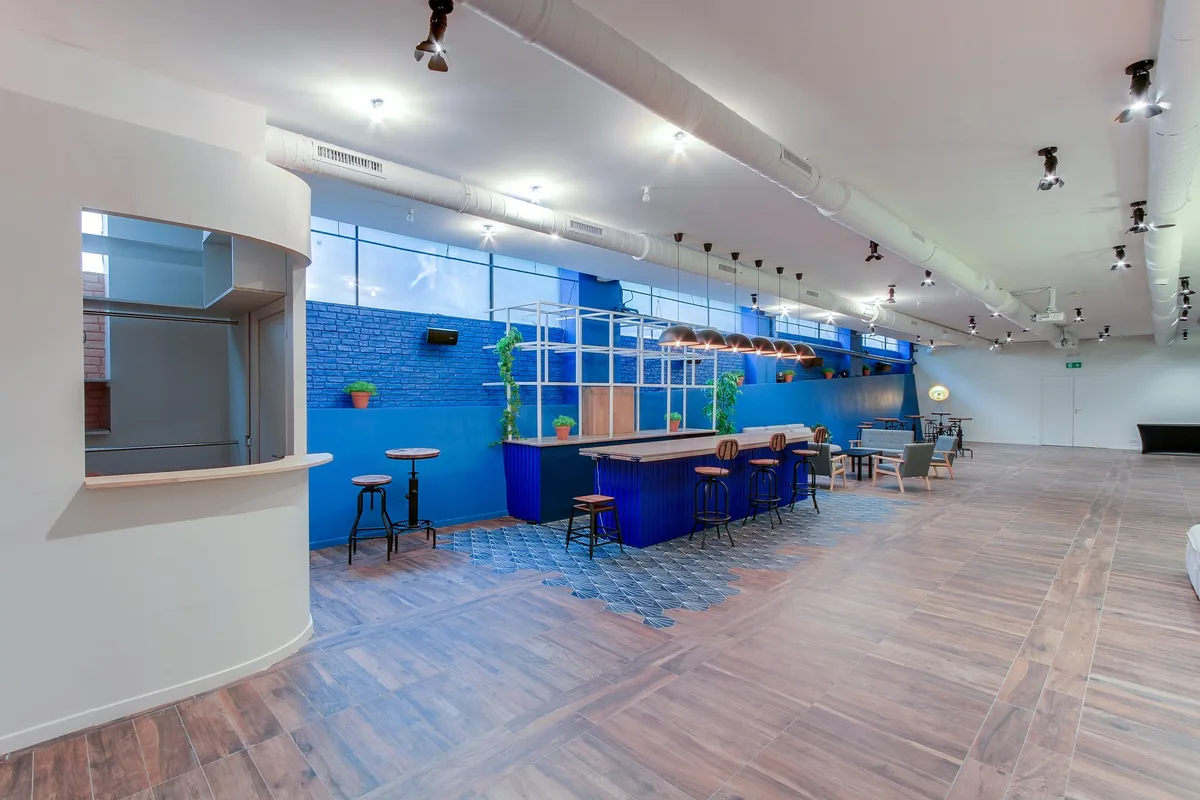
Dedicated event spaces such as Chic Event Space offer flexible configuration for activations that combine retail, brand experience, press events, workshops, and influencer programming. These spaces are designed to accommodate rapid changeovers between functions and typically offer better sound, lighting, and catering infrastructure than pure retail units. They are well-suited to brands running multi-format activations that require the space to function as both a shop and an event venue within the same booking period.
Private Apartments and Hotel Particuliers
Private apartments and hotel particuliers, particularly in the Marais, Saint-Germain, and 1st arrondissement, offer an intimate, residential aesthetic that is increasingly favoured by luxury, jewellery, and accessories brands. These spaces communicate exclusivity and curated taste that purpose-built retail cannot replicate. They are typically smaller in floor area but generate strong editorial coverage due to their aesthetic distinctiveness. Maison Néo and similar concept-driven temporary retail spaces have used this format effectively in recent seasons.
Showrooms
Showrooms in Paris are used primarily for trade appointments, press previews, and wholesale presentations rather than consumer retail. They are concentrated in the Marais, around the Bourse de Commerce, and in the 8th arrondissement near the Palais de Tokyo. During Paris Fashion Week, showroom space in these zones is in extremely high demand and should be secured a minimum of three to six months in advance for the February and September seasons.
Quick answer: The main pop-up space types in Paris are gallery spaces, boutique commercial premises, event and chic event spaces, private apartments, and trade showrooms. Each serves a different activation purpose and suits a different brand profile. Gallery spaces offer the best combination of aesthetic flexibility and cultural positioning for fashion and lifestyle brands.
KEY TAKEAWAY: Selecting the right space type before searching for individual venues significantly reduces the time spent evaluating unsuitable options. Define whether you need a consumer-facing retail environment, a trade-focused showroom, an experiential event space, or a hybrid format before beginning your search.
Paris Fashion Week Calendar and the Optimal Timing for Pop-Up Activations
Paris Fashion Week runs twice annually for women's ready-to-wear: in late February to early March for the autumn/winter collections and in late September to early October for the spring/summer collections. Men's Fashion Week in Paris takes place in January and June. Haute Couture weeks run in January and July. Each of these calendar moments creates specific windows of elevated media attention, buyer presence, and influencer activity that brands can leverage through well-timed pop-up activations.
Women's Ready-to-Wear Weeks
The September and February women's ready-to-wear seasons are the most commercially significant activation windows for most fashion and lifestyle brands. During these weeks, Paris hosts the highest concentration of global fashion press, buyers, stylists, photographers, and influencers anywhere in the world. Brands operating a pop-up during these windows benefit from organic media coverage, social media amplification, and the amplified purchasing intent that Fashion Week generates among both trade and consumer audiences. Established platforms including Go-PopUp and Storefront have historically listed spaces during these windows, though demand significantly outpaces supply and advance booking is essential.
Beyond Fashion Week: Year-Round Activation Logic
While Paris Fashion Week represents the peak activation opportunity, brands should not assume it is the only viable window. Paris attracts over 30 million international visitors annually, with strong footfall peaks during school holidays, summer months, and major cultural events. FIAC and Art Basel Paris create peaks of culturally engaged, high-net-worth visitors in the autumn. Nuit Blanche, Fête de la Musique, and other civic events generate elevated foot traffic across central Paris on specific dates that can anchor short-term activations with defined start and end points.
Brands activating outside Fashion Week also benefit from more accessible space availability, more negotiable rental terms, and less competition for media attention. Emerging brands with limited budgets often achieve stronger returns by activating during a second-tier cultural moment when space costs are lower and editorial space is less contested.
DID YOU KNOW: Activating during Paris Fashion Week typically requires securing space three to six months in advance, as the most desirable venues in Le Marais, Saint-Germain, and the 1st arrondissement are often fully committed well before the season opens.
Collaborations and Cultural Events as Activation Anchors
Some of Paris's most successful pop-up activations have been anchored to collaborations rather than the fashion calendar. ATELIER BIRKENSTOCK's Paris activations, Repetto's in-store experiences combining pointe shoes with dance culture, and Barbour's seasonal pop-ups have all used collaborations with Parisian cultural figures, art galleries, or established retail environments to generate media coverage independent of the fashion calendar. Brands that develop meaningful collaborations with local Parisian partners, whether independent boutiques, cultural institutions, or emerging designers, consistently outperform brands that treat Paris as a purely transactional retail location.
Quick answer: The optimal timing for a Paris pop-up depends on your brand's objectives. Fashion Week in February/March and September/October offers maximum media exposure but requires the longest lead time and highest budget. Year-round cultural events, art fairs, and civic moments offer viable alternatives for brands with more flexible calendars and tighter budgets.
KEY TAKEAWAY: Paris Fashion Week is a powerful but not exclusive activation window. Brands should evaluate the full Paris calendar, including cultural events, art fairs, and civic moments, when determining their activation timing. Aligning your pop-up with a culturally resonant moment, whether during Fashion Week or not, consistently generates stronger media outcomes than calendar-neutral activations.
Permits, Legal Structures, and Compliance for Paris Pop-Up Shops
Temporary retail in Paris operates within a specific legal and regulatory framework that differs significantly from standard commercial leasing and from pop-up regulations in other countries. Understanding the key legal instruments, permit categories, and compliance requirements before you begin your space search will save significant time and reduce the risk of costly delays.
Bail Dérogatoire: The Short-Term Commercial Lease
The bail dérogatoire is the primary legal instrument used for short-term commercial retail in France. Unlike a standard commercial lease, or bail commercial, which provides significant tenant protections and minimum terms of nine years, a bail dérogatoire is a derogatory lease that can be agreed for any term up to thirty-six months. It does not trigger the renewal protections of a standard commercial lease and provides landlords with greater flexibility for short-term arrangements. Most Paris pop-up spaces operating on a basis of days, weeks, or months will use a bail dérogatoire or a licence d'exploitation, a simpler licence arrangement that does not transfer occupation rights in the same way as a lease.
Brands should verify with a French legal advisor whether the specific agreement being offered for their space is a bail dérogatoire, a licence d'exploitation, or another instrument. The distinction has practical implications for liability, insurance requirements, and the rights of the parties. Do not assume that a verbally described short-term arrangement automatically constitutes a legally sound instrument without reviewing the written documentation.
IMPORTANT: Fashion Week Venues strongly recommends that all brands planning a Paris pop-up verify their lease or licence instrument with a qualified French legal advisor before signing. Requirements vary by space type, duration, intended use, and arrondissement. Our permit guidance tool provides directional information but does not constitute legal advice.
Autorisation d'Occupation Temporaire (AOT)
For activations in public spaces, on public land, or in publicly owned buildings, brands require an Autorisation d'Occupation Temporaire, commonly known as an AOT. This is a permission granted by the relevant public authority for temporary occupation of public domain. AOTs are required for activations on the esplanades, in public gardens such as the Champ de Mars, on bridges including Pont Alexandre III and Pont-Neuf, and in other publicly owned spaces. The process for obtaining an AOT involves submitting a formal application to the Mairie de Paris or the relevant préfecture, and approval is not guaranteed. Lead times for AOT applications are typically longer than for private space rentals, and applications should be submitted at least three to six months before the intended activation date.
Fire Safety, Electrical Safety, and Accessibility Regulations
All retail premises operating as publicly accessible spaces in France are subject to the Établissement Recevant du Public, or ERP, regulations. These cover fire safety, electrical safety, emergency exit provision, signage, and accessibility for people with disabilities. Brands taking on short-term spaces must ensure the premises comply with ERP regulations for the classification that applies to their intended use and visitor capacity. For spaces that have previously operated as retail premises, ERP compliance is typically already certified, but brands should verify the existing certification before opening. Any changes to the fit-out, electrical installation, or internal layout may trigger a new compliance assessment.
Insurance Requirements
Operating a pop-up shop in Paris requires specific insurance coverage including public liability, property damage to the rented premises, stock and inventory cover, and employer liability if you are engaging retail staff. Standard business insurance policies from outside France may not provide adequate cover for temporary retail operations in the country. Brands should engage an insurer with specific experience in short-term retail operations in France and ensure their policy documentation is available for inspection if required by the landlord or local authority.
Quick answer: Brands operating a pop-up shop in Paris must understand four primary legal and compliance areas: the bail dérogatoire or licence d'exploitation for private spaces, the AOT for public spaces, ERP regulations for fire, electrical, and accessibility compliance, and appropriate French-jurisdiction insurance. All four areas require verification before opening. For directional guidance, use the Fashion Week Venues permit tool.
KEY TAKEAWAY: Legal and compliance preparation for a Paris pop-up is non-negotiable and should begin at least three to four months before your intended opening date. Cutting corners on permits, lease documentation, or insurance creates operational risk that can result in forced closure, financial penalties, or reputational damage.
Operational Logistics: Inventory, Staffing, Merchandising, and Cash Flow
Beyond the physical space and legal framework, running a successful Paris pop-up requires meticulous operational planning. Brands that treat the operational layer as secondary to the concept and aesthetic consistently underperform against those that plan logistics with the same rigour as creative direction.
Inventory Planning and Stock Management
Inventory planning for a Paris pop-up differs from permanent retail in several important ways. The limited duration of the activation creates pressure to accurately forecast both the volume and mix of product required. Over-stocking creates cashflow pressure and return logistics costs. Under-stocking during a peak activation period results in missed sales and a poor customer experience. Brands should build inventory decisions around realistic daily sales projections derived from comparable activations, the specific footfall profile of the chosen neighbourhood and location, and any anchor events such as press previews, influencer events, or workshops that will drive traffic spikes on specific days.
Logistics infrastructure in Paris is well-developed but operates under specific constraints in central arrondissements. Many streets in Le Marais, Saint-Germain-des-Prés, and the 1st arrondissement have restricted vehicle access hours and loading zone limitations. Delivery planning, including the specific hours at which stock arrivals and collections can take place, must be confirmed with the venue landlord and local authority before the activation begins.
Retail Staffing in Paris
Staffing a Paris pop-up with the right personnel is one of the most operationally complex aspects of the activation for international brands. French employment law applies to all staff engaged in France regardless of the employing brand's country of registration. Temporary retail staff in France are typically engaged through a registered temporary employment agency, or through a French subsidiary or partner entity, to ensure compliance with social contributions, working hour regulations, and holiday pay requirements. Staff should be fluent in French and ideally in at least one additional language, given the international visitor profile of most Paris pop-up locations. Fashion Week Venues' retail staffing service addresses this complexity directly for brands without existing French payroll infrastructure.
Point of Sale and Payment Infrastructure
Paris consumers and international tourists expect a broad range of payment options including contactless card payment, mobile payment, and ideally multi-currency processing for international visitors. Establishing POS infrastructure for a short-term activation requires selecting a provider that can deploy rapidly, process in the required currencies, and integrate with the brand's existing inventory management system where relevant. Payment data from the activation is also a valuable source of behavioural insight that feeds into post-activation analysis and informs future inventory decisions.
Merchandising, Packaging, and Sustainability
Merchandising standards in Paris are exceptionally high, reflecting the city's status as the global benchmark for retail presentation. Brands that invest in thoughtful merchandising, including appropriate display fixtures, lighting, scent, and music programming, consistently outperform those that treat the space as a temporary warehouse. Packaging is also an important element of the Paris pop-up experience: branded packaging that reflects the quality and aesthetic of the product reinforces the brand narrative and generates organic social media sharing from customers. Sustainability considerations are increasingly important to Parisian consumers, particularly in the fashion and beauty categories. Brands should consider the environmental credentials of their fit-out materials, packaging, and waste management processes.
KEY TAKEAWAY: Operational excellence in a Paris pop-up is as important as concept excellence. Brands that underinvest in inventory planning, staffing compliance, POS infrastructure, and merchandising quality consistently underperform against their potential. Build your operational plan in parallel with your creative brief, not after it.
Social Media, Marketing, and Brand Activation Strategy for Paris Pop-Ups
A Paris pop-up that fails to generate social media content, media coverage, and community engagement is significantly underperforming its potential. The physical activation should be conceived from the outset as a content-generation engine as much as a sales mechanism. The brands that derive the greatest value from Paris temporary retail consistently treat the space as a media asset, not merely a commercial one.
Designing for Social Media and Content Creation
Paris's visual landscape sets an extremely high benchmark for brand imagery. Activations near the Eiffel Tower, on Pont Alexandre III, in the Marais's historic courtyards, or in Saint-Germain's gallery spaces automatically generate a level of photographic quality that other cities cannot replicate. Brands should design their spaces with specific content opportunities in mind: an identifiable hero shot location within or immediately outside the venue, a distinctive installation or display element that rewards close photography, and a visual identity that is immediately recognisable in a social media feed. Brands including Ba&sh and Claudie Pierlot have used Parisian architectural backdrops and neighbourhood context as central elements of their activation social media content.
Influencer Marketing and Press Engagement
Paris has one of the world's densest concentrations of fashion and lifestyle influencers, editorial photographers, and independent press. A targeted influencer engagement programme for a Paris pop-up should begin at least six weeks before opening, with invitations to private previews, content creation sessions, and exclusive access moments distributed to a curated list of relevant creators. The ROI on well-executed influencer marketing in Paris is measurable and can significantly amplify the earned media value of an activation. Fashion Week Venues' influencer marketing service supports brands in building and executing this kind of programme with local market expertise.
Cultural Events, Workshops, and Collaboration Programming
Brands that programme events within their pop-up spaces, including workshops, artist collaborations, book launches, and panel discussions, consistently generate stronger media coverage and community engagement than those that operate purely transactional retail. Paris has a sophisticated cultural events audience that responds positively to activations that offer genuine intellectual or creative content beyond shopping. Aligning your activation with an existing cultural moment, whether an art fair, a museum opening, or a neighbourhood festival, multiplies the organic reach of your event without proportionally increasing your marketing budget.
Quick answer: Effective Paris pop-up marketing combines designed-for-social-media space aesthetics, targeted influencer and press engagement beginning at least six weeks before opening, and event programming that positions the activation as a cultural contribution rather than purely a sales exercise. All three elements are necessary for activations that generate brand value beyond their immediate revenue.
KEY TAKEAWAY: Social media amplification and press coverage are not optional extras for a Paris pop-up. They are primary objectives that should be built into the concept, space design, programming, and budget from the very beginning of the planning process.
Brands That Have Shaped Paris's Pop-Up Culture
Paris's history of innovative temporary retail spans decades and has been shaped by a combination of international luxury houses, emerging designers, and concept-driven independents. Understanding this history helps brands contextualise their own activation within a meaningful cultural lineage and avoid repeating approaches that the Parisian market has already processed and moved beyond.
Colette and the Concept Store Legacy
Colette, which operated on rue Saint-Honoré from 1997 until its closure in 2017, defined the template for concept-driven retail in Paris and globally. Its model of combining fashion, design, art, music, and food in a single curated environment influenced every significant concept store and pop-up activation that followed. Brands that activate in Paris inherit this legacy whether they acknowledge it or not. The best Paris pop-ups still draw on Colette's central insight: that retail is most powerful when it offers a point of view, not merely a transaction.
Virgil Abloh and the Off-White Model
Virgil Abloh's approach to temporary retail in Paris, which combined streetwear cultural codes with high fashion positioning and used pop-up activations as narrative tools rather than commercial necessities, demonstrated how short-term retail could function as a primary communication channel for a brand. The Off-White model of using Paris as a media amplifier rather than a direct sales market has influenced how many contemporary brands approach their Paris activations.
Repetto, ATELIER BIRKENSTOCK, and Heritage Brands in Temporary Formats
Repetto, the French ballet and shoe brand, has used temporary retail and in-store experiences to communicate its heritage of orthopedic craftsmanship and pointe shoe culture to new audiences. ATELIER BIRKENSTOCK's Paris activations translated the brand's functional heritage and orthopedic craftsmanship narrative into a luxury experiential format that resonated with a fashion-forward Paris audience. These examples illustrate how heritage brands with deep product narratives can use temporary retail to reintroduce or reframe their brand story to Parisian consumers and international media simultaneously.
Emerging Designers and Collaborative Formats
Paris's rich ecosystem of emerging designers, including labels represented through Hircus, Venise Collection, and similar emerging retail concepts, demonstrates that effective Paris pop-ups do not require large budgets. Collaborative formats where multiple emerging designers share a single space, as seen in multi-brand pop-up concepts across the Marais, reduce individual cost while maintaining the aesthetic and commercial quality that the Paris market demands. The twin activation model, where two complementary brands share a space and audience, is an increasingly efficient format for brands with aligned customer profiles but non-competing product categories. Explore the twin co-activation concept for brands considering this approach.
KEY TAKEAWAY: Paris's pop-up culture rewards brands that have a genuine point of view and communicate it with consistency across space design, product selection, event programming, and marketing. The most successful Paris activations, regardless of budget scale, are those that contribute something to the cultural conversation rather than merely occupying retail space.
How Fashion Week Venues Supports Your Paris Pop-Up
Fashion Week Venues operates as a full-service agency and curated space marketplace for brands planning temporary retail, showrooms, and brand activations in Paris and other major fashion capitals. The platform is designed specifically for brand teams, creative directors, and marketing managers who need both strategic guidance and practical execution support for Paris pop-up projects.
Venue Sourcing and Space Discovery
The Fashion Week Venues marketplace lists curated spaces across Le Marais, Saint-Germain-des-Prés, Canal Saint-Martin, the 1st arrondissement, and other key Paris activation zones. Each listing is assessed for its suitability for short-term retail, its ERP compliance status, its technical specifications, and its neighbourhood context. Brands can use the venue sourcing service to have the team conduct a targeted search against a specific brief, or browse the marketplace independently using filters for location, size, space type, and calendar availability. The locator and compare tools allow brand teams to shortlist and evaluate multiple options simultaneously before committing to a shortlist for viewing.
Concept, Creative, and Production Services
For brands that need support beyond space identification, Fashion Week Venues offers concept direction, branded store design, fit-out and production, furniture rental, and full activation management. The concept direction service helps brands translate their creative brief into a physical environment that reflects their brand identity and achieves their communication objectives. The production and build service manages the full fit-out process from design approval through installation, compliance sign-off, and de-rig. For brands with a clear concept already defined, the furniture rental service provides curated fixtures and display solutions that can be deployed without a full custom build.
Tools for Planning and Decision-Making
Fashion Week Venues provides a suite of planning tools specifically designed for brands in the research and planning phase. The budget tool generates directional cost estimates based on space size, duration, location, and service requirements. The ROI tool models the potential return on a given activation based on comparable brand performance data. The timeline tool maps the critical path from brief to opening day, identifying key decision points and lead time requirements. The permits tool provides directional guidance on the permit and compliance requirements relevant to the specific space type and location. These tools are available at the budget planning tool and the broader tools section of the platform.
Data, Analytics, and Post-Activation Insight
Fashion Week Venues' data and analytics service captures foot traffic, sales conversion, customer dwell time, and social media performance data from activations, providing brand teams with quantified insight into the commercial and communication value of their Paris pop-up. This data feeds into post-activation reporting and informs decisions about future calendar windows, neighbourhood selection, and space configuration. For brands planning multiple Paris activations across successive seasons, this data layer becomes an increasingly powerful asset.
IMPORTANT: Fashion Week Venues does not guarantee the availability of any specific space, the approval of any permit application, or any specific commercial outcome from an activation. All spaces, services, and tools are provided as support for brand team decision-making, not as guarantees of outcomes.
KEY TAKEAWAY: Fashion Week Venues is most valuable to brand teams that engage with the platform early in their planning process, ideally three to six months before their target opening date. The earlier the team engages, the wider the range of available spaces and the more time exists to complete permit, compliance, and production planning without compressing the timeline.
Budgeting for a Paris Pop-Up Shop: Framework and Considerations
Budgeting for a Paris pop-up involves more line items than most brand teams anticipate at the outset. A realistic budget framework accounts for space rental, fit-out and production, permits and compliance, staffing, insurance, marketing and influencer programming, logistics, inventory, and post-activation costs including de-rig and return shipping.
Space Rental Costs
Rental costs for Paris pop-up spaces vary significantly by neighbourhood, space type, size, and season. Spaces in the most sought-after Fashion Week locations in Le Marais, Saint-Honoré, and Saint-Germain-des-Prés during the February and September seasons command the highest daily and weekly rates. Spaces in Canal Saint-Martin, the 10th arrondissement, and emerging areas of the 11th and 12th arrondissements typically offer better value, particularly outside the Fashion Week window. Rental costs should be treated as directional estimates; actual terms depend on specific negotiation with each landlord. Use the Fashion Week Venues budget tool for brand-specific estimates based on your brief.
Fit-Out, Production, and Furniture
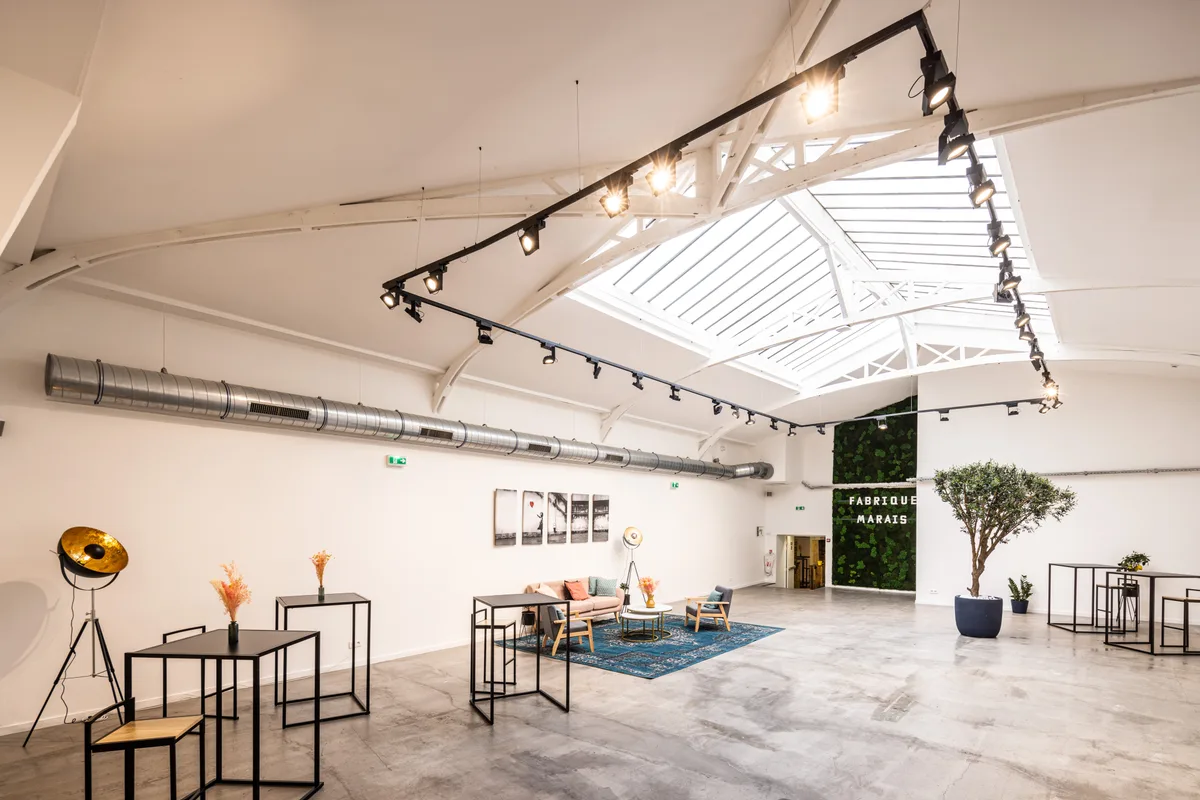
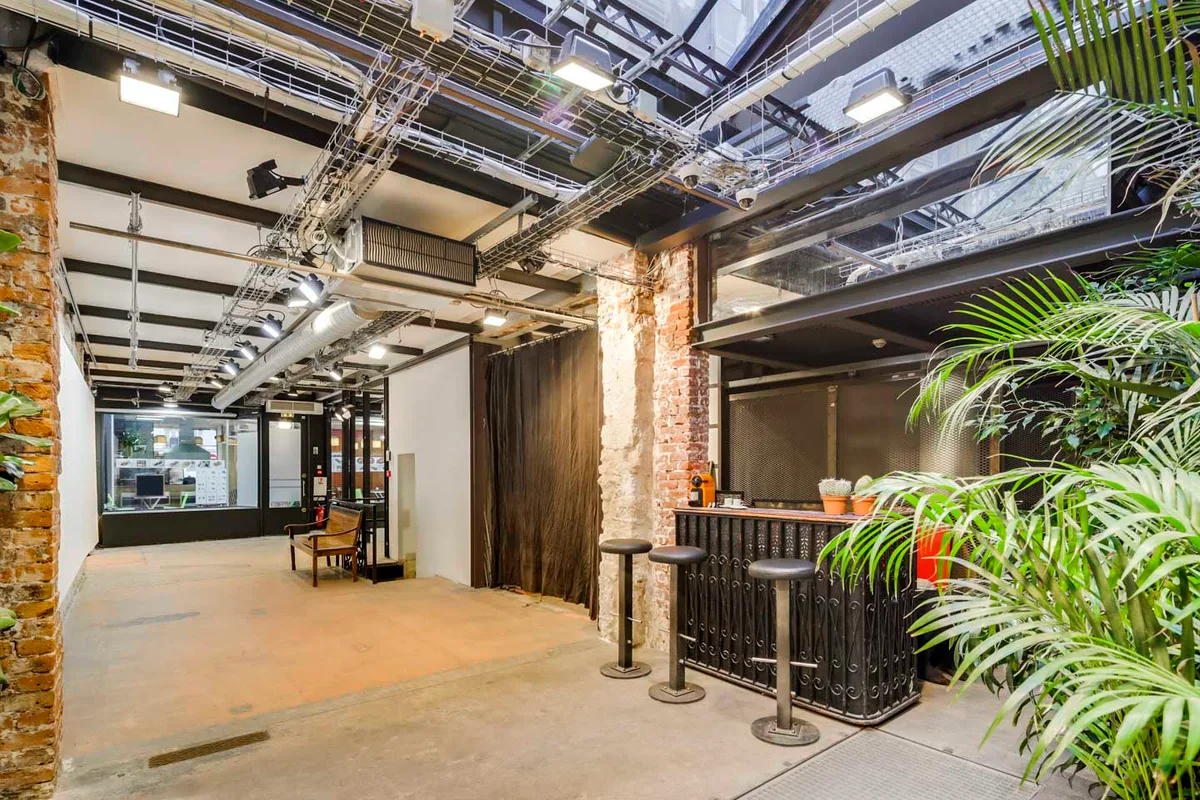
Production costs for a Paris pop-up depend on the level of customisation required and the starting condition of the chosen space. Gallery spaces and boutique premises with existing infrastructure significantly reduce production investment. Custom builds in raw or industrial spaces require greater budget allocation for fixtures, flooring, lighting, and signage. Furniture rental is a cost-effective alternative to custom build for activations requiring a defined aesthetic without a full design and build programme.
Marketing, Influencer, and Content Production
Marketing costs for a Paris pop-up should include social media content production, influencer engagement fees or gifting budgets, press materials, event programming costs, and any paid media support. International brands typically invest meaningfully in pre-opening content production to ensure that the space looks its best in editorial and social media imagery from day one.
Quick answer: A Paris pop-up budget should include at minimum: space rental, fit-out and furniture, permits and legal review, insurance, staffing, POS infrastructure, inventory, marketing and influencer costs, logistics, and de-rig. Brands frequently underestimate permit, compliance, and logistics costs when planning their first Paris activation. Use the Fashion Week Venues budget tool for a structured estimate tailored to your specific brief.
KEY TAKEAWAY: Transparent, complete budgeting before committing to a space is one of the most important risk management steps a brand team can take. A space that appears affordable on rental cost alone may become significantly more expensive when fit-out, compliance, staffing, and logistics are added. Build a complete budget before shortlisting spaces.
Common Myths About Paris Pop-Up Shops Debunked
MYTH: You need a French legal entity to rent a pop-up space in Paris.
FACT: Many Paris landlords and space platforms, including Fashion Week Venues, work with international brands that do not have a registered French legal entity. The specific arrangement depends on the space type, the duration, and the chosen legal instrument, such as a licence d'exploitation or bail dérogatoire. However, some compliance obligations, particularly around staffing and VAT, may require engagement with a French-registered intermediary or employer of record. Verification with a French legal advisor is always recommended.
MYTH: Paris Fashion Week is the only viable calendar window for a pop-up activation in Paris.
FACT: Paris attracts significant international and domestic footfall year-round. Cultural events including Art Basel Paris, Nuit Blanche, Fête de la Musique, and major sporting events create alternative activation windows that can offer better value and comparable media reach than Fashion Week for brands targeting specific audiences. Emerging brands with limited budgets have consistently achieved strong outcomes by activating during second-tier cultural moments when space costs are lower and editorial competition is less intense.
MYTH: Commission brokers are the only way to find a short-term retail space in Paris.
FACT: Commission-based space brokers are one route to finding a Paris pop-up space, but they are not the only or necessarily the most efficient option. Dedicated pop-up space platforms including the Fashion Week Venues marketplace provide direct access to curated Paris spaces with transparent availability, specifications, and terms. These platforms also offer accompanying services, tools, and agency support that commission brokers typically do not provide.
MYTH: Short-term leases in Paris are legally straightforward and do not require specialist help.
FACT: Short-term commercial arrangements in France, including bail dérogatoire and licence d'exploitation instruments, involve specific legal requirements, limitation periods, and compliance obligations that differ significantly from commercial lease law in other countries. International brands that approach these instruments without specialist French legal advice frequently encounter issues with liability allocation, insurance requirements, and exit conditions. Engaging a French legal advisor and using directional tools such as the Fashion Week Venues permit guidance tool is strongly recommended for all brands.
MYTH: A Paris pop-up near the Eiffel Tower guarantees maximum commercial success.
FACT: Proximity to the Eiffel Tower maximises tourist footfall and social media imagery but does not automatically translate into strong commercial performance for all brand types. The 7th arrondissement around the tower has a specific tourist-heavy demographic that suits accessible lifestyle and souvenir brands more than niche fashion or luxury brands. Fashion and lifestyle brands seeking quality consumer engagement typically achieve stronger conversion in Le Marais, Saint-Germain-des-Prés, or the Saint-Honoré corridor, where the balance of local and international customers better matches their target profile.
Frequently Asked Questions
Which pop-ups should you visit during Paris Fashion Week?
During Paris Fashion Week, the highest concentration of interesting pop-up activations is found in Le Marais, particularly along Rue des Rosiers, Rue Charlot, and the area around Centre Pompidou. Saint-Germain-des-Prés and the Saint-Honoré corridor also host significant activations by international luxury and lifestyle brands. Canal Saint-Martin is the go-to destination for streetwear, emerging designer, and collaborative activations. The Paris Fashion Week schedule is dense and geographically dispersed, so planning a route by neighbourhood rather than by individual event is the most efficient approach. Following the social media accounts of key platforms, galleries, and concept stores in these neighbourhoods before the season opens will ensure you have up-to-date information on what is activating and when.
In which district of Paris should you organise your pop-up store?
The right district depends entirely on your brand's target consumer, campaign objective, and budget. Le Marais is the most broadly applicable choice for fashion and lifestyle brands due to its combination of creative credibility, media presence, and architectural quality of available spaces. Saint-Germain-des-Prés suits heritage, luxury, and Left Bank-positioned brands targeting an affluent female consumer. Canal Saint-Martin works best for younger, more trend-forward, and streetwear-adjacent brands. The Champs-Élysées corridor maximises global visibility at the highest cost. Rue Montorgueil and Les Halles offer high volume footfall for accessible and mid-market brands. The 7th arrondissement near the Eiffel Tower suits lifestyle, tourist-facing, and accessible brands seeking high visitor numbers.
What neighbourhood should I target and what consumer profile does each attract?
Le Marais attracts a mix of international cultural tourists, local Parisian creatives, fashion professionals, and media, making it the highest-quality audience mix for fashion and lifestyle brands. Saint-Germain draws affluent Parisian residents, international luxury shoppers, and culturally engaged visitors. Canal Saint-Martin attracts younger, locally rooted, trend-aware consumers and creative community members. The Champs-Élysées attracts the highest volume of international tourists but with a broad demographic mix. The 7th arrondissement around the Eiffel Tower is dominated by international tourists and serves best for accessible, recognisable, or lifestyle-positioned brands. Montorgueil and Les Halles attract primarily French consumers and commuters.
How far in advance should I book a Paris pop-up space for Fashion Week?
For the most desirable spaces in Le Marais, Saint-Honoré, and Saint-Germain-des-Prés during the February and September Fashion Week windows, brands should begin their search and secure a space a minimum of three to six months before their intended opening date. Fashion Week spaces in prime locations are frequently fully committed four to five months in advance. Brands that begin their search six to eight weeks before the season opens are likely to find that the best options are already taken. For non-Fashion Week activations, a lead time of six to eight weeks is more typically sufficient, though longer is always preferable for complex or large-scale activations.
Do I need a French legal entity to rent a pop-up space in Paris?
Not necessarily. Many Paris landlords and platforms including Fashion Week Venues work with international brands operating under a licence d'exploitation or similar short-term instrument that does not require a registered French entity. However, staffing a pop-up in France with paid employees does require engagement with the French employment system, either through a French subsidiary, a registered temporary employment agency, or an employer of record arrangement. VAT registration in France may also be required depending on the nature and volume of sales. Brands should verify their specific situation with a qualified French legal and tax advisor before committing to an activation.
What permits do I need for a Paris pop-up shop?
For a private commercial space operating as a retail pop-up, the primary legal instrument is a bail dérogatoire or licence d'exploitation covering the rental period. The space must comply with ERP fire safety, electrical safety, and accessibility regulations. For public space activations, including esplanades, public gardens, or bridge installations near the Eiffel Tower, an Autorisation d'Occupation Temporaire from the Mairie de Paris or relevant préfecture is required. Signage visible from the street may require a separate permit from the local planning authority. The Fashion Week Venues permit guidance tool provides directional information, and all brands should verify requirements with a French legal advisor. Permit requirements vary by space type, duration, intended use, and arrondissement.
What is the typical cost of a Paris pop-up space?
Rental costs vary significantly depending on the neighbourhood, space size, space type, and calendar window. The most sought-after spaces in Le Marais and Saint-Honoré during Fashion Week command the highest rates. Spaces outside peak windows and in less central neighbourhoods offer considerably more accessible rental terms. Fashion Week Venues does not publish standardised pricing because individual negotiation, space-specific terms, and seasonal demand make standard price tables misleading. The Fashion Week Venues budget tool generates directional estimates based on your specific brief, space size, location, duration, and service requirements and is the most useful starting point for budget planning.
Can emerging designers or small brands afford a Paris pop-up?
Yes, with the right strategy. Emerging brands and smaller labels can access Paris pop-up opportunities through several cost-reduction approaches: activating outside Fashion Week when rental rates are lower and competition for space is reduced; choosing neighbourhoods such as Canal Saint-Martin or the northern Marais where costs are more accessible than in the tourist-heavy core; using collaborative or twin activation formats where two brands share a space and divide costs; and selecting spaces with existing retail infrastructure to minimise fit-out investment. The twin activation concept explored through Fashion Week Venues is specifically designed to make Paris activations more accessible for brands with limited budgets.
How do I ensure my Paris pop-up generates social media and press coverage?
Effective social media and press outcomes from a Paris pop-up require three parallel efforts: designing the space with specific photographic and video content opportunities built in; engaging a targeted list of relevant Parisian and international influencers and press contacts at least six weeks before opening; and programming events, workshops, or collaborations within the activation period that give media a reason to return or attend beyond the opening day. Brands that rely solely on organic discovery without proactive press and influencer outreach consistently underperform against their potential. Paris has an exceptional concentration of fashion and lifestyle media that will engage with well-positioned activations if given a compelling reason and adequate advance notice.
What is a bail dérogatoire and how does it differ from a standard commercial lease?
A bail dérogatoire is a short-term commercial lease instrument in French law that can be agreed for a fixed term of up to thirty-six months without triggering the renewal protections of a standard commercial lease, known as a bail commercial, which provides tenants with nine-year minimum terms and strong renewal rights. The bail dérogatoire is specifically designed for temporary or short-term commercial occupation and provides landlords with certainty of exit at the end of the agreed term. For pop-up activations, a licence d'exploitation is also commonly used for very short durations, providing a simpler operational arrangement without transferring full occupation rights. All brands should verify the specific instrument offered for their space with a French legal advisor.
How does Fashion Week Venues differ from a commission broker or space listing platform?
Fashion Week Venues combines a curated space marketplace with a full-service agency offering across concept direction, production, fit-out, staffing, marketing, and analytics. Unlike commission brokers who focus primarily on completing the space transaction, Fashion Week Venues supports brand teams across the full lifecycle of an activation from initial brief through opening to post-activation insight. Unlike generic space listing platforms that simply aggregate available units, Fashion Week Venues curates spaces specifically for fashion and lifestyle brands and provides the specialist knowledge, local market expertise, and operational services that international brands activating in Paris for the first time particularly need.
Are Champs-Élysées pop-ups worth the higher cost?
For brands for whom global visibility, international tourist reach, and association with Paris's most recognised retail address are primary objectives, the Champs-Élysées corridor can justify its premium cost. The avenue and its surrounds, including Avenue George V and Avenue Montaigne, deliver unmatched international footfall and generate social media content with immediate global recognisability. However, for brands whose primary objective is engagement with fashion industry professionals, Parisian creatives, or design-literate consumers, Le Marais, Saint-Germain, and Canal Saint-Martin consistently deliver higher quality audience engagement at lower cost. The question is not whether Champs-Élysées is worth the cost in absolute terms but whether it is worth the cost relative to your specific brand objectives.
What should I consider when designing my Paris pop-up space for conversion?
High conversion in a Paris pop-up requires attention to four elements: clarity of brand narrative communicated through every design decision; merchandising that makes product selection easy and aspirational simultaneously; staffing that provides knowledgeable, multi-lingual service without being intrusive; and a frictionless payment process that accommodates international card and mobile payment preferences. Parisian consumers and international visitors in Paris have exceptionally high retail experience standards set by the city's permanent luxury retail environment. Pop-up spaces that approximate the quality and thoughtfulness of permanent retail in their design, presentation, and service consistently convert at higher rates than those that are visibly provisional or under-invested.
Can I run a pop-up near the Eiffel Tower without French business registration?
Operating a commercial retail activity in France without any French business registration or intermediary arrangement is legally complex. While the rental agreement for a private space does not itself require French registration, collecting retail sales in France, engaging French employees, and issuing valid fiscal receipts all have regulatory implications that vary by the scale and nature of the activity. Brands planning any form of direct-to-consumer sales in their Paris pop-up should verify their registration and fiscal compliance requirements with a French legal and tax advisor before opening. Fashion Week Venues can provide directional guidance and connections to appropriate advisors but does not provide legal or tax advice directly.
What should I do after my Paris pop-up to evaluate success and plan the next step?
Post-activation evaluation should cover four dimensions: commercial performance including revenue, conversion rate, and average transaction value; audience reach including foot traffic, social media impressions, earned media coverage, and influencer reach; brand perception indicators including press sentiment and customer feedback; and operational learnings including what worked and what should be adjusted in future activations. Combining quantitative data from your POS and analytics systems with qualitative feedback from staff, customers, and media contacts gives a complete picture of the activation's value. This evaluation should directly inform the decision about whether to repeat, expand, or relocate in future Paris seasons, and potentially whether to explore other fashion capital markets such as London, Milan, New York, or Tokyo.
Conclusion: From Planning to Activation in Paris
Paris remains the world's most powerful city for brand activations, temporary retail, and pop-up shops. Whether you are an international brand seeking a first European beachhead, an emerging designer building credibility within the fashion industry, or an established label refreshing its narrative for a Parisian audience, the city offers an unmatched combination of audience quality, media density, architectural character, and cultural prestige. The decision about where in Paris to activate, what type of space to select, how to navigate permits and compliance, and how to programme your activation for maximum media and commercial impact are consequential ones that reward serious planning and local expertise.
The guide above covers the full strategic, operational, and legal landscape of Paris pop-up retail. For brands ready to move from research to action, the next step is identifying specific spaces that match your brief, budget, neighbourhood preference, and calendar window. Use the Fashion Week Venues permit tool, budget calculator, and timeline planner to stress-test your plan before committing. Engage with the agency team early to secure the best spaces before they are taken. And design your activation from the outset as a communication tool, not merely a commercial one.
For guidance on selecting the right agency partner for your Paris activation, read the agency selection guide on Fashion Week Venues. To review past brand activations and case studies that demonstrate what strong Paris pop-up execution looks like in practice, explore the Fashion Week Venues work section.
To move from research to activation, start exploring available spaces on the Fashion Week Venues marketplace and build a focused brief for your target neighbourhood, space type, and calendar window.