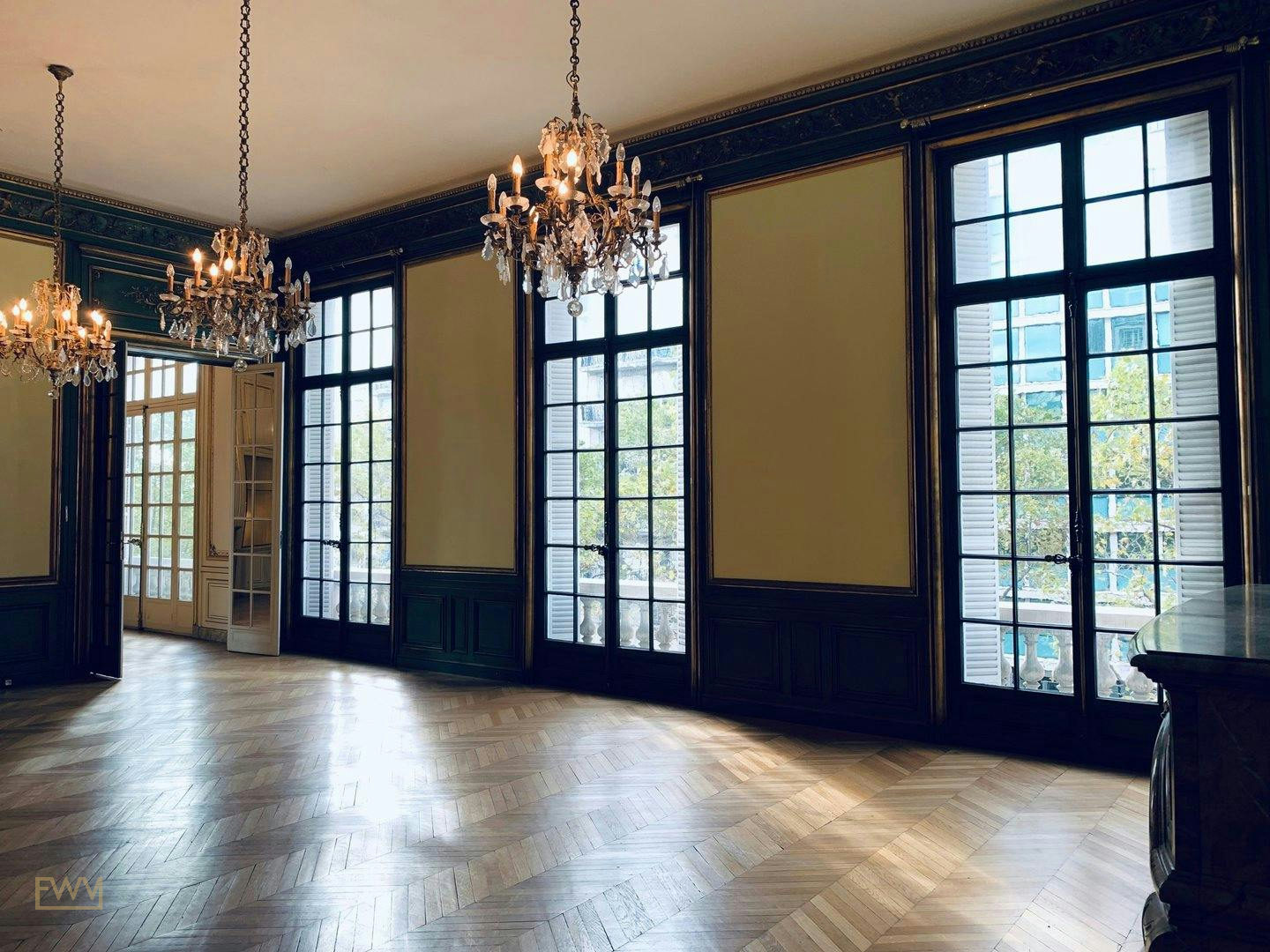
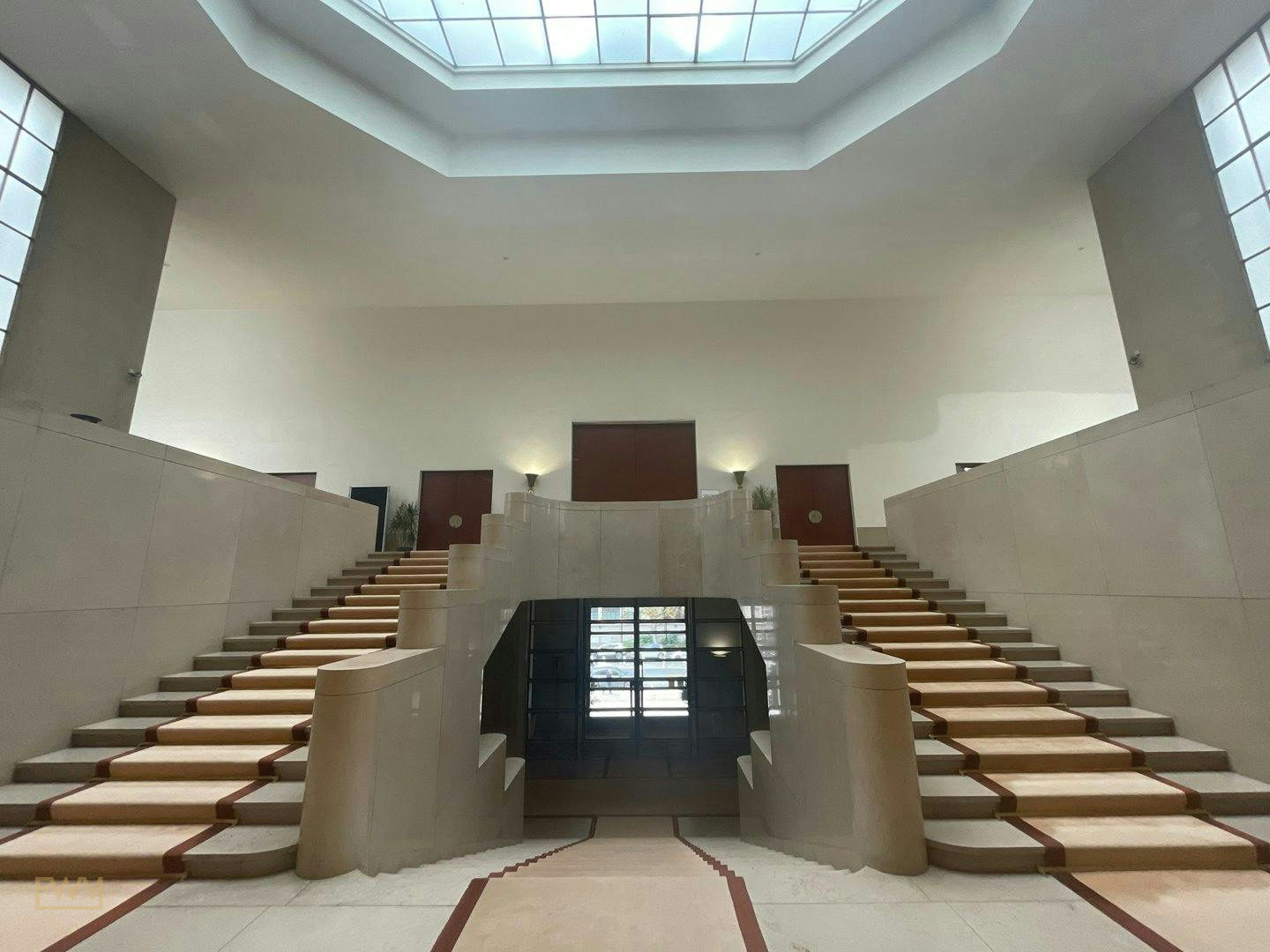
Opening a pop up shop near Notre Dame Paris places your brand at one of the most photographed, visited, and culturally resonant addresses in the world. The Île de la Cité and its surrounding arrondissements draw tens of millions of visitors annually, and the ongoing rebuilding of Notre-Dame de Paris has only intensified global attention on this part of the French capital. For fashion brands, beauty companies, concept stores, and creative studios, the neighbourhoods surrounding the cathedral offer a rare combination of monumental foot traffic, architectural grandeur, and a consumer base that spans local Parisians, international tourists, and fashion industry professionals. Fashion Week Venues specialises in sourcing, producing, and managing short-term retail activations in Paris, and this guide covers everything your brand team needs to know about popping up in this extraordinary location.
Why Pop Up Near Notre Dame? Understanding the Commercial and Cultural Case
The area surrounding Notre-Dame de Paris is not a single neighbourhood but a convergence of several of Paris's most commercially and culturally significant zones. Brands that activate here benefit from one of the highest-density visitor environments in Europe, combined with a neighbourhood ecosystem that includes Le Marais, Saint-Germain-des-Prés, the Louvre quarter, Île de la Cité, and the rue de Rivoli corridor. Each of these zones carries its own consumer profile, rental market, and brand positioning opportunity.
Notre-Dame itself, even during its restoration period following the 2019 fire, continued to attract millions of visitors to its surrounding streets. With the cathedral's reopening in December 2024 after extensive rebuilding, the area has entered a new phase of cultural intensity. The restored Gothic architecture, its iconic gargoyles, rose windows, stained glass windows, and bell tower are once again drawing unprecedented global media attention. For brands, this translates directly into ambient awareness and social media amplification that no paid media budget can easily replicate.
The commercial case for temporary retail in this zone rests on several pillars. First, foot traffic in the 4th arrondissement, which encompasses the Marais district and Île de la Cité, is consistently among the highest in Paris year-round. Second, the consumer mix includes high-net-worth international travellers, Parisian residents with strong cultural tastes, and a growing segment of design-conscious visitors drawn to the area by the Centre Pompidou, Place des Vosges, and the boutiques along Rue des Rosiers and related streets. Third, the area's association with Haute Couture, fashion houses, and Parisian monument culture gives any activation here a halo of cultural legitimacy that is difficult to achieve in more peripheral locations.
For beauty brands, fashion labels, and concept stores considering their first Paris pop up, this zone also offers proximity to the major press and buyer networks that concentrate in Paris during Fashion Week. Runway shows and showrooms in the Marais and Saint-Germain-des-Prés mean that editors, stylists, and buyers often walk past or through this area multiple times during Paris Fashion Week and Haute Couture week.
DID YOU KNOW: The 4th arrondissement, which includes Le Marais and the Île de la Cité, is one of the most visited urban districts in the world. When Notre-Dame's full visitor infrastructure is operational, the cathedral alone can receive over 13 million visitors per year, according to historical pre-fire figures reported by the French Ministry of Culture.
KEY TAKEAWAY: Popping up near Notre Dame is not simply a location decision. It is a brand positioning decision that aligns your activation with one of the most culturally potent addresses in the world, in a zone that delivers foot traffic, press proximity, and social media backdrop simultaneously.
Understanding the specific neighbourhoods and streets that make up this zone is the essential next step before committing to a space or a calendar window.
Parisian Locations and Landmarks: A Neighbourhood-by-Neighbourhood Guide for Pop-Up Brands
Paris's arrondissement system means that choosing a pop-up location near Notre Dame involves navigating several distinct neighbourhoods, each with its own character, rental market, consumer profile, and regulatory environment. The zones most relevant to brands targeting the Notre-Dame area span the 1st, 4th, 5th, 6th, and 7th arrondissements.
Le Marais and the 4th Arrondissement
Le Marais is the primary destination for contemporary brand activations near Notre Dame. The Marais district has evolved over several decades from a historic Jewish quarter into one of Paris's most design-forward retail environments, while retaining its architectural character of 17th-century hôtels particuliers and narrow medieval streets. Rue des Rosiers, the historic main street of the Jewish quarter, now sits alongside a dense concentration of international concept stores, independent fashion boutiques, and art galleries. Place des Vosges, the oldest planned square in Paris, provides an extraordinary backdrop for brand activations held in or adjacent to its arcaded ground floor spaces.
For pop-up stores, Le Marais offers some of the most sought-after short-term rental spaces in Paris. Ground-floor retail spaces on key streets typically attract significant foot traffic from both tourists and local residents, and the neighbourhood's reputation for design and concept retail means that even a well-executed small activation can generate substantial social media coverage.
Rue de Rivoli and the 1st Arrondissement
The rue de Rivoli corridor, running along the northern edge of the Louvre and the Tuileries, connects the Marais with the Saint-Honoré district and the Champs-Élysées further west. Spaces along and adjacent to rue de Rivoli benefit from extremely high tourist foot traffic, particularly from visitors to the Musée du Louvre. The proximity to the Louvre also makes this zone attractive for luxury and design brands that want to associate their activation with cultural prestige. However, spaces here tend to come at premium rental rates, and regulatory requirements for storefronts in this zone can be more complex due to heritage protection rules.
Saint-Germain-des-Prés and the 6th Arrondissement
Saint-Germain-des-Prés remains one of Paris's most prestigious retail addresses. The neighbourhood's association with French intellectual culture, luxury fashion, and gallery life makes it a natural home for brand activations targeting a cultivated, higher-income audience. Pop-up stores here benefit from proximity to established fashion houses and the kind of editorial credibility that press coverage in this arrondissement tends to generate. Rental terms and space availability require early planning, as the neighbourhood has a limited supply of short-term retail spaces.
Saint-Honoré and the 1st Arrondissement
The Saint-Honoré district, and specifically Rue Saint-Honoré and its extensions, is the apex of Paris luxury retail. International fashion houses, jewellers, and perfumers maintain flagship stores here, and the street's association with Parisian fashion heritage is unmatched. Pop-up activations on Saint-Honoré benefit from adjacency to this ecosystem but require the highest budgets and the most meticulous brand presentation to perform credibly in context.
Châtelet and the Île de la Cité
The Châtelet area, immediately to the north of Notre-Dame across the Seine, serves as a major transit and commercial hub. While not a traditional luxury retail address, its foot traffic is extraordinary and it offers opportunities for brands targeting a broader consumer demographic. The Île de la Cité itself has limited retail infrastructure but benefits from direct association with Notre-Dame, Gothic architecture, and the cultural importance of the cathedral's restoration.
| Neighbourhood | Arrondissement | Primary Consumer Profile | Brand Positioning Fit | Space Availability |
|---|---|---|---|---|
| Le Marais | 4th | Design-conscious tourists and locals | Contemporary, concept, streetwear, beauty | Moderate to good |
| Rue de Rivoli / Louvre | 1st | International tourists, art visitors | Luxury, design, cultural brands | Limited, premium pricing |
| Saint-Germain-des-Prés | 6th | Affluent locals, press, buyers | Luxury, fashion, gallery, beauty | Scarce, high demand |
| Saint-Honoré | 1st | Luxury shoppers, fashion professionals | Haute Couture, flagship-level | Very limited |
| Châtelet | 1st / 4th | High-volume mixed traffic | Mass market, cultural, accessibility | Variable |
KEY TAKEAWAY: Each neighbourhood near Notre Dame serves a different brand objective. Le Marais delivers the most balanced combination of foot traffic, design credibility, and space availability for most contemporary brands, while Saint-Germain-des-Prés and Saint-Honoré require higher budgets but deliver stronger editorial positioning.
To compare neighbourhoods and space types, explore the Paris city hub on Fashion Week Venues and shortlist spaces that match your brief, budget, and calendar window.
Pop-Up Retail and Business Operations: What Brands Need to Know Before Signing
Running a successful pop-up store near Notre Dame requires navigating a set of operational, legal, financial, and logistical decisions that differ materially from operating temporary retail in other markets. France has a specific legal and regulatory framework for short-term retail, and brands entering Paris for the first time often underestimate the complexity involved.
Short-Term Leases and Legal Frameworks
The primary legal instrument for short-term retail in France is the bail dérogatoire, also known as a precarious lease or bail précaire. This agreement allows a landlord and tenant to agree on a lease of up to 36 months outside the protections and obligations of the standard commercial lease statute (the bail commercial). For pop-up activations lasting days, weeks, or a few months, the bail dérogatoire is the standard instrument used. However, it must be drafted carefully, as automatic conversion to a bail commercial can occur if the tenant remains in occupation beyond the agreed term without a formal written agreement to the contrary.
For outdoor activations, brand events on public land, or market-style temporary retail, brands may require an Autorisation d'Occupation Temporaire, or AOT. This is a public domain occupancy permit issued by the relevant municipal authority and is required for any activation that occupies public space, including pavements, squares, and areas around public monuments. Requirements vary significantly by arrondissement, space type, and duration, and approval is not guaranteed. Brands should verify all permit requirements with a qualified French legal advisor.
IMPORTANT: Do not assume that a signed rental agreement with a private landlord covers all permit requirements. Public domain activations, outdoor signage, and temporary structures each carry separate permit obligations under French law. Use the permits guidance tool to begin mapping your requirements.
Insurance Requirements
All commercial pop-up activations in Paris require adequate insurance coverage. This typically includes public liability insurance (responsabilité civile), which most French landlords will require as a condition of the rental agreement. Brands should also consider stock and inventory insurance, employer liability coverage if staffing the space, and event cancellation insurance for activations tied to specific calendar windows such as Paris Fashion Week.
Fire Safety and Electrical Safety
French regulations for public-facing commercial spaces include strict fire safety and electrical safety requirements. Pop-up spaces in historic buildings, which are common in Le Marais and the Saint-Germain-des-Prés area, may have specific constraints on electrical installations, fire exit requirements, and maximum occupancy. Any brand fit-out or production work must comply with these requirements. Brands using third-party production or build teams should confirm that their contractors hold the appropriate qualifications and that all installations meet current French safety codes.
Foot Traffic, Sales, and Inventory Decisions
Paris pop-up stores near Notre Dame benefit from some of the highest ambient foot traffic in Europe, but converting visitors into customers requires deliberate merchandising, clear brand universe communication, and an offer that resonates with the specific consumer mix of the chosen neighbourhood. Inventory decisions should account for the international tourist segment, which tends to favour portable, giftable, and souvenir-adjacent products, as well as the local Parisian segment, which responds to design quality, concept coherence, and brand storytelling.
Cashflow planning is critical for short-term activations. Brands should model revenue scenarios conservatively, accounting for slow days, weather impacts, and the reality that foot traffic conversion rates vary significantly between formats. Overproduction is a common risk for brands new to the Paris market, particularly those operating without historical sales data from comparable activations.
Sustainability and Packaging
French retail regulations increasingly require sustainable packaging practices, and consumer expectations in Paris, particularly in design-forward neighbourhoods like Le Marais, are high. Brands should review their packaging against French environmental regulations and consider how sustainability narrative can be integrated into the brand universe presentation within the space. This is also an effective customer feedback and social media engagement point.
Quick answer: The key operational requirements for a pop-up store near Notre Dame Paris include a valid short-term lease agreement (bail dérogatoire or equivalent), public liability insurance, fire and electrical safety compliance, appropriate permits for the space type, and a clear inventory and cashflow plan tailored to the Paris consumer mix.
KEY TAKEAWAY: Operational preparation for a Paris pop-up is multi-layered. Brands that treat the legal, insurance, safety, and inventory dimensions as secondary to the creative execution consistently encounter avoidable problems. Professional agency support significantly reduces this risk.
Notre-Dame History and Architecture: Why the Cathedral's Cultural Importance Matters for Brand Activation
Understanding why Notre-Dame de Paris commands such extraordinary global attention is essential for any brand planning an activation in its vicinity. The cultural importance of the cathedral is not simply a matter of architectural prestige; it is a living story that is currently at one of its most dramatic chapters, and brands that engage with this context thoughtfully can achieve levels of resonance and media attention that would be impossible in any other location.
Gothic Architecture, History, and the Restoration
Notre-Dame de Paris is one of the finest examples of French Gothic architecture in existence. Construction began in 1163 under Bishop Maurice de Sully and continued for over 180 years, resulting in a cathedral that synthesises multiple generations of Gothic design. The building's defining features include its twin bell towers, its three rose windows with their extraordinary stained glass, the iconic gargoyles and chimeras that project from its upper levels, and the flying buttresses that allow the walls to soar to their characteristic height. The cathedral sits on the Île de la Cité in the heart of the French capital, a site of continuous religious and civic importance since Roman times.
The fire of April 2019, which destroyed the spire and large portions of the roof, triggered an international restoration effort of extraordinary scale. The rebuilding of Notre-Dame de Paris became one of the most watched cultural projects in the world, drawing contributions from over 340,000 donors across 150 countries. The cathedral reopened in December 2024 following five years of intensive restoration work, with a reconstructed spire, restored rose windows, and a new interior that includes a Modern Gallery element. This reopening has reignited global media interest in the cathedral and its surrounding area.
Cultural Importance and Brand Context
For brands activating near Notre Dame, the cathedral's history, its association with Gothic architecture, and the ongoing narrative of its rebuilding provide a powerful ambient context. This context is most effectively used when brands find authentic points of connection, such as themes of craft, restoration, heritage, cultural memory, or architectural beauty, rather than attempting to use the cathedral's imagery directly, which may raise intellectual property and sensitivity considerations.
The area around Notre-Dame has also generated a rich tradition of pop culture references, from Victor Hugo's novel to contemporary films and media, which provides additional cultural resonance for brands working in creative, fashion, or entertainment categories.
DID YOU KNOW: The restoration of Notre-Dame's stained glass windows, including its three rose windows, involved craftspeople using techniques that have not been practised at scale since the medieval period. This level of craft dedication is itself a powerful brand narrative for any label working in the premium or artisanal space.
Quick answer: Notre-Dame de Paris is a UNESCO World Heritage Site-adjacent monument of extraordinary cultural importance. Its recent restoration and reopening have made the surrounding area one of the most media-intense and visitor-dense zones in the world, creating exceptional brand activation opportunities for labels that can connect authentically with this context.
KEY TAKEAWAY: Brands that activate near Notre Dame benefit from an ambient cultural narrative that is both ancient and immediately contemporary. The rebuilding story, the Gothic architecture, and the cathedral's global significance provide a backdrop that amplifies brand visibility far beyond what the space itself can deliver.
Fashion and Cultural Events: Timing Your Pop-Up Around Paris Fashion Week and Beyond
Timing is one of the most consequential decisions in Paris pop-up planning. The French capital operates on a fashion calendar that creates distinct windows of opportunity, each with its own audience profile, media intensity, and rental market dynamics.
Paris Fashion Week and the Fashion Calendar
Paris Fashion Week takes place twice annually for ready-to-wear collections: in late September and early October for the Spring/Summer season, and in late February and early March for the Autumn/Winter season. Paris Haute Couture Week occurs in January and July, attracting a smaller but intensely focused audience of press, buyers, and clients of the major fashion houses. In July 2026, Paris Fashion Week is scheduled from 6 to 9 July 2026 for Haute Couture, making this an important window for brands in the luxury and design sectors to plan activations.
During Fashion Week, the concentration of press, buyers, influencers, and brand representatives in Paris creates a media amplification effect that dramatically increases the value of any well-positioned pop-up store. Spaces in Le Marais, Saint-Germain-des-Prés, and the 1st arrondissement become particularly valuable during these windows, as fashion professionals walk between showrooms, runway shows, and presentations throughout the day.
Runway Shows, Showrooms, and Brand Presentations
Beyond the official Fashion Week schedule, Paris hosts a continuous programme of brand presentations, showrooms, and trade events throughout the year. Brands that run pop-up stores rather than traditional showrooms can use their space to serve multiple functions simultaneously: retail sales, press visits, influencer hosting, buyer presentations, and workshops. This hybrid model maximises the return on the fixed costs of the space and the fit-out.
Beyond Fashion Week: Year-Round Activation Opportunities
The area near Notre Dame generates significant foot traffic year-round, and brands should not limit their planning to Fashion Week windows alone. The summer months, particularly July and August, bring very high tourist volumes to the area around the Louvre, Notre-Dame, the Eiffel Tower, Hôtel des Invalides, and the Arc de Triomphe. For brands targeting international tourists, this window can deliver extraordinary visitor numbers. The Christmas period, from late November through December, is another high-traffic window across all Paris neighbourhoods, with strong purchasing intent from both local and visiting consumers.
Quick answer: Paris Fashion Week Haute Couture in July 2026 runs from 6 to 9 July. For brands planning to activate near Notre Dame during this period, space bookings and production planning should begin at minimum six months in advance to secure viable spaces at competitive rates.
KEY TAKEAWAY: Fashion Week windows are the highest-intensity periods for brand activations near Notre Dame, but the area's year-round visitor volume means that brands can build a compelling business case for activations outside the fashion calendar. The key is to match your calendar choice to your specific audience and commercial objective.
Collectibles, Media, and the Pop-Up Book Phenomenon Near Notre Dame
One of the more distinctive product categories that thrives in the Notre-Dame area is the cultural collectible: souvenirs, figurines, gadgets, and artisan objects that connect visitors to the architecture and history of the cathedral. Understanding this market is relevant for any brand considering a concept store or pop-up shop near Notre Dame that wants to align with local consumer behaviour.
Souvenirs, Figurines, and Gachapon Machines
The area around Notre-Dame has a long history of souvenir retail, ranging from mass-market figurines and gadgets to high-quality art prints and architectural models. In recent years, the gachapon machine format, borrowed from Japanese capsule toy culture, has appeared in cultural retail contexts in Paris, offering collectible figurines and small design objects in a format that appeals to younger consumers and tourists. For brands with a collectible, design, or pop culture dimension, this neighbourhood offers a consumer base that is actively receptive to this kind of product.
Pop-Up Books and Paper Engineering
Notre-Dame de Paris has inspired some of the most ambitious works in the pop-up book and paper engineering category. British paper engineer David Hawcock created a celebrated 3D book dedicated to Notre-Dame, featuring intricate paper models of the cathedral's architecture, including its rose windows, gargoyles, and Gothic structural elements. This category of product, which sits at the intersection of cartography, architectural history, and paper engineering, represents a high-value, high-margin product line that connects naturally with the cultural context of the Notre-Dame area.
For brands or publishers operating in the gift, design, or cultural product space, a pop-up store near Notre Dame offers an ideal environment for launching or selling products in this category. The consumer base is specifically motivated by cultural engagement with the cathedral and its architecture, making conversion rates for relevant products significantly higher than in generic retail environments.
Dimensions, Cartography, and the Modern Gallery
The reopened Notre-Dame includes a Modern Gallery within the restored cathedral, which presents the history and dimensions of the building through contemporary exhibition design. This gallery has created a new category of culturally sophisticated visitor who is interested in architectural history, cartography, and the technical dimensions of the restoration process. Brands offering products or experiences that connect with this level of cultural engagement, from architectural prints to precision scale models, will find a receptive audience in the area's current visitor profile.
KEY TAKEAWAY: The collectible and cultural product market around Notre-Dame is not a low-end souvenir economy. The area now attracts a sophisticated global audience that responds to quality, craft, and cultural authenticity. Brands in the design, gift, and cultural product categories have a genuine commercial opportunity here that extends well beyond typical tourist retail.
Logistics and Visitor Information: Planning the Operational Detail of Your Pop-Up
The operational logistics of a pop-up store near Notre Dame require careful planning across multiple dimensions. From event start times and booking procedures to accessibility, storage, and health and safety protocols, every detail affects both the visitor experience and the commercial performance of the activation.
Booking, Fees, and Refund Policies
Short-term retail space bookings in Paris typically require a rental agreement, a security deposit, and advance payment of at least a portion of the total fees. Refund policies vary significantly between space owners and platforms. Brands should read rental agreements carefully and understand the terms for cancellation, early exit, and damage liability before signing. Booking well in advance of Fashion Week periods is essential, as the most desirable spaces near Notre Dame are typically reserved months ahead of major calendar events.
Event Start Times and Grace Periods
Paris retail and event spaces typically have defined access hours, setup windows, and grace periods for access and departure. Brands should clarify these terms in advance, as overtime charges for setup and breakdown are common. Access for deliveries, production teams, and merchandising must be coordinated around the space's building schedule and any restrictions imposed by the landlord or building management.
Wheelchair Accessibility and Inclusive Design
French accessibility regulations require that public-facing commercial spaces meet specific standards for wheelchair accessibility. Many historic buildings in Le Marais and adjacent neighbourhoods have physical constraints that make full compliance complex, and brands should clarify accessibility provisions with the space owner before signing. Where full accessibility cannot be achieved due to building constraints, brands should plan compensatory measures and communicate clearly with guests. The term Wheelchair Accessible should be used only when the space genuinely meets the relevant standards.
Outdoor Areas, Basements, Restrooms, and Storage
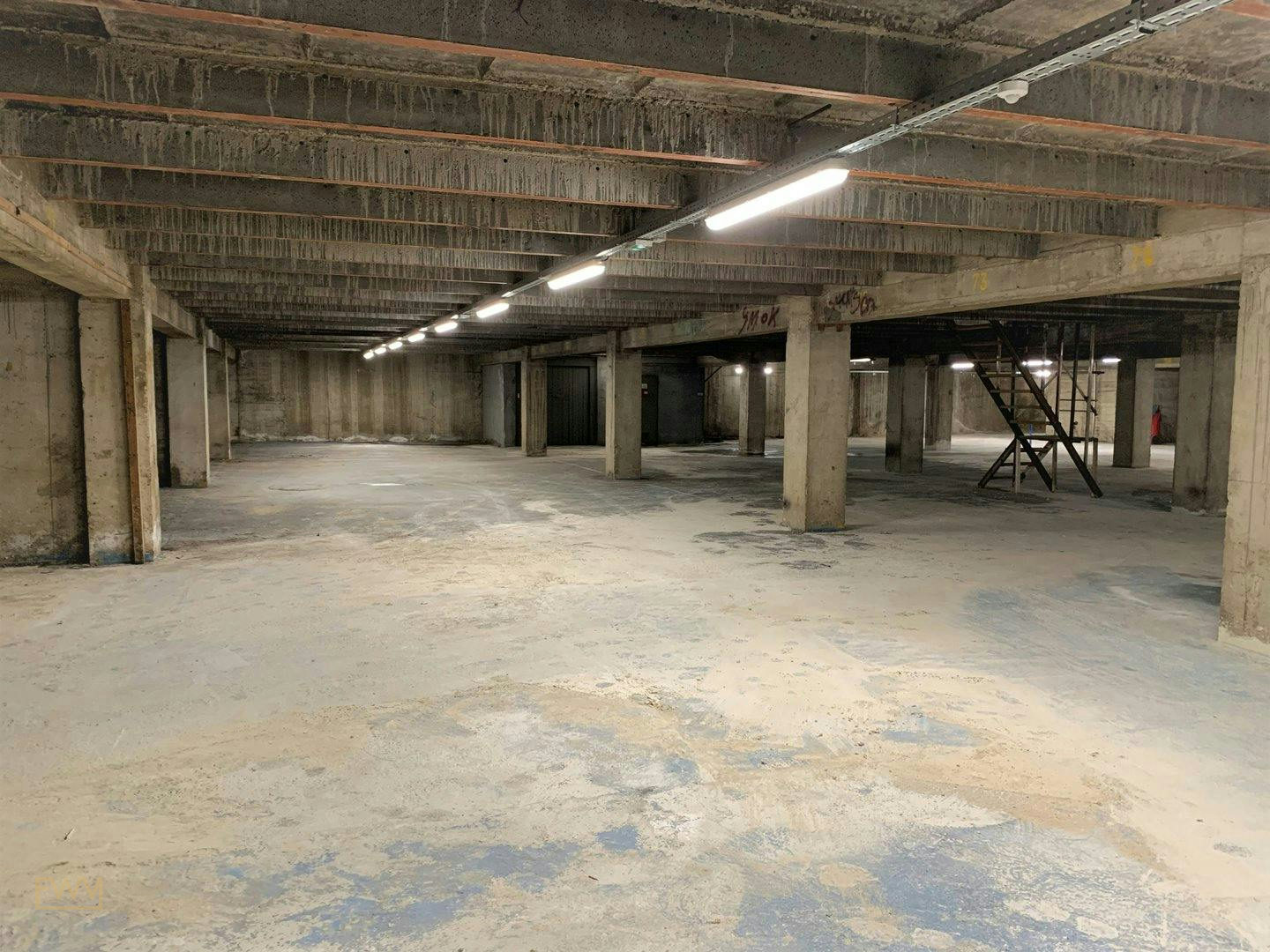
Many pop-up spaces near Notre Dame include additional features such as outdoor areas for product display or event hosting, basement storage for inventory and packaging, and on-site restrooms for guests. These features significantly affect the operational feasibility of certain formats. Outdoor areas adjacent to historic Parisian streets are also extremely valuable for social media content creation, and brands should factor this into their space selection criteria. Storage capacity is a critical operational variable for brands running a retail pop-up with live inventory management.
Enhanced Health and Safety Measures
Post-pandemic expectations for enhanced health and safety measures in retail environments have become a standard part of Paris pop-up operations. Brands should ensure that their space plan includes adequate ventilation, defined capacity limits where required, and clear guest flow design. Fire safety compliance, including fire exit signage, extinguisher provision, and electrical installation certification, is a legal requirement and should be confirmed before the activation opens to the public.
Quick answer: The key logistical variables for a pop-up store near Notre Dame include booking lead time, rental fee structure and refund policy, access and grace period terms, wheelchair accessibility provisions, storage capacity, outdoor area rights, and compliance with French fire and electrical safety regulations.
KEY TAKEAWAY: Logistics determine whether a creatively ambitious pop-up actually delivers. Brands that plan the operational detail as rigorously as the creative concept consistently outperform those that treat logistics as secondary. A specialist agency with Paris market knowledge can resolve most logistical complexities before they become problems during the activation.
How Fashion Week Venues Helps Brands Activate Near Notre Dame
Fashion Week Venues is a full-service pop-up shop agency and space marketplace that specialises in temporary retail activations across major fashion capitals, with Paris as its primary market. For brands planning a pop-up store near Notre Dame, Fashion Week Venues offers a structured, end-to-end approach that covers every stage of the process from initial brief to post-activation analysis.
Space Discovery and Venue Sourcing
Finding the right space in the Notre-Dame area requires knowledge of a market that moves quickly and is not fully visible through standard commercial real estate channels. Fashion Week Venues maintains a curated marketplace of verified short-term retail spaces across Paris's key arrondissements, including Le Marais, Saint-Germain-des-Prés, the Louvre quarter, and the Châtelet area. The venue sourcing service goes beyond listing search to include active sourcing, landlord negotiation support, and space verification against brand requirements including accessibility, dimensions, electrical capacity, and permit status.
Concept, Design, and Production
Once a space is identified, the agency's concept direction and production and build services translate the brand brief into a physical space that communicates the brand universe effectively and complies with all French safety and building regulations. This includes branded store design, furniture rental, and all fit-out and de-fit logistics.
Activation Management and Staffing
Running a pop-up in Paris requires on-the-ground management capability, particularly for international brands that do not have a local team. Fashion Week Venues provides activation management and retail staffing services that ensure the space operates professionally throughout the activation period. This includes POS and payments setup, daily operations oversight, and real-time problem resolution.
Tools for Planning and Decision-Making
Fashion Week Venues offers a suite of planning tools that enable brand teams to model their activation before committing to a space. The budget calculator provides directional cost estimates, the ROI calculator helps model commercial return scenarios, the timeline tool maps the planning process against your target activation date, and the permits tool provides guidance on the permit landscape for different space types and arrondissements. Brands can also use the compare tool to evaluate multiple spaces against each other.
Who Benefits Most
The Fashion Week Venues service is most directly valuable for international brands entering Paris for the first time, brands planning activations around Paris Fashion Week or Haute Couture Week, brands that need a full-service partner rather than just a space listing platform, and creative directors or brand activation managers who need expert local knowledge without building an in-house Paris team. The agency's process is documented in detail on the process page, and past activations are available to review on the work page.
Understanding the Limitations
Fashion Week Venues does not guarantee specific space availability, permit approvals, or commercial results. Space availability near Notre Dame is subject to market conditions and calendar demand, and permit outcomes depend on French municipal authority decisions that are outside any agency's control. Brands should plan with realistic timelines and budgets, and engage the agency as early as possible to maximise the range of options available.
KEY TAKEAWAY: Fashion Week Venues provides the end-to-end infrastructure that brands need to activate in Paris with confidence, from space discovery through to post-activation data analysis. For brands without an in-house Paris capability, this kind of specialist partnership is typically the difference between a successful activation and an avoidable operational failure.
Brand Positioning and the Paris Pop-Up: Building Your Brand Universe in the Right Neighbourhood
A pop-up store near Notre Dame is not simply a temporary retail transaction. It is a brand statement made in one of the world's most watched cities, in a zone where architectural grandeur, cultural history, and contemporary fashion intersect. Brands that approach the Paris pop-up as a brand universe exercise, rather than a short-term sales exercise, consistently achieve better outcomes across every metric: press coverage, social media reach, customer feedback, and long-term brand equity.
Brand Positioning and Neighbourhood Alignment
The choice of neighbourhood communicates as much about a brand as the design of the space itself. A contemporary fashion label activating on a Marais side street signals something different from the same label opening on Rue Saint-Honoré. Both are near Notre Dame in the broadest sense, but they address different audiences and carry different brand positioning implications. Brands should map their positioning clearly before selecting a location, and resist the temptation to choose a neighbourhood based purely on rental cost or availability.
Collaborations and Cultural Partnerships
The Paris market is particularly receptive to collaborations between brands and cultural institutions, artists, or local designers. A pop-up near Notre Dame that incorporates a collaboration with a French artist, an architectural photographer, or a craftsperson working in a medium connected to the cathedral's restoration can generate the kind of editorial coverage and social media engagement that a purely commercial activation rarely achieves. The Centre Pompidou, Le Sacré-Coeur, and other Paris monuments and institutions also provide potential partnership contexts for brands with the right cultural credentials.
Social Media and Influencer Strategy
The visual environment near Notre Dame is one of the most powerful social media backdrops in the world. The Gothic architecture, the Seine, the Parisian streetscape, and the cathedral itself provide a content production environment that requires minimal additional styling to generate high-performing imagery. Brands should plan their social media content strategy as an integral part of the space design, ensuring that the pop-up store's visual identity works in harmony with the exterior environment. Fashion Week Venues offers influencer marketing support as part of its activation services, which is particularly valuable for brands seeking to amplify their Paris presence through creator networks.
Customer Feedback and Post-Activation Intelligence
A well-designed pop-up near Notre Dame generates not just sales but qualitative customer feedback that is extremely valuable for brand strategy. The international visitor profile of the area means that brands can gather consumer insights from markets they may not yet have a retail presence in. Data and analytics services, including footfall tracking, sales analysis, and customer engagement metrics, should be built into the activation plan from the outset rather than added as an afterthought.
Quick answer: Brand positioning for a Paris pop-up near Notre Dame requires deliberate neighbourhood selection, a coherent brand universe narrative, a social media content strategy that leverages the extraordinary visual environment, and post-activation data collection to translate the experience into long-term brand intelligence.
KEY TAKEAWAY: The most successful Paris pop-up activations near Notre Dame are those that treat the space as a brand universe statement rather than a temporary shop. When the location, the design, the product, and the cultural context all speak the same language, the commercial and reputational returns are significantly amplified.
Planning Workflow: From Brief to Activation Near Notre Dame
The planning process for a pop-up store near Notre Dame follows a structured sequence that typically spans between three and six months for a well-executed activation. Brands that compress this timeline significantly tend to encounter avoidable problems with space availability, permit processing, and production quality.
| Stage | Key Activities | Typical Lead Time Before Open |
|---|---|---|
| 1. Brief and Strategy | Define objectives, audience, calendar window, budget range, neighbourhood preference | 5 to 6 months |
| 2. Space Discovery | Shortlist spaces, visit candidates, assess permit requirements, evaluate dimensions and accessibility | 4 to 5 months |
| 3. Legal and Commercial | Negotiate and sign bail dérogatoire, confirm insurance, engage French legal advisor if required | 3 to 4 months |
| 4. Concept and Design | Develop brand universe concept, produce design drawings, confirm fit-out scope and budget | 2 to 4 months |
| 5. Production and Permits | Build and deliver all physical elements, process permit applications, confirm safety compliance | 1 to 3 months |
| 6. Staffing and Operations | Recruit and brief retail staff, set up POS and payments, finalise inventory plan | 4 to 6 weeks |
| 7. Activation | Open to public, manage daily operations, execute influencer and social media programme | Live |
| 8. Post-Activation | Analyse sales and footfall data, gather customer feedback, produce ROI report | 1 to 4 weeks after close |
TIP: If you are planning an activation around the July 2026 Haute Couture week (6 to 9 July 2026), your brief and space search should ideally begin no later than January 2026. The most desirable spaces in Le Marais and Saint-Germain-des-Prés are typically committed to by March or April for July activations.
Space Type Comparison for the Notre-Dame Zone
| Space Type | Best For | Typical Duration | Key Considerations |
|---|---|---|---|
| Ground-floor boutique | Fashion, beauty, concept retail | 1 week to 3 months | High street visibility, fit-out flexibility, permit requirements vary |
| Gallery space | Design, art, luxury brands | 1 to 4 weeks | Strong editorial positioning, limited retail infrastructure |
| Hôtel particulier ground floor | Luxury, haute couture, heritage brands | Days to weeks | Extraordinary architectural backdrop, strict building rules |
| Market or outdoor stall | Emerging brands, cultural products, collectibles | Days to weeks | AOT permit required, weather-dependent, high visibility |
| Showroom space | Wholesale, press, buyer presentations | Days during Fashion Week | Private access preferred, flexible layout, appointment-based |
KEY TAKEAWAY: The planning workflow for a Paris pop-up near Notre Dame is not linear but iterative. Space availability, permit outcomes, and production realities all require contingency planning. Brands that build flexibility into their workflow, rather than treating each stage as a fixed sequential step, navigate the Paris market more effectively.
Considering a Pop-Up Shop in Other Fashion Capitals
Paris is the anchor market for pop-up activations in the fashion and luxury sector, but it is not the only option for international brands building a physical retail presence in a major fashion capital. For brands that are deciding whether to activate in Paris or are considering expanding beyond Paris, it is worth understanding how the Notre-Dame area market compares to equivalent zones in other cities.
New York offers activations in SoHo, the Meatpacking District, and Fifth Avenue, where foot traffic is high but the regulatory environment is different from Paris and the aesthetic context is distinctly American rather than European. London offers Mayfair, Shoreditch, and Covent Garden as comparable zones to Le Marais and Saint-Germain-des-Prés, with a strong fashion press community and excellent accessibility for European and international brands. Milan, the home of Italian Haute Couture and a major Fashion Week city, offers the Quadrilatero della Moda and the Brera district as premium pop-up environments with strong buyer and press concentration. Tokyo's Harajuku, Omotesando, and Ginza districts offer unmatched density and design culture for brands with a strong Asia-Pacific strategy. Dubai's DIFC and Downtown neighbourhoods provide access to a fast-growing luxury consumer market with very high disposable income levels.
Fashion Week Venues operates city hubs for all of these markets, and brands that are considering whether Paris or another city is the right choice for their next activation should explore the relevant city pages before committing to a location.
Quick answer: Paris remains the world's premier fashion capital for brand activations, but New York, London, Milan, Tokyo, and Dubai each offer specific advantages depending on a brand's target audience, calendar strategy, and commercial objectives. A multi-city strategy timed around the global Fashion Week calendar can significantly amplify the impact of individual activations.
KEY TAKEAWAY: The decision between Paris and other fashion capitals is ultimately a brand strategy question, not just a logistics question. Brands that define their audience, their brand positioning objectives, and their commercial targets first, and then select the city that best serves those objectives, achieve better outcomes than brands that default to Paris simply because of its prestige.
Common Myths About Pop-Up Shops Near Notre Dame Paris Debunked
MYTH: You need a French legal entity to rent a pop-up space near Notre Dame in Paris.
FACT: International brands can rent short-term retail spaces in Paris without establishing a French legal entity in many cases. The bail dérogatoire and other short-term rental instruments can be signed by foreign legal entities, subject to the landlord's requirements and the specific terms of the agreement. However, tax obligations, VAT registration, and employment law requirements for staffed activations may require local legal and accounting support. Brands should verify their specific situation with a qualified French legal and tax advisor before assuming that no local entity is required.
MYTH: Paris Fashion Week is the only viable calendar window for a pop-up near Notre Dame.
FACT: While Fashion Week windows generate the highest concentration of press and industry professionals, the area near Notre Dame delivers strong foot traffic year-round. Summer tourist volumes, particularly in July and August, can exceed Fashion Week visitor numbers in raw terms, and the Christmas period in November and December is one of the strongest retail windows of the year across all Paris neighbourhoods. Brands with consumer rather than trade objectives may find that non-Fashion Week windows offer better commercial results at lower rental costs.
MYTH: The only way to find a short-term retail space near Notre Dame is through a commission broker.
FACT: The Paris short-term retail market has changed significantly in recent years, with curated marketplaces, full-service agencies, and direct-to-owner platforms all providing alternatives to the traditional commission broker model. Fashion Week Venues operates a space marketplace that allows brands to browse, compare, and shortlist verified spaces without going through an intermediary broker. The agency model offers the additional advantage of end-to-end service delivery, rather than just space introduction.
MYTH: Short-term leases in Paris are straightforward to sign without specialist help.
FACT: The French commercial lease framework is complex, and even a bail dérogatoire, which is specifically designed to be simpler than a standard commercial lease, contains provisions that can have significant financial and legal consequences if misunderstood. The automatic conversion risk to a bail commercial, liability clauses, reinstatement obligations, and deposit terms all require careful review. International brands without prior experience of French lease agreements should always seek qualified legal advice before signing, regardless of the apparent simplicity of the document.
MYTH: Any space near Notre Dame automatically generates high sales due to tourist foot traffic.
FACT: High ambient foot traffic does not automatically translate into sales. Conversion depends critically on the relevance of the product to the specific consumer mix passing the space, the quality of the merchandising and brand universe presentation, the visibility and accessibility of the space, and the pricing and product mix decisions made by the brand. Brands that do not adapt their offer to the Paris market and the specific neighbourhood consumer profile frequently underperform relative to their expectations, even in high-traffic locations.
Frequently Asked Questions
What is the best neighbourhood near Notre Dame for a pop-up shop in Paris?
Le Marais, specifically the 4th arrondissement, is generally the most balanced choice for brands seeking a pop-up location near Notre Dame. It combines high foot traffic from both tourists and local residents, a strong design and concept retail culture, relatively good space availability compared to the 1st and 6th arrondissements, and strong social media visual potential. Saint-Germain-des-Prés offers stronger editorial positioning for luxury and fashion brands but with more limited space availability and higher rental costs. The best neighbourhood for any specific brand depends on the target audience, brand positioning, and commercial objectives.
How far in advance should I book a pop-up space near Notre Dame for Paris Fashion Week?
For Paris Fashion Week windows, whether the ready-to-wear seasons in February/March and September/October, or the Haute Couture weeks in January and July, brands should begin their space search at least four to six months before the target activation date. The most desirable spaces in Le Marais, Saint-Germain-des-Prés, and the Louvre quarter are typically committed well ahead of Fashion Week periods. For the July 2026 Haute Couture Week running from 6 to 9 July 2026, a search initiated by January or February 2026 at the latest is strongly advisable.
What permits do I need for a pop-up store near Notre Dame in Paris?
Permit requirements vary depending on the type of space, the arrondissement, the nature of the activation, and whether any outdoor or public domain elements are involved. A private indoor retail space typically requires a valid rental agreement and standard commercial insurance, but may have additional requirements for fit-out works, signage, and public access. Outdoor activations or any use of public space requires an Autorisation d'Occupation Temporaire from the relevant authority. Brands should use the permits guidance tool on Fashion Week Venues and verify specific requirements with a qualified French legal advisor before proceeding.
Do I need a French legal entity to run a pop-up shop in Paris?
Not necessarily for the space rental itself, but other aspects of the activation, including employment of French-resident staff, VAT collection, and certain permit applications, may require a French legal entity or equivalent registration. The specific requirements depend on the nature and duration of the activation, the staffing model, and the commercial structure. Brands should take qualified French legal and tax advice before assuming that their existing corporate structure is sufficient for a Paris activation.
What insurance do I need for a pop-up store near Notre Dame?
At minimum, brands require public liability insurance (responsabilité civile professionnelle) for any public-facing commercial activation in Paris. Most French landlords will require evidence of this coverage as a condition of the rental agreement. Additional coverage to consider includes stock and inventory insurance, equipment and fit-out insurance, employer liability coverage for any staff hired for the activation, and event cancellation insurance if the activation is tied to a specific calendar window such as Fashion Week. Brands should work with an insurance provider that has experience with temporary retail activations in France.
How does the reopening of Notre-Dame de Paris affect the pop-up retail market in the area?
The reopening of Notre-Dame in December 2024 has significantly increased visitor volumes and media attention in the surrounding area. The restoration and the cathedral's new visitor infrastructure, including the Modern Gallery, have attracted a more culturally engaged visitor profile than the pre-fire mass tourism pattern. For pop-up brands, this translates into higher foot traffic, stronger social media backdrop opportunities, and a more receptive audience for culturally engaged brand narratives. Rental demand and rates in the area have increased accordingly, making early planning and booking even more important than before.
Can I run a pop-up shop near Notre Dame outside of Paris Fashion Week?
Yes. The area near Notre Dame generates strong foot traffic year-round, driven by the Louvre, Notre-Dame itself, the Marais district, and the broader Paris tourism economy. Summer months bring very high international tourist volumes, and the Christmas period is one of the strongest retail windows of the year. For brands targeting consumers rather than trade and press audiences, non-Fashion Week windows may actually deliver better commercial results at lower rental costs, with less competition for space and media attention.
What types of products perform best in a pop-up store near Notre Dame?
Products that perform consistently well near Notre Dame include design objects with a cultural or artisanal narrative, fashion and accessories at contemporary to luxury price points, beauty products with a strong brand story, collectibles and cultural products connected to Paris and the cathedral's history, and gift-oriented items that appeal to the international tourist segment. Products that require significant consumer education or that are highly specific to a niche audience may need to work harder to convert the ambient foot traffic of the area into qualified customers.
How do I manage inventory for a short-term pop-up near Notre Dame?
Inventory management for a Paris pop-up requires careful pre-activation modelling of expected sales volumes by SKU, a daily replenishment and stockout monitoring process, and a plan for end-of-activation inventory disposition. Many Paris pop-up spaces offer basement or on-site storage for back-stock, which simplifies daily replenishment. Brands should avoid overproduction by building their initial inventory plan on conservative sales assumptions and planning for daily data review. POS systems with real-time inventory tracking, which Fashion Week Venues can provision as part of its retail services, make this process significantly more manageable.
What is the bail dérogatoire and how does it work for a pop-up in Paris?
The bail dérogatoire, or precarious lease, is the primary legal instrument for short-term retail in France. It allows landlord and tenant to agree on a rental period of up to 36 months without triggering the full protections of the standard commercial lease statute. At the end of the agreed term, the tenant must vacate the premises, and both parties must sign a written confirmation that they do not intend to renew under a bail commercial. Failure to vacate or confirm non-renewal can result in automatic conversion to a full bail commercial, which carries significantly greater obligations for both parties. Brands should have any bail dérogatoire reviewed by a qualified French legal advisor before signing.
How does Fashion Week Venues help with space discovery near Notre Dame?
Fashion Week Venues maintains a curated marketplace of verified short-term retail spaces across Paris's key arrondissements, including Le Marais, Saint-Germain-des-Prés, the Louvre quarter, and the Châtelet area. The venue sourcing service goes beyond online search to include active sourcing from the agency's landlord and property network, space visits and assessment, negotiation support, and verification of key variables including dimensions, accessibility, electrical capacity, permit status, and lease terms. This level of diligence is particularly valuable for international brands that do not have the local knowledge or time to conduct a thorough space search independently.
What is the twin concept offered by Fashion Week Venues?
The twin concept is a co-activation format offered by Fashion Week Venues that allows two complementary brands to share a single space, splitting the rental cost and combining their audiences for greater reach and creative impact. This format is particularly effective for brands that are aligned in terms of aesthetics and target audience but operate in non-competing categories, such as a fashion label and a beauty brand, or a design studio and a food or beverage concept. The twin format can make premium Paris locations financially accessible for brands that could not justify the full cost alone.
Are pop-up spaces near Notre Dame wheelchair accessible?
Accessibility varies significantly between spaces. Many historic buildings in Le Marais and the surrounding arrondissements have physical constraints, including steps at entry, narrow doorways, and multi-level layouts, that make full wheelchair accessibility difficult or impossible to achieve. French accessibility regulations require compliance where physically feasible, but heritage protection rules can limit the modifications permitted. Brands should explicitly verify accessibility provisions with the space owner before signing, and plan compensatory communication measures if the space cannot fully accommodate guests with mobility requirements.
How do I plan a realistic budget for a pop-up shop near Notre Dame Paris?
A realistic budget for a pop-up near Notre Dame should include rental fees, the security deposit, fit-out and production costs, furniture rental, staffing costs, POS and payment processing fees, insurance, permit application fees where applicable, marketing and influencer costs, inventory investment, packaging, logistics and delivery, and a contingency allowance of at least 15 to 20 percent. The total cost varies significantly depending on the space size, duration, level of fit-out, and staffing model. The budget calculator tool on Fashion Week Venues provides directional estimates based on your specific parameters and is a useful starting point for initial financial planning.
What should I look for when hiring a pop-up agency for Paris?
When evaluating a pop-up agency for a Paris activation, the most important factors are proven experience in the specific neighbourhoods you are targeting, a demonstrated track record of end-to-end delivery rather than just space introduction, in-house production and operational capability rather than reliance on untested subcontractors, transparent fee structures, and strong references from brands of a similar profile to your own. The guide on hiring an agency on the Fashion Week Venues guides section provides a structured framework for evaluating agency options and making the decision that is right for your brand and budget.
Conclusion: Taking Your Brand to Notre Dame's Neighbourhood
Activating a pop-up shop near Notre Dame Paris is one of the most ambitious and rewarding things a fashion brand, beauty label, concept store, or creative studio can do. The area offers a combination of cultural prestige, monumental foot traffic, design-forward consumer culture, and social media visual power that is genuinely unmatched anywhere in the world. The reopening of Notre-Dame de Paris has added a new layer of global attention to a zone that was already extraordinary, creating a moment that forward-thinking brands should be planning for now.
Success in this market requires more than securing a space. It requires a coherent brand universe narrative, a neighbourhood selection that matches your brand positioning, a legally sound rental agreement, the right permits and insurance, a realistic and well-structured budget, and on-the-ground operational capability to deliver the activation to a standard that matches the quality of the surrounding environment. For brands without a permanent Paris presence, specialist agency support is not a luxury; it is the most efficient and reliable way to achieve a professional outcome.
Fashion Week Venues exists to make this process navigable for international brands, providing everything from space discovery and concept direction to production, staffing, and post-activation analytics. Whether your activation is planned around the July 2026 Haute Couture week, the September Fashion Week season, or a year-round retail window, the planning process starts now.
To move from research to activation, start exploring available spaces on the Fashion Week Venues marketplace and build a focused brief for your target neighbourhood, space type, and calendar window. The brands that secure the best spaces near Notre Dame are those that start planning earliest and engage specialist support from the outset.