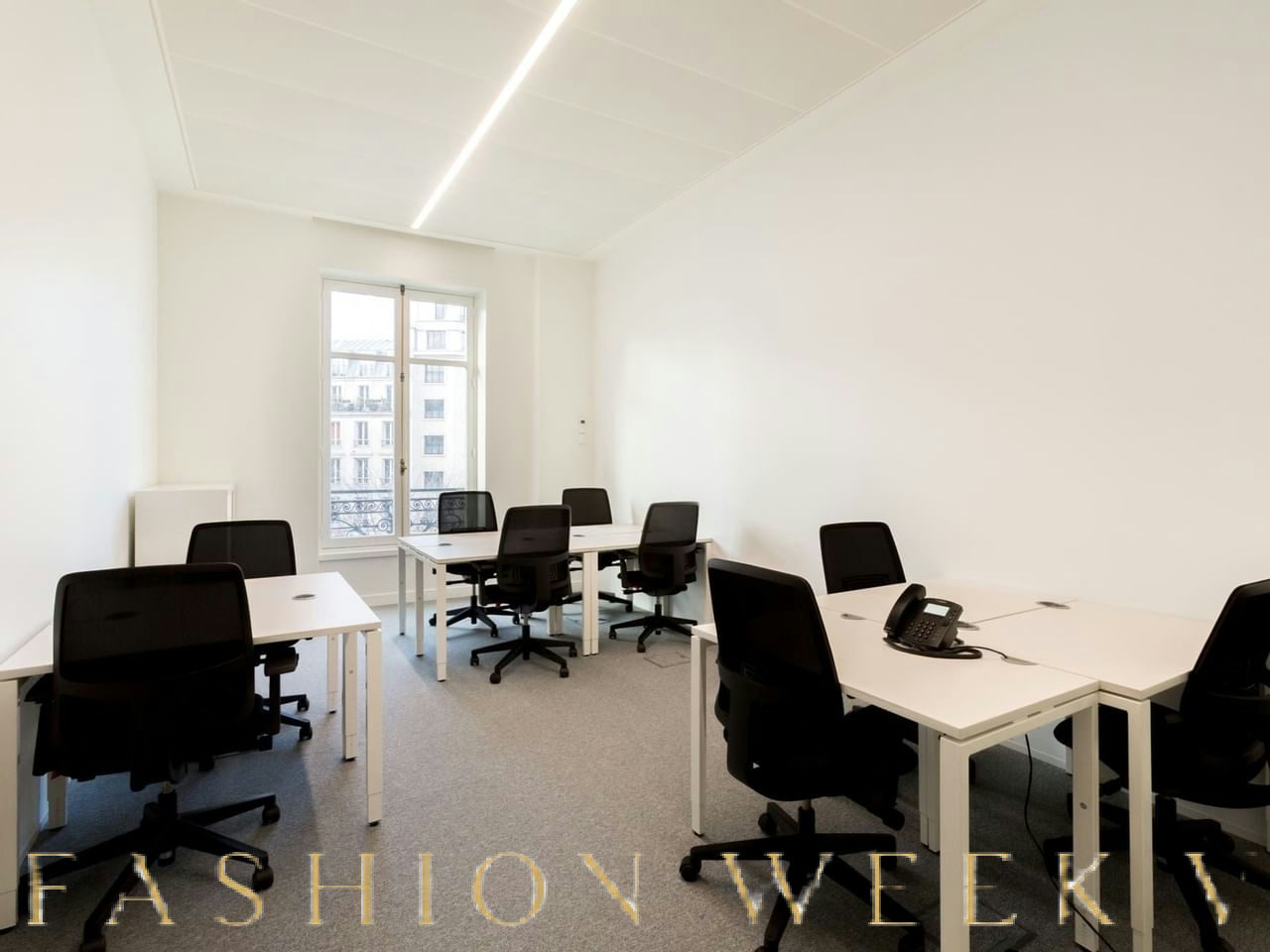
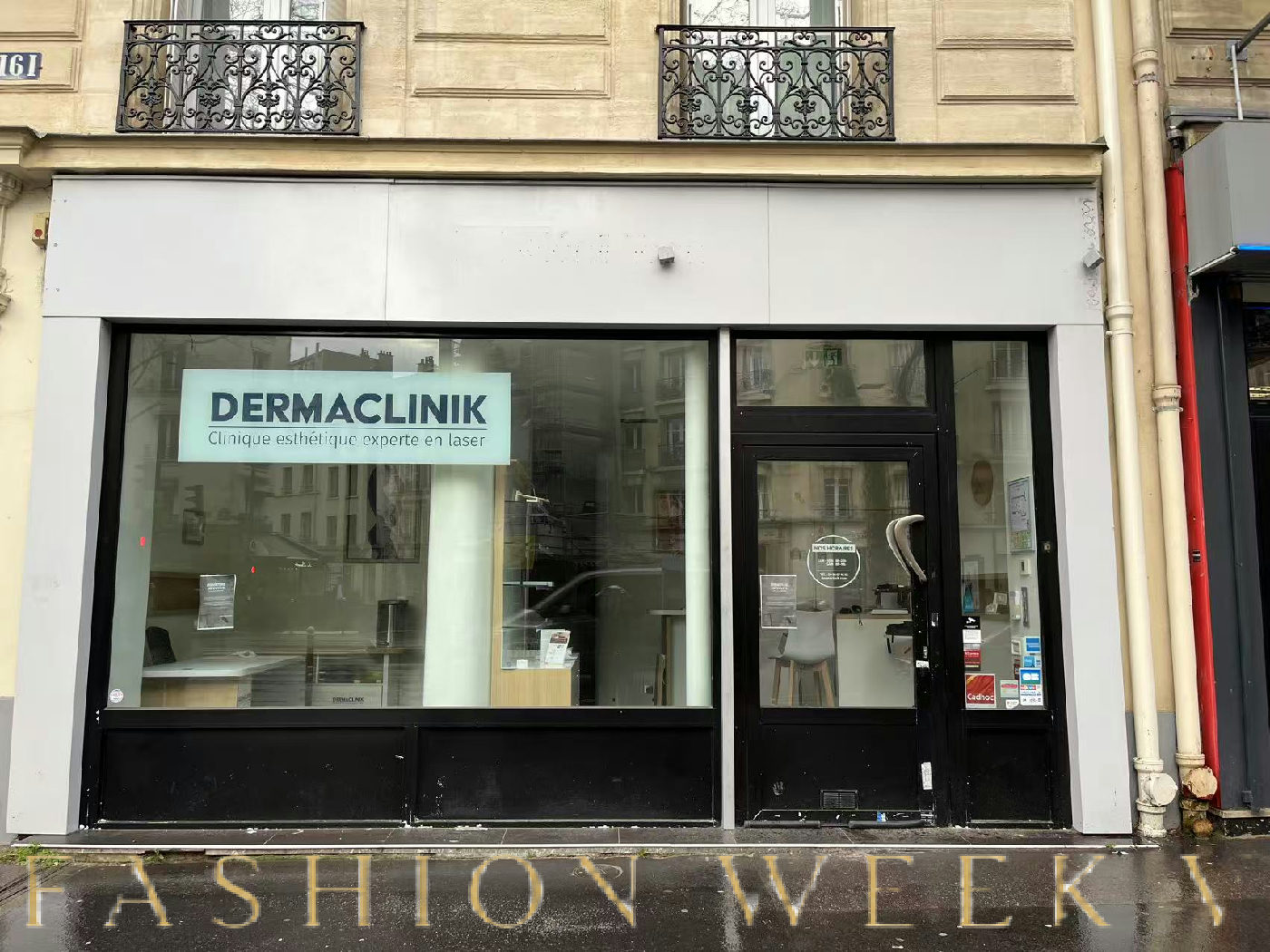
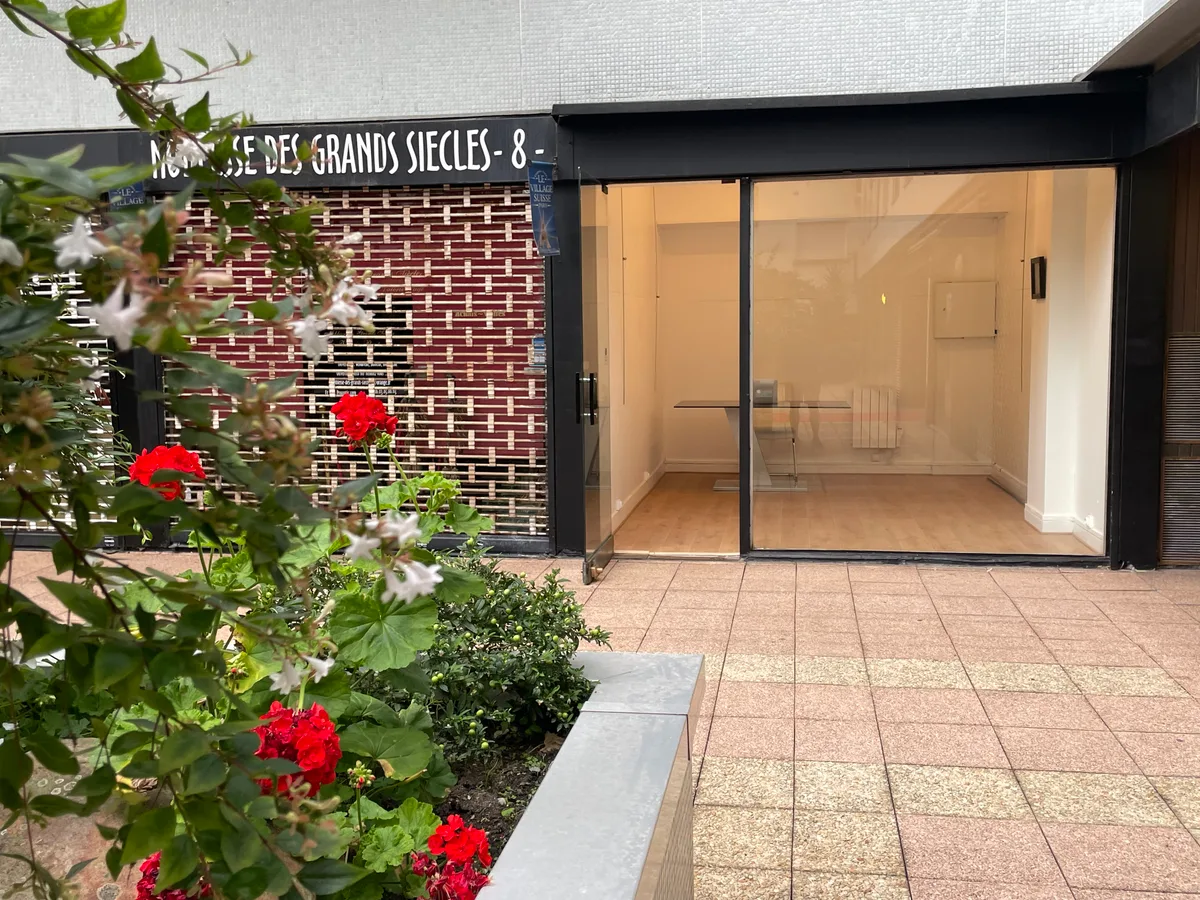
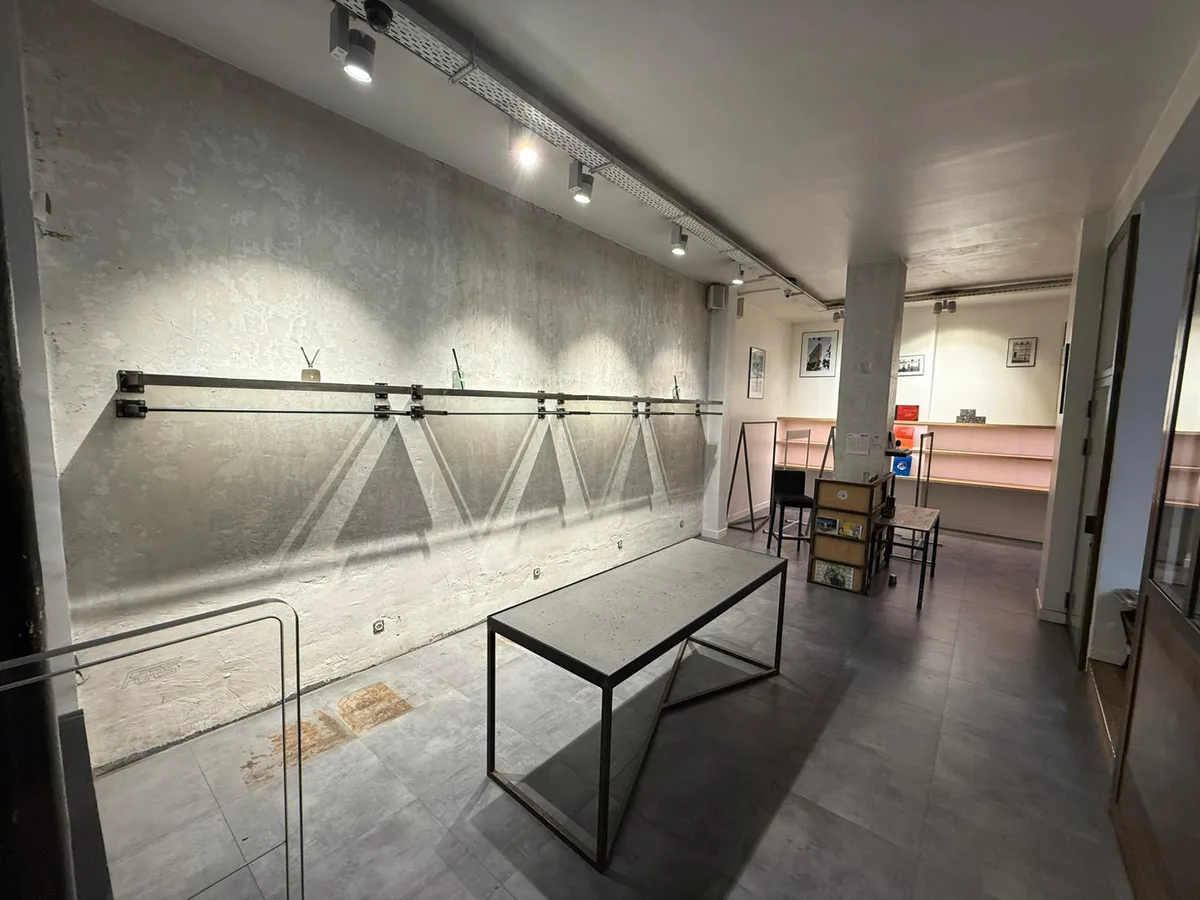
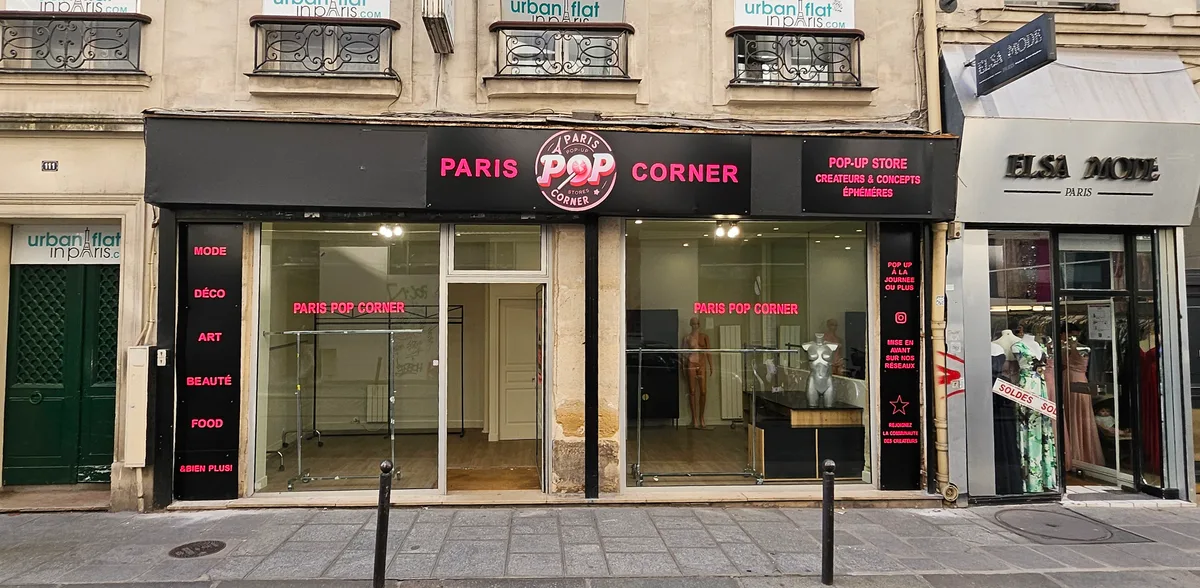
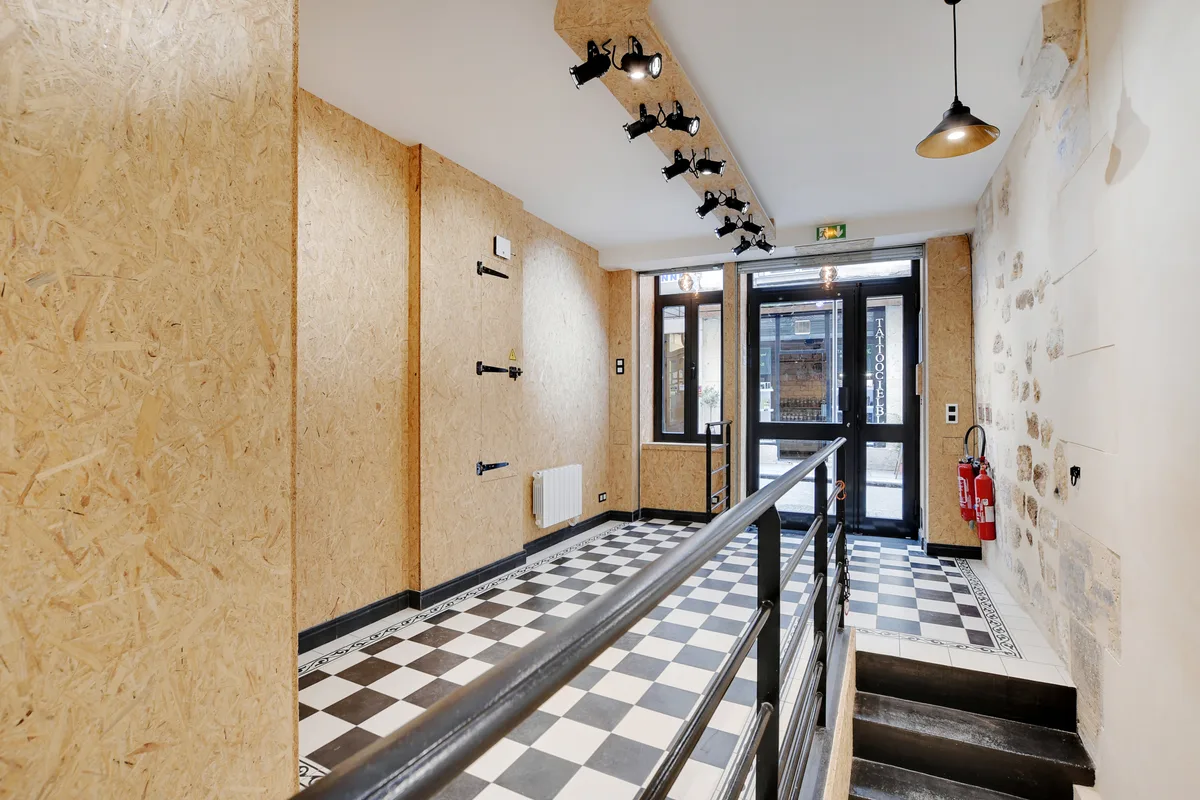
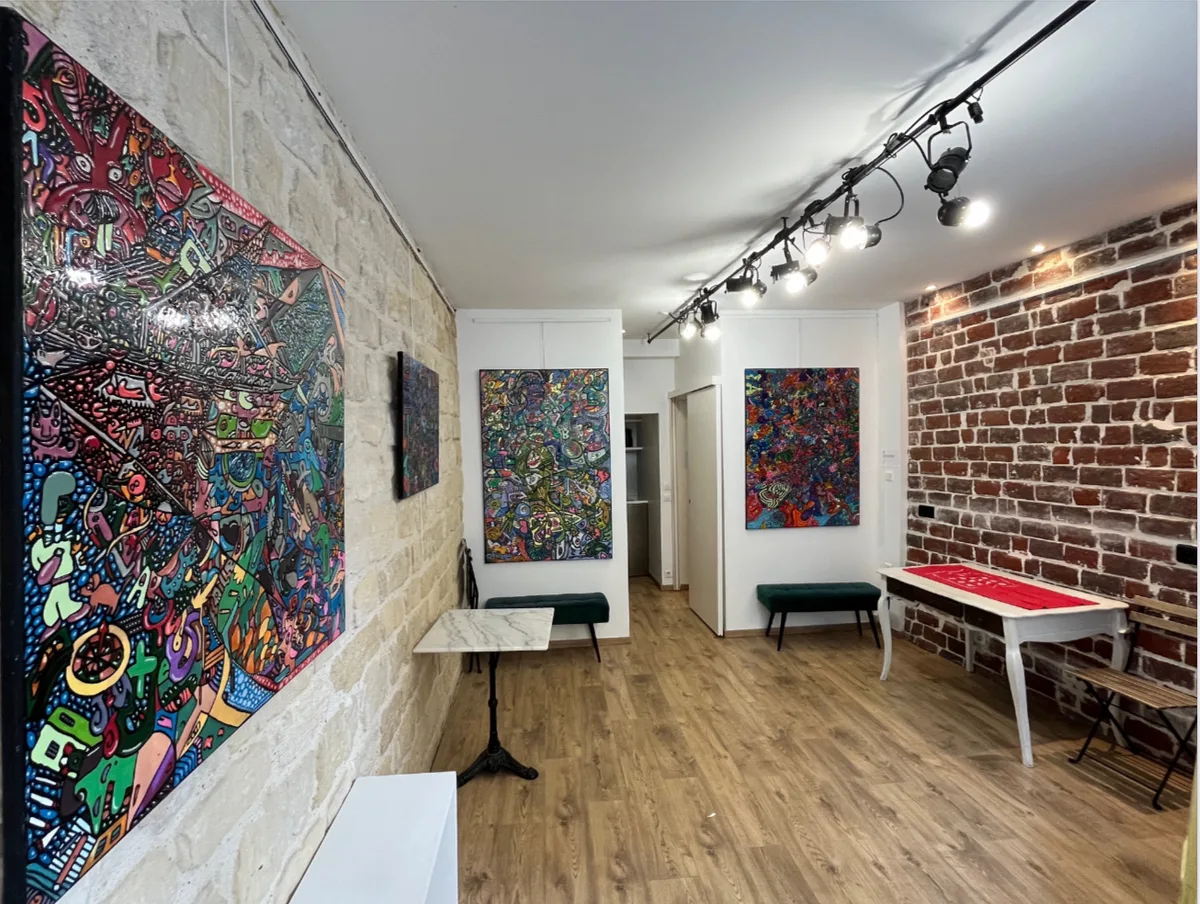
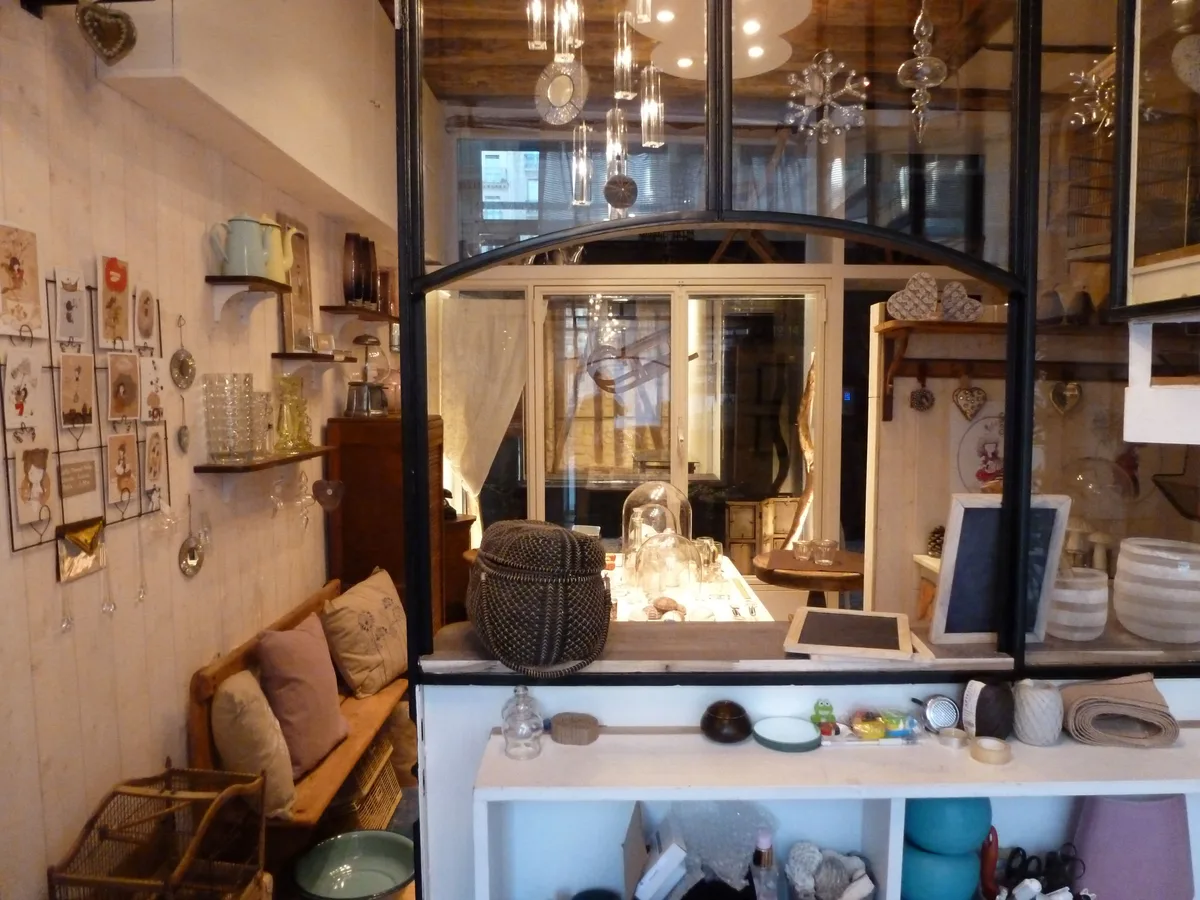
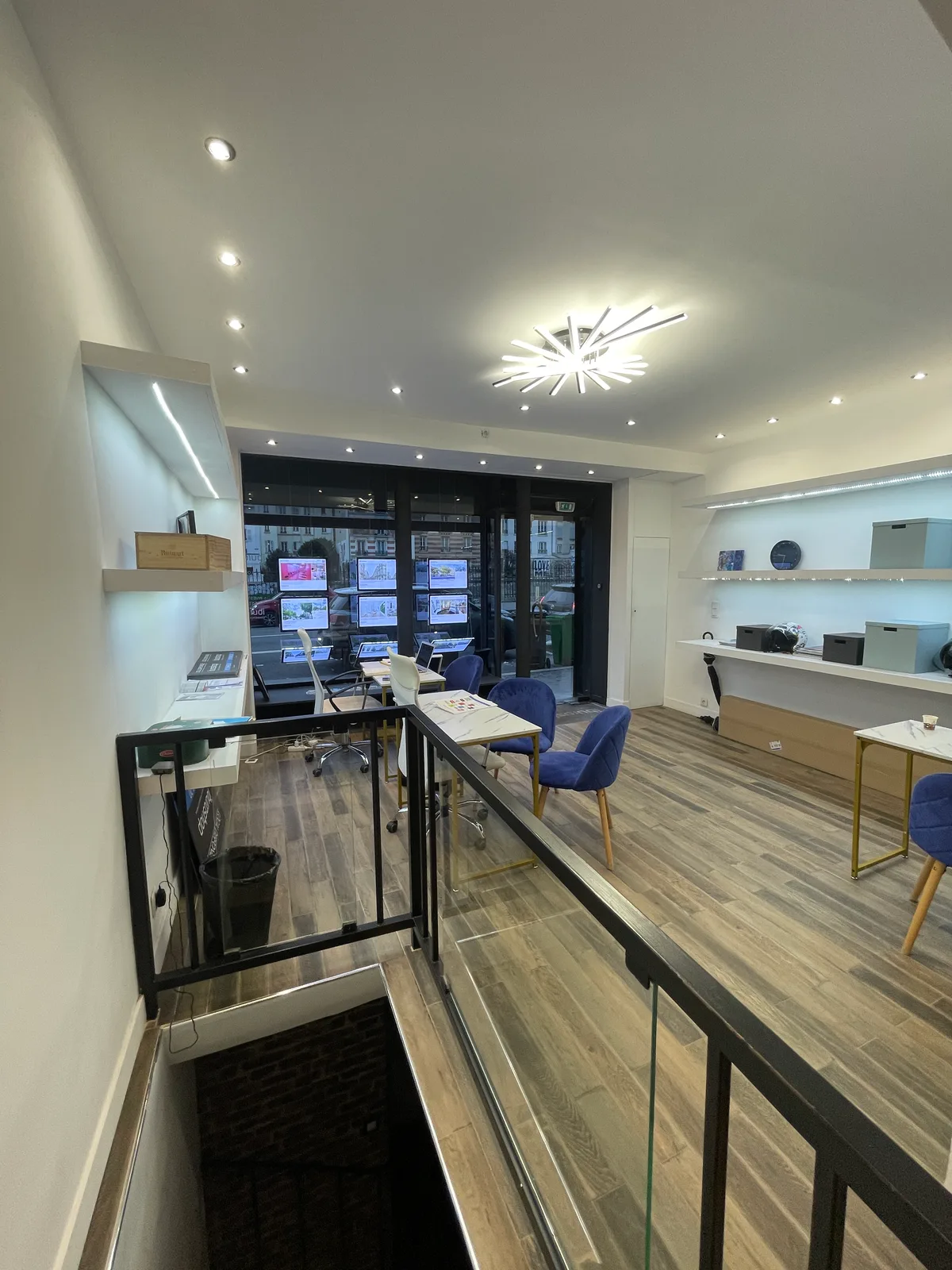
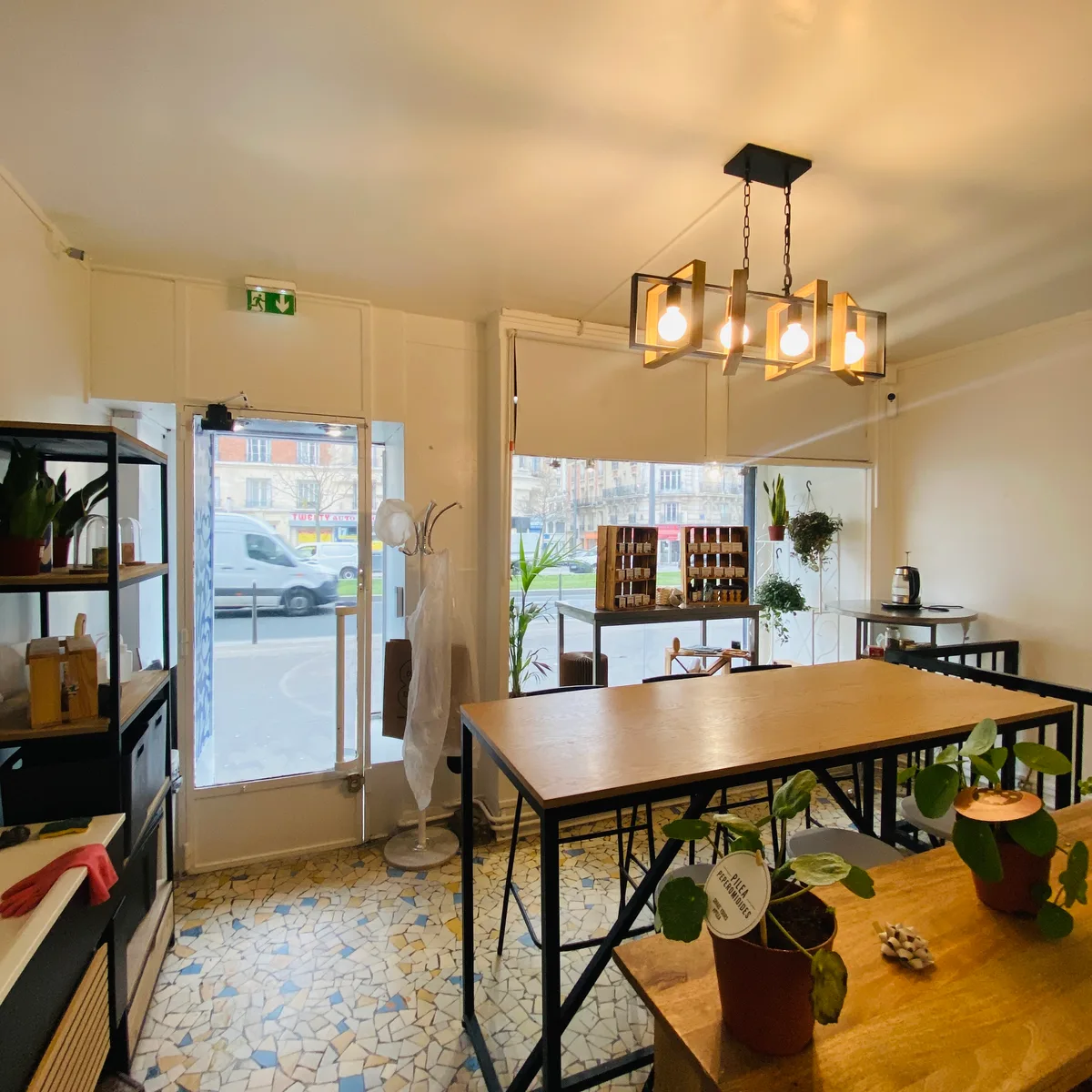
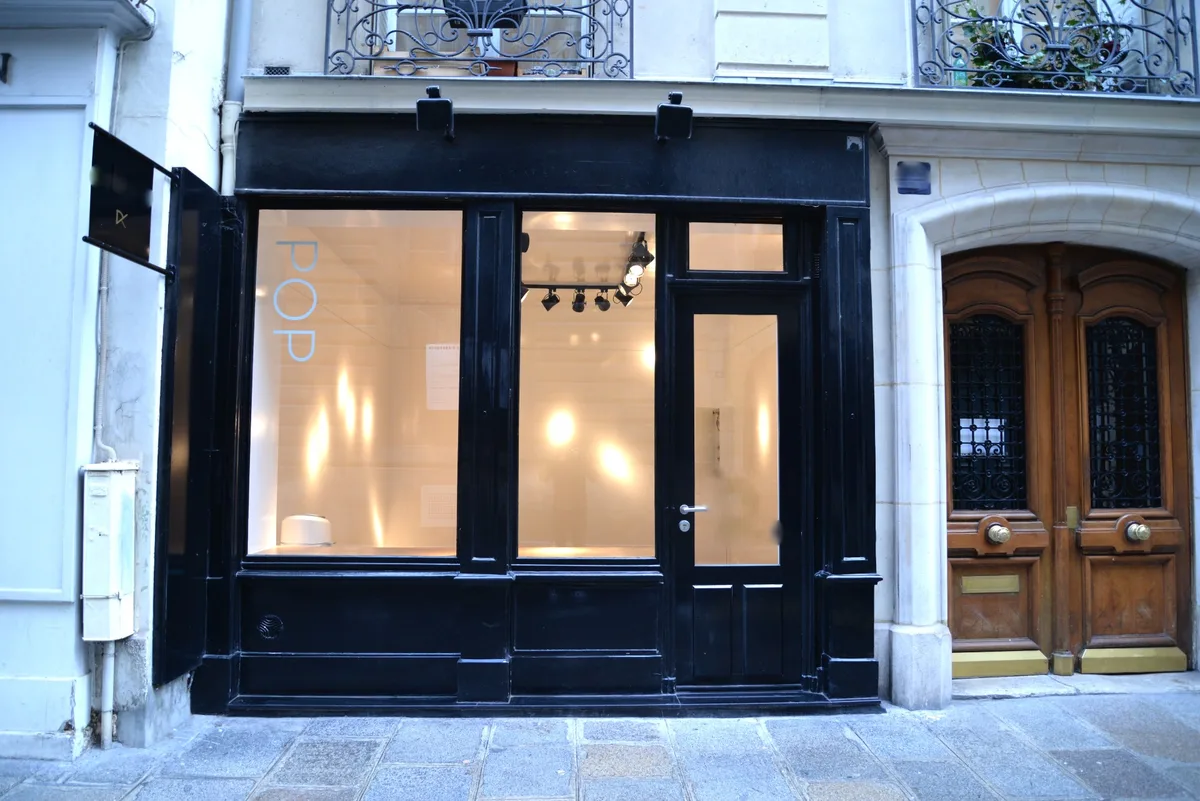
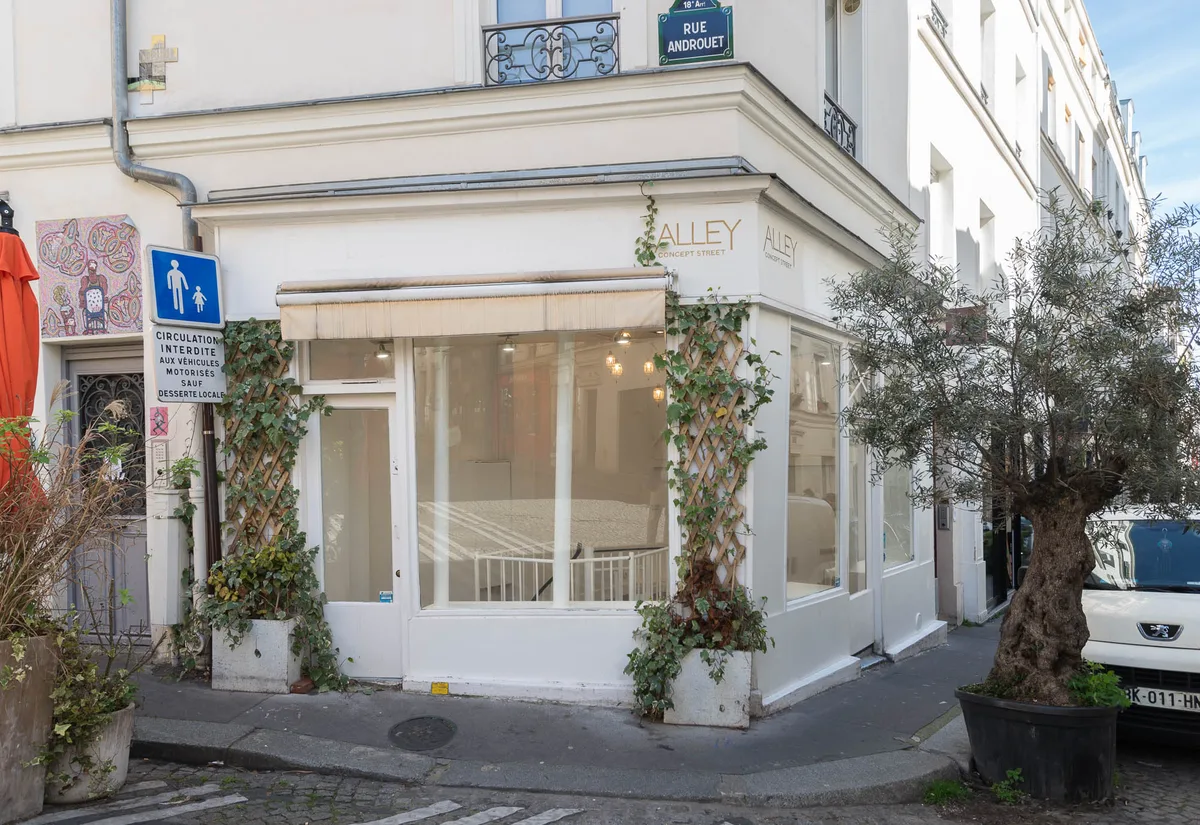
Finding the right pop up shop near Musée d'Orsay requires understanding how Paris structures its short-term retail landscape, which calendar windows matter most, and what legal and logistical frameworks apply to brands operating in the French capital. The 7th arrondissement, home to the Musée d'Orsay, sits at the intersection of Left Bank cultural prestige and genuine retail footfall, making it a compelling but nuanced location for temporary activations. Brands considering this zone need to weigh it against nearby alternatives in the Marais district, Le Bon Marché Rive Gauche, and the broader Île-de-France network of spaces available during Paris Fashion Week and throughout the year. Fashion Week Venues supports brands across Paris with venue sourcing, concept direction, production, and full activation management.
What a Pop Up Shop Near Musée d'Orsay Actually Means for Brands
Quick answer: A pop up shop near Musée d'Orsay occupies the Left Bank corridor stretching from the 6th arrondissement through the 7th, encompassing Saint-Germain-des-Prés, rue de Babylone, and the streets surrounding Le Bon Marché Rive Gauche. This zone attracts high-income residents, international art tourists, and fashion-conscious visitors with significant spending power.
The Musée d'Orsay draws over three million visitors annually, making the surrounding streets some of the most heavily trafficked cultural corridors in Paris. Rue de Babylone, rue du Bac, and boulevard Raspail form the retail spine of this neighbourhood, with Le Bon Marché sitting as the anchor department store and cultural hub. For brands seeking a pop-up store in this zone, the appeal is clear: proximity to a world-class cultural institution, an affluent residential catchment, and an established retail ecosystem that includes independent boutiques, galleries, and concept spaces.
However, this zone operates differently from the Marais or the 1st arrondissement. Lease terms in the 7th tend to be more conservative, landlords are often private estate owners rather than institutional property managers, and short-term retail infrastructure is less developed than in more commercially active pop-up corridors. Brands should expect to engage either through established venue networks or through specialist agencies to access suitable spaces, as many of the best short-term locations are not publicly advertised.
The relationship between the Musée d'Orsay neighbourhood and fashion is also culturally significant. During Paris Fashion Week and particularly during the Haute Couture calendar in July, the Left Bank becomes an important staging ground for brand events, private showrooms, and immersive experiences. Fashion houses use the area's architectural character, its Haussmann buildings and converted ateliers, to create brand universe environments that feel distinct from the more commercial spaces further east or north.
Temporary retail in this zone also takes a variety of forms. Some brands opt for standalone pop-up stores occupying former boutique spaces. Others use gallery formats, where the retail element is integrated into an art installation or scenography. Hybrid formats combining product launches with workshops, screenings, or cultural programming are increasingly common, particularly during fashion weeks and cultural festivals.
DID YOU KNOW: The streets surrounding Le Bon Marché Rive Gauche have hosted temporary activations by international luxury houses, independent designers, and lifestyle brands simultaneously during Haute Couture week, creating an informal pop-up cluster that draws both press and consumers.
Understanding which specific format suits your brand, your budget, and your calendar window is the first strategic decision to make before sourcing a space. The answer shapes not only which neighbourhood you target but also how you structure your permit applications, staffing model, and activation programming.
KEY TAKEAWAY: The Musée d'Orsay neighbourhood is a premium but logistically complex pop-up destination suited to brands with cultural credibility, design-led concepts, and the operational capacity to navigate a less commoditised short-term retail market. Understanding its character before committing to a space saves time and budget.
With the Left Bank context established, the logical next step is to compare this zone with the other major pop-up corridors in Paris, particularly the Marais district, which operates an entirely different and more accessible short-term retail ecosystem.
The Marais District as a Pop-Up Hub: How It Compares to the Orsay Corridor
Quick answer: The Marais district, centred on Le Marais in the 3rd and 4th arrondissements, is Paris's most developed and accessible pop-up retail ecosystem, offering a wider range of space types, more flexible lease terms, and a denser concentration of specialist venues including Galerie Joseph, Galerie Turenne, and the Turenne Boutique cluster.
Le Marais has evolved over the past two decades into one of the most dynamic temporary retail environments in Europe. The neighbourhood combines historical architecture, Place des Vosges, the Picasso Museum, and the rue de Rivoli corridor with a genuinely diverse retail ecosystem. Independent designers, international brands, vintage markets, and gallery-retail hybrids coexist in a relatively compact geography, making it possible for a brand to run a pop-up store in direct proximity to both cultural landmarks and high-footfall shopping streets.
Key Pop-Up Spaces and Venues in Le Marais
Galerie Joseph, located on rue Saint-Nicolas in the 12th arrondissement but closely associated with the Marais ecosystem, is one of the most recognised event and pop-up spaces in Paris. With over 800 square metres of flexible space, it has hosted runway shows, brand activations, exhibitions, and product launches for international fashion houses and independent designers alike. Its neutral industrial aesthetic makes it highly adaptable for scenography and branded store design.
Galerie Turenne and the Turenne Boutique format represent a more intimate scale, suited to jewellery brands, beauty launches, and niche fashion labels seeking a curated retail environment rather than a large-footprint activation. The galerie d'exception format, which combines gallery-quality presentation with direct retail, is particularly strong in this corridor.
The Charlot Store area, along rue de Bretagne and rue Charlot in the 3rd arrondissement, has become a destination for pop culture-inflected retail concepts. Spaces in this corridor have hosted activations featuring figurines, gadgets, gachapon machines, and collectible product ranges alongside more conventional fashion retail. The Seletti Market concept, which combines design objects with lifestyle products, fits naturally into this environment.
For brands drawn to the vintage aesthetic, the Marais offers multiple formats. Vinted has used the neighbourhood for pop-up activations promoting its secondhand fashion platform, responding to the area's established reputation for vintage clothing, pre-owned luxury, and sustainable fashion. The neighbourhood also supports collaborations between emerging designers and established brands, with Swarovski having used Marais-adjacent spaces for product launch events.
LE POP UP PARISIEN operates as an aggregator concept within this ecosystem, bringing together multiple brands under a shared temporary retail umbrella. This format reduces individual costs, increases dwell time, and creates a destination event rather than a single-brand store. It is particularly effective during Paris Fashion Week, when press, buyers, and consumers are actively seeking new brand discoveries.
TIP: If your brand is entering the Paris pop-up market for the first time, the Marais district offers more institutional support, more available spaces, and a more developed network of specialists than the quieter Left Bank corridors near Musée d'Orsay.
The Go-PopUp platform and the Ex-Libris pop-up shop network both index spaces in and around Le Marais, providing brands with a starting point for space discovery. However, the most sought-after spaces during Fashion Week periods are typically sourced through specialist agencies rather than open marketplace listings, as they are secured months in advance.
KEY TAKEAWAY: Le Marais offers the broadest and most accessible pop-up ecosystem in Paris, with venue types ranging from large industrial galleries to intimate boutique formats. Brands comparing it against the Orsay corridor should factor in footfall profiles, space availability, and the cultural context their concept requires.
With a clear picture of the two primary Left Bank and Marais corridors, it is worth understanding exactly how Paris Fashion Week shapes the entire temporary retail calendar and why timing your activation correctly is as important as choosing the right neighbourhood.
Paris Fashion Week and the Temporary Retail Calendar for 2026
Quick answer: Paris Fashion Week runs across multiple annual editions. The July 2026 Haute Couture calendar runs from approximately 6 to 9 July 2026, while the main ready-to-wear seasons fall in February and March for autumn/winter collections and September and October for spring/summer collections. Each edition creates distinct demand spikes for pop-up spaces, showrooms, and event venues across the city.
Understanding the Paris Fashion Week calendar is essential for any brand planning a temporary retail activation in Paris. The city operates on a fashion calendar that drives demand for spaces not just during the official show days but in the two to three weeks surrounding each edition. Press, buyers, stylists, and influencers arrive weeks before the shows begin and often remain after the official calendar closes, creating an extended window of elevated footfall in key neighbourhoods.
The July 2026 Haute Couture Window
The Haute Couture calendar in July 2026 spans approximately 6 to 9 July, though brand presentations, private showrooms, and satellite events extend this window significantly. During this period, the city hosts runway shows, exhibitions, installations, and cultural happenings that attract an international audience with significant luxury purchasing power. Brands that are not part of the official Fédération de la Haute Couture et de la Mode calendar often use this period to stage their own activations, capitalising on the concentration of press and consumers without the budget requirements of an official show.
For brands planning a pop up shop near Musée d'Orsay or anywhere in central Paris during this window, lead times are critical. Spaces in desirable locations are typically secured three to six months in advance for peak Fashion Week periods. Brands that wait until eight weeks before the activation date will find the best spaces already committed, particularly in the Marais district and the Saint-Germain corridor.
The Ready-to-Wear Windows and Their Retail Implications
The February and March ready-to-wear season creates the largest annual demand spike for temporary retail spaces in Paris. During this period, fashion houses, independent designers, and international brands simultaneously require showrooms, presentation spaces, and consumer-facing pop-up stores. The competition for quality spaces is intense, and rental premiums during this window reflect that competition.
The September and October season is somewhat more manageable from a logistics perspective, as many brands have already established relationships with preferred spaces from the spring edition and can renegotiate terms directly. However, new market entrants will still find the process competitive.
Beyond the official Fashion Week calendar, Paris supports a year-round pop-up retail culture driven by cultural festivals, trade fairs, and brand activation strategies that are independent of the fashion calendar. Brands targeting the Île-de-France consumer market year-round should plan activations around events such as Paris Design Week in September and the various cultural programming seasons of the major museums, including the Musée d'Orsay itself.
DID YOU KNOW: The Haute Couture calendar in Paris is one of only four officially recognised Haute Couture weeks globally, with the others in Rome, New York, and London. The Paris edition remains the most internationally attended and the most commercially significant for brand activations.
KEY TAKEAWAY: Paris Fashion Week creates multiple calendar windows throughout the year that drive demand for pop-up spaces. Brands should identify which specific window aligns with their activation objectives, then work backwards from that date to establish a realistic lead time for space sourcing, permitting, and production.
Calendar strategy and space selection are only two components of a successful Paris activation. The legal framework governing short-term retail, particularly the bail dérogatoire and AOT structures, is where many international brands encounter unexpected complexity.
Legal Frameworks for Short-Term Retail in Paris: Bail Dérogatoire, AOT, and What Brands Need to Know
Quick answer: Short-term retail in Paris operates under two primary legal frameworks. The bail dérogatoire, or derogatory lease, allows temporary commercial occupation for periods of up to three years without triggering the standard protections of the French commercial lease code. The AOT, or Autorisation d'Occupation Temporaire, governs the temporary use of public domain spaces such as pavements, parks, and publicly owned buildings.
International brands entering the Paris pop-up market frequently underestimate the legal complexity of French short-term rental arrangements. Unlike many other markets where a simple licence agreement governs temporary retail, France has a structured legal framework that distinguishes between different types of occupancy, each with its own rights, obligations, and compliance requirements.
Understanding the Bail Dérogatoire
The bail dérogatoire is the most commonly used legal vehicle for pop-up retail in France. It allows a landlord and tenant to agree on a short-term commercial occupancy lasting between one day and three years, without the tenant acquiring the commercial lease rights that would normally apply under the French Commercial Code. This makes it attractive for both parties: the landlord retains flexibility, and the brand avoids the long-term obligations of a conventional commercial lease.
However, the bail dérogatoire has important conditions. Both parties must explicitly agree in writing that they are waiving the protections of the standard commercial lease code. If this agreement is not correctly structured, a French court may reclassify the arrangement as a standard commercial lease, triggering obligations that neither party intended. Brands should always verify their lease documents with a qualified French legal advisor before signing, regardless of how straightforward the arrangement appears.
IMPORTANT: Requirements for bail dérogatoire agreements vary by space type, duration, intended use, and the specific terms negotiated with the landlord. This content is for general informational purposes only and does not constitute legal advice. Always consult a qualified French legal professional before entering any lease arrangement in France.
AOT for Public Domain Activations
The Autorisation d'Occupation Temporaire applies when a brand wishes to operate from a public space, such as a temporary structure in a park, on a public pavement, or within a publicly owned building. AOT applications are submitted to the relevant municipal authority, and approval timelines can range from a few weeks to several months depending on the nature of the activation, the location, and the arrondissement. Brands planning outdoor pop-up activations near the Musée d'Orsay, in the Tuileries gardens, or on any publicly owned space should factor AOT lead times into their planning calendar.
Additional Permits and Compliance Considerations
Beyond the core lease framework, brands operating pop-up stores in Paris may also require ERP certification for public-facing spaces, fire safety compliance documentation, insurance certificates specific to the space and the activity, and in some cases approval from the local mairie. Events involving sound, temporary structures, or public gatherings may require separate permits from the Préfecture de Police.
For brands activating during Paris Fashion Week, the permitting environment becomes more complex because multiple brands are simultaneously submitting applications. Early engagement with the permit process is not optional but essential. The Fashion Week Venues permit guidance tool provides a practical framework for understanding which permits apply to your activation type and which authority to approach first.
KEY TAKEAWAY: The French legal framework for short-term retail is structured, enforceable, and genuinely different from what brands may be accustomed to in the UK, US, or other markets. Engaging specialist support for permit navigation and lease review is not a luxury but a practical necessity for brands without existing French legal infrastructure.
With the legal framework understood, brands can move to the practical question of what different types of spaces and formats look like in Paris, and how to match those formats to specific activation objectives.
Space Types, Formats, and Neighbourhoods: Matching Your Concept to the Right Paris Location
Quick answer: Paris pop-up spaces range from converted galeries and showroom floors to boutique retail units, industrial lofts, and cultural institution annexes. The right format depends on your activation type, expected footfall requirements, brand positioning, and budget. Neighbourhood selection should follow from format selection, not precede it.
One of the most common mistakes brands make when planning a Paris pop-up is selecting a neighbourhood before defining the activation format. The format, whether it is a standalone pop-up store, a showroom, a gallery-retail hybrid, a brand universe installation, or a multi-brand collective, determines the type of space you need, which in turn determines which neighbourhoods are viable.
Space Type Comparison for Paris Pop-Up Activations
| Space Type | Best For | Typical Size | Primary Neighbourhoods | Key Considerations |
|---|---|---|---|---|
| Converted Galerie | Brand universe, runway presentations, art installations | 300 to 1,000 sqm | Marais, République, 12th arrondissement | High ceilings, flexible layouts, strong for scenography |
| Boutique Retail Unit | Direct consumer retail, product launches, single-brand stores | 50 to 200 sqm | Saint-Germain, Marais, rue de Rivoli | Existing shopfront, higher rental cost per sqm |
| Showroom Format | Trade appointments, press days, buyer presentations | 100 to 400 sqm | 8th, 1st, Marais | Private access preferred, appointment-based traffic |
| Gallery-Retail Hybrid | Contemporary art collaborations, luxury brands, jewellery | 80 to 300 sqm | Saint-Germain, Marais, 7th arrondissement | Credibility through cultural context, lower footfall |
| Multi-Brand Collective | Emerging brands, fashion platforms, community activations | 200 to 800 sqm | Marais, Bastille, Canal Saint-Martin | Shared costs, destination appeal, curatorial coherence required |
| Temporary Structure | Outdoor events, festivals, public domain activations | Variable | Public parks, esplanades, riverside | AOT required, weather contingency essential |
The 7th Arrondissement and Its Gallery-Retail Ecosystem
The area near Musée d'Orsay is particularly well suited to gallery-retail hybrid formats. The galerie d'exception model, which presents products within a curated aesthetic environment that references fine art and design history, fits naturally into the neighbourhood's cultural identity. Brands in jewellery, contemporary art editions, high-end beauty, and design objects find this format resonates with the area's resident and visitor profile.
The NEMOZENA concept, which combines luxury brand presentation with cultural programming, exemplifies the kind of activation that performs well in the Orsay corridor. Similarly, brands that have collaborated with the Musée d'Orsay's editorial or commercial programme have used the neighbourhood's cultural cachet to amplify limited-edition product releases and exclusive shopping events.
The Marais and Its Hybrid Format Strength
Le Marais supports the widest variety of hybrid formats in Paris. The neighbourhood's architecture, which mixes 17th-century hôtels particuliers with mid-century commercial buildings and contemporary renovations, provides a diverse range of spatial characters. Brands seeking sensory experiences, whether through scent, sound design, tactile installations, or immersive scenography, find the Marais particularly accommodating because many of its spaces have been purpose-converted for exactly this kind of activation.
The pop culture dimension of the Marais is worth noting separately. Spaces along the Charlot Store corridor and in the northern Marais have hosted activations featuring gachapon machines, collectible figurines, gadgets, and digital product launches alongside more conventional fashion retail. This reflects the broader evolution of temporary retail towards entertainment-retail hybrids that generate social content as much as direct sales revenue.
To compare specific spaces across neighbourhoods and space types before committing to a brief, the space comparison tool on Fashion Week Venues allows brands to evaluate multiple options against defined criteria including size, location, rental terms, and available services.
KEY TAKEAWAY: Matching your activation format to a space type before selecting a neighbourhood produces better strategic alignment and better budget efficiency. The 7th arrondissement and Le Marais serve distinct activation purposes, and many brands benefit from considering both before committing.
Art, Culture, and Scenography: How Paris Pop-Up Spaces Integrate Creative Direction
Quick answer: The most successful Paris pop-up activations treat the space itself as a medium, using scenography, art installations, contemporary art collaborations, and sensory experience design to create environments that communicate brand values more effectively than product display alone. This approach is particularly effective in gallery-format spaces in the Marais and near Musée d'Orsay.
Paris occupies a unique position in the global retail landscape because its cultural infrastructure, its museums, its galleries, its fashion houses, and its design institutions, has normalised a level of creative ambition in retail environments that other cities rarely match. Brands activating in Paris are implicitly competing with this cultural context, which means that a standard shopfit with product rails and signage will rarely generate the press coverage, social content, or consumer dwell time that a Paris activation needs to justify its cost.
Scenography and Brand Universe Design
Scenography, the practice of designing a space as a unified theatrical or experiential environment, has become the defining creative discipline in Paris pop-up retail. Rather than simply dressing an empty space with brand materials, scenography builds a complete brand universe that places the visitor inside the brand's world. This might involve custom architectural elements, lighting design, sound environments, scent engineering, and the integration of art works or commissioned installations.
Fashion houses using the Left Bank for activations during Haute Couture week regularly commission bespoke scenography that references the cultural and architectural history of the neighbourhood. A brand presenting near Musée d'Orsay might draw on Impressionist colour palettes, Belle Époque architectural details, or the museum's iconic arched windows as visual references that connect the activation to its cultural setting.
Contemporary Art Collaborations and Gallery Formats
The galerie d'art and galerie d'exception formats operate at the intersection of retail and contemporary art. Brands that collaborate with artists to produce limited-edition products or exclusive commissions can present these within a gallery context that elevates the perceived value of the product and attracts a culturally engaged consumer segment that might be resistant to conventional retail environments.
This approach is particularly effective for jewellery brands, luxury accessories houses, and beauty brands seeking to enter the Paris market with a distinct cultural positioning. The Galerie Turenne and similar spaces in the Marais offer exactly this environment: gallery-quality presentation infrastructure combined with the flexibility to integrate direct retail and appointment-based service.
Workshops and Participatory Programming
Workshops have become an increasingly important component of Paris pop-up activations, particularly for brands targeting a younger, experience-driven consumer. Rather than simply selling products, brands invite visitors to participate in creative processes, whether that is a craft workshop, a styling session, a scent creation experience, or a design collaboration. This participatory format extends dwell time, generates authentic social content, and creates a more memorable brand association than passive product viewing.
The Marais district, with its concentration of creative professionals and design-literate consumers, provides a particularly receptive audience for workshop-based activations. Spaces with flexible layouts that can accommodate both product display and participatory programming are in high demand during Fashion Week periods.
KEY TAKEAWAY: Integrating creative direction, scenography, and cultural programming into a Paris pop-up activation is not an optional enhancement but a strategic necessity in a city where the cultural bar is consistently high. Brands that invest in the creative dimension of their space consistently achieve better press coverage, higher social engagement, and stronger consumer recall.
Budget Planning, ROI, and Cost Structures for Paris Pop-Up Shops
Quick answer: Paris pop-up costs vary significantly based on location, space size, duration, format, and the level of production required. Directional cost components include space rental, fit-out and scenography, staffing, permits, insurance, logistics, and marketing. Brands should plan total activation budgets rather than rental costs alone, as the rental itself typically represents only a fraction of the total investment.
Budget planning for a Paris pop-up activation requires a structured approach that accounts for every cost category, not just the headline rental figure. International brands frequently underestimate the total cost of a Paris activation because they focus on the space rental rate without accounting for the full range of production, compliance, staffing, and marketing costs that accompany it.
Core Cost Categories for a Paris Pop-Up Activation
| Cost Category | What It Includes | Planning Notes |
|---|---|---|
| Space Rental | Venue hire, security deposit, service charges | Rates vary by location, size, and calendar window; peak periods carry premiums |
| Fit-Out and Production | Scenography, custom builds, fixtures, furniture rental | Often the largest single cost component for concept-led activations |
| Permits and Compliance | Bail dérogatoire legal review, AOT applications, ERP certification, insurance | Timelines vary; budget for legal advisor fees separately |
| Staffing | Sales staff, hosts, security, brand ambassadors | French labour law applies; sourcing through specialist providers is advisable |
| Technology and Payments | POS systems, card readers, inventory management, data capture | Ensure POS systems support euro transactions and French fiscal requirements |
| Marketing and Activation | Influencer marketing, press outreach, event management, digital content | Paris press is competitive; early engagement with media partners is essential |
| Logistics | Stock delivery, customs clearance for non-EU brands, waste management | Non-EU brands require DDP terms or a French fiscal representative |
Rather than providing specific price ranges that may be outdated or misleading, brands planning a Paris pop-up activation should use structured estimation tools. The budget calculator on Fashion Week Venues allows brands to input their specific parameters and receive directional cost estimates based on their space type, location, duration, and service requirements.
Measuring ROI for a Paris Pop-Up
Return on investment for a Paris pop-up activation is rarely captured by direct sales revenue alone. The broader value metrics for a Fashion Week activation typically include press coverage and earned media value, social media impressions and engagement, influencer content generated, new trade relationships formed during buyer appointments, brand awareness uplift in the French and international markets, and long-term commercial relationships with stockists or wholesale partners. For brands using the activation to build credentials in the French market, the ROI calculation spans multiple years rather than the duration of the activation itself.
The ROI calculator on Fashion Week Venues helps brands frame these broader value metrics alongside direct revenue, providing a more complete picture of activation performance.
KEY TAKEAWAY: Total activation cost planning, not just rental budgeting, is the foundation of a financially sound Paris pop-up strategy. Brands that plan across all cost categories and measure ROI across all value dimensions consistently achieve better outcomes than those focused on minimising headline rental costs.
How Fashion Week Venues Supports Paris Pop-Up Activations
Quick answer: Fashion Week Venues provides end-to-end support for brands planning pop-up shops, showrooms, and event spaces in Paris and other major fashion capitals. Its services span venue sourcing, concept direction, production and fit-out, activation management, staffing, POS and payments, data and analytics, and influencer marketing.
Fashion Week Venues operates as both a space marketplace and a full-service agency, which means brands can engage at the level that suits their existing capabilities and team structure. A brand with strong in-house creative direction but no Paris market knowledge can use the venue sourcing and activation management services without needing to take on full-service agency support. A brand entering Paris for the first time with limited operational infrastructure can engage the complete service suite, from initial concept development through to post-activation data analysis.
Venue Sourcing and Space Discovery
The venue sourcing service covers the identification, assessment, and negotiation of appropriate spaces for each brand's specific brief. This includes spaces in the Musée d'Orsay neighbourhood, Le Marais, Saint-Germain-des-Prés, and across the broader Île-de-France market. The service is particularly valuable during peak Fashion Week periods when the most sought-after spaces require established relationships and early commitment to secure.
Concept Direction and Branded Store Design
The concept direction and branded store design services address the creative dimension of the activation. Working from a brand brief, the team develops spatial concepts, scenography proposals, and design specifications that translate brand values into physical environments. This service is particularly relevant for brands planning gallery-retail hybrids or brand universe installations in culturally significant neighbourhoods.
Production, Build, and Activation Management
Production and fit-out management covers the technical execution of the space build, including coordination with contractors, suppliers, and landlords. Activation management handles the day-to-day operation of the pop-up, from opening logistics to consumer experience management. These services are available as standalone engagements or as part of a comprehensive activation package.
Staffing, POS, and Data
The retail staffing, POS and payments, and data and analytics services address the operational infrastructure that brands need to run a professional retail environment in Paris. Staffing sourcing through Fashion Week Venues connects brands with French-speaking retail professionals familiar with the Paris market. POS and payments infrastructure ensures that consumer-facing technology meets French fiscal and consumer protection requirements.
Tools and Planning Resources
In addition to its service offering, Fashion Week Venues provides a suite of planning tools including a budget calculator, ROI calculator, timeline planner, permit guidance tool, space comparison tool, and locator tool. These tools are available to brands at the research and planning stage, before any commercial engagement, and help teams build more informed briefs before approaching agencies or landlords.
Brands reviewing case studies and previous activations can explore past work on the Fashion Week Venues website to understand the range of activation types, scales, and brand profiles that the agency has supported.
IMPORTANT: Fashion Week Venues does not guarantee space availability, permit approval, or specific commercial outcomes. Service availability and terms are subject to confirmation based on individual brand briefs, space availability, and calendar windows. Brands should engage early to maximise their options.
KEY TAKEAWAY: Whether a brand needs full-service activation management or targeted support in a specific area such as venue sourcing or permit navigation, Fashion Week Venues offers a modular service structure that can be configured to match the brand's existing capabilities and the specific demands of its Paris activation.
Digital Infrastructure, Online Presence, and Modern Pop-Up Strategy
Quick answer: A Paris pop-up activation requires a parallel digital strategy that amplifies the physical experience, drives pre-activation awareness, captures consumer data, and extends the brand's reach beyond those who visit the space in person. Digital and physical activation are now inseparable components of any successful pop-up strategy.
The relationship between physical pop-up retail and digital brand presence has become increasingly integrated. A brand opening a pop-up shop near Musée d'Orsay in July 2026 is not simply operating a temporary retail space; it is creating a content environment, a data capture opportunity, and a social media activation that extends the reach of the physical space to an audience many times larger than the footfall through the door.
Social Content and Influencer Strategy
Influencer marketing has become a central component of Paris Fashion Week activations. During Haute Couture week, content creators with followings ranging from micro-influencers at ten thousand followers to major international accounts with millions of followers are actively seeking compelling brand environments to feature in their content. Brands that invest in scenography and creative direction create spaces that are inherently content-worthy, generating earned coverage from influencers who visit the space independently.
The question of how many followers are needed to generate commercial value from influencer partnerships is one that brands frequently ask. In the Paris Fashion Week context, micro and mid-tier influencers with highly engaged fashion-specific audiences often generate more qualified commercial engagement than large generalist accounts. The key metric is audience relevance and engagement quality, not follower count alone. Brands should work with their influencer marketing partners to identify creators whose audience profile matches their target consumer in the French and international markets.
Link Management and Digital Traffic
Tools such as Linktree are commonly used by brands and creators to aggregate multiple destination links, from event booking pages to product purchase links to social profiles, into a single shareable URL. For a pop-up activation with multiple digital touchpoints, a well-structured link management approach ensures that traffic generated by influencer coverage, press features, and social content is efficiently directed to the highest-value destinations.
Security, Site Performance, and Technical Reliability
Brands running significant digital activations alongside physical pop-up events should ensure that their websites and digital platforms are technically robust enough to handle traffic spikes. During Paris Fashion Week, a brand activation that receives significant press or influencer coverage can generate sudden, substantial traffic to its digital platforms. Sites that are not properly configured for traffic management may experience slowdowns or outages at precisely the moment when digital demand is highest.
Website security is also an important consideration for brands operating e-commerce alongside a pop-up activation. Platforms should be protected against common attack vectors including SQL injection and malformed data submissions. Using reputable security infrastructure, including services such as Cloudflare, helps maintain site performance and protect consumer data during high-traffic periods. If a visitor encounters a Cloudflare Ray ID or security challenge, this is typically a sign that the site's security layer is functioning as intended, filtering potential threats before they reach the server. Site owners who experience false positives can configure their security settings or submit a support request via the contact information at the bottom of the relevant page.
Digital Products and Extended Brand Value
Some brands use Paris pop-up activations as launching pads for digital products, including exclusive playlists, digital lookbooks, online community memberships, and content series. Platforms such as YouTube Music and Spotify are used to create curated playlists that extend the sensory experience of the physical space into the consumer's daily life after the activation has closed. These digital touchpoints represent a form of brand value that continues to generate engagement long after the pop-up itself has ended.
KEY TAKEAWAY: Digital strategy is not an add-on to a Paris pop-up activation but an integral component of its design. Brands that build their digital and physical strategies together, from influencer seeding to link management to post-activation content, consistently achieve better aggregate brand impact than those that treat them as separate workstreams.
Consumer Goods, Beauty, and Experiential Retail Formats in the Paris Pop-Up Market
Quick answer: Paris pop-up retail increasingly serves categories beyond fashion, including beauty, jewellery, design objects, collectibles, and digital lifestyle products. Brands in these categories benefit from the same Parisian cultural infrastructure that fashion houses use, and can access many of the same spaces and service providers.
The Paris pop-up ecosystem has expanded significantly beyond its origins in fashion retail. While Fashion Week remains the primary calendar driver, the year-round pop-up culture in Paris supports an increasingly diverse range of product categories and brand types.
Beauty and Wellness Activations
Beauty brands have become significant participants in the Paris pop-up market, using temporary retail to launch new product lines, introduce international brands to French consumers, and create immersive sensory experiences that translate brand values into physical form. Beauty activations near Musée d'Orsay and in the Marais typically emphasise the aesthetic and sensory dimensions of the product, using scenography, scent, and tactile experiences to create memorable brand associations.
The Le Bon Marché Rive Gauche department store operates its own temporary activation programme that has featured beauty brands alongside fashion and design. For brands seeking validated footfall without the logistical complexity of a standalone pop-up, a Le Bon Marché collaboration offers a structured alternative, though competition for these partnerships is significant.
Jewellery and Accessories
Jewellery brands face a specific set of requirements in the Paris pop-up market. Display quality, lighting design, security provision, and appointment management are all more complex for jewellery retail than for apparel. Spaces in the galerie d'exception format, which combine gallery-quality presentation infrastructure with private viewing rooms and appointment-based service, are particularly well suited to jewellery activations. Security solutions appropriate to high-value product display are an important planning consideration for brands in this category.
Collectibles, Figurines, and Pop Culture Retail
The pop culture retail segment, encompassing figurines, gadgets, gachapon machines, limited edition collectibles, and designer toys, has found a strong audience in Paris, particularly among younger urban consumers in the Marais and the 11th arrondissement. Brands in this category use pop-up activations to create queue-driven exclusivity events, collector community gatherings, and social content moments that generate significant organic reach on platforms including Instagram and TikTok.
The gachapon machine format, imported from Japanese capsule toy culture, has become particularly popular in Paris pop culture retail spaces. These machines, which dispense random collectible items in capsules, create immediate consumer engagement and generate social content as buyers share their finds online. For brands with a collectible product range, integrating gachapon into a pop-up activation can dramatically increase dwell time and average transaction value.
Supporting Local Businesses and Community Retail
Paris's pop-up ecosystem also serves local businesses and emerging designers who lack the resources for permanent retail presence. Collective formats such as LE POP UP PARISIEN and similar multi-brand concepts provide these businesses with access to curated retail environments, shared marketing investment, and the credibility that comes from being part of a larger, professionally organised activation. For consumers, these collective formats create discovery experiences that are genuinely different from conventional retail, driving repeat visits and word-of-mouth recommendation.
KEY TAKEAWAY: The Paris pop-up market serves a wide range of product categories beyond fashion, each with its own operational requirements, consumer audience, and spatial needs. Brands in beauty, jewellery, collectibles, and design objects can access the same high-quality temporary retail infrastructure as fashion brands, often with less competition during non-Fashion Week calendar windows.
Step-by-Step Planning Workflow for a Paris Pop-Up Activation
Quick answer: A successful Paris pop-up activation follows a structured planning workflow that typically spans three to six months from initial brief to activation launch. The workflow covers strategic definition, space sourcing, legal and permit navigation, concept and production, staffing and operations, marketing, and post-activation analysis.
The following workflow provides a practical framework for brands planning their first or subsequent Paris pop-up activations. Timelines are directional and will vary based on activation complexity, space availability, and the specific calendar window targeted.
| Phase | Timeline Before Activation | Key Actions | Tools and Resources |
|---|---|---|---|
| Strategic Definition | Five to six months | Define activation objectives, target audience, format, and calendar window; set total budget envelope | Budget calculator, ROI calculator, timeline tool |
| Space Sourcing | Four to five months | Identify and shortlist spaces by neighbourhood, size, and format; visit top candidates; negotiate terms | Marketplace, locator tool, compare tool, venue sourcing service |
| Legal and Permits | Three to four months | Review bail dérogatoire or AOT requirements; appoint French legal advisor; submit permit applications | Permits tool, legal advisor referral |
| Concept and Production | Two to four months | Develop scenography and fit-out brief; commission builds; finalise furniture and fixtures; install technology | Concept direction service, production and build service, branded store design service, imagine tool, build tool |
| Staffing and Operations | Six to eight weeks | Recruit and brief retail staff; set up POS and payments; establish inventory management; conduct security assessment | Retail staffing service, POS and payments service |
| Marketing and Press | Four to eight weeks | Brief influencer partners; issue press invitations; build digital activation assets; manage link strategy | Influencer marketing service, digital tools |
| Activation | On date | Manage opening event; handle daily operations; capture consumer data; respond to operational issues | Activation management service, data and analytics service |
| Post-Activation Analysis | One to two weeks after closing | Analyse sales, footfall, media coverage, and social data; calculate ROI; document learnings for next activation | Data and analytics service, ROI calculator |
To compare neighbourhoods and space types before committing to a location, explore the Paris city hub on Fashion Week Venues and shortlist spaces that match your brief, budget, and calendar window.
For brands considering whether to manage an activation in-house or engage an agency, the guide to hiring a pop-up agency on Fashion Week Venues provides a structured framework for that decision, covering cost implications, capability requirements, and the scenarios where agency support adds the most value.
KEY TAKEAWAY: The planning workflow for a Paris pop-up activation is longer than most brands initially estimate. Starting the process three to six months before the target activation date provides adequate time for each phase without creating the compressed timelines that lead to increased costs, reduced creative quality, and permit complications.
Common Myths About Paris Pop-Up Shops Debunked
MYTH: You need a French legal entity to rent a pop-up space in Paris.
FACT: International brands can rent pop-up spaces in Paris without establishing a French company, using structures such as the bail dérogatoire which can be entered into by foreign legal entities. However, brands should verify the specific requirements with a French legal advisor, as VAT registration, fiscal representation, and employment law obligations may still apply depending on the nature and duration of the activation.
MYTH: Paris Fashion Week is the only viable calendar window for a pop-up activation in Paris.
FACT: Paris supports a year-round pop-up culture driven by cultural festivals, design weeks, trade fairs, and brand activation calendars that are entirely independent of Fashion Week. Brands activating outside the Fashion Week window often benefit from lower rental costs, less competition for premium spaces, and more relaxed logistical conditions, though they must generate their own destination appeal rather than benefiting from the event-driven footfall that Fashion Week creates.
MYTH: Commission brokers are the only way to find a pop-up space in Paris.
FACT: The Paris short-term retail market includes multiple access routes, including specialist marketplaces, full-service agencies, direct landlord relationships, and network-based introductions. Commission brokers remain active in the market but are not the only or necessarily the most effective route for international brands. Specialist agencies that combine marketplace access with full-service support often provide better overall value when the full cost of sourcing, negotiating, and executing an activation is taken into account.
MYTH: Short-term leases in France are legally straightforward and can be managed without specialist advice.
FACT: French short-term lease law is genuinely complex, and the consequences of incorrectly structured agreements can be significant. A bail dérogatoire that does not explicitly waive the protections of the French Commercial Code can be reclassified as a standard commercial lease by a French court. Permit requirements, ERP compliance, and employment law obligations add further layers of complexity that most international brands are not equipped to navigate without local specialist support.
MYTH: A pop-up shop near Musée d'Orsay will automatically benefit from museum visitor footfall.
FACT: Museum visitor traffic and retail pop-up footfall are related but not equivalent. Museum visitors are in cultural consumption mode, not necessarily retail discovery mode, and without active wayfinding, brand communication, and neighbourhood marketing, a pop-up shop in the Orsay corridor will not automatically capture a meaningful share of museum visitor traffic. Brands need to invest in both the physical presence and the marketing activation that draws museum visitors across the threshold.
Frequently Asked Questions
What is the best neighbourhood for a pop up shop near Musée d'Orsay?
The streets immediately surrounding the Musée d'Orsay, including rue de Babylone, rue du Bac, and boulevard Raspail, offer a culturally prestigious but logistically more complex pop-up environment compared to more commercially developed corridors. For brands seeking a Left Bank location with established retail infrastructure, the Saint-Germain-des-Prés area and the Le Bon Marché Rive Gauche neighbourhood provide better-developed support ecosystems. The right answer depends on whether cultural prestige or commercial infrastructure is the higher priority for your specific activation.
How far in advance should I book a pop-up space in Paris for Fashion Week?
For peak Paris Fashion Week periods, including the Haute Couture window in July and the ready-to-wear seasons in February and September, brands should begin the space sourcing process three to six months in advance. The most sought-after spaces in the Marais, Saint-Germain, and the 1st arrondissement are typically secured at least four months before the activation date. Brands that begin the process eight weeks before their target date will find the premium inventory already committed and may need to either compromise on location or consider alternative calendar windows.
Do I need a French company to run a pop-up shop in Paris?
International brands can operate pop-up shops in Paris without establishing a French legal entity, using lease structures such as the bail dérogatoire which can be entered into by foreign companies. However, depending on the nature and duration of the activation, brands may still need French VAT registration, a fiscal representative, and compliance with French consumer protection and employment laws. The specific requirements vary by activation type and should be verified with a qualified French legal and tax advisor before committing to a space.
What is a bail dérogatoire and how does it affect my Paris pop-up plans?
A bail dérogatoire is a short-term commercial lease in France that allows occupancy for up to three years without the tenant acquiring the standard rights of the French Commercial Code. It is the most commonly used legal vehicle for pop-up retail in France and provides flexibility for both landlords and brands. However, the agreement must explicitly waive the protections of the standard commercial lease code to be valid as a dérogatoire arrangement. Incorrectly structured agreements can be reclassified by French courts, triggering unintended obligations. Always engage a qualified French legal advisor before signing.
What happens during Paris Haute Couture Week in July 2026?
The July 2026 Haute Couture calendar runs from approximately 6 to 9 July, with the full event window including pre-show presentations, private showrooms, and satellite events spanning a broader period. During this time, Paris hosts runway shows from the Fédération de la Haute Couture et de la Mode member houses, alongside exhibitions, cultural happenings, and brand activations from international brands capitalising on the concentration of press, buyers, and consumers. For brands not part of the official calendar, this period provides an excellent opportunity to stage independent activations that benefit from the event-driven footfall and media attention.
What are the permit requirements for a Paris pop-up shop?
Permit requirements for a Paris pop-up shop vary significantly based on the space type, the nature of the activation, the duration, and the specific arrondissement. Indoor commercial spaces may require ERP certification and fire safety compliance documentation. Outdoor or public domain activations require an AOT from the relevant municipal authority. Events involving sound, temporary structures, or public gatherings may need additional permits from the Préfecture de Police. Lead times for permit approval range from a few weeks to several months. The permit guidance tool on Fashion Week Venues provides a framework for identifying which permits apply to your specific activation.
How does Le Bon Marché Rive Gauche relate to pop-up retail in the Orsay neighbourhood?
Le Bon Marché Rive Gauche, located on rue de Sèvres in the 7th arrondissement, is the anchor department store of the Left Bank retail ecosystem and one of the most prestigious retail addresses in Paris. It operates its own temporary activation and installation programme, hosting brands, artists, and designers in curated in-store environments that reach its affluent consumer base directly. For brands seeking validated Left Bank footfall without the logistical complexity of a standalone pop-up, a Le Bon Marché collaboration is a high-credibility option, though competition for these partnerships is significant and lead times are long.
What space types are available in Le Marais for a fashion pop-up?
Le Marais offers the widest variety of pop-up space types in Paris. Options include large converted galleries suitable for runway presentations and brand universe installations, intimate boutique retail units in historic buildings, showroom formats for trade and press appointments, gallery-retail hybrids combining contemporary art presentation with direct retail, and multi-brand collective formats. Specific venues such as Galerie Joseph, Galerie Turenne, and the Turenne Boutique format each serve distinct activation types and brand scales. The neighbourhood also supports outdoor and semi-outdoor formats during warmer months.
Why are brands investing in hybrid pop-up formats that combine retail with art and culture?
Brands are investing in hybrid formats because conventional retail no longer justifies the cost of a Paris activation on its own. A standard product display environment does not generate the press coverage, social content, or consumer dwell time that a Paris pop-up requires to achieve a positive return on investment. Integrating art installations, scenography, workshops, and cultural programming creates spaces that are genuinely newsworthy and content-worthy, generating earned media coverage and organic social reach that extends the activation's impact far beyond its physical footfall. The hybrid format also allows brands to reach culturally engaged consumer segments that are resistant to conventional advertising.
How should international brands approach influencer marketing for a Paris pop-up?
International brands should build their Paris influencer strategy around audience relevance and engagement quality rather than follower count. During Fashion Week periods, content creators actively seek visually compelling brand environments to feature in their content, which means that investment in scenography and creative direction serves a dual purpose: it creates a better consumer experience and a more naturally shareable environment. Brands should brief their influencer partners at least four to six weeks before the activation, provide early access or preview appointments where appropriate, and ensure that their digital platforms and link management infrastructure are prepared for the traffic that significant influencer coverage generates.
What is the difference between a pop-up shop and a showroom in the Paris market?
In the Paris market, a pop-up shop is a consumer-facing temporary retail environment open to the general public, while a showroom is a trade-facing presentation space used for appointments with press, buyers, and wholesale partners. The distinction matters practically because the two formats require different spaces, different staffing models, different operational setups, and in some cases different permits. Some brands run both simultaneously during Fashion Week, using a showroom for trade appointments during the day and a consumer-facing pop-up event in the evenings. This dual-format approach maximises the return on space investment but requires careful operational management.
What is LE POP UP PARISIEN and how does it work for brands?
LE POP UP PARISIEN is a multi-brand collective pop-up format operating within the Paris retail ecosystem, bringing together multiple brands under a single temporary retail umbrella. For individual brands, participation in a collective format reduces the cost of space rental and production while increasing destination appeal, as consumers visit the collective to discover multiple brands rather than making a single-brand journey. This format is particularly effective for emerging brands with limited activation budgets and for established brands testing the Paris market before committing to a standalone space investment.
Can a brand use a Paris pop-up to test the French market before establishing a permanent retail presence?
Yes, a Paris pop-up is one of the most effective ways to test consumer response, retail performance, and operational viability in the French market before committing to a permanent retail investment. A well-executed pop-up provides real consumer data, press relationships, wholesale introductions, and operational learnings that dramatically reduce the risk of a subsequent permanent retail decision. Brands that approach a pop-up activation with a deliberate market testing strategy, using data and analytics infrastructure to capture consumer insights, consistently extract more strategic value from the activation than those that treat it purely as a marketing event.
How does the Fashion Week Venues timeline tool help with Paris pop-up planning?
The timeline tool on Fashion Week Venues allows brands to work backwards from their target activation date to establish realistic deadlines for each phase of the planning process, from initial brief and space sourcing through legal and permit navigation, production, staffing, and marketing. This is particularly valuable for brands new to the Paris market who may underestimate the lead times required for permitting, production, and space availability. The tool helps teams identify potential scheduling conflicts early and prioritise actions in the correct sequence to avoid the compressed timelines that increase costs and reduce creative quality.
What is the Imagine tool on Fashion Week Venues?
The Imagine tool is a space visualisation resource that allows brands to explore how a specific space might look when dressed with their activation concept before committing to a lease or production investment. This tool is particularly useful during the shortlisting phase, when brands are comparing multiple potential spaces and need to assess not just the physical dimensions and location of each option but how well each space accommodates their specific creative brief. Visualisation at the shortlisting stage reduces the risk of expensive creative misalignments discovered late in the production process.
Conclusion: Making the Right Choice for Your Paris Pop-Up Strategy
A pop up shop near Musée d'Orsay represents a specific and premium positioning within the broader Paris temporary retail landscape. It suits brands with strong cultural credentials, design-led concepts, and the operational capacity to navigate a nuanced short-term retail market. For brands seeking a more commercially active pop-up ecosystem with greater space variety and more developed specialist infrastructure, the Marais district and the broader Paris network offer compelling alternatives that serve different activation objectives equally well.
The Paris pop-up market rewards brands that plan early, invest in creative direction, understand the legal framework, and approach their activation with a complete strategy that integrates physical retail, digital presence, influencer marketing, and post-activation analysis. Brands that treat a Paris pop-up as a straightforward retail exercise, without accounting for the city's cultural expectations, logistical complexity, and competitive environment, consistently underperform relative to those that engage with the full strategic and creative challenge.
Paris Fashion Week, whether the July Haute Couture edition or the February and September ready-to-wear seasons, remains the most powerful calendar amplifier available to brands activating in the French capital. But it is not the only window, and for brands with the right concept and the right preparation, the quieter periods between the major fashion calendar dates can offer excellent value, reduced competition, and a more considered consumer audience.
The combination of neighbourhood selection, format definition, legal navigation, creative investment, and digital activation strategy is what separates the Paris pop-up activations that generate lasting brand value from those that simply fill a space for a few weeks. Building that combination requires either significant in-house expertise or the right specialist partners.
To move from research to activation, start exploring available spaces on the Fashion Week Venues marketplace and build a focused brief for your target neighbourhood, space type, and calendar window. The tools, services, and specialist knowledge available through Fashion Week Venues are designed to help brands at every stage of that journey, from initial concept through to post-activation analysis.