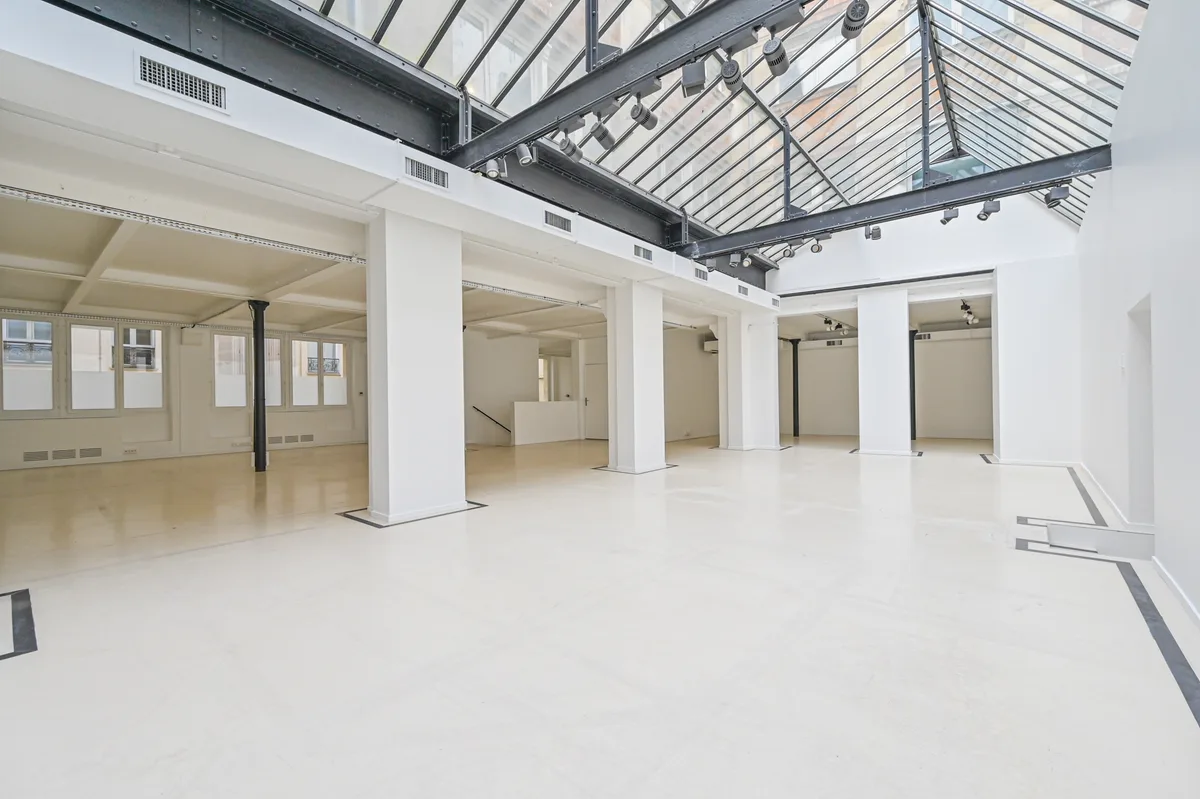
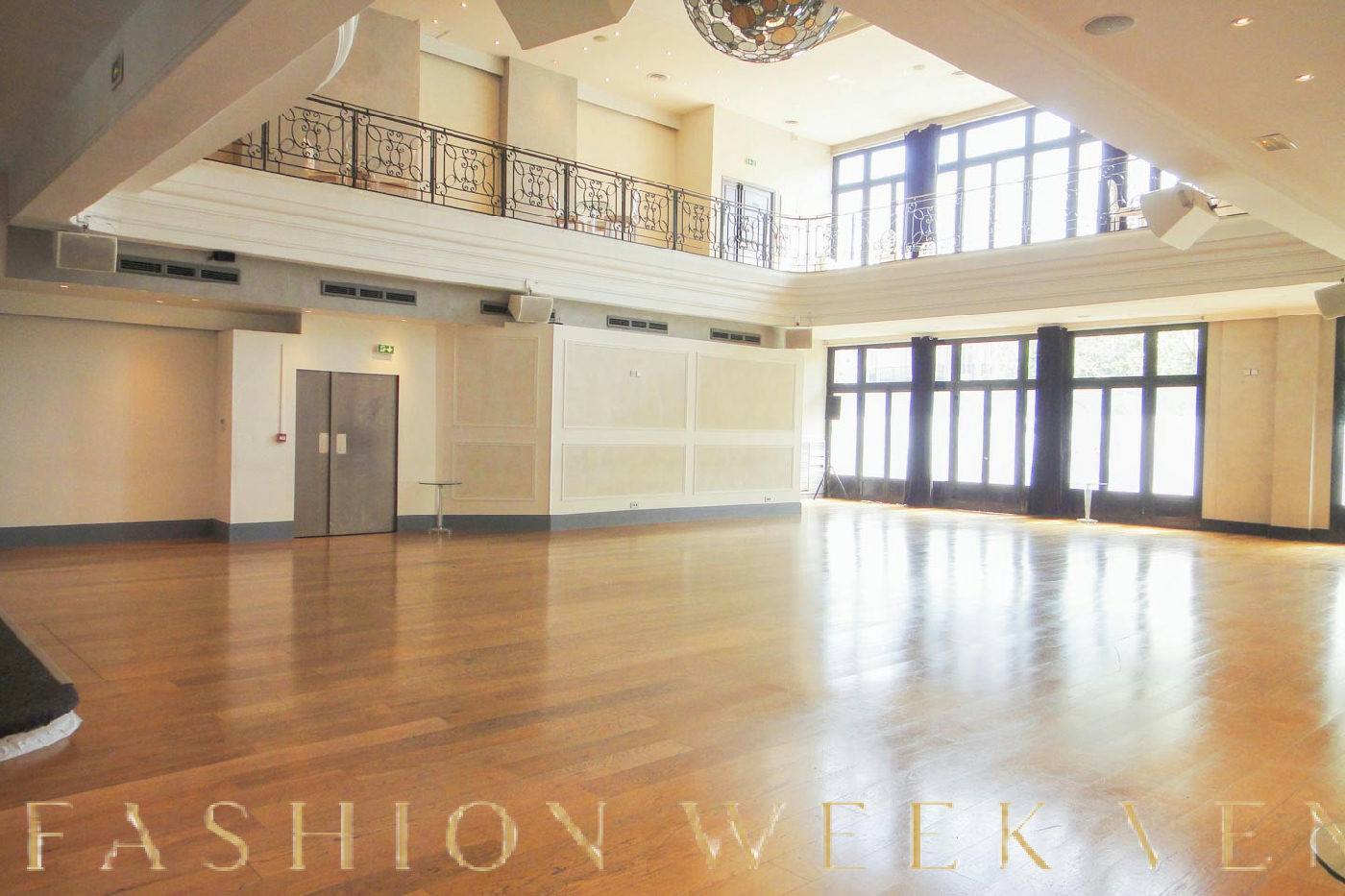
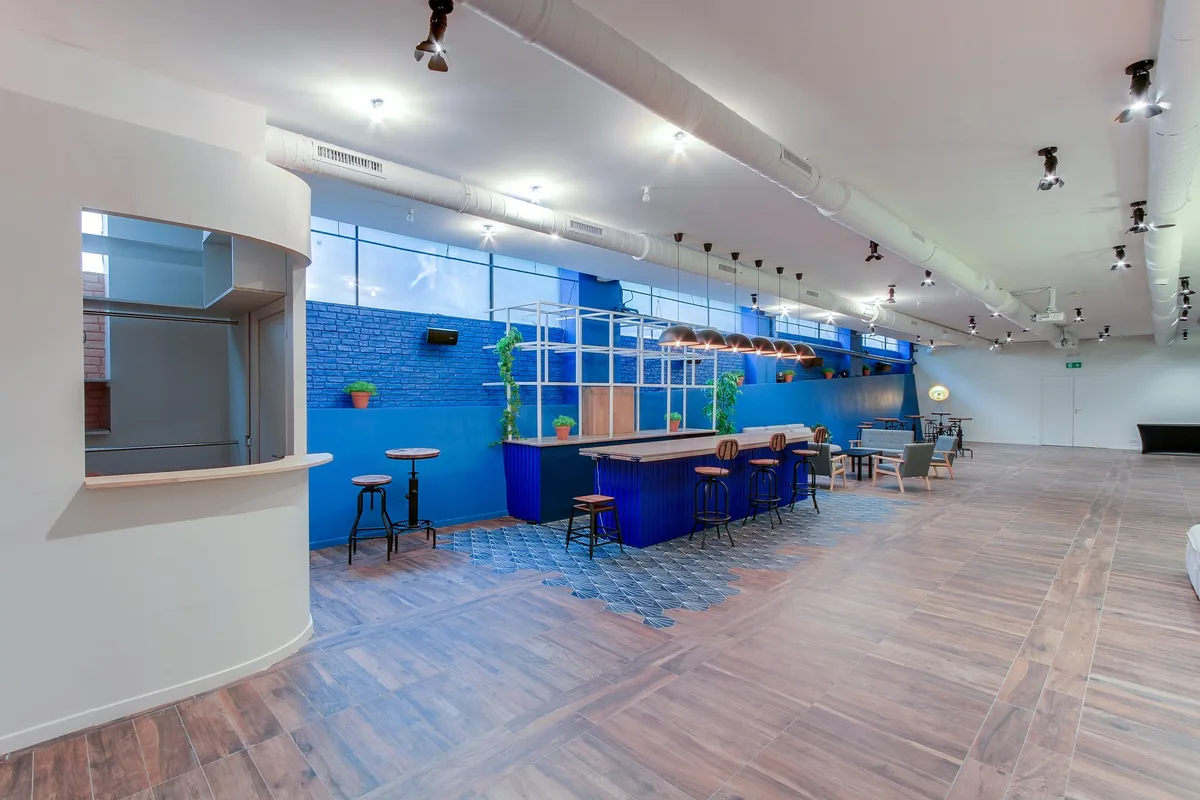
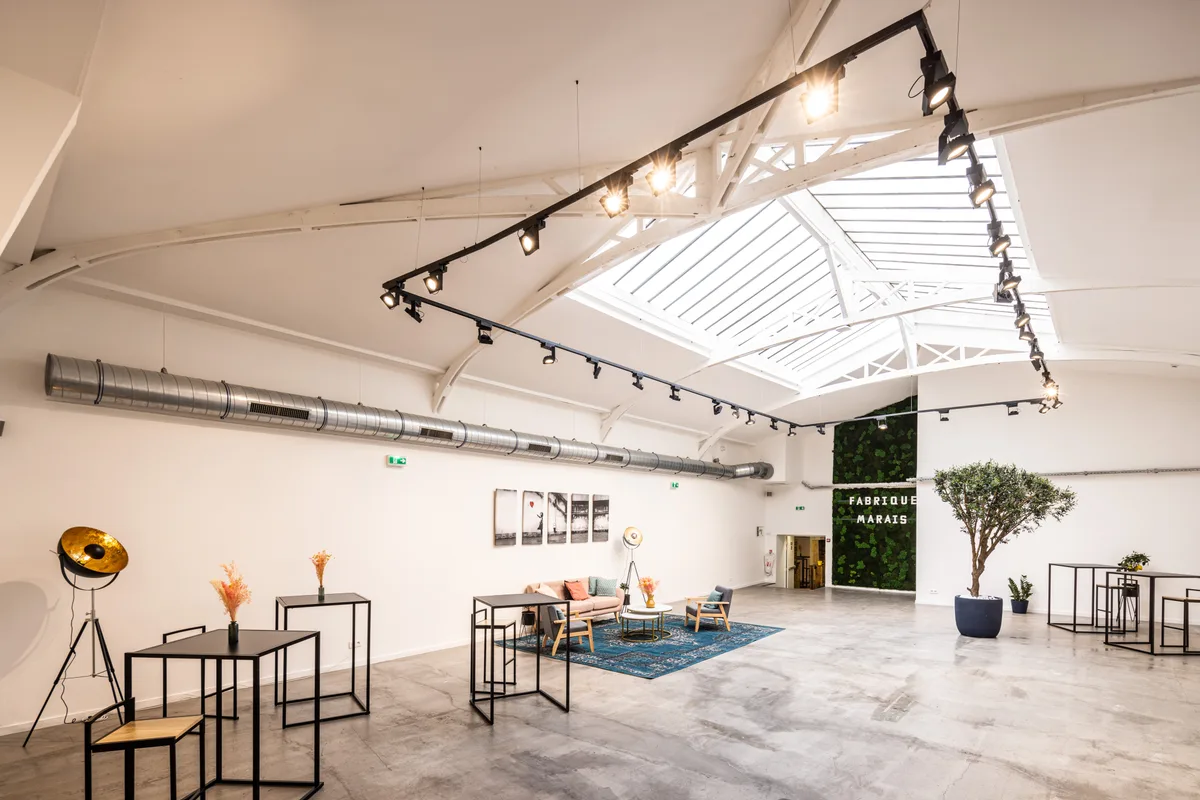
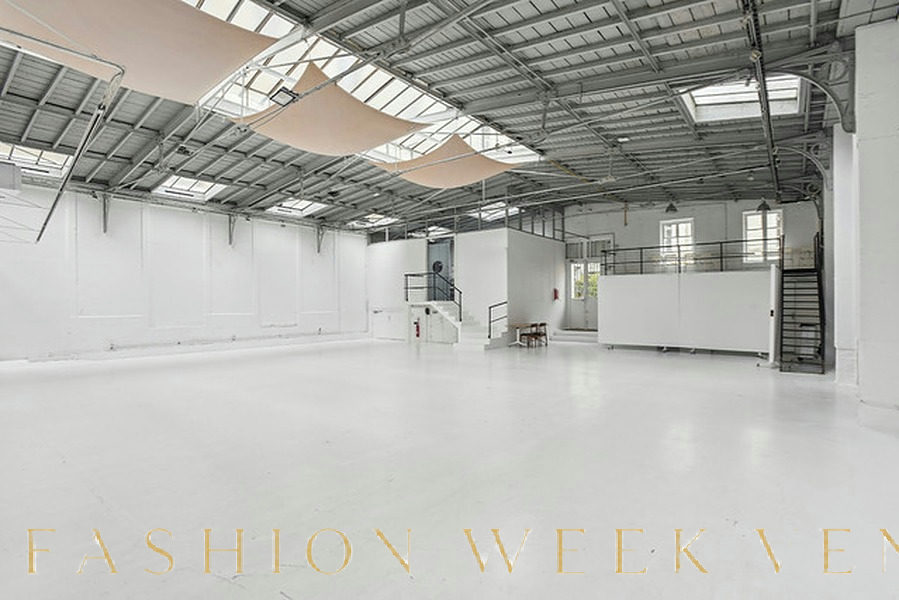
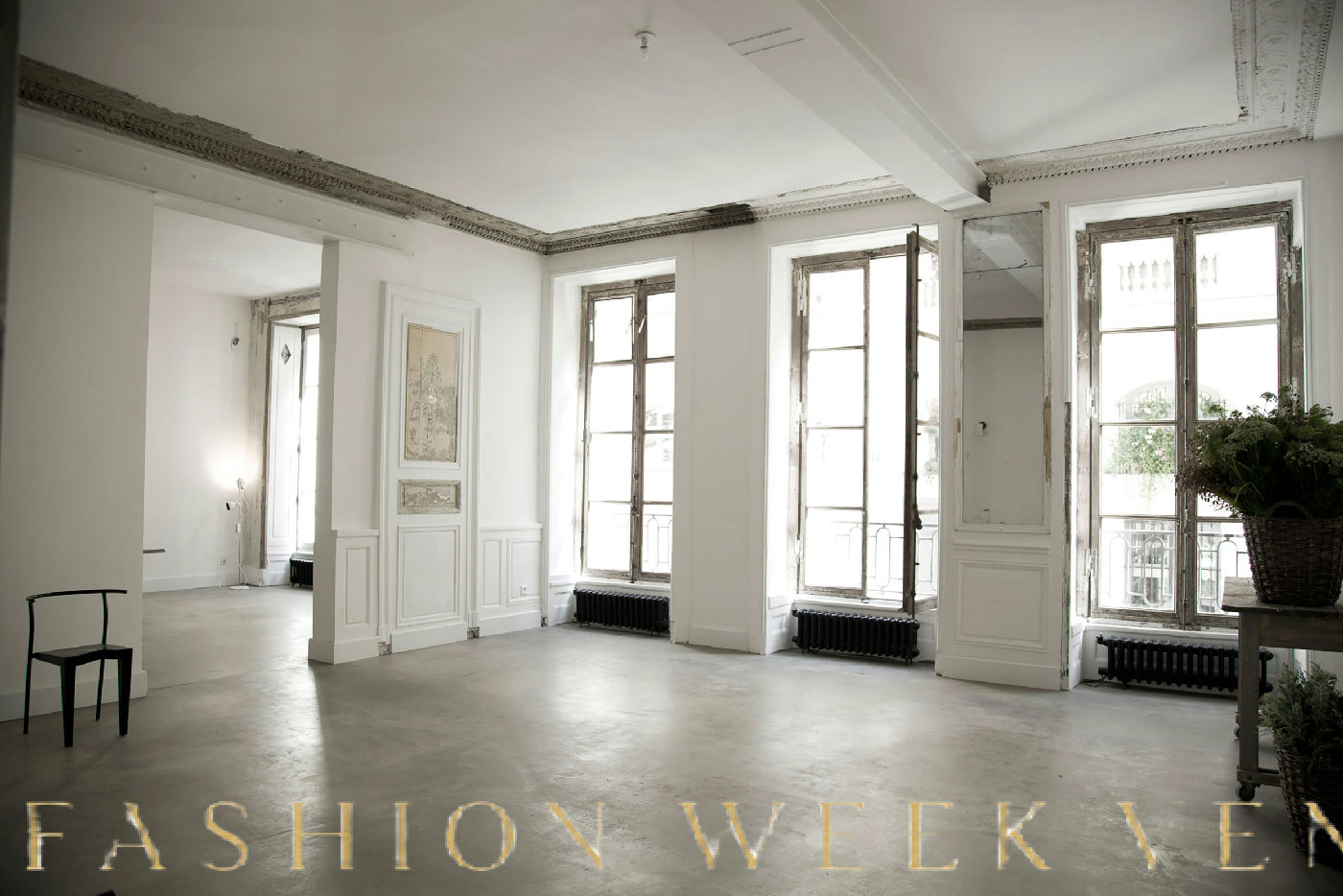
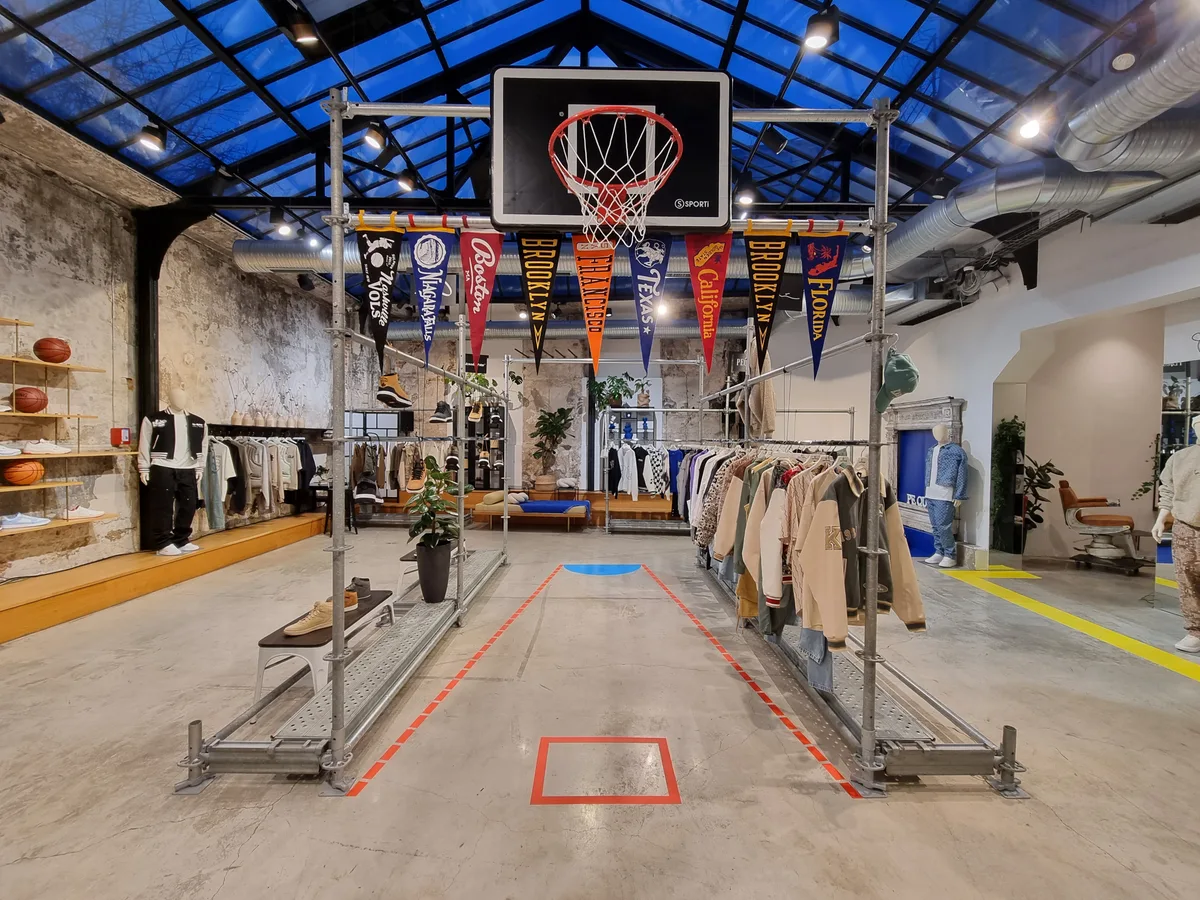
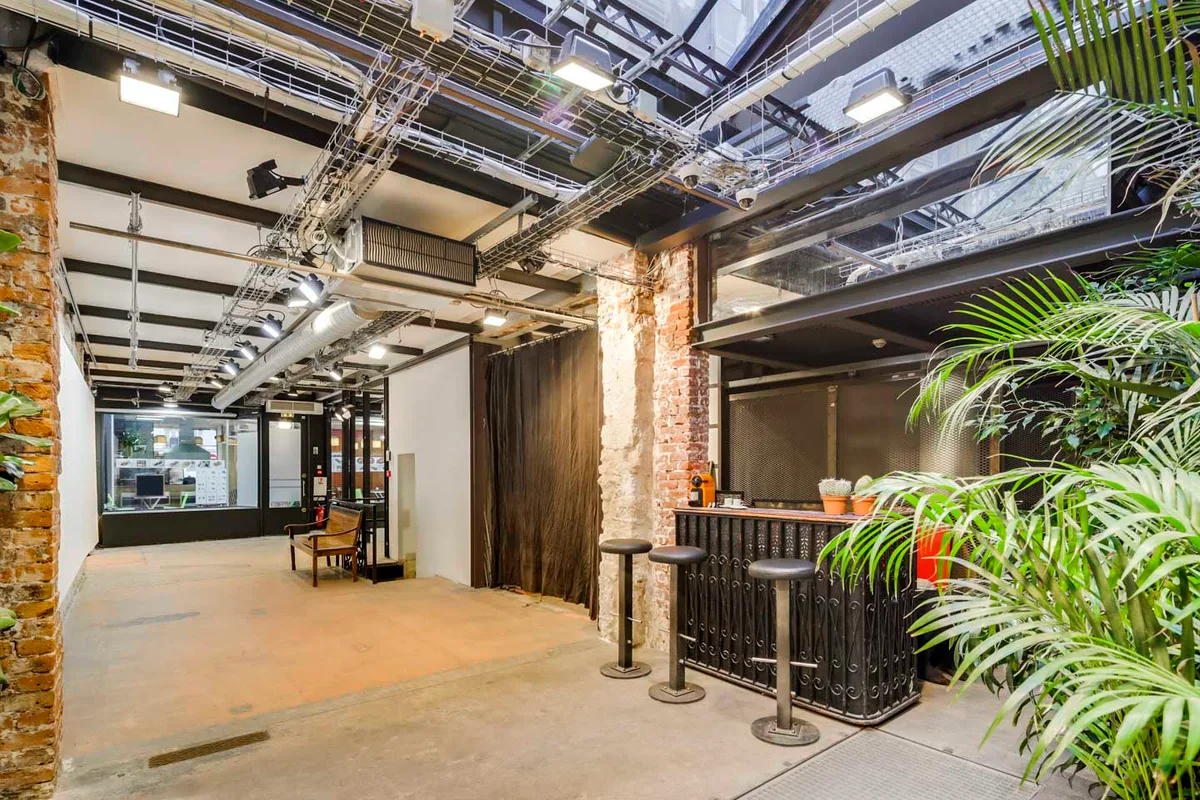
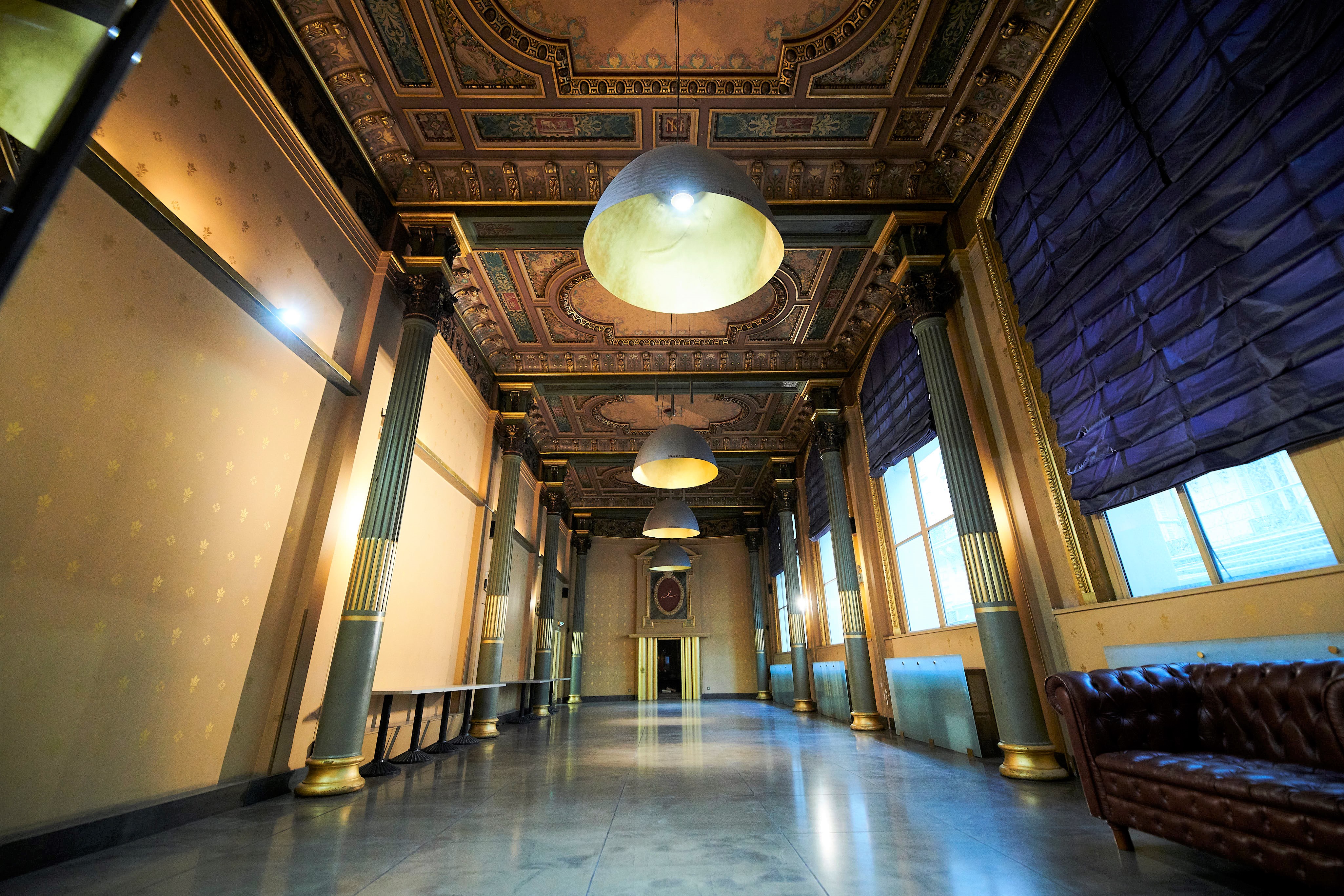
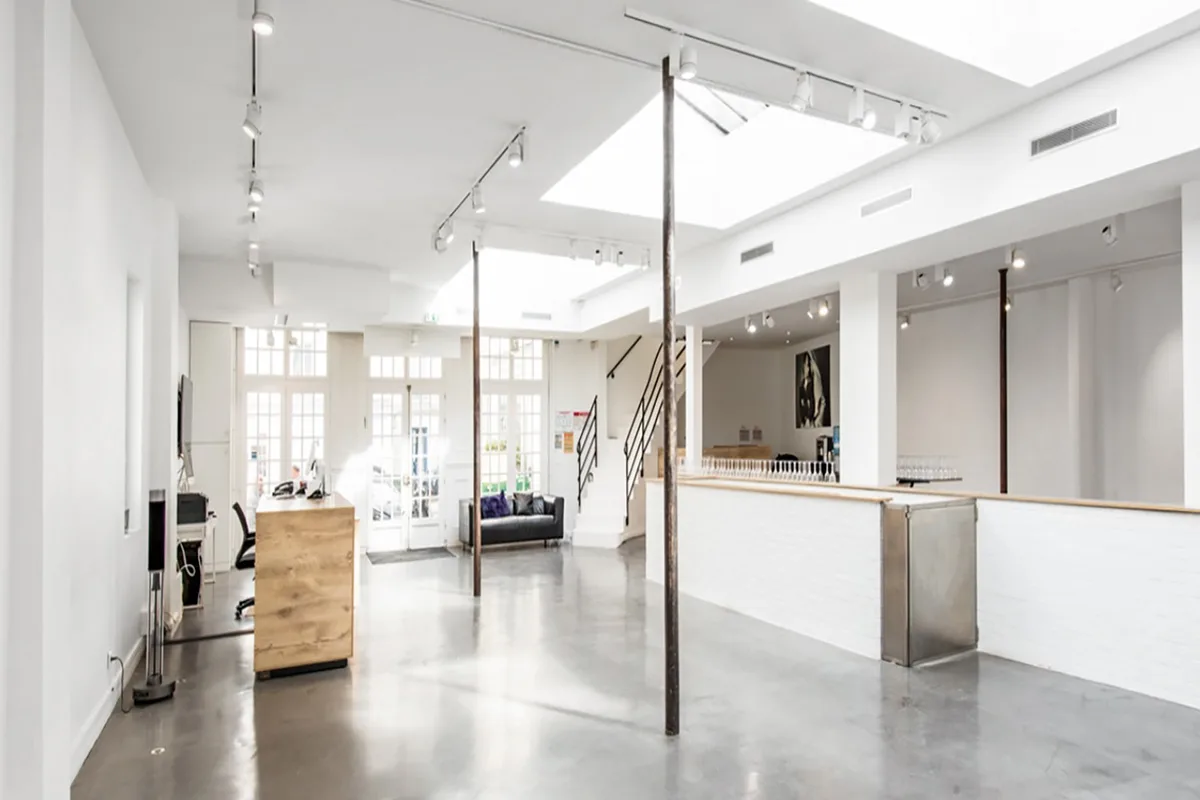
Finding the right pop up shop near Tuileries is one of the most strategically important decisions a fashion brand, beauty label, or luxury house can make when planning a Paris activation. The Tuileries zone, spanning the 1st arrondissement from Rue de Rivoli to Place de la Concorde and anchored by the iconic Tuileries Garden, sits at the intersection of global tourism, Parisian prestige, and fashion industry infrastructure. Brands activating in this corridor gain proximity to the runway calendar, the international press circuit, and a footfall profile that few other cities in the world can match. Fashion Week Venues supports brands searching for pop-up spaces, showrooms, and event venues across Paris, including spaces in and around the Tuileries district that suit collections launches, Haute Couture showcases, editorial productions, and short-term retail concepts.
Why the Tuileries District Is a Priority Zone for Pop-Up Stores and Showrooms
Quick answer: The Tuileries district occupies the retail and cultural spine of central Paris, connecting Place de la Concorde, Rue de Rivoli, rue Saint-Honoré, and Place Vendôme. For fashion brands and luxury houses seeking a pop up shop near Tuileries, this zone offers unrivalled brand alignment, international footfall, and direct proximity to Paris Fashion Week venues and editorial shooting locations.
The area immediately surrounding the Tuileries Garden represents one of the most commercially and culturally loaded postcodes in global fashion. To the north, rue Saint-Honoré functions as the primary artery of luxury retail in Paris, housing flagship boutiques, concept stores, and showrooms from the world's most recognised fashion houses. To the south, Rue de Rivoli offers a parallel strip of retail activity that blends heritage brands with contemporary flagships. To the west, Place Vendôme anchors the fine jewellery and haute couture circuit, while to the east, the Pyramides and Opéra stations bring dense pedestrian traffic from across the city.
The Tuileries Garden itself, formally known as the Jardin des Tuileries, is one of the most visited public spaces in France. Laid out in the classical French style attributed to André Le Nôtre, the garden stretches from the Louvre Carrousel to Place de la Concorde and is bisected by a central promenade flanked by lawns, terraces, and basins, including the celebrated Octagonal Grand Basin. The garden is named after the tile factories, or tuileries, that once operated on this land, and its literary and cultural associations extend through centuries of Parisian history. Charles Perrault, the French author of fairy tales including the story later adapted as Puss in Boots, was among the figures connected to this quarter's cultural heritage. Seasonal installations, landscaping events, and public exhibitions regularly animate the Terrace des Feuillants along the northern edge, creating moments of concentrated footfall that align well with brand activation calendars.
For brands planning a pop-up store or showroom in Paris, proximity to the Tuileries area signals luxury credibility, editorial relevance, and access to the international tourism circuit that flows continuously through this part of the city. Parisian visitors and international tourists alike pass through this corridor in enormous numbers throughout the year, with particular density during Paris Fashion Week periods in January, February, June, and September. The placement of the Olympic and Paralympic Cauldron at Place de la Concorde following the Paris 2024 Games reinforced the district's role as a stage for global spectacle, and brands continue to draw on that momentum.
From a logistics perspective, the Tuileries zone also offers practical advantages. Multiple Metro lines serving Pyramides, Tuileries, Concorde, and Palais Royal stations provide excellent connectivity. The density of boutique hotels, restaurants, galleries, and media offices in this arrondissement means that press and buyer appointments, showroom visits, and consumer activations can all operate within a walkable radius.
DID YOU KNOW: The Tuileries Garden hosts the annual Fête des Tuileries funfair each summer, attracting hundreds of thousands of visitors from across France and internationally. During this period, footfall in the surrounding arrondissement increases substantially, creating additional opportunities for temporary retail and brand activations positioned along Rue du 29 Juillet and the Terrace des Feuillants.
KEY TAKEAWAY: A pop up shop near Tuileries benefits from one of the most prestigious and high-footfall brand environments in global retail. The combination of rue Saint-Honoré heritage, Tuileries Garden cultural magnetism, and Paris Fashion Week proximity makes this district a first-choice location for luxury fashion, beauty, and lifestyle brands seeking short-term retail impact.
Understanding the full geography of the Tuileries district helps brands compare it meaningfully with neighbouring activation zones, particularly Le Marais, which operates on a different brand register but offers complementary strategic advantages.
Le Marais vs Tuileries: Choosing the Right Neighbourhood for Your Paris Pop-Up
Quick answer: The Tuileries and Le Marais districts each serve distinct brand positioning goals in Paris. Tuileries suits luxury flagship concepts, Haute Couture showrooms, and high-visibility retail. Le Marais, centred on the Marais district and anchored by institutions like Musée Picasso and Carreau du Temple, suits contemporary fashion, concept stores, independent brands, and culturally engaged activations.
When planning a pop-up store, showroom, or gallery rental in Paris, the choice of neighbourhood is as consequential as the choice of space itself. Paris is a city of distinct retail microclimates, and the gap between a Tuileries placement and a Marais placement can be significant in terms of brand perception, audience demographics, rental rates, space typologies, and logistical conditions.
| Factor | Tuileries / 1st Arrondissement | Le Marais / 3rd and 4th Arrondissement |
|---|---|---|
| Primary brand register | Luxury, Haute Couture, heritage fashion houses | Contemporary, independent, concept-driven, art-adjacent |
| Key landmarks | Place Vendôme, rue Saint-Honoré, Tuileries Garden | Place des Vosges, Musée Picasso, Carreau du Temple |
| Typical space types | Showrooms, flagship formats, gallery spaces, atelier-style studios | Concept stores, gallery spaces, historic hôtels particuliers, covered markets |
| Footfall profile | International luxury tourists, fashion press, buyers | Young creative professionals, art-world visitors, weekend shoppers |
| Fashion Week density | Runway shows, Haute Couture, brand presentations | Emerging designer showrooms, art gallery launches, collaborative events |
| Rental complexity | Higher rate, stricter space requirements | Variable rate, more diverse space typologies |
| Notable sub-locations | Rue du 29 Juillet, rue Saint-Roch, Terrace des Feuillants | Galerie Turenne, Turenne Boutique, Charlot' Store area |
Le Marais district has developed over the past two decades into one of Paris's most active pop-up and concept store corridors. The neighbourhood's architectural character, defined by 17th-century hôtels particuliers, covered passageways, and interior courtyards, provides a distinctive backdrop that independent fashion brands and art-forward labels actively seek. The area around Galerie Turenne and the streets connecting Carreau du Temple to Place des Vosges carries a particular energy during Paris Fashion Week, with showrooms, Galerie d'art installations, and collaborative pop-up formats occupying spaces across the district.
Specific sub-locations within Le Marais have acquired distinct brand associations. The Charlot' Store area and streets north of the Picasso Museum attract a gallery and design-led crowd. The Galerie d'exception model, which blends art exhibition with retail experience, has found a particularly receptive audience in this part of the Marais district. Carreau du Temple, the historic covered market space repurposed as a multi-use cultural venue, has hosted fashion presentations, brand activations, and temporary retail formats that benefit from its volume, history, and central Marais location.
For brands deciding between the two zones, the question is less about which neighbourhood is objectively better and more about which neighbourhood's brand environment, audience, and space typology aligns most precisely with the activation's objectives. A Haute Couture house launching a new fragrance would likely favour the rue Saint-Honoré corridor, while an emerging ready-to-wear label seeking to build press relationships and community engagement might find Le Marais more responsive to their energy and budget.
TIP: Many brands operating during Paris Fashion Week run simultaneous activations in both zones, using a Tuileries-adjacent space for press and trade showroom functions and a Marais location for consumer-facing concept store or event programming. This dual-market approach is sometimes structured through co-activation formats.
KEY TAKEAWAY: The Tuileries and Marais districts are complementary rather than competing choices for Paris pop-up activations. Brand teams should define their primary audience, brand positioning, and activation format before committing to a neighbourhood, and should consider whether a dual-zone strategy serves their Paris Fashion Week objectives.
With the geographical landscape established, it is important to understand how the Paris Fashion Week calendar structures the opportunity windows for pop-up stores and showrooms throughout the year.
Paris Fashion Week Calendar and the Optimal Windows for Pop-Up Store Activations
Quick answer: Paris Fashion Week runs across four primary seasons: Haute Couture in January and July, and ready-to-wear in February and September. Each window creates distinct opportunities for pop-up stores, showrooms, and brand activations near Tuileries and across the city. Planning for the July 2026 Haute Couture calendar, scheduled from July 6 to 9, 2026, requires space reservations well in advance of those dates.
Paris Fashion Week is not a single event but a rolling series of runway shows, exhibitions, trade showrooms, press presentations, and industry happenings that collectively define the global fashion calendar. For brands planning a pop up shop near Tuileries or anywhere in central Paris, understanding the calendar structure is essential to making informed decisions about timing, duration, budget, and logistics.
The four primary Paris Fashion Week windows operate as follows. The January Haute Couture week brings the most exclusive and invitation-restricted circuit of the year, focused on the fashion houses presenting their made-to-order collections to private clients, international press, and editorial teams. The February ready-to-wear week, sometimes called Paris Fashion Week Women's for autumn-winter collections, is the largest and most globally covered event, drawing buyers, media, and brands from across the world. June brings the menswear ready-to-wear season, which increasingly overlaps with Haute Couture previews and creates an extended window of industry concentration. The July Haute Couture week, scheduled for July 6 to 9 in 2026, is the most concentrated and prestigious window for luxury brand activations, showroom openings, and private exhibitions in the Tuileries and Place Vendôme corridor.
For the September ready-to-wear week, the city operates at its maximum fashion industry density, with runway shows, brand presentations, and consumer activations running simultaneously across multiple arrondissements. Brands planning pop-up store activations during September need to begin space searches and brief submissions at least four to six months in advance, as premium locations near Tuileries, rue Saint-Honoré, and throughout Le Marais are heavily contested.
DID YOU KNOW: During Paris Haute Couture weeks, the concentration of international luxury buyers, fashion editors, stylists, and brand executives within the 1st and 8th arrondissements creates a footfall profile unlike any other retail moment in the city. Brands operating showrooms or pop-up stores within this zone during Haute Couture week report appointment conversion rates and press pickup rates significantly higher than during other periods of the year.
Beyond the four primary Fashion Week windows, Paris also hosts a series of secondary events that create activation opportunities throughout the year. The Paris trade shows, including Première Vision and WHO'S NEXT, concentrate buyers and brands at specific moments. The Fête des Tuileries funfair, typically running from late June through August, brings a different audience profile to the immediate Tuileries Garden zone. Cultural exhibition openings at institutions in the Marais district, including the Musée Picasso, create moments of concentrated art-world and fashion-adjacent footfall.
Brands that treat Paris not as a single annual activation but as a rolling calendar of strategic windows can build cumulative presence and brand awareness over multiple seasons, using different space types and formats for different objectives at different moments in the year.
KEY TAKEAWAY: The Paris Fashion Week calendar creates four primary and multiple secondary activation windows each year. For the Tuileries zone specifically, the July 2026 Haute Couture week from July 6 to 9 is the most prestigious short-term window, but September and February ready-to-wear weeks offer the broadest reach. Brands should align their space search and lease duration with the specific week that matches their commercial and communications objectives.
With calendar timing understood, the next critical question is what types of spaces are available in and around Tuileries, and how rental and lease structures work for short-term fashion activations in Paris.
Types of Pop-Up Spaces and Venues Near Tuileries: What Is Available and What to Expect
Quick answer: The Tuileries zone and the wider 1st arrondissement offer a range of pop-up space typologies including retail storefronts, gallery spaces, showroom suites, atelier-style interiors, boutique hotel event spaces, and courtyard venues. Each type carries different rental structures, permit requirements, and fit-out considerations.
The immediate Tuileries district contains several distinct sub-corridors, each offering different space characteristics. The rue Saint-Honoré axis, running parallel to Rue de Rivoli and within a short walk of the garden, is the most concentrated luxury retail corridor in France. Spaces here range from ground-floor boutique storefronts with window display frontage to upper-floor showroom suites that have historically housed fashion house presentations. Rue Saint-Roch, a quieter perpendicular street just north of the garden near Tuileries Metro, offers slightly more accessible rental rates while maintaining the credibility of the 1st arrondissement address.
The Rue du 29 Juillet, running along the western edge of the Tuileries Garden between Place de la Concorde and Rue de Rivoli, provides a distinctive setting for activations that want proximity to the garden itself. Spaces along this strip benefit from strong visual associations with the garden, the grand scale of Haussmann architecture, and the footfall from tourists walking between the Louvre and Concorde.
| Space Type | Typical Use | Key Considerations | Typical Duration |
|---|---|---|---|
| Retail storefront | Consumer pop-up store, concept store, boutique | Window frontage essential, lease type critical | 1 week to 3 months |
| Gallery space | Brand universe exhibition, private art show, editorial production | White wall condition standard, loading access variable | 3 days to 4 weeks |
| Showroom suite | Press and buyer presentations, collection previews | Appointment-only access, furniture rental required | Fashion Week duration, typically 5 to 10 days |
| Atelier-style interior | Workshop events, craft installations, beauty activations | Flexible configuration, lower footfall than storefront | 1 day to 2 weeks |
| Boutique hotel event space | Private dinners, brand presentations, influencer events | Catering restrictions, noise limitations, booking lead time | 1 day to 1 week |
| Courtyard venue | Outdoor brand activations, seasonal markets, pop-up dining | Weatherproofing required, AOT permit often needed | Variable, seasonal |
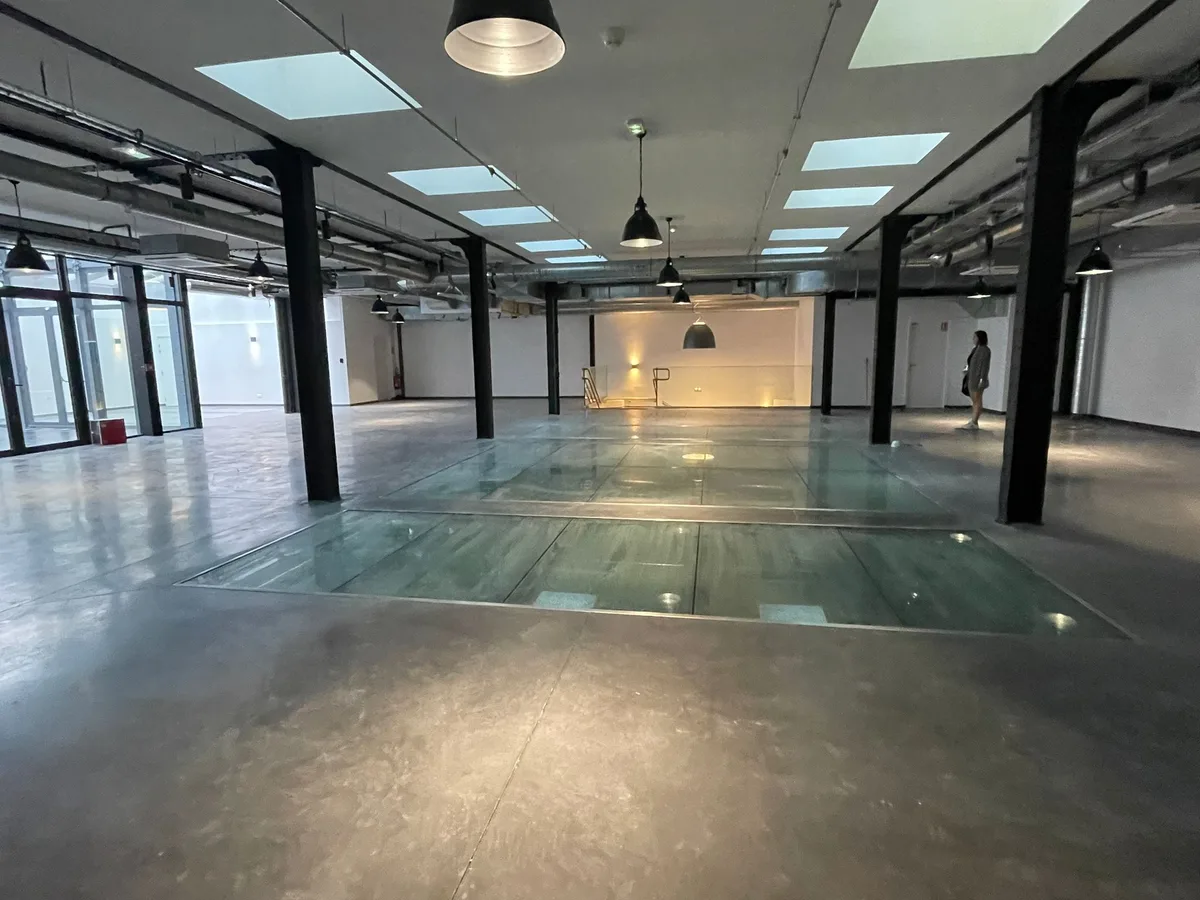
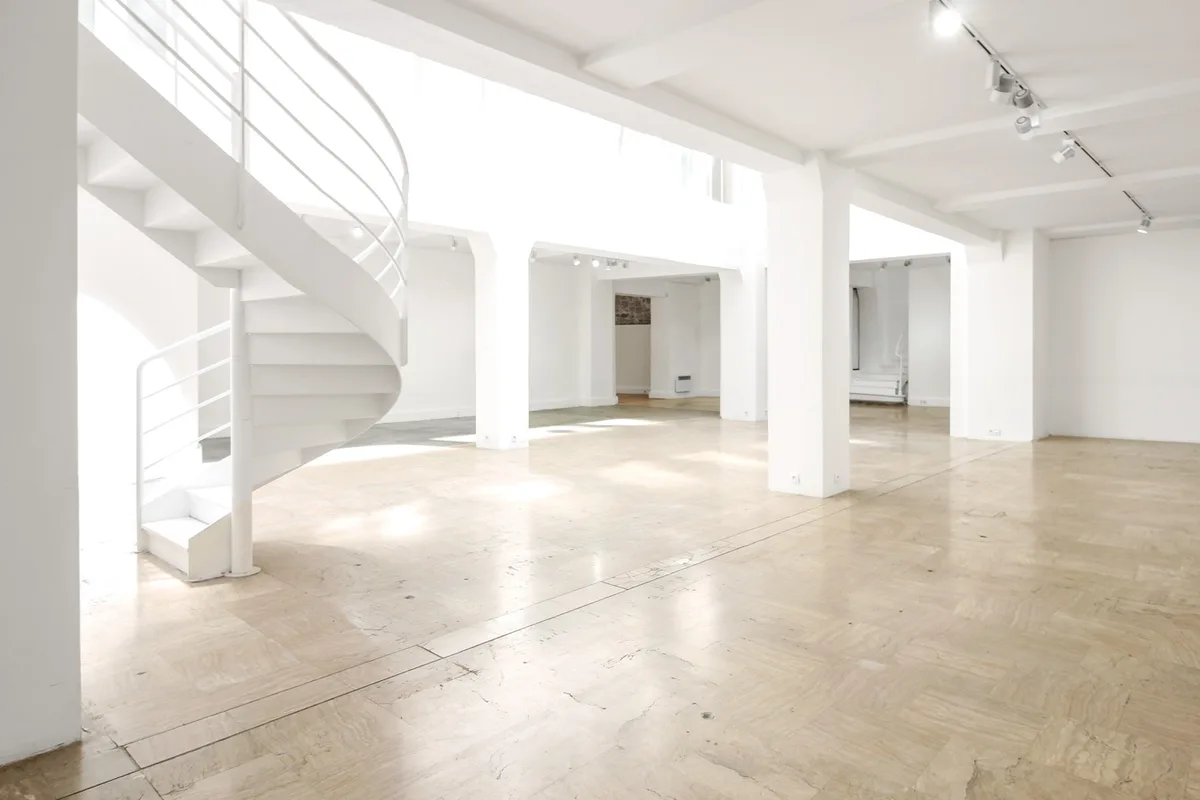
Gallery spaces near the Tuileries and extending through the Marais district represent one of the most versatile formats for fashion brands. The Galerie d'art and Galerie d'exception models that populate this part of Paris are well accustomed to hosting temporary brand activations, private exhibitions, and collaborative events. These spaces typically offer white-wall interiors, natural light, and the aesthetic neutrality that allows brand design teams to create immersive environments without competing with existing decor. Several gallery operators in this corridor have established relationships with fashion houses and understand the specific requirements of brand universe installations, including the need for flexible access hours, discreet loading arrangements, and professional security.
Concept stores represent another important format in the Tuileries and Marais zones. A pop-up shop hosted within an existing concept store allows a brand to benefit from the host retailer's existing footfall, established customer base, and operational infrastructure without taking on a full standalone lease. This model is particularly effective for emerging labels or brands entering the Paris market for the first time, as it reduces both financial exposure and operational complexity while maintaining a credible address and retail context.
IMPORTANT: Not all spaces marketed as available for pop-up use have the necessary regulatory permissions for retail sales activity. Before committing to any space, brands must verify that the proposed use is compatible with the space's existing planning designation, the terms of the property owner's insurance, and any arrondissement-level restrictions. This is especially relevant for spaces within or adjacent to the Tuileries Garden, which is a classified public domain with its own regulatory framework.
KEY TAKEAWAY: The Tuileries zone offers a diverse inventory of pop-up space types, from flagship storefronts on rue Saint-Honoré to gallery spaces and courtyard venues near the garden itself. The choice of space type should be driven by activation format, brand tier, target audience, operational capacity, and budget before any shortlist is compiled.
Understanding which space type suits your brand is only part of the planning process. The rental and lease structures used for short-term spaces in Paris introduce legal and regulatory considerations that every brand team needs to understand before signing any agreement.
Rental Rates, Lease Structures, and Legal Frameworks for Paris Pop-Up Stores
Quick answer: Short-term space rental in Paris most commonly operates under a bail dérogatoire, a derogatory lease that allows landlords and tenants to agree on a short-term occupation outside the standard French commercial lease protections. For public domain spaces or street-adjacent activations, an Autorisation d'Occupation Temporaire, commonly called an AOT, may also be required. Brands should always verify their specific situation with a qualified French legal advisor.
French property law distinguishes clearly between standard commercial leases, which provide tenants with significant statutory protections and minimum durations, and short-term derogatory arrangements designed for temporary occupation. For brands planning a pop up shop near Tuileries, the bail dérogatoire is the most commonly used legal framework. This agreement allows the parties to contract outside the standard commercial lease statute, provided the total duration does not exceed three years and both parties explicitly acknowledge the derogatory nature of the arrangement at the time of signing.
The bail dérogatoire is suitable for most Fashion Week activations, brand presentations, and temporary retail formats lasting from a few days to several months. It is important to note that if a tenant remains in occupation after the expiry of a bail dérogatoire without the parties explicitly agreeing to renew on derogatory terms, French law may automatically convert the arrangement into a standard commercial lease with all associated statutory protections and obligations for both parties. This is a risk that is not always communicated clearly in the short-term rental market.
Rental rates in the Tuileries and rue Saint-Honoré zone are among the highest in Paris and reflect the area's global standing as a luxury retail destination. Directional estimates suggest that daily or weekly rates for quality retail or showroom spaces in this arrondissement can vary considerably depending on size, condition, frontage, and the specific week of the year, with Fashion Week periods commanding a meaningful premium over non-Fashion Week timing. However, published figures in the market vary significantly, and brands should use the Fashion Week Venues budget estimation tool to generate a realistic cost model for their specific brief before entering any negotiation.
For activations that occupy public space or semi-public space, including areas adjacent to the Tuileries Garden or on public terraces and courtyards within arrondissement jurisdiction, an Autorisation d'Occupation Temporaire from the relevant local authority may be required. This permit grants the holder a revocable right to occupy public domain temporarily and is separate from any commercial lease or private rental agreement. The AOT application process involves the relevant Mairie or prefecture, and approval timelines vary. Requirements also differ depending on whether the activation involves sales, food service, temporary structures, signage, or the use of branded materials visible from public space.
IMPORTANT: The permit landscape in Paris is complex, and requirements vary significantly by space type, activation format, arrondissement, duration, and the specific activities being conducted. Do not assume that a rental agreement alone provides sufficient authorisation for all planned activities. Brands should verify their specific permit obligations with a qualified French legal advisor before committing to a space or a timeline. The permit guidance tool on Fashion Week Venues provides a starting framework for understanding which permit categories may apply to different activation formats.
Beyond the bail dérogatoire and AOT frameworks, brands sometimes encounter alternative rental structures such as licence d'occupation agreements, temporary concession contracts for spaces within managed retail environments, or revenue-sharing arrangements with host concept stores. Each structure carries different legal implications, and the appropriate choice depends on the specific space, duration, and planned activities.
KEY TAKEAWAY: Understanding the bail dérogatoire framework and the AOT permit system is essential for any brand planning a pop-up store or showroom in Paris. The short-term rental market operates with less standardisation than brands sometimes expect, and the legal and regulatory complexity requires specialist guidance rather than assumptions based on experience in other markets.
With the legal framework understood, it is important to look at how the full range of operational services required for a successful Paris activation come together, and how specialist agencies can support brand teams through the entire process.
How Fashion Week Venues Supports Pop-Up Activations Near Tuileries and Across Paris
Fashion Week Venues operates as a full-service pop-up shop agency and space marketplace with Paris as its primary anchor market. For brands planning a pop up shop near Tuileries, a showroom presentation during Paris Fashion Week, or a short-term retail activation anywhere in the city, Fashion Week Venues provides both the marketplace infrastructure to discover and shortlist spaces and the full-service agency capability to plan, produce, and manage the activation from initial brief to closing day.
The marketplace component of Fashion Week Venues allows brand teams to search available spaces by location, size, format, price range, and calendar availability. Spaces near Tuileries, along rue Saint-Honoré, in Le Marais, and across all major Paris activation zones are listed on the platform, allowing teams to compare options with transparent information before requesting viewings or submitting a brief. The Fashion Week Venues space marketplace is the most direct entry point for brands beginning a Paris space search.
Beyond space discovery, Fashion Week Venues offers a comprehensive suite of services that address the full operational lifecycle of a Paris activation. These services are designed to remove the complexity and coordination burden from brand teams who are simultaneously managing collection production, press outreach, buyer appointments, and international travel logistics.
- Venue sourcing provides access to both listed and off-market spaces, with the ability to match briefs to specific neighbourhood, format, size, and budget requirements.
- Concept direction supports brands in translating their brand universe into a coherent spatial concept appropriate for the chosen space and target audience.
- Production and build manages the fit-out process from technical drawings and contractor sourcing to installation and de-rig, including compliance with building regulations and landlord reinstatement requirements.
- Activation management covers the day-to-day operation of the space during the active period, including scheduling, event programming, and issue resolution.
- Retail staffing provides trained bilingual staff for consumer-facing activations, showroom environments, and event programming.
Fashion Week Venues also operates a set of planning and decision-support tools that brand teams can use independently or alongside agency support. The timeline planning tool helps teams map the sequence of decisions and tasks required for a Paris activation, from initial brief to opening day. The ROI calculator allows brands to model the expected return on investment from a pop-up activation based on inputs including space cost, production budget, expected footfall, and conversion assumptions. The space comparison tool enables side-by-side evaluation of shortlisted venues across multiple criteria.
For brands considering collaborative or shared activation formats, the twin co-activation concept available through Fashion Week Venues allows two complementary brands to share a space, split costs, and create a richer combined brand environment. This is particularly relevant for emerging labels or brands entering Paris for the first time who want the credibility of a premium address without the full cost of sole occupancy.
It is important to be transparent about what Fashion Week Venues does not guarantee. No agency can guarantee permit approvals, landlord acceptance, or specific footfall outcomes. Fashion Week Venues can provide expert guidance, market knowledge, and operational support, but final decisions on lease terms, permit applications, and activation design always rest with the brand and their legal and financial advisors. Brands with no prior Paris activation experience are strongly encouraged to review the guide to hiring a pop-up agency in Paris before committing to any service relationship.
KEY TAKEAWAY: Fashion Week Venues provides both a marketplace for space discovery and a full-service agency for end-to-end activation management in Paris. Brand teams can engage at the level that suits their internal capacity, from self-directed space browsing to fully managed activation production, with specialist tools available to support every stage of the planning process.
Understanding the full service landscape available to brands in Paris leads naturally to the question of how local artisan markets, community-driven pop-up formats, and smaller-scale vendor activations operate within the Tuileries zone and the wider Paris retail ecosystem.
Local Artisans, Concept Store Vendors, and Community Pop-Up Formats in the Tuileries Zone
Quick answer: The Tuileries zone and adjacent arrondissements host a range of community-driven and artisan-focused pop-up formats, from seasonal markets within the garden itself to curated vendor programmes at concept stores on rue Saint-Honoré and side streets including rue Saint-Roch. These formats serve both local artisans seeking temporary retail exposure and international visitors seeking authentic Parisian goods and specialty experiences.
Not every brand activation near Tuileries operates at the luxury flagship scale. The neighbourhood also supports a vibrant ecosystem of smaller-scale vendors, artisans, and independent creators who use temporary retail formats to reach both Parisian visitors and international tourists passing through this part of the city. The seasonal markets that animate the Tuileries Garden and surrounding streets during events such as the Fête des Tuileries funfair bring together a mix of vendors offering everything from vintage finds and handmade creations to specialty goods, gadgets, figurines, and local food and drink.
For brands or artisans considering participation in vendor-driven pop-up formats in this zone, the process typically involves completing a vendors form submitted to the organising body of the specific market or event. Requirements vary depending on whether the market is publicly organised by the Mairie, privately curated by a retail concept operator, or run as part of a branded commercial event. Rental rates for vendor pitches within these formats are generally structured differently from standalone space rentals, often involving a combination of a pitch fee and a revenue share or daily rate.
The concept store model, which has become one of the defining retail formats of the Tuileries and Marais corridor, often incorporates rotating vendor programmes or pop-up-within-a-store arrangements. These provide an accessible entry point for brands that want Paris presence without the operational complexity of a standalone pop-up. Several concept stores operating in the 1st and 4th arrondissements actively seek emerging brands for short-term shelf or area placements, particularly during Fashion Week periods when editorial traffic through the store increases.
The intersection of local artisan culture with the broader fashion and luxury retail ecosystem around Tuileries also creates opportunities for collaborative programming. Workshops led by local artisans, craft demonstrations, community dining formats, and specialty goods pop-ups all contribute to the texture of the neighbourhood's retail offer and can be integrated into brand activation programmes to create a more layered and locally resonant experience. A brand activation that incorporates workshops by Parisian craftspeople, a small café serving local specialties, or a curated selection of vintage treasures alongside its main product offering creates a more compelling reason for visitors to dwell, share, and return.
TIP: Brands planning activations during the Tuileries Garden fair season should consider how their pop-up concept can engage with the existing foot traffic patterns flowing through the garden's northern boundary near the Terrace des Feuillants and toward the large Octagonal Grand Basin. Positioning a related activation on a side street such as rue Saint-Roch or Rue du 29 Juillet can intercept this audience in a more controlled retail environment while benefiting from the broader footfall occasion.
KEY TAKEAWAY: The Tuileries zone supports a spectrum of pop-up and vendor formats, from luxury flagship activations to community artisan markets. Brands at every scale can find a format appropriate to their objectives, budget, and audience profile in this district, provided they understand the specific operational and permit requirements of each format type.
To compare neighbourhoods and space types, explore the Paris city hub on Fashion Week Venues and shortlist spaces that match your brief, budget, and calendar window.
Planning a Pop-Up Store Near Tuileries: A Step-by-Step Workflow for Brand Teams
Quick answer: A successful pop-up store near Tuileries requires a structured planning process that typically begins four to six months before the target opening date for Fashion Week windows. The process spans space search, legal review, concept development, production, staffing, marketing, and post-activation analysis.
Fashion brands, brand activation managers, and creative directors who have never activated in Paris often underestimate the lead time and coordination required to execute a quality pop-up in the Tuileries zone or anywhere in the 1st arrondissement. The combination of high demand for premium spaces, complex permit requirements, the operational demands of fit-out in a historic city centre, and the compressed timelines of Paris Fashion Week creates a planning environment that rewards early action and specialist support.
| Phase | Key Actions | Recommended Lead Time Before Opening |
|---|---|---|
| 1. Brief definition | Define objectives, format, budget range, target audience, and calendar window | 6 months |
| 2. Space search | Browse marketplace, submit brief to agency, assess shortlist options | 5 months |
| 3. Legal and permit review | Engage French legal advisor, identify permit requirements, review lease type | 4 to 5 months |
| 4. Concept development | Develop spatial concept, design direction, and brand environment brief | 4 months |
| 5. Production planning | Contractor sourcing, material procurement, installation scheduling | 3 months |
| 6. Staffing and operations | Recruit and brief bilingual staff, establish POS and payment systems | 6 to 8 weeks |
| 7. Marketing and press | Media outreach, influencer briefing, social content production, invitations | 4 to 6 weeks |
| 8. Installation and activation | Fit-out completion, staff induction, soft opening, full operation | Week of opening |
| 9. Data and reporting | Collect footfall, sales, and engagement data, compile activation report | Post-activation |
This workflow assumes a standalone pop-up operation. Brands working within a concept store host arrangement, a vendor market placement, or a managed event format will have a simplified version of this process, with some phases handled by the host operator. However, the fundamental sequence of brief, search, legal, concept, production, and activation applies across all formats.
One of the most consistently underestimated phases is the legal and permit review. Brands that have experience with short-term space rental in other markets, including London, New York, or Dubai, frequently discover that the French regulatory framework requires a different approach. The bail dérogatoire, the AOT, the requirements for temporary signage, the obligations around waste management and reinstatement, and the specific conditions that apply to spaces in classified historic areas of Paris all require verification before any production commitment is made.
The marketing and press phase also requires specific Paris knowledge. The fashion press circuit in Paris operates on personal relationships and seasonal rhythms that differ from other markets. Influencer marketing near Tuileries benefits from the visual assets that the neighbourhood provides, including the garden itself, the architectural grandeur of Rue de Rivoli and the Louvre Carrousel, and the iconic backdrop of floating boats on the Seine just south of the district. Brands that brief their influencer and content teams on the specific visual and narrative assets available in the Tuileries zone consistently produce stronger social content than those that treat the location as a generic Paris backdrop.
KEY TAKEAWAY: A structured, phased planning process is the single most reliable predictor of a successful pop-up activation near Tuileries. Brands that begin their space search and brief preparation at least four to six months before their target Fashion Week window have meaningfully better access to premium spaces, more time for legal and permit review, and greater creative flexibility in concept development.
With the planning process mapped, it is worth addressing some of the most persistent misconceptions that brand teams bring to their first Paris activation, as these myths can lead to costly delays, missed opportunities, and avoidable complications.
Marketing, Merchandising, and Brand Universe Design for Tuileries Pop-Up Stores
Quick answer: A pop-up store near Tuileries is a marketing asset as much as a retail operation. The combination of a prestigious Paris address, high editorial footfall during Fashion Week, and the visual richness of the Tuileries zone creates conditions for content production, press coverage, and brand storytelling that can amplify the activation's impact far beyond its immediate audience.
The design of a pop-up store near Tuileries should engage directly with the brand universe and with the specific character of the chosen space. The most effective activations in this zone do not simply transplant a brand's standard retail environment into a Parisian address. They create a distinct spatial narrative that reflects the brand's identity, resonates with the Parisian context, and gives visitors and press a reason to engage deeply and share their experience.
Merchandising in a Paris pop-up store near Tuileries operates under different conventions from a standard retail environment. The density of luxury goods, concept store culture, and design-aware retail in this corridor means that visitors are accustomed to high levels of visual curation and product storytelling. A thoughtfully merchandised space that communicates the brand's history, craft, collaborations, and aesthetic position through both product and environment will consistently outperform a straightforward product display, regardless of product quality.
Brand activations in the Tuileries zone that incorporate elements of the local environment into their concept, whether through references to the garden's history and landscaping, the blue flowers of the Terrace des Feuillants, the floating boats on the Tuileries basin, or the architectural vocabulary of Haussmann Paris, create a more memorable and location-specific experience. This specificity is particularly valuable for content production, as it signals authenticity and effort to both press and consumer audiences who are accustomed to generic brand pop-up formats.
Influencer marketing in this zone benefits from a dense visual environment that photographs exceptionally well. The Octagonal Grand Basin, the arched arcade of Rue de Rivoli, the formal geometry of the garden's central promenade, the grand scale of Place de la Concorde, and the intimate proportions of rue Saint-Roch all provide distinct visual contexts for content creation. Brands that brief their influencer and content partners on these specific locations, and that design their pop-up space to complement rather than compete with the surrounding visual environment, produce content with higher reach, engagement, and editorial pickup.
For showroom-format activations, the design of the space should prioritise the needs of press and buyer appointments rather than consumer footfall. A well-designed showroom near Tuileries during Paris Fashion Week communicates professionalism, brand investment, and creative confidence to editors, buyers, and potential collaborators. The quality of the furniture rental, the lighting design, and the organisation of the collection within the space all contribute to the impression the brand makes during what are often short but consequential appointments.
DID YOU KNOW: Several major fashion houses use their Paris Fashion Week showroom activations near Tuileries to function simultaneously as private exhibition spaces for their broader brand universe, including archival pieces, art collaborations, and design objects that extend the brand's narrative beyond the current season. This approach has proven effective in generating editorial coverage that extends well beyond the dates of the activation itself.
KEY TAKEAWAY: Marketing, merchandising, and brand universe design are not secondary considerations for a Tuileries pop-up activation. They are core strategic assets that determine the activation's commercial effectiveness, press value, and lasting brand impact. Brands should invest in concept direction and production quality appropriate to the prestige of the location and the expectations of the Parisian fashion audience.
Common Myths About Pop-Up Shops in Paris Debunked
MYTH: You need a French legal entity to rent a pop-up space in Paris.
FACT: Many international brands rent pop-up spaces and showrooms in Paris without establishing a French legal entity. Short-term rental agreements such as the bail dérogatoire can be entered into by foreign companies, though specific conditions and requirements will depend on the landlord, the space, and the nature of the activation. Brands should always obtain legal advice from a qualified French advisor before signing any agreement, as requirements vary significantly by space type and duration.
MYTH: Paris Fashion Week is the only viable calendar window for a pop-up near Tuileries.
FACT: While Paris Fashion Week weeks in January, February, July, and September represent the highest-density windows for industry footfall, the Tuileries zone operates as an active retail and tourism destination throughout the year. The Fête des Tuileries funfair, major exhibition openings at institutions across the 1st arrondissement, and the continuous flow of international tourism create viable activation windows in virtually every month. Brands that restrict their Paris planning to Fashion Week periods miss significant opportunities for cost-effective, lower-competition activations at other times of year.
MYTH: Commission brokers are the only way to find a pop-up space in Paris.
FACT: The traditional commission broker model is one route to space discovery in Paris, but it is not the only or necessarily the best route for every brand. Space marketplaces, direct outreach to property owners, and full-service agency relationships provide alternative approaches that may offer greater transparency, broader inventory, or more integrated support. The emergence of specialist fashion and luxury retail platforms has significantly widened the practical options available to brand teams conducting a Paris space search.
MYTH: Short-term leases in Paris are legally straightforward and require no specialist review.
FACT: Short-term space rental in Paris involves specific legal frameworks, including the bail dérogatoire and the AOT, that are distinct from standard commercial lease structures and carry their own risks and obligations. The risk of unintentional conversion to a standard commercial lease, the complexity of permit requirements for specific activation formats, and the variation in landlord-imposed conditions across different space types and arrondissements mean that specialist legal review is not optional for brands seeking to protect their interests. Assuming that a short-term agreement is automatically low-risk or simple to exit is one of the most common and costly mistakes made by first-time Paris activators.
MYTH: Pop-up spaces near Tuileries are only suitable for established luxury brands with large budgets.
FACT: While the most prominent street-level retail spaces on rue Saint-Honoré and Place Vendôme command premium rates that reflect their global standing, the wider Tuileries zone and adjacent streets including rue Saint-Roch and Rue du 29 Juillet contain a range of space types and rental structures accessible to emerging and mid-market brands. Concept store host placements, vendor market formats, gallery space activations, and co-activation arrangements can all provide credible Tuileries-adjacent presence at a significantly lower cost than a standalone luxury storefront.
Frequently Asked Questions
What makes a pop-up shop near Tuileries particularly valuable for a fashion brand?
A pop-up store in the Tuileries zone benefits from one of the most prestigious and internationally recognised retail addresses in the world. The combination of proximity to rue Saint-Honoré and Place Vendôme, direct access to the Paris Fashion Week circuit in January, February, July, and September, and continuous international tourist footfall creates conditions that are difficult to replicate in any other city. The visual richness of the Tuileries Garden, the Louvre Carrousel, and the grand Haussmann architecture of the surrounding streets provides an exceptional backdrop for content production and editorial coverage. Brands that activate in this zone gain immediate association with the most prestigious postcode in global fashion retail.
How far in advance should a brand start looking for a pop-up space near Tuileries for Paris Fashion Week?
For any of the four Paris Fashion Week windows, brands should begin their space search at least four to six months in advance. For the most competitive periods, particularly the September ready-to-wear week and the July Haute Couture week, premium spaces in the Tuileries and rue Saint-Honoré corridor can be fully reserved six months or more before the target dates. Brands that begin their search later than three months before their target window will have a meaningfully reduced selection of available spaces, particularly for larger or more prominently located venues. Starting earlier also provides more time for legal review, concept development, and permit applications.
What is a bail dérogatoire and why does it matter for a Paris pop-up?
A bail dérogatoire is a short-term derogatory lease that allows landlords and tenants in France to agree on a temporary occupation arrangement outside the protections and obligations of the standard French commercial lease statute. For pop-up stores and short-term brand activations, this is typically the most appropriate lease type, as it allows for durations from a few days to up to three years without triggering the statutory renewal rights associated with a standard commercial lease. The key risk is that if a tenant remains in occupation after expiry without formally renewing on derogatory terms, French law may automatically convert the arrangement to a standard commercial lease. All bail dérogatoire agreements should be reviewed by a qualified French legal advisor before signing.
Do I need an AOT permit for a pop-up space near the Tuileries Garden?
An Autorisation d'Occupation Temporaire, or AOT, is required when an activation occupies public domain, such as a public terrace, pavement extension, courtyard accessible to the public, or space within or directly adjacent to the Tuileries Garden itself. The garden is classified public domain and has its own regulatory framework administered by the Centre des monuments nationaux and the relevant municipal authorities. For private retail spaces on streets adjacent to the garden, an AOT may not be required for the space itself, but may still be needed for signage, promotional materials, or temporary structures visible from or extending into public space. Requirements should always be verified with the relevant authority and a French legal advisor before committing to any planned activity.
What types of spaces are available for pop-up stores on rue Saint-Honoré and rue Saint-Roch?
Rue Saint-Honoré offers primarily ground-floor boutique storefronts with retail heritage, upper-floor showroom suites used historically by fashion houses, and occasional gallery spaces. Rental rates on rue Saint-Honoré are among the highest in Paris and reflect the street's global luxury retail status. Rue Saint-Roch, a quieter perpendicular street running north from the Tuileries Metro station, offers a slightly more varied inventory including smaller boutique spaces, atelier-style interiors, and gallery formats, generally at rates below the main rue Saint-Honoré axis while still benefiting from the prestige of the Paris 1st arrondissement address. Both streets are within easy walking distance of the Tuileries Garden and the rue de Rivoli retail strip.
Can emerging brands afford to activate in the Tuileries zone?
Yes, emerging brands can find viable options in and around the Tuileries zone, though the most prominent storefronts on rue Saint-Honoré and Place Vendôme are typically priced for established luxury brands with significant activation budgets. More accessible options for emerging labels include concept store host placements, vendor market participation during events such as the Fête des Tuileries, gallery space rentals on adjacent streets including rue Saint-Roch and Rue du 29 Juillet, and co-activation formats that allow two brands to share space and costs. The twin co-activation format and the broader space marketplace can help emerging brands identify options that provide credible Tuileries-adjacent presence at a lower cost than a standalone flagship rental.
What services does Fashion Week Venues provide for brands activating near Tuileries?
Fashion Week Venues provides end-to-end support for brands planning pop-up stores, showrooms, and brand activations in Paris, including the Tuileries zone. Services include venue sourcing across both listed and off-market spaces, concept direction, production and build management, activation management, branded store design, furniture rental, retail staffing, POS and payments setup, data and analytics, and influencer marketing support. The agency also operates planning tools including a budget estimator, ROI calculator, timeline planner, space comparison tool, permit guidance tool, and location finder. Brands can engage with individual services or the full-service offering depending on their internal capacity and the complexity of the planned activation.
What is the difference between a showroom and a pop-up store in the context of Paris Fashion Week?
A showroom is typically a private, appointment-only space used by fashion brands during Paris Fashion Week to present their collection to press, buyers, stylists, and industry partners. Access is controlled and the primary objective is building commercial and editorial relationships rather than consumer retail. A pop-up store is a consumer-facing temporary retail space open to the public for a defined period, operating as a sales and brand experience environment. Some activations blend both functions, operating as a showroom during Fashion Week appointment hours and opening to the public at other times, though this requires careful spatial planning and operational management to serve both audiences effectively.
How does Paris Fashion Week's Haute Couture July calendar affect pop-up space availability near Tuileries?
The July Haute Couture week, scheduled for July 6 to 9 in 2026, is the most concentrated and prestigious short-form window in the Paris fashion calendar. The density of fashion houses, international press, and luxury buyers within the Tuileries and Place Vendôme corridor during this period is extremely high, and premium spaces in the immediate vicinity are typically fully reserved well before the dates. Brands targeting the July 2026 Haute Couture window should begin their space search no later than January 2026 and should have their legal and permit framework confirmed before production commitments are made.
What permit considerations apply specifically to activations on Rue du 29 Juillet?
Rue du 29 Juillet runs along the western edge of the Tuileries Garden between Place de la Concorde and Rue de Rivoli and occupies a sensitive urban position adjacent to classified public domain. Activations on private retail spaces on this street follow standard short-term rental frameworks, but any temporary structures, signage, or materials extending beyond the property boundary into the pavement or adjacent public space will require appropriate authorisation from the relevant municipal authority. The specific requirements depend on the nature of the installation, its size, duration, and visibility from public space. All planned external elements should be reviewed against permit requirements before any production or installation is commissioned.
Are there community or artisan vendor formats suitable for small brands near Tuileries?
Yes, the Tuileries zone supports several community-oriented and artisan-focused vendor formats, particularly during the Fête des Tuileries funfair period in summer and other seasonal market events. These formats typically involve completing a vendors form submitted to the organising body of the specific event or market, with pitch allocations made through a curation or application process. Rental rates for vendor pitches within these formats are structured differently from standalone space rentals and are generally more accessible for small businesses, local artisans, and emerging brands seeking temporary retail exposure to the high volume of Parisian visitors and international tourists who pass through the Tuileries zone during peak periods.
How does Le Marais complement the Tuileries zone for a dual-location Paris activation strategy?
Le Marais and the Tuileries zone serve complementary rather than competing functions in a dual-location Paris activation strategy. The Tuileries zone, centred on rue Saint-Honoré and Place Vendôme, attracts luxury tourists, fashion press, and haute couture buyers. Le Marais, anchored by institutions including the Musée Picasso, Carreau du Temple, and the streets around Place des Vosges, attracts a more contemporary, art-adjacent, and community-oriented audience. A brand that operates a press showroom near Tuileries during Fashion Week while running a consumer concept store or event in Le Marais simultaneously can reach multiple distinct audience segments and generate broader editorial coverage across different media contexts.
What tools are available to help plan and budget a pop-up near Tuileries?
Fashion Week Venues provides a suite of planning tools accessible online. The budget estimation tool allows brands to model space rental and production costs based on specific inputs. The ROI calculator helps quantify expected return on investment for a given activation configuration. The timeline planning tool maps the full sequence of planning decisions and tasks required for a Paris activation. The space comparison tool enables side-by-side evaluation of shortlisted venues. The permit guidance tool provides a starting framework for understanding which permit categories may apply. The location finder tool helps identify available spaces by zone and specification. All tools are designed to support informed decision-making rather than to replace specialist legal, financial, or operational advice.
What makes the Tuileries zone different from other Paris activation zones such as Le Bon Marché or the Carreau du Temple area?
The Tuileries zone, centred on the 1st arrondissement and the rue Saint-Honoré and Place Vendôme corridor, carries the highest concentration of luxury fashion houses, heritage flagships, and haute couture infrastructure in Paris. Le Bon Marché and Le Bon Marché Rive Gauche in the 6th arrondissement offer a different brand register, oriented toward a cultured Parisian consumer rather than the international luxury tourist and industry professional audience of the Tuileries zone. The Carreau du Temple in the upper Marais serves a more experimental and community-oriented audience suited to emerging and art-forward brands. Each zone has a distinct audience profile, brand environment, and space typology, and the right choice depends on the specific objectives, brand positioning, and target audience of the activation.
Conclusion: Making the Right Decision for Your Paris Pop-Up Near Tuileries
A pop up shop near Tuileries represents one of the most strategically valuable short-term retail investments available to a fashion, beauty, or luxury brand anywhere in the world. The district's combination of rue Saint-Honoré prestige, Tuileries Garden cultural magnetism, Place Vendôme luxury adjacency, and Paris Fashion Week proximity creates a brand environment with few global equivalents. Whether your activation objective is press coverage during the July 2026 Haute Couture week, consumer engagement during the September ready-to-wear season, a showroom presentation to international buyers, or a community-oriented concept store serving both Parisian visitors and international tourists, the Tuileries zone offers a format, a space type, and a calendar window that can serve your needs.
The keys to a successful activation in this district are early planning, specialist legal and permit guidance, a spatially specific concept that engages with the neighbourhood's identity, and operational rigour across staffing, merchandising, and data collection. Brands that treat a Paris pop-up near Tuileries as a straightforward retail exercise without adequate preparation consistently underperform relative to brands that invest in proper briefing, specialist support, and location-specific concept development.
The complexity of the Paris activation landscape, from the bail dérogatoire and AOT permit frameworks to the competitive space market and the nuanced expectations of the Parisian fashion press, makes specialist agency and marketplace support a practical necessity for most international brands rather than an optional add-on. Understanding the full range of services, tools, and space options available is the foundation of a well-executed Paris activation strategy.
To move from research to activation, start exploring available spaces on the Fashion Week Venues marketplace and build a focused brief for your target neighbourhood, space type, and calendar window. The earlier you begin, the stronger your position when the spaces and calendar windows that match your brief become available.