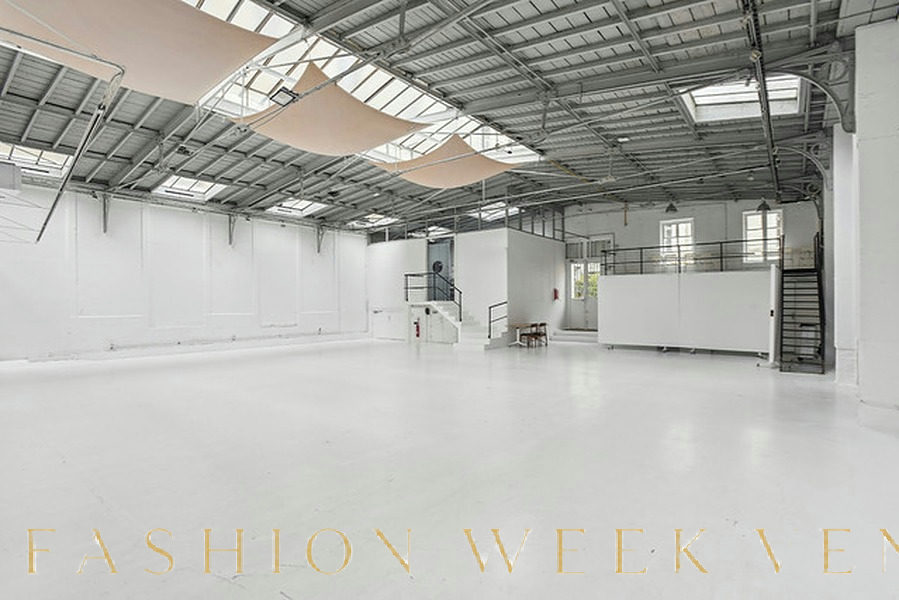
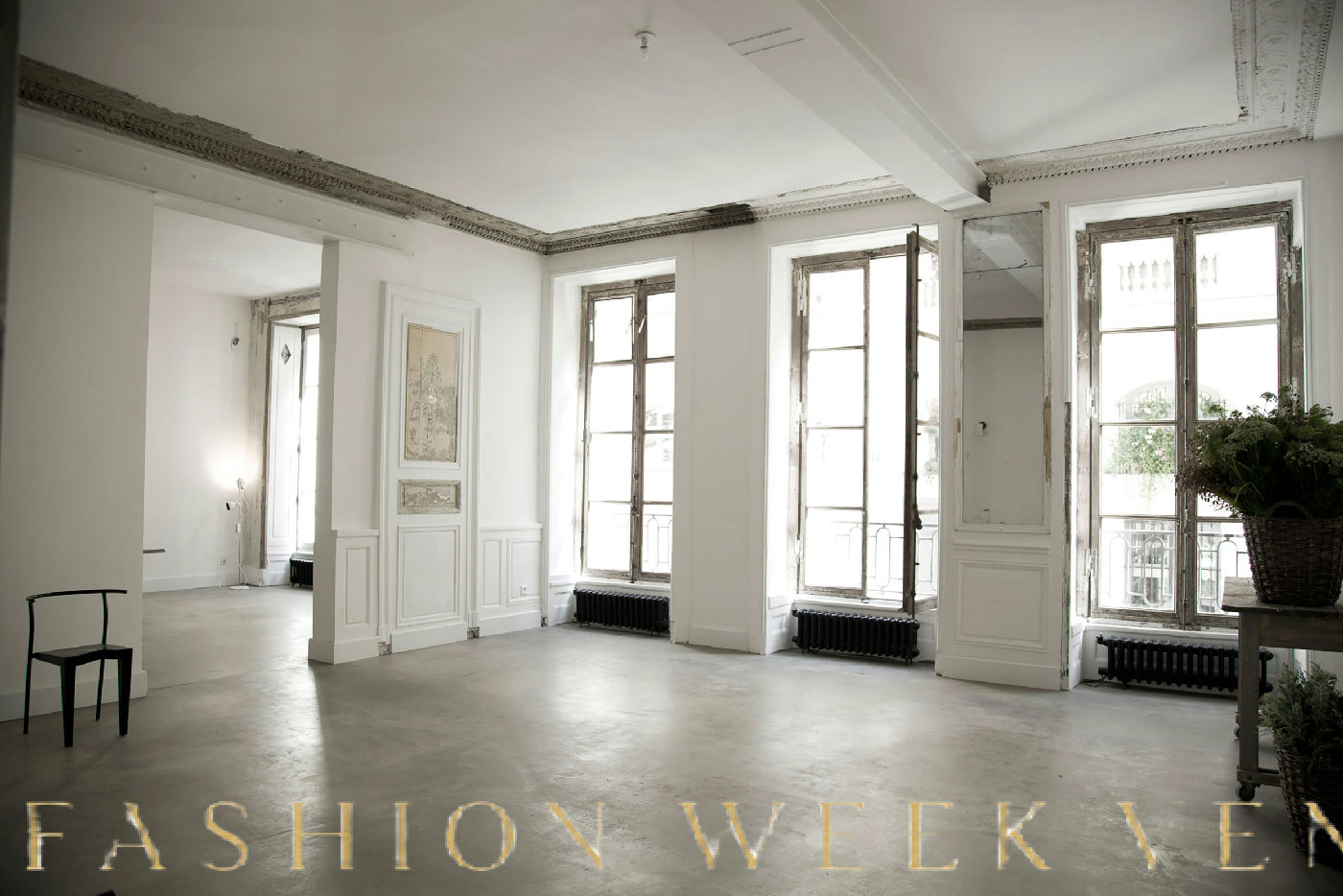
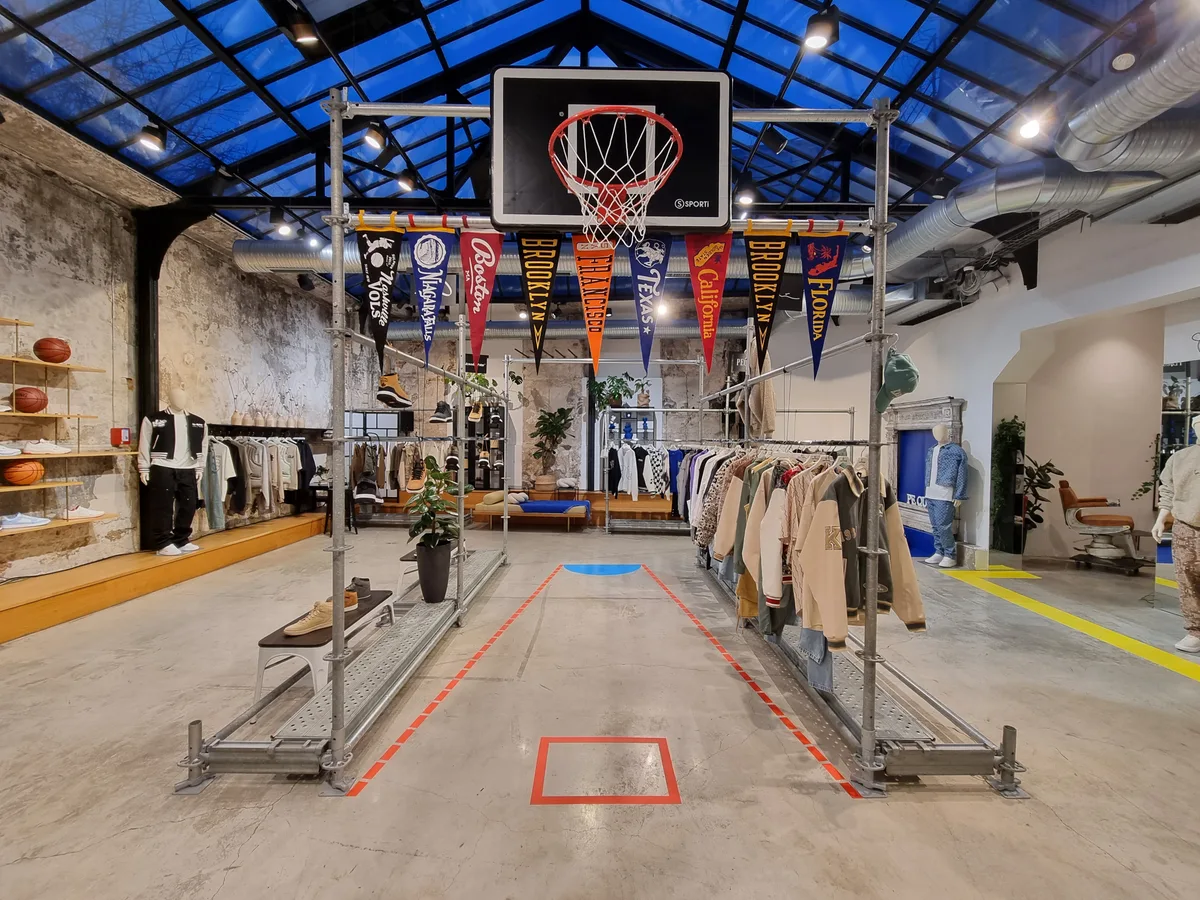
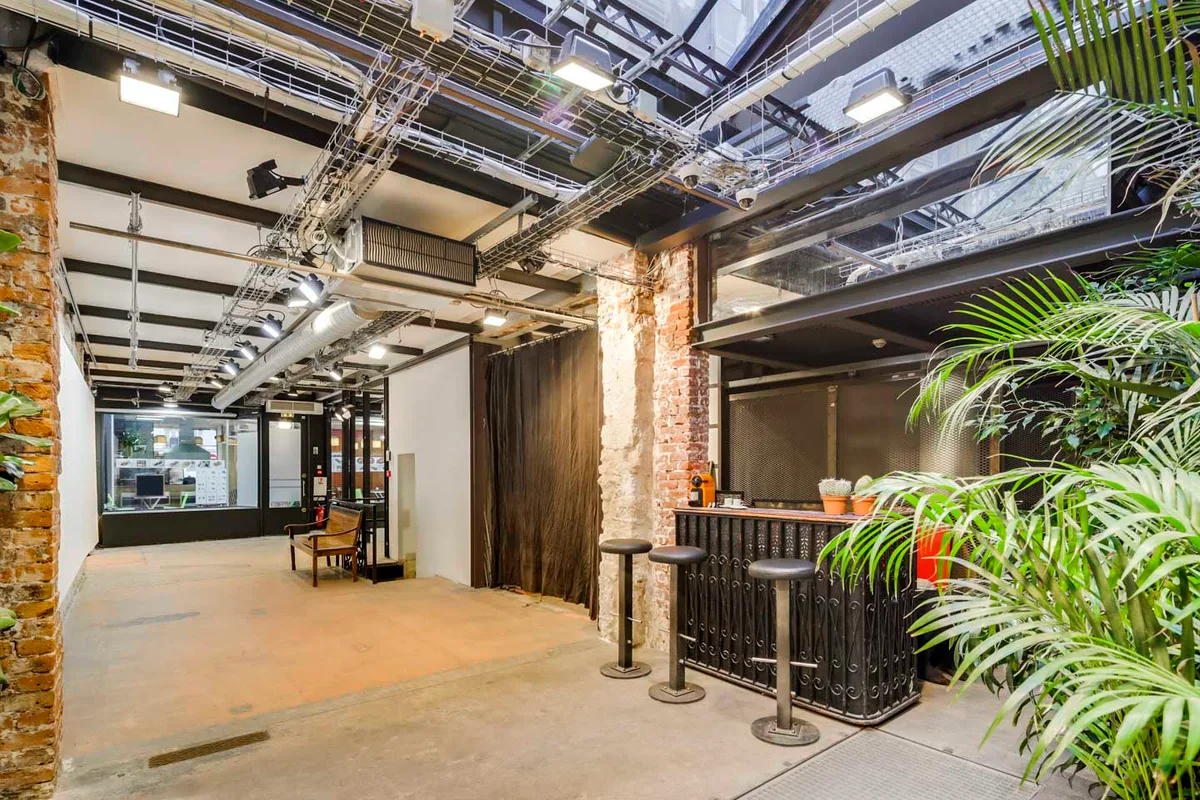
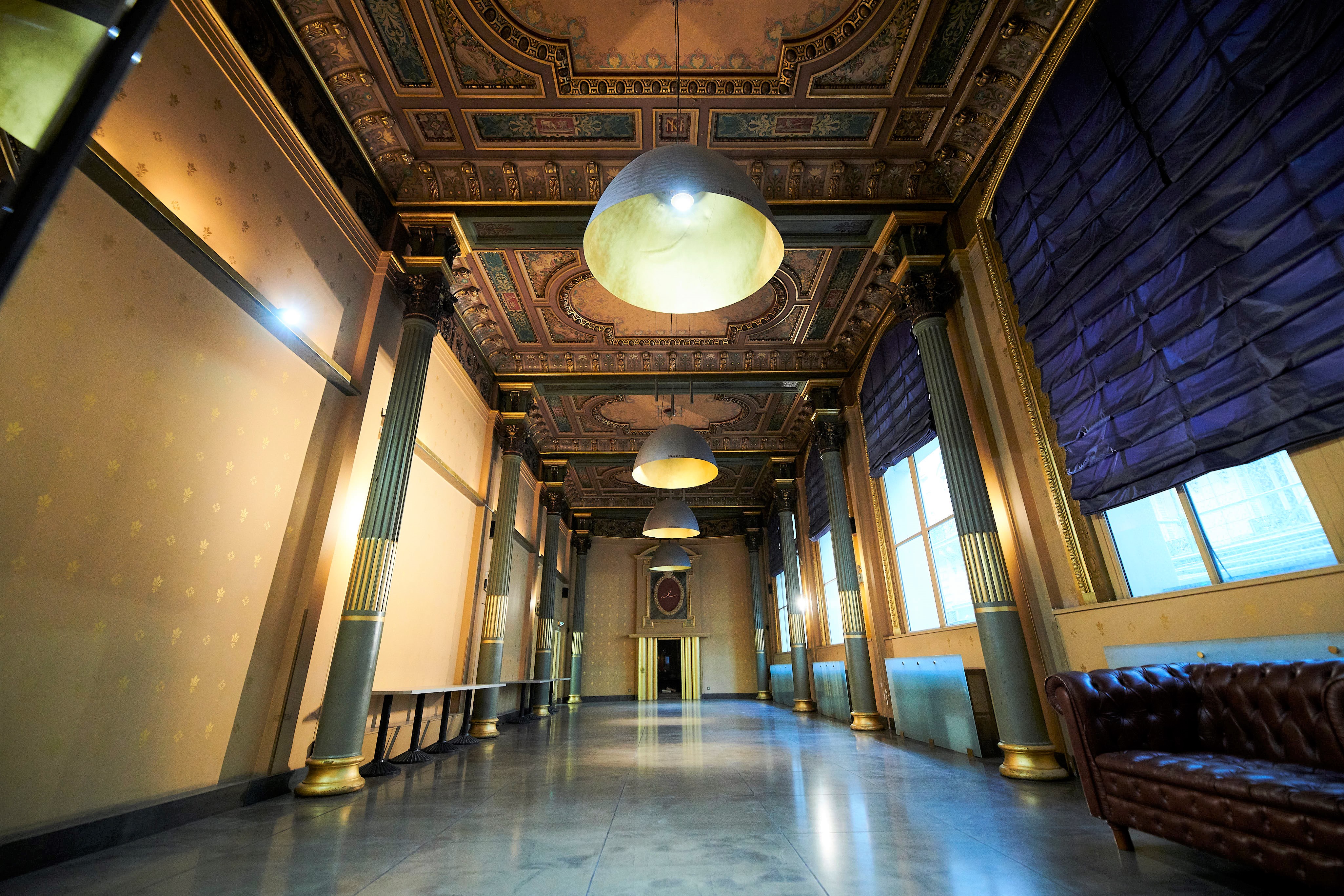
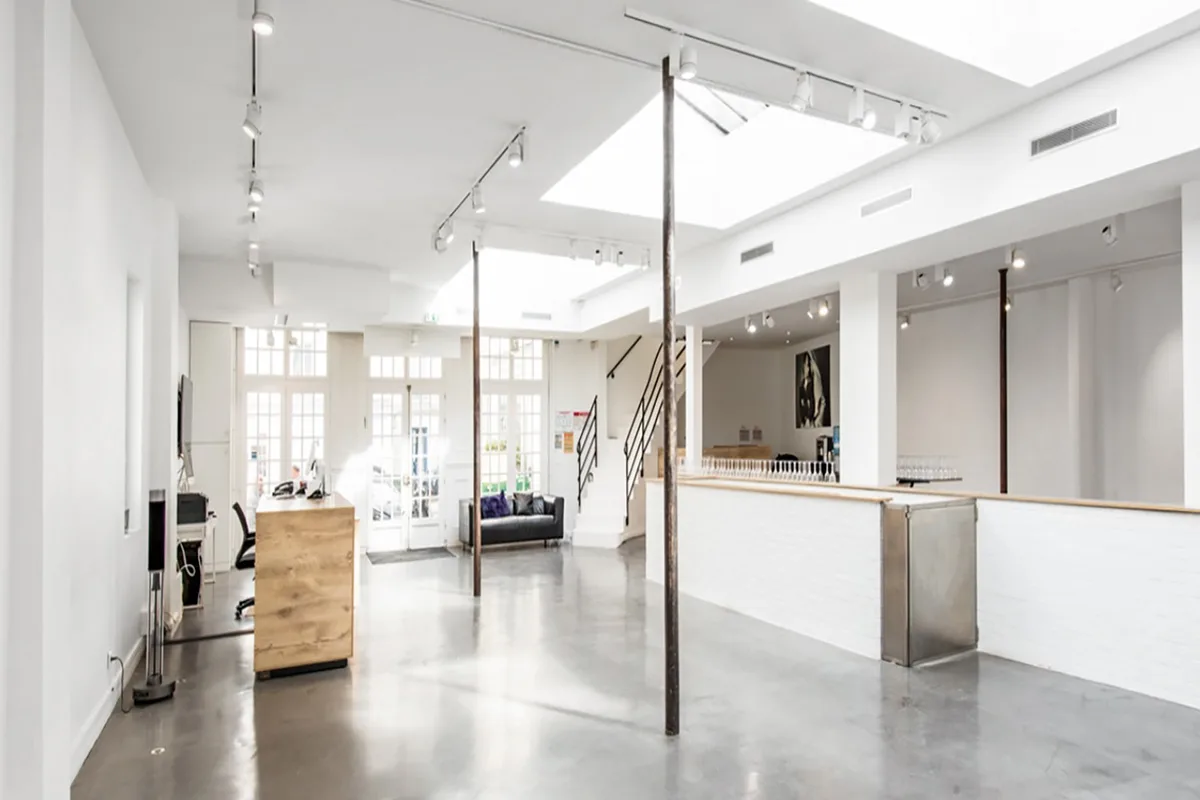
For brands, publishers, designers, and creative studios seeking meaningful retail presence in the 7th arrondissement, knowing how to book a pop-up shop near Le Bon Marché Paris is one of the most strategically valuable things you can do before Paris Fashion Week, Haute Couture season, or any major cultural moment in the city. Le Bon Marché Rive Gauche anchors one of Paris's most affluent, culturally engaged neighbourhoods, drawing an international audience of fashion insiders, art collectors, literary enthusiasts, and serious consumers year-round. The districts immediately surrounding it, stretching toward the Marais and across the Left Bank, offer some of the most coveted short-term retail real estate in Île-de-France. Fashion Week Venues supports brands navigating Paris's pop-up space landscape from brief to activation.
Why Le Bon Marché and the Surrounding Neighbourhood Matter for Pop-Up Strategy
Quick answer: Le Bon Marché Rive Gauche is Paris's oldest department store and a global benchmark for curated retail. Its surrounding neighbourhood in the 6th and 7th arrondissements concentrates high-net-worth residents, international tourists, and cultural institutions, making nearby streets among the most commercially compelling in France for short-term brand activations.
Le Bon Marché is not simply a department store. It functions as a cultural institution that regularly hosts large-scale themed exhibitions, branded pop-up stores within its aisles, seasonal concept shops, and collaborations with fashion houses, artists, and publishers. Brands such as CELINE, LOEWE, Farm Rio, Ferragamo, and Tod's have used the Bon Marché ecosystem, either within the store or in the immediate streets around it, to stage activations that function simultaneously as retail outlets, showrooms, and brand universe experiences.
The Salon spaces within Le Bon Marché, the dedicated pop-up zones in its ground-floor and first-floor aisles, and its partnership with curators such as Sarah Andelman, formerly of Colette, have established a model of culturally embedded retail that few spaces in Paris can match. Sarah Andelman's concept work for the store, under the banner Mise en Page, brought together design, lifestyle, illustration, and fashion in ways that influenced how the entire arrondissement approaches temporary retail. Her Mise en Page pop-up became a reference point for how to blend editorial curation with commercial activation inside a department store environment.
Outside the store itself, the streets of the 7th and the adjacent 6th arrondissement are lined with independent concept stores, bookshops, galleries, and short-lease retail premises. Rue de Sèvres, Rue du Bac, Rue de Babylone, and the quieter streets connecting the neighbourhood to Saint-Germain-des-Prés offer a density of culturally literate foot traffic that is difficult to replicate elsewhere in Paris. Unlike the high-volume tourist corridors of the Marais or rue de Rivoli, this neighbourhood draws a more considered consumer who engages with brand storytelling rather than simply transacting.
For brands seeking to position near this epicentre without staging inside the department store itself, the surrounding streets offer modular spaces, former boutiques, ground-floor gallery premises, and refurbished residential units that can be activated as pop-up stores, reading rooms, showrooms, or event venues. The proximity to the Musée d'Orsay and the Palais Galliera adds further cultural credibility, making this one of the few retail corridors in Paris where art, fashion, literature, and lifestyle converge at street level.
DID YOU KNOW: Le Bon Marché was founded in 1838 and is now owned by LVMH. It consistently ranks among the top department stores in the world for cultural programming and curated retail experiences, hosting multiple themed pop-up installations per year across its main floor aisles.
KEY TAKEAWAY: The Bon Marché neighbourhood is not just a retail address. It is a cultural positioning statement. Brands that activate near it signal taste, intention, and editorial sensibility to exactly the Paris audience most likely to engage with considered brand storytelling.
Understanding the cultural landscape of this neighbourhood is the first step. The next is understanding the specific types of spaces available and how they map to different brand objectives and budgets.
Bookstores, Literary Culture, and the Pop-Up Bookstore Opportunity Near Le Bon Marché
Quick answer: The area around Le Bon Marché has become a notable address for literary pop-up concepts. From the Swedish Institute's Bokbar at the Hôtel de Marle to Béton Littéraire events in the Marais, and from Harvard Book Store-style reading rooms to Nordic literature-focused activations, literary brands and publishers have found the Left Bank neighbourhood a natural environment for bookshop pop-ups, signings, and reading events.
The literary culture of the Left Bank is inseparable from its identity. From the independent bookshops of Saint-Germain to the reading rooms of institutions near the Musée d'Orsay, books and literary culture are woven into the commercial fabric of this part of Paris in a way that makes pop-up bookstore concepts feel native rather than novelty. For publishers, cultural foundations, and brands with a literary angle, this is the most credible geography in Paris for a book-focused pop-up shop.
Nordic Literature and the Scandinavian Cultural Footprint
One of the most distinctive recent examples of literary pop-up culture near this neighbourhood is the Swedish Institute's Bokbar, hosted at the Hôtel de Marle, the Scandinavian cultural center in the Marais. The Bokbar format, which combines a curated Nordic bookshop with a café and event programming, draws directly on the tradition of the Swedish concept book café and translates it to a Parisian audience curious about Scandinavian culture. Titles from authors including Tove Jansson, Karl Ove Knausgård, Sara Stridsberg, Sofi Oksanen, and Jón Kalman Stefánsson sit alongside merchandise, illustrated albums, and Nordic crime novels in a format that is as much a brand activation for Swedish cultural diplomacy as it is a pop-up bookstore.
The Bokbar model demonstrates what brands in adjacent categories can learn from literary pop-ups. The combination of curated selection, event programming such as author signings and readings, and an atmospheric physical environment creates a dwell time and emotional engagement that purely transactional retail cannot achieve. Visitors who come for a reading by a Nordic author often leave having purchased books, products, and having photographed the space for social media, generating organic visibility for the brand.
Fairy Tales, Fables, and the French Literary Heritage Angle
Beyond Nordic literature, the Left Bank neighbourhood around Le Bon Marché is fertile ground for activations rooted in French literary heritage. Pop-up bookstores themed around Fairy Tales by Perrault, Fables by La Fontaine, or classic adventure narratives like Robinson Crusoe connect to the neighbourhood's deep cultural memory. Le Bon Marché itself has programmed children's literary events, illustrated album launches, and pop culture Salon concepts that tap into this heritage, using chromolithographs, figurines, and curated visual displays alongside books to create immersive retail environments.
For brands seeking to align with Parisian literary heritage, a pop-up shop near Le Bon Marché that draws on this tradition can serve simultaneously as a publication launch venue, a branded reading room, a signing event space, and a temporary retail outlet. The literary heritage frame also opens doors with institutions such as the Musée national Picasso-Paris and Square du Temple - Elie Wiesel in the Marais as potential partner venues for extended programming.
Béton Littéraire and the Independent Literary Scene
Béton Littéraire represents the more experimental end of literary pop-up culture in Paris, hosting readings, launches, and events in unconventional spaces across the city. For brands seeking a credible connection to the contemporary literary scene rather than heritage framing, partnerships or adjacent activations aligned with initiatives like Béton Littéraire signal cultural fluency. The ability to position a bookshop pop-up as part of the independent literary conversation in Paris, rather than as a corporate event, is a significant brand differentiator in this neighbourhood.
TIP: If your brand has a literary, publishing, or design angle, the streets between Le Bon Marché and the Marais, particularly those near rue de Béarn and Square du Temple - Elie Wiesel, offer short-lease spaces that can be configured as combined bookshop, event, and hospitality pop-ups without requiring a full commercial fit-out.
KEY TAKEAWAY: Literary pop-up concepts have a natural home in the Left Bank and Marais districts flanking Le Bon Marché. The convergence of cultural institutions, independent bookshops, and an educated consumer base makes this the most credible geography in Paris for any brand with a reading, publishing, or literary heritage angle.
Literary culture is one dimension of the broader pop-up landscape here. The next section explores how fashion brands specifically approach space selection in this neighbourhood and what the key differences are between an in-store Bon Marché activation and a standalone pop-up nearby.
Fashion Pop-Up Stores Near Le Bon Marché: Concepts, Collaborations, and Brand Universe Activations
Quick answer: Fashion brands ranging from established houses to emerging labels use the zone around Le Bon Marché and extending into the Marais to stage pop-up stores, showrooms, and brand universe experiences. Key activation models include standalone concept stores, in-store Salon partnerships, modular showroom conversions, and collaborative retail formats inspired by concepts pioneered by spaces like Colette.
The fashion industry's relationship with this part of Paris is long and layered. Before Colette on rue Saint-Honoré became the global benchmark for concept store curation, the Left Bank was already home to a different kind of fashion retail intelligence, one rooted in lifestyle, design, and the idea that a store should be a destination rather than a transaction point. That sensibility persists in the neighbourhood around Le Bon Marché and makes it particularly suited to fashion pop-up concepts that have something to say beyond the product.
The Colette Legacy and the Concept Store Format
Colette, co-created and curated by Sarah Andelman, defined a generation of concept store pop-up thinking. Although Colette operated on rue Saint-Honoré in the 1st arrondissement before closing in 2017, Andelman's continued work, including her Mise en Page projects at Le Bon Marché, carried that curatorial DNA to the Left Bank. The Mise en Page concept brought together design objects, lifestyle products, illustrated publications, accessories, and fashion in a format that blurred the boundary between shop, gallery, and editorial project. For brands seeking to activate near Le Bon Marché, the Mise en Page model remains one of the clearest reference points for how to build a pop-up store that functions as a brand universe rather than a simple retail outlet.
Fashion houses including CELINE and LOEWE have used the cultural gravity of this neighbourhood to stage activations that serve as extensions of their brand worlds. LOEWE's ongoing commitment to craft, publishing, and cultural programming means that a LOEWE-adjacent space or a space inspired by similar values would find a genuinely receptive audience in this geography. Farm Rio's approach to colour, pattern, and joyful brand expression translates effectively into the kind of pop-up store format that the neighbourhood's foot traffic responds to, as does the more restrained, heritage-focused positioning of Ferragamo or Tod's.
Harry Nuriev, Heureux Les Curieux, and the New Wave of Paris Retail Concepts
More recently, design-led retail concepts such as those associated with designers like Harry Nuriev and curatorial projects under the Heureux Les Curieux banner have demonstrated that Paris consumers in this neighbourhood respond powerfully to spaces that challenge the conventional logic of a retail outlet. Nuriev's approach to space, using unconventional materials, chromatic intensity, and installations that feel closer to art than to decoration, points toward a model of pop-up that uses the physical space itself as the primary brand communication. Heureux Les Curieux, with its focus on curiosity-driven curation, echoes the original Bon Marché ethos in a contemporary register.
For brands considering a pop-up store near Le Bon Marché, the most effective activations tend to be those that have a clear point of view on what they are curating, not simply stocking. Whether that is a fashion label presenting its accessories and reading materials together, a beauty brand staging a workshop alongside product, or a lifestyle brand building a living installation with furniture, vinyl records, record players, and connected objects, the neighbourhood rewards editorial clarity.
Workshop and Activation Formats
Workshop-based pop-ups have particular resonance near Le Bon Marché because they align with the neighbourhood's artisanal and intellectual culture. Brands that pair retail with a skills or knowledge component, whether that is a printing workshop, a guided tasting, or a design studio open day, tend to generate stronger press coverage, social content, and community word-of-mouth than those that simply open a shop. The workshop format also supports longer activations and repeat visits, improving the commercial return on a short-term lease.
To compare space types and understand how different formats map to your brand objectives, you can use the space comparison tool on Fashion Week Venues to evaluate options side by side before committing to a brief.
KEY TAKEAWAY: Fashion pop-ups near Le Bon Marché succeed when they commit to a curatorial logic that goes beyond product display. The neighbourhood's consumers expect editorial intention, and the most memorable activations are those that feel like a condensed expression of a complete brand universe.
Fashion and literary concepts represent two powerful frameworks for pop-up activation near Le Bon Marché. The neighbourhood's rich ecology of cultural landmarks also provides important context for brands choosing between specific streets and spaces.
Parisian Locations, Cultural Landmarks, and the Geography of Pop-Up Space Near Le Bon Marché
Quick answer: The most strategically valuable short-term retail addresses near Le Bon Marché fall within a zone that encompasses the 6th and 7th arrondissements of the Left Bank, the western edge of the Marais in the 3rd arrondissement, and corridors such as rue de Béarn, rue de Rivoli, and the streets connecting to Square du Temple - Elie Wiesel. Each micro-location carries a different footfall profile, neighbour type, and cultural association.
Understanding the geography of Paris's most culturally significant retail corridors is essential for any brand choosing where to position a pop-up store. The area around Le Bon Marché is not a single uniform zone. It is a constellation of distinct micro-neighbourhoods, each with its own character, its own institutions, and its own version of the Paris consumer.
The Left Bank Core: 6th and 7th Arrondissements
The streets immediately surrounding Le Bon Marché, including rue de Sèvres, rue du Bac, rue de Babylone, and the adjacent blocks stretching toward Saint-Germain, are characterised by high residential wealth, strong independent retail culture, and proximity to institutions including the Musée d'Orsay. This is where the most refined, less tourist-facing foot traffic in Paris concentrates. A pop-up store here reaches Parisian residents, fashion industry professionals, cultural curators, and international visitors staying in the arrondissement's hotels rather than the mass tourist flows that define other Paris retail corridors.
The presence of Palais Galliera, Paris's dedicated fashion museum, within a short radius reinforces the fashion industry credibility of the neighbourhood. Brands that activate here during Paris Fashion Week or Haute Couture season are positioned within walking distance of one of the world's most important fashion institutions, a proximity that carries real weight with press, buyers, and industry guests.
The Marais: Pop-Up Store Marais and the Cultural Crossroads
The Marais, particularly the 3rd arrondissement around rue de Béarn, the Musée national Picasso-Paris, and Square du Temple - Elie Wiesel, offers a different register of pop-up opportunity. Pop-up store Marais activations tend to attract a younger, more diverse, and more internationally connected audience. The neighbourhood's density of galleries, independent fashion boutiques, design studios, and cultural institutions makes it one of the most active pop-up ecosystems in Paris. The Swedish Institute's Hôtel de Marle in the Marais exemplifies how a cultural institution can double as a pop-up event venue with an atmosphere that is simultaneously intimate and architecturally significant.
For brands in fashion, beauty, design, or lifestyle, the Marais offers spaces that range from raw loft formats and converted courtyards to beautifully restored 17th-century hôtel particulier rooms. The variety of available space types at different price points makes it accessible to brands at multiple budget levels, from an emerging label staging a first Paris showroom to an established house mounting a full brand universe experience.
Rue de Rivoli and the Connection to Saint-Tropez Positioning
While rue de Rivoli is primarily associated with the 1st arrondissement and its tourist corridor, it connects conceptually to a broader network of Parisian luxury addresses that brands use to establish a consistent seasonal presence. Brands that operate in Saint-Tropez during summer and then migrate their pop-up strategy to Paris for the autumn fashion calendar often find the zone between the 6th arrondissement and the edge of the Marais to be the natural bridge between these two seasonal markets. The lifestyle consumer who shops in Saint-Tropez in July and attends Paris Fashion Week events in September is often the same person, and a pop-up strategy that reflects this continuity builds stronger brand recognition across the season.
To explore specific spaces and their locations across Paris's key retail neighbourhoods, the space locator tool on Fashion Week Venues allows brands to filter by arrondissement, space type, and availability window.
KEY TAKEAWAY: The geography of pop-up opportunity near Le Bon Marché is richer and more varied than a single address suggests. Understanding the micro-neighbourhood differences between the Left Bank core, the Marais, and the connecting corridors allows brands to choose a location that precisely matches their audience profile, aesthetic register, and budget.
Location choice is inseparable from calendar strategy. The next section addresses how the fashion calendar in Paris shapes the optimal timing windows for a pop-up activation near Le Bon Marché.
Paris Fashion Week, Haute Couture, and the Key Events Calendar for Pop-Up Timing
Quick answer: For brands planning a pop-up shop near Le Bon Marché, Paris Fashion Week and Haute Couture week are the two most commercially powerful calendar windows. Paris Fashion Week for women's ready-to-wear typically runs across late September and early October. Haute Couture week takes place in January and July, with the July 2026 edition scheduled from approximately July 6 to 9. Both windows generate intense media coverage, high-profile industry attendance, and elevated consumer spending in the surrounding neighbourhoods.
The fashion calendar in Paris is the single most important timing framework for any brand considering a short-term pop-up shop near Le Bon Marché. The concentration of runway shows, exhibitions, press events, buyer appointments, and industry happenings that occurs during Paris Fashion Week and Haute Couture week creates a commercial environment unlike any other city in the world. For the days and weeks immediately surrounding these events, foot traffic in the 6th, 7th, and Marais arrondissements increases substantially, press and influencer activity reaches its annual peak, and the audience for a well-positioned pop-up shop is both larger and more professionally relevant than at any other point in the year.
Haute Couture July 2026: The Schedule and Activation Opportunity
The Paris Haute Couture season in July 2026 is scheduled to include runway shows, exhibitions, and happenings running from approximately July 6 to 9. This condensed window, spanning roughly four days of intense industry activity, is a high-leverage moment for brands seeking press visibility and industry networking through a physical space. Fashion houses present their couture collections to buyers and press, while the surrounding neighbourhood around Le Bon Marché sees elevated foot traffic from international guests staying in the arrondissement's hotels and attending events across the Left Bank.
Brands that open a pop-up shop in the days immediately before and during Haute Couture week benefit from the organic amplification effect of the event calendar. A well-positioned activation near Le Bon Marché during this window can generate press placements, influencer content, and word-of-mouth among exactly the fashion industry professionals and luxury consumers who form the most valuable audiences for aspirational brands.
Paris Fashion Week Ready-to-Wear: The Autumn Calendar
The autumn Paris Fashion Week, covering ready-to-wear collections for the following spring, runs across late September and early October. This is the longest and most globally attended of the Paris fashion events, drawing buyers, press, stylists, celebrities, and influencers from across the world. The zone around Le Bon Marché is particularly active during this period, with showrooms, presentations, and brand activations running throughout the neighbourhood alongside the official runway show schedule.
For brands not participating in the official Paris Fashion Week calendar, a pop-up shop near Le Bon Marché during this period functions as a form of unofficial activation, capturing the elevated attention and foot traffic generated by the event without requiring the accreditation or budget of a runway show or official presentation. This is one of the most cost-effective ways for an emerging brand or an international brand entering the Paris market to establish physical presence during the most influential week in the fashion calendar.
Summer Bon Marché Events and Year-Round Programming
Beyond the formal fashion calendar, Le Bon Marché programmes its own major exhibitions and themed installations throughout the year, including Summer Bon Marché events that draw significant foot traffic during the July and August period. These summer activations often incorporate partnerships with lifestyle brands, beauty concepts, and cultural institutions, and the surrounding streets see elevated activity during these periods. Brands that time a nearby pop-up to coincide with a major Bon Marché themed installation benefit from the halo effect of the store's marketing investment while operating in an adjacent rather than competing position.
Les Vieilles Charrues, the major French music festival held in Carhaix, Brittany, also has cultural echoes in Paris during the summer, as the music and festival consumer base overlaps significantly with the urban cultural consumers who populate the Left Bank in July. Brands with a music, lifestyle, or youth culture angle may find the summer window around the Bon Marché neighbourhood particularly fertile.
IMPORTANT: Calendar windows near Paris Fashion Week and Haute Couture season are among the most competitive in the global pop-up market. Space availability in the best locations near Le Bon Marché during these windows can be extremely limited. Brands should begin their search and secure spaces at minimum three to six months in advance of the intended activation date.
KEY TAKEAWAY: The Paris Fashion Week and Haute Couture calendar are the most powerful timing levers for a pop-up shop near Le Bon Marché. Brands that align their activation with these windows benefit from amplified media attention, elevated foot traffic, and access to a concentrated audience of industry professionals and luxury consumers.
To compare neighbourhoods and space types and start building a timeline for your activation, explore the Paris city hub on Fashion Week Venues and shortlist spaces that match your brief, budget, and calendar window.
Food, Beverage, and Gourmet Experiences as Pop-Up Activation Layers Near Le Bon Marché
Quick answer: Food and beverage programming has become an integral layer of successful pop-up activations near Le Bon Marché, with brands using café formats, gourmet product launches, and tasting experiences to extend dwell time, generate social content, and build emotional connection. From Palais des Thés to Maison Billecart-Salmon Champagnes, the neighbourhood's gourmet culture creates a natural framework for food-integrated brand activations.
The neighbourhood around Le Bon Marché has one of the most sophisticated gourmet cultures in Paris. La Grande Épicerie de Paris, which sits adjacent to the main Bon Marché building, is one of the most renowned food halls in the world and sets a standard for culinary curation that influences the entire neighbourhood's consumer expectations around food and drink. Brands that incorporate a genuine food and beverage dimension into their pop-up activation near Le Bon Marché are aligning with a deep neighbourhood value, not simply adding a hospitality feature.
Café NouNou, Palais des Thés, and Tea Culture Activations
Café concepts within pop-up spaces have proven particularly effective in this neighbourhood. The Café NouNou format, associated with certain Le Bon Marché activations, demonstrates how a café corner within a larger pop-up space can anchor the dwell time of a visit and create the kind of relaxed, exploratory atmosphere in which consumers engage most deeply with brand storytelling. Palais des Thés, with its emphasis on tea as a cultural and sensory experience, represents a model of beverage-led brand activation that translates naturally into pop-up format. A brand that partners with or echoes the tea culture of this neighbourhood signals taste alignment to a discerning consumer base.
Champagne, Cocktails, and Premium Drinks Partnerships
Maison Billecart-Salmon Champagnes and similar premium drinks brands have a long history of pop-up and event partnerships in Paris, particularly in the luxury retail corridors around Le Bon Marché. For fashion or lifestyle brands looking to elevate an activation with a drinks dimension, a Champagne or cocktail partnership adds perceived value and creates event moments around opening evenings, press previews, and VIP appointments. Colada Cocktails and other contemporary cocktail formats are increasingly common in pop-up contexts, providing an accessible and photogenic alternative to traditional Champagne activations.
Gourmet Product Launches and the Italian Market Connection
The Italian Market concept, whether as a curated pop-up within a larger space or as a themed product launch moment, resonates in the Le Bon Marché neighbourhood because of the area's openness to European artisanal food culture. Brands launching gourmet products including those with flavour profiles ranging from Barbecue Sauce, smoked sweet chilli, and corn totopos to peppermint, marshmallow, and vegetal depth can use the neighbourhood's gourmet consumer culture to reach an audience that approaches food with the same editorial discernment they bring to fashion and design.
Beverage concepts built around ingredients like Organic Mint Matcha, salsa pairings, and iced latte formats also perform well in pop-up contexts here, particularly when presented with strong visual design and narrative around sourcing or craft. The crossover between food culture and brand identity is particularly potent in a neighbourhood where consumers already engage with La Grande Épicerie's extraordinary level of product curation.
TIP: If your pop-up concept includes a food or beverage component, verify that the space you are renting has the appropriate licences and facilities for food service. Hospitality and food-service permissions in Paris are subject to specific regulations that vary by space type, duration, and arrondissement. Use the permit guidance tool on Fashion Week Venues to understand what may be required before you commit to a space.
KEY TAKEAWAY: Food and beverage integration is not a peripheral feature of pop-up activations near Le Bon Marché. It is a core expectation of the neighbourhood's consumer culture and one of the most reliable ways to extend dwell time, generate social content, and differentiate a brand experience from a conventional retail visit.
Technology, Media, Entertainment, and Sensory Retail in Pop-Up Concepts Near Le Bon Marché
Quick answer: Technology and media integration in pop-up stores near Le Bon Marché is driven by a consumer base that values both sensory experience and innovation. From vinyl records and record players to Gibson guitars, gachapon machines, 3D printing, and connected objects, the most successful activations in this neighbourhood combine physical craftsmanship with interactive technology to create experiences that cannot be replicated online.
The consumer who shops near Le Bon Marché is typically highly educated about both analogue craft and digital culture. They are equally comfortable browsing chromolithographs and operating an app, collecting vinyl records and purchasing music digitally, engaging with illustrated albums and interacting with connected objects. Pop-up concepts that acknowledge and celebrate this dual literacy, rather than defaulting to a purely analogue or purely digital register, tend to perform most effectively in this neighbourhood.
Sound, Vinyl, and the Analogue Technology Revival
Sound articles, including high-quality speakers, vinyl records, record players, and associated music culture products, have become a significant category within concept store and pop-up retail in Paris. A pop-up space near Le Bon Marché that incorporates a curated vinyl selection or a listening station creates a sensory layer that transforms a shopping visit into a cultural experience. The connection between music culture and fashion, reinforced by the neighbourhood's proximity to Paris's record shops and music venues, makes sound a powerful brand communication tool in this geography.
Gibson guitars and other premium musical instruments have appeared as pop culture objects within concept retail contexts, functioning as conversation pieces that reinforce a brand's connection to creativity and craft. In a neighbourhood where Loulou and similar concept spaces have blended flea market sensibility with luxury positioning, the inclusion of musical instruments as display objects rather than simply products for sale signals a sophisticated editorial approach to merchandising.
3D Printing, Kids' Corner, and Technology as Experience
3D printing has become an accessible and compelling technology feature in pop-up retail, allowing brands to offer personalisation, product demonstration, and manufacturing transparency in a way that generates genuine curiosity and engagement. A cart or station with a 3D printer in operation attracts visitors, creates content opportunities, and communicates innovation in a tangible, non-abstract way. For fashion brands, 3D printing can be integrated into accessory customisation or sampling processes; for lifestyle brands, it can be used for product prototyping demonstrations or personalised souvenirs.
Kids' Corner concepts within pop-up spaces are a deliberate strategy to extend family dwell time and reach consumers who might otherwise move through a brand experience too quickly. By creating an engaging, safe area for children within a larger pop-up store, brands make the space more accessible to family visitors while freeing adult consumers to engage more deeply with the brand narrative. This approach has been used effectively in the Bon Marché neighbourhood, where the residential population includes a significant proportion of families.
Gachapon Machines, Pop Culture, and Surprise Retail
Gachapon machines, the capsule vending machines associated with Japanese pop culture, have crossed into European concept retail as a playful, accessible, and shareable activation feature. In the context of a pop-up near Le Bon Marché, a gachapon machine loaded with brand-related items, figurines, gadgets, or collectibles creates a participatory retail moment that generates immediate social media content and encourages repeat visits. The combination of surprise, low price point, and cultural reference makes gachapon a particularly effective tool for brands that want to create accessibility within a premium brand context.
KEY TAKEAWAY: Technology and media integration in pop-up stores near Le Bon Marché should feel like cultural curation rather than technical demonstration. The most effective uses of technology in this neighbourhood are those that create sensory, participatory, or personalisation experiences that reinforce the brand's relationship with creativity and craft.
Exhibitions, Events, and Special Collaborations Within and Near Le Bon Marché
Quick answer: Le Bon Marché has a long tradition of hosting major art exhibitions, brand collaborations, and cultural events across its floors and aisles. Artists including Jean Jullien have created large-scale installations for the store's exhibition programme, while brand collaborations with houses like Officine Universelle Buly, Lemon Jelly, and Sara-Vide Ericson have demonstrated the range of creative partnerships available in this ecosystem. Nearby, events from flea markets to Salon gatherings create a year-round schedule of activation opportunities.
The exhibition and events programme at Le Bon Marché is one of the most ambitious of any department store in the world. The store regularly transforms its ground-floor aisles into gallery-standard exhibition spaces, creating themed installations that span art, illustration, photography, and cultural storytelling. These exhibitions are covered by major international press and generate significant social media content, creating a halo effect that benefits neighbouring pop-up activations as well as the store's own retail performance.
Jean Jullien and Artist Collaborations
Jean Jullien's collaboration with Le Bon Marché exemplifies the store's approach to artist partnerships. Jullien, known for his warm and playful illustration style, created a wide-ranging installation for the store that included illustrated albums, decorated aisles, and collaboration products that blended art, lifestyle, and commerce seamlessly. For brands considering a nearby pop-up during a major Bon Marché exhibition, the cultural conversation generated by an artist collaboration of this scale can be leveraged to frame a complementary or contrasting brand narrative in an adjacent space.
Officine Universelle Buly, Lemon Jelly, and Lifestyle Collaborations
Officine Universelle Buly, the Parisian beauty and lifestyle maison known for its apothecary aesthetic and literary heritage framing, represents a model of brand collaboration that resonates deeply in the Bon Marché neighbourhood. A pop-up store that takes cues from Buly's combination of beauty, text, decoration, and ritual would find a natural audience in this geography. Similarly, Lemon Jelly's Waterproof and Waterwear collections demonstrate how a brand with a strong visual identity and a commitment to joyful, well-designed product can activate effectively in pop-up format near Le Bon Marché.
Sara-Vide Ericson's work within Nordic cultural programming, particularly in contexts connected to the Bokbar and Swedish Institute events, shows how an illustrator's visual world can provide the complete identity framework for a pop-up space, transforming a temporary retail unit into a total brand environment. Cacti-themed installations, nature-inspired visual languages, and the bold Scandinavian graphic tradition have all been used effectively in pop-up contexts in this neighbourhood.
Ines Melia, Liya Kebede, and Fashion Collaboration Pop-Ups
Designer collaborations at the pop-up level, such as those associated with figures like Ines Melia and the work of Liya Kebede's brand Lemlem, demonstrate how fashion brands with strong personal narratives can use a temporary space near Le Bon Marché to communicate brand values through curation rather than simply through product display. The neighbourhood's audience is unusually receptive to brands whose story includes a social, cultural, or artisanal dimension, and a pop-up that frames itself as an exhibition of values as much as a shop tends to perform well here.
Flea Markets, Salon Events, and the Year-Round Calendar
Beyond the formal fashion and art calendar, the neighbourhood around Le Bon Marché participates in a year-round rhythm of Salon events, illustrated album launches, flea market gatherings, and pop culture activations. These events, which take place in locations from covered markets to gallery courtyards to hotel garden spaces, create a consistent flow of culturally engaged foot traffic through the neighbourhood at times other than Paris Fashion Week. Brands that plan a longer-term seasonal presence, rather than a single fashion-week activation, can align with this year-round event calendar to maintain visibility across multiple consumer touchpoints.
DID YOU KNOW: Le Bon Marché's exhibition programme, including large-scale art installations and themed cultural takeovers of the store's main floor, is planned up to 18 months in advance. Brands seeking to co-time a nearby pop-up with a major Bon Marché exhibition should factor this long lead time into their planning process.
KEY TAKEAWAY: The exhibitions, events, and collaborations that rotate through Le Bon Marché and its surrounding neighbourhood create a rich cultural calendar that brands can leverage to time, frame, and promote their own nearby pop-up activations. Understanding this calendar is a prerequisite for effective pop-up strategy in this part of Paris.
Permits, Short-Term Leases, and Legal Compliance for Pop-Up Shops Near Le Bon Marché
Quick answer: Brands renting a pop-up space near Le Bon Marché must navigate French short-term rental law, including the bail dérogatoire for commercial premises and, in some cases, the autorisation d'occupation temporaire for public spaces. Requirements vary by space type, lease duration, and arrondissement. Expert guidance from a French legal advisor and practical support from a specialist agency is strongly recommended before signing any lease agreement.
One of the most common obstacles brands encounter when trying to book a pop-up shop near Le Bon Marché is the complexity of French commercial property law. Unlike in some other markets where a short-term retail lease can be agreed informally with a straightforward agreement, French law has specific frameworks governing commercial property rental that can catch international brands by surprise.
The Bail Dérogatoire Explained
The bail dérogatoire, sometimes called a short-stay commercial lease, is the primary legal mechanism through which brands rent pop-up spaces in France for periods of up to 36 months without triggering the protections and obligations of a standard commercial lease (bail commercial). The bail dérogatoire is designed to give flexibility to both landlord and tenant, making it the most commonly used framework for pop-up shops, temporary showrooms, and short-term brand activations. However, the bail dérogatoire has specific requirements around its drafting and duration. If a bail dérogatoire is allowed to extend beyond 36 months without proper termination, French law may automatically convert it into a full bail commercial, with significantly greater tenant rights and obligations.
For brands renting a space for a two-week activation during Paris Fashion Week or a three-month seasonal pop-up, the bail dérogatoire provides the appropriate legal framework, but it must be drafted correctly. Brands should always work with a French legal advisor or a specialist agency that manages the lease documentation on their behalf.
The Autorisation d'Occupation Temporaire for Public Spaces
For brands seeking to activate in publicly owned spaces, including certain courtyards, squares, or municipal premises near the Bon Marché neighbourhood, an autorisation d'occupation temporaire (AOT) is required. The AOT is a permission granted by the relevant public authority to occupy public space temporarily for a commercial, cultural, or event purpose. The requirements and costs of obtaining an AOT vary significantly depending on the nature of the space, the duration of the activation, the type of activity planned, and the specific arrondissement in which the space is located.
Brands should not assume that a space that looks available for rent is either legally available for commercial use or free from existing obligations. Due diligence on the legal status of a space before signing any agreement is essential.
Food Service, Alcohol Licences, and Special Permits
Pop-up activations that include a food or beverage component, as described in the gourmet experiences section above, require additional permits and licences beyond the core lease framework. Serving alcohol, including Champagne or cocktails, in a temporarily licensed space in Paris requires specific authorisation that is separate from and additional to the property lease. Brands that fail to obtain the correct food service and alcohol permissions before opening can face immediate closure and financial penalties.
IMPORTANT: Permit requirements for pop-up shops near Le Bon Marché are not uniform. They vary by space type, planned activity, lease duration, and the specific rules of the arrondissement in which the space is located. Always verify permit requirements with a qualified French legal advisor before committing to a space or a concept. Use the permit guidance tool on Fashion Week Venues as a starting point for understanding what may apply to your specific activation.
KEY TAKEAWAY: Legal compliance for a pop-up shop near Le Bon Marché is a non-negotiable prerequisite. The bail dérogatoire, the AOT framework, and additional permits for food, beverage, or public assembly must be understood and addressed before a brand commits to a space or a concept. Specialist legal and agency support significantly reduces the risk of costly errors.
How Fashion Week Venues Helps Brands Book and Activate Pop-Up Spaces Near Le Bon Marché
Quick answer: Fashion Week Venues is a full-service pop-up shop agency and space marketplace that supports brands at every stage of a Paris pop-up activation, from initial space discovery and brief development through concept direction, fit-out, staffing, and post-activation analytics. Its tools, team, and marketplace are specifically designed for the complexity of the Paris market.
For brand teams, creative directors, and activation managers who need to move efficiently from brief to opening day in Paris, the challenge is not simply finding a space. It is navigating the full complexity of the Paris market, including space discovery, legal framework, permit compliance, concept development, production logistics, staffing, and the specific calendar pressures of the fashion week environment. Fashion Week Venues is built to support exactly this process.
Space Discovery and the Marketplace
The Fashion Week Venues marketplace provides access to a curated selection of short-term spaces across Paris's key activation neighbourhoods, including the zone around Le Bon Marché, the Marais, and other high-value districts. Brands can browse spaces by location, size, type, and availability window, using the venue sourcing service to access expert guidance on which spaces best match their brief, brand positioning, and budget.
Concept, Production, and Activation Services
Beyond space discovery, Fashion Week Venues offers a full suite of services covering every dimension of a Paris pop-up activation. Concept direction supports brands in developing the editorial and spatial logic of their pop-up before committing to a design. Production and build covers the fit-out and decoration of the space. Activation management ensures that the operational dimensions of the pop-up, from opening day logistics to day-to-day retail operations, are handled professionally. For brands that require fully configured spaces, the branded store design and furniture rental services remove the need to source and ship fit-out elements independently.
The retail staffing service provides vetted, experienced, and appropriately briefed staff for Paris pop-up activations, a dimension that is particularly important in a neighbourhood where the consumer expectation of service quality is high. POS and payments integration ensures that the transactional infrastructure of the pop-up functions correctly from day one, and the data and analytics service provides post-activation intelligence that informs future activations and commercial decisions.
Tools for Planning, Budgeting, and Decision-Making
Fashion Week Venues provides a comprehensive set of planning tools that are particularly useful for brands in the early stages of evaluating a Paris pop-up. The budget estimation tool allows brands to develop directional cost frameworks before committing to a space. The ROI calculator helps teams build the business case for a pop-up activation internally. The timeline planning tool structures the sequence of decisions and actions required to open on time, which is especially important given the compressed windows of Paris Fashion Week and Haute Couture season.
The Twin concept allows two brands to co-activate in a shared space, splitting the cost and increasing the combined audience reach. This format is particularly relevant for emerging brands that want to establish a presence near Le Bon Marché during a peak calendar window but need to manage their activation budget carefully.
Who Benefits Most
The brands that benefit most from Fashion Week Venues' support in Paris are those entering the market for the first time, those seeking to activate during a compressed calendar window with limited internal resource, those with complex concepts that require production, staffing, and permit support simultaneously, and those that want to move quickly from decision to opening without building a Paris-specific operational network from scratch. Fashion Week Venues does not guarantee specific spaces, permit approvals, or activation outcomes, but its experience in the Paris market and its specialist service offering substantially reduces the time, risk, and complexity involved in booking and running a pop-up shop near Le Bon Marché.
For brands already in the planning process, the guide to hiring a pop-up agency on Fashion Week Venues provides practical criteria for evaluating whether full-service agency support is the right choice for your activation scale and budget.
KEY TAKEAWAY: Fashion Week Venues reduces the complexity of booking and running a pop-up shop near Le Bon Marché by providing space access, specialist services, and practical planning tools under one roof. For brands unfamiliar with the Paris market, this integrated support significantly accelerates the path from brief to opening day.
What to Look for in a Pop-Up Space Near Le Bon Marché: A Practical Evaluation Framework
Quick answer: Evaluating a pop-up space near Le Bon Marché requires assessing seven core dimensions: location and foot traffic, space size and configuration, natural light and visual character, lease terms and legal framework, technical infrastructure, planning permission status, and proximity to relevant cultural institutions and competitor brands. A structured evaluation framework prevents costly mismatches between space and brand concept.
With the number of spaces available near Le Bon Marché and across the adjacent Marais and Left Bank neighbourhoods, brands sometimes feel overwhelmed by choice. The most effective approach is to use a structured evaluation framework that prioritises the dimensions most material to your specific brand concept, calendar window, and commercial objectives.
Space Type and Configuration Comparison
| Space Type | Best For | Typical Duration | Key Consideration |
|---|---|---|---|
| Ground-floor boutique | Fashion retail, accessories, beauty | 2 weeks to 3 months | Street visibility, signage rights |
| Hôtel particulier room | Showrooms, press events, VIP | 1 day to 2 weeks | Architectural grandeur, limited public access |
| Gallery or white cube | Exhibitions, editorial concepts | 1 to 4 weeks | Lighting infrastructure, wall conditions |
| Concept store format | Multi-brand, lifestyle curation | 1 to 6 months | Layout flexibility, hospitality integration |
| Courtyard or outdoor | Events, market formats, F&B | 1 day to 4 weeks | Weather contingency, AOT requirement |
| Department store partnership | Mass reach, brand visibility | 2 to 8 weeks | Curation standards, commission structure |
Neighbourhood Comparison for Pop-Up Positioning
| Neighbourhood | Primary Audience | Best Brand Category | Calendar Peak |
|---|---|---|---|
| 7th Arrondissement (Le Bon Marché zone) | Affluent Parisian residents, luxury tourists | Luxury fashion, beauty, lifestyle | Haute Couture, autumn Fashion Week |
| 6th Arrondissement (Saint-Germain) | Cultural consumers, international visitors | Design, publishing, concept retail | Year-round, fashion weeks |
| Marais 3rd and 4th | Young creatives, international tourists | Contemporary fashion, art, tech | Fashion Week, summer |
| Marais near rue de Béarn | Gallery visitors, design professionals | Art books, design objects, editions | Art Fair season, spring |
Step-by-Step Pop-Up Booking Workflow
| Stage | Action | Recommended Timing Before Opening |
|---|---|---|
| 1. Brief Development | Define concept, audience, budget, calendar window | 5 to 6 months |
| 2. Space Discovery | Search marketplace, view shortlist | 4 to 5 months |
| 3. Space Evaluation | Site visits, technical assessment | 3 to 4 months |
| 4. Legal and Permit Review | Lease type, permit requirements, legal advice | 3 months |
| 5. Concept and Design | Finalise concept direction, design, production plan | 2 to 3 months |
| 6. Fit-Out and Build | Production, decoration, technical infrastructure | 2 to 4 weeks |
| 7. Staffing and Operations | Staff briefing, POS setup, inventory | 1 to 2 weeks |
| 8. Launch and Activation | Opening event, press and influencer outreach | Opening day |
| 9. Analytics and Wrap | Data capture, post-activation review | 1 to 2 weeks after close |
KEY TAKEAWAY: A structured evaluation framework and a clearly sequenced booking workflow are the most reliable protection against the common pitfalls of Paris pop-up planning: spaces that do not match the brief, legal complications arising from incorrect lease types, and insufficient lead time for production and staffing.
Common Myths About Booking a Pop-Up Shop Near Le Bon Marché Paris Debunked
MYTH: You need a French legal entity to rent a pop-up space near Le Bon Marché.
FACT: International brands without a French-registered legal entity regularly rent short-term spaces in Paris through the bail dérogatoire framework. While having a French entity can simplify certain administrative steps, it is not a strict prerequisite for renting a pop-up space. A specialist agency or French legal advisor can structure the arrangement appropriately for an overseas brand. Requirements vary by landlord, space type, and lease structure, so always verify the specific requirements of the space you are considering.
MYTH: Paris Fashion Week is the only viable calendar window for a pop-up near Le Bon Marché.
FACT: While Paris Fashion Week and Haute Couture week are peak windows that generate the highest media and industry attention, Le Bon Marché and the surrounding neighbourhood generate strong consumer foot traffic year-round. Summer Bon Marché events, the art fair calendar in spring, the literary and cultural programming of the Marais, and the neighbourhood's affluent residential base all support successful pop-up activations outside the formal fashion calendar. Brands with lifestyle, beauty, gourmet, or literary concepts may find off-calendar windows equally effective and significantly less competitive for space availability.
MYTH: Commission-based brokers are the only way to find a pop-up space near Le Bon Marché.
FACT: While commission brokers operate in the Paris short-term retail market, they are not the only or necessarily the best route to space discovery. Specialist pop-up agencies like Fashion Week Venues provide curated space marketplaces, expert guidance on neighbourhood fit, and integrated services that go far beyond what a commission broker typically offers. A marketplace-led approach combined with specialist agency support gives brands access to a wider range of spaces with greater transparency around pricing, availability, and suitability.
MYTH: Short-term leases for pop-up shops in Paris are legally straightforward and can be signed without specialist help.
FACT: The bail dérogatoire and AOT frameworks that govern short-term commercial rental in France have specific legal requirements, drafting standards, and duration limits that can have serious consequences if mismanaged. International brands that sign lease documentation without French legal advice have, in documented cases, inadvertently triggered full bail commercial protections or discovered that their permit situation was non-compliant after opening. Specialist legal advice and agency support are strongly recommended for any brand renting a pop-up space in Paris for the first time.
MYTH: A pop-up space near Le Bon Marché requires a large fit-out budget to succeed.
FACT: The neighbourhood's consumer base values editorial intelligence and curatorial clarity over expensive decoration. Some of the most memorable pop-up activations in this area have used minimal interventions with strong concept direction, selecting spaces with strong existing architectural character and layering a clear brand narrative rather than a costly custom build. Brands with limited fit-out budgets can achieve strong results by prioritising concept strength, space character, and programming over expensive production.
Frequently Asked Questions About Booking a Pop-Up Shop Near Le Bon Marché Paris
What types of spaces are available for a pop-up shop near Le Bon Marché in Paris?
The zone around Le Bon Marché and the adjacent 6th arrondissement and Marais neighbourhoods offers a wide range of short-term space formats. These include ground-floor boutiques on commercial streets, gallery and white cube spaces, rooms within hôtel particulier buildings, concept store formats, courtyard and outdoor spaces, and department store partnership formats within Le Bon Marché itself. Each format suits different brand categories, budget levels, and activation objectives. Use the space comparison and locator tools on Fashion Week Venues to identify which format best matches your brief before starting site visits.
How far in advance do I need to book a pop-up space near Le Bon Marché for Paris Fashion Week?
For Paris Fashion Week and Haute Couture season, which are the most competitive booking windows in the Paris pop-up market, brands should begin their search at minimum three to six months in advance of their intended opening date. The best spaces in the most desirable locations near Le Bon Marché can be reserved even earlier for peak calendar periods. Leaving less than eight weeks between brief development and intended opening during a fashion week period significantly increases the risk of being unable to secure a suitable space or complete the necessary permit and legal processes.
Do I need a French legal entity to rent a pop-up space in Paris?
International brands without a French legal entity regularly rent short-term commercial spaces in Paris through the bail dérogatoire framework. While some landlords may prefer to rent to a French-registered entity, it is not a universal requirement. A specialist agency or qualified French legal advisor can advise on the most appropriate structure for an overseas brand and handle the documentation on the brand's behalf. Requirements vary by landlord and space type, so always verify the specific conditions of the space you are considering before assuming what will or will not be required.
What is a bail dérogatoire and how does it apply to pop-up shops in Paris?
A bail dérogatoire is a French short-term commercial lease that allows landlords and tenants to agree on a rental period of up to 36 months without triggering the full protections and obligations of a standard bail commercial. It is the primary legal framework used for pop-up shops, temporary showrooms, and short-term brand activations in France. The bail dérogatoire must be drafted correctly and must not be extended beyond 36 months without proper termination, otherwise French law may automatically convert it into a full commercial lease. Always work with a French legal advisor when signing any commercial lease documentation in Paris.
What permits do I need for a pop-up shop near Le Bon Marché that includes food and drink?
Pop-up activations that include a food or beverage service component, including serving Champagne, cocktails, or food, require additional permits and licences beyond the core property lease. Specific requirements depend on the nature of the food service, whether alcohol is being served, the type of space, and the arrondissement. Serving alcohol in a temporary space in Paris requires specific authorisation that must be obtained before opening. Use the permit guidance tool on Fashion Week Venues as a starting point, and always verify the full requirements with a qualified French legal advisor before finalising your concept.
Can I activate inside Le Bon Marché itself as part of a pop-up strategy?
Le Bon Marché does host branded pop-up stores, Salon concepts, and exhibition collaborations within its floor space, but these partnerships are arranged directly with the store's buying and events team and typically involve a significant lead time, curation requirements, and commercial terms that are negotiated on a case-by-case basis. Access to in-store space at Le Bon Marché is competitive and requires a brand profile and concept that aligns with the store's editorial standards. Fashion Week Venues focuses on independently rented spaces in the surrounding neighbourhood rather than in-store department store partnerships.
What is the typical duration for a pop-up shop near Le Bon Marché?
Pop-up shop durations near Le Bon Marché range widely depending on the brand's objectives and budget. Fashion week activations often run for one to two weeks, timed to the relevant calendar window. Seasonal brand activations may run for one to three months. Some brands use a three-month bail dérogatoire to establish a consistent quarterly presence. Shorter one-day or multi-day activations are also possible for event formats such as signings, launches, or workshops, though these typically use event-specific hire agreements rather than commercial leases.
How much does it cost to rent a pop-up space near Le Bon Marché?
Rental costs for pop-up spaces near Le Bon Marché vary significantly based on location, space size, duration, and the included amenities and services. Directional estimates are influenced by the premium nature of the 6th and 7th arrondissements and by the elevated demand during Paris Fashion Week and Haute Couture periods. Because pricing in this market changes with availability, season, and specific space characteristics, it is not possible to provide reliable fixed figures without reference to a specific space and window. Use the budget estimation tool on Fashion Week Venues to develop a directional cost framework for your specific brief.
What is the difference between a pop-up shop and a showroom near Le Bon Marché?
A pop-up shop is primarily a consumer-facing retail format that is open to the general public, transacts directly with individual shoppers, and is designed to generate brand awareness, sales, and cultural conversation. A showroom is primarily a trade-facing format designed for press, buyers, agents, and industry professionals to view collections and place orders in a private appointment context. Some activations near Le Bon Marché combine both functions, operating as a retail pop-up during certain hours and as a showroom for trade appointments at other times. The legal, permit, and operational requirements may differ between these formats.
What is the Twin concept from Fashion Week Venues and is it relevant for a pop-up near Le Bon Marché?
The Twin concept from Fashion Week Venues allows two brands to co-activate within a shared space, dividing the cost of the lease, fit-out, and operational infrastructure while benefiting from each other's audiences and combined marketing reach. For brands entering the Paris market for the first time or managing a tight activation budget during a peak fashion week window, the Twin format can provide access to a high-quality space near Le Bon Marché that would be cost-prohibitive on a solo basis. It works best when the two brands share an aesthetic sensibility and a complementary rather than competing audience profile.
How does the Paris Haute Couture July schedule affect pop-up space availability near Le Bon Marché?
The Paris Haute Couture week in July, with the July 2026 edition running from approximately July 6 to 9, creates an intense short-term demand for space in the immediate vicinity of Le Bon Marché and across the Left Bank. Space availability in the best locations contracts significantly in the weeks immediately preceding and during Haute Couture week, and rental rates for the highest-profile addresses may reflect the elevated demand. Brands that want to activate during this window should begin their search and initiate the lease process at least four to five months in advance.
Can an international brand with no previous Paris presence successfully run a pop-up near Le Bon Marché?
Yes. Many international brands use a pop-up shop near Le Bon Marché as their first physical presence in the Paris market, using the activation to test consumer response, build press relationships, and establish a brand footprint before committing to a permanent retail presence. The key success factors for a first-time Paris activation include choosing the right space for the brand's aesthetic register, working with a specialist agency to navigate the legal and operational complexity of the Paris market, and timing the activation to coincide with a calendar moment that amplifies the organic visibility of the pop-up.
What role does influencer marketing play in a pop-up activation near Le Bon Marché?
Influencer marketing is a significant amplification mechanism for pop-up activations in the Le Bon Marché neighbourhood, particularly during Paris Fashion Week and Haute Couture season when a high concentration of fashion and lifestyle influencers are present in the city. A well-designed pop-up space near Le Bon Marché that creates compelling visual moments, hosts invite-only opening events, and engages relevant influencers through the activation can generate organic content reach that far exceeds what a paid media campaign of the same budget would deliver. Fashion Week Venues offers an influencer marketing service specifically calibrated for pop-up activation contexts.
How do I evaluate the commercial performance of a pop-up near Le Bon Marché after the activation closes?
Post-activation evaluation for a pop-up near Le Bon Marché should cover at minimum four dimensions: direct sales revenue and average transaction value, foot traffic volume and dwell time, press and media coverage value, and social media content generated and reach achieved. For brands with longer-term market development objectives, tracking new customer acquisition, wholesale inquiry volume from buyers, and brand awareness uplift among the target Paris consumer segment provides additional strategic intelligence. The data and analytics service from Fashion Week Venues and the ROI calculator tool can support both in-activation tracking and post-activation performance review.
Conclusion: Making the Most of a Pop-Up Shop Near Le Bon Marché Paris
The decision to book a pop-up shop near Le Bon Marché Paris is one of the most strategically powerful choices a brand can make in the European fashion and lifestyle market. The neighbourhood combines an unmatched concentration of culturally engaged consumers, international press and industry professionals, world-class cultural institutions, and a year-round calendar of events that creates sustained commercial and creative energy throughout the year. Whether your activation is a literary bookshop pop-up drawing on Nordic literature and the Bokbar tradition, a fashion house brand universe experience timed to Haute Couture week, a gourmet product launch leveraging the neighbourhood's food culture, or a technology-integrated concept store that blends vinyl, 3D printing, and editorial curation, this part of Paris offers the audience, the aesthetic environment, and the cultural credibility to make it work.
The practical challenges, including navigating the bail dérogatoire and AOT permit framework, identifying the right space type and micro-location for your brand, managing production and staffing within a compressed calendar window, and building the business case internally, are real but manageable with the right support. Approaching the process with a clear brief, a realistic timeline of four to six months for peak calendar activations, and specialist legal and operational guidance dramatically reduces the risk of costly errors.
Fashion Week Venues is built to support exactly this process, from initial space discovery and concept development through to production, staffing, analytics, and post-activation review. The team, tools, and marketplace are specifically calibrated for the complexity and opportunity of the Paris short-term retail market, with the Le Bon Marché neighbourhood as one of the most active areas of the agency's Paris expertise.
To move from research to activation, start exploring available spaces on the Fashion Week Venues marketplace and build a focused brief for your target neighbourhood, space type, and calendar window. The right space near Le Bon Marché is waiting for a brand that knows what it wants to say and has the cultural intelligence to say it well in one of the world's great retail addresses.