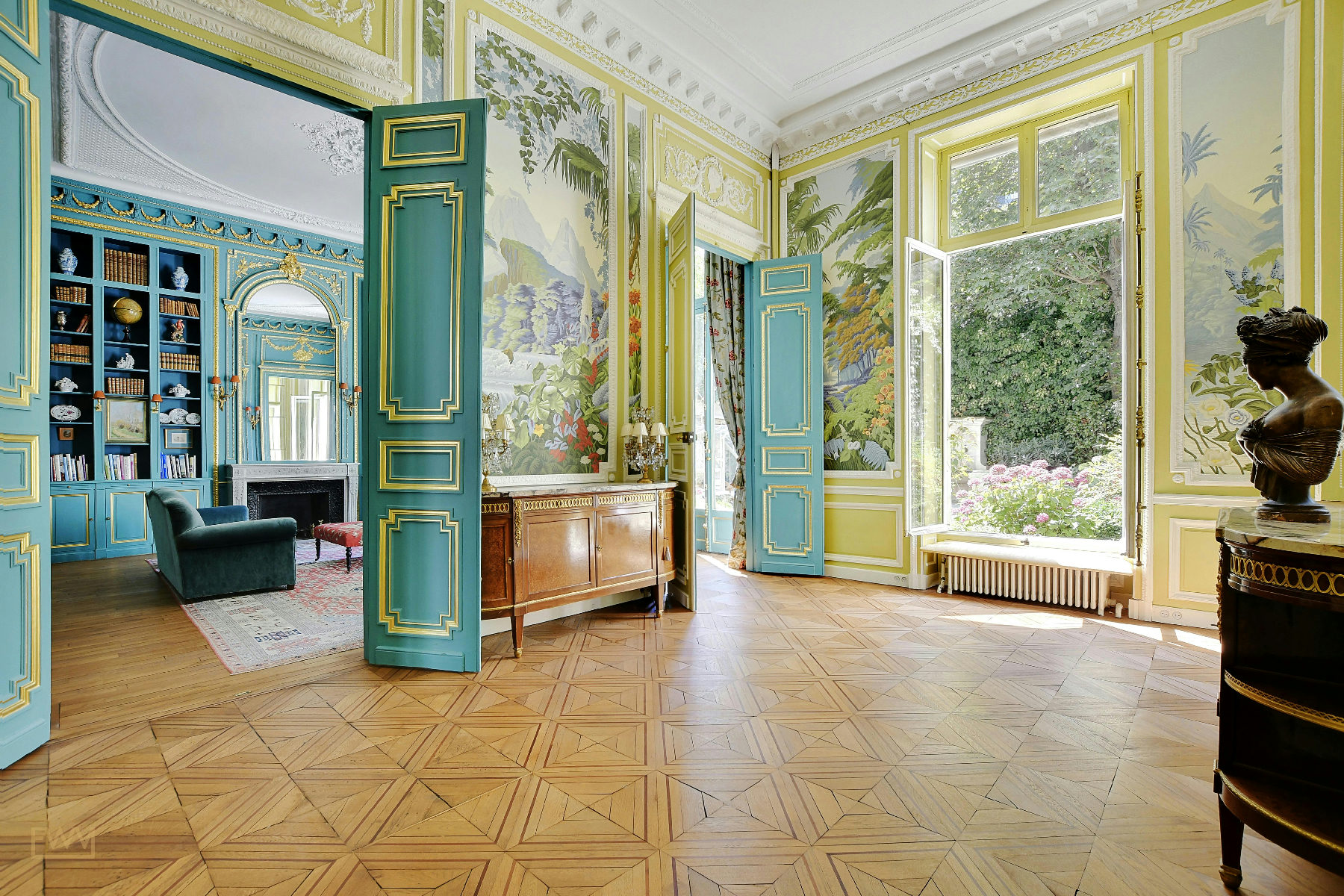
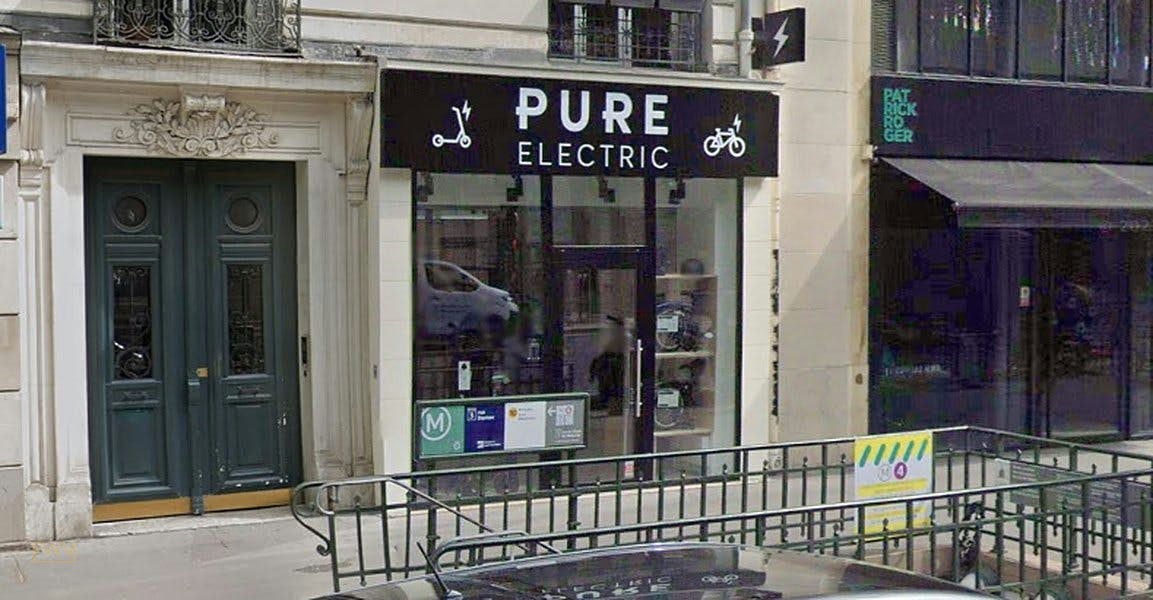
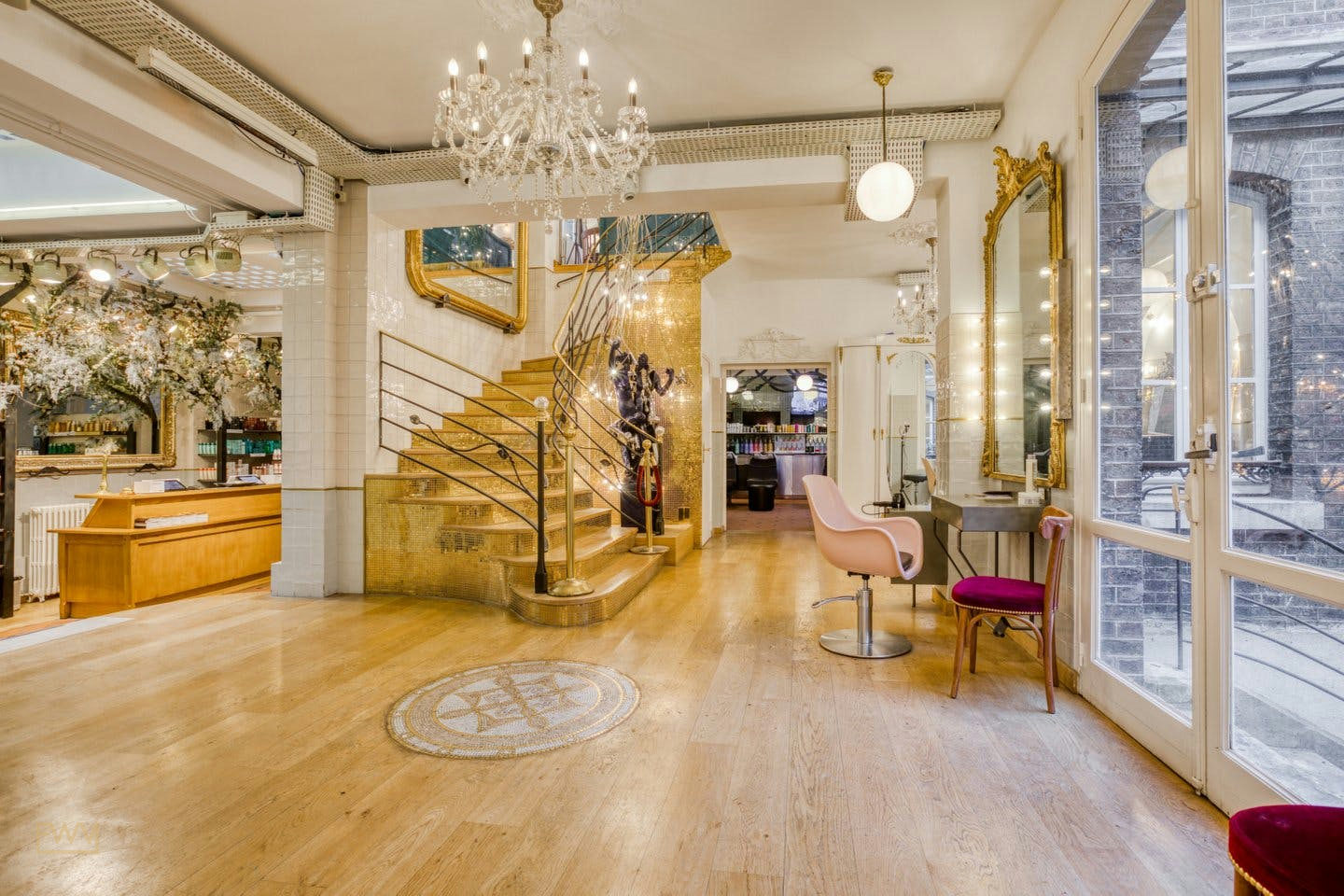
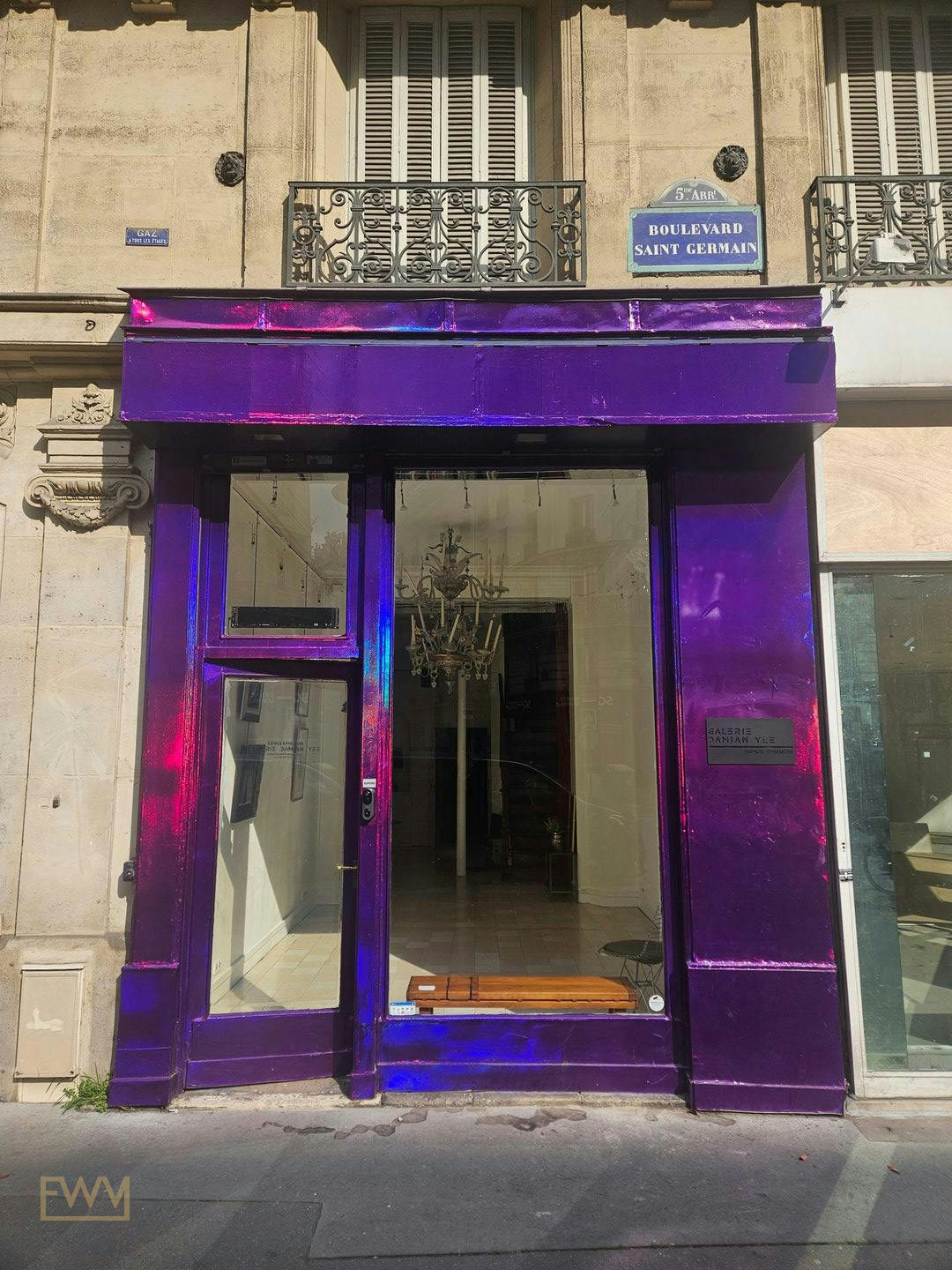
A pop-up shop in the Opéra district of Paris places your brand at the intersection of one of the city's most iconic cultural landmarks and its most commercially active retail corridor. The 9th arrondissement, anchored by the Palais Garnier and surrounded by Galeries Lafayette, Printemps Haussmann, and the Chaussée d'Antin, draws millions of visitors annually, making it one of the highest foot-traffic zones in Europe for temporary retail. Whether you are launching a product, testing a new market, hosting a trunk show, or building brand awareness during Paris Fashion Week, the Opéra neighbourhood offers a concentration of audience, prestige, and logistics infrastructure that few other districts can match. Fashion Week Venues helps international and domestic brands identify, book, and activate pop-up spaces in Paris, including across the Opéra, 9th arrondissement, and surrounding neighbourhoods.
Why the Opéra District Is One of Paris's Premier Pop-Up Locations
The Opéra district consistently ranks among the most visited areas in Paris, driven by the gravitational pull of the Palais Garnier, the Opéra Garnier, and the flagship department stores that define the Chaussée d'Antin retail spine. For brands considering temporary retail, this concentration of cultural prestige and commercial volume creates a rare combination: a location that works for both aspirational positioning and high-conversion sales activations.
The 9th arrondissement and the immediately adjacent Chaussée d'Antin microzone sit within easy walking distance of the Grands Boulevards, the Sentier district to the east, and Saint-Germain-des-Prés and the Marais via the RER and Métro network. The area is served by several major Métro lines, making it one of the most accessible retail destinations in the city for both Parisian residents and international visitors. This accessibility matters enormously for pop-up planning, because foot traffic is not just volume but also quality, meaning the proportion of visitors who are already in a retail mindset when they arrive.
The immediate surroundings amplify that retail mindset. Galeries Lafayette and Printemps Haussmann together attract tens of millions of visitors per year, creating a pre-qualified audience of shoppers who are already spending on fashion, beauty, and luxury. A pop-up shop positioned on or near the Rue du Helder, the Boulevard des Capucines, or the streets radiating from the Opéra Garnier benefits from that ambient commercial energy without requiring the brand to generate all of its own foot traffic from scratch.
Beyond the commercial logic, there is a cultural dimension to the Opéra district that benefits certain categories of brand. The legacy of the Paris Opera, the Ballets Russes, and the history of grand opera and ballet performance associated with the Palais Garnier means the neighbourhood carries associations of artistry, heritage, and European cultural authority. Brands in fashion, fragrance, jewellery, lifestyle, and design find that this cultural backdrop gives their pop-up an ambient prestige that more purely commercial districts cannot replicate.
The neighbourhood's hotel density, including properties like HappyCulture and 10 Opéra among many others, also means a significant population of business travellers and tourists are based within the catchment area of any retail activation near the Opéra. These visitors tend to have higher average spend and a specific interest in experiencing something distinctly Parisian during their stay, which makes experiential and limited-edition pop-up concepts particularly effective in this zone.
KEY TAKEAWAY: The Opéra district combines the highest foot traffic in Paris with a culturally elevated environment, making it one of the most strategically valuable locations for fashion and lifestyle pop-up shops in Europe. The area's department stores, transport links, hotel density, and proximity to other key arrondissements create a compounding set of advantages that few other Paris neighbourhoods can offer simultaneously.
Understanding the specific venue types and space characteristics available in the Opéra area is the next essential step, because the neighbourhood offers a genuinely wide range of space formats, from compact boutiques with large street-facing windows to former showroom floors and event-capable spaces with full kitchen and fitting room facilities.
Paris Opera Cultural Context: What the Palais Garnier Means for Brand Activations
The cultural weight of the Opéra Garnier and Paris Opera extends well beyond the performance calendar and into the commercial and creative identity of the surrounding district. For brands activating in the area, understanding this cultural context is not merely background knowledge but a genuine strategic asset.
The Paris Opera, formally known as the Opéra national de Paris, has been one of the world's most significant institutions for opera and ballet since the 19th century. The Palais Garnier, completed in 1875, is its most iconic physical expression, a monument of Second Empire architecture that has become synonymous with Parisian cultural grandeur. The institution has been associated with composers including Mozart, Saint-Saëns, and the full sweep of the grand opera repertoire, as well as with legendary performers such as Maria Callas and Rudolf Nureyev, whose names remain globally recognised markers of artistic excellence.
The cultural programming connected to the Paris Opera has expanded significantly beyond live performance. The POP, or Paris Opera Play, streaming platform makes the institution's content catalog, including audiovisual content, documentaries, masterclasses, recordings, and productions like Birth of an Opera and Patrice Chéreau's work, available to global audiences. This digital reach means the Paris Opera brand now operates across streaming, academy programmes, and conservatories in addition to its physical stages, creating a layer of cultural relevance that extends far beyond the Palais Garnier's physical walls.
Exhibitions connected to the Paris Opera, such as the Costumes exhibition, Stage Jewellery displays, and retrospectives on the Ballets Russes and the work of designers like Léon Bakst, have attracted significant visitor numbers and media coverage. The cultural energy created by these events spills directly into the surrounding retail environment, generating elevated foot traffic from visitors who are culturally engaged, aesthetically attuned, and frequently in a purchasing mindset for fashion, accessories, and design objects.
The Boutique Opéra, the official retail expression of the Paris Opera brand, demonstrates how successfully the institution translates cultural authority into commercial appeal. Its product range, encompassing items related to ballet, opera, and the performing arts, shows the appetite that exists in the Opéra neighbourhood for premium, culturally resonant retail experiences.
DID YOU KNOW: The Paris Opera's streaming platform POP gives global audiences access to productions, documentaries, masterclasses, and content related to figures including Mozart, Maria Callas, Nureyev, and works connected to the Ballets Russes and designers like Bakst. This digital presence has extended the cultural reach of the Opéra Garnier well beyond its physical location in the 9th arrondissement.
For fashion brands, the Molière en musiques connection and the broader association of the Opéra district with performing arts, Picasso's work for the Ballets Russes, and the history of the Grand Opera create a backdrop that supports creative narratives around craft, heritage, artistry, and Made in France positioning. Brands that lean into this cultural resonance in their pop-up concept direction, display windows, and social media content can achieve a level of brand storytelling that generic retail districts simply cannot provide.
KEY TAKEAWAY: The cultural identity of the Paris Opera and the Palais Garnier is a strategic asset for brands activating in the Opéra district. The combination of live performance, exhibitions, a streaming platform, and a globally recognised artistic heritage creates an ambient authority that elevates the perception of pop-up shops and showrooms operating in the neighbourhood.
With the cultural and commercial context established, the next priority for any brand is understanding exactly what kind of physical spaces are available in the Opéra area and what operational features they typically offer.
Pop-Up Space Types and Features in the Opéra and 9th Arrondissement
The Opéra district and 75009 Paris postcode offer a genuine variety of short-term retail space types, each suited to different brand formats, team sizes, and activation goals. Understanding the key characteristics of available spaces helps brands shortlist effectively rather than booking the first available option.
Quick answer: The Opéra and 9th arrondissement area of Paris offers pop-up spaces ranging from compact street-level boutiques with display windows of 30 to 100 square metres to larger former showroom floors suitable for events, trunk shows, and multi-brand activations. Many spaces in the area feature large street-facing windows, natural light, fitting rooms, storage areas, and proximity to major public transportation hubs, making them practical for both short conversion-focused activations and longer brand presence campaigns.
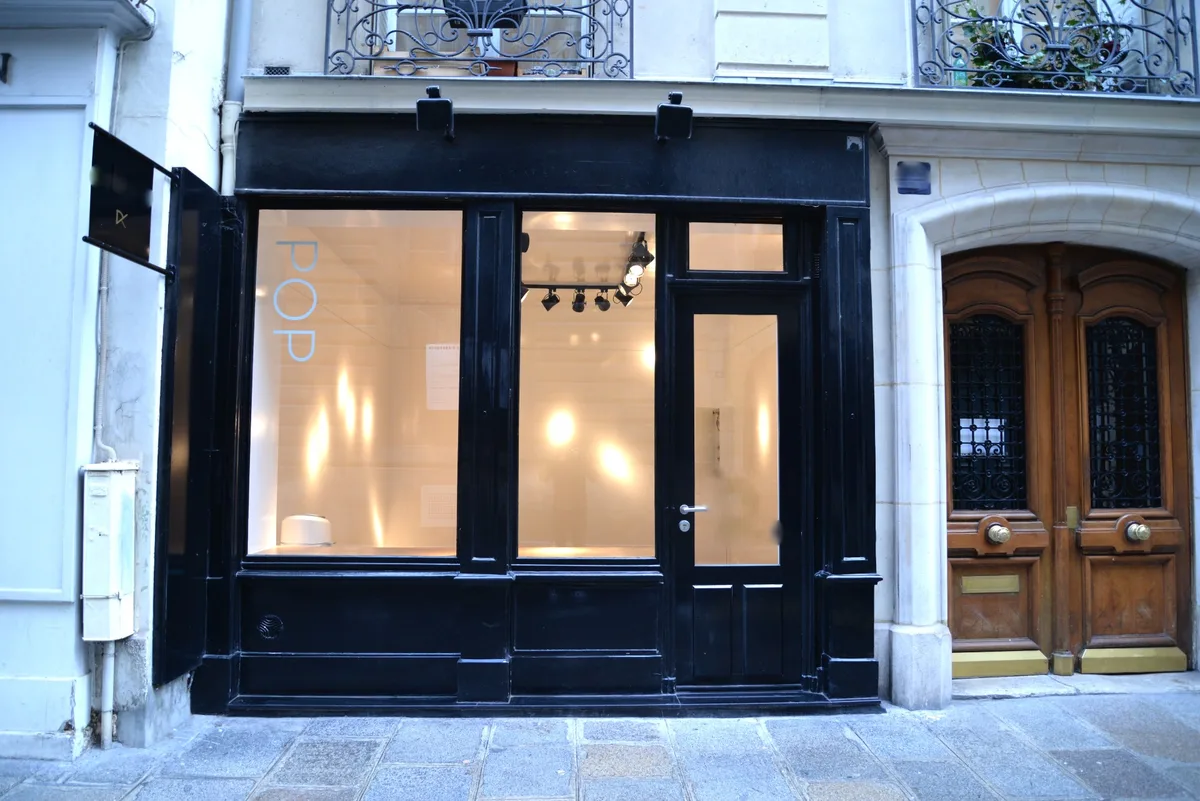
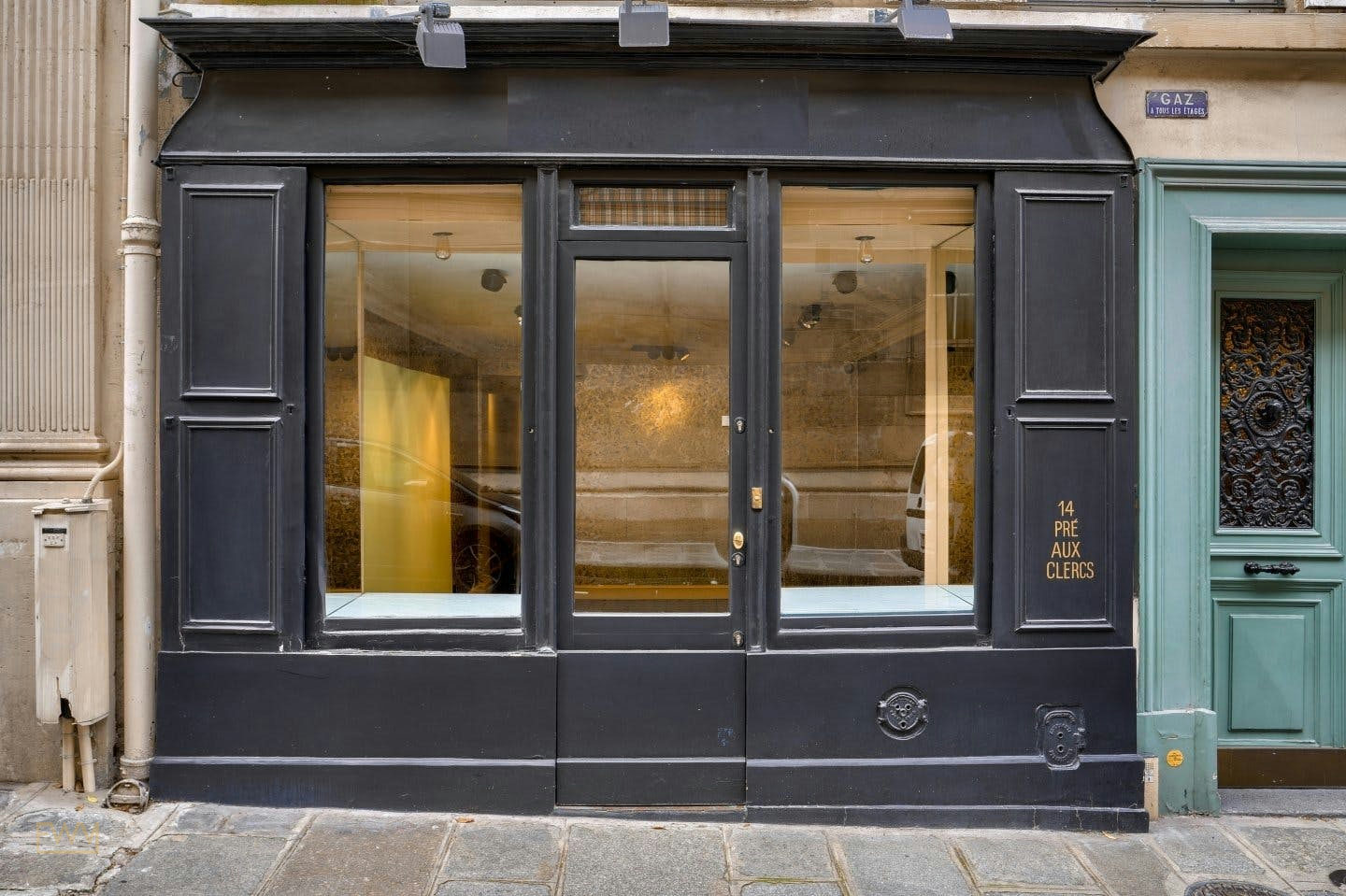
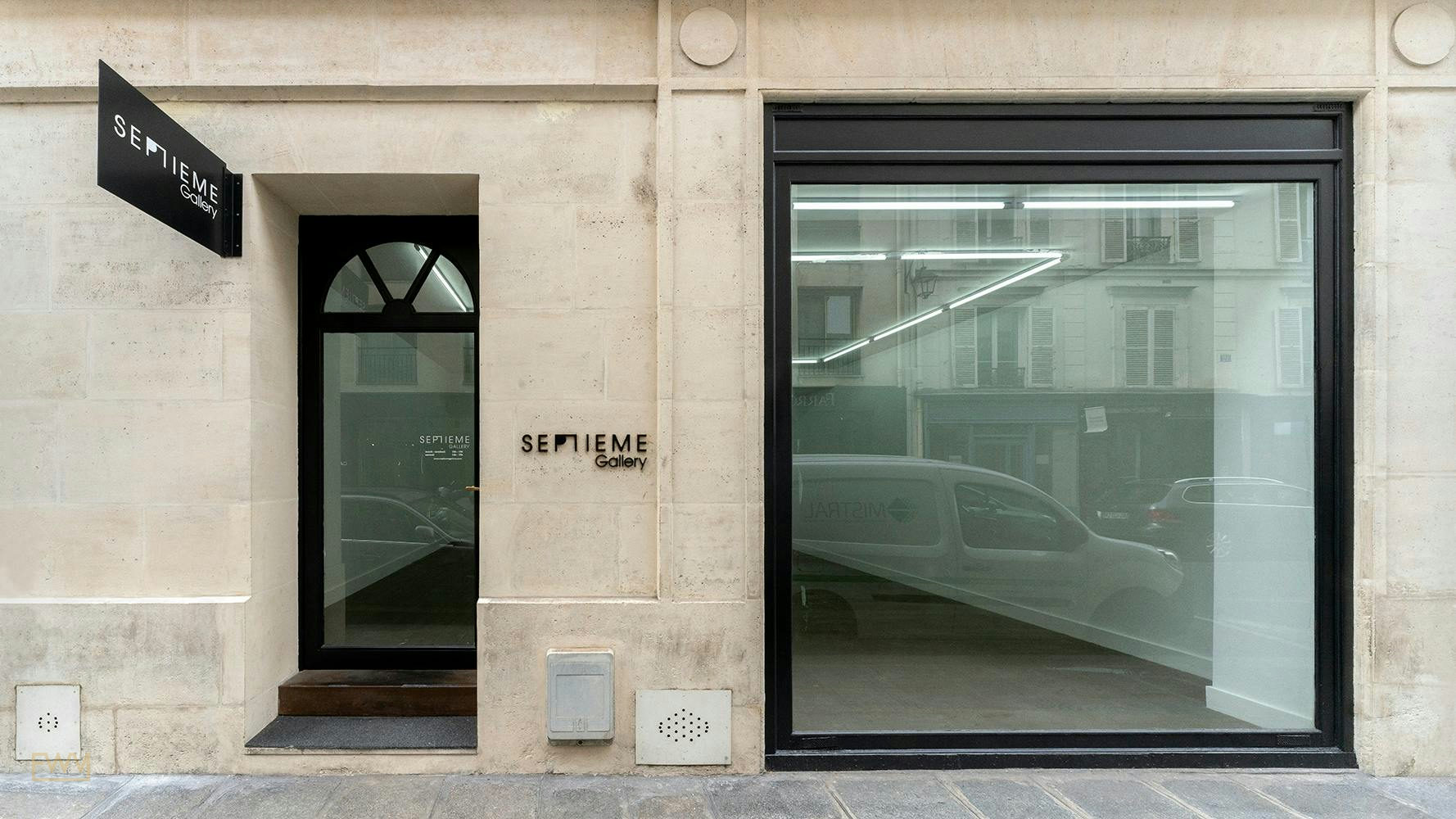
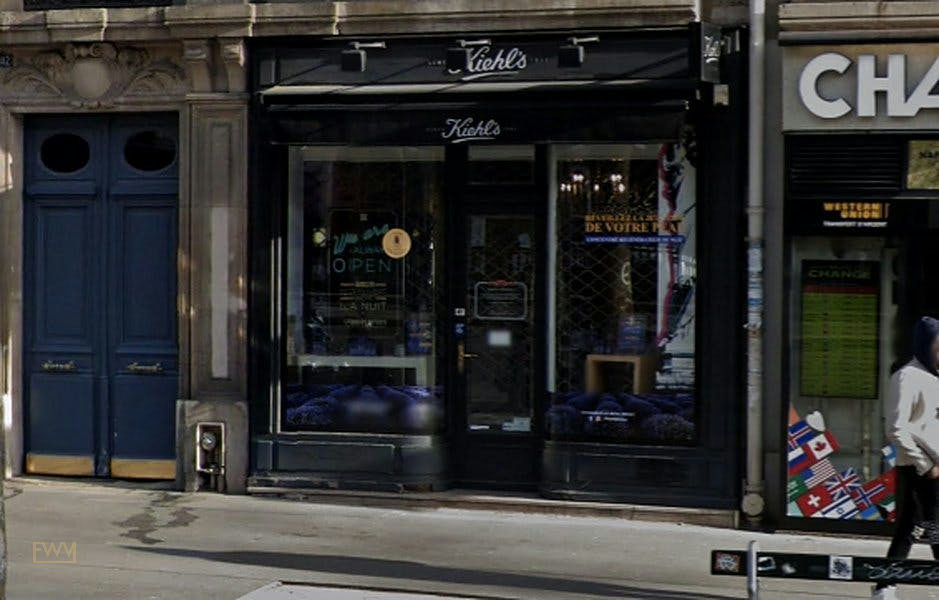
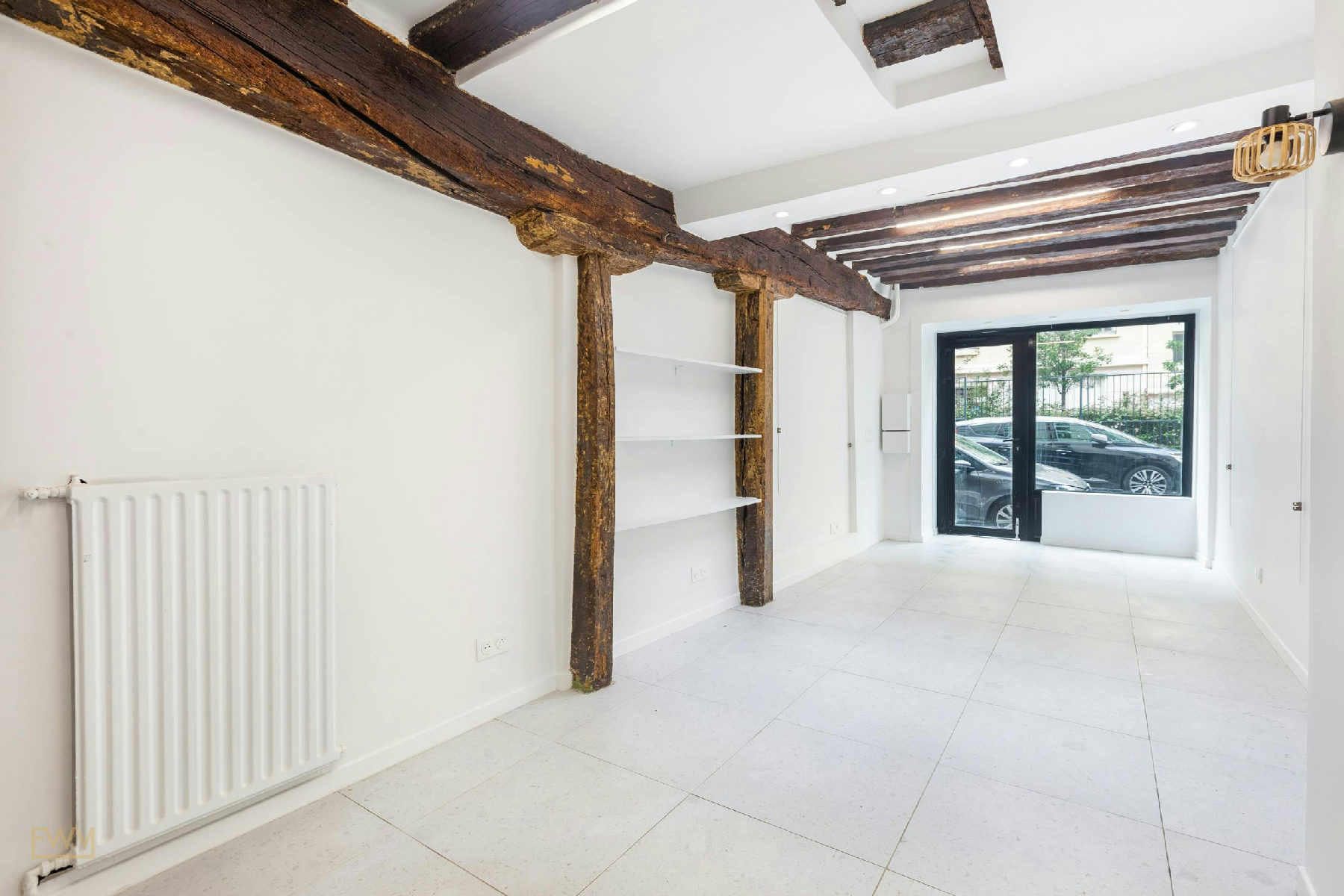
Street-level boutique spaces on and around the Rue du Helder, Boulevard des Capucines, and the streets immediately adjacent to the Opéra Garnier are among the most sought-after in Paris for fashion pop-ups. These spaces typically feature large street-facing windows ideal for display window installations and fashion shooting, high ceilings that accommodate clothing racks and bespoke retail equipment, and direct access from high foot-traffic pavements. Natural light is a frequently cited feature of spaces on north-south-facing streets in the arrondissement, which benefits both the retail experience and the creation of social media content during the activation.
Showroom-format spaces in the broader 9th arrondissement and the adjacent Sentier area tend to offer larger floor plates, sometimes exceeding 200 square metres, with configurations that support both wholesale showroom presentations and direct consumer retail. These spaces are particularly relevant for brands participating in Paris Fashion Week showroom seasons, which operate on a different but overlapping calendar to the main runway shows.
Event-capable spaces with kitchen facilities, separate storage areas, fitting rooms, and the infrastructure to support product launches, masterclasses, press events, and art exhibitions represent a third category relevant to the Opéra area. These versatile spaces allow brands to layer a retail component on top of a cultural or press event, maximising the return from a single space hire and a single period of activation.
| Space Type | Typical Size | Key Features | Best Suited For |
|---|---|---|---|
| Street-Level Boutique | 30 to 120 sq m | Display window, clothing racks, natural light, storage | Fashion retail, product launches, limited editions |
| Showroom Floor | 80 to 300 sq m | Open plan, modular layout, fitting rooms, storage area | Wholesale presentations, trunk shows, multi-brand |
| Event-Capable Space | 100 to 400 sq m | Kitchen, flexible layout, AV infrastructure, natural light | Press events, masterclasses, art exhibitions, launches |
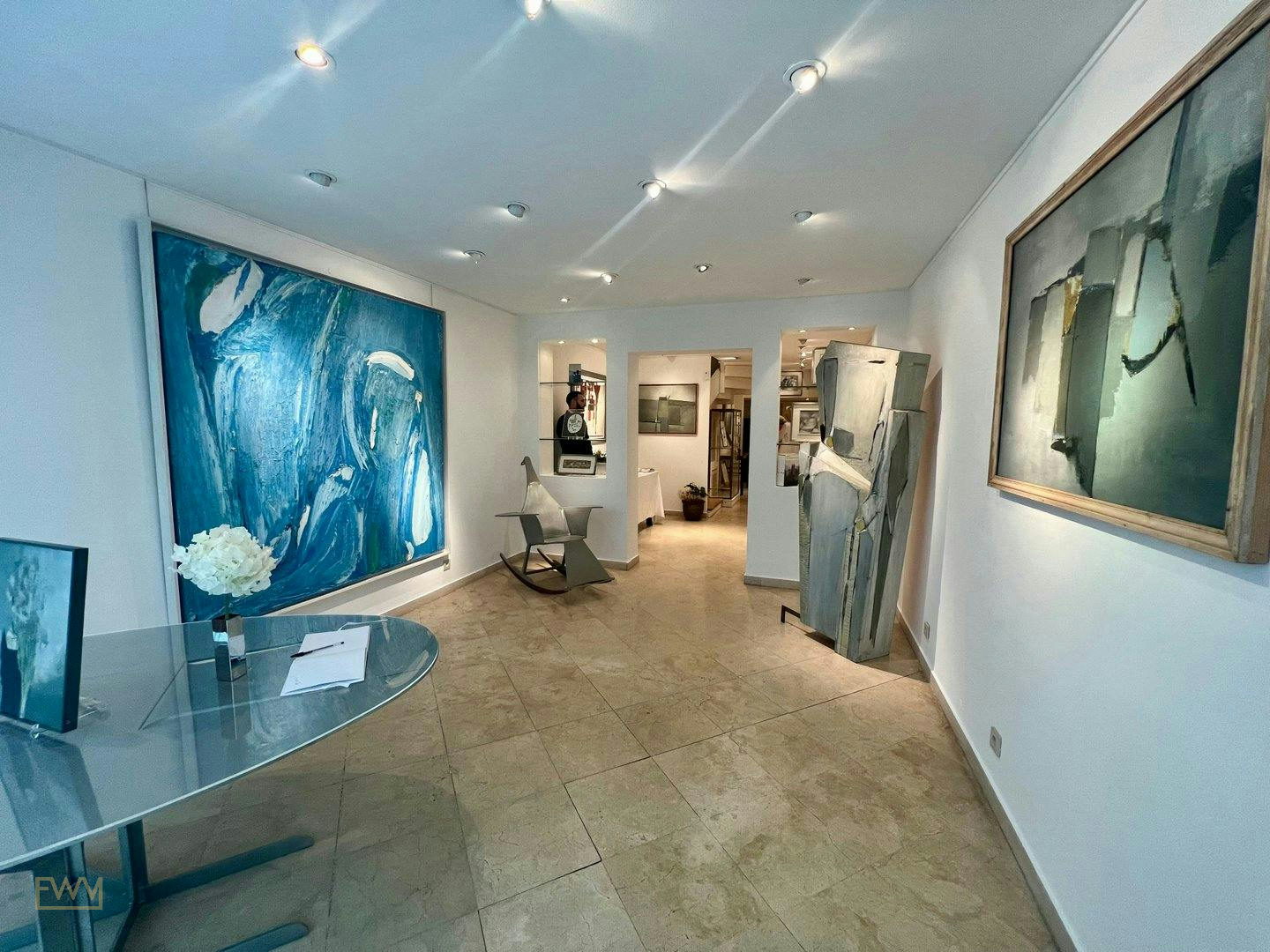
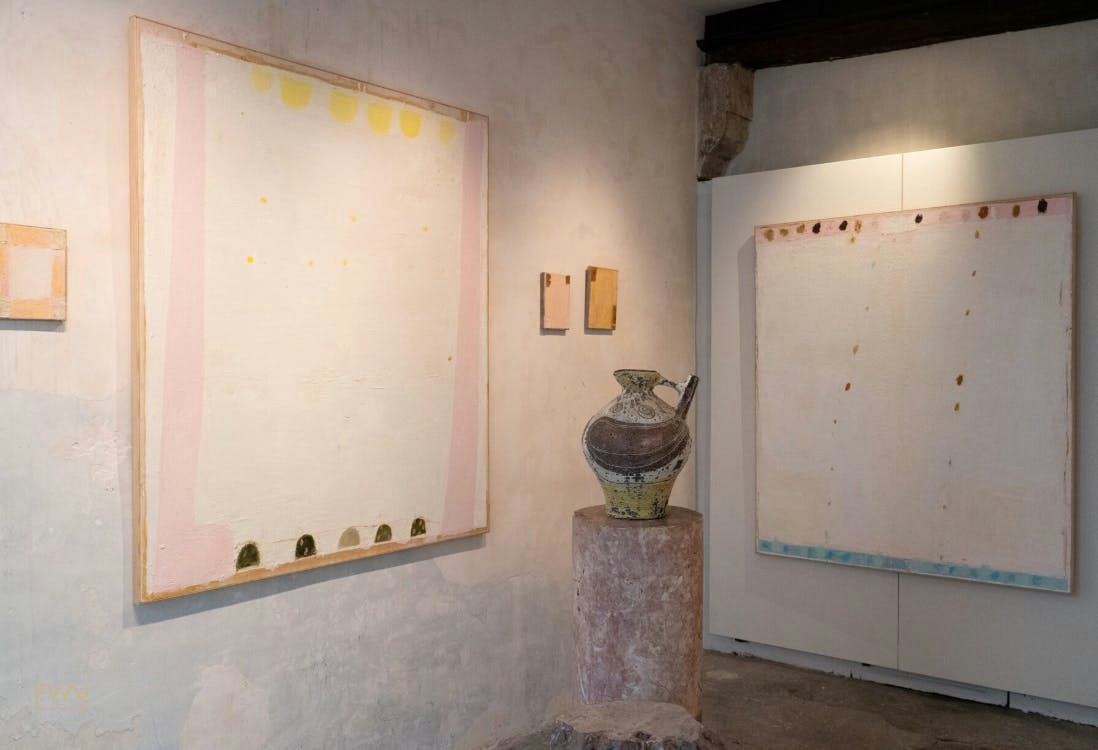
| Gallery or Loft Format | 60 to 200 sq m | High ceilings, white walls, terrasses, natural light | Brand storytelling, exhibitions, experiential retail |
Retail equipment and infrastructure vary significantly between spaces. Some spaces are offered fully equipped with a cash register, basic retail furniture, and changing facilities, while others are offered as bare shells requiring full fit-out. Brands need to clarify exactly what is included in the rental from the outset to avoid unexpected cashflow pressure from last-minute equipment hire. Clothing racks, display furniture, POS terminals, and storage configurations all require planning well in advance of the activation start date.
TIP: When evaluating a pop-up space in the Opéra area, always confirm whether the space includes a storage area, fitting room, and at minimum a basic cash register setup. Spaces that appear attractively priced on headline rent can become significantly more expensive once you account for the fit-out and retail equipment needed to make them operational for fashion retail.
KEY TAKEAWAY: The Opéra and 9th arrondissement offer a diverse range of pop-up space types, from compact boutiques with display windows to large event-capable floors. The key differentiators are size, equipment included, natural light, and proximity to the main pedestrian flows from the Palais Garnier, Galeries Lafayette, and Chaussée d'Antin. Shortlisting effectively requires matching space characteristics to your specific activation format, not just your budget.
To compare neighbourhoods and space types side by side, explore the Paris city hub on Fashion Week Venues and shortlist spaces that match your brief, budget, and calendar window.
Opéra and Surrounding Neighbourhoods: Comparing Paris Districts for Pop-Up Strategy
The Opéra district does not exist in isolation. Brands choosing a Paris pop-up location need to compare the 9th arrondissement against the other major retail and fashion districts to make an informed decision about where their specific activation will perform best. Each district has distinct audience profiles, rent levels, cultural associations, and logistical characteristics.
Quick answer: The Opéra and 9th arrondissement area offers the highest ambient foot traffic of any Paris pop-up district, driven by the Palais Garnier, Galeries Lafayette, and Printemps Haussmann. Le Marais favours younger, more design-conscious audiences and independent brands. Saint-Germain-des-Prés carries established luxury and intellectual prestige. The Champs-Élysées offers pure tourist volume. The choice should be driven by your audience profile, brand positioning, and activation goals rather than by headline rent alone.
Le Marais, centred on streets including the Rue des Rosiers and the broader Marais district, is arguably the most fashion-forward pop-up district in Paris. It attracts a younger, more streetwear and design-conscious demographic, with strong international visitor numbers and a well-developed culture of pop-up and concept store activity. Brands focused on sustainability, Made in France positioning, or independent fashion labels often find the Marais demographic a strong match. However, the area's smaller space sizes and premium demand for well-located addresses means availability during Fashion Week periods can be tight.
Saint-Germain-des-Prés carries associations with literary and intellectual culture, established luxury, and a more mature, high-spending customer profile. The rue de Rivoli corridor extends the Saint-Germain logic toward the Châtelet area, connecting to the 1st arrondissement and the Louvre. This zone suits brands positioning at the intersection of culture and luxury, and it works well for brands that need a prestigious Paris address without the pure tourist volume of the Champs-Élysées.
The Champs-Élysées offers unmatched visitor volume but a retail environment increasingly dominated by global mass-market brands and tourist-oriented retail. For luxury, independent, or culturally positioned brands, the Champs-Élysées can feel misaligned with brand values, and the rent premium is significant. However, for brands seeking pure visibility and volume conversion, particularly during major international events, it remains a relevant option.
| District | Primary Audience | Cultural Association | Ideal Activation Type | Foot Traffic Level |
|---|---|---|---|---|
| Opéra / 9th Arr. | Mixed: tourists, shoppers, locals | Grand Opera, heritage, luxury retail | Fashion, beauty, lifestyle launches | Very High |
| Le Marais | Young creatives, international visitors | Independent fashion, design, culture | Streetwear, sustainability, concept retail | High |
| Saint-Germain-des-Prés | Affluent locals, established luxury buyers | Literary, intellectual, luxury | Luxury, heritage, cultural brand positioning | Moderate to High |
| Champs-Élysées | Tourists, mass-market shoppers | Global visibility, mass retail | High-volume launches, global brands | Highest in Paris |
| Sentier | Trade buyers, industry professionals | Fashion production, wholesale | Showrooms, wholesale presentations | Moderate (trade-focused) |
The Sentier district, adjacent to the Opéra area, deserves specific mention for brands focused on trade showrooms rather than consumer retail. Sentier has historically been the centre of Paris's garment production and wholesale trade, and many of its buildings retain large, light-filled showroom floors that are well suited to collections presentations and buyer appointments. For brands that want a showroom address close to the fashion industry's professional networks while remaining accessible to the main Opéra retail corridor, Sentier offers a pragmatic and often more affordable alternative to street-level boutiques on premium addresses.
KEY TAKEAWAY: No single Paris district is objectively best for every brand. The Opéra and 9th arrondissement lead on foot traffic, cultural prestige, and proximity to major retail anchors. But your audience profile, brand positioning, budget, and specific activation type should ultimately determine your district choice. Using a structured comparison approach before booking saves significant time, money, and strategic risk.
Once you have identified your preferred district, the next challenge is understanding the permits, legal framework, and operational compliance requirements for running a pop-up shop in Paris, which differ meaningfully from other European markets.
Permits, Legal Framework, and Compliance for Pop-Up Shops in Paris
Operating a pop-up shop in Paris requires navigating a specific set of legal and regulatory requirements that are distinct from those in the UK, US, or other European markets. Understanding this framework in advance prevents costly delays and avoids situations where a space is booked but cannot legally open on the planned date.
Quick answer: Pop-up shops in Paris are typically governed by one of two legal frameworks: the bail dérogatoire, a short-term commercial lease of up to three years that derogates from the standard protections of the French Commercial Code, or an Autorisation d'Occupation Temporaire (AOT), which governs temporary occupation of public or specific third-party spaces. The appropriate framework depends on your space type, duration, and the specific regulations of the arrondissement. Requirements should always be verified with a qualified French legal advisor before committing to a space.
The bail dérogatoire is the most commonly used legal vehicle for short-term commercial occupancy in France. It allows a landlord and tenant to agree a lease of up to 36 months without the tenant acquiring the standard renewal rights that attach to a conventional commercial lease under French law. For brands seeking a pop-up space for a few days to a few months, the bail dérogatoire provides a workable legal structure, but its terms and the specific protections it offers and excludes require careful review. Brands should not assume that because a space is marketed as a pop-up that the underlying legal arrangement is automatically compliant or favourable.
The Autorisation d'Occupation Temporaire applies in different circumstances, typically where the space is public domain or a specific type of private venue that falls outside the standard commercial property framework. AOT arrangements are more common for activations in cultural venues, outdoor spaces, and certain types of event spaces, and they carry their own set of conditions related to insurance, public safety, and permitted uses.
Beyond the lease structure, brands operating a pop-up shop in Paris must address several additional compliance areas. Fire safety requirements apply to all commercial spaces open to the public, with specific rules around emergency exits, capacity limits, and fire suppression equipment that vary by space size and classification. Electrical safety obligations require that the electrical installation in the space meets current French standards, and a certificate confirming this should be requested from the landlord before signing any agreement.
Insurance is non-negotiable. At minimum, a brand operating a pop-up in Paris needs public liability insurance, cover for stock and inventory, and cover for any fit-out or retail equipment brought into the space. Many landlords in Paris will request evidence of insurance as a condition of lease completion. The specific insurance requirements vary by space type, duration, and the level of fit-out work planned, so brands should engage an insurer familiar with French temporary retail before finalising their booking.
Inventory management and cashflow planning are closely related operational considerations. Brands opening a pop-up shop for the first time in Paris frequently underestimate the capital tied up in inventory decisions and the time required to move stock through customs if products are being shipped from outside the EU. Planning the inventory flow in advance, including return logistics, is as important as planning the physical space.
IMPORTANT: The permit and compliance landscape for pop-up shops in Paris changes regularly, and requirements vary significantly by arrondissement, space type, and planned use. Do not rely on general online guidance alone. Always verify your specific requirements with a qualified French legal advisor and use the permit guidance tool on Fashion Week Venues as a starting point for understanding what applies to your planned activation.
KEY TAKEAWAY: The legal and compliance framework for pop-up shops in Paris is more complex than in many comparable markets. The bail dérogatoire and AOT provide the main legal structures, but they are accompanied by fire safety, electrical safety, insurance, and inventory obligations that must all be addressed before the activation opens. Engaging specialist support early reduces risk and prevents avoidable delays.
Understanding your legal and compliance baseline sets the foundation for the next critical dimension of planning: building a realistic budget and timeline for your Opéra district pop-up activation.
Budgeting and Timeline Planning for a Pop-Up Shop Near Opéra Paris
Budgeting accurately for a Paris pop-up shop is one of the most common challenges brands face, particularly when activating in a high-profile district like Opéra for the first time. The headline rent is only one component of the total cost, and in many cases it is not even the largest one.
Quick answer: The total cost of a pop-up shop in the Opéra district of Paris includes space rental, fit-out and production, retail equipment, staffing, insurance, logistics, marketing, and social media activation. The balance between these cost categories varies significantly depending on the space type, the duration of the activation, and the level of brand experience required. Use a dedicated budget tool to build a complete cost picture before committing to a space or timeline.
Space rental costs in the Opéra and 9th arrondissement reflect the district's premium positioning. Directionally, prime street-level spaces in the immediate Opéra vicinity command higher daily or weekly rates than comparable spaces in Sentier or the outer arrondissements, but lower rates than the most premium addresses on the Champs-Élysées or in the core Saint-Honoré zone. The exact rental cost depends on the specific street, the size of the space, the duration of the booking, and the time of year, with rates typically higher during Fashion Week periods in January, February, June, and September.
Fit-out and production costs are frequently underestimated. Even in a space that is offered with basic retail infrastructure, most brands will want to apply branded elements, adjust the layout, install specific lighting, create a display window installation, and set up merchandising that reflects their brand positioning. These production costs can range from a modest budget for a minimal intervention to a substantial investment for a fully bespoke branded environment. The fit-out and production service at Fashion Week Venues addresses this phase specifically, but brands should build a realistic production budget before shortlisting spaces.
Staffing is a recurring cost that needs to be planned on a daily basis for the entire duration of the activation. Paris labour law applies to all retail staff working in France regardless of the brand's country of origin, and brands should account for the full employment cost, not just the hourly rate. The number of staff required depends on the space size, opening hours, and whether the activation includes scheduled events or masterclasses that require additional resource.
| Planning Stage | Key Actions | Typical Lead Time Before Opening |
|---|---|---|
| Brief and Strategy | Define goals, audience, district, space type, budget | 12 to 16 weeks |
| Space Search and Shortlist | Research spaces, compare options, arrange viewings | 10 to 14 weeks |
| Legal and Permit Review | Confirm lease structure, insurance, permits | 8 to 12 weeks |
| Concept and Design | Finalise layout, branding, display window, fit-out brief | 8 to 10 weeks |
| Production and Build | Source materials, build elements, install fit-out | 4 to 6 weeks |
| Logistics and Inventory | Ship and clear stock, set up POS and payments | 2 to 4 weeks |
| Marketing and Social Media | Pre-launch content, influencer activation, press outreach | 3 to 6 weeks (ongoing) |
| Launch and Activation | Open, staff, manage daily operations, gather customer feedback | Activation period |
| Close and Review | Dismantle, return space, analyse data and analytics | Within 1 week post-close |
Marketing and social media costs are often underweighted in initial budgets. A pop-up shop in the Opéra district with no pre-launch awareness campaign will underperform relative to its potential regardless of how good the space and the product are. Pre-launch social media content, influencer marketing activation, press outreach, and digital advertising all require budget that should be ringfenced from the outset. The investment in driving awareness before the doors open is at least as important as the investment in the physical space itself.
TIP: Use the budget planning tool on Fashion Week Venues to build a complete cost model for your Opéra pop-up before signing any space agreement. Inputting your space type, duration, staffing needs, and fit-out ambitions gives you a realistic total figure that prevents the common mistake of committing to a premium rent with insufficient budget remaining for production and marketing.
KEY TAKEAWAY: A successful pop-up shop in the Opéra district requires a budget that goes well beyond the space rental. Production, staffing, insurance, logistics, marketing, and social media activation all require dedicated budget allocations. Building the complete cost picture before committing to a space is the single most important financial discipline in pop-up planning.
With budget and timeline planning in place, the next decision is whether to pursue the process independently or engage a specialist agency to support all or part of the activation journey.
How Fashion Week Venues Supports Pop-Up Shop Activations in the Opéra District
Fashion Week Venues operates as a full-service pop-up shop agency and space marketplace with Paris as its primary and anchor market. For brands planning an activation in the Opéra district or anywhere across the 9th arrondissement and surrounding neighbourhoods, the agency provides end-to-end support from initial venue sourcing through to post-activation data review.
The starting point for most brands is the space marketplace and the Paris city hub, which aggregate available short-term retail spaces across Paris's key fashion and retail districts. The venue sourcing service goes beyond listing aggregation to provide curated shortlists based on a brand's specific brief, including space type, size, neighbourhood, budget range, and calendar window. This saves brands significant time compared to approaching individual landlords or relying on general listing platforms with limited curation or market knowledge.
Once a space is shortlisted, Fashion Week Venues supports the concept and creative development phase through a dedicated concept direction service, helping brands translate their brief into a physical space concept that works for both the specific space and the Opéra district context. This includes display window strategy, retail layout, merchandising approach, and the integration of brand storytelling elements that connect with the cultural authority of the surrounding neighbourhood.
The production and build service manages the fit-out process, including sourcing and procuring retail equipment, furniture rental, and any custom production elements. This is particularly valuable for international brands entering Paris for the first time, who may not have established relationships with local suppliers and contractors, and who need full technical and production support to deliver the space on time and within budget.
Operational support during the activation includes retail staffing, POS and payments setup, and activation management, covering everything from daily floor operations to scheduled events, influencer visits, and press days. The data and analytics service captures performance data throughout the activation, giving brands the information they need for ROI calculation and future inventory decisions.
The agency also provides a suite of planning tools that are available independently of the full-service offering. These include a budget calculator, an ROI calculator, a timeline tool, a permits tool, a space comparison tool, a locator tool, and an imagine tool for visualising how a space could be configured for a specific brand concept. These tools are designed to support brand teams at the research and planning stage, whether they ultimately engage the agency for full service support or not.
The twin concept is relevant for brands interested in co-activation, where two complementary brands share a single space to reduce costs and increase the combined audience reach of the activation. This model is increasingly used in the Opéra district, where premium space costs make solo activations less accessible for emerging brands with limited budgets.
KEY TAKEAWAY: Fashion Week Venues provides end-to-end support for pop-up shop activations in the Opéra district and across Paris, from venue sourcing and concept direction through to production, staffing, data analysis, and post-activation review. The combination of a space marketplace, planning tools, and full-service agency capability makes it a practical resource for brand teams at every stage of the planning process.
For brands that are newer to Paris pop-up activations or are evaluating whether to use an agency at all, reviewing the guide to hiring a pop-up agency provides a structured framework for that decision.
Fashion Week Calendar and Timing Your Opéra Pop-Up Activation
Timing is one of the most consequential decisions in Paris pop-up planning. The fashion week calendar creates defined windows of peak opportunity, but the Opéra district's year-round cultural programming means that strategic timing extends well beyond the four major Fashion Week periods.
Quick answer: Paris Fashion Week takes place four times per year, with the major womenswear seasons in late February to early March and late September to early October, and the menswear and couture seasons in January and July respectively. The Opéra district benefits from elevated footfall during all four Fashion Week periods, but it also experiences strong trading conditions during major cultural events connected to the Paris Opera, summer tourism peaks, and the Christmas retail season.
The February and September womenswear Fashion Weeks represent the highest-priority windows for most fashion brands planning a Paris pop-up. These periods concentrate international press, buyers, influencers, and fashion-interested consumers in Paris simultaneously, creating an audience profile that is uniquely receptive to brand activations. However, this demand concentration also means that space availability is tightest during these windows and that lead times for securing a suitable space need to be significantly longer than for off-peak periods.
The January menswear and couture season offers a complementary window for brands positioned in menswear, haute couture, or the premium accessories market. The Opéra district, with its associations with formal culture and established luxury, is particularly well matched to activations during the couture season, when the audience profile skews toward high-net-worth individuals and international press covering the couture calendar.
Summer in Paris, roughly June through August, is often underestimated as a pop-up window. The city receives its highest tourist volumes during this period, and the Opéra and Palais Garnier area benefits from the summer tourism peak directly. The Paris Opera typically presents a summer programme, and the area around the Palais Garnier is active with cultural visitors who represent a high-spending, experiential-oriented audience. Brands positioning in Made in France, gifting, or luxury lifestyle categories can achieve strong performance during a summer activation in the Opéra district.
Beyond the fashion calendar, the specific cultural programming of the Paris Opera provides additional timing hooks. Major exhibitions such as a Costumes exhibition, Stage Jewellery displays, or retrospectives on the Ballets Russes or Bakst generate their own visitor spikes that can amplify the performance of a nearby pop-up shop. Brands that align their activation window with a relevant cultural event at the Palais Garnier can benefit from the ambient marketing effect without having any formal relationship with the Opera itself.
DID YOU KNOW: The Paris Opera's Boutique Opéra has demonstrated that the Opéra district's audience will engage with premium, culturally positioned retail even outside the main fashion week windows. Brands that treat the district's cultural calendar as an integrated part of their timing strategy consistently outperform those that focus exclusively on the Fashion Week dates.
KEY TAKEAWAY: The Opéra district operates on a rich, layered calendar that combines the four Fashion Week windows with the Paris Opera's own cultural programming, summer tourism peaks, and the Christmas season. Brands that align their activation timing with this full calendar, rather than focusing exclusively on Fashion Week, unlock significantly more opportunities for well-timed, high-impact activations.
Retail Operations: Managing Your Pop-Up Shop in Opéra Day to Day
The operational dimensions of running a pop-up shop in the Opéra district are frequently underestimated by brands that focus all their planning energy on the space selection and concept design phases. Day-to-day retail management in Paris requires attention to a specific set of operational realities that differ from other markets.
Quick answer: Successful pop-up shop operations in the Opéra district require daily attention to staffing, stock management, customer experience, POS and payments, social media content creation, and ongoing merchandising. The most common operational failures are understaffing during peak trading hours, poor inventory management leading to stockouts or overstock, and insufficient social media content production to sustain awareness throughout the activation period.
Staffing in Paris requires compliance with French employment law, which applies to all workers in France regardless of the employing brand's nationality. Retail staff in a pop-up shop may be engaged on short-term contracts, but these contracts must meet minimum wage requirements, provide appropriate working conditions, and include the mandatory social contributions. Brands that attempt to operate with informal staffing arrangements risk significant legal and financial consequences. Using a specialist retail staffing provider familiar with French employment law is the recommended approach for international brands.
POS and payments infrastructure in a Paris pop-up needs to handle card payments in euros, including contactless and mobile payment methods that are widely used by both French and international customers. Cash register setup, payment terminal provisioning, and the connection of sales data to inventory management systems should be tested before the activation opens, not on the opening day. The POS system also provides the raw data for the analytics that help brands evaluate the success of the activation and make informed inventory decisions during the run.
Merchandising and the physical management of the retail space require daily attention. Clothing racks, display surfaces, packaging presentation, and the overall visual identity of the space need to be maintained to the standard set at launch throughout the activation, even as stock levels change and customer traffic takes its toll on the physical environment. Brands that staff their activations with team members who have both a retail operations background and a visual merchandising sensibility consistently deliver a higher-quality customer experience and stronger sales performance.
Customer feedback collection is an operational discipline that many pop-up brands neglect but which produces disproportionate value. The direct access to real customers that a pop-up provides is one of its most significant strategic assets, and brands that build structured customer feedback mechanisms into their day-to-day operations come away with qualitative and quantitative insight that can directly inform product development, brand positioning, and future inventory decisions.
Social media content creation during the activation should be treated as a core operational activity, not an afterthought. The Opéra district provides a visually rich backdrop, with the Palais Garnier, the architecture of the Grands Boulevards, and the energy of the Chaussée d'Antin all offering content opportunities that reinforce the cultural prestige of the brand's Paris presence. Brands should designate a team member specifically responsible for social media content throughout the activation period.
KEY TAKEAWAY: Day-to-day pop-up shop operations in the Opéra district require the same rigour as a permanent retail operation, with the added complexity of a compressed timeline, unfamiliar regulatory environment, and the pressure to generate both commercial and brand results simultaneously. Investing in experienced on-the-ground management is as important as investing in the physical space and concept.
Common Myths About Pop-Up Shops in the Opéra District, Paris
MYTH: You need a French legal entity to rent a pop-up space in Paris.
FACT: Foreign companies can rent short-term retail spaces in Paris without establishing a French legal entity, typically through a bail dérogatoire arrangement. However, the specific requirements depend on the landlord, the space type, and the duration of the rental. Some landlords may require a French guarantor or additional security. Always verify your specific situation with a qualified French legal advisor before proceeding, and do not assume that your experience in other markets translates directly to French property law.
MYTH: Paris Fashion Week is the only viable calendar window for a pop-up in the Opéra district.
FACT: The Opéra district benefits from strong foot traffic and a culturally engaged audience throughout the year, driven by the Paris Opera's performance and exhibition calendar, summer tourism, the Christmas retail season, and the regular programming of the Palais Garnier. While Fashion Week periods concentrate the highest density of industry-relevant visitors, brands in lifestyle, beauty, home, gifting, and food categories can achieve excellent results during non-Fashion Week periods, often at lower space costs and with better availability.
MYTH: Commission-based brokers are the only way to find a pop-up space in Paris.
FACT: Commission brokers are one route to finding a space, but they are not the only or necessarily the best route. Space marketplaces, full-service agencies with curated space networks, and direct approaches to property owners are all viable alternatives. The key difference is that a full-service agency provides not only space access but also the concept, production, permits, staffing, and operational support that a commission broker typically does not. For brands that need more than just a key, working with a full-service provider is often more cost-effective when the total activation cost is considered.
MYTH: Short-term leases in Paris are legally straightforward and require no specialist help.
FACT: Short-term commercial leases in France, including the bail dérogatoire, are governed by specific provisions of French commercial law and carry obligations and exclusions that differ significantly from short-term leases in the UK, US, or other markets. The absence of standard tenant protections in a bail dérogatoire can expose brands to risks that are not immediately obvious from the headline terms. Insurance requirements, fire safety compliance, permitted use restrictions, and landlord liability limitations all need to be reviewed carefully before signing. Specialist legal and operational support is strongly recommended, particularly for brands entering the Paris market for the first time.
MYTH: A pop-up shop near the Opéra automatically attracts high foot traffic without any marketing effort.
FACT: Proximity to the Palais Garnier and Galeries Lafayette creates ambient foot traffic opportunity, but converting that ambient traffic into paying customers requires active marketing, compelling window displays, effective social media activation, and a retail experience that earns attention in an already-saturated visual environment. Brands that invest in the physical space but underinvest in pre-launch marketing and social media consistently underperform relative to their potential, regardless of the quality of their location or product.
Frequently Asked Questions About Pop-Up Shops in Opéra, Paris
How much does a pop-up shop in Opéra, Paris cost?
The total cost of a pop-up shop in the Opéra district of Paris varies significantly depending on space size, duration, fit-out ambition, staffing requirements, and marketing investment. Space rental is only one component of the total budget, and in many cases production, staffing, and marketing together exceed the rental cost. The Opéra and 9th arrondissement command premium rents relative to outer arrondissements, reflecting their foot traffic and prestige positioning. For a realistic, brand-specific estimate that covers all cost categories, use the budget planning tool on Fashion Week Venues, which allows you to model the full activation cost before committing to a space.
How long can I rent a pop-up shop in Opéra, Paris?
Short-term retail rentals in the Opéra area can range from a single weekend to several months, depending on the space and the landlord. Many spaces in the district are available on a weekly basis, making them accessible for Fashion Week activations, product launches, and seasonal campaigns. Longer rentals of one to three months are also common, typically structured as a bail dérogatoire. The minimum and maximum rental periods available vary by space and landlord, so confirming duration flexibility early in the space search process is important. The timeline planning tool on Fashion Week Venues helps brands match their preferred duration to available spaces.
Do I need a permit to open a pop-up shop in Paris?
The permit requirements for a pop-up shop in Paris depend on the type of space, the nature of the activities planned, and the specific arrondissement. Street-level commercial spaces typically require compliance with fire safety and electrical safety regulations, public liability insurance, and adherence to the conditions of the lease or occupancy agreement. Spaces in public areas, on terraces, or with planned outdoor elements may require additional authorisations. Requirements vary by situation and change regularly. Always verify your specific permit needs with a qualified French legal advisor and use the permit guidance tool on Fashion Week Venues as an initial reference point.
What are the best streets for a pop-up shop near Opéra, Paris?
The most sought-after streets for pop-up shops near the Opéra include the Rue du Helder, the Boulevard des Capucines, the streets immediately adjacent to the Palais Garnier, and the Chaussée d'Antin corridor. These addresses benefit from direct proximity to Galeries Lafayette, Printemps Haussmann, and the main tourist flows around the Opéra Garnier. For showroom-format activations, the adjacent Sentier district offers larger floor plates at more accessible price points. The specific best address depends on your space type, audience profile, and activation goals.
Can I rent a pop-up shop in Opéra for just a weekend?
Yes, weekend-only pop-up rentals are available in the Opéra district, though availability depends on the specific space and landlord. Weekend activations are popular for product launches, trunk shows, and limited-edition drops that benefit from the concentrated foot traffic of Saturday and Sunday in a high-volume retail area. However, the economics of a weekend activation need to account for the full cost of fit-out, staffing, and logistics, which are similar regardless of whether the activation runs for two days or two weeks. A detailed budget model helps establish whether a weekend format makes financial sense for your specific activation.
What is a bail dérogatoire and how does it apply to pop-up shops in Paris?
A bail dérogatoire is a short-term commercial lease in France that derogates from the standard protections and renewal rights of conventional commercial leases under the French Commercial Code. It allows a landlord and tenant to agree a lease of up to 36 months without the tenant acquiring the renewal rights that would otherwise attach to a commercial occupancy. For pop-up brands, it is the most commonly used legal vehicle for short-term occupancy. However, the bail dérogatoire's exclusion of standard tenant protections means brands must review the specific terms carefully and seek qualified French legal advice before signing.
Is the Opéra district suitable for luxury brand pop-ups?
Yes, the Opéra district is well suited to luxury brand pop-ups. The cultural authority of the Palais Garnier and the Paris Opera, combined with the established luxury retail environment created by Galeries Lafayette and Printemps Haussmann, provides a backdrop that reinforces luxury brand positioning. The audience profile in the area includes high-spending international tourists, affluent Parisian shoppers, and culturally engaged visitors who are receptive to premium experiential retail. Street-level boutique spaces with large display windows near the Opéra offer the visual presence that luxury activations require.
What retail equipment do I need for a pop-up shop in Paris?
The retail equipment required for a fashion pop-up in Paris typically includes clothing racks, display furniture, a cash register or POS terminal with card payment capability, fitting room infrastructure, storage solutions for back-of-house stock, packaging materials, and any brand-specific display or signage elements. Some spaces in the Opéra area are offered with basic equipment included, while others are offered as bare shells. Clarifying exactly what the space includes before signing avoids unexpected costs. Furniture rental is available through Fashion Week Venues as part of the full-service offering, which simplifies the equipment sourcing process for brands not based in Paris.
How do I drive foot traffic to my pop-up shop in the Opéra district?
Driving foot traffic to a pop-up in the Opéra district requires a combination of passive and active strategies. The passive element is the ambient foot traffic from the Palais Garnier, Galeries Lafayette, and Printemps Haussmann visitor flows. The active element requires pre-launch social media content, influencer marketing activation targeting Paris-based and fashion-interested audiences, press outreach to French and international fashion and lifestyle media, and compelling display window and in-store experience design that earns attention from pedestrians. A pre-launch email to your existing customer base announcing the Paris pop-up is also a consistently effective tactic for driving qualified visits from existing brand loyalists who happen to be in Paris during the activation period.
What is the difference between a pop-up shop and a showroom activation in Paris?
A pop-up shop in Paris is primarily a direct-to-consumer retail format, focused on generating sales, brand awareness, and customer relationships with the general public. A showroom activation is primarily a trade or press format, focused on presenting a collection to buyers, press, stylists, and industry professionals during a specific season or calendar window. In practice, many Paris activations combine elements of both formats, using the same space for press and buyer appointments during the daytime and opening to consumers in the evenings, or running a hybrid showroom and retail concept simultaneously. The Sentier district and the broader 9th arrondissement are well positioned for both formats.
Do I need to speak French to operate a pop-up shop in Paris?
While French language capability is an asset for navigating landlord relationships, permit applications, and operational logistics in Paris, it is not an absolute requirement provided the brand works with a specialist agency or has bilingual team members managing the on-the-ground operation. International brands operating pop-ups in Paris regularly work through English-speaking agencies and operational partners. However, customer-facing staff who speak French are strongly recommended, as the majority of the foot traffic in the Opéra district includes French-speaking locals and European visitors who appreciate and respond better to French-language service.
How far in advance should I book a pop-up space in the Opéra district for Paris Fashion Week?
For Fashion Week periods, including the February and September womenswear seasons, brands should aim to secure their space at least 12 to 16 weeks in advance of the desired opening date. Premium spaces in the Opéra and Chaussée d'Antin area are in high demand during these periods, and the best options are typically committed significantly earlier. The longer lead time also provides the time needed for legal review, permit confirmation, concept development, production, and logistics planning. For non-Fashion Week periods, shorter lead times of six to ten weeks may be sufficient for some spaces, but earlier planning always provides better options and reduces cost pressure.
Can I use a pop-up shop in Paris to test whether the market is right for my brand?
Yes, market testing is one of the most strategically valuable uses of a Paris pop-up, and the Opéra district is well positioned for this purpose given its diverse, high-volume, internationally oriented audience. A well-structured activation with clear KPIs, consistent data collection through a POS system and customer feedback mechanisms, and a disciplined post-activation review process can generate actionable insight about pricing, product selection, customer demographics, and brand positioning in the French market. This insight can directly inform the decision about whether and how to invest in a more permanent Paris presence. The ROI calculator on Fashion Week Venues helps brands build a structured framework for evaluating this kind of market test.
What sustainability considerations apply to pop-up shops in Paris?
Sustainability is an increasingly important dimension of pop-up shop planning in Paris, both because French consumers and press are highly attuned to sustainability credentials and because the French regulatory environment is evolving in ways that affect retail operations. Key considerations include the sourcing and recyclability of fit-out materials, the management of packaging and waste, the energy consumption of the space, and the avoidance of overproduction through careful inventory planning. Brands that build sustainability into their pop-up concept from the outset, including in their social media messaging and in-store communication, consistently earn stronger press coverage and customer engagement in the Paris market.
How does the twin co-activation concept work for pop-up shops in Paris?
The twin co-activation concept offered by Fashion Week Venues allows two complementary brands to share a single pop-up space, splitting the rental and production costs while creating a combined retail experience that offers more variety and interest to customers than either brand could deliver alone. This model is particularly relevant for emerging brands or international brands entering Paris for the first time, where the cost of a solo activation in a premium Opéra district space might be prohibitive. The key to a successful twin activation is selecting a brand partner whose values, audience profile, and aesthetic are genuinely complementary rather than competitive.
Conclusion: Making the Most of a Pop-Up Shop in Opéra, Paris
The Opéra district of Paris offers a genuinely rare combination of cultural prestige, commercial volume, and strategic versatility for brands planning a temporary retail activation. The proximity of the Palais Garnier and the Paris Opera, the gravitational pull of Galeries Lafayette and Printemps Haussmann, the density of international visitors and high-spending locals, and the cultural associations of the 9th arrondissement all create a set of conditions that make a well-planned pop-up shop in this district one of the most impactful brand investments available in European retail.
The keys to success are the same regardless of whether a brand is planning its first Paris pop-up or its tenth: a realistic budget that covers all cost categories, a timing strategy that aligns with the right calendar window for the specific brand and audience, a space that matches the activation format and the brand's aesthetic requirements, a thorough understanding of the legal and compliance framework, and an operational plan that covers staffing, merchandising, POS, social media, and customer feedback from day one to the final day of trading.
Brands that treat a Paris pop-up purely as a logistical exercise consistently underperform those that approach it as a strategic brand investment with measurable objectives and a disciplined review process. The Opéra district rewards preparation, cultural intelligence, and creative ambition. Brands that bring all three to their activation are well positioned to achieve results that go beyond sales figures and into genuine, lasting brand equity in one of the world's most important fashion markets.
To move from research to activation, start exploring available spaces on the Fashion Week Venues marketplace and build a focused brief for your target neighbourhood, space type, and calendar window.