

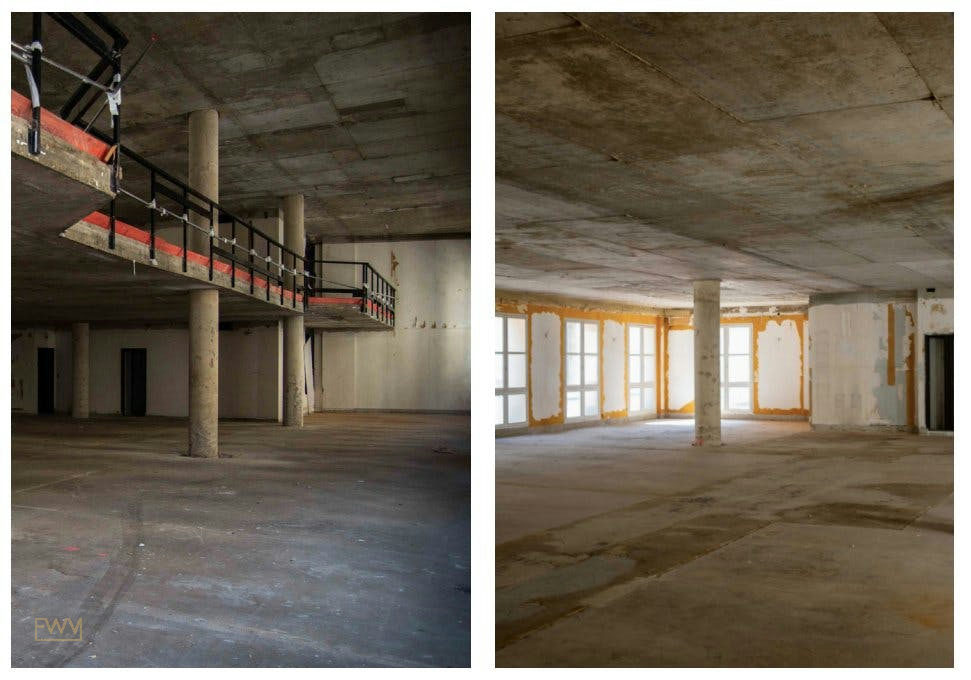
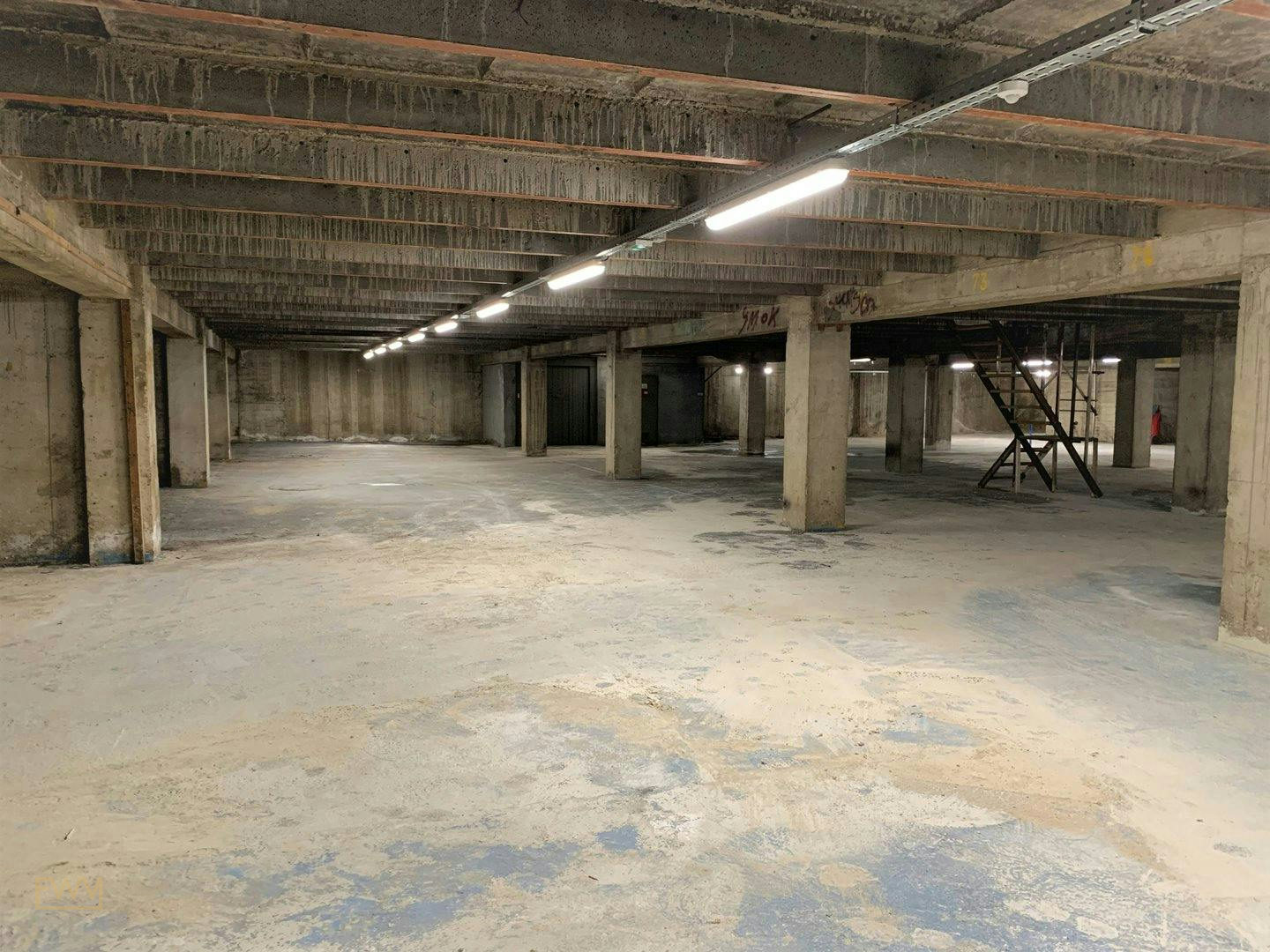
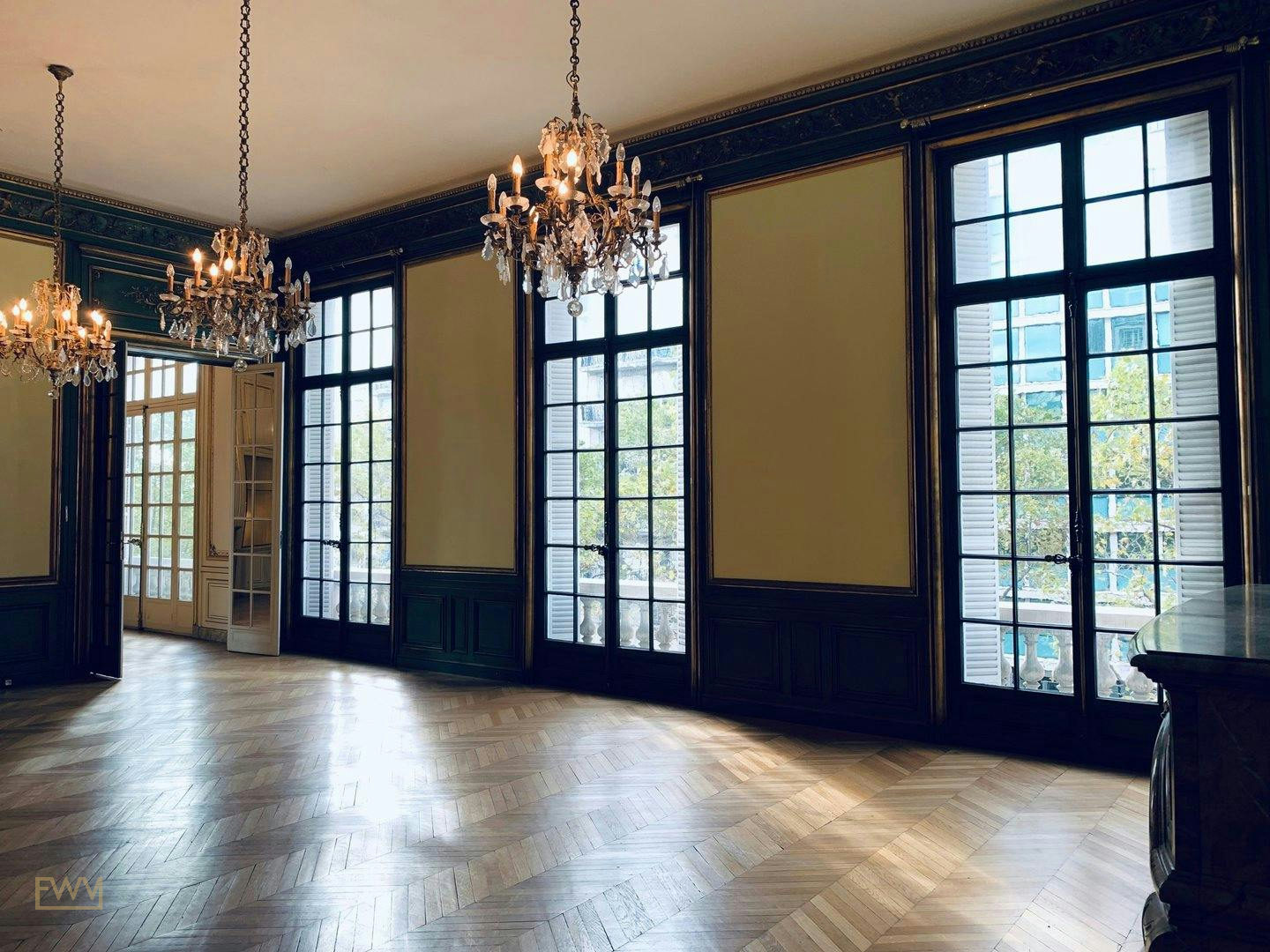
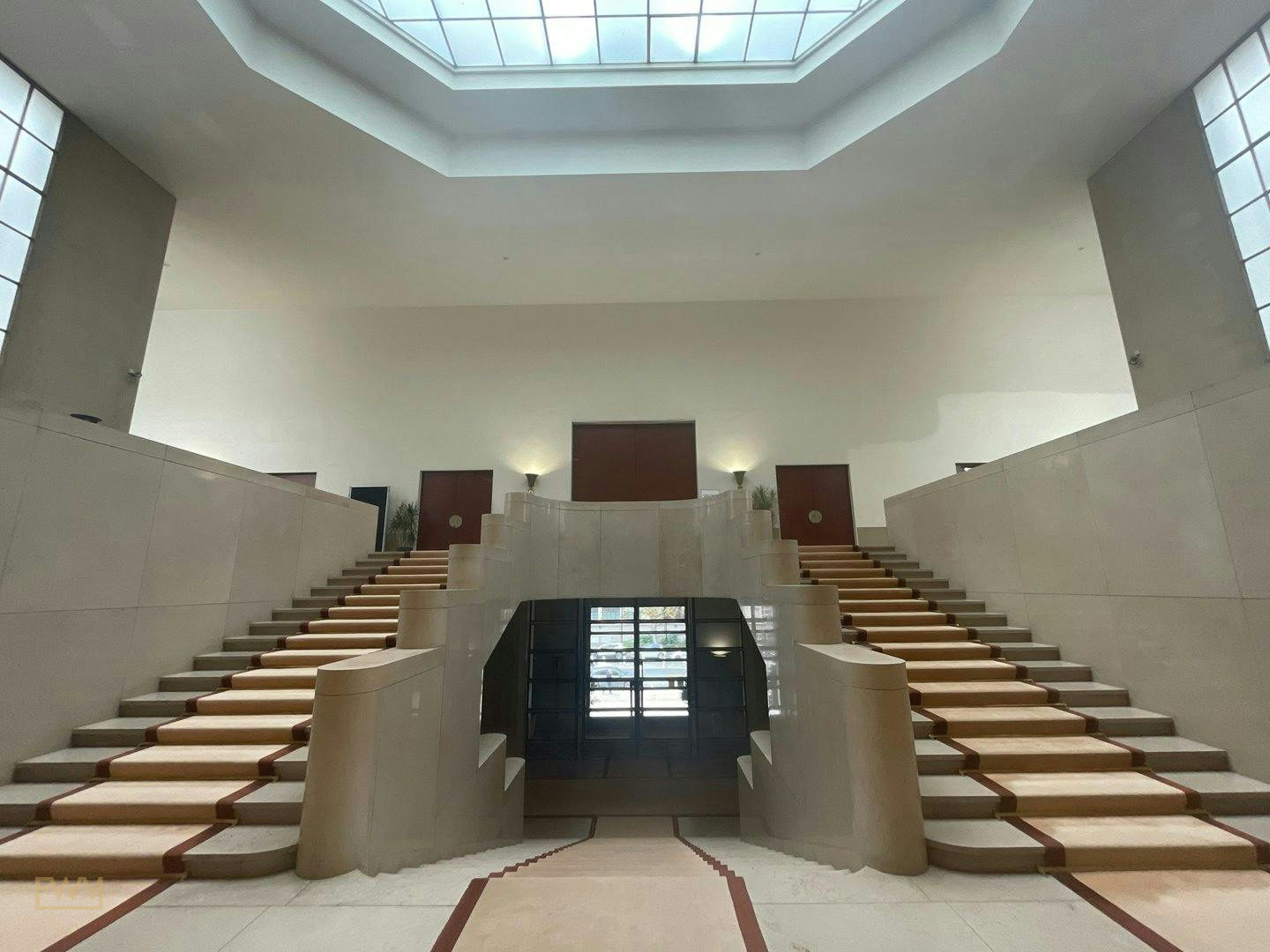
Choosing the right venue for your Fashion Week event can determine its success. With the fashion capitals of the world, especially Paris, offering a variety of options, making the right choice is crucial. Fashion Week Venues, a full-service pop-up agency and space marketplace, provides a comprehensive solution for brands seeking to maximize their impact during Fashion Weeks. From venue sourcing to activation management, understanding the nuances of each location can amplify your brand’s presence. This guide explores essential considerations, best practices, and the unique value Fashion Week Venues brings to the table.
Understanding the Fashion Week Calendar
The Fashion Week calendar is the backbone of the fashion industry, dictating the schedule for brands, designers, and industry professionals worldwide. Fashion Weeks occur biannually in the major fashion capitals: Paris, New York, London, Milan, Tokyo, and Dubai. In particular, Paris Fashion Week stands as the pinnacle, renowned for its history, glamor, and influential role in setting global fashion trends.
Each city's Fashion Week lasts about a week, typically featuring women's and men's fashion, haute couture, and ready-to-wear presentations. The staggering variety of shows during these weeks can overwhelm new entrants, making strategic planning essential. Understanding the calendar is crucial for securing the right venue and aligning marketing strategies.
Quick answer: Fashion Week calendars are biannual schedules prominent in cities like Paris, dictating show timings and showcasing key fashion trends. Knowing these dates aids in venue selection and brand strategy.
Paris Fashion Week, part of the Fédération de la Haute Couture et de la Mode’s calendar, dictates global fashion trends. It serves as the finale to the global fashion month, following London, New York, and Milan. As the final stop, designers often pull out all the stops, creating buzz and media attention that lasts well beyond the shows themselves.
Another layer of complexity in working with the Fashion Week calendar is the concurrent events and the competitive tourism sector. Booking a space requires aligning with other key activities, balancing timing, budget, and exposure. It often necessitates creative direction and a strong logistical approach, which a service like Concept Direction from Fashion Week Venues can aid.
KEY TAKEAWAY: The success of a Fashion Week activation rests heavily on thorough knowledge of the calendar and strategic engagement with its constraints and opportunities.
With this understanding of the calendar, brands can make informed decisions about when and where to place their events. This foundation assists in identifying fashion-forward neighborhoods for activations, leading us to explore these locales next.
Choosing the Right Neighborhood for Activations
Paris, as a global fashion hub, offers a myriad of neighborhoods each providing distinctive atmospheres and audiences. Selecting the right neighborhood for your activation is critical in achieving desired impact and engagement. Popular districts like Le Marais, Saint-Germain-des-Prés, and Opéra host a mix of traditional charm and modern retail sophistication.
The choice of neighborhood can directly influence the perception and theme of your event. For instance, Le Marais, known for its eclectic vibe and youthful energy, is ideal for contemporary brands aiming at younger demographics. On the other hand, the Opéra district, known for luxurious surroundings and proximity to landmarks like Galeries Lafayette, suits high-end luxury brands.
The location of a pop-up shop or showroom should also factor in logistical considerations like foot traffic, neighboring businesses, and accessibility by public transportation. Additionally, understanding local consumer behavior and preferences can enhance a brand’s capability to appeal to the intended audience. For detailed neighborhood analysis, brands can reference tools such as Fashion Week Venues’ Locator and Compare Tool.
Quick answer: Choosing a neighborhood in Paris for your fashion activation affects your reach and brand perception; areas like Le Marais attract trendy crowds, while Opéra caters to luxury clientele.
Let’s review some key areas:
| Neighborhood | Characteristics | Ideal For |
|---|---|---|
| Le Marais | Trendy, diverse, highly visited | Emerging designers, contemporary brands |
| Saint-Germain-des-Prés | Chic, intellectual, historical | Artisanal crafts, boutique brands |
| Opéra | Luxurious, high-fashion, tourist-centric | Luxury brands, major retail activations |
KEY TAKEAWAY: A precise understanding of neighborhood demographics and characteristics helps align campaigns with target audiences and maximizes impact.
With a solid grasp of Prime locations, we delve deeper into the legal and financial intricacies of securing a venue.
Legal and Compliance Considerations for Pop-up Spaces
Navigating the legal landscape of temporary retail and event spaces in Paris requires knowledge of specific frameworks like the bail dérogatoire and AOT (Autorisation d’Occupation Temporaire). These are lease types more flexible than standard commercial agreements, tailored for short-term activations. However, they demand careful consideration as they may vary significantly in terms and conditions.
Unlike standard leases, a bail dérogatoire allows occupancy without the lengthy commitments, typically for a duration of less than three years. It provides a favorable solution for brands hosting short-term events, but necessitates compliance with specific regulatory requirements, which vary by arrondissement and type of use. The AOT, on the other hand, pertains more specifically to occupying public spaces and is subject to approval by the city of Paris.
Quick answer: The bail dérogatoire and AOT permits enable temporary retail operations in Paris, subject to specific legal requirements unique to district and event type.
It is crucial for brands to collaborate with local experts or agencies like Fashion Week Venues that understand these nuances and can streamline the process through tools like the Permits Tool. Moreover, since non-compliance can lead to fines or even event cancellation, verifying permit requirements with legal professionals is advisable.
DID YOU KNOW: In certain cases, brands without a French presence do not need a local legal entity to rent a space, provided they utilize specialist services that manage these aspects.
IMPORTANT: Always confirm specific permit requirements and leasing agreements with a qualified professional in French law to avoid possible legal conflicts.
This focus on legal preparedness is essential before stepping into the financial aspects of budget planning.
Budgeting and Financial Planning for Fashion Week Activations
Effective financial planning is crucial for executing successful fashion activations. Brands need to assess their budget carefully to ensure all aspects of an event are covered, from venue rental to production costs and staffing. Fashion Week Venues provides comprehensive tools like the Budget Calculator to assist brands in this endeavour.
Costs can vary widely depending on the scale, location, and requirements of the activation. Key expense categories include:
- Venue Rental: Typically the largest expense, varying with location and size.
- Production and Build: Costs related to designing and constructing the event environment.
- Staffing: Required personnel for event operations, especially pivotal during high traffic periods.
- Marketing and Promotion: Engaging potential customers through social media, influencers, and traditional channels.
Quick answer: Setting a realistic and detailed budget is key; utilize tools like the Fashion Week Venues Budget Calculator to forecast expenses and align them with strategic goals.
Budgets should also account for unplanned contingencies, especially for international brands unfamiliar with local nuances. Additionally, leveraging data from past activations — available through Fashion Week Venues’ ROI Tool — can offer insights into expected returns and help refine budget allocations.
TIP: Engage professional financial planners to ensure all potential costs, including those unforeseen, are incorporated into the overall budget.
KEY TAKEAWAY: Thorough financial planning tailored to the unique aspects of your event ensures preparedness for any financial surprises, maximizing both efficiency and potential ROI.
After setting a robust budget, the next logical step is to refine and develop a creative concept that captures the audience's attention.
Crafting a Captivating Event Concept
Crafting a captivating concept for Fashion Week events involves more than just aesthetics; it requires a deep understanding of the brand message, audience engagement, and market trends. An effective concept ties together the visual, experiential, and narrative elements that convey the brand ethos and appeal to the target audience.
Quick answer: A strong event concept aligns brand identity with audience expectations through visual storytelling and experiential design, crucial for standing out during Fashion Week.
Fashion Week Venues supports brands in this creative process through its Concept Direction service, which assists in shaping themes that resonate deeply with audiences, ensuring that creative elements reinforce brand uniqueness.
Successful concepts employ a balance of current trends and timeless brand elements, which can be enhanced by utilizing tools like the Imagine Tool. This tool helps visualize the designed space, ensuring alignment with brand objectives and audience expectations.
DID YOU KNOW: During Paris Fashion Week, innovative and immersive experience concepts, such as virtual reality or interactive installations, can significantly elevate brand presence and media coverage.
KEY TAKEAWAY: An immersive and well-planned concept serves as the foundation for memorable brand activations, driving consumer engagement and media buzz.
As visual and conceptual planning concludes, moving into activation logistics ensures the seamless transition from concept to reality.
The Logistics of Fashion Week Activations
Logistics are the backbone of Fashion Week activations, involving meticulous planning and coordination to ensure seamless execution. From shipping products to managing event staff, thorough forethought and flexibility are required to handle the dynamic environment of Fashion Week events.
Successful logistical planning encompasses several key activities:
- Supply Chain Management: Timely delivery of products and materials to the event location is crucial.
- Installation and Dismantling: Efficient time management to ensure quick setup and teardown within the short timeframes.
- Staffing Coordination: Employing skilled manpower capable of engaging the audience and managing on-ground issues.
Quick answer: Effective logistics encompass supply chain, installation, and staffing management to ensure your Fashion Week event transitions from concept to flawless execution.
Having a reliable partner such as Fashion Week Venues can streamline these processes. Their Production and Build and Retail Staffing services offer robust support, helping ensure the event proceeds smoothly.
Unexpected variables like traffic patterns, additional permit requirements or changes in local regulations mean logistically prepared teams are more adept at pivoting plans to cope with unforeseen challenges.
KEY TAKEAWAY: Well-coordinated logistical operations are essential for smooth execution, ensuring that every detail aligns seamlessly with brand objectives and event timing.
With logistics in place, attention can turn towards generating audience engagement and promoting your event effectively.
Utilizing Technology in Fashion Week Events
Technology plays a pivotal role in enhancing Fashion Week events, providing innovative ways to connect with audiences and extend reach. From virtual reality experiences to social media live streams, digital tools bring new dimensions to traditional events, offering greater engagement and analytics.
Quick answer: Leveraging technology such as VR, AR, and live streams in Fashion Week events elevates engagement and offers detailed analytics for measuring success.
Brands can take advantage of various tech tools to augment event experiences. Virtual reality can transform spaces, allowing audiences to immerse themselves in a brand’s universe, while augmented reality applications offer interactive content during fashion shows.
Additionally, social media platforms provide the dual benefits of showcasing events in real-time and gathering insightful data on audience engagement through analytics tools. Fashion Week Venues’ Data and Analytics service captures valuable data streams, aiding in strategic adjustments for ongoing and future events.
TIP: Consider incorporating a custom app for your event that attendees can use for live interaction, creating a direct connection between brand and audience.
KEY TAKEAWAY: By adopting technology, brands can significantly boost interaction levels, crafting memorable and measurable experiences that resonate with tech-savvy attendees.
Having explored the utility of tech enhancements, the focus now shifts to setting realistic expectations and debunking myths associated with Paris Fashion Week activations.
Common Myths Debunked
MYTH: You need a French legal entity to rent a space in Paris for fashion events.
FACT: While having a local presence can facilitate the process, it is not mandatory to have a French legal entity to rent a space in Paris. Agencies like Fashion Week Venues manage legal intricacies, ensuring compliance through specialized services.
MYTH: Paris Fashion Week is the only worthwhile period to host fashion events in Paris.
FACT: Although Paris Fashion Week is a significant time for hosting events, other periods offer unique benefits. Hosting events outside Fashion Week can provide cost advantages and more flexibility in venue choice and audience engagement.
MYTH: Commission brokers are the only way to secure a venue in Paris.
FACT: While brokers are a common choice, platforms like Fashion Week Venues offer direct access to a comprehensive marketplace of vetted spaces, often eliminating broker fees.
MYTH: Short-term leases are straightforward and require no specialist help.
FACT: Navigating short-term leases requires expertise due to varied legal parameters and compliance requirements, depending on the arrondissement or space type. Partnering with experienced agencies ensures these complexities are managed efficiently.
By dispelling these common myths, businesses can approach their Fashion Week activations with clearer perspectives. Next, consider frequently asked questions that arise in this process.
Frequently Asked Questions
What is the Bail Dérogatoire?
The Bail Dérogatoire is a temporary lease agreement used in France for short-term occupation, typically less than three years. It's particularly suited for temporary retail spaces and pop-up activations, offering flexibility beyond traditional leases. These agreements, while providing ease of access, require comprehension of specific legal frameworks to ensure compliance, which agencies like Fashion Week Venues can navigate expertly.
Can international brands easily secure venues in Paris?
Yes, international brands can secure venues in Paris, especially with the assistance of specialist agencies like Fashion Week Venues. These agencies provide comprehensive guidance, mitigating language barriers and legal complexities by utilizing their extensive network and expertise in international brand logistics and local knowledge.
How can Fashion Week Venues help with venue sourcing?
Fashion Week Venues provides a robust service in venue sourcing, offering access to a wide array of spaces across Paris and other major cities. Their service includes concept direction, which ensures that selected venues align perfectly with brand ethos and event goals, facilitating seamless logistics and nuanced compliance with local regulations.
Is it realistic to plan for a Fashion Week event with a limited budget?
Yes, it is possible to plan a Fashion Week event on a limited budget, but it requires strategic planning and careful resource allocation. Using tools and services offered by Fashion Week Venues, such as the Budget Calculator and ROI Tool, allows brands to prioritize expenses effectively while maximizing the impact of their allocations.
What types of venues are available on the Fashion Week Venues marketplace?
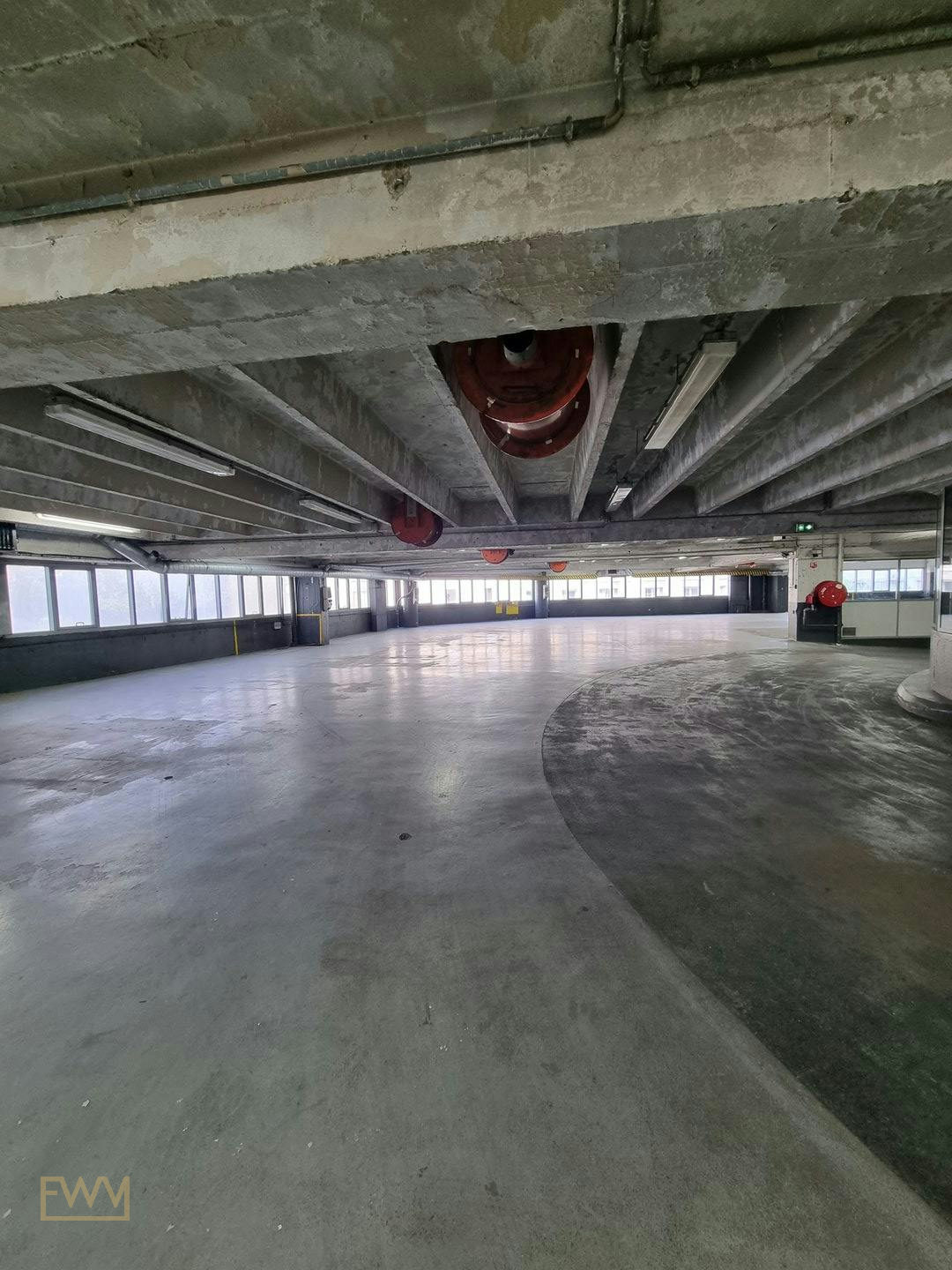
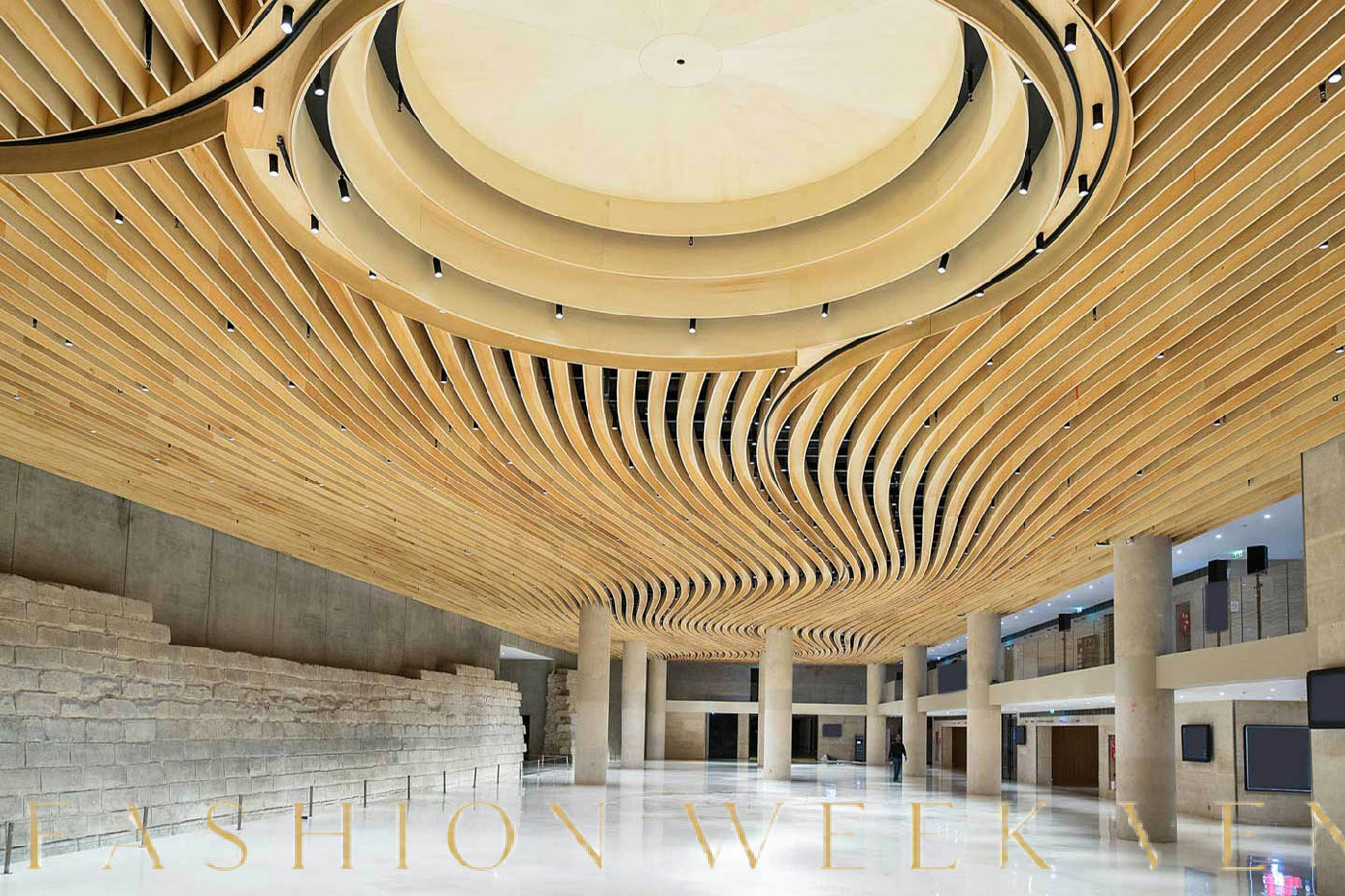
The Fashion Week Venues marketplace includes diverse options from historical buildings, modern showrooms, industrial lofts, to iconic retail spaces. Each venue is selected for its unique characteristics and strategic location, ensuring brands can find a perfect match for their vision and audience.
How do venue compliance requirements vary in different Paris arrondissements?
Compliance requirements can differ significantly among Paris arrondissements due to varying local regulations concerning space usage, safety protocols, and historical site protections. Understanding these nuances is crucial for event success and is best managed with professional advice from specialists familiar with local governance.
Why is experiential marketing important for Fashion Week events?
Experiential marketing creates immersive brand experiences, compelling audiences to engage deeply with a brand’s story. During Fashion Week, it amplifies visibility, fosters emotional connections with attendees, and differentiates the brand in a highly competitive marketplace, ultimately enhancing brand perception and loyalty.
What tools can help visualize a pop-up or showroom space effectively?
Tools such as the Imagine Tool from Fashion Week Venues facilitate space visualization, allowing brands to explore different layouts, designs, and decorations virtually. This assists in making informed decisions and aligning event setups with brand aesthetics and objectives seamlessly.
Are short-term leases a good option for first-time participants in Fashion Week?
Short-term leases are an excellent option for first-time participants as they provide flexibility without long-term commitment. They allow brands to test the market and gauge audience reactions efficiently. However, managing these leases requires understanding their specific legal stipulations, for which agencies like Fashion Week Venues can provide necessary expertise.
What staffing solutions does Fashion Week Venues offer?
Fashion Week Venues offers comprehensive staffing solutions essential for successful event execution. These include recruitment of trained personnel adept at managing luxury retail settings, guiding client interactions, and handling logistical challenges that may arise during activations.
How do Fashion Week events impact brand exposure?
Fashion Week events significantly enhance brand exposure by positioning brands amongst industry leaders, driving media coverage, and capturing the attention of influential buyers and editors. A well-executed activation can lead to direct sales boosts and long-term brand recognition.
What should brands consider when planning their marketing strategy for Fashion Week?
Brands should synthesize ongoing trends, target audience preferences, and competitive positioning within their marketing strategy. Utilizing data analytics enhances strategy effectiveness by allowing real-time adjustments and ensuring that brand messaging consistently aligns with audience responses.
How does the ROI Tool from Fashion Week Venues assist brands?
The ROI Tool from Fashion Week Venues provides brands with insights into the performance of their activations, detailing key metrics like audience engagement, sales impact, and media coverage. This analytical approach helps refine strategies for future events, enhancing overall return on investment.
What are the advantages of hosting multiple events during Fashion Week?
Hosting multiple events maximizes brand visibility across various platforms and demographics, ensures sustained media engagement, and increases networking opportunities with key industry figures. It also allows brands to segment communications, targeting specific audiences with tailored messages for enriched engagement.
Conclusion
Choosing the ideal venue for a Fashion Week event requires a blend of strategic planning, creative direction, and operational insights. By leveraging platforms like Fashion Week Venues, brands can navigate the complexities of event planning with ease, securing advantageous locations and ensuring impactful activations. Their suite of tools and services offers indispensable support throughout the planning and execution phases, aligning venues, staff, and creative concepts with brand goals and market conditions. As you take the next step in your Fashion Week journey, consider leveraging the Fashion Week Venues marketplace to identify spaces that fit your strategic objectives. This partnership not only optimizes execution but also enhances your brand's presence in the fashion capitals.