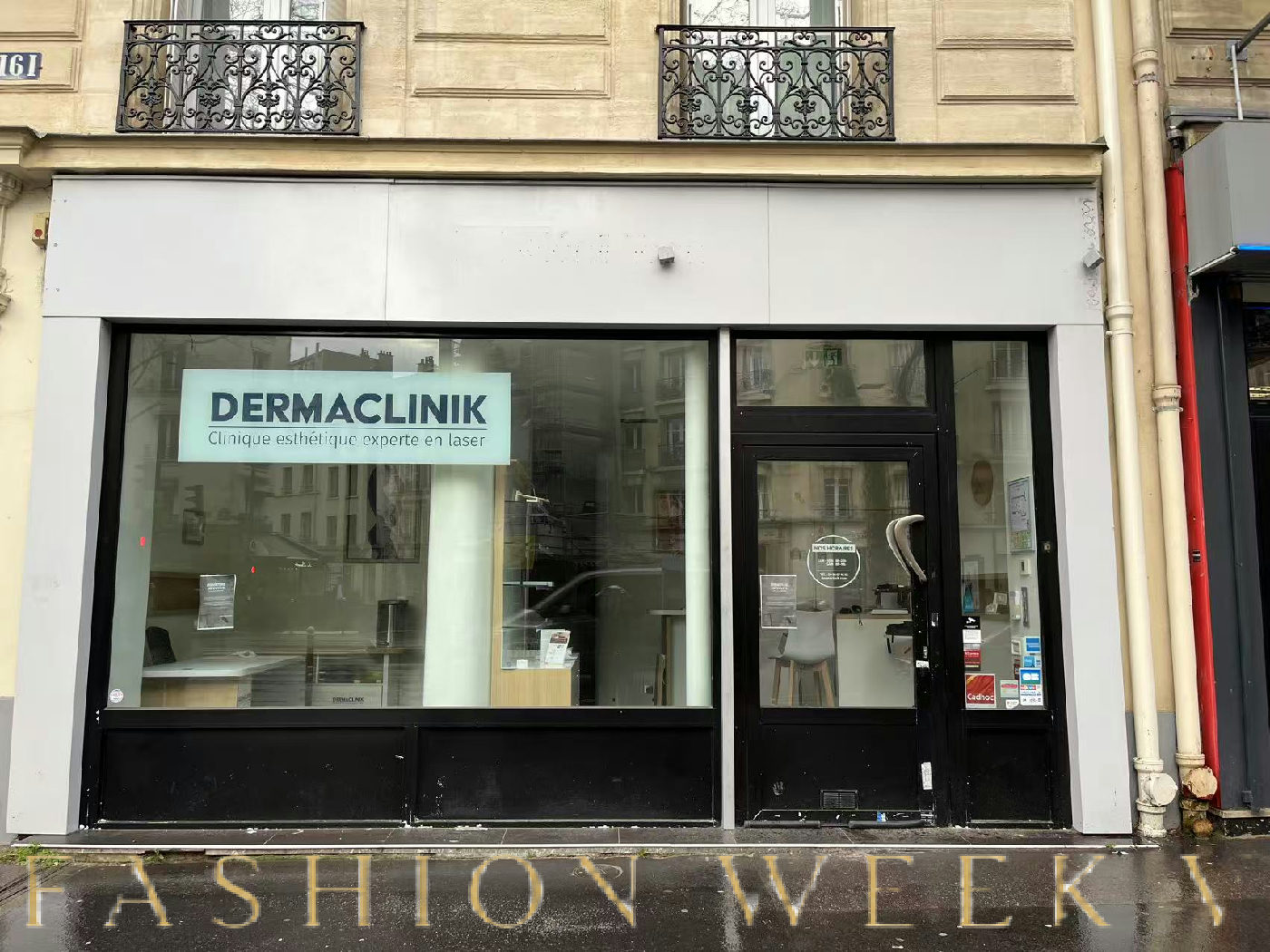
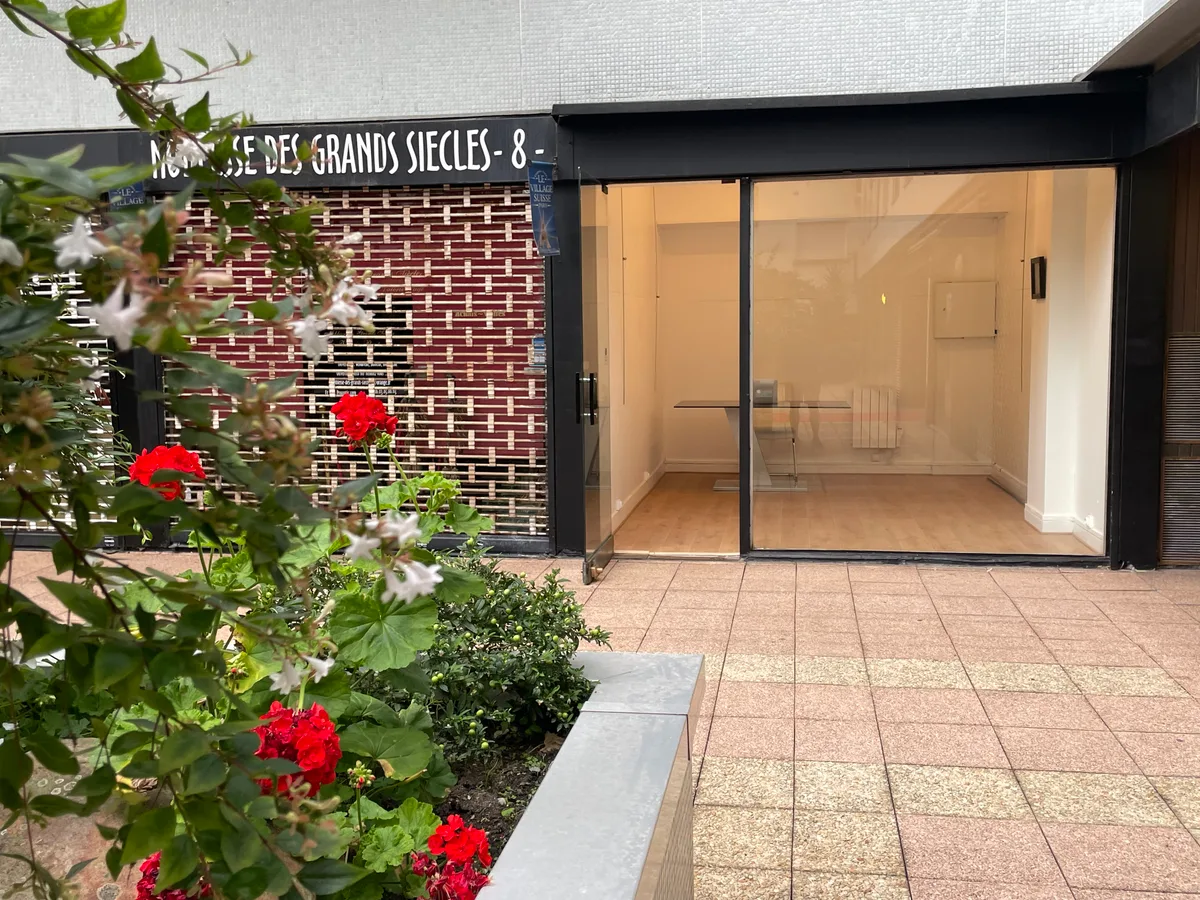
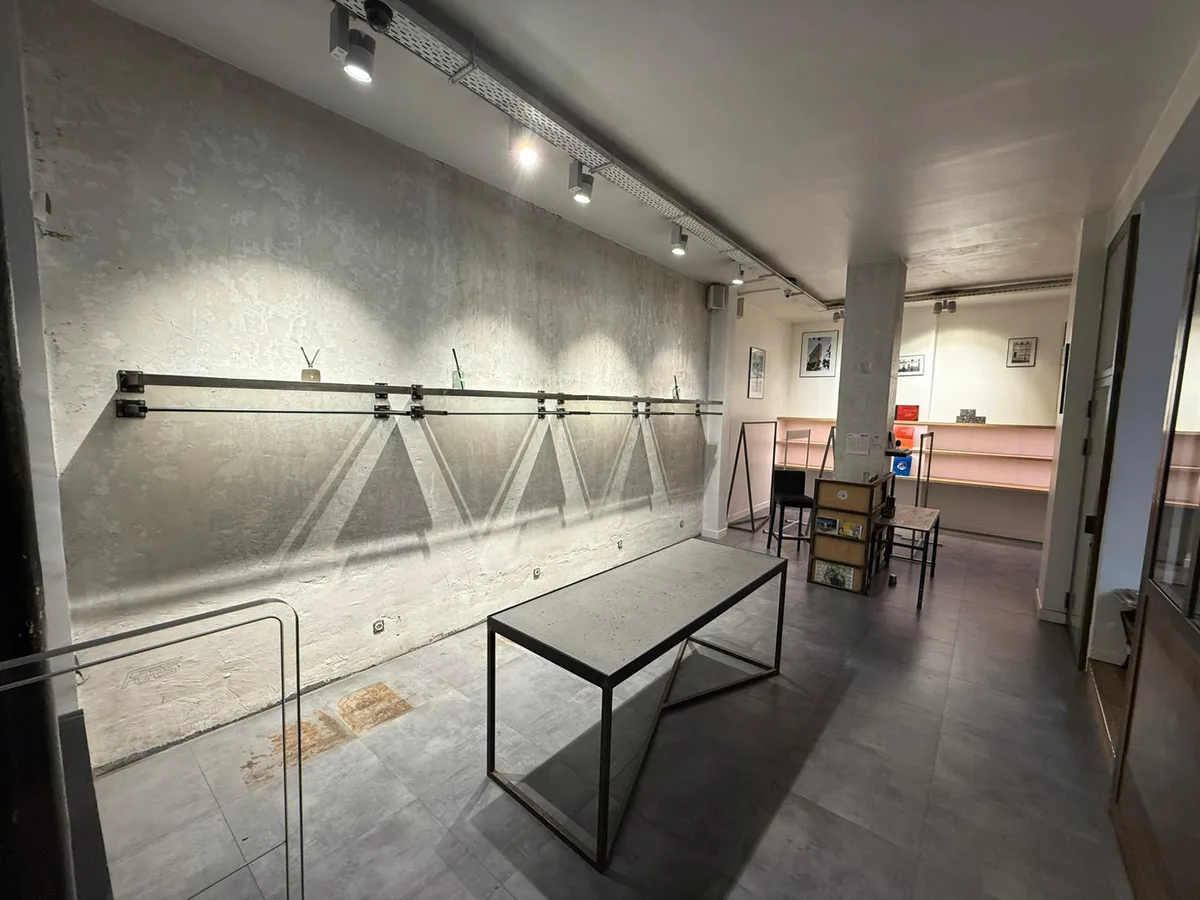
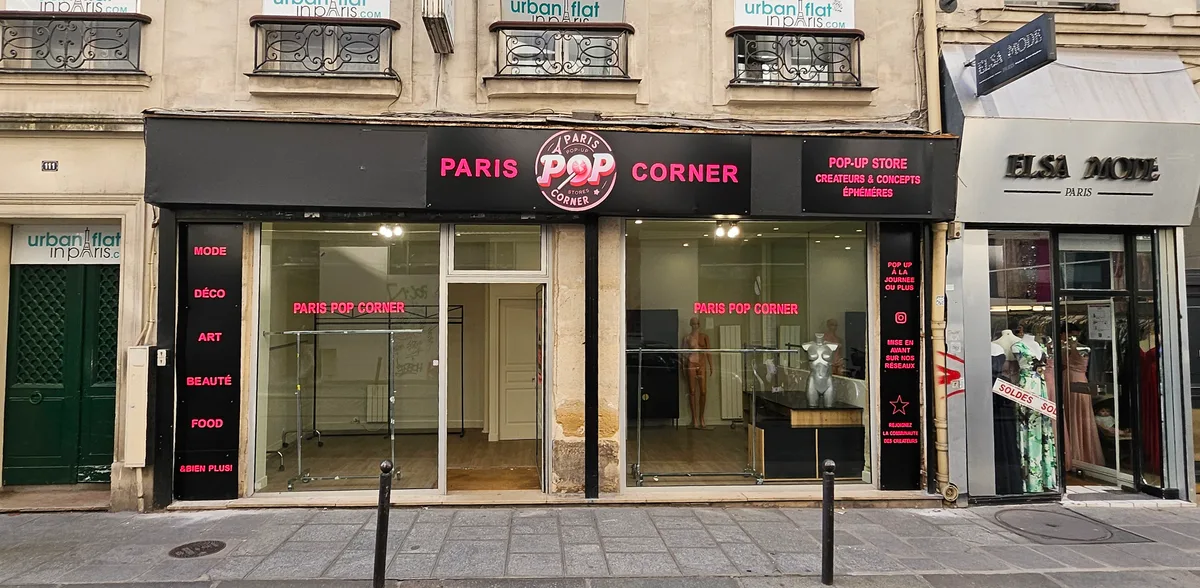
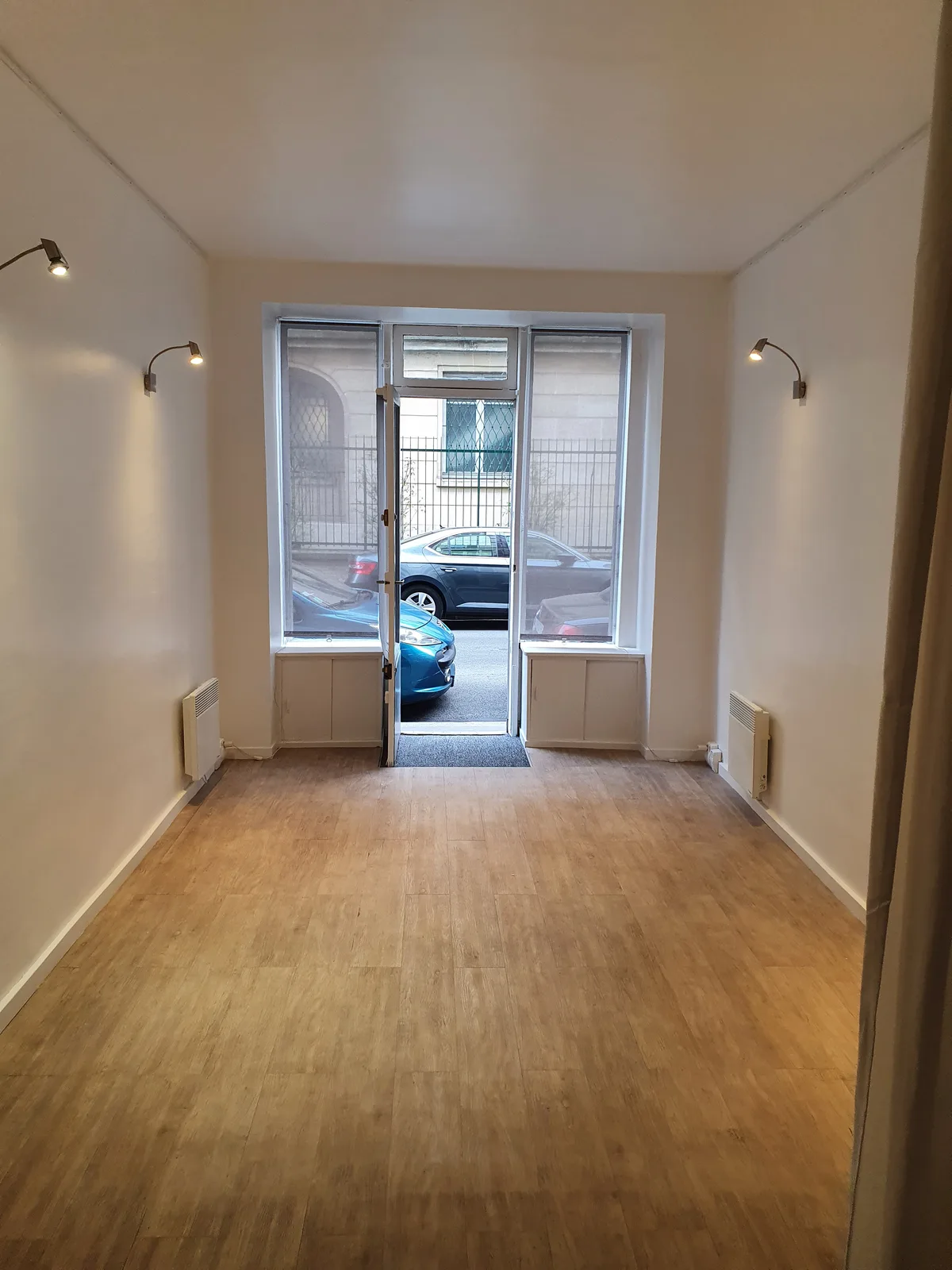
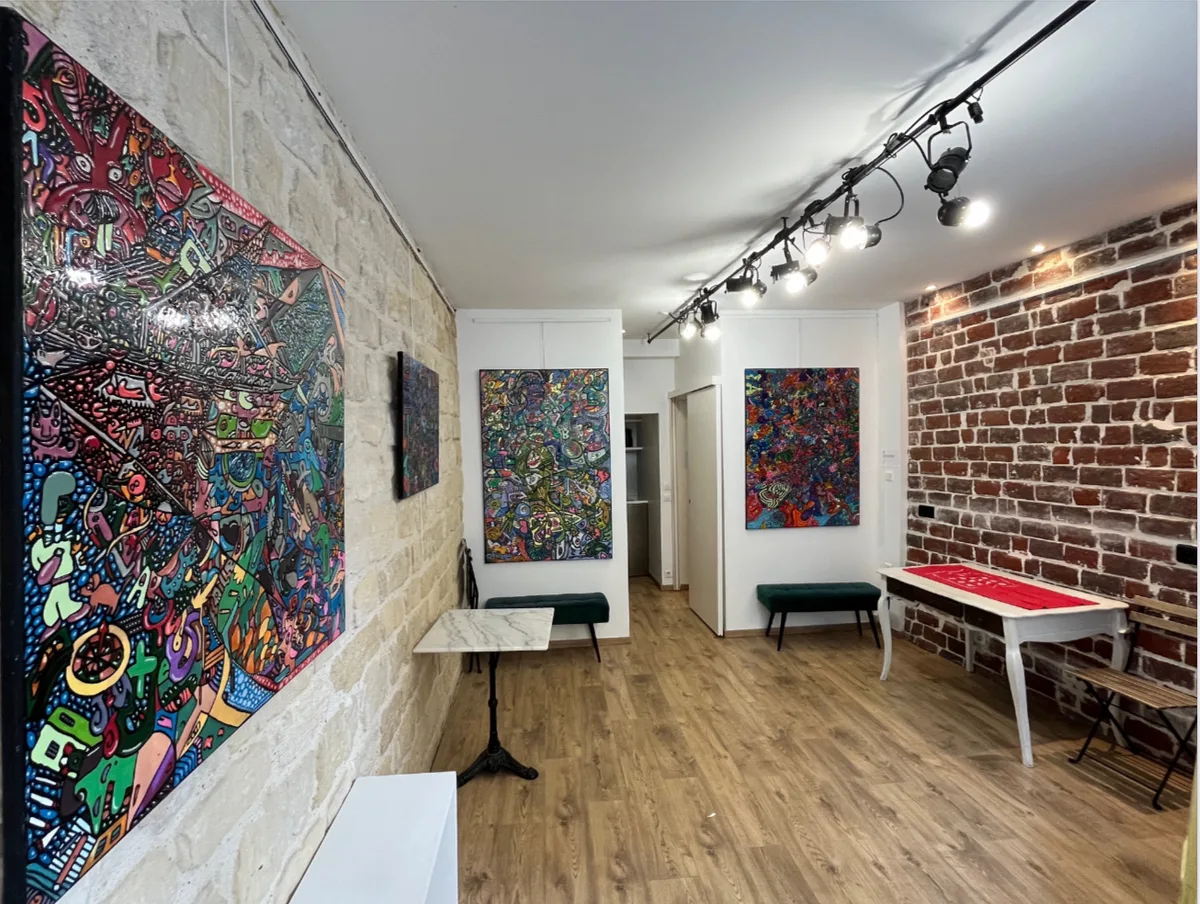
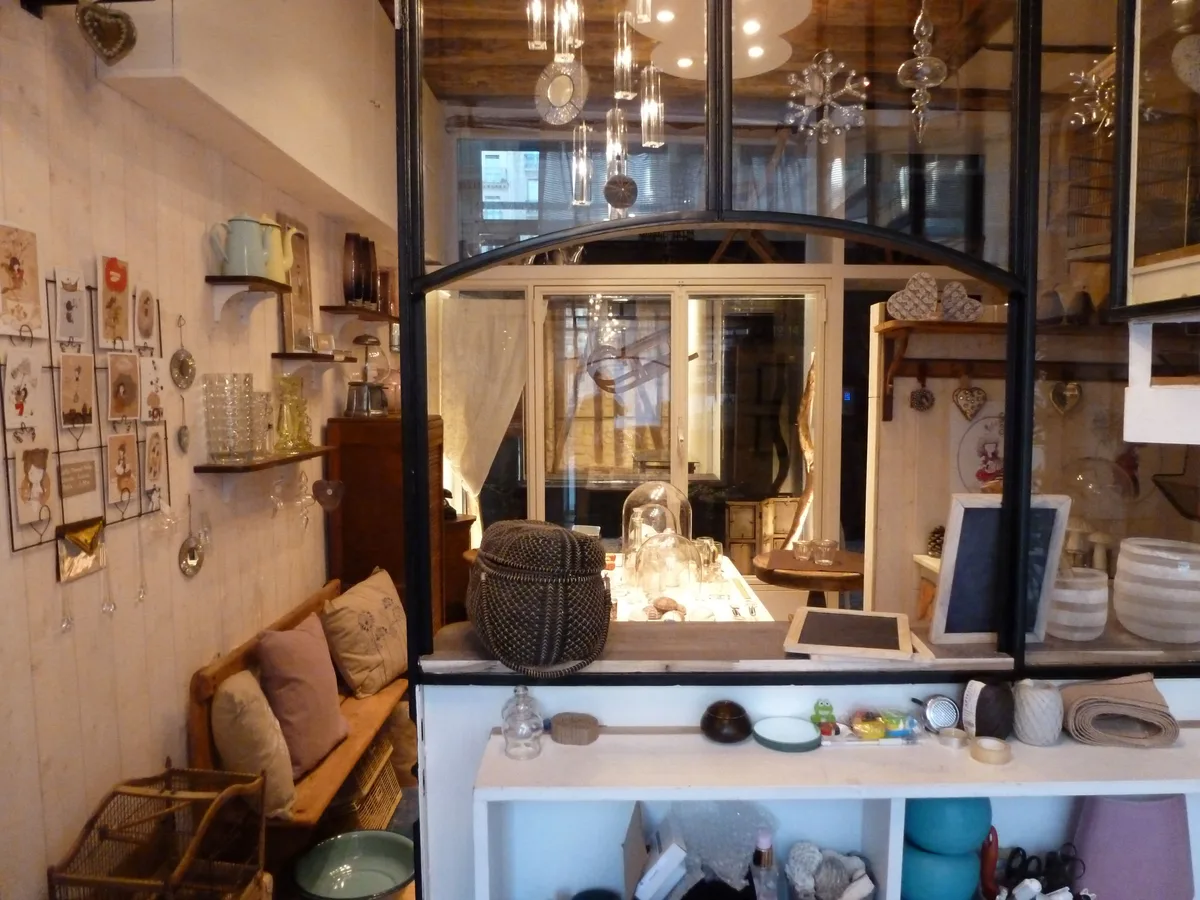
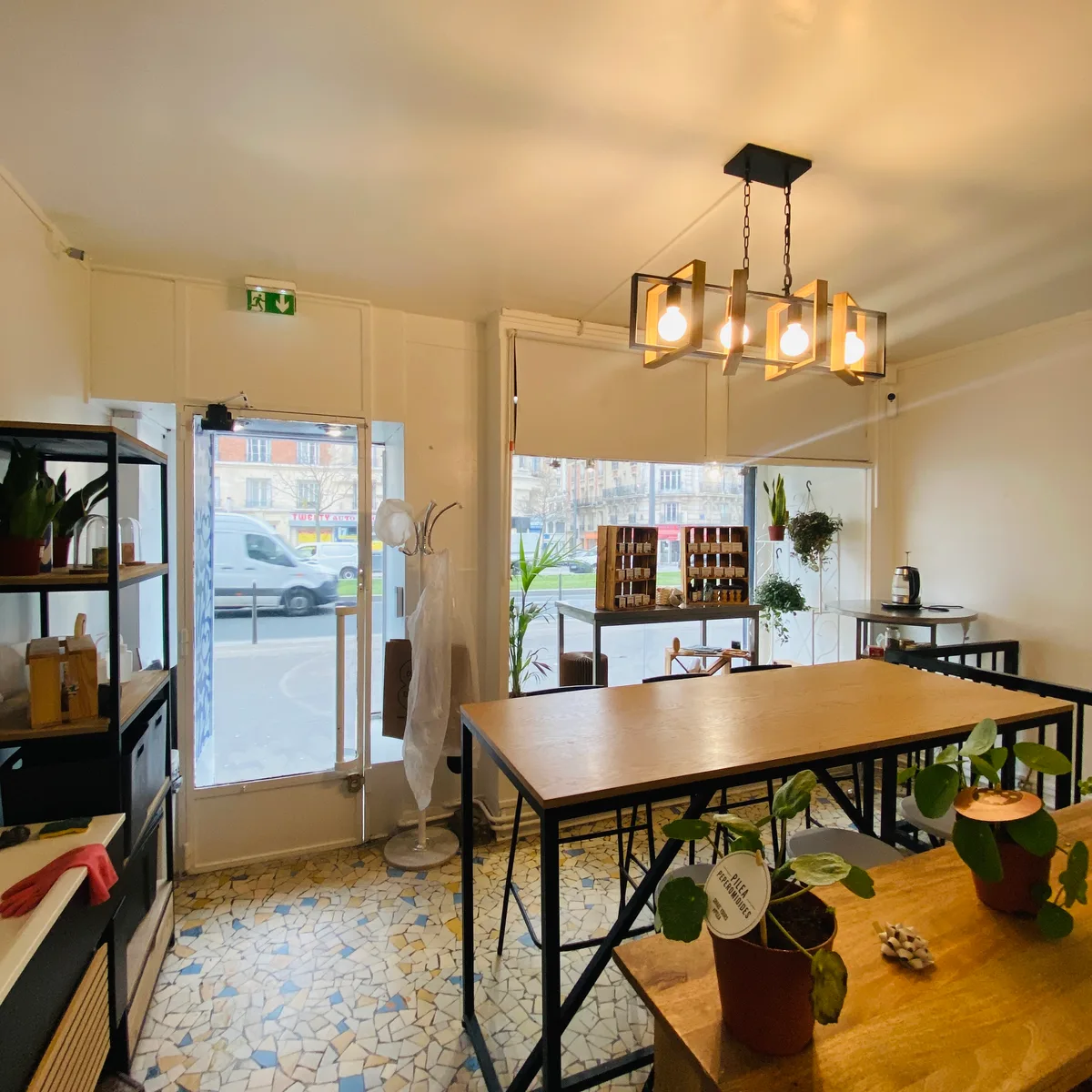
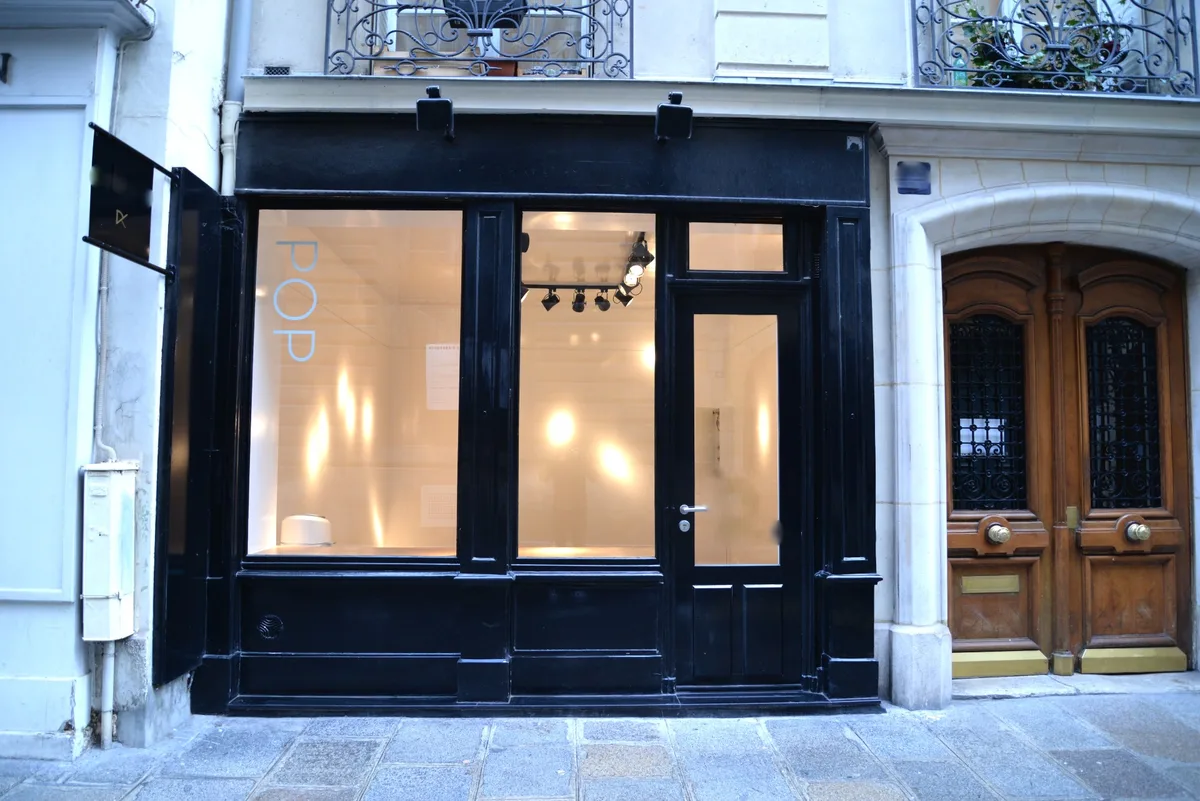
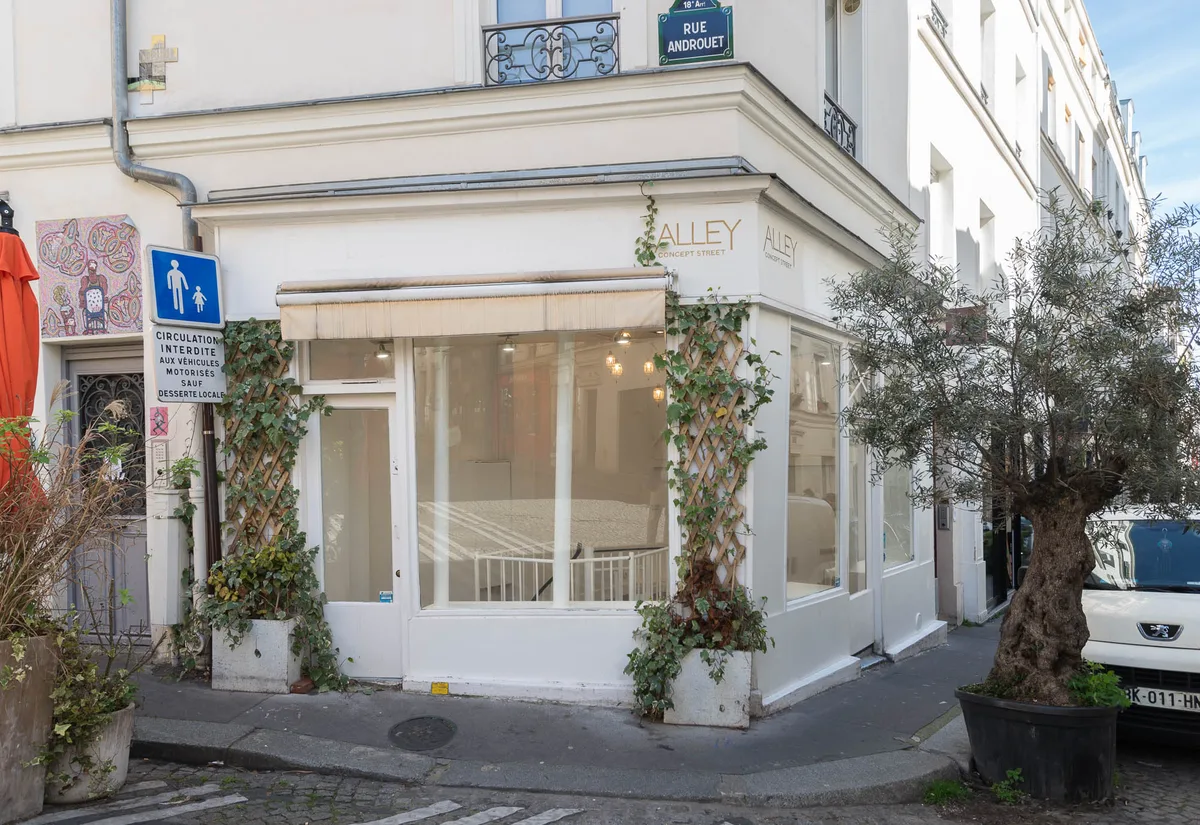
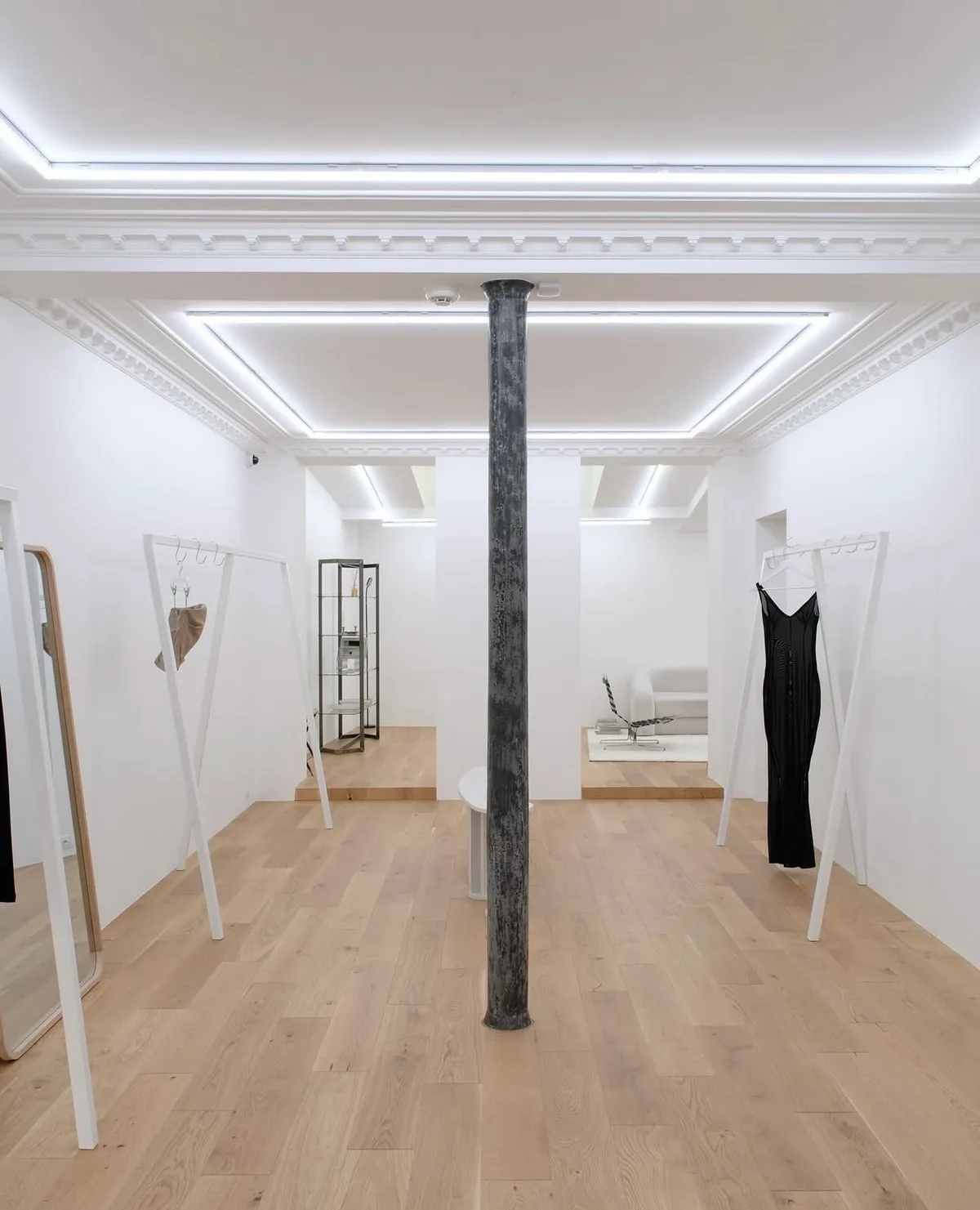
The process of selecting the best pop-up spaces in Paris for your brand is a complex and strategic challenge. With significant implications for brand perception, sales, and market presence, choosing the right venue during Fashion Week can elevate your brand to new heights. Fashion Week Venues provides an extensive range of services from space discovery through to activation management, ensuring your temporary retail strategy aligns perfectly with your brand goals. This guide covers essential considerations for brands aiming to secure a venue in Paris or other major fashion capitals, offering insights into planning, budgeting, and execution that are grounded in practical experience and expert advice.
Understanding Fashion Week Venue Options
Fashion Week venues come in various forms, each with unique benefits and drawbacks depending on your brand's strategic goals. Understanding these options is the first step in making an informed decision.
There are several categories of venues typically used during Fashion Week: showrooms, pop-up shops, event spaces, and luxury retail stores. Each of these forms can offer different advantages and might be more or less suitable depending on your specific needs.
| Type | Pros | Cons |
|---|---|---|
| Showrooms | Ideal for displaying collections to buyers. | Limited direct consumer engagement. |
| Pop-up Shops | Generate buzz and direct consumer interaction. | Short-term engagements can be costly. |
| Event Spaces | Highly customizable for large events. | Often require significant setup and logistics. |
| Luxury Retail Stores | Prestigious location and brand association. | High rental costs and competitive availability. |
Paris offers a diverse range of venues across different neighborhoods, from the historical charm of Le Marais to the cutting-edge vibe of Canal Saint-Martin. It's crucial to align the venue with your brand's identity and the experience you wish to deliver.
KEY TAKEAWAY: Choosing the right type of venue involves balancing visibility, brand alignment, and your budget constraints with your overall strategic objectives.
Transitioning to executing your pop-up strategy requires understanding the neighborhood dynamics and aligning your brand's storytelling with the selected space.
Advantages of Hosting a Pop-Up Shop During Fashion Week
Hosting a pop-up shop during Fashion Week can be a pivotal move for any fashion brand. Pop-ups provide a unique opportunity to engage directly with consumers, generate immediate interest, and create a buzz around your brand.
Quick answer: Running a pop-up shop can significantly amplify brand visibility, drive sales, and generate valuable consumer insights, especially during high-traffic Fashion Week periods.
One of the primary advantages of a pop-up shop is flexibility. Brands can tailor the space to reflect their unique identity and create immersive experiences that resonate with consumers. This flexibility extends to location choice, allowing brands to strategically situate themselves in high-footfall areas to maximize exposure.
The ephemeral nature of pop-ups also instills urgency in consumers, encouraging them to visit before the store disappears. This can lead to increased foot traffic and higher sales conversion rates compared to permanent stores.
Additionally, pop-ups can serve as testing grounds for new products or concepts without the long-term commitment of a traditional retail lease. Brands have the chance to obtain real-time feedback from consumers, which can inform future product development and marketing strategies.
IMPORTANT: Operating a pop-up shop during Fashion Week requires careful planning, including promotional strategies and logistics management to handle the expected increase in visitors.
The benefits of pop-ups during Fashion Week are also amplified by their ability to incorporate experiential elements, such as interactive displays or installations. These features can enhance consumer engagement and strengthen the emotional connection to the brand.
However, brands must also consider the costs and logistics involved. Setting up a pop-up involves expenses related to design, staffing, and marketing, which can be significant. Effective budgeting and ROI tracking, supported by tools like the ROI calculator, are critical to evaluating the financial impact.
KEY TAKEAWAY: Pop-ups during Fashion Week offer dynamic and flexible options for brand engagement but require detailed planning to optimize impact and investment.
With the right approach, these temporary setups can be far more than a store—they become a stage for your brand narrative amid the buzz of Fashion Week.
Budgeting for a Fashion Week Venue
Establishing a budget for a Fashion Week venue is a crucial step in planning your brand activation. Costs can vary considerably based on factors such as location, space size, and the duration of your event.
Quick answer: Fashion Week venue budgeting should account for location premiums, design and fit-out costs, logistics, and staffing. Effective budgeting aligns your financial resources with strategic objectives.
Key expenses include rental costs, permits, insurance, design and production, staffing, and marketing. For more detailed financial planning, using tools like the budget calculator can provide customized estimates based on specific brand needs and objectives.
| Expense Category | Estimated Cost Range |
|---|---|
| Venue Rental | €5,000 - €50,000 |
| Design and Fit-out | €5,000 - €30,000 |
| Marketing and Promotion | €2,000 - €20,000 |
| Staffing | €1,000 - €10,000 |
Understanding the scope of these costs is essential for effective financial planning. It helps to break down each category into tangible actions, ensuring accurate cost projections.
Another critical consideration is potential unexpected costs, such as last-minute design changes or additional logistical support. Building a contingency into your budget can mitigate these risks.
DID YOU KNOW: Some estimates suggest that up to 20% of a pop-up shop's budget should be allocated to marketing and promotional activities.
The investment in a Fashion Week venue can be substantial, but it's crucial to align spending with expected outcomes. This includes measuring ROI and leveraging data analytics for informed decision-making, with tools like the data analytics service available to enhance insights.
KEY TAKEAWAY: Comprehensive budgeting should encompass all potential costs and align with your brand's strategic goals to maximize your Fashion Week investment.
In the next section, we will explore the significance of Paris as a backdrop for these events and how to tailor your activation to the city’s unique opportunities and constraints.
The Paris Advantage for Fashion Week Activations
Paris is synonymous with fashion and offers distinct advantages as a host for pop-up spaces during Fashion Week. Its global reputation, diverse neighborhoods, and consumer demographics provide fertile ground for impactful brand activations.
Quick answer: Paris offers unparalleled prestige and a vibrant consumer base, making it an ideal setting for Fashion Week activations that aim to enhance global brand stature and reach targeted audiences.
Paris' neighborhoods each tell a unique story and cater to different target audiences. For instance, Le Marais combines historic ambiance with a modern art and fashion vibe, appealing to trendy, younger demographics. Meanwhile, the luxury and elegance of Place Vendôme attract high-end consumers looking for premium experiences.
Brands must carefully select locations that align with their identity and target market. The history and charm of Parisian architecture combined with the energy of Fashion Week create opportunities for immersive brand storytelling.
Beyond location, Paris provides a central point of convergence for international buyers, media, and influencers, amplifying the reach and impact of pop-up events. The city's well-developed infrastructure supports ease of travel and logistics management.
TIP: To maximize the impact of your Paris activation, incorporate elements of local culture or collaborate with local artists to create a memorable and authentic experience.
This unique confluence of global and local forces ensures Paris remains a preferred stage for impactful brand activations during Fashion Week. By understanding the city's dynamics and leveraging its unique characteristics, brands can create resonant and successful pop-up events.
While Paris' allure is undeniable, executing successful pop-ups in this vibrant city requires strategic logistical planning, as we will explore in the following section.
Logistical Considerations for Pop-Up Venues
Managing the logistics of a pop-up venue during Fashion Week can be complex, involving elements from site preparation to operational aspects that ensure smooth event execution.
Quick answer: Effective logistics for pop-up venues require detailed planning in site setup, supply chain management, and staff coordination to deliver an exceptional brand experience.
Logistical considerations start from the site preparation phase, which involves securing necessary permits, arranging delivery and setup of materials, and installing branding elements according to design specifications.
Permits are especially significant, as requirements can vary depending on the type of venue and its location in Paris. Understanding local regulations and working with professionals for guidance via tools like our permits tool can streamline the process and prevent legal complications.
Supply chain logistics must be carefully coordinated, ensuring timely delivery of materials and merchandise. This includes managing vendor schedules, transportation logistics, and storage considerations. Flexibility and clear communication with suppliers are vital to adapt to any challenges that might arise.
DID YOU KNOW: Logistics experts often recommend setting a timeline buffer of at least 10% for large events to account for potential delays.
Additionally, staffing plays a crucial role in logistics management. Trained personnel should be present to assist with setup, manage customer interactions, and ensure seamless operations throughout the event. Leveraging services like retail staffing can ensure your event is adequately supported by skilled professionals.
Effective logistical planning not only ensures smooth operations but also enhances the overall consumer experience, making your brand activation memorable and impactful.
KEY TAKEAWAY: Meticulous logistical planning is crucial for successful pop-up events during Fashion Week, ensuring that operations are smooth and reinforcing your brand's reputation.
With logistics laid out, the next focus is on compliance and permitting, pivotal to avoiding disruptions and ensuring legal operation of your chosen venue.
Compliance and Permitting Essentials
Compliance and permitting are critical elements of planning a pop-up venue during Fashion Week, ensuring that your brand activation adheres to local regulations and operates smoothly.
Quick answer: Ensuring compliance with local licensing and permits, such as the bail dérogatoire and AOT, is essential to legally operate a pop-up venue in Paris.
The bail dérogatoire is a short-term commercial lease agreement that allows businesses to rent spaces for limited periods, typically up to three years. This lease type is particularly advantageous for temporary uses without committing to long-term contracts. However, navigating the specifics requires meticulous review and possibly consultation with French legal advisors.
Another critical permit is the Authorization of Temporary Occupancy (AOT), which is mandatory for certain public spaces and ensures that temporary installations conform to local laws and safety standards.
Every location may have specific compliance requirements depending on the arrondissement and the type of space. Brands must remain adaptable and verify all legal requirements before settling on a location. Fashion Week Venues provides tools such as the permit guidance tool to assist in understanding and securing necessary documentation and avoiding costly fines or operational interruptions.
IMPORTANT: Non-compliance with local regulations can result in penalties or even force venue closure, emphasizing the need for thorough preparation and adherence to legal protocols.
Appropriate permitting ensures smooth operations and is integral to risk management during your pop-up activation. Companies must approach this aspect with care, enlisting expert advice to successfully navigate complexities.
KEY TAKEAWAY: Effective compliance and permitting processes are crucial to safeguarding the success and legality of pop-up activations in Paris.
After understanding the compliance landscape, we next explore how Fashion Week Venues can streamline this process, aligning with your brand's vision and execution needs.
How Fashion Week Venues Facilitates Brand Success
Fashion Week Venues offers comprehensive solutions that facilitate brand success during Fashion Week through a seamless approach that covers venue sourcing, concept direction, and full-service activation management.
Quick answer: Fashion Week Venues streamlines the process of securing and operating a pop-up through services like concept direction, venue sourcing, and activation management, tailored to enhance brand impact.
Our platform allows brands to explore and select venues from an extensive marketplace, making it easier to find spaces that perfectly match their strategic goals and logistical requirements. From historic charm to modern luxury, the perfect venue awaits in our space marketplace.
We offer end-to-end services that include concept direction to refine brand storytelling and activation management to oversee every detail of the pop-up execution. Our activation management ensures all operational aspects align with your brand's vision, allowing you to focus on engagement and results.
Moreover, tools like the budget and ROI calculators provide financial clarity, while the permits tool offers transparent guidance through complex regulatory landscapes. The suite of planning tools supports brands in making data-driven decisions, optimizing their investments.
Brand teams, from marketing and creative direction to logistics and retail operations, benefit from our strategic insights and expert guidance, which help them navigate the competitive and fast-paced environment of Fashion Week.
TIP: Utilize our process framework as detailed on our process page to streamline activation planning and execution for optimal results.
While our services significantly ease the operational load, brands should engage actively in vision crafting and continuous collaboration to leverage our platform effectively.
KEY TAKEAWAY: Fashion Week Venues provides a one-stop solution that offers strategic, operational, and compliance support to elevate your brand during Fashion Week.
Having explored how Fashion Week Venues facilitates success, we now turn our attention to dispelling common myths surrounding pop-up activations in Paris.
Common Myths Debunked
MYTH: You need a French legal entity to rent a space in Paris.
FACT: While certain compliance measures must be met, international brands can indeed rent spaces without establishing a French entity, provided they engage with local advisors for permits and leases like the bail dérogatoire.
MYTH: Paris Fashion Week is the only viable calendar window for brand activations.
FACT: Despite its prominence, other periods during the fashion calendar also offer opportunities for impactful activations. Assessing your brand's specific target audience and market goals can uncover these alternative windows.
MYTH: Commission brokers are the only way to find a space.
FACT: Various platforms and direct listings, such as Fashion Week Venues’ marketplace, provide alternatives to traditional brokers, offering a more accessible and often economical route.
MYTH: Short-term leases are straightforward and don't require specialist help.
FACT: Navigating short-term leases can be complex due to local laws and varying requirements. Engaging with experts and utilizing resources like our permitting tool is crucial for seamless compliance.
Understanding and overcoming these misconceptions can empower brands to make informed decisions, optimizing their investment and ensuring a successful activation. In the next section, we address frequently asked questions that provide further clarity on activating in Paris.
Frequently Asked Questions
What are the most popular neighborhoods in Paris for hosting fashion pop-ups?
Popular neighborhoods include Le Marais for its blend of historic charm and modern appeal, Saint-Germain-des-Prés for its classic elegance, and Canal Saint-Martin for a more contemporary and youthful vibe. The choice of neighborhood greatly depends on your brand identity and target audience.
How do I calculate the ROI of my pop-up shop?
Calculating the ROI of a pop-up shop involves tracking direct sales, analyzing customer feedback, and assessing brand exposure. Utilize tools like the ROI calculator to build a comprehensive view of your investment returns.
What permits are necessary for pop-up shops in Paris?
Depending on the location and type of the event, you may require a bail dérogatoire and possibly an AOT for temporary public space use. Using the permits tool can clarify your specific needs based on venue characteristics.
Can small fashion brands afford pop-up venues in Paris?
Yes, small brands can afford pop-up venues by choosing cost-effective locations, leveraging co-activation strategies, and carefully budgeting resources. Platforms like Fashion Week Venues offer a range of options suitable for diverse budget constraints.
Do I need special insurance for my pop-up shop?
Yes, special insurance policies like public liability insurance are recommended to cover potential incidents and protect your business interests while operating a pop-up shop. It's advisable to consult with a local insurance provider for tailored coverage.
How can I leverage local partnerships during my pop-up activation?
Local partnerships can enhance the authenticity of your event and broaden its appeal. Consider collaborations with local artists, influencers, or nearby businesses to create unique experiences that resonate with both local and international visitors.
What is the typical duration of pop-up shops during Fashion Week?
Typical durations range from a few days to a week, aligning with the major events of Fashion Week. The duration depends on your objectives, target audience engagement, and logistical considerations.
How early should I start planning for a Fashion Week pop-up?
Planning should ideally begin six to nine months in advance to secure optimal locations, manage logistics, and ensure all regulatory requirements are met. Early planning provides a competitive advantage in securing prime spaces.
Are there benefits to using analytics in pop-up activations?
Analytics provide insights into consumer behavior, sales performance, and operational efficiencies. Using data analytics services, like those offered by Fashion Week Venues, helps optimize strategy, pricing, and customer engagement.
Why is the choice of venue critical for brand activations?
The right venue can significantly elevate a brand activation by aligning with your brand identity, attracting the target demographic, and enhancing overall experiential quality. Strategic venue selection is pivotal for successful brand engagement.
Conclusion
Choosing the right venue for your Fashion Week activation is a multifaceted process that requires careful consideration of location, type, and logistical support. With the right planning, budgeting, and compliance strategy, your brand can maximize its impact during this iconic event. Fashion Week Venues offers comprehensive tools and services, guiding brands through the complexities of pop-up planning from conception to execution. To move from research to activation, start exploring available spaces on the Fashion Week Venues marketplace and build a focused brief for your target neighborhood, space type, and calendar window. Enable your brand to flourish in the competitive and vibrant setting of Paris Fashion Week and beyond with insightful planning and execution backed by expert guidance.