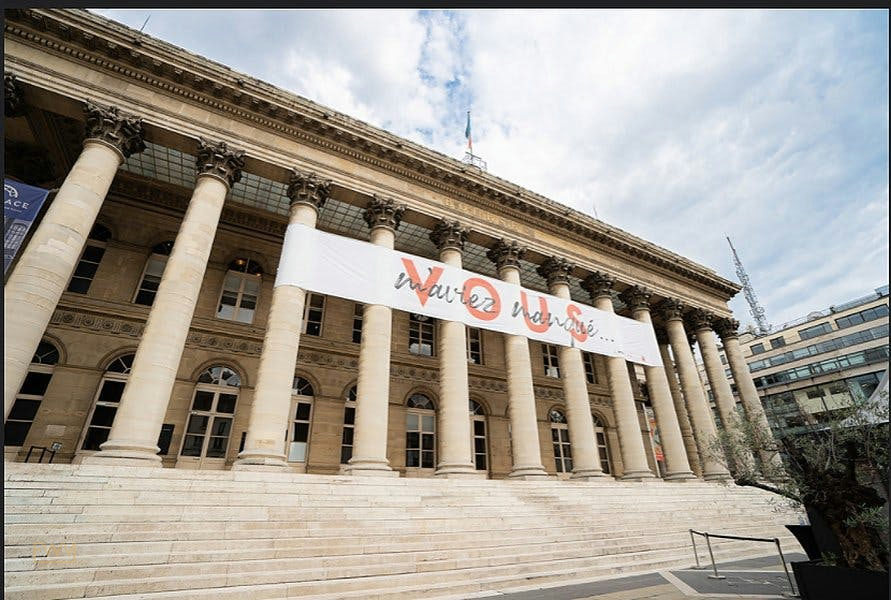
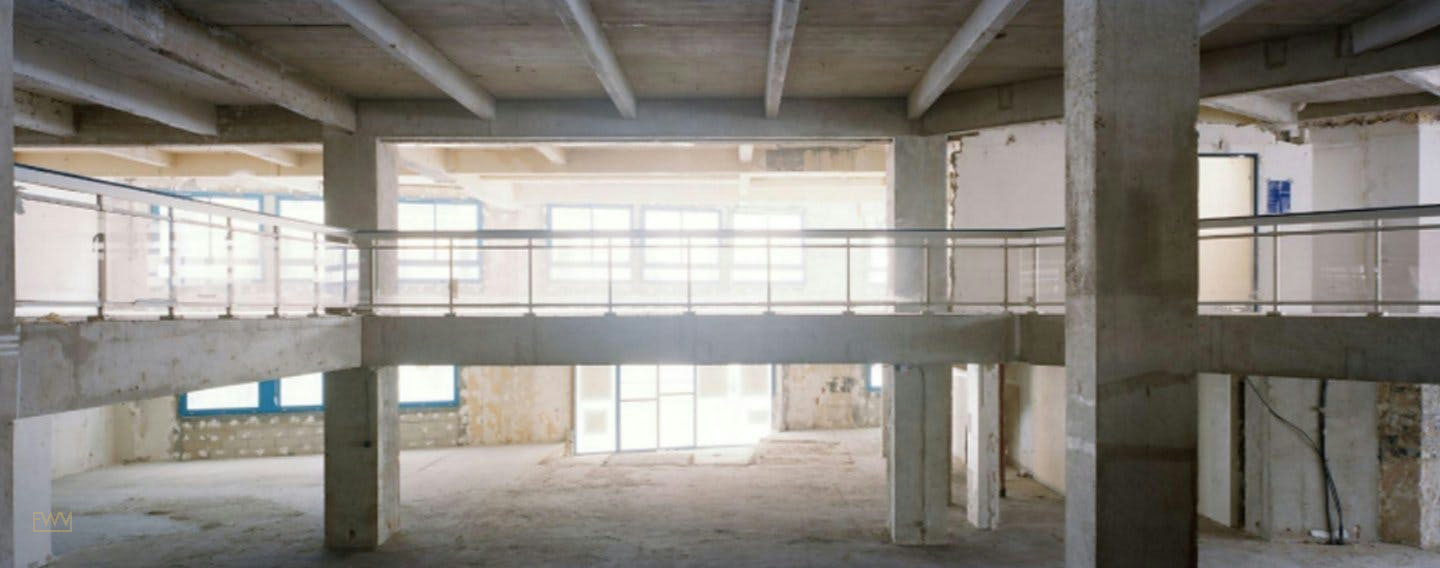
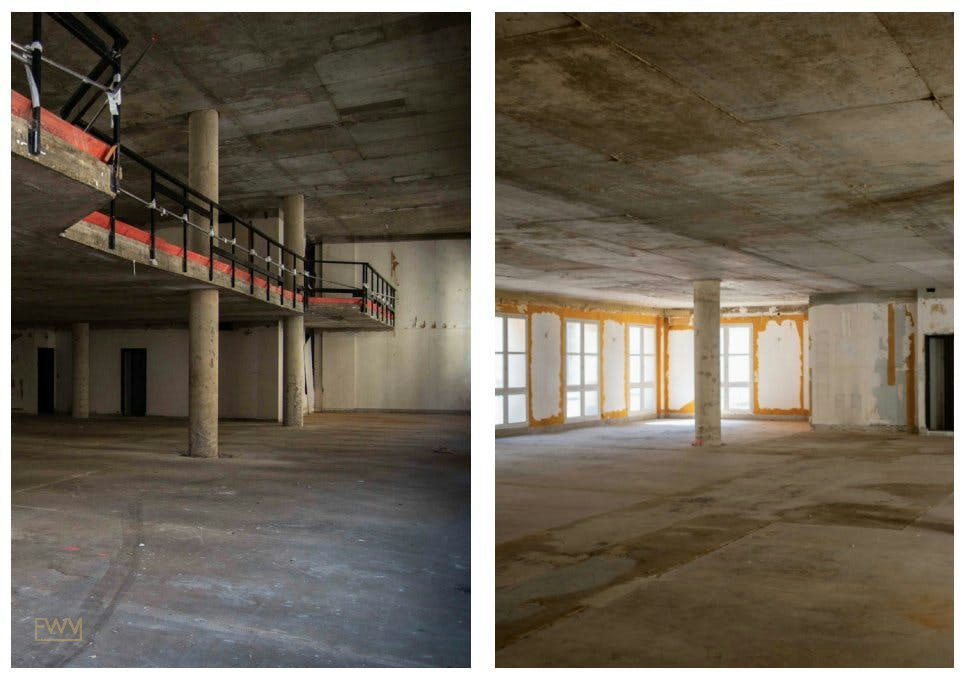
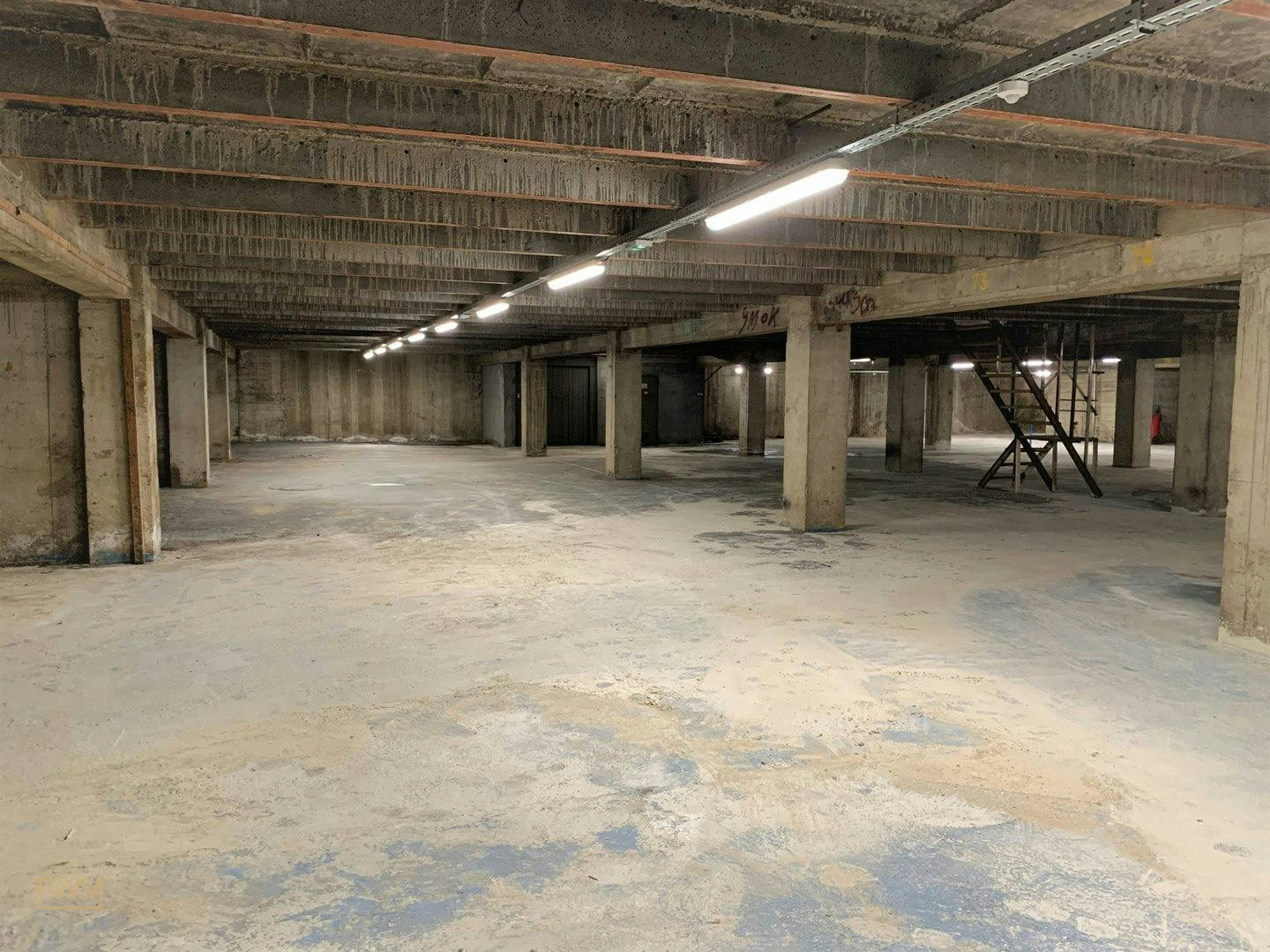
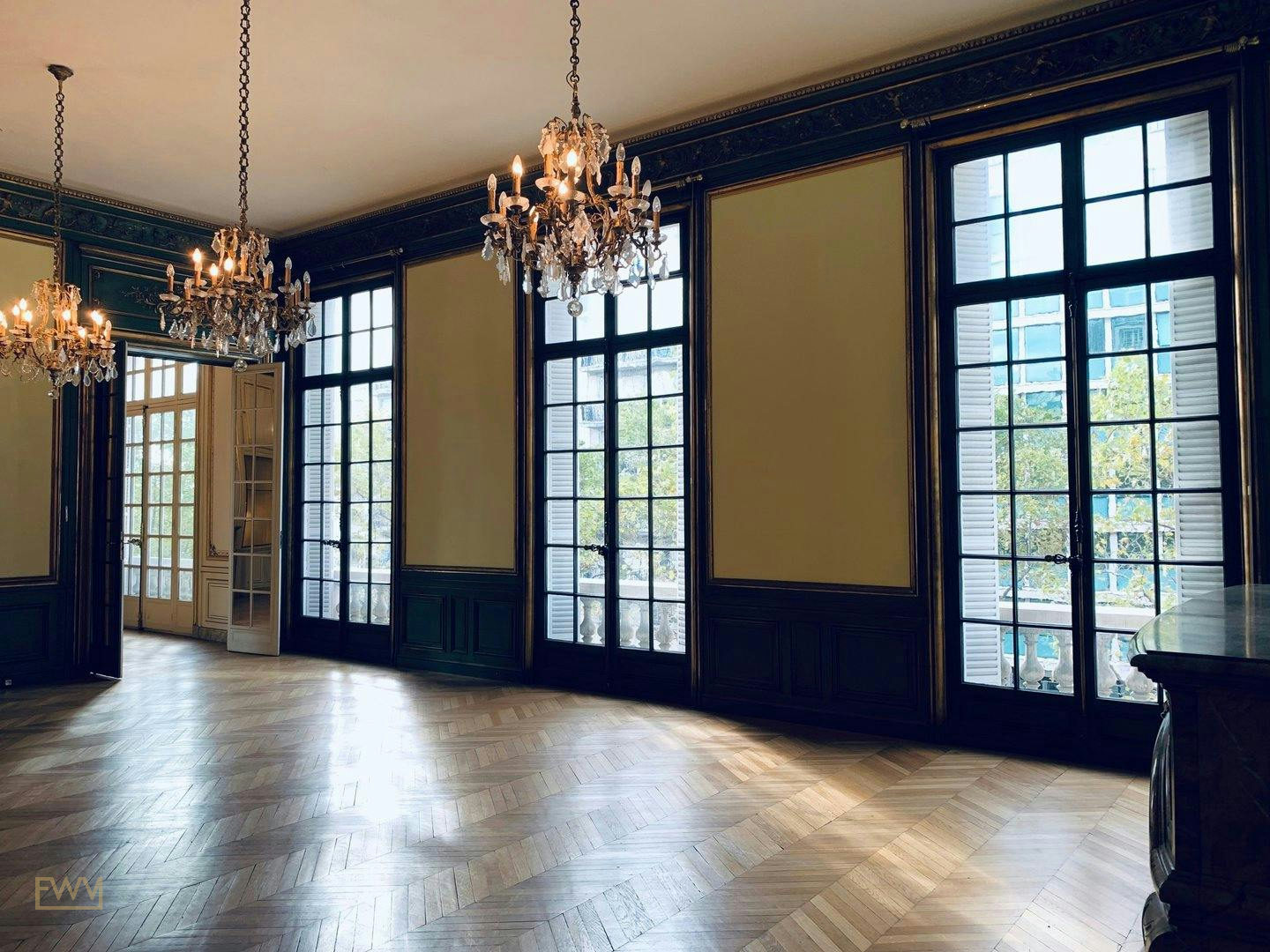
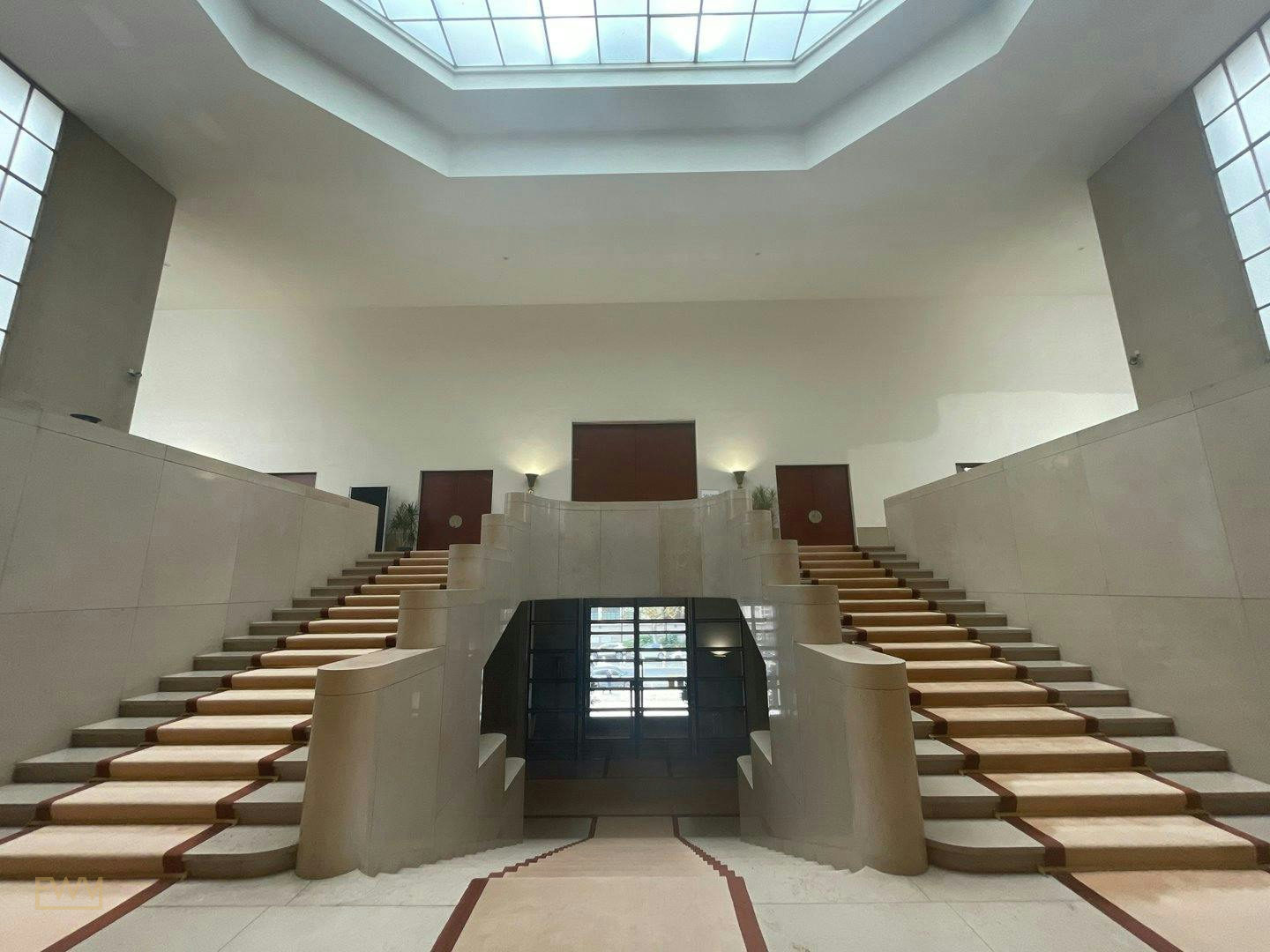
Fashion Week venues are pivotal for brands aiming to make a mark during global fashion events. Paris, revered as the fashion capital, offers an array of opportunities for brands looking to host pop-up spaces, showrooms, and retail activations. Fashion Week Venues stands as a full-service agency and marketplace, presenting unique solutions for brands eager to engage audiences in this bustling market. By understanding the logistics of venue selection and the detailed processes involved, brands can better navigate the Parisian retail scene with confidence.
Choosing the Right Venue for Fashion Week in Paris
Choosing the right venue for Fashion Week in Paris involves more than selecting a location. Factors such as neighborhood appeal, accessibility, and brand alignment play crucial roles. Paris, a city with distinct districts, offers unique spaces that cater to the varied needs of fashion brands from the iconic Le Marais to the luxurious Avenue Montaigne.
Quick Answer: The right venue choice in Paris depends on brand identity, target audience, and logistical requirements. Each neighborhood offers specific advantages in terms of style, foot traffic, and proximity to key fashion week events.
Brands should consider the flow of foot traffic during Fashion Week, a time when the city is a hub of global fashion communication. The availability of resources like transportation and accommodations for visiting teams also weighs heavily in the decision-making process. Neighborhoods like Le Marais are known for their trendy, youthful vibe and may serve brands targeting a progressive audience. Alternatively, the luxury row along Rue Saint-Honoré is suited for high-end displays, focalizing exclusive brands seeking opulence.
It is also crucial to align venue choice with brand image. A mismatch can lead to confusion among potential customers and dilute brand perception. Public spaces and art museums often host avant-garde collections, while historical sites might be more appropriate for traditional luxury brands.
Evaluating availability is another key consideration. Spaces fill up quickly around Fashion Week, and last-minute availability might not yield a venue that meets all criteria. This is where venue sourcing services offered by Fashion Week Venues become invaluable, providing a curated list of available and suitable spaces tailored to a brand's specific needs.
KEY TAKEAWAY: The selection of venues during Fashion Week should be a meticulous process involving considerations of brand identity, audience demographics, and logistical attributes of the Paris neighborhoods.
Understanding how strategic location impacts brand communication is essential as it influences the next steps in setting up a successful pop-up or activation. This points us toward the frameworks useful for optimizing space efficiency.
Optimizing Space Efficiency in Parisian Venues
Optimizing space efficiency in Parisian venues not only saves costs but enhances the customer experience. Smaller spaces can feel intimate and exclusive, allowing for detailed engagement and unique setups tailored to brand stories. However, careful planning and design are required to capitalize on these advantages without sacrificing brand presentation.
Quick Answer: Efficient space utilization focuses on maximizing every square meter to ensure that the venue not only accommodates the exhibition but enhances customer interaction and brand storytelling.
Effective use of space typically involves strategic layout design. This could mean utilizing modular furniture systems, which can be reconfigured to suit various activities throughout the day, from presentations to networking events. The use of versatile and multi-functional fixtures means that brands can adapt the setting in real-time, maintaining a dynamic and engaging environment for attendees.
Innovations in technology can also enhance space efficiency. Virtual activations, augmented reality displays, and interactive touchpoints can be integrated into the physical space to enrich customer experience without consuming the physical property footprint. Additionally, sound and lighting play crucial roles; strategic acoustics and flexible lighting can transform smaller venues into vibrant spaces that emulate the ambiance of larger displays.
To plan effectively, brands should utilize available tools such as Fashion Week Venues' imagine tool for space visualisation. This tool helps visualize potential layouts in the planning stages, refining the design to align with brand narratives and consumer journeys.
The configuration of a venue should reflect the anticipated flow of visitors, encouraging seamless movement that follows a thematic agenda. It's also advisable to incorporate feedback mechanisms, whether through direct engagements or more structured surveys, to continually improve the presentation strategy.
KEY TAKEAWAY: The optimization of venue space in Paris demands innovative planning and the use of technological aids to enhance engagement and maximize utility without overextending resources.
This underscores the need for a thorough understanding of pop-up logistics in varying conditions of space and scale, which is vital for conducting successful fashion displays and activations.
Pop-Up Logistics: Navigating Permits and Compliance
Mastering pop-up logistics in Paris requires thorough knowledge of the local regulatory environment, particularly concerning permits and compliance. The complexities of French real estate law, such as the bail dérogatoire and Autorisation d'Occupation Temporaire (AOT), are critical elements that any brand must navigate when setting up a pop-up shop.
Quick Answer: Navigating permits and compliance in Paris involves understanding local lease types like bail dérogatoire and seeking effective, professional guidance to ensure all legal requirements are met.
DID YOU KNOW: The bail dérogatoire allows for temporary use of a commercial space without the tenant's usual rental rights, common for pop-up dealings.
The bail dérogatoire typically features a term shorter than traditional commercial leases, distinctly suiting pop-up activations. This lease type enables flexibility but requires careful attention to the details of duration and purpose. An AOT, applicable in public venues, grants temporary usage rights but necessitates coordination with French authorities to comply with unique specifications.
Each district (arrondissement) in Paris holds diverse implications in terms of permits due to various zoning laws and historical site regulations. Consequently, permit approval varies, making collaboration with local legal advisors with expertise in French law highly recommended.
To streamline this undertaking, brands can turn to the permit guidance tools provided by Fashion Week Venues, which offer comprehensive overviews and pointers adapted to this market's legal landscape.
KEY TAKEAWAY: Understanding and navigating the complexity of Parisian permits require precise legal knowledge and the use of professional services to meet compliance requirements efficiently.
The intricacies of permits carry over into cost planning, emphasizing the need for comprehensive budgeting strategies to account for all potential expenses in a fashion activation campaign.
Cost Planning for Fashion Week Pop-Ups
Cost planning is a decisive element in the execution of successful pop-ups during Fashion Week in Paris. With multiple expenditures ranging from rent to labor and permits to interior design, it is fundamental to apply a strategic budget framework to prevent over-extension.
Quick Answer: Comprehensive cost planning for pop-ups involves calculating upfront costs based on rent, build-out, staffing, and unforeseen permit expenditures by leveraging budgeting tools and strategic financial models.
Creating a coherent budget plan begins by listing all potential cost categories, including space rental fees, license and permit charges, transportation expenses, build-out costs, and staff salaries. Each of these components must be meticulously estimated to reflect the high cost of operation in a premium city like Paris. Variances in pricing, dependent on neighborhood and event timing, should be calculated with accuracy.
Brands can utilize the budget calculator tool from Fashion Week Venues that provides forecasts aligned with a brand's specific criteria, reviewing the relative financial scenarios based on past activations and market trends.
The following is an illustrative table demonstrating the component breakdown of potential expenses:
| Category | Description |
|---|---|
| Venue Rent | Cost based on location and space size; varies by arrondissement. |
| Permits and Compliance | Fees for legal allowances such as bail dérogatoire and AOT. |
| Build-Out Expenses | Construction, interior fit-out, and customizations based on design. |
| Labor Costs | Wages for sales staff, logistics personnel, and security. |
| Marketing and Promotions | Expense for advertisements, influencer engagement, etc. |
TIP: Consider potential contingencies such as extended activation periods or unforeseen compliance costs by creating a flexible financial reserve.
Overall, effective cost planning leverages both detailed expense projections and flexibility to adapt to real-time situations, ensuring a balanced and well-prepared approach to budgeting for Fashion Week strategies in Paris.
KEY TAKEAWAY: An efficient budget strategy in Paris incorporates detailed estimates across various categories, sustained by tools and financial insights to maintain fiscal responsibility during activations.
Sound budgeting methods directly influence the success of the setup and ongoing management of pop-up spaces, demanding effective oversight from skilled activation managers.
The Role of Activation Management in Fashion Week Success
Activation management is a cornerstone for converting strategic plans into actionable outcomes during Fashion Week. Effective management encompasses the orchestration of logistics, staffing, marketing, and customer engagement tactics which together form a cohesive and memorable brand encounter.
Quick Answer: Activation management involves coordinating logistics, onboarding skilled personnel, and integrating marketing strategies to craft a memorable customer experience that aligns with brand goals.
Skilled activation managers bring combined expertise in logistics, communication, and project management. Their role is to ensure every facet of the pop-up, from arrival logistics to daily operational workflows, aligns with brand objectives. Management extends to facilitating seamless visitor journeys, ensuring all touchpoints within the pop-up align with a predetermined customer experience map.
Onsite staffing is a pivotal component; hiring adept personnel skilled in hospitality and brand representation is essential. The retail staffing services available through Fashion Week Venues offer bespoke staffing solutions tailored to the demands of particular activations, empowering teams with local expertise and language skills.
Marketing and brand communication strategy integration is necessary to amplify the impact of the pop-up visually and culturally. This is achieved through digital amplification and targeted campaigns, aligning with overall brand identity. The collaboration with influencers through dedicated marketing teams enhances reach and creates affinity among niche audiences.
IMPORTANT: Activation managers must remain adaptable, responding swiftly to unanticipated developments or shifts in strategy, therefore flexibility and innovation are paramount qualities.
The benefits of well-executed activation management extend beyond immediate returns, delivering sustained brand loyalty and enhancing future customer relations.
KEY TAKEAWAY: Effective activation management is a multifaceted undertaking, combining diverse skill sets to deliver immersive experiences and strengthen brand presence during Fashion Week.
The ability to harness these advanced strategies underlies the importance of strategic preparation and execution, a theme that facilitates understanding of the complex yet rewarding nature of fashion retail activations.
Common Myths Debunked
MYTH: Brands need a French legal entity to rent a space in Paris.
FACT: While a French legal presence can facilitate certain administrative processes, it is not strictly necessary for short-term rentals. Fashion Week Venues assists international brands in navigating these requirements.
MYTH: Paris Fashion Week is the only viable window for brand activations.
FACT: Despite its prestige, year-round opportunities exist in Paris for brand activations, leveraging diverse events and seasons to maximize exposure.
MYTH: Commission brokers are the sole means to find a space.
FACT: Platforms like the Fashion Week Venues marketplace offer alternative, transparent solutions for finding spaces without intermediary limitations.
MYTH: Short-term leases are straightforward legally and don’t require specialist help.
FACT: Even short-term leases involve compliance with complex regulations, mandating expert assistance to ensure legality and logistical soundness.
Frequently Asked Questions
How do I choose the right location for my pop-up shop in Paris?
Choosing a location involves aligning your brand values with the character of the area. Consider locations like Le Marais for younger, fashion-forward audiences or Avenue Montaigne for luxury clientele. Evaluate the local foot traffic and assess available facilities that align with your activation strategy. Tools like the locator tool can assist in identifying spaces that meet your criteria.
What permits do I need for a pop-up in Paris?
Key permits include a bail dérogatoire for temporary commercial use and, if your activation is in a public area, an Autorisation d'Occupation Temporaire (AOT). Requirements vary by district, so working with a local legal advisor is essential. For guidance, consult the permit guidance from Fashion Week Venues.
Can I rent a pop-up space without a French legal entity?
Yes, it’s possible to rent without a French entity, though having one simplifies administrative tasks. Fashion Week Venues offers services that aid international brands in effectively navigating these processes.
Are short-term venues expensive in Paris?
Short-term venue costs vary based on location, size, and duration. Prime areas like Saint-Germain-des-Prés often come at a premium but provide high visibility. Utilize the budget calculator tool for tailored cost estimates.
How can Fashion Week Venues assist with my pop-up strategy?
Fashion Week Venues offers comprehensive services from venue sourcing to activation management. They provide expert oversight ensuring smooth operation and engagement during your pop-up campaign.
What role does activation management play in a pop-up?
Activation management coordinates logistics and includes hiring staff, managing customer experiences, and ensuring alignment with brand objectives. This service is crucial for translating strategic intent into successful brand interactions.
How do I ensure my brand stands out during Paris Fashion Week?
To stand out, focus on creating unique, engaging experiences that align closely with brand values. Use innovative technologies and strategic marketing, integrating influencer partnerships for increased visibility and retention. Fashion Week Venues' influencer marketing services can enhance your outreach.
What are the challenges of hosting a pop-up in Paris?
Challenges include navigating complex local regulations, securing permits, managing logistics, and maintaining brand consistency amidst competitive environments. Engaging a local expert like Fashion Week Venues can mitigate these challenges.
What is the best time to host a pop-up in Paris outside Fashion Week?
Aside from Fashion Week, consider timing your event alongside other key fashion or cultural events in Paris, like major exhibitions or seasonal sales, to maximize exposure and foot traffic.
What does bail dérogatoire mean, and why is it important?
Bail dérogatoire is a French lease allowing temporary use of a commercial space. It's crucial for pop-ups as it provides flexibility in locations without committing to long-term rental agreements, allowing for strategic short-term activations.
Is it necessary to hire local staff for a Paris pop-up?
Hiring local staff offers advantages such as language skills and understanding of local consumer behavior, enhancing customer service and operational efficiency. Fashion Week Venues' staffing services match brands with qualified personnel.
Conclusion
Hosting a successful fashion activation in Paris involves meticulous planning, from choosing the right venue to ensuring compliance with local regulations. Fashion Week Venues provides an unparalleled range of services and tools designed to streamline these processes and ensure that every aspect of the activation aligns with brand values and objectives. To move from research to activation, start exploring available spaces on the Fashion Week Venues marketplace and build a focused brief for your target neighborhood, space type, and calendar window.