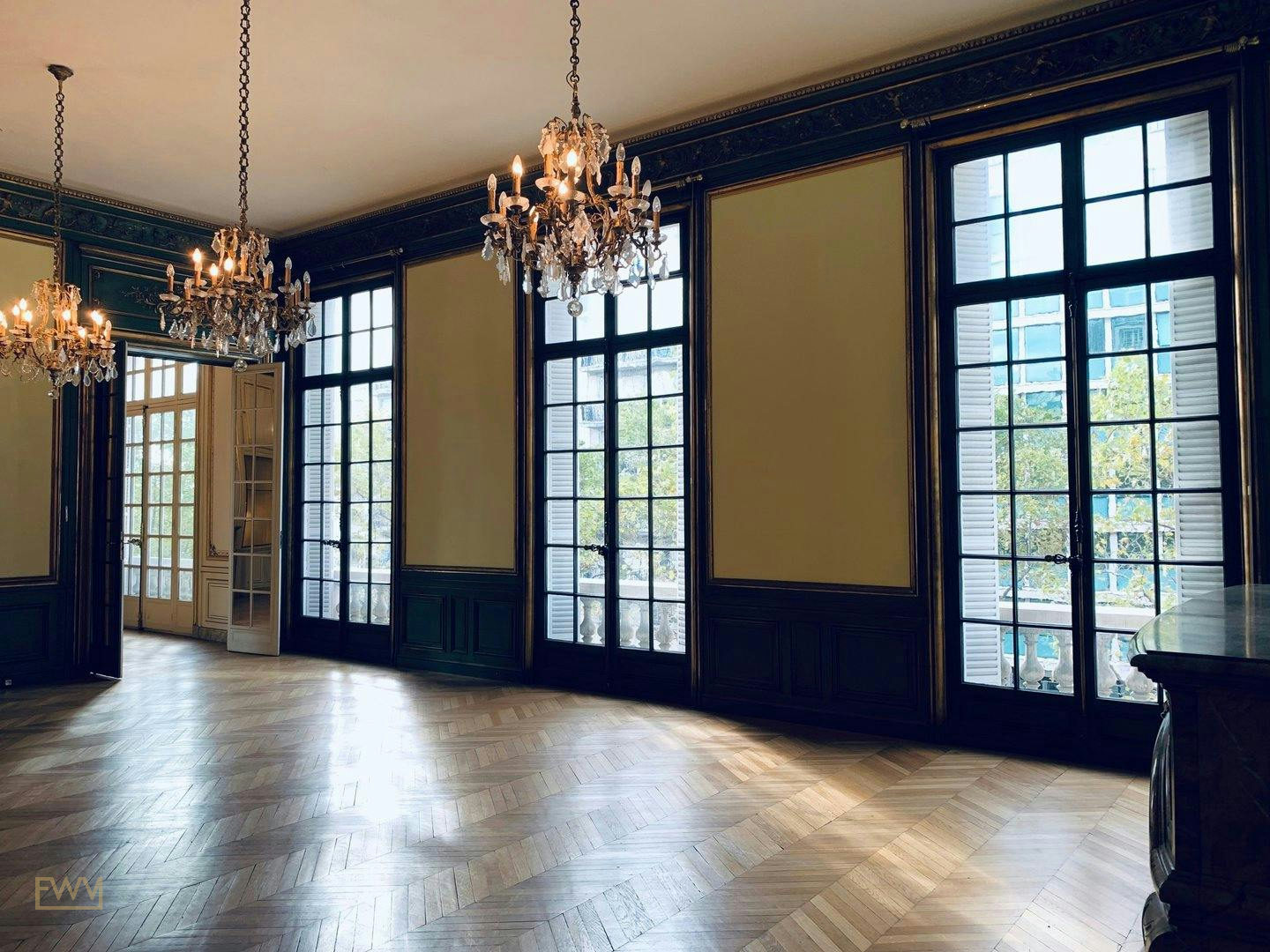
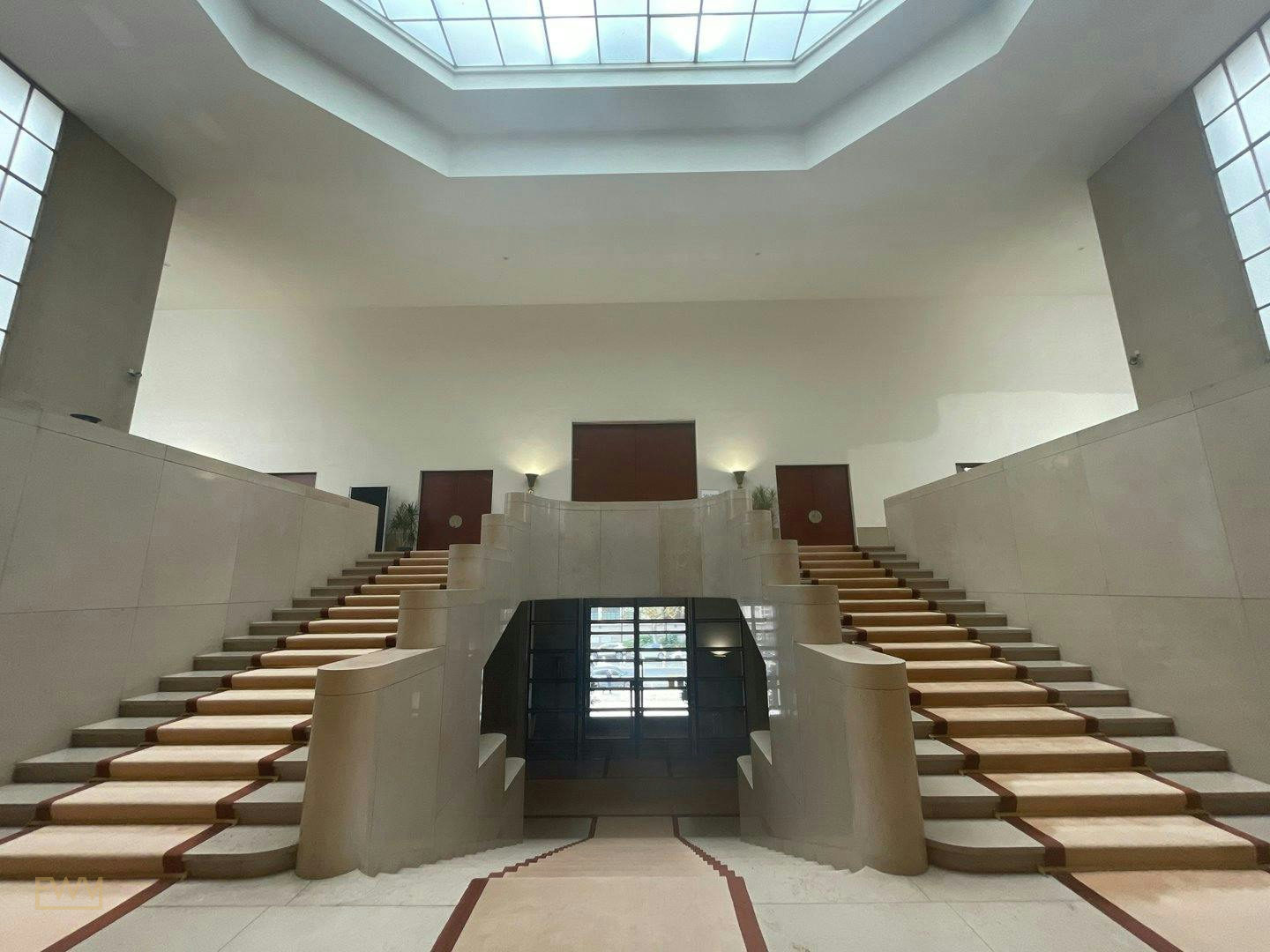
As the heart of global design, Paris Design Week offers a unique platform for brands to showcase innovative concepts through pop-up shops. These temporary retail spaces are becoming a staple in the fashion and design industries, particularly during key events like Paris Design Week where innovation is at its peak. Partnering with Fashion Week Venues, brands can seamlessly manage venue sourcing, activation, and other logistical elements to maximize their impact. Pop-up shops in Paris not only enhance brand presence but drive engagement with a diverse, international audience.
What Makes Pop-Up Shops Essential During Paris Design Week?
Pop-up shops have revolutionized the retail experience, especially during significant events like Paris Design Week. They allow brands to create a fleeting yet impactful presence, capturing the attention of the design-savvy public and international buyers. These temporary spaces are not just retail outlets but transformative experiences that integrate fashion, architecture, and interactive elements to communicate a brand's narrative.
During Paris Design Week, pop-up shops are scattered across iconic locations such as the Marais district, known for its vibrant cultural scene and high foot traffic. They offer unique opportunities for brands to test new markets and reach consumers who prioritize innovative and sustainable designs.
DID YOU KNOW: Paris Design Week attracts over 100,000 visitors each year, providing a massive audience for pop-ups.
For brands, the primary appeal lies in the ability to adapt quickly to market trends without the lengthy commitments of traditional leases. Temporary spaces in top neighborhoods like Le Marais or near iconic venues such as the Hôtel de la Marine offer unrivaled visibility and prestige.
KEY TAKEAWAY: Emphasizing unique designs and experiences, pop-up shops during Paris Design Week offer brands the perfect platform to interact with a global audience while exploring minimal-risk expansion opportunities.
As brands plan their pop-up strategies, the next step involves understanding the diverse locations available for these temporary activations.
The Best Locations for Pop-Up Shops in Paris During Design Week
Selecting the right location is crucial for the success of a pop-up shop during Paris Design Week. Areas like Le Marais, known for its eclectic mix of art galleries and trendy boutiques, offer a perfect backdrop for showcasing innovative design and fashion concepts.
Paris is divided into several neighborhoods, each with its own character and audience demographics. Here is a breakdown of some premier areas ideal for pop-ups:
| Neighborhood | Characteristics | Ideal For |
|---|---|---|
| Le Marais | Trendy, high foot traffic, diverse clientele | Fashion, art exhibits, boutique stores |
| Saint-Germain-des-Prés | Historic, artistic, affluent | Luxury brands, high-end designs |
| Canal Saint-Martin | Bohemian, young crowd, vibrant | Emerging designers, innovative concepts |
Popular venues include Galerie Joseph and other renowned exhibition houses that offer expansive spaces equipped for both retail and artistic installations. These locations provide not only the footprint needed for large-scale installations but also draw a refined and design-conscious audience.
Quick answer: Le Marais and Saint-Germain-des-Prés stand out as top choices for pop-up shops due to their rich cultural history and substantial visitor traffic during Paris Design Week.
Whether it's establishing a presence in the bustling heart of Le Marais or the luxurious atmosphere of Saint-Germain-des-Prés, finding the perfect location can significantly influence the success of a pop-up venture.
Next, let's delve into the essential considerations and steps involved in planning a successful pop-up store during Paris Design Week.
Planning and Designing a Successful Pop-Up Shop
Designing a pop-up shop requires strategic planning, understanding the local market, and capturing brand aesthetics effectively. Successful pop-up stores harmonize marketing goals with experiential design. Here’s a step-by-step guide to achieving this:
1. Define Objectives: Establish clear goals, whether it's increasing brand awareness, testing a new product, or generating sales.
2. Understand the Audience: Research local demographics and preferences to tailor the pop-up experience.
3. Choose the Right Space: Use resources such as the Fashion Week Venues marketplace to find spaces that align with your brand's aesthetic.
4. Engage Through Design: Leverage creative layouts, interactive installations, and thematic decor to enrich customer experience.
5. Plan Logistics: Consider practical elements such as staffing, merchandise arrangement, and payment solutions.
IMPORTANT: Compliance with local regulations such as bail dérogatoire and permits is essential to operate legally.
| Step | Action | Considerations |
|---|---|---|
| 1 | Space Selection | Consider foot traffic, accessibility, and audience match |
| 2 | Design and Concept | Integrate brand aesthetics with local design sensibilities |
| 3 | Marketing Strategy | Plan launch events and PR activities |
To enhance your planning, utilizing tools like Fashion Week Venues' budget calculator and permits tool can streamline the process, ensuring every aspect aligns with your brand's objectives.
KEY TAKEAWAY: A well-thought-out design and strategic location choice are pivotal in creating an impactful pop-up shop that resonates with both local and international audiences.
Now, let’s explore the potential of using pop-up shops for promoting sustainable and eco-conscious design practices.
Integrating Sustainability into Pop-Up Shops
Modern consumers increasingly value sustainability, expecting brands to prioritize eco-friendly practices in product creation and retail experiences. Pop-up shops provide an excellent opportunity for brands to highlight their commitment to sustainability during Paris Design Week through innovative design choices.
Utilizing materials that are recycled or sourced from natural fibers is a practical way to align with sustainable values. Exhibitors can experiment with temporary installations designed for disassembly and reuse, which reduces waste and environmental impact.
For example, using modular furniture that can be easily assembled and dismantled supports circular economy principles. Additionally, leveraging digital platforms to minimize on-site printed materials can further enhance sustainability efforts.
Quick answer: Incorporating eco-friendly practices into pop-up designs not only attracts eco-conscious consumers but also strengthens brand reputation during Paris Design Week.
Partnering with agencies that specialize in sustainable design, such as concept direction services from Fashion Week Venues, can provide practical guidance and innovative ideas to build a greener retail presence.
Whether it’s through the materials used or the methods of construction, sustainable pop-ups appeal to a growing segment of the market that values eco-conscious practices.
Exploring the role of technology in enhancing the pop-up experience during Paris Design Week is our next focus.
The Role of Technology in Pop-Up Shops
Technology continues to shape the retail landscape, offering brands innovative ways to engage with audiences through pop-up shops. During Paris Design Week, integrating technology into pop-up shops can enhance the customer experience and provide valuable analytics.
Digital solutions such as augmented reality (AR) allow consumers to visualize products in different settings, offering a personalized shopping experience. Additionally, technologies like RFID tags and mobile payment solutions streamline the purchasing process, enhancing efficiency and customer satisfaction.
Data analytics also play a crucial role, helping brands understand consumer behavior and preferences. By gathering and analyzing data, brands can fine-tune their marketing strategies and product offerings to better meet consumer demands.
DID YOU KNOW: Pop-up shops with integrated technology see up to a 30% increase in sales conversion rates.
By employing innovative tech solutions, pop-up shops not only improve operational efficiency but also enhance consumer interaction, creating memorable and impactful shopping experiences.
For brands eager to implement the latest technologies, Fashion Week Venues provides tools and POS solutions to enhance operational capabilities and capture valuable insights.
Next, we turn to the logistics of staffing and operations crucial for running a successful pop-up shop.
Staffing and Operations for Successful Pop-Up Shops
Running a pop-up shop requires meticulous planning, particularly regarding staffing and day-to-day operations. Skilled personnel play a critical role in the success of these temporary spaces, ensuring customer interactions are smooth and memorable during Paris Design Week.
Hiring local talent familiar with the Parisian market can provide insights into consumer behavior and preferences. Trained staff can also guide visitors effectively, enhancing brand stories and showcasing products seamlessly.
| Role | Responsibilities | Skills Needed |
|---|---|---|
| Store Manager | Oversee operations, manage staff, liaise with local vendors | Leadership, organizational skills |
| Sales Associate | Engage with customers, assist with product demos | Communication, sales expertise |
| Technical Specialist | Manage tech systems, analyze data | Technical proficiency, analytical skills |
Utilizing a platform like Fashion Week Venues simplifies the process of finding and managing proficient staff to ensure your pop-up runs smoothly.
Quick answer: Effective staffing ensures that pop-up operations are seamless, delivering exceptional customer service and enhancing the overall brand experience.
Skilled staff that embody your brand’s ethos can transform the shopping experience, making it memorable and encouraging consumer loyalty.
Continuing, let's explore the unique advantages that Paris Design Week offers to emerging designers through pop-up formats.
Opportunities for Emerging Designers During Paris Design Week
Paris Design Week presents unparalleled opportunities for emerging designers to capture attention and build their brands. Through pop-up shops, designers can showcase their works among established counterparts, gaining exposure to potential buyers, collaborators, and media.
Events like Maison&Objet and installations at venues such as Atelier Néerlandais provide fertile ground for young talents to exhibit innovative concepts and engage with a broader audience. These platforms offer access to industry connections and the chance to test the market with minimal investment risk.
TIP: Engaging in collaborative projects with other designers can broaden reach and inspire creative installations that capture media attention.
Moreover, pop-up shops during this period allow designers to interact directly with consumers, receive immediate feedback, and refine their collections accordingly. This direct interaction is invaluable for honing their craft and tailoring future offerings to market preferences.
KEY TAKEAWAY: By participating in pop-up events during Paris Design Week, emerging designers can accelerate brand growth, develop industry connections, and gain practical insights into consumer demands.
From showcasing sustainable practices to leveraging new technologies, pop-up shops provide a dynamic stage for both fresh and seasoned designers to expand their reach and refine their brand.
Next, we will address common myths regarding pop-up shops during Paris Design Week.
Common Myths Debunked
MYTH: You need a French legal entity to rent a space in Paris.
FACT: While having a local entity can simplify certain administrative processes, numerous agencies, like Fashion Week Venues, assist international brands in navigating these requirements without needing a French entity.
MYTH: Paris Fashion Week is the only viable calendar window for pop-ups.
FACT: Paris Design Week also offers prime opportunities for pop-ups, attracting design enthusiasts and media from around the globe, thereby creating substantial potential for brand exposure and consumer engagement.
MYTH: Commission brokers are the sole way to find a pop-up space.
FACT: Platforms like the Fashion Week Venues marketplace provide a streamlined approach to discover and book spaces according to your specific requirements, bypassing the traditional broker process.
MYTH: Short-term leases are legally straightforward without specialist help.
FACT: French leasing laws, including bail dérogatoire, involve complex legal frameworks. Consulting specialists or using tools like the permits tool ensures compliance with local regulations, avoiding potential legal pitfalls.
Addressing these myths clarifies misconceptions and highlights how utilizing expert resources can simplify the process, empowering brands to optimize their Paris Design Week pop-up strategies efficiently.
Let’s now move on to answer popular queries about making the most of Paris Design Week for pop-up shops.
Frequently Asked Questions
What's new in pop-up shops during Paris Design Week?
This year introduced more interactive digital experiences, eco-friendly designs, and collaborations with emerging local artists. Such trends emphasize the integration of sustainability and innovation, creating memorable consumer interactions.
How can I find the best location for my pop-up shop?
Consider key factors such as foot traffic, target demographics, and brand alignment. Platforms like Fashion Week Venues offer a marketplace with tools to compare and locate ideal spaces based on your criteria.
What are the cost implications of setting up a pop-up shop in Paris?
Costs vary based on location, space size, and duration. Estimations should include rental prices, staffing, and design costs. For tailored budgeting, consult the budget calculator tool.
Why have I been blocked from a specific website?
This could occur due to a security solution like Cloudflare blocking access from certain regions or due to specific network settings. Contact site support for resolution.
Can I extend my pop-up store's presence beyond Paris Design Week?
Yes, extending your stay is feasible. Platforms like Fashion Week Venues can facilitate prolonging leases, ensuring continued exposure and consumer engagement.
How does participating in Paris Design Week benefit my brand?
It enhances brand visibility, offers engagement with a diverse audience, and provides networking opportunities with industry professionals and influencers, boosting market presence and innovation.
What environmental practices can I incorporate into my pop-up design?
Use sustainable materials, eco-friendly packaging, and modular designs to reduce waste. Emphasizing digital tools over printed materials also supports greener operations.
Is there any support for new exhibitors at events like Maison&Objet?
Yes, new exhibitors can access community workshops and consultancy services for guidance in setup and execution, opening channels for business opportunities and creative collaborations.
What security measures should be implemented for pop-up shops?
Ensure robust physical security and data protection systems. Employ security personnel and use surveillance technology to safeguard both products and customer information.
How does technology enhance pop-up store operations?
Technology facilitates inventory management, enhances the purchasing process with mobile POS systems, and gathers insights through analytics, improving customer experiences and operational efficiency.
Conclusion
Exploring pop-up shops during Paris Design Week provides a multifaceted platform for brands to engage with a global audience, test new concepts, and underscore commitments to sustainability and cutting-edge technology. By integrating comprehensive planning, effective use of tools, and expert partnerships like those offered by Fashion Week Venues, brands can maximize their impact and achieve substantial growth. To move from research to activation, start exploring available spaces on the Fashion Week Venues marketplace and build a focused brief for your target neighborhood, space type, and calendar window.