Opening a pop-up store in the 10th arrondissement of Paris places your brand at the intersection of Canal Saint-Martin cool, République foot traffic, and one of the city's fastest-growing creative retail scenes. The 10th is no longer an emerging neighbourhood; it is a fully established destination where independent labels, global fashion houses, lifestyle brands, and art-led retail concepts choose to activate with intention. This guide covers everything a brand team needs to know: the neighbourhood landscape, space features, lease structures, permit requirements, calendar strategy, budget considerations, and the practical steps to secure and run a successful activation. Fashion Week Venues' Paris city hub provides curated space listings, expert guidance, and full-service support for brands planning activations in the 10th and across the capital.
Why the 10th Arrondissement Is a Prime Pop-Up Destination in Paris
The 10th arrondissement consistently attracts brands looking for an authentic Parisian backdrop without the premium price tag of the Marais or Saint-Germain. It offers a rare combination of high pedestrian circulation, culturally engaged audiences, and a diverse neighbourhood fabric that rewards creative retail formats.
Quick answer: The 10th arrondissement of Paris offers strong foot traffic around République and Canal Saint-Martin, a dense concentration of creative and fashion-adjacent communities, competitive rental rates compared to neighbouring districts, and a cultural calendar that aligns naturally with Paris Fashion Week and Haute Couture season.
The arrondissement sits between the 3rd and the 9th, giving it natural spill-over from the Haut-Marais on one side and the Grands Boulevards on the other. Place de la République acts as its gravitational centre, drawing daily flows from multiple metro lines and bus routes. From République, the Canal Saint-Martin corridor extends northeast, lined with concept stores, independent restaurants, art galleries, and lifestyle boutiques that together define the quartier's identity.
For brands in fashion, beauty, design, and pop culture, this neighbourhood delivers something that purely luxury corridors cannot: an audience that is aesthetically literate, curious, socially engaged, and willing to discover new brands through physical retail experiences. The 10th attracts locals and tourists in roughly equal measure during peak cultural periods, and that blend creates ideal conditions for pop-up stores targeting both brand awareness and direct sales.
Key Pedestrian Corridors in the 10th
Several streets and axes define circulation in the 10th. Rue de Lancry and rue Notre-Dame de Nazareth run parallel to the canal and carry steady foot traffic from late morning through the evening. Rue des Petites Écuries connects the Grands Boulevards area to the lower 10th and has become a destination street in its own right, with a mix of restaurants, bars, and creative businesses. The métro Arts et Métiers, straddling the 3rd and 10th, draws visitors exploring both the Haut-Marais and the northern canal area simultaneously.
Rue du Nil, though technically sharing a border with the 2nd arrondissement, feeds directly into the Sentier neighbourhood that bleeds into the 10th and carries a strong creative and food-focused pedestrian flow. The quartier Montorgueil to the southwest acts as a further magnet, drawing shoppers and visitors who then circulate northward into the 10th's retail streets.
The Creative and Fashion Ecosystem
The 10th has cultivated a genuine fashion ecosystem. Independent labels, emerging designers, and brands at the intersection of fashion and lifestyle have clustered here deliberately. The presence of venues like Comptoir Général, with its eclectic interior and event programming, and spaces like Maison Martha, which has hosted runway shows and artistic collaborations, signals that the arrondissement can support experiential retail at a high level. Labels indépendants and the scène mode émergente consistently choose the 10th for launches and seasonal activations because the neighbourhood audience responds to storytelling and concept-led retail in ways that more tourist-heavy zones sometimes do not.
DID YOU KNOW: The Canal Saint-Martin area in the 10th arrondissement was one of the first Parisian neighbourhoods to see a sustained wave of pop-up retail, driven initially by independent fashion and lifestyle brands that could not afford Marais rents but wanted a similarly creative audience.
KEY TAKEAWAY: The 10th arrondissement gives brands a commercially viable, creatively resonant, and logistically well-connected location for pop-up stores that benefits from the cultural spillover of both the Marais and the Canal Saint-Martin without carrying the same rental premiums.
Understanding the specific space types available in the 10th is the next step before shortlisting locations for your activation.
Space Types and Physical Features Available for Pop-Up Stores in the 10th
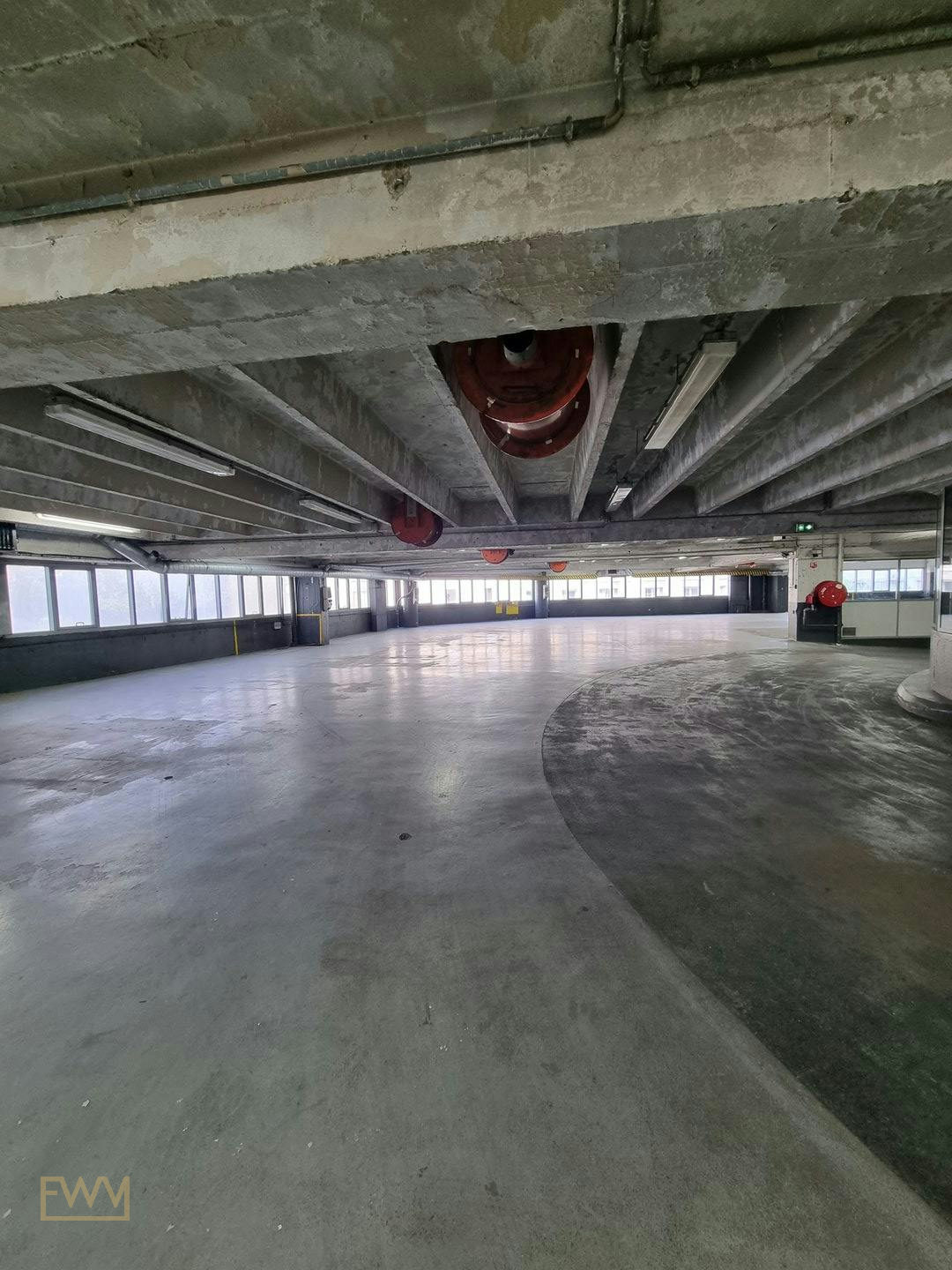
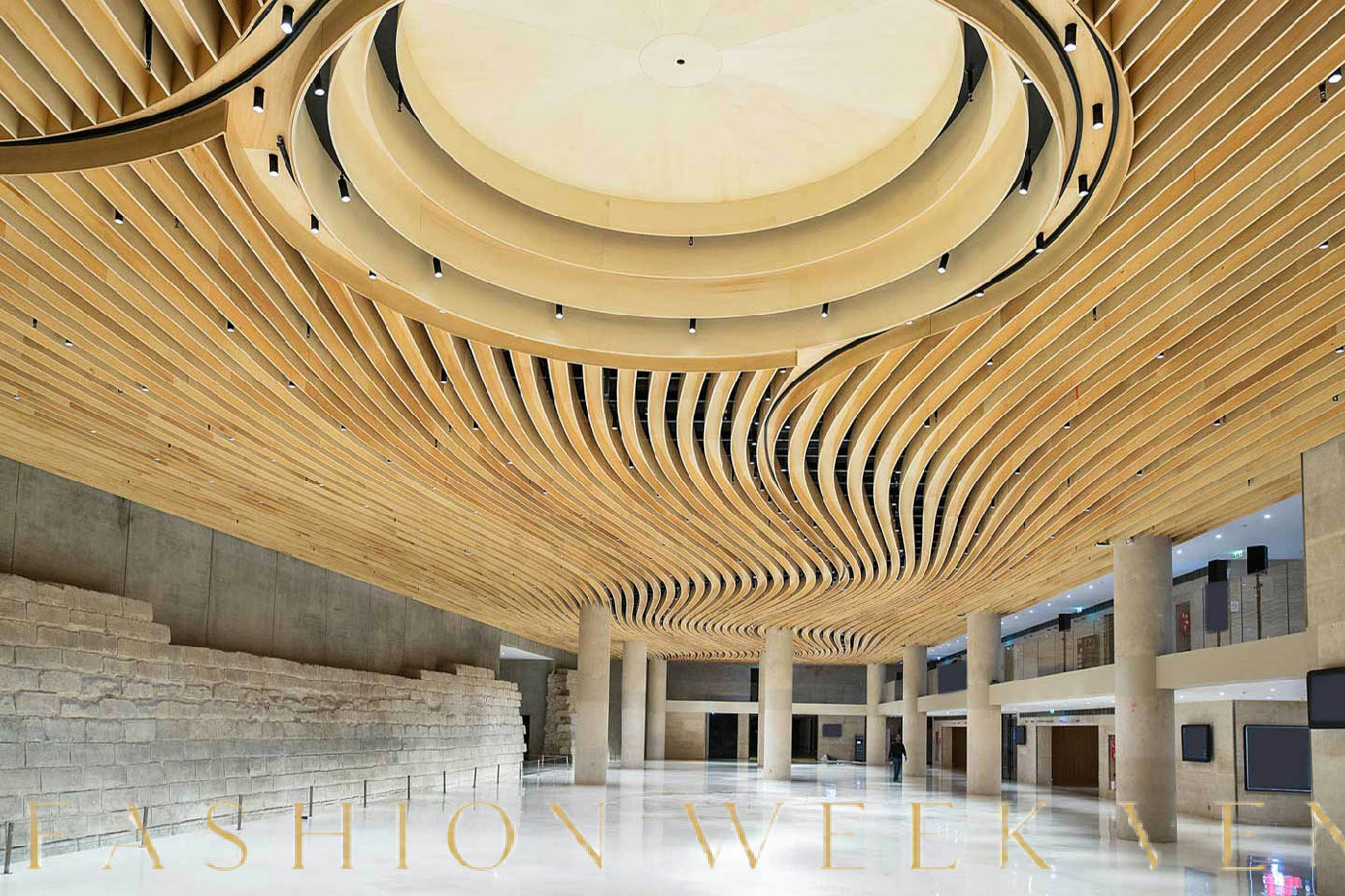
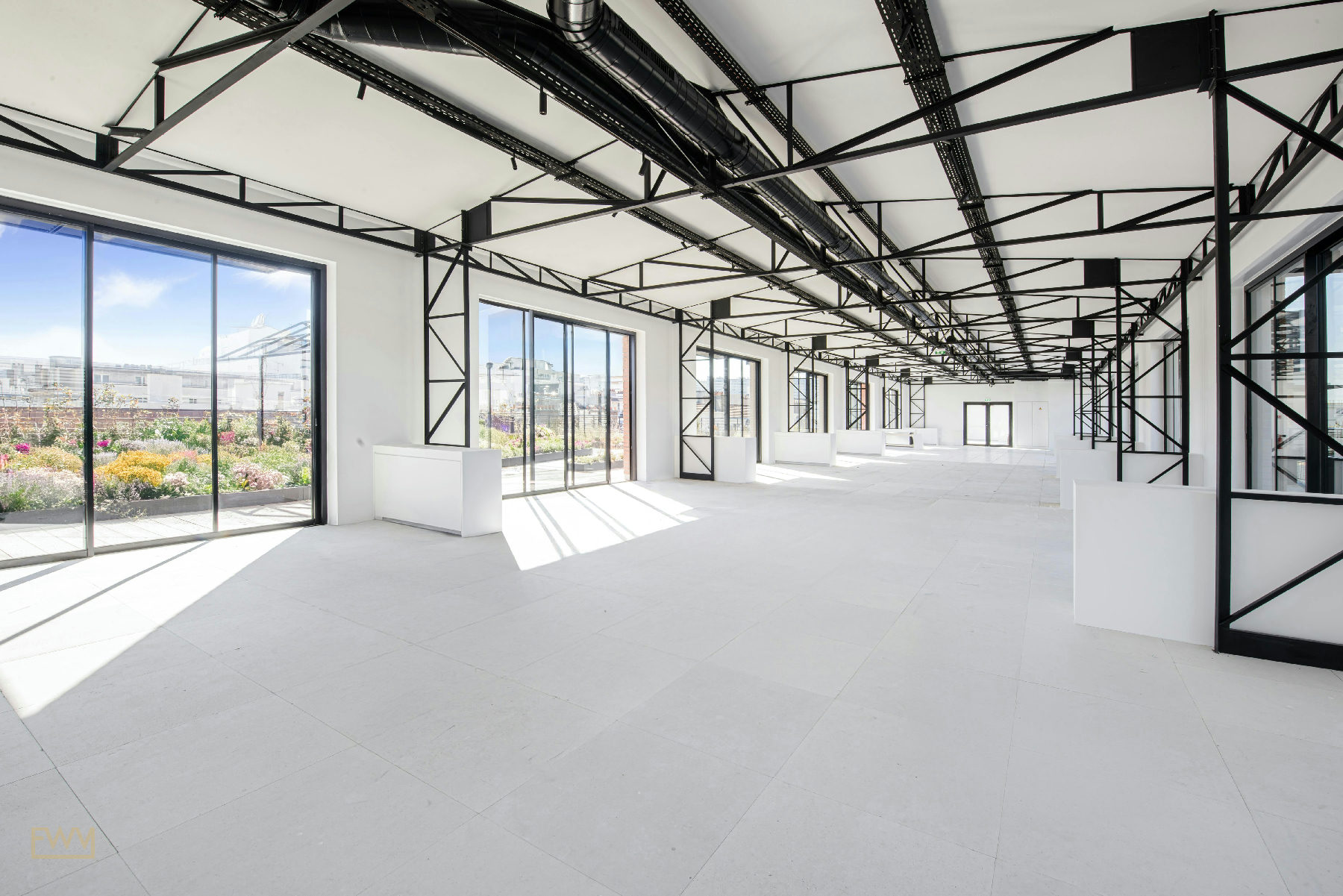
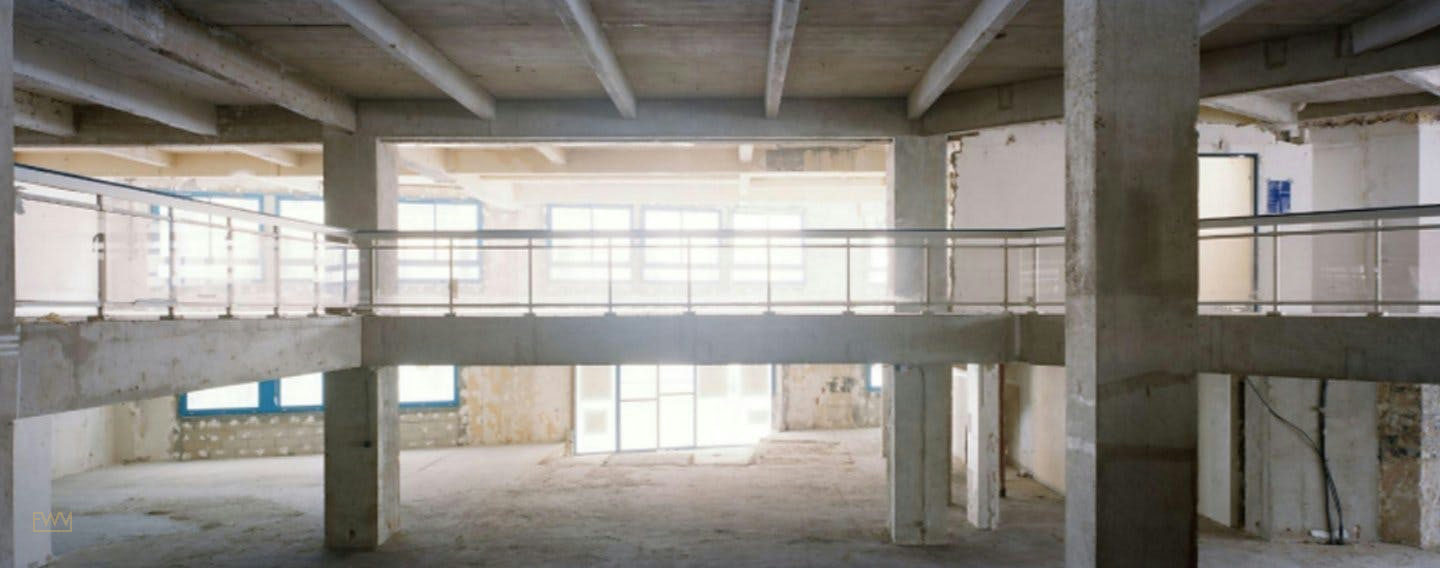
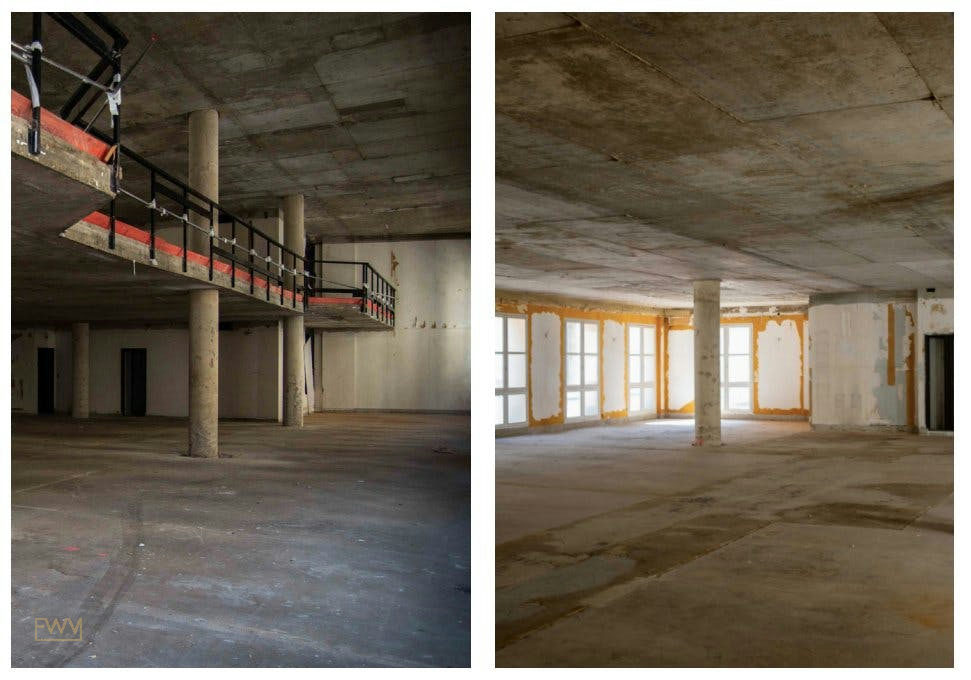
Pop-up spaces in the 10th arrondissement range from raw industrial lofts with exposed brick and polished concrete floors to refined gallery-style boutiques with marble floors and high-quality lighting. The diversity of the neighbourhood's building stock means that brands can find formats suited to almost any retail concept or aesthetic direction.
Quick answer: The 10th offers pop-up spaces from roughly 40 square metres to over 270 square metres, including former workshops, gallery spaces, concept stores, and converted residential spaces, with features such as natural light, open floor plans, adaptable layouts, and high ceilings available across multiple streets and micro-neighbourhoods.
Common Architectural Features
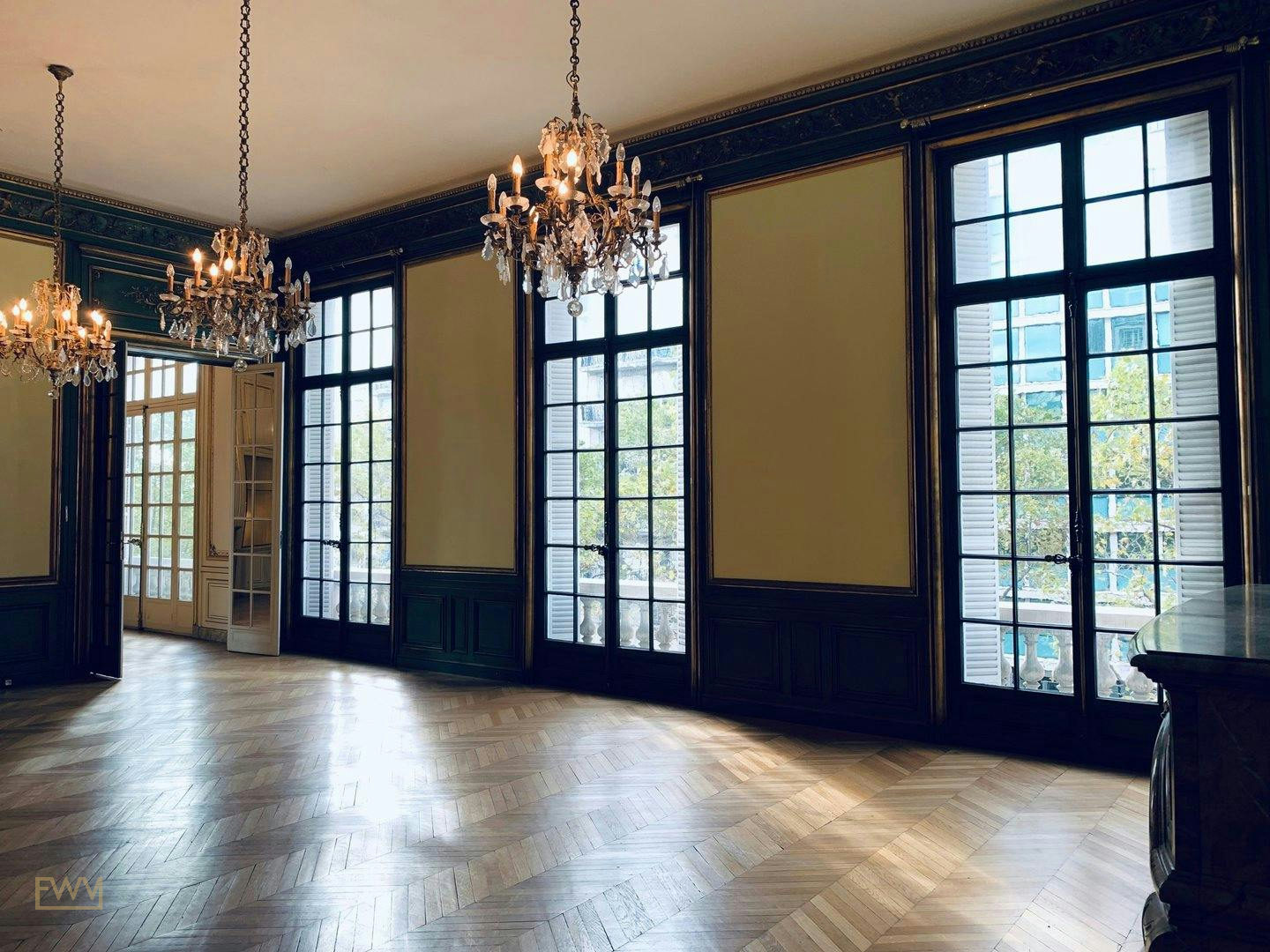
The arrondissement's Haussmannian buildings and former artisan workshops offer a range of interior finishes that brands actively seek for their visual appeal and content creation potential. Spaces commonly feature exposed brick walls, wooden panelling, parquet floors, polished concrete floors, or marble floors depending on the building's age and recent renovation history. High ceilings are particularly common in spaces that were originally used for manufacturing or warehousing along the canal's industrial perimeter.
Natural light, often referred to as lumière naturelle in French venue listings, is a key specification for fashion and beauty brands whose products require accurate colour representation in visual content. Many spaces in the 10th have large street-facing windows or internal courtyards that bring in consistent daylight, a feature that commands a premium in central Paris where deep floor plans often produce darker interiors.
Layout and Adaptability
Open floor plans, or plan d'étage ouvert, are the most requested configuration for pop-up stores because they allow brands to impose their own spatial logic without the constraint of fixed internal walls. Several spaces in the 10th offer this directly, with flexible layouts that can accommodate runway shows, product displays, workshop stations, customization counters, and DJ setups within the same footprint.
Spaces with adaptable layouts typically include modular lighting systems, referred to as lumières modulables, which allow brands to shift from a bright retail environment during the day to a more atmospheric event setting in the evening. White walls, or murs blancs, are another standard specification for gallery-adjacent spaces and are particularly useful for art exhibitions, brand universe installations, and video mapping projections.
Amenities and Facilities
Practical amenities vary significantly by space and price point. At the higher end of the market in the 10th, spaces may include a kitchenette for catering and hospitality events, meeting rooms or salles de réunion for press appointments and buyer meetings, furniture packages or furniture rental options, and dedicated technical infrastructure for lighting and sound. Spaces suited to runway shows or immersive installations often advertise high-quality lighting, referred to as éclairage de haute qualité, and sufficient ceiling height for scenography and runway XXL formats.
Some larger spaces have a garden or courtyard, referred to as a jardin, which adds genuine value for brands wanting to extend activations outdoors during Paris's warmer calendar windows. Storefront visibility, or façade vitrine, is another critical specification for pop-up stores that rely on spontaneous street-level discovery rather than solely pre-planned traffic from social media or press.
| Space Type | Typical Size | Key Features | Best Suited For |
|---|---|---|---|
| Former workshop or atelier | 80 to 200 sqm | Exposed brick, high ceilings, polished concrete, natural light | Fashion pop-ups, art exhibitions, immersive installations |
| Gallery space | 40 to 150 sqm | White walls, parquet floors, high-quality lighting, street frontage | Showrooms, beauty launches, artistic collaborations |
| Concept store shell | 100 to 270 sqm | Open floor plan, modular lighting, adaptable layout, kitchenette | Multi-brand events, private sales, lifestyle brand activations |
| Converted residential or loft | 60 to 180 sqm | Wooden panelling, parquet floors, intimate atmosphere, courtyard | Boutique launches, designer showrooms, content creation spaces |
| Multi-floor boutique shell | 150 to 300 sqm | Street frontage, flexible disposition, meeting rooms, storage | Full brand universe activations, pop-up stores with events programming |
TIP: Always confirm ceiling height, maximum occupancy, and loading access before signing a short-term agreement for a space that will require significant set installation or production build. These details are rarely front and centre in online listings but are critical for production planning.
KEY TAKEAWAY: The 10th arrondissement offers a wider variety of physical space formats than most brands expect, from gallery-clean white-box spaces to raw industrial lofts, and this architectural diversity is one of its strongest assets for brands that want their space to tell a story before a single product is installed.
Knowing the physical specifications is essential, but equally important is understanding how the 10th's micro-neighbourhoods and street-level geography shape activation performance.
Neighbourhoods Within the 10th: Canal Saint-Martin, République, and Beyond
The 10th arrondissement is not a monolithic zone. It contains several distinct micro-neighbourhoods, each with different audience profiles, pedestrian patterns, and brand-fit implications. Choosing the right street or sub-district within the 10th can significantly affect the performance of a pop-up store.
Quick answer: The Canal Saint-Martin area attracts a design-conscious, fashion-aware audience aligned with independent and emerging brands. Place de la République and its surroundings deliver higher raw foot traffic and broader demographic reach. Rue des Petites Écuries and the Sentier-adjacent zone are becoming preferred corridors for fashion-lifestyle hybrid activations.
Canal Saint-Martin: The Creative Core
The Canal Saint-Martin is the arrondissement's cultural spine. Running from Place de la Bastille through the 10th and into the 11th and 19th, the canal-side streets attract a community of designers, artists, food entrepreneurs, and fashion professionals who have chosen the area precisely because of its creative density. Rue de Lancry and the adjacent streets off the canal are home to concept stores, independent boutiques, and art galleries that set the visual tone for the neighbourhood.
Brands launching pop-up stores near the canal benefit from an audience that actively seeks out new retail experiences and is accustomed to discovering brands through physical spaces rather than solely through digital channels. The area is also highly Instagrammable, with the canal's bridges, tree-lined quays, and colourful storefronts generating strong social media content potential for brands investing in scenography and visual storytelling.
Lieu 37 is one example of a space in this canal-adjacent corridor that has attracted brands seeking a versatile venue with character. Its proximity to both the canal and major transport links makes it a strong option for activations that need to pull audiences from multiple parts of the city.
République: Volume and Visibility
Place de la République is one of Paris's busiest pedestrian hubs, served by five metro lines and positioned at a junction between several arrondissements. Spaces near République offer the highest raw foot traffic of any location in the 10th, making them well-suited for brands prioritising awareness, sampling, and volume-driven sales over the curated discovery experience of the canal zone.
The immediate streets around République, including rue du Faubourg du Temple and rue du Temple, carry consistent traffic across all days of the week and draw visitors from both local and tourist demographics. For brands with broader audience targets, or for activations that include public programming such as workshops, DJ sets, or food and beverage elements, the République zone offers the scale that more intimate canal-side spaces cannot.
Rue des Petites Écuries and the Sentier Adjacency
Rue des Petites Écuries has emerged as one of the 10th's most talked-about streets for food, lifestyle, and creative concepts. Its concentration of destination restaurants and bars has created a pedestrian habit that brands can exploit through well-positioned pop-up stores. The Sentier neighbourhood, which borders the 10th to the south and was historically associated with the Parisian textile trade, now attracts a creative and tech-adjacent professional community that aligns well with fashion-forward brand concepts.
Petit Bombay, a space that draws on Indian everyday objects and culture for its aesthetic identity, and similar concept-driven venues in this corridor demonstrate that the audience in this part of the 10th is open to international brand narratives and cross-cultural retail concepts. The rue du Nil, just across the arrondissement boundary into the 2nd, feeds additional creative professional foot traffic into the lower 10th's retail streets.
Rue Notre-Dame de Nazareth and the Haut-Marais Border
Rue Notre-Dame de Nazareth runs along the border between the 3rd and 10th arrondissements and sits at the northern edge of the Haut-Marais. Spaces here benefit from dual audience flows: the art gallery and boutique visitors of the Marais district to the south, and the canal and République communities to the north. For brands with a showroom or art-led retail concept, this corridor offers positioning within one of the most brand-dense streets in central Paris.
To compare neighbourhoods and space types, explore the Paris city hub on Fashion Week Venues and shortlist spaces that match your brief, budget, and calendar window.
| Sub-District / Street | Primary Audience | Foot Traffic Level | Best Brand Profile |
|---|---|---|---|
| Canal Saint-Martin | Creative professionals, designers, fashion-aware locals | Medium-High | Independent labels, lifestyle, beauty, art-led fashion |
| Place de la République | Mixed local and tourist, broad demographic | Very High | Mainstream fashion, pop culture, sampling campaigns |
| Rue des Petites Écuries | Food-aware creatives, young professionals | Medium | Food-lifestyle hybrid brands, accessories, design |
| Rue Notre-Dame de Nazareth | Art collectors, gallery visitors, Marais spillover | Medium | Showrooms, art exhibitions, designer boutiques |
| Sentier / Rue du Nil adjacency | Creative professionals, tech workers, food tourists | Medium-High | Concept stores, sustainable brands, international labels |
KEY TAKEAWAY: Location within the 10th matters as much as the arrondissement itself. Canal Saint-Martin is best for discovery and cultural alignment. République delivers volume. Rue des Petites Écuries and the Sentier border offer a creative professional audience. Match your sub-district to your audience profile, not just your budget.
Once you have identified the right sub-district, the next question is how to align your activation with the fashion and cultural calendar that drives the most engaged audiences through Paris.
Fashion Week and the Paris Cultural Calendar: Timing Your Pop-Up Store
Paris is the only city in the world that hosts four official fashion weeks: Haute Couture in January and July, and Prêt-à-Porter in February and September or October. Each of these windows brings a concentrated influx of international press, buyers, influencers, and fashion professionals to the city, creating conditions for pop-up stores that are unmatched in any other fashion capital.
Quick answer: The highest-value calendar windows for a pop-up store in the 10th arrondissement are Paris Fashion Week Prêt-à-Porter in late September or early October and Haute Couture in January and July. Brands should also consider Paris Design Week in September and the Christmas retail season as secondary peaks of high foot traffic and media attention.
Paris Fashion Week: The Primary Activation Window
Paris Fashion Week Prêt-à-Porter typically runs across nine to ten days in late September or early October and again in late February or early March. During these periods, the city's fashion community converges across multiple arrondissements, and brands that position pop-up stores in the right locations can capture press, buyer, and influencer attention that would otherwise require significant paid media investment.
The 10th arrondissement is particularly well-positioned for Fashion Week activations because many showrooms, presentations, and brand events during the week take place in the 3rd, 10th, and 11th arrondissements rather than in the more expensive Marais core or the 8th. Brands in independent fashion, emerging labels, and lifestyle-adjacent categories often deliberately choose the 10th for its creative credibility and its distance from the more corporate fashion week circuits.
Paris Fashion Week Haute Couture in July 2026 runs from July 6 to July 9. This window, while shorter than Prêt-à-Porter week, draws an internationally significant audience and creates strong media attention for brands that activate visibly in key neighbourhoods. The summer Haute Couture calendar also benefits from longer daylight hours and outdoor programming potential, which works particularly well for canal-side spaces with courtyard access.
Beyond Fashion Week: Year-Round Calendar Strategy
A pop-up store in the 10th does not need to coincide with Fashion Week to succeed. The neighbourhood supports strong activations across the year because its resident audience is engaged with retail and cultural events on a continuous basis. Paris Design Week in September, which overlaps with Fashion Week and draws a design and architecture audience, is a strong secondary window for brands in the design, furniture, and lifestyle categories.
Private sales, which are a significant and well-established retail tradition in Paris, can drive concentrated foot traffic to a pop-up store in any month. Brands that run seasonal private sales or sample sales in the 10th benefit from an audience that is accustomed to discovering new brands through event-driven retail. The combination of a private sale with a curated pop-up store environment in a well-located 10th space can deliver strong commercial results outside of Fashion Week windows.
DID YOU KNOW: During Paris Fashion Week, the concentration of international media, buyers, and influencers in the city increases demand for pop-up spaces dramatically, and the best spaces in the 10th and surrounding arrondissements are often reserved six to twelve months in advance for Fashion Week calendar windows.
Calendar Alignment for Niche and Pop Culture Brands
Not all pop-up stores in the 10th are fashion-driven. The arrondissement's broad creative audience makes it suitable for pop culture activations, including immersive brand experiences around gaming, animation, figurines, and Gashapon or gachapon machines. Pop-up stores themed around pop culture universes such as Star Wars, Pokémon, or Build A Bear have found receptive audiences in Paris's creative neighbourhoods, and the 10th's demographic mix supports this format well.
Aligning a pop culture pop-up with a major release date, a convention calendar, or a cultural moment in the city significantly amplifies its reach and press relevance. The social media ecosystem around these activations, particularly on Instagram and TikTok, can generate awareness that extends far beyond the physical space's footprint.
KEY TAKEAWAY: Timing is a strategic decision, not just a logistical one. Fashion Week windows deliver the most concentrated press and industry attention. Year-round activations in the 10th can perform well when anchored to a cultural moment, a private sale mechanic, or a product launch that gives audiences a reason to visit.
With calendar strategy defined, understanding the legal and lease framework for short-term retail in Paris is essential before committing to a space.
Permits, Leases, and Legal Framework for Pop-Up Stores in Paris
Renting a pop-up space in Paris involves navigating French commercial property law, which is significantly more structured than the informal short-term rental market in many other cities. Understanding the relevant legal frameworks before signing any agreement protects your brand and avoids unexpected complications during or after your activation.
Quick answer: Most short-term pop-up arrangements in Paris are structured under either a bail dérogatoire, which is a short-term derogatory lease capped at three years with specific conditions, or an autorisation d'occupation temporaire (AOT), which is a temporary occupancy licence suited to very short activations. Requirements vary by space type, duration, and arrondissement, and specialist legal advice is strongly recommended.
Bail Dérogatoire: The Standard Short-Term Lease
The bail dérogatoire, sometimes called a bail précaire, is the most common legal structure for pop-up stores and short-term retail activations in France. It allows landlords and tenants to agree on a rental period of less than three years without triggering the protections and obligations of a standard commercial lease (bail commercial), which under French law grants tenants significant rights including lease renewal and indemnity payments.
For pop-up stores running from a few days to several months, the bail dérogatoire provides a workable framework, but it comes with specific requirements: it must be drafted clearly, it must not be renewed in a way that implies a permanent commercial relationship, and both parties must explicitly acknowledge the derogatory nature of the agreement in writing. Failure to structure the agreement correctly can inadvertently create obligations that neither party intended.
Autorisation d'Occupation Temporaire (AOT)
For very short activations, typically a few days to a few weeks, some landlords and space owners offer an autorisation d'occupation temporaire rather than a formal lease. This is a licence rather than a lease and gives the occupant permission to use the space for a specific, limited purpose during a defined window. AOTs are less formal than a bail dérogatoire and are often used for spaces within shopping centres, cultural venues, or privately managed event spaces.
The AOT is generally simpler to execute but offers fewer legal protections to the tenant and may include restrictions on how the space can be used, modified, or branded. Always review the specific conditions of an AOT carefully before signing, particularly around installation rights, signage, and permitted opening hours.
Additional Permits and Compliance Requirements
Beyond the rental agreement itself, brands operating pop-up stores in Paris may need to consider additional permits depending on the nature of their activation. These can include a licence for food and beverage service, permits for temporary external signage or façade vitrine modifications, a temporary licence for the sale of goods if the space is not already zoned for retail, and authorisation for events involving amplified music or DJ sets after certain hours.
IMPORTANT: Requirements vary by space type, duration, arrondissement, and the specific activities planned within the space. Do not assume that a short-term rental agreement automatically covers all the activities you intend to run. Verify with a qualified French legal advisor before committing to a space or a programme.
Use the permit guidance tool on Fashion Week Venues to understand which permits are likely to apply to your specific activation type, duration, and location in the 10th arrondissement.
Do You Need a French Legal Entity?
One of the most common questions from international brands entering Paris for the first time is whether they need a French registered company to rent a pop-up space. In many cases, a foreign company can enter into a short-term rental agreement in France without establishing a local entity, particularly for bail dérogatoire and AOT arrangements. However, some landlords and space managers require a French guarantor or a French bank account for payment.
Working with an agency that has established relationships with space owners in Paris can significantly simplify this process, as the agency often handles the contractual relationship with the landlord on behalf of the brand. This does not remove the need to verify the legal and financial structure with specialist advisors, but it does reduce the administrative friction for international brands entering the French market.
KEY TAKEAWAY: Short-term retail leases in Paris are not legally simple. Understanding bail dérogatoire versus AOT frameworks, obtaining the correct additional permits for your activation type, and verifying whether a French entity is required are all essential steps that should be completed before you sign any agreement.
With the legal framework understood, brands need to consider the full cost picture before committing to a space in the 10th.
Budget, Rental Rates, and Cost Planning for a Pop-Up Store in the 10th
Understanding the cost structure of a pop-up store in Paris requires thinking beyond the daily or weekly rental rate. The true cost of an activation includes space rental, production and fit-out, staffing, logistics, permits, marketing, and any agency or management fees. Treating the rental rate as the total budget is one of the most common planning errors brands make.
Quick answer: Space rental rates in the 10th arrondissement vary significantly by size, location, duration, and amenities. Directional estimates based on publicly listed spaces in the area suggest daily rates starting from approximately 360 euros per day for smaller spaces and rising to 1,920 euros per day or significantly more for larger, better-located, or fully equipped venues. These are directional figures only; actual rates depend on negotiation and availability.
Understanding the Components of Activation Cost
Space rental is typically the most visible cost but not always the largest. For brands planning a full brand universe activation with custom scenography, modular furniture, retail staffing, and event programming, the fit-out and production budget can equal or exceed the space rental cost. Brands that underestimate production costs for their first Paris activation frequently end up with spaces that are partially built or visually underpowered relative to the audience expectations the neighbourhood creates.
The key cost components to budget for include: space rental at the agreed daily, weekly, or monthly rate; agency or venue sourcing fees if working with a specialist partner; production and fit-out including materials, labour, and any structural modifications; furniture rental if the space is unfurnished; retail staffing across the full opening period; point-of-sale and payment technology; marketing and social media content creation; logistics including delivery, installation, and removal; and any permit fees associated with your specific activation.
Rental Rate Variables in the 10th
Several factors drive rental rate variation within the 10th arrondissement. Canal Saint-Martin spaces with strong natural light, high ceilings, and storefront visibility command higher rates than equivalent-sized spaces on secondary streets without direct pedestrian exposure. Spaces with kitchenettes, meeting rooms, and integrated technical infrastructure are priced higher than raw shells requiring full fit-out. Fashion Week calendar windows attract significant rate premiums compared to mid-season periods because demand from brands converges on a limited supply of suitable spaces simultaneously.
Spaces of approximately 43 square metres in the canal area have been publicly listed from around 360 euros per day, while spaces of 110 square metres in well-positioned arrondissement locations have been listed from approximately 1,920 euros per day. Spaces of 270 square metres or more in high-visibility locations have been listed from approximately 5,400 euros per day. These figures are directional only and reflect listing prices rather than negotiated rates; actual costs should be confirmed directly with space owners or through an agency.
Use the budget estimation tool on Fashion Week Venues to build a brand-specific cost framework based on your space size, duration, location, and service requirements.
Making the Budget Work
Brands with constrained budgets have several options for reducing costs without sacrificing activation quality. Sharing a space with a complementary brand through a co-activation model, sometimes called a twin concept, can split rental and production costs while doubling the audience reach. Activating outside peak Fashion Week windows reduces rental rates significantly and can still capture strong local audience engagement if the concept is strong. Choosing a space that requires less fit-out because of its existing architectural character reduces production costs and can actually produce a more authentic result than a heavily built-out environment.
TIP: Request a full cost breakdown from any space manager or agency before signing. Some spaces advertise a base rental rate but charge separately for utilities, insurance, security, cleaning, and access to amenities such as meeting rooms or kitchen facilities. Clarifying all-in costs at the outset prevents budget overruns during the activation.
KEY TAKEAWAY: Pop-up store budgeting in Paris requires a whole-activation view, not just a rental rate comparison. Production, staffing, marketing, and permits can together exceed the rental cost for many brands. Planning from a total-activation budget rather than a daily rate avoids the most common financial pitfalls.
Once the budget framework is established, brands need a clear operational plan for running the activation effectively from day one.
Running a Successful Pop-Up Store in the 10th: Activation Strategy and Operations
A pop-up store in the 10th arrondissement requires more than a great space and a well-timed calendar slot. The activations that perform best in Paris combine a clear brand narrative, a well-trained retail team, strong pre-opening social media communication, and a programme of in-store events or experiences that give audiences multiple reasons to visit and return.
Quick answer: Successful pop-up stores in the 10th combine compelling scenography, a programmed event calendar including workshops or DJ sets, strong social media content before and during the activation, and well-briefed retail staff who can communicate the brand story to visitors. The physical space must work as a content creation environment as much as a retail environment.
Scenography and Brand Universe
The 10th's audience is visually sophisticated and accustomed to well-designed environments. A pop-up store that looks improvised or visually inconsistent will underperform relative to its potential even in a well-located space. Brands should invest in Instagrammable scenography that translates the brand universe into a spatial experience: this means thinking about colour, texture, lighting, product placement, and the photographic moments that visitors will naturally capture and share.
Immersive installations, video mapping projections onto white walls, product customization counters, and art exhibition elements are all activation formats that the 10th's audience actively engages with. The Joseph Gallery model of combining commercial retail with an artists' gallery aesthetic, and the Runway XXL format of presenting fashion in a theatrical spatial context, are both examples of scenography approaches that have proven effective in this neighbourhood.
Event Programming and Community Building
A pop-up store that opens and closes without programming is a missed opportunity in the 10th. The neighbourhood audience responds strongly to evening events that combine mode émergente presentations, DJ sets, art workshops, and food and beverage hospitality. Concept store Résidence, which has hosted multiple fashion and design events blending music and retail, is an example of how the 10th's audience can be programmed across a multi-day activation.
Brands should plan at least one anchor event per week of activation: a launch event on the first or second day that generates press and social coverage, and one or two mid-activation events that re-engage visitors and attract new audiences. Workshops, product customization sessions, and panel discussions about sustainable retail trends or brand heritage are all formats that work well in the 10th's engaged community context.
Social Media and Content Creation Strategy
Instagram remains the dominant platform for pop-up store visibility in Paris, but TikTok's behind-the-scenes format has become increasingly important for driving in-person visits from younger audiences. YouTube Shorts is a growing channel for global reach from Paris activations, particularly for brands with international audiences who follow Paris Fashion Week content. A blended approach across all three platforms, with a clear content calendar starting two to three weeks before the activation opens, maximises the reach of the physical space investment.
Pre-activation content should include space teaser content, construction or set-up footage, and location-specific content that anchors the brand in the 10th's visual identity. In-activation content should feature the space in full, showcase products in the context of the scenography, and document any events or programming. Post-activation content should include a curated recap that can continue to drive brand awareness after the space closes.
Retail Staffing and Point-of-Sale
Staffing a pop-up store in Paris requires both commercial competence and cultural fluency. Staff who can communicate the brand narrative in French and English, and ideally in the brand's home language if it is international, are essential for converting visitor curiosity into sales and brand advocacy. POS and payments infrastructure must be set up and tested before opening day; technical failures on day one of a high-profile Fashion Week activation create problems that are disproportionate to their practical resolution cost.
The retail staffing service from Fashion Week Venues provides trained, bilingual staff who are experienced in fashion and lifestyle brand environments across Paris and other major fashion capitals.
KEY TAKEAWAY: The operational success of a pop-up store in the 10th depends on treating the space as a media environment as much as a retail environment. Scenography, event programming, social media strategy, and staff quality are all as important as the physical space itself.
Understanding how a specialist agency can support all of these elements is critical for brands that do not have in-house Paris activation expertise.
How Fashion Week Venues Supports Pop-Up Store Activations in Paris
Fashion Week Venues is a full-service pop-up shop agency and space marketplace built specifically for brands activating in major fashion capitals, with Paris as its primary and most deeply supported market. For brands planning a pop-up store in the 10th arrondissement or anywhere in Paris, Fashion Week Venues offers a combination of curated space discovery, agency services, and planning tools that reduce the complexity of executing an activation in a market with specific legal, logistical, and cultural requirements.
Quick answer: Fashion Week Venues provides venue sourcing, concept direction, production and build, activation management, branded store design, furniture rental, retail staffing, POS and payments, data and analytics, and influencer marketing. These services can be engaged individually or as a full-service package depending on the brand's existing capabilities and the scale of the activation.
Space Discovery and Venue Sourcing
The Fashion Week Venues space marketplace lists curated spaces across the 10th arrondissement and other Paris neighbourhoods, filtered by size, features, neighbourhood, price range, and availability. Brands can shortlist spaces directly through the marketplace and compare options using the compare tool. The venue sourcing service goes further, assigning a specialist to identify spaces that match the brand's brief, negotiate rental terms, and manage the agreement process on behalf of the brand.
Planning Tools
Fashion Week Venues offers a suite of planning tools designed to support brand teams at every stage of the activation process. The timeline planning tool helps brands map their activation against the Paris fashion calendar and identify lead times for space booking, production, permits, and staffing. The budget tool generates directional cost frameworks based on space size, duration, and service requirements. The ROI calculator helps brands assess the expected return from an activation against the investment. The permits tool provides guidance on the legal requirements specific to the brand's planned activity type and location.
Production, Design, and Activation Management
For brands that need end-to-end support, Fashion Week Venues provides production and fit-out services, branded store design, furniture rental, and full activation management. The concept direction service works with brand teams to translate a brand brief into a spatial concept that works within the constraints of the chosen space and the available budget. Activation management covers the on-the-ground coordination of all operational elements from installation through to close-down.
Who Benefits Most
Fashion Week Venues is most useful for international brands entering Paris for the first time, brands without in-house Paris market expertise, and brands that want to reduce the coordination burden of managing multiple suppliers across a single activation. It is also well-suited to brands that want to co-activate through the twin concept model, sharing a space with a complementary brand to split costs and expand audience reach.
IMPORTANT: Fashion Week Venues does not guarantee space availability, permit approval, or specific activation outcomes. All recommendations and planning guidance should be verified against current market conditions and with qualified legal and financial advisors where appropriate.
To understand how the agency has supported previous activations, explore the work and case study section of the Fashion Week Venues website.
KEY TAKEAWAY: Fashion Week Venues reduces the complexity of planning and executing a pop-up store in Paris by combining curated space discovery, specialist agency services, and practical planning tools within a single platform built specifically for fashion and lifestyle brand activations.
Niche and Pop Culture Pop-Up Stores in the 10th: A Growing Format
While fashion and lifestyle brands represent the largest category of pop-up store activations in the 10th arrondissement, a growing number of niche and pop culture formats have found strong audiences in the neighbourhood. These include activations built around gaming culture, anime and figurines, gachapon or Gashapon machines, ethical and sustainable brand concepts, and immersive brand universe experiences tied to global entertainment properties.
Quick answer: Pop culture pop-up stores in Paris, including Star Wars themed activations, Pokémon concept spaces, Build A Bear experiences, and Gashapon vending installations, have performed well in creative neighbourhoods like the 10th and Canal Saint-Martin zone. The key success factor is strong scenography, a clearly defined target audience, and a social media strategy that generates awareness before opening.
Gashapon and Collectibles Culture
Gashapon machines, originating from Japanese capsule toy vending culture, have become a significant draw in Paris's pop culture retail scene. Brands that incorporate gachapon machines into a pop-up store concept create an interactive, gamified shopping experience that drives repeat visits and strong social media sharing. The machines align well with figurines, limited-edition collectibles, and branded gadgets, and work particularly well when the surrounding scenography reinforces the brand universe they belong to.
The 10th's audience includes a significant proportion of collectors, gaming enthusiasts, and pop culture consumers who are highly active on social media and who actively seek out and document new pop-up experiences. Brands in this space can leverage this audience behaviour very effectively if the activation is well-designed and well-communicated.
Ethical and Sustainable Retail Concepts
The Canal Saint-Martin audience is disproportionately engaged with ethical consumption, sustainability, and independent brand values. Pop-up stores that communicate a clear ethical or sustainable retail story resonate strongly in this part of the 10th and can generate a level of community advocacy that purely commercial activations do not. Brands built around Indian everyday objects, artisanal production, or circular fashion models have found genuinely engaged audiences along the canal and on adjacent streets.
Sustainable retail trends in Paris have accelerated since 2020, and the 10th's audience is now one of the most receptive in the city for brands that combine strong aesthetic execution with a credible sustainability or ethical production narrative. This is an audience that reads brand communication carefully and rewards authenticity.
Immersive Brand Universe Experiences
Immersive installations built around a single brand universe, whether fashion, entertainment, design, or pop culture, have become one of the defining activation formats of the 2020s in Paris. These spaces function as content creation environments as much as retail spaces, and the most successful ones generate media coverage and social sharing that multiplies the return on the physical space investment many times over.
The 10th's architectural diversity, with its mix of raw industrial spaces, gallery-clean white boxes, and character-rich converted workshops, provides the physical canvas that immersive concept designers need. Brands planning this format should work with a concept direction partner to ensure that the spatial concept is calibrated to the specific architectural qualities of the chosen space rather than being imposed upon it.
KEY TAKEAWAY: Niche and pop culture pop-up formats in the 10th are a growing and commercially viable category. The neighbourhood's audience is engaged, socially active, and open to brand discovery across a wide range of cultural categories from fashion to gaming to ethical retail.
Step-by-Step Workflow for Renting a Pop-Up Store in the 10th Arrondissement
Executing a pop-up store in the 10th requires a structured process to manage the multiple interdependent workstreams of space selection, legal agreements, production, permits, staffing, and marketing. The following workflow provides a practical roadmap from initial brief to activation close-down.
| Stage | Key Actions | Timing Before Opening | Tools and Resources |
|---|---|---|---|
| 1. Define the Brief | Set activation objectives, target audience, budget range, preferred sub-district, space size, and calendar window | 12 to 24 weeks | Budget tool, timeline tool |
| 2. Shortlist Spaces | Browse marketplace, compare spaces by size, features, and location, request viewings | 10 to 20 weeks | Marketplace, compare tool, locator tool |
| 3. Legal and Permits | Review lease structure (bail dérogatoire or AOT), identify required permits, engage French legal advisor | 8 to 16 weeks | Permits tool, legal advisor |
| 4. Concept Development | Develop spatial concept, scenography plan, and event programme aligned to brand universe | 8 to 14 weeks | Concept direction service, imagine tool |
| 5. Production Planning | Finalise fit-out specification, order furniture, schedule installation and build | 6 to 12 weeks | Production and build service, build tool |
| 6. Staffing and Operations | Brief and recruit retail staff, set up POS and payments, confirm security and insurance | 4 to 8 weeks | Retail staffing service, POS and payments service |
| 7. Marketing and Comms | Launch teaser content, confirm press and influencer outreach, schedule event communications | 3 to 6 weeks | Influencer marketing service, social media planning |
| 8. Installation and Launch | Complete fit-out, train staff, soft launch, capture content, run launch event | 0 to 7 days | Activation management service |
| 9. Activation Management | Manage daily operations, run event programme, monitor sales and footfall, adjust as needed | During activation | Data and analytics service |
| 10. Close-Down and Analysis | Remove fit-out, restore space to original condition, compile performance data, debrief | Within 7 days of close | ROI calculator, data and analytics service |
TIP: Fashion Week windows require compressed timelines because space availability decreases sharply as the calendar date approaches. For a September or October Fashion Week activation, the brief and shortlisting stage should ideally begin no later than April or May of the same year.
KEY TAKEAWAY: A pop-up store in the 10th requires coordinated management across ten distinct workstreams. Starting early, working to a defined timeline, and using a structured workflow reduces the risk of last-minute complications and improves the quality of the final activation.
Common Myths About Pop-Up Stores in Paris Debunked
MYTH: You need a French legal entity to rent a pop-up space in Paris.
FACT: Many international brands successfully rent pop-up spaces in Paris under bail dérogatoire or AOT agreements without establishing a French company. Some landlords may require a French guarantor or specific payment arrangements, and working with a local agency can simplify the process considerably. Always verify the specific requirements for each space with a qualified French legal advisor before assuming either that a local entity is required or that it is not.
MYTH: Paris Fashion Week is the only viable calendar window for a pop-up store in the 10th.
FACT: Paris Fashion Week is the highest-profile window but not the only productive one. The 10th arrondissement supports strong pop-up activations throughout the year due to its engaged local audience, consistent foot traffic from République and Canal Saint-Martin, and year-round cultural programming. Paris Design Week, the Christmas retail season, private sale windows, and summer Haute Couture week are all viable activation periods with distinct audience profiles.
MYTH: Commission brokers are the only way to find a pop-up space in Paris.
FACT: Commission-based space brokers are one option, but brands now have access to curated marketplace platforms, direct landlord relationships, and full-service agencies that handle both space sourcing and activation management. Using a specialist agency or a dedicated marketplace often provides better value, more relevant space options, and a clearer total cost picture than working with a commission broker whose incentive is aligned with the rental rate rather than the brand's activation objectives.
MYTH: Short-term leases in Paris are straightforward and do not need specialist legal help.
FACT: French commercial property law is complex, and the bail dérogatoire and AOT structures both have specific legal requirements that must be met for the agreement to be valid and to avoid unintended obligations. A poorly drafted short-term lease can inadvertently create the rights and obligations of a full commercial lease, with significant financial implications. Specialist legal advice is not optional for brands entering the French market for the first time, regardless of the duration of the activation.
MYTH: A pop-up store in the 10th needs to be fashion-focused to succeed.
FACT: The 10th arrondissement supports a wide range of pop-up formats beyond fashion, including pop culture activations, art exhibitions, beauty launches, ethical brand concepts, and immersive entertainment experiences. The neighbourhood's audience is culturally broad and commercially engaged across multiple categories, and the diversity of available spaces means that brands from almost any sector can find a spatial format that works for their concept.
Frequently Asked Questions
Why rent a pop-up store in the 10th arrondissement of Paris rather than the Marais or Saint-Germain?
The 10th arrondissement offers a compelling combination of cultural credibility, strong pedestrian flow from République and Canal Saint-Martin, architectural diversity, and generally more competitive rental rates than the Marais or Saint-Germain. The neighbourhood attracts a design-literate, fashion-aware audience that actively seeks out new brand experiences, making it particularly effective for independent labels, emerging designers, lifestyle brands, and concept-led activations. For brands that want creative resonance without the premium cost of the most established fashion retail corridors, the 10th is one of the strongest choices in Paris.
What is the ideal size of a pop-up store space in the 10th arrondissement?
The ideal size depends on the activation format. Boutique showrooms and single-brand pop-up stores typically work well in spaces from 40 to 100 square metres. Multi-brand events, private sales, and activations with event programming benefit from 100 to 200 square metres. Full brand universe installations with runway shows, immersive scenography, and large event programming require 200 square metres or more. Space size also affects production cost, staffing requirements, and permit conditions, so the selection should be driven by the total activation brief rather than size alone.
How far in advance should a brand book a pop-up space in the 10th for Paris Fashion Week?
For Paris Fashion Week Prêt-à-Porter in September or October, brands should begin their space search no later than five to six months in advance, and ideally earlier for the most desirable canal-side or République-adjacent locations. Fashion Week windows compress demand into a very short period, and the best spaces in the 10th are regularly reserved six to twelve months ahead. Starting early also gives sufficient lead time for production, permit applications, staffing, and marketing campaign development.
What is a bail dérogatoire and how does it apply to pop-up stores in Paris?
A bail dérogatoire is a short-term derogatory commercial lease under French law that allows a rental period of less than three years without triggering the tenant protections associated with a standard bail commercial. It is the most common legal structure for pop-up store arrangements in Paris and must be drafted carefully to remain valid. Both parties must explicitly acknowledge the derogatory nature of the agreement. Brands should always work with a qualified French legal advisor to review or prepare a bail dérogatoire before signing, as incorrectly structured agreements can create unintended legal obligations.
Do international brands need a French company to rent a pop-up space in Paris?
Not necessarily. Many international brands execute short-term rental agreements in Paris without a French registered entity, particularly under bail dérogatoire or AOT structures. However, some landlords require a French guarantor, a French bank account, or specific financial documentation from foreign companies. Working with a Paris-based agency that has established landlord relationships can significantly reduce this administrative friction. Legal advice is recommended to clarify the requirements for the specific space and agreement structure before proceeding.
What permits might be required for a pop-up store in the 10th arrondissement?
Required permits depend on the specific activities planned within the space. Common permit requirements include a temporary retail licence if the space is not already zoned for commercial activity, a food and beverage licence for hospitality events, authorisation for external signage or façade modifications, and a late-night entertainment permit for events involving amplified music after standard hours. Requirements vary by arrondissement, space type, and activity duration. The permit guidance tool on Fashion Week Venues provides a structured starting point for understanding which permits may apply to your specific activation.
What are the most Instagrammable locations for a pop-up store in the 10th?
Canal Saint-Martin consistently produces the most shareable visual content due to its scenic canal-side setting, iron footbridges, and tree-lined quays. Spaces with large street-facing windows or courtyard gardens along rue de Lancry, rue Notre-Dame de Nazareth, and the surrounding streets offer strong natural backdrop potential. Spaces with exposed brick, high ceilings, and natural light on Rue des Petites Écuries and adjacent streets also photograph strongly. The key is to combine an architecturally interesting space with scenography that amplifies rather than competes with the building's existing character.
Can a pop-up store in the 10th work for a non-fashion brand?
Yes. The 10th arrondissement's audience is culturally broad and supports pop-up formats across fashion, beauty, food, pop culture, gaming, art, design, and ethical retail. Pop culture activations including Gashapon machines, collectible figurines, gaming brand experiences, and entertainment property pop-up stores have found receptive audiences in the neighbourhood. The key success factors for non-fashion brands are the same as for fashion brands: strong scenography, a well-timed calendar slot, effective social media communication, and a programme that gives visitors a reason to engage beyond simply browsing products.
How does foot traffic vary between Canal Saint-Martin and Place de la République?
Place de la République generates significantly higher raw foot traffic than the Canal Saint-Martin area, driven by its position as a major transport hub served by five metro lines. However, the quality of the audience differs: République attracts a broad demographic mix including commuters and tourists who may not be specifically seeking a brand experience. Canal Saint-Martin attracts a more deliberately curated audience of creatives, design professionals, and fashion-aware locals who are actively exploring the neighbourhood. For brand awareness and volume, République is stronger. For brand alignment and cultural resonance, Canal Saint-Martin is the more effective choice for most fashion and lifestyle activations.
What social media platforms work best for promoting a pop-up store in Paris?
Instagram is the dominant platform for pop-up store visibility in Paris, particularly for fashion, lifestyle, and beauty brands. Its visual format aligns naturally with the Instagrammable scenography that drives physical visits. TikTok's behind-the-scenes and discovery formats are increasingly effective for reaching younger Parisian audiences and generating in-person visits through short-form video content. YouTube Shorts provides global reach for brands whose Paris activation is part of an international communications strategy. A blended content strategy across all three platforms, supported by influencer partnerships with Paris-based creators, delivers the strongest combined result.
What is the twin concept for pop-up store co-activation in Paris?
The twin concept offered by Fashion Week Venues is a co-activation model in which two complementary brands share a single pop-up space, splitting rental and production costs while combining their respective audiences into a single activation footprint. This model works particularly well for brands with adjacent but non-competing audiences, such as a fashion label and a beauty brand, or a lifestyle brand and a food concept. The twin format can significantly reduce the cost barrier to activating in Paris while creating a richer brand experience than a single-brand pop-up alone.
How should a brand measure the ROI of a pop-up store in the 10th?
Pop-up store ROI should be measured across both direct and indirect value creation. Direct metrics include sales revenue, average transaction value, units sold, and conversion rate from visitors to buyers. Indirect metrics include social media reach and engagement, press coverage value, email and customer data captured, influencer content generated, brand awareness uplift, and any lasting partnerships or wholesale relationships initiated during the activation. The ROI calculator tool on Fashion Week Venues helps brands set pre-activation benchmarks and assess actual performance against the total investment at close-down.
Where do luxury shoppers circulate in Paris relative to the 10th arrondissement?
The primary luxury retail corridor in Paris runs between Rue Saint-Honoré and Avenue Montaigne, both in the 1st and 8th arrondissements respectively. The 10th is not a primary luxury shopping destination for the international luxury consumer base, but it attracts an upper-middle segment of fashion-conscious shoppers who value design and concept over brand heritage. Brands in accessible luxury, contemporary fashion, and premium lifestyle categories find a well-qualified audience in the 10th. Brands dependent on high-spending international luxury tourists are better served by the Marais or the 1st arrondissement.
What distinguishes a strong pop-up store concept from a weak one in Paris?
The strongest pop-up store concepts in Paris share several characteristics: a clear and legible brand narrative that translates into the physical space without requiring explanation, scenography that is both commercially functional and visually compelling for content creation, a programming calendar that creates multiple reasons to visit across the activation period, staff who are knowledgeable about both the brand and the neighbourhood context, and a social media strategy that builds awareness before opening and sustains it throughout the run. Weak concepts typically lack a spatial story, underinvest in production relative to the rental cost, and rely solely on foot traffic rather than proactively building their audience in advance.
How can Fashion Week Venues help a brand plan a pop-up store in the 10th arrondissement?
Fashion Week Venues supports brands at every stage of the pop-up store planning and execution process in Paris. The marketplace provides curated space listings filtered by neighbourhood, size, features, and availability. Planning tools including the timeline, budget, permits, ROI, and compare tools help brand teams structure the decision-making process. Agency services cover venue sourcing, concept direction, production and build, activation management, branded store design, furniture rental, retail staffing, POS and payments, data and analytics, and influencer marketing. The process page explains how the agency works in practice, and the work section showcases previous activations across Paris and other fashion capitals.
Conclusion: Opening a Pop-Up Store in the 10th Arrondissement of Paris
The 10th arrondissement of Paris offers one of the strongest combinations of creative credibility, audience quality, architectural diversity, and commercial opportunity available to brands planning a pop-up store in the French capital. From Canal Saint-Martin's design-led community to the high-volume corridors around République, from raw industrial lofts to gallery-clean white-box spaces, the 10th has the physical and cultural infrastructure to support activations across fashion, beauty, pop culture, lifestyle, and ethical retail.
Success in this neighbourhood requires more than finding the right space. It requires calendar intelligence, a well-structured legal agreement, a production budget that matches the activation ambition, a scenography concept that translates the brand universe into an unforgettable physical experience, and a social media and programming strategy that builds and sustains audience engagement across the full activation window.
The permit and lease frameworks that govern short-term retail in Paris reward brands that plan carefully and seek specialist guidance. The neighbourhood's audience rewards brands that invest in authentic storytelling and spatial quality. The fashion and cultural calendar rewards brands that time their activations to maximise the concentration of relevant press, buyers, and tastemakers in the city.
To move from research to activation, start exploring available spaces on the Fashion Week Venues marketplace and build a focused brief for your target neighbourhood, space type, and calendar window. The combination of curated space discovery, expert agency services, and practical planning tools makes Fashion Week Venues the most efficient starting point for any brand serious about activating in the 10th arrondissement and across Paris.