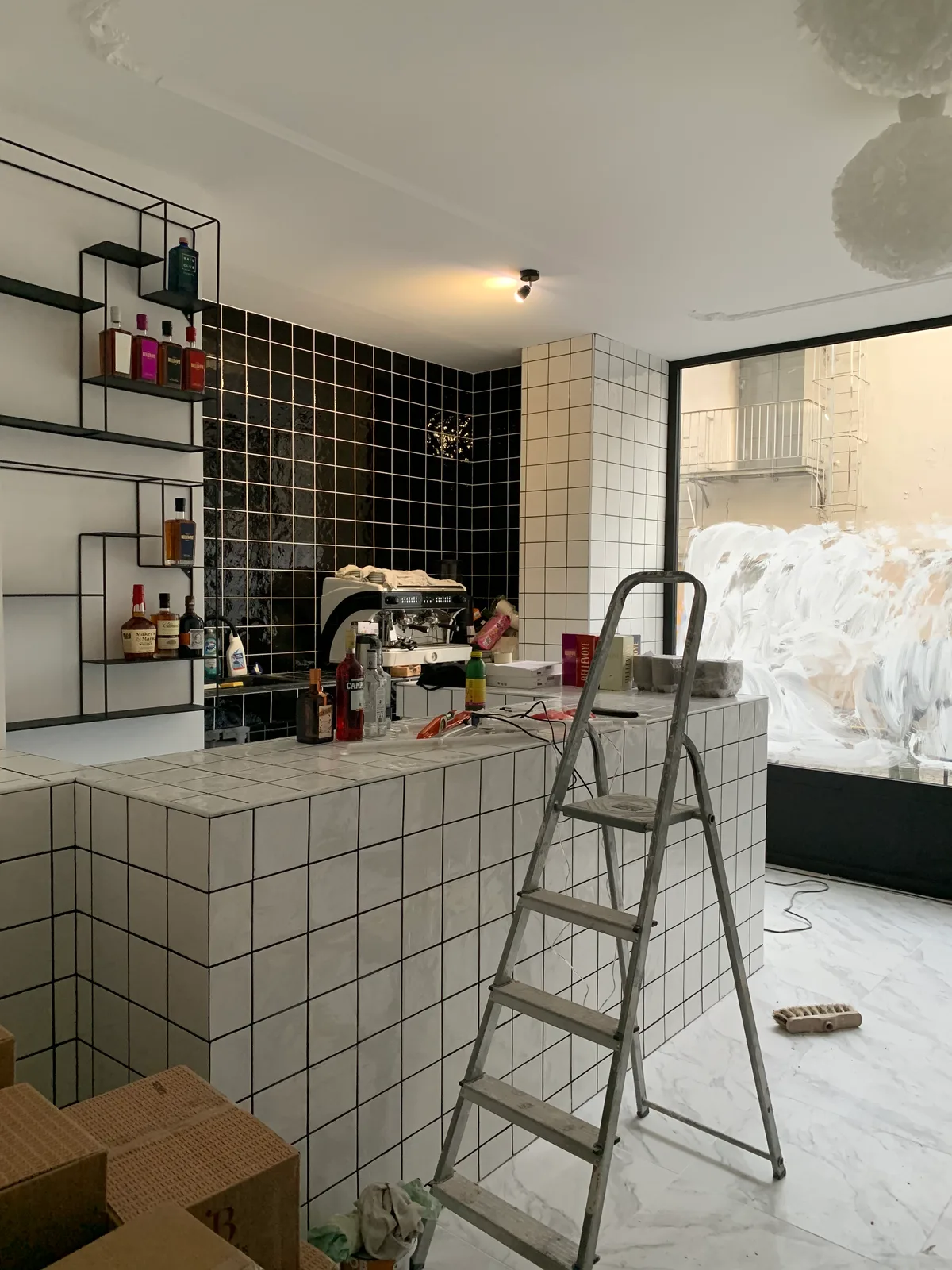
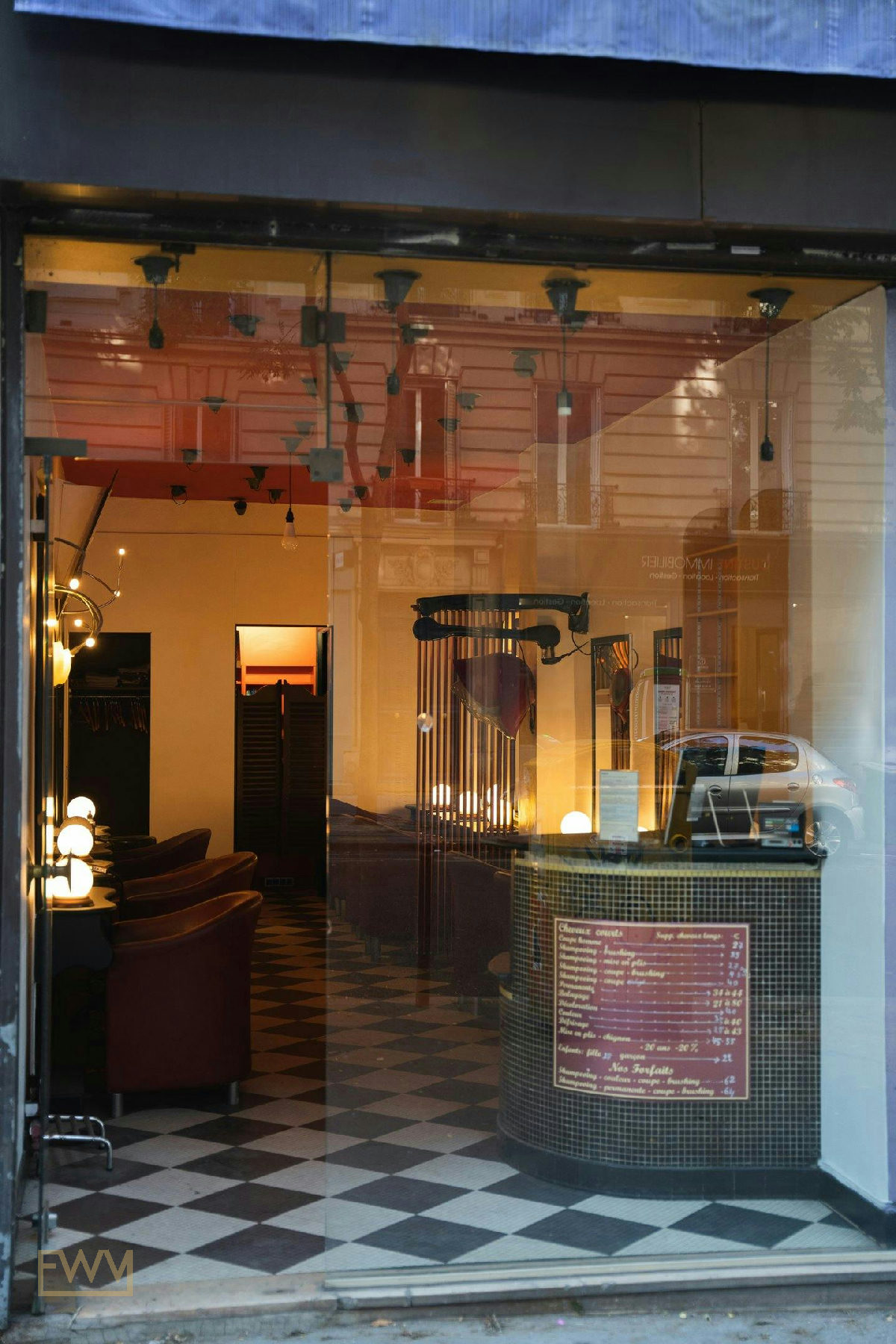
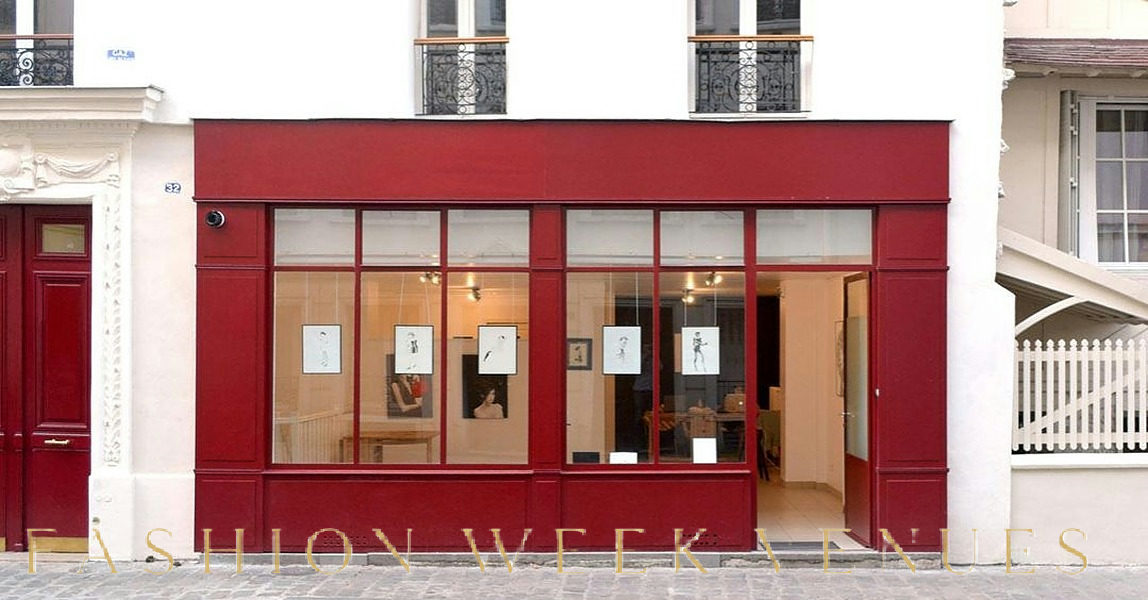
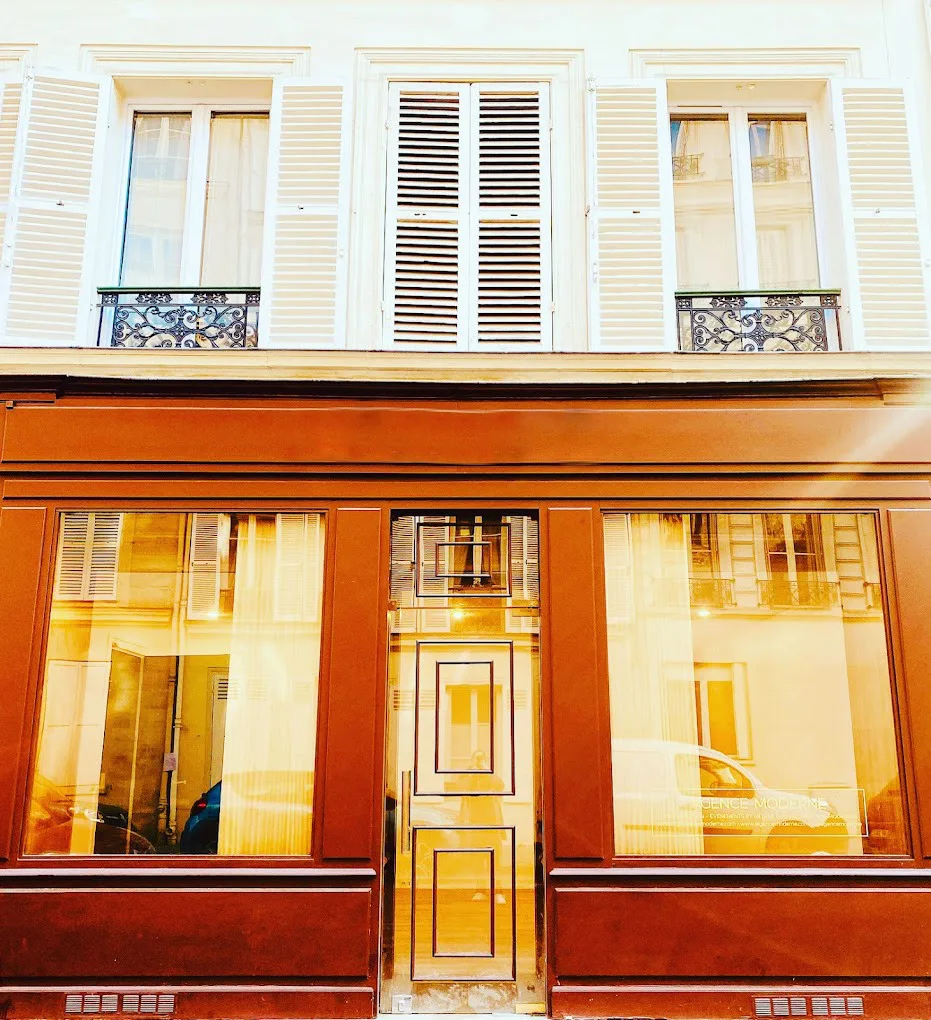
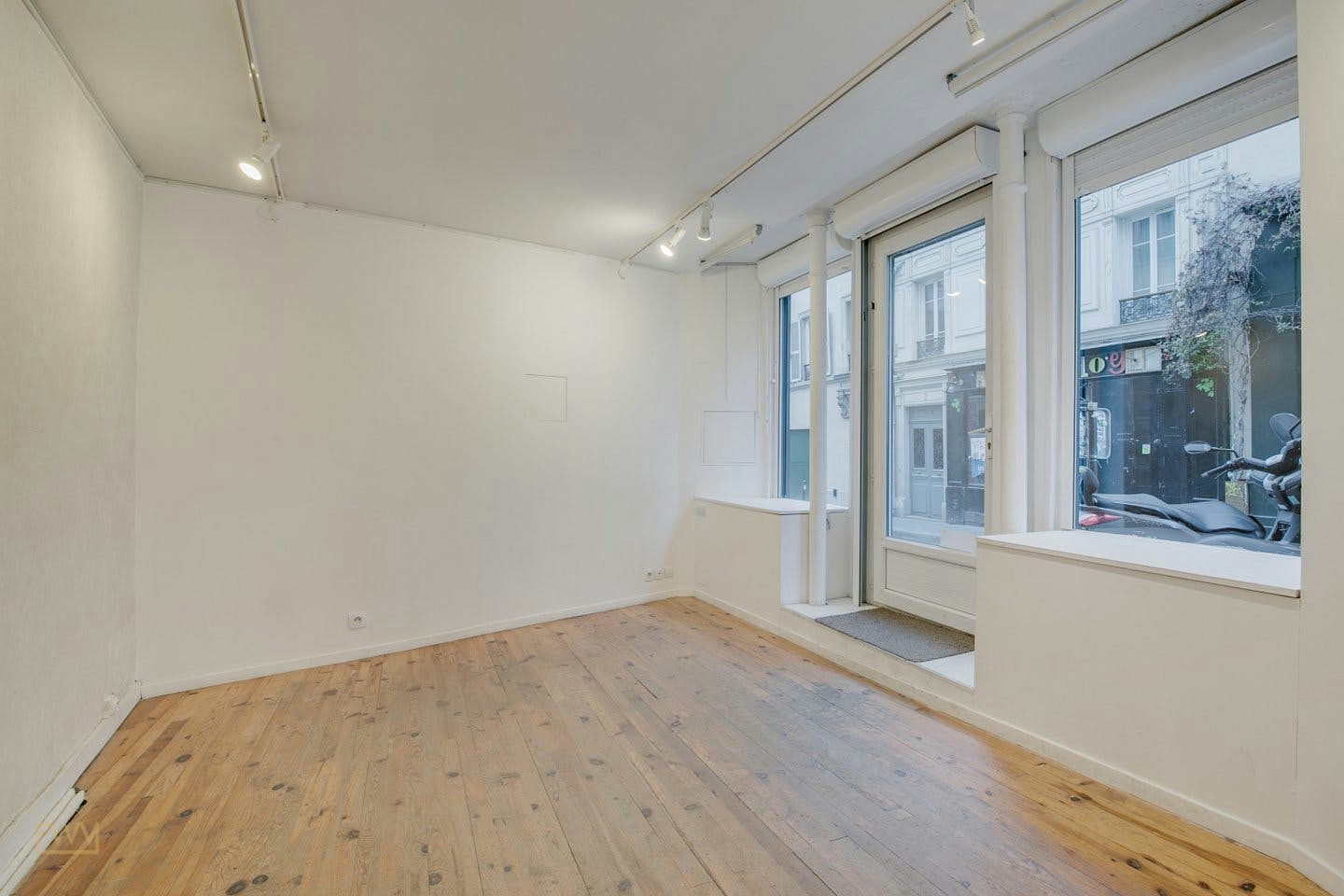
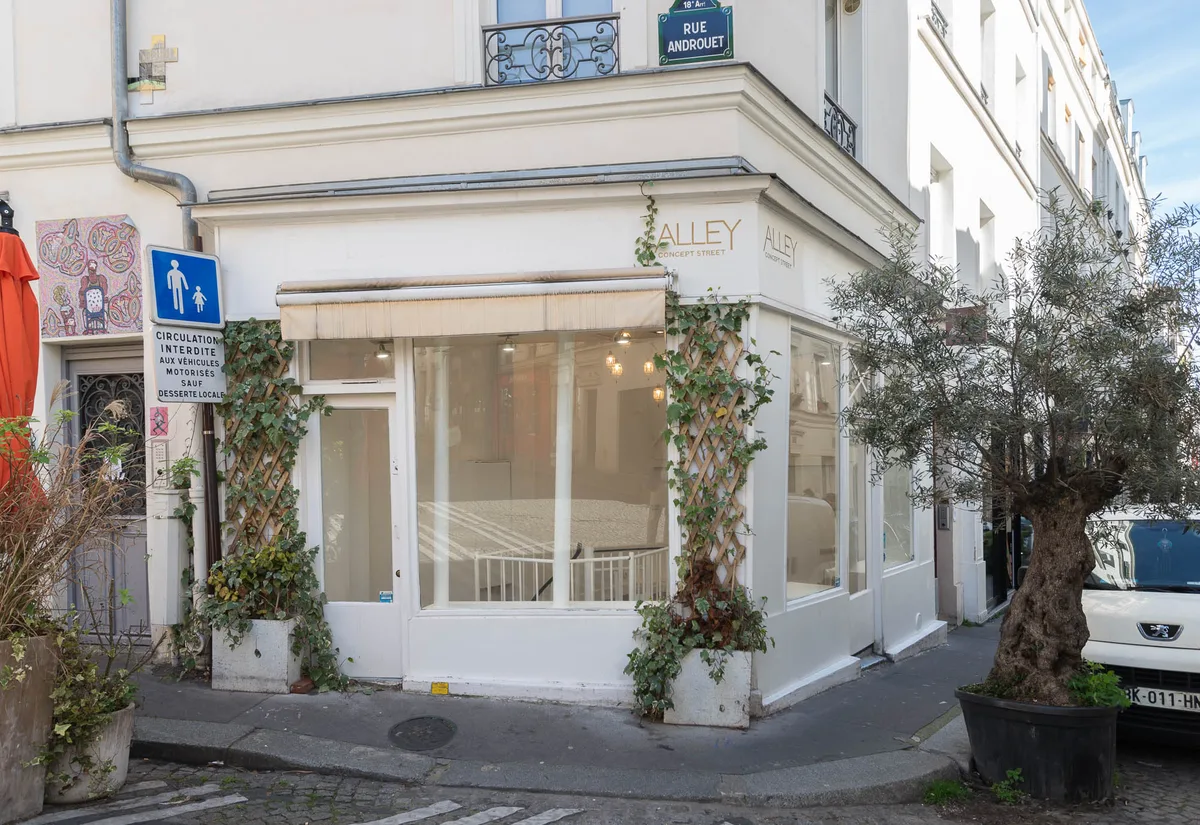
Short term retail in the 9th arrondissement Paris offers brand teams one of the most strategically valuable activation environments in Europe. The 9ème arrondissement sits at the intersection of Parisian luxury heritage and contemporary consumer culture, anchored by Boulevard Haussmann, the Opéra Garnier, Galeries Lafayette, and Printemps, while its residential streets such as Rue des Martyrs and Rue Henry Monnier attract an increasingly design-conscious local demographic. For DTC brands, international labels entering the French market, and established houses running press days or showroom activations, this district delivers a rare combination of landmark footfall, neighbourhood credibility, and a growing supply of short-term spaces. Fashion Week Venues covers the 9th arrondissement within its Paris city hub, helping brand teams source, plan, and activate spaces across this neighbourhood and beyond.
Why the 9th Arrondissement Is a Priority Location for Temporary Retail and Brand Activation
The 9th arrondissement earns its place on serious brand activation shortlists because it combines two distinct retail ecosystems within a single administrative district. The lower 9th, bordered by the Grands Boulevards and Boulevard Haussmann, functions as one of Paris's most visited commercial corridors, drawing millions of domestic and international shoppers annually to Galeries Lafayette and Printemps. The upper 9th, anchored by the slopes leading toward Montmartre, operates on a different frequency entirely, hosting an independent, food-forward, lifestyle-oriented community centred around Rue des Martyrs, Rue Henry Monnier, and the surrounding streets of the South Pigalle neighbourhood, widely known as SoPi.
This dual character is a genuine strategic asset for brand teams. A streetwear or food concept brand seeking authentic residential context will find it in the upper 9th, while a luxury accessories label or a flagship-standard temporary retail activation will find the Boulevard Haussmann corridor and its adjacencies both credible and commercially powerful. The proximity of the Opéra Garnier and the Palais Garnier to retail space options reinforces the cultural prestige of the district, giving brands a backdrop that communicates heritage, artistry, and international significance without needing to be on the Champs-Élysées or near the Palais Royal.
Foot traffic in the lower 9th is among the highest in Paris. The Galeries Lafayette flagship on Boulevard Haussmann alone attracts upwards of 35 million visitors per year according to published figures from the group, making it the most visited site in Paris ahead of the Eiffel Tower in some annual counts. Brands that position short-term retail activations within walking distance of this anchor benefit from spillover traffic that is already in a high-intent purchasing mindset. The Musée Grévin on the Grands Boulevards and the Opéra Garnier itself also contribute to a steady flow of tourists and culturally engaged visitors across all seasons.
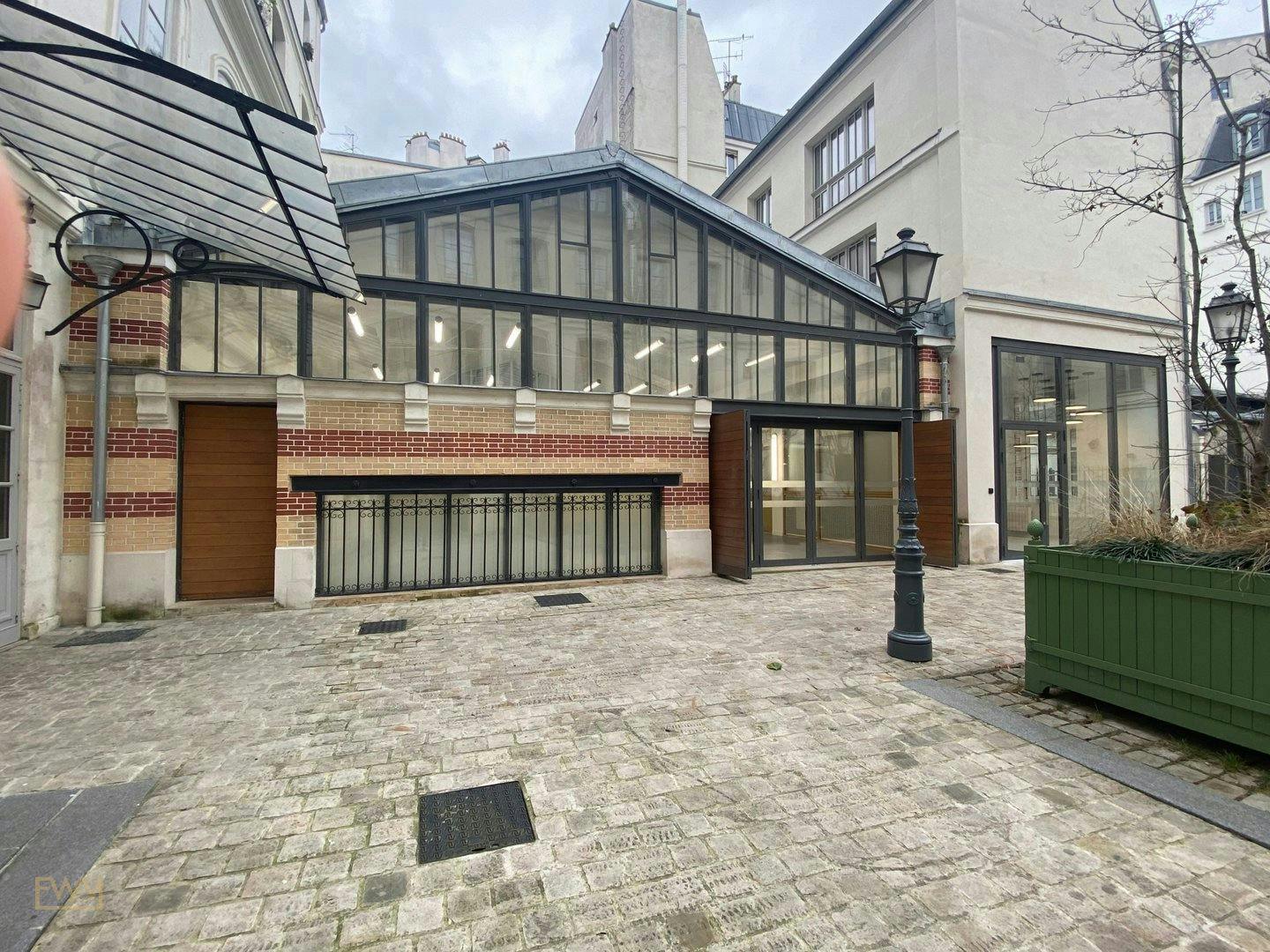
In practical terms, the 9th arrondissement offers a wider variety of short-term retail and showroom space formats than many neighbouring districts. Haussmannian commercial ground floors, converted gallery spaces, upper-floor apartment showrooms, former boutique interiors, and purpose-built concept stores all appear in the available inventory at different price points and contract formats. The district's density means that brands can often find multiple viable options within a few blocks of each other, enabling proper comparison before committing to a space.
The 9th also benefits from excellent transport connectivity. The Opéra and Chaussée d'Antin stations serve multiple metro lines, and the proximity to Gare du Nord and Gare de l'Est, both within easy reach by public transport, means that international visitors arriving in Paris by Eurostar or other rail services can reach the district quickly. This accessibility factor matters directly to brands running press days, buyer appointments, or influencer-hosted events that depend on attendance from editors, buyers, and media travelling from London, Brussels, or Amsterdam.
KEY TAKEAWAY: The 9th arrondissement offers brand teams a rare dual environment: high-footfall commercial streets anchored by Galeries Lafayette and Printemps at its southern edge, and a residential, independent, culturally engaged community in its upper reaches, making it suitable for both volume-driven temporary retail and curated showroom activations.
Understanding the specific streets, neighbourhoods, and sub-zones within the 9th is essential before shortlisting any space, as the character and commercial logic of each pocket differs significantly.
Street-by-Street Geography: Understanding the 9th Arrondissement for Pop-Up Planning
The 9th arrondissement is not a uniform district. Its roughly triangular shape, bounded by the 2nd, 10th, 18th, and 8th arrondissements, contains several distinct retail micro-environments that demand different activation strategies, different visitor profiles, and different space types.
Boulevard Haussmann and the Grand Magasins Corridor
Boulevard Haussmann is the commercial spine of the lower 9th and one of the most commercially dense streets in Paris. Galeries Lafayette and Printemps occupy enormous Haussmann-era buildings here, each operating across multiple interconnected structures with dedicated departments for fashion, beauty, homeware, and food. For brands, the relevance of this corridor extends beyond the department stores themselves. The surrounding streets, including Rue de la Chaussée d'Antin, Rue du Havre, and Rue de Mogador, contain a mix of mid-to-premium retail, with occasional short-term space opportunities in ground-floor commercial units that benefit directly from the anchor traffic generated by the two department stores.
The Grands Boulevards Strip
The Grands Boulevards trace the southern boundary of the 9th and form a historically significant entertainment and retail corridor. The Musée Grévin, one of Paris's oldest wax museums and a genuine tourist attraction, sits on this strip. The boulevard's character is more theatrical than the luxury calm of the 8th arrondissement, with a faster pace, a broader demographic mix, and commercial space types that range from converted theatres to modern storefronts. For brands seeking high visibility and a broad consumer audience, the Grands Boulevards strip offers accessible short-term retail options with strong footfall.
Rue des Martyrs
Rue des Martyrs is perhaps the most discussed residential retail street in Paris and has been written about extensively in both French and international food and lifestyle media. Running from the southern tip of the 9th up toward the 18th and the base of Montmartre, it is a genuine neighbourhood high street with bakeries, cheese shops, wine merchants, florists, bookshops, and independent boutiques. For brands aligned with artisanal, sustainable, food, lifestyle, or independent design positioning, Rue des Martyrs represents one of the most authentic and editorially credible contexts available in the city. Temporary retail and showroom spaces here attract a local, well-educated, high-disposable-income demographic rather than mass tourism.
South Pigalle and Rue Henry Monnier
The area colloquially known as SoPi, centred around Rue Henry Monnier, Rue Notre-Dame de Lorette, and the Place Saint-Georges, has evolved over the past decade into one of Paris's most design-forward residential neighbourhoods. It attracts creative professionals, fashion industry workers, architects, and the international expat community working in Paris's growing tech and creative sectors. Short-term retail spaces here tend to be apartment-format showrooms, converted ateliers, and boutique ground floors with strong architectural character. For press days, buyer appointments, capsule collection launches, and brand discovery activations, SoPi offers a context that communicates genuine creative credibility rather than commercial spectacle.
Rue Lafitte and the Gallery District
Rue Lafitte has a historic connection to the Paris art market, having been home to some of the city's most significant commercial galleries in the late nineteenth and early twentieth centuries. Today it retains a gallery and design character that makes it suitable for fashion showrooms, art-adjacent brand activations, and temporary retail concepts with a strong aesthetic identity. Spaces here tend to be well-proportioned, often with Haussmannian architectural details, and sit within comfortable walking distance of both the Opéra Garnier and the broader Grands Boulevards strip.
Quick answer: The 9th arrondissement contains several distinct retail micro-environments including the high-footfall Boulevard Haussmann corridor anchored by Galeries Lafayette and Printemps, the artisanal residential stretch of Rue des Martyrs, the design-forward SoPi neighbourhood around Rue Henry Monnier, and the gallery-adjacent streets near Rue Lafitte and the Opéra Garnier, each suited to different brand positioning and activation formats.
KEY TAKEAWAY: Choosing a specific street or sub-zone within the 9th arrondissement requires as much strategic thought as choosing the arrondissement itself. Each micro-environment carries a different visitor profile, footfall pattern, and cultural register that will shape how a brand activation is received.
With the geography clear, the next step is understanding what types of spaces are actually available for short-term rental in this district and how they differ by format, access, and contract structure.
Types of Short-Term Retail and Showroom Spaces Available in the 9th Arrondissement
The 9th arrondissement supports a wider variety of short-term space formats than many brands initially expect. The inventory ranges from purpose-configured retail storefronts to apartment showrooms, converted galleries, and dedicated fashion showroom spaces, each with different contractual frameworks, floor and access configurations, and furnishing states.
Quick answer: Short-term retail and showroom spaces in Paris's 9th arrondissement include ground-floor storefronts, Haussmannian apartment showrooms, converted gallery and atelier spaces, boutique retail units, and hybrid event-retail venues. Each format suits different activation types, budget levels, and brand positioning strategies.
Ground-Floor Storefront Retail Units
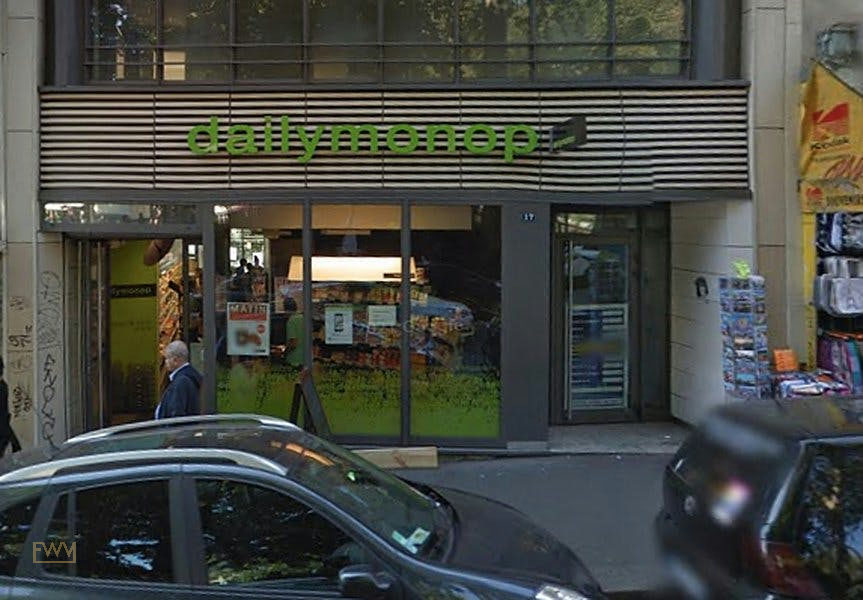
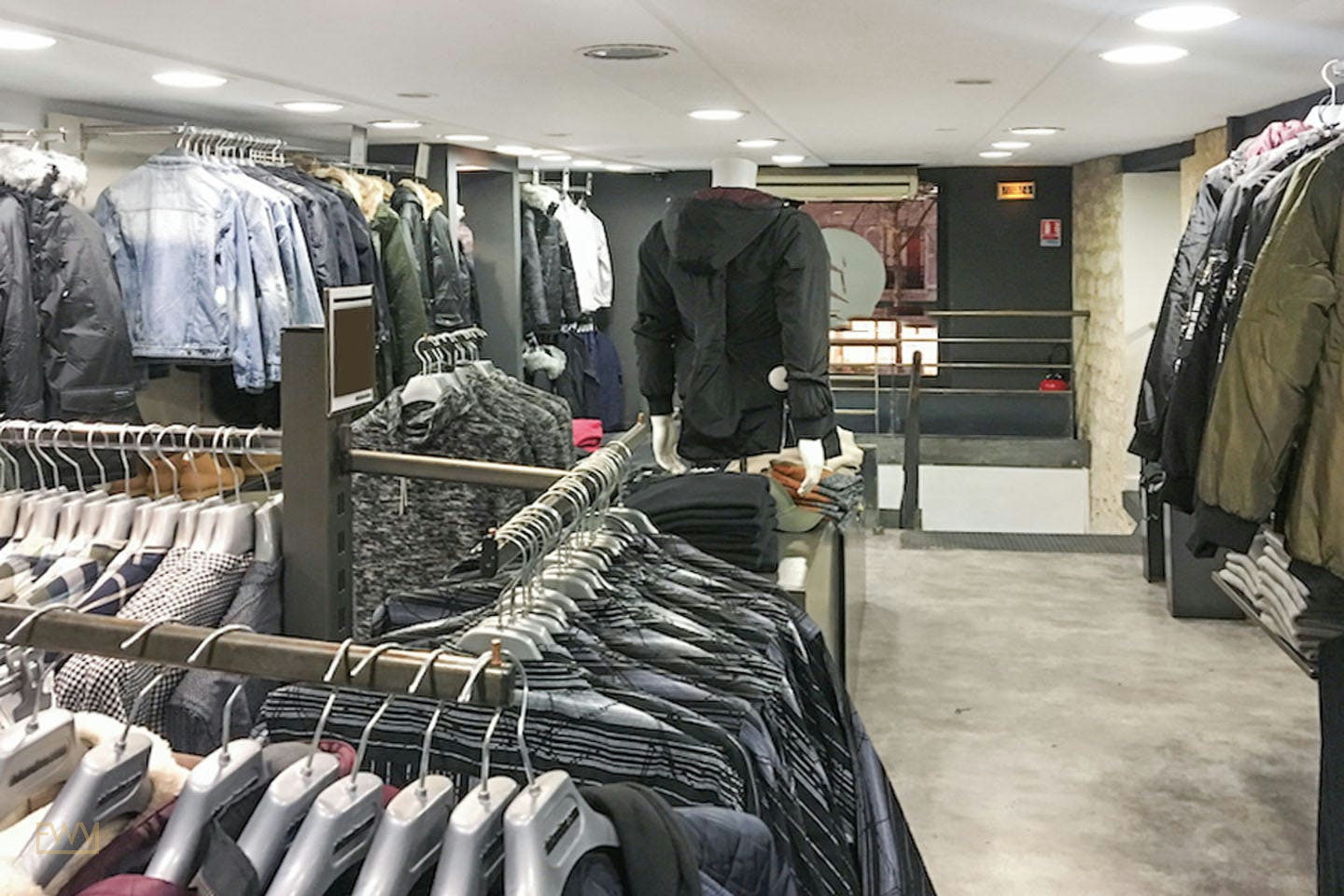
Ground-floor commercial units in the 9th range from small boutique-scale spaces of around 20 to 40 square metres to larger premises of 100 square metres or more in the Haussmann corridor. These spaces offer direct street frontage, natural shopper traffic, and standard retail configuration with display windows, appropriate floor and access arrangements, and basic fit-out infrastructure. They are the most conventional short-term retail format and suit brands seeking a recognisable retail presence with clear visibility from the street.
Apartment Showroom Spaces
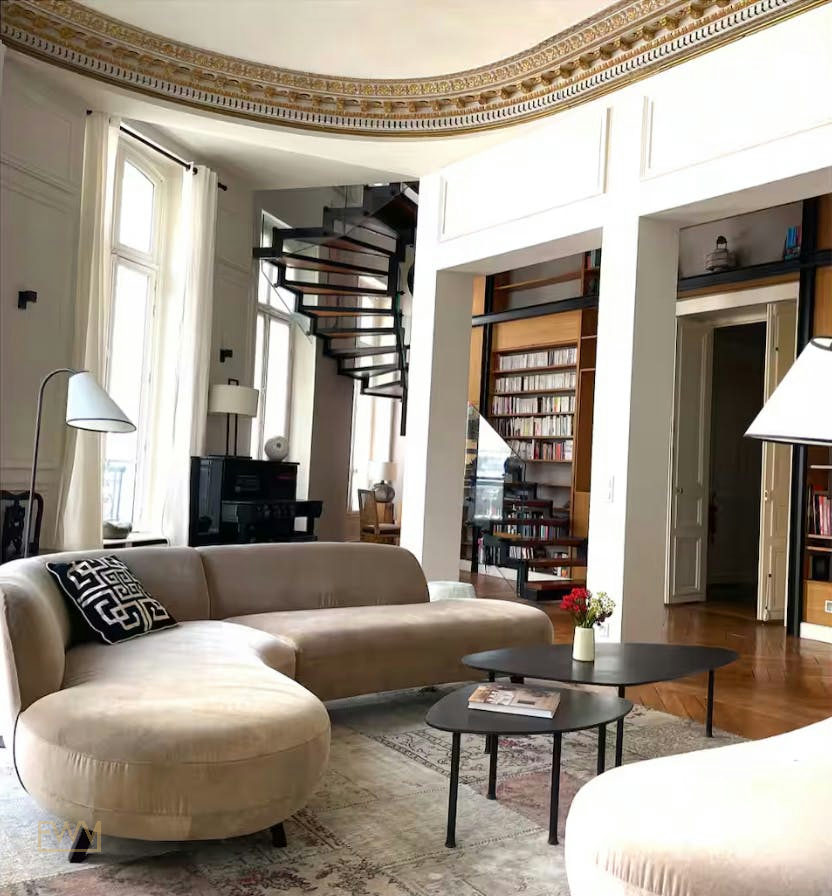
Upper-floor apartment spaces, particularly in Haussmannian buildings with high ceilings, parquet floors, large windows, and architectural mouldings, have become one of the most sought-after formats for fashion showrooms, press days, and brand presentations in Paris. The 9th arrondissement has strong inventory in this category, particularly in the SoPi area and along streets near the Opéra and Place Saint-Georges. These spaces create an intimate, editorial atmosphere that is difficult to replicate in standard commercial units. Furnishings and space features vary significantly between listings, and brands should clarify the exact configuration, floor access, and available infrastructure before confirming a booking.
Gallery and Atelier Spaces
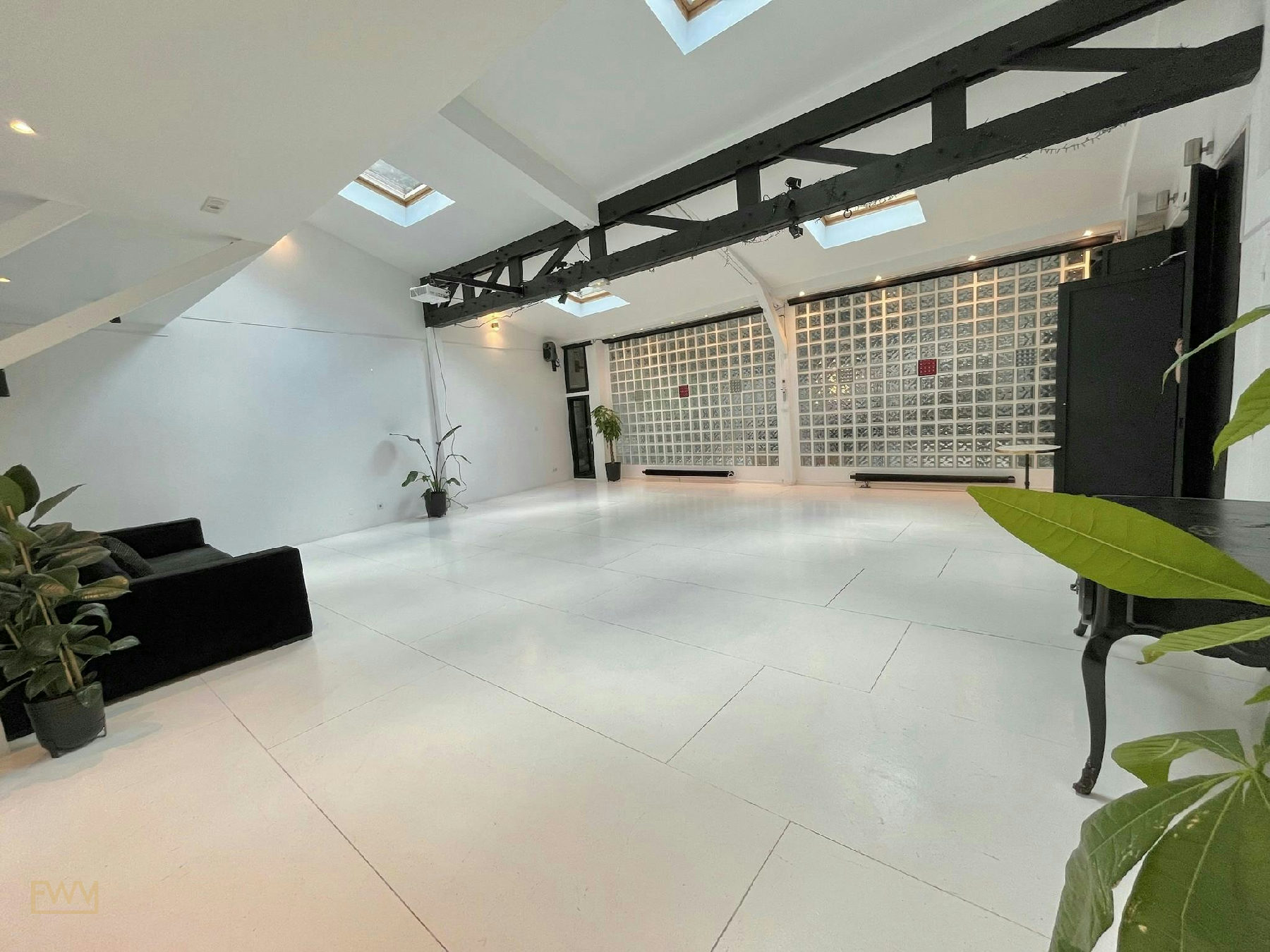
Former gallery spaces and converted ateliers in the 9th, particularly near Rue Lafitte and in the upper parts of the district toward Montmartre, offer white-box or semi-finished environments with flexible configuration. These spaces are popular with fashion labels, design brands, and cultural organisations running temporary exhibitions or launch activations. The open floor plans allow for bespoke fit-out and branded store design without the constraint of an existing residential layout.
Fashion Showroom Formats
Dedicated fashion showroom spaces in the 9th are configured specifically for trade and press appointments, with appropriate hanging rails, display infrastructure, seating for buyers, and neutral or brand-ready finishes. During Paris Fashion Week, these spaces are in extremely high demand and book months in advance. Outside of the main fashion week calendar, they offer excellent value for brands running season presentations, market-testing pop-ups, or DTC brand discovery events.
Hybrid Event and Retail Venues
A growing category within the 9th's short-term space inventory is the hybrid event-retail venue, capable of functioning as a launch event space in the evening and a transactional retail environment during the day. These spaces typically have flexible floor configurations, kitchen or catering access, and sufficient ceiling height for lighting rigs and brand installation. They suit brand launch campaigns, capsule collection drops, and branded experience activations that combine commerce with entertainment.
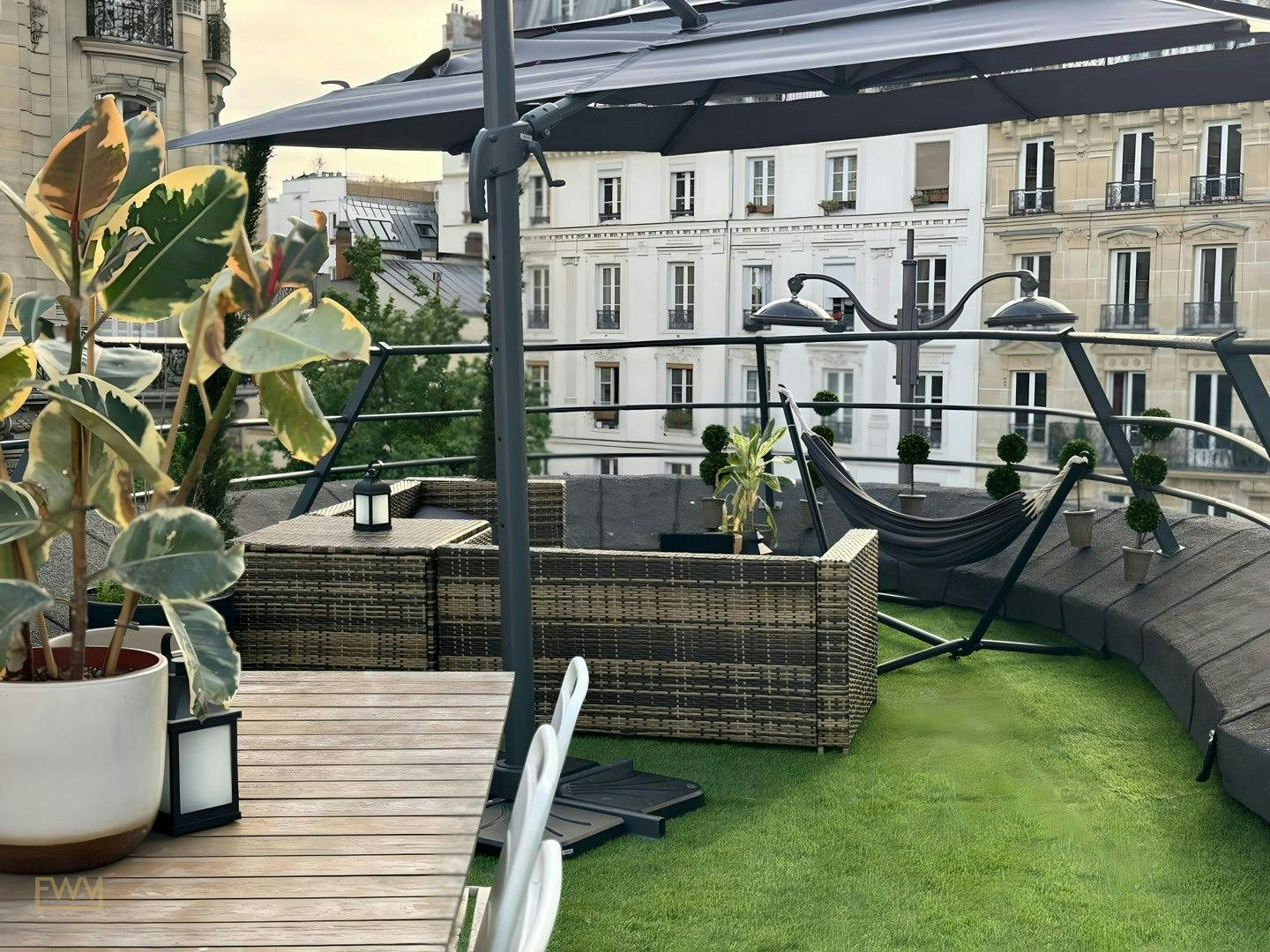
DID YOU KNOW: Some Haussmannian apartment showrooms in the 9th arrondissement offer access to private courtyards or garden areas that can be incorporated into a brand activation, providing outdoor space that is extremely rare in central Paris.
KEY TAKEAWAY: The 9th arrondissement's short-term space inventory is genuinely diverse, covering everything from street-level storefronts to apartment showrooms and gallery-format spaces. Matching the space type to the brand activation format, expected visitor behaviour, and required furnishing state is essential before finalising a brief.
Securing the right space type is only part of the planning equation. Understanding the business operations, permits, and contractual frameworks that apply to short-term retail in the 9th is equally critical.
Permits, Regulations, and Contracts for Short-Term Retail in the 9th Arrondissement
Operating a temporary retail or pop-up activation in Paris requires navigating a specific set of French commercial regulations that differ materially from short-term leasing frameworks in the UK, the US, or other major markets. The 9th arrondissement is subject to the same municipal and national frameworks as the rest of Paris, but the specific requirements can vary depending on the space type, the duration of the activation, the nature of the commercial activity, and the arrondissement-specific planning rules that apply.
Quick answer: Short-term retail in the Paris 9th arrondissement typically operates under a bail dérogatoire for spaces used commercially for periods of less than three years, or under an autorisation d'occupation temporaire for certain public or semi-public spaces. Neither framework is administratively simple, and specialist guidance is strongly recommended before signing any agreement. Use the Fashion Week Venues permits tool to understand the documentation requirements relevant to your specific activation.
The Bail Dérogatoire: Short-Term Commercial Leases in France
The bail dérogatoire, sometimes called a bail précaire, is the standard legal mechanism for short-term commercial leasing in France. It allows landlords and tenants to enter into a commercial occupation agreement of up to three years without triggering the protections of the standard French commercial lease, known as the bail commercial. For brands running activations of a few days to several months, this is the most likely contractual framework they will encounter. However, the bail dérogatoire is not a casual agreement. It must be formally drafted, signed before the space is occupied, and must explicitly exclude the statut des baux commerciaux. Mishandling this documentation can inadvertently convert the agreement into a full commercial lease with significantly greater obligations for both parties.
Autorisation d'Occupation Temporaire
Some spaces within the 9th arrondissement, particularly those with connections to public buildings, cultural institutions, or publicly owned property, may be licensed under an autorisation d'occupation temporaire, commonly referred to as an AOT. This is a permission granted by a public authority for temporary use of a public or semi-public space and carries its own compliance requirements, duration limits, and conditions of use. Brands planning activations in atypical or institutional spaces should verify whether an AOT applies and what restrictions it imposes on commercial activity, signage, and public access.
SIRET Number and Business Registration Requirements
Brands operating commercially in France, including those running temporary retail activations, are generally expected to hold a SIRET number, which is the French business registration identifier issued by INSEE. International brands without a French legal entity may be able to operate through a registered French partner, a temporary representative structure, or an established agency with the appropriate registrations. The requirements vary depending on the nature and duration of the activity, and brands should verify their specific obligations with a French legal advisor before committing to an activation timeline.
Commercial Regulations and Activity Permissions
Beyond the lease structure, brands must also consider whether their planned commercial activity requires additional permissions. Selling food or beverages, serving alcohol, hosting public events, installing temporary signage on building facades, and operating amplified music all carry separate regulatory requirements in Paris. The relevant authorities include the Mairie of Paris, the Préfecture de Police, and depending on the nature of the activity, various national bodies. Requirements can vary by the specific location within the 9th arrondissement, particularly near protected heritage buildings such as the Opéra Garnier.
IMPORTANT: Do not assume that a short-term rental agreement automatically authorises all planned commercial activity. Permit requirements for temporary retail in Paris are layered, and failing to obtain the correct authorisations before opening can result in closure, fines, or reputational consequences. Always verify with a qualified French legal advisor.
KEY TAKEAWAY: Temporary retail in the 9th arrondissement operates within a specific French legal and regulatory framework that requires careful handling of lease documentation, business registration, and activity-specific permits. Using specialist support and the available permit guidance tools significantly reduces the risk of costly compliance errors.
With permits and contracts addressed, the next priority for brand teams is building a realistic budget for a short-term retail activation in this part of Paris.
Budgeting for Short-Term Retail in the Paris 9th Arrondissement
Establishing a realistic budget for a short-term retail activation in the 9th arrondissement requires considering several distinct cost layers beyond the headline rental figure. Space rental is typically the largest single line item, but production, fit-out, staffing, permits, marketing, and operational costs can collectively match or exceed the rental cost for well-executed brand activations.
Quick answer: The total cost of a short-term retail activation in the Paris 9th arrondissement depends on space size, location, duration, fit-out ambition, and staffing requirements. Rental rates, production costs, and operational expenses vary significantly across space types and sub-zones within the district. Use the Fashion Week Venues budget calculator to build a brand-specific estimate based on your space type, duration, and activation scope.
Space Rental Rates: Directional Context
Short-term rental rates in the 9th arrondissement reflect the district's position as one of Paris's premium retail locations. Spaces in the Boulevard Haussmann corridor and immediate surroundings of Galeries Lafayette and Printemps command premium rates consistent with their exceptional footfall. Spaces in the residential upper 9th, including SoPi and the Rue des Martyrs area, tend to be priced at lower per-day or per-week rates, reflecting the more intimate scale and neighbourhood character. Rates vary substantially depending on space size, floor configuration, furnishing state, available space features, and the specific calendar period. Paris Fashion Week windows, in particular, attract significantly elevated rates driven by concentrated demand from international brands. All published ranges should be treated as directional estimates only; brand teams should obtain specific quotes based on their exact brief.
Production and Fit-Out Costs
For activations requiring branded store design, custom fixtures, printed graphics, lighting installation, or significant spatial transformation, production and fit-out costs represent a substantial budget category. The level of investment depends on the space's starting condition, the brand's design ambitions, and the planned duration of the activation. A furnished apartment showroom requiring only brand collateral and floral styling will have very different production requirements from a blank-canvas gallery space being transformed into a full retail environment. Understanding the space's existing furnishings, floor and access configuration, and any landlord restrictions on modifications is essential before finalising production budgets.
Staffing Costs
Retail staffing in Paris must comply with French employment law, including minimum wage requirements, working hour regulations, and social contribution obligations. For international brands without a French employer registration, engaging staff through a specialist retail staffing provider is the most practical route. Staffing costs for a pop-up of several days to several weeks can range from a modest additional line item for a single-staffed showroom to a significant cost for a multi-shift retail environment with multilingual capabilities.
Additional Cost Categories
Brand teams should also budget for logistics and storage, insurance, cleaning and reinstatement, technology and POS systems, marketing and influencer activation, photography and content production, and any permit or legal fees associated with the lease and activity authorisations. Each of these categories adds meaningful cost to the overall activation investment, and underestimating them at the planning stage is one of the most common causes of budget overruns in Paris pop-up projects.
TIP: Build a buffer of at least 15 to 20 percent into your total activation budget to accommodate the unforeseen costs that almost all Paris pop-up projects encounter, from permit delays to last-minute production changes.
KEY TAKEAWAY: A realistic Paris 9th arrondissement activation budget must account for rental, production, staffing, permits, marketing, and operational costs as distinct line items. The budget calculator available through Fashion Week Venues allows brand teams to model costs against their specific brief before committing to a space or timeline.
Beyond budget, the most consequential planning decision for any Paris activation is timing, and understanding how the 9th arrondissement's calendar relates to Paris Fashion Week and the broader retail calendar is essential.
Calendar Strategy: Timing Short-Term Retail in the 9th Arrondissement Around Paris Fashion Week
The Paris activation calendar is shaped by several overlapping commercial, cultural, and seasonal rhythms. Paris Fashion Week is the most widely recognised window, but it is not the only viable period for short-term retail or brand activation in the 9th arrondissement. Understanding the full calendar helps brand teams identify both peak-demand windows and strategic off-peak opportunities that may offer better value and less operational competition.
Paris Fashion Week Windows
Paris Fashion Week takes place twice per year, with the womenswear collections in late February and early March for the autumn-winter season, and in late September and early October for the spring-summer season. Menswear and haute couture weeks add further concentrated activation windows in January, June, and July. During these periods, demand for short-term retail and showroom spaces across Paris, including the 9th arrondissement, is exceptionally high. Brands planning fashion week activations should begin space sourcing at least three to six months in advance, as the most desirable spaces in the Opéra district, SoPi, and the Boulevard Haussmann corridor book quickly among the community of international brands and press agencies that return to the same spaces season after season.
The Broader Paris Retail and Tourism Calendar
Beyond fashion week, Paris sustains extraordinarily high visitor volumes throughout the year. The Galeries Lafayette and Printemps flagship stores on Boulevard Haussmann attract international shoppers year-round, with peaks in summer, around Christmas, and during the January and July sales periods. Brands running market-testing pop-ups or DTC brand discovery activations outside the fashion week calendar can benefit from these visitor flows without competing for space during the most congested and expensive booking periods.
The Christmas and end-of-year season is particularly powerful for consumer-facing activations in the 9th, as the department stores' seasonal window displays attract enormous crowd volumes along Boulevard Haussmann and the surrounding streets. For brands selling gift-appropriate products or seeking maximum consumer visibility, a November or December activation in the lower 9th can deliver exceptional audience reach.
Strategic Off-Peak Activation Windows
Experienced brand teams increasingly use the periods immediately before or after Paris Fashion Week as strategic activation windows. The weeks flanking the main fashion week calendar benefit from the presence of international industry visitors, editors, and buyers who arrive early or stay on after the official programme, while space availability is slightly better and rates may be more negotiable than during the peak week itself. Similarly, periods such as the Paris design week in January or the trade fair calendar in late spring create concentrated professional audiences that can be highly valuable for specific brand categories.
KEY TAKEAWAY: Paris Fashion Week is not the only viable activation window in the 9th arrondissement, and brand teams should evaluate the full Paris calendar including seasonal retail peaks, tourism patterns, and trade event windows before fixing their activation dates. Use the Fashion Week Venues timeline tool to map your activation window against the Paris calendar and identify the optimal timing for your brief.
Choosing the right timing and space type is only meaningful if the activation itself is properly conceived and executed. This is where specialist agency support becomes directly relevant for brand teams operating in Paris.
How Fashion Week Venues Supports Short-Term Retail Activations in the 9th Arrondissement
Fashion Week Venues operates as a full-service pop-up shop agency and space marketplace with deep operational experience across Paris, including the 9th arrondissement. The agency's role is to reduce the complexity, risk, and execution burden of planning and running a temporary retail or brand activation in Paris, from initial space discovery through to live activation management and post-activation analysis.
For brand teams approaching the 9th arrondissement as an unfamiliar market, the agency provides structured support across the specific challenges that Paris activations present: sourcing appropriate spaces in the right sub-zones, navigating French commercial regulations and permit requirements, managing production and fit-out within local building constraints, and staffing the space with appropriately skilled retail and brand ambassadors.
Space Sourcing and Marketplace Access
The venue sourcing service covers the 9th arrondissement across all major space types, from Boulevard Haussmann storefronts and Opéra district gallery spaces to SoPi apartment showrooms and Rue des Martyrs boutique units. The Fashion Week Venues marketplace allows brand teams to browse available spaces, filter by space type, neighbourhood, duration, and budget, and compare options before requesting a site visit or proceeding to a booking.
Concept Direction and Branded Store Design
For brands that need more than a space, the concept direction service provides creative strategy for the activation, ensuring that the chosen space and the brand's identity work together coherently. This includes spatial layout planning, visual merchandising direction, and narrative development. The branded store design service translates the agreed concept into a designed environment, specifying fixtures, finishes, lighting, and brand elements appropriate to the space's architectural character.
Production, Fit-Out, and Furniture Rental
The production and build service manages the physical transformation of a space, working within the constraints of the specific building, the lease terms, and the timeline. For brands that need furnished spaces without custom production, the furniture rental service provides access to curated furniture and display fixtures appropriate to the 9th arrondissement's varied space typologies.
Retail Staffing, POS, and Operational Support
The retail staffing service provides experienced brand ambassadors and sales staff with appropriate language skills and retail training. POS and payments infrastructure ensures that transactional retail activations can process sales efficiently, with the data and analytics service providing post-activation reporting on visitor numbers, dwell time, conversion rates, and sales performance.
Tools for Planning and Decision-Making
Brand teams can use the suite of planning tools available on the platform to model budgets, calculate ROI, compare spaces, check permit requirements, and plan their timeline before engaging with any specific space or service. These tools are particularly valuable for brand teams in the early planning stages who need to build internal business cases for a Paris activation before securing formal approval.
KEY TAKEAWAY: Fashion Week Venues provides end-to-end support for short-term retail activations in the 9th arrondissement, from space sourcing and creative direction through to production, staffing, and analytics. Brand teams can engage the agency at any stage of the planning process and use the available tools to build a more informed brief before committing to a space or timeline. Visit the agency process page to understand how engagements are structured from initial brief to post-activation review.
With the operational framework clear, it is useful to compare the 9th arrondissement against its most directly competitive Paris districts to understand the relative advantages and trade-offs of this location choice.
The 9th Arrondissement Versus Neighbouring Districts: A Comparative Framework for Brand Teams
Choosing the 9th arrondissement over other Paris districts requires a clear understanding of what each location offers in terms of footfall profile, space inventory, rental positioning, brand credibility, and operational practicalities. The most frequently considered alternatives to the 9th for short-term retail and showroom activations are the 4th arrondissement (Le Marais), the 1st (Palais Royal and Les Halles), and the 8th (Champs-Élysées and the Golden Triangle).
| District | Primary Character | Best For | Space Availability | Footfall Profile | Relative Cost Positioning |
|---|---|---|---|---|---|
| 9th Arrondissement | Dual: luxury commercial south, creative residential north | Fashion showrooms, DTC pop-ups, press days, concept retail | High variety: storefronts, apartments, galleries | Mixed: tourist + local creative community | Mid to high, variable by sub-zone |
| 4th Arrondissement (Marais) | Design, fashion, art gallery, LGBTQ+ cultural hub | Fashion boutique pop-ups, brand discovery, gallery launches | Good: boutique units, gallery spaces, apartments | High tourism + strong local creative | High, especially on key streets |
| 1st Arrondissement (Palais Royal, Les Halles) | Luxury, institutional, central | Premium brand activations, luxury showrooms | Limited: high competition for premium units | Very high tourism, international luxury shopper | Very high |
| 8th Arrondissement (Champs-Élysées, Golden Triangle) | Flagship luxury, international prestige | Global brand flagship activations | Limited and costly | Very high tourism, luxury-positioned | Among the highest in Paris |
| 2nd Arrondissement (Bourse, Sentier) | Emerging creative, tech, media | Brand storytelling, creative industry activation | Growing, mixed quality | Moderate, professional-skewing | Lower to mid |
The 9th arrondissement's most distinctive competitive advantage over the Marais and the 1st arrondissement is the availability of spaces that combine genuine Parisian architectural character with relatively greater flexibility on terms, configuration, and scheduling outside the fashion week peak. The Marais, while editorially powerful, operates under significant heritage restrictions in parts of the district that can complicate fit-out and activation planning. The 8th arrondissement's Champs-Élysées corridor is internationally recognised but carries a mass-market and tourist-heavy character that does not suit all brands.
Quick answer: The 9th arrondissement offers brand teams a middle path between the ultra-premium positioning of the 8th arrondissement and the boutique-scale independent character of the Marais, with a broader range of space types, a dual residential-commercial footfall profile, and strong proximity to Galeries Lafayette and the Opéra Garnier as cultural anchors.
KEY TAKEAWAY: District selection for a Paris pop-up or showroom activation should be driven by visitor profile alignment, space type requirements, and the cultural register the brand wants to occupy, rather than prestige alone. The 9th arrondissement scores highly on practical versatility and the breadth of its available space inventory.
The 9th Arrondissement as a Brand Context: Culture, Demographics, and Visitor Profile
Understanding the human geography of the 9th arrondissement is as important for brand teams as understanding its spatial and regulatory characteristics. The people who live in, work in, and visit this district shape the commercial opportunity available to any brand activating here, and a clear picture of the demographic composition and cultural atmosphere informs everything from space selection to activation concept and staffing approach.
The General Character and Atmosphere of the 9th
The 9th arrondissement carries a distinct energy that differentiates it from the sleeker luxury calm of the 8th or the self-conscious cool of the Marais. Its Haussmann-era architecture creates a visual grandeur that is genuinely Parisian in the most iconic sense, with wide boulevards, ornate facades, wrought-iron balconies, and the golden dome of the Opéra Garnier providing an architectural centrepiece that draws visitors from across the world. Yet the upper reaches of the district, particularly the SoPi neighbourhood and the slopes toward Montmartre, operate with a relaxed, neighbourhood-first character that feels authentically residential rather than performed for visitors.
This combination creates a district that is simultaneously impressive and liveable, which is increasingly the profile that internationally minded consumers and the professional creative class find most appealing. The 9th is not a theme-park version of Paris. It is a district where real Parisians live, work, shop for groceries on Rue des Martyrs, and attend performances at the Opéra Garnier and the Olympia music hall. This authenticity is commercially relevant because it means that brands activating here are not only speaking to tourists but also to a highly engaged, culturally literate local audience.
Demographics and Consumer Profile
The residential demographic of the 9th skews toward mid-to-upper income professional households, with a significant representation of creative industry workers including fashion, architecture, media, advertising, and technology. The SoPi neighbourhood in particular has attracted an international creative community over the past decade, making it one of the most demographically diverse and globally connected residential pockets in central Paris. This profile aligns well with the target consumer for premium fashion, design, beauty, and lifestyle brands seeking to build awareness and affinity in the French market.
The tourist visitor profile of the lower 9th is broader and more international, drawing heavily from the Galeries Lafayette's enormous global visitor base, which includes shoppers from China, the Middle East, Southeast Asia, the Americas, and across Europe. For brands seeking to reach international high-value consumers in a single location, the Boulevard Haussmann corridor delivers a concentrated audience that is difficult to match elsewhere in the city outside of the 8th arrondissement.
Cultural Landmarks and Their Brand Relevance
The Palais Garnier and Opéra Garnier are globally recognised cultural landmarks that lend the surrounding district a gravitational prestige that benefits all brands operating in proximity. The Musée Grévin on the Grands Boulevards is a beloved Paris institution that attracts families and tourists across all seasons. The Olympia music hall on Boulevard des Capucines has a legendary history in French and international music culture, having hosted performances by acts from Édith Piaf to The Beatles. For brands seeking to embed their activation within a culturally resonant Parisian narrative, the 9th arrondissement offers an exceptional density of reference points, allowing brand storytelling to draw on opera, music, fashion, gastronomy, and the Montmartre artistic tradition without leaving a single arrondissement.
KEY TAKEAWAY: The 9th arrondissement's demographic and cultural profile makes it suitable for brands targeting both internationally minded tourists on Boulevard Haussmann and a sophisticated local creative audience in SoPi and the Rue des Martyrs corridor. The district's cultural landmarks provide powerful contextual framing for brand narratives that want to connect with Paris's deepest creative heritage.
Step-by-Step: Planning a Short-Term Retail Activation in the Paris 9th Arrondissement
Executing a successful short-term retail or showroom activation in the 9th arrondissement requires a disciplined planning process that coordinates space, permits, production, staffing, marketing, and operations within a fixed timeline. The following workflow provides a practical framework for brand teams approaching this process for the first time or refining their approach after previous Paris activations.
| Stage | Key Actions | Recommended Lead Time | Tools and Resources |
|---|---|---|---|
| 1. Strategic Brief | Define activation objectives, target audience, format, budget range, and preferred sub-zone within the 9th | 12 to 16 weeks before activation | Internal brand brief, ROI calculator, budget calculator |
| 2. Space Discovery | Browse marketplace, use locator tool, shortlist 3 to 5 spaces that match brief criteria | 10 to 14 weeks before activation | Marketplace, locator tool, compare tool |
| 3. Site Visits and Selection | Visit shortlisted spaces, assess floor and access configurations, check space features and furnishings, confirm landlord terms | 8 to 12 weeks before activation | Agency venue sourcing support, imagine tool |
| 4. Legal and Permit Review | Confirm lease type (bail dérogatoire or other), check SIRET requirements, apply for activity-specific permits | 8 to 10 weeks before activation | Permits tool, French legal advisor |
| 5. Concept and Design | Finalise activation concept, branded store design, spatial layout, and visual identity application | 6 to 10 weeks before activation | Concept direction service, branded store design service, build tool |
| 6. Production and Fit-Out | Commission and build all physical elements, arrange furniture rental, install lighting and brand graphics | 4 to 6 weeks before activation | Production and build service, furniture rental service |
| 7. Staffing and Operations | Recruit and brief retail staff, set up POS and payments, establish opening procedures and daily operations | 2 to 4 weeks before activation | Retail staffing service, POS and payments service |
| 8. Marketing and Launch | Activate influencer marketing, press outreach, social media campaign, and local event programming | 2 to 4 weeks before activation | Influencer marketing service, activation management service |
| 9. Live Activation | Operate the space, manage daily staffing, respond to operational issues, maintain brand standards | During activation | Activation management service, data and analytics service |
| 10. Post-Activation Review | Gather data, assess ROI, capture learnings, brief next activation cycle | Within 2 weeks of closing | Data and analytics service, ROI calculator |
This workflow applies whether a brand is working with a full-service agency or managing elements in-house. The critical risk points, where activations most commonly encounter costly delays, are the permit and legal review stage and the production timeline, both of which require more lead time than brand teams typically allocate on a first Paris activation.
TIP: If you are working with a production partner on a significant fit-out in a Haussmannian building, check building access hours, elevator dimensions, and any restrictions on noise or works imposed by the co-propriété before finalising your installation schedule. These constraints are common in the 9th arrondissement's historic building stock and can significantly affect production timelines.
To compare neighbourhoods and space types, explore the Paris city hub on Fashion Week Venues and shortlist spaces that match your brief, budget, and calendar window.
KEY TAKEAWAY: A realistic planning timeline for a 9th arrondissement activation starts at least 10 to 12 weeks before the intended opening date for a straightforward showroom or press day format, and 16 weeks or more for a fully produced retail environment requiring significant fit-out and permit applications. Starting later than this significantly increases both cost and operational risk.
Space Type Breakdown by Sub-Zone: A Quick Reference for Brand Teams
To assist with initial scoping, the following table summarises the typical space types available across the main sub-zones of the 9th arrondissement, along with their primary suitability for different activation formats and key considerations for brand teams.
| Sub-Zone | Typical Space Types | Best Activation Formats | Key Considerations |
|---|---|---|---|
| Boulevard Haussmann corridor | Large-format commercial units, department store adjacencies | Volume retail, flagship pop-ups, high-traffic consumer launches | Premium rental rates, high landlord selectivity, limited short-term availability |
| Opéra and Palais Garnier surrounds | Boutique storefronts, upper-floor gallery spaces, Haussmannian apartments | Press days, buyer showrooms, brand presentations, cultural tie-ins | Heritage building restrictions, strong Opéra tourist footfall, excellent transport links |
| Grands Boulevards strip | Converted entertainment venues, modern commercial units, gallery-style spaces | Launch events, experiential retail, brand entertainment activations | Mixed demographic footfall, strong evening economy, appropriate for theatrical concepts |
| SoPi (Rue Henry Monnier area) | Apartment showrooms, converted ateliers, boutique retail units | Showrooms, press days, DTC discovery, capsule launches, brand dinners | Residential context, creative professional audience, intimate scale, neighbourhood parking limited |
| Rue des Martyrs corridor | Boutique ground-floor units, converted residential spaces | Lifestyle brand pop-ups, food and drink concepts, artisanal and independent positioning | Strong local residential footfall, food and lifestyle context, editorial credibility |
| Rue Lafitte and gallery streets | Gallery-format spaces, Haussmannian commercial units | Fashion showrooms, design brand launches, art-adjacent activations | Art market heritage, good proximity to Opéra, suitable for design-forward brands |
KEY TAKEAWAY: Each sub-zone of the 9th arrondissement serves a different activation format and visitor profile. Matching your brand's positioning, format, and expected visitor behaviour to the correct sub-zone is a foundational decision that shapes every subsequent planning and production choice.
Common Myths About Short-Term Retail in Paris Debunked
MYTH: You need a French legal entity to rent a short-term retail space in Paris.
FACT: International brands can access short-term retail spaces in Paris without establishing a full French legal entity, often through a registered French partner, a specialist agency, or specific contractual arrangements. However, commercial activity in France does carry registration and compliance obligations, and the route to lawful operation must be carefully assessed for each brand's specific situation with the support of a qualified French legal advisor.
MYTH: Paris Fashion Week is the only commercially viable calendar window for a 9th arrondissement activation.
FACT: Paris Fashion Week is an exceptional activation window, but the 9th arrondissement generates strong visitor and consumer traffic throughout the year, driven by the international draw of Galeries Lafayette and Printemps, the Opéra Garnier, the Musée Grévin, and the district's own residential community. Brands that activate outside fashion week often find better space availability, more negotiable rates, and a consumer audience that is less saturated with competing brand activations.
MYTH: Commission brokers are the only way for international brands to find short-term retail space in Paris.
FACT: The short-term retail space market in Paris has become significantly more accessible through specialist marketplaces and full-service agencies. Commission-only brokers represent one route to space discovery, but they may not have the production, permits, staffing, or activation management capabilities that a complex Paris project requires. A full-service agency working across sourcing, production, and operations typically delivers better outcomes for brands with limited in-market experience.
MYTH: Short-term leases in Paris are legally straightforward and require no specialist help.
FACT: Short-term commercial leasing in France operates under specific legal frameworks including the bail dérogatoire, which must be correctly drafted and executed to avoid inadvertently converting the arrangement into a full commercial lease with substantially greater obligations. Activity-specific permits, SIRET registration, and building-specific restrictions add further layers of complexity. Attempting to navigate this framework without specialist legal and operational support is one of the most common causes of costly problems for international brands entering Paris for the first time.
MYTH: The 9th arrondissement is only suitable for mass-market or tourist-focused activations because of Galeries Lafayette and Printemps.
FACT: While the Boulevard Haussmann corridor serves a broad and international consumer audience, the upper 9th arrondissement, particularly SoPi and the Rue des Martyrs area, is recognised as one of Paris's most sophisticated residential and creative neighbourhoods. Premium fashion, independent design, and lifestyle brands activating in these sub-zones reach an affluent, design-literate, internationally minded local audience that is very different from the tourist-heavy footfall of the southern edge of the district.
Frequently Asked Questions
How much does temporary retail space cost in the Paris 9th arrondissement?
Rental rates for temporary retail and showroom spaces in the 9th arrondissement vary significantly depending on location, space type, size, duration, and the calendar window. Spaces on the Boulevard Haussmann corridor or in close proximity to Galeries Lafayette command premium rates reflecting their exceptional footfall. Spaces in the residential upper 9th, including SoPi and Rue des Martyrs, are generally priced lower per day or per week. All figures should be treated as directional only, and brand teams should use the budget calculator available through Fashion Week Venues to model costs specific to their brief before approaching any landlord or agent.
How long can I rent a temporary retail space in Paris?
Short-term retail spaces in Paris are available for a range of durations, from a single day for an exclusive event or press day through to several weeks or months for an extended pop-up or market-testing activation. Contractual frameworks, including the bail dérogatoire, govern short-term commercial leasing for periods up to three years without triggering the full commercial lease protections of French law. Many spaces in the 9th arrondissement are configured specifically for short-term rental, with flexible booking windows and furnished or semi-furnished states that reduce fit-out time and cost for shorter activations.
Do I need a permit to run a pop-up in the 9th arrondissement?
The permit requirements for a pop-up or temporary retail activation in the 9th arrondissement depend on the nature of the commercial activity, the type of space, and the planned programming. Selling goods, serving food or drink, hosting public events, installing external signage, and operating amplified music each carry separate permit requirements under French law and Paris municipal regulations. The lease structure itself, whether a bail dérogatoire or another format, must also be correctly executed. The Fashion Week Venues permits tool provides guidance on the documentation relevant to your activation type, and verification with a qualified French legal advisor is always recommended.
What is the difference between the 9th arrondissement and the Marais for pop-up activations?
The Marais, centred on the 4th arrondissement, is a densely packed historic district known for fashion boutiques, art galleries, and a strong independent design culture. It attracts a highly fashion-aware tourist and local audience but carries significant heritage constraints that can restrict fit-out and activation scope. The 9th arrondissement offers greater variety in space types, from high-footfall commercial units near Galeries Lafayette to creative residential spaces in SoPi, and is generally more flexible on terms for brands new to the Paris market. The choice between the two should be driven by visitor profile alignment and activation format rather than general prestige.
Can I rent a space for a showroom or press day in the 9th?
Yes. The 9th arrondissement has a strong inventory of spaces suited to showroom and press day formats, including apartment showrooms in the SoPi neighbourhood, gallery-format spaces near Rue Lafitte, and boutique units in the Opéra district. These spaces are particularly popular during Paris Fashion Week but are available year-round for brands running season presentations, buyer appointments, and media previews. Booking well in advance of the desired dates is essential, particularly for fashion week windows, as the most sought-after spaces in the district are reserved months ahead by returning international brands.
What are the main streets in the 9th arrondissement for brand activations?
The key commercial and activation streets in the 9th arrondissement include Boulevard Haussmann for high-footfall retail proximity to Galeries Lafayette and Printemps, Rue des Martyrs for artisanal and lifestyle brand positioning, Rue Henry Monnier and the surrounding SoPi streets for creative and design-forward activations, Rue Lafitte for gallery and fashion showroom formats, and the Grands Boulevards for entertainment-adjacent and high-visibility brand activations. Each street carries a distinct visitor profile and commercial atmosphere, and selecting the right street is as important as selecting the right space type within it.
What is the 9th arrondissement most known for?
The 9th arrondissement is best known for the Opéra Garnier and Palais Garnier, the Boulevard Haussmann grand department stores Galeries Lafayette and Printemps, the Grands Boulevards entertainment strip including the Musée Grévin wax museum and the Olympia music hall, and the residential neighbourhood of SoPi around Rue Henry Monnier. It is also recognised internationally for Rue des Martyrs, celebrated as one of the finest neighbourhood food and market streets in Paris, drawing both Parisian residents and international food enthusiasts. The 9th's cultural density makes it one of the most reference-rich arrondissements in the city for brand storytelling.
How accessible is the 9th arrondissement for international brand teams and visitors?
The 9th arrondissement is exceptionally well connected by Paris public transport. Metro lines 3, 7, 8, and 9 serve multiple stations within the district, and the Opéra station provides connections across multiple lines. The proximity to Gare du Nord and Gare de l'Est, both accessible within 15 minutes by metro, is particularly valuable for brands receiving international guests arriving by Eurostar or other European rail services. For brand teams coordinating press days, buyer appointments, or influencer events with attendees travelling from London, Brussels, or Amsterdam, the 9th offers some of the best transit accessibility of any central Paris arrondissement.
What is SIRET and do I need one for a Paris pop-up?
A SIRET number is the French business registration identifier issued to organisations conducting commercial activity in France. Whether a foreign brand needs its own SIRET to operate a pop-up in Paris depends on the structure of the activation, its duration, and the commercial activities planned. Some brands operate through a registered French partner or agency that holds the relevant registrations. Others establish a simplified French commercial presence for the duration of the activation. The requirements are nuanced and should be assessed for each brand's specific situation in consultation with a French legal or tax advisor before committing to an activation structure.
What is a bail dérogatoire and how does it apply to short-term retail in Paris?
A bail dérogatoire, sometimes called a bail précaire, is a short-term commercial lease in France that allows occupation of a commercial space for up to three years without triggering the full protections of the standard French commercial lease regime. It must be explicitly documented as such at the time of signing, before occupation begins. For brands running short-term activations in the 9th arrondissement, this is typically the most relevant leasing framework. However, incorrect drafting or failure to execute the agreement before entering the space can inadvertently convert the arrangement into a full commercial lease. Specialist legal review of all lease documents is strongly recommended.
How far in advance should I book a short-term retail space in the 9th arrondissement for Paris Fashion Week?
For activations during Paris Fashion Week windows, specifically the February-March womenswear week and the September-October womenswear week, brands should aim to begin space sourcing at least four to six months in advance of the planned opening date. The most desirable spaces in the 9th arrondissement, particularly apartment showrooms in SoPi and gallery-format spaces near the Opéra, are reserved by returning international brands well ahead of each season. Leaving space search until six to eight weeks before fashion week significantly narrows the available options and typically increases the cost of securing appropriate inventory.
Can DTC brands use the 9th arrondissement for market-testing pop-ups?
Yes. The 9th arrondissement is well suited to market-testing pop-ups run by DTC brands entering the French market for the first time. The district's diverse footfall, which ranges from international tourists near Galeries Lafayette to design-savvy local residents in SoPi, allows brands to gather qualitative and quantitative consumer data across different audience segments within a single activation. Apartment showrooms and boutique retail units in the upper 9th are particularly appropriate for DTC brands seeking an authentic, editorially credible Paris context without the premium rental costs of the most prestigious commercial corridors.
What are the typical furnishings and space features of short-term retail spaces in the 9th arrondissement?
Space features and furnishing states vary significantly across the short-term retail inventory in the 9th arrondissement. Apartment showroom spaces often come with original Haussmannian elements including parquet flooring, decorative mouldings, and large windows, and may be offered either furnished with existing pieces or as empty shells for brand fit-out. Gallery and atelier spaces are typically offered as white boxes or semi-finished environments. Commercial storefronts range from fully equipped retail shells with hanging rails and display systems to entirely stripped units. Brands should always verify the exact furnishing state, available electrical infrastructure, floor and access configuration, and any landlord restrictions before committing to a space.
Is the 9th arrondissement safe for brand teams and retail staff operating activations?
The 9th arrondissement is generally considered a safe and well-functioning central Paris district for commercial operations, residents, and visitors. Like all major city centres, it is not without petty crime risks, particularly in areas of very high tourist concentration such as the Boulevard Haussmann corridor. Brand teams should take standard commercial security precautions, including appropriate insurance, secure storage for stock and equipment, and sensible operational protocols for cash handling. Paris as a whole maintains robust policing infrastructure in its central arrondissements, and the 9th benefits from this coverage alongside its own residential community's engagement in neighbourhood safety.
Where can I find available short-term retail spaces in the 9th arrondissement?
Available short-term retail and showroom spaces in the 9th arrondissement can be explored through the Fashion Week Venues marketplace, which lists spaces across Paris's major activation districts including the 9th. The platform allows brands to filter by space type, size, neighbourhood, and duration to identify options that match their brief. The locator tool provides geographic context to help brand teams understand where shortlisted spaces sit relative to key landmarks, transport connections, and competing activations. Engaging with a specialist agency such as Fashion Week Venues early in the process also provides access to spaces that may not be publicly listed and ensures that the selected space is appropriate for the planned commercial activity under French law.
Conclusion: Building a Successful Short-Term Retail Strategy in the Paris 9th Arrondissement
The 9th arrondissement offers brand teams one of Paris's most strategically versatile activation environments, combining the commercial power of the Boulevard Haussmann corridor with the creative credibility of SoPi, the artisanal authenticity of Rue des Martyrs, and the cultural prestige of the Opéra Garnier and Grands Boulevards. For DTC brands testing the French market, international labels running press days and buyer showrooms, and established fashion houses seeking short-term retail with genuine Parisian character, the 9th delivers a breadth of space types, footfall profiles, and brand contexts that few other arrondissements can match.
Successful activation in this district requires a disciplined planning process that starts well in advance of the intended opening date, accounts for French commercial regulations, permit requirements, and lease documentation from the outset, and allocates realistic budgets across all cost categories rather than focusing narrowly on headline rental rates. The support of an experienced Paris-based agency with full-service capabilities across space sourcing, production, staffing, permits, and activation management significantly reduces the operational risk and execution burden for brand teams approaching Paris for the first time or scaling their activation ambitions in the city.
Paris is a market where the details matter: the right sub-zone within the 9th, the right space type for the activation format, the right calendar window relative to the brand's objectives, and the right contractual and compliance framework to protect the brand's interests throughout the project. Getting these decisions right at the planning stage is what separates activations that generate genuine commercial and brand value from those that cost more than expected and deliver less than hoped.
To move from research to activation, start exploring available spaces on the Fashion Week Venues marketplace and build a focused brief for your target neighbourhood, space type, and calendar window. The tools, guidance, and specialist support available through the platform are designed to make Paris activations more accessible, more defensible, and more effective for brand teams at every stage of their Paris journey.