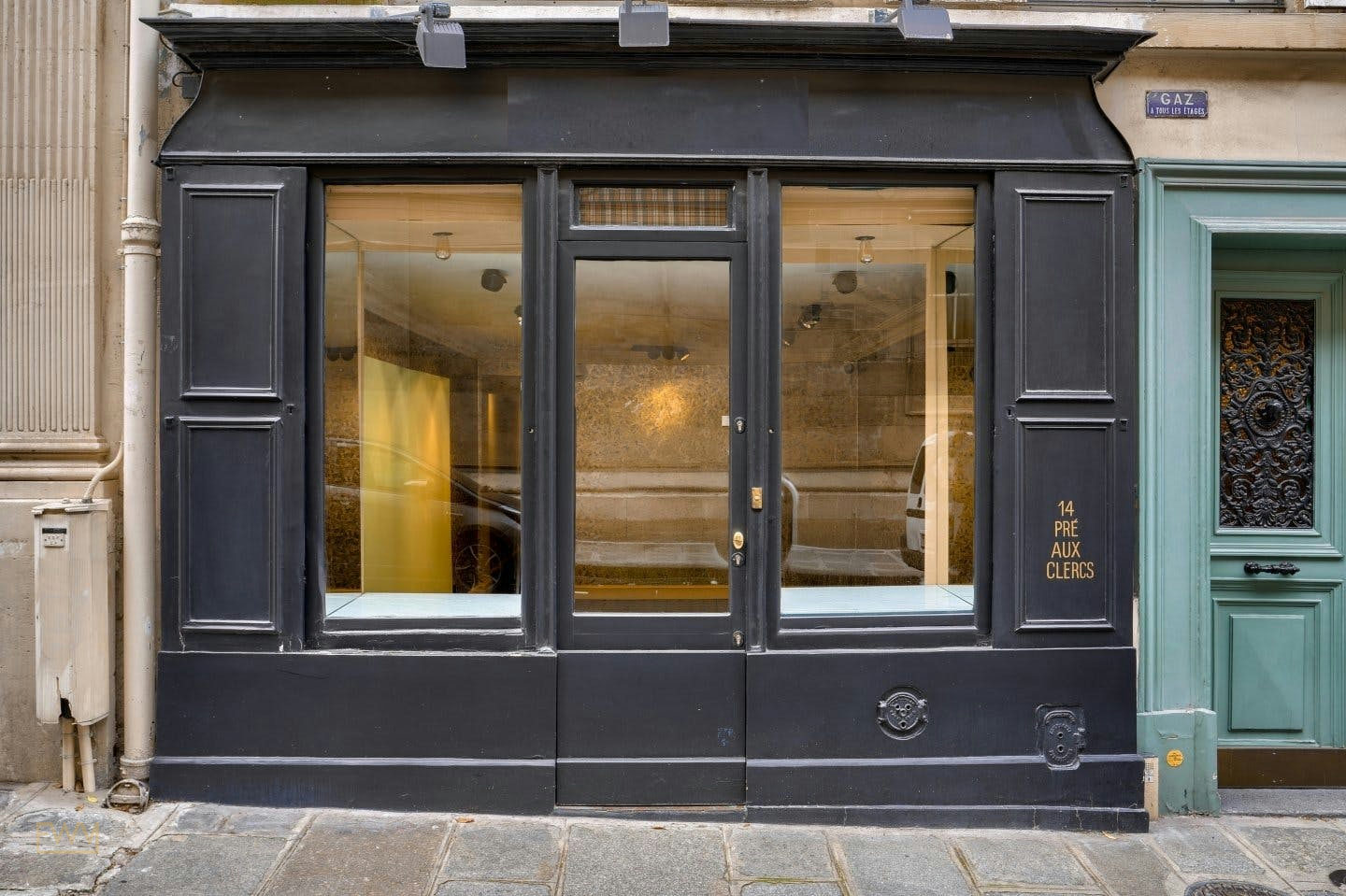
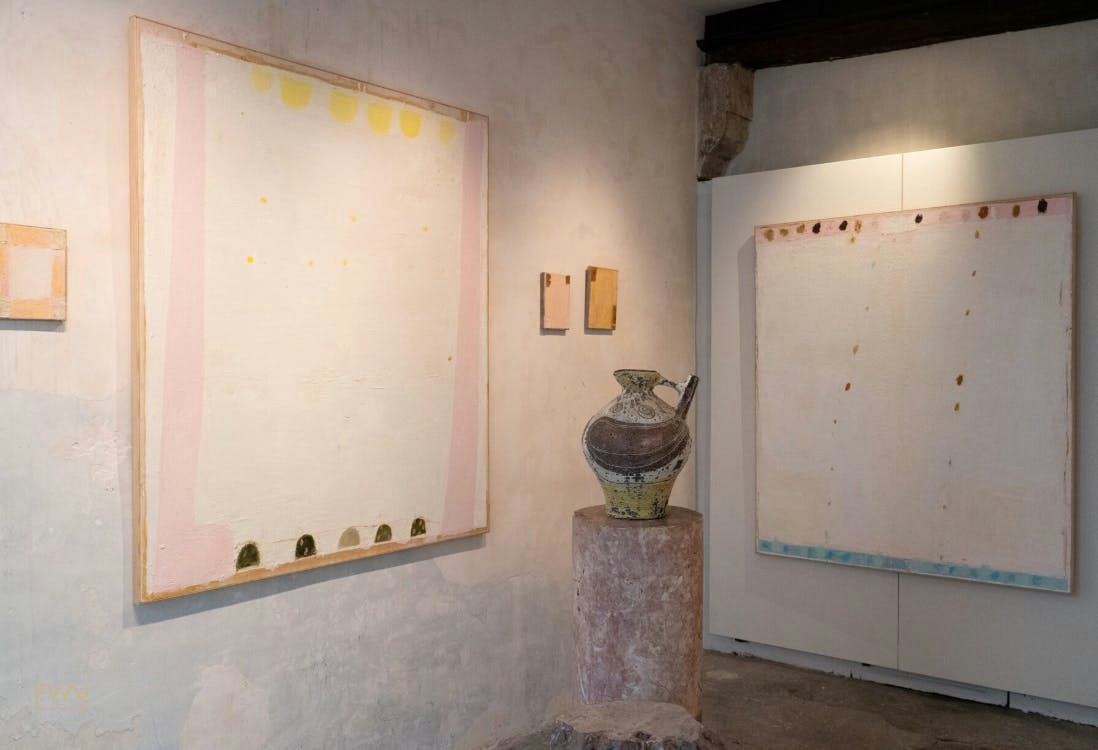
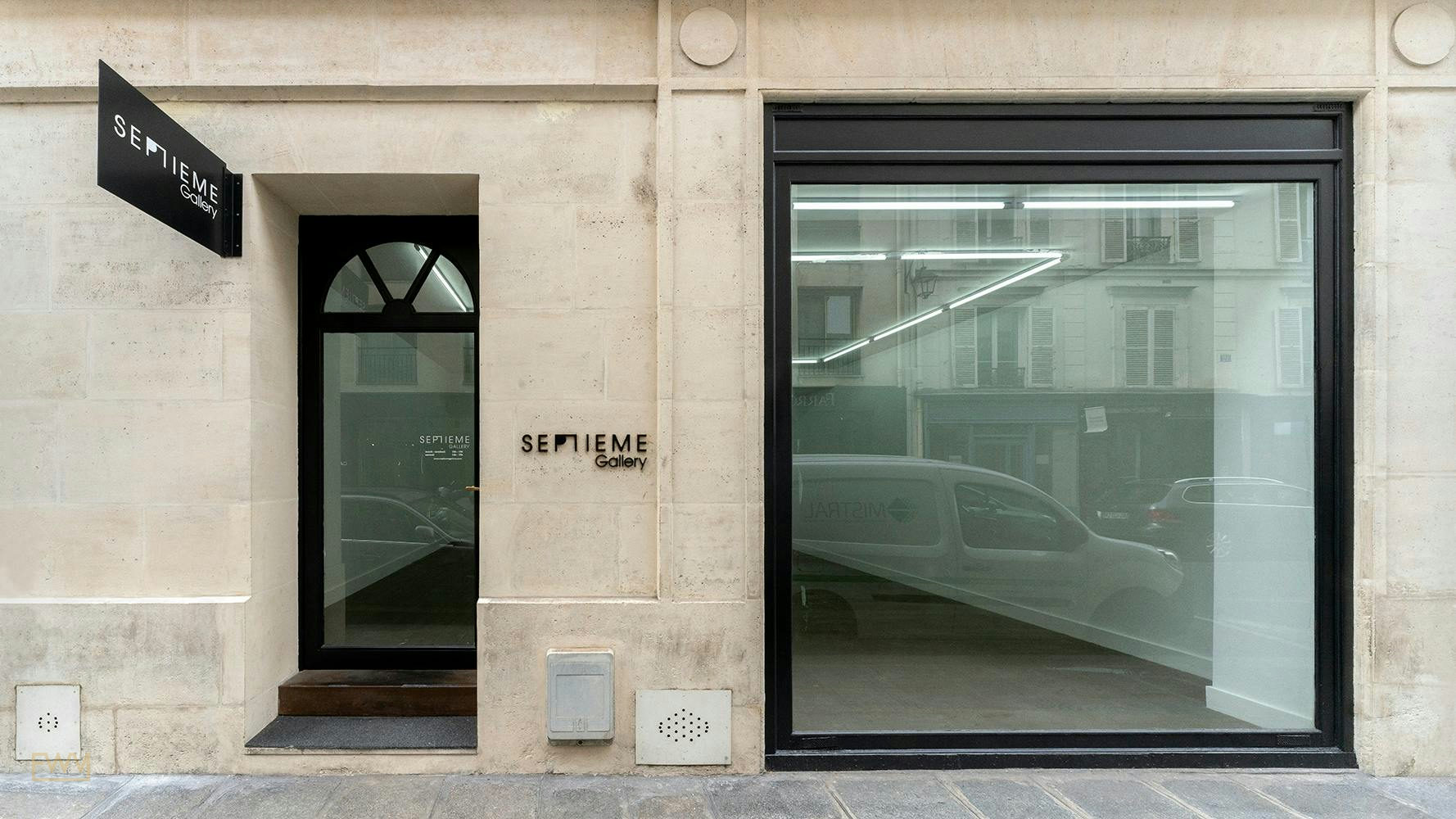
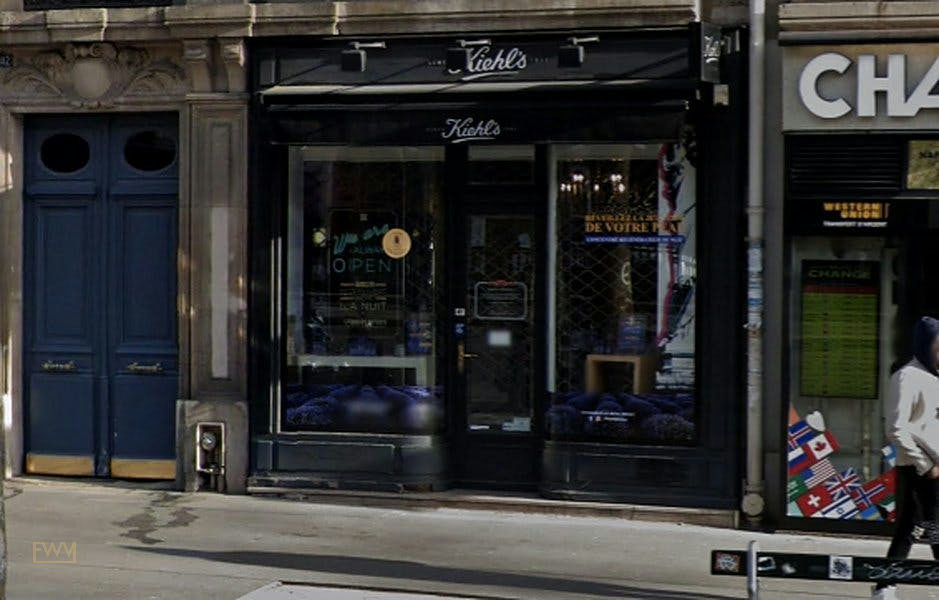
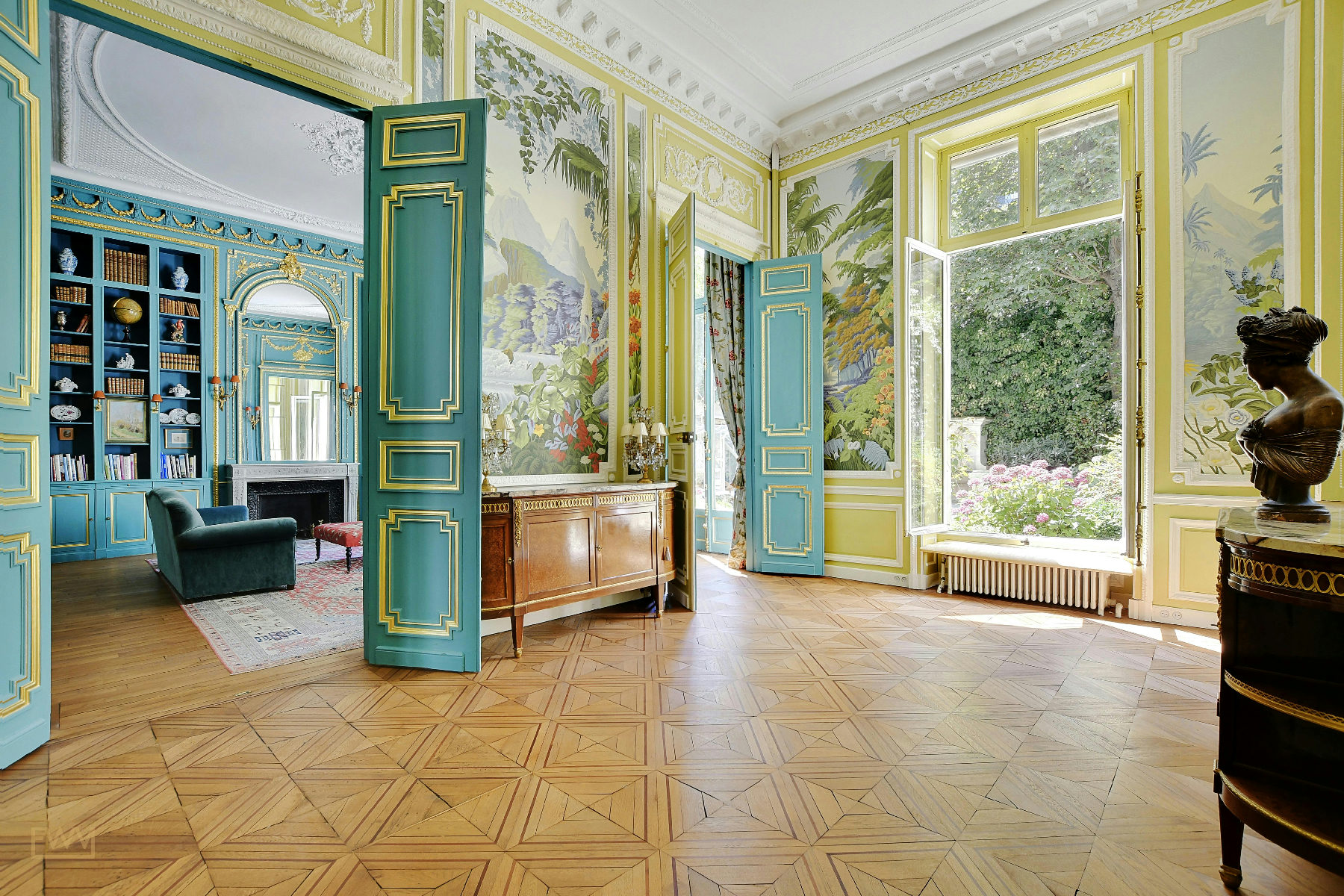
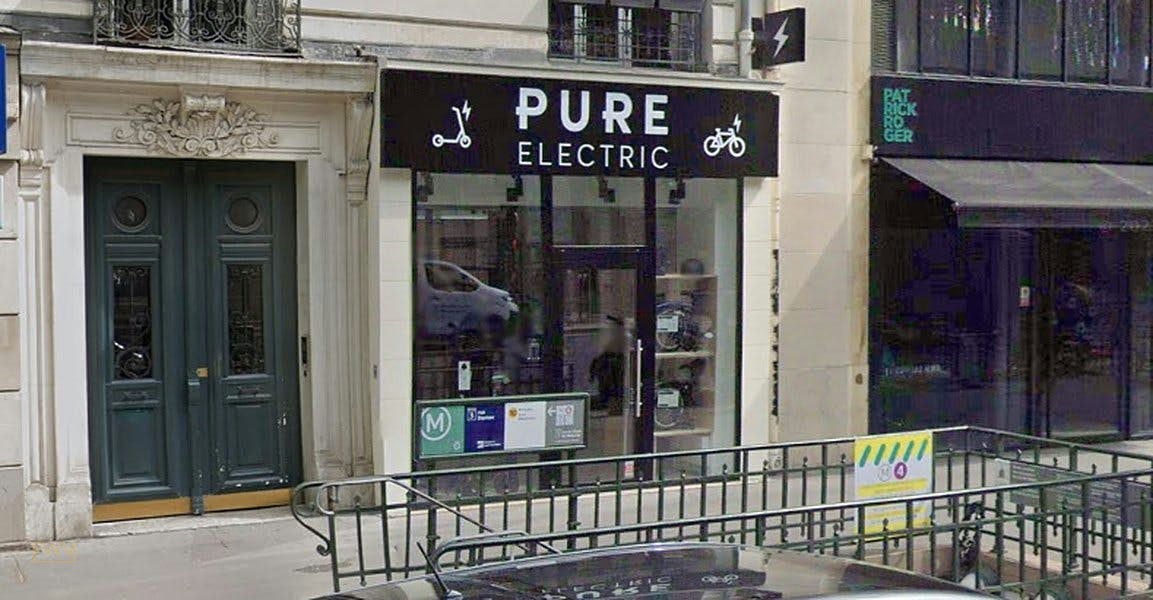
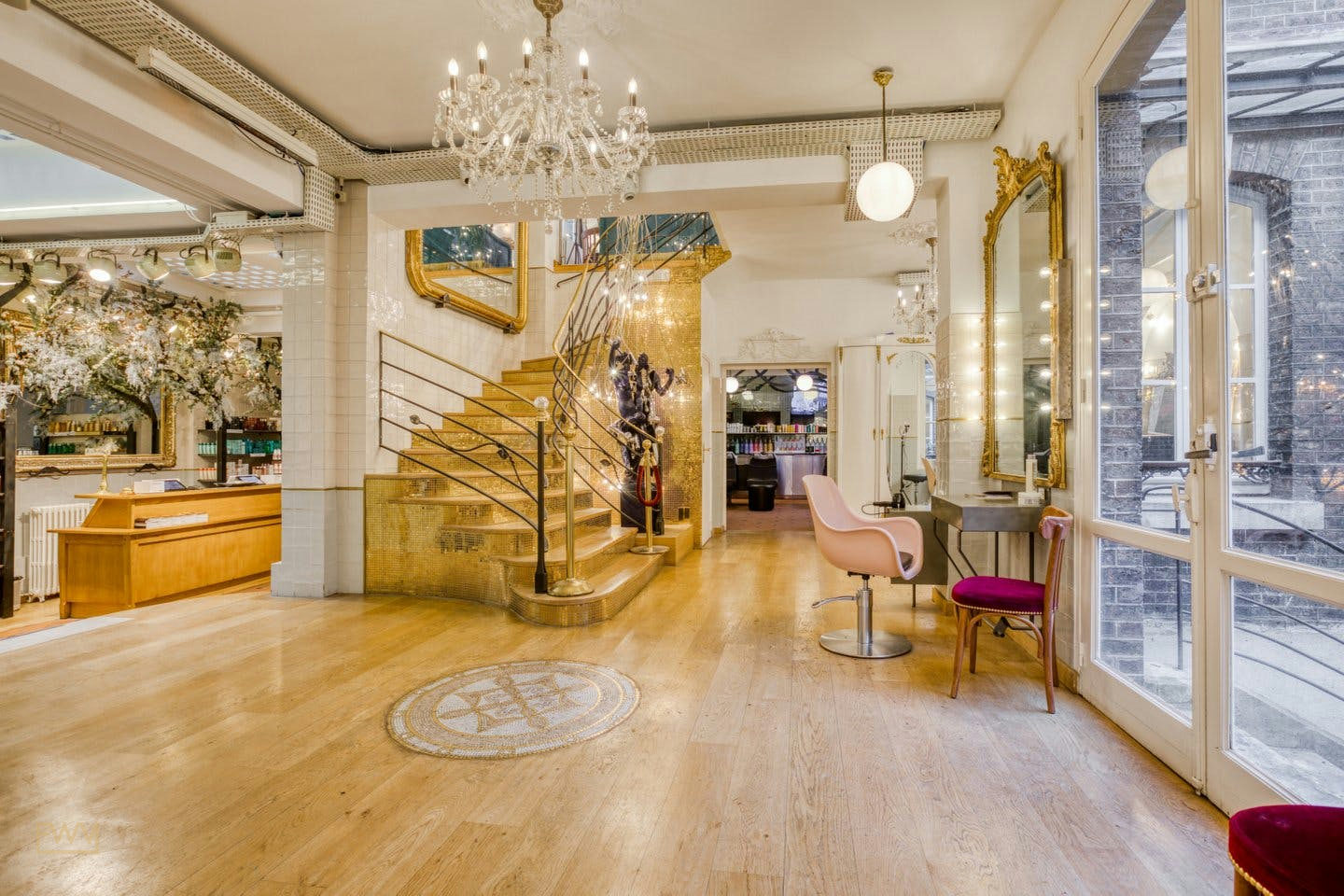
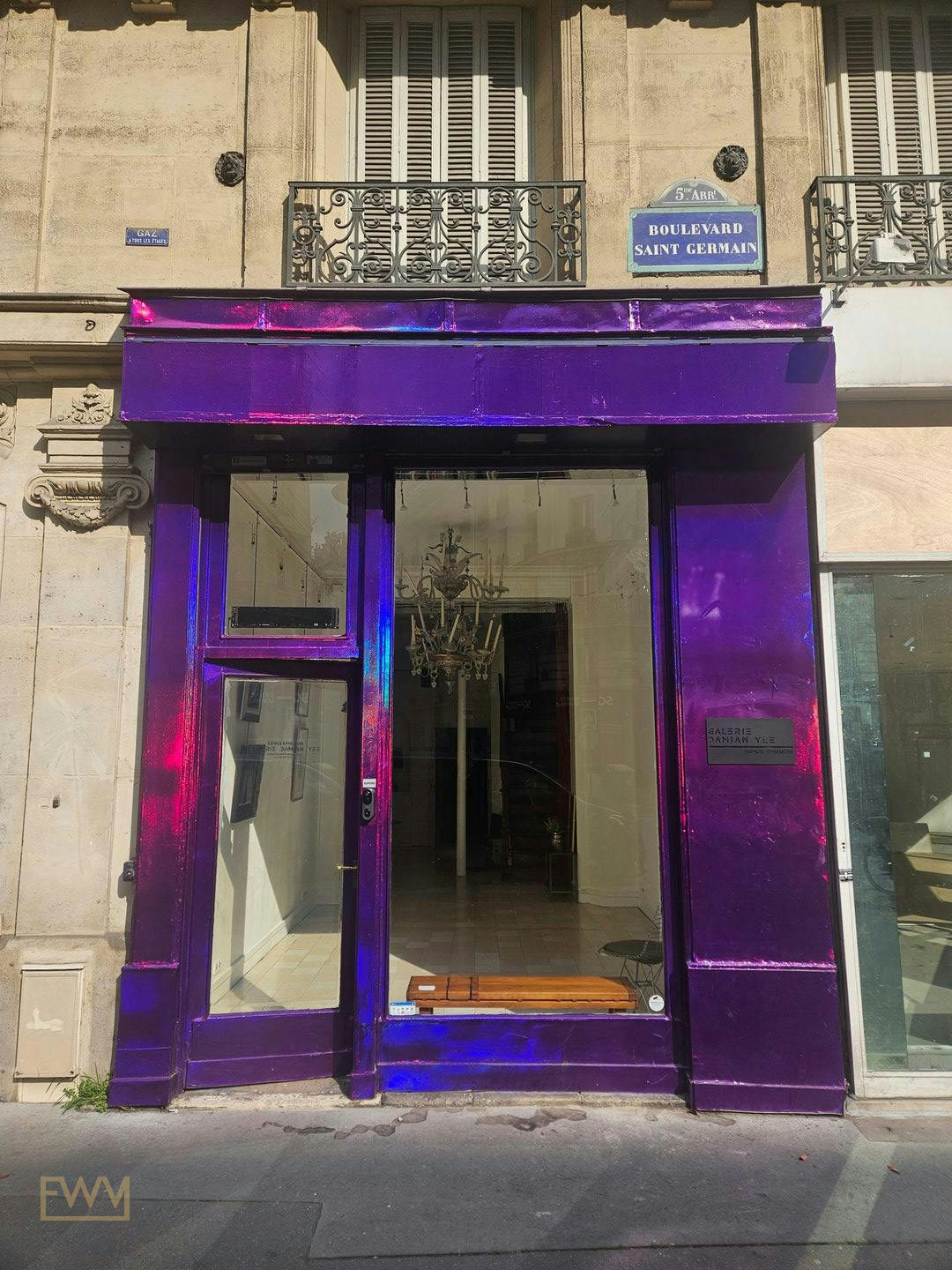
Finding the right pop up shop rue de Rivoli means more than locating a vacant ground-floor unit along one of Paris's most recognisable streets. It means positioning a brand at the intersection of heritage architecture, luxury footfall, and the concentrated energy of the French capital's fashion calendar. Rue de Rivoli stretches from the Place de la Concorde to the Place des Vosges, threading through the Louvre district, the 1st arrondissement, and the edge of Le Marais, giving brands access to a corridor of genuinely high-intent consumers. Whether you are planning a product launch during Paris Fashion Week, a Haute Couture week activation, or a standalone temporary retail concept, this guide covers every dimension of the decision: location logic, space types, venue options, permit requirements, budget considerations, and how a specialist agency can reduce risk and accelerate execution. Explore the Paris city hub on Fashion Week Venues to start building your brief.
Why Rue de Rivoli Is One of the Most Sought-After Pop-Up Corridors in Paris
Quick answer: Rue de Rivoli combines exceptional pedestrian volumes, proximity to the Louvre, direct access to Le Marais, and adjacency to luxury retail and landmark monuments, making it one of the highest-visibility pop-up corridors in the French capital. For international brands seeking temporary retail, the street delivers both cultural authority and commercial footfall in a single location.
Rue de Rivoli is not a single retail microclimate. It is a 3-kilometre artery that passes through several distinct zones, each with its own character, consumer profile, and rental logic. The western section near Place de la Concorde and the Tuileries Garden attracts tourists visiting the Louvre and the Musée de l'Orangerie. The central stretch between the Louvre Rivoli metro station and the Hotel de Ville is one of the most photographed urban corridors in Europe. The eastern end connects directly into Le Marais district, giving brands access to a younger, fashion-forward demographic that moves between the Picasso Museum, the Place des Vosges, and the Canal Saint-Martin further north.
For pop-up stores, this geographic range is both an opportunity and a decision point. A beauty brand launching a new fragrance during Paris Fashion Week has different location needs than a gadget or pop culture label activating around a gachapon machine concept. A fashion house staging a showroom for international press buyers needs a different spatial configuration than a direct-to-consumer brand running a one-week retail éphémère. Rue de Rivoli accommodates all of these, but understanding which section of the street, and which adjacent passages and side streets connect to it, determines whether a pop-up store achieves its objectives.
The street's proximity to the Opéra Garnier and the Grands Boulevards to the north, and to Saint-Germain-des-Prés and Le Bon Marché Rive Gauche to the south, means that a Rivoli-based activation sits within easy reach of multiple high-density retail and cultural circuits. Brands operating in the rue Saint Honoré corridor, which runs parallel to Rivoli to the north, often extend their presence into Rivoli-adjacent spaces to capture overflow footfall from luxury shoppers moving between the two streets.
The covered passages nearby, including the Passage Choiseul, are a further dimension of the Parisian pop-up ecosystem that connects to the Rivoli and Opéra zones. These passage couvert de Paris structures offer a protected, intimate retail environment that appeals to brands seeking an experiential or curated feel distinct from street-level shopfronts.
DID YOU KNOW: The arcade beneath the Rue de Rivoli buildings, which stretches from the Tuileries to the Hotel de Ville, was commissioned by Napoleon Bonaparte and completed between 1806 and 1835. Its arcaded walkway remains one of the defining architectural features of the street and contributes directly to its year-round pedestrian appeal regardless of weather.
For brands making the decision between Rivoli and neighbouring streets or districts, the key variables are footfall type, space availability during the target calendar window, and whether the monument historique aesthetic of the arcades aligns with the brand universe being activated. These are not decisions to make without market-specific intelligence.
KEY TAKEAWAY: Rue de Rivoli is not one location but a sequence of distinct retail microclimates connected by architecture and footfall. Successful pop-up stores on this corridor are those that have matched their specific stretch of the street to their brand profile, consumer target, and activation format, rather than simply booking the first available unit.
Understanding the geography of Rivoli is foundational, but it does not answer the question of what kind of space actually exists along the corridor and how those spaces are categorised for temporary use.
The Louvre Rivoli Pop-Up Store: Features, Uses, and Rental Logic
Quick answer: The Louvre Rivoli area offers a cluster of pop-up spaces that range from boutique-scale shopfronts beneath the arcades to larger gallery-format venues accessible from side streets, all within walking distance of the Louvre museum and the Louvre Rivoli metro station. Rental terms in this zone are typically structured as short-term agreements rather than standard bail commercial contracts.
The area immediately around the Louvre Rivoli metro station is one of the most consistently active zones for pop-up stores in Paris. The combination of metro access, tourist flow from the Louvre, and the visual backdrop of one of the world's most recognised monuments creates a high-value activation context for brands seeking maximum exposure during a compressed timeframe.
Features of Louvre Rivoli Pop-Up Spaces
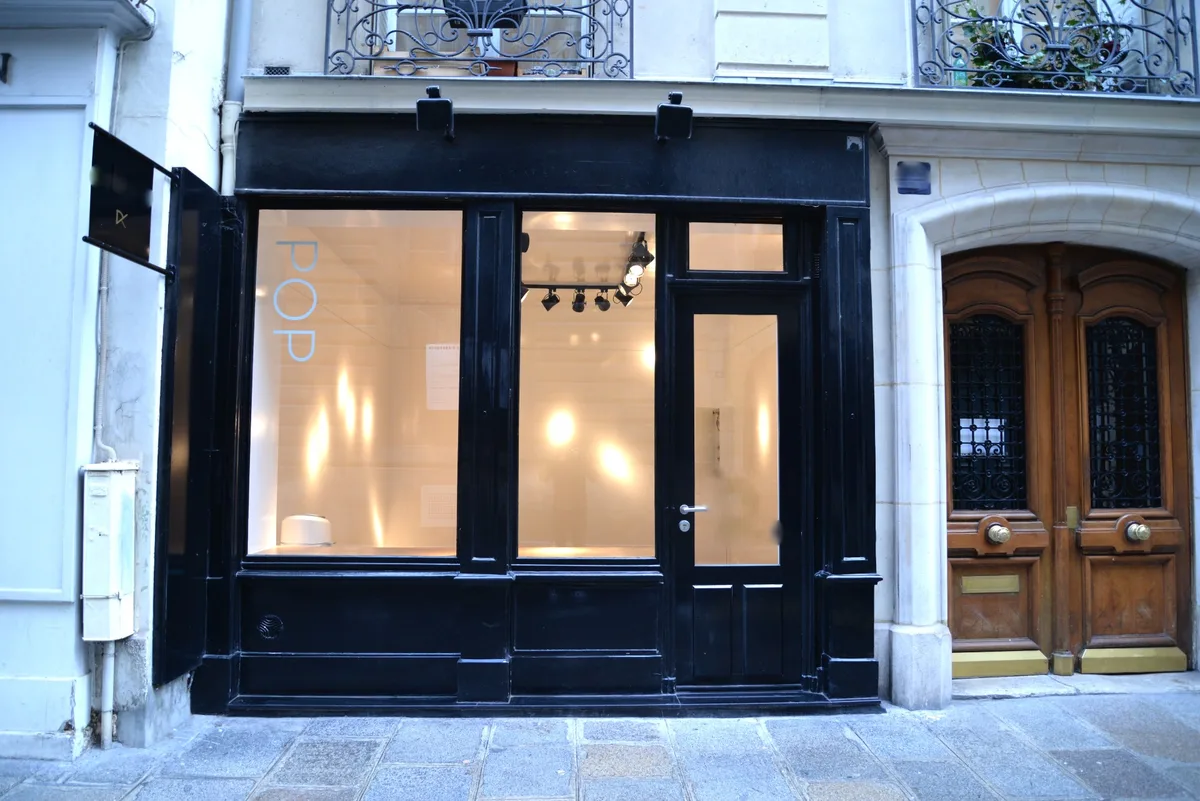
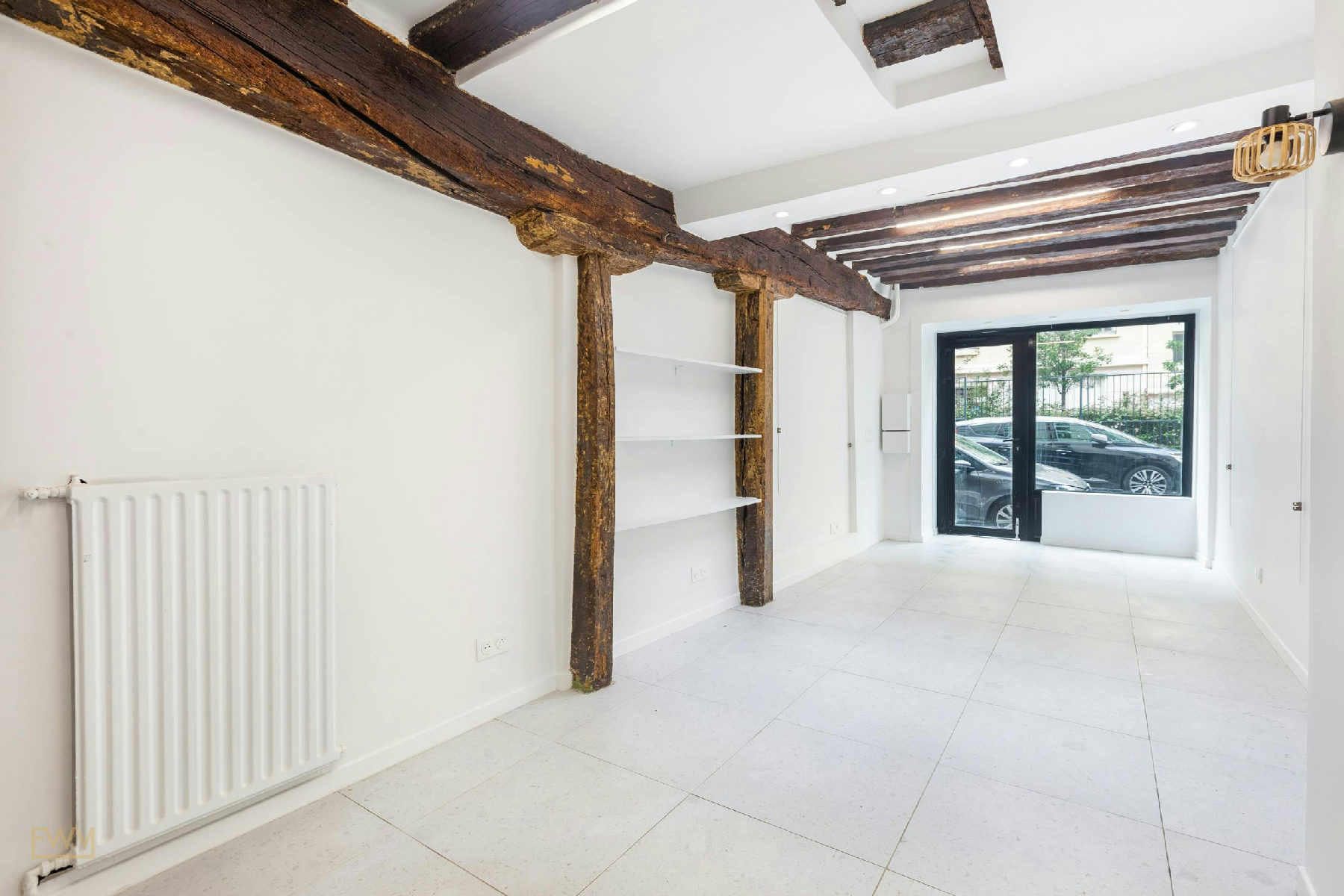
Spaces in this zone typically offer several features that make them well-suited to temporary retail and brand activation. Ground-floor units beneath the arcades tend to have high ceiling heights, stone or marble flooring, and architectural detailing that aligns with luxury and premium brand aesthetics. Many units come partially fitted, with lighting infrastructure already in place, though brands looking to create a fully bespoke brand universe will need to plan for additional fit-out work.
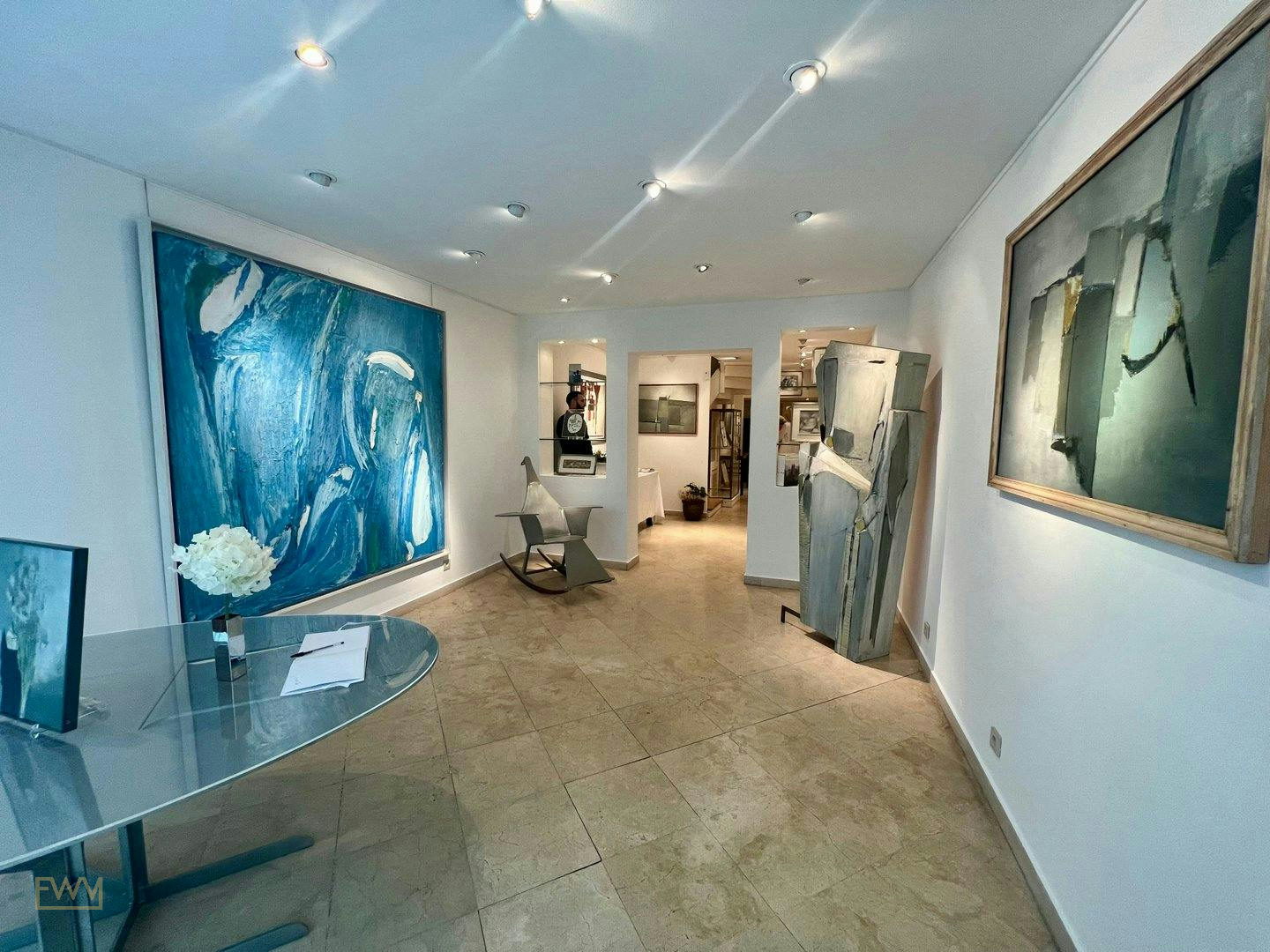
Larger spaces in the Louvre Rivoli zone, including converted gallery spaces and former retail units, often include audio-visual system infrastructure, which makes them suitable for product launches, press events, and immersive brand experiences rather than simple point-of-sale retail. Furniture is usually either included in the rental package at a basic level or available through specialist rental providers who operate in this zone.
Amenities vary significantly between individual spaces. Some offer back-of-house storage, private meeting rooms suitable for corporate events or client briefings, and street-facing window displays. Others are raw spaces that require a full production build before they can operate. The distinction matters for budget planning and timeline management.
What the Louvre Rivoli Pop-Up Format Is Ideal For
Based on the characteristics of this zone, Louvre Rivoli pop-up spaces are particularly well-suited to the following activation types. Fashion and apparel brands using the space as a press showroom during Paris Fashion Week or Haute Couture week benefit from the zone's fashion-credible address and proximity to luxury hotels where international buyers and editors stay. Beauty brands launching new produits or fragrances find the high footfall and arcade visibility effective for sampling and discovery-driven retail. Brands in the figurines, gadgets, collectibles, and pop culture categories, including those using gachapon machines as engagement mechanics, benefit from the tourist and youth demographic that moves through this zone throughout the year. Event formats including workshops, product masterclasses, and intimate fashion shows can be accommodated in the larger spaces with appropriate AV and furniture configuration.
TIP: If you are planning a launch event or LANCEMENT during Paris Fashion Week or Haute Couture week, book your Louvre Rivoli space at minimum 10 to 12 weeks in advance. These calendar peaks see intense competition for available inventory, and spaces that appear available on marketplace platforms are often reserved within 48 hours of listing.
How to Rent a Pop-Up Space in the Louvre Rivoli Zone
Renting a pop-up store in the Louvre Rivoli area involves navigating a combination of platforms, direct landlord relationships, and specialist agencies. Platforms such as Go-PopUp and The Storefront operate marketplace listings in this zone and allow initial discovery and réservation through an online interface. Specialist agencies with local market knowledge, including Fashion Week Venues, offer a managed approach that covers venue sourcing, permit navigation, production build, and activation management under a single brief.
The rental process for short-term spaces in Paris does not follow the standard bail commercial structure that governs long-term commercial leases in France. Instead, short-term pop-up rental agreements are typically structured as either a bail dérogatoire, which is a derogation from standard commercial lease law allowing agreements of up to 36 months with specific conditions, or as a convention d'occupation précaire or autorisation d'occupation temporaire (AOT), which applies to spaces in publicly owned or heritage-regulated buildings. The legal distinctions between these formats have material implications for what rights and obligations a brand takes on when renting space. Professional guidance from a French legal advisor is strongly recommended before signing any rental agreement in this zone.
Use the permit guidance tool on Fashion Week Venues to understand the documentation requirements relevant to your space type, arrondissement, and planned activation format before committing to a lease structure.
KEY TAKEAWAY: Renting in the Louvre Rivoli zone requires early action, an understanding of the legal framework for short-term space rental in France, and a clear brief that distinguishes between what the space provides and what the brand needs to supply or build. Treating it as a simple e-shop or magasin en ligne equivalent in the physical world will result in underestimation of complexity and cost.
The Louvre Rivoli zone is compelling, but it sits within a much larger ecosystem of Parisian pop-up locations. Understanding how Le Marais and adjacent districts compare is essential for brands making a final location decision.
Le Marais, Place des Vosges, and the Eastern Pop-Up Ecosystem
Quick answer: Le Marais district, anchored by the Place des Vosges and extending north toward the Canal Saint-Martin, is the most commercially active neighbourhood in Paris for independent and designer pop-up stores. It offers a denser concentration of galeries, showrooms, and boutique-format spaces than any other arrondissement, with a consumer base that skews fashion-literate and brand-aware.
Le Marais has been Paris's primary destination for experimental retail, independent fashion, and brand activations for more than two decades. The neighbourhood's historic architecture, including the hôtels particuliers and the arcaded Place des Vosges, provides a backdrop that few other European retail districts can match. For pop-up stores, Le Marais offers something that Rivoli does not: a neighbourhood where the act of discovering a new brand is itself part of the consumer ritual.
Key Venues and Spaces Within the Marais District
The Marais district contains a range of specialist pop-up venues that cater specifically to brand activations, showrooms, and temporary retail. Among the most referenced in the market are spaces operating under formats such as the Charlot Store model, the Chic Event Space concept, Galerie Turenne, and the Turenne Boutique format. These venues are typically located within converted gallery spaces, former artisan workshops, or ground-floor units of hôtels particuliers that have been adapted for contemporary retail use.
Galerie D'art and Galerie d'exception formats are particularly relevant for brands whose product range benefits from a curated, art-forward presentation environment. Luxury accessories, limited-edition collaborations, high-end beauty, and designer fashion all perform well in gallery-format pop-up spaces where the physical environment reinforces product exclusivity. The Picasso Museum, located in the Marais on Rue de Thorigny, anchors a cultural circuit that draws a high-income, culturally engaged visitor who is also a credible target for premium brand activations in adjacent spaces.
The Galerie Turenne and surrounding streets on Rue de Turenne represent one of the highest-density clusters of available pop-up inventory in the Marais. Spaces along this axis typically offer flexible configuration, direct street access, and proximity to the established fashion and design boutiques that give the district its editorial credibility.
Place des Vosges and the High-Prestige Pop-Up Format
The Place des Vosges is the oldest planned square in Paris and carries a level of architectural prestige that makes activating in proximity to it a significant statement for any brand. Spaces in the arcaded ground floor of the Place des Vosges itself are rare and subject to specific heritage regulations as a classified monument historique, but spaces on the surrounding streets and within short walking distance are more accessible and still benefit from association with the square's address value.
For luxury fashion houses, jewellery brands, and premium lifestyle marques seeking a Paris address that communicates heritage and exclusivity, the Place des Vosges adjacency is difficult to replicate elsewhere in the city. Corporate events, private client previews, and VIP retail formats are all well-served by this zone.
Canal Saint-Martin and the Emerging Pop-Up Cluster
North of the Marais, the Canal Saint-Martin has developed into a secondary but increasingly important pop-up destination in Paris, particularly for brands targeting a younger, trend-forward consumer. The neighbourhood's independent retail culture, proximity to co-working spaces and creative agencies, and strong social media visual identity make it suitable for brands whose activation strategy prioritises digital content generation and influencer-led discovery.
Spaces along the Canal Saint-Martin and the surrounding streets in the 10th and 11th arrondissements tend to be more affordable than comparable formats in the 1st and 3rd arrondissements, and lease flexibility is generally higher. For brands testing a Paris pop-up format for the first time, this zone offers a lower-risk entry point without compromising the cultural credibility of a Paris activation.
KEY TAKEAWAY: Le Marais, the Place des Vosges area, and the Canal Saint-Martin each serve a distinct brand profile and activation objective. Matching the right district to the right campaign is a strategic decision that affects every downstream variable from footfall quality to fit-out cost to press coverage potential.
To compare neighbourhood options and specific space types before committing to a location, use the space comparison tool on Fashion Week Venues to evaluate options side by side against your brief, budget, and calendar window.
Paris Fashion Week and Haute Couture: The Activation Calendar Every Brand Should Know
Quick answer: Paris Fashion Week operates across four annual cycles: Menswear in January and June, Haute Couture in January and July, and Womenswear Ready-to-Wear in March and October. Each cycle creates a concentrated demand window for pop-up spaces, showrooms, and event venues across the city's key quartiers.
Paris is the only city in the world that hosts all four major fashion calendar events under one metropolitan address. For brands planning a pop-up store or brand activation, this creates both exceptional opportunity and acute logistical pressure. The windows when demand for temporary retail space is highest are precisely the windows when fashion press, international buyers, brand representatives, and high-net-worth consumers are most concentrated in the city.
Paris Fashion Week July 2026: Haute Couture Schedule
The Paris Haute Couture week for July 2026 runs from approximately July 6 to 9, 2026. This four-day window is the most concentrated fashion event in the global calendar, bringing together the top fashion houses, international media, celebrity attendees, and luxury consumers in a dense sequence of runway shows, exhibitions, private events, and brand happenings. For brands seeking a pop-up store during this period, the July Haute Couture window offers unparalleled access to the most fashion-literate and commercially active audience in the world.
The implications for space planning are significant. Spaces in the 1st, 3rd, 7th, and 8th arrondissements, which sit closest to the traditional Haute Couture circuit, are typically reserved months in advance of the July window. Brands that wait until six to eight weeks before the event to begin their venue search will find inventory severely constrained and pricing elevated relative to off-peak rental rates.
Brands that want to be in-market during Haute Couture week but cannot secure space on the primary circuit have historically activated in secondary locations with strong transport connections: the Canal Saint-Martin for a younger audience, the Grands Boulevards zone for volume footfall, or the Passage Choiseul and other passages couverts de Paris for a more intimate, curated format.
Menswear, Ready-to-Wear, and Off-Calendar Activation Windows
Beyond Haute Couture, the January menswear window and the March and October ready-to-wear seasons create further activation opportunities. The January and October windows are particularly valuable for brands whose target audience includes fashion buyers and international trade media, as the volume of industry visitors to Paris during these periods creates high-quality B2B footfall even for consumer-facing pop-up stores.
Off-calendar activations, which are pop-up stores and brand events that are not timed to Fashion Week cycles, are increasingly common in Paris. Brands launching new products, testing direct-to-consumer retail, or running influencer-led campaigns do not need to anchor their activation to a fashion calendar event. The French capital supports high-quality temporary retail throughout the year, with footfall remaining strong across the major tourist and commercial circuits even outside Fashion Week periods.
DID YOU KNOW: Paris receives approximately 38 million tourist visitors per year according to the Paris Tourist Office, making it consistently the world's most visited city. This base of international visitors provides a year-round audience for pop-up stores that is not dependent on the fashion calendar, though the fashion calendar significantly amplifies the quality and purchasing power of that audience during event windows.
KEY TAKEAWAY: The Paris Fashion Week calendar is a powerful framework for planning pop-up timing, but it is not the only window available. Brands should build their activation calendar around a combination of their own product cycle, their target consumer's presence in Paris, and the availability of spaces in their preferred zone. Early booking is non-negotiable for Fashion Week windows.
For a structured view of your activation timeline against the Paris fashion calendar, the timeline planning tool on Fashion Week Venues helps brands map their preparation phases against key milestones from space selection through to opening day.
Space Types, Neighbourhood Breakdown, and the Parisian Pop-Up Landscape
| Zone | Key Streets and Locations | Space Types Available | Best For | Relative Availability |
|---|---|---|---|---|
| Rivoli / Louvre | Rue de Rivoli, Rue Saint-Honoré | Arcade shopfronts, gallery units, event spaces | Luxury brand launches, fashion showrooms, press events | Low during Fashion Week, moderate off-peak |
| Le Marais | Rue de Turenne, Rue des Archives, Rue Charlot | Converted galleries, boutique units, hôtels particuliers | Designer fashion, art-forward activations, VIP retail | Moderate year-round, competitive during Fashion Week |
| Place des Vosges | Arcaded ground floor, surrounding streets | Heritage-adjacent boutiques, gallery spaces | Luxury, jewellery, premium lifestyle, corporate events | Very low, high demand year-round |
| Opéra / Grands Boulevards | Passage Choiseul, Boulevard des Italiens | Passage units, large-format commercial spaces | Volume retail, pop culture activations, consumer goods | Moderate, better off-peak |
| Canal Saint-Martin | Quai de Valmy, Rue de Marseille | Industrial conversions, creative studios, raw spaces | Emerging brands, influencer events, workshops | Higher availability, more flexible lease terms |
| Saint-Germain-des-Prés | Rue de Rennes, adjacent to Le Bon Marché | Boutique units, gallery-adjacent spaces | Beauty, lifestyle, premium accessories, editorial formats | Low, premium pricing zone |
Paris's pop-up landscape is structured around distinct neighbourhood logics that reflect historical retail patterns, contemporary brand migration, and the movement of fashion week circuits. Brands that treat all Paris pop-up zones as interchangeable will make suboptimal location decisions. The table above provides a directional framework, but individual spaces within each zone vary significantly in their configuration, pricing, and suitability.
Galeries, Showrooms, and the Paris Exhibition Circuit
Beyond street-level retail, Paris hosts a significant parallel circuit of galeries and showrooms that function as semi-private pop-up environments for fashion brands, luxury goods houses, and design marques. These spaces are particularly important during Fashion Week when the primary function shifts from consumer retail to press, buyer, and client entertainment. The distinction between a consumer-facing pop-up store and a trade-facing showroom matters for space selection, since the two formats have different access, layout, and operational requirements.
Galerie D'art formats, Galerie d'exception designations, and the broader showroom circuit in Le Marais and the 8th arrondissement cater primarily to the B2B fashion audience. These are spaces where international buyers preview collections, press receive product briefings, and VIP clients are hosted for private sales events. The operational model is closer to that of a temporary office than a retail store, with appointment management, private access, and controlled visitor experience taking precedence over open-door footfall.
For brands that need to serve both a trade audience and a consumer audience during the same activation period, Paris offers twin-space models where a showroom and a retail pop-up operate from adjacent or complementary locations in the same neighbourhood. The twin co-activation concept from Fashion Week Venues is designed specifically for brands navigating this dual-audience challenge.
KEY TAKEAWAY: Understanding the difference between retail pop-up spaces and showroom formats, and between consumer-facing and trade-facing activation environments, is foundational to building a Paris strategy that works across the full range of stakeholders a brand needs to engage during Fashion Week or Haute Couture week.
Permits, Legal Structure, and Compliance for Paris Pop-Up Stores
Quick answer: Pop-up stores in Paris operate under short-term rental legal frameworks that differ from standard commercial leases. The two primary structures are the bail dérogatoire and the autorisation d'occupation temporaire. Each carries specific conditions, obligations, and limitations. Requirements vary by space type, arrondissement, building classification, and planned use. A qualified French legal advisor should review any rental agreement before signing.
One of the most frequently misunderstood aspects of opening a pop-up store in Paris is the legal structure governing the space rental. Unlike a long-term commercial lease under the bail commercial framework, which grants significant tenant protections under French commercial property law, short-term pop-up agreements use alternative structures that are more flexible but also less protective of the occupier.
Bail Dérogatoire
The bail dérogatoire is a short-term commercial lease exemption under French law that allows a landlord and tenant to agree a lease of up to 36 months without triggering the standard bail commercial protections. For pop-up stores, durations are typically much shorter: one week to three months is common during Fashion Week periods. The bail dérogatoire requires that both parties explicitly agree in writing that the agreement is not subject to the standard commercial lease statute. If the tenant remains in occupation beyond the agreed period without a new agreement, the lease may automatically convert to a standard bail commercial, which has significant legal and financial implications. Brands should ensure that exit and return of keys is managed precisely according to the agreed schedule.
Autorisation d'Occupation Temporaire (AOT)
The autorisation d'occupation temporaire (AOT) applies in specific circumstances, most commonly where the space is located within a publicly owned building, a classified monument historique, or a heritage-designated zone. Many of the most visually distinctive spaces on and around Rue de Rivoli fall within heritage classifications that trigger AOT requirements rather than standard commercial lease frameworks. The AOT grants temporary occupation rights without creating a lease relationship in the traditional sense, and it is typically issued by the public authority or heritage body that manages the building. Approval processes, duration limits, and permitted uses under an AOT vary and are not standardised across all properties. Brands planning to activate in a space subject to AOT requirements should factor in additional lead time for approvals.
Non-EU Brands and French Legal Entity Requirements
International brands and non-EU companies entering the Paris pop-up market sometimes face additional administrative requirements related to establishing a legal presence in France. While it is not always necessary to form a French legal entity solely to rent a short-term space, some landlords and some rental structures do require a French-registered entity or a locally established guarantor. The requirements vary by property, landlord, and agreement type. Working with a specialist agency that has established local relationships can help non-EU brands navigate this requirement more efficiently, but all brands should seek independent legal advice regarding their specific situation.
IMPORTANT: The information above is provided for orientation purposes only. It does not constitute legal advice. Requirements for pop-up space rental in Paris vary by space, building classification, arrondissement, planned use, and the structure of the individual rental agreement. Always verify your specific situation with a qualified French legal advisor before signing any rental agreement or committing to a space.
KEY TAKEAWAY: Paris pop-up rental is legally straightforward in concept but operationally complex in practice, particularly for international brands unfamiliar with French commercial property law. Early legal review, specialist agency support, and detailed documentation management are not optional for brands seeking to activate in high-demand zones like Rue de Rivoli, Le Marais, or the Place des Vosges.
Pop-Up Store Step-by-Step: From Brief to Opening Day in Paris
| Phase | Key Actions | Timing Before Opening | Responsible Party |
|---|---|---|---|
| Brief and Strategy | Define objectives, target consumer, neighbourhood, space type, budget, and calendar window | 16 to 20 weeks | Brand team + agency |
| Space Discovery | Shortlist spaces on marketplace, conduct site visits, assess technical suitability | 12 to 16 weeks | Agency + brand team |
| Legal and Permit Review | Review rental agreement structure, confirm permit requirements, legal advisor review | 10 to 14 weeks | Legal advisor + agency |
| Space Reservation | Sign rental agreement, pay deposit, confirm access and handover dates | 8 to 12 weeks | Brand team + agency |
| Concept and Design | Develop fit-out concept, approve design drawings, confirm furniture and AV requirements | 8 to 10 weeks | Agency design team + brand |
| Production and Build | Build and install fit-out, furniture, signage, AV, and branded elements | 2 to 4 weeks | Production team |
| Staffing and Operations | Recruit and brief retail staff, set up POS and payments, confirm operational procedures | 2 to 3 weeks | Agency operations + brand |
| Launch and Activation | Open event or press preview, activate influencer marketing, run daily operations | Opening day | Brand team + agency |
| Post-Activation | Data collection, ROI assessment, space return and reinstatement | Closing day + 1 to 5 days | Agency + brand team |
The workflow above is directional and will vary depending on the complexity of the activation, the condition of the space, the regulatory requirements of the specific location, and the scale of the brand's ambitions. Fashion Week windows compress several of these phases due to the concentrated demand and limited access windows around event dates. Off-peak activations allow more breathing room but still require structured project management to avoid cost overruns and operational failures.
Budget Planning for a Paris Pop-Up Store
Budget planning for a Paris pop-up store requires separating the rental cost from the total activation cost. These are two distinct budget lines that are frequently conflated by brands approaching the Paris market for the first time. Rental cost covers the right to occupy the space for the agreed duration. Activation cost covers everything else: fit-out, furniture, AV, signage, staffing, POS and payments, marketing, influencer engagement, logistics, and post-activation reinstatement.
In high-demand zones like Rue de Rivoli and Le Marais during Fashion Week, rental costs reflect market scarcity and are not comparable to off-peak pricing. Space type, size, condition, and duration all affect rental pricing significantly, and the market moves quickly during peak windows. Directional budget ranges are available through specialist tools, but brand-specific estimates require a detailed brief that includes space size, duration, fit-out level, staffing model, and activation objectives.
Use the budget estimation tool on Fashion Week Venues to generate a directional cost framework based on your specific activation parameters before approaching landlords or signing rental agreements.
Measuring Return on Investment
ROI measurement for a Paris pop-up store goes beyond direct sales revenue. Brand exposure, press coverage, influencer content, new customer acquisition, and wholesale order generation during Fashion Week showrooms all contribute to a fuller picture of activation value. Brands that measure only transactional revenue from a pop-up store in a luxury context will consistently undervalue their investment.
Data collection during the activation period, including foot counter data, conversion rates, average transaction values, social media reach, and press pickup, provides the evidence base for ROI assessment. Setting measurement frameworks before the activation opens, rather than after it closes, is the discipline that separates high-performing activations from those that cannot be evaluated or optimised.
KEY TAKEAWAY: A Paris pop-up store is a multi-phase project with legal, logistical, creative, operational, and commercial dimensions that must all be managed in parallel. The brands that deliver the best outcomes are those that begin planning early, engage specialist support for the areas outside their core competence, and build clear measurement frameworks before opening day.
Pop-Up Platforms, Commercial Services, and Choosing the Right Partner
Quick answer: Paris pop-up spaces are discoverable through multiple channels including marketplace platforms, specialist agencies, and direct landlord relationships. Each channel has different coverage, cost structures, service levels, and suitability depending on the brand's experience level, activation complexity, and timeline. Understanding the difference between a listing platform and a full-service agency is essential before committing to a sourcing approach.
The Paris pop-up market is served by a range of commercial intermediaries. At one end of the spectrum are marketplace platforms, including Go-PopUp, The Storefront, and Nestore, which aggregate space listings and allow brands to discover and reserve spaces through an online interface with standardised rental terms. At the other end are full-service agencies that manage the entire activation from brief to closing, including venue sourcing, concept direction, production, staffing, and data collection.
Marketplace Platforms
Platforms such as Go-PopUp and The Storefront provide useful discovery tools for brands in the early stages of exploring the Paris pop-up market. They aggregate listings across multiple arrondissements, provide basic space specifications, and allow brands to submit enquiries or make réservations online. The convenience of the online interface is real, but these platforms operate as aggregators rather than advisors, and the level of support they provide for permit navigation, fit-out management, and operational execution is typically limited.
Nestore is a French-based platform that has developed a more curated approach to pop-up space listings in Paris and Île-de-France, with a focus on providing more detailed space information and connecting brands with spaces that match specific brief parameters. For brands with clear requirements and sufficient local market knowledge to manage execution independently, these platforms can be a cost-effective starting point.
Full-Service Agencies
Full-service agencies offer a fundamentally different proposition. Rather than providing a listing interface, they apply market intelligence, established landlord relationships, and end-to-end execution capability to deliver a complete activation. For international brands entering Paris for the first time, for activations with complex technical or logistical requirements, or for Fashion Week windows where the margin for error is narrow, a full-service agency reduces execution risk significantly.
The decision between a commission-based space broker, a marketplace platform, and a full-service agency is one of the most consequential choices a brand makes when planning a Paris pop-up. The guide on hiring a pop-up agency provides a structured framework for evaluating options based on the brand's specific situation, objectives, and internal capabilities.
Brand Universe, Concept Direction, and the Experience Economy
The most effective Paris pop-up stores in 2026 are not simply temporary retail units. They are physical brand universes that translate a marque's identity, aesthetic, and values into an immersive consumer expérience. The rise of experiential retail, driven by the shift in consumer expectations from transactional to experiential engagement, has fundamentally changed what a pop-up store is expected to deliver.
Concept direction, branded store design, and the integration of collaborations, pop culture references, and interactive mechanics such as gachapon machines or limited-edition product reveals are now standard components of high-performing pop-up activations in Paris. Brands that deploy these elements coherently, rather than as disconnected tactics, create spaces that generate organic content, press pickup, and social sharing that extends the reach of the activation far beyond the duration of the physical space.
KEY TAKEAWAY: Choosing the right sourcing and execution partner for a Paris pop-up store is as important as choosing the right space. The partner you select will determine how efficiently you navigate permits, how faithfully your brand universe is translated into a physical space, and how effectively the activation is managed from brief to closing day.
How Fashion Week Venues Supports Paris Pop-Up Activations
Quick answer: Fashion Week Venues is a full-service pop-up shop agency and space marketplace with Paris as its primary market. It offers integrated services covering every stage of a pop-up activation, from venue sourcing and concept direction through to production build, retail staffing, POS setup, influencer marketing, and data collection. It is particularly well-suited to international brands, fashion houses, beauty brands, and lifestyle marques planning activations in Paris during Fashion Week or Haute Couture windows.
Fashion Week Venues operates at the intersection of space marketplace and managed service agency. For brands that need to discover and compare available spaces across Paris's key pop-up quartiers, the space marketplace provides a curated inventory with filtering by zone, space type, size, and calendar availability. For brands that need end-to-end management, the full-service offering covers every phase of the activation lifecycle.
Services Available Through Fashion Week Venues
The service architecture of Fashion Week Venues is designed to accommodate brands at different stages of their Paris strategy. Venue sourcing covers the identification, evaluation, and negotiation of spaces that match a brand's brief across Paris and other fashion capitals. Concept and creative direction translates a brand universe into a spatial concept that can be feasibly delivered within the constraints of the chosen space, budget, and timeline. Production and fit-out manages the physical transformation of the space, including all contractor coordination, furniture installation, AV setup, and branded element production. Retail staffing provides trained, multilingual staff capable of representing international brands in the Paris market. POS and payments integration ensures that transactional infrastructure is operational from day one.
The analytics and data service provides foot traffic measurement, conversion tracking, and sales data collection throughout the activation, which feeds directly into post-activation ROI assessment. The influencer marketing service connects brands with Paris-based and internationally relevant creators whose audiences align with the brand's target consumer profile, extending the reach of the activation beyond its physical footprint.
Tools for Paris Pop-Up Planning
Beyond its service offering, Fashion Week Venues provides a range of planning tools specifically designed for brands at the research and briefing stage. The budget tool provides directional cost frameworks based on activation parameters. The ROI calculator helps brands model the financial outcomes of different activation scenarios before committing to a space. The permits tool provides orientation on the regulatory requirements relevant to specific space types and Parisian locations. The timeline tool maps preparation phases against calendar milestones. The locator and compare tools support space shortlisting and neighbourhood decision-making.
For brands considering a dual-market or dual-format activation strategy, the Imagine space visualisation tool and the twin co-activation concept allow brands to explore what a paired showroom and retail pop-up model could look like in practice before committing to a brief.
What Fashion Week Venues Does Not Guarantee
Fashion Week Venues does not guarantee specific space availability, permit approvals, press coverage outcomes, or sales performance. The Paris pop-up market is competitive, particularly during Fashion Week and Haute Couture windows, and availability changes rapidly. Early engagement, detailed briefing, and flexible calendar parameters give brands the best chance of securing the right space in the right zone at a workable price, but no agency can guarantee outcomes in a competitive market driven by scarcity and timing.
KEY TAKEAWAY: Fashion Week Venues is most valuable to brands that engage early, brief clearly, and are prepared to commit to a decision-making timeline that reflects the realities of the Paris pop-up market. Brands that treat the agency as a last-resort resource when all other options have failed will find their options materially constrained, particularly during Fashion Week windows.
Paris Pop-Up Store Decision Framework: Comparing Your Options
| Decision Factor | Marketplace Platform | Commission Broker | Full-Service Agency | Direct Landlord |
|---|---|---|---|---|
| Space discovery | Wide, aggregated listings | Network-dependent | Curated, brief-matched | Single property only |
| Permit navigation | Minimal support | Variable | Integrated guidance | None |
| Concept and design | Not included | Not included | Fully managed | Not included |
| Production and fit-out | Not included | Not included | Fully managed | Not included |
| Staffing and operations | Not included | Not included | Available | Not included |
| Data and ROI measurement | Basic analytics only | Not included | Integrated data service | Not included |
| Cost structure | Platform fee + rental | Commission on rental | Service fee + rental | Rental only |
| Best for | Experienced teams with local knowledge | Space-only briefs | International brands, complex activations | Repeat operators with existing relationships |
The framework above is directional. Many brands use a hybrid approach, combining marketplace discovery with agency execution support, or using a broker for space identification while managing production independently. The right model depends on the brand's internal capabilities, the complexity of the planned activation, and the specific demands of the target space and calendar window.
Quick answer: For international brands without established Paris market relationships, a full-service agency typically delivers better risk-adjusted outcomes than a marketplace or broker model, particularly for Fashion Week activations where timing, permits, and execution quality are all critical variables that interact with each other.
KEY TAKEAWAY: No single sourcing model is right for every brand or every activation. The decision should be driven by an honest assessment of the brand's internal capabilities, the complexity of the planned pop-up, and the tolerance for execution risk in a market where mistakes during peak Fashion Week windows cannot be easily corrected in real time.
Common Myths About Paris Pop-Up Stores Debunked
MYTH: You need a French legal entity to rent a pop-up space in Paris.
FACT: While some landlords and certain rental structures do require a French-registered entity or a locally established guarantor, many short-term pop-up agreements in Paris are accessible to international brands without a pre-existing French legal entity. Requirements vary significantly by property, landlord, rental agreement structure, and the specific zone. Working with an agency that has established local relationships can help navigate these requirements, but all brands should verify their specific situation with a qualified French legal advisor before assuming either that a French entity is or is not required.
MYTH: Paris Fashion Week is the only viable calendar window for a Paris pop-up store.
FACT: Paris supports high-quality temporary retail activations throughout the year. While Fashion Week and Haute Couture windows create exceptionally concentrated demand and media attention, many brands deliver strong results from off-calendar pop-up stores that align with their own product launch cycles, seasonal campaigns, or direct-to-consumer testing objectives. The French capital's year-round tourist base, resident consumer market, and vibrant retail culture mean that viable activation windows exist in every quarter, not only during fashion calendar events.
MYTH: Commission brokers are the only way to find a pop-up space in Paris.
FACT: Paris pop-up spaces are now discoverable through multiple channels including online marketplace platforms, full-service agencies with curated inventories, direct landlord engagement, and specialist tools designed for space discovery and comparison. Commission brokers remain active in the market and can be useful for brands with very specific requirements and limited time, but they are not the only or necessarily the most cost-effective route to market. The right sourcing model depends on the brand's experience, timeline, and activation complexity.
MYTH: Short-term leases in Paris are legally straightforward and do not require specialist help.
FACT: Short-term retail leases in Paris operate under specific legal frameworks, including the bail dérogatoire and the autorisation d'occupation temporaire, which differ materially from standard commercial lease law and from short-term rental structures in other markets. The conditions, obligations, and risks embedded in these agreements are not always apparent from a plain reading of the document, particularly for brands unfamiliar with French commercial property law. Independent legal review before signing any rental agreement is strongly recommended regardless of the apparent simplicity of the agreement or the assurances provided by the landlord or broker.
MYTH: A pop-up store on Rue de Rivoli is always the highest-impact choice for a Paris activation.
FACT: Rue de Rivoli offers exceptional visibility and footfall, but it is not automatically the right choice for every brand or every activation format. The consumer profile on Rivoli skews heavily toward tourists and general shoppers rather than the fashion-specific, trend-literate audience that Le Marais or Saint-Germain-des-Prés delivers. For brands targeting the fashion press, international buyers, or the Paris cool-hunter demographic, a Marais or Canal Saint-Martin location may deliver better-quality engagement even if total footfall is lower. Location decisions should be driven by audience fit, not address prestige alone.
Frequently Asked Questions
What makes Rue de Rivoli a strong location for a pop-up store in Paris?
Rue de Rivoli combines one of the highest pedestrian volumes in Paris with iconic architectural context, proximity to the Louvre, direct access to Le Marais, and adjacency to the rue Saint Honoré luxury corridor. For brands seeking maximum visibility in the French capital, the street offers a combination of tourist footfall, proximity to fashion industry hotels and venues, and architectural prestige that is difficult to replicate elsewhere. However, suitability depends on the brand's specific audience target, activation format, and calendar window, and should always be evaluated against competing neighbourhood options.
How far in advance should a brand book a pop-up space for Paris Fashion Week?
For Fashion Week windows, including the July Haute Couture week and the January and October ready-to-wear seasons, brands should begin their space search 12 to 16 weeks in advance and aim to have a signed rental agreement in place no later than 8 to 10 weeks before their planned opening date. The most desirable spaces in the 1st, 3rd, and 8th arrondissements move extremely quickly, and brands that begin their search six to eight weeks before a Fashion Week event will typically find their options severely constrained. Earlier engagement also provides more time for permit processing, fit-out production, and staffing coordination.
What is the difference between a bail dérogatoire and an AOT for a Paris pop-up?
A bail dérogatoire is a short-term commercial lease exemption under French law that allows a landlord and tenant to agree occupancy without triggering standard bail commercial protections. It is the most common framework for privately owned pop-up spaces in Paris. An autorisation d'occupation temporaire (AOT) applies specifically where the space is in a publicly owned, heritage-classified, or monument historique building, granting temporary occupation rights without creating a lease relationship. The two structures have different legal implications, approval processes, and duration limits. A qualified French legal advisor should review the applicable framework for any specific space before a rental agreement is signed.
Do I need to establish a French legal entity to rent a pop-up space in Paris?
Not always, but requirements vary significantly by property, landlord, and rental agreement structure. Some landlords, particularly for higher-value spaces in premium zones, require a French-registered entity or a locally established guarantor. Others accommodate international brands directly through the rental agreement with appropriate documentation. Working with a specialist agency that has established local relationships can help navigate this requirement, but it is essential to verify the position for any specific space with a qualified French legal advisor rather than relying on general assumptions or assurances from third parties.
What types of pop-up spaces are available in Le Marais district?
Le Marais offers a diverse range of pop-up space formats including converted gallery spaces such as the Galerie Turenne format, boutique-scale shopfronts in hôtels particuliers, larger event venues suitable for fashion shows and corporate events, and intimate workshop-format spaces for interactive brand experiences. The neighbourhood also contains a significant showroom circuit catering to fashion press and international buyers during Fashion Week. Space sizes range from approximately 30 square metres for small boutique units to several hundred square metres for larger gallery or event venues. The zone is consistently competitive, with availability reducing significantly during Fashion Week and Haute Couture windows.
How should a brand measure the ROI of a Paris pop-up store?
ROI measurement for a Paris pop-up should incorporate both transactional and non-transactional value. Direct sales revenue is one metric, but for fashion and luxury brands it is rarely the primary measure of success. Brand exposure, press coverage generated, influencer content created, new customer acquisition costs, social media reach and engagement, wholesale orders placed during showroom events, and brand equity uplift from an association with Paris's fashion capital status all contribute to a fuller ROI picture. Setting measurement frameworks before the activation opens, including foot traffic counting, conversion tracking, and social listening, is essential for generating evidence that can inform future activation investment decisions.
Can a pop-up store in Paris also function as a press showroom during Fashion Week?
Yes, and many brands operate a combined retail and showroom format during Fashion Week. The practical requirements of the two functions, however, are different: consumer retail requires open access, clear product display, and transactional infrastructure, while a press showroom requires appointment management, controlled access, private briefing space, and a presentation environment that reflects the collection or range being shown rather than point-of-sale retail logic. Brands that attempt to serve both audiences from a single space without differentiated zones or scheduling often compromise the effectiveness of both. The twin co-activation model, which uses paired but distinct spaces for retail and showroom functions, is one established solution to this challenge.
What are the most common mistakes brands make when planning a Paris pop-up store?
The most common mistakes include starting the search too late, particularly for Fashion Week windows; underestimating the total activation budget by focusing on rental cost rather than all-in cost including fit-out, staffing, and operations; failing to obtain independent legal review of the rental agreement; choosing a location based on address prestige rather than audience fit; and neglecting to build measurement frameworks before the activation opens. Brands entering the Paris market for the first time also frequently underestimate the regulatory complexity of specific zones, particularly those involving heritage buildings, arcade spaces, or publicly owned properties along Rue de Rivoli and the Place des Vosges.
What is the Passage Choiseul and is it suitable for a pop-up store?
The Passage Choiseul is one of the best-preserved passages couverts de Paris, a network of 19th-century covered shopping galleries located in the Opéra and Grands Boulevards zone. It offers a protected, atmospheric retail environment with high architectural character that appeals to brands seeking a distinctive and intimate setting for a pop-up store. The passage is well-suited to brands whose identity aligns with the artisanal, curated, or heritage-inflected aesthetics that the passages couverts naturally communicate. It is less suited to high-volume retail formats or large-scale event activations due to the architectural and regulatory constraints inherent in a classified historic structure.
What kinds of brands and products perform well in Paris pop-up stores?
Paris pop-up stores are effective across a wide range of brand categories, but performance is strongly influenced by how well the brand's identity aligns with the specific zone and consumer profile of the chosen location. Fashion and apparel brands, beauty and fragrance marques, luxury accessories, design objects, and premium lifestyle produits consistently perform well in the Marais and Rivoli zones. Pop culture brands, collectibles, figurines, and interactive formats including gachapon machines perform well in the Opéra and Grands Boulevards zone where youth demographic concentration is higher. Emerging brands and experimental concepts often find the Canal Saint-Martin zone more receptive to discovery-driven retail than the more commercially established primary zones.
How does Fashion Week Venues differ from a standard space marketplace platform?
Fashion Week Venues combines a curated space marketplace with a full-service agency offering that covers every stage of a pop-up activation, from venue sourcing and concept direction through to production, staffing, POS, data collection, and influencer marketing. Standard marketplace platforms such as Go-PopUp or The Storefront are primarily listing aggregators: they provide discovery and reservation functionality but do not manage the execution of the activation. Fashion Week Venues is designed for brands that need both space discovery and managed activation support, particularly in the context of Paris Fashion Week and Haute Couture windows where execution complexity and timing pressure are highest.
What budget should a brand allocate for a Paris pop-up store during Haute Couture week?
Budget planning for a Paris pop-up store during Haute Couture week requires separating rental cost from total activation cost. Rental pricing during peak Fashion Week windows in premium zones is significantly higher than off-peak rates, and total activation costs including fit-out, production, staffing, AV, furniture, and marketing typically exceed rental costs by a meaningful multiple. The exact figures depend on space size, location, fit-out level, duration, and the services engaged. Rather than publishing directional ranges that may not reflect current market conditions, Fashion Week Venues provides a personalised budget estimation tool that generates framework costs based on a brand's specific brief parameters.
Is Le Bon Marché Rive Gauche relevant to Paris pop-up planning?
Le Bon Marché Rive Gauche, located in the 7th arrondissement in the Saint-Germain-des-Prés zone, is a reference point for understanding the premium consumer profile and retail aesthetic of the Left Bank. Brands considering pop-up locations in the Saint-Germain area should be aware that the zone's consumer skews toward Parisian locals and high-net-worth international visitors rather than the broader tourist demographic of the Rivoli-Louvre corridor. The galeries and showroom circuit adjacent to Le Bon Marché caters to a luxury and design-literate audience that is particularly receptive to curated brand activations, limited-edition product launches, and premium beauty or lifestyle concepts.
Conclusion: Making the Right Pop-Up Decision in Paris
A pop up shop on Rue de Rivoli, in Le Marais, near the Place des Vosges, or anywhere across the Parisian quartiers represents one of the highest-impact temporary retail investments a brand can make. Paris is the fashion capital of the world, and the city's combination of cultural authority, international visitor volumes, fashion industry concentration, and architectural prestige creates an activation environment that no other market can replicate at scale. But the Paris pop-up market rewards preparation, local knowledge, and strategic discipline. Brands that approach the market with a clear brief, early timeline, appropriate legal and operational support, and a measurement framework calibrated to their real objectives will consistently outperform brands that treat Paris as a prestige impulse buy.
Whether your activation is timed to the Haute Couture week of July 2026, the Womenswear ready-to-wear season, or an independent off-calendar window, the decisions you make about location, space type, legal structure, concept direction, and execution support will determine whether your Paris pop-up store delivers the brand and commercial outcomes you need. The Louvre Rivoli corridor, Le Marais, the Place des Vosges, the Passage Choiseul, and Saint-Germain-des-Prés each offer genuine opportunities, but they are not interchangeable, and the right choice is always brand-specific.
To move from research to activation, start exploring available spaces on the Fashion Week Venues marketplace and build a focused brief for your target neighbourhood, space type, and calendar window. The earlier you engage, the more options you have, and in a market as competitive as Paris during Fashion Week, having options is everything.