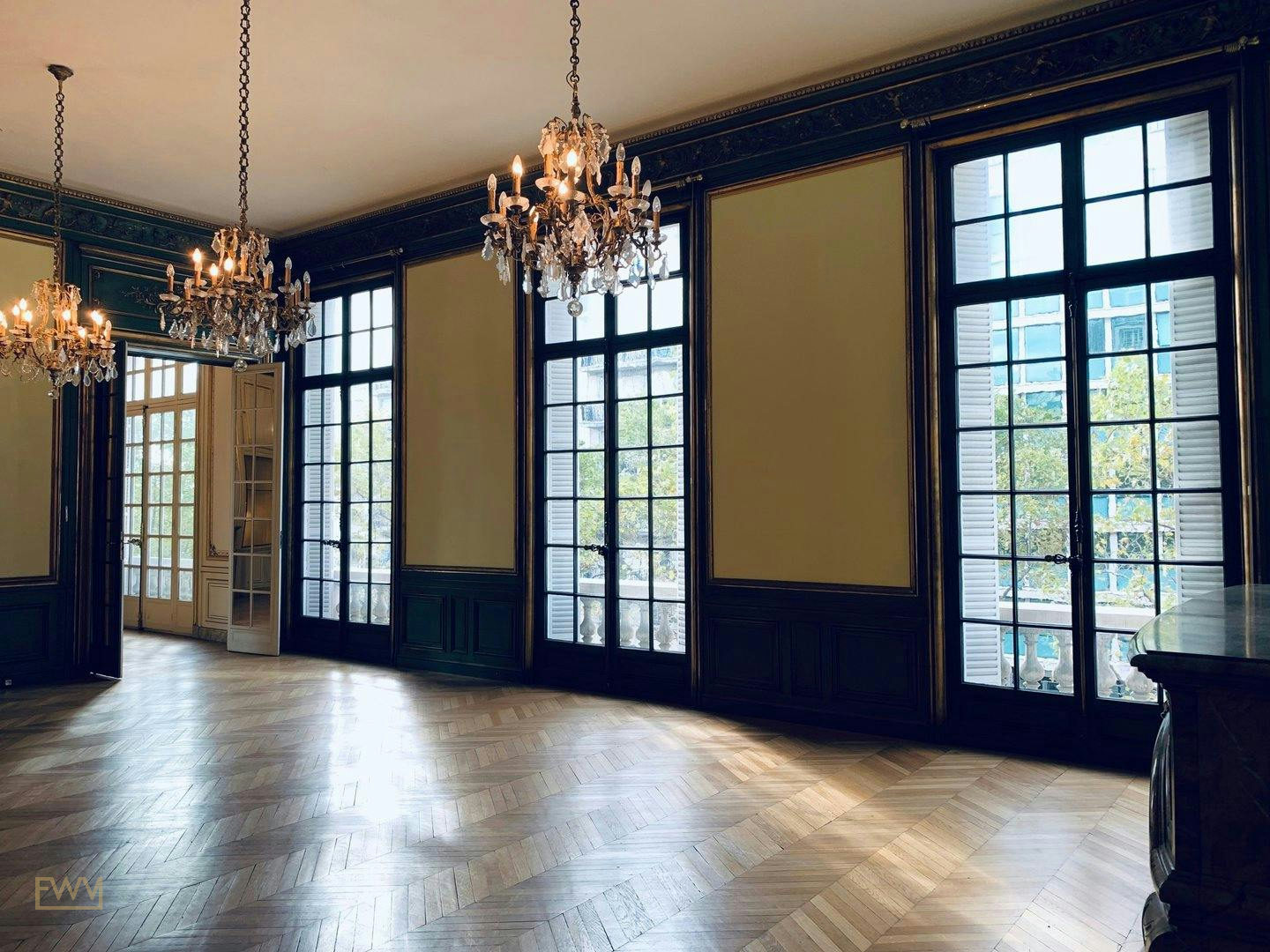
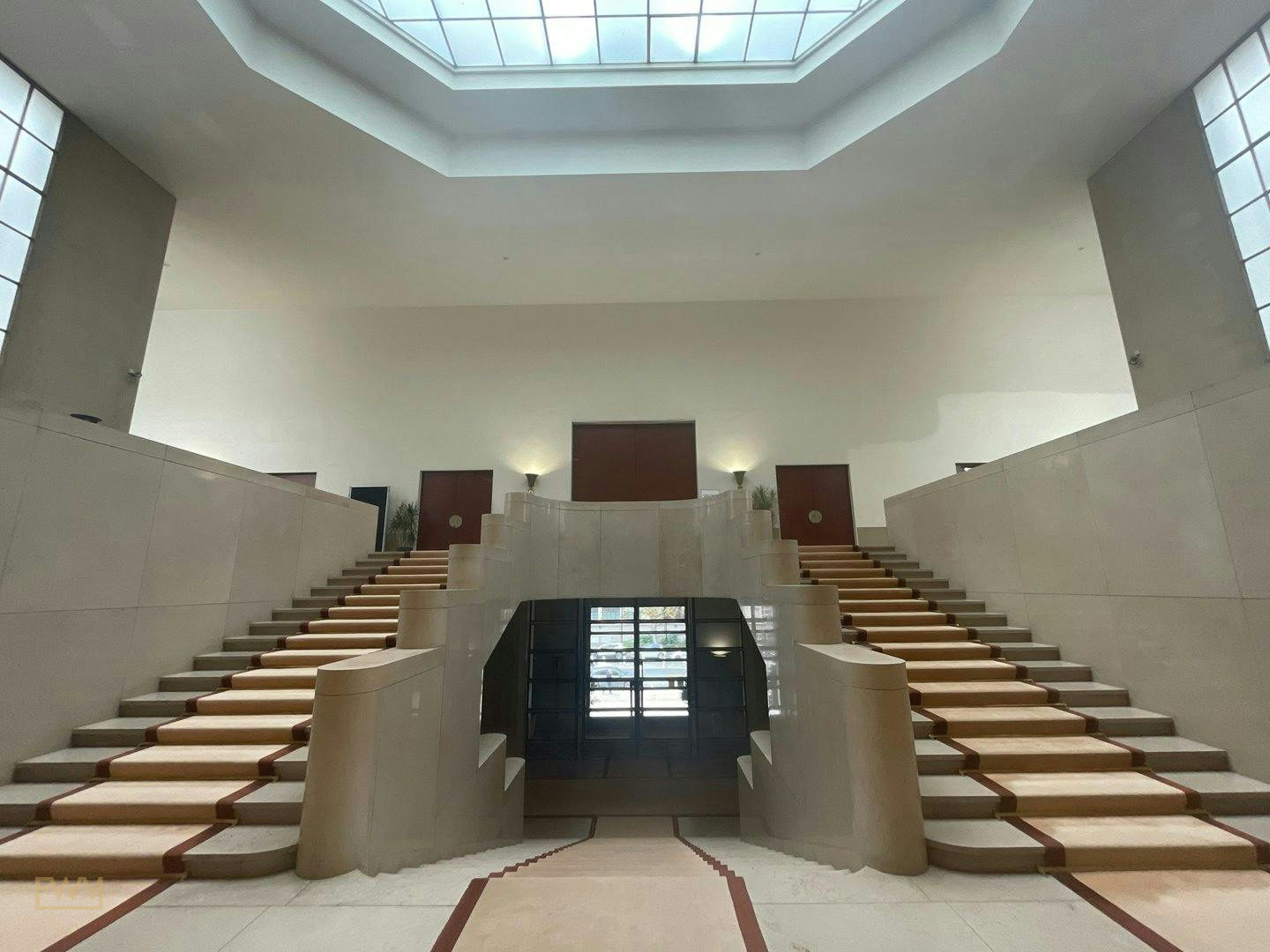
Choosing the right venue during Fashion Week in Paris and other fashion capitals is pivotal for brands seeking maximum visibility and engagement. The unique character of each city requires a refined approach to selecting the most advantageous locations for pop-up shops, showrooms, and event spaces. Fashion Week Venues is at the forefront, providing indispensable services such as venue sourcing, activation management, and concept direction, making the entire process seamless. This guide will help you navigate through the complexities of fashion week venue selection, ensuring your brand's successful participation and impression in the global fashion scene.
Understanding the Fashion Week Calendar
The fashion week calendar is the backbone of the global fashion industry, dictating when and where brands can showcase their latest collections. It traditionally starts in New York, followed by London, Milan, and finally Paris. Each city presents a unique opportunity, with Paris being the pinnacle due to its historical significance and the international attention it commands. Planning your brand's calendar around these key events is essential.
Practical examples of leveraging the calendar include aligning your launch to coincide with peak media attendance. For instance, launching in Paris during the first days is often advised due to heightened media presence. Furthermore, understanding specific weeks in each city's fashion month can align your brand with relevant media narratives and gain maximum exposure.
KEY TAKEAWAY: Utilize the fashion week calendar not just for scheduling but for strategic positioning in media narratives.
The next logical step in planning involves understanding the specific types of venues that best match your brand's image and goals.
Types of Fashion Week Venues
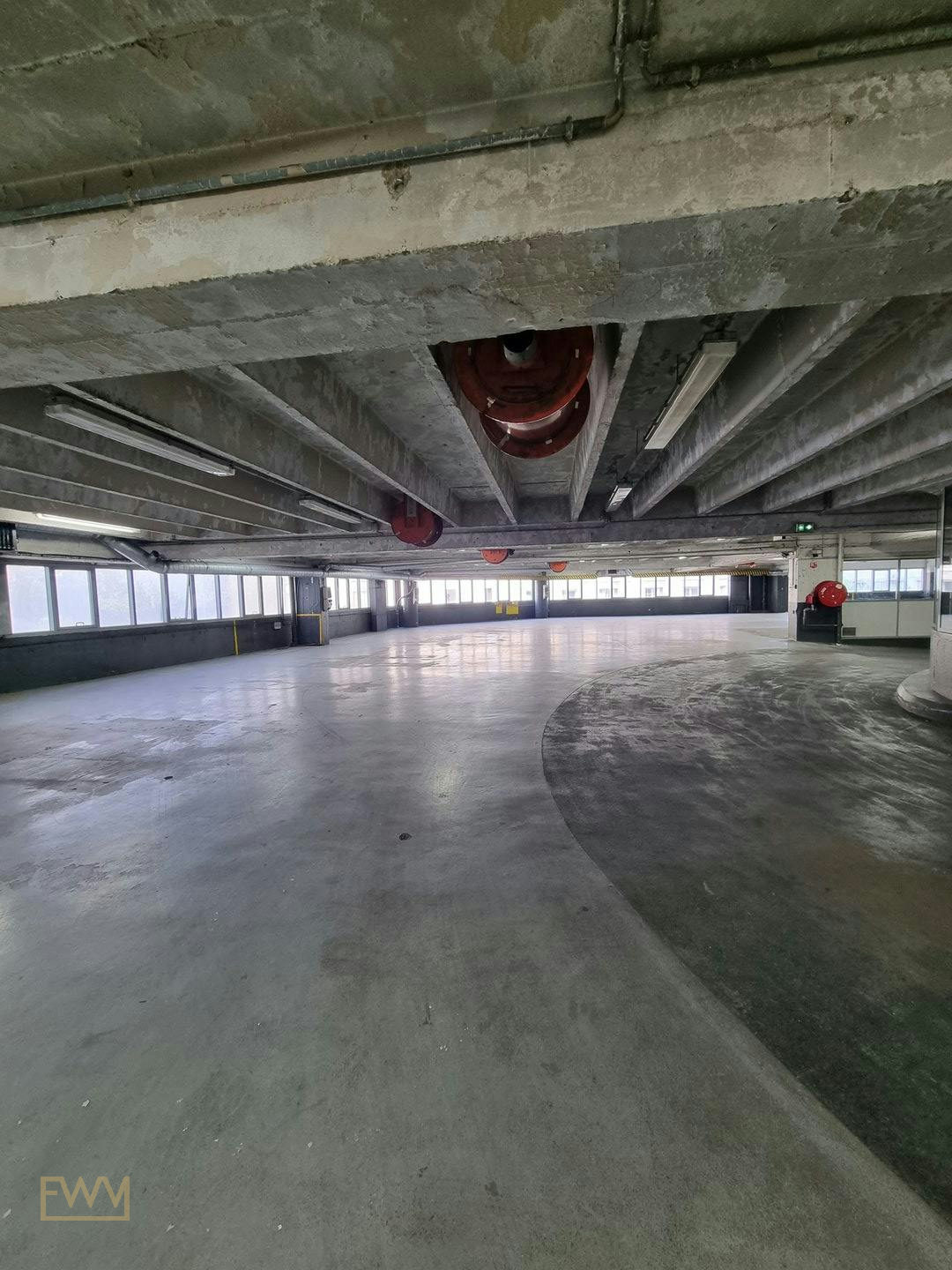
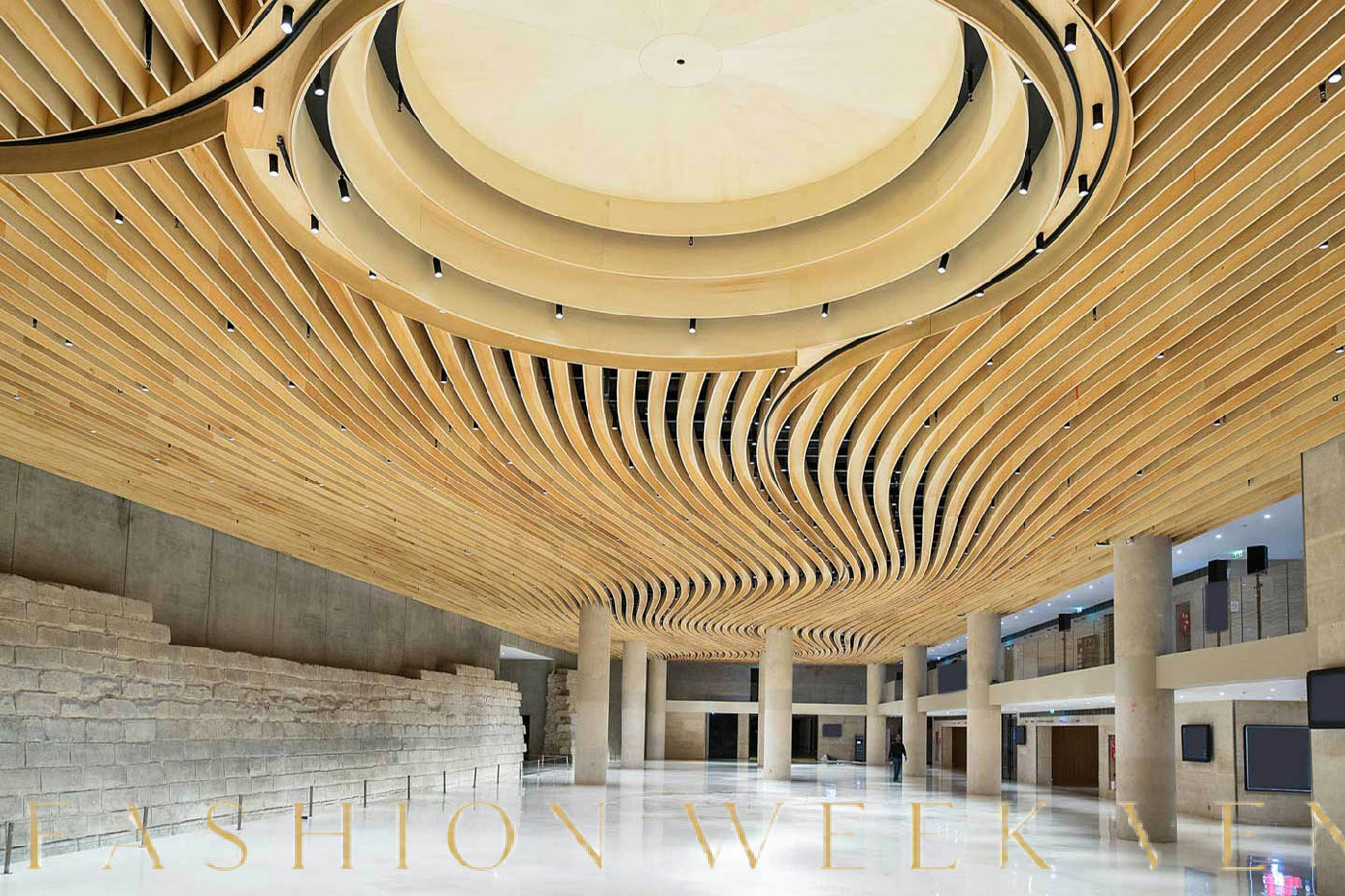
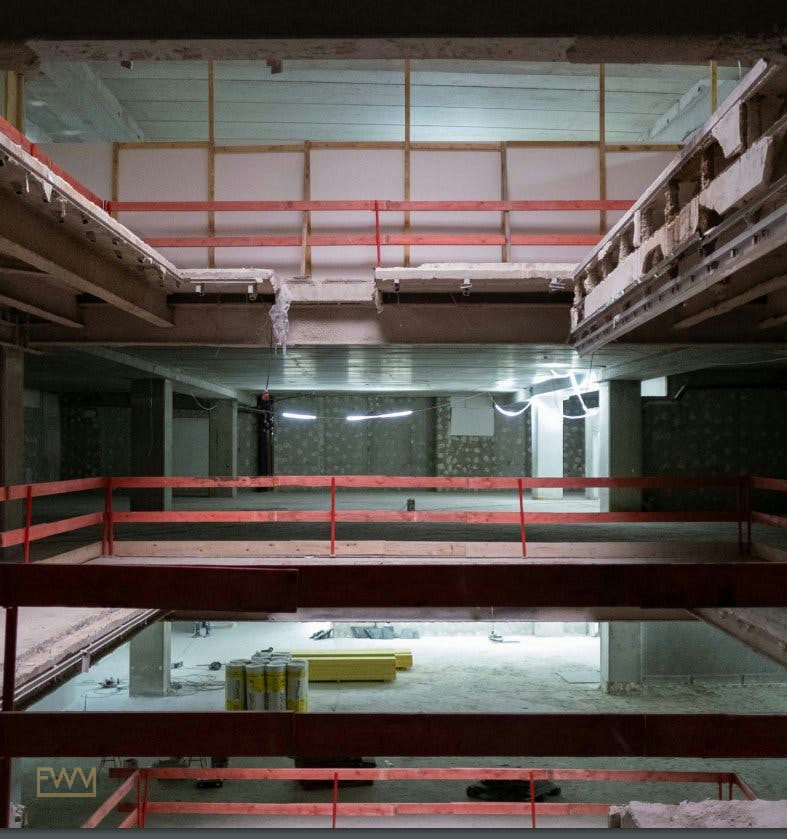
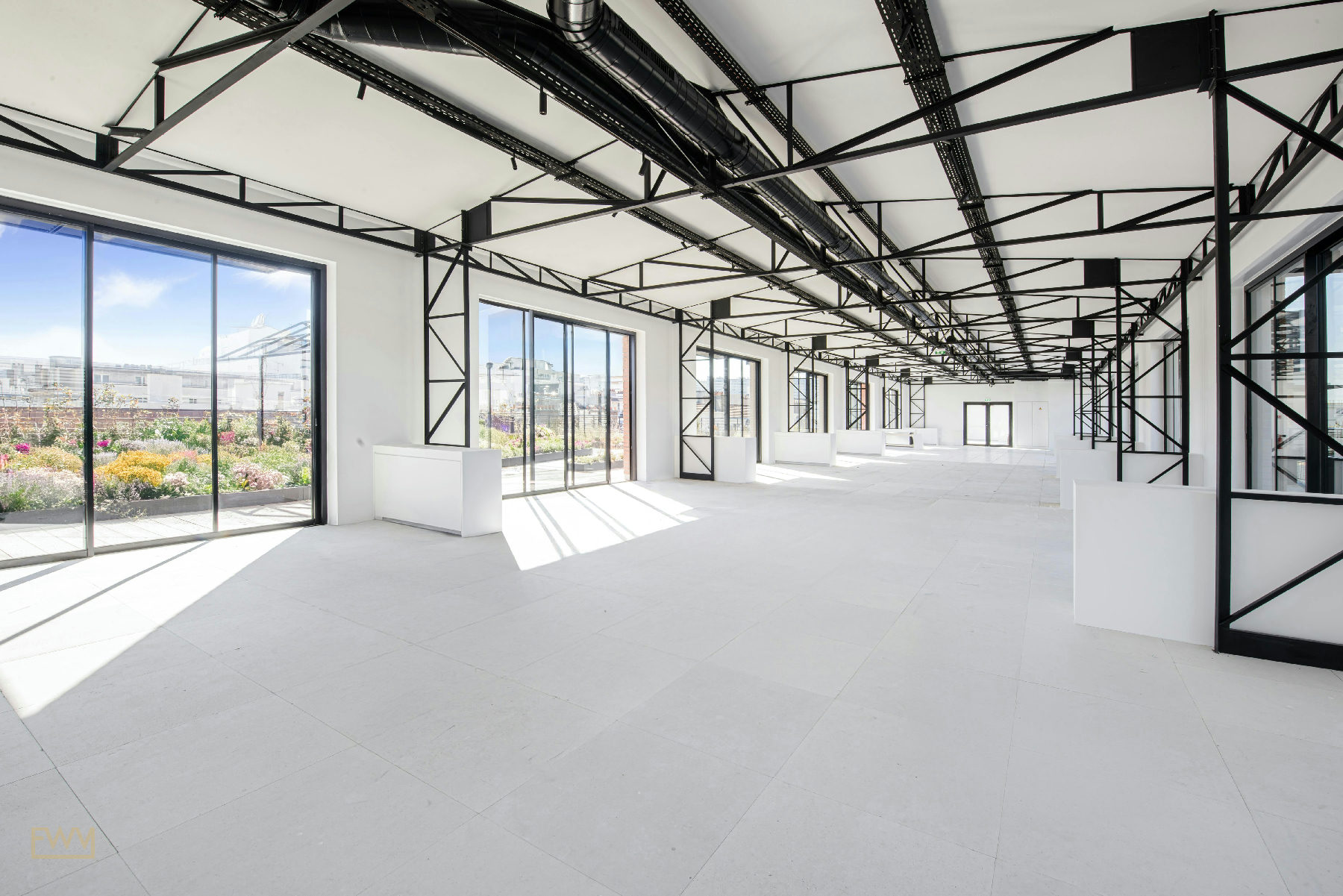
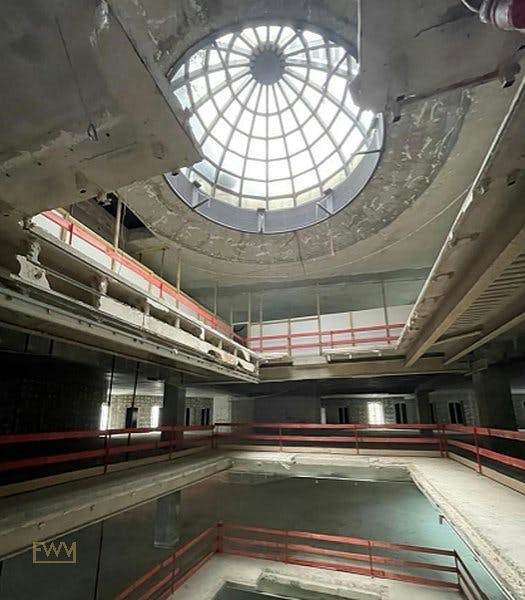
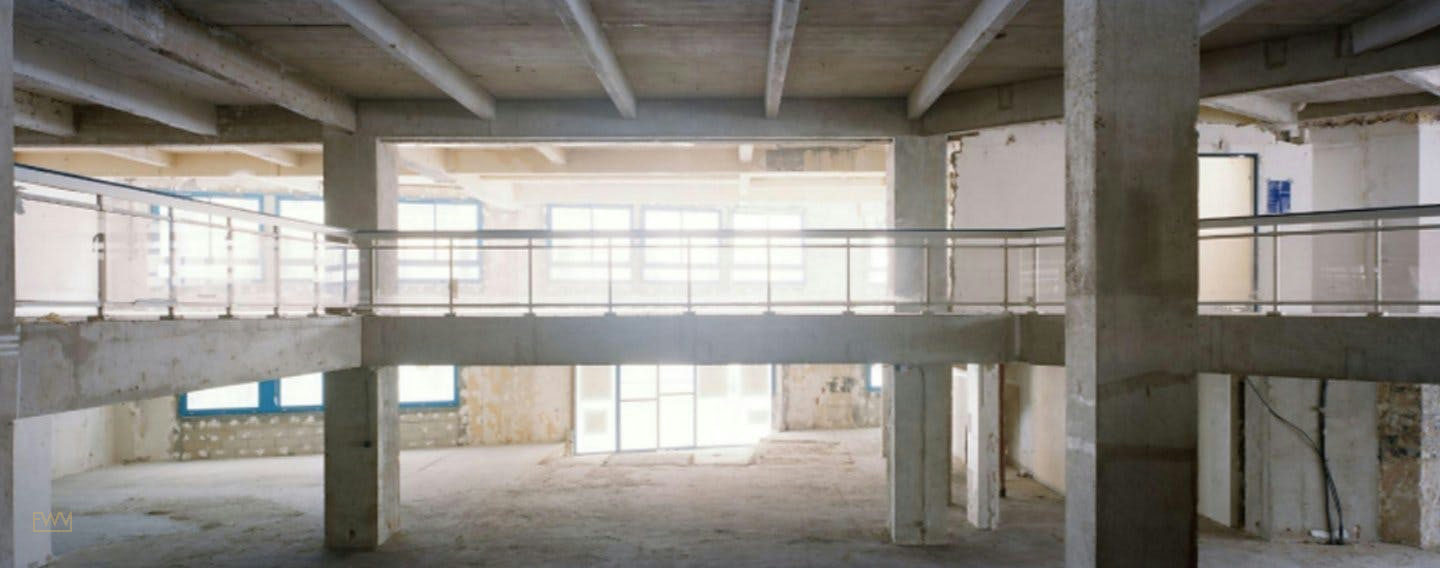
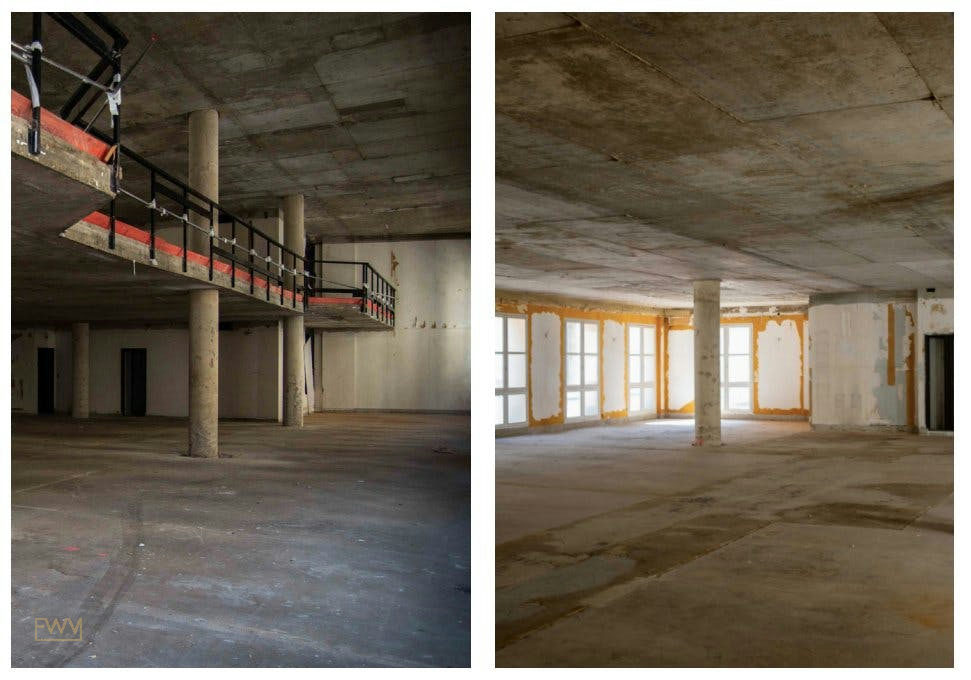
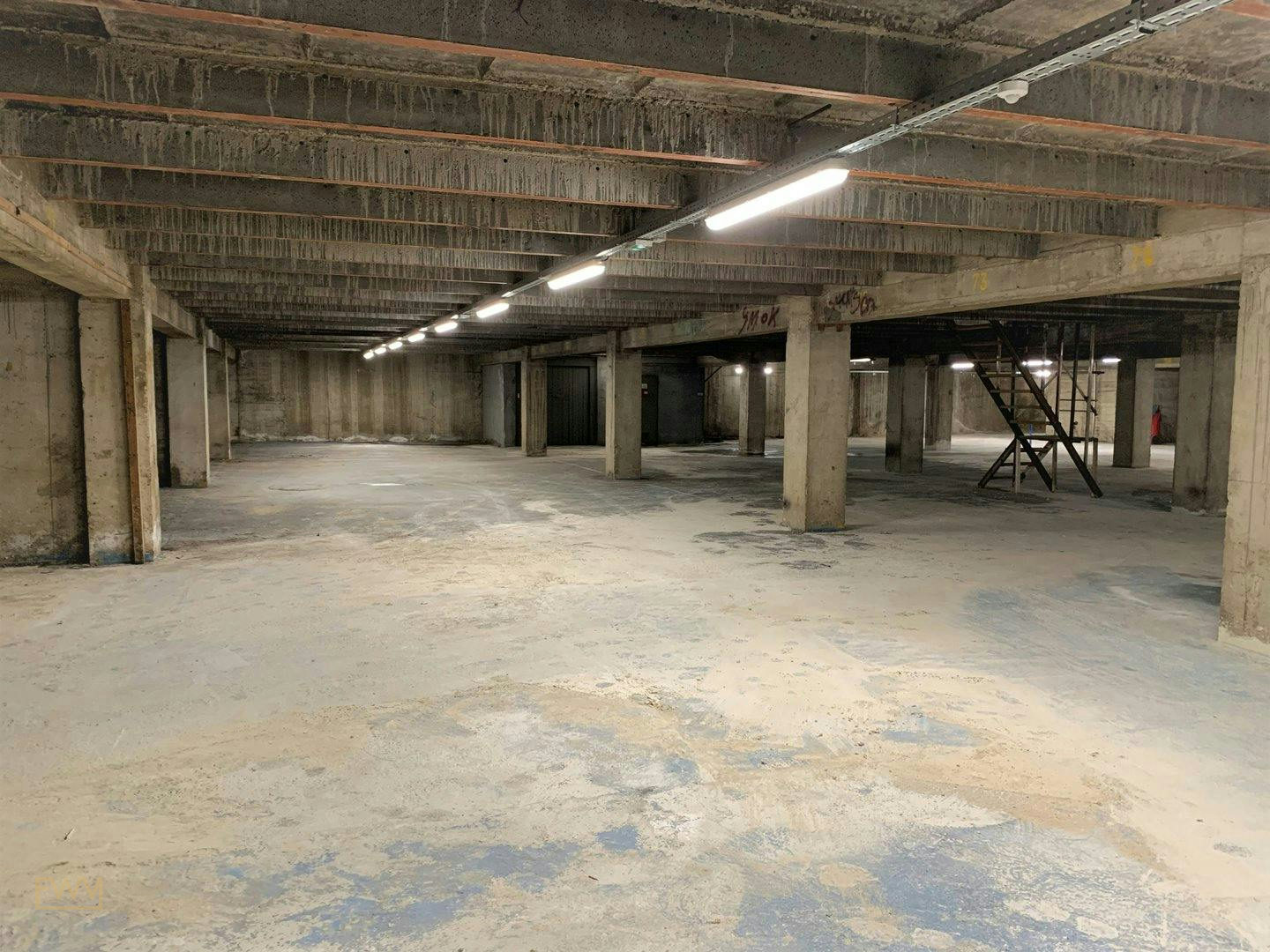
Fashion week venues vary widely in style, size, and suitability. Common types include traditional showrooms, sleek modern spaces, historic buildings, and unconventional pop-up locations. Each type carries distinct advantages depending on the nature and goals of your brand's activation.
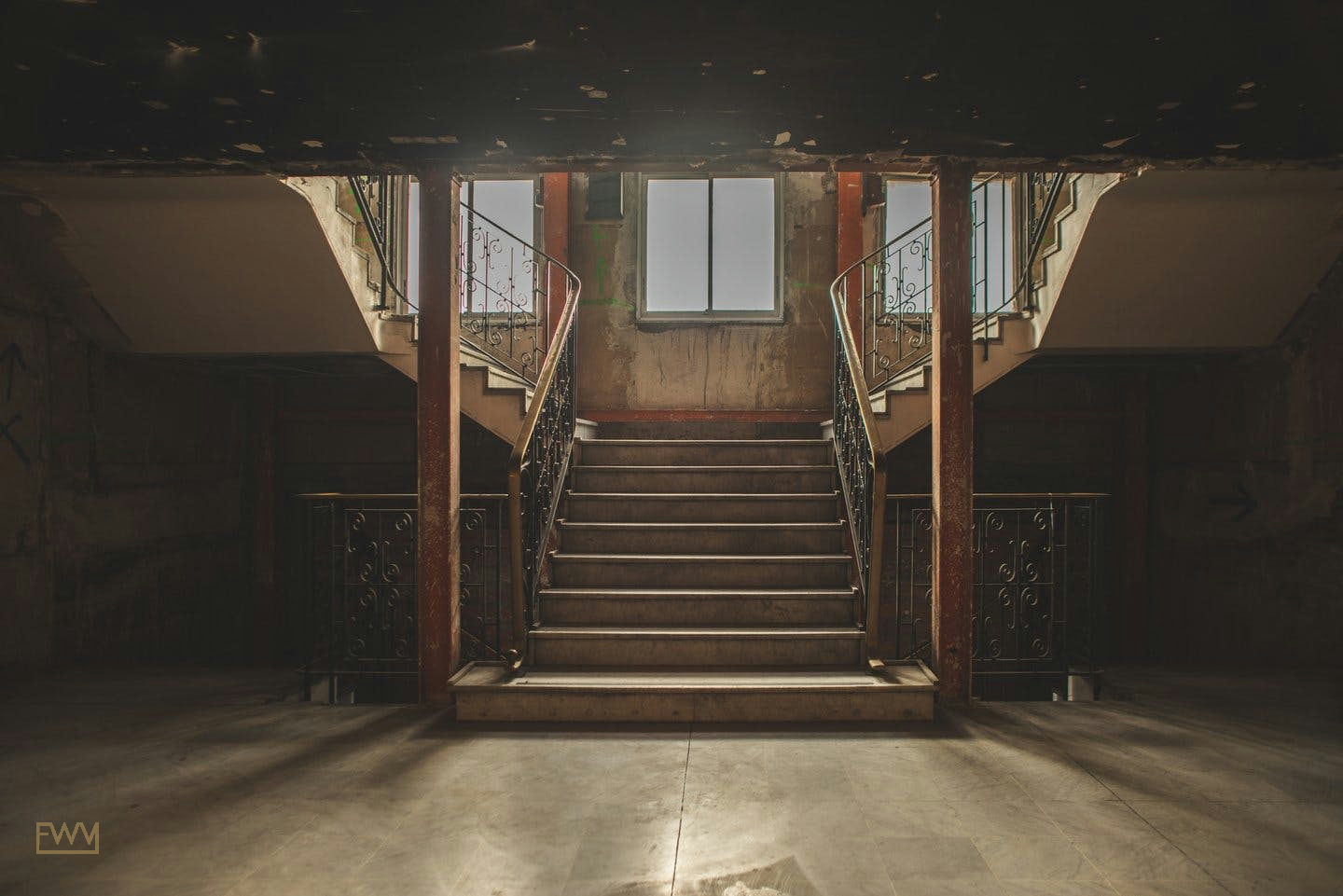
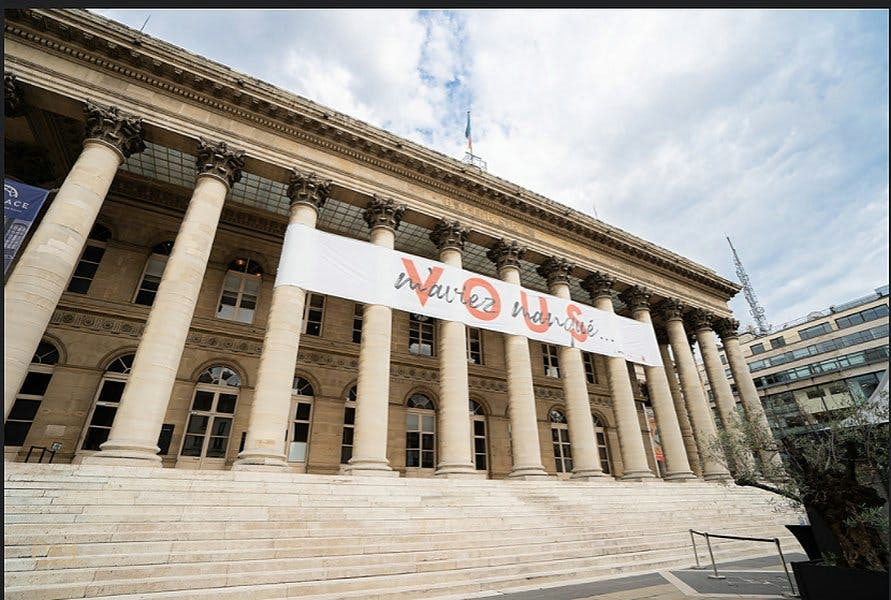
Traditional showrooms provide a controlled environment with necessary facilities, perfect for intimate settings and detailed presentations. Meanwhile, modern spaces offer flexibility and can be tailored to specific brand aesthetics, attracting tech-savvy and younger demographics. Historic buildings or iconic locations, like a Parisian palace, can imbue events with a sense of timeless elegance and attract media attention simply through their prestige and recognizability.
Quick answer: Select a venue type that reflects and enhances your brand story, whether it's a modern gallery or a classic mansion.
Our comprehensive venue sourcing service on Fashion Week Venues allows brands to filter spaces by type, ensuring you find the perfect match for your event.
DID YOU KNOW: Paris's Le Marais district is revered for its blend of historical charm and modern bohemia, making it a prime choice for fashion pop-ups.
Having chosen the right type of venue, the next challenge lies in the logistics of setting it up, which includes permits and compliance issues.
Permits and Compliance: Navigating Legal Hurdles
When setting up a temporary retail space in Paris, understanding the regulatory landscape is crucial. Unlike traditional leases, pop-ups often use special arrangements such as the bail dérogatoire or obtaining an AOT (Autorisation d’Occupation Temporaire). These permit types allow for non-permanent usage of commercial spaces, which are essential for short-term activations.
Securing these permits can be complicated, requiring alignment with city regulations and specific neighborhood rules. Therefore, it is vital to consult with a legal advisor who specializes in French real estate law for guidance. Fashion Week Venues offers a permits tool to assist in navigating these complexities.
IMPORTANT: Each borough in Paris has its own rules that could affect your permit application and compliance needs.
Quick answer: Specialist knowledge of local legal requirements is essential for successful venue activation in Paris.
Providing legal frameworks, the upcoming section will delve into budgeting needs and financial considerations.
Budgeting for Fashion Week Events
Budgeting is a critical component of planning successful fashion week events. Costs can vary significantly based on location, duration, and the specifics of venue logistics. Rental fees, permit costs, staffing, and marketing all play into the overall budget.
To begin with, rental fees in districts like Saint-Germain-des-Prés or Opéra are typically higher due to their prestigious locations. It is wise to allocate funds for additional hidden costs such as insurance, security, and last-minute logistics. Utilizing the budget calculator tool can provide a tailored estimate based on your needs.
- Rental Fees: €15,000 - €50,000 per week
- Permits & Compliance: €1,000 - €5,000
- Marketing & PR: €10,000 - €30,000
- Miscellaneous: €5,000 - €15,000
TIP: Always add a 10-15% contingency to your budget to account for unforeseen expenses.
With budgeting in place, selecting the right time to engage with your target audience is the next strategic decision to make.
Choosing the Right Timing for Maximum Impact
Timing is pivotal in maximizing the impact of your fashion week events. Aligning your event not just with the fashion weeks but also with peak tourism seasons or major holidays can amplify brand visibility. Paris's fashion week in September generally captures the highest attention due to its closeness to holiday shopping periods.
Experimenting with timing, such as holding previews before the official fashion week begins or offering exclusive post-show receptions, can also increase footfall and engagement. Timing strategies benefit greatly from insights into consumer behavior, available through the data and analytics services provided by Fashion Week Venues.
Quick answer: Plan your event dates to maximize exposure during peak times and leverage tourist influxes.
With timing and budget aligned, the focus shifts next to the critical task of ensuring your brand activation stands out visually and experientially.
Visual and Experiential Brand Activation
Your venue’s visual and experiential design is crucial in establishing a memorable brand presence during fashion weeks. Beyond mere aesthetics, the design elements should communicate your brand's identity and engage visitors emotionally. Strategies include interactive displays, digital installations, and themed environments.
Consider hiring a creative director to curate a cohesive narrative that aligns with your brand’s ethos and the specific venue dynamics. You can leverage our concept and creative services to ideate and execute a compelling presence.
KEY TAKEAWAY: A well-crafted visual and experiential narrative can significantly amplify brand engagement and retention.
With a strong visual activation, the next stage is collaborating with influencers to extend your event’s reach beyond physical space.
Leveraging Influencer Marketing
Influencer marketing is a powerful tool for expanding your brand's reach beyond the event's physical attendees. Selecting influencers who resonate with your brand values and target audience can turn your fashion week presence into a viral sensation.
Partnerships with influencers should focus on creating authentic content that highlights the experience within your venue, fostering a sense of exclusivity, and urgency. Engage influencers early in the event planning process to ensure seamless integration and maximum impact.
To orchestrate effective influencer collaborations, Fashion Week Venues provides a tailored influencer marketing service to help match your brand with the right voices.
Quick answer: Collaborate with influencers to amplify your event’s visibility and engage a broader audience effectively.
Moving from online amplification, our detailed guide on operational logistics will enhance the efficiency of your onsite efforts.
Simplifying Operational Logistics
Operational logistics encompass the end-to-end coordination required to execute a flawless fashion week activation. Key considerations include staffing, inventory management, customer flow design, and on-the-ground coordination.
Logistics management ensures that each aspect of the event functions smoothly. Establish efficient supply chains, register staff, and secure necessary on-site facilities well ahead of time. Applying our production and build services can remove complexities from logistics planning and execution.
DID YOU KNOW: A consistent theme helps standardize logistics, optimizing both setup and customer experiences.
With operational logistics secured, your focus can then turn to evaluating the event's performance post-activation using data-driven methods.
Evaluating Event Performance and ROI
After your fashion week event concludes, evaluating performance and ROI is essential for measuring effectiveness and planning future activations. Use KPIs such as foot traffic analytics, sales conversions, media coverage, and social media engagement to assess success.
Post-event analytics provide insights that can inform future strategies and improve brand activations. Leveraging technologies like AI analytics or our specialized ROI calculation tool can simplify this assessment process.
KEY TAKEAWAY: Data analysis post-event helps refine future strategies and demonstrates campaign value to stakeholders.
Having explored performance metrics, you'll next need to consider geography and choosing suitable neighborhoods for future events.
Choosing the Right Neighborhood in Paris
Selecting the right neighborhood in Paris can dramatically influence the success of your fashion week activation. Each area holds its unique charm and draws different crowds, making it important to align the cultural and demographic traits of a neighborhood with your brand's audience.
| Neighborhood | Characteristics | Suitable for |
|---|---|---|
| Le Marais | Bohemian charm, boutique shopping | Creative brands, independent designers |
| Saint-Germain-des-Prés | Historic elegance, intellectual crowd | Luxury and heritage brands |
| Opéra | Tourist-heavy, entertainment | High-exposure, established brands |
TIP: Use our locator tool to explore neighborhoods and align them with your brand's target audience.
Having selected the ideal neighborhood, it’s beneficial to understand how work-sharing can enhance the activation experience.
Enhancing Activations with Twin Co-Activation
Twin co-activation is a strategic initiative where brands collaborate to offer complementary experiences within shared spaces. This approach not only maximizes resource efficiency but also broadens audience engagement by offering diverse experiences under one roof.
Consider brands that align in aesthetic or target demographic for a twin co-activation strategy. This can lead to shared marketing efforts, cost efficiency in logistics, and a dynamic visitor experience.
Our twin co-activation concept allows brands to explore potential partnerships and create more enriching experiences that benefit all parties involved.
Quick answer: Twin co-activation can elevate your fashion week events by combining resources and audiences for greater impact.
Now equipped with collaborative strategies, let’s address misconceptions surrounding venue rental processes.
Common Myths Debunked
MYTH: You must have a French legal entity to rent a space in Paris.
FACT: While having a French business entity can facilitate certain transactions, it is not a strict requirement for renting spaces. Fashion Week Venues assists international brands in navigating these legal prerequisites effectively.
MYTH: Paris Fashion Week is the only viable time for brand activation.
FACT: Although Paris Fashion Week is a peak time, brands can effectively activate during Haute Couture Week or other industry gatherings to capture alternative audiences.
MYTH: Commission brokers are the only way to find a space.
FACT: Many brands successfully use marketplace platforms like Fashion Week Venues, which offers direct access to a curated list of venues without added broker fees.
MYTH: Short-term leases are straightforward and don’t require specialist help.
FACT: Even short-term leases can be complex, often demanding an understanding of local laws and logistics. Engaging experts in this field ensures proper compliance and operational success.
With these myths clarified, let's turn to some frequently asked questions to further your understanding of the process.
Frequently Asked Questions
Why is Paris considered the pinnacle of fashion weeks?
Paris is historically recognized as a global fashion capital, with a rich heritage associated with haute couture and luxury. Its central position in the global fashion industry, combined with the unique mix of innovative designers, esteemed fashion houses, and influential media presence, contributes to its reputation as the ultimate fashion week destination.
How does Fashion Week Venues assist with permits?
Fashion Week Venues offers a comprehensive permits tool that guides clients through the regulatory requirements necessary to secure permission for temporary retail activations. Our service simplifies what can otherwise be a complex legal navigation, working closely with local councils and real estate experts.
What is the role of the bail dérogatoire in venue leasing?
The bail dérogatoire is a short-term lease agreement utilized in France that allows pop-up and temporary spaces to operate legally without the rigidity of long-term commercial leases. It typically requires expert guidance to ensure compliance with local regulations and terms suitable to both landlords and tenants.
What are the benefits of selecting Le Marais for a fashion activation?
Le Marais is renowned for its vibrant, eclectic mix of cutting-edge boutiques, art galleries, and fashionable locals. Choosing Le Marais can help brands tap into a diverse, trend-aware audience aligned with avant-garde fashion and design, enhancing their exposure during significant events like fashion weeks.
How can I differentiate my brand during Fashion Week?
To stand out, consider integrating unique experiential elements such as interactive displays or hosting exclusive launch events. Collaborating with local artists or influencers can also create a buzz that distinguishes your brand. Leveraging the creative direction services from Fashion Week Venues can assist in developing these distinctive activations.
How does influencer marketing align with retail activations?
Influencer marketing amplifies the reach of retail activations by leveraging social media platforms and personalities with broad follower bases. This approach enhances visibility and authenticity as influencers attract attention to your events, creating a narrative that encourages more visitors and engagement.
What logistical challenges might I face during fashion week?
Logistical challenges include coordinating transportation, managing vendor deliveries, setting up venues on tight deadlines, and staffing. Each of these elements requires meticulous planning and coordination to ensure seamless execution, which can be complex especially in high-demand periods like fashion weeks. Engaging with expert production services is crucial.
Can short-term leases be financially advantageous?
Yes, short-term leases can be financially beneficial as they require less initial investment than long-term contracts. They offer flexibility, allowing brands to test new markets with reduced financial risk, and to tailor lease periods to coincide with high-visibility events like fashion weeks.
How can I use analytics to improve my seasonal activations?
Analytics can provide insights into consumer demographics, engagement rates, and sales conversion during seasonal activations. This data helps in understanding customer behavior, refining marketing strategies, and justifying ROI to stakeholders, enabling more targeted and effective future activations.
What should I consider when choosing a fashion week venue?
Consider factors like location, foot traffic, brand alignment, and logistical support when choosing a venue. It is crucial to ensure the venue matches your brand narrative, caters to your target audience, and supports the technical needs of your activation. Consultation with venue sourcing experts can streamline this process.
Conclusion
The intricate process of selecting and activating the right fashion week venue in Paris involves strategic planning, well-informed decisions, and the ability to navigate complex logistics and legalities. Fashion Week Venues streamlines this journey by offering expert services and tools tailored to enhance your brand’s activation success, from venue selection and concept design to post-event analytics.
To move from research to activation, start exploring available spaces on the Fashion Week Venues marketplace and build a focused brief for your target neighborhood, space type, and calendar window. By doing so, your brand is well-positioned to make a significant impact during the fashion industry's most coveted events.