
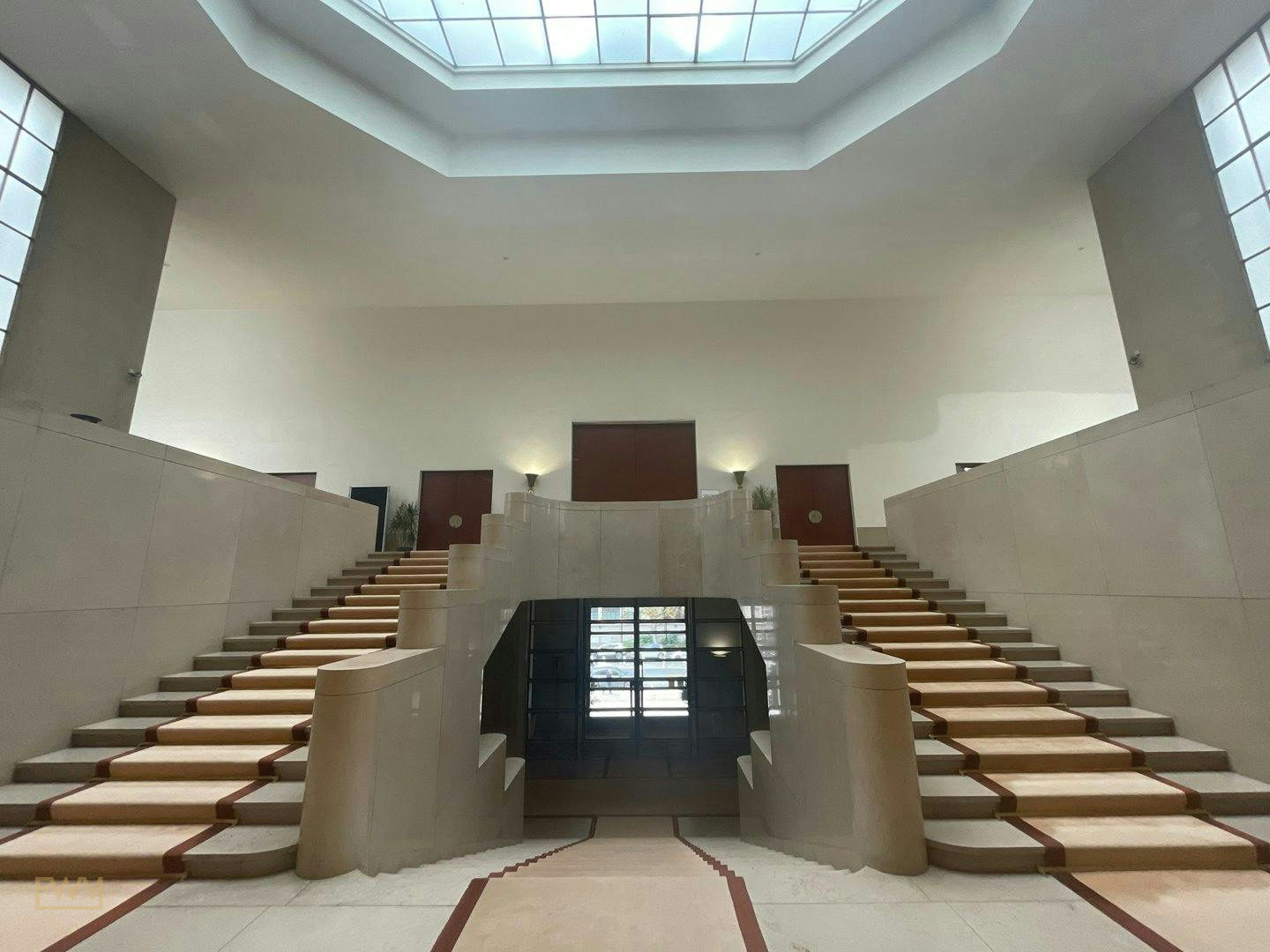
Navigating the world of Fashion Week Venues requires a keen understanding of markets, timing, and strategies, especially when considering Paris as a prime location. As a hub for international fashion brands, Paris offers a myriad of opportunities through its dynamic venues for pop-ups, showrooms, and brand activations. This guide explores the intricacies involved in selecting and utilizing these spaces effectively, drawing on the expertise of Fashion Week Venues, a premier agency and marketplace dedicated to providing tailored solutions in the industry. We delve into strategic planning, creative direction, operational logistics, and the essential tools needed to maximize the impact of your temporary retail or event presence in Paris and beyond.
Navigating the Paris Fashion Venue Marketplace
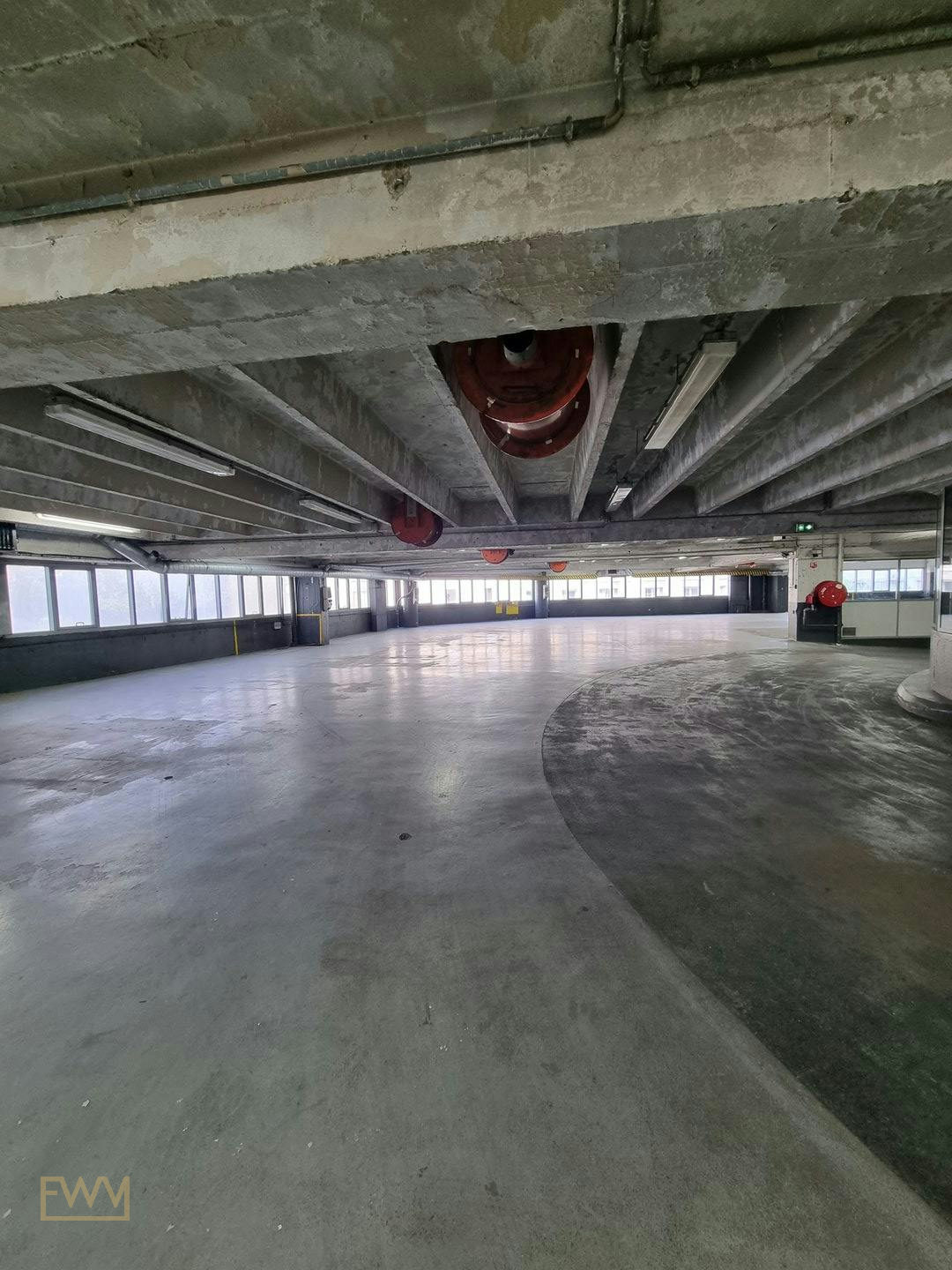
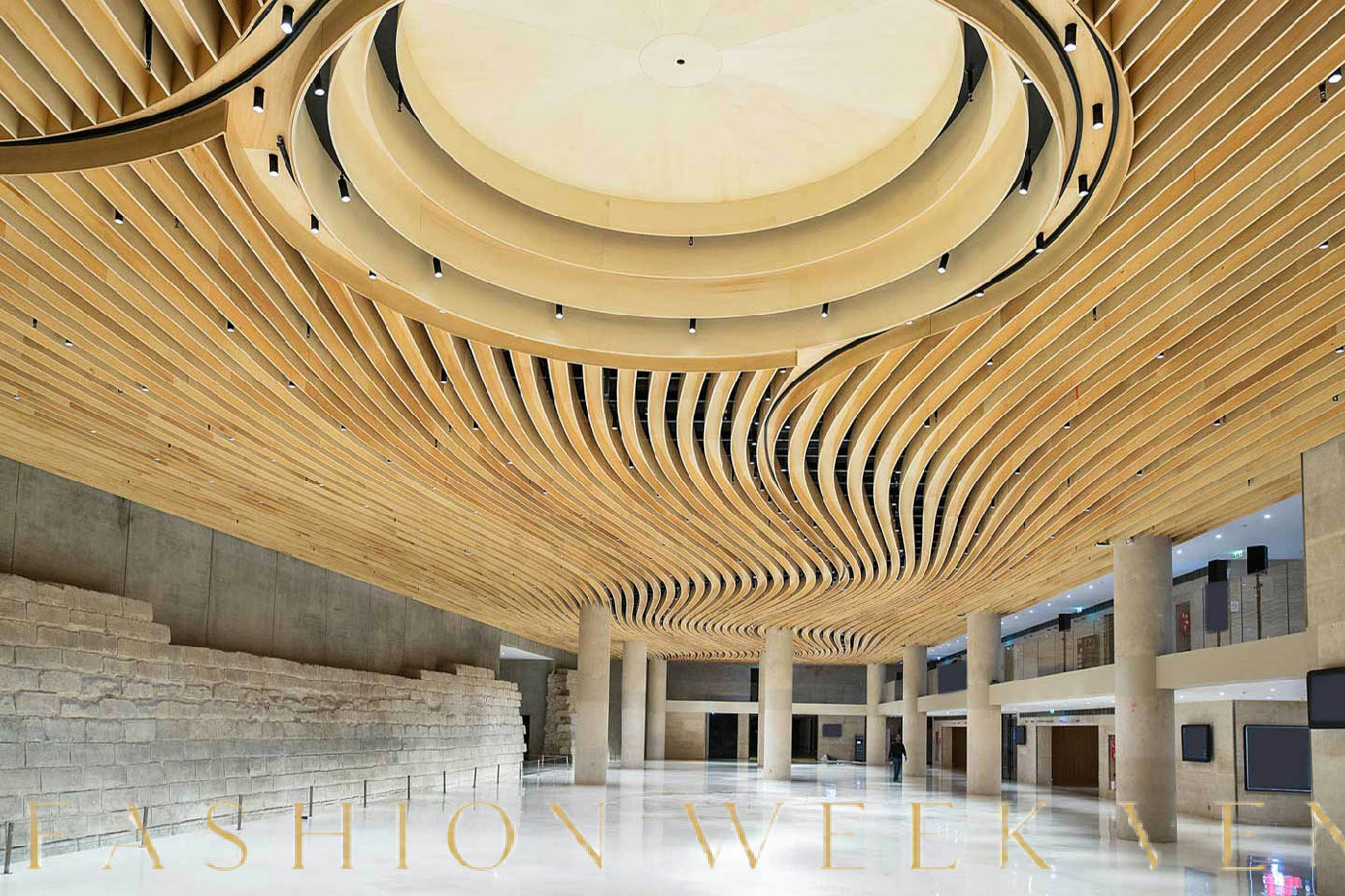
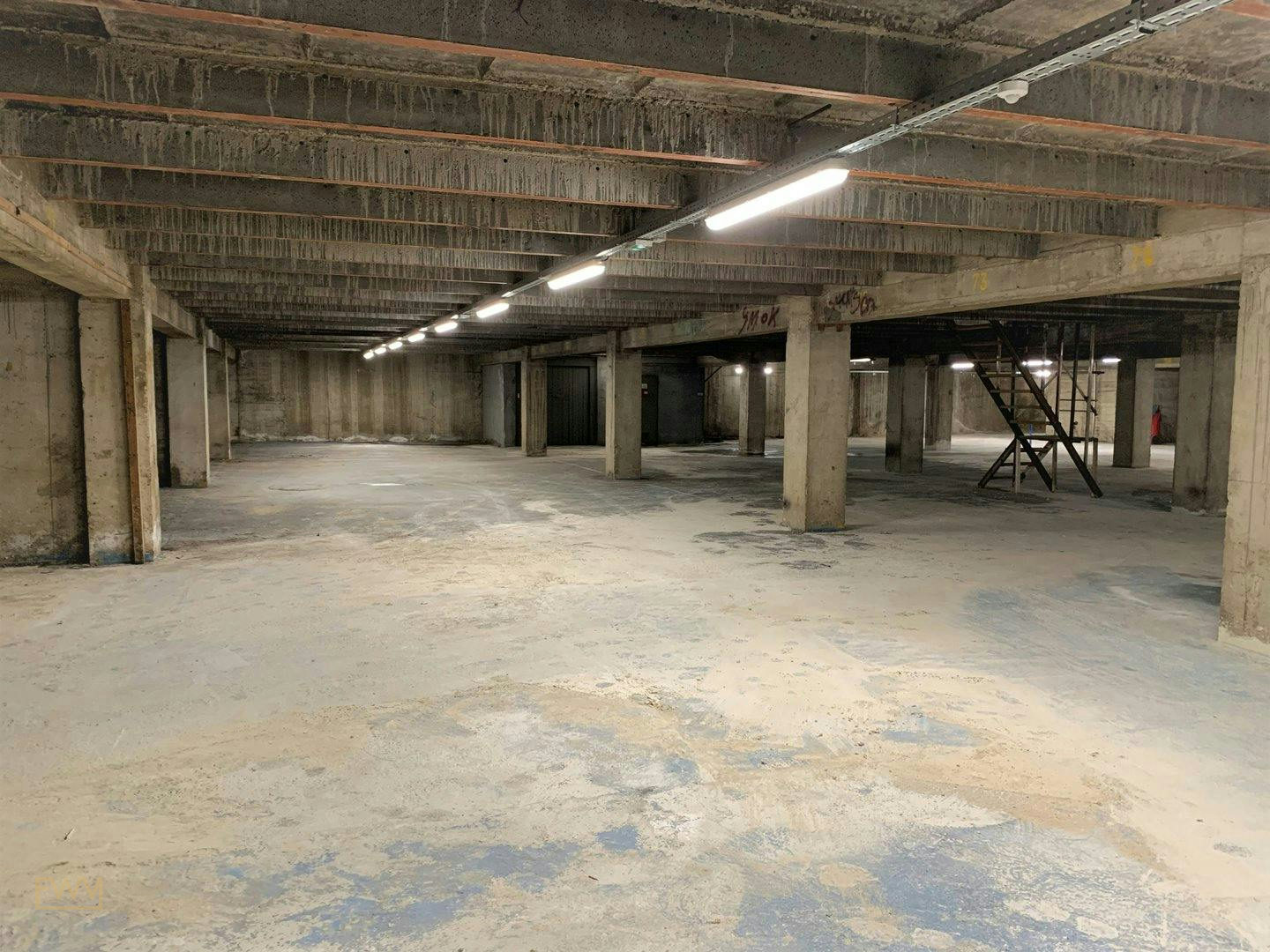
Finding the perfect venue in Paris for your fashion event or activation can be a challenging endeavor. The variety of options available ranges from intimate showrooms to expansive warehouses, each offering unique atmospheres and logistical capabilities. Paris Fashion Week, among the most prestigious events in fashion, magnifies the importance of securing the right space to align with your brand's identity and goals.
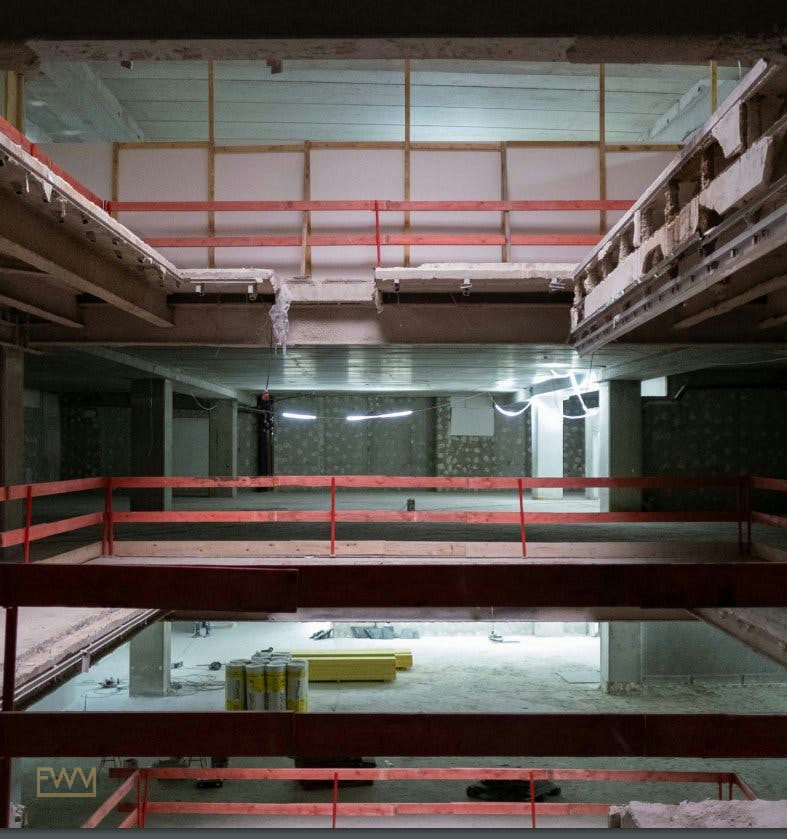
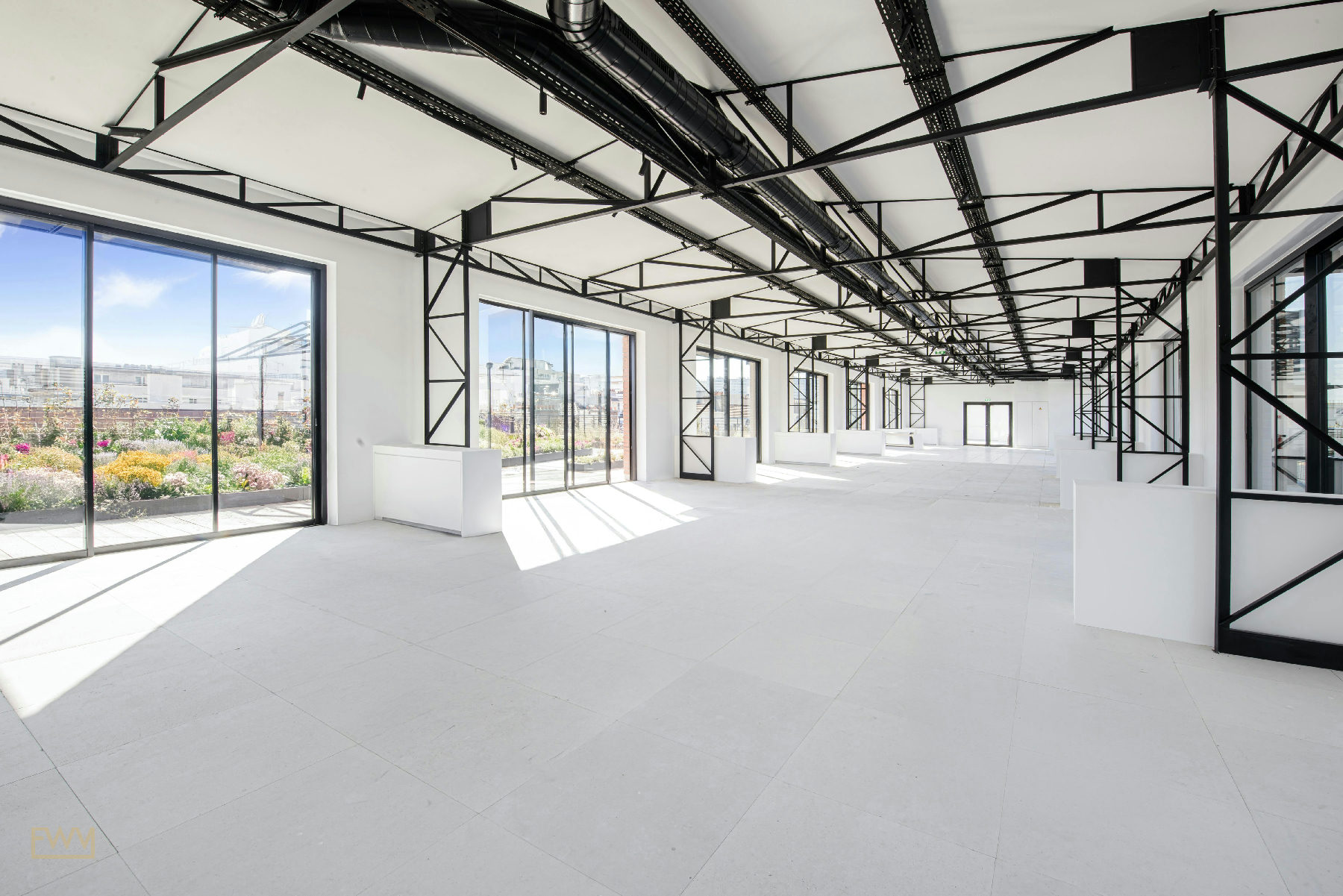
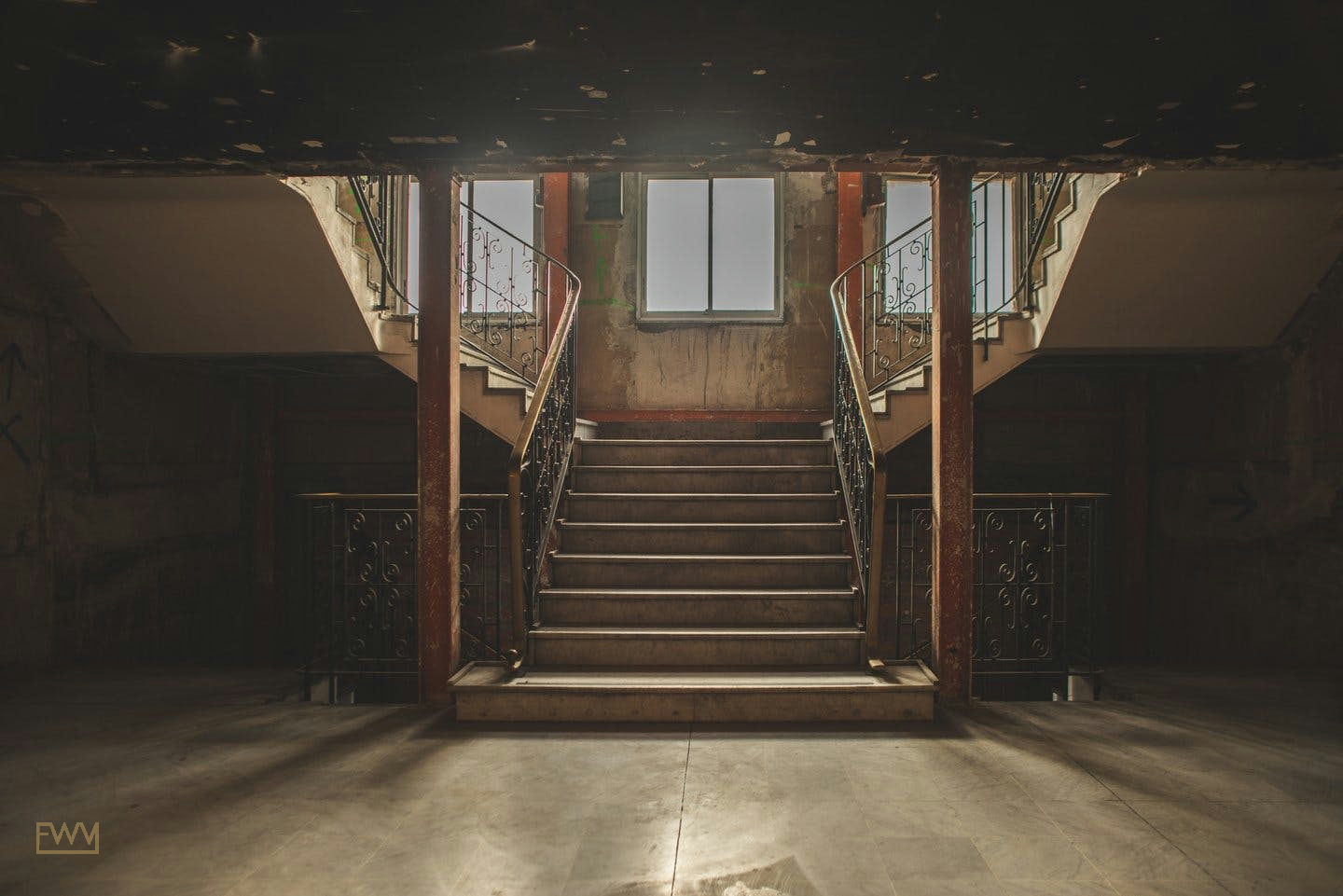
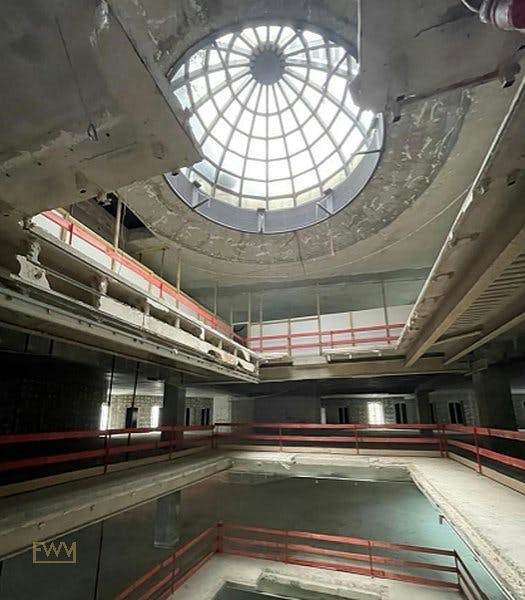
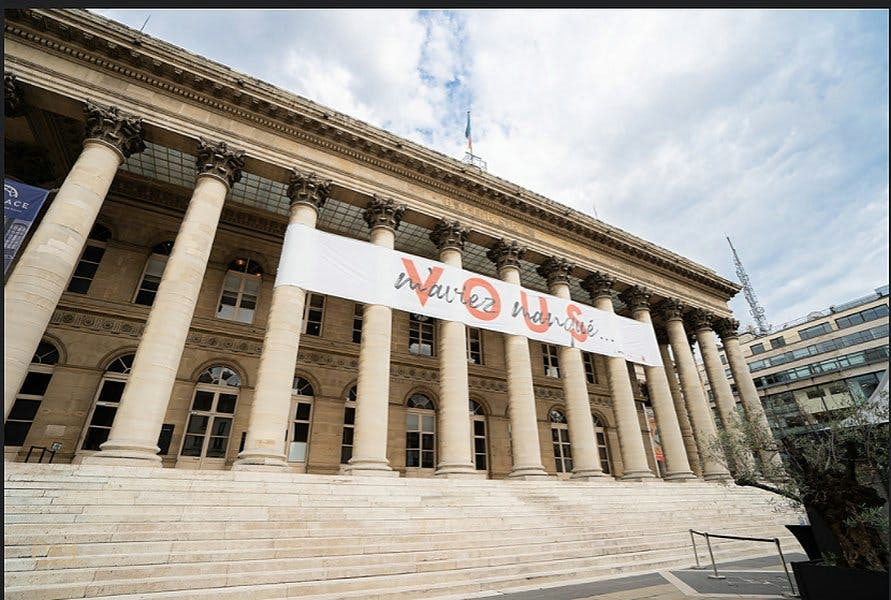
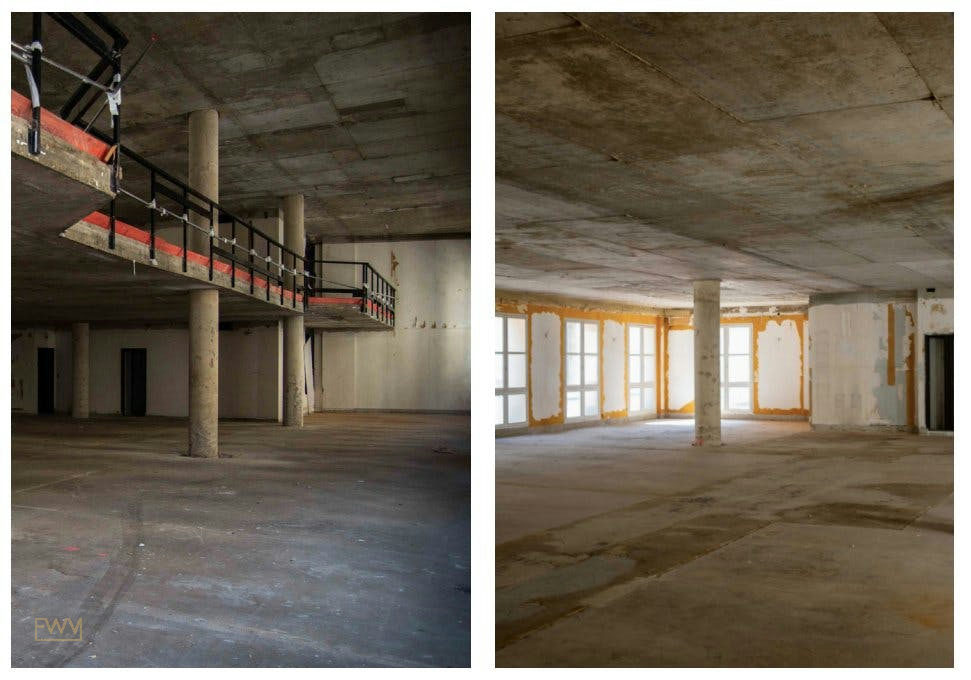
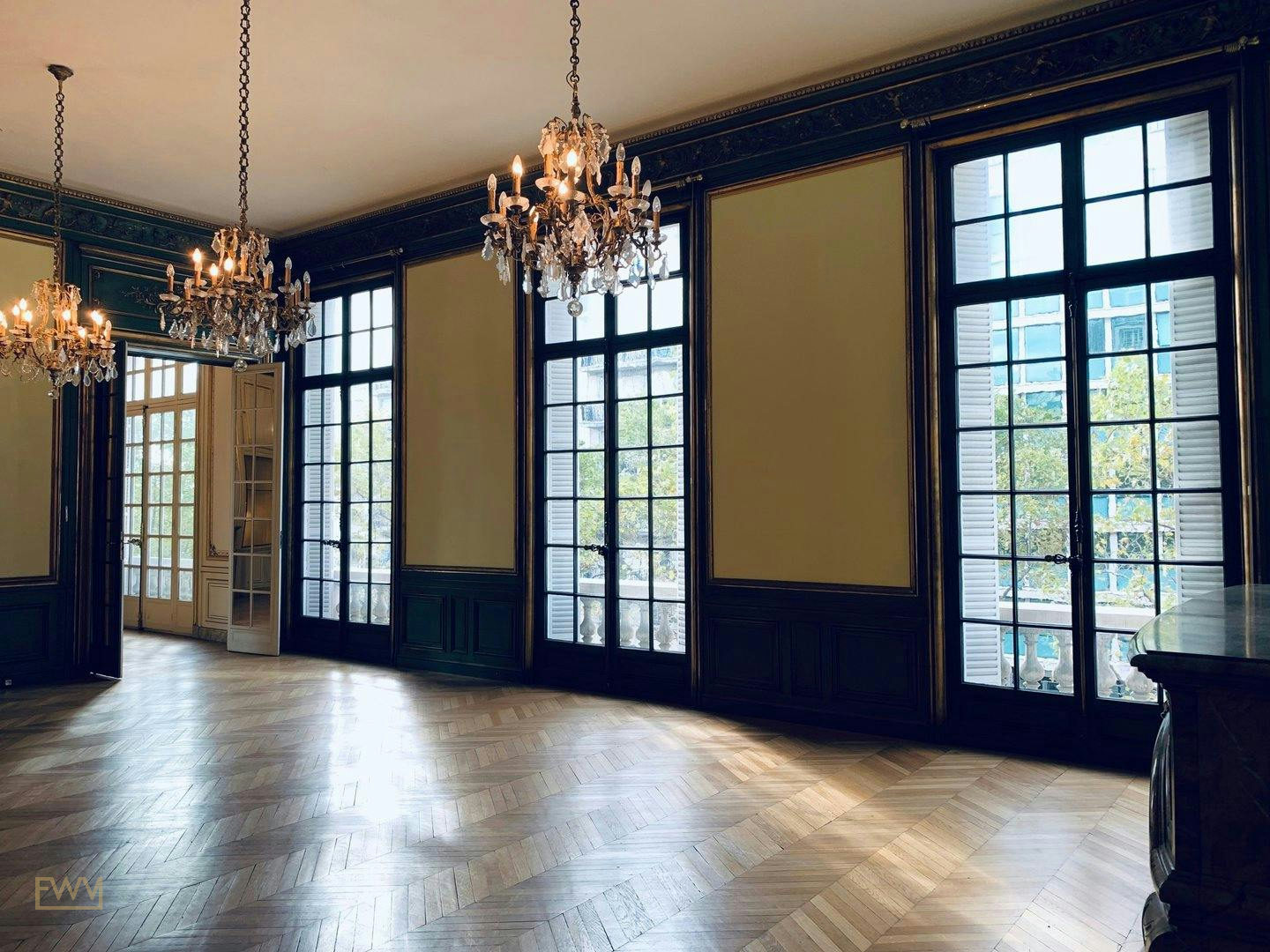
To effectively navigate the Paris venue marketplace, understanding the diverse types of spaces available is a critical first step. Showrooms in districts like Le Marais or Saint-Germain-des-Prés offer trendy, modern atmospheres suited to luxury and streetwear brands alike. In contrast, grand venues near the Opéra or Avenue des Champs-Élysées are ideal for more theatrical presentations and experiential marketing pursuits. The choice of a venue should reflect your target audience and the intended narrative of your brand.
Budget constraints and logistical considerations are essential factors in venue selection. Costs are influenced by location, size, and duration of use, often requiring a strategic approach to space allocation and design. Employing tools such as space comparison can aid in evaluating potential venues across these dimensions, ensuring alignment with budgetary and operational constraints.
Quick answer: Paris offers a broad range of venue options for fashion events, each varying in style, location, and logistical requirements. A thorough understanding of these variables is essential for aligning space choices with brand objectives and Paris Fashion Week timelines.
KEY TAKEAWAY: Understanding the Paris venue landscape is fundamental to aligning your fashion event with brand objectives, from budget to audience engagement.
As you delve deeper into these choices, considering services that can streamline this process, like those provided by Fashion Week Venues for venue sourcing, becomes invaluable. The next section will focus on strategic timing and permitting considerations essential for a seamless activation.
Timing Your Event for Maximum Impact
Choosing the right time to host an event in Paris can significantly enhance its success. Paris Fashion Week provides multiple opportunities throughout the year, with shows occurring in spring/summer, autumn/winter, and other seasons tailored to men's and haute couture collections. Each presents unique opportunities for brand exposure but comes with its challenges in terms of availability and competition.
DID YOU KNOW: Aligning your event with Paris Fashion Week maximizes press exposure but requires advance planning due to high demand for venues and services.
To time your event effectively, consider the following strategies:
- Leverage the buzz of Paris Fashion Week by booking in sync with its schedule.
- Consider off-peak times for reduced costs and higher availability of premium venues.
- Align event timing with product releases for synergistic marketing efforts.
Planning an activation outside traditional fashion week periods can also be advantageous, tapping into a different audience and avoiding the industry's peak competition. Utilize timeline tools, such as the timeline tool by Fashion Week Venues, to sync your launch with optimal market exposure points.
Quick answer: Synchronizing events with Paris Fashion Week enhances market engagement, but strategic timing, including off-peak scheduling, can optimize costs and logistics.
KEY TAKEAWAY: Effective timing, whether during Paris Fashion Week or strategically planned at off-peak intervals, can enhance a brand's market impact while optimizing budget and resource allocation.
With a timing strategy in place, the next consideration is ensuring your operation's legal compliance, essential for a smooth execution in Paris's bustling environment.
Permitting and Legal Compliance
Navigating the complexities of legal compliance and permits in Paris is crucial for any successful fashion activation. Unlike standard commercial leases, a bail dérogatoire and AOT (Autorisation d'Occupation Temporaire) often govern short-term retail spaces. These permits dictate the terms of temporary occupation, aligning with the specific needs and durations of your event.
TIP: Always consult with a local legal advisor to understand the specific requirements for your chosen arrondissement and space type.
The bail dérogatoire allows for more flexibility in short-term retail engagements but demands compliance with local regulations and detailed documentation. Similarly, the AOT is critical for events held in public spaces, requiring explicit authorization from local authorities. These processes ensure that your event complies with safety standards and urban regulations.
For non-French entities, engaging with experts such as Fashion Week Venues can help navigate these legal waters, providing advice on permits and comprehensive support through their activation management services.
Quick answer: Legal compliance in Paris involves securing a bail dérogatoire or AOT, depending on the venue type, each necessitating precise adherence to local regulations and documentation.
KEY TAKEAWAY: Understanding and obtaining the correct permits ensures legal compliance, key to avoiding disruptions in your Paris fashion event.
Moving forward, it is crucial to align creative direction with logistical realities to ensure both legal and brand-consistent executions of your fashion activations.
Creative Direction and Concept Development
An impactful fashion event relies heavily on a well-developed concept and creative direction that resonates with target audiences. This process begins by aligning your brand identity with the chosen venue and understanding the logistical constraints it may impose.
Effective creative direction involves curating experiences that stand out. Leverage thematic elements consistent with your brand's narrative and consider technological integrations such as AR/VR to enhance interaction. Tailoring your concept for local culture can amplify relevance and engagement, especially in diverse districts like Canal Saint-Martin or Rue Saint-Honoré.
Fashion Week Venues provides concept and creative services that support brands in crafting distinctive and memorable experiences. By marrying creative ideas with logistical realities, they ensure that the vision is not merely aspirational but feasible within the parameters of the selected venue and time frame.
Quick answer: Effective creative direction harmonizes brand identity with venue capabilities, integrating local cultural elements to enhance audience engagement.
KEY TAKEAWAY: Strong creative direction aligned with logistical planning elevates your fashion activation, ensuring a seamless and memorable experience for attendees.
With creative concepts in place, attention turns to the operational logistics that bring these ideas to life in the complex environment of Paris.
Operational Logistics and Execution
Executing a fashion event in Paris requires meticulous logistical planning, encompassing everything from supply chain management to on-site operations and attendee flow. Effective logistics ensure that creative concepts are not only realized but exceed expectations in terms of execution and audience impact.
Key operational considerations include transportation and setup of materials, compliance with local regulations, and optimization of attendee experience through strategic space design. Leveraging tools like the build planning solution from Fashion Week Venues can streamline these processes, facilitating efficient coordination between teams and suppliers.
TIP: Consider pre-event test runs to identify potential logistical challenges before they disrupt your event.
Effective logistical planning must also integrate data-driven insights to optimize performance. By using analytics, brands can refine logistics to maximize efficiency and respond dynamically to real-time issues during events. Tools for data analytics and performance optimization are invaluable in this regard, allowing for continuous improvement across successive events.
Quick answer: Comprehensive logistical planning, integrating supply chain, regulatory compliance, and attendee management, is pivotal for seamless execution of fashion events.
KEY TAKEAWAY: Seamless operational logistics underpin successful event execution, aligning creative vision with real-world application to enhance audience experiences.
As we transition to the next focal point, understanding the evaluation and iteration process for event execution is essential for sustained success and refinement in future activations.
Evaluating Success and Iterating for Future Events
Post-event evaluation is a critical component of the event lifecycle, allowing brands to assess performance, gather insights, and refine strategies for future activations. Success metrics may include attendance figures, media coverage, sales conversions, and audience feedback.
Understanding these metrics empowers brands to optimize future activations by identifying strengths to replicate and areas requiring improvement. Implementing a robust evaluation framework allows brands to learn iteratively from each event, aligning improvements with broader brand objectives.
Fashion Week Venues aids this process through comprehensive tools for ROI calculation and data analytics, enabling precise and actionable insights that drive strategic decisions.
Quick answer: Evaluating event success through quantitative and qualitative metrics provides a foundation for strategic improvement and enhanced future activations.
KEY TAKEAWAY: Systematic evaluation and iterative learning bolster continuous improvement in fashion event effectiveness, enabling brands to enhance engagement and achieve business objectives.
Next, we will dispel common myths related to the fashion venue landscape to further aid in decision-making clarity and confidence.
Common Myths Debunked
MYTH: Needing a French legal entity to rent a space in Paris.
FACT: While having a French entity may facilitate certain bureaucratic processes, it is not a strict requirement to rent a short-term venue in Paris. With the right advisory team, foreign brands can navigate these requirements effectively.
MYTH: Paris Fashion Week is the only viable calendar window for activations.
FACT: Although Paris Fashion Week offers premium exposure, opportunities exist throughout the year to engage different audiences, such as during other key fashion industry events or independently outside fashion weeks for more unique brand positioning.
MYTH: Commission brokers are the only way to find a space.
FACT: While brokers can be helpful, platforms like Fashion Week Venues offer direct access to a curated selection of venues, allowing brands to explore a broader range of options independently and more cost-effectively.
MYTH: Short-term leases are legally straightforward without specialist help.
FACT: Short-term leases, particularly in Paris, often involve complex legal stipulations and local regulations, making professional guidance essential to navigate contracts and compliance effectively.
Dispelling these myths helps clarify the realities of venturings in the Paris fashion venue landscape. With a clearer understanding, we can now address frequently asked questions about the process.
Frequently Asked Questions
What types of spaces are available for fashion events in Paris?
Paris offers a diverse array of event spaces, including luxury showrooms, lofts in trendy districts, historic buildings, and contemporary galleries. Each space type offers unique benefits and challenges depending on the event's nature and the brand's objectives. Consider factors like location, size, and amenities when selecting a space to ensure it aligns with your brand's vision and logistical needs.
How does Fashion Week Venues assist with venue sourcing?
Fashion Week Venues provides comprehensive venue sourcing services. They offer a curated selection of spaces, expert guidance tailored to brand needs, and valuable insights into the most suitable venues based on location, audience, and logistical requirements. This streamlined approach simplifies space selection, ensuring alignment with brand goals and event objectives.
Is it necessary to host an event during Paris Fashion Week?
It is not strictly necessary to host an event during Paris Fashion Week. While it offers significant exposure and media attention, hosting during other periods can also be beneficial, especially for brands seeking to stand out without direct competition from numerous simultaneous events. Timing should align with brand objectives, audience reach goals, and logistical preparations.
What legal considerations are important for temporary retail in Paris?
Temporary retail in Paris requires compliance with specific local laws, including the acquisition of permits such as the bail dérogatoire or AOT. Each permit addresses different operational circumstances and venue types, necessitating precise legal and regulatory understanding. Engaging legal advisors or utilizing resources like Fashion Week Venues' permitting tool can be critical to ensuring compliance.
Can international brands rent venues in Paris without a local entity?
Yes, international brands can rent venues in Paris without establishing a local entity. The process, however, requires careful navigation of legal and regulatory requirements. Partnering with experienced agencies like Fashion Week Venues can facilitate this process, providing the necessary legwork and advice to ensure compliance and successful activation.
How do you assess the ROI of an experiential fashion event?
Assessing ROI for an experiential fashion event involves evaluating various metrics such as sales conversions, brand exposure, media coverage, and audience engagement. Tools like the ROI calculator by Fashion Week Venues can provide deeper insights by analyzing these parameters against your initial goals, offering a comprehensive view of the event's financial and strategic success.
What are the common logistical challenges for fashion events in Paris?
Common logistical challenges include navigating Paris's complex transport network, maintaining supply chain efficiency, and adhering to local regulations for imported materials and equipment. Venue logistics, attendee management, and real-time problem resolution are crucial elements to ensure smooth event execution. Pre-planning with detailed timelines and employing local expertise are recommended strategies to overcome these challenges.
Why is creative direction important for temporary retail spaces?
Creative direction is vital for differentiating temporary retail spaces and creating memorable brand interactions. It involves aligning the space's aesthetics with brand identity and strategically crafting an engaging narrative that resonates with attendees. Effective creative direction drives higher engagement and enhances the brand's market presence, making it a critical aspect of event planning.
What are the advantages of using a pop-up space for a new product launch?
Pop-up spaces provide a flexible and cost-effective platform for launching new products, allowing brands to create buzz and directly interact with consumers. These spaces offer an experiential dimension that can enhance brand perception and drive immediate sales. Moreover, they serve as a test bed for market responses, offering insights that can shape future marketing strategies.
Are there any financial tools to help plan a fashion event in Paris?
Yes, there are financial tools designed to streamline the planning and budgeting of fashion events in Paris. The budget calculator from Fashion Week Venues is particularly useful, offering tailored estimates based on space type, location, duration, and event scale. This tool assists brands in aligning financial resources with strategic objectives, ensuring comprehensive planning.
How can Fashion Week Venues enhance the success of an event?
Fashion Week Venues enhances event success through their range of services including venue sourcing, concept development, activation management, and logistical support. Their tailor-made strategies ensure alignment with brand visions and logistical realities. Additionally, their suite of tools offers precise planning and execution insights, promoting seamless and successful event activations.
Conclusion
Successfully navigating the Paris fashion landscape requires adept handling of logistical, creative, and bureaucratic challenges. Fashion Week Venues stands out as a comprehensive partner, offering specialized tools and services to guide brands through every stage of the event process, from conceptualization to execution. As brands aspire to leverage the unique energy of Paris for increased visibility and market engagement, understanding timing, venue selection, and legal compliance becomes paramount. For a seamless transition from planning to activation, explore available spaces on the Fashion Week Venues marketplace and initiate a strategic approach tailored to your specific needs.