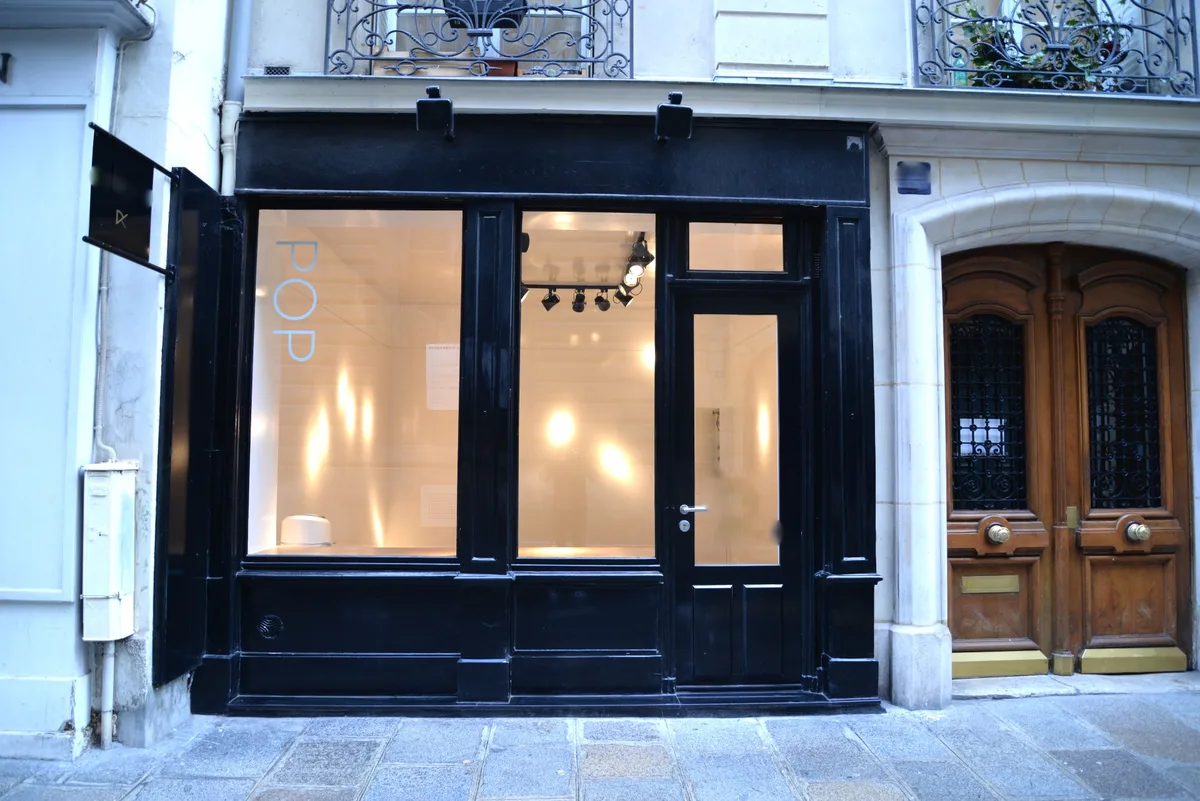
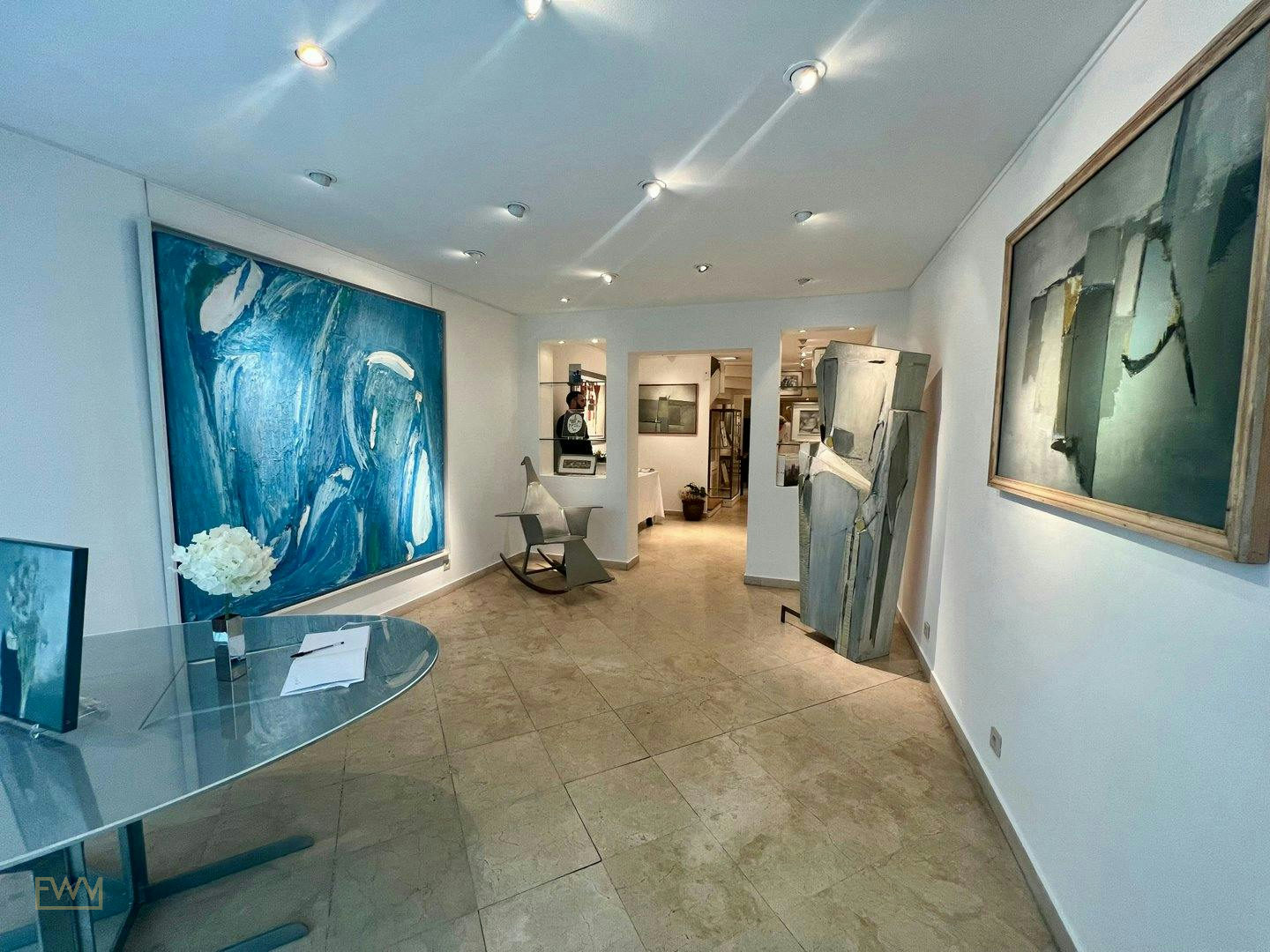
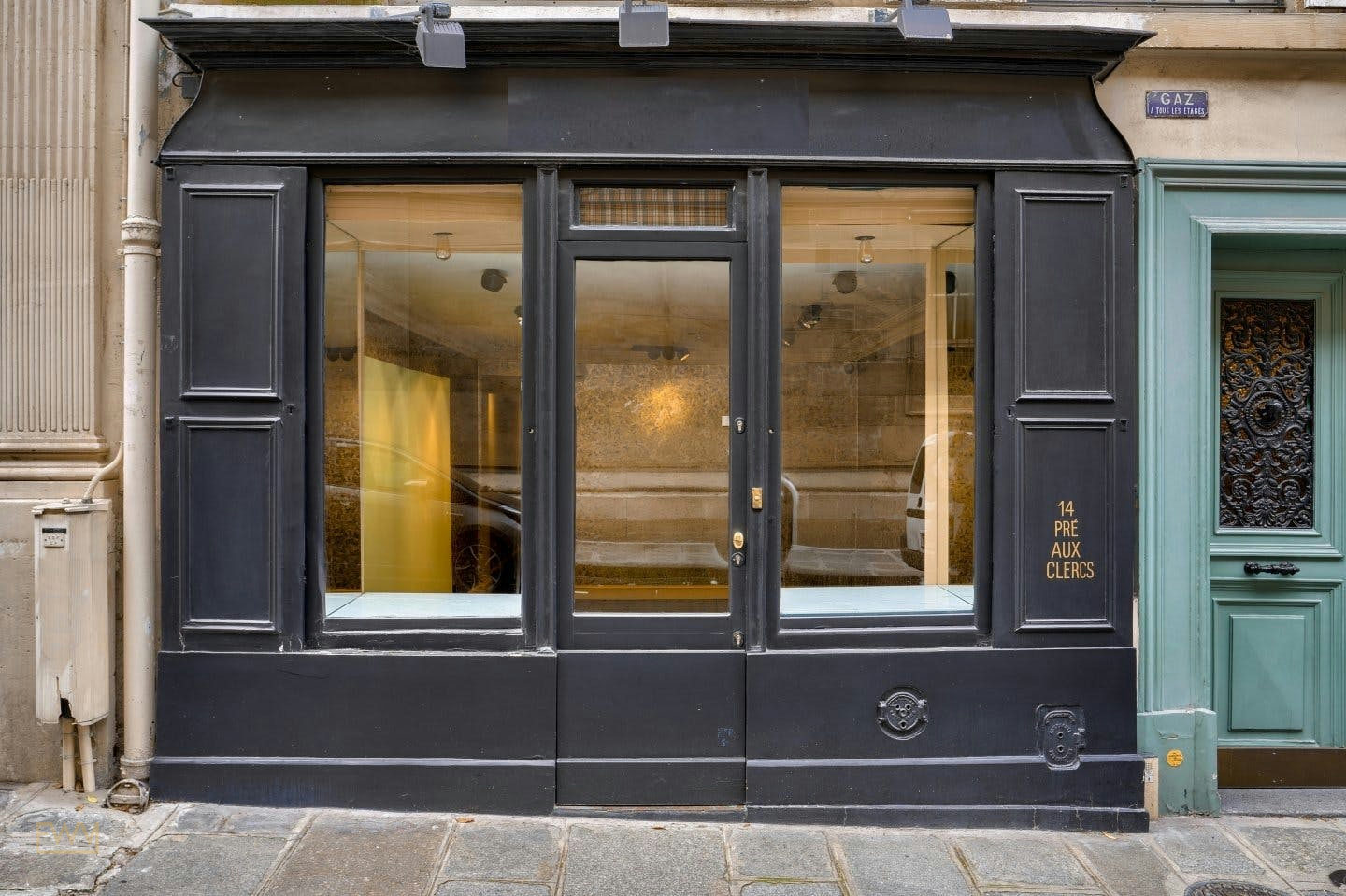
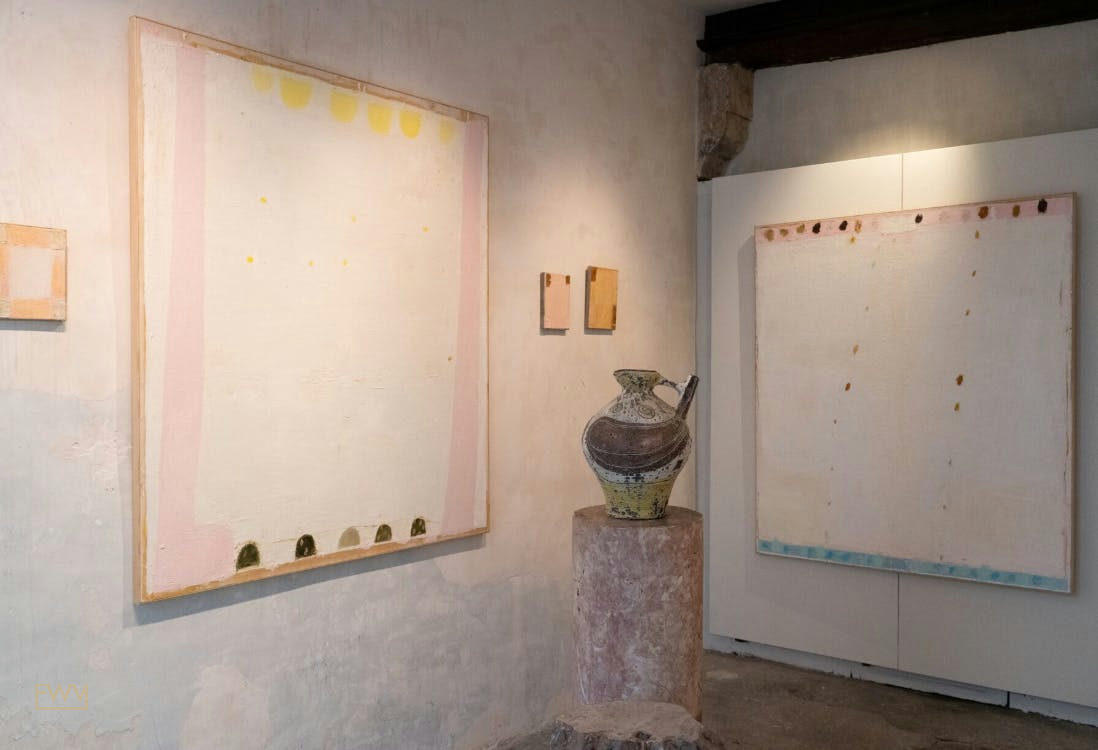
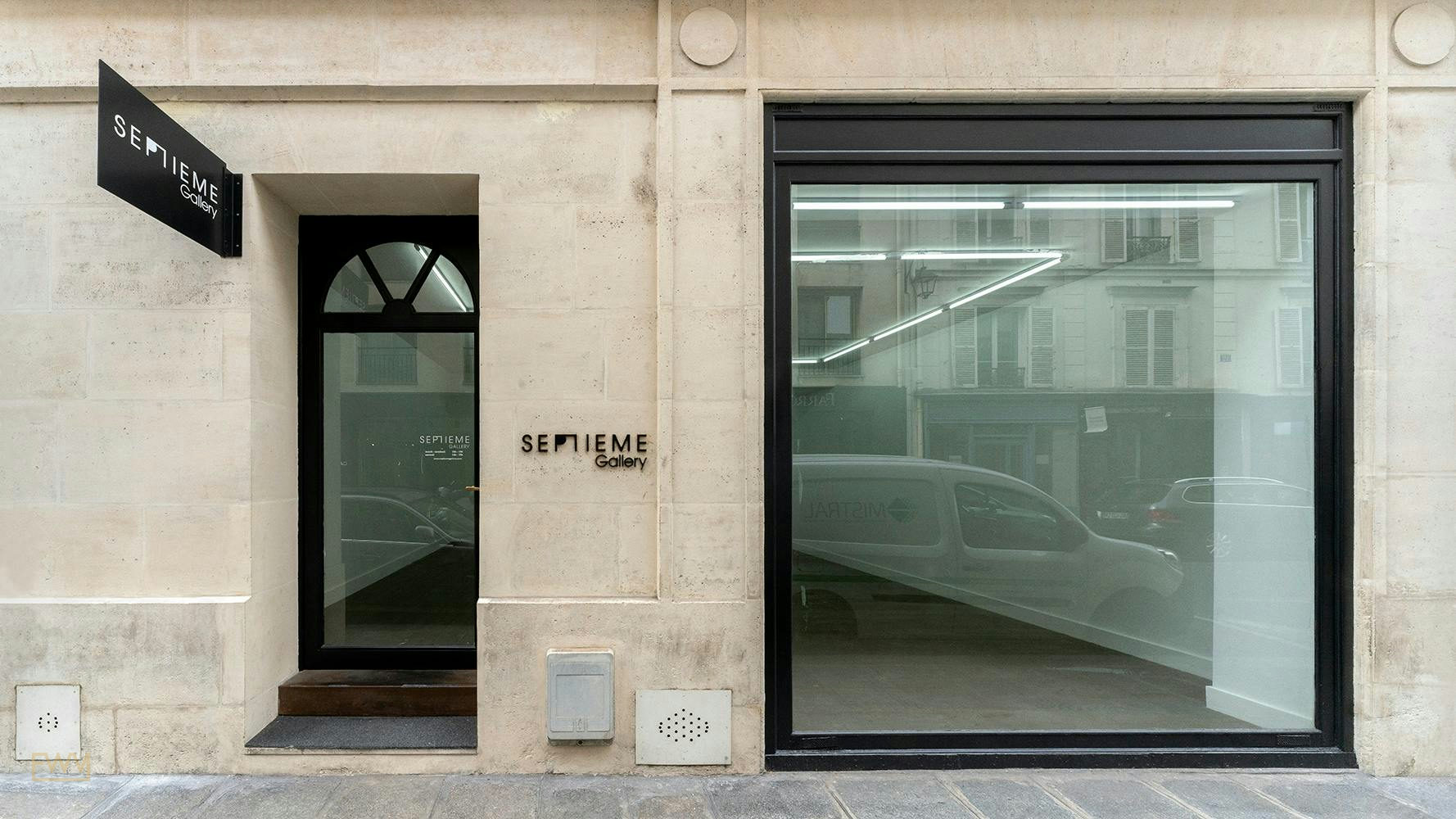
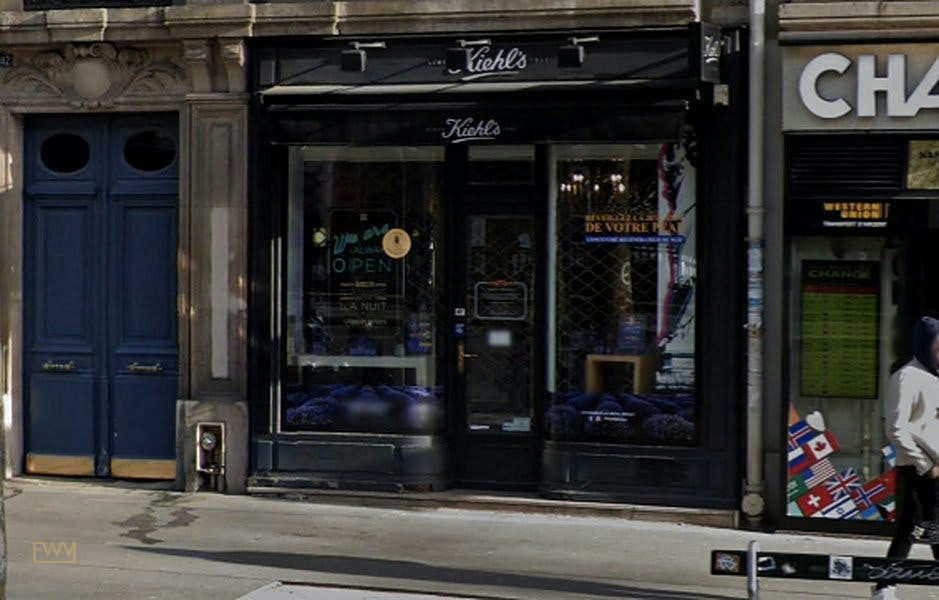
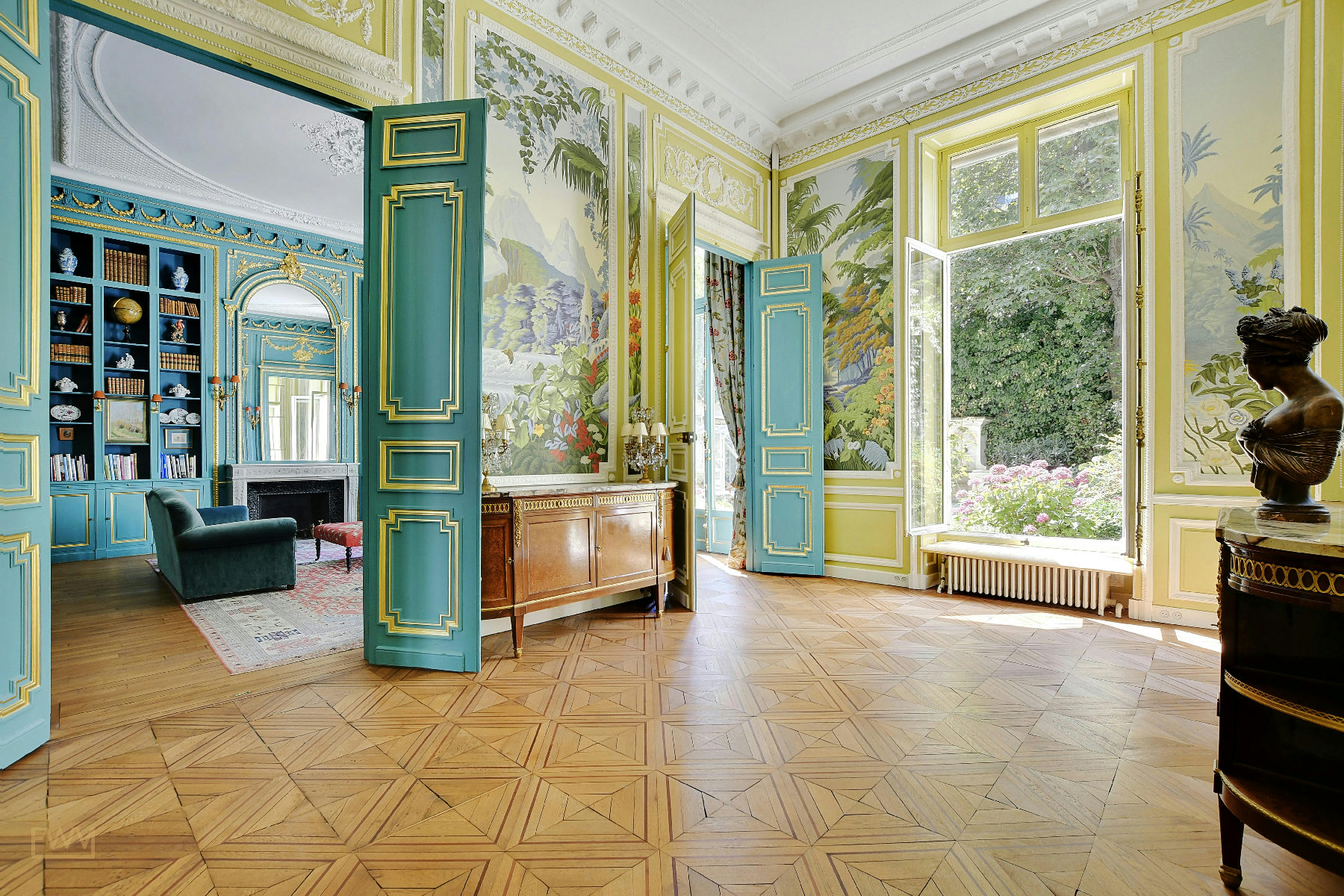
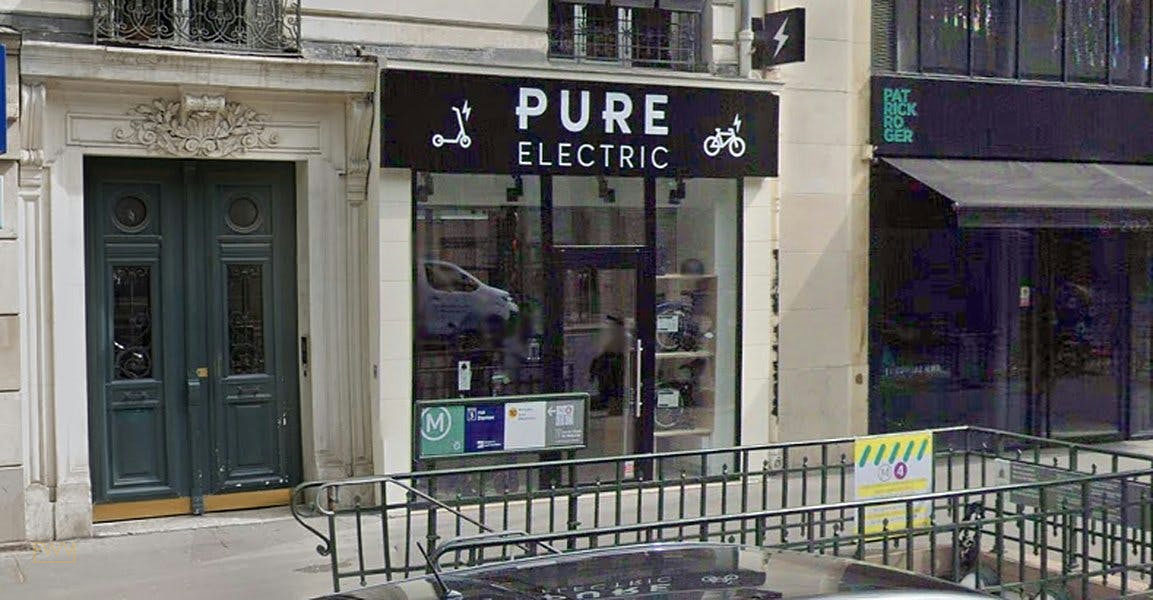
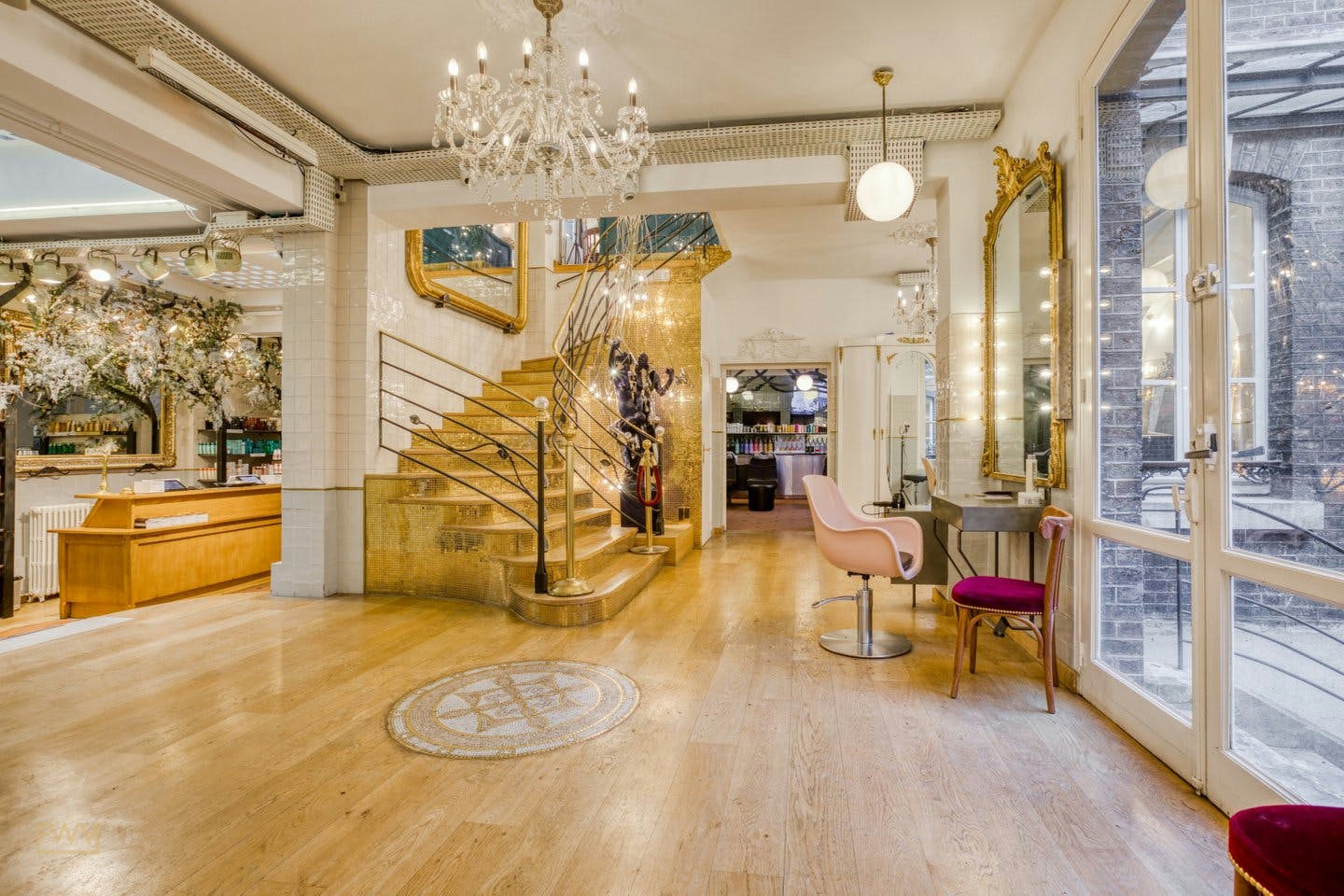
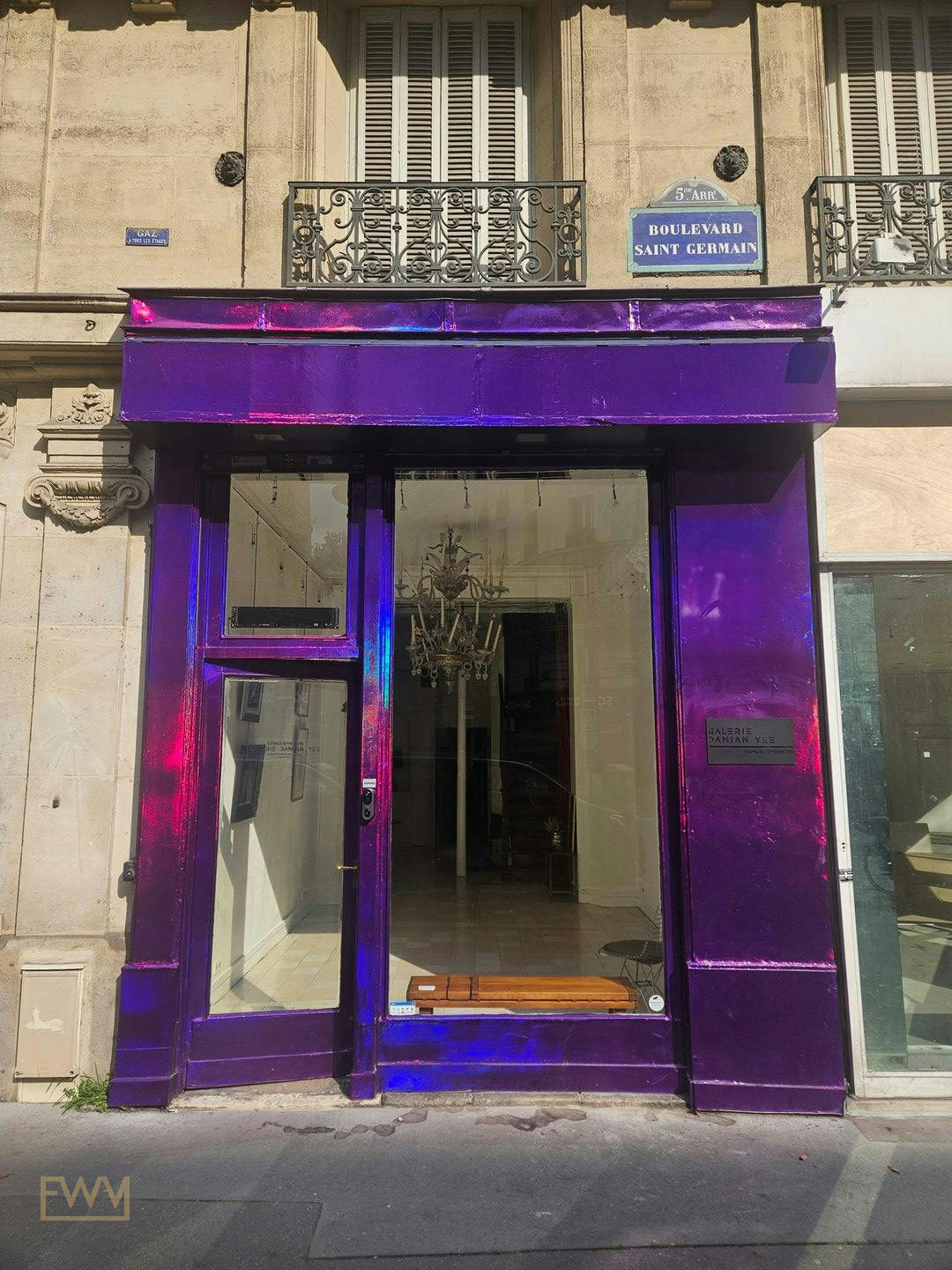
Fashion Week Venues offers an unparalleled opportunity for brands to leverage the bustling energy of global fashion capitals, with Paris at the forefront. As the epicenter of style and innovation, Paris is a strategic location for luxury retailers and emerging designers alike. By understanding the logistics of pop-up spaces, showrooms, and event venues, brands can capitalize on Paris Fashion Week to maximize exposure and engagement. Fashion Week Venues provides comprehensive services tailored to meet the needs of brands seeking to activate their presence in Paris, offering venue sourcing, concept direction, and activation management.
Understanding the Paris Fashion Week Landscape
Paris Fashion Week is a pivotal event that attracts global attention. For brands, it offers a chance to showcase collections amidst a gathering of key industry players, media, and trendsetters. Successful participation requires strategic planning and a deep understanding of the event's unique ecosystem.
Quick answer: Paris Fashion Week provides brands with an invaluable platform to present their latest collections to a high-profile audience. To maximize impact, brands must navigate the complex logistics of securing suitable venues in prime locations.
The venues around Paris during Fashion Week are not just about space; they are about making a statement. Retail spaces, pop-up shops, and showrooms must be carefully selected to align with a brand's identity and target market. From the historic elegance of Saint-Germain-des-Prés to the contemporary vibe of Canal Saint-Martin, choosing the right location can significantly influence brand perception.
One common myth is that securing a venue in Paris during Fashion Week is primarily a matter of budget. In reality, it involves navigating a web of logistics, permits, and strategic timing to optimize presence during this coveted event.
KEY TAKEAWAY: Success at Paris Fashion Week hinges on strategic venue selection and alignment with your brand's aesthetic and target audience.
For brands looking to make a mark, understanding these elements is crucial as we move to explore specific venue types suitable for different brand needs and objectives.
Choosing the Right Type of Venue for Your Brand
Selecting the perfect venue during Fashion Week is crucial for brand activation. Whether it's a pop-up shop, showroom, or event space, each option serves distinct purposes and audiences.
Showrooms are ideal for brands focused on direct engagement with buyers and industry insiders. They provide a private, curated environment where the collection can be experienced intimately.
Pop-up shops, on the other hand, are excellent for experiential marketing, drawing in both media and the public to interact with the brand in an unexpected setting. They help in driving buzz and are perfect for limited edition collections.
Event spaces offer flexibility for larger gatherings, fashion shows, or interactive installations. They can be transformed to match the creative narrative a brand wishes to convey.
Quick answer: Showrooms offer intimacy and control, pop-up shops provide public interaction and excitement, and event spaces deliver flexibility for bespoke experiences.
It's important to consider factors such as location, size, and visitor traffic when selecting a venue type. The venue should be a tactile representation of the brand's philosophy and aesthetic.
Fashion Week Venues offers a variety of spaces to fit these diverse needs. Exploring options in different Parisian neighborhoods can lead to the perfect match between a brand's vision and venue characteristics.
| Venue Type | Best For | Primary Advantage |
|---|---|---|
| Showroom | Industry Engagement | Intimacy and control |
| Pop-up Shop | Public Interaction | High buzz potential |
| Event Space | Large Gatherings | Customizability |
KEY TAKEAWAY: Choose a venue type that aligns with your tactical objectives—whether it's engaging industry insiders, creating public buzz, or hosting large-scale events.
With the foundations of venue selection laid out, brands can explore practical steps to secure these spaces effectively.
How to Secure a Fashion Week Venue
Securing a venue for Paris Fashion Week involves strategic timing, negotiation, and a thorough understanding of local regulations. Early preparation and network leverage are key components to consider.
Early booking is vital as venues in top locations are in high demand. Brands should begin the process at least six months in advance to ensure availability and best conditions.
Quick answer: Start your venue booking process at least six months in advance to secure prime locations and get favorable terms.
An understanding of Paris's distinct neighborhoods and their unique demographics will help tailor the space to the desired audience. Arrondissements such as Le Marais provide a trendy atmosphere perfect for avant-garde brands, while Rue Saint-Honoré caters to luxury markets.
Engaging a local partner, like Fashion Week Venues, can facilitate the permit acquisition process, such as the bail dérogatoire and AOT, both of which are critical for temporary setups.
IMPORTANT: Always verify permit needs with a French legal advisor to ensure compliance with local laws and regulations.
KEY TAKEAWAY: Timing, local knowledge, and strategic partnerships streamline the venue acquisition process, ensuring compliance and optimal placement.
With the venue secured, attention shifts to optimizing its impact through design and layout.
Designing Your Space for Maximum Impact
The design of a fashion week venue can dramatically influence brand perception and guest experience. This involves integrating the brand ethos with functional design elements.
Start by mapping out the customer journey within the space. Think of flow, focal points, and interactive elements that enhance engagement. Visual merchandising techniques can guide this process to ensure the space not only reflects the brand but also captivates and retains visitor interest.
For instance, utilizing sensory elements such as lighting, music, and scent can create an immersive environment. Each element should be thoughtfully curated to evoke the desired emotional response.
Quick answer: Effective visual merchandising and sensory elements create an engaging and memorable brand experience.
Brand teams should work with experts to optimize layouts that drive sales and seamlessly convey brand stories. Fashion Week Venues can assist in branded store design and production, ensuring that the space resonates with both concept and functionality.
DID YOU KNOW: Proper lighting can increase retail sales by up to 20% as it enhances product visibility and creates ambiance.
KEY TAKEAWAY: Design isn’t just aesthetic; it's strategic. Align every element with brand values to create a memorable and effective space.
With design elements well-planned, brands can further leverage their activation through experiential marketing strategies.
Implementing Experiential Marketing Strategies
Experiential marketing transforms a venue into a dynamic playground where customers can interact directly with a brand. These strategies are crucial for creating lasting impressions and deepening customer relationships.
Interactive installations, influencer partnerships, and immersive experiences are forms of experiential marketing that brands can employ. For instance, a live fashion show or a digital interaction wall can dramatically boost brand engagement.
Fashion Week Venues’ influencer marketing services can help brands connect with key opinion leaders, amplifying reach and impact. Meanwhile, data analytics can track visitor behavior and preferences, providing valuable insights for further refinement.
Quick answer: Utilize experiential marketing tactics like interactive displays and influencer collaborations to enhance brand presence and engagement during events.
Brands should ensure that every event element aligns with their narrative, thereby creating a cohesive experience that engages and converts.
KEY TAKEAWAY: Craft experiences that are interactive and aligned with your brand’s story to enhance consumer connection and drive engagement.
Moving forward, measuring the impact of these efforts is critical to refine future activations.
Measuring the Success of Your Activation
To determine the success of a Fashion Week activation, brands must set clear objectives and measure outcomes against these goals. Both qualitative and quantitative metrics should be utilized.
Quick answer: Success metrics can include sales figures, customer engagement levels, media mentions, and post-event surveys to gauge impact accurately.
Sales figures and foot traffic are quantitative indicators that offer concrete evidence of an event's reach. Meanwhile, qualitative data such as customer feedback and media coverage provide insights into brand perception and experience quality.
Utilizing tools like ROI calculators from Fashion Week Venues can aid in evaluating the financial effectiveness of marketing efforts, alongside customer sentiment analysis tools to gauge the intangible impact.
| Metric | Type | Purpose |
|---|---|---|
| Sales Figures | Quantitative | Measure direct revenue |
| Foot Traffic | Quantitative | Gauge event reach |
| Customer Feedback | Qualitative | Assess brand experience |
| Media Mentions | Qualitative | Evaluate media impact |
KEY TAKEAWAY: A balanced approach involving both qualitative and quantitative assessment is crucial for accurately determining the success of an activation.
Understanding event performance sets the foundation for planning future activations with even greater precision and impact.
Common Myths Debunked
MYTH: You need to have a French legal entity to rent a space in Paris for Fashion Week.
FACT: While having a French legal entity can simplify certain legal processes, it's not mandatory. Agencies like Fashion Week Venues can assist international brands in navigating the logistics and legalities of leasing.
MYTH: Paris Fashion Week is the only viable calendar window for brand activations.
FACT: While Paris Fashion Week is a prime event, there are other opportune moments throughout the year, such as Couture Week and Men's Fashion Week, offering unique opportunities for brand exposure.
MYTH: Commission brokers are the only way to find an available space in Paris.
FACT: Space marketplaces such as Fashion Week Venues provide a platform for brands to directly browse, compare, and book spaces without intermediary fees.
MYTH: Short-term leases in Paris are legally straightforward and do not require specialist help.
FACT: French lease agreements, including bail dérogatoire and AOT, often involve complex regulations and legal requirements that benefit from expert guidance to ensure full compliance.
Debunking these myths emphasizes the importance of using reliable resources and expert services to navigate Paris's unique market landscape.
Frequently Asked Questions
What is a bail dérogatoire and how does it differ from a standard lease?
A bail dérogatoire is a short-term lease option in France, typically spanning up to three years, which allows for temporary commercial activities. It differs from a standard lease as it provides more flexibility for renovations and alterations without committing to long-term obligations. This type of lease is ideal for brands looking to capitalize on temporary retail opportunities such as those presented by Fashion Week.
How can Fashion Week Venues assist with finding a venue?
Fashion Week Venues specializes in venue sourcing by offering a comprehensive marketplace of options tailored to meet brand specifications. Services include full-service support from concept direction to activation management. Brands can access tools such as the compare tool and locator tool to refine space selection.
Are there other significant fashion events in Paris besides Paris Fashion Week?
Yes, Paris hosts various fashion events throughout the year, including Paris Haute Couture Week, Paris Men's Fashion Week, and Trade shows such as Premiere Vision. Each event offers distinct opportunities for niche audiences, allowing brands to strategically target different segments throughout the year.
What permits are required to host a pop-up shop in Paris?
Permits such as the Autorisation d’Occupation Temporaire (AOT) are often necessary for hosting pop-up shops. The requirements depend on factors like the location, size of the event, and duration of occupation. Brands are advised to consult tools like the Permits Tool from Fashion Week Venues for personalized guidance and to connect with local legal advisors.
How early should brands begin planning for a Fashion Week activation?
Brands should ideally start planning for a Fashion Week activation six to nine months prior to the event. This allows adequate time for securing the ideal venue, finalizing designs, complying with legal requirements, and strategizing marketing efforts to maximize brand exposure during the event.
What are the costs associated with renting a venue during Paris Fashion Week?
Costs vary significantly based on the venue size, location, and amenities offered. Prime locations in areas such as the Golden Triangle may command premium rates. Brands should utilize Fashion Week Venues' Budget Estimation Tool to develop tailored cost projections based on their specific needs and circumstances.
Can Fashion Week Venues assist with staffing for the event?
Yes, Fashion Week Venues provides retail staffing services designed to match each brand's unique requirements. They offer experienced personnel trained to deliver exceptional brand experiences, ensuring that all client interactions reflect the brand's ethos and enhance customer satisfaction.
Why is location so important for a pop-up shop or showroom during Fashion Week?
Location is critical because it greatly influences foot traffic, the type of audience, and overall visibility of the event. Being situated in a hub like Le Marais or near establishments such as Galeries Lafayette maximizes exposure and aligns your brand with influential Parisian culture and clientele.
How does Fashion Week Venues help with concept direction?
The agency provides concept direction by aligning creative vision with practical execution. Their services encompass everything from initial brainstorming to the finalized design, ensuring that all elements reflect the brand’s philosophy and campaign objectives. Tools available include the Imagine Tool for visualizing space plans.
What role does storytelling play in the design of a Fashion Week venue?
Storytelling is pivotal in creating an immersive brand experience. It involves weaving narrative elements into the physical space design and customer interaction. Effective storytelling elevates brand messaging and ensures that visitors not only observe but experience the core values and vision of the brand intimately.
What metrics should brands focus on to evaluate their success post-event?
Brands should focus on both qualitative and quantitative measures. Key metrics include ROI from sales during the event, customer engagement statistics such as foot traffic and interaction time, media coverage, and direct feedback through surveys or social media mentions. These metrics provide a balanced view of the event's impact.
What unique opportunities does Paris offer for brand activations compared to other fashion capitals?
Paris is iconic for its luxury and fashion legacy, offering unique venues steeped in history and elegance. Opportunities in Paris are bolstered by high-caliber foot traffic from tourists and locals alike, the city's association with haute couture, and extensive media coverage during key fashion events. These attributes create an unparalleled environment for brand activations.
Conclusion
Fashion Week Venues serves as a strategic partner for brands aiming to maximize their impact during Paris Fashion Week. With tailored services ranging from venue sourcing to branded design, and comprehensive tools for budgeting and permits, brands are equipped to navigate the complexities of short-term retail in a global fashion capital. By choosing the right venue, designing with intent, and leveraging experiential marketing, brands can not only enhance visibility but also create lasting impressions on their audience. To move from research to activation, start exploring available spaces on the Fashion Week Venues marketplace and build a focused brief for your target neighborhood, space type, and calendar window.