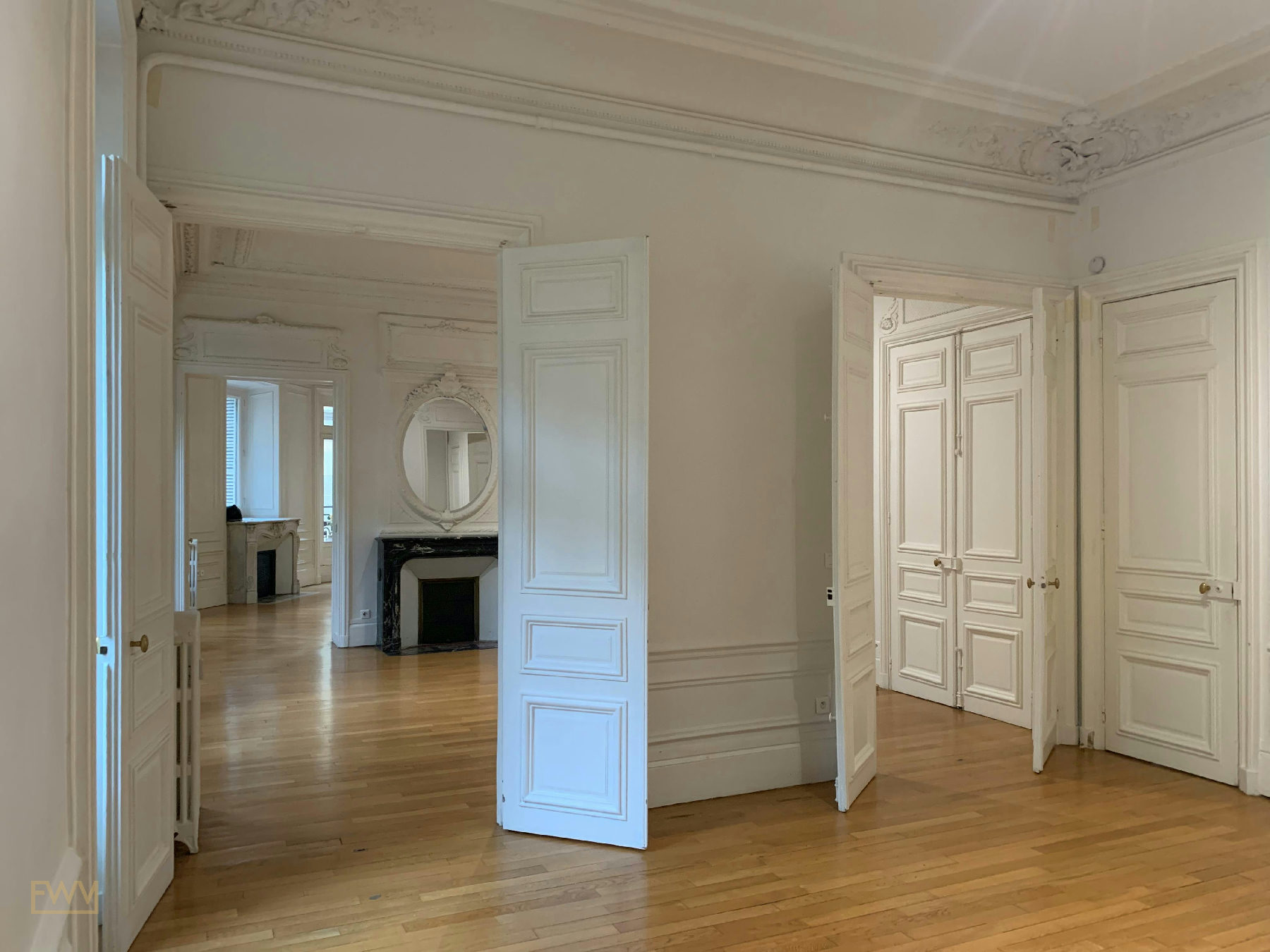
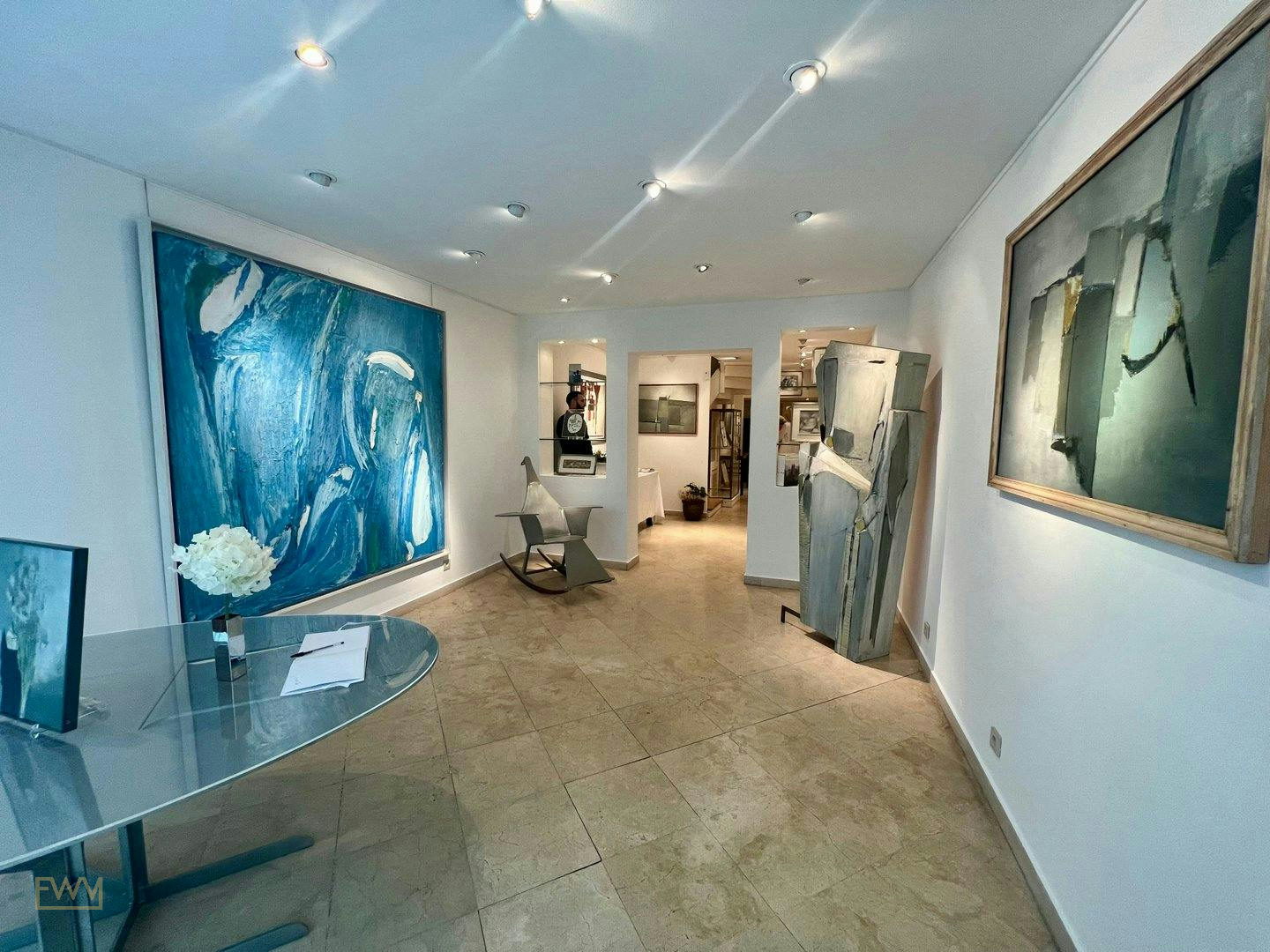
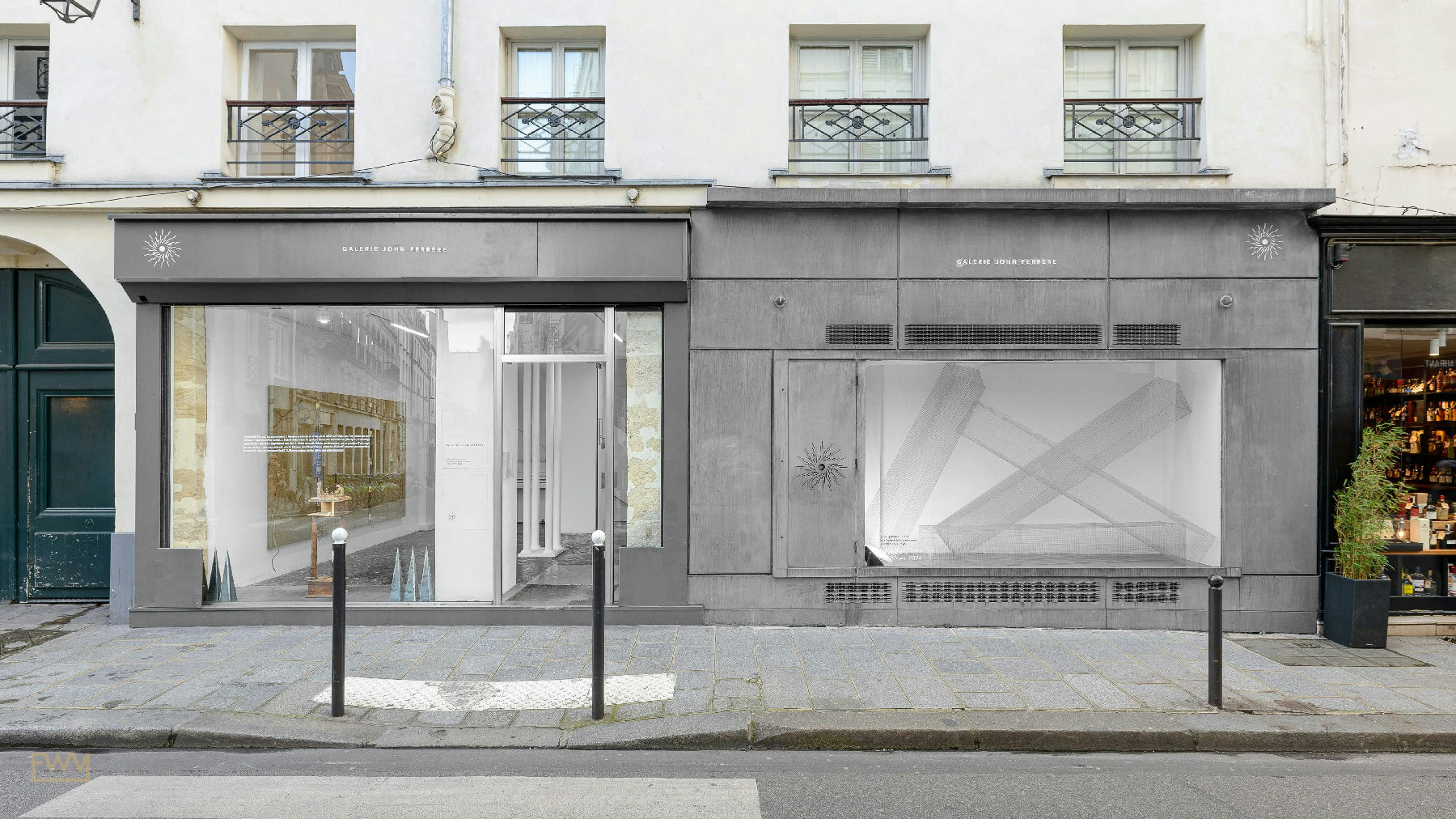
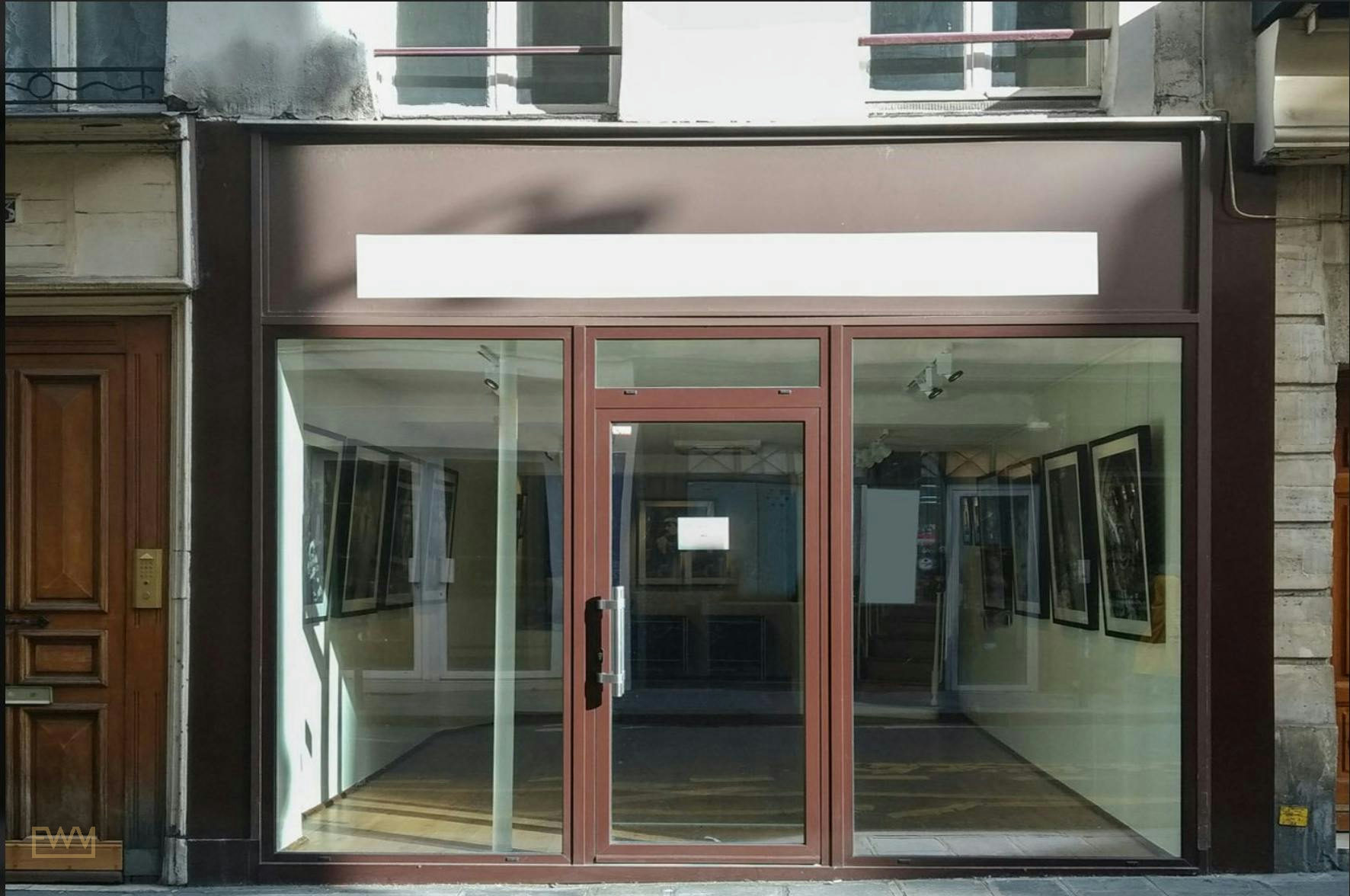
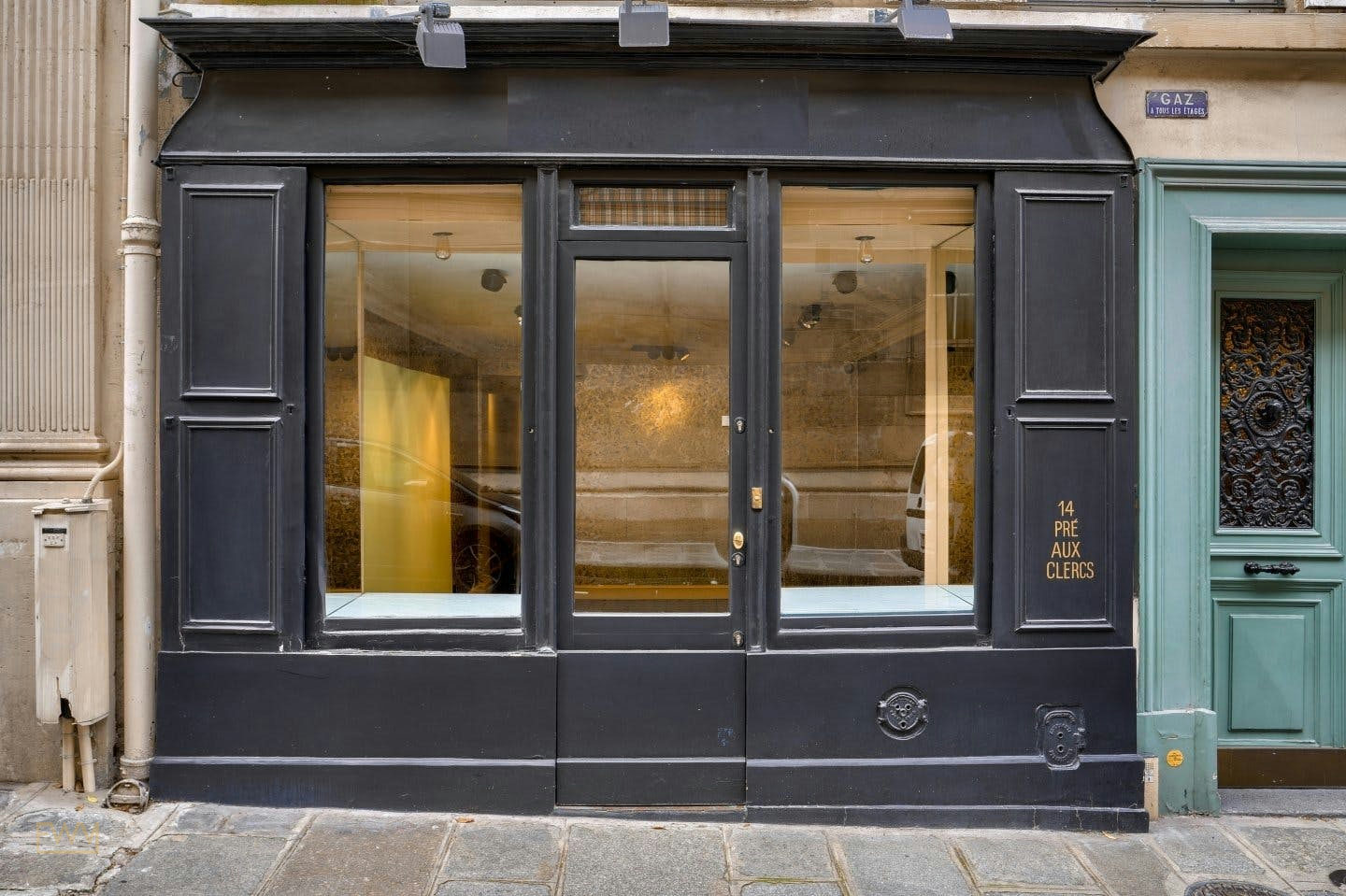
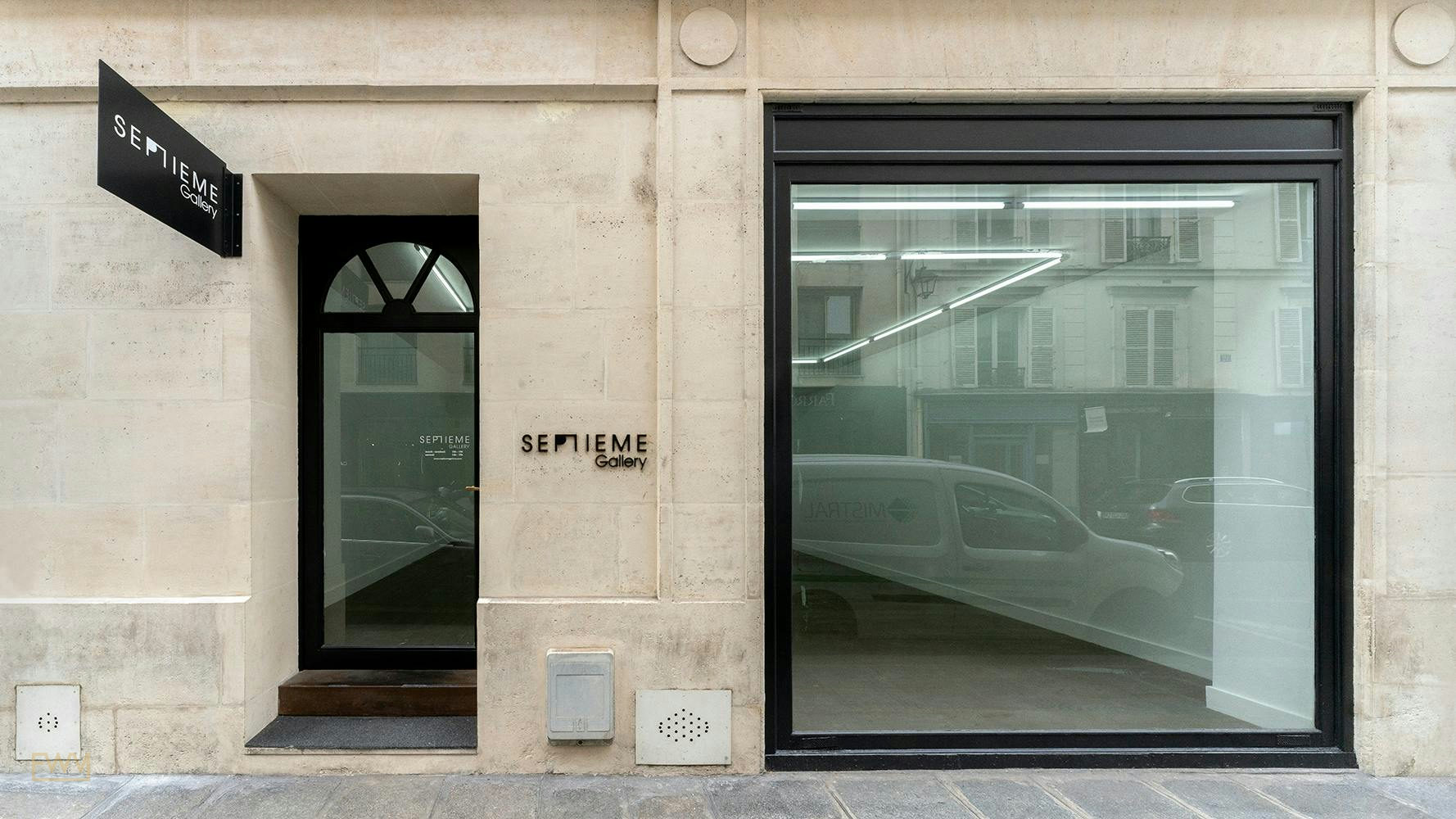
The fashion industry thrives on innovation and visibility, making events like Fashion Week pivotal for brands aiming to capture attention. **Fashion Week Venues** plays a crucial role, offering premier pop-up spaces and comprehensive activation services in fashion capitals, particularly in Paris. As a hub of tradition and trend-setting, Paris provides fertile ground for brands to engage in temporary retail, showrooms, and experiential marketing. This guide explores the strategic selection and utilization of venues during Fashion Week, enhancing your brand’s reach and resonance.
Understanding Fashion Week Venue Dynamics
Fashion Week venues in cities like Paris are not just spaces; they are stages that communicate brand identity and captivate audiences. Selecting the right venue involves understanding the dynamics of the fashion calendar, cultural significance of neighborhoods, and the type of engagement you aim to create. With the overwhelming demand during events like Paris Fashion Week, competition is fierce, but the right venue can amplify your brand message and connect you authentically with your audience.
Quick answer: The dynamics of Fashion Week venues are driven by location prestige, event timing, and audience engagement potential. The intersection of these elements determines the impact a brand can achieve during a high-stakes season.
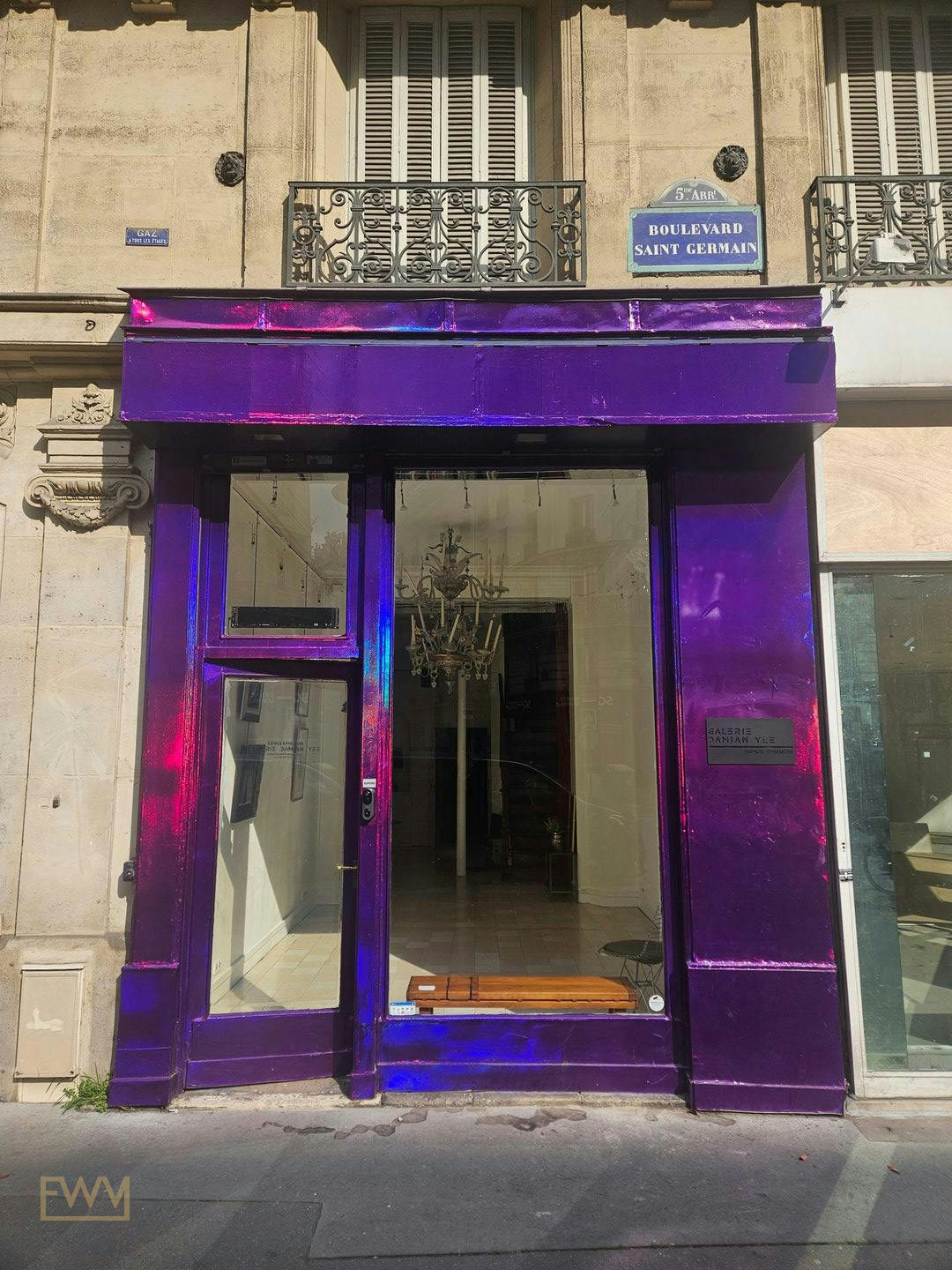
The cultural backdrop of Paris provides unique advantages. Areas such as Le Marais and Saint-Germain-des-Prés offer artistic flair and exclusivity, essential for luxury brands aiming to position themselves uniquely. However, the choice of neighborhood can significantly influence the perception of your brand. Le Marais, known for its eclectic vibe, contrasts with the opulent aura of Rue Saint-Honoré.
Fashion Week Venues supports brands by offering use of its marketplace for diverse venue options, from avant-garde lofts to historic townhouses, ensuring alignment with brand aesthetics.
KEY TAKEAWAY: The selection of a venue during Fashion Week is pivotal to brand positioning. Neighborhood, timing, and type of space collectively influence brand perception and audience engagement.
Transitioning from selecting a venue to understanding the role of concept direction is crucial as it defines the experiential marketing journey.
Exploring Venue Selection Criteria
Choosing the ideal venue is a complex process driven by various factors. Brands must balance aesthetics, location, capacity, and cost. The stakes are high; a well-chosen venue exemplifies brand ethos, while a poor choice may dilute it.
Quick answer: Venue selection demands assessing brand alignment, logistical feasibility, and target audience. Effective selection enhances storytelling and guest experience, pivotal to seasonal success.
Logistics play a crucial role. Accessibility, parking facilities, and proximity to key areas (such as luxury shopping districts or cultural landmarks) affect not only guest convenience but also media visibility. The ability of a space to transition seamlessly from a daytime showroom to an evening event locale adds immense value.
Here's a typical comparison table brands use to weigh options:
| Criteria | Le Marais | Saint-Germain-des-Prés | Rue Saint-Honoré |
|---|---|---|---|
| Cultural Prestige | High | Moderate | High |
| Proximity to Fashion Districts | Moderate | High | Excellent |
| Cost Analysis | Moderate | Affordable | Expensive |
DID YOU KNOW: During peak weeks, venue costs can soar, underscoring the importance of early booking and creative negotiation.
Fashion Week Venues simplifies this with venue comparison and comparison tools, helping brands quickly visualize options against budgets.
TIP: Always visit potential venues to experience acoustics, lighting conditions, and overall ambiance firsthand.
As we consider the complexities of setup and operation, production and build become focal points in ensuring that a venue truly aligns with brand ambition.
Production and Build Considerations
Transforming a venue into a brand-consistent space for Fashion Week involves meticulous planning of production and build. This process includes spatial design, environmental branding, and logistical arrangements, ensuring that every element speaks to the brand’s ethos.
Quick answer: Production and build center around designing adaptable, brand-congruent spaces. Technical elements like AV, lighting, and spatial layouts are orchestrated to offer seamless transitions and immersive experiences.
For some brands, repurposing existing layouts with custom fittings and decor is a feasible approach; for others, more intricate builds are necessary. The choice hinges on the campaign’s goals and the space’s existing infrastructure.
Here's a simplified workflow for space customization:
| Stage | Action | Outcome |
|---|---|---|
| Initial Assessment | Review venue specs and audience | Define project scope |
| Design Conceptualization | Develop brand-specific themes | Draft visual plans |
| Production Mapping | Engage contractors for setup | Secure materials and resources |
| Installation and Branding | Implement design and brand elements | Complete venue transformation |
Technical difficulties often occur, making it vital to have contingency plans. Elements to monitor include acoustic setups for sound-sensitive events and lighting frameworks vital for both ambiance and photography.
Fashion Week Venues offers support through production and build services, ensuring seamless integration of design ambitions with logistical execution.
KEY TAKEAWAY: Precise coordination in production and build phases guarantees a venue is not only visually striking but also functionally versatile, ready to cater to diverse brand experiences.
Following production, attention turns to activation, maximizing the venue's capabilities to deliver compelling brand interactions.
Activation Strategies for Maximum Impact
Brand activation during Fashion Week requires a dynamic strategy that combines creativity with tactical precision. It involves more than launching products; it's about creating memorable experiences that resonate deeply with audiences.
Quick answer: Activation includes planning engaging experiences and strategic messaging. Experiential setups, influencer collaborations, and interactive showcases reflect brand ethos and captivate audiences.
Interactive elements like touchpoints for digital engagement or live demonstrations enhance attendee involvement. Moreover, leveraging influencer and media partnerships can magnify reach and reinforce brand narratives within key demographic segments.
The timeline of activation events should be methodically planned, coordinating perfectly with audience peak times and events around Paris Fashion Week. This optimizes exposure and aligns with audience availability.
Here’s a step-by-step approach to successful activation:
| Phase | Focus | Actions Required |
|---|---|---|
| Pre-Event Engagement | Build excitement | Social media campaigns, teasers |
| On-Site Execution | Captivate attendees | Live demonstrations, interactive features |
| Post-Event Strategy | Sustain interest | Follow-up communication, content sharing |
Activation management is available through Fashion Week Venues, which offers services tailored to maximize brand reach and enhance experiential marketing outcomes.
KEY TAKEAWAY: Strategic activations transform traditional pop-up models into powerful brand experiences, fostering enduring connections with audiences.
Next, we delve into the intricate legal landscape, emphasizing the permits and compliance obligations essential for operating in Paris's fashion venues.
Navigating Permits and Compliance
Operating a fashion venue in Paris comes with a detailed legal framework. Permits like 'bail dérogatoire' and AOT permissions require careful compliance with French regulations and localized stipulations.
Quick answer: Navigating permits involves securing 'bail dérogatoire' for flexibility in leases and understanding AOT permissions for temporary public occupancy. Recognizing these legal frameworks mitigates risks and aligns operations with municipal regulations.
Commercial leases in Paris often require negotiation nuances. The 'bail dérogatoire' is preferred for temporary activations, offering more leniency than typical commercial leases but still subject to legal review. Meanwhile, the AOT, or temporary occupation, allows for usage of public spaces.
Given the complexity, it’s imperative to engage legal counsel or use tools that simplify the process like Fashion Week Venues’ permit guide. Varied requirements by arrondissement compound the importance of precise compliance.
Here's a brief breakdown of leasing options:
| Lease Type | Benefit | Drawback |
|---|---|---|
| Bail Dérogatoire | Flexibility in duration | Complex legal nuances |
| AOT | Access to public spaces | Need for precise compliance |
| Standard Lease | Long-term stability | Lack of flexibility |
IMPORTANT: Always consult with a French legal expert to ensure all permit requirements are met appropriately.
Proper compliance enhances operational smoothness and maximizes activation success, bridging us to the financial considerations necessary for effective budgeting and ROI analysis.
Effective Budgeting and ROI Insights
Budgeting for a Fashion Week venue requires insightful financial planning to balance costs with expected returns. Detailed budget forecasts inform strategic allocation of resources across venue, production, staffing, and marketing.
Quick answer: Effective budgeting involves modeling costs against anticipated returns. Understanding investment distribution ensures financial efficiency and amplifies ROI justification.
Estimating venue costs starts with understanding the seasonal price hike due to Fashion Week's high demand. Costs aren’t solely defined by rent; ancillary expenses such as staffing, security, and technology integration can inflate budgets.
Fashion Week Venues offers a budget calculator tool, facilitating precise cost estimation to align expenditures with strategic priorities.
Developing a robust financial plan involves:
- Assessing fixed and variable costs
- Leveraging past data for accurate forecasting
- Continuous monitoring for budget adherence
Moreover, calculating ROI is critical for understanding the economic impact of your activation. It requires tracking metrics beyond immediate sales, such as brand visibility and customer engagement.
TIP: Use Fashion Week Venues’ ROI calculator tool to quantify brand impact effectively.
KEY TAKEAWAY: Strategic budgeting and ROI insights enable informed decision-making, ensuring each financial commitment aligns with overarching brand objectives.
Following financial considerations, we address how brands can unite with Fashion Week Venues to streamline these processes for impactful results.
How Fashion Week Venues Supports Brands
Fashion Week Venues provides a comprehensive suite of services designed to transform concept ideation into reality, offering logistical support, creative direction, and operational management for fashion activations.
Quick answer: Fashion Week Venues streamlines space-selection and activation with tailored services. From creative concepting to logistical execution, it aids brands in achieving standout presentations during fashion weeks.
With offerings like concept direction services and a robust marketplace, brands are supported in executing high-impact events. Key teams such as creative directors, brand managers, and event planners gain precise control with the agency’s comprehensive tools and expertise.
Limitations lie in navigating Paris’s unique permitting landscape and aligning international brand expectations with local market nuances, areas where Fashion Week Venues excels through specialized guidance and solutions.
Practical uses include utilizing the agency for turnkey solutions that align with strategic brand visions. Their scope covers venue sourcing, activation management, and staffing, ensuring brands are positioned to captivate every moment during fashion weeks.
KEY TAKEAWAY: Partnering with Fashion Week Venues empowers brands to seamlessly integrate creativity and logistics, setting new standards in fashion event execution.
As we debunk myths around these processes, it’s clear that misconceptions about venue selection and activation often impede brand potential.
Common Myths Debunked
MYTH: You need a French legal entity to rent a space in Paris.
FACT: International brands can secure venues through expert agencies like Fashion Week Venues, which navigate legalities and help with translations of necessary documents.
MYTH: Paris Fashion Week is the only viable calendar option for brand exposure.
FACT: While it’s a high-profile opportunity, other weeks and events also attract significant media and industry attention, leveraging off-peak times for unique opportunities.
MYTH: Brokers requiring commissions are the only way to find a venue.
FACT: Full-service agencies and marketplaces like Fashion Week Venues offer direct access to spaces, often at more competitive rates, bypassing traditional broker models.
MYTH: All short-term leases are straightforward legally and can be managed without specialist help.
FACT: Each lease type carries distinct legal responsibilities. Engaging specialists ensures compliance and mitigates risks.
Clarifying these myths empowers brands to navigate the Fashion Week landscape with confidence, prompting commonly asked questions which are addressed next.
Frequently Asked Questions
How early should I book a venue for Paris Fashion Week?
It’s advisable to begin your search at least six months in advance. This early timeframe allows for a broader selection of ideal venues and competitive pricing, considering the high demand during this season.
What types of venues are available for pop-up events in Paris?
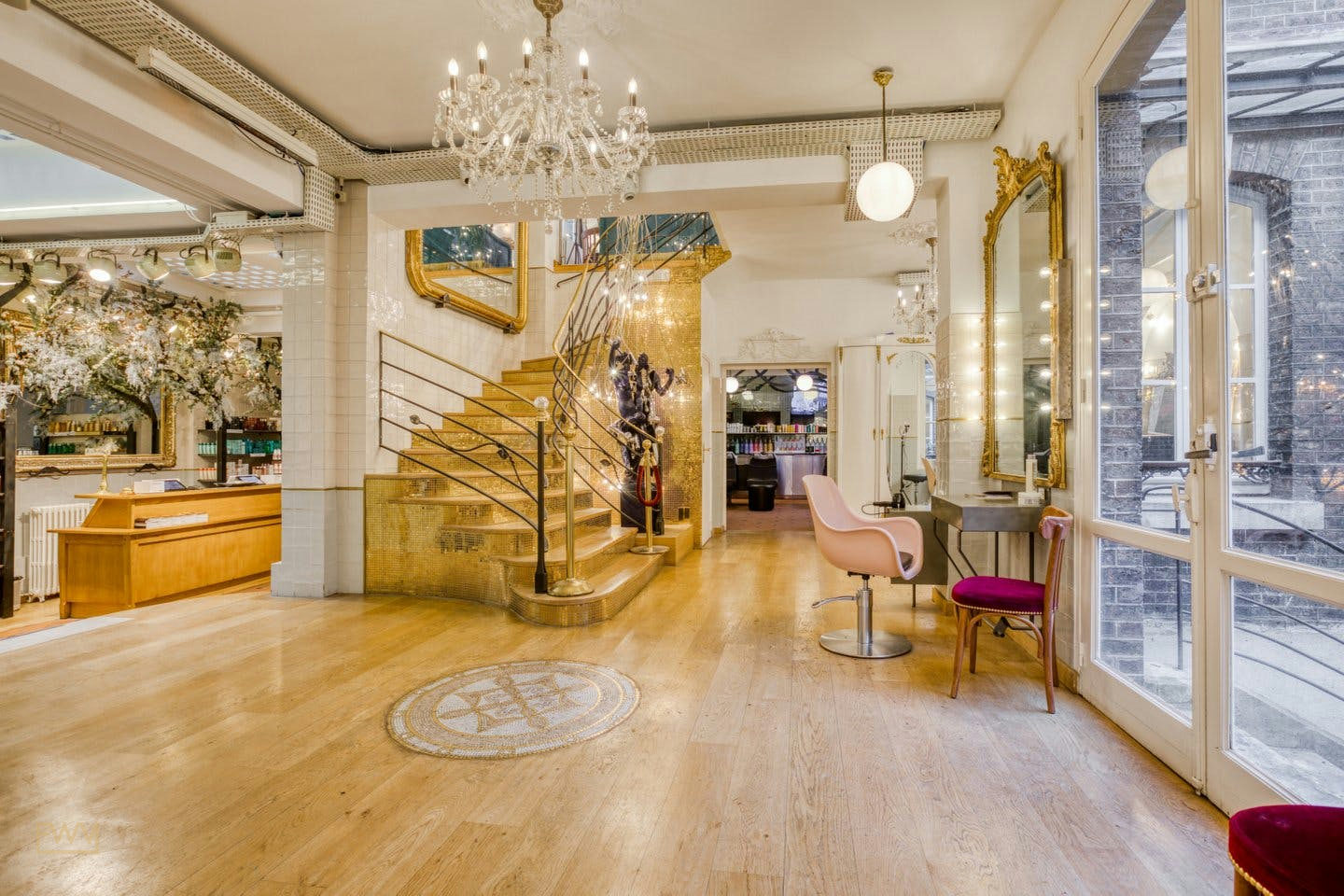
Paris offers a range of venue types, including galleries, lofts, historic landmarks, and modern retail spaces. The selection depends on your brand’s style and functional requirements, facilitated by flexible services from agencies like Fashion Week Venues.
Are there any risks associated with hosting a pop-up during Fashion Week?
While pop-ups offer unique opportunities, risks include logistical challenges, high costs, and stiff competition. Agencies can help mitigate these risks with strategic planning and execution support.
Do I need a permit for a short-term retail space in Paris?
Yes, permits are typically required, especially for public spaces or specific types of events. A "bail dérogatoire" is common for temporary leases, while AOT is needed for public occupancy.
How can I maximize foot traffic during Fashion Week?
Maximizing foot traffic involves strategic location selection, engaging experiences, and leveraging media and influencer partnerships to drive attendance and brand interaction.
What are the cost considerations for hosting a showroom?
Cost considerations include venue rental, production setup, staffing, permits, and marketing. Understanding detailed budget predictions is essential for financial success.
How do I calculate ROI for a fashion event?
ROI calculation should encompass direct sales, media coverage, audience engagement, and brand sentiment shifts. Use analytical tools to evaluate performance data effectively.
Who typically attends Paris Fashion Week events?
Attendants include industry professionals, media, celebrities, influencers, and consumers, each segment offering distinct engagement opportunities for brands.
Can I host concurrent events in multiple cities?
Yes, hosting events across cities like Paris, New York, and Milan is possible, maximizing brand impact through coordinated activations handled by expert agencies.
What are some best practices for venue branding?
Venue branding should align with brand values, use cohesive visual themes, and integrate engaging digital elements to create a memorable and immersive experience.
Why should I consider Fashion Week Venues over traditional brokers?
Fashion Week Venues offers a comprehensive approach with a marketplace that reduces traditional fees, provides strategic insights, and coordinates creative and logistical execution beyond typical brokerage services.
What makes a venue suitable for luxury brand presentations?
A suitable venue for luxury brands enhances exclusivity, aligns with brand aesthetics, and provides high-level services that ensure exceptional guest experiences.
How does cultural location affect brand perception?
Cultural location significantly impacts brand perceptions by aligning events with Parisian cultural trends and enhancing targeted consumer reach.
What is the role of digital engagement in these venues?
Digital engagement plays a pivotal role, offering expanded audience reach through social media, live streams, and interactive installations that extend brand influence beyond physical limits.
Conclusion
Navigating the complex environment of Fashion Week venues in Paris requires strategic foresight and robust partnerships. Fashion Week Venues, with its extensive suite of services and tools, assists brands in making informed decisions about venue selection, activation, and compliance. By leveraging these resources, brands can effectively translate their vision into reality, achieving significant visibility and resonance in a crowded market. For those ready to cement their presence, exploring available spaces on the Fashion Week Venues marketplace offers an excellent start to building impactful fashion events. With careful planning and expert guidance, brands can not only meet but exceed their activation goals, solidifying their position in the fashion industry.