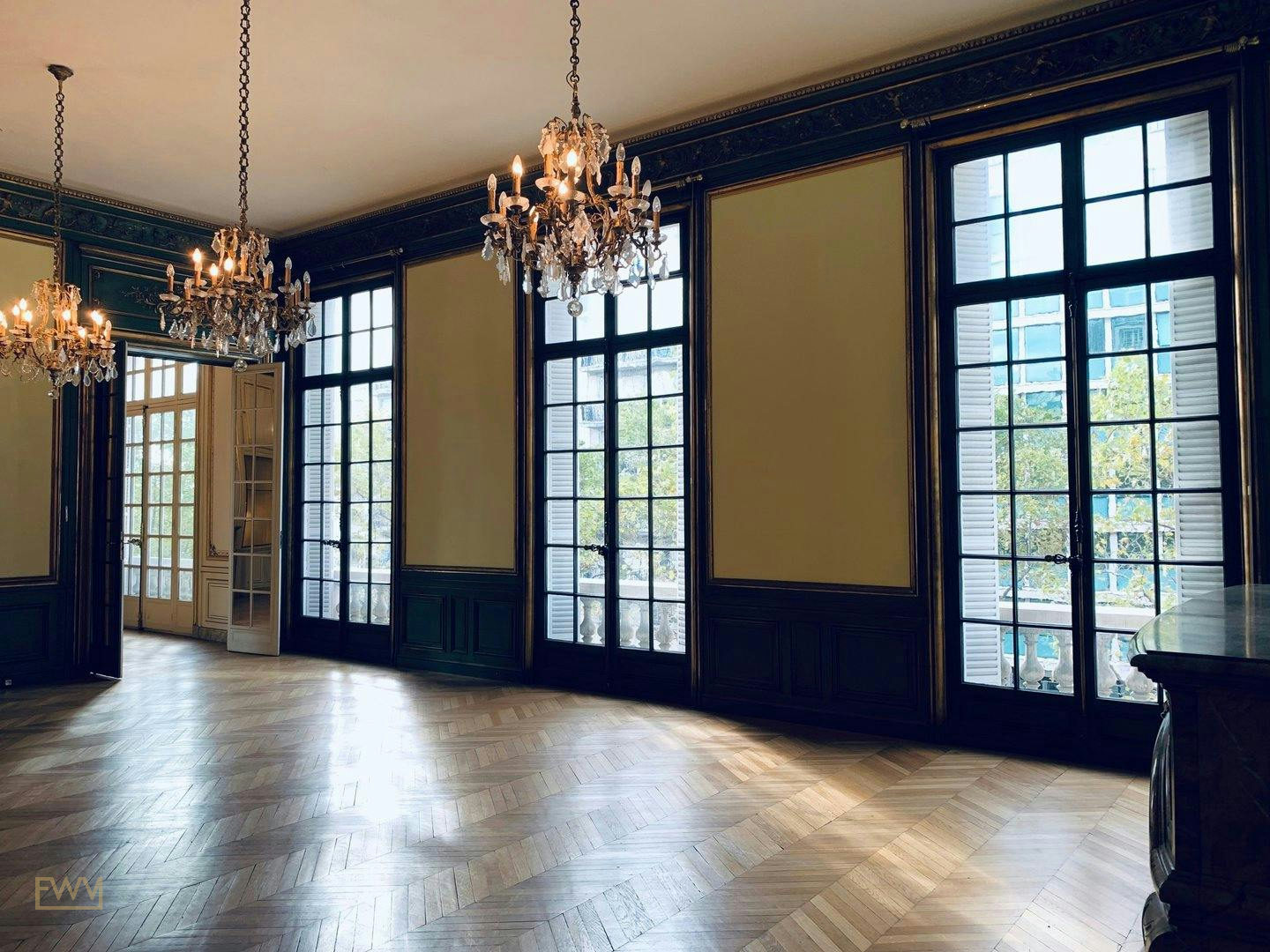
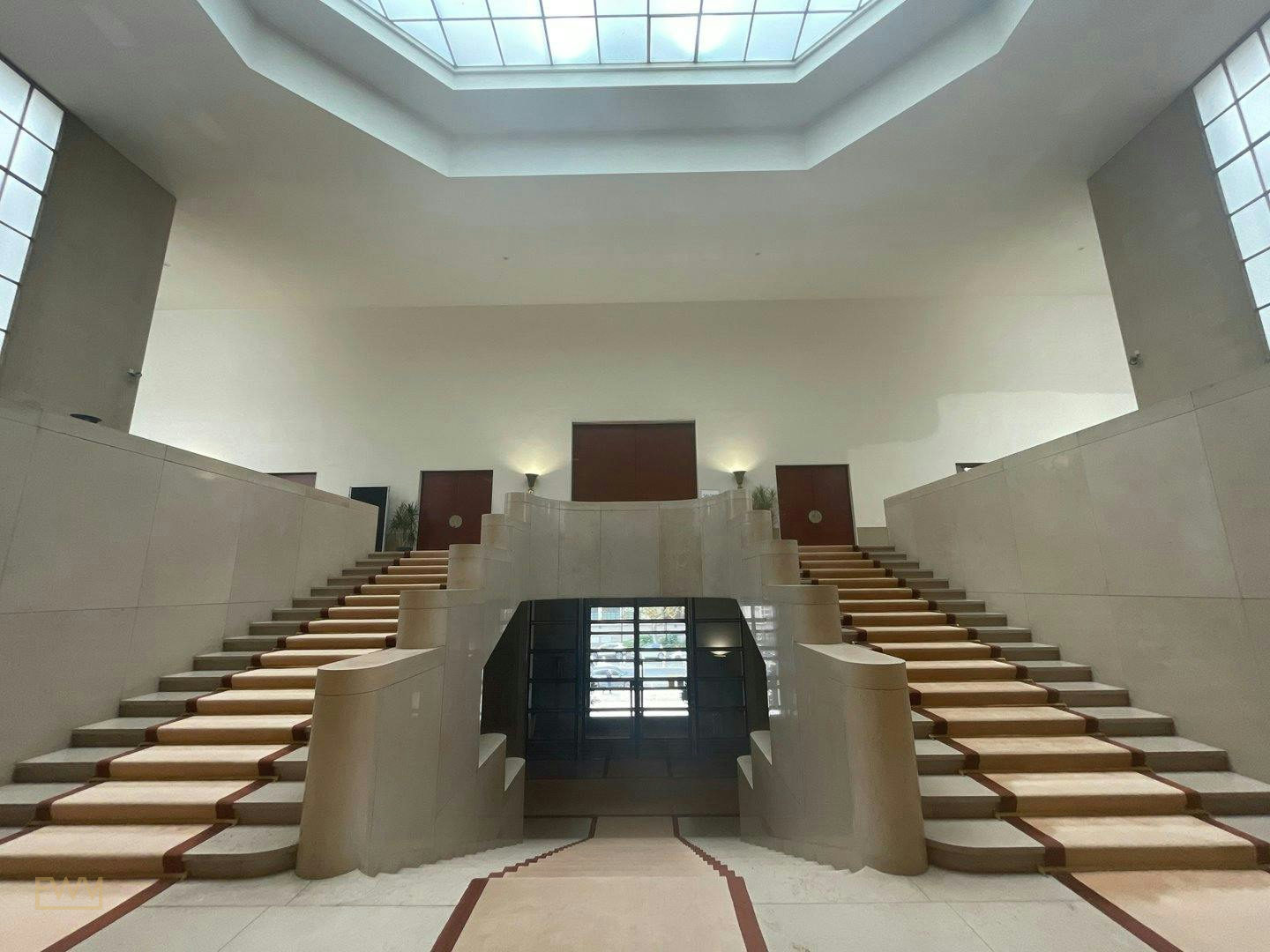
Every year, Paris stands as the epicenter of fashion innovation, drawing a global audience during its renowned fashion weeks. Selecting the right Fashion Week venue is crucial for brands aiming to leave a mark. The choice can influence the atmosphere, audience reach, and event success. Fashion Week Venues offers a comprehensive solution for brands looking to navigate this complex landscape effectively. By understanding the nuances of venue types and logistics, brands can maximize their impact in Paris, ensuring memorable engagements and impactful presentations.
Understanding Venue Types for Fashion Week
Choosing a venue for Fashion Week requires balancing functionality, aesthetic appeal, and location advantages. Venues range from showrooms and retail pop-ups to larger event halls. Each type serves a specific purpose, catering to different crowd sizes and brand objectives.
Showrooms are ideal for intimate, low-key presentations where products can be showcased gracefully. They offer a controlled environment that allows for detailed interaction with the products.
Retail pop-ups, on the other hand, serve as temporary stores where brand interaction and purchases occur. These spaces are perfect for product launches and direct consumer engagement, combining shopping with a brand experience.
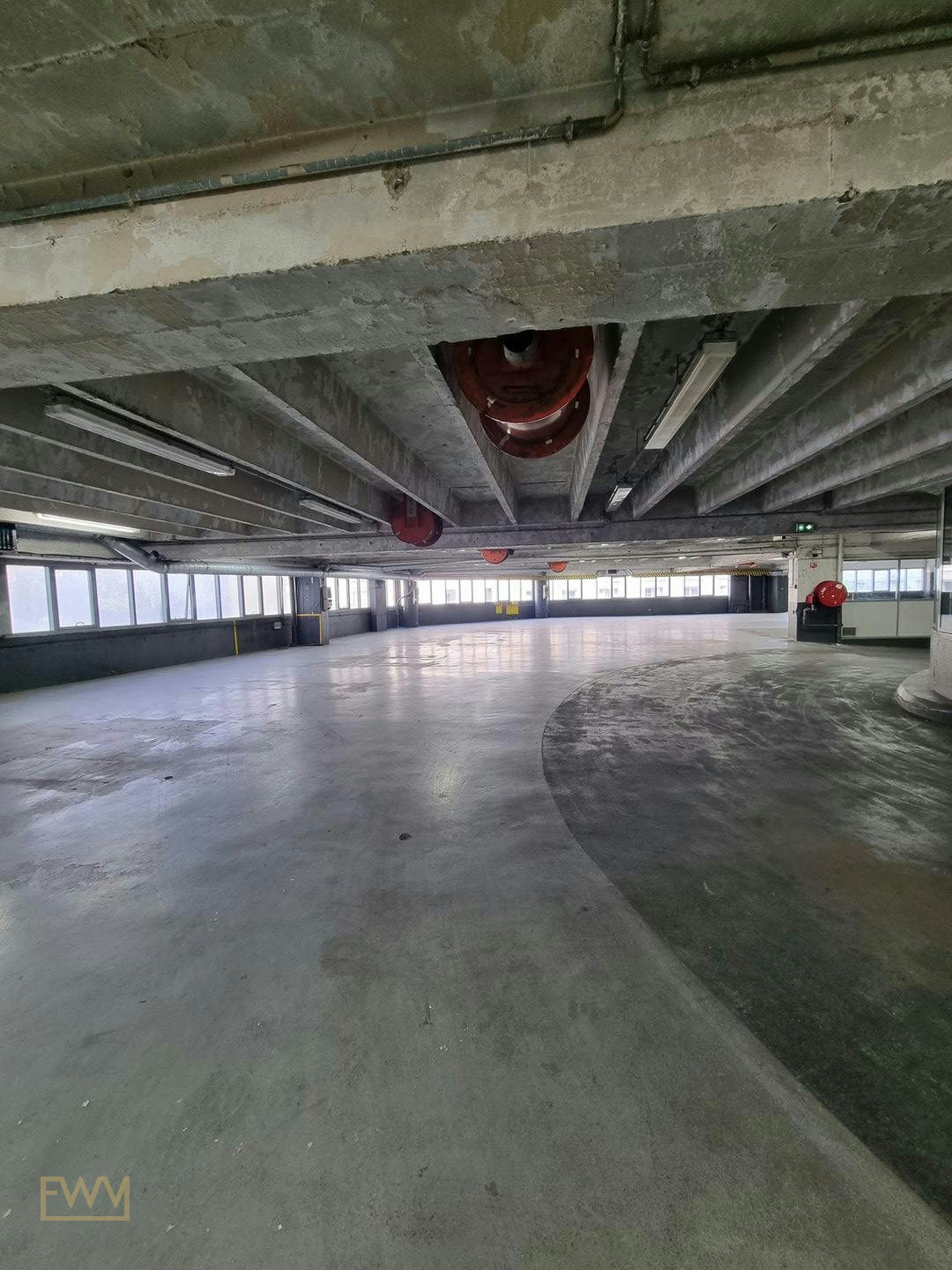
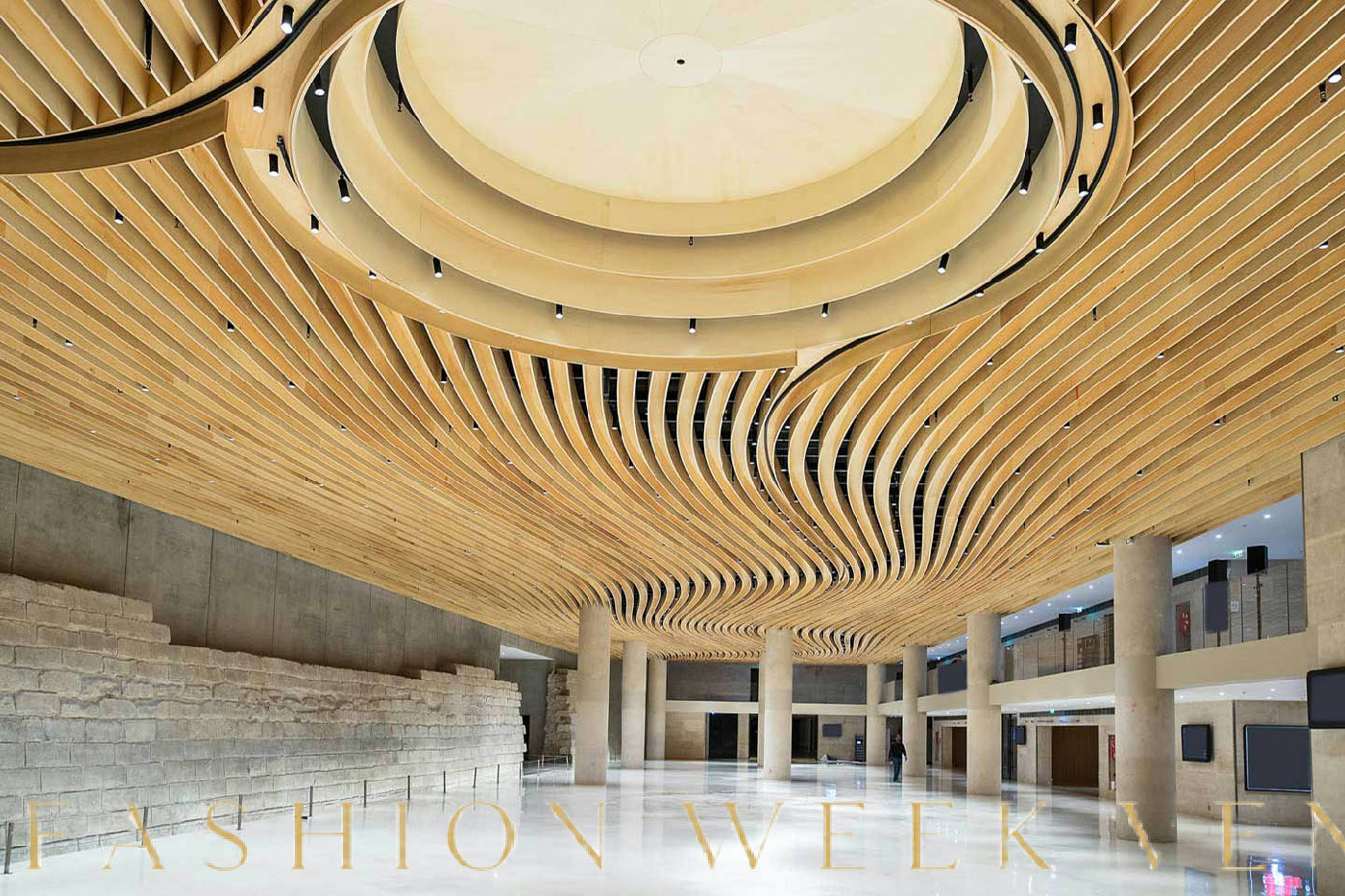
Event halls provide a grander scale suitable for runway shows and larger gatherings, making them essential for high-profile exposures like blockbuster shows.
KEY TAKEAWAY: Select the venue type that aligns with your brand's goals—showrooms for intimate settings, pop-ups for retail engagement, and halls for grand presentations.
The next section explores the various venue sourcing strategies.
Making Strategic Venue Location Choices
Location significantly impacts the success of a Fashion Week event. Paris hosts a plethora of iconic neighborhoods, each with its distinct charm and advantages. Le Marais is known for its eclectic style and attracts a younger, trendier crowd, while neighborhoods like Saint-Germain-des-Prés and Rue Saint-Honoré are synonymous with luxury and elegance, catering to high-fashion audiences.
| Neighborhood | Key Characteristics | Suitable For |
|---|---|---|
| Le Marais | Trendy, Young, Vibrant | Emerging designers, youth-focused brands |
| Saint-Germain-des-Prés | Classic, Artistic, Bohemian | Luxury and timeless fashion brands |
| Rue Saint-Honoré | Fashion-forward, Elite | Luxury brands, exclusive launches |
Quick answer: For fashion shows in Paris, opting for flagship locations such as Saint-Germain-des-Prés or Rue Saint-Honoré can enhance brand prestige and attract a sophisticated audience.
Having understood the strategic importance of location, it's essential to delve into the concept and creative direction that aligns with your chosen venue.
Concept and Creative Direction for Fashion Show Venues
The conceptualization of a venue must reflect brand identity and the core message of the collection being showcased. The choice of décor, layout, and technology employed are critical factors. A strong concept drives engagement and ensures the venue is more than just a physical space—it becomes an integral part of the fashion narrative.
Incorporating technology like augmented reality or interactive installations can elevate traditional presentations. These elements help create memorable experiences, encouraging social media sharing and extending the event's reach beyond the physical realm.
TIP: Consider using Fashion Week Venues' imagine tool to visualize your space and experiment with concepts virtually before final decisions.
Understanding your audience and tailoring every detail—from lighting to layout—ensures an immersive experience. Use props, backdrops, and digital displays that resonate with your audience’s expectations and the collection’s theme.
Quick answer: Leveraging technology and cohesive brand storytelling at your venue creates a lasting impact, enhancing audience engagement and media coverage.
With a solid understanding of creative execution, the next focus should be on the legal complexities surrounding temporary retail leases in Paris.
Legal Considerations: Temporary Retail Leases in Paris
When planning for a temporary venue in Paris, understanding the legal framework is essential. Two primary legal agreements govern short-term leases: the bail dérogatoire and Autorisations d’Occupation Temporaire (AOT).
The bail dérogatoire allows for non-commercial use for up to 36 months under flexible terms, while the AOT, typically state or municipally controlled, requires specific approvals for public spaces.
DID YOU KNOW: While AOTs are necessary for many public spaces, they involve stringent compliance checks and require legal advisory to navigate effectively.
Changing the purpose of certain commercial spaces may also necessitate specific permits under the Établissements Recevant du Public (ERP) classifications. Due diligence with a legal advisor familiar with French real estate laws is strongly advised, especially if you are planning events in Parisian arrondissements known for strict compliance measures.
For brands entering the market, knowing these legalities can prevent potential setbacks and enable smoother execution. Fashion Week Venues provides a permits tool to help guide you through these complexities.
KEY TAKEAWAY: Understanding legal requirements and securing the proper permits are crucial for the successful implementation of temporary venues in Paris.
Having navigated the legal landscape, it's essential to turn our attention to cost estimation and budget allocation for venue rental and event production.
Estimating Costs for Venue Rentals and Event Production
Budget plays a pivotal role in planning a successful Fashion Week event. Estimating the costs involves considering a variety of factors including venue rental, production, staffing, and marketing. Without accurate forecasting, overspending can quickly derail the project.
| Cost Component | Estimated Range | Considerations |
|---|---|---|
| Venue Rental | €5,000 - €50,000 | Location, size, amenities |
| Event Production | €10,000 - €100,000+ | Technology, special effects, decor |
| Marketing and PR | €5,000 - €30,000 | Influencer partnerships, media coverage |
Quick answer: Comprehensive budget planning for your Paris Fashion Week venue should estimate costs for venue rental, production, and marketing, ensuring financial feasibility.
Managing these costs requires leveraging integrated tools for accurate planning. The budget calculator tool by Fashion Week Venues offers detailed cost estimations tailored to your specific needs, effectively guiding your financial strategy.
Having a well-structured budget sets a solid foundation, allowing us to address the necessity of creating a precise event timeline next.
Creating an Event Timeline: Planning to Execution
An effective event timeline is vital for maintaining the flow and logistics of a Fashion Week event. Detailed planning helps in achieving timely execution and mitigating last-minute challenges. Key elements include concept development, venue reservation, marketing rollout, production building, and rehearsals.
| Timeline Stage | Duration | Details |
|---|---|---|
| Concept & Design | 2-3 weeks | Theme development, visual designs |
| Venue Booking | 1-2 months in advance | Contract execution, permits |
| Marketing & PR | Ongoing, starts 1 month in advance | Press releases, social media, influencers |
| Production Set-up | 1 week prior | Physical build-out, technical setups |
| Rehearsals | 2-3 days before | Run-throughs, final adjustments |
TIP: Use Fashion Week Venues' timeline tool for a structured approach to event scheduling, allowing for adjustments and unexpected changes.
Each phase in the timeline requires close collaboration with various stakeholders such as designers, production teams, and marketing experts to ensure all elements align perfectly on the day of the show.
With a comprehensive understanding of event timelines, we can next delve into the critical aspect of staffing your venue.
Staffing Your Fashion Week Venue
A successful fashion event hinges on having the right team to create a seamless experience for attendees. From front-of-house staff to behind-the-scenes coordinators, each role plays an integral part in the event’s execution.
Hiring staff with experience in high-pressure situations, such as PR managers, event coordinators, and hospitality staff, is recommended. They need to adapt quickly to dynamic environments and handle any unpredictable situations professionally.
IMPORTANT: Ensure that team members are bilingual, as Paris Fashion Week attracts an international audience.
Quick answer: Efficient staffing with experienced and bilingual professionals is critical in ensuring smooth operations and guest satisfaction during Paris Fashion Week events.
Recruitment agencies specializing in event staffing and Fashion Week Venues’ retail staffing service can provide qualified personnel suited to your needs.
Now that we have explored staffing considerations, let’s move on to the final aspects of post-event analytics and measuring success.
Post-Event Analytics: Measuring Success
Analyzing the success of your event is as crucial as the planning phases. Using analytics, brands can measure engagement metrics, attendance, sales data, social media reach, and influencer impact.
The implementation of Point of Sale (POS) systems allows for real-time sales tracking, offering insights into product performance and guest demographics. Social media and web analytics can track online interactions and brand mentions, providing a comprehensive overview of engagement and reach.
Important post-event metrics include visitor count, sales conversion rates, and the number of media and influencer features. Gathering feedback from attendees and stakeholders can offer invaluable insights for future events.
Fashion Week Venues’ data and analytics services equip brands with detailed reports and insights, tailored to improve subsequent activations.
KEY TAKEAWAY: Detailed analytics provide essential feedback for continuous improvement, making it possible to refine future strategies and event experiences.
With this understanding of post-event analytics, let's address some common myths and misconceptions about planning Fashion Week venues in the coming section.
Common Myths Debunked
MYTH: You need a French legal entity to rent a venue in Paris.
FACT: While having a French legal entity can facilitate certain administrative processes, it is not a mandatory requirement. Foreign brands can rent venues with guidance from agencies familiar with international contracts and local regulations.
MYTH: Paris Fashion Week is the only time worthwhile for brand showcases.
FACT: While the Paris Fashion Week is a major highlight, other weeks and events, such as Le Marais Fashion Week and Menswear weeks, present unique opportunities to target specific audiences and niches throughout the year.
MYTH: Commission brokers are the only way to find a venue.
FACT: With platforms like the Fashion Week Venues marketplace, brands have more flexible and transparent options to independently explore and compare venues.
MYTH: Short-term leases are straightforward without professional help.
FACT: Short-term leases involve complex negotiations and potential legal challenges. Professional guidance ensures compliance and smooth execution, saving time and preventing complications.
Addressing these myths helps ensure more informed decisions, enhancing the chances of success for your event. Next, we answer some frequently asked questions.
Frequently Asked Questions
What is bail dérogatoire, and how does it affect temporary leases in Paris?
Bail dérogatoire is a flexible lease agreement for commercial properties, typically lasting up to 36 months. It allows businesses to operate without the long-term commitments of a traditional lease. However, navigating the specifics of a bail dérogatoire requires understanding French legal terms, and it is recommended to consult with a legal advisor to avoid potential pitfalls.
How can I ensure my venue stands out during Paris Fashion Week?
Designing a unique and immersive venue experience involves innovative concepts that incorporate technology and align with your brand's story. Utilize insights from local market trends and engage creative direction services like those offered by Fashion Week Venues to create an engaging and memorable presentation.
Is it possible to have a pop-up store during Fashion Week?
Yes, pop-up stores are a common brand strategy during Fashion Week for launching new collections or directly engaging with consumers. They serve as temporary retail outlets that offer brands a way to establish a physical presence and amplify exposure during high-audience events.
What legal permits are required to host an event in public spaces in Paris?
Hosting events in public spaces often requires an Autorisation d’Occupation Temporaire (AOT). This permit ensures that all event-related activities conform to public safety and zoning regulations. The application process can be lengthy and complex, thus involving a legal team or expert to handle these regulations might be beneficial.
What are the most critical factors to consider when selecting a venue?
Key factors include your event's target audience, budget, and logistical requirements such as location accessibility and technical facilities. Venues should align with the brand’s identity and strategic goals. Moreover, the potential for customizations and services offered by the venue are also critical considerations.
Can I negotiate venue rental costs in Paris?
While there is often room for negotiation, the degree to which you can reduce costs depends typically on demand and the owner's preferences. Engaging an agency with local expertise, such as Fashion Week Venues, can assist in advocating for favorable terms and uncovering market-specific opportunities for savings.
How do I choose between utilizing a showroom or a pop-up space?
The choice between a showroom and a pop-up depends on your objectives. Showrooms suit private viewings with a select audience, focusing on product detail and brand narrative. Pop-ups are better for wide-reaching consumer engagement and direct sales, offering a platform for interactive experiences and publicity.
What timelines should I consider when planning a Fashion Week event?
Effective planning involves a detailed timeline with milestones such as venue booking (up to 6 months prior), marketing activities (1-3 months prior), and on-site preparations (1-2 weeks before). Planning promptly allows for timely adjustments and assures resources allocation occurs effectively.
What are the benefits of using Fashion Week Venues' marketplace?
Fashion Week Venues' marketplace offers a streamlined, transparent platform where brands can explore a variety of venue options matched to their specific needs and preferences. This system facilitates comparison of location aspects and allows for direct inquiry and negotiation, optimizing time and decision-making processes.
How important is it to factor in experiential marketing for a fashion event?
Experiential marketing is crucial for differentiating your brand identity. It involves creating an immersive experience that resonates emotionally with your audience, facilitating a deeper brand connection. This strategy enhances consumer interaction and engagement, fostering lasting brand loyalty and awareness.
Conclusion
In the dynamic landscape of Paris Fashion Week, selecting the right venue can dictate a brand's success or failure. Fashion Week Venues provides a comprehensive platform for navigating the complexities of venue selection, legal frameworks, and event execution. By leveraging their tools and expert services, brands can deliver compelling experiences that resonate with audiences and stakeholders alike. To initiate your journey from concept to activation, start exploring available spaces on the Fashion Week Venues marketplace and construct an impactful event that enhances your brand's presence in Paris.