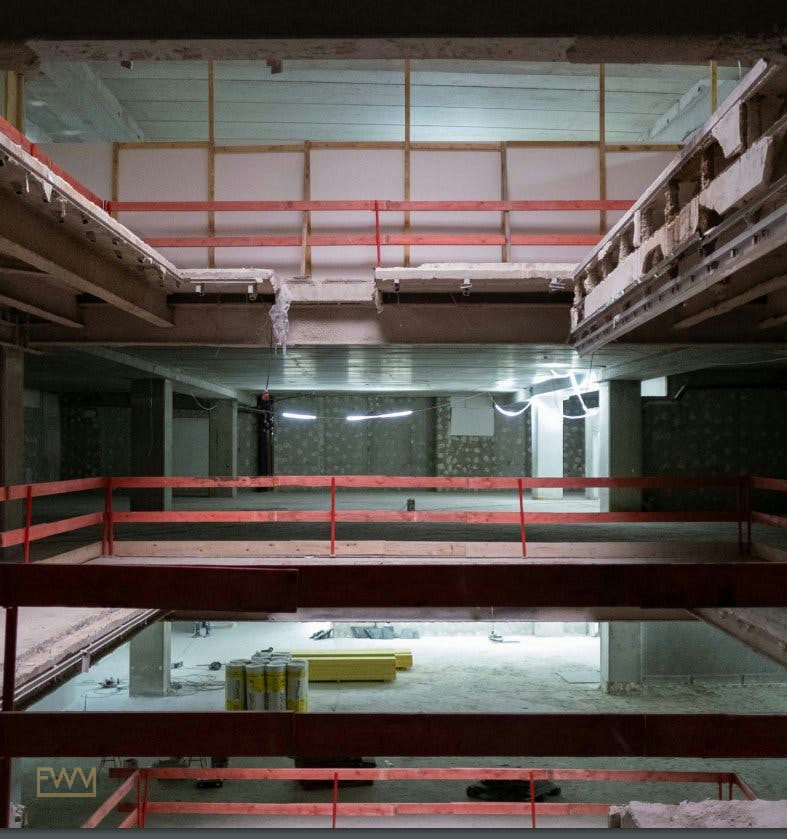
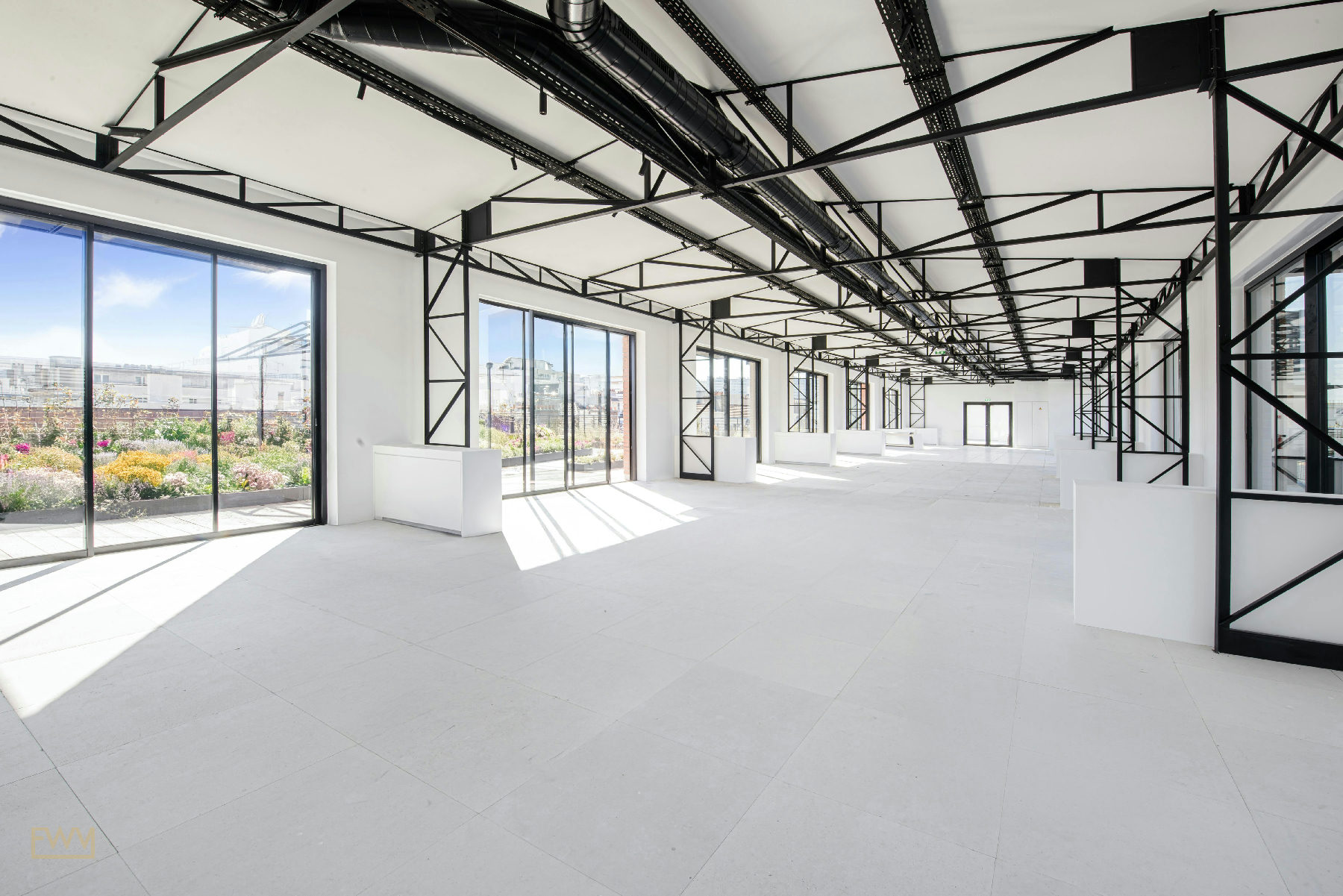
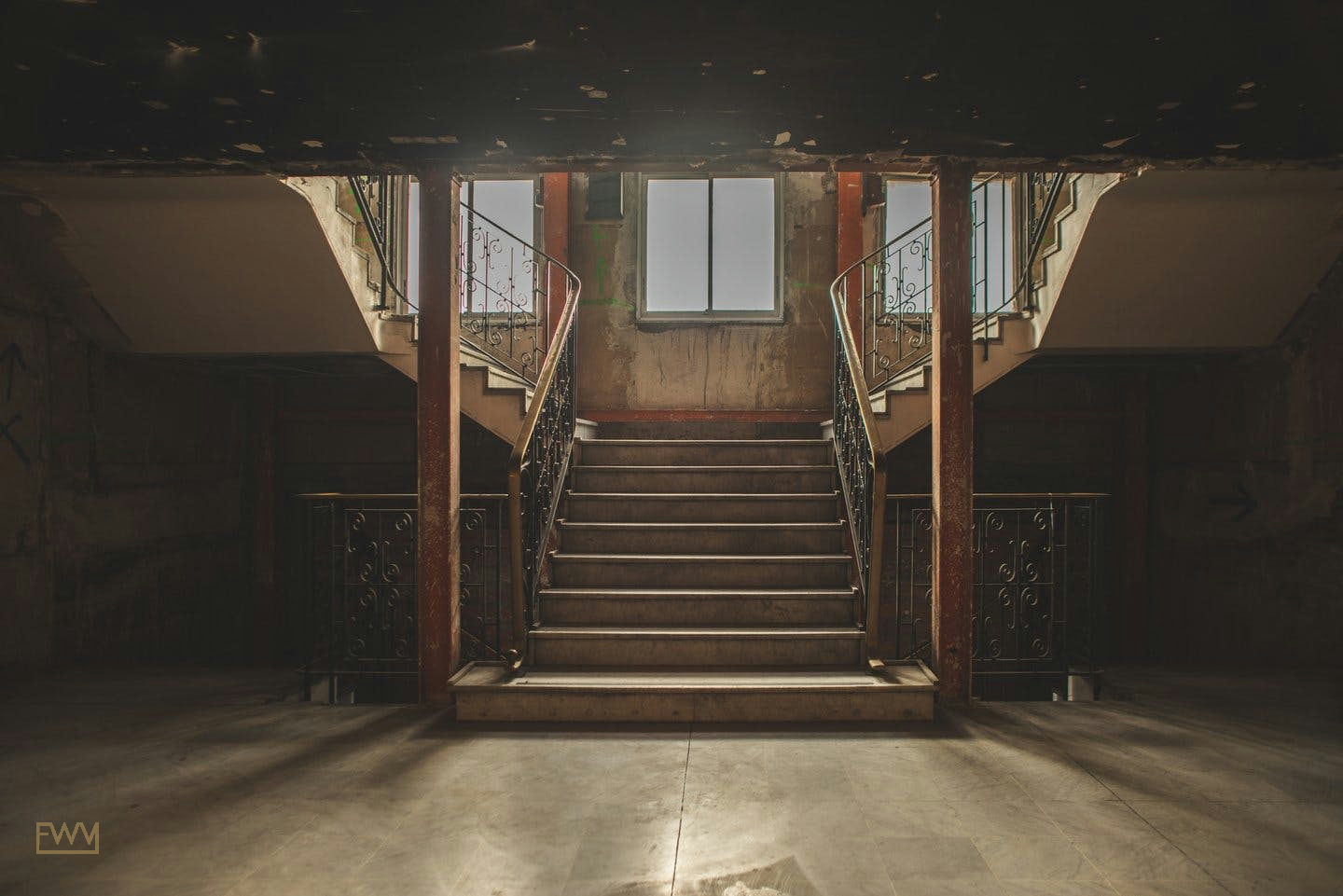
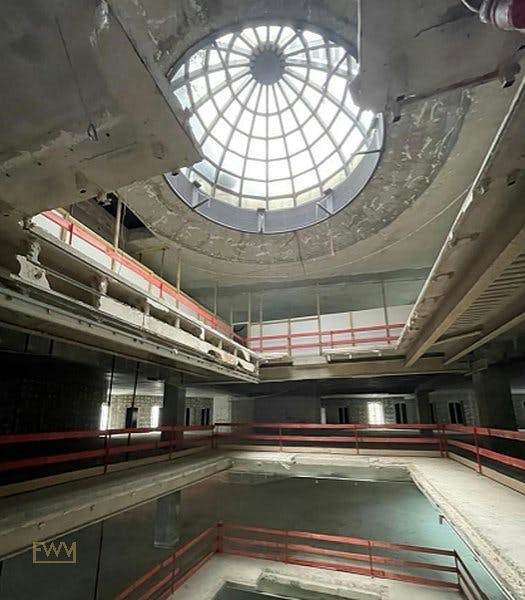
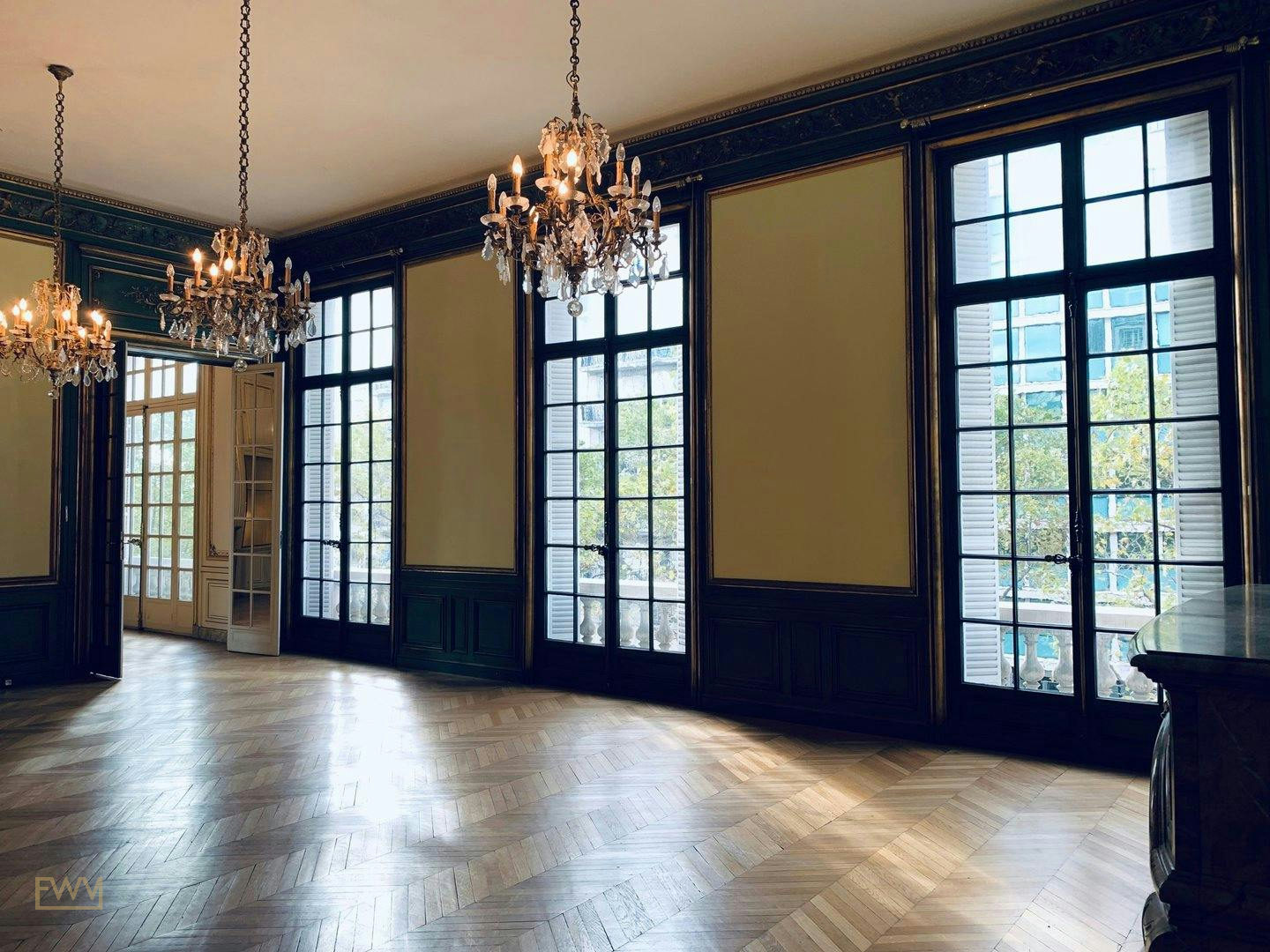
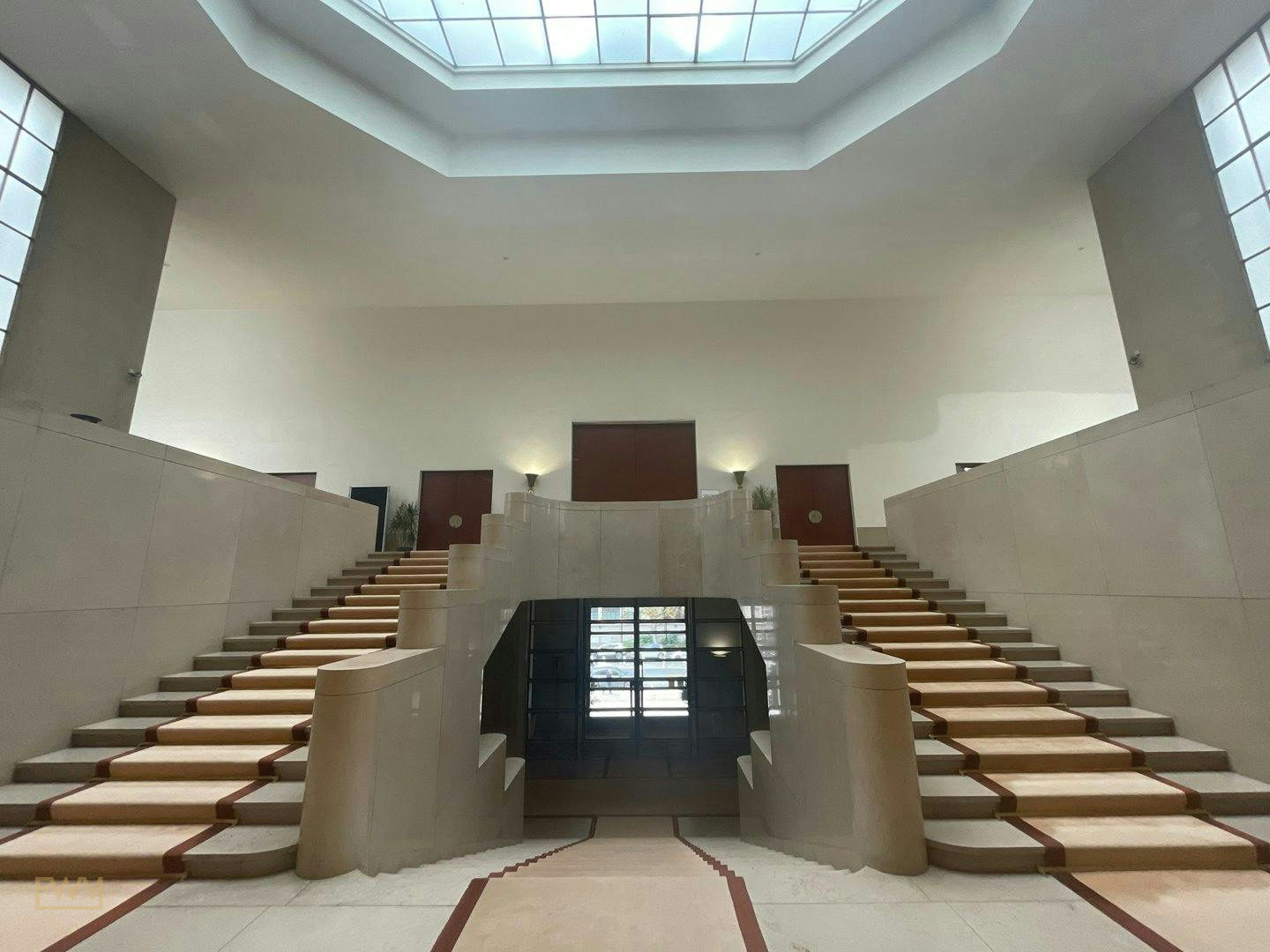
A pop up store in the 4th arrondissement Paris places your brand at the intersection of fashion credibility, cultural prestige, and some of the highest-footfall streets in the French capital. Le Marais is not simply a neighbourhood; it is one of the most internationally recognised retail destinations in Europe, drawing tourists, fashion insiders, emerging designers, and established houses in equal measure. Whether you are planning a product launch around Paris Fashion Week, a Haute Couture season activation, or a standalone retail moment, the 4th arrondissement offers a concentration of space types, architectural character, and qualified clientele that few districts in the world can match. Fashion Week Venues supports brands seeking pop-up spaces in Paris with venue sourcing, concept direction, production, and activation management across every arrondissement.
Why Rent a Pop Up Store in the 4th Arrondissement of Paris?
Quick answer: The 4th arrondissement, home to the historic Le Marais district, combines centuries-old architecture with a contemporary, fashion-forward retail environment. Its streets attract a mix of Parisian clientele, international tourists, fashion buyers, journalists, and creative professionals, making it one of the most commercially and culturally strategic locations for a pop-up activation in Paris.
The case for the 4th arrondissement is both emotional and commercial. Le Marais sits within the broader Île-de-France retail geography but operates as its own self-contained world. Bounded roughly by the Centre Georges Pompidou to the west, Place des Vosges to the east, and cutting through to the banks of the Seine near Rue de la Verrerie and Rue du Renard, the neighbourhood offers an architectural density of hôtels particuliers, stone-walled galleries, and light-filled boutiques that no other Parisian neighbourhood replicates at scale.
Commercially, the streets of Le Marais draw consistent foot traffic seven days a week, which distinguishes the district from more office-oriented arrondissements where weekend trade drops sharply. Rue des Francs-Bourgeois, the primary retail spine of the Marais district, sees pedestrian volumes comparable to the most trafficked luxury corridors in Paris. Rue de Turenne connects the upper Marais to the Bastille corridor, adding a streetwear and contemporary fashion dimension that complements the heritage character of the lower Marais near Place des Vosges.
For fashion brands specifically, Le Marais carries cultural endorsement that the rental rate alone cannot explain. The presence of Dover Street Market at 35 to 37 Rue des Francs-Bourgeois in the 4th arrondissement, major streetwear labels, independent fashion boutiques, and a well-documented history of supporting emerging designers means that a pop-up here is read as a meaningful statement of brand intent, not simply a transactional retail exercise.
The Bas Marais, the lower portion of the district closer to Rue de la Verrerie and the Seine, offers a slightly quieter but no less prestigious environment. Historic properties here often feature stone walls, exposed beams, and ground-floor or apartment-style layouts that create immediately photogenic environments ideal for press visits, influencer content, and immersive brand experiences. Natural light through large arched windows is a recurring feature that photographers and creative directors specifically seek out.
For brands entering Paris for the first time, the 4th arrondissement reduces the risk of obscurity. The neighbourhood's established identity as a destination for fashion, design, art, and culture means that the surrounding environment actively reinforces a brand's positioning rather than requiring the brand to create context from scratch.
DID YOU KNOW: Dover Street Market, the concept retail space founded by Comme des Garçons, relocated its Paris outpost to Rue des Francs-Bourgeois in the 4th arrondissement, further cementing Le Marais as a destination for fashion-forward and avant-garde retail activations.
KEY TAKEAWAY: Renting a pop up store in the 4th arrondissement Paris gives your brand immediate access to one of Europe's most qualified and fashion-literate retail audiences, set within architectural spaces that are genuinely difficult to replicate in any other city or neighbourhood.
Understanding why the Marais works commercially is only the first step. The next decision is understanding which streets, which space types, and which calendar windows maximise that advantage.
Le Marais District: Streets, Neighbourhoods, and Space Locations
Quick answer: Le Marais spans both the 3rd and 4th arrondissements of Paris, with the 4th containing the historic core including Place des Vosges, Rue des Francs-Bourgeois, and the streets leading to Châtelet-les-Halles. Each street within this zone carries its own retail character, footfall pattern, and typical space typology.
A practical understanding of Le Marais requires looking at it street by street rather than treating it as a single uniform zone. The following breakdown covers the main streets and micro-locations relevant to pop-up and short-term retail activations.
Rue des Francs-Bourgeois
This is the primary shopping artery of the Marais district and the most visible street for pop-up retail. It connects the Place des Vosges area in the east to Rue des Archives and beyond. Footfall here is dense and sustained throughout the day, peaking on weekends. Dover Street Market's Parisian address sits on this street, and a concentration of international and domestic fashion boutiques makes this a strong location for fashion-led activations. Space formats range from small storefronts with vitrines to larger galerie-style layouts. Natural light tends to be good on the north-facing side in the afternoon.
Rue de Turenne
Running parallel to and slightly north of Rue des Francs-Bourgeois, Rue de Turenne anchors the upper Marais and connects to the Canal Saint-Martin axis via Bastille. This street has a stronger streetwear, contemporary, and emerging designer character. Carhartt WIP and similar labels have maintained visibility in this corridor. Spaces here often occupy former workshops or converted commercial premises with raw concrete floors, steel pillars, and high ceilings that suit brands with a more industrial or contemporary aesthetic.
Rue de Poitou and Rue Saint-Claude
These quieter streets in the upper Marais serve a design and concept store clientele. They attract a more knowing, local Parisian audience rather than pure tourist footfall. Gallery-format spaces and apartment-style showrooms are common here. Brands in beauty, design, and emerging fashion often prefer these streets for showroom activations and press previews during Paris Fashion Week and Design Week.
Place des Vosges and Surrounding Arcades
Place des Vosges is one of the most architecturally distinguished settings in all of Paris. The arcaded galleries beneath the red brick facades historically housed art galleries and antique dealers, but contemporary fashion and design brands have increasingly activated within and adjacent to this square. The Pavillon des Vosges is a notable commercial space within this zone that has hosted a range of fashion and design activations. The space is divided into two distinct properties and offers a genuinely exceptional historic atmosphere.
Rue du Renard, Rue de la Verrerie, and Châtelet Proximity
The western edge of the 4th arrondissement connects directly to the Châtelet-les-Halles transport hub, which makes it one of the most accessible zones in Paris by public transport. Rue du Renard and Rue de la Verrerie run close to the Centre Georges Pompidou and attract a high-volume, culturally diverse foot traffic that suits product launches, art-adjacent activations, and brands seeking maximum exposure. La Samaritaine, the reopened luxury department store on Rue de Rivoli, adds a significant luxury retail anchor nearby, pulling additional high-spend traffic through the western Marais.
| Street or Zone | Primary Character | Typical Space Type | Best For |
|---|---|---|---|
| Rue des Francs-Bourgeois | Fashion, boutique, high footfall | Storefront, boutique, galerie | Fashion launches, retail pop-ups, established brands |
| Rue de Turenne | Streetwear, contemporary, creative | Workshop conversion, open-plan retail | Streetwear, emerging designers, youth brands |
| Rue de Poitou / Rue Saint-Claude | Design, concept, local clientele | Apartment showroom, gallery | Showrooms, press events, beauty brands |
| Place des Vosges | Heritage, prestige, tourism | Arcaded gallery, historic salon | Luxury activations, art-fashion crossovers |
| Rue du Renard / Rue de la Verrerie | Cultural, high-volume, diverse | Ground-floor retail, galerie d'art | Product launches, cultural collaborations |
KEY TAKEAWAY: Each street within the 4th arrondissement serves a different brand positioning and audience profile. Matching your space location to your creative direction is as important as the space itself.
Once you have identified the right zone, the next step is understanding which space type best serves your activation format and objectives.
Space Types for Pop-Up Stores in Le Marais: From Galerie to Storefront
Quick answer: The 4th arrondissement offers a genuinely diverse range of space types including storefronts with vitrines, art galleries, apartment-format showrooms, flexible concept shops, fashion showrooms, and ground-floor galeries. Each type suits different brand objectives, budgets, and operational requirements.
The architectural heritage of Le Marais means that space types here are more varied than in purpose-built retail districts. Understanding the key categories helps brands match their activation format to the most appropriate physical environment.
Storefront with Vitrine
A classic Parisian storefront with a vitrine, or display window, is the most commercially legible format for a pop-up in Le Marais. Street-facing exposure, the ability to dress the vitrine as a brand statement, and direct pedestrian conversion make this format ideal for fashion retail, product launches, and brand-universe activations. Storefronts in the 4th arrondissement often retain original features including stone walls, parquet floors, and high ceilings that add immediate aesthetic credibility.
Galerie D'Art and Gallery Format
A significant proportion of available short-term spaces in Le Marais are former or active art galleries. These spaces typically feature white walls, polished concrete or parquet floors, excellent artificial and natural lighting, and an open-plan layout that is extremely adaptable. Galerie Joseph, one of the most well-known event and commercial spaces in the Marais, exemplifies this format. Gallery spaces suit fashion presentations, collection launches, installations, and hybrid retail and exposition formats.
Apartment and Salon Format
Apartment-format spaces occupy residential or formerly residential floors above street level, typically accessed by a courtyard entrance common to Marais hôtels particuliers. These spaces feature original features including exposed stone walls, wooden ceiling beams, parquet floors, and intimate room-by-room layouts. They are particularly well suited to showroom activations, press previews, private client events, and luxury or lifestyle brands that benefit from an intimate, domestic setting. Floor and access logistics require planning, particularly for deliveries and installations.
Flexible Concept Shop
A growing category in Le Marais, the flexible concept shop is a purpose-adapted short-term retail space with modular fixtures, integrated rail systems, storage, and sometimes POS infrastructure already in place. These spaces reduce production time and fit-out cost, making them practical for brands with shorter rental windows. They suit fashion brands, beauty brands, and anyone planning a fast-turnaround activation around a specific calendar moment.
Fashion Week Showroom
During Paris Fashion Week and Haute Couture season, demand for dedicated showroom spaces in Le Marais peaks significantly. A fashion showroom in this context is typically a private, appointment-based space used to present collections to buyers, press, and stylists. These spaces prioritise natural light, clean walls, hanging and display infrastructure, and proximity to the main hotel and showroom clusters used by international brands and fashion houses. Rue de Poitou, Rue Saint-Claude, and the upper Marais corridors are the most active zones for this format.
Galerie d'Exception
A galerie d'exception describes a high-prestige, architecturally distinguished space that commands a premium rental position and suits heritage, luxury, and cultural brand activations. Spaces in this category often feature exceptional interior finishes, courtyard access, and a history of hosting significant cultural or commercial events. They are used for product launches with media coverage ambitions, exclusive brand universe presentations, and activations where the space itself is part of the editorial story.
| Space Type | Key Features | Ideal Brand Category | Typical Rental Duration |
|---|---|---|---|
| Storefront with Vitrine | Street visibility, display window, historic finishes | Fashion retail, product launch | 1 to 4 weeks |
| Gallery Format | White walls, open-plan, adaptable lighting | Fashion presentation, exposition | 3 days to 3 weeks |
| Apartment/Salon | Stone walls, parquet, intimate layout | Showroom, press preview, luxury | 1 to 2 weeks |
| Flexible Concept Shop | Modular fixtures, storage, fast setup | Fashion, beauty, accessories | 1 week to 1 month |
| Fashion Week Showroom | Natural light, hanging rails, buyer-focused | Ready-to-wear, accessories, emerging designers | 1 to 2 weeks per season |
| Galerie d'Exception | Prestige finishes, courtyard, media-ready | Luxury, heritage, cultural | 3 days to 2 weeks |
KEY TAKEAWAY: Choosing the right space type for your pop-up in the 4th arrondissement is as strategic as choosing the street. Each format carries different operational requirements, setup timelines, and brand communication implications.
With space types understood, brands planning around Paris Fashion Week and the Haute Couture calendar need to align their activation timing with the right seasonal window.
Paris Fashion Week and the Haute Couture Calendar: Timing Your 4th Arrondissement Activation
Quick answer: Paris Fashion Week takes place across multiple seasons, with Haute Couture typically in early July, ready-to-wear women's in late September and early October, menswear in January, and ready-to-wear womenswear again in February and March. Each season creates a concentrated demand window for pop-up spaces, showrooms, and brand activations in Le Marais and surrounding arrondissements.
The Paris Fashion Week calendar governs much of the short-term rental demand in Le Marais. Understanding each season and its implications for space availability and pricing helps brands plan earlier and more strategically.
Haute Couture Season: July 2026
The Haute Couture season scheduled for July 6 to 9, 2026 in Paris brings together the most prestigious fashion houses, international press, buyers, and cultural figures for a concentrated period of runway shows, exhibitions, and events. For brands operating in or adjacent to the couture world, this window is one of the most commercially and editorially valuable moments to activate in Le Marais. Activations during this period benefit from the presence of international media, elevated social media attention, and a heightened focus on Paris as a fashion capital. Brands should be aware that space availability in prime Le Marais locations is significantly reduced during this window, and lead times for securing spaces should extend to at least three to four months in advance.
The July window in 2026 also coincides with a broader programme of exhibitions, happenings, and cultural events throughout the 4th arrondissement and surrounding areas. Brands that time activations to this window benefit not only from Fashion Week traffic but also from the general summer tourist peak, which keeps footfall high throughout the Marais district well beyond the formal show schedule.
Ready-to-Wear Season: September and October
The women's ready-to-wear season in late September and early October is the largest Fashion Week window in Paris by total attendance and media coverage. The volume of international brands, buyers, press, and influencers in the city during this period is at its annual peak. Le Marais sees significant activation activity from streetwear labels, emerging designers, and international brands using the season to generate media coverage and build brand awareness in the European market. Spaces along Rue de Turenne, Rue des Francs-Bourgeois, and the upper Marais corridors are typically fully committed weeks in advance of the season opening.
Design Week and Beyond the Fashion Calendar
Paris Design Week, held annually in September, overlaps with or runs adjacent to the ready-to-wear season and creates additional opportunities for brands operating at the intersection of fashion and design. The Marais district, with its concentration of design studios, galleries, and concept stores, is a natural hub for Design Week activations. Brands in furniture, lifestyle, beauty, and accessories benefit from this overlap and can plan activations that serve both audiences simultaneously.
IMPORTANT: Space availability for key Le Marais locations during Paris Fashion Week and Haute Couture season is highly constrained. Brands that begin their search fewer than six weeks before their target window risk finding their preferred locations already committed. Begin your space search as early as possible, particularly for July and September.
Specific activations in and around the 4th arrondissement during the 2026 Haute Couture window include notable brand presences that illustrate the breadth of activity during this period:
- Anthony Calydon is taking over a space in the Marais for July 25th and 26th, 2026, from 12pm to 7pm at 37 Rue Debelleyme, Paris 3rd, presenting its signature knitted bags recreated in pastel pink, sunny yellow, and baby blue for a modern summer capsule moment.
- Lili Curia, the British footwear label launched in London in 2025 and worn by artists including Karol G and Suki Waterhouse, is operating a pop-up until July 9th, 2026 at Level minus 1, Dover Street Market, 35 to 37 Rue des Francs-Bourgeois, Paris 4th.
- JW Anderson, whose creative director Jonathan Anderson has been recognised with the ANDAM Pierre Bergé Prize, is running a pop-up from July 9 to September 24th, 2026, at 15 Rue du Louvre, Paris 1st, adjacent to the Marais zone.
DID YOU KNOW: The concentration of international brand activations during Paris Fashion Week in and around the 4th arrondissement creates a self-reinforcing media ecosystem. Each activation generates social media content, press coverage, and influencer material that collectively amplifies the visibility of every brand operating in the neighbourhood simultaneously.
KEY TAKEAWAY: Aligning your pop-up activation in the 4th arrondissement with either the Haute Couture window in July or the ready-to-wear season in September dramatically increases your access to a qualified, fashion-literate international audience and substantially raises the probability of meaningful media and influencer coverage.
To plan your space search around the right calendar window, use the Fashion Week Venues timeline planning tool to map your key milestones against the Paris Fashion Week schedule.
Brands and Activations That Define Pop-Up Culture in Le Marais
Quick answer: Le Marais has hosted landmark activations from established international brands and emerging designers alike. Understanding the brands that have defined pop-up culture in this neighbourhood helps new entrants benchmark their approach, calibrate their expectations, and identify the creative formats that resonate with a Marais audience.
The Marais district has a well-documented history as a home for innovative retail and brand activation. Several brands and case studies illustrate what successful pop-up culture in this neighbourhood looks like in practice.
Dover Street Market and the Marais Destination Effect
Dover Street Market's presence at 35 to 37 Rue des Francs-Bourgeois has fundamentally shaped the retail identity of the 4th arrondissement. Founded on the principle of creating spaces where fashion and art coexist, Dover Street Market Paris serves as a living benchmark for what a curated multi-brand retail space can achieve in Le Marais. The rotating installations within the store, combined with the ongoing pop-ups it hosts for both established and emerging labels, make it a reference point for any brand considering an activation in the area. Lili Curia's current presence within Dover Street Market Paris during the Haute Couture period in July 2026 demonstrates how emerging brands can use an established institution's platform within the 4th arrondissement to generate immediate international visibility.
Carhartt WIP and Streetwear in the Upper Marais
Carhartt WIP's consistent presence in the upper Marais corridor, particularly around Rue de Turenne, reflects the neighbourhood's ability to absorb and elevate streetwear brands without compromising their authenticity. The brand's activations have contributed to the Marais's reputation as a zone where fashion credibility extends across categories, from couture to workwear-inspired streetwear. For emerging streetwear and contemporary fashion labels, the Rue de Turenne axis provides a strong platform with a clientele that is both local and internationally knowledgeable.
NEMOZENA and Independent Design in Le Marais
Independent design brands including NEMOZENA have used the gallery and concept shop format in Le Marais to build Parisian brand presence without the infrastructure of an established retailer behind them. This pattern of independent designers activating in high-quality short-term spaces in the 4th arrondissement reflects a broader market dynamic: the accessibility of short-term rental formats combined with the Marais's gravitational pull for fashion-literate consumers makes it possible for smaller labels to punch significantly above their weight in terms of media visibility and buyer attention.
LE POP UP PARISIEN and the Community Format
LE POP UP PARISIEN represents a community-oriented approach to pop-up retail that has found a natural home in the Marais district. This format aggregates multiple brands, designers, and creators within a single space, creating a curated marketplace atmosphere that draws repeat visitors and generates its own media momentum. For emerging brands looking to reduce individual overhead while still benefiting from a Marais address, community pop-up formats offer a practical entry point into the neighbourhood.
Le Bon Marché and the Luxury Adjacent Effect
While Le Bon Marché Rive Gauche is technically located in the 7th arrondissement on the Left Bank, its gravitational influence on luxury retail activations in Paris is felt across the city, including in the 4th arrondissement. Brands that activate in Le Marais during the same period as major Le Bon Marché activations benefit from the elevated luxury retail temperature that these institutional moments create across the Paris market as a whole.
TIP: When researching the competitive landscape for your activation, look at which brands are simultaneously activating in the 4th arrondissement during your target window. A complementary rather than directly competing brand presence in the same period can generate collaborative social media opportunities and shared press coverage.
KEY TAKEAWAY: The most successful pop-up activations in Le Marais share a common thread: they treat the space, the neighbourhood, and the cultural moment as active collaborators in the brand story rather than passive settings for a commercial transaction.
To compare spaces used by brands in the 4th arrondissement and understand how to build a brief that matches your brand tier and objectives, explore the space comparison tool at Fashion Week Venues.
Interior Design and Physical Space Attributes: What to Look For in a 4th Arrondissement Pop-Up
Quick answer: The most sought-after physical features in Le Marais pop-up spaces include exposed stone walls, wooden ceiling beams, parquet floors, natural light from courtyard or street-facing windows, high ceilings, and ground-floor access. These features are not universally available and should be specified clearly in your space brief to avoid mismatches between expectation and reality.
The architectural character of Le Marais is one of its most commercially valuable assets. Spaces in the 4th arrondissement often retain original features from their historic uses as aristocratic residences, artisan workshops, and gallery spaces. Understanding what these features look like in practice, and how they affect your production and design decisions, is essential for a successful activation.
Exposed Stone Walls and Historic Atmosphere
Stone walls are one of the defining visual signatures of Marais interiors. In older hôtels particuliers and courtyard-access spaces, original stone walls provide an immediate sense of Parisian heritage that brand teams and photographers specifically seek out. For fashion brands, stone walls create an editorial backdrop that requires little additional dressing and reads immediately as authentically Parisian. However, stone walls also present practical considerations: they can limit the placement of hanging systems without drilling, affect acoustics, and in some cases indicate the presence of humidity that must be managed for product storage and display.
Wooden Ceiling Beams and Character Finishes
Exposed wooden ceiling beams are common in apartment-format and upper-floor spaces in the Marais. They contribute to the historic atmosphere that distinguishes these spaces from generic retail units, and they are particularly valuable for lifestyle, luxury, and heritage brand activations where the space's authenticity is part of the brand communication. Ceiling height with beams tends to be lower than in gallery-format spaces, which affects hanging display options and lighting rig placement.
Parquet, Polished Concrete, Raw Concrete, and Tiled Floors
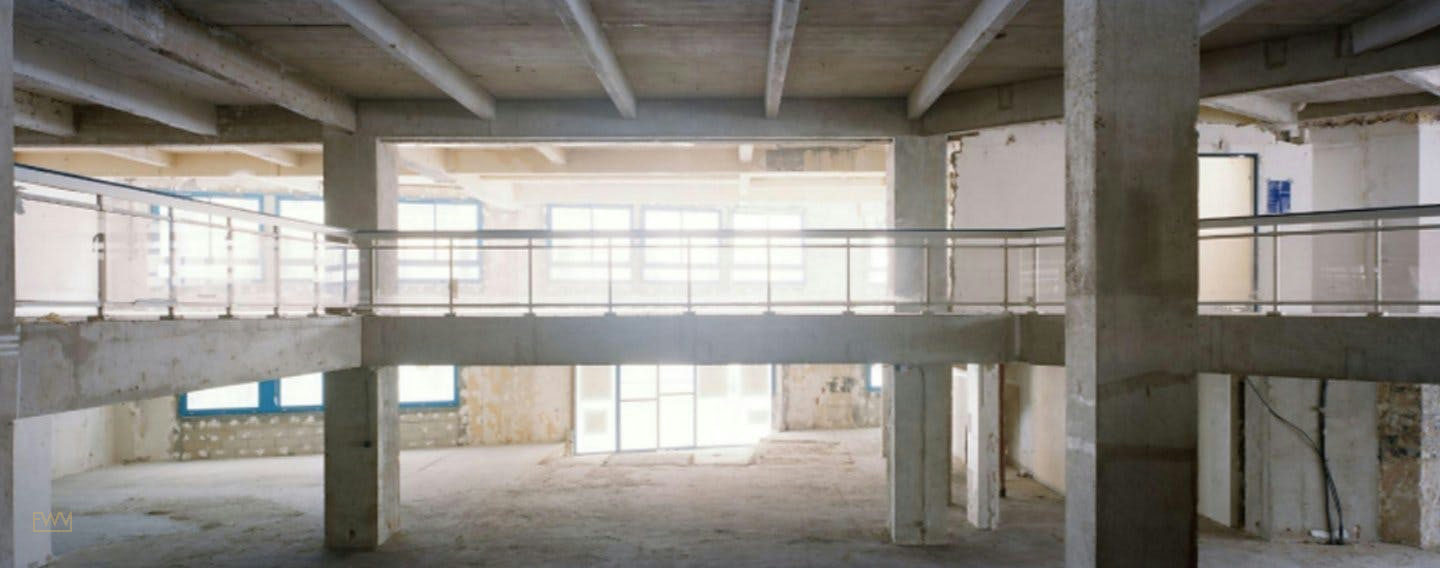
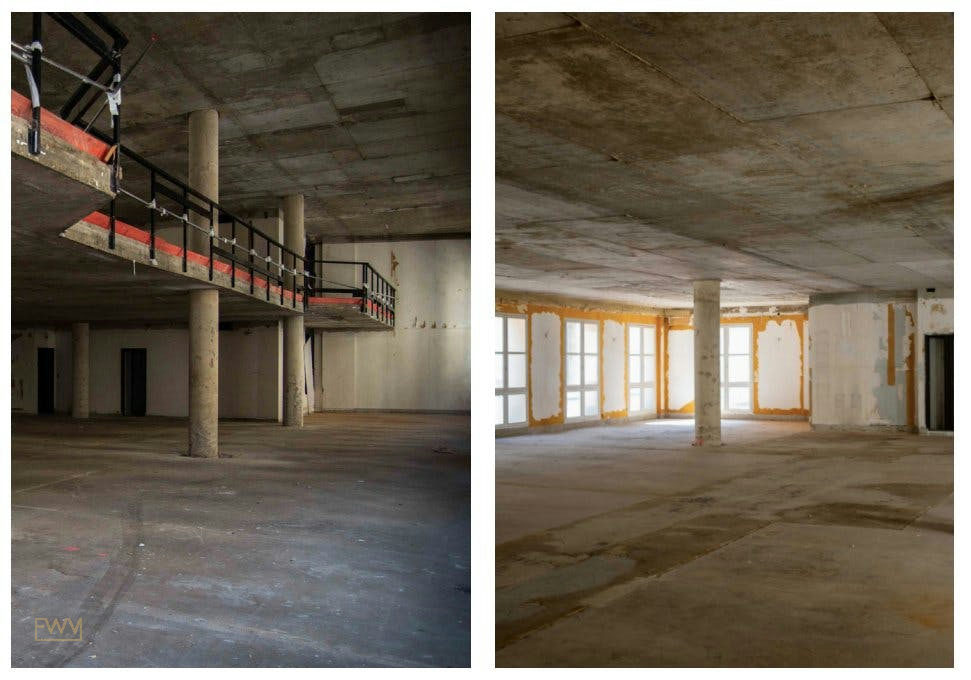
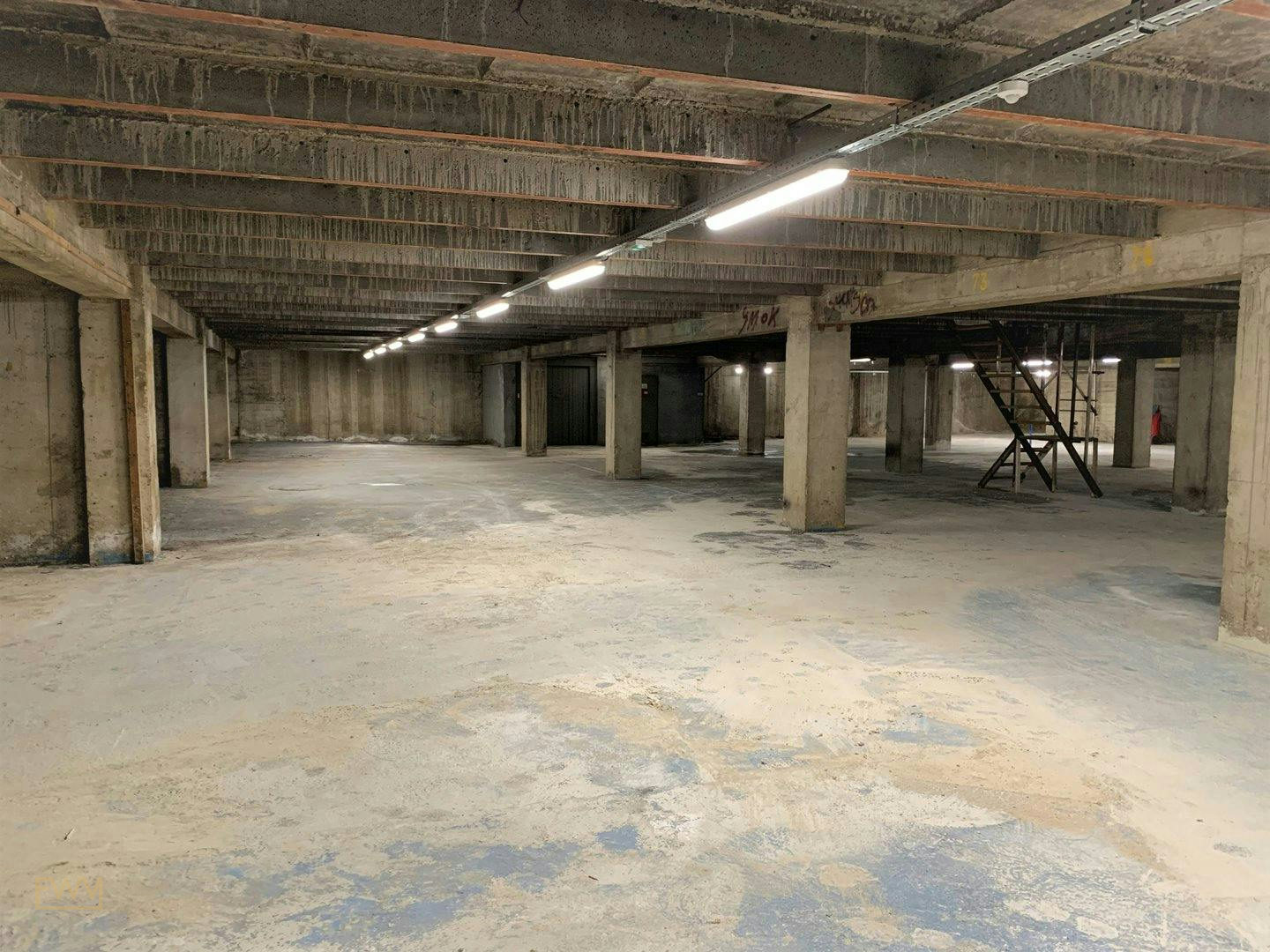
Floor finishes in Le Marais vary significantly by space type and age. Parquet floors are common in apartment-format and historic commercial spaces, lending warmth and elegance. Polished concrete appears in converted workshop and gallery spaces, providing a neutral, contemporary base that suits fashion and design brands. Raw concrete is more common in lower-ground or basement-level spaces and in upper Marais workshop conversions, where it creates an industrial atmosphere appropriate for streetwear, art, and concept activations. Tiled floors appear in heritage commercial spaces, particularly those with 19th or early 20th century origins, and create a distinctive graphic quality. Steel pillars are a feature of certain converted industrial or mixed-use spaces in the upper Marais and carry specific load-bearing implications for installations.
Natural Light, Ground-Floor Access, and Apartment Layouts
Natural light is consistently rated as one of the most important space features by fashion brands activating in Le Marais. Street-facing spaces on wider streets receive good direct light on certain facades, while courtyard-access spaces often offer diffused, consistent natural light that suits both photography and product presentation. Ground-floor access is critical for deliveries, production build-out, and customer accessibility, but is not available in all space types. Apartment-format spaces accessed via staircases or courtyard passages require detailed advance planning for logistics, furniture rental, and installation. Rail lighting and track lighting systems are present in many gallery and concept shop spaces and allow flexible directional light control without additional rig infrastructure.
Storage, Rail Lighting, and Operational Infrastructure
Operational infrastructure varies widely across Le Marais spaces. Storage availability within the rental footprint is a frequent practical constraint, particularly in smaller storefronts and gallery spaces. Brands planning significant stock holding or product rotation need to confirm internal storage capacity or identify nearby off-site storage solutions as part of their pre-rental planning. Rail lighting and integrated POS infrastructure are more commonly found in purpose-adapted concept shop spaces than in raw gallery or apartment formats.
KEY TAKEAWAY: The physical features of Le Marais spaces are genuine assets for brand communication, but each feature carries practical implications that affect production timelines, logistics, and operational complexity. Specify exactly which features are non-negotiable in your brief before beginning your space search.
Understanding the physical space attributes feeds directly into your production and fit-out planning, which is the next dimension of a successful 4th arrondissement activation.
Permits, Leases, and Legal Compliance for Short-Term Retail in Paris
Quick answer: Short-term retail activations in Paris are governed by specific legal frameworks including the bail dérogatoire for short leases and the autorisation d'occupation temporaire (AOT) for certain temporary uses. Requirements vary by space type, duration, arrondissement, and intended use. Brands should verify their specific obligations with a qualified French legal advisor before signing any agreement.
The legal framework governing short-term commercial space rental in France is distinct from standard commercial leases, and navigating it without specialist knowledge creates genuine risk for international brands entering the Paris market.
Bail Dérogatoire: The Short-Term Lease Framework
A bail dérogatoire is a short-term commercial lease available under French law for durations of up to 36 months. Unlike the standard 3-6-9 commercial lease, which provides the tenant with significant rights including lease renewal, the bail dérogatoire is specifically designed for temporary occupation and does not confer the same long-term tenant protections. For pop-up stores, temporary showrooms, and short-term retail activations, the bail dérogatoire is typically the appropriate legal instrument. It must be concluded in writing, specify the derogatory nature of the arrangement, and be signed by both parties before occupation begins. The parties must also formally acknowledge at the time of signing that they intend to derogate from the standard commercial lease protections.
Autorisation d'Occupation Temporaire (AOT)
An AOT, or autorisation d'occupation temporaire, applies to temporary use of public domain spaces or certain category-specific locations. This instrument is relevant for brands activating in spaces that involve any element of public domain occupation, including certain street-facing vitrine structures, outdoor display elements, or spaces held by public bodies. The AOT is issued by the relevant municipal authority and involves an application process with lead times that must be factored into activation planning. Requirements, fees, and processing times vary by location and space type.
Other Compliance Considerations
Beyond the lease instrument, short-term retailers in Paris must consider commercial activity registration, insurance obligations, fire safety and ERP classification requirements for spaces open to the public, and waste and signage regulations. International brands without a French legal entity can operate pop-up activations in Paris through various structures, including operating through a French commercial partner or using specific temporary commercial structures. However, the specific structure most appropriate depends on the brand's corporate setup, the duration of the activation, and the nature of the commercial activity.
IMPORTANT: The information provided above is a general overview for planning purposes only and does not constitute legal advice. Requirements vary by space type, duration, intended use, and arrondissement. Brands should verify their specific obligations with a qualified French legal advisor before entering into any rental agreement or beginning an activation in Paris.
For practical permit guidance specific to your activation type and location, use the Fashion Week Venues permits tool, which provides a structured starting point for understanding the permit considerations relevant to your specific scenario.
KEY TAKEAWAY: The legal and compliance framework for pop-up stores in Paris is manageable but requires specialist knowledge. Brands that treat permits and lease structures as administrative afterthoughts rather than planning priorities frequently encounter delays, cost overruns, and in some cases are prevented from opening on schedule.
Budgeting, ROI, and Commercial Performance for Le Marais Pop-Ups
Quick answer: Budget planning for a pop-up store in the 4th arrondissement Paris must account for venue rental, fit-out and production, staffing, logistics, marketing, and compliance costs. The total investment required varies significantly by space type, duration, time of year, and activation scope. Use data-driven tools to build a realistic estimate rather than relying on comparable figures from different markets or seasons.
One of the most common planning mistakes for brands activating in Le Marais is building a budget that accounts accurately for venue rental but underestimates the supporting cost categories that determine whether the activation runs smoothly and delivers commercial and brand value.
Venue Rental Costs: Understanding the Range
Venue rental in the 4th arrondissement varies substantially depending on street location, space size, space type, and season. Premium storefronts on Rue des Francs-Bourgeois during Paris Fashion Week command significant premiums over off-season rates for similar spaces. Galerie d'exception and Place des Vosges-adjacent spaces are among the highest-rated locations in the city for prestige rental. Gallery and apartment-format spaces in quieter streets offer more accessible entry points for brands with tighter budgets. Providing specific rental figures without reference to a live space and confirmed dates is not meaningful, as rates are highly variable and change seasonally. For a brand-specific budget estimate, use the Fashion Week Venues budget calculator to generate a structured directional range based on your space type, duration, and target zone.
Fit-Out, Production, and Furniture
The architectural character of Le Marais spaces often means lower investment is needed in background dressing compared to purpose-built retail environments. Stone walls, parquet floors, and exposed beams provide immediate visual interest. However, branded installations, custom fixtures, lighting rigs, product display systems, and temporary structures still represent a significant proportion of total activation cost. Production and build costs must account for the logistics of accessing Marais spaces, many of which are in pedestrianised zones or courtyard-access locations with vehicle access restrictions. Furniture rental is a practical and cost-effective alternative to purchasing and transporting custom fixtures for short-duration activations.
Staffing, POS, and Operational Costs
Retail staffing in Paris for an international brand requires French-language capacity, product knowledge, and often multilingual capability given the tourist volume in Le Marais. POS and payment infrastructure needs to handle both card and mobile payment preferences. Storage logistics, daily restocking, security, and cleaning are operational costs that brands frequently overlook in initial budget models. For activations spanning more than one week, these operational costs can match or exceed the initial fit-out investment.
Measuring ROI Beyond Direct Sales
Pop-up stores in the 4th arrondissement rarely justify their investment on direct sales revenue alone. The ROI calculation for a Le Marais activation must include media coverage value, social media reach and engagement, influencer content generated, buyer and press relationships built, email and CRM data captured, and brand positioning value in the European market. Performance tracking across these dimensions requires planning before the activation opens, not after it closes. To build a structured ROI model for your Le Marais pop-up, the Fashion Week Venues ROI calculator provides a framework for quantifying these non-sales value dimensions alongside direct revenue.
KEY TAKEAWAY: A realistic budget for a pop-up in the 4th arrondissement accounts for all cost categories and measures ROI across both commercial and brand dimensions. Brands that build only for direct sales typically underinvest in the elements that generate the most durable long-term value from a Paris activation.
How Fashion Week Venues Supports Pop-Up Activations in the 4th Arrondissement
Quick answer: Fashion Week Venues is a full-service pop-up agency and space marketplace that supports brands through every stage of a Paris activation, from initial space discovery and permit guidance to concept direction, production, staffing, and performance tracking. Brand teams working in the 4th arrondissement benefit most from Fashion Week Venues' combined marketplace access and agency services.
Fashion Week Venues operates at the intersection of space marketplace and full-service agency, which means that brands can engage the platform at the level of service appropriate to their existing capabilities and internal resources.
Space Discovery and Venue Sourcing
The Fashion Week Venues marketplace provides access to a curated selection of short-term retail and event spaces across Paris, including the 4th arrondissement and Le Marais. Spaces are categorised by type, neighbourhood, size, features, and availability window, allowing brand teams to shortlist candidates before engaging a sourcing specialist. For brands with a detailed brief but limited local knowledge, the venue sourcing service provides direct access to spaces that may not be publicly listed and negotiates terms on behalf of the brand.
Concept Direction and Branded Store Design
For brands that need creative support beyond a rental transaction, Fashion Week Venues offers concept direction and branded store design services that translate brand identity into a spatial experience appropriate for the chosen Le Marais location. This service is particularly valuable for international brands entering Paris for the first time, where understanding the cultural register of the Marais neighbourhood is as important as the technical execution of the fit-out.
Production, Build, and Furniture Rental
Production and build services handle the physical transformation of a raw space into a functioning pop-up, coordinating contractors, managing access logistics specific to Le Marais locations, and ensuring that the activation meets all relevant safety and compliance requirements before opening. Furniture rental provides a cost-effective and logistically simpler alternative to custom fixture procurement for shorter activation windows.
Staffing, POS, and Activation Management
Retail staffing services provide French-speaking, fashion-trained staff who understand the specific dynamics of a Le Marais clientele. POS and payments infrastructure is configured for the Parisian market, including card, mobile payment, and tourist VAT refund processes where relevant. Activation management covers the day-to-day operations of the pop-up, freeing brand teams to focus on creative and commercial priorities rather than operational problem-solving.
Data, Analytics, and Influencer Marketing
Performance tracking across footfall, transactions, engagement, and media coverage is built into activations managed through Fashion Week Venues, providing the data foundation for a credible post-activation ROI analysis. Influencer marketing services connect brands with the network of Parisian and international content creators who are active in Le Marais during Fashion Week periods, maximising the earned media potential of the activation.
Tools for Independent Planning
Brand teams that prefer to plan independently before engaging agency services can access a range of planning tools on the Fashion Week Venues platform, including the budget calculator, ROI calculator, timeline tool, permits tool, locator tool, compare tool, and the Imagine space visualisation tool. The Twin concept supports co-activation arrangements for two complementary brands sharing a single Le Marais space.
To understand the full range of available services and which combination best suits your activation type, visit the Fashion Week Venues process page for a structured overview of how brands move from brief to activation.
KEY TAKEAWAY: Fashion Week Venues is most valuable to brand teams that need either a reliable space discovery partner or a full-service agency that can handle every operational dimension of a Paris activation. The platform does not guarantee specific spaces, results, or permit approvals, but provides the expertise, relationships, and tools to maximise the probability of a successful activation.
Common Myths About Pop-Up Stores in the 4th Arrondissement Debunked
MYTH: You need a French legal entity to rent a pop-up space in Paris.
FACT: International brands without a French legal entity can operate pop-up activations in Paris through a range of commercial structures. The specific approach depends on the nature of the activity, the duration of the activation, and the brand's existing corporate setup. Working with a specialist agency or French legal advisor helps identify the most appropriate structure for your situation.
MYTH: Paris Fashion Week is the only viable calendar window for a pop-up in Le Marais.
FACT: While Paris Fashion Week and Haute Couture season create the highest-concentration windows for fashion industry audiences, Le Marais generates strong retail footfall year-round. Activations outside the official Fashion Week calendar can benefit from lower space costs, greater availability, and a less cluttered media environment, while still reaching a high-quality mix of Parisian and international consumers.
MYTH: Using a commission broker is the only way to find a pop-up space in Le Marais.
FACT: Commission brokers are one channel for space discovery, but full-service agencies and dedicated space marketplaces such as Fashion Week Venues provide broader access, greater transparency on space terms, and the option to bundle space sourcing with production, staffing, and activation services. Direct approaches to space owners are also possible for brands with established Paris relationships.
MYTH: Short-term leases in Paris are legally straightforward and require no specialist guidance.
FACT: The bail dérogatoire and related short-term rental instruments in France require specific procedural steps to be legally valid. Errors in the drafting or execution of these agreements can expose brands to unintended legal obligations or invalidate the derogatory nature of the arrangement. Specialist legal or agency support is strongly recommended for brands without prior experience of French commercial lease law.
MYTH: Only luxury or established brands can afford a pop-up in the 4th arrondissement.
FACT: While premier locations on Rue des Francs-Bourgeois command significant rental premiums, the 4th arrondissement contains a wide range of space types and price points. Gallery-format spaces, upper-floor apartments, and community pop-up formats offer accessible entry points for emerging designers, independent labels, and brands with more constrained activation budgets. The key is matching the space type and location to your specific brand positioning and commercial objectives.
Frequently Asked Questions
Why is the 4th arrondissement considered one of the best locations for a pop-up store in Paris?
The 4th arrondissement is home to Le Marais, one of Paris's most internationally recognised fashion, design, and cultural neighbourhoods. It combines consistent foot traffic from both Parisian residents and international tourists with a high concentration of fashion boutiques, galleries, concept stores, and heritage spaces. The neighbourhood's architectural character, including stone walls, parquet floors, and courtyard-access spaces, provides a ready-made aesthetic that supports fashion and lifestyle brand communication. Its proximity to Châtelet-les-Halles and major transport links also makes it one of the most accessible arrondissements in Paris.
What types of pop-up spaces are available in Le Marais?
Le Marais offers a diverse range of short-term rental formats including storefronts with vitrines, gallery and galerie d'art spaces, apartment and salon-format showrooms, flexible concept shops, fashion week showrooms, and high-prestige galeries d'exception. Each type suits different brand objectives, budgets, and operational requirements. The right format depends on whether your priority is maximum street-level visibility, an intimate press and buyer environment, a photogenic editorial space, or a high-volume transactional retail setup. Working through a curated marketplace or venue sourcing specialist helps match your brief to the most appropriate available options.
How far in advance should a brand book a pop-up space in the 4th arrondissement for Paris Fashion Week?
For Paris Fashion Week and Haute Couture season activations, brands should begin their space search a minimum of three to four months in advance of their target window. Premium locations on Rue des Francs-Bourgeois and adjacent streets are often committed significantly earlier. Brands with flexible location requirements and smaller space needs may find options available with shorter lead times, but choice and negotiating position improve substantially with earlier engagement. Outside Fashion Week periods, lead times of four to eight weeks are more typical for standard retail activations.
Do international brands need a French legal entity to run a pop-up in Paris?
International brands do not necessarily need a French legal entity to operate a pop-up in Paris. Various commercial structures exist that allow non-French companies to conduct temporary retail activities in France. The most appropriate structure depends on the duration of the activation, the nature of the commercial activity, and the brand's existing corporate setup. Brands should verify their specific situation with a qualified French legal advisor or work through an agency with established experience managing international brand activations in Paris. Attempting to navigate this without specialist guidance creates avoidable legal and operational risk.
What is a bail dérogatoire and when does it apply to a pop-up store in Paris?
A bail dérogatoire is a short-term commercial lease instrument under French law that allows parties to agree on a temporary occupation without triggering the full protections of the standard 3-6-9 commercial lease. It is applicable for durations of up to 36 months and is the typical legal instrument used for pop-up stores, temporary showrooms, and short-term retail activations in Paris. The bail dérogatoire must be formally constituted in writing with both parties explicitly acknowledging the derogatory nature of the arrangement. Specialist legal advice is recommended to ensure the agreement is correctly structured.
Which streets in the 4th arrondissement are best for a fashion pop-up?
Rue des Francs-Bourgeois is the primary fashion retail street in the 4th arrondissement, offering the highest footfall and the strongest concentration of fashion brand neighbours. Rue de Turenne, which straddles the 3rd and 4th arrondissements, is preferred by streetwear and contemporary fashion brands. The Place des Vosges area suits luxury and heritage brand activations. Rue du Renard and the streets approaching Châtelet offer high-volume foot traffic with a more diverse audience. The best street for your activation depends on your brand positioning, target audience, and the type of footfall that converts best for your specific product category.
What should I look for in a pop-up space in Le Marais?
The most important features to assess in a Le Marais pop-up space include the quality and direction of natural light, floor type and condition (parquet, polished concrete, raw concrete, or tile), ceiling height, wall finish (stone, plaster, or painted), ground-floor accessibility for deliveries, internal storage capacity, the condition and flexibility of existing lighting infrastructure, proximity to the nearest pedestrian flow, and any restrictions imposed by the building or landlord on installation, signage, or operating hours. For apartment-format and upper-floor spaces, staircase width and access logistics are critical practical considerations.
How is ROI measured for a pop-up store in the 4th arrondissement?
ROI for a Le Marais pop-up should be measured across multiple dimensions beyond direct sales revenue. These include the equivalent media value of press coverage and editorial placements generated, the value of influencer content created during the activation, the number of buyer and press relationships established, the CRM and email data captured from visitors, the social media reach and engagement generated by the activation, and the long-term brand positioning value of a successful Paris presence. A structured ROI model built before the activation opens provides a framework for evaluating performance across all these dimensions after closing.
Can emerging or independent brands afford to activate in the 4th arrondissement?
Yes. While the most prestigious locations in Le Marais carry significant rental premiums, particularly during Fashion Week periods, the neighbourhood contains a range of space types and pricing levels that are accessible to emerging and independent brands. Gallery-format spaces in quieter streets, apartment-format showrooms in less trafficked zones, and community pop-up formats that aggregate multiple brands within a single space all offer more affordable entry points into a Marais address. The key is matching the space type and location to both your brand positioning and your realistic budget.
What permits or authorisations are required for a pop-up store in Paris?
Permit requirements for a pop-up store in Paris depend on the type of space, the nature of the commercial activity, the duration of the rental, and specific requirements imposed by the arrondissement or building. Spaces open to the public must comply with French ERP (établissement recevant du public) fire safety classifications. Any outdoor signage or vitrine modifications may require municipal authorisation. Temporary structures and certain types of outdoor display may require an autorisation d'occupation temporaire. Requirements vary and should be verified for each specific space and activation type. The Fashion Week Venues permits tool provides a structured starting point for this research.
How does the Twin concept work for co-activations in Le Marais?
The Fashion Week Venues Twin concept supports two complementary brands sharing a single space as a co-activation. This format reduces the individual rental and operational cost for each brand while creating a curated dual-brand experience that can generate more editorial and social media interest than a single-brand pop-up. It is particularly well suited to brands with adjacent audiences but non-competing product categories, such as a fashion label and a beauty brand, or a clothing brand and an accessory designer. The Twin concept works best when both brands share a coherent aesthetic identity and a compatible vision for the shared space.
What role does foot traffic play in choosing a Le Marais location?
Foot traffic is a primary commercial driver for pop-up stores in the 4th arrondissement, but the quality and composition of that traffic matters as much as the raw volume. Rue des Francs-Bourgeois and Rue de la Verrerie near Châtelet generate very high pedestrian volumes with a strong tourist component, which suits mass-market and accessible luxury brand activations. Quieter streets in the upper Marais generate lower volumes but a more local, fashion-literate Parisian audience that is often more relevant for emerging designer and concept brand activations. Matching your footfall profile to your conversion model is a critical part of the location decision.
What support is available for international brands entering Paris for the first time?
International brands entering Paris for the first time benefit from working with a specialist agency or marketplace that has established relationships with space owners, knowledge of local permit and compliance requirements, and experience managing the logistical complexity of activating in a historic urban environment. Fashion Week Venues provides services spanning venue sourcing, concept direction, production, staffing, activation management, POS and payments, and post-activation analytics. The agency's Paris city hub provides a starting point for understanding the market, and the guides section offers practical resources for brands at the research stage.
How long do pop-up stores in the 4th arrondissement typically run?
Pop-up store durations in Le Marais range from single-day or weekend activations to rentals of several weeks or months. The most common window for fashion brand activations tied to Paris Fashion Week or Haute Couture season is one to two weeks, timed to overlap with the official show schedule and the associated media and buyer presence in the city. Longer activations of one to three months are viable for brands with clear retail objectives and sufficient operational resources to sustain a running store. Very short activations of one to three days are used for specific event or launch moments where intensity of coverage matters more than sustained retail operation.
Where can I browse available pop-up spaces in the 4th arrondissement?
Available short-term spaces in Le Marais and the broader Paris market can be explored through the Fashion Week Venues marketplace, which lists curated options across a range of types, sizes, and neighbourhoods. The Paris city hub provides additional neighbourhood context and filtering by location zone. For brands with a specific brief that has not been matched by marketplace listings, the venue sourcing service engages directly with space owners and off-market listings to find options that match the brand's requirements.
Conclusion: Making Your Pop-Up Store in the 4th Arrondissement Work
A pop up store in the 4th arrondissement Paris represents one of the most powerful brand activation opportunities available in the European market. Le Marais combines architectural character, fashion cultural capital, consistent international foot traffic, and a creative ecosystem that few neighbourhoods in the world can replicate. But the opportunity is only realised when the space choice, the timing, the creative execution, the operational planning, and the legal compliance are all handled with the level of detail that the Parisian market demands.
Brands that treat a Marais pop-up as simply a short-term rental transaction miss the larger strategic opportunity. Those that approach it as a coordinated brand activation, aligning their space with their creative identity, their calendar timing with the Fashion Week or Haute Couture schedule, their operations with the specific logistical realities of historic Marais spaces, and their measurement framework with a multi-dimensional ROI model, are the brands that leave Paris with durable commercial and brand results.
The streets of Le Marais reward brands that do the preparation. Rue des Francs-Bourgeois, Rue de Turenne, Place des Vosges, and the quieter design corridors of the upper Marais each offer something distinctive. Matching your brand to the right street, the right space type, and the right calendar window is the foundation of a successful activation.
Whether you are planning your first Paris pop-up or your fifth, the complexity of the 4th arrondissement market is best navigated with specialist support. From space discovery and permit guidance to concept direction, production, staffing, and analytics, Fashion Week Venues provides the full range of services that brand teams need to activate successfully in Le Marais.
To move from research to activation, start exploring available spaces on the Fashion Week Venues marketplace and build a focused brief for your target neighbourhood, space type, and calendar window.