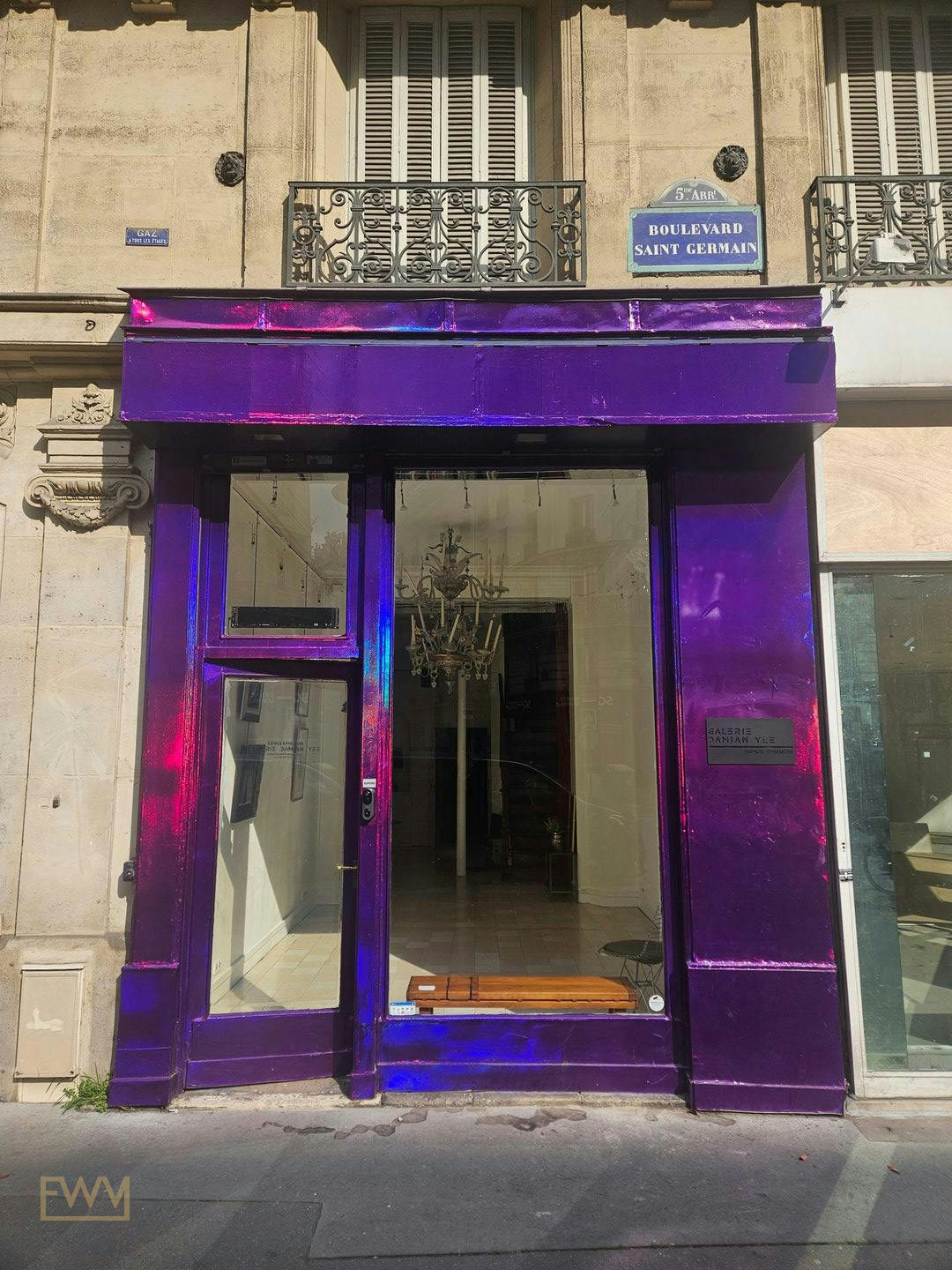
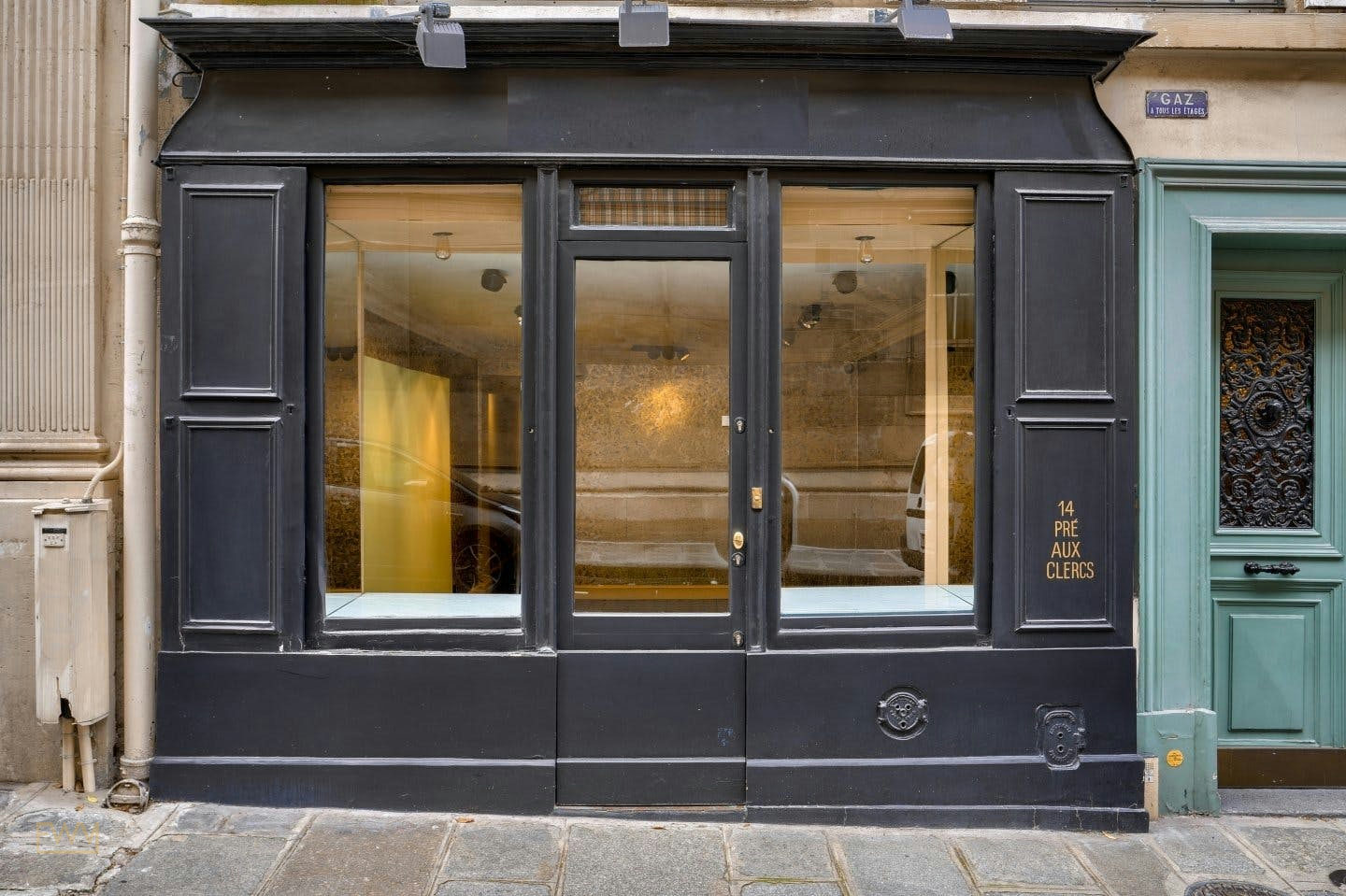
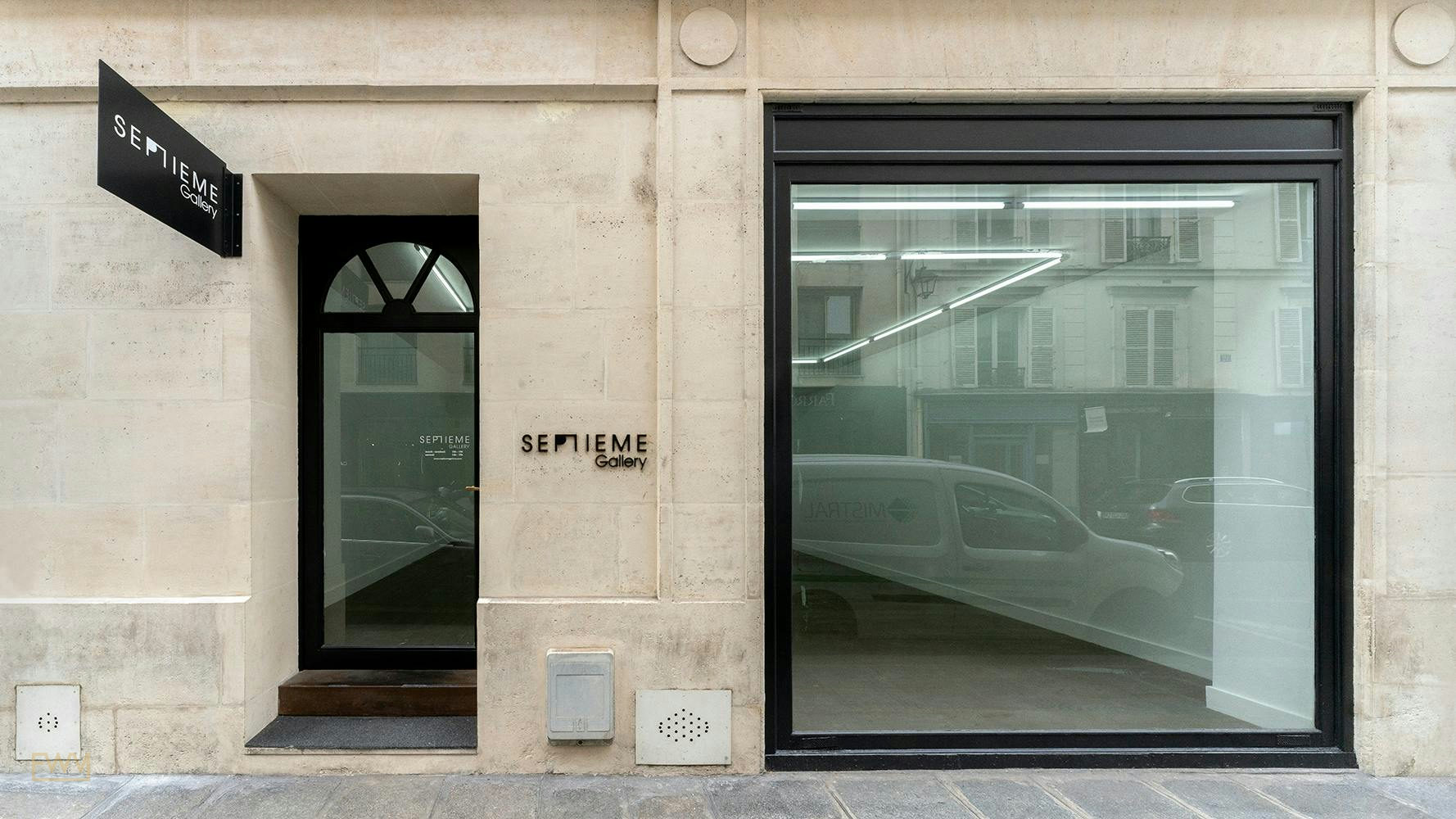
Opening a pop up store in the 6th arrondissement of Paris places your brand at the intersection of intellectual heritage, contemporary luxury, and one of the most commercially sophisticated neighbourhoods in Europe. Saint-Germain-des-Prés is not simply a postcode. It is a cultural and retail identity that carries meaning for fashion houses, independent designers, beauty brands, and international labels entering the Paris market. For brands seeking temporary retail, a short-term showroom, or a high-impact brand activation during Paris Fashion Week or Haute Couture season, the 6th arrondissement offers a concentration of gallery spaces, converted boutiques, and character-rich venues that few other districts can replicate. Fashion Week Venues supports brands seeking pop-up spaces in Paris across every major calendar window and neighbourhood type.
Why the 6th Arrondissement Is a Strategic Choice for a Pop Up Store in Paris
Quick answer: The 6th arrondissement combines cultural prestige, dense foot traffic from affluent Parisian residents and international visitors, proximity to key fashion institutions, and a rich stock of distinctive retail and gallery spaces. For brands targeting a discerning, design-literate audience, Saint-Germain-des-Prés delivers a level of context that supports brand storytelling in a way that generic commercial streets cannot.
The 6th arrondissement sits on the Left Bank of the Seine, bordered by the Seine to the north, the Luxembourg Gardens to the south, the 5th arrondissement to the east, and the 7th arrondissement to the west. This geography creates a natural flow of culturally engaged foot traffic. Visitors walk from the Île-de-France riverbanks, pass through Place Saint-Michel, move along boulevard Saint-Germain, and continue through the side streets that define the neighbourhood's character: rue de Buci with its market energy, rue de Seine lined with contemporary galleries, rue du Four connecting commercial and residential Paris, rue des Saint-Pères running toward the luxury core of the 7th arrondissement, and rue de Grenelle extending toward Le Bon Marché Rive Gauche.
This is a neighbourhood where the Institut de France, the Monnaie de Paris, the école des Beaux-Arts, and countless galeries d'art contemporain sit within minutes of each other. The density of cultural institutions gives a pop-up store or temporary showroom an immediate cultural legitimacy. Brands do not simply open a store in Saint-Germain-des-Prés. They position themselves within a living cultural district that international buyers, press, and consumers associate with quality, originality, and considered taste.
Le Bon Marché Rive Gauche, the world's first department store, anchors the commercial ecosystem of the southern 7th arrondissement while drawing shoppers directly through the 6th. Rue de Sèvres, which connects the two districts, carries a consistent stream of luxury shoppers whose profiles align closely with the target audiences of fashion, beauty, and design brands running pop-up activations. The proximity of the Musée Rodin and the intellectual café culture associated with Café de Flore, Jean-Paul Sartre, and Simone de Beauvoir adds a layer of narrative richness that brand teams can draw on when positioning their temporary retail concept.
For brands considering Paris Fashion Week or the Haute Couture calendar, the 6th arrondissement offers something the Marais district cannot always match: a quieter, more considered retail rhythm that suits press appointments, showroom formats, and intimate brand experiences. While Le Marais and the Marais district command strong footfall during fashion weeks, Saint-Germain-des-Prés attracts buyers, editors, and creative directors who prefer the pace and privacy of the Left Bank.
DID YOU KNOW: The 6th arrondissement has one of the highest concentrations of contemporary art galleries in Paris, many of which double as event venues and pop-up spaces available for short-term rental outside of exhibition periods.
KEY TAKEAWAY: Choosing the 6th arrondissement for a pop-up store or showroom is a brand positioning decision as much as a logistics decision. The neighbourhood's cultural density, affluent foot traffic, proximity to fashion institutions, and rich stock of character spaces make it one of the most effective locations in Paris for temporary retail activations targeting a design-literate, high-value audience.
Understanding the neighbourhood's spatial variety is essential before committing to a specific street or space type. The following section maps the key streets and their distinct commercial and cultural characters.
Key Streets and Micro-Locations for a Pop-Up Store in Saint-Germain-des-Prés
Quick answer: Within the 6th arrondissement, each street carries a different commercial character, foot traffic profile, and space typology. Boulevard Saint-Germain, rue de Buci, rue de Seine, rue du Four, rue des Saint-Pères, rue de Grenelle, rue du Bac, and the Carrefour de la Croix Rouge each offer different opportunities depending on your brand format, target audience, and activation objectives.
Boulevard Saint-Germain
The spine of the neighbourhood, boulevard Saint-Germain runs east to west and carries the highest general foot traffic of any street in the 6th arrondissement. Spaces along this boulevard suit brands that want maximum visibility, a prestigious address, and proximity to the cluster of flagship boutiques and concept stores that line the boulevard. Retail frontage on boulevard Saint-Germain commands a premium, but the audience quality and volume justify the cost for brands running short-term activations during Paris Fashion Week or Haute Couture week.
Rue de Buci and Rue de Seine
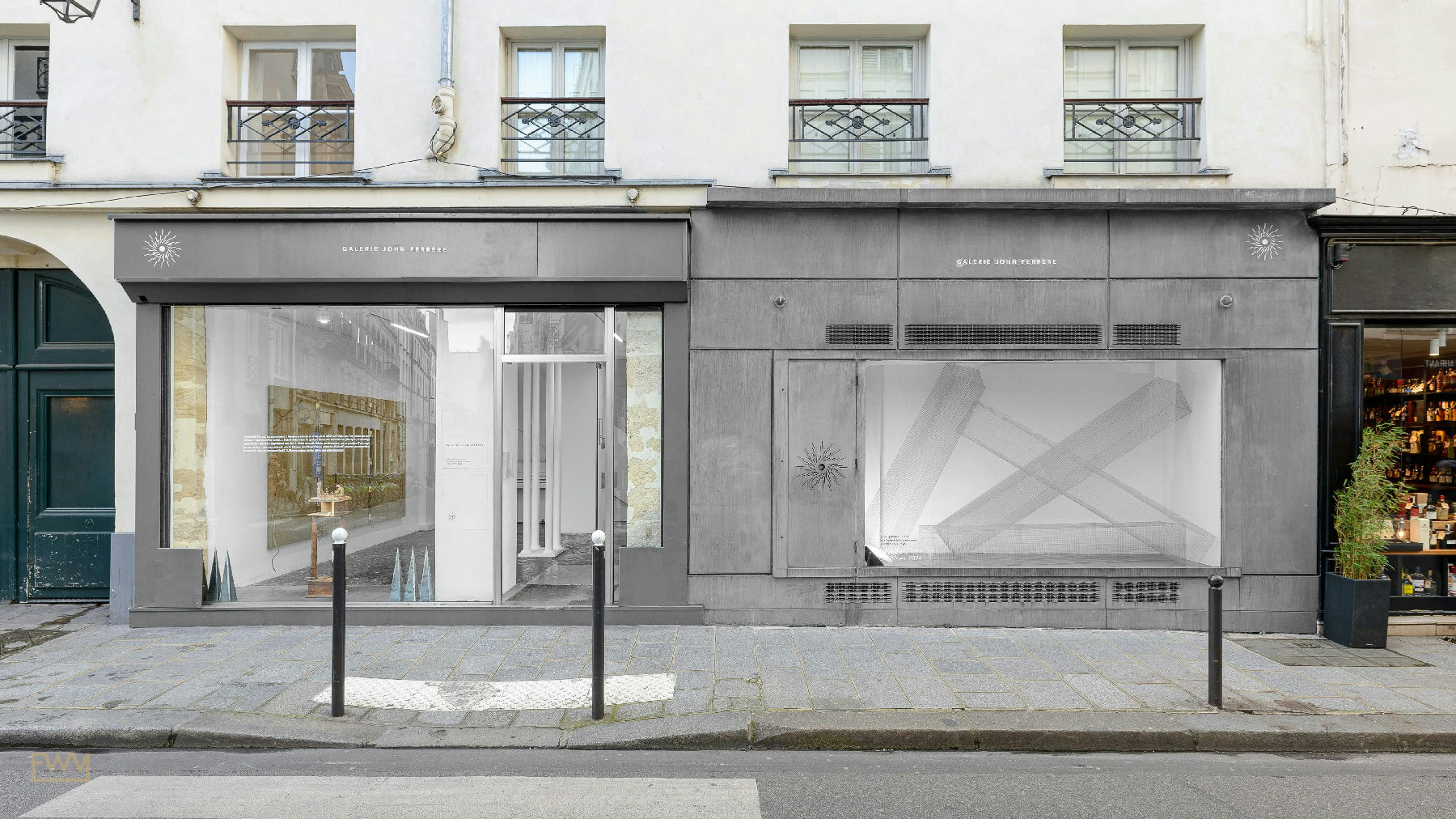
These two streets form the bohemian commercial heart of Saint-Germain-des-Prés. Rue de Buci hosts a daily market and attracts a mix of locals, tourists, and cultural visitors. The spaces here tend to be smaller, often former boutiques or gallery conversions with exposed stone walls and period details. Rue de Seine, running parallel toward the Seine, is gallery territory. Many of the contemporary art galleries along rue de Seine have flexible rear spaces or secondary rooms available as pop-up venues, making this street particularly well-suited to brands working at the intersection of fashion, art, and collectible design, including those offering figurines, limited edition objects, or experiences like gachapon machines or interactive installations.
Rue du Four and Saint-Sulpice
Rue du Four connects boulevard Saint-Germain to the Place Saint-Sulpice, passing through a stretch of independent fashion boutiques, homewares, and lifestyle retailers. This street attracts a local and neighbourhood shopper rather than a tourist visitor, which suits brands seeking authentic community engagement rather than pure visibility. The square of Saint-Sulpice, with its striking neoclassical church and open plaza, hosts seasonal markets and outdoor brand activations, particularly during fashion and design events.
Rue des Saint-Pères and Rue du Bac
These parallel streets run north-south between boulevard Saint-Germain and the Seine, passing through the boundary between the 6th and 7th arrondissements. Rue des Saint-Pères has evolved into a destination for fashion showrooms and private sale events, with a number of buildings offering upper-floor spaces suitable for press appointments and buyer showrooms. Rue du Bac connects to the luxury shopping corridor extending toward Le Bon Marché and rue de Sèvres, making it a natural route for shoppers moving between the 6th and 7th arrondissements.
Carrefour de la Croix Rouge
This small junction at the western end of rue de Rennes functions as a neighbourhood crossroads and carries consistent pedestrian traffic from commuters, students, and residents. The immediate surroundings offer a mix of residential and light commercial spaces that can suit smaller brand activations, workshops, or beauty concept stores operating at a community scale rather than a flagship scale.
| Street or Zone | Character | Best For | Space Types Available |
|---|---|---|---|
| Boulevard Saint-Germain | High footfall, prestige address | Flagship pop-ups, visibility campaigns | Former boutiques, ground-floor retail |
| Rue de Buci | Market energy, bohemian | Food, beauty, lifestyle, limited editions | Small boutiques, converted market units |
| Rue de Seine | Gallery district, art-forward | Art-fashion crossover, collectibles, design | Galerie spaces, gallery conversions |
| Rue du Four | Local neighbourhood, independent | Community-focused activations, workshops | Independent retail units, converted ateliers |
| Rue des Saint-Pères | Showroom district, discreet | Press showrooms, buyer appointments | Upper-floor showrooms, converted apartments |
| Rue du Bac | Luxury corridor connector | Luxury fashion, beauty, accessories | Boutique units, ground-floor retail |
| Carrefour de la Croix Rouge | Neighbourhood crossroads | Smaller activations, workshops, beauty | Residential conversions, small retail |
| Saint-Sulpice plaza | Civic, open, visible | Outdoor activations, seasonal markets | Open-air locations, adjacent boutiques |
KEY TAKEAWAY: No single street in the 6th arrondissement is universally optimal. Your choice should be driven by your activation format, target audience profile, budget, and whether you prioritise maximum visibility, cultural context, showroom privacy, or neighbourhood authenticity.
Choosing the right street and space type is only the first decision. Understanding the types of spaces available across Saint-Germain-des-Prés and how their physical characteristics affect your concept is equally important.
Space Types and Architectural Character in the 6th Arrondissement
Quick answer: The 6th arrondissement offers an unusually diverse range of space types for temporary retail and brand activation, from classic Haussmann ground-floor boutiques to former gallery spaces, converted ateliers, and event-ready chic event spaces. The architectural character of each space type directly affects how your brand concept translates into the physical environment.
One of the defining features of Saint-Germain-des-Prés as a pop-up location is the quality and variety of its interior architecture. Brands choosing the 6th arrondissement are often selecting as much for the spatial narrative as for the address. Whether you are working in fashion, beauty, design, gadgets, or pop culture, the space itself becomes part of your brand communication.
Haussmann Ground-Floor Boutiques
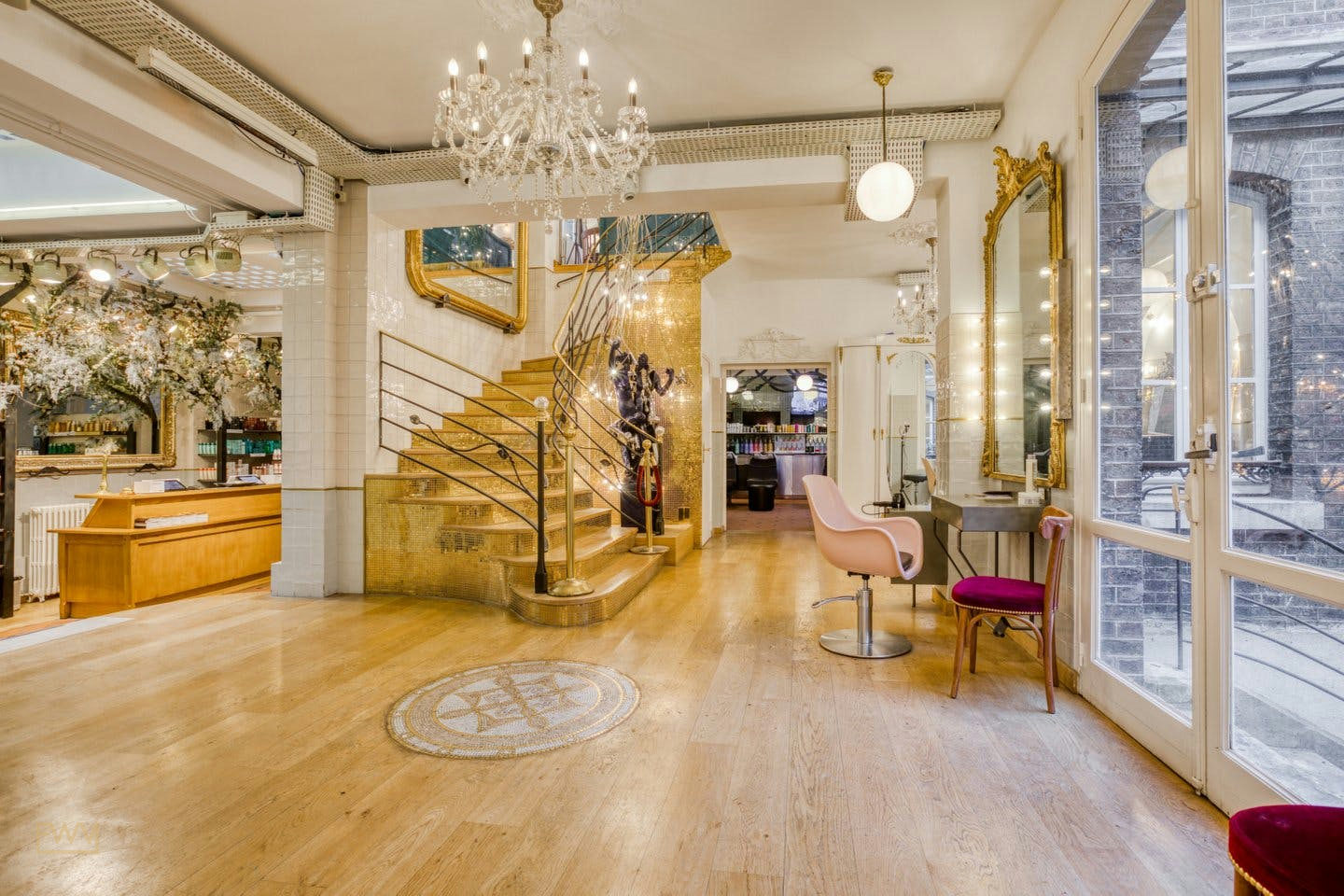
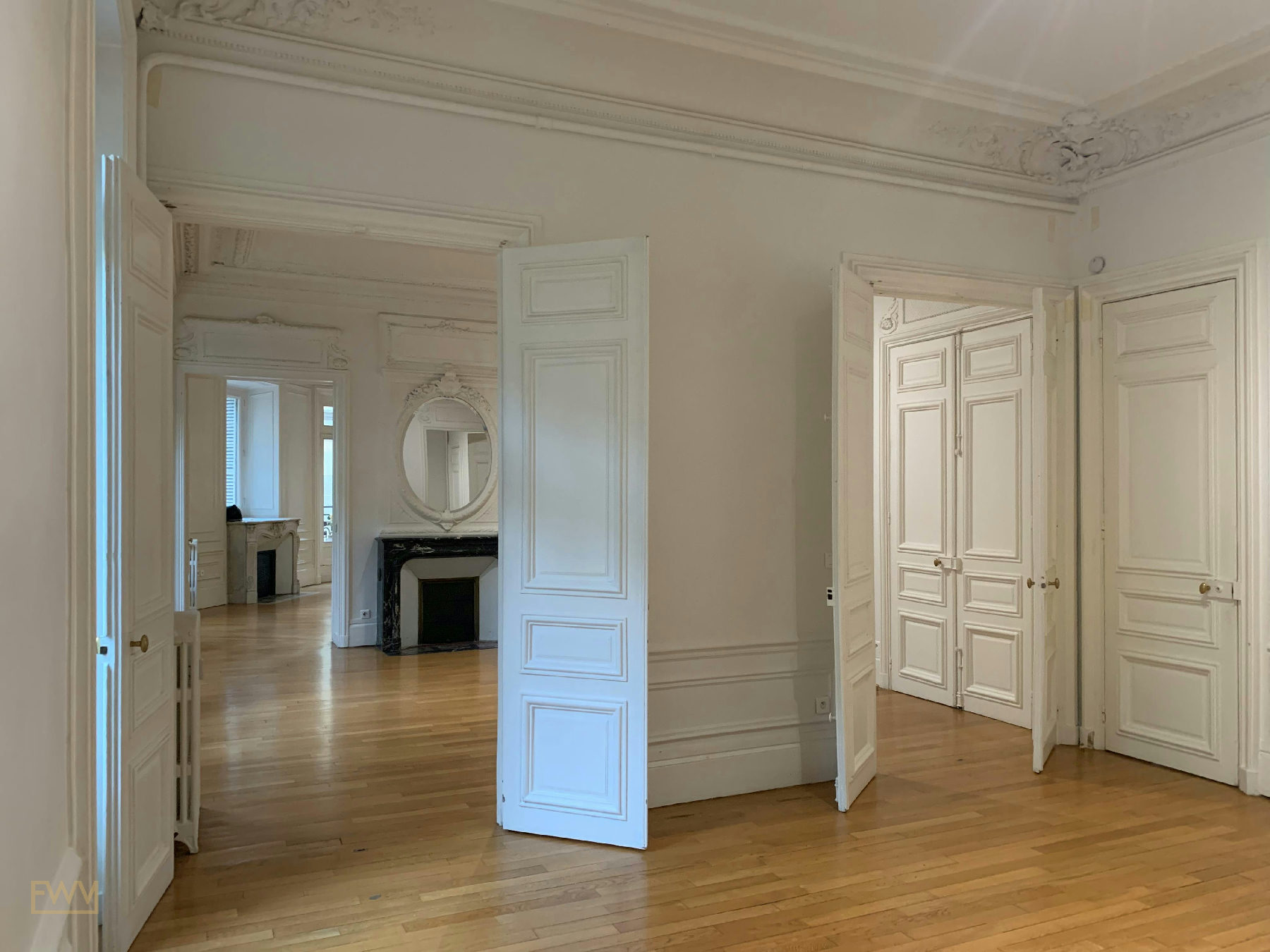
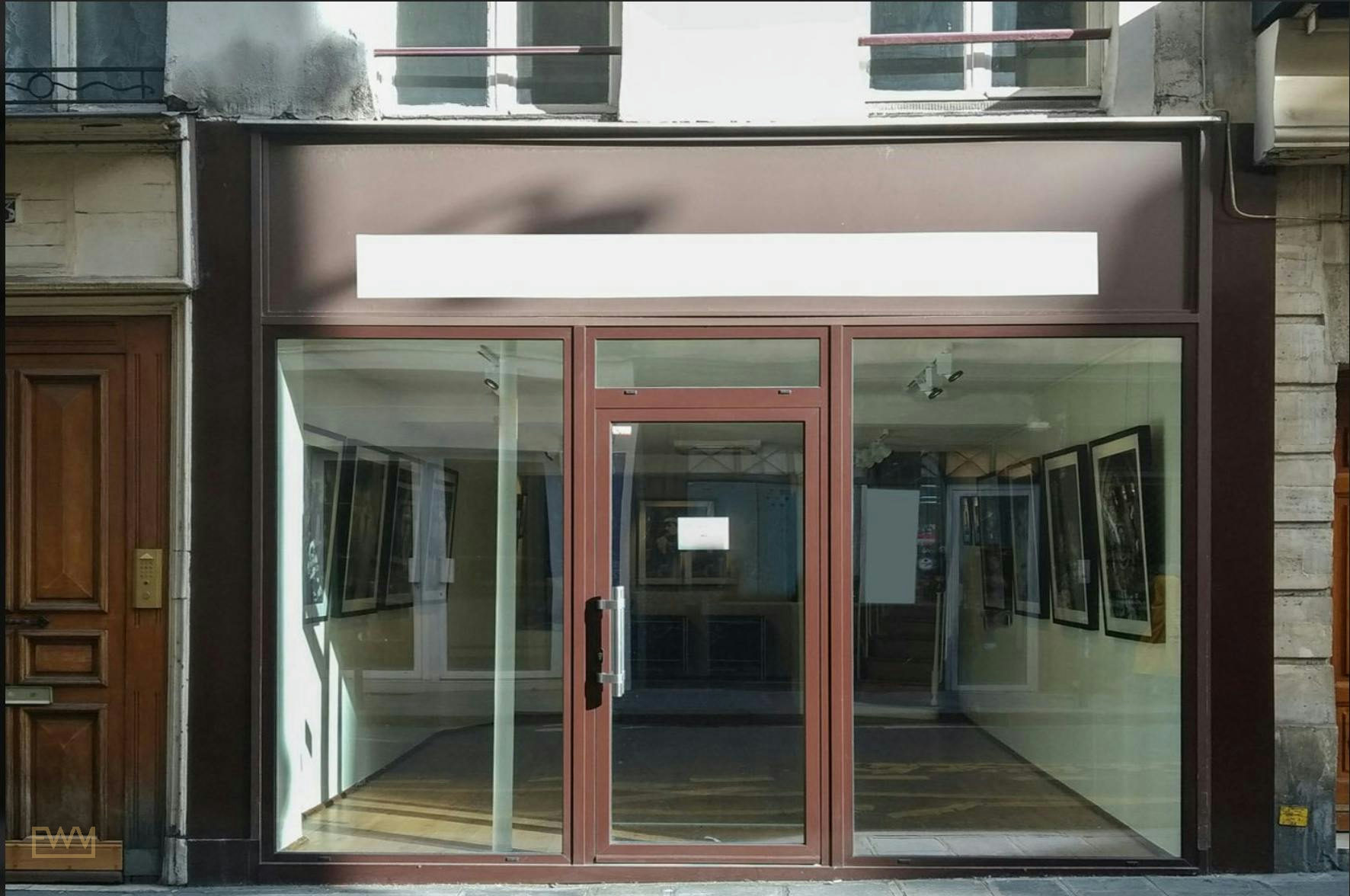
The classic Haussmann-era building produces ground-floor retail units with tall ceilings, large windows, and proportionate room volumes. These spaces typically feature hardwood floors, ornate cornicing, and generous natural light from street-facing glazing. For a fashion pop-up store or luxury brand activation, these spaces offer a ready-made elegance that reduces the burden on fit-out. Brands can work with the existing architectural language rather than against it.
Galerie d'Art and Contemporary Gallery Spaces
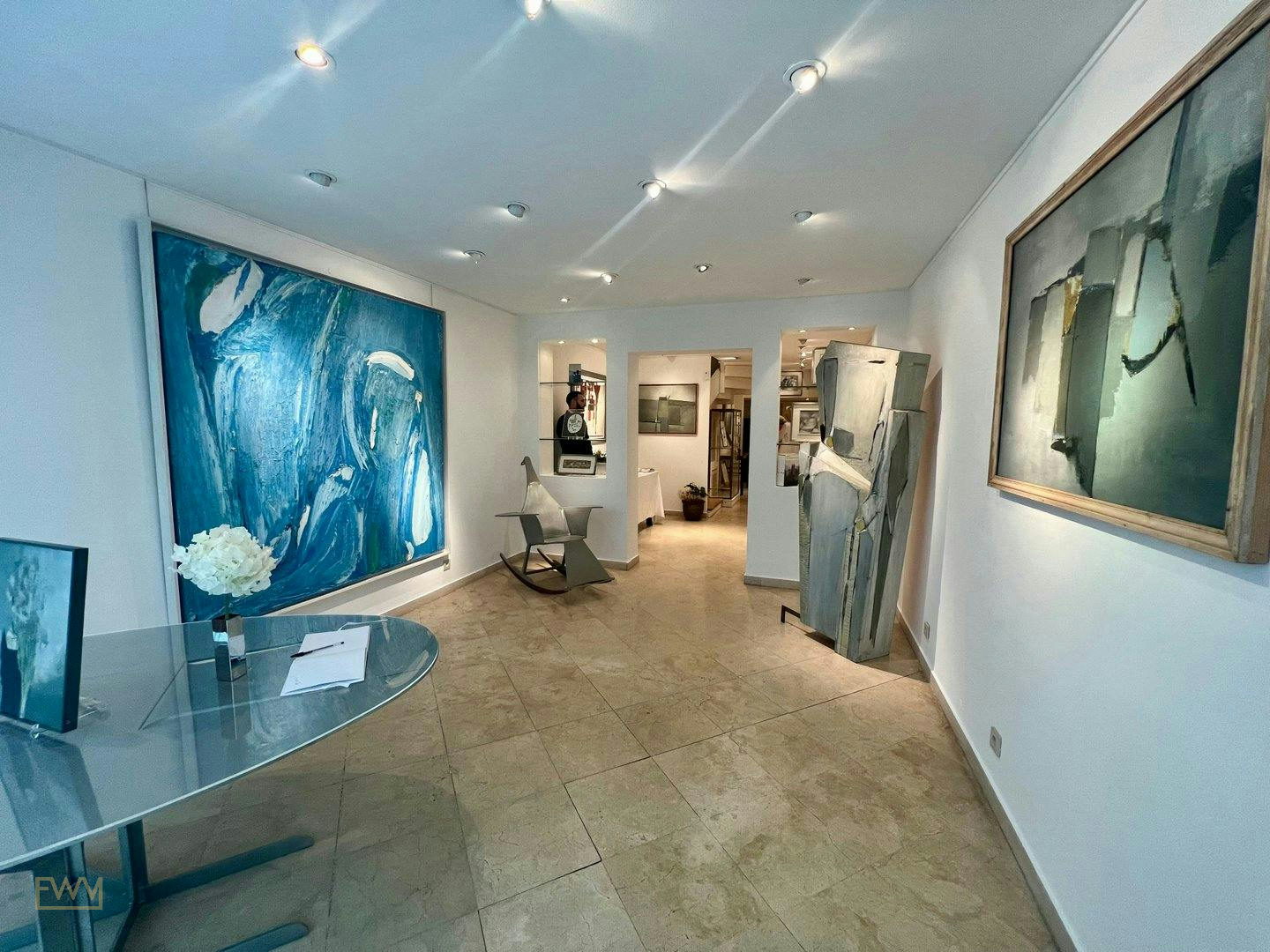
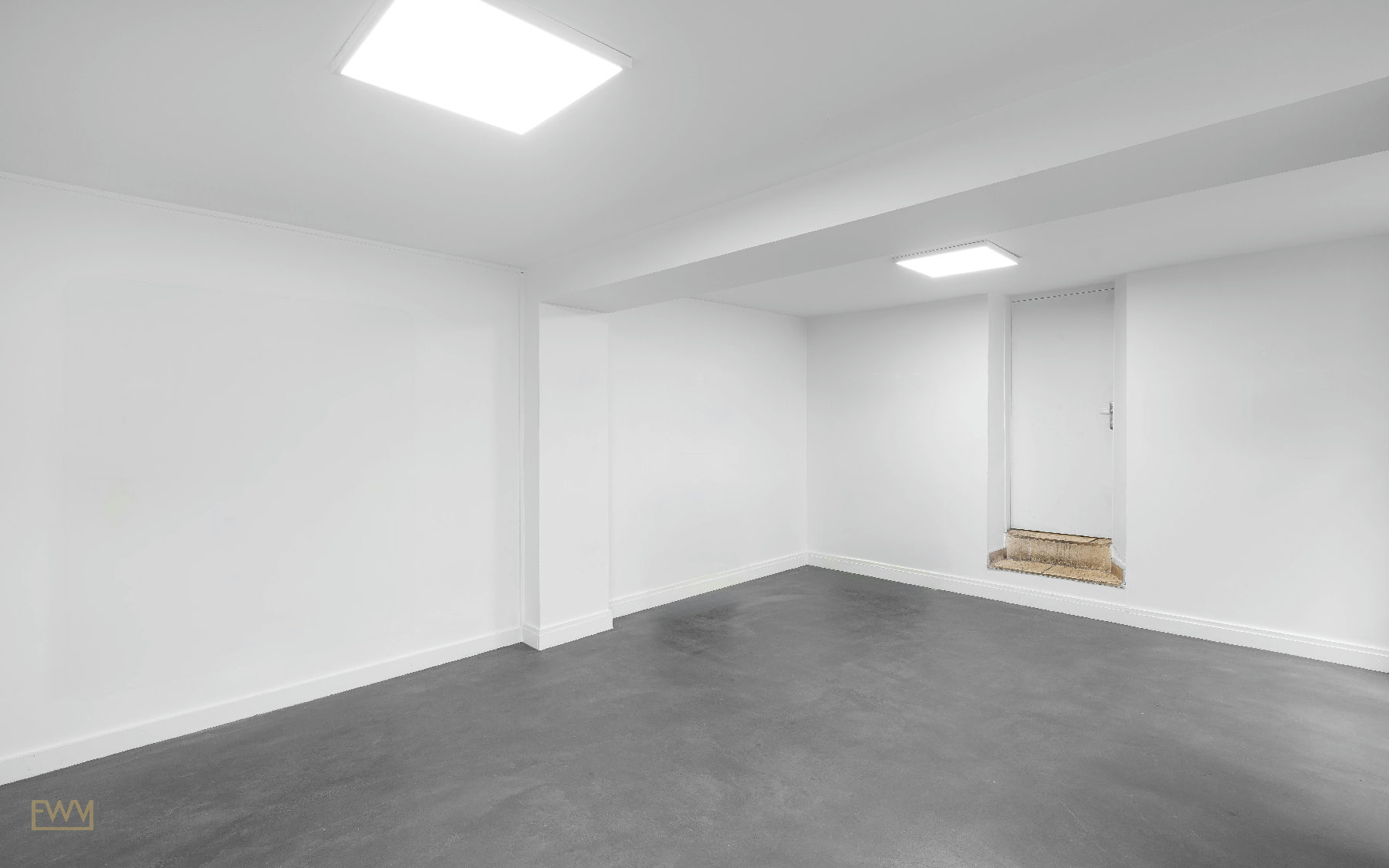
Rue de Seine and its surrounding streets contain a high density of galeries d'art contemporain that operate on exhibition cycles, leaving periods of availability between shows. These spaces often feature polished concrete or hardwood floors, skylight panels, and clean white wall surfaces designed to display art. For fashion, the gallery format translates directly into a high-concept boutique or showroom. The neutrality of the gallery interior allows brands to impose their own visual identity without fighting the existing architecture. Spaces such as the Galerie 27 Concept model, which merges gallery and retail functions, represent an increasingly common hybrid format in this neighbourhood.
Converted Ateliers and Upper-Floor Showrooms
Several buildings in the 6th arrondissement contain former artisan ateliers on upper floors, characterised by exposed ceiling beams, wide plank wooden floors, and skylights that flood the interior with diffused natural light. These spaces suit showroom formats, press appointment spaces, and intimate brand experiences where the narrative of craft and creative process supports the brand story. The absence of retail signage rules on upper floors also gives brands more freedom in how they present their concept.
Event-Ready Chic Event Spaces
A growing category in Saint-Germain-des-Prés is the purpose-adapted event venue that serves both private events and short-term commercial activations. These chic event spaces often combine period architectural detail with upgraded technical infrastructure, including lighting rigs, climate control, and catering facilities. Brands running launch events, press dinners, or influencer activations alongside a commercial pop-up will find this format particularly practical.
Architectural Features That Affect Brand Concept
When evaluating any space in the 6th arrondissement, brand teams should assess the following physical characteristics and their impact on concept delivery:
- Hardwood floors: add warmth and period authenticity, but require protection during heavy retail traffic or installation work
- High ceilings: enable vertical brand installations, hanging garment rails, and dramatic lighting design
- Marble floors: signal luxury and permanence, suit beauty, accessories, and high fashion concepts
- Skylights: provide exceptional natural light quality for photography, product display, and video content creation
- Exposed ceiling beams: add a craft and artisan narrative, suit design, homeware, and independent fashion brands
- Exposed pipework: signals an industrial or contemporary aesthetic, suits streetwear, tech, and pop culture concepts
- Stone walls: add historical depth and texture, suit fragrance, beauty, and heritage fashion brands
TIP: Request a full photographic briefing of any space before committing. The architectural character of a space should support, not contradict, the visual identity of your brand concept. Spaces with strong existing character may reduce fit-out costs but can also limit creative flexibility.
KEY TAKEAWAY: The architectural variety of the 6th arrondissement means that brand teams can find spaces that speak directly to their brand aesthetic without extensive transformation. Understanding the physical characteristics of a space before briefing a designer or fit-out team will save significant time and budget.
Once you have identified the right street and space type, the next decision involves timing your activation around the Paris fashion and cultural calendar.
Paris Fashion Week and the Haute Couture Calendar: Timing Your Pop-Up in the 6th Arrondissement
Quick answer: The Paris fashion calendar creates multiple windows of elevated commercial opportunity for pop-up stores and showrooms in the 6th arrondissement. Paris Fashion Week for womenswear, the Haute Couture season, and supplementary trade and cultural events each attract distinct audiences of press, buyers, consumers, and influencers whose presence amplifies the commercial and brand-building value of a temporary retail activation.
Paris operates on a fashion calendar that is denser and more internationally significant than any other city. The Haute Couture season in early July and January, Paris Fashion Week womenswear in late September and October, and menswear in June and January each create periods of heightened industry activity that benefit brands with physical space in the city. For the 6th arrondissement specifically, the Haute Couture calendar is particularly relevant, as many of the historic fashion houses and independent designers involved in Haute Couture have historic connections to the Left Bank.
Paris Fashion Week July 2026: Schedule Overview
The Haute Couture and resort calendar window in July 2026 runs from approximately 6 to 9 July, with official runway shows, private presentations, and associated brand activations concentrated in that four-day period. Brands planning pop-up stores or showrooms in the 6th arrondissement for this window should plan their space bookings, fit-out timelines, and staffing well in advance. During Haute Couture week, the Left Bank becomes a focus for press, private clients, and international buyers who move between presentations and appointments, creating a natural audience for well-positioned brand activations in Saint-Germain-des-Prés.
Runway shows during fashion week typically take place across multiple venues throughout Paris, including spaces in the 1st arrondissement near the Tuileries, the Palais de Tokyo in the 16th, and private addresses throughout the city. However, Saint-Germain-des-Prés consistently attracts fashion week activity in the form of showrooms, press appointments, brand dinners, and consumer-facing pop-up stores that run in parallel with the official runway schedule.
Beyond Fashion Week: Year-Round Activation Opportunities
Brands should not limit their planning to the two or three major fashion week windows. The 6th arrondissement generates strong foot traffic and culturally engaged audiences year-round, with additional peaks during:
- Paris Design Week in September
- Art Paris and FIAC adjacent periods in October
- Nuit Blanche in October, which brings extended evening footfall throughout the arrondissement
- Christmas and end-of-year retail season from late November through December
- January sales and the winter Haute Couture calendar
For brands in beauty, wellness, lifestyle, gadgets, or pop culture categories, these non-fashion-week windows often provide better space availability, more competitive rental rates, and less competition for editorial attention from fashion press.
DID YOU KNOW: Several fashion houses and independent designers use the 6th arrondissement for showroom presentations during Paris Fashion Week precisely because the neighbourhood's quieter pace allows for more focused press and buyer appointments than the busier Marais district or central Right Bank venues.
KEY TAKEAWAY: Timing your pop-up store or showroom in the 6th arrondissement around the Paris fashion calendar amplifies its impact, but the neighbourhood supports strong activations outside of fashion week windows as well. Your calendar choice should reflect your target audience, brand category, and activation objectives rather than simply defaulting to the peak fashion week period.
Comparing the 6th arrondissement with other Paris neighbourhoods helps brands make a fully informed location decision before committing to a space.
The 6th Arrondissement vs Other Paris Pop-Up Neighbourhoods
Quick answer: Saint-Germain-des-Prés competes primarily with the Marais district, the 1st arrondissement near rue de Rivoli, and the 8th arrondissement for pop-up store and showroom activations in Paris. Each neighbourhood serves different brand profiles, audience demographics, and activation formats.
Brand teams frequently debate whether to activate in the 6th arrondissement or in one of the other established pop-up neighbourhoods in Paris. The following comparison addresses the most common decision points.
| Neighbourhood | Character | Primary Audience | Best Brand Categories | Fashion Week Relevance |
|---|---|---|---|---|
| 6th arr. / Saint-Germain-des-Prés | Cultural, intellectual, luxury Left Bank | Affluent locals, international cultural visitors, fashion press, buyers | Fashion, luxury, beauty, art-fashion crossover, design | Haute Couture, press showrooms |
| Le Marais / 3rd and 4th arr. | Contemporary, vibrant, gallery and retail mix | Young creative professionals, tourists, international fashion visitors | Streetwear, contemporary fashion, beauty, food, pop culture | Womenswear Fashion Week, brand activations |
| 1st arr. / Rue de Rivoli / Palais Royal | Historic, institutional, high tourism | International tourists, luxury shoppers, fashion week visitors | Luxury accessories, heritage fashion, flagship brand concepts | All major fashion week windows |
| 8th arr. / Champs-Elysées | Mass luxury, high volume, international | International tourists, luxury brand consumers | Mass-market luxury, global brand launches | Secondary fashion week activity |
| 9th and 10th arr. | Emerging, creative, mixed-use | Young creatives, local Parisians, independent fashion audience | Independent fashion, music, food, lifestyle | Emerging brand activations, off-schedule events |
The 6th arrondissement's primary advantage over Le Marais is its tone. Where the Marais district offers energy, vibrancy, and a younger demographic, Saint-Germain-des-Prés offers calm authority and cultural gravitas. Brands that benefit from an association with craft, heritage, intellectual culture, and considered luxury will generally find the 6th arrondissement more supportive of their brand narrative than the Marais. Conversely, brands in streetwear, contemporary fashion, or youth-oriented pop culture categories may find the Marais more aligned with their audience and aesthetic.
Brands in the beauty category face a specific choice between the 6th arrondissement, which suits premium and niche beauty positioning, and the Marais, which suits contemporary and lifestyle beauty. Both neighbourhoods support workshops, treatment experiences, and product discovery formats, but the space types available in each neighbourhood differ significantly in scale, character, and price.
For brands considering a twin activation across two Paris locations simultaneously, the 6th arrondissement and the Marais represent a highly effective pairing, targeting complementary audiences with distinct positioning in each space. The twin co-activation concept from Fashion Week Venues is designed specifically for this type of dual-neighbourhood strategy.
KEY TAKEAWAY: The 6th arrondissement suits brands that want cultural legitimacy, a design-literate audience, and a Left Bank identity. The decision between the 6th and other Paris neighbourhoods should be driven by brand positioning, target audience demographics, and the specific narrative your activation needs to communicate.
Understanding the commercial and legal framework for temporary retail in Paris is essential before signing any space agreement in the 6th arrondissement.
Permits, Leases, and Legal Framework for a Pop Up Store in Paris
Quick answer: Temporary retail in Paris operates under a specific legal framework that differs from standard commercial leases. Brands planning a pop-up store or showroom in the 6th arrondissement need to understand the bail dérogatoire, the autorisation d'occupation temporaire (AOT), and the compliance requirements specific to their space type, duration, and arrondissement.
One of the most common areas where international brands encounter difficulty when planning a pop-up store in Paris is the legal and permit framework. French commercial property law is more formalised than in many other markets, and the specific rules governing short-term retail activations require careful navigation.
Bail Dérogatoire
The bail dérogatoire is the primary lease instrument for short-term commercial occupation in France. It allows a landlord and tenant to agree a commercial lease of up to 36 months outside of the standard commercial lease protections that would otherwise apply. For a pop-up store lasting days, weeks, or a few months, the bail dérogatoire provides the legal mechanism to occupy a commercial space without triggering the tenant protections of a standard commercial lease. It is essential that both parties sign the agreement before the tenant takes occupation and that the agreement explicitly states it is concluded under the provisions of Article L.145-5 of the French Commercial Code.
Brands should be aware that if occupation continues beyond 36 months, or if the agreement is not properly constituted, French law may treat the arrangement as a standard commercial lease, which carries significantly different rights and obligations for both parties.
Autorisation d'Occupation Temporaire (AOT)
For activations in public spaces, on public land, or in spaces that fall under public domain rules (including some spaces adjacent to the Monnaie de Paris and other institutional buildings in the 6th arrondissement), an autorisation d'occupation temporaire may be required from the relevant public authority. AOT requirements vary by location, duration, and the nature of the commercial activity. Requirements for outdoor activations, those using public footpaths or forecourts, or those in spaces with mixed public-private ownership are particularly complex.
IMPORTANT: The legal requirements for pop-up stores in Paris vary by space type, duration, arrondissement, and the nature of the commercial activity. This article provides general orientation only. Always verify your specific compliance obligations with a qualified French legal advisor before signing any agreement or beginning fit-out work.
Additional Compliance Considerations
Beyond the lease instrument, brands should consider:
- Planning and usage rules: some spaces in the 6th arrondissement are subject to restrictions on commercial activity, signage, or structural modifications due to their historical classification
- Fire safety and ERP (Etablissement Recevant du Public) classification: spaces open to the public must comply with ERP rules, which govern capacity, exit signage, fire extinguisher placement, and other safety requirements
- Signage and façade rules: the 6th arrondissement has specific aesthetic rules for commercial signage, particularly in protected street zones near the Institut de France, the école des Beaux-Arts, and other heritage buildings
- Noise and operational hours: residential proximity in Saint-Germain-des-Prés means that activations involving sound, events, or late-night operation require specific authorisation
The Fashion Week Venues permits tool provides orientation on the types of permits and authorisations that may apply to your planned activation, based on space type, duration, and planned activities. This tool does not replace legal advice but helps brand teams build a preliminary compliance checklist before engaging specialists.
KEY TAKEAWAY: The legal framework for pop-up stores in Paris is manageable but requires specialist knowledge. Brands that engage legal advisors and space specialists early in the planning process avoid the delays, cost overruns, and compliance failures that affect less well-prepared activations.
Legal and permit readiness is closely connected to budget planning, which is the next critical decision area for brands planning a pop-up store in the 6th arrondissement.
Budget Planning for a Pop-Up Store in Saint-Germain-des-Prés
Quick answer: The total cost of a pop-up store in the 6th arrondissement of Paris depends on space size, duration, fit-out complexity, staffing requirements, and the specific street or zone selected. Directional cost ranges vary considerably, and brands should build a detailed budget from their specific brief rather than working from generic estimates.
Budget planning for a pop-up store in Saint-Germain-des-Prés involves more cost lines than many brand teams anticipate when they first begin planning. The visible costs of space rental are typically only a portion of the total activation investment, and a robust budget must account for all stages of the activation lifecycle.
Cost Categories to Budget For
- Space rental: includes the base rental rate, which varies significantly by street, space size, and duration, plus any deposit, cleaning fee, or damage bond required by the property owner
- Fit-out and production: includes furniture rental, branded store design, build and installation, lighting, fixtures, signage, and any structural or surface modifications permitted under the lease agreement
- Technology and payments: includes point-of-sale systems, card payment infrastructure, inventory management, and any digital experience elements
- Staffing: includes sales staff, brand ambassadors, security, cleaning, and any specialist staff for workshops or experiential elements
- Marketing and influencer activation: includes pre-opening promotion, social media content creation, influencer fees, and press engagement
- Legal and compliance: includes lease review, permit applications, ERP compliance documentation, and any specialist consultancy fees
- Insurance: commercial liability insurance is required for all commercial activations in France; some landlords also require specific building insurance provisions
- Logistics: includes delivery, storage, installation, and removal of all equipment and stock
- Contingency: a standard contingency of 10 to 15 percent of total budget is advisable for any Paris activation, particularly first-time entrants to the market
The Fashion Week Venues budget calculator helps brand teams build a preliminary cost estimate based on their specific brief, including space type, duration, fit-out complexity, and staffing requirements. This tool provides directional estimates and should be supplemented with specific quotes from suppliers and service providers.
TIP: Brands entering the Paris market for the first time often underestimate the timeline and cost of fit-out work in protected or character-rich spaces. Haussmann-era buildings and classified heritage spaces in the 6th arrondissement may have restrictions on fixings, surfaces, and structural modifications that require specialist fit-out contractors and additional lead time.
ROI Metrics for Temporary Retail in Paris
Beyond direct sales revenue, brands should measure the return on investment from a pop-up store in the 6th arrondissement across multiple metrics: press coverage and editorial value, social media reach and engagement, email or CRM data captured, influencer content generated, new customer acquisition, and wholesale or distribution relationships initiated during the activation period. These secondary returns often exceed the direct retail revenue in value for brands using a pop-up as a market entry strategy. The ROI calculator from Fashion Week Venues helps brands quantify these broader returns against their total activation investment.
KEY TAKEAWAY: Budget planning for a pop-up store in the 6th arrondissement should cover all cost categories from the outset, including legal, compliance, staffing, and contingency lines that are frequently underestimated. Using a structured budget tool before briefing suppliers will produce more accurate planning and reduce mid-activation cost surprises.
With budget and legal frameworks understood, brands need a structured operational workflow to move from concept to open doors.
Step-by-Step Workflow for Opening a Pop-Up Store in the 6th Arrondissement
Quick answer: A successful pop-up store in Paris requires a structured workflow that begins at least 8 to 12 weeks before opening day for shorter activations, and 16 to 24 weeks for more complex fit-outs or first-time market entries. The workflow covers brief development, space sourcing, legal review, fit-out, staffing, and post-activation analysis.
The following workflow table provides a practical planning framework for brands at any stage of preparation.
| Phase | Timeline Before Opening | Key Actions | Responsible Party |
|---|---|---|---|
| Brief Development | 16 to 20 weeks | Define activation objectives, target audience, budget range, calendar window, space requirements, neighbourhood preference | Brand team |
| Space Sourcing | 12 to 16 weeks | Research available spaces, shortlist candidates, conduct site visits, assess technical infrastructure and compliance baseline | Brand team + space specialist |
| Legal and Permit Review | 10 to 14 weeks | Review bail dérogatoire terms, identify permit requirements, engage French legal advisor, confirm insurance needs | Legal advisor + brand team |
| Concept and Design | 8 to 12 weeks | Develop fit-out concept, brief designer, plan furniture rental and production, finalise brand installation elements | Creative director + fit-out team |
| Production and Build | 4 to 8 weeks | Procure materials and furniture, confirm logistics, schedule build window with landlord, install fit-out and brand elements | Production team |
| Staffing and Training | 2 to 4 weeks | Recruit sales staff and brand ambassadors, complete training on brand and products, set up POS and payments systems | Retail staffing team |
| Pre-Opening Marketing | 1 to 3 weeks | Announce opening via social media, brief influencers, send press invitations, schedule opening event if applicable | Marketing team + influencer partners |
| Live Activation | During activation | Manage daily operations, capture data and analytics, execute influencer and press programme, monitor sales and traffic | Activation manager + staff |
| Closedown and Analysis | Post-activation | Strip fit-out, return space to original condition, compile sales and engagement data, produce activation report | Brand team + space specialist |
This workflow assumes a standard activation with moderate fit-out complexity. First-time entrants to the Paris market, brands requiring complex structural build, or activations during peak fashion week windows should add additional time to each phase. The Fashion Week Venues timeline planning tool allows brands to input their specific parameters and generate a customised planning schedule.
IMPORTANT: Space availability in the 6th arrondissement during Paris Fashion Week and Haute Couture windows is highly competitive. Brands that wait until 4 to 6 weeks before their target opening date will typically find that the best spaces have already been reserved. Planning at least 12 weeks ahead for fashion week activations is strongly recommended.
KEY TAKEAWAY: A structured workflow with clear ownership and realistic timelines is the most reliable protection against the delays, cost overruns, and operational failures that affect poorly planned pop-up activations. Starting the planning process earlier than feels necessary is almost always the right approach in Paris.
Brands that want to move through this workflow efficiently benefit most from working with a specialist agency that understands the Paris market. The next section explains how Fashion Week Venues supports brands at each stage.
How Fashion Week Venues Supports Pop-Up Store Activations in the 6th Arrondissement
Quick answer: Fashion Week Venues operates as a full-service pop-up agency and space marketplace for brands seeking temporary retail, showroom, and brand activation spaces in Paris and other major fashion capitals. For brands targeting the 6th arrondissement, the agency offers space sourcing, concept direction, fit-out management, retail staffing, permits guidance, and digital tools that support every stage of the activation lifecycle.
For international brands entering Paris, or for domestic brands scaling their pop-up programme, the complexity of the 6th arrondissement market can be genuinely challenging. Finding the right space, navigating French commercial property norms, managing fit-out logistics in a protected heritage district, and assembling a qualified local team within a compressed timeline are tasks that benefit from specialist knowledge and established supplier relationships.
Services Available for Paris Activations
Fashion Week Venues provides a structured set of services that cover the full activation lifecycle. These include:
- Venue sourcing across the 6th arrondissement and other Paris neighbourhoods, with access to a curated network of spaces not always listed publicly
- Concept and creative direction to develop a coherent brand universe within the chosen space
- Production and fit-out management including furniture rental, installation, and restoration on exit
- Activation management covering day-to-day operational oversight during the live period
- Retail staffing including bilingual sales staff, brand ambassadors, and event support personnel
- Point-of-sale and payment infrastructure setup and management
- Data and analytics capture to support post-activation reporting and ROI measurement
- Influencer marketing coordination to amplify reach during the activation period
Digital Tools for Independent Planning
For brand teams that want to conduct preliminary research independently before engaging the agency, Fashion Week Venues offers a suite of planning tools. The space locator tool and the space comparison tool allow teams to identify and evaluate candidate spaces based on their specific parameters. The budget and ROI calculators provide directional financial planning support before engaging suppliers.
To compare neighbourhoods and space types, explore the Paris city hub on Fashion Week Venues and shortlist spaces that match your brief, budget, and calendar window.
Who Benefits Most from the Fashion Week Venues Service Model
The Fashion Week Venues model is particularly well-suited to:
- International brands entering Paris for the first time and lacking established local supplier relationships
- Fashion, beauty, and lifestyle brands activating during Paris Fashion Week or Haute Couture season and requiring fast, reliable execution
- Brand teams managing complex multi-city programmes who need a consistent agency partner across Paris, London, Milan, New York, and other markets
- Creative directors and brand activation managers who want to maintain creative control while delegating operational management to specialists
- Brands considering a twin or dual-city activation strategy who want coordinated execution across multiple spaces or locations
Understanding Limitations
Fashion Week Venues does not guarantee space availability, permit approval, or specific commercial outcomes. Space availability in the 6th arrondissement is subject to market conditions, and premium spaces during fashion week windows are subject to high competition. Early engagement with the agency maximises the probability of securing the most suitable space for your brief. Brands with highly specific or unusual requirements should allow additional lead time and should be prepared to consider a range of space options before finalising their selection.
KEY TAKEAWAY: Fashion Week Venues reduces the complexity, risk, and lead time of launching a pop-up store in the 6th arrondissement by providing integrated services, established local knowledge, and digital planning tools that support brands at every stage from initial research to post-activation analysis.
Beyond standard retail and showroom formats, the 6th arrondissement supports a growing range of specialist activation concepts that brands across multiple categories are using to create more memorable and commercially effective experiences.
Specialist Activation Formats for the 6th Arrondissement: Beauty, Workshops, Pop Culture, and More
Quick answer: The 6th arrondissement supports a wider range of pop-up formats than many brand teams initially consider. Beyond fashion retail and showrooms, the neighbourhood accommodates beauty concept stores, workshop programmes, art-led retail, pop culture activations, and experience-driven formats that align with the cultural character of Saint-Germain-des-Prés.
The evolution of temporary retail in Paris has accelerated since 2020, and brands across categories beyond fashion are now using Saint-Germain-des-Prés as a platform for immersive brand experiences. The neighbourhood's cultural density and design-literate audience make it particularly receptive to activations that go beyond transactional retail.
Beauty and Wellness Concept Stores
Beauty brands have found Saint-Germain-des-Prés to be an exceptionally strong location for concept store pop-ups. The neighbourhood's association with French pharmacy culture, niche fragrance, and premium skincare creates a natural consumer context for beauty discovery experiences. Formats that have worked well in this neighbourhood include treatment experience spaces, sensory product discovery journeys, and limited-edition product launch environments. The gallery spaces on rue de Seine and the converted boutiques on rue de Grenelle and rue du Bac are particularly suitable for premium beauty concepts requiring an elevated spatial language.
Workshop and Education Formats
The 6th arrondissement's connection to the école des Beaux-Arts and its broader creative education heritage makes it a culturally appropriate location for workshop-based activations. Brands in craft, fashion, beauty, and design categories have used workshop formats in this neighbourhood to create media-worthy, participant-driven experiences that generate organic content and press coverage. Workshop formats also benefit from lower staffing ratios than pure retail, as participants are engaged rather than passively browsing, which can improve the economics of a pop-up concept in a higher-cost neighbourhood.
Pop Culture and Collectible Formats
A newer category of pop-up activation in Paris involves collectible objects, figurines, gadgets, and pop culture merchandise, including gachapon machines and blind-box formats that have migrated from Asian retail markets into European cities. Concepts such as the Charlot' Store model in Paris have demonstrated that pop culture retail can work alongside luxury and art retail in neighbourhoods like the 6th arrondissement, particularly when the concept is executed with a level of design care and brand coherence that matches the neighbourhood's aesthetic standards. The key to making pop culture formats work in Saint-Germain-des-Prés is the quality of the spatial design, which must signal intentionality and cultural awareness rather than generic commercial format.
Art-Fashion Crossover Concepts
The density of galeries d'art contemporain in the 6th arrondissement creates a natural platform for activations that combine fashion, art, and collectible design. Concepts built around collaborations between fashion designers and visual artists, limited edition product drops tied to gallery exhibitions, or branded art installations that function as both gallery and retail space have become increasingly common in this neighbourhood. The Galerie d'exception model, which positions curated product alongside original art works, represents one expression of this format.
KEY TAKEAWAY: The 6th arrondissement supports a broad range of activation formats beyond standard fashion retail. Brands in beauty, design, pop culture, and lifestyle categories can find strong audience alignment and distinctive space options in Saint-Germain-des-Prés, provided their concept is executed with the level of spatial and brand care that the neighbourhood demands.
Understanding common misconceptions about opening a pop-up store in the 6th arrondissement helps brands avoid planning errors that can be costly to correct.
Common Myths About Pop-Up Stores in the 6th Arrondissement: Debunked
MYTH: You need a French legal entity to rent a pop-up space in Paris.
FACT: International brands without a French legal entity can rent commercial spaces in Paris under a bail dérogatoire, though the specific requirements depend on the landlord, the space type, and the duration of the rental. Many landlords accept foreign entities with appropriate guarantees or deposits. Engaging a specialist agency with established landlord relationships significantly simplifies this process for international brands entering the market for the first time.
MYTH: Paris Fashion Week is the only viable calendar window for a pop-up store in the 6th arrondissement.
FACT: The 6th arrondissement generates strong foot traffic, cultural engagement, and commercial opportunity year-round. Paris Fashion Week and Haute Couture season are peak windows for specific brand and audience targets, but the neighbourhood also performs strongly during Paris Design Week, the Christmas retail season, the Nuit Blanche cultural event, and across the spring and summer visitor season. Brands in beauty, lifestyle, and pop culture categories often find better space availability, more competitive rates, and less competition for press attention in non-fashion-week windows.
MYTH: The only way to find a space in Paris is through commission-based brokers.
FACT: Commission-based brokers represent one channel for space discovery in Paris, but they are not the only option. Specialist pop-up agencies with direct landlord relationships, digital marketplaces, and community networks within the creative and retail industry all provide alternative discovery routes. Platforms and agencies focused specifically on short-term retail activations often provide better value, more transparency, and a wider range of space types than traditional commercial property brokers whose core business is long-term leases.
MYTH: Short-term commercial leases in France are legally straightforward and do not require specialist advice.
FACT: The bail dérogatoire and associated French commercial property regulations are specific and consequential. Errors in how these agreements are constituted or managed can result in unintended creation of long-term lease obligations, compliance failures, or significant financial penalties. International brands in particular should engage a qualified French legal advisor to review any commercial space agreement before signing, regardless of the duration of the intended occupation.
MYTH: Saint-Germain-des-Prés is only suitable for luxury and high-fashion brands.
FACT: While the 6th arrondissement does command premium positioning and suits luxury brand contexts, it also accommodates a wide range of brand categories and formats, including beauty, lifestyle, design, pop culture, workshops, and independent creative concepts. The key requirement is spatial and brand coherence. Brands that execute their concept with care and design quality can succeed in this neighbourhood regardless of their price point or product category.
Frequently Asked Questions About Pop-Up Stores in the 6th Arrondissement of Paris
Why should a fashion brand choose the 6th arrondissement for a pop-up store rather than Le Marais?
The 6th arrondissement suits brands that want cultural authority, a design-literate and affluent audience, and a spatial vocabulary associated with French intellectual and luxury heritage. Le Marais offers greater energy, a younger demographic, and higher tourist volume. The decision depends on your brand positioning: if your concept benefits from the cultural context of Saint-Germain-des-Prés, the 6th arrondissement will typically produce stronger press coverage, buyer engagement, and brand perception outcomes, even if raw foot traffic figures may be lower than in the Marais. Both neighbourhoods are valuable, and some brands run twin activations across both simultaneously.
How far in advance should a brand book a pop-up space in Saint-Germain-des-Prés for Paris Fashion Week?
For activations during Paris Fashion Week or Haute Couture week, a minimum of 12 weeks lead time is advisable, with 16 to 24 weeks strongly preferred for first-time Paris entrants or brands requiring complex fit-out. Premium spaces on boulevard Saint-Germain, rue de Seine, and the most sought-after gallery venues in the neighbourhood are often reserved months in advance for fashion week windows. Brands that approach the market with less than 8 weeks of lead time will typically find the most desirable spaces already committed and will face a constrained choice of alternatives.
What types of spaces are most commonly available for pop-up stores in the 6th arrondissement?
The 6th arrondissement offers ground-floor Haussmann boutiques, contemporary gallery spaces, converted upper-floor ateliers, chic event spaces, and mixed-use venues that combine gallery, retail, and event functions. The rue de Seine gallery cluster offers some of the most distinctive spaces in the neighbourhood for art-fashion crossover concepts. Boulevard Saint-Germain offers highest-visibility retail frontage. Rue des Saint-Pères and rue des Saint-Pères side streets offer quieter upper-floor options suited to showroom and press appointment formats.
Do international brands need a French legal entity to rent a space in Paris?
Not necessarily. Many landlords in the 6th arrondissement will work with foreign entities under a bail dérogatoire, provided appropriate guarantees or deposits are in place. However, requirements vary by landlord, space type, and the duration and nature of the commercial activity. Working with a specialist agency that has established landlord relationships in the neighbourhood significantly reduces the friction associated with this process. Legal advice from a French commercial property specialist is strongly recommended regardless of your entity structure.
What is a bail dérogatoire and how does it apply to a pop-up store in Paris?
A bail dérogatoire is a short-term commercial lease permitted under French law that allows landlord and tenant to agree an occupation of up to 36 months without triggering the tenant protections of a standard commercial lease. For pop-up stores lasting days, weeks, or a few months, the bail dérogatoire is the standard legal instrument. It must be signed before occupation begins and must explicitly reference Article L.145-5 of the French Commercial Code. Failure to properly constitute the agreement can result in unintended creation of long-term lease obligations with significantly different legal consequences for both parties.
What is the typical duration of a pop-up store activation in Saint-Germain-des-Prés?
Activation durations in the 6th arrondissement range from single-day or weekend events to multi-week or multi-month installations. During Paris Fashion Week and Haute Couture week, activations as short as four to seven days are common. Brands using a pop-up as a market entry or product launch strategy often prefer durations of three to eight weeks to build awareness, generate press coverage, and capture meaningful commercial data. Duration affects both cost and the complexity of the legal and permit framework that applies, so budget and compliance planning should be calibrated to your intended timeline.
What permits are required for a pop-up store in the 6th arrondissement of Paris?
Permit requirements vary depending on the space type, the nature of the commercial activity, the duration, and whether the activation involves any outdoor or public-space elements. Activations in fully private indoor spaces under a bail dérogatoire typically require fewer authorisations than those with outdoor elements, public-facing events, or operations in spaces adjacent to public domain land. ERP (Etablissement Recevant du Public) compliance applies to all spaces open to members of the public and governs fire safety, capacity, and emergency provision. Signage and façade modifications in the 6th arrondissement are subject to heritage zone rules in some locations. Always verify your specific requirements with a French legal advisor.
What are the main cost drivers for a pop-up store in the 6th arrondissement?
The main cost drivers are space rental rate (which varies significantly by street, size, and season), fit-out and furniture costs (which are higher in heritage or protected spaces requiring specialist contractors), staffing (which is a major ongoing cost during the live activation), marketing and influencer activation, legal and compliance fees, and logistics. The total cost of a pop-up store in the 6th arrondissement should be planned across all of these categories from the outset, rather than focusing solely on the space rental figure. Using a structured budget tool before briefing suppliers will produce more accurate planning and reduce mid-activation cost surprises.
Can a beauty or wellness brand run a successful pop-up in Saint-Germain-des-Prés?
Yes. Beauty and wellness brands have found Saint-Germain-des-Prés to be a strong location for concept store pop-ups, particularly those positioned at the premium or niche end of the market. The neighbourhood's association with French pharmacy culture, fragrance heritage, and premium skincare aligns well with beauty brands seeking a culturally resonant Paris activation. Treatment experience formats, sensory product discovery journeys, and limited-edition launch environments all work effectively in this neighbourhood, particularly in the gallery spaces on rue de Seine and the converted boutiques on rue de Grenelle and rue du Bac.
How does the 6th arrondissement perform for pop-up stores outside of Paris Fashion Week?
The 6th arrondissement supports strong activations throughout the year, not only during fashion week windows. Additional peak periods include Paris Design Week in September, art fair seasons in October, the Christmas retail season from late November, and the spring and summer visitor season. Brands in lifestyle, beauty, design, and pop culture categories often find that non-fashion-week windows offer better space availability, more competitive rental rates, reduced competition for press coverage, and a more relaxed operational environment. Year-round activation potential is one of the 6th arrondissement's significant advantages over some other Paris fashion week neighbourhoods.
What staffing considerations apply to a pop-up store in Paris?
Staffing a pop-up store in Paris requires compliance with French labour law, which governs minimum wage, working hours, contracts, and social contributions. For short-term activations, brands typically work with specialist retail staffing agencies that provide temporary workers familiar with the administrative and legal framework. Bilingual staff, French and English at minimum, are strongly advisable for any activation in the 6th arrondissement targeting both local and international audiences. Staff training should cover not only product knowledge but also the brand narrative and the specific experiential objectives of the activation.
Is it possible to run a pop-up store and a press showroom in the same space in the 6th arrondissement?
Yes. Many spaces in the 6th arrondissement are well-suited to dual-function activations that serve both a consumer retail audience and a press or buyer appointment function. Upper-floor spaces on rue des Saint-Pères and some of the larger gallery spaces on rue de Seine can be configured to accommodate both public retail areas and private appointment rooms within a single space. This format is particularly effective during Haute Couture week, when brands want to generate both editorial coverage and consumer engagement without running two separate locations and budgets.
How does the twin co-activation concept work for Paris pop-ups?
The twin co-activation model allows a brand to activate two complementary spaces in Paris simultaneously, typically targeting different neighbourhood audiences or different activation formats within the same campaign. A common configuration pairs a consumer-facing pop-up store in the 6th arrondissement with a trade and press showroom in the Marais district, or vice versa. This approach maximises reach across different audience segments while maintaining a coherent brand message across both locations. The twin model requires coordinated logistics, staffing, and management across both sites, which is most effectively delivered by a single specialist agency managing both activations.
What makes the 6th arrondissement particularly suitable for a brand entering the Paris market for the first time?
For a brand entering Paris for the first time, the 6th arrondissement offers a combination of cultural legitimacy, international brand recognition, and a concentrated ecosystem of fashion press, buyers, and culturally engaged consumers that accelerates brand awareness building. The neighbourhood's association with French intellectual and luxury heritage provides an immediate narrative context that supports brand storytelling across press, social media, and consumer engagement. The range of space types available, from modest gallery conversions to large event-ready venues, means that brands at different budget levels and scale can find appropriate and distinctive spaces in this neighbourhood.
What role do influencers play in a pop-up activation in Saint-Germain-des-Prés?
Influencer marketing is an integral component of most contemporary pop-up activations in Paris, and the 6th arrondissement's visual richness, architectural character, and cultural associations make it a particularly productive setting for influencer content creation. Fashion, beauty, and lifestyle influencers with Paris audiences or international followings can generate significant organic reach from activations in this neighbourhood, particularly when the spatial design and brand concept provide strong visual content opportunities. Pre-opening influencer seeding, opening event coverage, and ongoing content partnerships during the activation period are the most common influencer engagement formats for pop-ups in Saint-Germain-des-Prés.
Conclusion: Opening a Pop-Up Store in the 6th Arrondissement of Paris
The 6th arrondissement of Paris, anchored by Saint-Germain-des-Prés, remains one of the most strategically compelling locations for a pop-up store, temporary showroom, or brand activation in any major fashion capital. Its combination of cultural depth, architectural variety, affluent and design-literate foot traffic, proximity to key fashion institutions, and year-round commercial vitality makes it a neighbourhood that rewards brands that approach it with clarity of concept, realistic planning timelines, and genuine respect for the spatial and cultural context they are entering.
The practical decisions involved in opening a pop up store in the 6th arrondissement of Paris span brand positioning, street and space selection, legal and permit compliance, budget planning, fit-out execution, staffing, marketing, and post-activation analysis. Each of these decisions benefits from specialist knowledge of the Paris market, and the brands that execute most effectively in this neighbourhood are those that invest in expert guidance at the earliest possible stage of their planning process.
Whether you are targeting Paris Fashion Week, the Haute Couture calendar, a seasonal retail window, or a year-round brand building programme, the 6th arrondissement offers a platform that few other locations in the world can replicate. The combination of the Institut de France, the Monnaie de Paris, the galeries d'art contemporain on rue de Seine, the luxury shopping corridor on boulevard Saint-Germain, and the intellectual café culture of Café de Flore creates a neighbourhood context that amplifies every aspect of a well-executed brand activation.
Fashion Week Venues supports brands at every stage of this process, from initial research and space sourcing through to activation management, staffing, and post-activation analysis. The agency's specialist knowledge of the Paris market, established relationships with space owners across the 6th arrondissement and other key Paris neighbourhoods, and integrated suite of planning tools make it a practical partner for brands of all sizes and categories planning their first or next Paris activation.
To move from research to activation, start exploring available spaces on the Fashion Week Venues marketplace and build a focused brief for your target neighbourhood, space type, and calendar window.