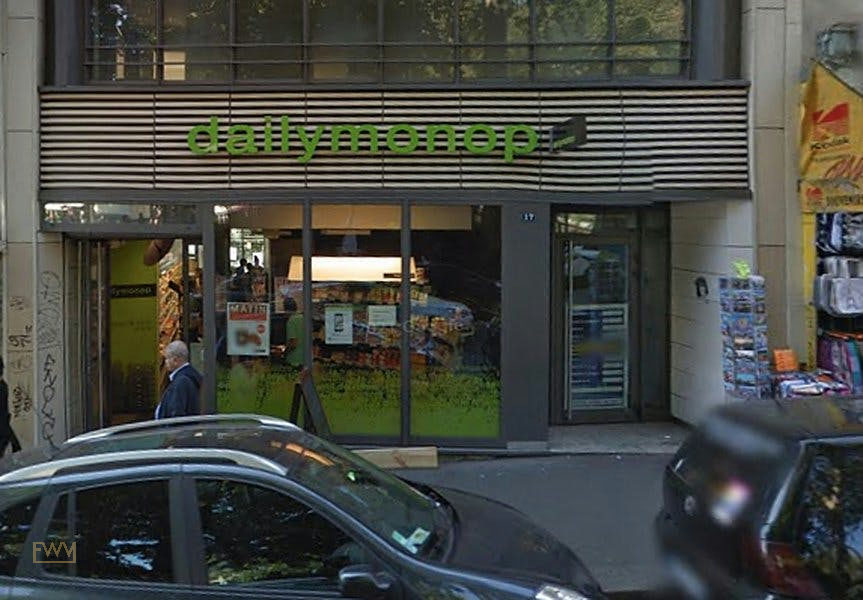
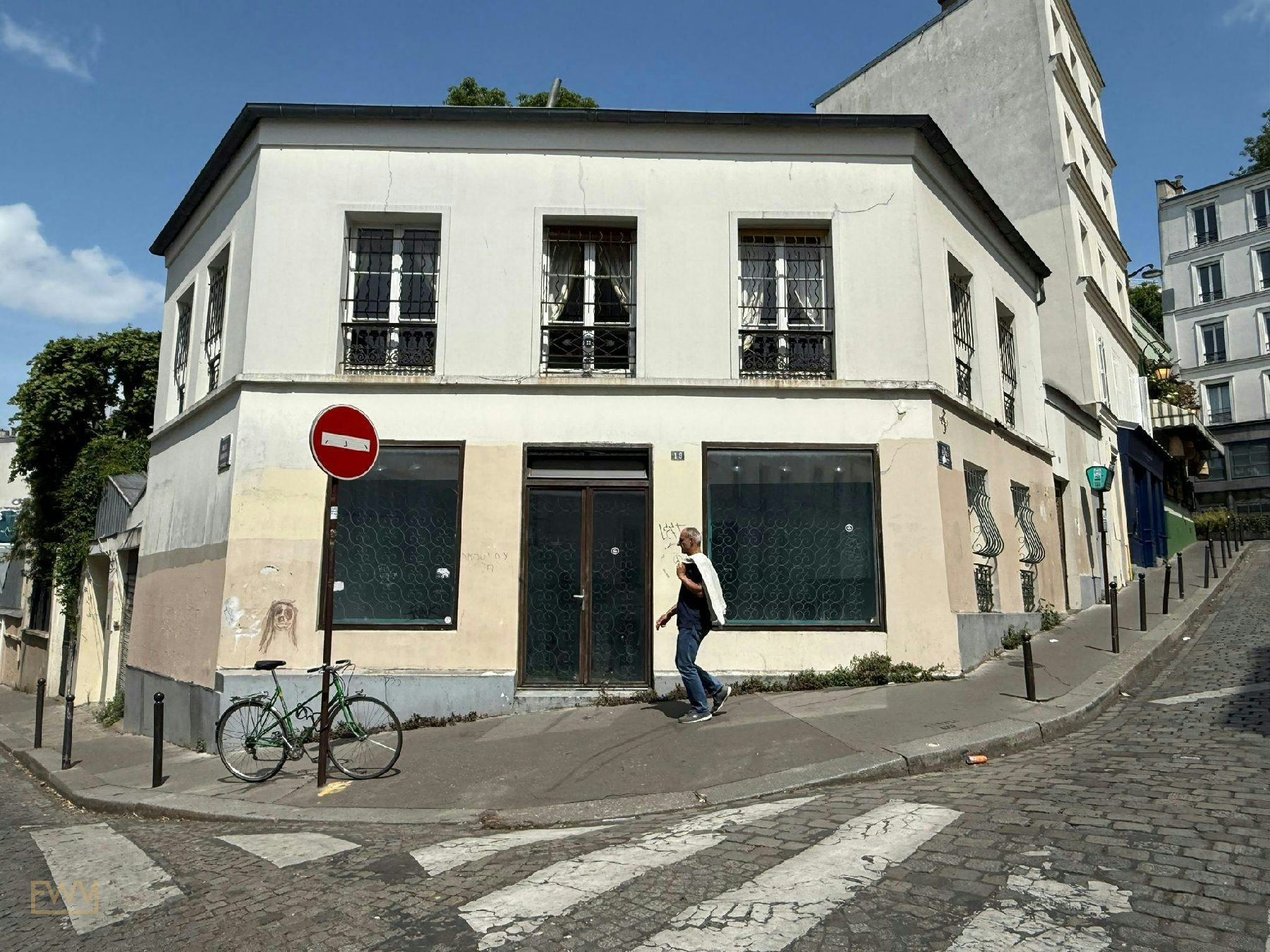
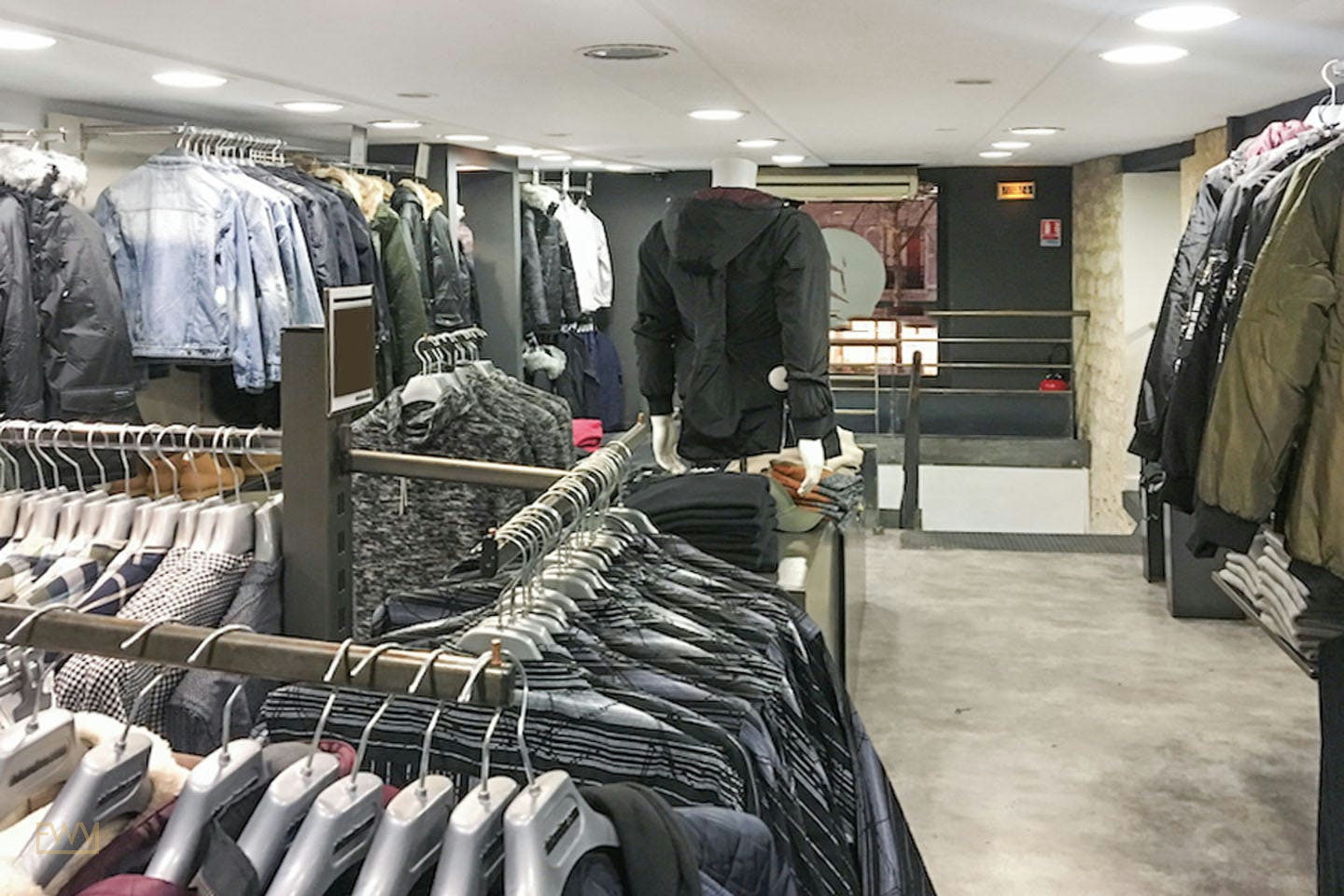
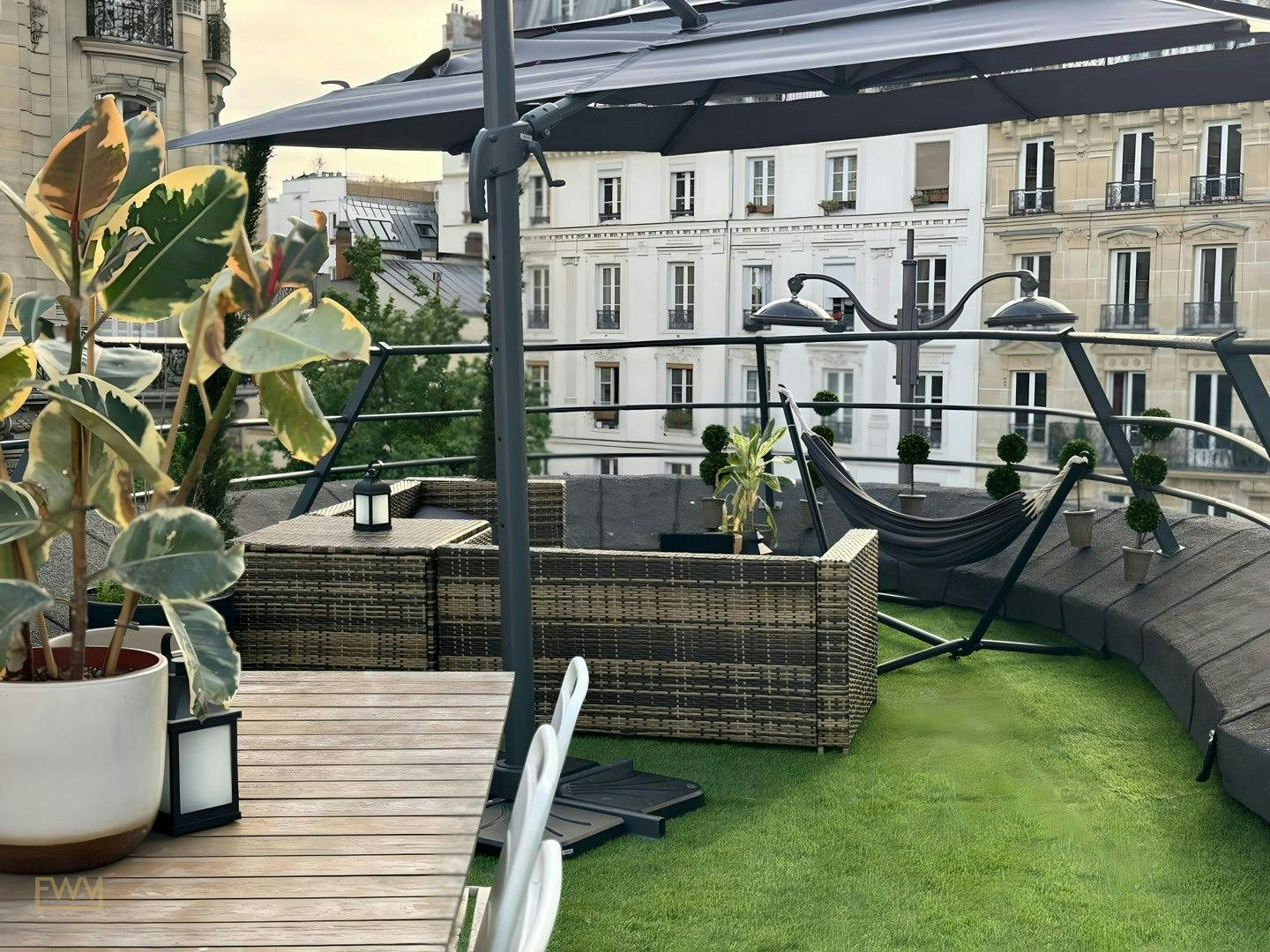
Opening a pop up store in the 9th arrondissement Paris gives brands direct access to one of the city's most commercially active and creatively charged neighbourhoods. Stretching from the grand department stores of the Grands Boulevards to the independent boutiques and gastro culture of Pigalle and South Pigalle, Paris 9ème sits at the intersection of high foot traffic, fashion credibility, and neighbourhood discovery. Whether you are a luxury fragrance brand planning a weekend boutique éphémère, a contemporary fashion label preparing for Paris Fashion Week, or an international beauty house looking for a showroom during the buying season, this guide covers everything your team needs to plan, source, and execute a successful activation. Fashion Week Venues supports brands across every stage of the Paris pop-up process, from space discovery through to full production and staffing.
What Makes the 9th Arrondissement a Strategic Location for a Pop-Up Store in Paris
Quick answer: Paris 9ème offers a rare combination of high-street foot traffic from Galeries Lafayette and Printemps, creative credibility from the Pigalle and South Pigalle neighbourhoods, and direct proximity to Fashion Week press and buyer circuits, making it one of the most commercially versatile arrondissements in which to open a temporary retail space.
The 9th arrondissement, known as Paris 9ème or the Opéra arrondissement, occupies a strategically central position on the Right Bank. To the south it borders the 2nd and 1st arrondissements, placing it within short walking distance of the Louvre, rue de Rivoli, and the core Tuileries fashion circuit that activates heavily during Paris Fashion Week. To the east it connects to the 10th and the emerging retail cluster around Canal Saint-Martin. To the north it climbs toward Montmartre in the 18th, where a different, more artisanal and vintage-facing consumer base shops and explores.
At its commercial heart are two of the most visited retail destinations in Europe. Galeries Lafayette Haussmann and Printemps Haussmann draw millions of visitors annually, making the boulevard Haussmann corridor one of the densest retail zones in Île-de-France. The foot traffic generated here spills into neighbouring streets and benefits any brand operating a pop-up store or boutique éphémère within a few blocks of these anchor stores.
Yet the 9th arrondissement's identity is not defined solely by its department stores. The area known as South Pigalle, or SoPi, which clusters around rue des Martyrs and extends toward the Grand Pigalle Hotel and the broader Pigalle district, has established itself as one of Paris's most culturally influential retail and hospitality zones. Independent concept boutiques, vintage stores, beauty destinations like Kure Bazaar, atelier workshops like Zardosi at 13 bis Rue Henry Monnier and Make and Mark at 35 Rue des Martyrs, and a high concentration of media and creative industry professionals define its consumer profile. For brands seeking credibility with taste-making press, stylists, influencers, and the fashion-adjacent buyer community, this part of the 9th is particularly valuable.
The arrondissement also contains a significant concentration of hôtel particuliers and Haussmannian apartment buildings with large, light-filled floorplates that translate well into gallery-style showrooms, photo studios, and boutique event spaces. These architectural formats suit brands in beauty, fashion, homeware, tableware, and lifestyle categories that benefit from an intimate, discovery-driven retail experience rather than a large-format storefront.
DID YOU KNOW: The 9th arrondissement was among the first areas of Paris to see the conversion of bourgeois Haussmannian apartments into commercial showrooms and temporary retail spaces, a practice that has since become a recognised format across the city's short-term rental market.
The proximity of the 9th to Fashion Week venues matters practically as well as symbolically. During Paris Fashion Week, brand activations, press showrooms, and influencer-facing boutiques éphémères concentrate across a band running from the Palais Royal and Tuileries in the west, through the 1st and 2nd arrondissements, up into the 9th, and across into Le Marais in the 3rd and 4th. A pop-up store in the 9th sits within this circuit, allowing editors, buyers, and media teams to incorporate a brand visit into an existing Fashion Week itinerary without a significant detour.
KEY TAKEAWAY: The 9th arrondissement combines the commercial density of Galeries Lafayette with the creative credibility of Pigalle and South Pigalle, and positions any brand operating here within the active Fashion Week geography of central Paris.
Understanding the specific sub-neighbourhoods within the 9th will help your team identify the right micro-location for your pop-up concept, and the following section maps these in detail against space types and brand profiles.
Neighbourhood Map: Sub-Districts of Paris 9ème and Their Pop-Up Store Profiles
Quick answer: The 9th arrondissement contains several distinct micro-neighbourhoods, each with its own foot traffic profile, consumer demographic, and architectural stock. Matching your brand to the right sub-district is as important as choosing the arrondissement itself.
Paris 9ème is not a single retail environment. It contains several distinct zones that attract different consumer profiles and suit different brand concepts. Understanding these micro-geographies helps brands avoid the mistake of simply selecting a space because it is available, rather than because it aligns with the target audience and activation type.
| Sub-District | Key Streets and Landmarks | Consumer Profile | Best-Suited Brand Categories | Typical Space Types |
|---|---|---|---|---|
| Grands Boulevards and Haussmann | Boulevard Haussmann, Galeries Lafayette, Printemps | Tourist, mass-market, international shopper | Accessible luxury, beauty, accessories, fast fashion | Storefront, gallery-in-store, concession |
| South Pigalle (SoPi) | Rue des Martyrs, Rue Henry Monnier, Grand Pigalle Hotel | Creative professional, local taste-maker, food and lifestyle press | Independent fashion, vintage, beauty, fragrance, food and lifestyle | Boutique, apartment, atelier, studio photo |
| Pigalle | Place Pigalle, Rue Pigalle, Rue de Douai | Music and nightlife scene, streetwear, younger urban demographic | Streetwear, music-adjacent brands, limited editions | Storefront, pop-up gallery, converted commercial unit |
| Saint-Georges and Notre-Dame de Lorette | Place Saint-Georges, Rue Saint-Georges | Design and architecture community, quiet residential affluent | Interior design, homeware, artisan food, small fashion labels | Apartment, galerie d'art, boutique |
| Opéra and Palais Garnier | Place de l'Opéra, Rue de la Paix, Rue Scribe | Cultural tourist, luxury traveller, corporate | Haute couture accessories, jewellery, luxury beauty, gifts | Boutique éphémère, espace événementiel, gallery |
Each of these sub-districts carries a different rental market and a different footfall rhythm. The Grands Boulevards area generates the highest raw foot traffic in the arrondissement, particularly during weekend retail hours and the holiday shopping season. South Pigalle, by contrast, draws a much smaller but highly influential crowd, concentrated during lunch hours, early evenings, and weekend mornings when the neighbourhood's café and market culture peaks.
For brands in categories such as beauty, fragrance, or specialist lifestyle goods, South Pigalle offers something that the Grands Boulevards cannot: the ability to be discovered. Destinations like Kure Bazaar for eco-friendly beauty and By Terry for luxury cosmetics have built loyal followings in this neighbourhood precisely because the area rewards exploration. If your brand wants to generate organic press, social media content, and word-of-mouth, a boutique éphémère in the SoPi micro-district is likely to outperform a higher-cost storefront on a busier but less curated street.
For brands with a streetwear identity or music-adjacent positioning, Pigalle proper, with its concentration of independent music stores, vintage dealers, and late-night venues, provides authentic cultural context. Carhartt WIP has operated activations in Paris that leverage exactly this kind of neighbourhood credibility, and the Pigalle district has historically attracted limited-edition drops and collaborative releases that benefit from its subcultural associations.
TIP: When briefing your space search in the 9th arrondissement, specify the sub-district as well as the arrondissement. A space in the Opéra corridor and a space in South Pigalle are in the same arrondissement but attract entirely different audiences and serve different activation purposes.
The Opéra and Palais Garnier zone sits at the luxury end of the 9th's commercial spectrum. Proximity to Place de l'Opéra and Rue de la Paix places brands in an environment associated with haute couture, international luxury tourism, and cultural prestige. For a brand seeking to position itself within the Parisian luxury narrative during Fashion Week, a well-located boutique éphémère in this part of the arrondissement provides strong symbolic value.
With this neighbourhood map established, the next section addresses the practical architecture of pop-up space types available across the 9th, and how each format serves different brand objectives.
Space Types for Pop-Up Stores in the 9th Arrondissement
Quick answer: Paris 9ème offers a diverse inventory of temporary retail formats including storefronts, boutiques éphémères, Haussmannian apartments converted for retail use, gallery spaces, photo studios, and event-facing espaces événementiels, each suited to a different brand purpose and budget range.
The architectural variety of the 9th arrondissement produces a correspondingly wide range of pop-up space formats. Understanding the distinctions between these space types helps brand teams match their creative concept, operational requirements, and budget to the most appropriate physical environment.
| Space Type | Typical Size Range | Best For | Key Features | Rental Structure |
|---|---|---|---|---|
| Boutique éphémère (Storefront) | 30 to 150 sqm | Direct retail, product launches, DTC activations | Street-level access, display windows, POS-ready | Daily, weekly, or monthly short-term lease |
| Haussmannian apartment | 60 to 250 sqm | Showrooms, press appointments, intimate brand experiences | High ceilings, parquet floors, natural light, residential ambiance | Daily or weekly rental |
| Galerie d'art or gallery space | 50 to 300 sqm | Art-fashion crossover, editorial launches, concept retail | White walls, spotlights, raw concrete or hardwood floors | Weekly or monthly rental |
| Studio photo | 40 to 200 sqm | Content creation alongside retail, brand shoot with pop-up sales | Lighting rigs, cyclorama options, raw concrete floors | Daily or weekly rental |
| Espace événementiel | 100 to 600 sqm | Launch events, press days, workshops, multi-brand activations | Flexible layout, AV infrastructure, catering access | Daily or weekly rental |
| Conférence space with retail annex | 80 to 300 sqm | Trade showrooms, buyer appointments, B2B brand events | Meeting rooms, presentation screens, separate retail floor | Daily or weekly rental |
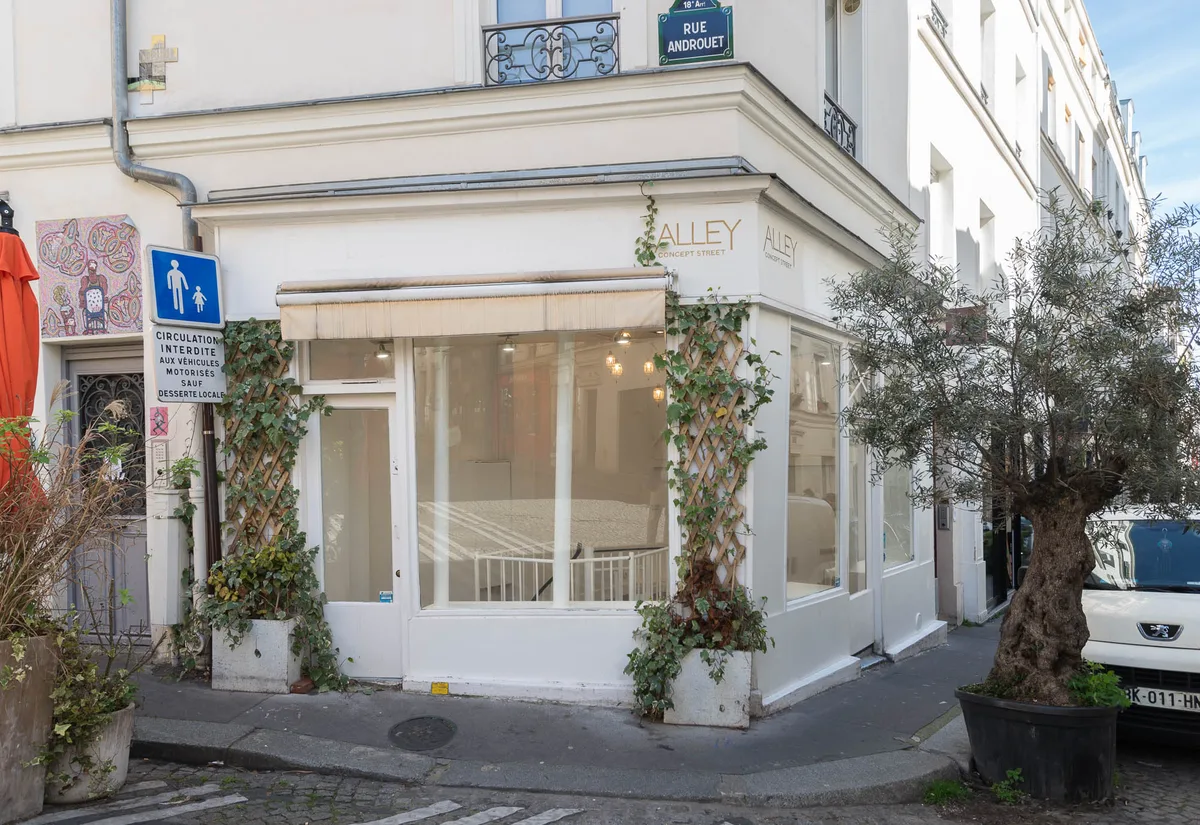
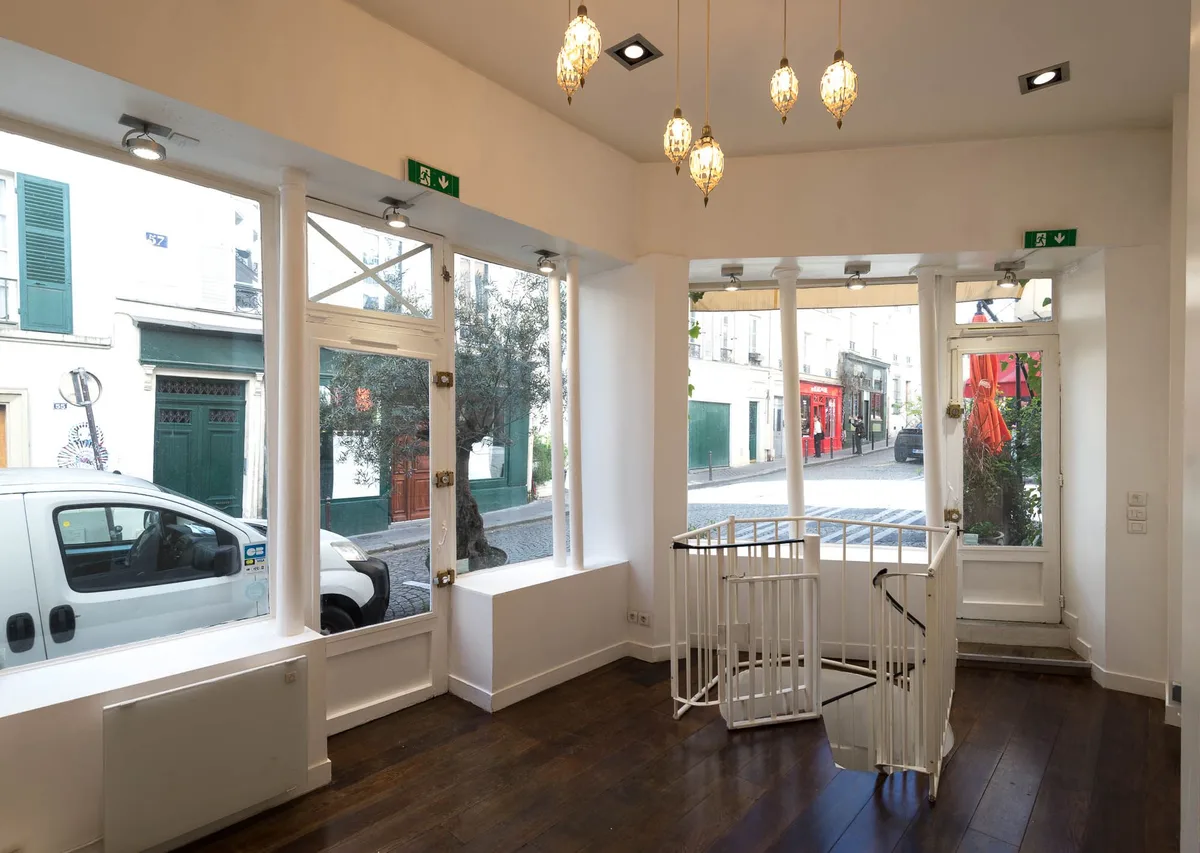
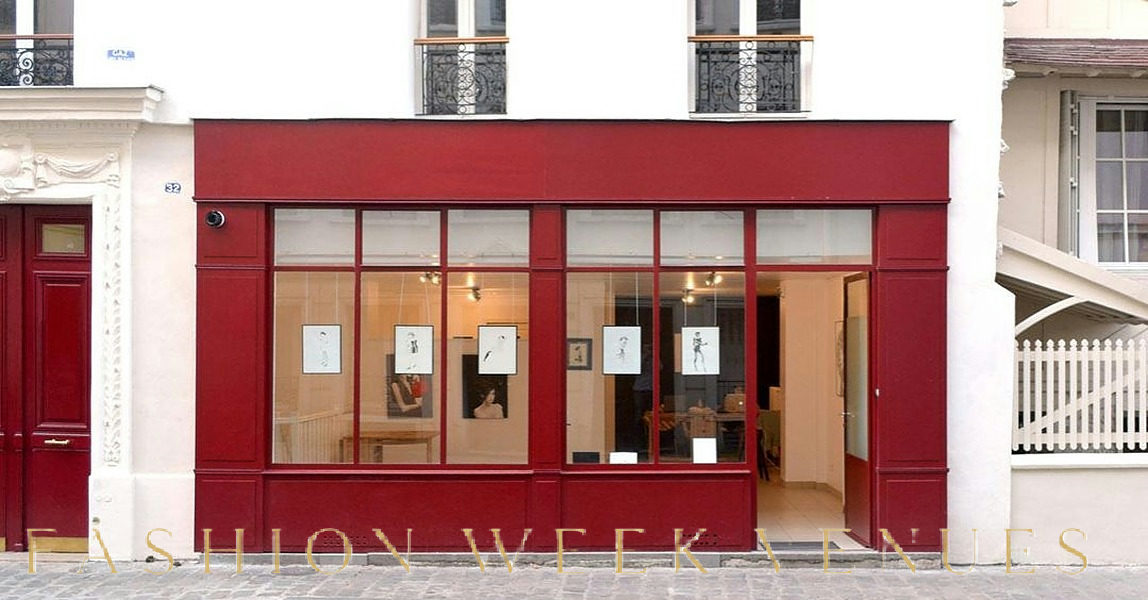
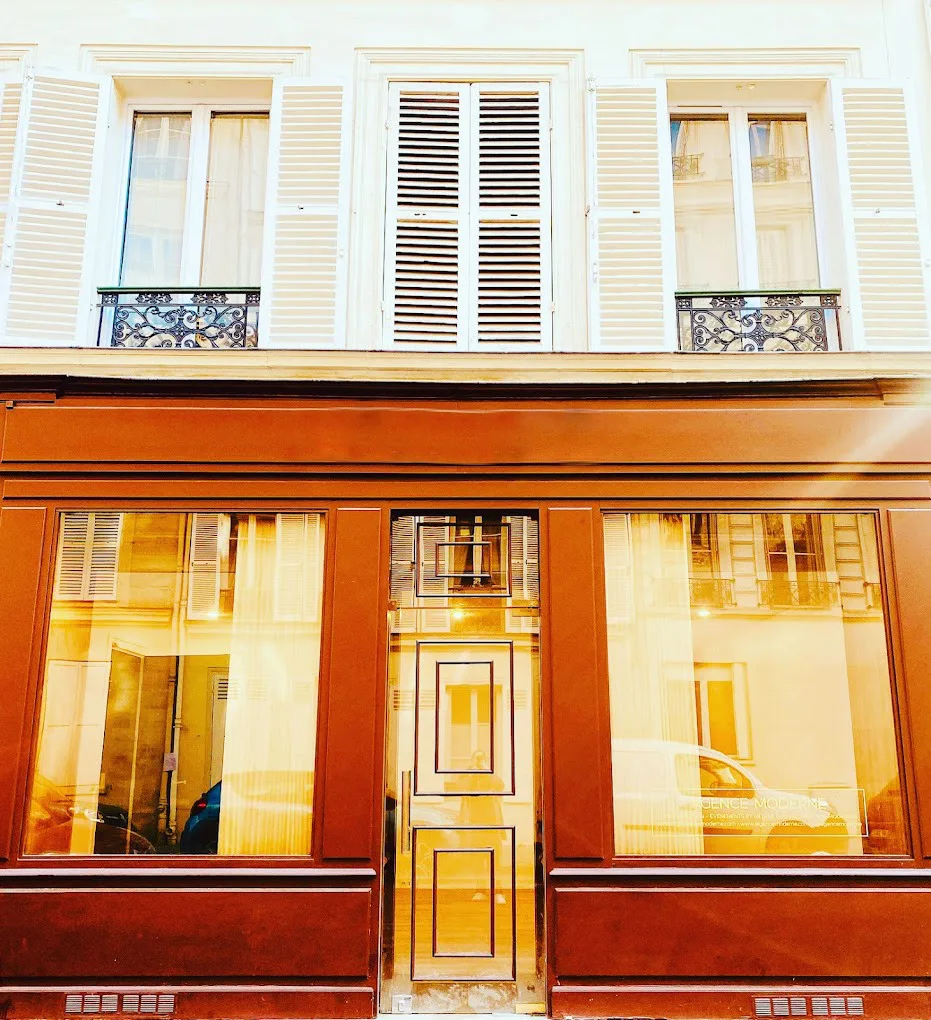
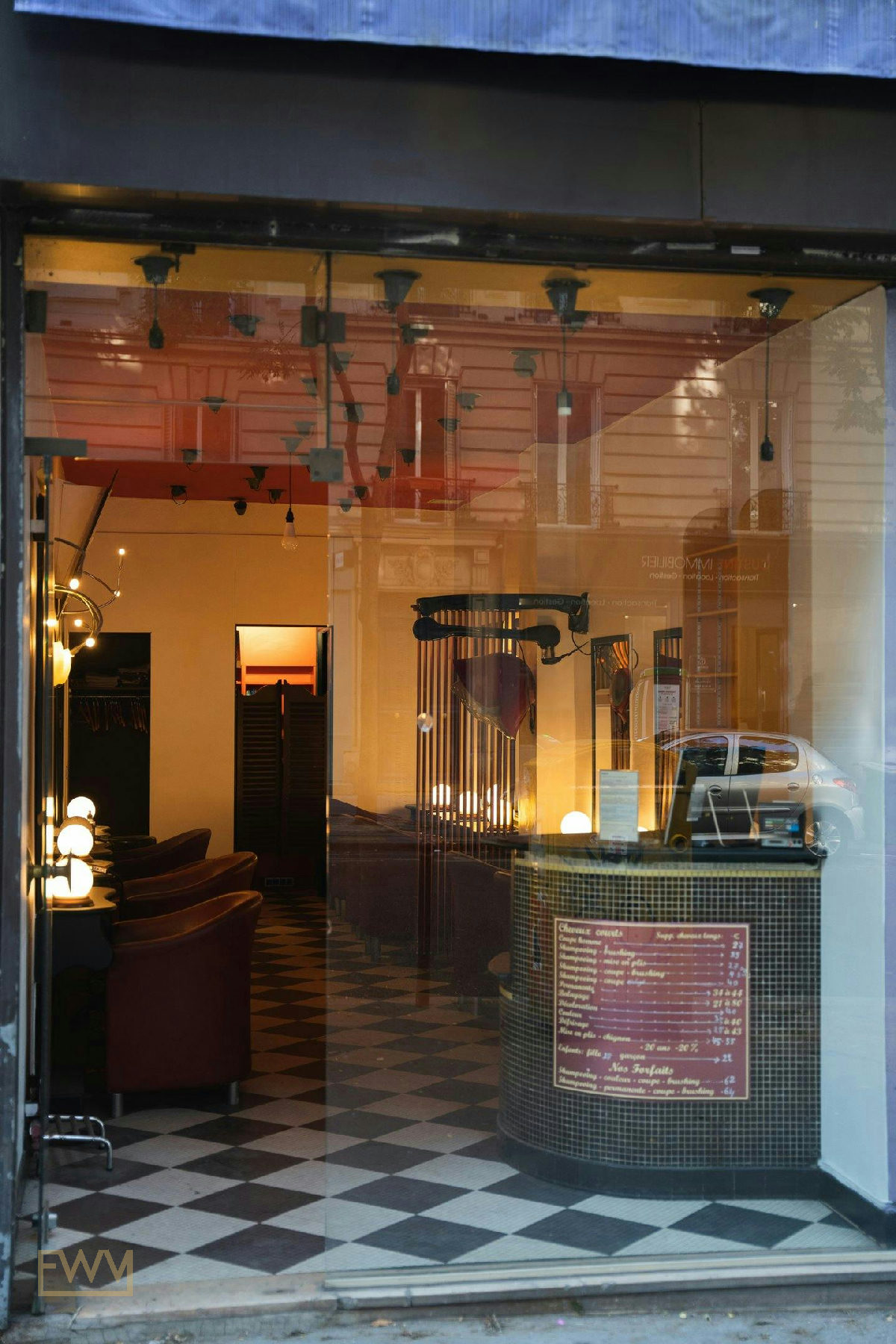
The boutique éphémère, or temporary boutique, remains the most recognisable format for consumer-facing pop-up retail in Paris. These street-level storefronts typically occupy the ground floor of a Haussmannian building or a mid-century commercial property and provide the visual presence of a permanent retail space without the commitment of a standard commercial lease. Display windows allow brands to communicate their visual identity to passersby, and the standard POS-ready fit-out reduces operational setup time.
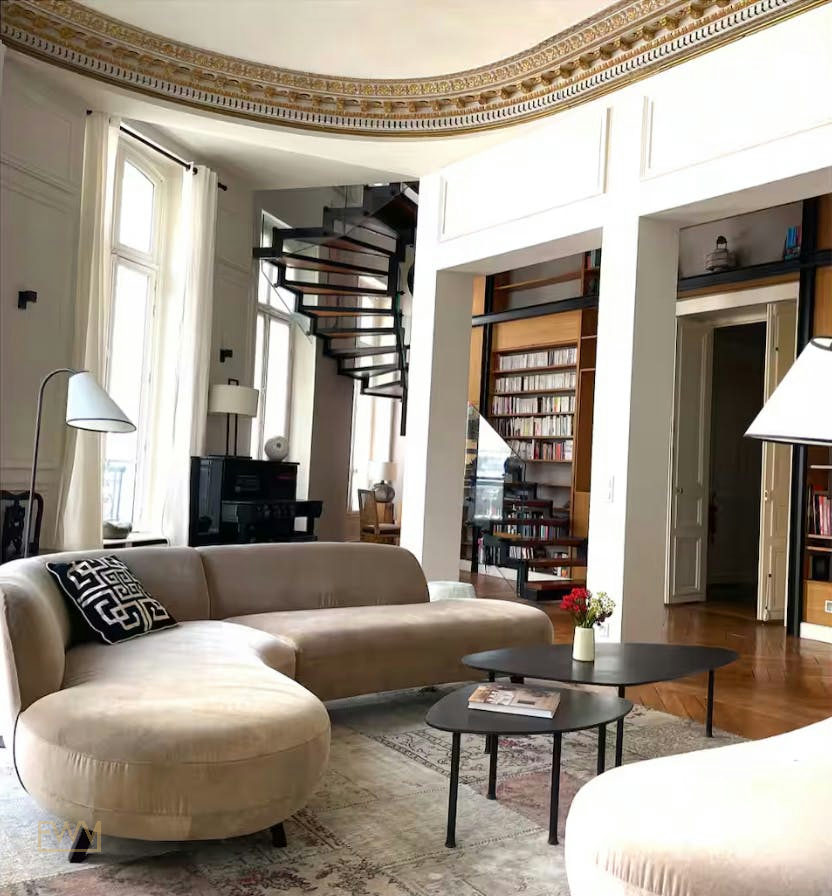
Haussmannian apartments are among the most sought-after formats for luxury, beauty, and fashion showroom activations. The combination of tall ceilings, chevron parquet floors, original mouldings, and substantial natural light provides a backdrop that complements editorial brand presentations and press-day formats. Brands such as those showcasing during the haute couture and ready-to-wear seasons have used these spaces extensively as intimate showrooms for buyer appointments and media access. The residential atmosphere also aligns well with lifestyle brand narratives, particularly for homeware, tableware, fragrance, and beauty brands where ambiance is a core part of the brand story.
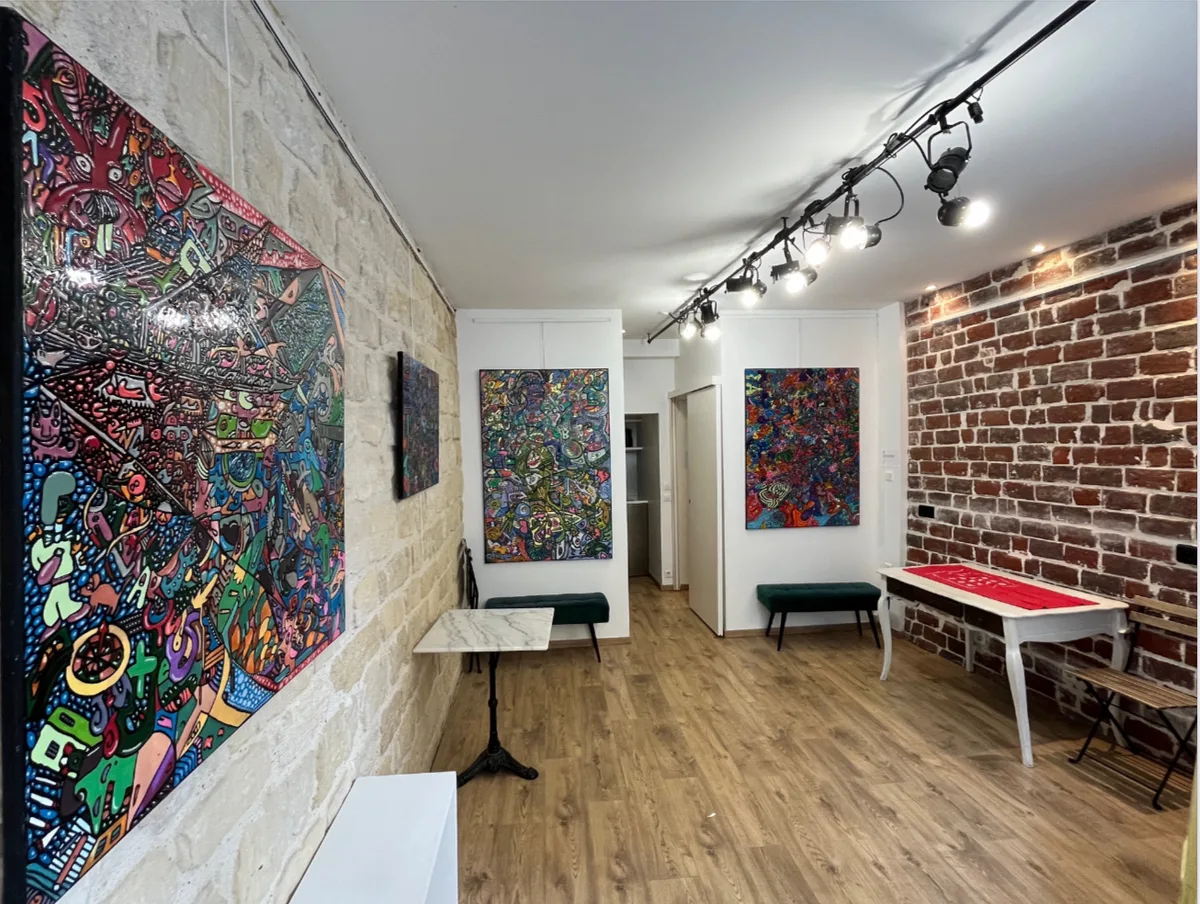
Gallery spaces in the 9th, particularly those with raw concrete floors, exposed steel pillars, and track spotlights, suit brands with a contemporary art-adjacent positioning. These spaces have become increasingly popular for streetwear and concept fashion brands that want the visual language of a gallery without the formality of a boutique. The galerie d'exception format, which references the gallery space repurposed as a curated retail environment, has become a recognisable Paris pop-up typology used by brands across fashion, beauty, and art categories.
IMPORTANT: Not every space listed as a boutique éphémère or short-term rental is actually authorised for public retail under French commercial regulations. Before signing any rental agreement, verify the permitted use classification (destination commerciale) of the space, and confirm that your intended use matches the space's legal status.
Studio photo spaces in the 9th are increasingly used for dual-purpose activations that combine a live retail experience with active content production. A brand can sell product to walk-in customers while simultaneously producing campaign imagery or social media content in the same space, reducing total production costs and creating real-time content of the activation itself. This format is particularly effective for beauty and fashion brands with strong influencer marketing programmes.
To explore available pop-up spaces across Paris, use the Fashion Week Venues marketplace to filter by space type, neighbourhood, size, and availability window.
KEY TAKEAWAY: Matching the space type to the brand objective is as important as selecting the location. A showroom for press appointments and a DTC retail pop-up have fundamentally different space requirements, even when both are described as pop-up stores.
Paris Fashion Week Calendar and the 9th Arrondissement Pop-Up Window
Quick answer: Paris Fashion Week generates four distinct activation windows each year in January, March, June and July, and September and October, with the 9th arrondissement being particularly relevant during the women's ready-to-wear and haute couture seasons when press and buyer circuits extend through central Paris.
Fashion Week is the most commercially intense period on the Paris retail calendar and the window during which brands are willing to pay a premium for short-term spaces with strategic location and flexible terms. Understanding the Fashion Week schedule in relation to the 9th arrondissement's geography helps brands plan their activation timing with precision.
The four principal Fashion Week windows in Paris are: haute couture in January, men's ready-to-wear and couture in June and July, women's ready-to-wear in September and October, and haute couture again in January. Each window creates a different audience composition and a different set of brand activation opportunities. The June and July window, which covers men's shows and the haute couture presentations, is particularly active in the areas surrounding the Palais Royal, Tuileries, Le Marais, and the 9th arrondissement's central zones.
Recent activations illustrate the geographic spread of Paris Fashion Week pop-ups across the city. JW Anderson, founded by Jonathan Anderson and winner of the ANDAM Pierre Bergé Prize, operated its Paris pop-up from July 9 to September 24, 2026, at 15 Rue du Louvre in the 1st arrondissement, close to both the Tuileries garden and the Palais Royal showrooms circuit. British footwear label Lili Curia, worn by Karol G and Suki Waterhouse and launched in London in 2025, ran its Paris pop-up until July 9, 2026, in the basement level of Dover Street Market at 35-37 Rue des Francs-Bourgeois in the 4th arrondissement. Anthony Calydon, known for its signature knitted bags in pastel pink, sunny yellow, and baby blue, activated in Le Marais on July 25 and 26, 2026, at 37 rue Debelleyme in the 3rd arrondissement. The Jihan pop-up ran until July 4, 2026, at 6 Rue Charles-François Dupuis in the 3rd arrondissement, and the Chauvin Paris x L'Objet collaboration occupied 30 Rue Jacob in the 6th from June 11 to July 4, 2026.
These activations cluster within a navigable radius of the 9th arrondissement, confirming that a pop-up in the 9th sits naturally within the Fashion Week itinerary of press, buyers, and fashion-engaged consumers moving between shows, showrooms, and brand events across central Paris. A brand in the 9th benefits from the overflow of Fashion Week visitors without necessarily needing to be physically inside the primary show venues.
DID YOU KNOW: During Paris Fashion Week's women's ready-to-wear season, it is estimated that over 100,000 visitors including buyers, press, stylists, content creators, and brand professionals move through central Paris over the course of the week, according to industry estimates reported by trade publications. Many of these professionals actively seek out brand pop-ups and boutiques éphémères as part of their Fashion Week schedule.
Beyond Fashion Week itself, the 9th arrondissement benefits from a strong year-round retail calendar anchored by Galeries Lafayette and Printemps, which run regular themed events, brand activations, and exclusive collection launches. These department store events generate elevated foot traffic in the surrounding streets and create secondary audiences for independent pop-up concepts operating nearby.
For brands that are not directly participating in Fashion Week shows or official programming, the week immediately before and the week immediately after the official Fashion Week dates can be strategically useful. Spaces are slightly more available, rental rates may be more negotiable, and the city retains much of its elevated fashion energy while press and buyers extend their Paris stays for showroom appointments and social events.
To plan your activation calendar in alignment with Fashion Week and other Paris retail peaks, the Fashion Week Venues timeline planning tool helps map your booking window, production schedule, and open dates against the Paris fashion calendar.
KEY TAKEAWAY: The 9th arrondissement is within the active circuit of Paris Fashion Week geography, and brands operating a pop-up here during Fashion Week windows can benefit from elevated press and buyer traffic without competing directly for the most expensive addresses in the 1st or Marais districts.
How the 9th Arrondissement Compares to Other Paris Pop-Up Neighbourhoods
Quick answer: The 9th arrondissement offers a credible alternative to Le Marais, Saint-Germain-des-Prés, and the Champs-Élysées for pop-up stores, typically combining lower rental premiums with strong fashion-week-adjacent positioning and a distinctive creative neighbourhood identity in its southern sub-districts.
When brand teams evaluate Paris pop-up locations, the 9th arrondissement is frequently compared against a set of well-established alternatives. Each offers distinct advantages and trade-offs depending on the brand's category, audience, budget, and campaign objectives.
| Neighbourhood | Primary Strengths | Primary Limitations | Best Brand Fit | Fashion Week Relevance |
|---|---|---|---|---|
| 9th Arrondissement (Paris 9ème) | Mix of high foot traffic and creative credibility, architectural variety, strong sub-district identity | Less internationally recognised as a luxury destination than Marais or Saint-Honoré | Beauty, independent fashion, streetwear, lifestyle, vintage | High: within Fashion Week circuit |
| Le Marais (3rd and 4th) | Global brand recognition, fashion credibility, Dover Street Market, tourist and local mix | High rental premiums, competitive availability during Fashion Week | Luxury, streetwear, concept fashion, art-fashion crossover | Very high: central to Fashion Week pop-up geography |
| Saint-Germain-des-Prés (6th) | Luxury brand positioning, affluent local residential base, Le Bon Marché proximity | High rents, limited large-format space availability | Haute couture, jewellery, fragrance, art books, gallery retail | High: press and buyer showroom concentration |
| Champs-Élysées (8th) | Maximum international visibility, flagship presence, La Samaritaine proximity in 1st | Very high rental costs, less creative brand positioning | Mainstream luxury, accessible luxury, global flagship brands | Moderate: peripheral to editorial Fashion Week circuit |
| Montmartre (18th) | Artisan and vintage credibility, distinct neighbourhood aesthetic, growing tourism | Lower commercial foot traffic, less Fashion Week relevance | Artisan brands, vintage, independent lifestyle, tourism-facing | Low to moderate |
| Tuileries area (1st) | Directly within Fashion Week show venues, luxury positioning, rue de Rivoli access | Very high rental premiums, limited boutique-scale availability | Luxury fashion, accessories, haute couture brands | Very high: at the centre of Fashion Week geography |
The 9th arrondissement occupies an interesting position in this competitive set. It is neither the most expensive nor the most creatively niche location in Paris, but it offers brand teams a genuine combination of commercial volume and cultural positioning that more specialised neighbourhoods cannot replicate. A brand choosing South Pigalle over Le Marais may sacrifice some international name recognition but gains access to a highly engaged local creative community and a neighbourhood press circuit that includes food, lifestyle, and beauty media with strong social audiences.
For brands from the beauty category, the 9th arrondissement is particularly compelling. Destinations like By Terry, Il Profvmo, and Kure Bazaar, which offers eco-friendly nail services from 25 euros for 20 minutes, have established themselves in this neighbourhood precisely because its consumer base overlaps with the educated, quality-conscious beauty purchaser who actively seeks out independent and specialist brands. A beauty brand pop-up in South Pigalle can position itself alongside these established players and benefit from the neighbourhood's existing beauty retail reputation.
The comparison with Le Bon Marché Rive Gauche in the 6th arrondissement is also instructive. Le Bon Marché has established a strong association with curated luxury brands and concept retail, including the Valmont skincare installations and beauty counter activations it has hosted. A brand choosing to activate independently in the 9th rather than within a department store context retains full creative control over its space design, merchandising, and brand experience, which can be worth the trade-off in foot traffic when press and editorial credibility are the primary campaign metrics.
To compare specific neighbourhoods and space options side by side, the Fashion Week Venues compare tool allows brand teams to evaluate spaces across multiple criteria simultaneously.
KEY TAKEAWAY: The 9th arrondissement offers a more accessible entry point to Paris pop-up retail than Le Marais or Saint-Germain-des-Prés while retaining strong Fashion Week adjacency and a distinctive creative neighbourhood identity that suits beauty, lifestyle, streetwear, and independent fashion brands.
Permits, Leases, and Legal Compliance for Pop-Up Stores in Paris 9ème
Quick answer: Running a pop-up store in Paris requires understanding French short-term commercial lease frameworks, primarily the bail dérogatoire for spaces used for commercial activity, and in some cases the autorisation d'occupation temporaire for publicly owned or regulated spaces, along with compliance requirements covering fire safety, electrical safety, insurance, and trading permits.
One of the most common sources of delay and unexpected cost for international brands opening a pop-up in Paris is underestimating the complexity of French commercial property regulations and permit requirements. The regulatory environment for temporary retail in France differs materially from that in the United Kingdom, the United States, or other major markets, and what appears to be a straightforward short-term rental can involve several layers of compliance.
Understanding the Bail Dérogatoire
The bail dérogatoire, also called the bail précaire or convention d'occupation précaire, is the primary French legal framework for short-term commercial space occupancy. Unlike a standard commercial lease (bail commercial), which in France typically carries a minimum nine-year term with significant tenant protections, the bail dérogatoire permits a temporary arrangement with a maximum duration of three years, after which a standard commercial lease may take effect if occupancy continues.
For pop-up stores and boutiques éphémères, the bail dérogatoire is the standard contractual structure. However, it is important to understand that this agreement still requires formal documentation, and the terms, including rent, permitted use, modification rights, reinstatement obligations, and liability, should be reviewed carefully by a qualified advisor before signing. Requirements and specific terms vary by space type, duration, arrondissement, and the nature of the landlord.
The Autorisation d'Occupation Temporaire
For spaces that involve occupying public domain, including terraces on public pavements, spaces within public buildings, or areas within publicly managed cultural or civic venues, an autorisation d'occupation temporaire (AOT) may be required from the relevant public authority. This is a separate and distinct permit from the bail dérogatoire and typically involves an application process, a fee, and specific conditions on the nature and duration of the occupation.
Brands planning activations in or adjacent to publicly managed spaces in the 9th arrondissement, including spaces near the Palais Garnier or within public cultural venues, should investigate the AOT requirement early in their planning process.
Fire Safety, Electrical Safety, and Insurance
All commercial spaces open to the public in France must comply with ERP (Établissement Recevant du Public) regulations, which govern fire safety systems, emergency exits, maximum occupancy, accessible entry for people with mobility limitations, and fire extinguisher placement. These requirements apply to pop-up stores just as they do to permanent retail outlets.
Electrical safety compliance is a specific concern for spaces undergoing temporary fit-out, as any new electrical installations or modifications must be carried out by a qualified electrician and may require certification before the space opens to the public. Brands planning significant fit-out work, including new track lighting, temporary structures, or custom display builds, should factor electrical inspection time into their production schedule.
Commercial liability insurance (assurance responsabilité civile professionnelle) is mandatory for any trading operation in France. International brands without a French entity should confirm with their existing insurer whether their policy extends to a French temporary retail operation, or arrange a dedicated French commercial liability policy for the activation period.
IMPORTANT: French commercial property and permit regulations are complex and subject to variation by local authority, space type, and arrondissement. All compliance decisions should be verified with a qualified French legal advisor. Fashion Week Venues does not provide legal advice. For a practical starting point on permit requirements, use the Fashion Week Venues permit guidance tool.
KEY TAKEAWAY: Permit and compliance requirements for a Paris pop-up store are more complex than they may appear in initial planning stages. Starting the legal and compliance process at least eight to ten weeks before the intended opening date reduces the risk of delays and unexpected costs.
Budget Planning for a Pop-Up Store in the 9th Arrondissement
Quick answer: The total cost of a pop-up store in Paris 9ème depends on space type, size, duration, fit-out scope, staffing model, marketing budget, and operational requirements. Rental cost is typically the single largest line item, but production, staffing, insurance, permits, and marketing combined often exceed the rental fee in a well-resourced activation.
Pop-up store budgets in Paris vary significantly based on the scale and ambition of the activation, and brands that plan costs based only on the rental figure consistently underestimate total expenditure. A realistic budget for a Paris 9ème pop-up typically includes the following components.
Space rental rates in the 9th arrondissement vary by sub-district, space type, and availability period. Spaces in the Grands Boulevards and Opéra corridor command premium rates due to high foot traffic, particularly during Fashion Week and the holiday retail period. South Pigalle boutique spaces and Haussmannian apartments are generally available at lower daily or weekly rates, though Fashion Week windows still carry a seasonal premium. Fashion Week Venues does not publish fixed rate tables, as rates vary significantly by specific space and timing. For brand-specific estimates, the Fashion Week Venues budget calculator provides directional figures based on space type, size, duration, and location.
Beyond rental, fit-out and production costs cover furniture rental, display fixtures, branded signage, lighting adjustments, and any structural modifications. A minimal boutique set-up using standard furniture rental and branded graphics can be achieved at moderate cost, while a full bespoke build with custom joinery, specialist lighting, and architectural interventions will represent a significantly higher investment. Brands considering a co-activation format, where two complementary brands share a single space and split both costs and creative execution, can reduce the per-brand cost substantially.
Staffing costs for a Paris pop-up include French social charges in addition to gross salary, and international brands should account for the employer's total cost of employment rather than net salary figures when budgeting. Bilingual retail staff in Paris are in high demand during Fashion Week windows, and securing experienced talent requires early engagement, ideally six to eight weeks before the activation opens.
Marketing and social media costs for a Paris pop-up activation typically include a combination of paid social, influencer engagement, press outreach, event invitations, and in some cases physical packaging and gifting programmes. These costs are often underestimated in initial budgets, particularly by brands that plan their Paris activation as an extension of an existing global campaign rather than as a locally targeted initiative.
Sustainability considerations have become increasingly relevant in Paris pop-up budgeting. The French Anti-Waste Law (Loi AGEC) and growing consumer and press expectations around packaging, overproduction, and ephemeral retail waste have led many brands to invest in recyclable fixtures, rental rather than purchased furniture, and digital rather than printed marketing materials. These investments can also reduce certain cost lines while improving brand positioning with environmentally conscious clientele.
TIP: Brands opening their first Paris pop-up frequently underestimate the cost of logistics and last-mile delivery within Paris. Import customs, local courier fees, and storage costs for inventory during the activation period should all be included in the initial budget model.
To model the potential commercial return from your Paris activation, use the Fashion Week Venues ROI calculator to estimate revenue potential against cost inputs based on your expected daily footfall, conversion rate, and average transaction value.
KEY TAKEAWAY: A realistic pop-up store budget for Paris 9ème covers not just rental but production, staffing, compliance, marketing, logistics, and contingency. Brands that model the full cost picture before committing to a space avoid the cashflow pressures that cause activations to underdeliver on their commercial objectives.
How Fashion Week Venues Supports Pop-Up Store Activations in Paris
Quick answer: Fashion Week Venues operates as a full-service pop-up agency and space marketplace with specific expertise in Paris, offering brand teams integrated support across space discovery, concept direction, production, staffing, retail operations, and performance measurement for boutiques éphémères and temporary retail activations.
Fashion Week Venues was built specifically for the challenge that brand teams face when executing a pop-up store in an unfamiliar city during a compressed calendar window. The combination of a curated space marketplace and a full suite of specialist services means that brands can engage at any point in the process, from initial space browsing to full turnkey activation delivery.
The venue sourcing service covers the identification, evaluation, and negotiation of suitable spaces across Paris, including the 9th arrondissement. The team works with a network of landlords, property managers, and space owners to access both listed and off-market inventory, and manages the due diligence process that verifies permitted use, compliance status, and rental terms before a brand commits to a space.
Once a space is secured, the concept and creative direction service helps brands develop a spatial narrative that reflects the brand identity and communicates clearly to the target customer. This covers layout planning, visual merchandising strategy, colour and material direction, and integration of brand assets into the physical environment. For brands that already have a strong creative direction but need support translating it into a Paris-specific space, the concept service operates as a creative production partner rather than a full creative lead.
The production and build service manages the physical fit-out of the space, including furniture sourcing and rental, joinery, lighting, signage, and installation. Fashion Week Venues works with vetted Paris-based contractors who are experienced in the specific requirements of short-term retail builds, including the reinstatement obligations that most bail dérogatoire agreements include.
Operational support during the activation period is covered by the activation management service, which coordinates opening logistics, visitor management, event programming, and day-to-day operations. This service is particularly valuable for international brands whose core team is not permanently based in Paris and who need local representation to manage the activation on the ground.
Retail staffing provides access to experienced, bilingual Paris-based sales and brand ambassador staff for the activation period. Staff can be briefed on brand identity, product knowledge, and sales protocols, and Fashion Week Venues manages the employment administration to simplify the process for international brands without a French entity.
POS and payments infrastructure, data collection and analytics, and influencer marketing programmes are available as additional service layers for brands that want to capture commercial data from the activation or amplify their Paris presence through local and international creator networks.
For brands considering a shared activation, the twin co-activation concept pairs two complementary brands within a single space, dividing both cost and creative execution to produce a combined brand experience that can attract a broader audience than either brand would draw independently.
Fashion Week Venues does not guarantee specific spaces, timelines, or commercial outcomes. Availability of spaces and services is subject to the relevant calendar window and lead time. Brands are advised to begin their engagement with Fashion Week Venues at least eight to twelve weeks before their intended activation date during peak periods such as Paris Fashion Week. For brands still deciding whether to work with an agency, the guide on hiring a pop-up agency provides a practical framework for that decision.
KEY TAKEAWAY: Fashion Week Venues offers brand teams a single point of coordination for every element of a Paris pop-up activation, from space discovery and legal review to creative production, staffing, and performance measurement, reducing the coordination overhead that makes international pop-up execution complex for teams without permanent Paris infrastructure.
Common Myths About Pop-Up Stores in Paris 9ème Debunked
MYTH: You need a French legal entity to rent a pop-up space in Paris.
FACT: While having a French entity simplifies certain administrative processes, international brands without a French entity can and regularly do rent short-term commercial spaces in Paris. The bail dérogatoire can in many cases be entered into by a foreign company or individual, though specific requirements vary by landlord and space. Working with an experienced local agency or legal advisor helps international brands navigate the documentation requirements without needing to establish a French entity solely for a short-term activation.
MYTH: Paris Fashion Week is the only viable calendar window for a pop-up store in the 9th arrondissement.
FACT: While Fashion Week windows generate the highest concentration of press and buyer audiences, the 9th arrondissement has a strong year-round retail calendar anchored by Galeries Lafayette and Printemps, the neighbourhood's independent retail ecosystem, and Paris's consistent international tourism. Brands have successfully run pop-up activations in the 9th during the holiday retail season, the spring collections period, and late summer, all of which offer strong consumer foot traffic without the space competition and rental premiums that Fashion Week windows generate.
MYTH: Commission brokers are the only way to find a pop-up space in Paris.
FACT: Commission-based space brokers represent one route to a Paris pop-up space, but they are not the only option and are not always the most cost-effective or service-rich choice. Specialist agencies like Fashion Week Venues combine a curated marketplace with full-service support, while platforms including Go-PopUp list short-term commercial spaces for direct rental. For brands seeking a managed end-to-end service rather than a brokered introduction, the agency model typically provides greater value across the production, compliance, and operational dimensions of the activation.
MYTH: Short-term leases in Paris are legally straightforward and require no specialist review.
FACT: French commercial property law is among the most tenant-protective and procedurally specific in Europe, and even a short-term bail dérogatoire includes legally significant clauses covering reinstatement obligations, permitted modifications, liability, and termination. International brands that sign rental agreements without French legal review regularly encounter unexpected costs at the end of their activation related to reinstatement obligations, damage disputes, or permit non-compliance. Specialist legal review before signing is a proportionate investment for any activation with a meaningful total budget.
MYTH: A pop-up store in the 9th arrondissement is only suitable for mass-market or accessible brands because of the Galeries Lafayette proximity.
FACT: The 9th arrondissement contains a wide spectrum of consumer environments, from the high-volume retail of the Grands Boulevards to the taste-maker creative community of South Pigalle. Luxury fragrance brands, haute couture accessories labels, niche beauty destinations, and premium lifestyle brands have all operated successfully in the 9th, particularly in the Opéra corridor and the Saint-Georges and SoPi sub-districts. The arrondissement's diversity of space types and micro-neighbourhoods makes it suitable for brands across the accessible-to-luxury spectrum.
Frequently Asked Questions
How long does it take to set up a pop-up store in the 9th arrondissement Paris?
The minimum realistic timeline from initial space identification to opening day for a basic boutique éphémère in Paris 9ème is approximately four to six weeks, assuming the space is ready for trading without significant fit-out work. For activations requiring custom production, permit applications, staff recruitment, and branded furniture installation, eight to twelve weeks is a more realistic planning horizon. During Paris Fashion Week windows, available spaces are secured much earlier, and brands that begin their search fewer than eight weeks before the Fashion Week dates frequently find that the most suitable spaces are already committed. The Fashion Week Venues timeline planning tool helps teams map their booking and production schedule against realistic lead times.
Do I need a French legal entity to open a pop-up store in Paris?
Not necessarily. Many international brands rent short-term commercial spaces in Paris through a bail dérogatoire without establishing a French entity. However, the requirements vary by landlord, space type, and the nature of the trading activity. Some landlords prefer or require a French entity or guarantor. Others will accept a foreign company registration and appropriate insurance documentation. French employment law also applies to any staff employed during the activation, regardless of the brand's country of incorporation. The specifics of your situation should be reviewed with a qualified French legal advisor before signing any rental agreement. Fashion Week Venues can provide guidance on the process but does not provide legal advice.
What is a bail dérogatoire and how does it apply to pop-up stores?
A bail dérogatoire is a short-term commercial occupancy agreement under French law that derogates from the standard nine-year commercial lease regime. It allows a landlord and tenant to agree a commercial occupancy of up to three years without triggering the tenant protections of the standard bail commercial. For pop-up stores and boutiques éphémères, this is the standard legal framework for temporary commercial use. The agreement should specify permitted use, rental terms, modification and reinstatement obligations, insurance requirements, and termination conditions. Signing a bail dérogatoire without legal review is a risk that international brands regularly regret, as the reinstatement and liability clauses can be financially significant.
What types of pop-up spaces are available in the 9th arrondissement?
The 9th arrondissement offers storefronts (boutiques éphémères), Haussmannian apartments converted for showroom or retail use, gallery spaces, photo studios, espaces événementiels for larger brand events, and mixed-use spaces that combine retail floor space with event or workshop capacity. The architectural variety of the arrondissement, which includes mid-19th century Haussmannian buildings, later commercial blocks, and some post-war conversions, produces a wide range of ceiling heights, floor finishes, natural light levels, and spatial configurations. Matching the space type to the brand concept and activation format is an important early decision in the planning process.
How much does it cost to rent a pop-up store in Paris 9ème?
Rental costs in the 9th arrondissement vary significantly by sub-district, space type, size, and availability window. Spaces in the Grands Boulevards and Opéra zones typically command higher rental rates due to foot traffic. South Pigalle and Saint-Georges spaces are generally lower in cost but still carry a Fashion Week seasonal premium. Rental is typically the largest single cost line in a pop-up budget but should be evaluated alongside production, staffing, permits, insurance, marketing, and logistics costs to produce an accurate total investment figure. Use the Fashion Week Venues budget calculator for directional estimates based on your specific space and duration requirements.
What permits do I need to open a pop-up store in Paris?
Permit requirements for a Paris pop-up depend on the nature of the activation, the space type, and the duration. Trading from a commercial space requires a space with appropriate commercial use classification. Any modification to the space may require consent from the landlord and in some cases from the local planning authority. Spaces open to the public must comply with ERP fire safety regulations. Public domain occupancy requires an AOT from the relevant public authority. Alcohol service, food service, and outdoor signage each carry separate permit requirements. Requirements vary by arrondissement and specific space. Use the Fashion Week Venues permit guidance tool for a structured overview and verify specific requirements with a French legal advisor.
Is the 9th arrondissement a good location for a Fashion Week pop-up?
Yes. The 9th arrondissement sits within the active Fashion Week geography of central Paris and is within easy reach of the primary show venues, press showroom circuits in Le Marais and the 1st arrondissement, and the editorial and buyer hotel concentrations of the 8th and 9th. Brands operating in the 9th during Fashion Week benefit from elevated city energy and fashion-engaged visitors without necessarily paying the peak premiums of the most contested addresses in the 1st or Marais. The South Pigalle and Opéra sub-districts in particular attract fashion press and creative industry professionals throughout the Fashion Week period.
How do I find a bilingual sales team for my Paris pop-up?
Recruiting experienced, bilingual retail staff for a Paris pop-up activation requires an early start, ideally six to eight weeks before the activation opens during peak periods. Fashion Week windows are the most competitive periods for bilingual retail talent in Paris. Fashion Week Venues provides a retail staffing service that connects brands with vetted, Paris-based sales and brand ambassador professionals who have experience in short-term brand activations, pop-up stores, and showroom environments. Staff can be briefed on brand identity and product knowledge prior to opening. Employment administration for French-based staff involves mandatory social contributions and employment documentation that Fashion Week Venues manages on behalf of international brand clients.
Can two brands share a pop-up space in Paris to reduce costs?
Yes. Co-activation, where two complementary brands share a single space, is a well-established format in Paris pop-up retail and can significantly reduce the per-brand cost of the rental, production, staffing, and marketing. The model works best when the two brands share a target audience without competing directly, and when the combined brand experience creates genuine synergy rather than visual clutter. Fashion Week Venues operates a dedicated twin co-activation concept that pairs compatible brands within a shared space and manages the combined creative and operational delivery. The twin format can also generate more press interest than a single-brand activation, as the collaboration angle provides a distinct editorial hook.
What is a boutique éphémère and how does it differ from a regular pop-up shop?
Boutique éphémère is the French term for a temporary boutique or pop-up shop. In practice, the terms are used interchangeably, but boutique éphémère often carries a slightly more curated and design-conscious connotation in the French market, suggesting a higher level of spatial design and brand storytelling than a basic short-term retail unit. In French commercial property markets, the term is also used specifically to describe spaces marketed and legally structured as short-term commercial rental properties under the bail dérogatoire framework. International brands using the boutique éphémère terminology in their Paris communications tend to signal a commitment to quality of experience that resonates with French press and retail audiences.
What are the best neighbourhoods for a beauty brand pop-up in Paris?
For a beauty brand, the South Pigalle (SoPi) sub-district of the 9th arrondissement is one of the strongest locations in Paris. Established beauty destinations including Kure Bazaar, By Terry, and Il Profvmo have built loyal followings in this neighbourhood, which attracts a quality-conscious, fashion-adjacent consumer base with strong interest in specialist and independent beauty brands. Saint-Germain-des-Prés in the 6th is also highly relevant for luxury and skincare categories, particularly given the proximity to Le Bon Marché Rive Gauche. Le Marais is appropriate for beauty brands with a contemporary or streetwear-adjacent positioning. The 9th arrondissement's Grands Boulevards area suits accessible luxury beauty through department store adjacency.
How does Paris Fashion Week affect pop-up space availability and pricing in the 9th?
Paris Fashion Week generates measurably higher demand for short-term commercial spaces across all central Paris arrondissements, including the 9th. During the women's ready-to-wear season in September and October and the haute couture season in January, competition for prime boutique éphémère spaces increases significantly, and rental rates in desirable sub-districts may carry a seasonal premium compared to non-Fashion Week periods. Availability of high-quality spaces diminishes quickly once the Fashion Week dates are confirmed on the official schedule, and brands that begin their space search fewer than eight weeks before the Fashion Week open date frequently encounter a constrained market. Early engagement with Fashion Week Venues significantly improves access to suitable inventory.
What sustainability considerations apply to a Paris pop-up store?
Sustainability in Paris pop-up retail has become increasingly significant both as a regulatory matter and as a brand positioning consideration. The French Loi AGEC (Anti-Waste Law for a Circular Economy) places obligations on businesses regarding single-use packaging, product information, and waste management. Consumer and press expectations in the Paris market also reflect growing awareness of the environmental footprint of ephemeral retail, including overproduction of branded materials, single-use display fixtures, and excessive packaging. Brands that incorporate reusable fixtures, furniture rental rather than one-time purchase, digital rather than printed marketing collateral, and responsible waste management into their activation design typically receive more favourable press treatment and customer feedback than those that do not.
What is the process for working with Fashion Week Venues on a Paris pop-up?
The typical engagement process begins with a brand brief that specifies the activation category, target neighbourhood, space size, budget range, and intended dates. Fashion Week Venues then conducts a space search across its marketplace and network, presents a shortlist of suitable options with relevant information, and supports the brand team in visiting and evaluating preferred spaces. Once a space is selected, Fashion Week Venues manages the rental documentation process, introduces legal and compliance resources as required, and coordinates the production, staffing, and operational elements based on the agreed scope of services. The full process is described on the Fashion Week Venues process page. Lead times and scope are confirmed at the initial briefing stage.
Can I run a pop-up store in the 9th arrondissement outside of Fashion Week?
Absolutely. While Fashion Week windows generate the most concentrated fashion industry audience, the 9th arrondissement supports strong pop-up retail performance year-round. The Galeries Lafayette and Printemps anchor the Grands Boulevards as a high-traffic retail destination throughout the year, and the South Pigalle neighbourhood's food, beauty, and lifestyle culture attracts a consistent local and visitor audience independent of the fashion calendar. The holiday retail period from late November through January is a particularly strong commercial window. Late spring and early summer, covering May and June, also see elevated tourist and local shopping activity before the summer slowdown in August. Rental rates during non-Fashion Week periods are typically more negotiable.
Conclusion: Making Your Paris 9ème Pop-Up a Strategic Success
The 9th arrondissement is one of Paris's most commercially varied and creatively interesting locations for a pop-up store or boutique éphémère. Its combination of Galeries Lafayette-driven commercial density, the creative community of South Pigalle, the luxury positioning of the Opéra corridor, and direct proximity to the Paris Fashion Week circuit makes it a genuinely versatile location for brands across fashion, beauty, lifestyle, homeware, and streetwear categories. Success in this neighbourhood requires more than a well-located space. It requires a realistic budget that covers the full cost stack, a clear understanding of French permit and compliance obligations, a spatial concept matched to the specific micro-district and target audience, and a staffing and operational model that can deliver a consistent brand experience across the activation period.
The brands that execute most effectively in Paris, from the Anthony Calydon knitted bag activation in Le Marais to the Lili Curia footwear pop-up at Dover Street Market, share a common discipline: they plan early, they invest in space design and brand experience, they align their calendar precisely with the Fashion Week circuit or the relevant seasonal retail peak, and they approach the French regulatory environment with appropriate seriousness. The same disciplines apply to any brand choosing to open in the 9th arrondissement, whether for two days or two months.
Fashion Week Venues exists to reduce the complexity and risk of this process for brand teams who do not have permanent Paris infrastructure. From initial space discovery through to production, staffing, compliance support, and performance measurement, the agency's integrated model allows brand teams to focus on brand experience while specialists manage the operational and logistical dimensions of the activation. Past activations, case studies, and the agency's working method are available on the Fashion Week Venues work and process pages for brand teams evaluating whether the full-service model is the right fit for their project.
To move from research to activation, start exploring available spaces on the Fashion Week Venues marketplace and build a focused brief for your target neighbourhood, space type, and calendar window.