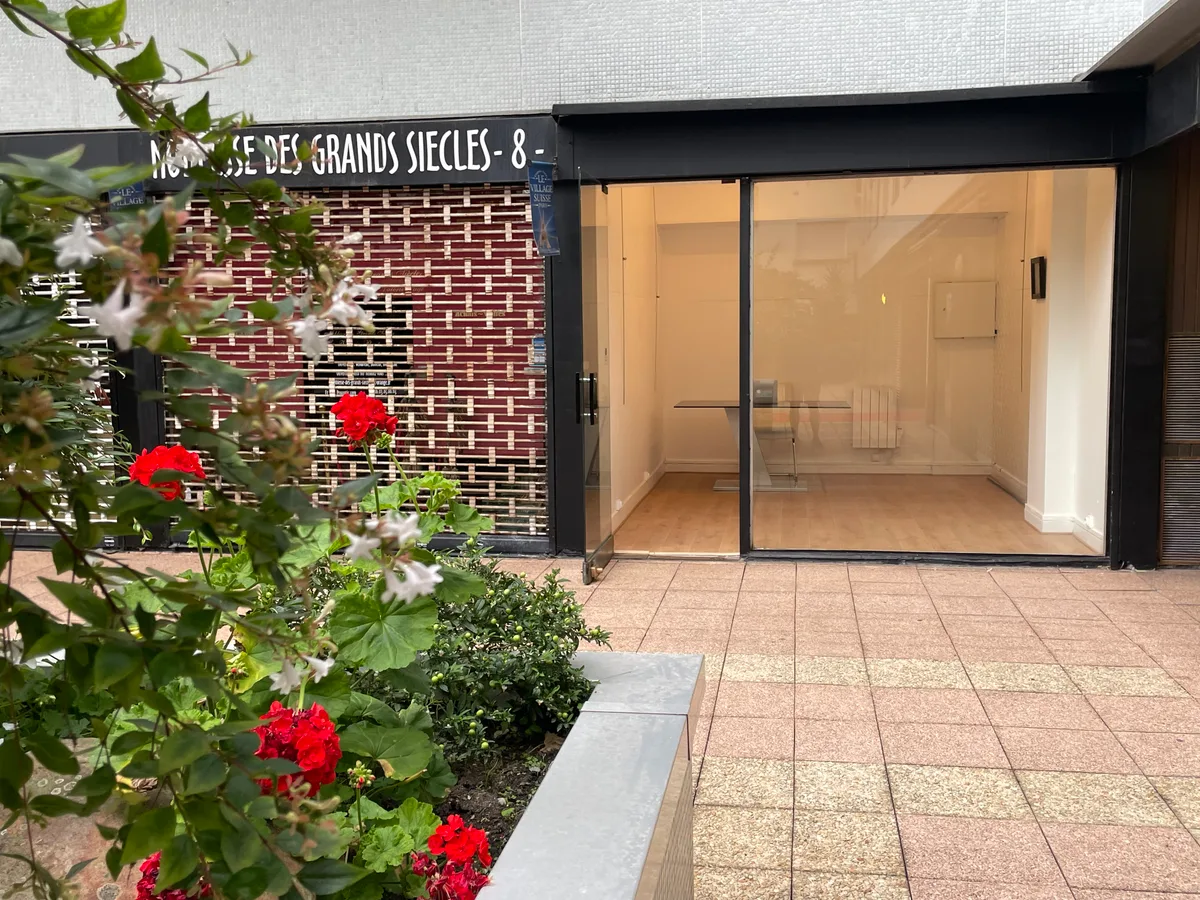
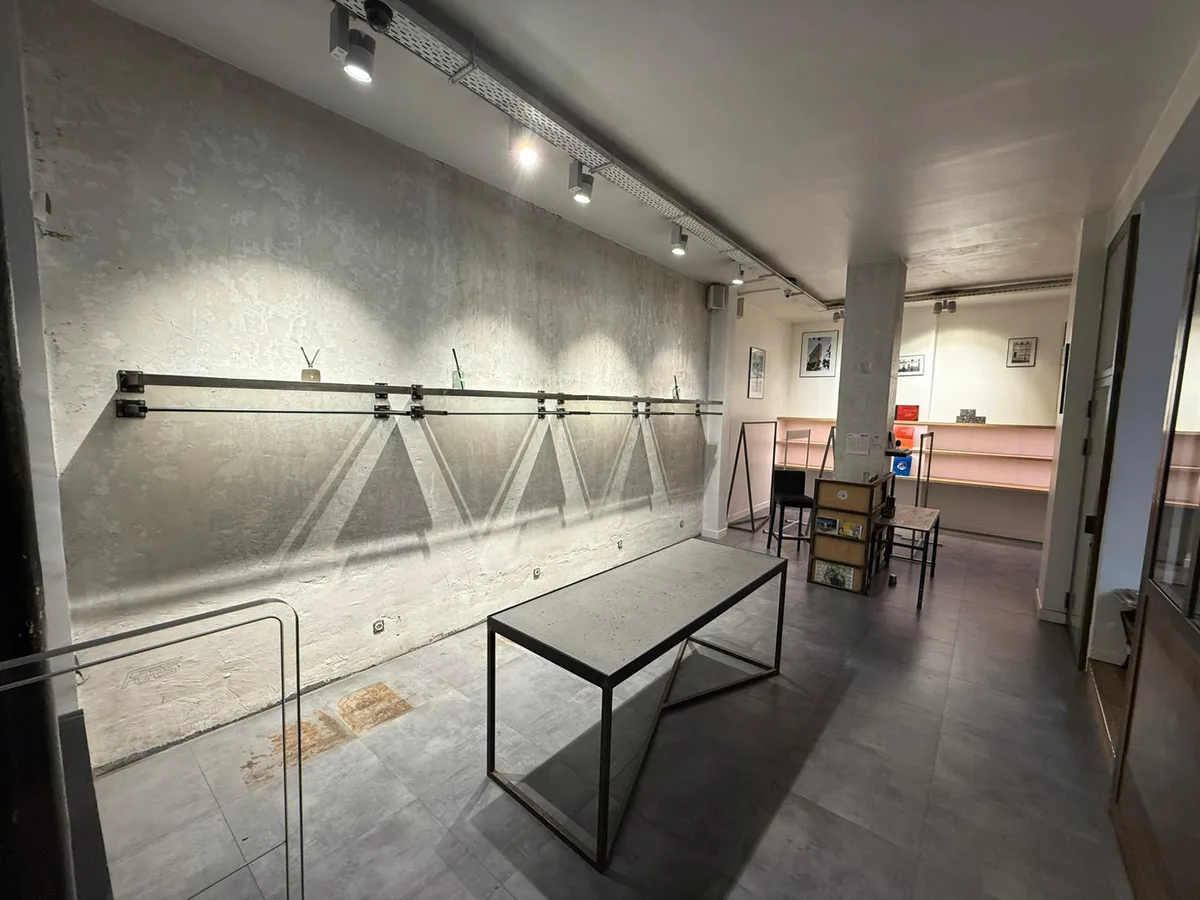
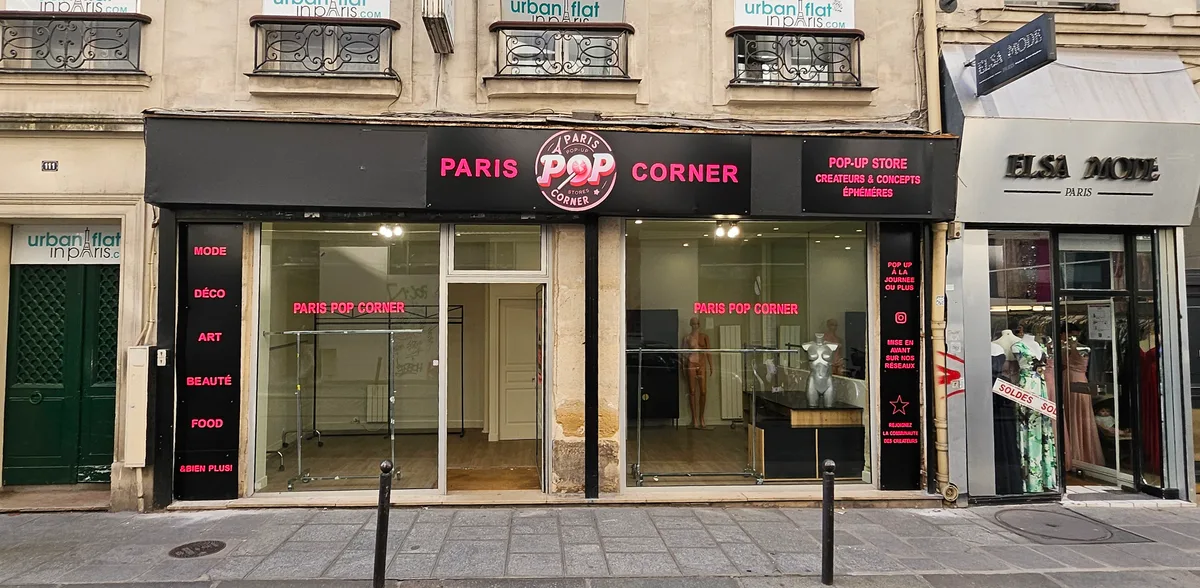
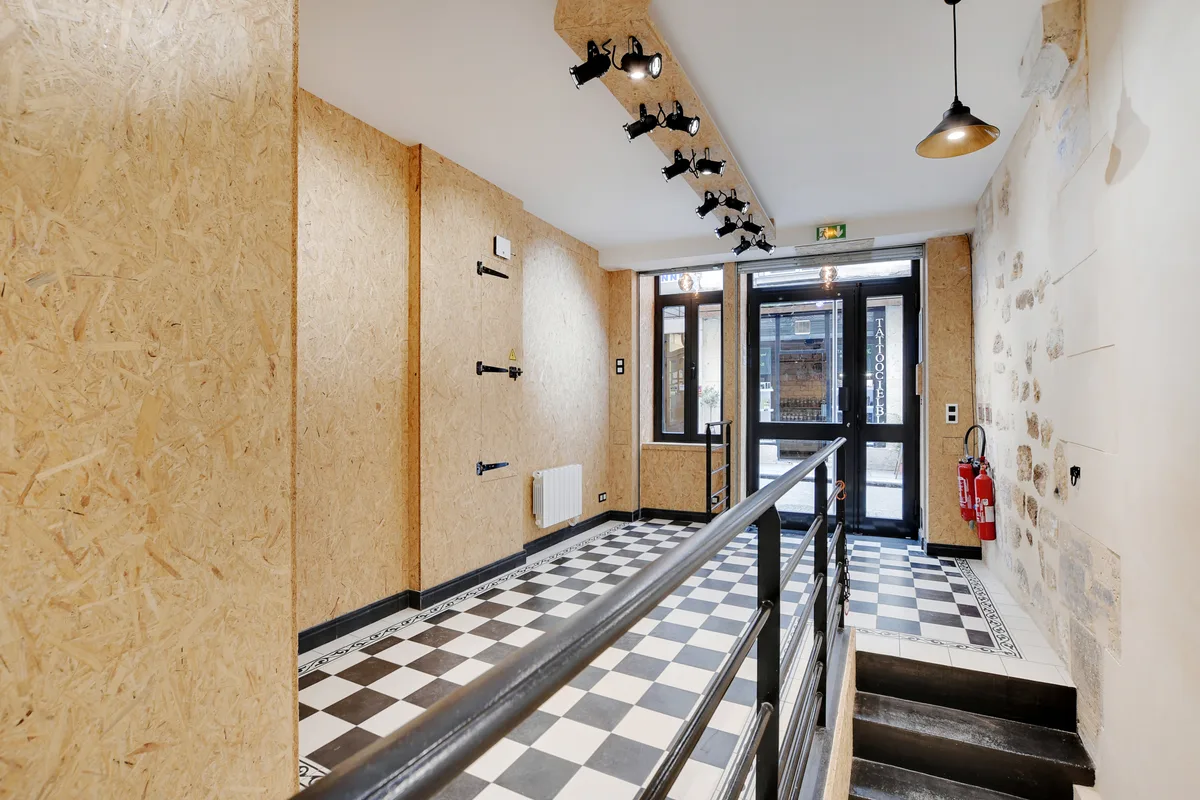
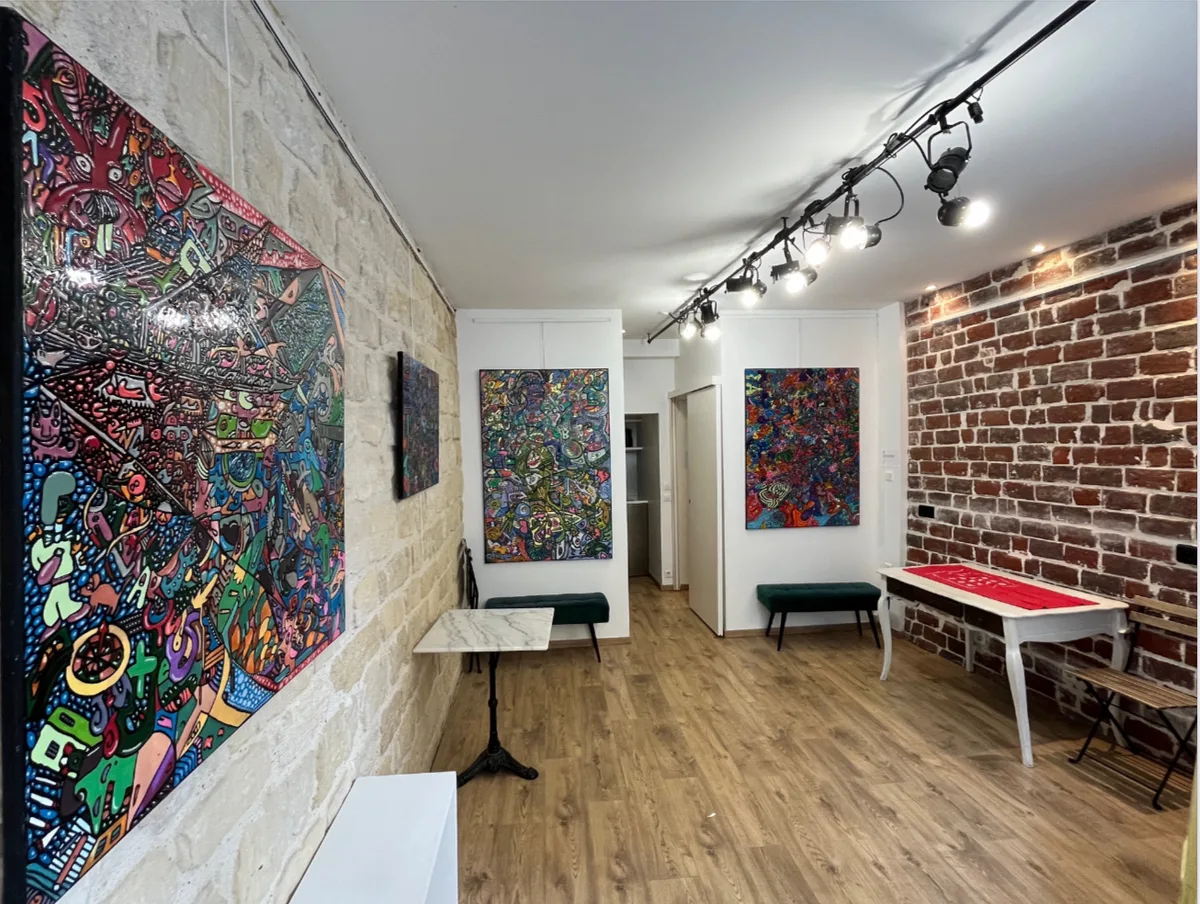
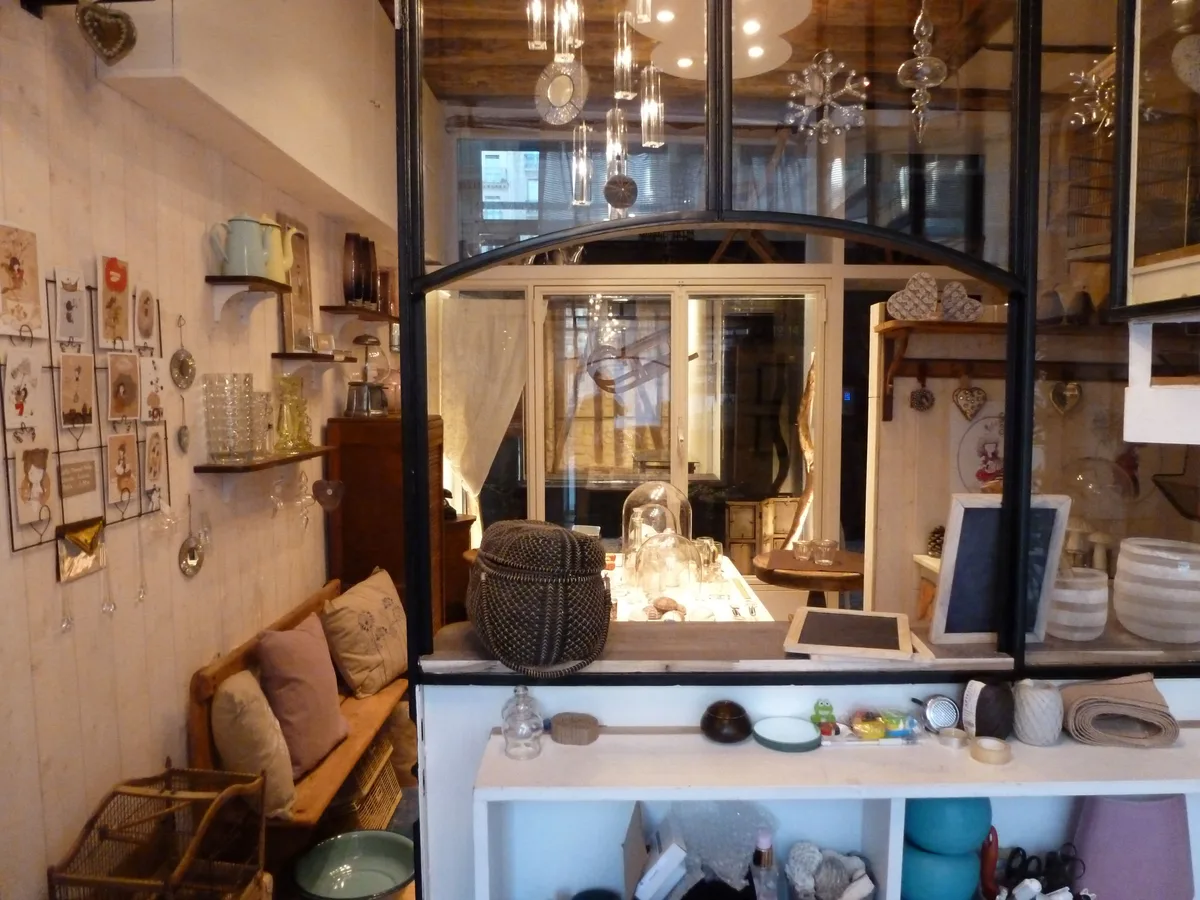
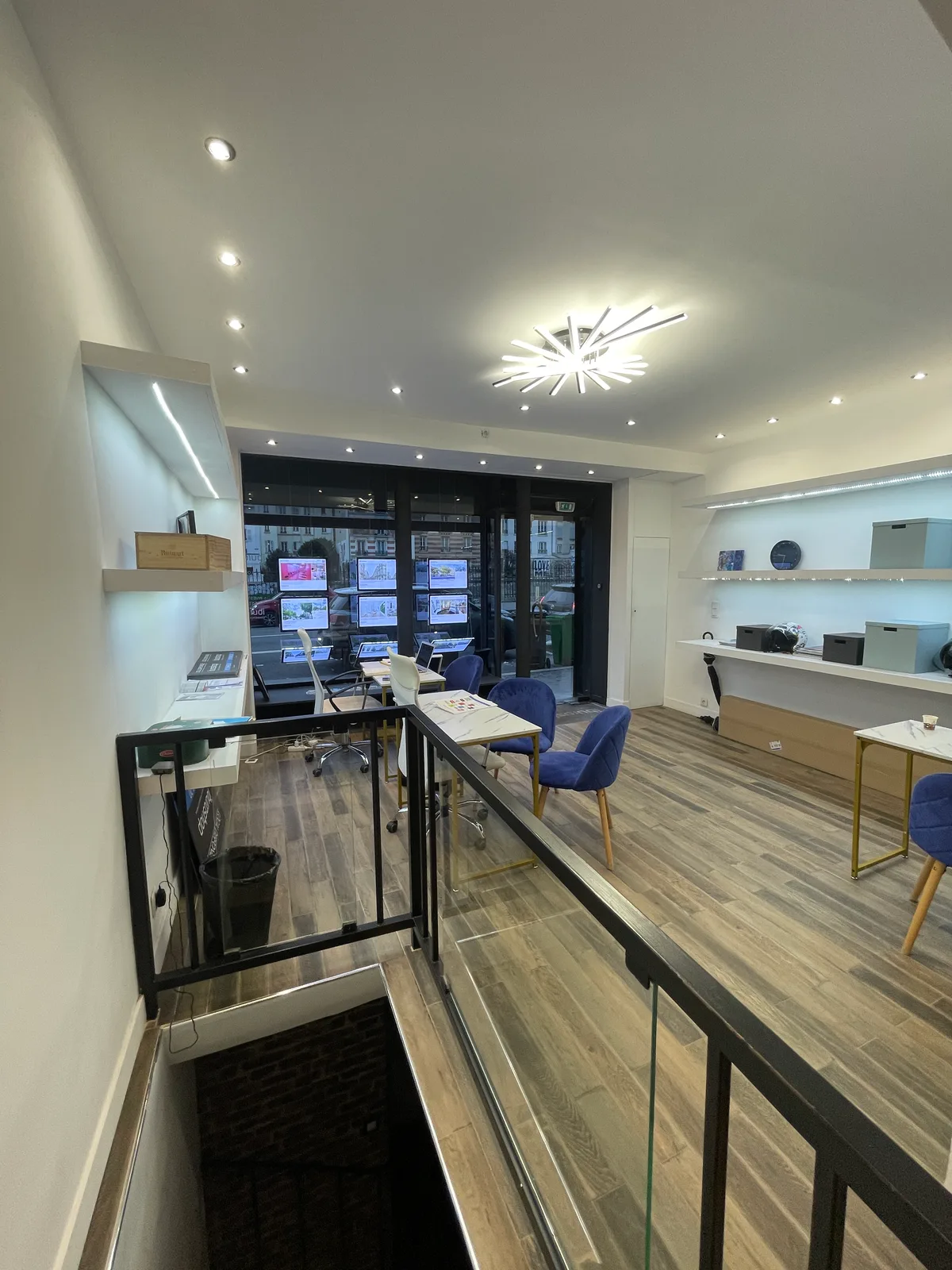
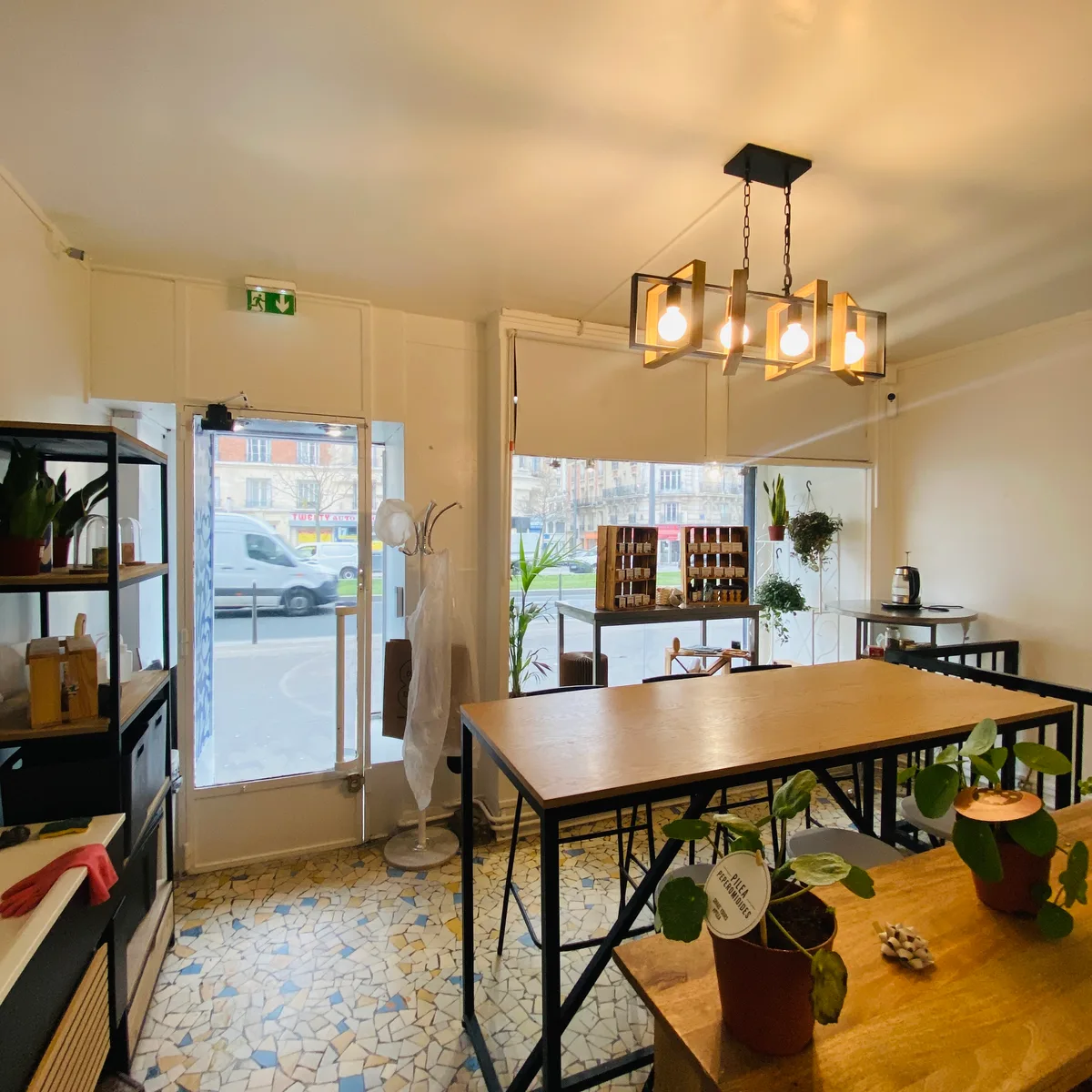
A pop up store on Avenue Montaigne represents the highest expression of temporary luxury retail in Paris. This single street, running through the 8th arrondissement parallel to the Champs-Élysées, hosts the flagship boutiques of Dior, Chanel, Louis Vuitton, Valentino, and dozens of other maisons, making it one of the most commercially and symbolically powerful retail corridors in the world. For international brands, emerging designers, and established fashion houses planning activations during Paris Fashion Week or beyond, securing and executing a presence here demands strategic planning, expert local knowledge, and a full-service operational partner. Fashion Week Venues works with brand teams at every stage of this process, from initial space identification through to activation management and post-event analysis.
What Makes Avenue Montaigne the Premier Address for Pop-Up Retail in Paris
Avenue Montaigne earns its status as Paris's most coveted pop-up destination through a combination of heritage, footfall quality, media density, and proximity to the institutions that define global fashion. The street sits within the Golden Triangle, flanked by Avenue George V and Avenue des Champs-Élysées, and functions as a permanent stage for luxury brand storytelling.
The Haussmannian façades that line the avenue provide a visual backdrop that instantly communicates prestige. Building regulations in this arrondissement require that any temporary retail installation or brand activation respect the existing architectural character, which means that window dressing, signage, and façade treatments must align with the aesthetic language of the surrounding maisons. This constraint, rather than being a limitation, becomes a creative brief that forces brands to produce their most refined work.
The footfall on Avenue Montaigne skews heavily toward high-net-worth individuals, international tourists with significant purchasing power, fashion press, buyers, and the creative community that congregates in Paris during major fashion weeks. This is not an avenue where volume-driven retail strategies perform. It is an avenue where brand equity is built, editorial content is created, and wholesale relationships are initiated through physical experience.
During Paris Fashion Week, the concentration of shows, presentations, and appointments in the 8th arrondissement creates a captive audience of exactly the people that luxury and premium brands most need to reach. Brands that have operated pop-up stores along this corridor during fashion week periods report significant uplift in press coverage, social amplification, and buyer interest relative to activations in other Paris neighbourhoods.
The competitive landscape is intense. Jacquemus has demonstrated how a well-positioned temporary activation in Paris can generate global media coverage that vastly exceeds the cost of the space itself. Balenciaga, under the creative direction of Demna, has used temporary Parisian retail environments to launch collections and create sensory spaces that extend the runway narrative into a physical commercial setting. Bottega Veneta has leveraged short-term retail formats to introduce products like the Pillow Tabby to new audiences. Coperni and NOMANUAL have both used Paris Fashion Week periods to establish physical touchpoints that reinforce their digital-first brand strategies.
The Parisian couture house culture also means that Avenue Montaigne activations carry a specific legitimacy signal. When a brand chooses this address, it is aligning itself with Christian Dior, Valentino, and the broader lineage of French luxury craftsmanship. That alignment has measurable commercial value in markets where Paris provenance drives purchase decisions, particularly in Korea, China, and the Gulf states.
Quick answer: Avenue Montaigne is Paris's most prestigious pop-up retail address because it sits at the heart of the Golden Triangle, adjacent to the flagship boutiques of the world's leading fashion houses, and draws a concentrated audience of high-net-worth shoppers, international press, and fashion buyers during and between fashion week seasons.
KEY TAKEAWAY: A pop-up store on Avenue Montaigne is not simply a temporary retail exercise. It is a brand positioning statement delivered in the most visible luxury retail corridor in Europe, with an audience that disproportionately shapes global purchasing decisions and media narratives.
Understanding the specific mechanics of how to secure, design, and operate a pop-up in this environment requires moving beyond general knowledge of Paris retail into the granular specifics of space availability, permit requirements, and activation logistics unique to this corridor.
The Landscape of Luxury Pop-Up Activations on Avenue Montaigne: Key Examples and What They Reveal
The most instructive way to understand what a successful pop-up store on Avenue Montaigne looks like in practice is to study the activations that have defined the format in recent years. These examples reveal not just aesthetic choices but strategic logic, operational structure, and the relationship between physical space and global brand narrative.
Dior and the Archival Display Model
Christian Dior's maison at 30 Avenue Montaigne has served as the anchor point for some of the most ambitious temporary retail and exhibition formats in Paris. Dior activations in this corridor have combined archival display with current collection merchandise, creating environments where the Lady Dior bag and the Miss Dior perfume bottle are presented alongside historical artefacts and craft documentation. This approach transforms the pop-up from a sales environment into a cultural destination, drawing visitors who may not be immediate purchasers but who become brand advocates and content creators. The interior design of these activations draws heavily on the maison's couture archive, with references to the original salons at 30 Avenue Montaigne and the relationship between Christian Dior and the Haussmannian aesthetic of mid-century Paris. The result is a lounge-like environment that invites extended dwell time, building emotional connection to the brand and its craftsmanship narrative. Dior-branded hot chocolate and other hospitality elements have appeared in these activations, reinforcing the sense that the visitor is a guest rather than a customer.
Jacquemus and the Experiential Retail Playbook
Jacquemus has become the defining case study in experiential retail for a generation of brand teams. The brand's temporary activations in Paris, including its celebrated vending machine pop-ups and seasonal store concepts, demonstrate how a relatively young luxury brand can generate disproportionate press coverage and social engagement through a combination of unexpected spatial concepts, tight aesthetic control, and strategic timing against the Paris Fashion Week calendar. The Jacquemus model prioritises Instagram-ready moments, with display systems and spatial arrangements designed to produce shareable content at every turn. This is not accidental. It represents a deliberate editorial strategy in which the physical space functions as a content studio as much as a retail environment.
Balenciaga and Sensory Spaces
Under Demna's creative direction, Balenciaga has used Paris as a laboratory for sensory spaces that deliberately challenge conventional luxury retail aesthetics. The Le Cagole pop-up and associated activations created environments that felt deliberately uncomfortable in the context of traditional Parisian couture, using that tension to generate conversation and position the brand as a counterpoint to the established luxury market hierarchy. The approach demonstrates that Avenue Montaigne and the broader 8th arrondissement are not exclusively territory for heritage-coded activations. Brands with a deconstructivist or provocative identity can operate here effectively, provided the concept is executed with the same level of craft and attention to detail that the street demands.
Tiffany and the Jewellery Pop-Up Format
Tiffany's Paris activations have demonstrated how jewellery brands can use temporary retail to reintroduce archive collections alongside current lines. Under Anthony Ledru's leadership, Tiffany has pursued a strategy of reconnecting with its design heritage through physical retail experiences that present high jewellery masterpieces alongside accessible entry-level pieces like Tiffany T1, City Hardwear rings, and the broader Knot and Victoria collections. Temporary boutique formats have allowed the brand to present Jean Schlumberger, Elsa Peretti, Louis Comfort Tiffany, and George Paulding Farnham design legacies in dedicated spatial narratives, using jewellery displays, archival documentation, and specialist staff to deliver jewellery styling advice, custom engraving services, and online and in-store appointment booking within an intimate environment. This model of combining high jewellery masterpieces with engraved gifts and monogrammed necklaces creates a broad commercial range within a single activation.
Global Brand Activations and the Seoul Parallel
It is notable that many brands activating on Avenue Montaigne are simultaneously running or planning activations in Seoul, particularly in the Seongdong district, which has emerged as the most commercially significant pop-up retail market in Asia. The Paris-Seoul axis reflects the fact that the two cities currently function as the primary luxury brand activation markets globally, with overlapping audiences of high-net-worth consumers, press, and buyers. Brands that successfully execute in both cities during their respective fashion week periods achieve a multiplier effect on press coverage and brand positioning.
DID YOU KNOW: Brands activating during Paris Fashion Week in the 8th arrondissement can reach an audience that includes buyers, press, and consumers from over 40 countries within a single week, making it one of the most concentrated brand-building opportunities in the global retail calendar.
KEY TAKEAWAY: The most successful Avenue Montaigne pop-up activations share three structural characteristics: a clear spatial narrative rooted in brand heritage or brand disruption, a deliberate content strategy that treats the space as a media asset, and a commercial structure that converts visitor engagement into measurable brand and sales outcomes.
With these precedents established, the practical question for brand teams is how to translate strategic ambition into a workable operational plan for Paris, including the specific requirements around space selection, permits, design, production, and staffing.
Architecture, Interior Design, and Spatial Strategy for Avenue Montaigne Pop-Ups
The physical design of a pop-up store on Avenue Montaigne must reconcile several competing demands: it must be brand-coherent, architecturally respectful of the Haussmannian context, commercially functional, and photographically compelling. These requirements are not contradictory, but achieving all four simultaneously requires expert design direction from the outset.
The Role of Architectural Practice in Luxury Pop-Up Design
Major luxury brands increasingly commission architectural firms with strong cultural credibility to design their temporary retail environments. The Office for Metropolitan Architecture, founded by Rem Koolhaas, has been influential in defining how architecture can serve brand strategy through spatial experience. OMA/AMO's work spans exhibition curation, urbanism, and cultural analysis as well as retail design, and projects including Prada's Epicenter stores, the Faena Arts District, Milstein Hall, the Wyly Theater, the Seattle Central Library, and the IIT Campus Center demonstrate a consistent approach to spatial narrative that luxury brands find directly applicable to temporary retail. The firm has also worked on masterplans and urban water strategy projects that inform its thinking about how people move through and experience designed spaces.
The influence of this architectural thinking is visible in how contemporary pop-up stores on Avenue Montaigne approach spatial sequencing, material selection, and the relationship between display and circulation. Rather than maximising product density, the best Avenue Montaigne activations treat space as a luxury in itself, using generous proportions, carefully curated display, and considered material palettes to signal brand confidence.
Digital design practices have also become central to contemporary pop-up spatial strategy. Firms like d'strict, known for immersive digital art installations, have influenced how brands think about integrating digital content into physical retail environments. The concept of hyperphysical stores, in which digital and physical elements are inseparable from one another, has moved from theory into mainstream practice. Phygital furniture, interactive display systems, and skateboard scenography have all appeared in Paris pop-up activations in recent seasons, reflecting the influence of designers including Kwangho Lee and Jeonghwa Seo on the broader luxury retail spatial language.
Haussmannian Context and Building Regulations
Any brand designing a pop-up activation in the 8th arrondissement must work within the regulatory constraints that protect the Haussmannian architectural character of the area. These constraints cover external signage, window treatments, temporary structures attached to or extending from the building façade, and any modifications to structural elements. The regulations exist to protect the visual coherence of the neighbourhood and are enforced by the Mairie de Paris and the relevant arrondissement authority. Brands that attempt to impose visual identities that conflict with the Haussmannian framework risk both permit refusal and reputational damage in a neighbourhood where the aesthetic standard is defined by the flagship boutiques of the world's leading fashion houses.
Interior design is subject to fewer external regulatory constraints, but the landlord's specific requirements will govern what modifications can be made to the space during the term of the lease. Most temporary retail spaces in the 8th arrondissement are let on terms that require restoration to original condition at the end of the tenancy, which means that any fit-out investment must be designed with de-installation in mind from day one.
TIP: Commission a reversibility audit as part of the initial design brief. Every material, fixing, and structural element should be assessed for its de-installation cost before build approval is given. This prevents costly surprises at the end of the activation period.
KEY TAKEAWAY: Spatial design for Avenue Montaigne pop-ups must balance brand ambition with architectural respect, regulatory compliance, and reversibility. The brands that execute most successfully in this environment treat design and logistics as a single integrated brief rather than separate workstreams.
The design and production phase connects directly to the question of what types of spaces are actually available on and around Avenue Montaigne, and how brands should approach space selection and lease negotiation in this specific market.
Finding and Securing Pop-Up Space on Avenue Montaigne: A Practical Framework
Securing a pop-up space on Avenue Montaigne is a materially different process from finding temporary retail space in other Paris neighbourhoods. The combination of extremely limited availability, long lead times, high landlord expectations, and complex permit requirements means that brands approaching this market without specialist support are at a significant disadvantage.
Quick answer: Pop-up spaces on Avenue Montaigne and the immediate surrounding area in the 8th arrondissement require lead times of three to six months minimum for fashion week-adjacent windows, specialist knowledge of available formats, and a clear understanding of the bail dérogatoire lease structure and associated permit requirements.
Space Types Available in the Avenue Montaigne Corridor
| Space Type | Typical Configuration | Best Suited For | Approximate Availability Window |
|---|---|---|---|
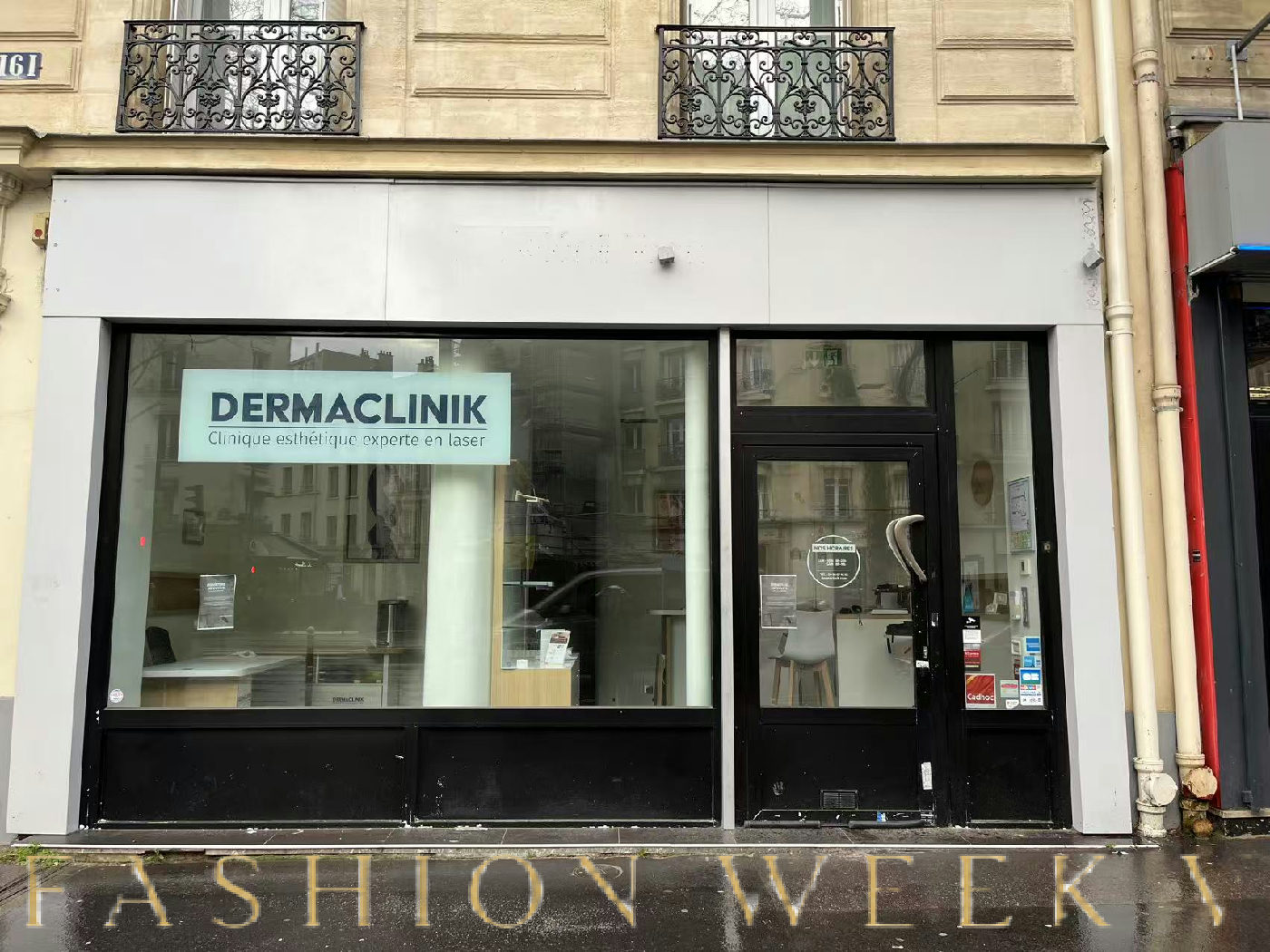
| Former boutique ground floor | 60 to 200 square metres, street frontage, display windows | Luxury brands, jewellery, accessories | Rare, requires 4 to 6 months lead time |
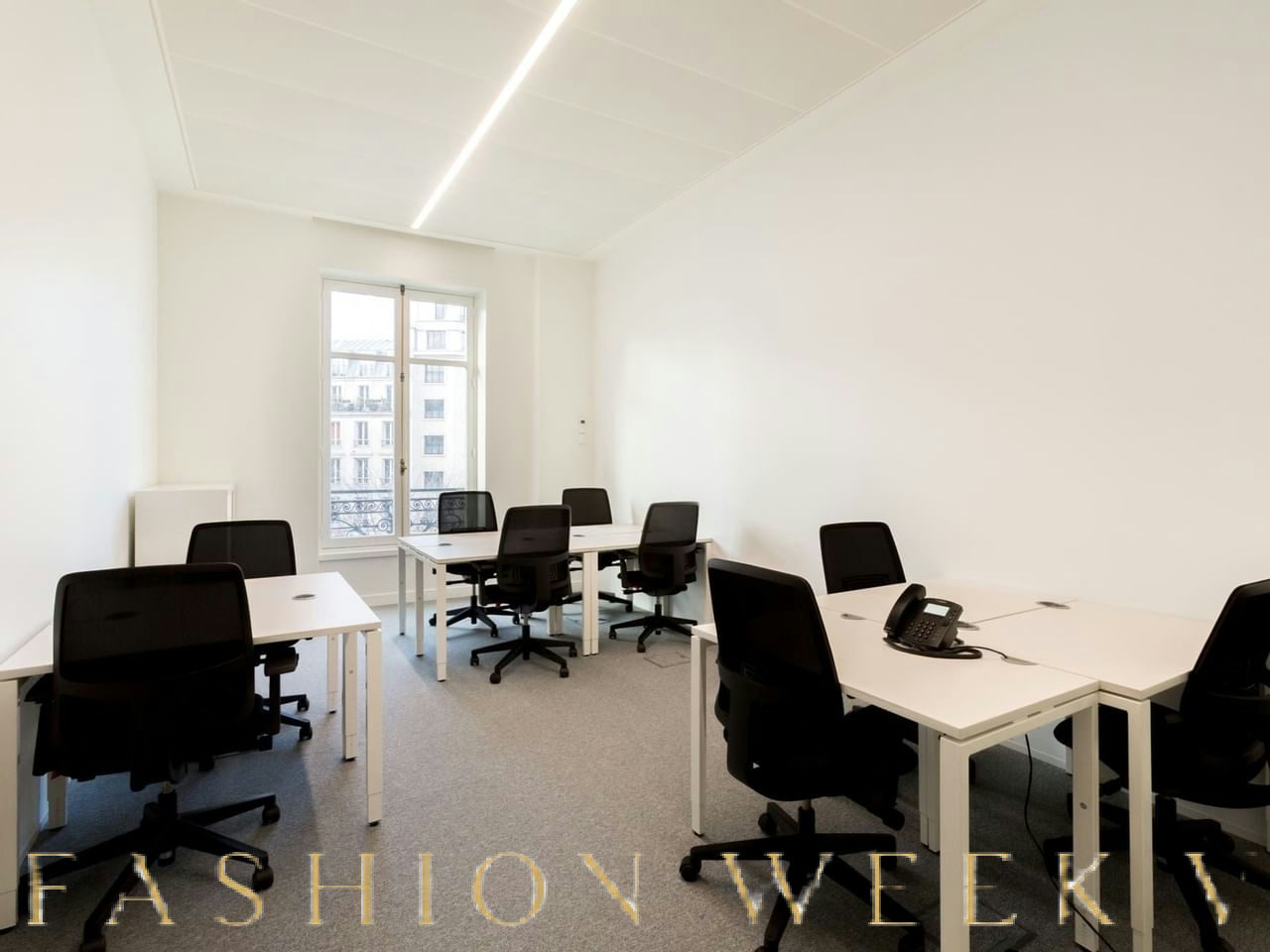
| Apartment or hôtel particulier | 200 to 600 square metres, multiple rooms, private entrance | Showrooms, press days, private sales | Occasional, requires commercial permit conversion |
| Gallery or event space | 100 to 400 square metres, flexible layout | Experiential activations, exhibitions | Moderate, through specialist agents |
| Hotel venue or lounge | Variable, managed by hotel operator | Press presentations, private events | Good availability with advance booking |
| Adjacent side streets | 30 to 150 square metres, varied formats | Emerging brands, single-category activations | Better availability, lower cost base |
The Bail Dérogatoire and Short-Term Lease Structure
French commercial lease law defaults to the bail commercial, a nine-year lease structure with significant tenant protections and landlord obligations. For temporary retail activations, the relevant instrument is the bail dérogatoire, which permits short-term commercial occupation of up to three years without triggering the protections of the standard commercial lease. This instrument is specifically designed for temporary use cases and is the standard legal framework for pop-up retail in Paris. However, the bail dérogatoire must be correctly structured to remain legally valid. If a brand occupies a space under a bail dérogatoire and continues beyond the maximum permitted term without converting to a standard lease, the occupation may be reclassified, creating significant legal and financial liability. Brands should always verify their lease structure with a qualified French legal advisor before signing any agreement.
For spaces used as event venues, exhibition spaces, or non-commercial brand activations rather than retail sales environments, an autorisation d'occupation temporaire may be the appropriate framework instead. The specific requirements vary by space type, intended use, duration, and arrondissement, and the permit landscape in the 8th arrondissement is particularly carefully monitored given the density of flagship retail in the area.
IMPORTANT: Requirements for temporary retail permits in Paris vary by space type, intended use, duration, and arrondissement. Always verify your specific situation with a qualified French legal advisor. Fashion Week Venues provides directional guidance through its permit tool but does not provide legal advice.
Lead Times and Calendar Alignment
The Paris fashion week calendar creates specific pressure points in the availability of Avenue Montaigne spaces. The two primary windows are Paris Fashion Week Womenswear in late February and early March, and Paris Fashion Week Womenswear in late September and early October. Paris Haute Couture week in January and July creates additional pressure, as does the Paris Men's Fashion Week in January and June. Brands targeting the July window, which in 2026 runs from approximately July 6 to 9 for menswear and haute couture combined calendar events, should begin space searches no later than March of the same year. For September fashion week activations, searches should begin in April at the latest.
To explore available spaces and begin building a brief for your Paris activation, the Paris city hub on Fashion Week Venues provides neighbourhood breakdowns, space category filters, and calendar alignment tools that help brands identify realistic options for their target window.
KEY TAKEAWAY: Securing pop-up space on Avenue Montaigne requires specialist market knowledge, a correctly structured bail dérogatoire, appropriate permit planning, and lead times that most international brands underestimate by two to three months. Starting the process early is the single most important variable in achieving this address.
The Paris Fashion Week Calendar and Its Impact on Avenue Montaigne Activations
Paris Fashion Week creates a predictable annual cycle of demand for premium retail space in the 8th arrondissement, and Avenue Montaigne sits at the centre of that cycle. Understanding how the calendar shapes both opportunity and competition is essential for any brand planning an activation in this corridor.
The fashion week calendar in Paris covers four distinct seasons: Menswear and Haute Couture in January, Haute Couture in July, Menswear in June, and Womenswear in February to March and September to October. Each of these windows creates a different audience profile and a different competitive context for pop-up activations. The Womenswear seasons draw the largest concentration of international press, buyers, and high-net-worth consumers. The Haute Couture seasons draw a smaller but extremely high-value audience including private clients, collectors, and specialist press. The Menswear seasons draw a growing audience of streetwear-adjacent culture consumers alongside traditional fashion press.
Brands that align their Avenue Montaigne pop-up with a specific fashion week window benefit from the ambient energy of the season: the concentration of media attention on Paris luxury fashion, the presence of key opinion leaders and influencers, and the editorial context provided by the runway shows happening within walking distance. A pop-up store opening during Paris Fashion Week in the 8th arrondissement will appear in the background of street style photography, be visited by influencers documenting their fashion week diaries, and be referenced in press coverage of the overall Paris fashion scene.
Brands that open outside fashion week windows sacrifice this ambient amplification but may find better space availability, more flexible landlord terms, and the opportunity to attract a more leisure-oriented tourist audience without competition from the hundreds of other brand activations that crowd the calendar during fashion week itself.
The cultural and lifestyle dimension of Paris Fashion Week also creates opportunities for activations that are not purely retail-focused. Events at venues including Manko Paris, cultural programming connected to the fashion calendar, and brand activations that incorporate dance workshops, artist collaborations, or artisanal craft demonstrations add experiential depth to what might otherwise be a straightforward product display. Brands exploring Latin American cultural narratives, for example, have used Paris Fashion Week periods to present Latin styles alongside rebozo techniques and collaborations with designers including Renata Piazzetta and collections from brands like Waimari in a way that positions the activation as a cultural encounter rather than a sales event.
Quick answer: The Paris Fashion Week calendar creates four primary activation windows per year. Womenswear seasons in February to March and September to October offer the highest ambient press amplification. Brands should plan to be fully operational at least two days before the first shows of their target season to capture early arrivals and pre-show coverage.
KEY TAKEAWAY: Calendar alignment is a strategic decision as important as space selection. The right window amplifies activation impact; the wrong window forces a brand to generate its own audience from scratch in a market where competition for attention is already intense.
Hyperphysical Pop-Ups and the New Frontier of Experiential Retail on Avenue Montaigne
The concept of the hyperphysical pop-up store has moved from industry conversation to operational reality in Paris over the past three seasons. This format represents the convergence of physical retail, experiential design, digital integration, and cultural programming into a single space that functions simultaneously as a store, an exhibition, a content studio, and a brand event.
Avenue Montaigne is well suited to the hyperphysical format because the surrounding context already operates at a high level of aesthetic and experiential intensity. Visitors to this corridor arrive with elevated expectations and a readiness to engage with brand environments that go beyond standard retail. The challenge for brands is not to justify the investment in experiential design but to execute it at a standard that the street demands.
Digital and Physical Integration
The most advanced Avenue Montaigne activations in recent seasons have incorporated digital design elements as integral components of the spatial experience rather than add-ons. Large-scale digital installation, interactive surfaces, and responsive lighting systems have all featured in flagship luxury activations in the area. The influence of digital design practices developed by firms including d'strict and applied by designers including Kwangho Lee and Jeonghwa Seo is visible in how brands now think about the relationship between the physical object on display and the digital context surrounding it.
Phygital furniture, which incorporates embedded digital functionality into physical objects, has appeared in several Paris activations in ways that allow visitors to access product information, customisation options, or brand storytelling content through physical interaction rather than screen-based browsing. This approach respects the luxury retail convention that the physical object is primary while extending the brand narrative into digital dimensions that are increasingly expected by younger luxury consumers.
The Selfridges Model and its Paris Application
The Selfridges Mews and Old Selfridges Hotel projects in London have demonstrated how a heritage retail institution can use temporary spatial interventions to create recurring cultural moments that drive press coverage, social engagement, and commercial performance simultaneously. The application of this model to Avenue Montaigne contexts requires adaptation for the Parisian regulatory and aesthetic environment, but the underlying strategic logic translates directly: use temporary space to create experiences that are too interesting not to document, share, and return to.
Brands operating in Paris with this ambition benefit from working with partners who understand both the creative possibilities and the operational constraints of the Avenue Montaigne environment, including building permit requirements, noise and event regulations specific to the 8th arrondissement, and the expectations of landlords who protect the long-term reputation of their buildings.
DID YOU KNOW: Hyperphysical pop-up stores that incorporate interactive or immersive digital elements typically generate two to three times the social media coverage of comparable activations using standard display formats, according to multiple brand case studies tracked by retail strategy consultancies including The Future Laboratory.
KEY TAKEAWAY: The hyperphysical pop-up format represents the current leading edge of luxury retail activation strategy in Paris. Brands that invest in genuine experiential depth, rather than surface-level aesthetics, consistently outperform on press coverage, social engagement, and conversion metrics.
To move from spatial concept to operational reality, brands need a clearly structured activation process that covers every stage from initial brief to post-activation analysis. This is where a full-service agency partner provides its most critical value.
How Fashion Week Venues Supports Pop-Up Store Activations on Avenue Montaigne
Fashion Week Venues operates as both a space marketplace and a full-service agency for brands planning pop-up activations in Paris and other major fashion capitals. For brands targeting Avenue Montaigne specifically, the agency provides a combination of market access, operational expertise, and production capability that would be difficult to assemble independently within the timelines that Paris Fashion Week activations typically demand.
Services Relevant to Avenue Montaigne Activations
The venue sourcing service covers identification of available spaces in the 8th arrondissement and surrounding Golden Triangle neighbourhoods, including off-market opportunities that are not publicly listed. This is particularly valuable for Avenue Montaigne, where the best spaces are typically filled through direct relationships rather than open listings.
The concept direction service helps brand teams translate a creative brief into a spatial narrative that is appropriate for the Avenue Montaigne context, legally compliant with building and permit requirements, and practically executable within the available budget and timeline.
The production and build service covers the fit-out of the space from design sign-off through to opening, including all contractor management, materials procurement, and installation logistics. This service is particularly important in the 8th arrondissement, where building access restrictions, heritage protection requirements, and the logistical complexity of working in a densely populated luxury retail corridor require experienced project management.
The activation management service covers the day-to-day operation of the pop-up during its live period, including event management, press and buyer appointment scheduling, and coordination with influencer and media partners. The retail staffing service provides trained brand ambassadors with luxury retail experience and French-language capability.
Tools for Paris Activation Planning
Fashion Week Venues provides a suite of planning tools specifically designed for brand teams in the early stages of Paris activation planning. The budget estimation tool allows brand teams to generate directional cost frameworks for Avenue Montaigne activations based on space size, duration, fit-out level, and service requirements. The permit guidance tool provides a structured overview of the permit landscape for temporary retail in Paris, including the bail dérogatoire, autorisation d'occupation temporaire, and specific requirements for event-type activations. The timeline planning tool maps the critical path from initial brief to activation launch, identifying dependencies and lead-time requirements at each stage.
The ROI calculation tool helps brand teams build a business case for their activation by mapping anticipated outcomes across press value, social reach, direct sales, and wholesale relationship development against projected costs. This is particularly useful for brand teams presenting Avenue Montaigne activation proposals to commercial leadership who require quantified return metrics.
Limitations to Understand
Fashion Week Venues does not guarantee the availability of specific spaces, permit approvals, or commercial outcomes. Space availability on Avenue Montaigne is subject to market conditions, landlord decisions, and competition from other brands targeting the same windows. Permit approvals are the responsibility of the relevant Paris authorities and are subject to regulatory assessment. Fashion Week Venues provides guidance and support throughout both processes but cannot guarantee outcomes. All brands are strongly advised to verify their specific legal and permit requirements with a qualified French legal advisor.
KEY TAKEAWAY: Fashion Week Venues provides the market access, operational expertise, and production capability that brands need to execute Avenue Montaigne activations to the standard the street demands. The agency's value is in reducing risk, compressing timelines, and delivering executional quality that reflects the prestige of the address.
Budget Framework for a Pop-Up Store on Avenue Montaigne
Budgeting for an Avenue Montaigne pop-up activation is one of the most common challenges brand teams face, and it is also one of the areas where underestimation creates the most operational risk. The cost components for a Paris luxury pop-up are numerous, and the Avenue Montaigne context adds premiums at almost every line item compared to other Paris neighbourhoods.
Quick answer: Budget planning for an Avenue Montaigne pop-up must account for space rental, fit-out production, permit costs, operational staffing, event management, influencer and press hosting, and brand-specific technology or entertainment elements. Directional estimates vary significantly by space size, duration, and activation scope. Use the Fashion Week Venues budget tool to build a framework specific to your brief.
Cost Component Framework
| Cost Component | Notes | Relative Weight |
|---|---|---|
| Space rental | Varies by size, location, and duration. Premium applies during fashion week windows | High |
| Fit-out and production | Custom build including materials, labour, installation, and de-installation | Very high |
| Permit and legal fees | Bail dérogatoire structuring, any additional event or signage permits | Medium |
| Retail staffing | Brand ambassadors, sales staff, security, event support | Medium to high depending on duration |
| Technology and digital | POS systems, digital display, interactive elements | Variable |
| Hospitality and events | Opening event, press day, buyer appointments, VIP hosting | Medium |
| Influencer and content | Influencer management, photography, social content production | Medium |
| Logistics | Product delivery, security, insurance | Medium |
| Contingency | Recommended minimum 15 percent of total budget | Essential |
IMPORTANT: Avenue Montaigne rental rates are not published publicly and vary significantly by specific building, available term, and market conditions at the time of negotiation. Fashion Week Venues does not publish directional rental figures for this corridor. Use the budget planning tool for brand-specific estimates based on your brief and timeline.
KEY TAKEAWAY: Brands that treat fit-out and production as the variable cost to be reduced when budgets tighten typically undermine the very quality signal that makes Avenue Montaigne valuable as an address. The space alone does not confer prestige; the activation quality does.
Operational Workflow: From Brief to Live Activation on Avenue Montaigne
Translating a brand's strategic ambition for an Avenue Montaigne pop-up into a live, operational activation requires a structured process with clearly defined stages, responsibilities, and decision points. The following workflow table reflects the typical critical path for a Paris luxury pop-up activation.
| Stage | Key Activities | Responsible Party | Typical Timeline Before Opening |
|---|---|---|---|
| 1. Brief and strategy | Define activation objectives, target audience, calendar window, budget parameters | Brand team plus agency | 6 to 8 months |
| 2. Space identification | Search available spaces, shortlist candidates, conduct viewings | Agency venue sourcing team | 5 to 6 months |
| 3. Space negotiation and lease | Negotiate terms, structure bail dérogatoire, sign heads of terms | Agency plus brand legal team | 4 to 5 months |
| 4. Permit planning | Identify required permits, prepare applications, submit to relevant authorities | Agency permits team | 3 to 4 months |
| 5. Concept and design | Develop spatial concept, produce design drawings, secure brand approval | Agency design team plus brand | 3 to 4 months |
| 6. Production planning | Tender contractors, procure materials, plan build schedule | Agency production team | 2 to 3 months |
| 7. Build and fit-out | Execute installation, dress space, install technology | Agency production team | 2 to 4 weeks |
| 8. Soft opening and review | Internal walkthrough, press preview, final adjustments | Brand team plus agency | 1 to 3 days |
| 9. Live activation | Daily operations, event hosting, sales, content creation | Agency operations team plus brand | Ongoing |
| 10. De-installation and reporting | Space restoration, performance data analysis, ROI reporting | Agency plus brand | 1 to 2 weeks post-close |
Quick answer: A full-service Avenue Montaigne pop-up activation typically requires a minimum of four to six months from initial brief to opening day, with longer lead times strongly preferred for fashion week-adjacent windows where space and permit competition is highest.
Brands interested in understanding the full agency process for a Paris luxury activation can review the approach in detail through the Fashion Week Venues process page.
KEY TAKEAWAY: Operational success on Avenue Montaigne depends on the integrity of the planning process as much as the quality of the creative concept. Each stage of the workflow has dependencies that cannot be compressed without creating risk downstream. Brands that shortcut the early stages typically pay more in the execution stage to recover lost time.
Global Context: Avenue Montaigne Activations Within a Multi-City Brand Strategy
For international brands, an Avenue Montaigne pop-up rarely exists in isolation. It typically forms part of a multi-city activation strategy that may also include locations in Seoul, London, Milan, New York, Dubai, and Tokyo. Understanding how Paris fits within this broader geography is essential for allocating budget correctly and maximising the amplification value of each individual activation.
The Paris-Seoul axis is currently the most commercially significant dual-city pairing for luxury brand activations. Brands that activate simultaneously or sequentially in Paris and Seoul achieve a press and social amplification effect that neither city alone can generate. The Seongdong district in Seoul functions as a direct cultural counterpart to Avenue Montaigne in terms of audience quality and media attention, and many of the brands that activate most effectively in Paris also maintain strong activation programmes in Korean markets.
The global dimension extends beyond Seoul. Brands with significant markets in China have used Paris activations as proof-of-concept for subsequently rolling out experiential retail formats in cities including Shenzhen and Hainan Island. The duty-free shopping zone status of Hainan Island makes it a particularly significant market for luxury goods, and brands that can demonstrate Paris-level execution quality gain credibility with the Hainan retail operators who control access to this market. Similarly, activations in Jilin Province, particularly connected to the Lake Songhua Seibu Prince Hotel ski resort context, have used Ski pop-up formats with ice sculpting techniques and Lunar New Year programming to reach high-net-worth Chinese consumers in a context where the winter luxury lifestyle positioning aligns closely with the brand values that Avenue Montaigne activations communicate.
In Latin American markets, brands are increasingly using Paris Fashion Week activations as platforms to introduce Latin styles and Latin American brands to European and global audiences. Pop-up formats that incorporate dance workshops, traditional craft techniques including rebozo techniques associated with designers like Renata Piazzetta, and collections from contemporary Latin American designers including Waimari position the activation as a cultural diplomacy exercise as well as a retail event. The Sanya Edition Hotel in China and venues across Amsterdam, Lima, and Amazonia represent further nodes in the global activation networks that Paris-based brand teams are building around their fashion week presence.
The A/W 2022 Collection cycle demonstrated how a Paris runway presentation, amplified by a well-executed Avenue Montaigne pop-up activation, could drive commercial and cultural momentum across multiple markets simultaneously. Brands that invested in Paris activations during that season reported significant downstream effects in markets including Korea, China, and the Gulf states in the following 12 months.
Fashion Week Venues operates city hubs across Paris, London, Milan, New York, Dubai, and Tokyo, allowing brands to manage multi-city activation strategies through a single agency relationship. The twin co-activation concept is specifically designed for brands that want to activate two spaces simultaneously, either within Paris or across two cities, to maximise coverage and create a narrative arc across locations.
KEY TAKEAWAY: Avenue Montaigne activations deliver their maximum strategic value when embedded within a multi-city brand programme that amplifies the Paris signal across global markets. Brands that treat Paris as a standalone activation miss the multiplier effect that global coordination creates.
Common Myths About Pop-Up Stores on Avenue Montaigne: Debunked
MYTH: International brands need a French legal entity to rent a pop-up space on Avenue Montaigne.
FACT: International brands can access Avenue Montaigne spaces without a pre-existing French company structure, provided the lease and any associated commercial permits are correctly structured. A bail dérogatoire can be entered into by foreign entities with appropriate representation, though the specific requirements depend on the space type and landlord terms. Working with a specialist agency that has established relationships with Parisian landlords significantly simplifies this process. Always verify with a qualified French legal advisor.
MYTH: Paris Fashion Week is the only viable calendar window for an Avenue Montaigne pop-up activation.
FACT: While Paris Fashion Week creates the highest ambient press amplification for Avenue Montaigne activations, the street receives significant high-quality footfall year-round. Brands targeting private client audiences, tourist-season shoppers, or the Parisian resident luxury market can execute effective activations outside fashion week windows, often with better space availability, more negotiating flexibility, and a longer effective activation period than is typically achievable during the compressed fashion week calendar.
MYTH: Commission brokers are the only reliable way to find pop-up space on Avenue Montaigne.
FACT: While traditional commercial property brokers have historically dominated access to luxury retail space in Paris, the market has evolved significantly. Full-service pop-up agencies with dedicated space marketplaces and established landlord relationships now provide brand teams with direct access to both listed and off-market opportunities. This model offers greater transparency on terms, faster decision timelines, and integrated support for the permit, design, and production stages that brokers do not typically cover.
MYTH: Short-term commercial leases in Paris are legally straightforward and do not require specialist legal or operational support.
FACT: The bail dérogatoire and related French commercial lease instruments carry specific legal requirements and limitations that are not self-evident to international brands unfamiliar with the French legal system. Incorrectly structured short-term leases can create unexpected liability, and permit requirements for temporary retail in the 8th arrondissement add an additional layer of complexity. Brands that proceed without specialist support regularly encounter delays, additional costs, and compliance issues that specialist agency support would have prevented.
MYTH: A Cloudflare security block or access restriction on a venue listing website means the space is unavailable or the inquiry cannot proceed.
FACT: Some venue listing platforms use security services including Cloudflare to protect against online attacks, SQL command injections, and malformed data submissions. A Cloudflare Ray ID block typically indicates an automated or flagged request rather than a problem with the inquiry itself. Brands that encounter access restrictions should contact the site owner directly through a verified email address or contact form, as the block relates to web security parameters rather than space availability. Working with a full-service agency that has direct landlord and marketplace relationships eliminates this intermediary friction entirely.
Frequently Asked Questions About Pop-Up Stores on Avenue Montaigne
What is the minimum duration for a pop-up store on Avenue Montaigne?
Minimum duration for temporary retail spaces in the 8th arrondissement varies by landlord and space type, but most Avenue Montaigne-adjacent spaces are available for a minimum of one to two weeks. Fashion week-adjacent activations are typically structured for the duration of the relevant season, which runs approximately five to ten days. Brands seeking shorter micro-activations of two to five days may find more flexibility in adjacent side streets or through hotel venue partnerships where the operator manages the space commercially. The bail dérogatoire accommodates durations up to three years, so there is no regulatory minimum duration above the practical minimum set by individual landlords. Use the timeline planning tool to map your specific activation calendar requirements.
Is it possible to run an exhibition rather than a retail store on Avenue Montaigne?
Yes. Many of the most impactful activations on and around Avenue Montaigne combine exhibition curation with a retail component, or operate as pure exhibition formats without direct product sales on site. Exhibition-format activations can use an autorisation d'occupation temporaire rather than a bail dérogatoire in some cases, though the specific permit requirements depend on the space type, anticipated footfall, and whether any commercial transactions occur on the premises. Dior has demonstrated this format effectively by combining archival display with brand storytelling in temporary environments that build cultural authority without functioning as conventional retail stores. A French legal advisor should confirm the appropriate permit structure for exhibition-only formats.
Do brands need a security service for an Avenue Montaigne pop-up activation?
Most Avenue Montaigne pop-up activations involving high-value merchandise, jewellery displays, or significant footfall during fashion week periods will require a professional security solution. The specific security requirements depend on the nature of the merchandise, the format of the activation, any opening events, and the landlord's own security requirements for the building. High jewellery masterpieces, Tiffany diamond engagement rings, and similar high-value items require specialist security planning that goes beyond standard retail security. Security costs should be included in the initial budget framework and the security briefing should be developed in parallel with the spatial design to ensure coverage is integrated into the visitor flow without compromising the activation experience.
How does Paris Fashion Week in July 2026 affect space availability on Avenue Montaigne?
The July 2026 Paris Fashion Week calendar, running from approximately July 6 to 9 for the combined menswear and haute couture programming, creates a compressed but high-intensity demand window for premium spaces in the 8th arrondissement. Brands targeting this window should begin their space search no later than February 2026 to have realistic access to Avenue Montaigne and Golden Triangle options. Later start dates significantly reduce available choices and increase rental premiums as competition intensifies. The fashion week period in July also coincides with peak summer tourist season in Paris, creating an unusually broad audience mix of fashion industry visitors and leisure tourists that some brands can effectively target with appropriately positioned activations.
What types of brands are most successful with Avenue Montaigne pop-up activations?
Avenue Montaigne is most effective for brands operating in luxury fashion, accessories, jewellery, beauty, and high-end lifestyle categories where the prestige of the address directly reinforces brand positioning. Established luxury houses use the address to deepen their couture narrative, while premium brands use it to signal an aspiration to luxury positioning. Emerging brands with strong aesthetic credentials and clear brand narratives can also perform well if the activation is executed at a production standard that matches the street's expectations. The least effective activations are those where the brand positioning is incongruent with the Avenue Montaigne context or where the production quality fails to meet the standard set by neighbouring flagship boutiques.
How should brands approach influencer and press coverage for an Avenue Montaigne pop-up?
Press and influencer strategy for an Avenue Montaigne activation should begin at the brief stage rather than the week before opening. The most effective approach integrates the content strategy into the spatial design, ensuring that the activation creates specific photographable moments, provides compelling narrative hooks for editorial coverage, and generates the kind of social content that drives Instagram sharing and wider media pickup. Exclusive previews for key press and buyers before the public opening, private appointment formats for high-value clients and jewellery styling advice sessions, and structured influencer hosting programmes are standard components of a well-executed Avenue Montaigne activation. The Fashion Week Venues influencer marketing service supports brands in identifying and managing the right talent for Paris-specific activations.
What is a bail dérogatoire and why does it matter for Avenue Montaigne pop-ups?
A bail dérogatoire is a short-term commercial lease under French law that permits temporary occupation of commercial premises for up to three years without triggering the full protections of the standard nine-year bail commercial. It is the primary legal instrument for pop-up retail in Paris. For Avenue Montaigne specifically, it is typically the appropriate lease structure for activations of any duration from one week to several months. The instrument must be correctly drafted to remain legally valid, and brands must not continue occupation beyond the permitted term without converting to an appropriate long-term lease structure. Given the complexity of French commercial lease law for international brands, specialist legal advice is strongly recommended.
Can brands from outside Europe run a pop-up store on Avenue Montaigne without a Paris-based team?
International brands regularly activate on Avenue Montaigne without a permanent Paris-based team by working with a full-service local agency that manages space sourcing, production, operations, and staffing on their behalf. This model requires a clearly structured agency brief, robust communication protocols, and regular decision-making checkpoints to ensure the brand's creative and commercial standards are maintained throughout. The brand team typically attends key milestones including design sign-off, build inspection, and the opening period, while the agency manages day-to-day operations. Fashion Week Venues is structured specifically to support this model for international brands entering the Paris market.
What are the most common mistakes brands make when planning an Avenue Montaigne pop-up?
The most common mistakes are insufficient lead time, underestimating fit-out costs, neglecting permit planning until too late, failing to account for de-installation costs, and treating the activation as a pure sales exercise rather than a brand-building event. On the creative side, brands that apply a global visual identity without adapting it to the Avenue Montaigne architectural context often produce activations that look out of place rather than aspirationally positioned. On the operational side, brands that fail to build a security solution into the initial plan and budget typically face last-minute cost overruns and compromised activation quality. A full-service agency partner with Paris-specific experience eliminates most of these risks before they materialise.
How does the Avenue Montaigne pop-up market compare to other Paris luxury retail neighbourhoods?
Avenue Montaigne occupies the highest prestige tier in Paris luxury retail pop-up activation. The Rue Saint-Honoré and Faubourg Saint-Honoré corridor offers comparable prestige with slightly different brand adjacencies and a broader range of space formats. Le Marais, particularly the 3rd and 4th arrondissements, offers more flexible space availability, lower rental premiums, and access to a younger, more culturally diverse audience. Saint-Germain-des-Prés in the 6th arrondissement offers a literary and artistic brand positioning context that suits certain luxury and lifestyle brands. For brands seeking maximum luxury brand adjacency and fashion week amplification, Avenue Montaigne remains the premier choice, but for brands with different audience profiles or budget parameters, adjacent neighbourhoods offer compelling alternatives.
How do jewellery brands specifically use Avenue Montaigne pop-ups?
Jewellery brands use Avenue Montaigne pop-ups to present high jewellery masterpieces in a dedicated spatial narrative that permanent boutique environments often cannot create due to security and operational constraints. Temporary formats allow jewellery houses to configure specific room sequences that guide visitors through a brand's design heritage, from archival references to current collections including rings, necklaces and pendants, and earrings. Specialist services including jewellery styling advice, custom engraving services for monogrammed necklaces and engraved gifts, and jewellery cleaning and repair can be offered in an intimate setting that strengthens client relationships. Online appointment and store appointment booking systems integrated into the activation allow brands to extend the commercial conversation beyond the physical activation period.
What role does the Ile-de-France regulatory environment play in Avenue Montaigne pop-up planning?
The Ile-de-France regional regulatory environment governs several aspects of temporary retail in Paris, including commercial activity classification, environmental requirements, and some elements of signage and outdoor display regulation. For Avenue Montaigne specifically, the 8th arrondissement's position within the central Paris heritage zone means that regulatory oversight is more stringent than in outer arrondissements. Brands should ensure that their agency partner has current knowledge of Ile-de-France and Paris municipal regulations as they apply to temporary retail, as these can change between activation cycles. The Fashion Week Venues permit tool provides a current overview of the permit landscape, though brands should always verify requirements with a qualified French legal advisor.
What is the best way to measure the return on investment from an Avenue Montaigne pop-up?
ROI measurement for luxury pop-up activations must capture both commercial and brand value metrics to provide a complete picture of activation performance. Commercial metrics include direct sales revenue, wholesale order values generated during buyer appointments, and conversion rates from visitor interactions. Brand value metrics include press coverage value, social media reach and engagement, influencer content production value, and long-term brand awareness uplift tracked through research. For Avenue Montaigne specifically, the press and editorial value typically represents the largest component of total activation value, which is why production quality and spatial storytelling are so critical to ROI. The Fashion Week Venues ROI calculator tool helps brand teams model the full value framework before committing to the activation budget.
How far in advance should brands start planning for Paris Fashion Week September 2026?
For September 2026 Paris Fashion Week activations on or near Avenue Montaigne, the planning process should ideally have begun by March or April 2026 at the latest. This allows sufficient time for space identification, lease negotiation, permit applications, design development, and production planning within a timeline that reaches build commencement in August 2026. Brands approaching the September season for the first time, or those with complex activation requirements, should aim to start even earlier. The fashion week window fills quickly, and the most desirable spaces in the 8th arrondissement are typically committed months before the season opens. The Fashion Week Venues timeline planning tool can help brand teams identify the right start date for their specific activation scope and complexity.
Can a pop-up store on Avenue Montaigne serve as a brand's first permanent retail presence in Paris?
A pop-up activation can serve as a strategic precursor to a permanent Paris retail presence, allowing a brand to test market response, build local client relationships, and demonstrate commercial viability before committing to a long-term lease. Several international brands have followed this path, using one or two fashion week pop-up activations to build awareness and demand before opening permanent boutiques in Paris. The Avenue Montaigne context is particularly valuable for this purpose because the brand adjacencies and audience quality provide a strong validation signal for permanent retail feasibility in the luxury segment. Brands exploring this path should structure their pop-up activations to maximise client data collection, press relationship development, and wholesale buyer engagement alongside direct commercial performance.
Conclusion: Executing a Successful Pop-Up Store on Avenue Montaigne
A pop-up store on Avenue Montaigne is among the most ambitious and strategically valuable retail activations a brand can undertake anywhere in the world. The combination of heritage, audience quality, media concentration, and brand adjacency that this single address delivers is available nowhere else in the global luxury retail landscape. But the same qualities that make Avenue Montaigne so powerful also make it demanding. The production standards, permit requirements, lead times, and operational complexity of activating in this corridor are significant, and brands that underestimate any dimension of this complexity typically fail to deliver the activation quality that the address demands.
The most successful Avenue Montaigne activations share a consistent set of characteristics: they are rooted in a genuine and specific brand narrative rather than generic luxury aesthetics, they are produced at a standard that matches or exceeds the surrounding flagship boutiques, they are strategically timed against the Paris Fashion Week calendar to maximise ambient amplification, and they are supported by a full-service agency partner with direct Paris market knowledge and established local relationships.
Whether your brand is planning its first Paris activation or refining an established presence in the Golden Triangle, the process of moving from strategic ambition to operational reality requires the same structured approach: a clear brief, expert local support, sufficient lead time, and a realistic budget that reflects the true cost of excellence in this environment.
To move from research to activation, start exploring available spaces on the Fashion Week Venues marketplace and build a focused brief for your target neighbourhood, space type, and calendar window. The Paris team is available to support every stage of the process, from initial space shortlisting through to post-activation analysis and reporting.