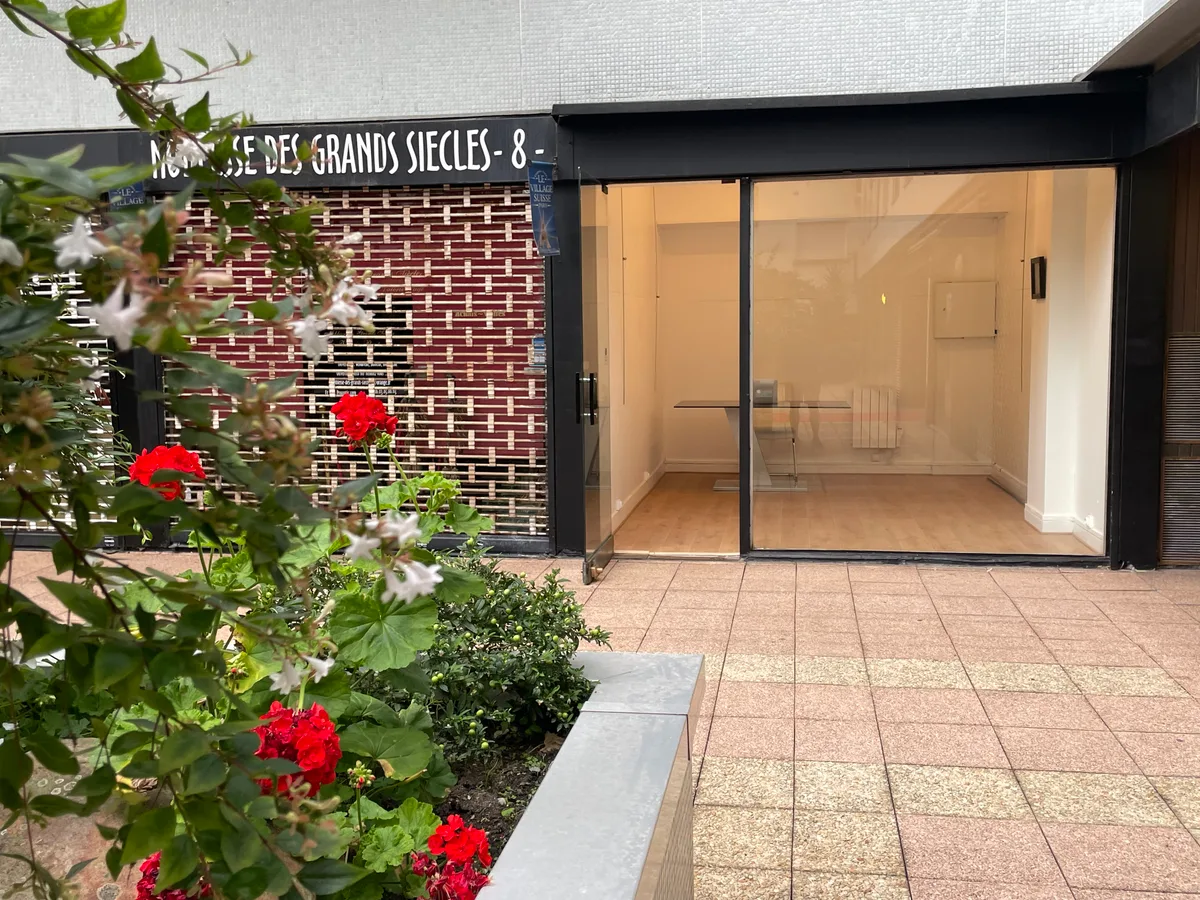
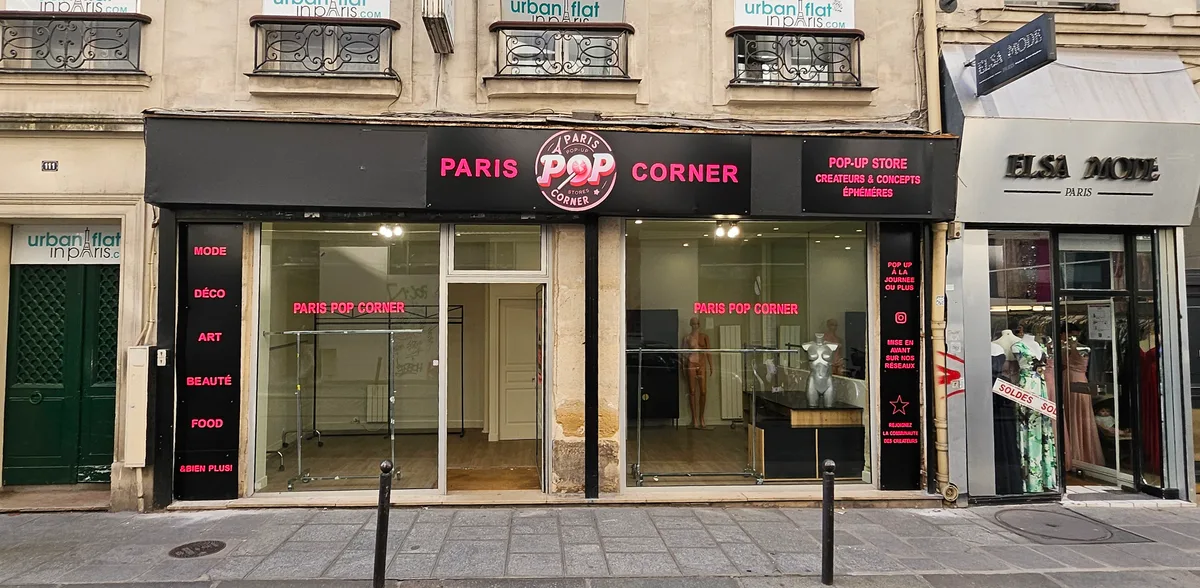
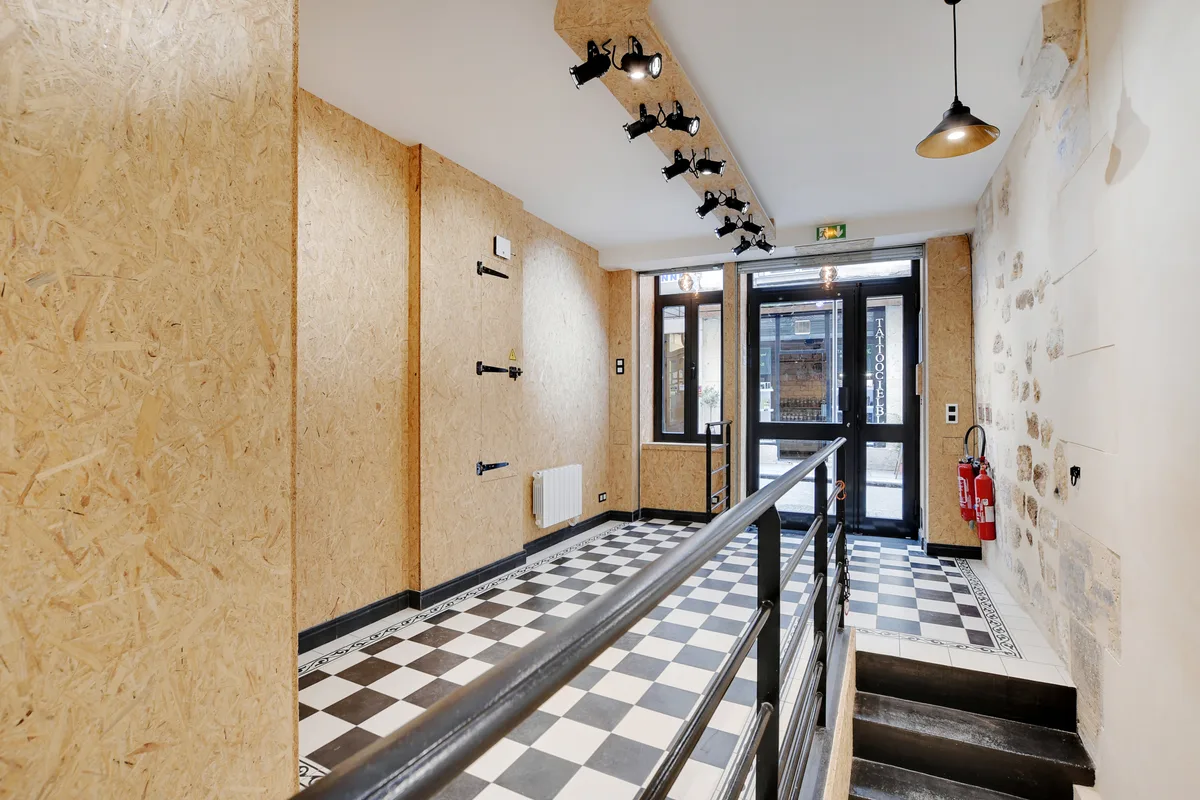
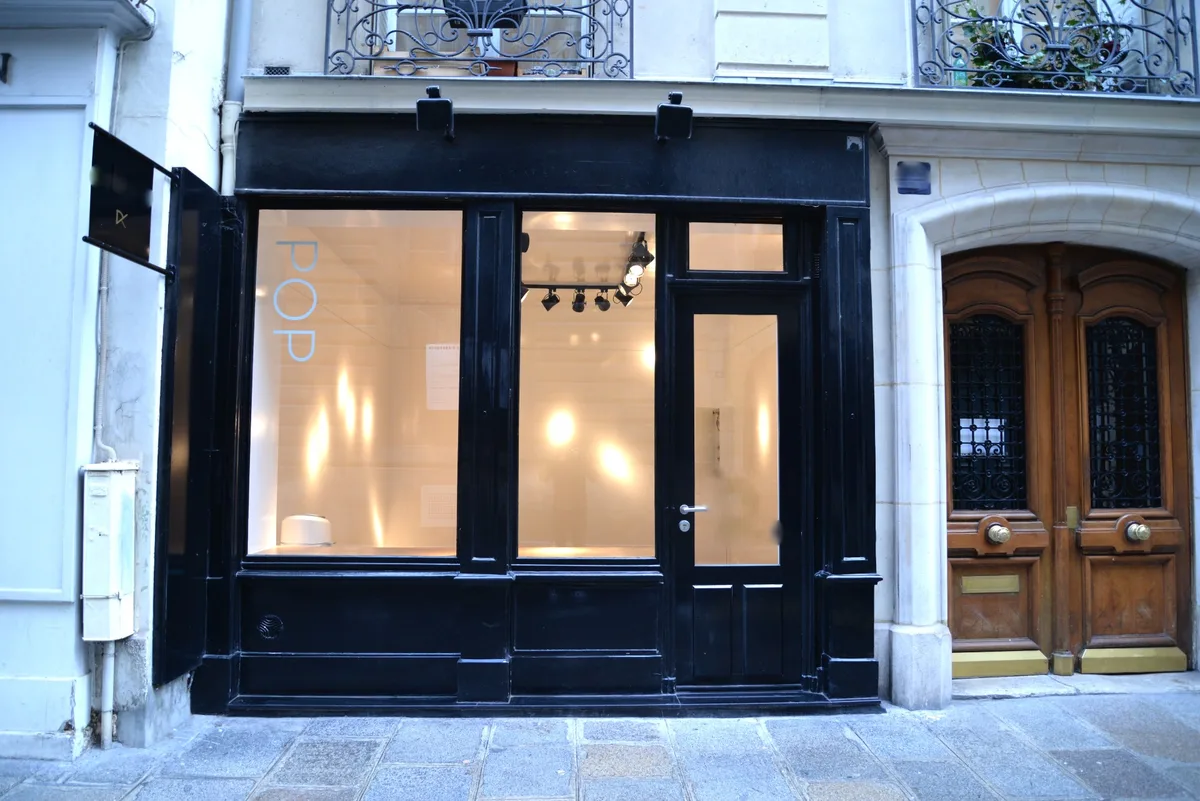
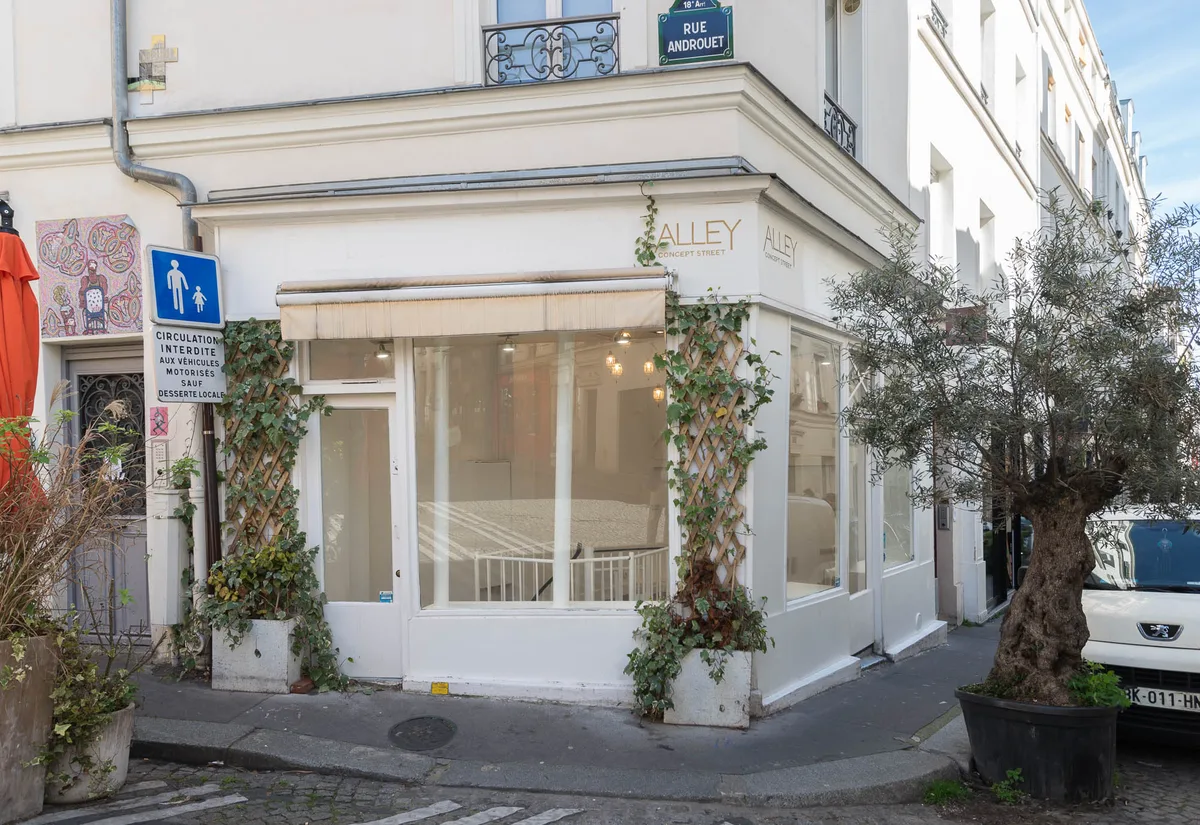
Pop up store rental Paris is one of the most competitive and rewarding short-term retail strategies available to fashion brands, beauty labels, lifestyle companies, and international brands entering the French market. Paris remains the global benchmark for temporary retail, combining world-class foot traffic, an unmatched cultural calendar, and neighbourhoods that function as brand stages in their own right. Whether your brand is planning a product launch during Paris Fashion Week, a showroom activation in Le Marais, or a weekend retail event near Saint-Germain-des-Prés, the logistics, regulations, and neighbourhood dynamics differ significantly from other cities. This guide covers everything brand teams need to know to plan, budget, permit, and execute a successful pop-up store rental in Paris, with practical guidance from the Fashion Week Venues Paris city hub.
Why Rent a Pop-Up Store in Paris: The Strategic Case for Temporary Retail in the City of Light
Paris offers brand teams something no other city can replicate: a concentration of culturally engaged, design-literate consumers, an annual retail event calendar that draws international press and buyers, and neighbourhoods where physical retail still commands genuine social currency. The magasin éphémère, or temporary store, is not a workaround in Paris. It is a legitimate and respected retail format used by brands at every scale, from independent designers testing their first collection to global fashion houses staging immersive brand activations during Fashion Week.
Quick answer: Renting a pop-up store in Paris gives brands direct access to one of the world's most influential consumer markets in a format that is agile, reversible, and measurable. It allows brands to test product-market fit, build earned media, generate consumer data, and establish a physical presence without the cost or commitment of a permanent lease.
The strategic value of a Paris pop-up store extends well beyond direct revenue. Brands that activate in Paris during key calendar windows, including Paris Fashion Week in February and September, FIAC in October, and Paris Design Week in September, gain access to a concentrated audience of press, buyers, influencers, and culturally engaged consumers who are actively seeking new retail experiences. This density of attention means that a well-executed pop-up store in the right Paris neighbourhood can generate earned media, social media coverage, and brand positioning outcomes that would cost multiples of the rental fee in paid advertising.
Paris also functions as a proving ground for international brands entering Europe. A short-term retail activation in a premium location, whether near Place Vendôme, along Rue du Faubourg Saint-Honoré, or within the Marais district, signals credibility to French and European buyers and stockists. Unlike a permanent boutique, the pop-up format creates urgency and exclusivity, two qualities that Parisian consumers respond to strongly.
The city's retail geography is unusually diverse. Within a few arrondissements, brands can choose between the high-fashion prestige of the 1st and 8th arrondissements, the creative energy of Le Marais in the 3rd and 4th, the intellectual lifestyle positioning of Saint-Germain-des-Prés in the 6th, and the emerging neighbourhood character of Batignolles in the 17th or République in the 11th. Each of these areas attracts a distinct consumer profile, which allows brands to match their space to their target audience with precision.
For brands operating on campaign cycles rather than retail seasons, the pop-up format also provides a clean data capture opportunity. Brands can measure foot traffic, conversion rates, average transaction values, and consumer demographics in a controlled environment before committing to a permanent retail strategy. Paris pop-up stores that incorporate structured data collection often generate insights that reshape a brand's entire European distribution approach.
DID YOU KNOW: Paris hosts multiple major cultural and commercial events each year that drive concentrated foot traffic to specific neighbourhoods, including Paris Fashion Week, FIAC, Paris Design Week, and Nuit Blanche, each of which creates distinct windows for targeted pop-up store activations.
KEY TAKEAWAY: Renting a pop-up store in Paris is not simply a retail tactic. It is a strategic investment in brand positioning, market entry, consumer insight, and earned media that works across brand categories from fashion and beauty to design and lifestyle.
Understanding why Paris works for temporary retail is the foundation. The next step is understanding which Paris neighbourhoods deliver the right environment for each brand type and retail objective.
Paris Locations and Districts: Choosing the Right Neighbourhood for Your Pop-Up Store
The neighbourhood you choose for a pop-up store rental in Paris is arguably the most consequential decision in the entire planning process. Each district in Paris carries its own consumer demographic, foot traffic pattern, rental market, and brand association, and choosing the wrong one can undermine an otherwise well-executed activation.
Quick answer: Le Marais, specifically the 3rd and 4th arrondissements, is the most popular neighbourhood for fashion and lifestyle pop-up stores in Paris, offering a combination of high foot traffic, design-forward consumers, flexible heritage spaces, and proximity to the press and buyer circuit. However, the best district depends entirely on your brand positioning, target audience, and campaign objectives.
Le Marais: The Benchmark for Fashion and Lifestyle Pop-Ups
Le Marais is Paris's most active pop-up retail district and the first destination most brand teams consider when planning a temporary store in the city. The district spans the 3rd and 4th arrondissements and is anchored by streets including Rue des Francs-Bourgeois, Rue Vieille-du-Temple, Rue de Bretagne, and Rue Charlot. The area around Place des Vosges, the Picasso Museum, and the Arts et Métiers metro station draws a consistent flow of culturally engaged visitors who are predisposed to discovering new brands in physical retail environments.
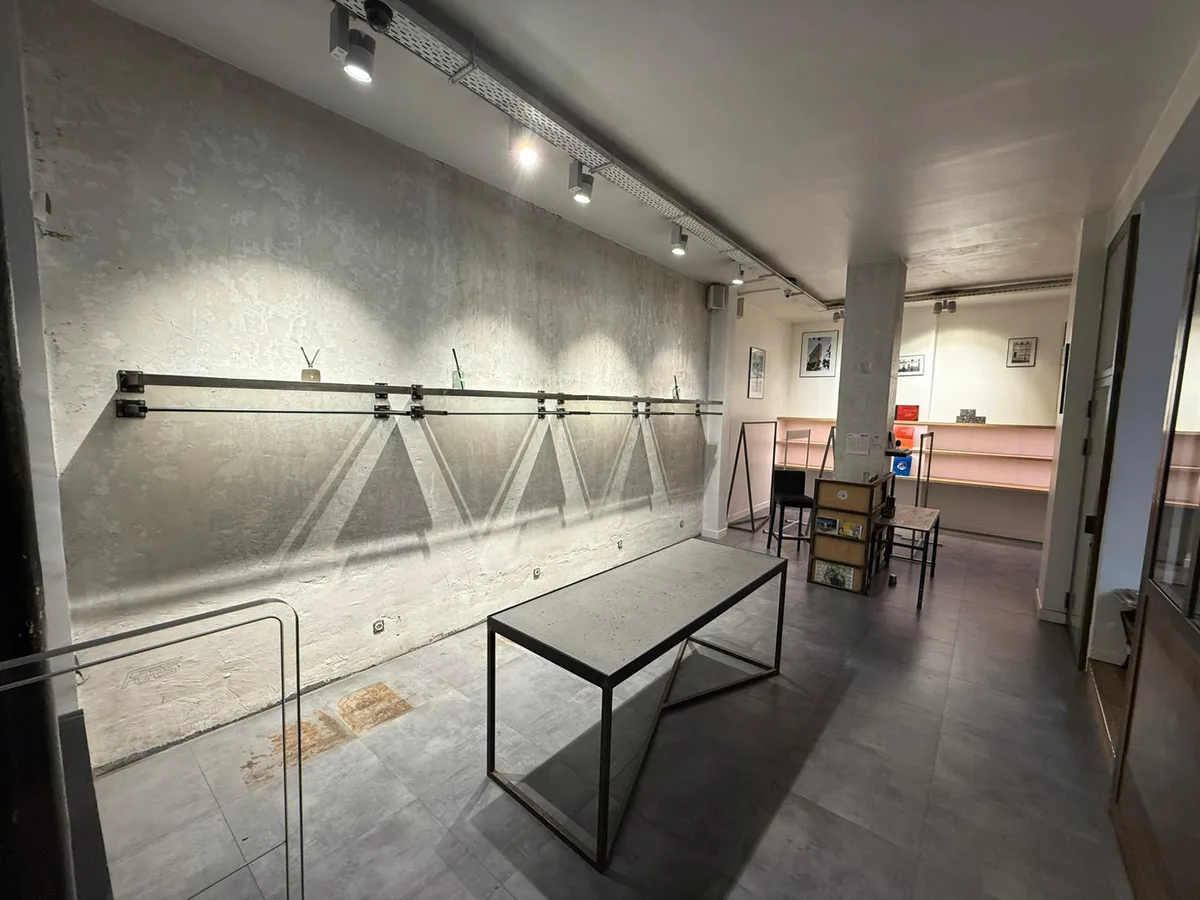
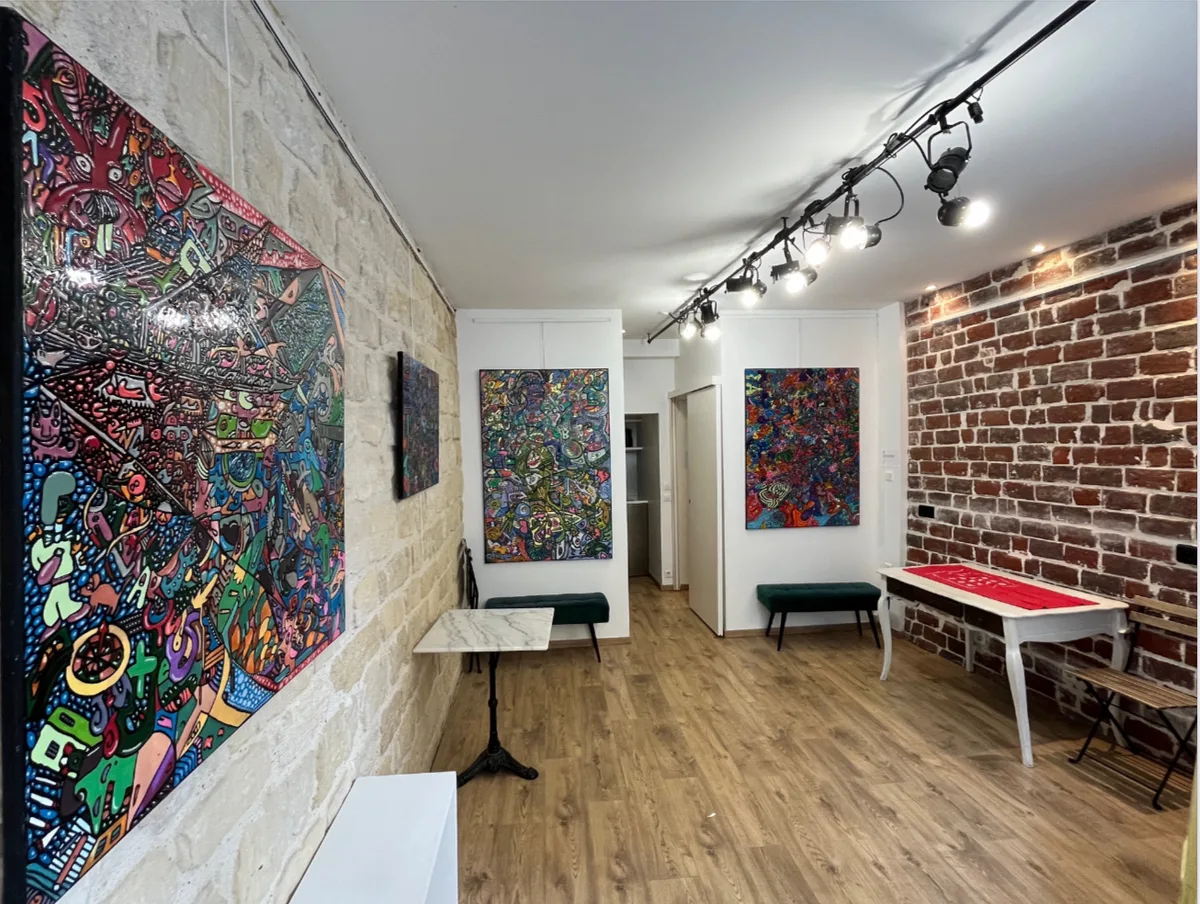
The Marais district has an unusually high density of concept stores, art galleries, designer boutiques, and galeries that function as retail-adjacent cultural spaces. Venues such as Galerie Joseph, Galerie Turenne, and similar spaces along Rue de Bretagne and Rue Turenne offer open plan layouts, wooden floors, bright spaces with spotlights, and in some cases private courtyards, fitting rooms, and technical equipment for brand presentations and scenography. These spaces are purpose-built for temporary activations and are regularly used by international fashion brands, beauty labels, and lifestyle companies.
The Marais is also one of the few Paris districts where foot traffic remains strong seven days a week, including Sundays, which are typically quiet in more commercial retail corridors. This consistency makes it particularly valuable for brands planning activations of one to four weeks where weekend performance matters as much as weekday traffic.
Saint-Germain-des-Prés and the 6th Arrondissement
Saint-Germain-des-Prés attracts a different consumer profile: older, more affluent, intellectually oriented, and loyal to established quality brands. Pop-up stores in this district work well for heritage fashion labels, artisanal beauty brands, high-end homewares, and lifestyle brands with a strong editorial voice. The area's proximity to leading publishers, galleries, and institutions also makes it a strong choice for brands that want to cultivate press relationships alongside consumer-facing activations.
Faubourg Saint-Honoré and the 1st and 8th Arrondissements
The area around Rue du Faubourg Saint-Honoré, Place Vendôme, and Rue de Rivoli represents the prestige tier of Paris retail. Spaces in this corridor are associated with luxury fashion, fine jewellery, and high-end accessories. Pop-up stores here command premium rental rates but deliver unmatched brand positioning for labels entering the luxury market or seeking to establish credibility with high-net-worth consumers and international buyers.
République, Châtelet, and Emerging Districts
The area around République and Châtelet functions as a transition zone between central Paris and the more experimental east. This corridor attracts a younger, trend-aware consumer base and is increasingly popular with streetwear, contemporary fashion, and digital-native brands. Batignolles in the 17th arrondissement is also emerging as an alternative location for brands seeking lower rental rates combined with a local, community-oriented consumer audience.
| District | Best For | Consumer Profile | Foot Traffic Level | Typical Space Type |
|---|---|---|---|---|
| Le Marais (3rd and 4th) | Fashion, beauty, lifestyle, art | Design-literate, mixed age, international | Very high, 7 days | Gallery, boutique, loft, courtyard |
| Saint-Germain-des-Prés (6th) | Heritage fashion, editorial, artisanal | Affluent, older, culturally engaged | High weekdays | Boutique, salon, atelier |
| Saint-Honoré and Vendôme (1st and 8th) | Luxury fashion, fine accessories | High-net-worth, international buyers | High, international | Flagship, gallery, prestige retail |
| République and Châtelet (11th) | Streetwear, contemporary fashion | Young, trend-aware, digital-native | High, mixed | Open plan, industrial, raw |
| Batignolles (17th) | Community brands, lifestyle | Local, community-oriented | Moderate, local | Small boutique, market space |
| Champs-Élysées (8th) | Mass market, tourism-driven launches | Tourist-heavy, broad demographic | Very high, tourist | Flagship, large format retail |
KEY TAKEAWAY: The choice of Paris district directly determines your consumer demographic, foot traffic pattern, and brand association. Le Marais is the default for fashion and lifestyle, but premium and luxury brands should look toward Saint-Honoré, and brands targeting younger audiences should consider République and Châtelet.
Once you have identified the right neighbourhood, the next decision is which type of pop-up space and rental format best suits your brand concept and campaign timeline.
Pop-Up Store Formats in Paris: Space Types, Features, and What to Expect
Paris offers a wider variety of temporary retail space formats than most other European capitals. Understanding the differences between these formats is essential for matching your brand concept to the right physical environment, negotiating appropriate terms, and managing your build-out budget effectively.
Quick answer: Paris pop-up store formats range from white-box gallery spaces and historic hôtel particuliers to converted market units, concept store concessions, rooftop terraces, and fully equipped retail venues. The format you choose determines your build requirements, rental terms, insurance obligations, and visitor experience.
Gallery Spaces and Open Plan Lofts
Gallery spaces are the most common format for fashion and beauty pop-up stores in Paris. They typically feature open plan layouts, wooden floors, high ceilings, bright natural light supplemented by spotlights, and neutral walls that provide a flexible canvas for branded scenography and merchandising. Venues in this category, including spaces similar to Galerie Joseph and comparable spaces along Rue Turenne and the surrounding Marais district streets, often come with basic technical equipment and can accommodate fittings, product displays, and event programming in the same footprint.
Concept Store Concessions and Shop-in-Shop
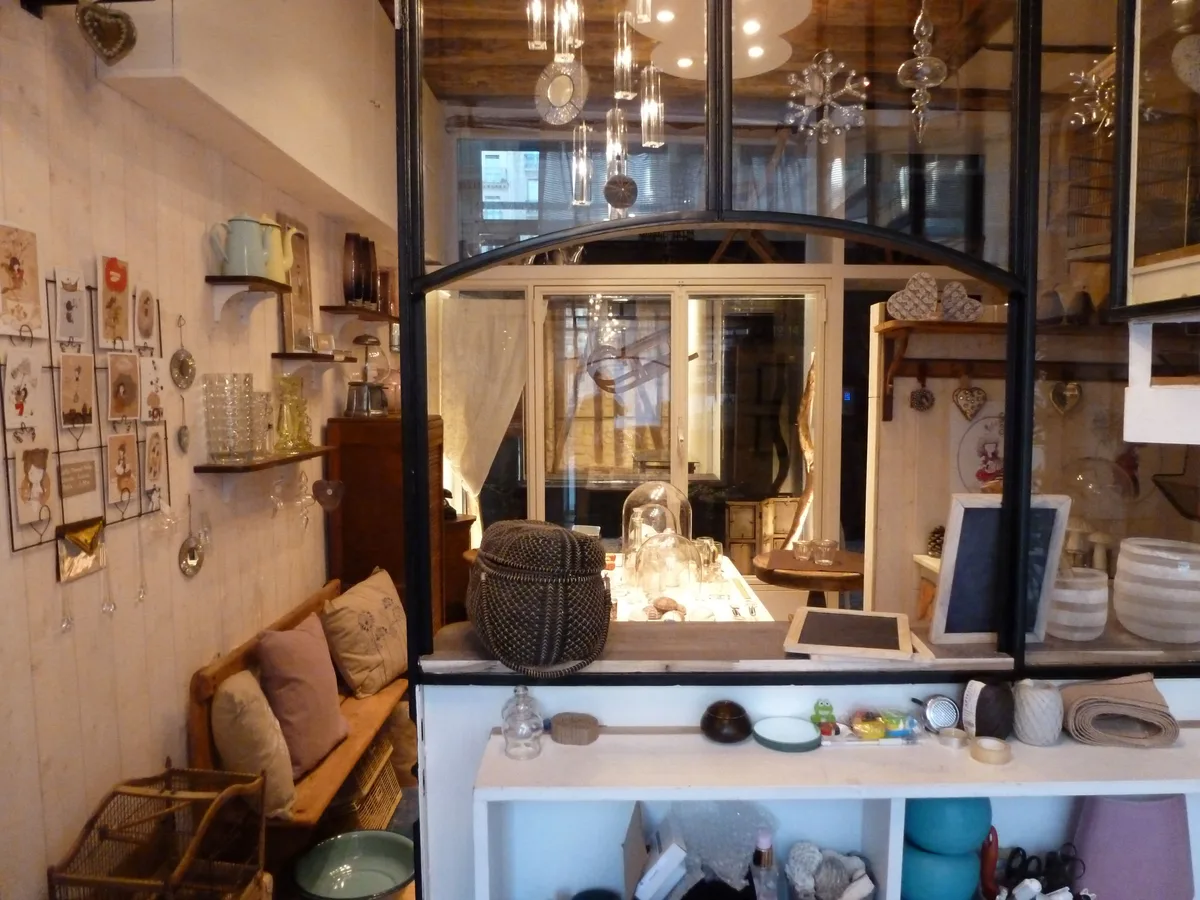
Some Paris retailers offer concession space within their existing boutiques for short periods, allowing brands to test retail without renting a standalone space. This format reduces overhead and benefits from the host store's existing foot traffic and brand credibility, but it limits creative control over the environment and the brand's visual identity.
Hôtel Particuliers and Heritage Properties
Paris has an exceptional stock of historic private mansions, known as hôtels particuliers, many of which are available for short-term rental as showroom or retail event spaces. These properties offer private courtyards, formal reception rooms, and architectural character that cannot be replicated in a purpose-built retail unit. They are particularly suited to luxury fashion brands, jewellery labels, and prestige beauty houses staging intimate presentations for press and buyers.
Rooftop Terraces and Outdoor Spaces
Rooftop terraces, known in French as toits-terrasses, are a distinctive Paris pop-up format that combines outdoor retail or event programming with panoramic city views. These spaces are in high demand during the spring and summer months and work particularly well for brand activations, influencer events, and product launches that benefit from a strong visual backdrop for social media content creation.
Market Units and Shared Pop-Up Spaces
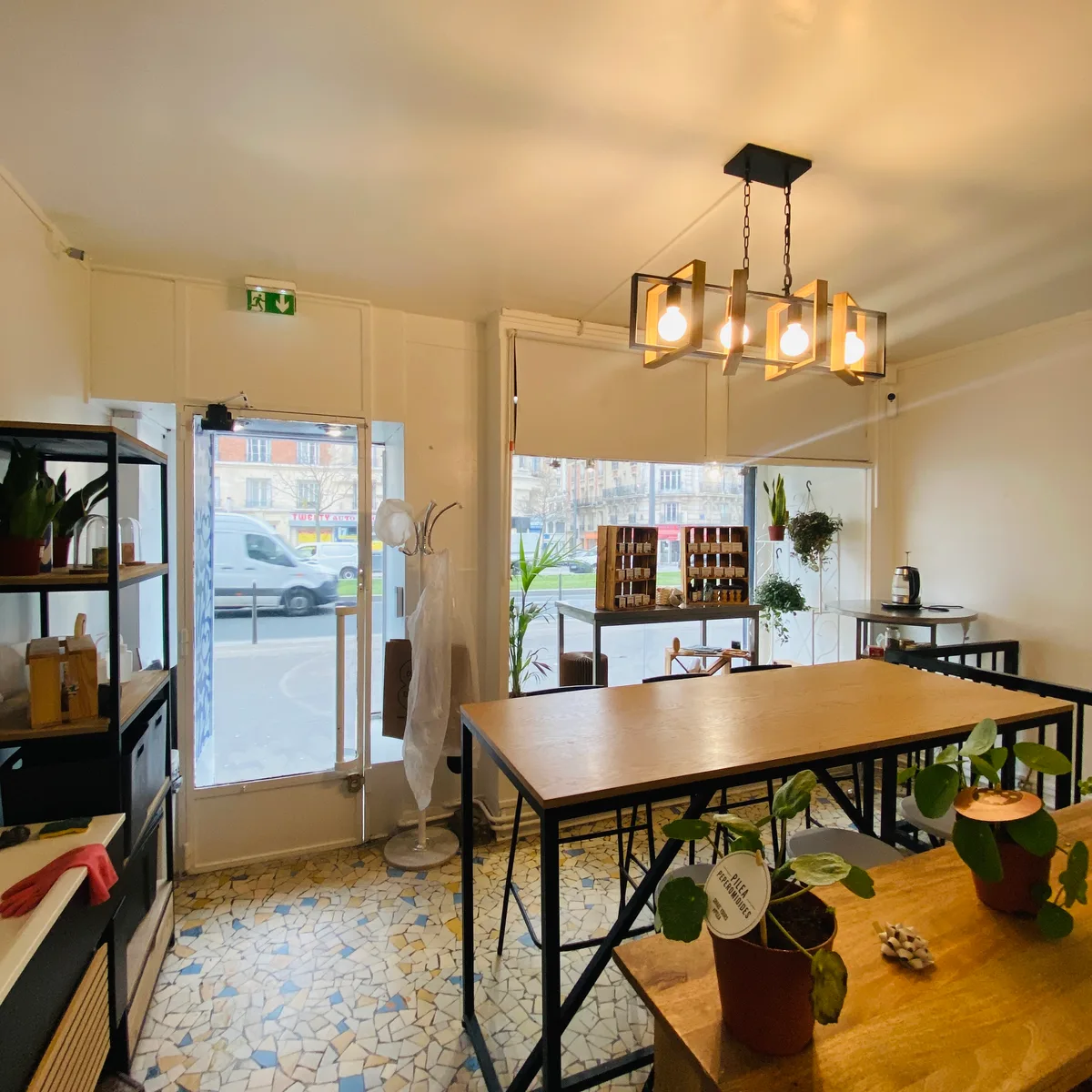
Covered markets and shared pop-up retail platforms offer the lowest entry point for brands testing the Paris market. These formats reduce rental costs by distributing the space between multiple brands simultaneously and are increasingly common in areas around Rue de Bretagne and similar market corridors in Le Marais.
| Space Type | Typical Features | Best Brand Category | Build Requirement | Minimum Duration |
|---|---|---|---|---|
| Gallery space | Open plan, wooden floors, spotlights, neutral walls | Fashion, beauty, art | Low to medium | 3 to 7 days |
| Concept store concession | Existing retail environment, shared footfall | Emerging brands, accessories | Minimal | 1 to 2 weeks |
| Hôtel particulier | Historic rooms, courtyard, architectural character | Luxury fashion, jewellery, prestige beauty | Medium to high | 2 days to 2 weeks |
| Rooftop terrace | Outdoor, city views, event capacity | Lifestyle, beauty, social-first brands | Low to medium | 1 day to 1 week |
| Market unit | Shared space, communal footfall | Independent labels, food, accessories | Minimal | Weekend to 2 weeks |
| Flagship retail space | Large format, full fit-out, high visibility | Global brands, major launches | High | 2 weeks to 3 months |
TIP: When briefing a space, always specify whether you need fitting rooms, storage, stock management areas, video equipment, and technical equipment for scenography or presentations. Not all Paris pop-up spaces include these features as standard, and retrofitting them adds cost and permitting complexity.
KEY TAKEAWAY: Paris pop-up store formats span a wide spectrum from minimal gallery spaces to fully equipped heritage venues and rooftop terraces. Matching your format to your brand concept, build budget, and campaign objectives from the outset saves significant time and cost during the planning phase.
Selecting the right format is inseparable from understanding the rental logistics, lease structures, and cost frameworks that govern the Paris temporary retail market.
Rental Logistics, Lease Structures, and Costs for Pop-Up Stores in Paris
Understanding how pop-up store rentals are structured in Paris, what costs to anticipate, and how lease terms differ from standard commercial agreements is essential before you commit to a space. The French short-term retail market operates under specific legal frameworks that differ significantly from comparable markets in the UK, US, or other European countries.
Quick answer: Pop-up store rentals in Paris typically operate under a short-term lease framework called a bail dérogatoire, or through convention d'occupation precaire arrangements. Rental costs vary significantly by district, space size, duration, and calendar window, with premium locations during Fashion Week commanding substantially higher rates than equivalent spaces in off-peak periods.
Understanding the Bail Dérogatoire and Short-Term Lease Options
The bail dérogatoire is a specific provision under French commercial law that allows landlords and tenants to agree on a short-term commercial lease of up to three years without triggering the statutory protections and renewal rights that apply to standard commercial leases. For pop-up store rentals of a few days to several months, this is the most common contractual framework. It provides flexibility for both parties but requires careful drafting to ensure that the lease start date, minimum duration, availability calendar, and termination conditions are clearly defined.
Some temporary retail spaces in Paris also operate under an autorisation d'occupation temporaire, or AOT, which is a temporary occupancy permit rather than a lease. AOTs are typically used for spaces in public buildings, cultural institutions, or on public land. They are common for pop-up activations in museum spaces, covered passages, or publicly owned retail units and involve a different administrative process than a private lease arrangement.
IMPORTANT: Neither a bail dérogatoire nor an AOT is legally straightforward to negotiate without specialist advice. Requirements vary by space type, duration, arrondissement, and the specific circumstances of the landlord. Always verify your contractual arrangements with a qualified French legal advisor before signing any short-term retail lease in Paris.
What Rental Costs Cover and What They Do Not
Paris pop-up store rental rates are typically quoted on a per-day, per-week, or per-month basis and vary considerably based on location, space size, included amenities, and calendar timing. It is critical to understand what the quoted rental price includes and what costs are charged separately. In many cases, utilities, insurance, cleaning, security, and waste management are billed in addition to the base rent. Some spaces also charge a separate fee for use of technical equipment, video equipment, spotlights, fitting rooms, and storage areas.
Brands should also budget for the cost of building out and restoring the space to its original condition at the end of the rental period. This dilapidations obligation is standard in French commercial leases and can represent a significant line item in the overall activation budget if the space required extensive fit-out work.
Insurance is a mandatory requirement for all commercial space rentals in Paris. Brands must typically hold a valid public liability policy and, in many cases, a specific short-term retail insurance policy that covers stock, equipment, third-party liability, and the physical space itself during the rental period.
Rental Duration and Availability Windows
The minimum duration for pop-up store rentals in Paris varies by space type and operator. Some gallery spaces and shared pop-up platforms offer weekend rentals, while most standalone boutique or gallery spaces have a minimum of one week. Spaces in premium Marais district locations during Paris Fashion Week are often pre-booked months in advance, and availability windows during peak calendar periods, including February and September for Fashion Week, October for FIAC, and September for Paris Design Week, are highly constrained.
For brands planning activations during these peak periods, beginning the venue sourcing process at least three to six months before the intended activation date is strongly recommended. For off-peak activations, lead times of four to eight weeks are more common, though this varies by the complexity of the brief and the availability of specific spaces.
To build a brand-specific cost estimate for your Paris pop-up store rental, use the Fashion Week Venues budget calculator, which provides directional estimates based on space type, district, duration, and service requirements.
| Cost Category | Included in Rent? | Notes |
|---|---|---|
| Base rental fee | Yes | Varies by location, size, and calendar window |
| Utilities (electricity, water) | Sometimes | Verify in lease; often billed separately |
| Insurance | No | Mandatory; brand must arrange own policy |
| Cleaning and waste management | Sometimes | Check lease; often a separate charge |
| Security | Rarely | Brand typically responsible for own security service |
| Build-out and dilapidations | No | Brand responsible for restoration to original condition |
| Technical equipment and AV | Sometimes | Confirm what is included in space inventory |
| Retail staffing | No | Separate arrangement; see retail staffing services |
| POS and payment systems | No | Brand responsibility; options include SumUp, Zettle, Shopify POS |
KEY TAKEAWAY: The quoted rental rate for a Paris pop-up store is rarely the full cost. Brands must budget separately for insurance, utilities, security, build-out, dilapidations, staffing, and payment systems. Using a structured budget framework from the outset prevents costly surprises during or after the activation.
Rental logistics and budget planning are closely connected to the legal and regulatory environment governing temporary retail in Paris, which requires specific attention from international brands unfamiliar with French commercial law.
Legal, Regulatory, and Administrative Requirements for Paris Pop-Up Stores
Paris has a layered regulatory environment for temporary retail that differs from standard commercial tenancy in ways that frequently catch international brands off guard. Understanding the administrative requirements before you sign a lease, begin a build, or open your doors is not optional. It is the foundation of a compliant, low-risk activation.
Quick answer: Running a pop-up store in Paris requires compliance with French commercial law on lease structures, urban planning and zoning rules that govern changes of use, local permit requirements that vary by arrondissement, insurance obligations, and where applicable, registration with the Chamber of Commerce and Industry. Requirements vary by space type, duration, and location.
Zoning, Urban Planning, and Changes of Use
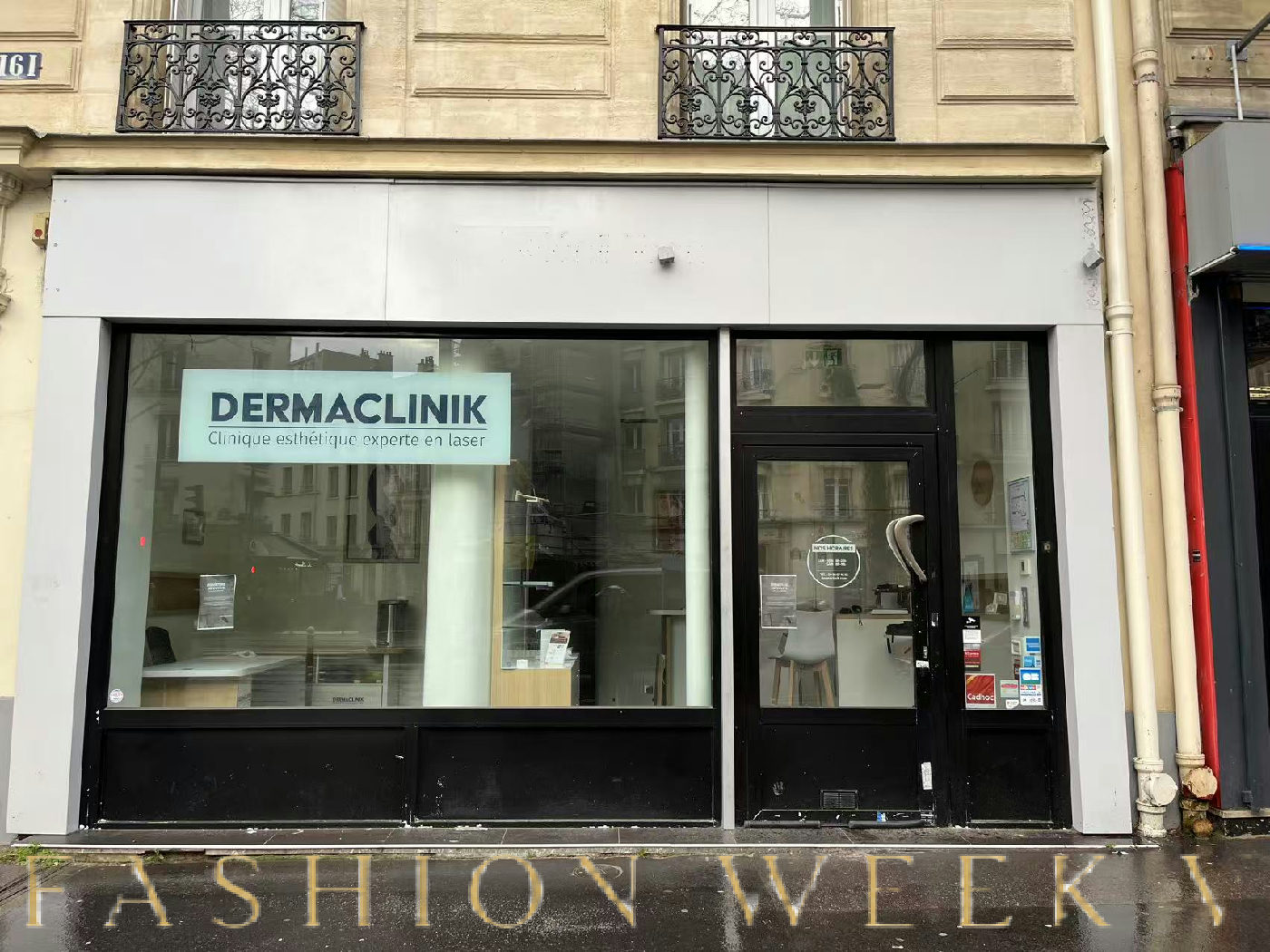
Not every Parisian space that functions as a gallery, studio, or event venue is automatically authorised to operate as a retail store. French urban planning regulations classify spaces according to their permitted use, and operating a retail business in a space that is not classified for commercial retail use can result in fines, enforcement action, and forced closure. Before committing to any space, brands should verify that the space is authorised for retail activity under its current classification or that the landlord has obtained a temporary change-of-use authorisation.
This is particularly relevant for gallery spaces, art studios, private apartments, and rooftop terraces that are increasingly marketed as pop-up retail venues but may not carry the necessary commercial classification. The urban planning department of the relevant arrondissement mairie is the appropriate authority for verifying the permitted use of a specific space.
Permits for External Signage and Terrace Installations
Brands planning to use external signage, temporary facades, terrace installations, or street-facing displays must obtain the relevant permits from the local mairie and, in some cases, from the Direction de l'Urbanisme de la Ville de Paris. Paris has strict aesthetic regulations, particularly in historic districts such as Le Marais, which is protected under the PSMV (Plan de Sauvegarde et de Mise en Valeur) heritage preservation framework. Any structural modifications, even temporary ones, to a listed building or facade require prior authorisation.
Registration and Business Activity Obligations
International brands operating a retail pop-up store in Paris may need to register their business activity with the Chamber of Commerce and Industry, depending on the duration and commercial nature of the activation. Brands selling goods directly to consumers in France are also required to comply with French consumer protection regulations, including pricing transparency obligations, right of withdrawal provisions for certain transaction types, and packaging and labelling requirements for product categories such as food, cosmetics, and textiles.
For permit guidance specific to your planned activation type, duration, and district, the Fashion Week Venues permits tool provides orientation on the key requirements brands typically encounter. However, this is an orientation resource and not a substitute for verified legal advice from a qualified French attorney.
Data Protection and Consumer Data Collection
Brands that collect consumer data during a Paris pop-up store, whether through email sign-ups, loyalty registrations, in-store photography, or digital interactions, must comply with GDPR as enforced in France by the CNIL. This includes clear consent mechanisms, transparent privacy notices, and secure data storage and processing arrangements.
IMPORTANT: Always verify permit requirements, lease classifications, and business registration obligations with a qualified French legal advisor before finalising your Paris pop-up store rental agreement. The regulatory environment is complex, and requirements vary significantly by district, space type, and activation duration.
KEY TAKEAWAY: Legal and regulatory compliance is not a back-office concern for Paris pop-up stores. It is a front-line planning requirement that affects which spaces you can use, what activities you can conduct, how you must structure your lease, and what obligations you carry toward consumers and local authorities.
With the regulatory framework understood, brands can turn their attention to the brand strategy, marketing, and cultural calendar considerations that determine whether a Paris pop-up store generates lasting brand value beyond its physical duration.
Marketing, Brand Strategy, and the Paris Cultural Calendar for Pop-Up Activations
A Paris pop-up store is only as effective as the strategic and marketing framework surrounding it. The physical space is the platform. The brand strategy, cultural calendar alignment, social media programme, and earned media approach determine whether the activation creates value that outlasts the rental period.
Quick answer: The most successful Paris pop-up store activations align the launch window with a relevant moment on the city's cultural calendar, deploy a social media and influencer strategy before, during, and after the activation, and use the physical experience to generate earned media, consumer data, and press coverage that extends the campaign's reach well beyond the store itself.
Aligning Your Activation with the Paris Cultural Calendar
Paris Fashion Week in February and September is the most widely understood calendar window for fashion brand pop-up activations, but it is far from the only relevant moment. Paris Design Week in September, FIAC in October, and Nuit Blanche in October all create concentrated moments of cultural attention in specific Paris districts that can be leveraged by brands beyond the fashion category. Beauty brands, lifestyle labels, and design-focused companies often find that aligning with these events generates more targeted and engaged audiences than a standalone Fashion Week activation.
The Paris calendar also includes specific trade events, wholesale markets, and industry gatherings that make certain periods strategically valuable for showroom-format activations rather than consumer-facing retail. Brands launching new collections or seeking to establish distributor relationships in France should map their activation calendar against the wholesale buyer circuit as well as the consumer-facing event programme.
Social Media and Influencer Strategy for Paris Pop-Ups
Paris generates exceptional social media content naturally. The city's architecture, street environment, and cultural infrastructure provide a backdrop that amplifies brand imagery in ways that are difficult to replicate in purpose-built studio environments. Brands that invest in social media content creation as an integrated part of their pop-up store programming, rather than an afterthought, consistently outperform those that treat the physical store as the end product.
A structured influencer marketing approach for a Paris pop-up typically involves identifying Paris-based and international influencers whose audience aligns with the brand's target consumer, inviting them to exclusive preview events during the activation's opening days, and providing a visually distinctive environment that rewards content creation. The combination of a premium Paris neighbourhood, strong brand scenography, and a curated guest list creates the conditions for earned media at scale.
The influencer marketing service at Fashion Week Venues supports brands in identifying, briefing, and managing influencer relationships for Paris activations, including both local French-market influencers and international visitors who are in Paris for Fashion Week and related events.
Brand Positioning and the Paris Halo Effect
For international brands, a Paris pop-up store carries a specific brand positioning value that goes beyond the direct commercial outcomes of the activation. Being physically present in Paris, particularly in a premium neighbourhood, signals to stockists, press, and international consumers that the brand has the credibility and market awareness to compete at the highest level of global fashion retail. This positioning benefit, sometimes called the Paris halo effect, is difficult to quantify but consistently reported by brand teams that have activated in the city.
Brands entering Paris for the first time should think carefully about how their pop-up store design, neighbourhood choice, and event programme communicate their brand values to a sophisticated Parisian audience. Paris consumers and press are highly attuned to authenticity and cultural relevance. Activations that feel imported without local adaptation, or that prioritise spectacle over substance, tend to receive a cooler reception than those that demonstrate genuine engagement with Parisian culture and design.
KEY TAKEAWAY: The marketing and brand strategy framework surrounding a Paris pop-up store is as important as the physical space itself. Aligning with the city's cultural calendar, investing in social media and influencer programming, and considering the long-term brand positioning value of a Paris presence are what separate high-performing activations from forgettable ones.
Understanding how to plan and execute this strategy effectively requires practical tools, reliable logistics support, and in many cases, a specialist agency partner who understands both the Paris market and the operational demands of temporary retail.
Technical Equipment, Space Features, and Build Requirements for Paris Pop-Up Stores
The physical build and technical specification of a Paris pop-up store directly affects the visitor experience, the quality of social media content generated during the activation, and the cost and complexity of the production process. Understanding what Paris spaces typically offer as standard, and what requires separate sourcing and installation, is essential for accurate budget planning and realistic timeline management.
Quick answer: Most Paris pop-up gallery and boutique spaces offer basic lighting, open plan layouts, and neutral surfaces as standard. Fitting rooms, storage, advanced technical equipment, video equipment, and bespoke scenography all typically require separate sourcing, installation, and in some cases, planning permission from the building owner or local authority.
Standard Space Features Across Paris Pop-Up Venues
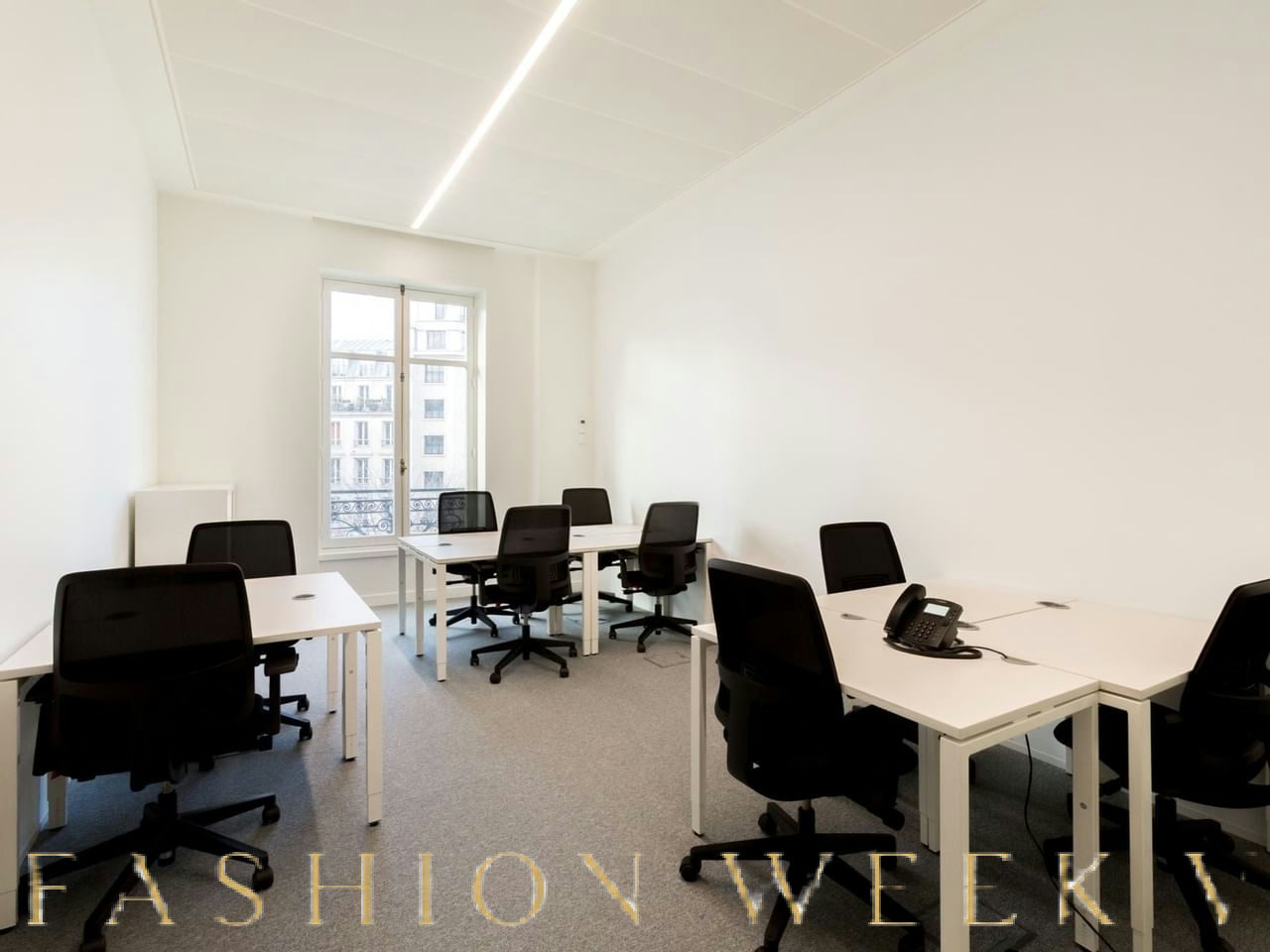
The most commonly available features in Paris pop-up gallery spaces include open plan layouts suited to flexible merchandising arrangements, wooden floors or polished concrete, bright natural light supplemented by adjustable spotlights, and neutral white or exposed brick walls that provide a versatile retail backdrop. Some spaces also include basic furniture, reception desks, and rudimentary storage areas, though the quality and suitability of these for retail use varies considerably.
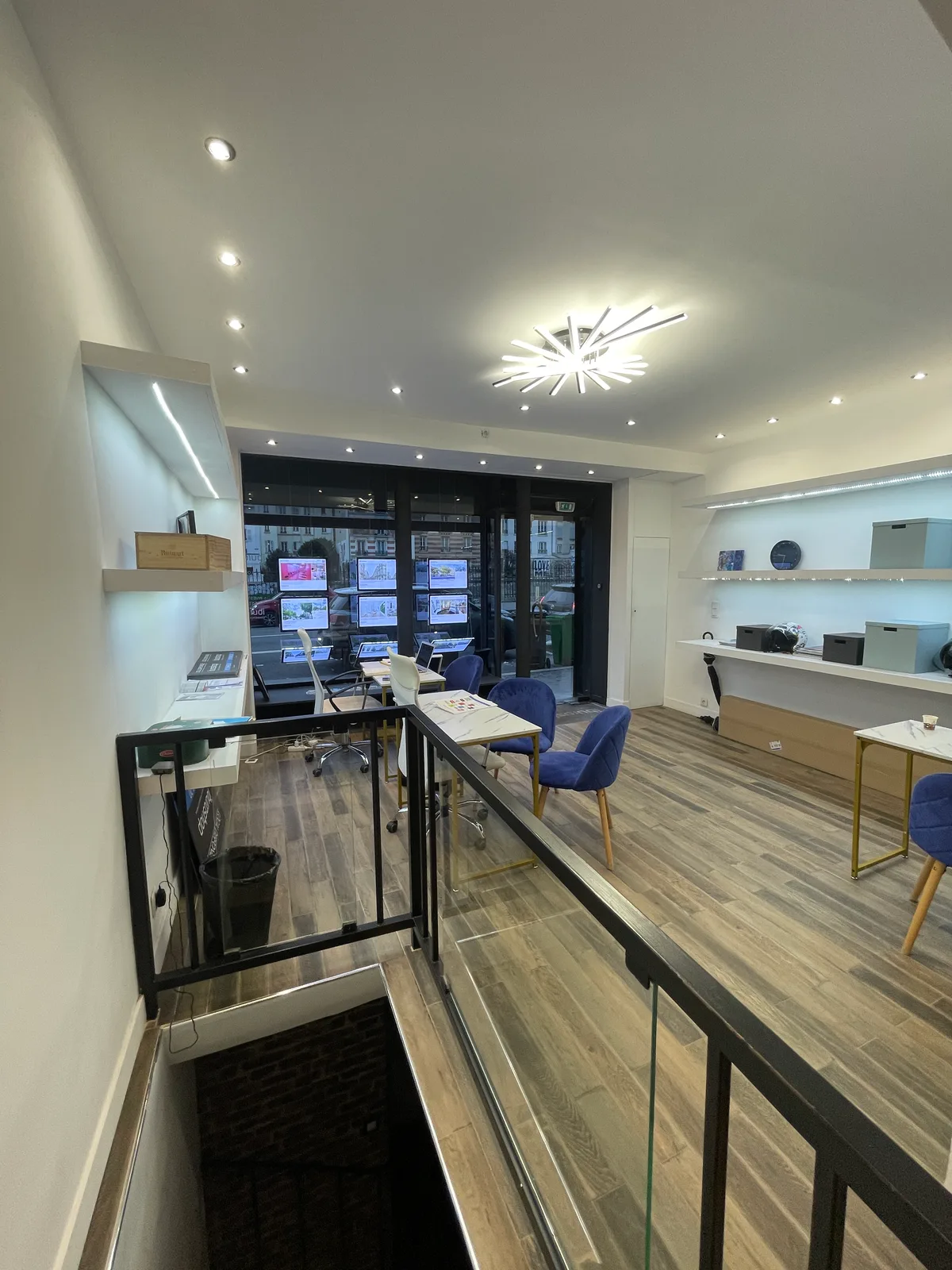
Higher-specification spaces, particularly those in the Marais district and Saint-Germain-des-Prés, may also offer fitting rooms, private courtyards accessible from the main retail floor, video equipment for content creation or digital installations, and basic sound systems. These features should always be confirmed in writing before signing a lease, as the availability of specific amenities is often a point of negotiation rather than a given.
Payment Systems and Point of Sale
International brands operating retail sales in Paris need to arrange their own payment infrastructure. The most common solutions used by pop-up operators in Paris include Shopify POS for brands that want to integrate their temporary retail sales with their existing e-commerce operations, SumUp for simple card payment processing, and Zettle for brands that need a slightly more feature-rich mobile point-of-sale solution. All three systems support card payments in euros and can be configured for French VAT requirements. Cash handling introduces additional compliance and security obligations that most pop-up operators prefer to avoid.
Retail Merchandising and Inventory Management
Pop-up stores in Paris require a structured approach to merchandising and inventory management that is often more complex than it initially appears. Brands need to plan their stock levels, replenishment logistics, and storage arrangements carefully, particularly if the retail space has limited back-of-house storage capacity. The supply chain for a Paris pop-up store, including customs clearance for international stock, delivery logistics within the city, and returns handling, should be mapped out before the lease is signed.
For brands that need furniture, display fixtures, and branded retail fittings, the furniture rental service at Fashion Week Venues provides access to a curated inventory of retail-grade furniture and display solutions suitable for Paris pop-up store environments.
Scenography and Branded Store Design
The visual design of a Paris pop-up store, including the scenography, window display, fixture layout, colour palette, and material choices, is a primary driver of the social media content and earned media the activation generates. In a city where visual culture is a baseline expectation rather than a differentiator, brands that invest in a distinctive and well-executed store design consistently outperform those that rely on a generic white-box presentation.
The branded store design service at Fashion Week Venues works with brand creative teams to translate brand identity into a physical retail environment that works within the specific constraints of Paris heritage spaces, short-term lease build windows, and the city's planning and aesthetic regulations.
KEY TAKEAWAY: The technical and build dimension of a Paris pop-up store requires careful specification work before the lease is signed. Payment systems, inventory management, scenography, furniture, and storage all need to be planned as integrated components of the activation rather than afterthoughts managed on-site during the build period.
How Fashion Week Venues Supports Pop-Up Store Rentals in Paris
Fashion Week Venues operates as a full-service pop-up shop agency and space marketplace with Paris as its primary market. The platform and agency service is designed specifically for brand teams, creative directors, retail strategists, and event producers who are planning temporary retail activations in Paris and other major fashion capitals and need both space access and operational support to execute at a high standard.
Quick answer: Fashion Week Venues provides end-to-end support for Paris pop-up store rentals, from space discovery and venue sourcing through to concept direction, production, staffing, and activation management. The platform also offers a suite of planning tools that help brand teams estimate budgets, plan timelines, understand permit requirements, and compare spaces before committing to a rental.
The Space Marketplace and Venue Sourcing
The Fashion Week Venues space marketplace provides access to a curated inventory of Paris pop-up venues spanning the most in-demand neighbourhoods and space types. Brand teams can browse spaces by district, size, duration, and availability, and compare options using the built-in comparison and locator tools. Unlike general property platforms, the marketplace is curated specifically for fashion, beauty, and lifestyle brand activations, which means the spaces listed are pre-vetted for retail compatibility, build flexibility, and brand appropriateness.
The venue sourcing service goes further, with the Fashion Week Venues team actively identifying spaces that match a specific brand brief, including off-market spaces and spaces in premium locations that are not publicly listed. This is particularly valuable for brands planning activations during Paris Fashion Week, when the most desirable spaces in Le Marais and the surrounding districts are often pre-allocated to established clients before they appear on any public platform.
Planning Tools for Paris Activations
Fashion Week Venues provides a suite of planning tools designed to support brand teams at every stage of the Paris pop-up planning process. These include a budget calculator for directional cost estimates, an ROI calculator for evaluating the commercial case for an activation, a timeline tool for mapping the full planning and execution sequence, a permits tool for understanding the administrative requirements of a Paris rental, and a compare tool for evaluating multiple spaces against a consistent set of criteria.
These tools are designed to reduce the planning uncertainty that often causes brands to either over-commit on budget or under-estimate the lead time required for a compliant, well-executed Paris pop-up store. They are available through the Fashion Week Venues timeline tool and the broader tools section of the platform.
End-to-End Production and Activation Support
For brands that need more than a space, Fashion Week Venues provides production and build support, concept and creative direction, retail staffing, data and analytics, and influencer marketing as part of its full-service agency offering. The activation management service coordinates all operational elements of a Paris pop-up store from the build phase through to the final day of trading, allowing brand teams to focus on the brand-facing elements of the activation rather than the logistics.
The Fashion Week Venues process is designed for international brands that may not have an established Paris operations team. It provides a clear sequence from brief to delivery, with defined responsibilities and milestones that reduce the risk of delays, compliance issues, or quality shortfalls that can undermine an otherwise well-planned activation.
What Fashion Week Venues Does Not Guarantee
Fashion Week Venues does not guarantee the availability of specific spaces, the outcome of permit applications, or the commercial results of any activation. The agency provides expert support, market access, and operational experience, but brand results depend on factors including the quality of the brand brief, the timing of the activation relative to the Paris calendar, the brand's existing market awareness in France, and the effectiveness of the surrounding marketing programme.
KEY TAKEAWAY: Fashion Week Venues offers brand teams a single point of coordination for all elements of a Paris pop-up store rental, from space discovery and lease negotiation through to build, staffing, and post-activation analytics. This is most valuable for international brands entering Paris without an established local operations team or agency network.
Planning Workflow: From Brief to Open Doors for a Paris Pop-Up Store
Executing a successful Paris pop-up store rental requires a structured planning workflow that addresses space selection, legal and permit requirements, build, staffing, and marketing in the correct sequence. Brands that approach Paris pop-up planning as a linear checklist consistently perform better than those that treat it as a series of parallel tasks managed without a defined timeline.
| Phase | Key Actions | Timing Before Opening | Key Tools and Services |
|---|---|---|---|
| Brief and strategy | Define objectives, target district, space type, duration, and budget | 4 to 6 months | Budget calculator, ROI calculator |
| Space discovery | Browse marketplace, shortlist spaces, conduct site visits | 3 to 5 months | Space marketplace, locator, compare tool |
| Legal and permits | Verify lease classification, obtain permits, confirm insurance requirements | 2 to 4 months | Permits tool, French legal advisor |
| Concept and design | Develop scenography, merchandising plan, and visual identity for the space | 2 to 3 months | Concept direction, branded store design, imagine tool |
| Production and build | Source furniture, fixtures, and technical equipment; manage fit-out | 6 to 8 weeks | Production and build service, furniture rental, build planning tool |
| Staffing and operations | Recruit and brief retail staff, set up POS and payment systems | 2 to 4 weeks | Retail staffing service, POS and payments |
| Marketing and influencer | Execute pre-launch social media, influencer invitations, and press outreach | 2 to 4 weeks | Influencer marketing service, social media planning |
| Activation and trading | Manage daily operations, capture consumer data, monitor performance | During activation | Activation management, data and analytics |
| Close and reporting | Restore space, finalise accounts, analyse performance data | 1 to 2 weeks after | ROI calculator, data and analytics |
TIP: For Paris Fashion Week activations in February and September, begin the space sourcing and brief phase no later than September and April respectively. The most desirable spaces in Le Marais and the surrounding districts are committed by established clients well before the public availability window opens.
KEY TAKEAWAY: A Paris pop-up store activation requires a minimum of three to six months of planning time for a well-executed, compliant, and commercially effective result. Brands that compress this timeline risk losing access to the best spaces, encountering permit delays, and under-investing in the marketing and design elements that determine the activation's impact.
To compare neighbourhoods and space types for your planned activation, explore the Paris city hub on Fashion Week Venues and shortlist spaces that match your brief, budget, and calendar window.
Common Myths About Pop-Up Store Rentals in Paris Debunked
MYTH: You need a French legal entity to rent a pop-up store space in Paris.
FACT: International brands can rent short-term retail spaces in Paris without a French company registration in many cases, particularly under a bail dérogatoire or convention d'occupation precaire structure. However, commercial tax obligations, VAT registration requirements, and the specific terms of individual landlords vary significantly. Working with a specialist agency or French legal advisor is the most reliable way to confirm your obligations before committing to a space.
MYTH: Paris Fashion Week in February and September are the only viable windows for a Paris pop-up store activation.
FACT: While Fashion Week drives the highest concentration of press and international buyer traffic, Paris offers compelling pop-up store windows throughout the year. Paris Design Week in September, FIAC in October, and the spring and summer tourist seasons all create strong foot traffic and cultural engagement opportunities in the right districts. Brands in beauty, design, and lifestyle categories often find that non-Fashion Week windows deliver better-targeted and more commercially productive audiences for their specific consumer base.
MYTH: Commission-based brokers are the only way to find a short-term retail space in Paris.
FACT: The Paris short-term retail market has evolved significantly. Curated space marketplaces, full-service pop-up agencies, and direct landlord relationships now provide multiple alternative routes to finding and securing a space. Commission-based brokers remain active in the market but are one option among several, and brands benefit from comparing multiple sourcing approaches before committing to any single route to market.
MYTH: Short-term leases for Paris pop-up stores are simple and low-risk commercial arrangements that do not require legal review.
FACT: Short-term commercial leases in France operate under specific statutory frameworks including the bail dérogatoire and AOT arrangements, both of which carry legal implications that differ from standard commercial tenancy in ways that are frequently misunderstood by international brands. Failure to structure a lease correctly can expose brands to financial liability, regulatory penalties, or disputes with landlords. Always seek qualified French legal advice before signing any commercial space agreement in Paris.
MYTH: Any Paris space marketed as a pop-up venue is automatically authorised for retail trading.
FACT: French urban planning regulations classify spaces according to their permitted use, and a significant number of spaces marketed as pop-up venues, including gallery spaces, artist studios, private apartments, and event halls, may not hold the commercial retail classification required to legally operate consumer sales. Verifying the permitted use of a space before signing a lease is an essential step that brands frequently skip, sometimes with costly consequences.
Frequently Asked Questions About Pop-Up Store Rental in Paris
What is a pop-up store in Paris and how does it differ from a permanent boutique?
A pop-up store, known in French as a magasin éphémère, is a temporary retail space rented for a defined period ranging from a few days to several months. Unlike a permanent boutique, a pop-up store does not involve a long-term commercial lease or the capital investment of a full retail fit-out. It allows brands to test product-market fit, generate consumer data, build earned media, and establish a physical presence in Paris without the financial commitment of a permanent retail operation. The temporary nature of the format also creates urgency and exclusivity that can drive stronger consumer engagement than an established permanent store.
How much does it cost to rent a pop-up store in Paris?
Rental costs for pop-up stores in Paris vary significantly by district, space size, space type, duration, and calendar timing. Premium locations in Le Marais, Saint-Germain-des-Prés, and the Saint-Honoré corridor during Paris Fashion Week command substantially higher rates than equivalent spaces in off-peak periods or less prestigious districts. Costs also need to account for insurance, utilities, build-out, staffing, POS systems, and dilapidations, which are typically not included in the quoted rental rate. For a directional estimate based on your specific brief, use the Fashion Week Venues budget calculator tool.
How long can I rent a pop-up store in Paris?
Pop-up store rental durations in Paris range from weekend activations to several months, depending on the space type and the landlord's terms. Most standalone gallery and boutique spaces have a minimum rental period of one week, while shared pop-up platforms and market units sometimes offer weekend-only arrangements. Under a bail dérogatoire, short-term commercial leases can be structured for up to three years without triggering permanent commercial lease rights. The most common duration for fashion and lifestyle brand activations is one to four weeks, often aligned with a specific calendar window such as Paris Fashion Week or a product launch campaign.
Which Paris neighbourhood is best for a fashion brand pop-up store?
Le Marais, spanning the 3rd and 4th arrondissements, is consistently the most popular neighbourhood for fashion brand pop-up stores in Paris. Its combination of design-literate consumers, high seven-day foot traffic, flexible heritage spaces, and proximity to the press and buyer circuit makes it the default choice for most fashion and lifestyle activations. Luxury fashion brands often prefer the Saint-Honoré and Vendôme corridor for its prestige association, while contemporary and streetwear brands increasingly look to République and Châtelet for a younger, trend-aware consumer audience.
Do I need a French company to rent a pop-up store in Paris?
In many cases, international brands can rent short-term retail spaces in Paris under a bail dérogatoire or similar temporary arrangement without a registered French company. However, the specific requirements vary by landlord, space type, and the nature of the commercial activity. Brands selling goods to French consumers may have VAT registration obligations regardless of their corporate structure. Tax treatment, insurance requirements, and business registration obligations should all be verified with a qualified French legal advisor before signing any Paris rental agreement. Do not assume that a short-term lease automatically resolves all regulatory obligations.
What permits do I need to run a pop-up store in Paris?
The permits required for a Paris pop-up store depend on the space type, the activities planned, the district, and the duration of the activation. Permits may be required for external signage, temporary facade modifications, terrace or outdoor installations, and in some cases for the change-of-use classification of the space itself. Spaces in historic districts such as Le Marais are subject to additional aesthetic and heritage planning controls. The Fashion Week Venues permits tool provides an orientation resource, but all permit applications should be managed with guidance from a qualified French advisor familiar with the specific arrondissement and space type.
How far in advance should I book a Paris pop-up store for Fashion Week?
For Paris Fashion Week activations in February and September, brands should begin the venue sourcing process at least three to six months before the intended activation date. The most desirable spaces in Le Marais, Saint-Germain-des-Prés, and the Saint-Honoré corridor are frequently committed to established clients before they appear on any public listing. Brands that begin the process later than three months before Fashion Week typically have access to a significantly reduced selection of spaces. For off-peak activations, four to eight weeks lead time is more common, though complex builds and premium locations always benefit from longer planning timelines.
What types of brands use pop-up stores in Paris?
Paris pop-up stores are used by a wide range of brand categories. Fashion brands, from independent designers to global fashion houses, are the most frequent users, particularly during Paris Fashion Week. Beauty and skincare brands are an increasingly significant category, particularly in Le Marais and Saint-Germain-des-Prés. Lifestyle brands, homewares labels, and art-adjacent companies also use Paris pop-up stores to engage culturally literate consumers and generate press coverage. Technology and digital-native brands occasionally use Paris pop-up stores as consumer experience activations rather than primary retail channels.
What is a bail dérogatoire and why does it matter for pop-up store rentals?
A bail dérogatoire is a specific French commercial lease provision that allows landlords and tenants to agree on a short-term commercial tenancy of up to three years without triggering the statutory rights and renewal protections that apply to standard commercial leases. It is the most common contractual framework for pop-up store rentals in Paris and provides flexibility for both parties. However, it requires careful drafting to ensure that lease start dates, durations, termination conditions, and the specific rights and obligations of each party are clearly defined. Brands should always have a French legal advisor review any bail dérogatoire before signing.
Can I use a Paris pop-up store as a showroom for press and buyers rather than a consumer retail space?
Yes. Many Paris pop-up spaces, particularly in Le Marais and the surrounding districts, are used as showroom formats for press presentations, buyer appointments, and trade events rather than consumer-facing retail. This is a common approach during Paris Fashion Week and other trade-oriented calendar windows. Showroom formats typically require less complex build-out than full retail pop-ups, but they may have different permit requirements depending on whether goods are being sold on-site or only displayed. The Fashion Week Venues platform supports both retail pop-up and showroom-format activations.
What payment systems work best for Paris pop-up stores?
The most widely used payment solutions for Paris pop-up stores are Shopify POS for brands that want to integrate temporary retail sales with their existing e-commerce operations, SumUp for straightforward card payment processing, and Zettle for brands that need a more feature-rich mobile point-of-sale environment. All three solutions support card payments in euros, can be configured for French VAT, and work on standard mobile devices without requiring a fixed till installation. Brands should also consider whether their payment solution supports contactless payments, which are the default consumer expectation in French retail.
How do I promote a pop-up store in Paris to maximise foot traffic and earned media?
Effective promotion of a Paris pop-up store combines a pre-launch social media programme that builds anticipation before the opening day, a structured influencer and press outreach strategy that targets both Paris-based and international media, and an in-store experience that rewards social media content creation. Aligning the activation with a relevant Paris cultural calendar event, such as Paris Fashion Week, Paris Design Week, or FIAC, provides a natural news hook for press outreach. Brands that invest in a distinctive store design and a compelling visitor experience consistently generate more organic social media content and earned media than those that rely on a generic white-box presentation.
What is the difference between a pop-up store and a brand activation in Paris?
A pop-up store is a temporary retail space open to the general public for a defined period, during which products are available for purchase. A brand activation is a broader term that encompasses any short-term physical brand experience, which may or may not include retail sales. Brand activations in Paris range from consumer-facing product demonstrations and experiential events to trade showrooms, press presentations, and influencer events. Many Paris activations combine elements of both formats, using a retail-enabled pop-up store as the physical platform for a broader brand activation programme that includes events, content creation, and media outreach.
Are there shared or co-activation options for brands with smaller budgets in Paris?
Yes. The Paris pop-up market offers several options for brands with smaller budgets who want to activate in the city without the cost of a standalone space rental. Shared market units, concept store concessions, and co-activation formats allow multiple brands to share a space and split the rental and operating costs. Fashion Week Venues also offers a twin concept that allows two complementary brands to co-activate in a shared space, combining their audiences and marketing reach while reducing the individual cost of the rental. This format works particularly well for brands in adjacent but non-competing categories, such as fashion and beauty or jewellery and accessories.
How do I find and hire the right agency for a Paris pop-up store rental?
Finding the right agency for a Paris pop-up store rental requires evaluating the agency's track record in the Paris market specifically, their relationships with landlords and space operators in your target districts, the range of services they provide beyond space access, and their understanding of the legal and regulatory environment for temporary retail in France. Full-service agencies that combine space sourcing with production, staffing, and marketing support reduce the coordination burden on brand teams and provide a single point of accountability for the full activation. For guidance on what to look for when selecting a pop-up agency, the Fashion Week Venues guide on hiring an agency provides a practical framework.
Conclusion: From Research to Activation for Your Paris Pop-Up Store
Paris remains the world's most strategically valuable city for temporary retail activations. The combination of globally engaged consumers, a rich cultural calendar, an exceptional stock of flexible short-term spaces, and the brand prestige that comes with a Paris presence makes pop up store rental Paris one of the highest-return short-term retail investments available to fashion, beauty, and lifestyle brands at any scale.
Executing that investment effectively requires more than finding a space. It requires a clear understanding of the Paris neighbourhood landscape and how each district serves a different brand positioning objective. It requires familiarity with the French regulatory environment governing short-term commercial leases, urban planning, permits, and consumer law. It requires a structured planning workflow that begins three to six months before the intended opening date for Fashion Week windows, and four to eight weeks for off-peak activations. And it requires a marketing and brand strategy framework that treats the physical store as the platform for a broader earned media, social media, and consumer insight programme.
The brands that perform best in Paris are those that approach the pop-up store rental process with the same rigour and creative ambition they bring to their permanent retail and campaign work. The city rewards brands that do the work, understand the context, and execute with precision and authenticity.
To move from research to activation, start exploring available spaces on the Fashion Week Venues marketplace and build a focused brief for your target neighbourhood, space type, and calendar window. The Fashion Week Venues team is available to support every stage of the process, from initial space discovery through to the final day of your Paris pop-up store activation.