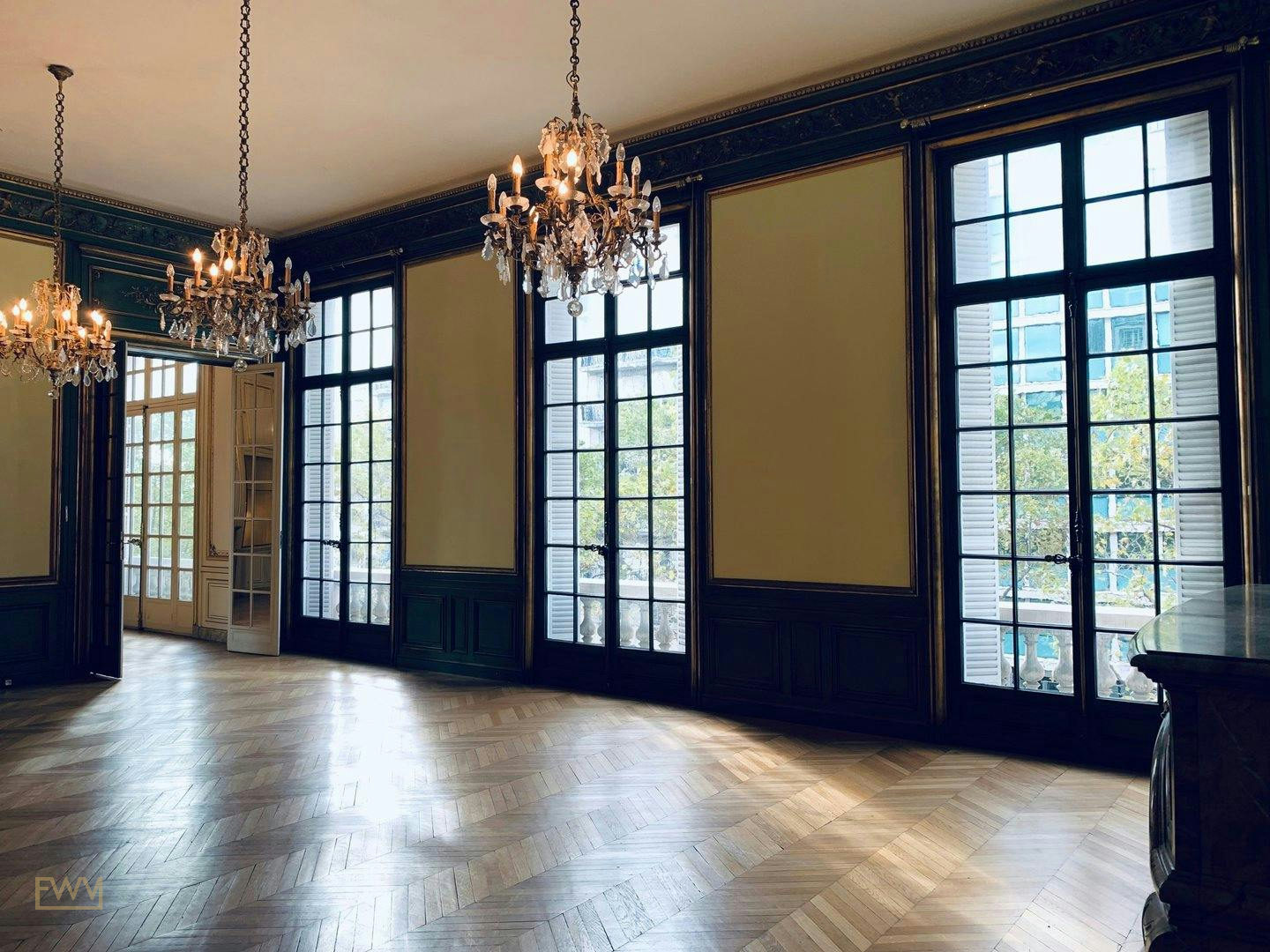
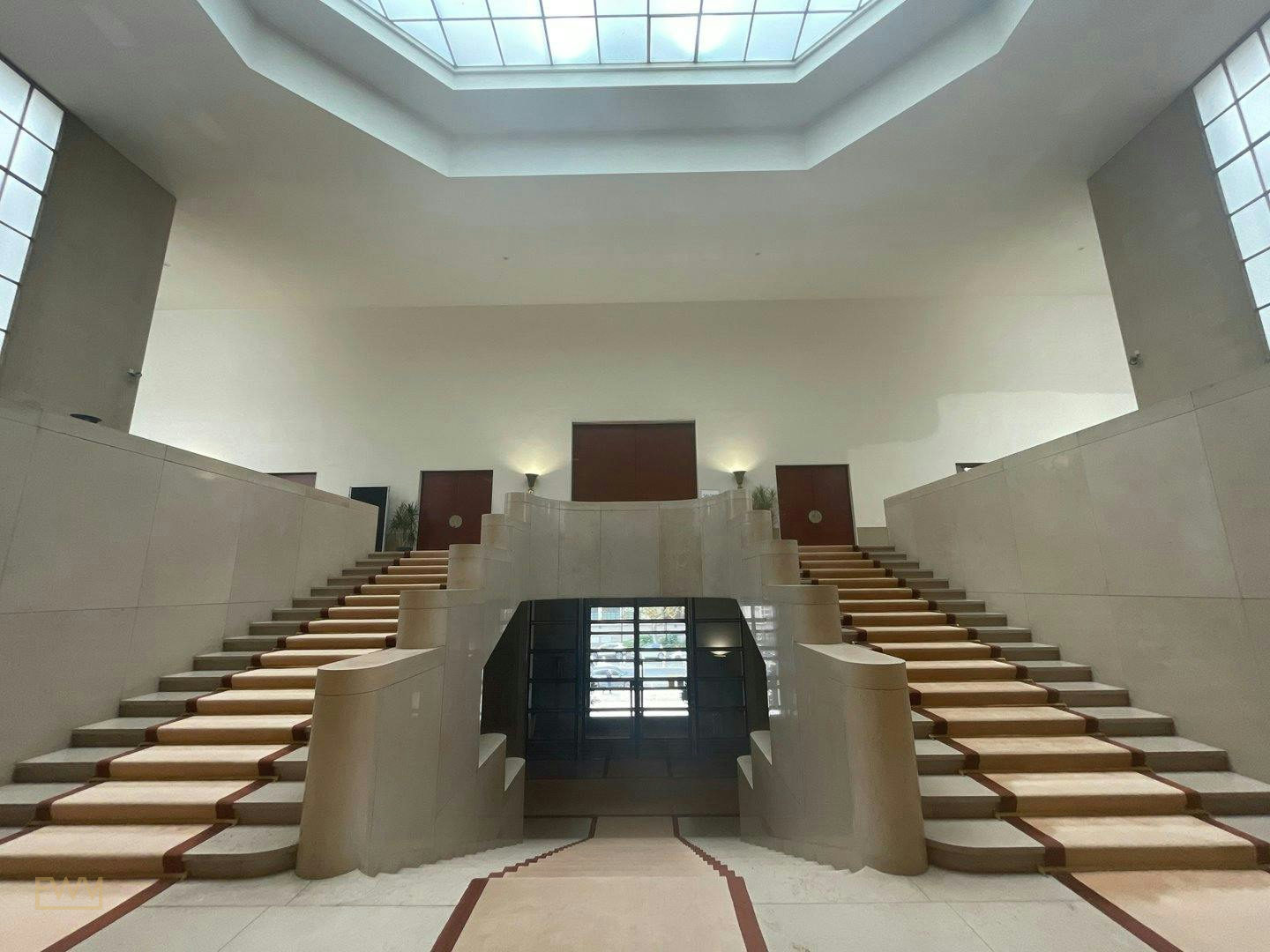
Pop-up stores Roland Garros Paris represent a unique fusion of fashion, sports, and experiential marketing. Events hosted during the French Tennis Tournament, including collaborations with big names like Lacoste, transform spaces into vibrant retail experiences attracting both tennis enthusiasts and luxury shoppers. Fashion Week Venues serves as a key player in facilitating such dynamic temporary retail spaces, offering services like venue sourcing, activation management, and concept direction, ensuring seamless execution of pop-up initiatives.
The Appeal of Pop-Up Stores at Roland Garros
Hosting a pop-up store at Roland Garros offers brands an exceptional opportunity to align with the prestigious aura of the Grand Slam tennis event. Each year, the tournament draws millions of global viewers and thousands of daily attendees with the eagerness for an immersive experience that extends beyond the courts.
Strategically located around landmark venues such as the rue de la Chaussée d'Antin and Boulevard Haussmann, pop-up stores capitalize on heavy foot traffic that includes both international tourists and local enthusiasts. This environment is ideal for promoting exclusive collections, such as the Roland-Garros branded apparel and accessories co-created with Lacoste and WILSON.
Quick answer: Pop-up stores at Roland Garros appeal due to their exclusive access to a high-profile, international audience, providing brands with the chance to showcase exclusive merchandise in a setting rich with cultural and sporting significance.
KEY TAKEAWAY: By leveraging the prestigious backdrop of Roland Garros, pop-up stores can effectively boost brand visibility and engage with an affluent audience ready to embrace limited-edition collections.
The upcoming sections delve deeper into specific components of operating such a pop-up, including logistics, legal requirements, and consumer engagement strategies. By understanding these elements, brands can optimize their approach to leveraging temporary retail spaces at one of Paris's most iconic venues.
Location Strategies and Space Selection at Roland Garros
Selecting the right space for a pop-up store in Paris, particularly around Roland Garros, requires meticulous planning. Considerations include proximity to transport hubs, visitor demographics, and adjacent brand partnerships. The location should be accessible yet distinct enough to capture attention in a competitive marketplace.
Prime areas near the tennis grounds, like rue de la Chaussée d'Antin, provide foot traffic from not only tournament attendees but also curious shoppers exploring iconic venues like Galeries Lafayette and the Champs-Élysées. Here, collaboration spaces next to luxury brands boost customer curiosity and engagement.
DID YOU KNOW: Locations like the Coupole Store at Galeries Lafayette provide unique pop-up opportunities tied directly to thematic events such as the French Tennis Tournament, enhancing synergy with the tennis-inspired collections.
For brands considering locations, the accompanying space selection tool by Fashion Week Venues can simplify decisions by analyzing factors such as neighborhood demographics, foot traffic forecasts, and nearby events. It’s essential to match location with target audience preferences and product narrative.
| Location | Advantages | Disadvantages |
|---|---|---|
| Galeries Lafayette | High foot traffic, luxury brand synergy | Higher rental costs |
| Rue de la Chaussée d'Antin | Proximity to tourist hubs | Competition with established brands |
| Champs-Élysées | Iconic status, diverse visitor demographic | Intense competition, regulatory compliance |
KEY TAKEAWAY: Selecting a strategically evaluated location can elevate the impact of a pop-up, drawing in desired customer demographics and reinforcing brand associations with elite settings.
As we move on, the focus will shift to how these locations can be optimized to deliver a remarkable customer experience, driving footfall through innovative design and strategic retail displays.
Designing a Memorable Pop-Up Experience
The essence of an impactful pop-up store lies in its ability to create a memorable experience that aligns with its brand's aesthetic and overarching event theme. For Roland Garros, brands like Lacoste and WILSON integrate the tennis tournament's spirit into their displays, leveraging thematic decor and interactive elements.
The use of immersive technologies such as augmented reality enhances the customer journey, allowing visitors to engage with digital tennis simulations or virtual dressing rooms. These interactive experiences not only draw in passersby but also encourage longer in-store visits and higher engagement.
TIP: Integrate mobile payment solutions and advanced technologies like interactive screens to improve flow and engagement within the pop-up space.
- Utilize interactive elements such as VR tennis games to draw in customers.
- Emphasize brand storytelling through themed displays and product collaborations.
- Incorporate sustainable design features, e.g., solar panels and eco-friendly materials, to appeal to eco-conscious consumers.
Elements like unique merchandise displays, backed by high-definition visual marketing including digital screens displaying tournament highlights or player interviews, can significantly enhance the shopper's journey. It's vital for these design choices to resonate with both the brand's identity and the event's thematic nuances.
KEY TAKEAWAY: An engaging, well-designed pop-up not only drives immediate sales but also enhances brand value by fostering lasting consumer memories associated with unique interactive experiences.
The discussion next turns to optimizing operational logistics to ensure every facet of the pop-up runs smoothly, from set-up to customer interactions.
Operational Logistics and Execution
Executing a pop-up store at a venue like Roland Garros requires finely tuned logistics, from setup to teardown. Planning every component of the store’s operation is critical for a successful rollout.
Firstly, setting up a pop-up shop involves acquiring the right permits and adhering to local jurisdiction requirements; this is particularly pertinent when operating within Parisian landmarks or high-traffic tourist zones. French legal frameworks, such as bail dérogatoire and AOT, can impact brand operations without appropriate guidance.
IMPORTANT: Ensure legal compliance by consulting resources on Parisian permit guidelines available through tools like the permit guidance tool.
Additionally, staffing plays a crucial role in executing efficient retail operations, including ensuring that trained personnel are equipped with brand knowledge and adept at using technology for inventory management and sales.
The logistics of merchandising must support brand goals, require seamless coordination with suppliers for customized quote benefits, and ideally include mobile merchandising sales options and autonomous mobile pop-up shops for high adaptability.
| Logistics Aspect | Description | Execution Requirement |
|---|---|---|
| Permitting | Local jurisdiction permits for operating | Consultation with a legal advisor |
| Staffing | Trained retail and customer experience staff | Personnel equipped with brand/product knowledge |
| Technology | Use of mobile solutions and AI tech | System integration and staff training |
Setting clear roles and expectations for internal and external teams through every phase, from marketing and setup, ensures the space aligns with the targeted clientele and operational goals.
KEY TAKEAWAY: Effective logistics and operational planning are essential in ensuring the pop-up store functions optimally, offering a seamless and compelling customer experience that complements the brand’s wider marketing strategy.
Following this, we will explore licensing and permitting intricacies that are crucial for brands before launching their pop-ups in Paris, ensuring compliance without compromising execution timelines.
Licensing, Permitting, and Compliance
Understanding the licensing and permitting landscape of Paris is pivotal to the successful operation of a pop-up store during Roland Garros. Given the specific regulations and local ordinances, general commercial licenses may not suffice for pop-up spaces.
Quick answer: Obtaining the right permits such as bail dérogatoire and AOT is essential for legally operating a pop-up store in Paris during events like Roland Garros.
The bail dérogatoire is a specific short-term lease agreement allowing businesses to use retail spaces for temporary periods without establishing a fixed-term lease. Meanwhile, AOT (Autorisation d'Occupation Temporaire) permits temporary occupation of public spaces.
These permits differ substantially from standard leases, offering flexibility but requiring precise compliance to avoid legal recourse. Brands must plan accordingly and engage with local legal experts to navigate this environment effectively.
TIP: Use tools like the Fashion Week Venues permit guidance to ascertain the specifics required for your brand’s pop-up event.
Regulatory compliance entails a thorough understanding of the types of documentation and approvals needed to operate legally, placing emphasis on engaging experienced legal advisors or consultants.
KEY TAKEAWAY: Proactively managing permit requirements ensures legal compliance and smooth operation, preventing potential disruptions and reinforcing the brand's professional standards.
As planning moves forward, the focus shifts to enhancing the consumer experience through cohesive design and brand storytelling in each pop-up endeavor.
Enhancing Consumer Experience and Brand Storytelling
Harnessing the power of storytelling and immersive design elements can turn a simple retail space into a memorable pop-up shopping experience. For events like the Roland Garros tennis championship, imbuing stores with elements reflective of Paris’s refined tennis culture is critical.
Reflecting the spirit of the tournament, integrating thematic props such as terre battue ocre (the famous red clay) or displays of official balles jaunes (yellow balls) enriches consumer interactions. These authentic touches help bridge the physical and emotional connection between the consumer and the brand.
Quick answer: Consumer experience is enhanced by incorporating thematic design and interactive elements that align with the overall brand narrative, creating a culturally-rich shopping environment.
To boost brand storytelling, incorporate multimedia elements such as videos of past tournaments, player interviews, or even interactive history displays of tennis classics, enhancing the artistic appeal while drawing customers in.
- Utilize pop-up props that reflect the event's cultural significance.
- Craft narrative arcs that travel through visual merchandising, from product placement to interior design.
- Leverage technology for seamless transactions and social media engagement.
Excellence in visual merchandising can dramatically impact brand recall. Utilizing premium packaging and offering limited-edition merchandise exclusive to the pop-up enhances perceived value and rewards repeat engagement.
KEY TAKEAWAY: A well-designed pop-up environment fosters deeper consumer engagement and brand loyalty by translating the essence of the Roland Garros experience into a tangible retail setting.
Next, we examine how strategic partnerships and brand collaborations can amplify market reach and consumer engagement in a competitive retail landscape.
Collaborations and Strategic Partnerships
Collaborative ventures within the context of a pop-up store at Roland Garros can magnify brand presence and market reach. Partnerships with related or complementary brands offer shared resource advantages and cross-promotion opportunities that are less achievable independently.
Joining forces with iconic French brands like Lacoste, which have enduring ties with the Roland Garros event, or high-end retailers within Galeries Lafayette, enables brands to leverage existing reputations and attract their established consumer base.
DID YOU KNOW: Past collaborations for Roland Garros have included collections such as Lacoste's tennis-inspired lines and accessories from coupole store staples such as WILSON, enabling broader appeal.
Successful collaborations require shared planning and execution, so it's crucial to align on brand values and vision from the start. Formulating joint marketing campaigns and co-branding products are common strategies to achieve cohesive brand narratives and maximize combined influence.
| Collaborative Aspect | Benefit | Challenge |
|---|---|---|
| Co-branding | Exposure to new audiences | Aligning brand values |
| Shared Events | Cost sharing and wider reach | Coordination complexities |
| Marketing Campaigns | Amplified promotional efforts | Brand identity consistency |
Integrating digital tools such as Fashion Week Venues' compare tool can facilitate partnership decisions by providing insights into competitor offerings and market positioning.
KEY TAKEAWAY: Strategic partnerships can elevate brand visibility and consumer engagement by broadening the reach and appeal of pop-up activations through shared alliances and resource optimization.
As the dialogue on partnerships concludes, attention turns to the financial considerations necessary to budget and plan effectively for a pop-up store.
Budgeting and Financial Planning for Pop-Up Stores
Accurate budgeting and financial planning are essential in the preparation of a pop-up store at Roland Garros. This involves estimating costs, analyzing potential returns, and aligning finances with brand objectives.
Initial budgeting should encompass venue rental costs, permit fees, operational expenses, and investments in marketing and promotional activities. High-profile locations such as the Champs-Élysées demand premium rates, yet they can provide substantial returns due to high visitor density.
Quick answer: Thorough financial planning for pop-ups involves budgeting for space rental, marketing, staffing, and logistics, with potential high ROI aligned to brand objectives and strategic location.
Tools like Fashion Week Venues' budget estimator help brands fine-tune these aspects by providing tailored data on expected expenses in different Parisian sectors. Brands can anticipate market demand through strategic price setting, competitive analysis, and sales projections.
Effective financial management involves not just allocating funds but also foreseeing potential overages in areas like last-minute staffing or additional promotional material needs. It’s critical to maintain flexibility within budgets to adjust dynamically as the event unfolds.
| Expense Category | Estimated Budget Allocation | Considerations |
|---|---|---|
| Space Rental | 25-30% of total budget | Location desirability, foot traffic |
| Marketing | 20-25% of total budget | Channel selection, audience reach |
| Staffing | 15% of total budget | Training, brand representation |
Using ROI tools, like the ROI calculator, can provide insights into potential return on investment, aiding in strategic decisions on where to allocate resources.
KEY TAKEAWAY: Comprehensive financial planning ensures that pop-up stores can optimize their resources for maximum impact, aligning costs with the anticipated benefits and strategic brand goals.
Following an understanding of financial management, we'll review technological advancements and innovations in mobile pop-up store formats as a continuation of enhancing pop-up strategies.
Advancements in Mobile Pop-Up Store Solutions
Emerging technological advancements have significantly reshaped mobile pop-up store operations, integrating solutions that enhance client engagement and operational flexibility. The modern mobile pop-up store can rapidly adapt to on-the-go consumer demands, providing a unique value proposition over fixed-location setups.
The introduction of mobile merchandising, autonomous store formats, and solar-powered technology facilitate eco-friendly and adaptation-ready retail experiences. These innovations enable stores to set up in locations previously deemed unfeasible due to technological limitations.
Quick answer: Advances in technology, such as mobile merchandising and solar-powered solutions, have revolutionized the flexibility and sustainability of mobile pop-up stores, enhancing geographical reach and operational efficiency.
Brands like Merci Gustave and LANCEL PARIS explore mobile formats to extend their reach beyond traditionally high-cost areas, providing flexible pop-up shop options along popular city events and festivals, including Roland Garros.
Innovative features, such as customizable driverless store setups and solar panels, reduce reliance on fixed utilities, granting brands more autonomy in site selection. Pairing these models with mobile payment solutions further ensures seamless consumer transactions and data collection.
- Implement solar technology to reduce emissions and reliance on grid power.
- Leverage mobile payment solutions for easy and quick consumer purchases.
- Utilize AI in inventory management and customer personalization to improve service.
KEY TAKEAWAY: Embracing technological innovations in mobile pop-ups allows brands unprecedented flexibility and sustainability, optimizing operational reach and customer interaction in diverse environments.
With new insights into mobile solutions, brands can now consider talent acquisition and staffing strategies to enhance operational effectiveness, ensuring that the human element within pop-ups is not overlooked.
Staffing and Training for Successful Pop-Up Operations
Effective staffing and training form the backbone of any successful pop-up store operation. Particularly important for high-profile events like Roland Garros, skilled staff can transform the retail experience, while ill-prepared teams can undermine customer satisfaction and brand reputation.
Ensuring staff are well-versed in product details, brand history, and the unique selling propositions of event-specific merchandise is critical. This education should extend to the operational use of advanced technologies implemented within the pop-up, such as mobile payment terminals and interactive display interfaces.
Quick answer: Proper staffing and comprehensive training enhance pop-up store effectiveness, ensuring teams are prepared to engage with customers efficiently and represent the brand credibly during major events like Roland Garros.
To meet these needs, Fashion Week Venues offers staffing solutions that include in-depth training processes designed to prepare retail personnel for the dynamics of temporary space operations.
Strategically appointing team members based on strengths and expertise ensures a balanced skill set that addresses all facets of customer interaction—from merchandising and sales to customer service and feedback management.
- Provide training on digital platforms used within the pop-up.
- Ensure staff understand brand ethos and key marketing messages.
- Implement feedback loops for continuous learning and adaptation.
TIP: Regularly brief your teams on daily goals and customer profiles to maintain focus and improve service delivery throughout the event's tenure.
With a strong team and training plan in place, brands can focus on tailoring their marketing strategies to meet the specific demands of pop-up store visitors and convert interest into sales effectively.
Our exploration next involves profiling the customer demographics for Roland Garros pop-ups and aligning marketing strategies to maximize engagement.
Understanding Pop-Up Visitor Demographics and Marketing Strategy
Profiling the visitor demographics for pop-up stores at events like Roland Garros provides critical insights that inform marketing tactics and enhances the overall customer experience. Consumers visiting these events typically exhibit a combination of local Parisian trends and international tourist behaviors.
The demographic mix encompasses affluent attendees eager to purchase exclusive, event-branded merchandise. Many visitors are likely already engaged with luxury retail, sports apparel, and lifestyle products, creating a prime target for high-end collaborations like those seen with Lacoste or WILSON.
Quick answer: Pop-up visitor demographics include affluent patrons interested in exclusive, branded merchandise, often seeking experiences and products not readily available online.
Tailoring marketing strategies to these consumers means implementing nuanced techniques such as targeted social media campaigns and leveraging influencers with a relevant following to increase reach and engagement.
- Focus on exclusive product lines linked to the tournament.
- Employ local influencers familiar with the event's culture to expand credibility and reach.
- Capitalize on social media and experiential marketing to engagingly narrate the brand story.
Additionally, utilizing targeted advertising and email campaigns ensures that the messaging resonates across multiple touchpoints, reinforcing the brand’s unique offerings in the minds of potential visitors and converting their interest into foot traffic.
KEY TAKEAWAY: Understanding and leveraging visitor demographics allows brands to tailor their marketing strategies effectively, maximizing engagement and driving higher footfall and conversion rates at pop-up events.
As the discussion on visitor profiles concludes, the focus now turns to the broader impact and return on investment for brands created by engaging with pop-up spaces during Roland Garros.
Measuring Impact and ROI of Pop-Up Stores
An essential aspect of any pop-up store campaign is measuring its overall impact and return on investment (ROI). For brands participating in Roland Garros, understanding the direct and indirect benefits gained from these engagements can substantially influence future marketing strategies.
Among the primary measures are metrics such as sales conversion rates, social media engagement, visitor traffic statistics, and customer feedback. More nuanced metrics might explore brand sentiment shifts post-event or collaborations impact on brand perception.
Quick answer: Measuring pop-up store success involves tracking sales, visitor engagement, and social media metrics to gauge the event’s effectiveness and influence on brand perception.
Using tools such as Fashion Week Venues' ROI calculator allows brands to quantify these engagements further, translating event activities into financial terms that can justify the investment and guide future strategy refinement.
Additionally, peer comparison via space comparison tools can help brands understand how their popup performance stacks against competitors, identifying unique differentiators or areas for improvement.
KEY TAKEAWAY: Comprehensive ROI measurement provides insights into both the short-term financial gains and longer-term brand positioning benefits facilitated by successful pop-up operations.
Next, we explore common myths and misunderstandings surrounding pop-up stores in prestigious settings like Roland Garros, providing clarifications to guide brands towards successful engagement strategies.
Common Myths Debunked
MYTH: You need a French legal entity to rent a space in Paris.
FACT: While having a local entity can facilitate operations, international brands can still engage through partnerships or agencies knowledgeable in local regulations, such as Fashion Week Venues, which offers guidance and support throughout the process.
MYTH: Paris Fashion Week is the only viable time to host a pop-up in Paris.
FACT: While Fashion Week draws significant attention, events like Roland Garros also provide lucrative opportunities for brands to engage with enthusiastic audiences in a complementary context.
MYTH: Commission-based brokers are the only way to find pop-up spaces in Paris.
FACT: Numerous platforms, including the Fashion Week Venues marketplace, provide listings and wider market visibility, offering brands the capability to find spaces independently or with professional guidance.
MYTH: Short-term leases are simple and don't require specialist help.
FACT: Even short-term agreements like bail dérogatoire require careful negotiation and compliance understanding, reinforcing the value of legal expertise to ensure seamless operations and adherence to local laws.
Frequently Asked Questions
What is a pop-up store at Roland Garros?
A pop-up store at Roland Garros is a temporary retail space set up during the French Tennis Tournament. It allows brands to showcase themed products and engage with a a diverse audience of international visitors and tennis enthusiasts, often featuring collaborations with recognized brands like Lacoste and WILSON.
Why choose Roland Garros for a pop-up store?
Roland Garros is an iconic sporting event that attracts millions each year, offering brands significant visibility and the opportunity to engage with a premium audience. The atmosphere is ideal for promoting exclusive event-themed merchandise and enhancing brand prestige through experiential marketing.
What unique products can be found in these pop-up stores?
Pop-up stores at Roland Garros typically feature special collections such as branded tennis apparel, official accessories, and exclusive event-themed items. Collaborations with brands like Lacoste offer capsule collections that reflect the spirit of the tournament, adding to the exclusivity and appeal for visitors.
How do pop-up stores differ from permanent retail stores?
Pop-up stores are temporary, offering brands the ability to test markets, showcase limited-time products, and generate buzz during major events like Roland Garros. They offer flexibility, lower long-term costs, and a platform for creative, thematic experiences not always possible in permanent locations.
What is bail dérogatoire, and why is it important?
Bail dérogatoire is a short-term lease agreement that allows businesses to occupy retail spaces temporarily without engaging in long-term commitments. It's essential for legal compliance in hosting pop-up stores and requires understanding of local regulations to avoid any legal issues.
Do I need local partners to run a pop-up at Roland Garros?
While having local partners can be beneficial for navigating logistical, legal, and cultural nuances, it's not strictly necessary. However, working with agencies familiar with Parisian market dynamics, like Fashion Week Venues, can significantly ease the setup and operation processes.
Can I operate a pop-up store at Roland Garros without a brick-and-mortar presence in Paris?
Yes, brands can operate at Roland Garros through pop-up models without needing a permanent retail presence. These temporary setups allow companies to engage with consumers during peak events, offering flexibility to test markets and attract attention without long-term commitments.
What permits are needed to operate a pop-up store in Paris?
Operating a pop-up store requires obtaining temporary occupancy permits like AOT, and an understanding of the area's legal requirements is crucial. Consulting with local advisors or using resources like the Fashion Week Venues' permit guidance tool can help brands navigate these processes smoothly.
How can I measure the success of my pop-up store at Roland Garros?
Success can be measured using various metrics such as sales numbers, foot traffic, social media engagement, and customer feedback. These indicators help assess overall performance and ROI, providing insights that inform future pop-up strategies and marketing efforts.
What challenges might I face when setting up a pop-up store?
Common challenges include navigating local permits, securing the ideal location, coordinating logistics, staffing, and maintaining consistent branding across short-term engagements. Preemptive planning and engaging experienced local consultants can mitigate many potential issues.
What role does Fashion Week Venues play in pop-up stores?
Fashion Week Venues offers comprehensive services like concept direction, venue sourcing, and activation management, supporting brands in setting up successful pop-up stores. By providing tools for budgeting, ROI analysis, and permit guidance, they help streamline the execution process, ensuring it aligns with strategic goals.
Is it expensive to host a pop-up store at Roland Garros?
Costs can vary depending on location, size, and the duration of the lease. Premium locations near tournament venues could incur higher expenses but offer significant exposure levels. Detailed financial planning and leveraging available budget tools are essential to manage and optimize costs effectively.
Which brands benefit most from pop-up stores at sports events?
Brands related to sports apparel, luxury fashion, and lifestyle goods tend to benefit greatly. They capitalize on the thematic integration of event-specific branding, attracting both existing fans and new consumer segments. Partnerships with iconic names like Lacoste add credibility and wider audience engagement.
Conclusion
In conclusion, pop-up stores at the Roland Garros event in Paris present a distinctive opportunity for brands to engage with high-profile consumers in a dynamic and culturally rich setting. Through strategic space selection, creative design, comprehensive logistics, and robust marketing strategies, brands can maximize their reach and impact. Fashion Week Venues plays a pivotal role in facilitating all aspects of pop-up execution, from venue sourcing to activation management, ensuring your temporary retail undertakings are seamlessly integrated into the broader marketing objectives. As the market evolves, these stores provide an agile platform for brand storytelling and consumer interaction. To move from research to activation, start exploring available spaces on the Fashion Week Venues marketplace and build a focused brief for your target neighbourhood, space type, and calendar window.