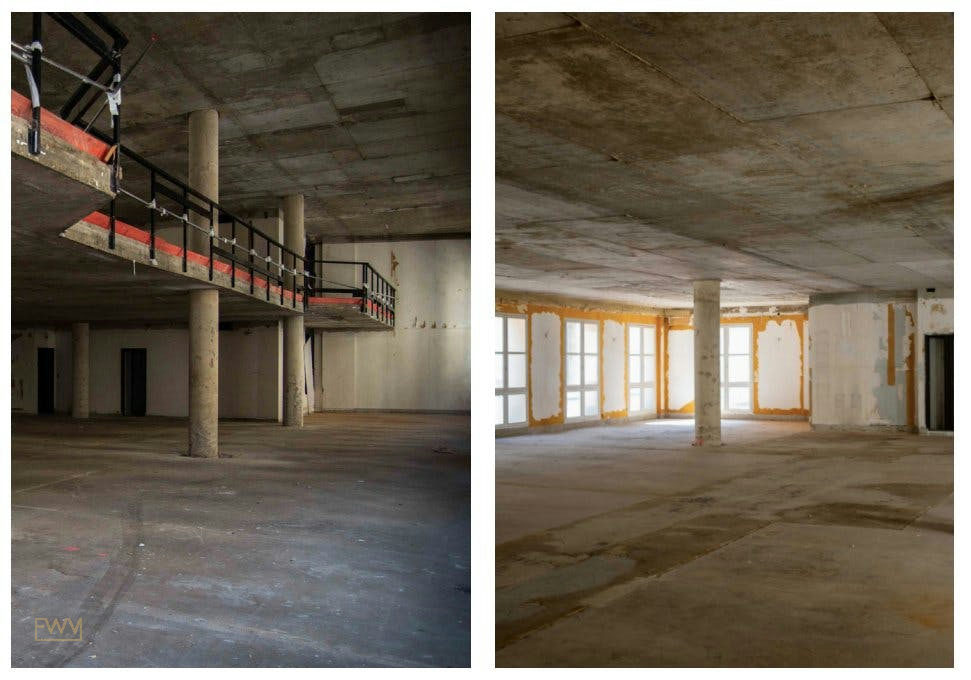
Fashion Week Venues stand as pivotal in orchestrating successful pop-up spaces during Paris Fashion Week, a city synonymous with luxury retail. Choosing the right venue is not just about aesthetics; it's integral to brand activation and market penetration. Whether for a luxury brand, emerging designer, or a global retailer entering Paris, understanding the nuances of venue selection is crucial. This guide explores all facets of choosing pop-up venues in Paris, ensuring your brand stands out during this vital fashion period.
Understanding Paris Fashion Week: The Ultimate Guide
Paris Fashion Week represents one of the pinnacle events in fashion, dictating trends and setting the stage for groundbreaking style. For any fashion brand, having a presence here is indispensable. This week-long spectacle offers design innovators and retail giants an unparalleled platform to showcase their vision.
While some believe that participation in Paris Fashion Week is only accessible to those with vast resources or top-tier industry connections, the truth is more inclusive. Events held during this time aren't limited to runway shows. They span pop-up stores, showrooms, and private exhibitions, each requiring a keen eye for venue selection.
Quick answer: Paris Fashion Week is not just about runway shows; it includes diverse events like pop-up stores and exhibitions, allowing brands of all sizes a chance to shine.
Choosing the right event type influences how your brand is perceived. A luxurious venue speaks to high-end brands aiming for an elite audience, whereas a trendsetting showroom suits emerging designers looking to appeal to avant-garde fashion enthusiasts. Understanding where your brand fits in this spectrum is crucial for success.
- Runway shows: Ideal for brands with the logistics and budget to showcase a collection in real-time.
- Pop-up boutiques: Excellent for brands seeking direct consumer engagement without long-term commitment.
- Showrooms: Perfect for networking with buyers and industry insiders in a controlled, interactive environment.
- Private exhibitions: Useful for luxury brands focusing on an exclusive experience for select guests.
Choosing the right venue type can dramatically affect the visibility and reception of your collection. For instance, a pop-up in the vibrant Le Marais district can attract fashion-forward millennials, whereas a prestigious showroom on Rue Saint-Honoré aligns more with affluent clients.
KEY TAKEAWAY: The venue you choose during Paris Fashion Week significantly influences your brand's reach and impact. Understand the types of events and target audience to maximize brand visibility and engagement.
To proceed with selecting an appropriate venue, detailed consideration of the Parisian neighborhood, event type, and target demographic is necessary, as we will discuss in the next section on iconic districts in Paris.
Exploring Iconic Parisian Districts for Fashion Events
Paris offers a rich tapestry of neighborhoods, each with its own distinct flair, making venue selection an integral part of brand strategy. A venue's location can influence the type of audience attracted, as well as the overall ambiance of the event.
Le Marais is known for its chic boutiques and artsy vibe, making it ideal for innovative pop-up experiences aimed at a youthful audience. Saint-Germain-des-Prés exudes classic elegance, drawing sophisticated clientele to galleries and showrooms. Conversely, the Opéra district, with its historic grandeur and higher tourist footfall, suits grand exhibitions or flagship pop-ups.
Quick answer: Choosing the right Parisian district for your venue is critical; Le Marais attracts a trendy crowd, while Saint-Germain-des-Prés appeals to classic elegance seekers.
| Neighborhood | Characteristic | Ideal Brand Type |
|---|---|---|
| Le Marais | Trendy, vibrant | Emerging designers, streetwear labels |
| Saint-Germain-des-Prés | Classic, sophisticated | Luxury brands, haute couture |
| Opéra | Grand, historic | Established international brands |
The choice of district should align with your brand’s image and the audience you wish to attract. For example, an avant-garde designer might find more resonance in the eclectic vibes of Canal Saint-Martin, while luxury jewelers might prefer the opulence of Place Vendôme.
TIP: Consider site visits and client demographic studies to ensure your venue's location matches your strategic objectives.
By selecting a district that mirrors your brand identity and desired audience, you enhance your event's potential to engage effectively, as discussed further in the subsequent section on the significance of space attributes.
Deciphering Venue Attributes: Size, Layout, and Style
When it comes to fashion events, venue attributes—size, layout, and style—play a crucial role in executing a brand's vision. Each attribute should complement the nature of the brand and the message it aims to convey.
The size of the venue dictates potential attendance. Smaller venues create an intimate setting perfect for exclusive events, while larger spaces can host expansive showcases or parties. The layout must be considered for flow and traffic management, ensuring that guest experience is seamless.
Quick answer: Venue size, layout, and style must align with your brand's identity and the storytelling of the event, affecting attendee experience and engagement.
- Size: Determine based on expected attendance and desired atmosphere (intimate vs. grand).
- Layout: Consider for smooth guest flow, visibility, and accessibility.
- Style: Choose a style that reflects your brand aesthetics, whether minimalist, traditional, or avant-garde.
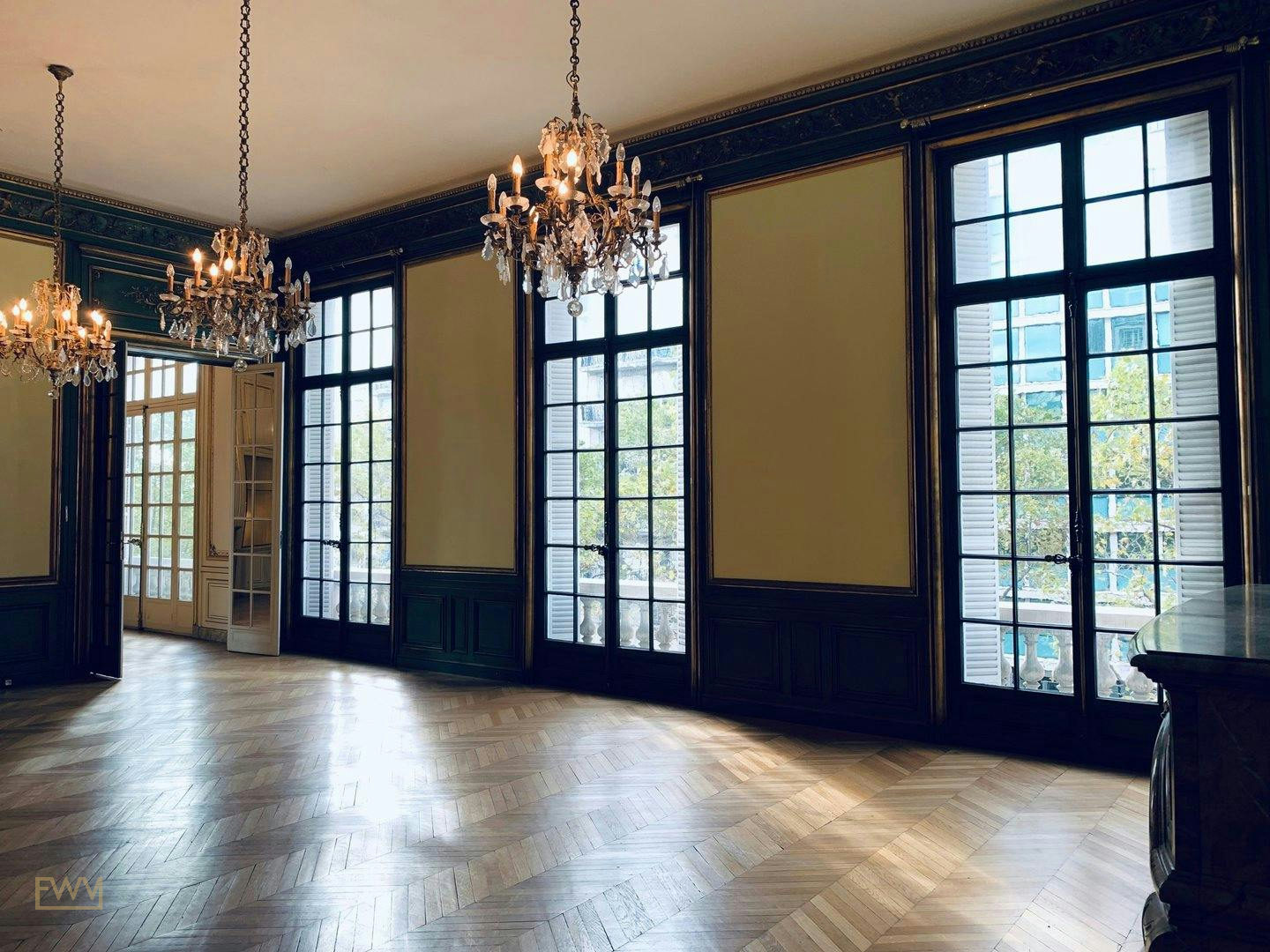
For example, for a brand launch, a flexible venue with modular sections can adapt to varied activities such as a press conference area, a runway space, and a retail corner. Style is equally paramount; a brand known for its classic lines might opt for an ornate, historical venue, while a modern brand could choose a contemporary, industrial look.
KEY TAKEAWAY: Aligning venue attributes with brand identity helps craft a coherent narrative and immersive experience that resonates with attendees, enhancing engagement and brand recall.
Understanding these attributes allows for a more precise match between venue and branding goals, segueing into the need for strategic budget planning covered next.
Budget Planning for Paris Fashion Week Venues
Budgeting is both art and science when planning for a Paris Fashion Week venue. It involves assessing costs across various components, including venue, production, staffing, and marketing. Additionally, unforeseen expenses often emerge, emphasizing the importance of comprehensive planning.
For many brands, a start point is the venue's base rental cost, to which additional costs are added such as utilities, permits, and logistical needs. These details are crucial in creating an accurate budget and ensuring cost-efficiency.
Quick answer: Effective budget planning involves accounting for venue rental, additional costs, and potential unforeseen expenses, ensuring a financial balance for successful activation.
| Expense Category | Estimated Cost | Considerations |
|---|---|---|
| Venue Rental | Varies widely | Location, size, duration |
| Production/Build | 10-20% of budget | Custom structures, AV needs |
| Staffing | 5-15% of budget | Sales staff, security, hosts |
Budgeting for a high-profile location such as Rue Saint-Honoré will significantly differ from planning a space in an up-and-coming neighborhood like Canal Saint-Martin. Additionally, aligning your budget with your marketing strategy can create synergies that enhance both reach and return on investment.
DID YOU KNOW: Utilizing tools like the Fashion Week Venues budget calculator can help brands effectively predict and manage financial outlays.
As budgets vary significantly from one brand to another, strategic budget planning ensures that all aspects align with your brand's objectives without overextending financial capabilities, guiding the next section on permit and compliance requirements.
Decoding Permit and Compliance Requirements
Navigating permits and compliance is a critical element for brands participating in Paris Fashion Week. Legal requirements like the bail dérogatoire and AOT (Autorisation d'Occupation Temporaire) must be precisely understood to ensure compliance and avoid hindrances during execution.
Unlike standard commercial leases, these temporary permits require cross-verification with French legal advisors due to variations across space types, event duration, and specific Parisian arrondissements.
Quick answer: Temporary permits such as bail dérogatoire and AOT differ from standard leases and need careful consideration; consulting French legal advisors is recommended.
Fashion Week Venues provides comprehensive guidance through its permits tool, aiding brands in understanding these complex legal frameworks and ensuring all necessary applications are correctly filed.
- Bail dérogatoire: Primarily for short-term leases; verify conditions applicable to your venue type.
- AOT: Required for public space usage, especially in high-traffic areas.
- ERP Regulations: Ensure emergency protocols and structural safety align with French standards.
IMPORTANT: Permit applications can be nuanced and variable. Secure all paperwork well in advance to avoid last-minute delays in your event timeline.
Understanding these requirements ensures seamless execution of all legal formalities, transitioning us into how Fashion Week Venues can facilitate this complex process efficiently.
How Fashion Week Venues Facilitates Your Success
Fashion Week Venues provides an integrated suite of services designed to streamline the myriad processes involved in executing a successful fashion event in Paris. From venue sourcing to concept direction, they cover all aspects necessary for a seamless brand activation.
Their breadth of services includes production and build, ensuring that your space reflects the sophisticated aesthetics of your brand, while their staffing solutions guarantee efficient customer interaction and brand representation.
Quick answer: Fashion Week Venues offers comprehensive services from venue sourcing to staffing, optimizing your brand activation in Paris with ease.
Tools such as the compare tool and locator tool enable brands to assess and pick optimal spaces and logistical arrangements, ensuring time-efficient and cost-effective planning.
Considering all these supports, brands from international markets can navigate Paris's unique retail environment more effectively, focusing on strategic brand-building without the hassle of day-to-day operational burdens.
KEY TAKEAWAY: Utilizing Fashion Week Venues’ integrated services and tools simplifies complex event processes, empowering brands to focus on innovative activations and consumer engagements.
By leveraging these services, brands can focus more on creativity and customer experience, which are pivotal to success, as emphasized in the common myths section.
Common Myths Debunked
MYTH: You need a French legal entity to rent a space in Paris.
FACT: International brands can lease spaces using international subsidiaries or specialized agencies like Fashion Week Venues. It's crucial to follow the correct legal procedures either way, but a French entity is not mandatory.
MYTH: Paris Fashion Week is the only viable calendar window for fashion brands.
FACT: While it is prominent, Fashion Week is not the sole opportunity. Other windows like the Paris Fashion Trade Shows or seasonal sales can equally provide valuable exposure for different brand strategies.
MYTH: Commission brokers are the only way to find a space.
FACT: Online platforms like the Fashion Week Venues marketplace enable brands to compare and select spaces free from traditional broker constraints, offering more flexibility and control.
MYTH: Short-term leases are legally straightforward and don’t require specialist help.
FACT: Short-term leases in Paris require understanding specific regulations like bail dérogatoire, and consulting with experts can prevent costly misunderstandings.
Frequently Asked Questions
What is the best time to book a venue for Paris Fashion Week?
To secure a desirable venue, it’s advisable to begin the booking process at least six months in advance of the event. This not only ensures choice availability but also provides ample time for planning and addressing any potential issues like permits. Engaging early with platforms like Fashion Week Venues can streamline this process.
Can small brands afford to participate in Paris Fashion Week?
Yes, small brands can participate by strategically selecting cost-effective venues and leveraging services that maximize exposure within their budget. Utilizing tools such as the budget calculator from Fashion Week Venues can aid in planning within financial means without compromising on impact.
Are there alternative events to Paris Fashion Week?
Paris offers several fashion-centric events beyond the main Fashion Week, including trade shows, art fairs, and seasonal sales that cater to different aspects of fashion marketing. Each offers unique advantages for networking, marketing, and showcasing new collections, providing alternatives for brands unable to participate in the main event.
How do venue permits work for international brands?
International brands must comply with French regulations, often requiring specific permits like bail dérogatoire for temporary use. Engaging with legal experts and using resources like the Fashion Week Venues permits tool can simplify understanding and acquiring necessary authorizations.
What role does location play in a fashion event's success?
Location impacts visibility, audience reach, and event atmosphere. A strategic location aligned with brand identity and target demographics enhances attendee engagement and the overall impact of the event. Districts like Le Marais or Rue Saint-Honoré offer distinct advantages for different types of fashion brands.
How important is brand alignment in venue selection?
Brand alignment is crucial as the venue must reflect the brand image and cater to its target audience. This includes stylistic consistency and matching the venue’s ambiance with the brand ethos. Proper alignment can significantly enhance the perceived value of the activation.
Do you offer solutions for creative direction?
Fashion Week Venues assists with creative direction by providing expert guidance that aligns operational details with innovative brand storytelling, ensuring every aspect of the activation mirrors the brand’s vision and market strategy.
Why are pop-ups becoming more popular among brands?
Pop-up stores allow brands to experiment with new markets, engage with customers directly, and test out innovative retail concepts. They provide flexibility in location and duration, making them an attractive, risk-manageable option compared to permanent stores.
How can brands measure the effectiveness of their event?
Effectiveness can be measured using analytics to track engagement, sales, and customer feedback. Tools like the Fashion Week Venues ROI calculator offer insights into the financial and branding returns of such activations, contributing to strategic planning for future events.
What challenges might arise when planning fashion events?
Challenges include securing an appropriate venue, ensuring compliance with local laws, managing logistics across multiple operational facets, and innovating within budget constraints. Thorough planning and expert consultation alleviate these issues, paving the way for successful activations.
Conclusion
Choosing the right venue during Paris Fashion Week is an intricate process involving strategic decisions about location, legal compliance, and creative alignment with brand ethos. Fashion Week Venues equips brands with essential tools and services to navigate these complexities, from sourcing venues to managing permits.
IMPORTANT: While excitement surrounds Fashion Week, the importance of early and strategic planning cannot be overstated. Incorporating detailed analysis, expert guidance, and adaptive strategies ensures memorable and impactful brand activations.
To move from research to activation, start exploring available spaces on the Fashion Week Venues marketplace and build a focused brief for your target neighbourhood, space type, and calendar window.