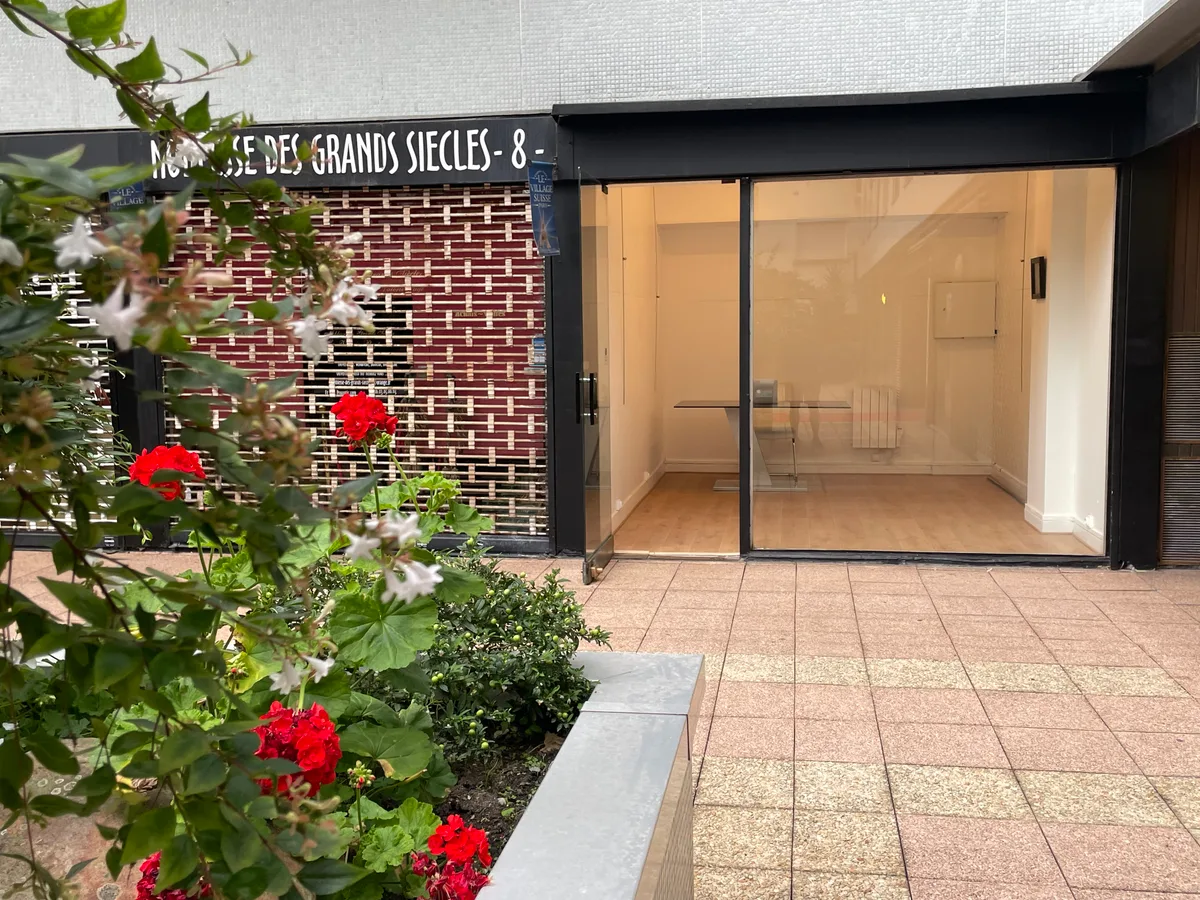
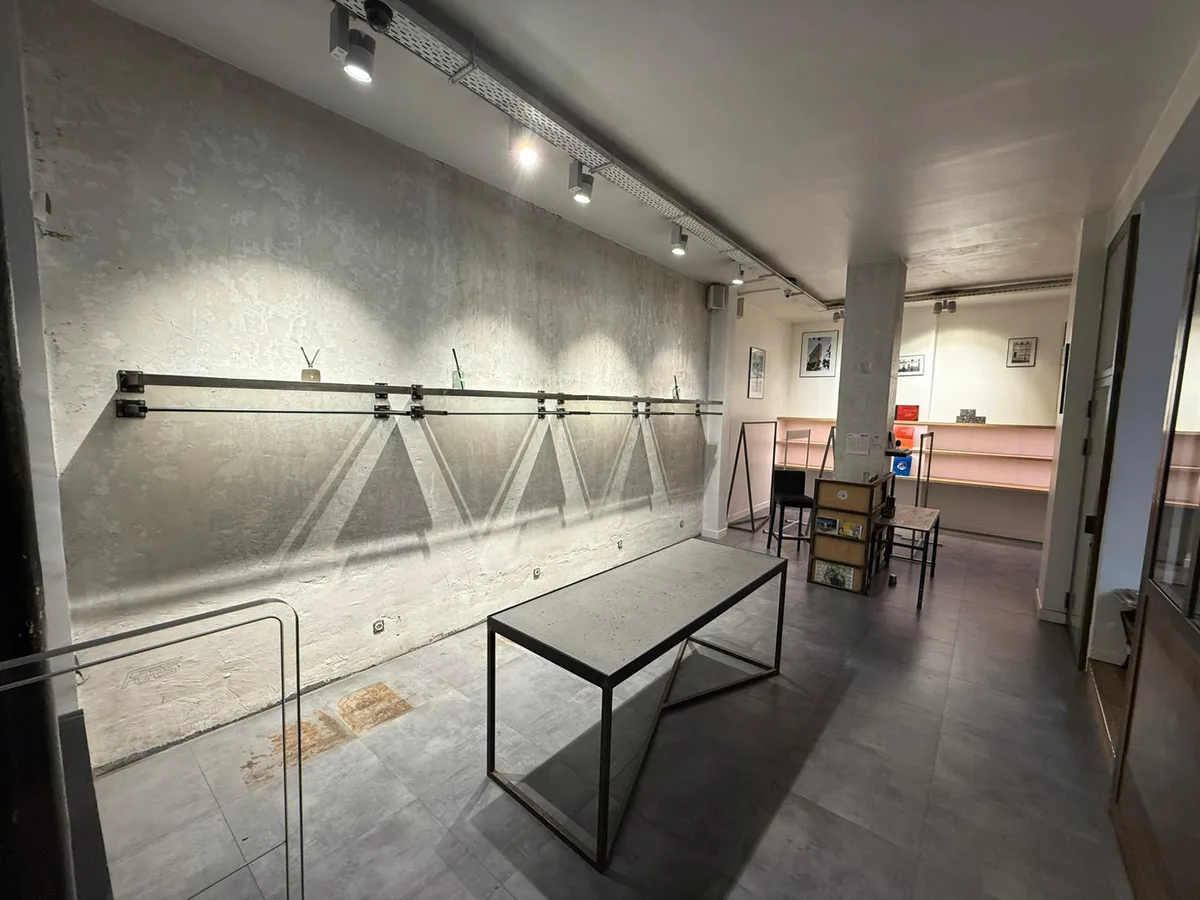
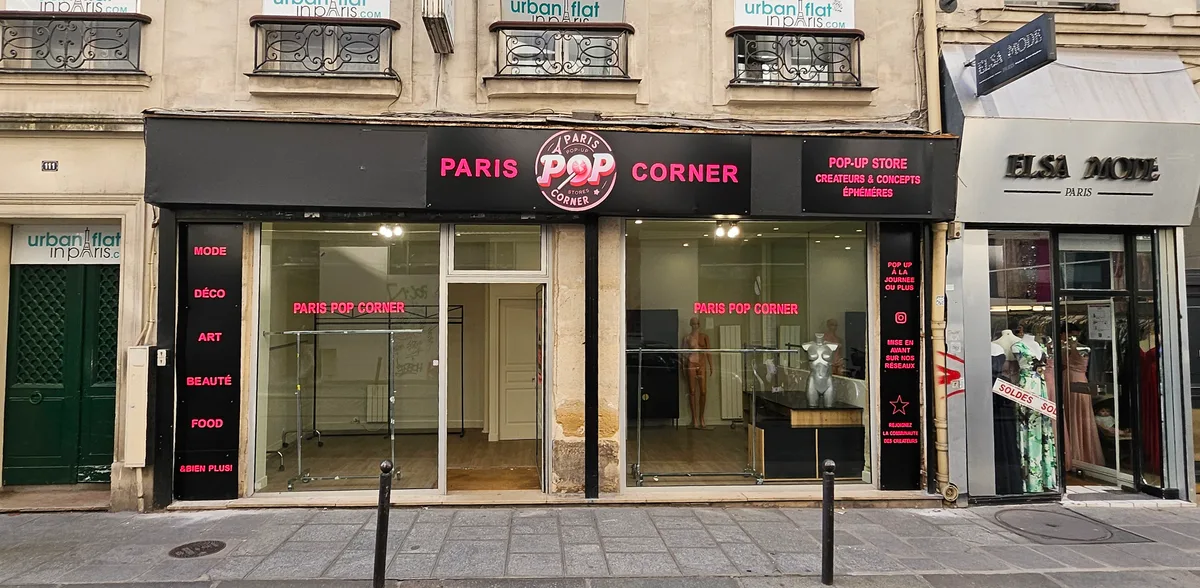
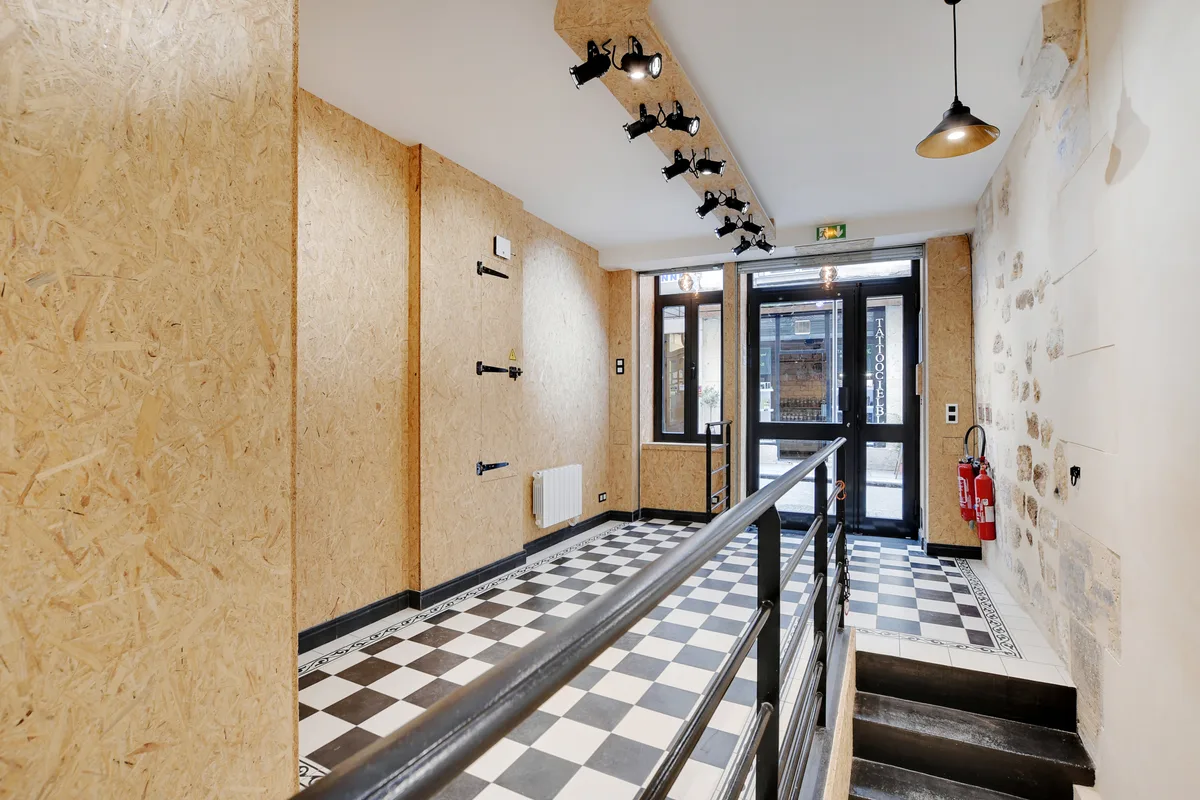
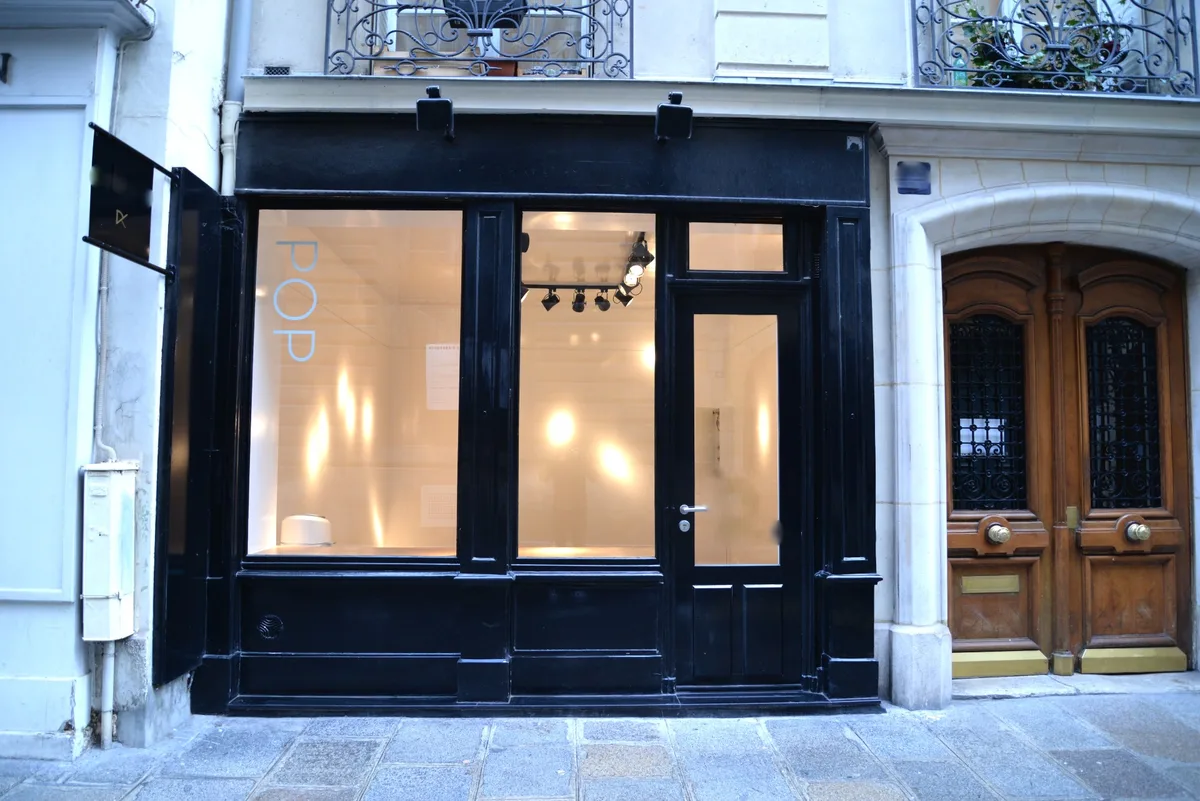
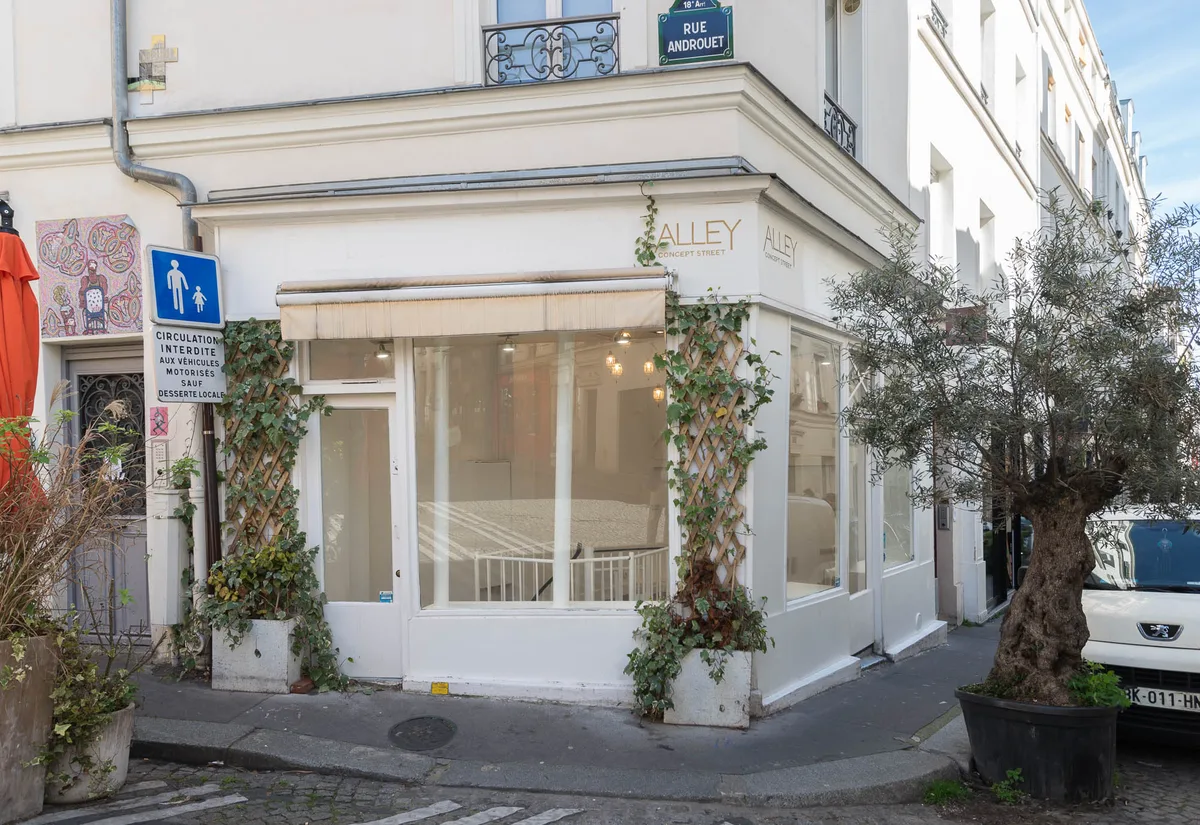
If you are planning to rent a pop-up shop in the 16th arrondissement Paris, you are looking at one of the city's most architecturally distinctive and commercially strategic districts. The 16th offers a combination of affluent residential foot traffic, proximity to landmarks such as the Eiffel Tower and the Fondation Louis Vuitton, and a neighbourhood character that suits luxury, beauty, fashion, and design brands seeking a refined Parisian context. This guide explains everything a brand team needs to know before committing to a space, from venue types and permit obligations to budget expectations, operational requirements, and how to compare the 16th against other Paris neighbourhoods including Le Marais and Saint-Germain-des-Prés. Fashion Week Venues specialises in helping international brands find, configure, and activate short-term retail spaces across Paris, including the 16th arrondissement.
What Is a Pop-Up Shop and Why Does Paris Make Strategic Sense
A pop-up shop is a short-term retail activation that occupies a physical space for a defined period, ranging from a few days to several months. It allows a brand to test a market, launch a product, present a collection, generate press coverage, and engage directly with consumers without committing to a long-term lease or permanent store infrastructure.
Paris is one of the most commercially and culturally relevant cities in the world for temporary retail. The city hosts more international fashion brands per square kilometre than almost any other European capital. Fashion Week, Paris Design Week, FIAC, and dozens of trade events concentrated across the year create natural windows of elevated foot traffic, press attention, and buyer presence. These calendar peaks make a well-timed pop-up shop in Paris an unusually efficient vehicle for brand visibility.
For brands assessing whether short-term retail concepts work before committing to permanent retail infrastructure, Paris provides an agile and reversible solution. A pop-up store allows a brand to carry out a full-scale market test without incurring the heavy fixed costs of a permanent lease, a full fit-out, long-term staffing, and local operational overhead. The format is established, the consumer appetite is strong, and the logistics ecosystem in Paris is developed enough to support high-quality activations at speed.
Pop-up stores in Paris are also increasingly used beyond direct retail. Brands use temporary spaces for showrooms during Fashion Week, private exhibitions, photo shooting and filming locations, press events, cocktail parties, seminars, and experiential installations. The boundaries between retail, event, and cultural activation have blurred considerably in the Parisian market, which means the physical space you choose must be evaluated not just on retail potential but on its flexibility as a multi-purpose venue.
Quick answer: A pop-up shop in Paris is a short-term rental of a commercial space used to test a market, launch a product, or run a brand activation without the commitment of a permanent lease. Paris is strategically relevant because of its fashion calendar, international buyer traffic, press concentration, and the quality of temporary retail infrastructure available across its arrondissements.
DID YOU KNOW: Paris Fashion Week takes place twice annually, in late February and early March for womenswear, and in late June and early July for menswear, creating two concentrated windows of elevated brand activity that directly benefit pop-up activations running in proximity to key venues and press routes.
KEY TAKEAWAY: Paris pop-up shops serve multiple purposes simultaneously, from direct retail and product launches to showroom presentations and brand positioning exercises. Choosing the right arrondissement depends on which of these objectives your activation prioritises.
Understanding the pop-up shop format in Paris is the foundation. The next step is understanding why the 16th arrondissement specifically warrants serious consideration as a location.
The 16th Arrondissement as a Pop-Up Retail Location: What Brands Need to Know
The 16th arrondissement is one of Paris's most affluent residential neighbourhoods, occupying the western edge of the city between the Bois de Boulogne and the Seine. It is home to embassies, high-net-worth residents, and landmark cultural institutions including the Fondation Louis Vuitton and the Trocadéro. For brands targeting a wealthy, culturally engaged Parisian audience, it offers a context that fewer other arrondissements can match.
Who Shops and Visits the 16th Arrondissement
The resident demographic in the 16th skews significantly toward upper-income households. The area attracts domestic and international visitors drawn to the Eiffel Tower views from Trocadéro, the Fondation Louis Vuitton exhibitions, and the refined boutique character of streets such as Avenue Victor Hugo and Avenue de la Grande Armée. Avenue des Ternes, which borders the 16th and 17th arrondissements, adds a further layer of commercial activity and foot traffic from a slightly broader Parisian consumer base.
Tourism in the 16th is concentrated around specific landmarks rather than spread across the arrondissement. This means that a pop-up shop positioned near Trocadéro or the Fondation Louis Vuitton can benefit from substantial tourist foot traffic, while a space deeper into the residential core will primarily serve a local affluent audience. Understanding this distinction is critical when selecting a specific address within the arrondissement.
Venue Types Available in the 16th Arrondissement
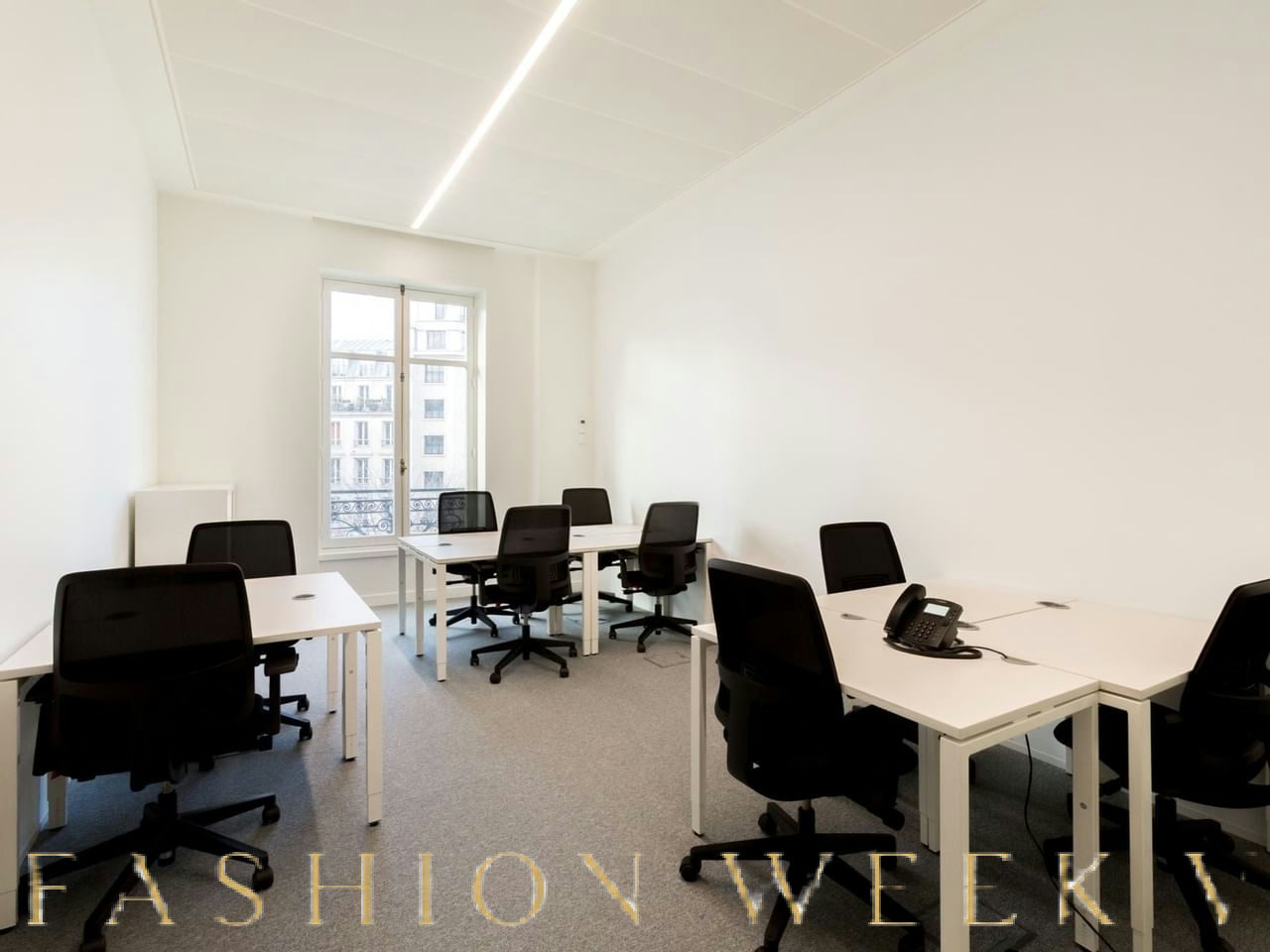
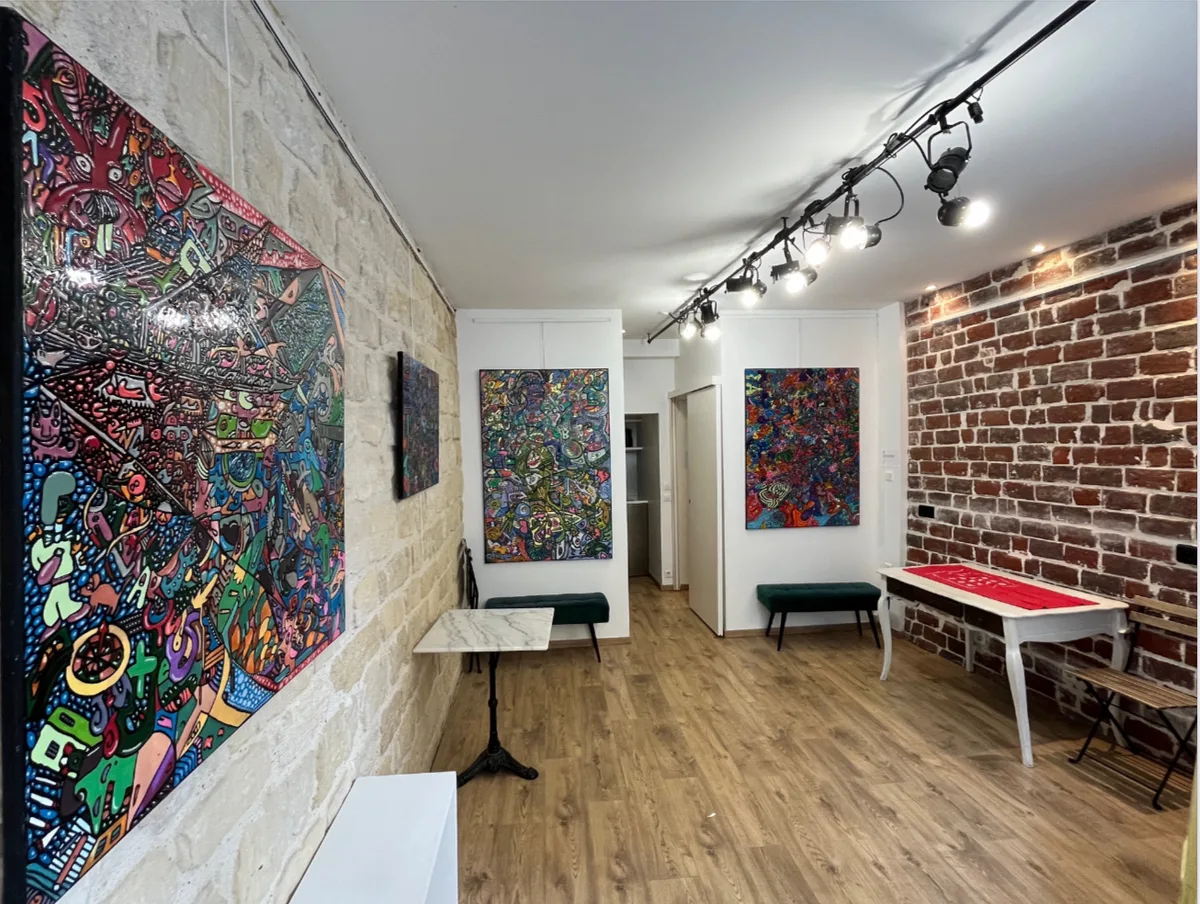
The architectural character of the 16th is distinct from the dense Haussmannian streetscapes of central Paris. Spaces available for short-term rental in this arrondissement often include large Haussmannian apartments with high ceilings and parquet floors, boutique-style ground-floor units on quieter residential streets, gallery-style spaces suited to art exhibitions and brand installations, and lofts or penthouse spaces with terraces offering views toward the Eiffel Tower. The neighbourhood's architecture tends toward the elegant and restrained rather than the raw, industrial character found in spaces with exposed brick walls, beams, and vaulted cellars that are more common in Le Marais or the 11th arrondissement.
Brands seeking a raw or edgy spatial context will likely find the 16th less suitable. Brands seeking a refined, residential, art-gallery-like environment for luxury product launches, beauty activations, private showrooms, or high-end fashion presentations will find the 16th highly compatible with their aesthetic requirements.
Quick answer: The 16th arrondissement suits luxury, beauty, design, and high-end fashion brands seeking a refined Parisian residential context near landmark cultural institutions. It is less suited to brands seeking raw, industrial, or high-footfall mass-market retail environments.
TIP: If your brand has visual associations with French residential elegance, Haussmannian interiors, or the cultural prestige of institutions like the Fondation Louis Vuitton, the 16th arrondissement can provide an authentic and aligned backdrop that reinforces your brand positioning in social media content and press coverage.
To compare the 16th with other Paris neighbourhoods and assess which space types are available, explore the Paris city hub on Fashion Week Venues and shortlist spaces that match your brief, budget, and calendar window.
KEY TAKEAWAY: The 16th arrondissement delivers prestige, affluent foot traffic, and architectural elegance, but brands must verify that the specific street and space align with their activation objectives, since the arrondissement is large and internally varied in terms of foot traffic intensity and commercial character.
With the location profile established, it is important to understand how the 16th compares to the other Paris arrondissements most commonly used for pop-up retail and showroom activations.
16th Arrondissement vs Le Marais and Other Paris Neighbourhoods for Pop-Up Retail
Choosing the right arrondissement for a pop-up shop in Paris requires a structured comparison of foot traffic profiles, audience demographics, space types, rental rates, and alignment with brand positioning. No single neighbourhood is universally superior. Each has a distinct character that suits different brand strategies.
| Neighbourhood | Best For | Foot Traffic Profile | Space Character | Typical Use Cases |
|---|---|---|---|---|
| 16th Arrondissement | Luxury, beauty, design, private events | Affluent residential, landmark tourists | Haussmannian, gallery, apartment, penthouse, terrace | Private showrooms, launches, brand installations, art exhibitions |
| Le Marais (3rd and 4th) | Fashion, streetwear, concept stores, art | High, mixed, tourist and local | Exposed brick, beams, vaulted cellars, galleries, lofts | Fashion pop-ups, product launches, Fashion Week showrooms, art events |
| Saint-Germain-des-Prés (6th) | Luxury fashion, books, design, premium retail | Moderate to high, affluent | Boutique storefronts, gallery spaces, refined interiors | Fashion boutiques, beauty launches, cultural activations |
| Champs-Élysées and 8th | Mass-market and luxury flagship brands | Very high, heavily touristic | Large retail formats, brand flagships | High-visibility retail, experiential flagships, global launches |
| République and 11th | Emerging brands, art, music, lifestyle | Moderate, young creative audience | Raw, industrial, converted warehouses | Brand launches, events, creative activations |
| Vendôme and Saint-Honoré (1st) | Ultra-luxury, jewellery, haute couture | Moderate, ultra-high net worth | Prestige retail frontages, classic Parisian interiors | Exclusive presentations, private sales, bespoke events |
Le Marais consistently appears as the most active and competitive short-term retail market in Paris. The Marais district, centred on streets such as rue de Bretagne, rue des Rosiers, rue Turenne, and the streets surrounding Place des Vosges and the Musée Picasso, offers an unusually high density of pop-up-ready spaces. Venues like Galerie Joseph, Galerie Turenne, the Turenne Boutique, and the Charlot Store have become well-known reference points in the Paris pop-up ecosystem. The Carreau du Temple adds further event and retail activation capacity nearby. Le Bon Marché and Le Bon Marché Rive Gauche in the 6th provide a premium department store anchor that makes the surrounding streets commercially active.
The Marais's raw architectural character, with exposed brick walls, original wooden beams, vaulted cellars, and period stone columns, makes it visually compelling for fashion and lifestyle brands seeking authentic Parisian backdrops for content creation, social media, and press photography. Brands like those behind Le Pop Up Du Marais and similar concepts have built their entire proposition around this aesthetic.
For a brand deciding between the 16th and Le Marais, the decision often comes down to audience targeting. If the activation is designed to generate organic foot traffic and social engagement among a broad, fashion-aware Parisian audience including tourists, the Marais is typically the stronger choice. If the activation is designed as a private showroom, a luxury brand presentation, or a residential-scale event for a curated guest list, the 16th often provides a more appropriate and exclusive context.
Quick answer: Le Marais offers higher general foot traffic and raw architectural character suited to fashion and lifestyle brands targeting a broad, engaged audience. The 16th arrondissement offers a refined, affluent residential context better suited to luxury presentations, private events, and brands whose positioning benefits from architectural elegance rather than industrial rawness.
KEY TAKEAWAY: Neighbourhood selection in Paris must align with three variables simultaneously: your target audience's geography, your brand's visual and positioning requirements, and the specific event calendar window you are activating around. No single neighbourhood dominates across all three.
Use the space comparison tool on Fashion Week Venues to assess specific venues across different arrondissements against a consistent set of criteria before committing to a shortlist.
Space Types for Pop-Up Shops and Showrooms in the 16th Arrondissement
The range of spaces available for short-term rental in the 16th arrondissement reflects the neighbourhood's character. Unlike the Marais, where converted industrial buildings and medieval street-level galleries dominate the market, the 16th offers spaces that are primarily residential in origin, frequently converted or adapted for commercial use on a short-term basis.
Haussmannian Apartments and Ground-Floor Boutiques
Large Haussmannian apartments with parquet floors, high ceilings, ornate cornicing, and street-facing windows are among the most sought-after space types in the 16th for luxury brand activations. These spaces function exceptionally well for fashion showrooms, beauty launches, private sales, and intimate press events. Their residential scale creates a curated, invitation-only atmosphere that reinforces brand exclusivity.
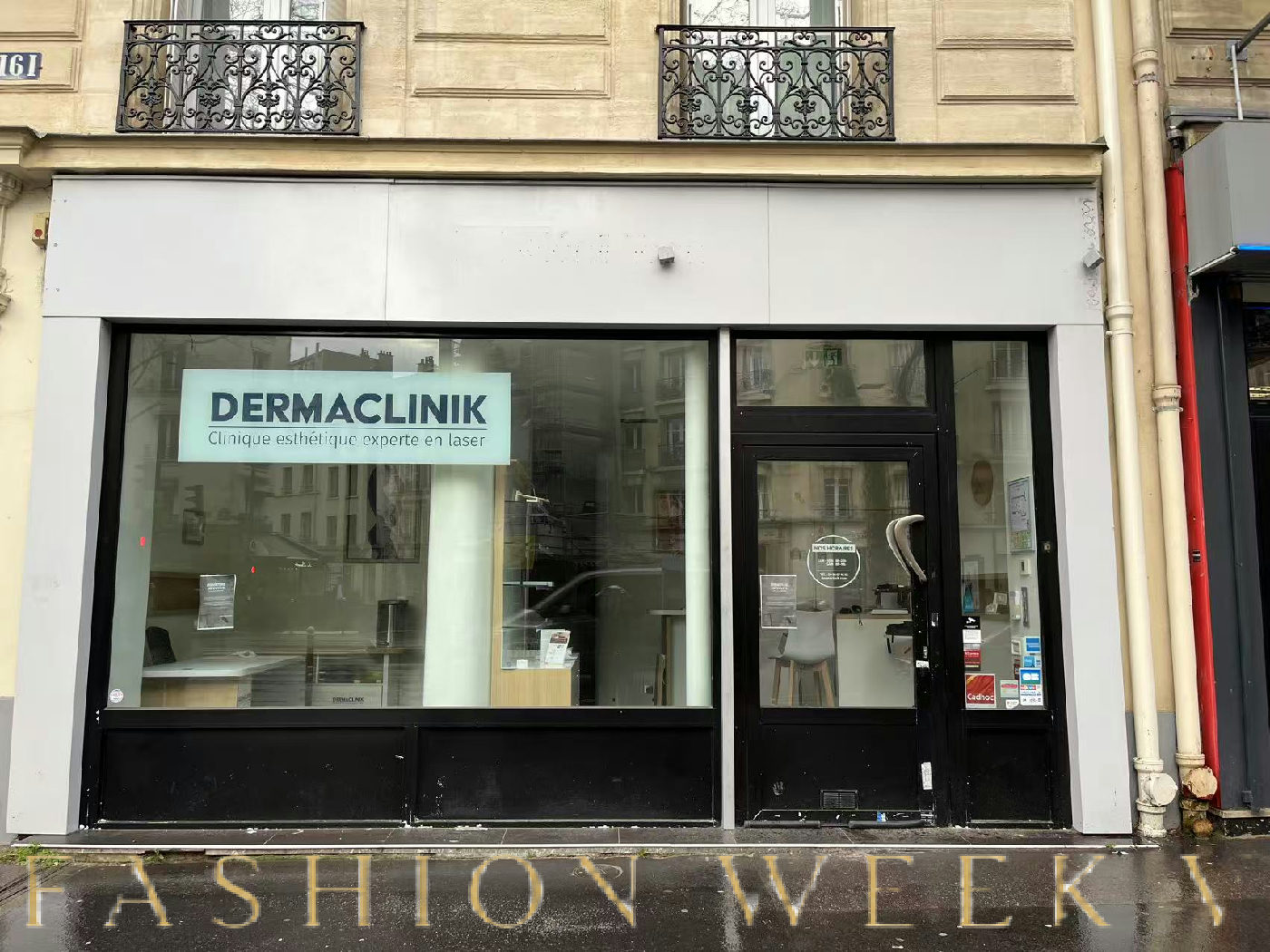
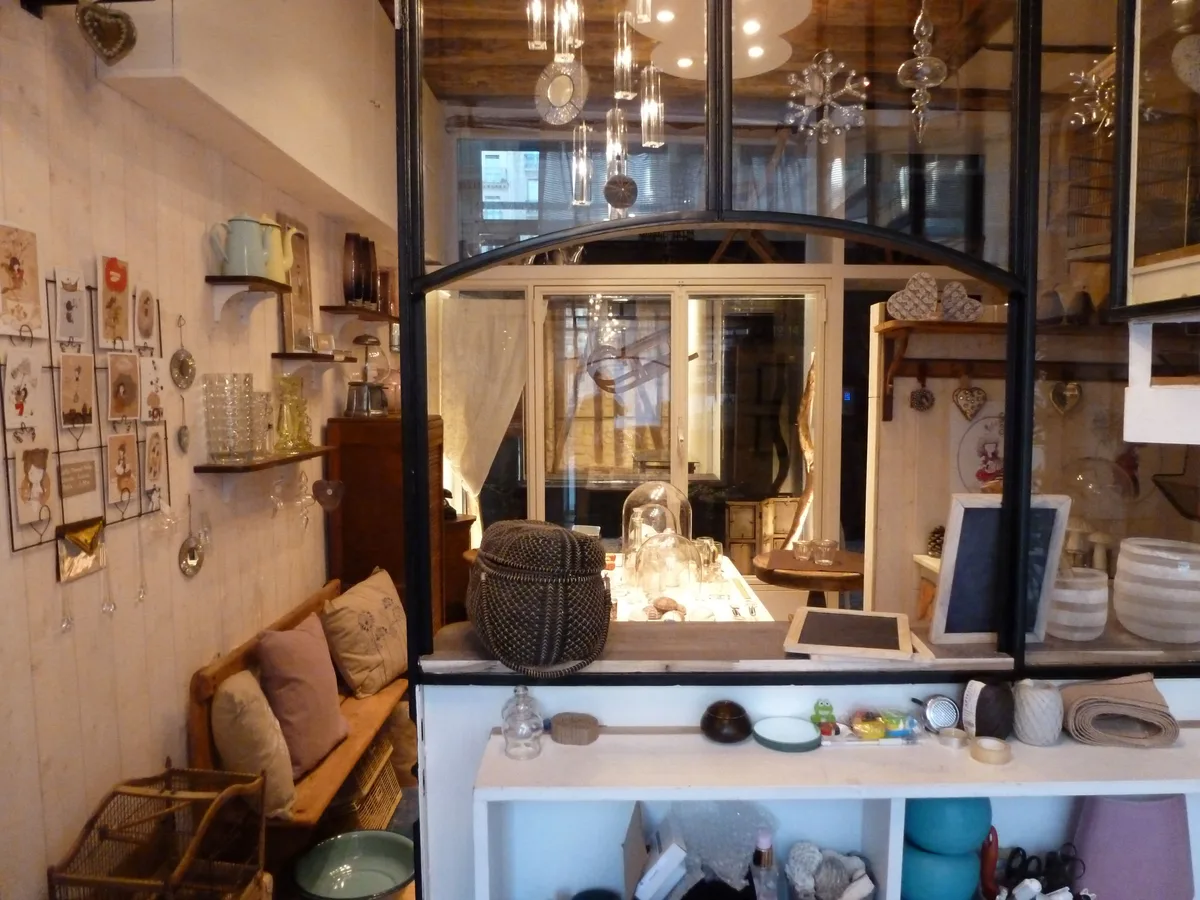
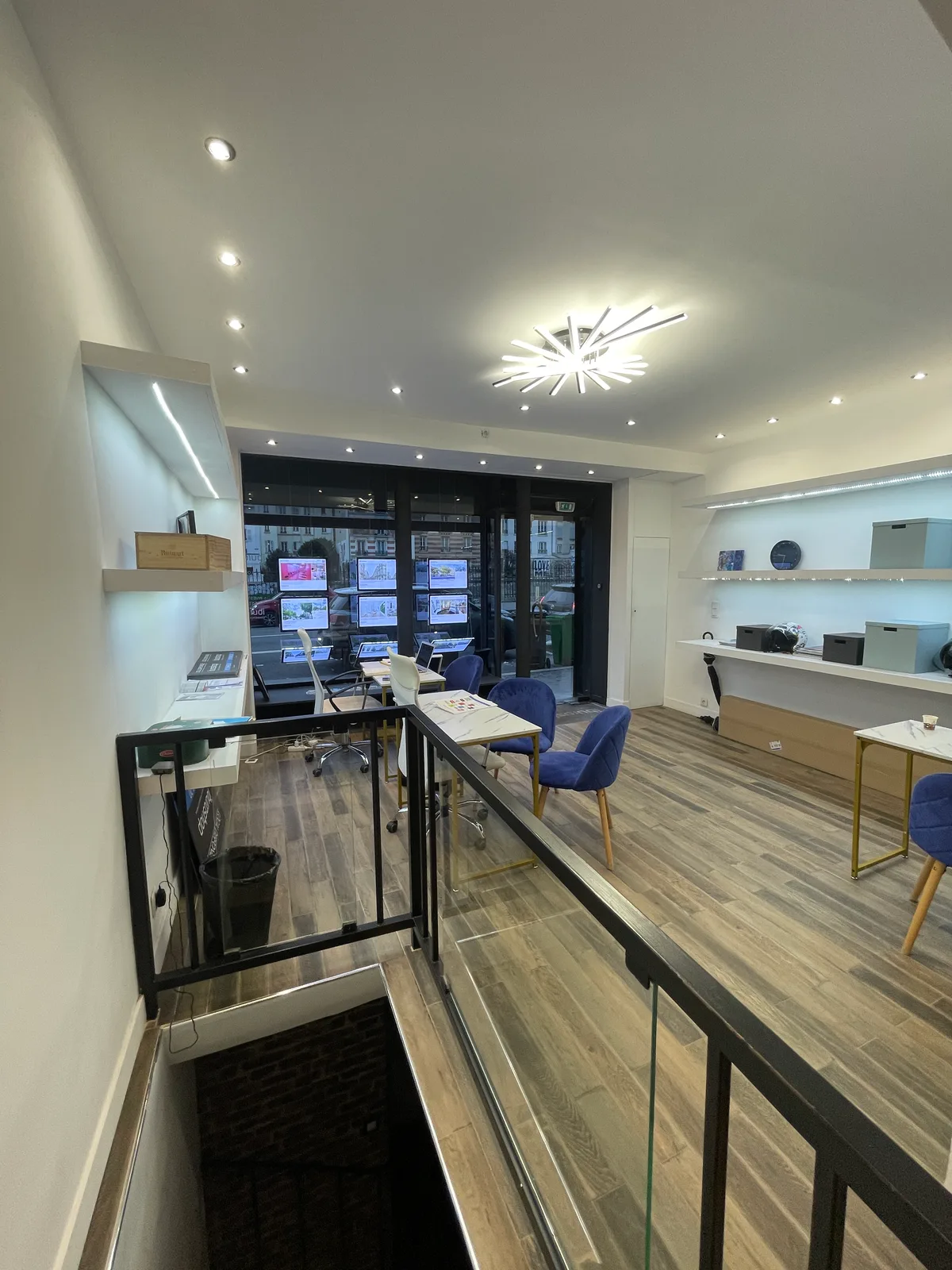
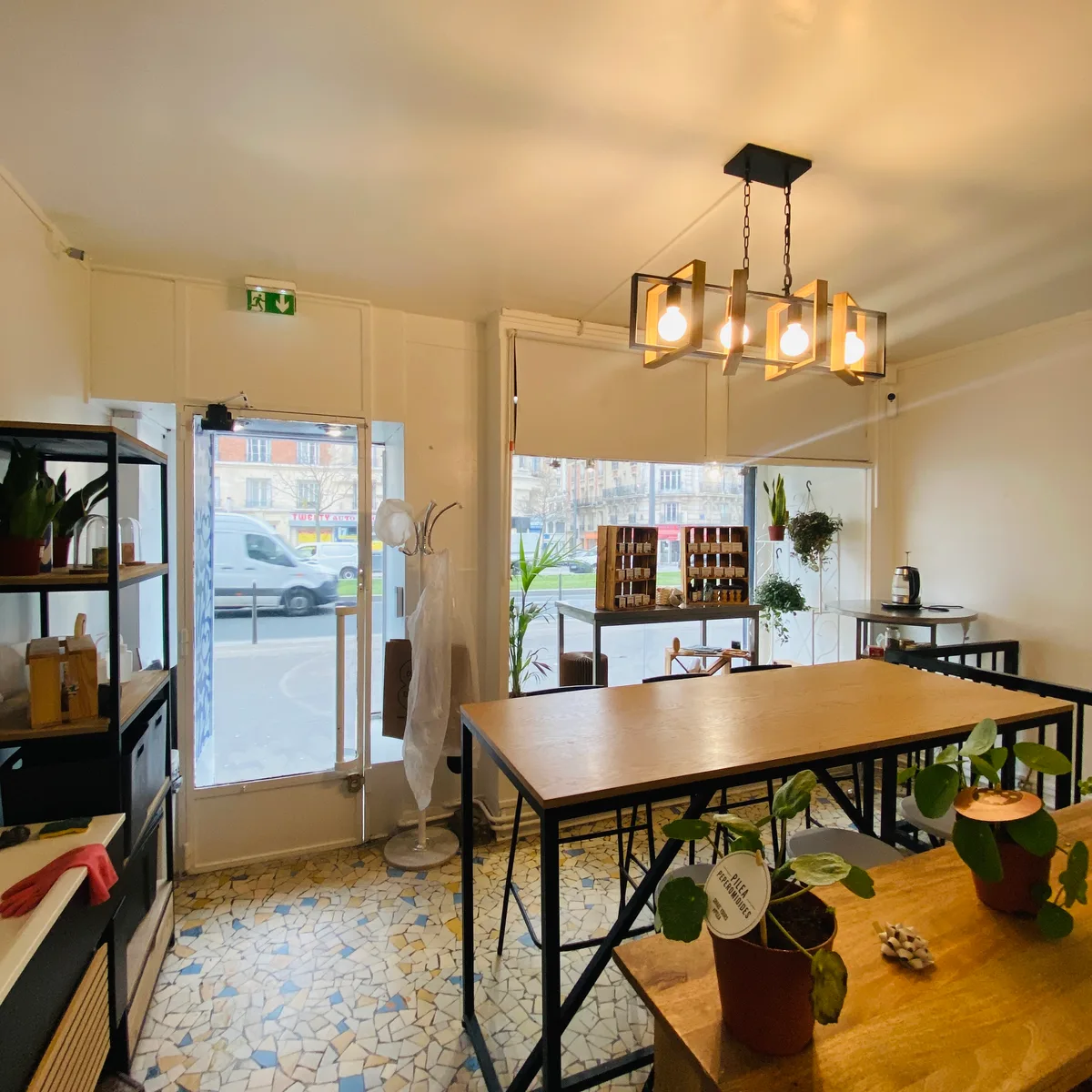
Ground-floor boutique units in the 16th tend to be smaller than those in Le Marais or on the Champs-Élysées, which suits emerging luxury brands and niche beauty or design labels that prefer an intimate retail format over a large-format flagship experience. Surface areas for these units typically range from modest boutique scale up to mid-size gallery scale, depending on the specific street and building.
Gallery Spaces and Exhibition Venues
The 16th has a significant density of galerie d'art and boutique galerie spaces that are available for temporary rental. These venues suit brands that want to position their product launch or collection presentation within a cultural rather than purely commercial frame. Running a pop-up within an art gallery context signals a level of cultural awareness that resonates strongly with the 16th's resident demographic and with the international press and buyers who frequent the area during Paris Fashion Week and FIAC.
Terraces, Penthouses, and Exceptional Spaces
Among the most distinctive space types available in the 16th are terrasse and penthouse rentals with views toward the Eiffel Tower or over the Bois de Boulogne. These spaces are ideal for cocktail parties, private exhibitions, product unveilings, and brand events designed to generate social media content. The visual backdrop of the Eiffel Tower or the Paris skyline adds an unquantifiable prestige value to event photography and video content that has significant secondary marketing value well beyond the duration of the activation itself.
Salle de Conférence formats are also available in the 16th, suited to brand seminars, trade presentations, press briefings, and B2B buyer meetings during Fashion Week or Paris Design Week.
| Space Type | Typical Surface | Best Use Cases | Architectural Character | Brand Profile |
|---|---|---|---|---|
| Haussmannian Apartment | 60 to 300 sq m | Fashion showroom, private sale, press event | Parquet, high ceilings, cornicing | Luxury, haute couture, premium fashion |
| Ground-Floor Boutique | 30 to 120 sq m | Intimate retail, brand pop-up, beauty launch | Boutique storefront, glass frontage | Niche luxury, beauty, design, accessories |
| Galerie d'art or Boutique Galerie | 80 to 400 sq m | Exhibition, product launch, brand installation | White walls, polished floors, gallery lighting | Fashion, art, design, cultural brands |
| Terrace or Penthouse | Variable | Cocktail party, brand event, content creation | Rooftop, panoramic views, Eiffel Tower backdrop | Luxury, beauty, lifestyle, hospitality |
| Salle de Conférence | 40 to 150 sq m | Press briefing, trade presentation, seminar | Formal, equipped meeting space | B2B brands, trade events, corporate launches |
Quick answer: The 16th arrondissement offers Haussmannian apartments, gallery spaces, boutique storefronts, terraces, and penthouse venues. The dominant architectural character is elegant and residential rather than industrial or raw, making these spaces best suited to luxury, beauty, and design brands.
KEY TAKEAWAY: Surface area, ceiling height, street visibility, and architectural character all influence the effectiveness of a pop-up activation. In the 16th, the spaces that perform best for brands are those that lean into the neighbourhood's residential elegance rather than trying to replicate the raw energy of Marais-style venues.
Once you have identified the right space type, the next critical step is understanding the permits, regulations, and legal frameworks that govern short-term commercial rentals in Paris.
Permits, Regulations, and Legal Frameworks for Pop-Up Shops in Paris
Renting a pop-up shop in Paris as an international brand involves navigating a set of legal and regulatory requirements that are distinct from standard commercial lease arrangements. Understanding these frameworks before you sign any agreement is essential, and requirements can vary significantly depending on the space type, the duration of the rental, and the specific arrondissement.
The Bail Dérogatoire
The bail dérogatoire is a short-term commercial lease option under French law that allows landlords and tenants to enter into a commercial occupancy agreement for a fixed period of up to three years without triggering the protections and renewal obligations of a standard commercial lease. This is the most commonly used legal framework for pop-up shops and short-term retail activations in Paris. It provides more flexibility than a standard bail commercial while still offering a formal contractual structure.
It is critical to note that a bail dérogatoire must be explicitly drafted as such from the outset. If both parties continue to occupy the space after the agreed term without formalising the arrangement, French law may automatically convert it into a standard commercial lease with significantly stronger tenant protections and longer minimum terms. Brands should always work with a French legal advisor when entering into any commercial rental agreement, regardless of the space type or duration.
Autorisation d'Occupation Temporaire (AOT)
For certain types of temporary occupancy, particularly those involving public domain spaces such as terraces, outdoor areas, or spaces connected to public infrastructure, an Autorisation d'Occupation Temporaire (AOT) may be required. This is a permit issued by the relevant public authority granting temporary right of occupancy. Requirements, timelines, and conditions for an AOT vary by arrondissement, space type, and the specific nature of the planned activation.
Brands planning outdoor activations, street-facing terrasse events, or installations that extend into public space in the 16th arrondissement should seek specialist advice early in their planning process. The 16th arrondissement is administered by the Mairie de Paris and the local mairie of the 16th, and any permit applications must be directed to the appropriate authority.
Additional Compliance Requirements
Beyond the lease framework, brands renting pop-up spaces in Paris must consider insurance requirements, which typically include public liability coverage and may require specific policies for temporary retail operations. Signage regulations, noise restrictions for events with music or amplification, fire safety and evacuation obligations for the space, and compliance with consumer protection and merchandising regulations are all relevant depending on the nature of the activation.
IMPORTANT: Short-term retail leases in Paris are not legally straightforward for international brands without French legal infrastructure. Always verify your contractual and compliance obligations with a qualified French legal advisor before signing any agreement. Requirements vary by space type, duration, and arrondissement.
The permits tool on Fashion Week Venues provides guidance on the types of permits that may be relevant for different pop-up scenarios in Paris, though it does not substitute for qualified legal advice.
Quick answer: Pop-up shops in Paris typically operate under a bail dérogatoire, a short-term commercial lease of up to three years. Outdoor or public domain activations may require an Autorisation d'Occupation Temporaire. International brands should always verify their specific obligations with a French legal advisor before committing to any rental agreement.
KEY TAKEAWAY: Permit and compliance requirements for pop-up shops in Paris are more complex than they appear. A specialist agency with existing relationships in the Paris market can significantly reduce the time and risk involved in navigating these requirements.
Budget Planning for a Pop-Up Shop in Paris
Budget planning for a pop-up shop in Paris involves significantly more variables than the rental cost of the space itself. A well-constructed budget for a Paris pop-up activation must account for venue rental, fit-out and production, furniture rental, retail staffing, permits and insurance, marketing and influencer activity, data and analytics, and contingency. Treating the rental rate as the only cost is one of the most common and expensive mistakes brands make when entering the Paris market.
Understanding Rental Rate Variables
Rental rates for pop-up spaces in Paris vary substantially based on location, space size, space type, duration, time of year, and the facilities included. Prime calendar windows, including Paris Fashion Week, Paris Design Week, and FIAC, command significantly higher rates than off-peak periods. Spaces in the 16th arrondissement, particularly those with Eiffel Tower views or exceptional architectural features, are priced at a premium relative to equivalent-sized spaces in less prestigious locations.
It is important to understand whether a quoted rental rate includes utilities, cleaning, internet connectivity, basic furniture, and security, or whether these are charged separately. Always request a fully itemised breakdown before committing.
IMPORTANT: Rental rates for pop-up spaces in Paris are directional estimates that vary widely based on specific space attributes, location, duration, and timing. Fashion Week Venues does not publish standardised rate tables because individual space pricing changes frequently. Use the budget planning tool to build a brand-specific estimate based on your actual requirements.
Beyond Rental: The Full Activation Budget
The physical fit-out of a pop-up space, including any branded store design, custom fixtures, furniture rental, graphic installation, lighting adjustments, and AV setup, typically represents a significant proportion of the total activation budget. Brands that underestimate production and build costs relative to venue rental often end up with a space that does not perform to its potential because the environment has not been sufficiently optimised for the activation's objectives.
Staffing is a further substantial cost line. Temporary retail staff in Paris must be engaged in compliance with French labour law, which has specific requirements around contracts, minimum hours, social charges, and worker rights. Specialist retail staffing partners with French employment expertise are essential for compliance and quality.
Marketing costs, including social media content creation, influencer engagement, press outreach, and any paid digital activity around the activation, should be budgeted as a percentage of the total activation investment rather than as an afterthought. The marketing return on a well-executed Paris pop-up can significantly exceed the immediate retail revenue, particularly for brands using the activation to build awareness in a new market.
| Budget Line | Key Variables | Planning Consideration |
|---|---|---|
| Venue Rental | Location, size, duration, calendar window | Confirm inclusions and exclusions in writing |
| Permits and Legal | Space type, arrondissement, AOT requirements | Allow lead time and budget for specialist advice |
| Insurance | Public liability, content, event-specific policies | Verify requirements with space owner and French insurer |
| Fit-Out and Production | Design complexity, materials, installation time | Allow full design-to-build timeline, not just installation day |
| Furniture Rental | Space size, brand aesthetic, duration | Source through a Paris-based provider for logistics efficiency |
| Retail Staffing | Number of staff, hours, language requirements | French employment law compliance is non-negotiable |
| POS and Payments | Currency, transaction volume, system setup | Test systems before opening, ensure multi-currency capability |
| Marketing and Influencer | Reach objectives, content requirements, platform mix | Budget this as a percentage of total investment, not an add-on |
| Data and Analytics | Footfall, dwell time, conversion tracking | Define KPIs before activation, not after |
| Contingency | Unforeseen costs, timeline overruns, logistics | Reserve a minimum of 10 to 15 percent of total budget |
To calculate a realistic return on investment for your planned activation, use the ROI calculator on Fashion Week Venues, which allows you to model revenue, brand exposure, and lead generation scenarios against your projected total investment.
KEY TAKEAWAY: Venue rental is only one component of the total cost of a Paris pop-up activation. Brands that build comprehensive budgets across all cost lines from the outset are significantly more likely to achieve their activation objectives without unexpected financial overruns.
The Paris Fashion and Events Calendar: Timing Your Pop-Up Activation
Timing is one of the most consequential decisions in planning a pop-up shop in Paris. The city's fashion, design, and cultural calendar creates a series of peak demand windows that offer substantial commercial and visibility benefits, but also bring increased competition for spaces and higher rental rates.
Key Calendar Windows for Paris Pop-Up Shops
Paris Fashion Week occurs twice annually. The February and March women's ready-to-wear shows and the June and July men's shows represent the two highest-demand windows in the Paris pop-up calendar. During these periods, the concentration of international press, buyers, stylists, influencers, and brand teams in Paris is unmatched by any other point in the year. Brands running showrooms, product launches, or brand activations during Fashion Week benefit from this concentration, but must plan space bookings months in advance and should expect rental rates to reflect the heightened demand.
Paris Design Week in September, FIAC in October, and Maison et Objet in January and September offer additional calendar peaks relevant to design, luxury homeware, and art-adjacent brands. These events draw a different professional and consumer audience from Fashion Week but share the characteristic of concentrating relevant, engaged buyers and press in the city for a short period.
Off-peak periods between major events can offer cost advantages and less competition for spaces. Brands that do not depend on the Fashion Week press cycle to drive their activation can achieve excellent results at lower cost by activating in shoulder periods, particularly if their target audience is the resident Paris consumer rather than the international fashion community.
TIP: Space availability during Paris Fashion Week can become critically constrained in the most in-demand neighbourhoods, including Le Marais, Saint-Honoré, and the Vendôme area. For the 16th arrondissement, the showroom and private event format means spaces may be slightly less competitive during Fashion Week than in the Marais, but premium spaces with Eiffel Tower views or Fondation Louis Vuitton proximity book out early regardless.
Use the timeline planning tool on Fashion Week Venues to map your activation schedule against the Paris fashion and events calendar and identify the optimal booking window for your target dates.
Quick answer: The optimal timing for a Paris pop-up shop depends on your brand's objectives. Fashion Week windows in February to March and June to July offer maximum press and buyer visibility. Paris Design Week, FIAC, and Maison et Objet serve design and art-adjacent brands. Off-peak periods can deliver cost-efficient access to the Parisian resident consumer.
KEY TAKEAWAY: Activating during the right calendar window can multiply the commercial and press impact of a Paris pop-up activation by a factor that far exceeds the rental premium for peak periods. Plan your timeline and space booking at least three to six months in advance for peak windows.
How Fashion Week Venues Helps Brands Rent Pop-Up Spaces in Paris
Fashion Week Venues is a full-service pop-up shop agency and space marketplace specialising in short-term retail and brand activation spaces across major fashion capitals, with Paris as its primary and most developed market. For brands seeking to rent a pop-up shop in the 16th arrondissement or elsewhere in Paris, Fashion Week Venues provides both a curated marketplace of available spaces and a comprehensive suite of services covering every stage of the activation process.
Space Discovery and Venue Sourcing
The Fashion Week Venues marketplace allows brands to browse available spaces across Paris arrondissements, filter by space type, size, neighbourhood, and calendar availability, and compare options against a consistent set of criteria. The dedicated venue sourcing service goes further, providing a concierge-style search process for brands with specific requirements that may not be met by listed inventory alone. This is particularly relevant for brands seeking exceptional or off-market spaces in the 16th arrondissement, where the most prestigious venues are not always publicly listed.
Concept, Design, and Production
Fashion Week Venues provides concept direction and branded store design services that translate a brand brief into a spatially coherent activation concept. The production and build service covers the physical fit-out of the space, from custom fixtures and graphic installation to lighting and AV. Furniture rental is available for brands that need to furnish a space quickly without the cost and logistics of purchasing and transporting furniture independently. These services are particularly relevant in the 16th arrondissement, where the refinement of the space demands a high standard of presentation.
Activation Management and Operational Support
Running a pop-up shop in Paris as an international brand without a local team is operationally complex. Fashion Week Venues provides activation management services covering day-to-day operational oversight, retail staffing, POS and payments setup, and the data and analytics infrastructure needed to measure performance against pre-defined KPIs. Influencer marketing support is available for brands that want to amplify their activation through the Paris influencer and press ecosystem.
Tools and Planning Resources
Fashion Week Venues has developed a set of practical planning tools specifically for brands preparing Paris activations. These include a budget calculator, an ROI calculator, a space comparison tool, a timeline planner, a permits guidance tool, and a space locator. These tools are designed to help brand teams make faster, better-informed decisions before engaging with agency services.
The twin co-activation concept at Fashion Week Venues allows two compatible brands to share a single space, splitting rental and operational costs while each benefiting from the other's audience. This model is particularly relevant in the 16th arrondissement, where space rental costs may be higher and where the intimate venue formats lend themselves to curated dual-brand presentations.
For brands that want to visualise a space before committing, the Imagine tool allows teams to explore space configurations and brand environment scenarios before making a booking decision. The Build planning tool supports the logistics of the physical fit-out process.
KEY TAKEAWAY: Fashion Week Venues provides everything from initial space discovery to full operational activation management, which is valuable for international brands without an established local presence in Paris. The agency does not guarantee specific spaces, permit approvals, or activation outcomes, but provides the expertise, relationships, and tools to maximise the probability of a successful activation.
To understand how Fashion Week Venues has delivered activations for brands across Paris and other fashion capitals, review the work and case studies section on the Fashion Week Venues website.
Step-by-Step Process for Renting a Pop-Up Shop in Paris
Renting a pop-up shop in Paris, whether in the 16th arrondissement or elsewhere, follows a sequence of steps that must be completed in the correct order to avoid delays, budget overruns, or compliance failures. The following workflow reflects best practice for international brands entering the Paris temporary retail market.
| Step | Action | Key Consideration | Lead Time |
|---|---|---|---|
| 1 | Define activation objectives and KPIs | Retail, brand awareness, press, B2B, or mixed objectives | Before any other step |
| 2 | Set budget and timeline | Include all cost lines, not just venue rental | Concurrent with step 1 |
| 3 | Identify target neighbourhood and space type | Align with audience, brand positioning, and calendar window | 4 to 6 months before activation |
| 4 | Browse and shortlist spaces | Use marketplace, locator, and comparison tools | 4 to 5 months before activation |
| 5 | Conduct site visits | Verify size, condition, services included, and accessibility | 3 to 4 months before activation |
| 6 | Verify legal and permit requirements | Engage French legal advisor, check AOT and bail dérogatoire requirements | 3 to 4 months before activation |
| 7 | Negotiate and sign rental agreement | Confirm inclusions, exclusions, cancellation terms, and insurance | 2 to 3 months before activation |
| 8 | Commission concept and design | Align spatial design with brand identity and activation objectives | 2 to 3 months before activation |
| 9 | Plan and execute fit-out | Coordinate production, furniture, graphics, lighting, and AV | 2 to 4 weeks before opening |
| 10 | Recruit and brief retail staff | French employment law compliance, language requirements, brand training | 4 to 6 weeks before opening |
| 11 | Activate marketing and influencer programme | Pre-launch social media, press outreach, influencer briefings | 2 to 4 weeks before opening |
| 12 | Open and manage activation | Daily operational oversight, POS, customer service, data capture | Activation period |
| 13 | Measure and report | Footfall, revenue, engagement, press coverage, ROI against KPIs | During and post-activation |
This process applies whether you are managing the activation independently or working with a specialist agency. The key difference when working with Fashion Week Venues is that steps 4 through 12 can be partially or fully managed by the agency team, significantly reducing the operational burden on the brand's internal team and accelerating the timeline.
Quick answer: Renting a pop-up shop in Paris requires a minimum of three to four months of lead time for peak calendar windows, and ideally five to six months for prime locations during Fashion Week. Brands that begin the process later than this risk finding that their preferred spaces are already committed.
KEY TAKEAWAY: A structured, sequenced approach to the pop-up shop process reduces risk, prevents budget surprises, and produces better activation outcomes. Skipping steps, particularly the permit verification and legal review stages, is the most common source of problems for international brands in Paris.
Operational Requirements: Staffing, POS, Furniture, and Data
The operational requirements of a pop-up shop in Paris extend well beyond the rental agreement and the physical fit-out. Brands activating in the 16th arrondissement or elsewhere in Paris must plan for the full operational infrastructure that enables a smooth, professional, and legally compliant activation.
Retail Staffing in Paris
Recruiting temporary retail staff in Paris requires compliance with French employment law, which is more prescriptive than the employment regulations in many other markets. Temporary staff must be engaged on appropriate contracts, and social charges, which are employers' contributions to the French social security system, add a significant cost to the base wage. For international brands without a French legal entity, engaging staff through a specialist French employer of record or staffing partner is the most practical approach.
Language requirements are an important consideration in the 16th arrondissement, where the consumer base includes both French-speaking residents and international tourists. Staff who are fluent in both French and English, and ideally in additional languages relevant to the brand's key customer markets, deliver a significantly better customer service experience in this context.
The retail staffing service at Fashion Week Venues provides access to trained, Paris-based retail staff with experience in luxury, fashion, beauty, and lifestyle brand environments.
POS and Payment Systems
Point-of-sale and payment infrastructure must be planned and tested before opening day. Pop-up shops in Paris that serve international customers should support major credit and debit cards, contactless payment, and ideally mobile payment platforms. For brands selling at higher price points, the ability to process transactions in multiple currencies and issue compliant VAT receipts for international buyers is essential.
Furniture and Merchandising
The merchandising and furniture strategy for a pop-up shop directly affects both the customer experience and the brand perception. In the 16th arrondissement, where the spatial context is typically refined and elegant, furniture choices must align with the architectural character of the space. Heavy, industrial, or mass-market furniture can undermine the brand positioning that the 16th's residential prestige context provides.
Furniture rental is a practical and cost-efficient approach for short-term activations. It avoids the logistics and cost of shipping furniture from the brand's home market and provides access to pieces that are already stylistically calibrated to the Paris luxury and design aesthetic.
Data Analytics and Performance Measurement
Pop-up activations without data capture are missed opportunities for brand learning. Footfall counting, dwell time analysis, conversion tracking, transaction data, customer contact capture, and social media engagement metrics together build a performance picture that informs future activation decisions and demonstrates ROI to internal stakeholders. Defining the data and analytics framework before the activation opens, not after, is essential.
Quick answer: Operational requirements for a Paris pop-up shop include French-compliant staffing, multi-currency POS systems, Paris-appropriate furniture, and a data analytics framework defined before opening. Each of these requires advance planning and local expertise to execute correctly.
KEY TAKEAWAY: The quality of operational execution in a Paris pop-up activation is as consequential as the quality of the space itself. Brands that invest in operational infrastructure deliver better customer experiences, generate stronger data, and build more effective cases for future market investment.
Common Myths About Renting a Pop-Up Shop in Paris
MYTH: You need a French legal entity to rent a pop-up space in Paris.
FACT: International brands without a French legal entity can rent pop-up spaces in Paris through a variety of contractual structures, including agreements managed through a French intermediary or specialist agency. The bail dérogatoire framework and short-term rental agreements do not automatically require the tenant to have a registered French company, though specific landlords and spaces may have their own requirements. Working with a specialist agency significantly simplifies this process.
MYTH: Paris Fashion Week is the only viable calendar window for a Paris pop-up activation.
FACT: Paris Fashion Week is one of several high-value calendar windows, but it is not universally the best timing for every brand. Paris Design Week, FIAC, Maison et Objet, and shoulder periods between major events all offer strong activation opportunities depending on the brand's objectives, target audience, and budget. Brands targeting the resident Parisian consumer rather than the international press and buyer community can often achieve better cost efficiency and audience quality by activating outside the Fashion Week peak.
MYTH: Commission brokers and platforms like Go-PopUp are the only way to find a pop-up space in Paris.
FACT: Commission brokers and digital platforms provide one route to space discovery, but they do not cover the full range of available spaces, particularly exceptional or off-market venues. A specialist full-service agency with established landlord relationships in Paris can provide access to spaces that are not publicly listed, alongside the design, operational, and marketing expertise needed to activate them effectively. The Fashion Week Venues marketplace and venue sourcing service offer both listed inventory and off-market access.
MYTH: Short-term retail leases in Paris are straightforward contracts that do not require specialist legal advice.
FACT: Short-term commercial leases in Paris, including the bail dérogatoire, involve specific obligations and risks under French law that are not intuitive to international brands accustomed to simpler short-term rental frameworks. Misunderstanding the terms of a bail dérogatoire can result in unintended conversion to a standard commercial lease, triggering long-term obligations. Insurance requirements, permit compliance, and employment law considerations add further complexity. Specialist legal advice is always recommended.
MYTH: The 16th arrondissement has no significant foot traffic and is only suitable for private events.
FACT: The 16th arrondissement receives substantial tourist foot traffic around the Trocadéro, the Eiffel Tower views, and the Fondation Louis Vuitton. Streets near Avenue Victor Hugo and Avenue des Ternes are also commercially active. While the 16th does not generate the same high-volume general retail foot traffic as Le Marais or the Champs-Élysées, it delivers a concentrated affluent residential and culturally engaged tourist audience that is highly relevant for luxury, beauty, and design brands.
Frequently Asked Questions
What is a pop-up shop and why rent one in Paris?
A pop-up shop is a temporary retail or brand activation space rented for a defined short-term period, from a few days to several months. In Paris, renting a pop-up shop allows a brand to test the French market, launch a product or collection, generate press and social media coverage, and engage directly with Parisian consumers and the international buyers and media who concentrate in the city during Fashion Week and other major events. The format provides an agile, reversible way to carry out a full-scale market test without the fixed costs of a permanent store.
How do I rent a pop-up shop in the 16th arrondissement Paris?
To rent a pop-up shop in the 16th arrondissement, you should begin by defining your activation objectives, budget, and target dates, then use a space marketplace or specialist agency to identify available venues in the arrondissement. You will need to verify permit requirements, negotiate and sign a bail dérogatoire or equivalent short-term rental agreement, arrange insurance, and plan your fit-out, staffing, and operational infrastructure. Working with a full-service agency like Fashion Week Venues simplifies this process considerably, particularly for international brands without an established Paris presence.
How much does a pop-up shop cost in Paris?
The total cost of a pop-up shop in Paris depends on the size, location, duration, calendar window, and level of fit-out and operational support required. Venue rental is only one component. Brands must also budget for fit-out and production, furniture rental, retail staffing, permits, insurance, marketing, and data analytics. Costs vary significantly between arrondissements and between peak and off-peak calendar windows. Use the budget planning tool on Fashion Week Venues to build a brand-specific estimate based on your actual requirements and target space parameters.
Is the 16th arrondissement a good area for pop-up retail?
The 16th arrondissement is an excellent area for pop-up retail for brands targeting affluent Parisian residents, high-net-worth tourists visiting the Trocadéro and Fondation Louis Vuitton, and brands seeking a refined, gallery-like spatial context for luxury, beauty, or design activations. It is less suited to brands seeking high-volume general retail foot traffic or an industrial aesthetic. The neighbourhood's prestige positioning makes it particularly effective for private showrooms, press events, and exclusive brand installations.
What types of brands use pop-up spaces in the 16th arrondissement?
The 16th arrondissement attracts luxury fashion and accessories brands, high-end beauty and fragrance labels, design and homeware companies, art and cultural organisations, and brands whose positioning benefits from association with the Fondation Louis Vuitton, the Eiffel Tower backdrop, or the neighbourhood's Haussmannian architectural elegance. International brands making their first Paris market entry also use the 16th for exclusive, curated presentations designed to generate press interest and buyer appointments rather than high-volume retail transactions.
What are the best neighbourhoods for pop-up retail in Paris?
The best neighbourhoods for pop-up retail in Paris depend on your brand's objectives, target audience, and budget. Le Marais is the most active and versatile pop-up market, offering high foot traffic, a fashion-aware audience, and diverse space types including gallery lofts, boutiques, and vaulted cellars. Saint-Germain-des-Prés suits premium fashion and beauty brands. The Champs-Élysées and 8th arrondissement suit high-visibility flagship activations. The 16th arrondissement suits luxury presentations and private events. Saint-Honoré and Vendôme serve ultra-luxury and jewellery brands.
Do I need a French legal entity to rent a pop-up space in Paris?
You do not automatically need a French legal entity to rent a pop-up space in Paris, but specific landlords, spaces, and lease structures may have requirements that vary. International brands frequently use specialist agencies or French intermediary structures to facilitate the rental process. However, you will need to address employment law compliance if you are hiring temporary staff, and you may need a French bank account or payment infrastructure depending on your transaction requirements. Always verify your specific obligations with a French legal advisor before signing any agreement.
What permits do I need for a pop-up shop in Paris?
The permits required for a pop-up shop in Paris vary depending on the space type, the nature of the activation, the duration of the rental, and the arrondissement. A bail dérogatoire provides the commercial occupancy framework for most indoor retail spaces. Outdoor activations or those using public domain spaces may require an Autorisation d'Occupation Temporaire. Event activities involving amplified sound, signage, or modifications to the space may require additional notifications or approvals. The permits tool on Fashion Week Venues provides guidance, and a French legal advisor should be consulted for confirmation.
How far in advance should I book a pop-up space in Paris?
For peak calendar windows, including Paris Fashion Week, Paris Design Week, and FIAC, brands should aim to begin the space search process three to six months before their target activation dates. Prime spaces in Le Marais, the 16th arrondissement, and Saint-Honoré book out quickly during these periods. For off-peak activations, a two to three month lead time may be sufficient for most space types, though exceptional or highly sought-after venues may still require more advance planning.
Can I use a pop-up space in Paris as a Fashion Week showroom?
Yes, many brands use pop-up spaces in Paris as showrooms during Fashion Week rather than as public-facing retail stores. Showroom activations typically involve a curated invitation-only environment designed for buyer appointments, press viewings, and brand presentations rather than open retail. Space types in the 16th arrondissement, particularly Haussmannian apartments, gallery spaces, and boutique formats, are well suited to this showroom model. The layout, lighting, and merchandising requirements for a showroom differ from a public-facing retail pop-up and should be reflected in the concept and design brief.
What is a bail dérogatoire and how does it apply to pop-up shops?
A bail dérogatoire is a short-term commercial lease under French law that allows a landlord and tenant to agree on a fixed occupancy period of up to three years without triggering the protections and automatic renewal rights of a standard commercial lease. It is the most commonly used contractual framework for pop-up shops and temporary retail activations in Paris. It must be explicitly drafted as a bail dérogatoire from the outset, and both parties must formally acknowledge its temporary nature. If the occupancy continues beyond the agreed term without a new agreement, French law may convert it into a standard commercial lease.
What services does Fashion Week Venues provide for Paris pop-up activations?
Fashion Week Venues provides a comprehensive range of services for Paris pop-up activations, including venue sourcing, concept direction, branded store design, production and build, furniture rental, retail staffing, POS and payments setup, activation management, influencer marketing, and data and analytics. The agency also offers a space marketplace, a twin co-activation concept, and a suite of planning tools covering budget estimation, ROI calculation, timeline planning, permit guidance, space comparison, and space location. These services are available individually or as a managed end-to-end activation package.
What are the main differences between pop-up spaces in Le Marais and the 16th arrondissement?
Le Marais pop-up spaces typically feature raw industrial aesthetics, including exposed brick walls, original wooden beams, and vaulted cellars, along with higher general foot traffic and a fashion-forward mixed audience of locals and tourists. The 16th arrondissement offers a more refined, residential architectural context with Haussmannian proportions, gallery-style interiors, and a more exclusive affluent audience. Le Marais suits fashion, streetwear, and lifestyle brands seeking organic engagement. The 16th suits luxury, beauty, and design brands seeking prestige positioning and private event formats.
Can two brands share a pop-up space in Paris?
Yes, two compatible brands can share a pop-up space in Paris through a co-activation model. Fashion Week Venues offers a twin co-activation concept specifically designed for this purpose, allowing two brands to split the venue rental and operational costs while each benefiting from the other's audience and press reach. For the 16th arrondissement, where rental costs for premium spaces can be significant, co-activation with a complementary brand in an adjacent category can make the economics of a high-quality activation significantly more accessible.
What makes a pop-up shop in Paris commercially successful?
A commercially successful pop-up shop in Paris requires alignment between the neighbourhood and the target audience, a well-designed and brand-coherent space environment, clear activation objectives and measurable KPIs, effective pre-launch marketing including social media and press outreach, trained staff who can deliver an exceptional customer experience in French and English, a reliable POS and payment infrastructure, and a data capture strategy that generates learnings beyond the activation period. Brands that treat the pop-up as a brand-building exercise as well as a retail event consistently achieve stronger overall returns on their Paris activation investment.
Conclusion: From Research to Activation in the 16th Arrondissement Paris
Renting a pop-up shop in the 16th arrondissement Paris offers a genuinely distinctive market opportunity for luxury, beauty, design, and fashion brands that understand what this neighbourhood provides and what it demands. The 16th is not Le Marais. It does not generate the same volume of spontaneous foot traffic, and it does not offer the same industrial rawness that makes Marais spaces so visually compelling for streetwear and contemporary fashion brands. What the 16th offers instead is prestige, architectural refinement, an affluent and culturally engaged residential audience, proximity to world-class cultural institutions, and an exceptional backdrop for content creation and private brand events.
For brands whose positioning is built on exclusivity, elegance, and cultural credibility, the 16th is one of the strongest strategic choices in the Paris pop-up market. For brands whose activation depends on high organic footfall and broad social media discovery, Le Marais or the Champs-Élysées will typically deliver a stronger return.
Regardless of which arrondissement you choose, the fundamentals of a successful Paris pop-up activation are consistent: clear objectives, realistic budget planning across all cost lines, a full understanding of permit and legal requirements, a spatially coherent design concept, a trained local team, and a marketing strategy that amplifies the activation beyond the four walls of the space itself.
Paris rewards brands that treat the pop-up format seriously. A well-executed activation in the right Parisian space at the right moment in the fashion calendar can generate press coverage, buyer relationships, social media reach, and brand equity that significantly exceed the cost of the activation itself. A poorly planned activation in a misaligned location wastes budget and can damage brand perception in one of the world's most discerning markets.
Fashion Week Venues exists to reduce the gap between those two outcomes. The agency's combination of marketplace access, local expertise, design and production capability, operational services, and planning tools is specifically designed to help international brands execute Paris pop-up activations that perform at the highest level.
To move from research to activation, start exploring available spaces on the Fashion Week Venues marketplace and build a focused brief for your target neighbourhood, space type, and calendar window.