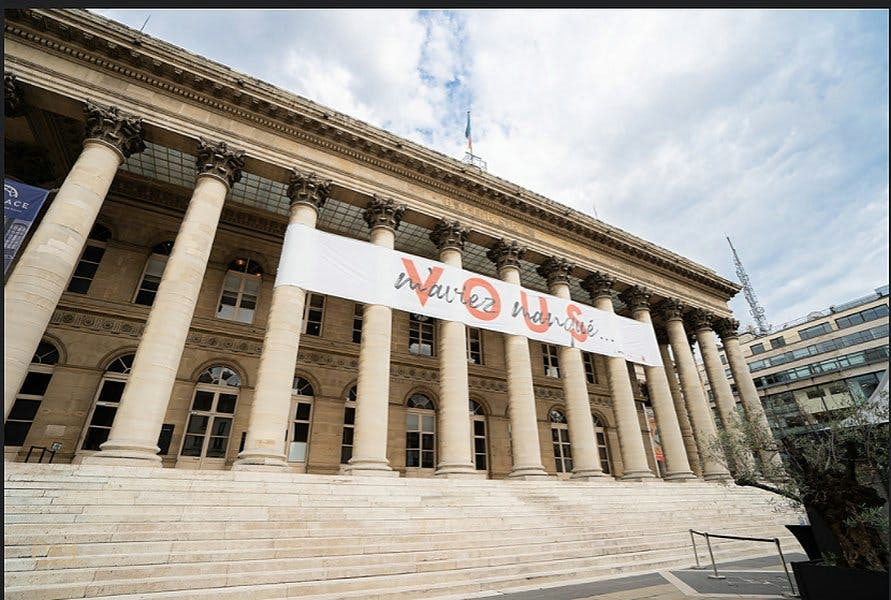
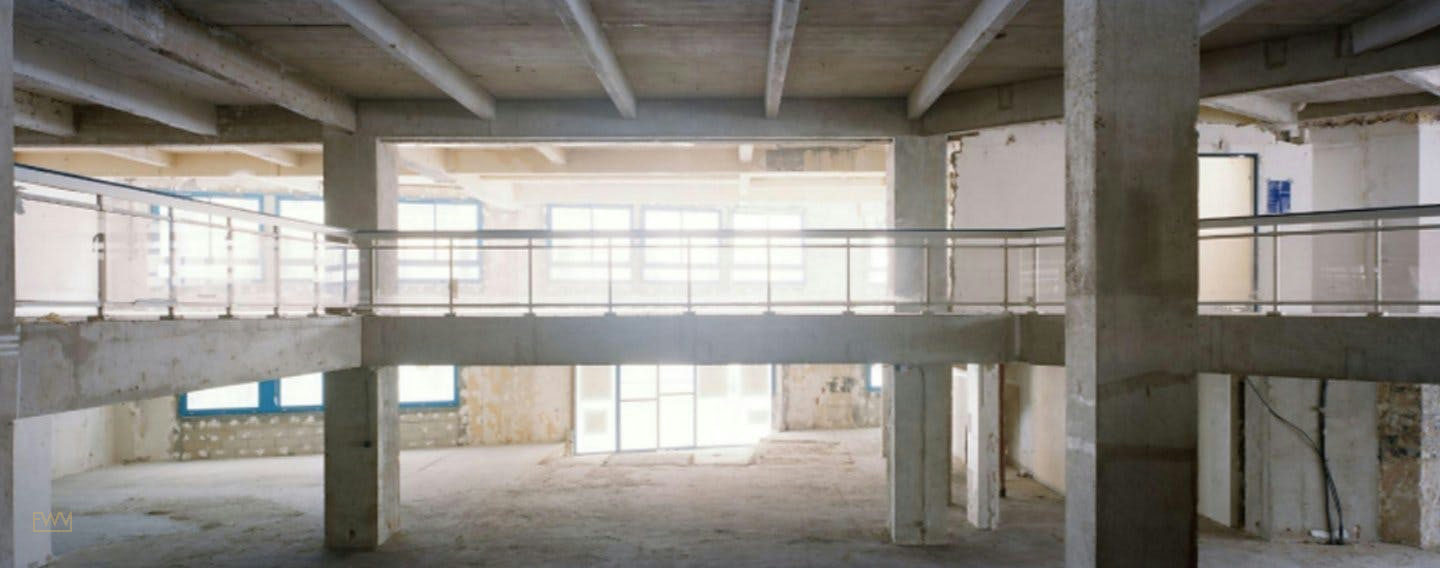
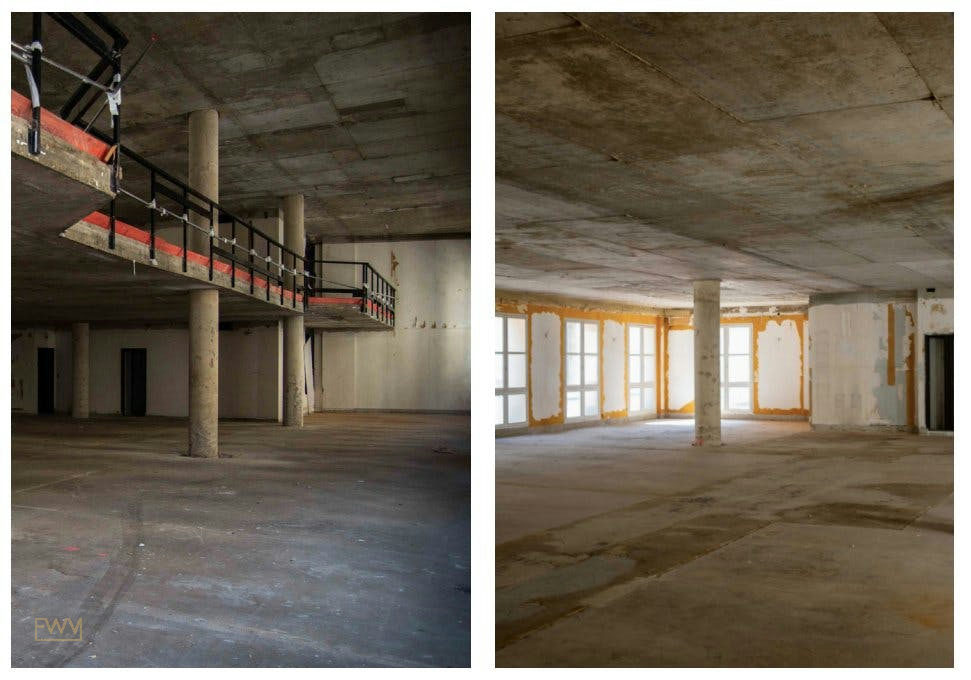
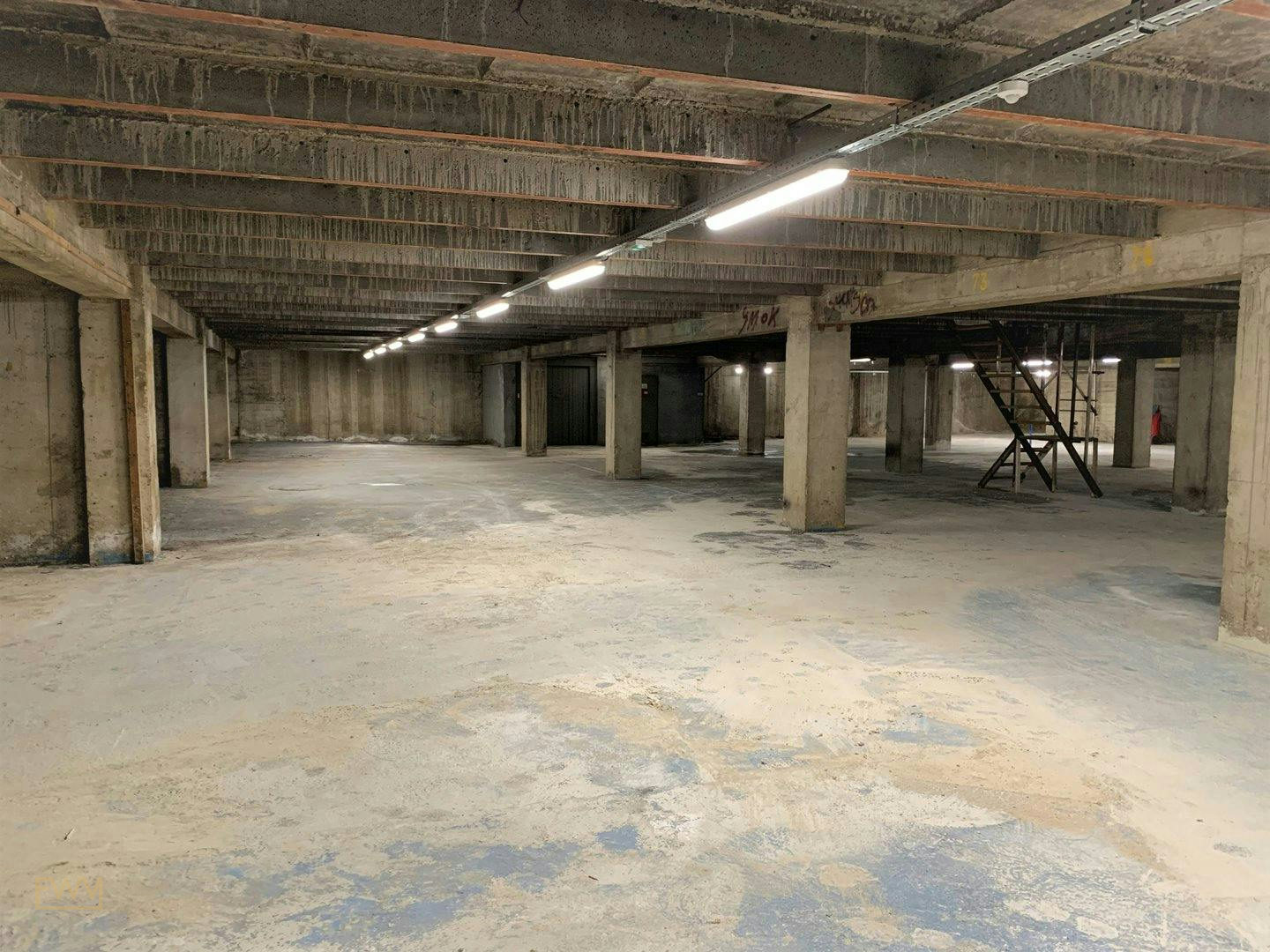
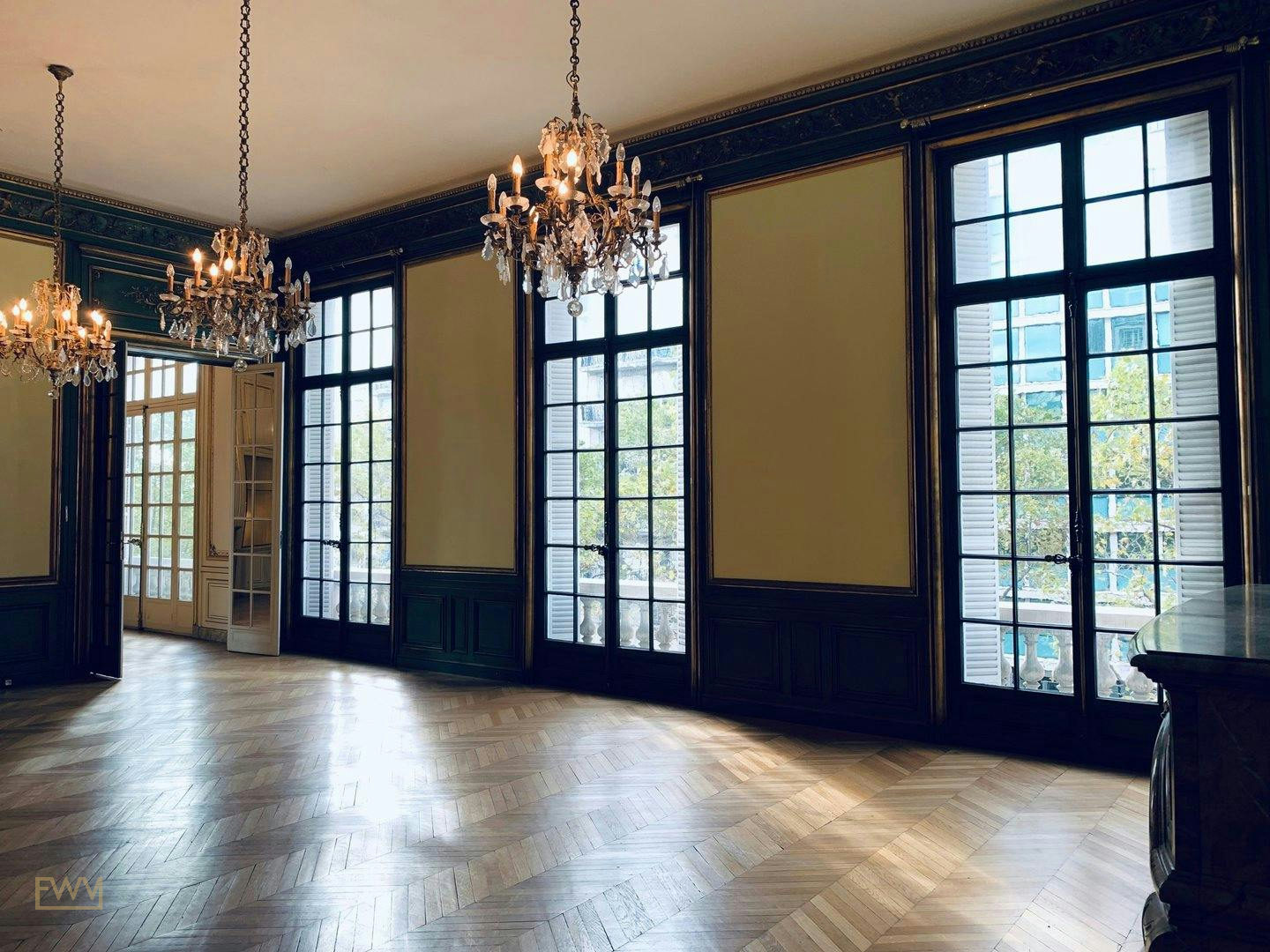
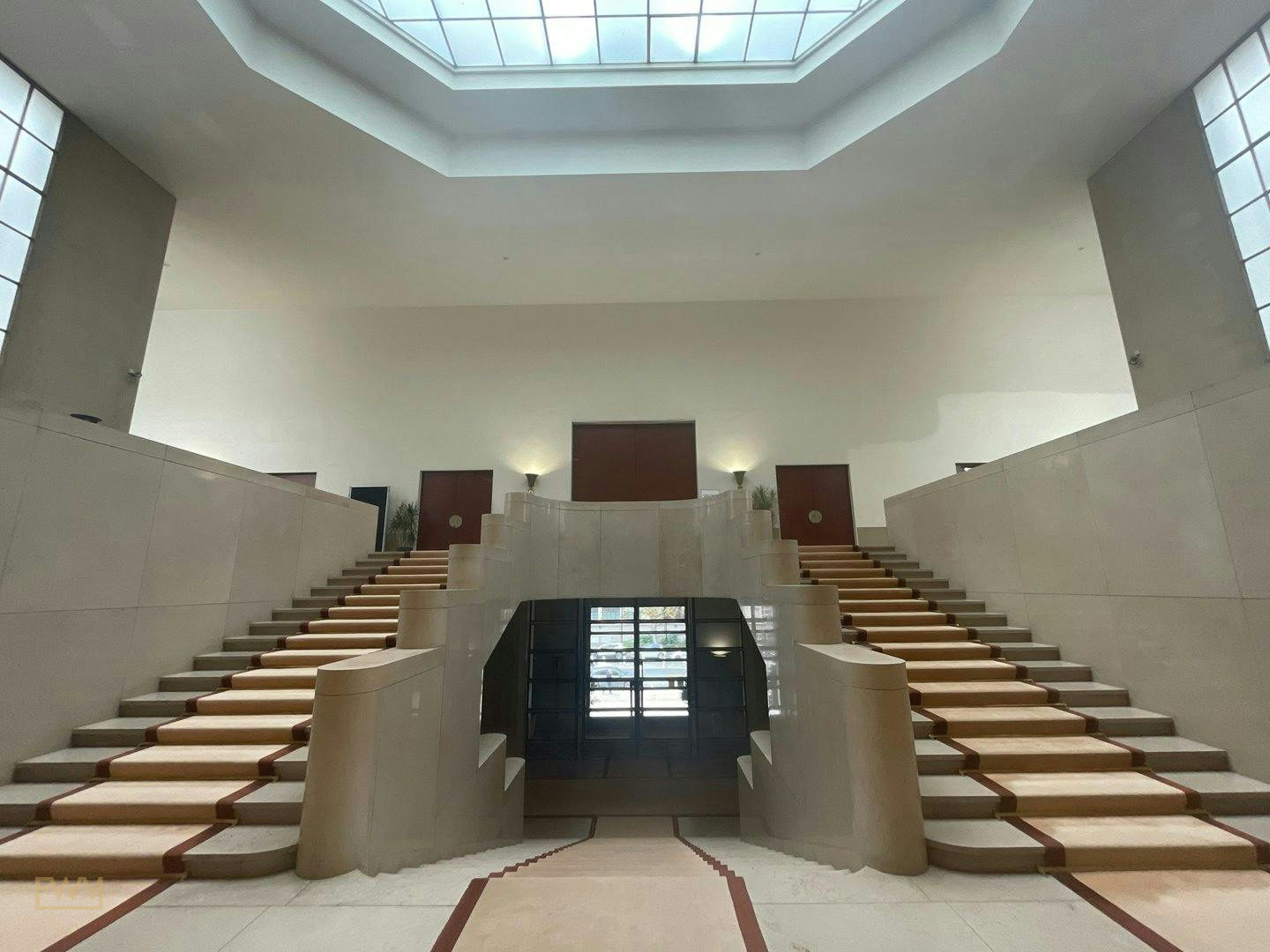
Finding the right space to rent a pop-up shop near Tuileries is one of the highest-leverage decisions a fashion brand, beauty label, or creative concept can make in Paris. The Tuileries corridor, stretching from rue de Rivoli to Place Vendôme and across to rue Saint-Honoré, sits at the geographic and commercial heart of the City of Light, offering unmatched foot traffic, global press visibility, and proximity to the world's most influential retail addresses. This guide covers every dimension of the process: neighbourhoods, space types, lease structures, permit requirements, budgeting, activation strategy, and operational logistics. Whether you are planning a two-week pop-up store around Paris Fashion Week, a month-long showroom presentation, or a permanent short-term retail concept, Fashion Week Venues' Paris city hub provides curated spaces, agency services, and planning tools built specifically for this market.
Why the Tuileries Area Is the Premier Location for Pop-Up Retail in Paris
Quick answer: The Tuileries district and its surrounding arrondissements offer the highest concentration of luxury retail, international tourism, fashion press, and brand-relevant foot traffic in Paris. For brands seeking visibility, credibility, and editorial reach during Fashion Week or any major cultural moment, no area delivers a comparable combination of factors.
The zone between the Tuileries Garden and the Palais Royal is not simply a prestigious postcode. It is a dense network of intersecting retail identities, each with its own character and customer profile. Rue Saint-Honoré and its famous extension, rue du Faubourg Saint-Honoré, anchor the luxury positioning of the entire neighbourhood. Place Vendôme frames the jewellery and haute couture universe. Rue de Rivoli connects mass-market tourism with heritage retail. The arcades of the Palais Royal galleries draw an international audience of art collectors, concept store devotees, and design-conscious shoppers who are exactly the kind of early adopter that a pop-up store launch needs to reach.
Foot traffic in this corridor is exceptionally consistent across seasons, with peaks during Fashion Week in late February and early March for women's ready-to-wear, and again in late September and early October. The Louvre, the Tuileries Garden, and the nearby Châtelet transport hub collectively bring millions of visitors annually to within a few hundred metres of the most sought-after retail spaces in the city. For a brand staging a product launch, a private exhibition, a showroom for press and buyers, or a retail pop-up store, this geographic density is difficult to replicate anywhere else in France.
Rue Saint-Roch, a quieter street running parallel to rue Saint-Honoré, has emerged as a practical alternative for brands that want proximity to the luxury corridor without the rental rates of the primary frontage. Several boutiques éphémères and concept stores have opened along this street to benefit from spill-over traffic from the flagship retail strip while maintaining a more intimate, gallery-like atmosphere suited to editorial brand positioning.
The 1st arrondissement (where Tuileries sits) and the adjacent 8th arrondissement are the dominant zones for high-end temporary retail activations in Paris. The 8th, home to the Champs-Élysées, Rue du Faubourg Saint-Honoré, and Avenue Montaigne, is where international luxury houses stage their most significant brand activations. For brands entering Paris for the first time or launching a new collection, being physically present in this geography sends a clear signal to press, buyers, and consumers about where the brand positions itself.
DID YOU KNOW: The Tuileries Garden itself hosts major cultural and commercial events throughout the year, including FIAC (now Paris+ par Art Basel) and seasonal fairs, creating additional footfall spikes that benefit adjacent pop-up retail locations.
KEY TAKEAWAY: The Tuileries corridor is not simply a prestigious address. It is a commercially active, press-relevant, culturally dense zone where a well-executed pop-up store can generate brand visibility, media coverage, and direct sales that would cost multiples more to achieve through advertising alone.
Understanding why this area commands premium interest also means understanding how it compares to other Paris neighbourhoods that brands consistently consider for temporary retail activations.
Paris Neighbourhoods for Pop-Up Retail: Comparing Your Options
Quick answer: Paris offers at least six distinct neighbourhoods that attract fashion and lifestyle brands for pop-up stores and showrooms. Each has a different foot traffic profile, rental rate range, architectural character, and cultural positioning. Choosing the right neighbourhood depends on your target audience, brand identity, budget, and activation goals.
The decision about where to rent a pop-up shop in Paris is fundamentally a brand strategy question before it is a logistics question. Two brands with very similar products might make entirely different neighbourhood choices based on whether they are positioning for luxury buyers, press and editors, direct-to-consumer sales, social media content creation, or B2B showroom meetings.
| Neighbourhood | Primary Profile | Best For | Architectural Character | Peak Season |
|---|---|---|---|---|
| Tuileries / 1st arrondissement | Luxury, heritage, tourism | Luxury launches, press showrooms, flagship activations | Haussmann facades, arcade frontages, gallery spaces | Fashion Week, FIAC, year-round tourism |
| Saint-Honoré / 8th arrondissement | Haute couture, international luxury | High-end brand presentations, VIP events, cocktail parties | Wide boulevards, grand storefronts, private hotels | Fashion Week, Paris Design Week |
| Le Marais / 3rd and 4th arrondissements | Contemporary fashion, art, culture | Concept stores, art gallery crossovers, emerging brands | Hôtels particuliers, brick walls, vaulted cellars, exposed beams | Fashion Week, Paris Design Week, year-round |
| Saint-Germain-des-Prés / 6th arrondissement | Intellectual fashion, heritage design, lifestyle | Showrooms, editorial shoots, niche concept launches | Classic Parisian interiors, bookshop-adjacent ambience | Spring and autumn fashion cycles |
| Place des Vosges / Marais district | Upscale tourism, artisan retail, art | Gallery-style exhibitions, jewellery, craft brands | 17th-century arcades, stone arches, courtyard access | Year-round with Fashion Week peaks |
| Châtelet / Les Halles / 1st arrondissement | High foot traffic, accessible retail | Mass-market launches, experiential activations, youth brands | Mixed, including Carreau du Temple, modern units | Year-round |
Le Marais deserves particular attention because it consistently attracts the highest volume of pop-up retail activity in Paris outside the Tuileries corridor. The Marais district, particularly rue des Rosiers and the streets around the Musée Picasso and the Carreau du Temple, offers an extraordinary range of space types at varied price points. Hôtels particuliers with their characteristic brick walls, exposed beams, and stone vaulted cellars create an architectural richness that luxury and lifestyle brands cannot replicate in a conventional retail unit. Galerie Joseph, one of the best-known event and pop-up spaces in Le Marais, exemplifies the crossover between gallery presentation and retail activation that defines this neighbourhood's commercial character.
Saint-Germain-des-Prés offers a quieter, more intellectually curated environment that suits fashion showrooms, private press previews, and brands whose identity aligns with French literary or design heritage. The 6th arrondissement attracts an affluent local clientele alongside international cultural tourists, making it a strong choice for lifestyle and premium beauty brands staging their Paris debut.
TIP: If your activation needs both high-volume foot traffic and strong editorial positioning, consider a dual approach: a primary showroom near Tuileries or Saint-Honoré for press and buyers, combined with a consumer-facing pop-up in Le Marais or Saint-Germain-des-Prés for retail and social media content.
KEY TAKEAWAY: Neighbourhood selection is a brand strategy decision first. The Tuileries area, Le Marais, and Saint-Honoré each serve different commercial objectives and audience profiles. Brands that align their space type and location with their activation goals consistently outperform those that choose on prestige alone.
Once you have identified your target neighbourhood, the next critical step is understanding what types of spaces are available and how each suits different activation formats.
Types of Pop-Up Retail Spaces Available Near Tuileries and Across Paris
Quick answer: Paris offers a wide variety of temporary retail space types, including boutiques éphémères, art galleries, fashion showrooms, private hôtels particuliers, Haussmann-era storefronts, industrial lofts, and multi-use event venues. Each space type suits different budgets, brand aesthetics, and activation formats.
Understanding the vocabulary of Paris pop-up spaces is essential before you begin any serious search. The term boutique éphémère (ephemeral boutique) is the standard French designation for a short-term retail concept. It carries legal, operational, and commercial implications that differ from a standard commercial lease. A fashion showroom is typically a space designed for B2B presentations to press, buyers, and partners, often with minimal retail sales infrastructure. An art gallery rental typically offers white-cube or raw architectural spaces with good natural light, suited to both product launches and private exhibitions.
The physical attributes of Paris spaces vary dramatically by neighbourhood and building era. Near Tuileries and along rue de Rivoli, you find arcade-fronted spaces with high ceilings, intricate ironwork, and historical tile floors. In Le Marais, spaces commonly feature exposed stone columns, brick walls, original wooden beams, and occasionally vaulted cellars that create a dramatically different atmosphere. Contemporary spaces in the Châtelet area or near Carreau du Temple may offer industrial-influenced design with freight container-inspired fittings, Bluetooth sound systems, and integrated display cases suited to experiential retail formats.
For fashion and beauty brands, the space itself is a significant part of the brand communication. A pop-up store in a Haussmann arcade near Tuileries signals one kind of brand identity. A pop-up in a converted 17th-century courtyard in Le Marais signals another. Neither is superior in absolute terms, but each creates a distinct visual and editorial context for the products, the photography, the influencer content, and the press coverage that follow.
Virtual showroom technology has also become a complement to physical activations, allowing brands to extend their Paris presence digitally before, during, and after a physical pop-up. This is particularly relevant for Fashion Week, when press and buyers are managing extraordinarily compressed schedules and cannot always attend every physical showroom in person.
DID YOU KNOW: Several Paris spaces designed explicitly for photo shooting and filming, including studios like Caley Newberry Studios and B2B camera studios in the Marais district, serve the dual purpose of brand content creation and short-term retail activation, making them particularly efficient investments for brands with strong social media and influencer marketing programmes.
Spaces near Tuileries specifically suited to pop-up retail activations include converted arcade units along the Palais Royal galleries, townhouse spaces along rue Saint-Roch, and occasionally vacant street-level units along rue de Rivoli. These spaces typically require a bail dérogatoire or autorisation d'occupation temporaire (AOT) rather than a standard commercial lease, and the legal structure must be established correctly before occupation begins.
KEY TAKEAWAY: The physical character of a Paris pop-up space directly shapes the brand story you can tell through merchandising, editorial photography, influencer content, and press coverage. Matching architectural character to brand identity is as important as matching neighbourhood to audience profile.
Having established what types of spaces exist and where, the next step is understanding the practical mechanics of renting one: what legal structures apply, what permits you need, and how the short-term lease process works in France.
How to Rent a Pop-Up Shop in Paris: Leases, Permits, and Legal Structures
Quick answer: Renting a pop-up shop in Paris requires understanding French commercial lease law, specifically the bail dérogatoire for short-term arrangements and the autorisation d'occupation temporaire for certain public or semi-public spaces. Local regulations vary by arrondissement, space type, and intended use. Working with a specialist advisor is strongly recommended before signing any agreement.
France has a well-developed but technically specific framework for short-term commercial property rentals. The standard commercial lease (bail commercial) in France typically runs for a minimum of nine years and confers significant rights on the tenant. This is entirely unsuitable for a pop-up store or temporary retail activation. The relevant legal instruments for short-term pop-up use are:
Bail dérogatoire: A derogatory lease is a specific type of short-term commercial agreement permitted under French commercial law, typically for a maximum of three years in total across consecutive short-term agreements for the same space. It allows both parties to agree on a temporary arrangement without triggering the nine-year minimum term rights of a standard bail commercial. For a pop-up store lasting days, weeks, or a few months, this is the most common legal instrument.
Autorisation d'occupation temporaire (AOT): For spaces on public domain (municipal squares, public gardens, certain arcades or covered passages), an AOT is required from the relevant public authority, typically the Paris city administration (Ville de Paris) or the relevant public body managing the space. AOTs are subject to separate application processes, timelines, and urban planning regulations.
IMPORTANT: Requirements vary significantly depending on the arrondissement, the type of space, the duration of the activation, and the nature of the commercial activity planned. Alcohol service, food service, outdoor installations, and amplified music each trigger additional permit requirements. Always verify requirements with a qualified French legal advisor before committing to a space or signing any agreement.
Beyond the lease structure, brands activating in Paris need to address several other compliance and operational requirements:
- Insurance: Public liability insurance (responsabilité civile professionnelle) is mandatory. Temporary event insurance is available from specialist French insurers and covers both the space and the activation period.
- Business registration: Foreign brands operating commercially in France may need to register with the Chamber of Commerce and Industry (Chambre de Commerce et d'Industrie, CCI) depending on the nature and duration of their commercial activity. This is a nuanced area of French business law that varies by entity type and activation structure.
- VAT and fiscal obligations: Commercial sales made in France are subject to French VAT regardless of where the brand is headquartered. Fiscal representation may be required for non-EU brands.
- Staff and employment: Temporary staff hired in France are subject to French labour law. Staffing agencies specialising in retail and event personnel understand these obligations and can handle compliance on your behalf.
The Fashion Week Venues permits tool provides structured guidance on the permit and compliance requirements relevant to different types of Paris pop-up activations. Use it as a starting framework, then verify specific requirements with a French legal or commercial property advisor.
KEY TAKEAWAY: The legal and permit framework for renting a pop-up shop in Paris is more technically specific than most international brands expect. Understanding bail dérogatoire, AOT, insurance, fiscal obligations, and staffing law before you commit to a space avoids costly surprises during the activation itself.
With the legal framework established, the next practical question for most brands is how much a Paris pop-up shop costs and how to build a realistic activation budget.
How Much Does a Pop-Up Shop Near Tuileries Cost in Paris?
Quick answer: Rental rates for pop-up shops near Tuileries and in the 1st and 8th arrondissements of Paris are among the highest in Europe for short-term retail space. Exact pricing varies significantly by location, surface area, duration, season, and space type. Use a dedicated budget tool to generate realistic estimates for your specific activation brief.
Paris pop-up rental costs are influenced by a number of compounding factors that brands frequently underestimate when building their initial activation budget. Rental rates for prime locations along rue Saint-Honoré or the Palais Royal arcades during Fashion Week can be substantially higher than the same space at other times of year due to peak demand from international brands competing for a small inventory of highly visible locations.
The rental rate itself is only one component of the total activation cost. A realistic pop-up budget for Paris typically includes:
- Space rental (daily, weekly, or monthly rate depending on lease structure)
- Security deposit (typically one to two months' equivalent)
- Agency or marketplace service fees if using a venue sourcing intermediary
- Fit-out and production costs: furniture, display cases, branded fixtures, wall treatments, flooring
- Furniture rental if not purchasing or commissioning bespoke pieces
- Technology: POS and payments systems, data analytics hardware, digital displays
- Staffing: sales associates, reception, security, management
- Insurance: public liability, contents, event cancellation
- Marketing and influencer activation: photography, social media content, event invitations
- Logistics: product transportation, customs if importing from outside France, storage
- Legal and compliance: lease review, permit applications, fiscal registration
- Dismantling and reinstatement: returning the space to its original condition after the activation
The surface area of the space (measured in square metres as is standard in France) significantly affects both rental rate and fit-out cost. A compact 30 to 50 square metre boutique space in a Marais courtyard will have a very different cost structure from a 200 square metre Haussmann storefront on rue Saint-Honoré.
Directional estimates for planning purposes only: Short-term retail spaces in Paris range from modest weekly rates for smaller spaces in secondary locations to significant daily rates for flagship-quality spaces in prime Tuileries-adjacent locations during peak season. These are directional figures only and should not be used as contractual references. Use the Fashion Week Venues budget calculator to generate brand-specific estimates based on your target neighbourhood, space size, duration, and activation type.
TIP: Brands that plan activations three to six months ahead of their target date consistently secure better spaces at better rates than those that approach the market six to eight weeks before Fashion Week. Peak inventory near Tuileries moves very quickly for the February and September Fashion Week windows.
KEY TAKEAWAY: The total cost of a Paris pop-up activation is typically two to four times the rental rate alone once production, staffing, marketing, logistics, and compliance costs are factored in. Building a complete activation budget before committing to a space is essential for avoiding overspend.
Understanding how to plan and execute the activation itself, not just secure the space, is where the difference between a successful pop-up and a missed opportunity is made.
Planning and Executing a Pop-Up Activation Near Tuileries: A Step-by-Step Workflow
Quick answer: A successful Paris pop-up activation requires structured planning across six to twelve phases, from initial brief definition and space search through to post-activation analysis. Brands that treat the process as a structured project rather than an ad-hoc procurement consistently achieve better results across all metrics: sales, press coverage, social media reach, and brand positioning.
The planning process for a Paris pop-up near Tuileries involves more steps and longer lead times than most brands anticipate on first engagement. Fashion Week windows are particularly compressed, with high demand from global brands competing for the same small inventory of prime spaces during the same two-week periods.
| Phase | Timeline Before Activation | Key Tasks | Decision Points |
|---|---|---|---|
| 1. Brief Definition | 6 to 12 months | Define objectives, audience, budget envelope, duration, neighbourhood preference | Sell, exhibit, test concept, meet press, or B2B showroom? |
| 2. Venue Search | 4 to 8 months | Search marketplace, shortlist spaces, request viewings, compare options | Neighbourhood, space type, surface area, architectural character |
| 3. Legal and Compliance | 3 to 6 months | Review bail dérogatoire, AOT if required, insurance, fiscal registration | Entity structure, legal advisor, permit requirements |
| 4. Concept and Design | 3 to 5 months | Develop spatial concept, merchandising plan, visual identity for activation | Artistic direction, materials, furniture plan, display logic |
| 5. Production and Build | 2 to 4 months | Commission fit-out, source furniture, procure display cases and fixtures | Build timeline, contractor selection, logistics for materials |
| 6. Staffing and Technology | 2 to 3 months | Recruit or book temporary staff, install POS and payments, set up data capture | Staffing agency, POS provider, data analytics brief |
| 7. Marketing and Influencers | 6 to 12 weeks | Build press list, brief influencers, plan social media content calendar | Launch event format, editorial photography, social media strategy |
| 8. Logistics | 4 to 8 weeks | Plan product transportation, customs if required, in-store logistics | Courier partner, customs broker, on-site storage |
| 9. Activation Period | Day 1 onwards | Daily operations, sales, customer service, social content, data capture | KPI tracking, staff management, real-time issue resolution |
| 10. Dismantling and Analysis | Final week | Reinstate space, analyse sales data, compile press and social media results | ROI assessment, brand positioning outcomes, future planning |
The brief definition phase is the most commonly underestimated. Before searching for a space, a brand team needs to answer a set of foundational questions with confidence: What is the primary objective? Is this activation designed to sell directly to consumers, to present to press and buyers, to test a new retail concept, or to generate social media and influencer content? Each objective leads to very different decisions about neighbourhood, space type, layout, staffing, and technology.
Anticipating the layout and communication logistics is equally critical. Once a space is secured, brands need to think through how products will be transported to the space, how they will be displayed and merchandised, who will manage reception and customer service, whether additional furniture is needed beyond what the space provides, and how the space will be returned to its original condition after the activation.
The social media and influencer dimension of a Paris pop-up has become a primary value driver in its own right. A well-designed space near Tuileries, photographed by the right influencers and shared across the right channels, can generate organic reach that multiplies the marketing value of the physical activation many times over. This requires deliberate planning of the visual environment, the photo and filming opportunities within the space, and the influencer briefing process.
Data analytics during the activation period, tracking foot traffic, conversion rates, average transaction values, and customer demographics, provides the evidence base for evaluating ROI and planning future activations. The Fashion Week Venues ROI calculator can help brands model expected returns against their investment across different activation scenarios.
KEY TAKEAWAY: A Paris pop-up activation is a multi-phase project that requires structured planning, specialist expertise across legal, design, production, staffing, and marketing disciplines, and a realistic timeline that begins months before the activation opens to the public.
To compare available spaces and neighbourhoods as part of your search process, explore the Paris city hub on Fashion Week Venues and shortlist spaces that match your brief, budget, and calendar window.
Paris Fashion Week Calendar and Its Impact on Pop-Up Timing and Availability
Quick answer: Paris Fashion Week occurs twice annually, with women's ready-to-wear collections shown in late February and early March, and again in late September and early October. These windows create the highest demand and highest rental rates for pop-up spaces near Tuileries and across the 1st and 8th arrondissements. Planning must begin months in advance to secure prime spaces.
The Paris Fashion Week calendar is the primary driver of short-term retail space demand across the city's most desirable neighbourhoods. During the two annual women's Fashion Week periods and the separate men's Fashion Week in January and June, the competition for boutique, showroom, and gallery spaces near Tuileries, Saint-Honoré, and Le Marais intensifies dramatically. International brands, emerging designers, beauty houses, accessories labels, and lifestyle concepts all target the same narrow inventory of prime spaces during the same compressed windows.
Beyond the core Fashion Week calendar, Paris Design Week (typically September) and events like Paris+ par Art Basel (formerly FIAC, held in October) create secondary demand spikes for gallery and showroom spaces across the 1st, 3rd, and 8th arrondissements. Brands with a design, art, or lifestyle positioning often time their Paris pop-up activations to coincide with these moments to benefit from the concentrated presence of an international cultural audience.
The practical consequence of this calendar concentration is that brands targeting Fashion Week windows must begin their venue search significantly earlier than those planning activations in off-peak periods. Prime spaces near Tuileries that are well-known to the press and buyer community are often reserved twelve to eighteen months in advance by recurring brand clients. New market entrants need to act with equivalent lead times to access the best inventory.
There is also a strong case for deliberate counter-programming: staging a Paris pop-up in the weeks immediately before or after Fashion Week, when press and buyers are still present in the city but not yet overwhelmed by the concentration of shows and presentations. This approach can yield better access to editorial attention and more intimate brand interactions than trying to compete for attention during the most crowded week of the fashion calendar.
The Fashion Week Venues timeline tool helps brands map their activation planning against the Paris fashion calendar, identifying lead time requirements, key decision points, and the optimal windows for each phase of the planning process.
KEY TAKEAWAY: Timing a Paris pop-up activation to the fashion calendar requires both strategic alignment and practical lead time. Prime spaces near Tuileries for Fashion Week windows are secured months in advance. Brands that plan ahead consistently access better spaces, at better rates, with more time for thorough production and marketing preparation.
The event formats and activation types that brands execute in Paris pop-up spaces have expanded significantly beyond conventional retail selling, creating new opportunities for brand positioning and audience engagement.
Pop-Up Activation Formats: From Product Launches to Seminars and Private Exhibitions
Quick answer: Paris pop-up spaces near Tuileries and across the city's key neighbourhoods are used for a wide range of activation formats beyond direct retail, including fashion showrooms, product launches, private exhibitions, cocktail parties, workshops, photo shoots, filming, seminars, and B2B buyer presentations. Each format requires different space attributes, staffing configurations, and operational setups.
The diversity of activation formats available in Paris's short-term retail and event space market is one of the city's greatest commercial assets for international brands. A single space, correctly configured, can serve as a fashion showroom for press and buyers in the morning, a consumer retail pop-up store in the afternoon, and an influencer cocktail party or private exhibition in the evening. This operational flexibility allows brands to extract maximum value from a single rental across multiple commercial and marketing objectives within the same activation period.
The most common activation formats brands deploy in Paris pop-up spaces include:
- Fashion showrooms: B2B presentations to press, buyers, stylists, and brand partners. Typically require clean, well-lit spaces with adequate rail and display infrastructure, a reception area, and private meeting capability.
- Product launches: Consumer or press-facing events introducing a new collection, product line, or brand to the Paris market. High emphasis on visual staging, press photography, and social media content creation.
- Private exhibitions: Gallery-style presentations of collections, limited editions, or brand collaborations. Suited to spaces with gallery-quality lighting, neutral wall surfaces, and a calm, curated atmosphere.
- Cocktail parties and VIP events: Invitation-only gatherings for press, partners, or VIP customers. Require catering infrastructure, flexible furniture arrangements, and often a strong architectural backdrop for photography.
- Workshops and seminars: Educational or brand-building events for trade audiences, press, or invited consumers. Require seating, presentation infrastructure, and acoustic management.
- Photo shooting and filming: Using the space as a content creation studio for campaign photography, lookbook shooting, or social media video content. Spaces with interesting architectural features such as exposed beams, brick walls, or Haussmann facades are particularly sought after.
- Retail pop-up stores: Direct-to-consumer selling activations with full merchandising, POS and payments infrastructure, and a staffed sales floor.
- Experiential retail concepts: Immersive activations that combine product discovery with interactive experiences, often designed explicitly for social media sharing and influencer content generation.
Beauty brands have developed particularly sophisticated Paris pop-up formats that combine product sampling, personalisation services, and influencer content creation within a single space. The combination of a beautifully designed Tuileries or Marais space, a curated product display, and a photo-ready backdrop creates an activation that generates press, social media content, and direct sales simultaneously.
For brands considering a co-activation approach, where two complementary brands share a single space to split costs and amplify audience reach, the Fashion Week Venues twin co-activation concept provides a structured framework for managing shared space logistics, brand presentation boundaries, and mutual marketing commitments.
KEY TAKEAWAY: The most commercially efficient Paris pop-up activations are those that layer multiple formats and objectives within a single rental period: a press showroom, a consumer retail experience, and an influencer event all within the same space and the same week. This multi-format approach maximises the return on the fixed costs of space rental, production, and staffing.
Physical Attributes and Infrastructure: What to Look for in a Paris Pop-Up Space
Quick answer: The physical infrastructure of a Paris pop-up space determines what activations are feasible, what production costs will be required, and what brand story the space can tell. Key factors include surface area, ceiling height, natural light, electrical capacity, loading access, HVAC, connectivity, and the architectural character of walls, floors, and structural elements.
When evaluating spaces near Tuileries and across Paris, brand teams frequently focus on location and rental rate while underweighting the operational infrastructure questions that determine whether a space actually works for their specific activation. A strikingly beautiful 17th-century courtyard space with exposed stone columns may be architecturally perfect for a luxury jewellery brand but practically difficult for an experiential retail concept that requires heavy electrical infrastructure, freight access, and flexible floor loading.
The key physical attributes to evaluate for any Paris pop-up space include:
- Surface area in square metres: The primary sizing metric in France. Be clear about gross versus net area, and account for service areas, reception zones, and storage that reduce the available selling or display floor.
- Ceiling height: Critical for brands with large-format installations, hanging displays, or theatrical lighting rigs. Historic Paris spaces often have generous ceiling heights, but structural elements such as beams and stone arches may limit installation options.
- Natural light: Highly valued for fashion, jewellery, and beauty presentations. Street-level arcade spaces near Tuileries often offer generous natural light through large shopfront glazing.
- Electrical capacity: Essential for high-load installations, digital displays, sound systems including Bluetooth sound systems for presentations and events, and catering equipment. Older Paris buildings may have limited electrical capacity that requires upgrading.
- Loading and freight access: Critical for brands with significant product inventory, large display cases, or substantial fit-out materials. Many historic Paris buildings have narrow doorways and no freight elevator, which affects build logistics significantly.
- Architectural character: Exposed beams, brick walls, vaulted cellars, stone columns, Haussmann plasterwork, and period tile floors are highly prized as backdrops for fashion and lifestyle brands. These features can dramatically reduce the production cost required to create a visually interesting space.
- Connectivity: Reliable high-speed internet and mobile signal coverage are essential for POS systems, data analytics, social media content publishing, and event management.
- HVAC and climate control: Paris temperatures in February (Fashion Week) can be cold, and in September warm. Climate control affects both product integrity and guest comfort during events.
The Fashion Week Venues imagine tool allows brands to visualise how different space configurations and design concepts might look in practice before committing to a lease, reducing the risk of costly post-commitment surprises.
KEY TAKEAWAY: Evaluating a Paris pop-up space requires moving beyond visual aesthetics and rental rate to assess the complete operational infrastructure. Brands that conduct thorough due diligence on physical attributes consistently encounter fewer production surprises and budget overruns during the build and activation phases.
How Fashion Week Venues Helps Brands Rent Pop-Up Shops Near Tuileries
Fashion Week Venues operates as both a curated space marketplace and a full-service pop-up agency for brands activating in Paris and other major fashion capitals. For brands seeking to rent a pop-up shop near Tuileries, the platform and agency services address every phase of the process from initial space discovery through to post-activation analysis.
The venue sourcing service provides access to a curated inventory of Paris pop-up spaces across the Tuileries corridor, Le Marais, Saint-Honoré, Saint-Germain-des-Prés, and other key neighbourhoods. Rather than searching generic property platforms or relying on cold-contact approaches to landlords, brands work with a team that understands the specific requirements of fashion, beauty, and lifestyle activations and maintains relationships with space owners and managers across the city's most relevant locations.
Beyond space sourcing, Fashion Week Venues offers a complete set of agency services that allow brand teams to manage the entire activation through a single agency relationship:
- Concept direction: creative and spatial planning from brief to finished visual concept
- Production and build: fit-out, fixtures, wall treatments, and all physical build elements
- Activation management: on-the-ground operational management throughout the activation period
- Retail staffing: sourcing and managing temporary staff who understand luxury and fashion retail
- POS and payments: technology infrastructure for in-store transactions and customer data capture
- Data and analytics: tracking and reporting on foot traffic, sales, and customer behaviour
- Influencer marketing: identifying, briefing, and managing relevant influencers for the Paris market
The tools suite at Fashion Week Venues supports brands at every stage of the decision-making process. The space comparison tool allows brand teams to evaluate multiple shortlisted spaces against each other across key criteria. The budget calculator generates realistic cost estimates for specific activation scenarios. The permits tool provides structured guidance on the compliance requirements for different types of Paris activations. The timeline tool maps planning phases against the fashion calendar.
Fashion Week Venues is most useful to brands that have a clear activation brief, a defined budget envelope, and a target calendar window but need expert support to translate that brief into a fully delivered Paris pop-up activation. The agency works with international brands entering Paris for the first time, established fashion houses planning seasonal activations, and emerging labels launching their first physical retail presence in the city.
It is important to be clear about what the agency cannot guarantee: specific space availability depends on the inventory at the time of your engagement, permit approvals are subject to relevant authorities, and activation outcomes depend on many factors including market conditions, product quality, and external events. Fashion Week Venues provides expertise, access, and execution capability, not guaranteed results.
To review past activations and understand the range of work the agency has delivered for brands across Paris and other fashion capitals, explore the Fashion Week Venues work and case studies section.
KEY TAKEAWAY: Fashion Week Venues provides both space access and full-service agency capability for Paris pop-up activations, reducing the complexity and risk for international brands navigating an unfamiliar market with compressed timelines and high commercial stakes.
Common Myths About Renting a Pop-Up Shop in Paris: Debunked
MYTH: You need a French legal entity to rent a pop-up space in Paris.
FACT: Many Paris pop-up spaces are accessible to foreign brands without a pre-existing French legal entity, particularly through a bail dérogatoire or short-term rental arrangement managed through a specialist agency or platform. However, commercial sales activity in France may trigger VAT registration and fiscal representation requirements that vary by entity type and activity volume. Always verify your specific situation with a qualified French legal or tax advisor before activating.
MYTH: Paris Fashion Week is the only viable calendar window for a Paris pop-up activation.
FACT: While Paris Fashion Week generates the highest concentration of press, buyers, and industry professionals, Paris attracts significant international visitor numbers throughout the year and hosts multiple major cultural events including Paris Design Week and Paris+ par Art Basel that create strong alternative windows for brand activations. Brands that activate outside Fashion Week windows often benefit from better space availability, more competitive rental rates, and more focused media attention.
MYTH: Commission-based space brokers are the only way to find a pop-up space in Paris.
FACT: The Paris short-term retail space market has evolved significantly, with dedicated marketplaces and full-service agencies now providing transparent space listings, structured service packages, and digital tools for space discovery and comparison. Commission-only brokers with opaque fee structures are no longer the only or necessarily the best route to securing a Paris pop-up space, particularly for brands seeking accountability and full-service support.
MYTH: Short-term leases in Paris are legally straightforward and need no specialist help.
FACT: French commercial property law is technically specific and contains significant potential pitfalls for international brands unfamiliar with the bail dérogatoire framework, AOT requirements, and associated compliance obligations. A short-term lease that inadvertently triggers the protections of a standard bail commercial can create significant legal and financial complications. Specialist legal review of any Paris commercial lease agreement is strongly recommended before signing.
MYTH: A smaller surface area automatically means a lower total activation cost.
FACT: The fixed costs of a Paris pop-up activation, including legal compliance, insurance, basic fit-out, staffing, and marketing, are largely independent of space size. A compact 30 square metre space in a prime Tuileries location can have total activation costs approaching those of a larger space in a secondary neighbourhood once all operational components are included. Budget planning should always cover the complete activation cost, not just the rental rate.
Frequently Asked Questions About Renting a Pop-Up Shop Near Tuileries
What is a pop-up store and how does it differ from a conventional retail space in Paris?
A pop-up store, or boutique éphémère in French, is a temporary retail or brand activation space occupied under a short-term agreement, typically a bail dérogatoire rather than a standard bail commercial. Unlike conventional retail leases in France, which typically run for nine years and confer significant tenant protections, a pop-up arrangement is explicitly time-limited and designed for flexibility. Pop-up stores are used for product launches, Fashion Week showrooms, concept tests, seasonal activations, and brand awareness campaigns. They allow brands to establish a physical Paris presence without the long-term commitment and capital investment of a permanent retail unit.
How do I find a pop-up shop for rent near the Tuileries in Paris?
The most efficient routes to finding a pop-up space near Tuileries include dedicated short-term retail marketplaces, specialist pop-up agencies with Paris market expertise, and direct approaches to space owners or managers in the relevant neighbourhoods. Generic commercial property platforms rarely carry the short-term inventory that pop-up brands need. A specialist platform or agency with established relationships in the Tuileries, Saint-Honoré, and 1st arrondissement market will typically provide faster access to relevant inventory, more transparent pricing, and practical support for the compliance and production aspects of the activation.
How far in advance do I need to book a pop-up space near Tuileries for Paris Fashion Week?
For prime locations near Tuileries, rue Saint-Honoré, or the Palais Royal galleries during the February and September Fashion Week windows, a lead time of six to twelve months is strongly advisable. The most desirable spaces in these locations are frequently reserved by returning brand clients well in advance of each season. Brands entering the Paris market for the first time and targeting Fashion Week should begin their space search at least six months before their target activation date to have a realistic chance of accessing the best available inventory.
What legal structure covers short-term pop-up rentals in Paris?
The primary legal instrument for pop-up retail agreements in Paris is the bail dérogatoire, a derogatory commercial lease permitted under French law that allows short-term agreements without triggering the nine-year minimum term of a standard bail commercial. For spaces on public or semi-public domain, an autorisation d'occupation temporaire (AOT) from the relevant public authority may be required. Both instruments have specific conditions and limitations. Foreign brands should have any Paris lease agreement reviewed by a qualified French legal advisor before signing to confirm the correct structure is in place and to identify any additional compliance requirements.
Do I need to be registered as a business in France to rent a pop-up space?
The answer depends on the nature and duration of your commercial activity. Short-term retail sales in France may trigger VAT registration obligations regardless of where your business is incorporated. Longer activations or recurring Paris presence may require registration with the French Chamber of Commerce and Industry (CCI). Non-EU brands may need fiscal representation. The requirements are nuanced and vary by situation, so specialist French legal and tax advice is essential before committing to any commercial activity in Paris. Using a specialist agency can help navigate these requirements, but does not remove the brand's own compliance obligations.
What neighbourhoods near Tuileries are best for a fashion pop-up store?
The Tuileries area itself, the Palais Royal galleries, rue Saint-Honoré, and rue Saint-Roch in the 1st arrondissement offer the highest-prestige locations for fashion brand activations in Paris. The adjacent 8th arrondissement along rue du Faubourg Saint-Honoré and around Place Vendôme provides the haute couture and luxury jewellery positioning. Le Marais in the 3rd and 4th arrondissements is the alternative hub for contemporary fashion, concept stores, and art-adjacent brand activations. The right choice depends entirely on brand positioning, target audience, and activation objectives.
How much does it cost to rent a pop-up shop in Paris near Tuileries?
Rental rates for pop-up spaces near Tuileries are among the highest in Paris and vary significantly based on surface area, duration, specific street location, season, and space type. The rental rate is only one component of total activation cost, which also includes production and fit-out, staffing, insurance, compliance, marketing, and logistics. Providing a specific figure without knowing your activation brief, space requirements, and target dates would be misleading. Use a dedicated budget estimation tool to generate directional figures for your specific scenario, and treat any early estimates as indicative only pending full brief development.
What types of events can I run in a Paris pop-up space near Tuileries?
Paris pop-up spaces near Tuileries can accommodate a wide range of activation formats including retail pop-up stores, fashion showrooms, product launches, private exhibitions, cocktail parties, workshops, seminars, photo shoots, filming, and experiential brand experiences. The specific activities permitted in a given space are governed by the lease terms, the space's planning and zoning permissions, and any applicable Paris municipal regulations. Activities involving food and beverage service, amplified music, or public-facing retail may require additional permits from the relevant arrondissement or Paris city authority.
What insurance do I need for a Paris pop-up activation?
At minimum, brands activating in Paris need public liability insurance (responsabilité civile professionnelle) covering the activation period and the leased space. Depending on the activation type, additional insurance may be required or advisable, including contents insurance for products and fixtures, event cancellation insurance, employers' liability if hiring staff directly, and product liability insurance for retail sales. Many landlords require proof of adequate insurance as a condition of the lease. Specialist short-term event and retail insurance is available from French and international insurers with experience in the Paris market.
Can I hire temporary staff for my Paris pop-up through an agency?
Yes. Temporary staffing agencies specialising in retail and event personnel operate extensively in Paris and can source, screen, and manage temporary sales associates, reception staff, event hosts, and security personnel for pop-up activations. Using a specialist staffing agency ensures compliance with French labour law, including requirements around temporary employment contracts (contrats de travail temporaire), working hours regulations, and social security contributions. Brands should engage a staffing partner well in advance of their activation date, particularly for Fashion Week periods when demand for experienced luxury retail staff is extremely high.
How long does it take to plan and execute a Paris pop-up near Tuileries?
For a well-prepared Paris pop-up activation, the planning process ideally spans six to twelve months from initial brief definition to activation opening. This timeline covers venue search, legal and compliance work, concept development, production and build, staffing and technology setup, and marketing and influencer activation. Compressed timelines of eight to twelve weeks are feasible for straightforward activations with minimal build requirements, but significantly increase the risk of space availability constraints, production shortcuts, and compliance gaps. Fashion Week window activations invariably require longer lead times due to peak demand for prime spaces.
What is a bail dérogatoire and why does it matter for pop-up shops?
A bail dérogatoire is a specific type of short-term commercial lease permitted under French law that derogates from the standard nine-year minimum term of a bail commercial. It allows both the space owner and the brand to agree on a genuinely temporary arrangement without triggering the long-term tenant protections that would otherwise apply under French commercial property law. For pop-up stores and temporary retail activations, this is typically the correct legal instrument. If a bail dérogatoire is not correctly structured, a court may reclassify the agreement as a standard bail commercial, potentially giving the tenant rights and obligations that neither party intended.
Are there co-activation or shared pop-up space options in Paris?
Yes. Co-activation arrangements, where two or more complementary brands share a single space to split rental and production costs while amplifying collective audience reach, are increasingly common in the Paris pop-up market. This approach is particularly practical for emerging brands or international brands entering Paris for the first time with limited activation budgets. A well-structured co-activation requires clear agreements about space division, brand presentation boundaries, shared staffing, and marketing commitments to avoid conflicts during the activation period. Specialist frameworks exist for managing shared space activations in a structured way.
What is the difference between a pop-up shop and a showroom in Paris?
In Paris, a pop-up shop typically refers to a consumer-facing temporary retail space where products are available for purchase by the general public or invited consumers. A showroom, or fashion showroom, is primarily a B2B presentation space where a brand presents its collection to press, buyers, stylists, and partners without necessarily conducting direct retail sales. The same physical space can be used for both functions at different times during the same rental period. Many Paris activations combine a showroom function for the first part of the day with a consumer pop-up format for the afternoon and evening, maximising the commercial return from the space across all target audiences.
How do I measure the ROI of a Paris pop-up activation?
ROI for a Paris pop-up activation can be measured across multiple dimensions: direct sales revenue during the activation period, wholesale orders generated from buyer showroom presentations, press coverage value (equivalent advertising value of editorial coverage generated), social media reach and engagement metrics from influencer activations and organic content sharing, customer data captured for future marketing use, and longer-term brand positioning outcomes in the Paris market. A comprehensive ROI assessment accounts for all of these dimensions, not just direct retail sales. Planning the measurement framework before the activation opens ensures that the relevant data is captured in real time and available for post-activation analysis.
Conclusion: Making Your Paris Pop-Up Near Tuileries a Commercial Success
Renting a pop-up shop near Tuileries represents one of the most commercially powerful moves a fashion, beauty, or lifestyle brand can make in the global retail landscape. The combination of unmatched prestige, dense foot traffic, Fashion Week visibility, press and buyer concentration, and architectural richness makes the Tuileries corridor and its surrounding arrondissements the most compelling short-term retail destination in the world's fashion capital.
Success in this market is not a matter of securing a space with the right address. It requires aligning your neighbourhood choice with your brand positioning, matching your space type to your activation objectives, understanding the French legal and compliance framework before you sign anything, building a complete activation budget that covers all costs not just rent, planning far enough in advance to access the best available inventory, and executing across every operational dimension from production and staffing to social media and data analytics with the same care and attention to detail that the Paris market demands.
The brands that achieve the strongest results from Paris pop-up activations near Tuileries are those that approach the process as a structured, multi-phase project with clear objectives, realistic budgets, and expert support across the legal, creative, production, staffing, and marketing dimensions. They do not rush. They do not underestimate the complexity of operating in a foreign market with its own specific legal framework and commercial culture. And they measure their outcomes rigorously so that each activation builds the foundation for the next.
To move from research to activation, start exploring available spaces on the Fashion Week Venues marketplace and build a focused brief for your target neighbourhood, space type, and calendar window. Whether you need a boutique near Tuileries for two weeks during Fashion Week, a showroom in Le Marais for a season launch, or a multi-format space for a product release and influencer event, the right Paris pop-up space is available for the brand team that plans early and briefs clearly.