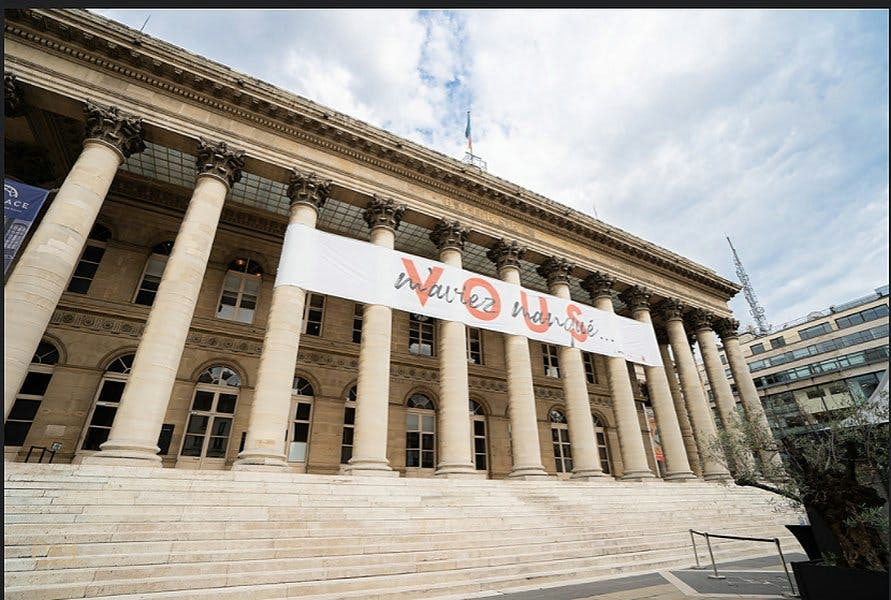
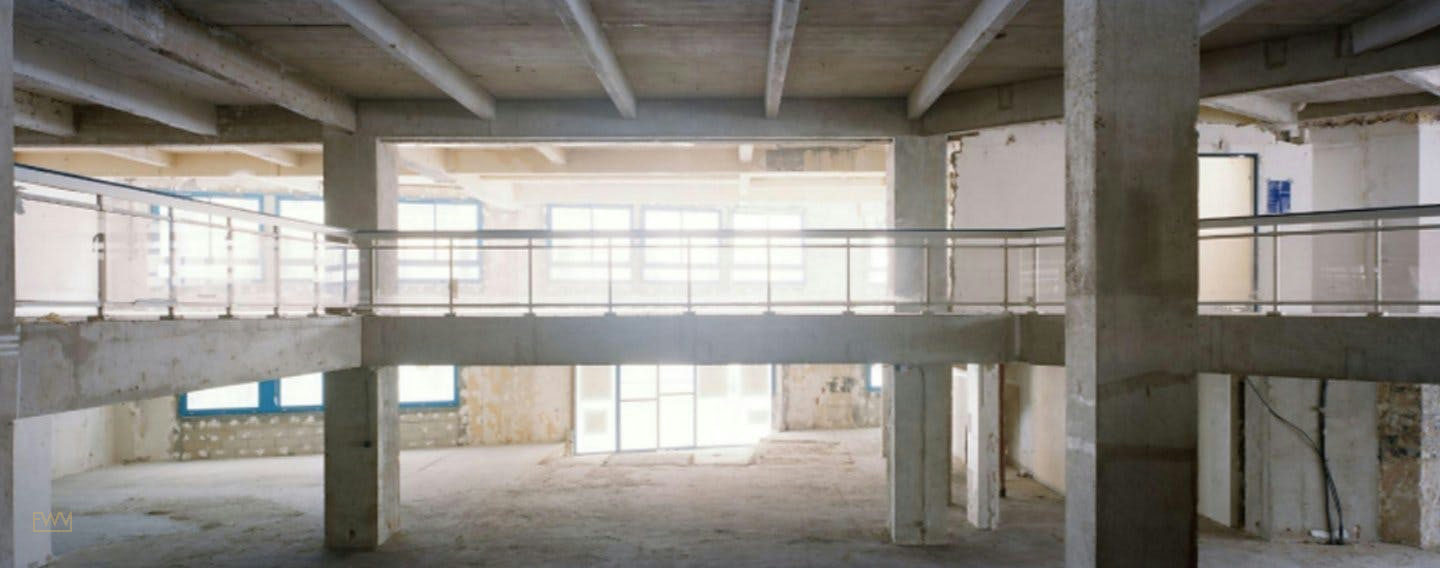
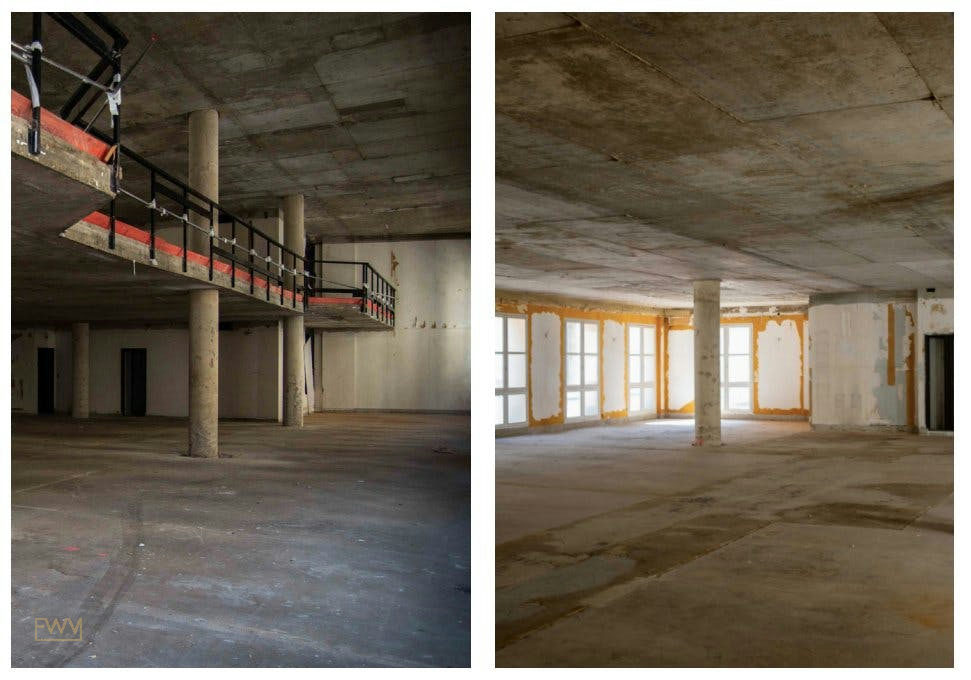
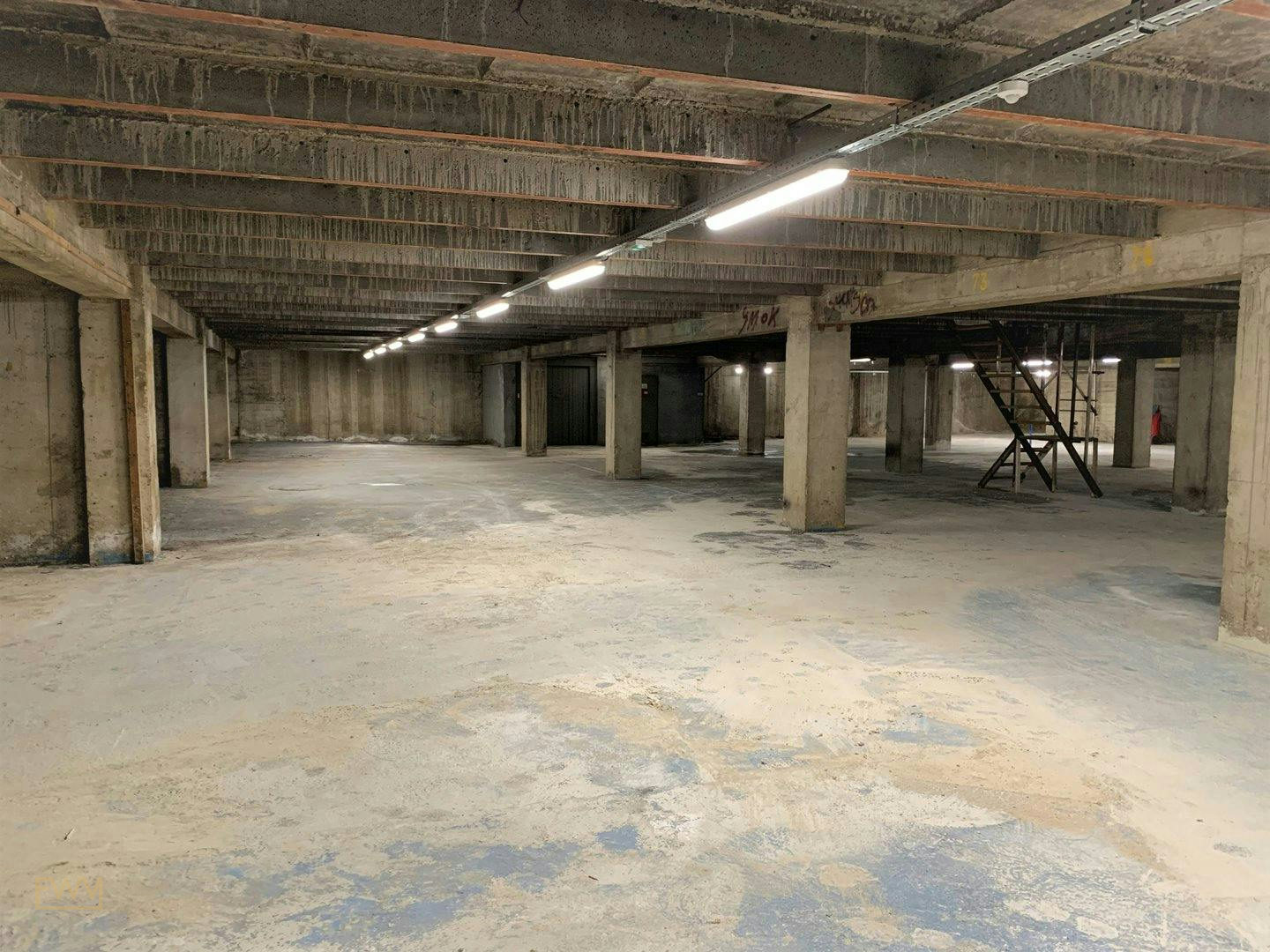
To rent a pop-up shop near Notre-Dame Paris is to place your brand at the epicentre of one of the most visited, photographed, and culturally resonant districts in the world. The Île de la Cité, the 4th arrondissement, and the surrounding streets of Le Marais, Saint-Germain-des-Prés, and the Left Bank combine historic foot traffic with a concentration of design-literate, high-spending consumers that few retail locations on earth can match. For international fashion brands, beauty labels, concept stores, and luxury newcomers, the Notre-Dame corridor offers not just visibility but a brand positioning story that begins the moment a customer steps through the door. Fashion Week Venues works with brands at every stage of this process, from initial neighbourhood selection through to activation management, staffing, and post-campaign analytics. This guide covers everything you need to know before signing a lease, booking a space, or briefing a production team.
Why Rent a Pop-Up Shop Near Notre-Dame Paris: The Strategic Case
Renting a pop-up shop near Notre-Dame Paris gives brands immediate access to one of the highest-footfall pedestrian zones in France, a cultural halo that transfers directly to brand perception, and proximity to the most photographed streets and landmarks in the City of Light. This is not simply a geography decision. It is a brand positioning decision.
Notre-Dame de Paris is the symbolic heart of France. Following its careful restoration after the 2019 fire and its spectacular reopening in December 2024, the cathedral has drawn a new wave of global visitors to the Île de la Cité and the surrounding 4th arrondissement. Footfall in the immediate area has recovered strongly, and the renewed public interest in the cathedral has amplified the cultural weight attached to any brand activating in the district. For fashion brands, beauty labels, and luxury retailers, the proximity of Notre-Dame is a storytelling asset that no amount of paid media can replicate.
The streets immediately surrounding the cathedral and the broader Notre-Dame-to-Marais corridor include rue Frédéric Sauton, the Institut du Monde Arabe on quai Saint-Bernard, the southern fringe of Le Marais, and the eastern edges of Saint-Germain-des-Prés. Each of these micro-locations offers a different mix of pedestrian volume, consumer demographic, lease flexibility, and space typology. A brand launching a fragrance line in a former art gallery near Place des Vosges is telling a categorically different story from a streetwear label activating in a raw industrial space near Arts et Métiers, even though both sit within the same broad neighbourhood cluster.
The practical advantages are equally compelling. Short-term rental contracts in Paris, particularly in the 4th and neighbouring arrondissements, have evolved significantly over the past decade. Operators and landlords are increasingly comfortable with bail dérogatoire agreements spanning two weeks to three months, making it possible for international brands to enter and exit the Paris market without the legal complexity of a standard French commercial lease. The concentration of professional venue operators, specialist fit-out contractors, temporary retail service providers, and experienced bilingual staffing agencies in this part of Paris also reduces the logistical burden on visiting brand teams considerably.
Quick answer: Renting a pop-up shop near Notre-Dame Paris gives brands access to some of the highest pedestrian footfall in France, a powerful cultural context for brand storytelling, and a well-developed ecosystem of short-term retail operators and service providers that makes temporary activations logistically achievable for international brands without a French legal entity.
DID YOU KNOW: The 4th arrondissement of Paris, which encompasses the Île de la Cité, Île Saint-Louis, the southern half of Le Marais, and the area immediately around Notre-Dame, is consistently ranked among the top three most visited urban districts in Europe by tourist volume.
Understanding the strategic case for this location is the foundation. The next step is understanding the specific neighbourhoods and streets within this corridor so that your space selection matches your brand's customer profile, aesthetic, and commercial objective.
KEY TAKEAWAY: The Notre-Dame corridor is not a single neighbourhood but a cluster of micro-markets, each with distinct consumer demographics, space typologies, and brand positioning implications. Choosing the right sub-location within this corridor is as important as choosing Paris over another city.
Locations and Neighbourhoods: Mapping the Notre-Dame to Marais Corridor
The area around Notre-Dame spans several distinct retail and cultural micro-zones, each with its own character, pedestrian profile, and space availability. Understanding these zones in detail allows brand teams to shortlist locations that genuinely match their activation brief rather than simply booking the most recognisable address.
Île de la Cité and the Notre-Dame Immediate Zone
The streets closest to Notre-Dame de Paris, including rue Frédéric Sauton, quai de la Tournelle, and the Île de la Cité itself, attract an extraordinary mix of international tourists, architecture enthusiasts, students, and Parisian day visitors. Retail space directly on the island is extremely limited and typically occupied by long-standing operators. However, the quayside streets on both banks immediately adjacent to the Cité offer occasional pop-up and temporary retail opportunities, particularly in converted cultural and event spaces. The Institut du Monde Arabe on quai Saint-Bernard, for example, has hosted brand events and cultural activations with strong visual backdrops. Brands operating in this immediate zone benefit from extraordinary organic social media visibility simply by virtue of location, but must carefully manage the balance between tourist volume and genuine commercial engagement with target consumers.
Le Marais and the 4th Arrondissement
Le Marais is without question the most active temporary retail and pop-up market in Paris. The concentration of concept stores, designer boutiques, independent galleries, and cultural institutions along Rue des Francs-Bourgeois, Rue Vieille-du-Temple, Rue de Bretagne, and the streets radiating from Place des Vosges has created an established ecosystem for short-term retail that is unmatched in any other Parisian arrondissement. Spaces here range from small format boutiques of 30 to 80 square metres on high-footfall pedestrian streets to larger gallery and showroom formats of several hundred square metres in the historic courtyards and hôtels particuliers that define the neighbourhood's architectural character.
Turenne, one of the key north-south arteries of Le Marais, connects the Place de la République area to the upper Marais and serves as a secondary retail corridor with slightly lower rents than the primary Francs-Bourgeois axis. Arts et Métiers, at the northern edge of the arrondissement, attracts a younger, design-oriented consumer profile and has become increasingly popular with fashion and beauty brands seeking a slightly less saturated environment than the central Marais streets.
Place des Vosges, the oldest planned square in Paris and a short walk from the Notre-Dame district, carries extraordinary brand cachet. The arcaded ground-floor units facing the square are among the most sought-after short-term retail locations in the city for luxury and premium brands. Availability is limited and lead times for securing these units are often considerably longer than for standard Marais locations.
Saint-Germain-des-Prés and the Left Bank
West of the Notre-Dame corridor, Saint-Germain-des-Prés occupies the 6th arrondissement and represents Paris's intellectual and artistic retail tradition. The streets around Boulevard Saint-Germain, rue de Rennes, and the side streets leading toward the Seine offer a mix of established boutiques, art galleries, and occasional pop-up locations. Le Bon Marché, the legendary department store on rue de Sèvres, anchors the upscale Left Bank retail ecosystem and has hosted numerous brand collaborations and temporary shop-in-shop activations. Saint-Germain-des-Prés attracts a consumer profile that skews toward established luxury, interior design, books, and art, making it a strong location for premium fashion, beauty, and lifestyle brands but less suited to streetwear or fast-turnover product launches.
Les Halles, Châtelet, and Rue de Rivoli
North and west of Notre-Dame, the Châtelet and Les Halles area, anchored by the Forum des Halles shopping complex and the rue de Rivoli commercial corridor, offers a higher-volume, more mass-market retail environment. This zone is appropriate for brands seeking maximum footfall volume and accessible price points rather than the curated cultural positioning of Le Marais or Saint-Germain. The rue de Rivoli, which runs along the northern edge of the Louvre and connects the Marais to the Champs-Élysées corridor, is a significant pedestrian artery and offers pop-up and temporary space options in several multi-brand retail and event environments.
Vendôme, Saint-Honoré, and the Luxury Axis
For brands operating at the apex of the luxury market, the Place Vendôme and rue Saint-Honoré corridor, while technically west of the Notre-Dame district, remains part of the broader Paris fashion activation geography. The density of high jewellery, couture, and prestige beauty flagships in this zone means that temporary pop-up activations here carry significant brand positioning value, though space availability is tightly controlled and rental rates reflect the address premium.
Quick answer: The Notre-Dame to Marais corridor encompasses multiple distinct retail micro-zones including the Île de la Cité, Le Marais, Saint-Germain-des-Prés, Châtelet-Les Halles, and the Vendôme axis. Each offers a different combination of consumer demographic, space typology, footfall volume, and brand positioning context, requiring brands to match their space selection to their specific activation brief rather than simply choosing the most famous address.
To compare spaces across these neighbourhoods, use the Paris city hub on Fashion Week Venues to filter by arrondissement, space type, and calendar availability.
KEY TAKEAWAY: Le Marais remains the most active and versatile pop-up retail market within the Notre-Dame corridor, but Saint-Germain-des-Prés, Châtelet, and the Vendôme axis each serve distinct brand positioning needs. Selecting the right micro-location is a strategic decision with direct implications for footfall quality, brand perception, and commercial performance.
Pop-Up Retail Concepts: What Kind of Space Do You Actually Need?
Before searching for a location near Notre-Dame or in Le Marais, brand teams need a clear definition of what they are actually trying to achieve with a temporary retail activation. A pop-up shop, a fashion showroom, a brand experience space, and a press preview venue all serve different purposes and require different space configurations, locations, and operational setups.
Quick answer: A pop-up shop is a short-term retail activation in a temporary venue, typically lasting from a few days to several months. In Paris, pop-up shops near Notre-Dame and Le Marais range from small boutique formats on pedestrian streets to large multi-floor concept spaces in historic buildings, with durations and contract structures tailored to the brand's commercial and marketing objectives.
Pop-Up Store Formats in the Notre-Dame Corridor
The most common pop-up store format in this part of Paris is the standalone boutique occupying a single ground-floor unit on a high-footfall street. These spaces typically range from 30 to 150 square metres, offer direct street-level access, and are configured for product display, customer browsing, and point-of-sale transactions. Fashion brands, beauty labels, and accessories retailers favour this format for its commercial directness and visual impact on the street.
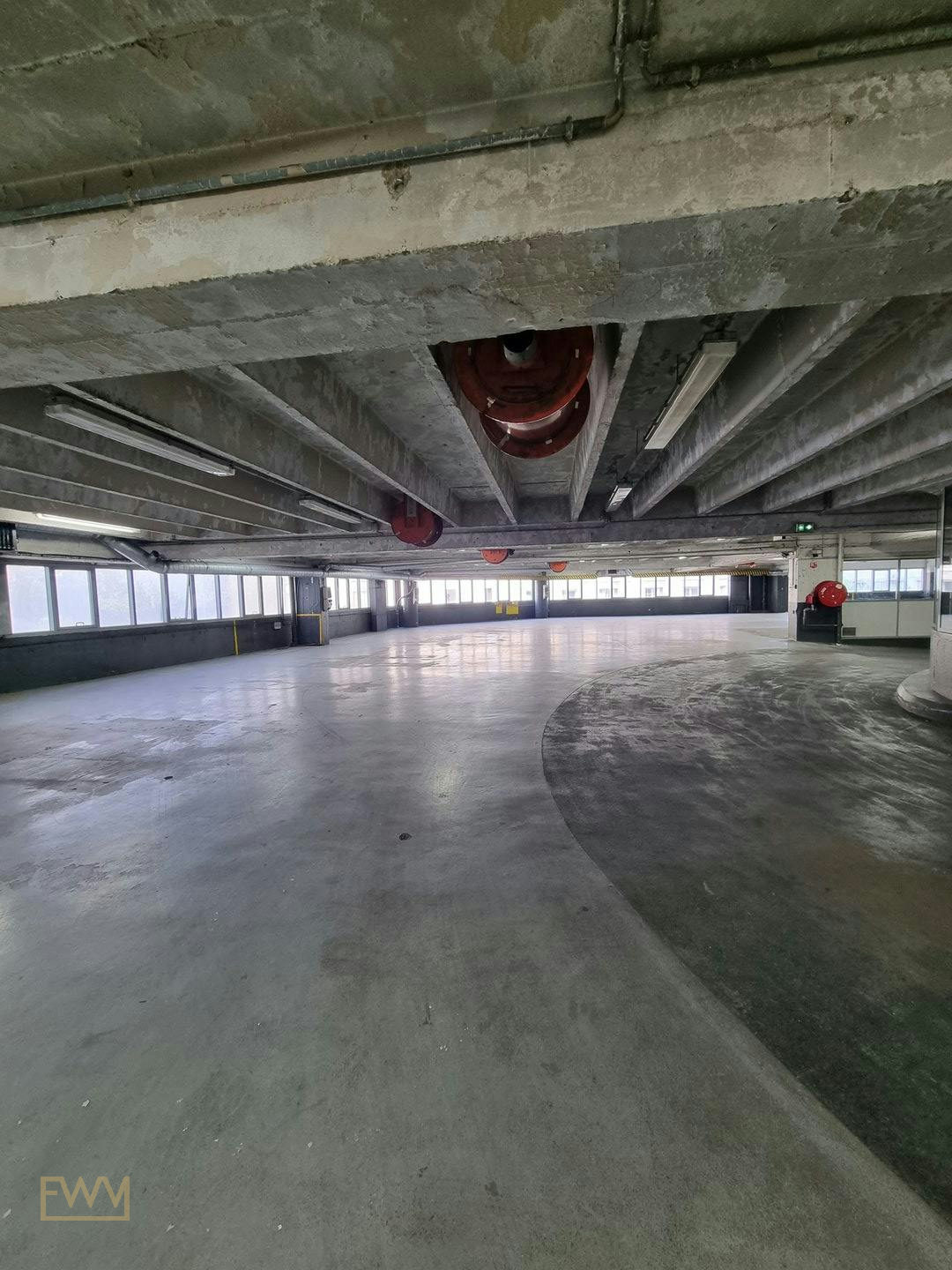
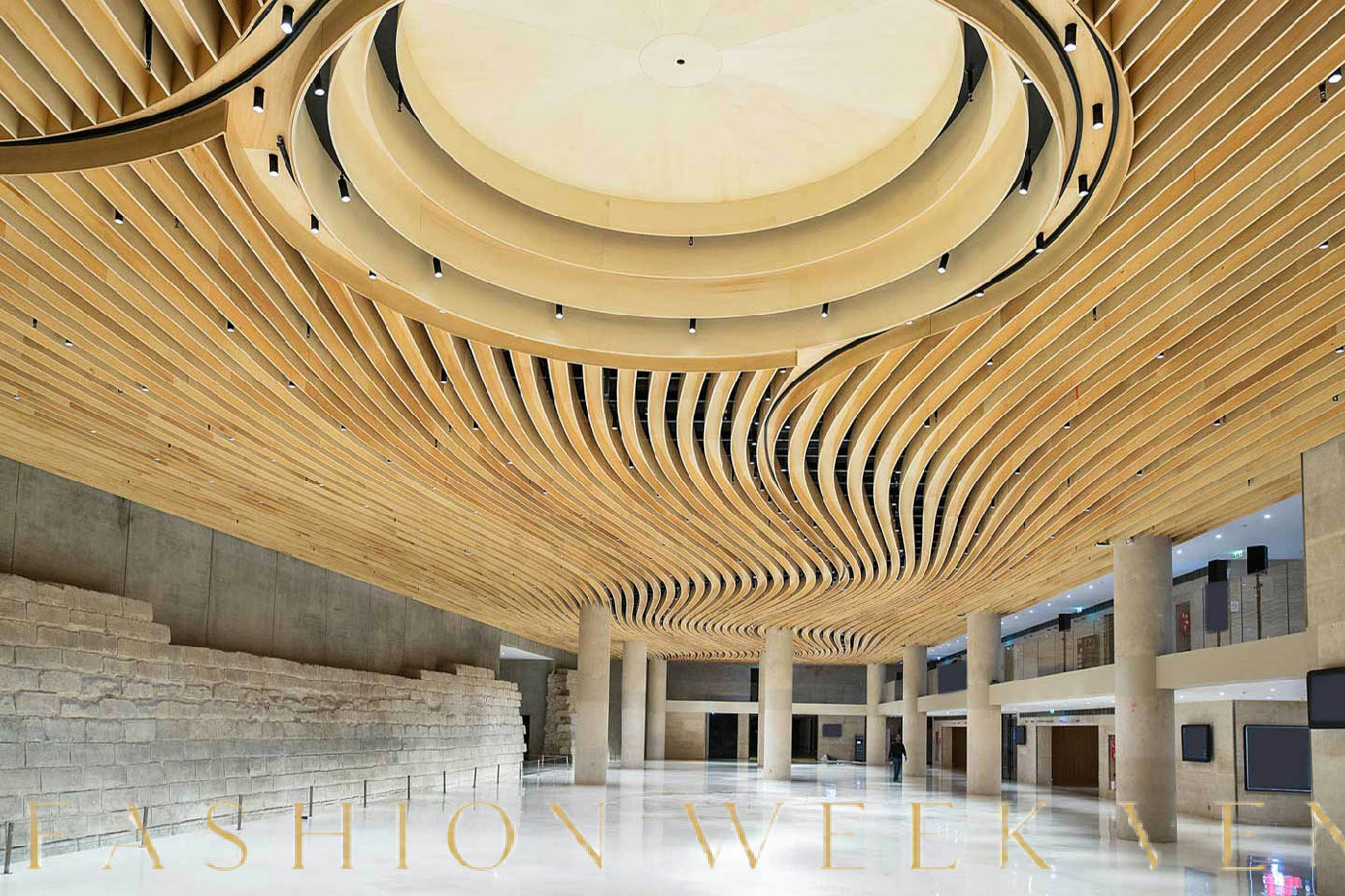
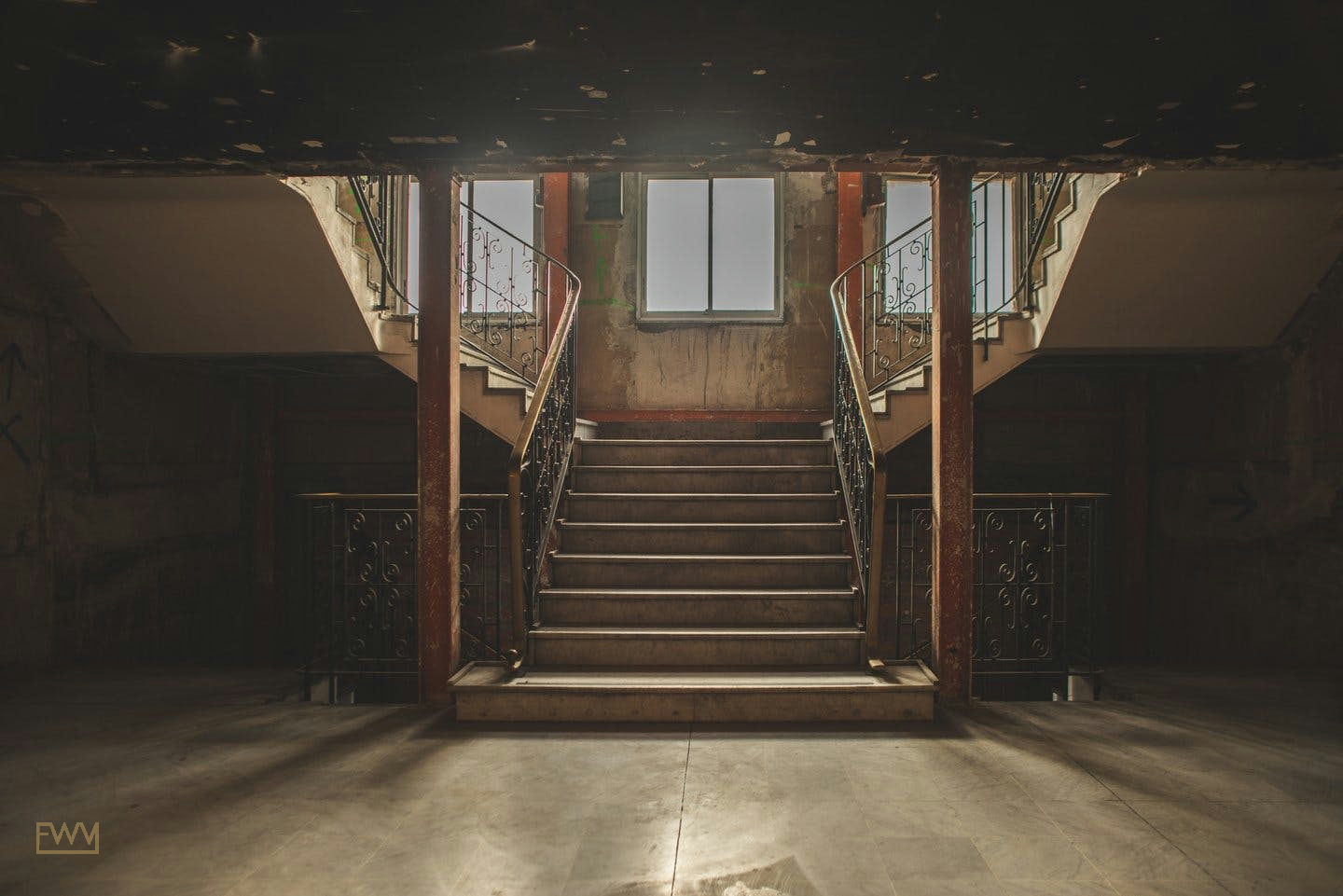
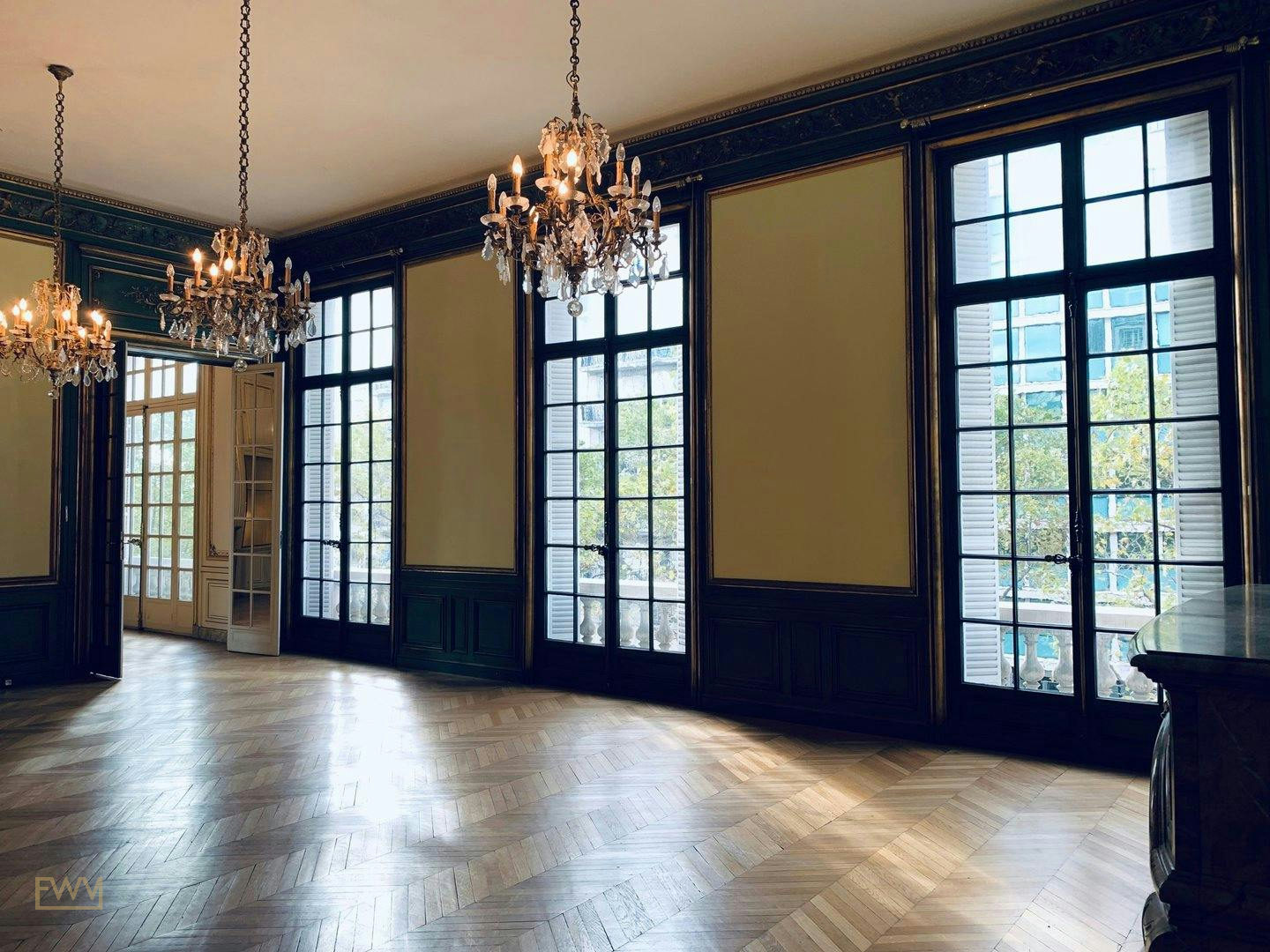
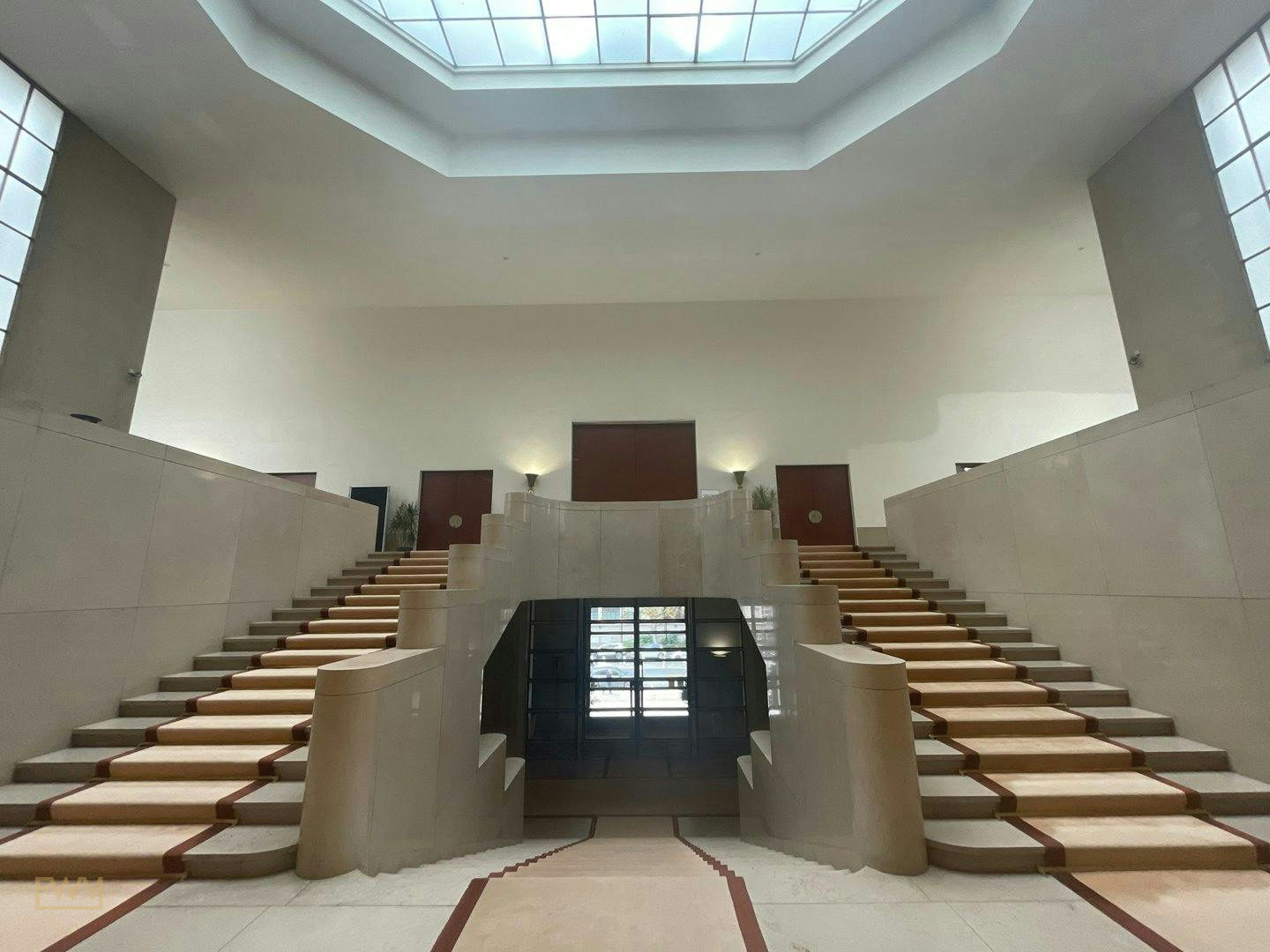
At the larger end of the scale, hôtel particulier spaces, former galleries, and event venues in Le Marais offer 200 to 1,000 square metres or more, often across multiple floors with historic architectural features including monumental staircases, marble detailing, and high ceilings. These formats are better suited to immersive brand experiences, fashion shows, exhibitions, product launches, and multi-brand activations. Galerie Joseph in Le Marais is one of the most recognised event and pop-up venues in Paris, regularly hosting fashion shows, brand activations, FIAC-adjacent exhibitions, and Paris Design Week events. Pavillon Rive Gauche offers a large event format space on the Left Bank suitable for concerts, fashion shows, and large-scale brand activations. Furst-Eventspace and Hors Des Sentiers are among the specialist venue operators active in the broader Marais and central Paris market.
Fashion showrooms occupy a separate but closely related category. Unlike consumer-facing pop-up stores, showrooms are typically configured for press appointments, wholesale buyer meetings, and editorial photo shoots rather than direct public retail. They are commonly used by international brands during Paris Fashion Week and the adjacent trade fair calendar. Nestore is one of the established short-term showroom and studio space operators in Paris, offering flexible configurations for brands requiring private professional space rather than public retail frontage.
Concept Stores and Collaborative Retail
A growing number of brands in the Notre-Dame and Marais corridor activate through concept store formats that combine retail, cultural programming, and experiential elements within a single space. These formats blur the boundary between a pop-up shop and an art gallery, a designer boutique and a cultural centre. They tend to generate stronger social media amplification and press coverage than conventional retail formats, making them particularly effective for brands seeking brand awareness and editorial coverage rather than direct revenue during the activation period.
Co-activation formats, where two or more complementary brands share a single space and split the rental and operational costs, have become increasingly common in this part of Paris. The Fashion Week Venues twin co-activation concept is specifically designed to facilitate this kind of shared space activation, enabling brands with aligned aesthetics and non-competing product categories to access premium locations at a cost structure that reflects their shared investment.
KEY TAKEAWAY: Choosing the right pop-up format, whether a small boutique, a large immersive experience space, a professional showroom, or a concept store hybrid, determines your space requirements, your budget range, and your operational setup before you begin shortlisting locations. Define the format before the address.
Business Operations and Logistics: What Brands Need to Know Before Signing
Operating a temporary retail space near Notre-Dame or in Le Marais involves a set of operational, legal, and logistical considerations that differ materially from managing a pop-up in a domestic market. International brands entering Paris for the first time should expect to invest meaningful time in understanding French regulatory requirements, local operational norms, and the practical realities of setting up and running a short-term retail space in a historic urban environment.
Short-Term Rental Contracts and the Bail Dérogatoire
The standard commercial lease framework in France, the bail commercial, commits tenants to a minimum nine-year term and is entirely unsuitable for pop-up retail activations. The bail dérogatoire, also known as the short-term commercial lease, is the legal mechanism most commonly used for temporary retail spaces in Paris. It permits leases of up to three years without the tenant acquiring the statutory renewal rights attached to a standard bail commercial. In practice, most pop-up activations in Le Marais and the Notre-Dame corridor use bail dérogatoire agreements spanning one week to six months.
For very short activations in public spaces, open-air markets, or shared event venues, the Autorisation d'Occupation Temporaire (AOT) framework may apply instead. This is a permit issued by a public authority for the temporary use of public land or publicly managed spaces and carries different requirements and conditions from a private commercial lease. Requirements vary significantly by space type, location, arrondissement, and duration. Brands should verify their specific situation with a qualified French legal advisor before committing to any rental agreement.
IMPORTANT: The bail dérogatoire must be correctly documented and signed before the tenant takes possession of the space. If the tenant remains in the space after the agreed end date without a new agreement, French law may automatically convert the tenancy into a standard nine-year bail commercial. Always exit the space formally and on time.
Permits, Insurance, and Local Regulations
Temporary retail activations in Paris are subject to a range of regulatory requirements that vary by space type, duration, planned activities, and arrondissement. These can include commercial activity permits for non-EU brands, specific authorisations for signage and external displays, health and safety compliance for public-facing events, and food and beverage authorisations if any catering element is planned. Some buildings in Le Marais have additional heritage protection constraints that affect what modifications can be made to the space, even temporarily.
Insurance is mandatory and typically required by the landlord as a condition of the rental agreement. Brands activating in Paris need at minimum a liability insurance policy covering public liability and property damage for the duration of the activation. Some landlords also require specific event cancellation or business interruption coverage. Obtaining appropriate insurance from a French or internationally recognised insurer before the activation start date is a non-negotiable operational requirement.
The Fashion Week Venues permit guidance tool provides a framework for understanding which authorisations may be relevant to your specific activation scenario, though it does not replace qualified legal advice for your individual situation.
Space Infrastructure and Practical Requirements
Brands planning temporary retail activations in historic Paris buildings should verify the practical infrastructure of any space before confirming a rental. Key considerations include electrical capacity, with some larger activations requiring 380V power supplies for lighting rigs, audio equipment, or catering infrastructure that standard single-phase supplies cannot support. WiFi system availability and reliability is essential for point-of-sale operations, digital displays, and staff communications. Accessibility for customers with mobility requirements is both a legal obligation and a commercial consideration. Storage arrangements for stock, packaging materials, and equipment during the activation period need to be confirmed with the landlord, as many historic spaces offer limited or no dedicated back-of-house storage. Loading and delivery access, particularly in pedestrianised or restricted streets, needs to be confirmed in advance to avoid operational disruption.
Merchandising and Stock Management
Running a retail operation in a temporary space demands the same merchandising discipline as a permanent retail environment, often with less infrastructure. Brand teams need to plan their visual merchandising layout before arriving on site, confirm furniture requirements in advance, and establish a stock management process that accounts for the absence of a permanent stockroom. Availability calendars for spaces in high-demand periods such as Paris Fashion Week, Paris Design Week, and FIAC need to be confirmed well in advance, as the most desirable locations in Le Marais and around Notre-Dame book out months ahead of these events.
TIP: Build a detailed operational timeline that works backwards from your activation launch date. Factor in building access for fit-out, WiFi installation, furniture delivery, stock arrival, staff induction, and a full operational test day before public opening. Most experienced operators in Paris recommend a minimum of three to five days of pre-opening preparation for a standard boutique format activation.
KEY TAKEAWAY: Operational success in a Paris pop-up depends as much on pre-activation preparation, legal compliance, and infrastructure verification as it does on space selection. Budget and timeline planning tools, combined with specialist local support, significantly reduce the risk of costly operational surprises.
To build a realistic cost model for your activation, explore the Fashion Week Venues budget estimation tool as a starting framework before engaging with landlords or space operators.
Events, Fashion Week, and the Paris Cultural Calendar
Paris operates one of the densest cultural and fashion event calendars in the world. For brands considering a pop-up activation near Notre-Dame or in Le Marais, aligning the activation period with the right calendar event can multiply both footfall and media exposure. Understanding which events drive which consumer and trade audiences is essential for making this alignment strategically useful rather than simply opportunistic.
Paris Fashion Week
Paris Fashion Week takes place twice per year, in late January and early February for the menswear and haute couture calendars, and in late September and early October for the womenswear ready-to-wear calendar. The womenswear season in September and October is the anchor event for the global fashion industry, drawing thousands of press, buyers, stylists, influencers, and brand representatives to Paris for ten days. Demand for pop-up spaces, showrooms, event venues, and fashion showroom locations in Le Marais, Saint-Germain-des-Prés, and the Marais-to-Châtelet corridor spikes sharply during Fashion Week windows, and the most desirable spaces book out six to nine months in advance.
Brands activating during Fashion Week should budget for a premium on rental rates relative to off-season periods, plan for reduced lead times on staffing and production services, and confirm insurance and permit compliance well before the activation window. The Fashion Week Venues activation timeline tool provides a structured planning framework for Fashion Week and other high-demand calendar windows.
Paris Design Week and FIAC
Paris Design Week, held each September, and FIAC (Foire Internationale d'Art Contemporain), held each October, both draw design-literate, culturally engaged, high-spending audiences to central Paris and particularly to Le Marais and the areas around the Pompidou Centre. Brands in furniture, homeware, ceramics, fragrance, concept fashion, and art-adjacent categories often align their Paris activations with these events to access a consumer profile that is engaged with aesthetics and willing to invest in high-quality products. Space availability during these windows mirrors the Fashion Week dynamic: early booking is essential.
Product Launches, Exhibitions, and Fashion Shows
Beyond the major calendar events, Le Marais and the Notre-Dame corridor support a year-round programme of brand-driven product launches, press previews, private shopping events, and fashion shows. The neighbourhood's concentration of art galleries, event spaces, and culturally engaged consumers makes it one of the most effective locations in Paris for this type of activation. Venues with distinctive architectural features, including those with monumental staircases, marble detailing, and art gallery-quality lighting, are particularly sought after for fashion shows and product launch events where the space itself contributes to the brand narrative.
Quick answer: Paris Fashion Week in September and October is the peak demand period for pop-up spaces and showrooms in Le Marais and the Notre-Dame corridor. Paris Design Week in September and FIAC in October also drive strong demand from design and art-adjacent brands. Brands should confirm space availability at least six months in advance for Fashion Week windows and three to four months in advance for other peak periods.
KEY TAKEAWAY: Calendar alignment amplifies the commercial and media value of a Paris pop-up activation, but peak periods require earlier booking, higher budgets, and more rigorous operational planning. Off-peak windows offer better space availability and more competitive rental terms for brands whose commercial objectives do not depend on event adjacency.
How to Rent a Pop-Up Shop Near Notre-Dame Paris: A Step-by-Step Process
Renting a pop-up shop near Notre-Dame or in Le Marais follows a structured process that moves from brief definition through space shortlisting, site visits, legal agreement, operational setup, and activation management. Each stage has specific requirements and common pitfalls that brand teams should anticipate before starting.
| Stage | Key Actions | Typical Timeline Before Activation |
|---|---|---|
| Brief Definition | Define objectives, format, budget, duration, and target consumer | 6 to 9 months |
| Neighbourhood and Space Research | Shortlist arrondissements, filter by space type and footfall profile | 5 to 7 months |
| Space Shortlisting and Site Visits | Visit shortlisted spaces, verify infrastructure, assess landlord terms | 4 to 5 months |
| Legal and Permit Process | Negotiate bail dérogatoire, obtain permits, arrange insurance | 3 to 4 months |
| Concept and Design | Finalise spatial concept, brief production team, confirm furniture | 2 to 3 months |
| Production and Fit-Out | Build, install, test all operational systems | 1 to 2 weeks before opening |
| Activation and Operations | Manage daily operations, staffing, social media, sales | Activation period |
| Exit and Debrief | Strip out, restore space, collect data, report on ROI | Immediately post-activation |
Defining Your Needs Before You Start Searching
The single most common mistake international brands make when approaching a Paris pop-up activation is beginning with a venue search before they have clearly defined their objectives. The right space is always a function of what you need to achieve, not simply a function of the most prestigious address available. Before engaging with any landlord, agency, or space marketplace, brand teams should be able to answer the following questions with specificity: What is the primary objective of this activation, whether that is direct sales, press coverage, consumer data collection, wholesale buyer engagement, or market testing? What is the target consumer, and which neighbourhoods in Paris does that consumer naturally inhabit? What format does the activation require, whether a public-facing retail store, a trade showroom, an immersive experience space, or a hybrid? What is the budget for space rental, fit-out, staffing, permits, insurance, and marketing? What is the required duration and how does it relate to the Paris cultural calendar?
Anticipating Layout, Communication, and Logistics
Once a space has been shortlisted, brand teams need to think concretely about the operational reality of the activation. How will products be transported to the space, and does the building offer appropriate loading access? Who will manage reception and customer service, and in which languages? Is additional furniture required beyond what the landlord provides, and has a furniture rental brief been prepared? How will the activation be communicated externally, including through social media, press outreach, influencer partnerships, and any local advertising? Does the space permit external signage, and has the relevant authorisation been confirmed? These logistical questions are as important as the space selection itself.
Quick answer: To rent a pop-up shop near Notre-Dame Paris, brands should define their brief, shortlist neighbourhoods and space types, verify infrastructure and legal requirements, negotiate a bail dérogatoire agreement with appropriate permits and insurance, plan the fit-out and operational setup, and confirm staffing and communications before opening. Working with a specialist agency significantly reduces the complexity of this process for international brands unfamiliar with French regulatory requirements.
KEY TAKEAWAY: The process of renting a pop-up shop in Paris near Notre-Dame follows a structured sequence that typically spans four to nine months from brief to opening day for Fashion Week and peak calendar windows. Compressing this timeline is possible but introduces risk at every stage, particularly in the legal, permit, and production phases.
Space Types, Neighbourhoods, and What They Cost
Understanding the relationship between space type, neighbourhood, and rental cost is essential for building a realistic budget before approaching landlords or agencies. While specific rental figures vary significantly by space, timing, duration, and negotiation, the following table provides a directional framework based on general market characteristics in the Notre-Dame to Marais corridor.
| Space Type | Typical Size | Primary Neighbourhoods | Best Suited For |
|---|---|---|---|
| Street-Level Boutique | 30 to 100 sqm | Rue des Francs-Bourgeois, Rue Vieille-du-Temple, Saint-Germain | Fashion retail, beauty, accessories |
| Gallery or Cultural Space | 100 to 500 sqm | Le Marais, near Notre-Dame, Left Bank | Exhibitions, launches, brand experiences |
| Hôtel Particulier or Heritage Space | 200 to 1,000 sqm | Le Marais, Place des Vosges, Saint-Germain | Fashion shows, luxury launches, press events |
| Fashion Showroom | 50 to 200 sqm | Le Marais, Arts et Métiers, Châtelet | Press appointments, buyer meetings, wholesale |
| Large Event Venue | 500 to 2,000 sqm | Left Bank, Châtelet, peripheral Marais | Concerts, large fashion shows, multi-brand events |
| Shared or Co-Activation Space | Variable | Throughout Le Marais and central Paris | Co-branded retail, market formats, budget-conscious activations |
Rental rates in Paris for temporary retail spaces are not publicly standardised and vary significantly based on the specific space, the landlord's current occupancy situation, the duration of the activation, the time of year, and the brand's negotiating position. Fashion Week windows, FIAC, and Paris Design Week periods command meaningful premiums relative to standard commercial rates. Brands should treat any directional estimates as indicative only and use the Fashion Week Venues budget tool to build a brand-specific cost model based on their actual space requirements and activation timeline.
DID YOU KNOW: Some of the most recognisable pop-up venues in Le Marais, including Galerie Joseph and several of the historic courtyard spaces near Place des Vosges, operate on a strictly pre-booked basis with availability calendars running six to twelve months ahead during peak Fashion Week periods. Walking in and expecting immediate availability at these spaces is not realistic for brands with serious activation briefs.
KEY TAKEAWAY: Rental costs for pop-up spaces near Notre-Dame and in Le Marais vary widely by space type, size, location, and calendar period. Brands should build a realistic budget model early in their planning process and verify actual space costs through direct inquiry or agency engagement rather than relying on market estimates.
Comparing Neighbourhoods for Pop-Up Retail in Paris
Brand teams shortlisting Paris neighbourhoods for pop-up retail need a clear comparison framework that addresses the specific variables relevant to their activation brief. The following table compares the key neighbourhoods within and adjacent to the Notre-Dame corridor across the metrics most relevant to fashion, beauty, and lifestyle brand activations.
| Neighbourhood | Primary Consumer | Footfall Volume | Space Availability | Brand Positioning | Fashion Week Relevance |
|---|---|---|---|---|---|
| Le Marais (4th) | Design-literate locals, international visitors, fashion consumers | Very high | Good year-round, tight during Fashion Week | Contemporary, design-forward, culturally engaged | Very high |
| Notre-Dame / Île de la Cité | International tourists, cultural visitors | Extremely high | Very limited | Heritage, cultural significance, global visibility | Moderate |
| Saint-Germain-des-Prés (6th) | Established luxury consumers, art and book buyers | High | Moderate | Intellectual luxury, Parisian heritage | Moderate to high |
| Châtelet / Les Halles (1st) | Mass market, young Parisians, tourists | Extremely high | Good | Accessible, high volume, less curated | Moderate |
| Vendôme / Saint-Honoré (1st) | High net worth, international luxury consumers | Moderate to high | Very limited, high cost | Ultra-luxury, global prestige | High for luxury brands |
| Arts et Métiers (3rd) | Young creatives, design students, emerging fashion consumers | Moderate | Good | Emerging, design-oriented, less saturated | Moderate |
This comparison is a directional framework rather than an exhaustive analysis. Foot traffic volumes, space availability, and brand positioning opportunities shift constantly in response to neighbourhood development, new venue openings, and changes in consumer behaviour. Brands making final neighbourhood decisions should supplement this framework with current market intelligence from a specialist agency or space marketplace with live availability data.
KEY TAKEAWAY: Le Marais offers the best combination of high footfall, strong space availability, design-literate consumer demographics, and Fashion Week relevance for most fashion, beauty, and lifestyle brand pop-up activations near Notre-Dame. However, the optimal neighbourhood depends entirely on the brand's positioning, budget, target consumer, and activation objectives.
How Fashion Week Venues Supports Pop-Up Activations Near Notre-Dame Paris
Fashion Week Venues operates as a full-service pop-up shop agency and space marketplace, providing brands with end-to-end support from initial brief through to post-activation analytics. For international brands planning a temporary retail activation near Notre-Dame, in Le Marais, or anywhere within the Paris fashion activation geography, Fashion Week Venues offers a structured service model that addresses the specific challenges of operating in the French market without a permanent local presence.
Space Sourcing and the Marketplace
The Fashion Week Venues venue sourcing service covers the full process of identifying, shortlisting, and securing appropriate spaces for a brand's specific brief. This includes access to spaces that are not publicly advertised on general listing platforms, direct relationships with venue operators and building managers in Le Marais and the Notre-Dame corridor, and the ability to negotiate rental terms on the brand's behalf. The Fashion Week Venues marketplace provides a browsable inventory of spaces across Paris and other major fashion capitals, filterable by space type, size, neighbourhood, and calendar availability.
Concept Direction and Branded Store Design
Once a space is secured, the Fashion Week Venues concept direction and branded store design teams help brands translate their creative brief into a spatial concept that works within the physical constraints of the space and the cultural context of the neighbourhood. For historic spaces in Le Marais and around Notre-Dame, this often involves working with the existing architectural character of the building rather than superimposing a brand aesthetic that sits in tension with the space.
Production, Fit-Out, and Furniture
The production and build service covers the physical realisation of the branded space, from structural modifications and lighting design to fixture installation and technology integration. Fashion Week Venues also offers furniture rental, which reduces the logistical burden of sourcing and transporting furniture internationally and ensures that the space is equipped with pieces appropriate to the aesthetic and practical requirements of the activation.
Staffing, POS, and Operations
Running a public-facing retail operation in Paris requires bilingual staff who understand both the operational requirements of retail and the cultural expectations of Parisian and international consumers. The retail staffing service connects brands with experienced, trained staff for the full duration of their activation. Point-of-sale and payments infrastructure, including both hardware and software configuration, is provided through the Fashion Week Venues POS and payments service, ensuring that transactions can be processed correctly from day one regardless of the brand's home currency or payment processing setup.
Analytics, Influencer Marketing, and ROI
Post-activation, Fashion Week Venues provides data and analytics services that translate raw sales, footfall, and engagement figures into actionable commercial intelligence. The ROI calculation tool helps brand teams quantify the commercial return on their activation investment against clearly defined objectives. The influencer marketing service connects brands with relevant Paris-based and international influencers to amplify the activation's social media reach before, during, and after the opening period.
Limitations to Understand
Fashion Week Venues does not guarantee space availability in any specific location or during any specific calendar window. Space availability in Le Marais and the Notre-Dame corridor during Fashion Week and other peak periods is subject to significant demand pressure, and brands should not assume that their preferred space will be available without confirming well in advance. Fashion Week Venues also does not provide qualified French legal advice. While the permit guidance tool and agency team can provide practical frameworks for understanding permit and compliance requirements, brands should obtain independent legal advice for their specific regulatory situation. To understand how Fashion Week Venues works, visit the agency process page.
KEY TAKEAWAY: Fashion Week Venues provides end-to-end support for brands activating near Notre-Dame and in Le Marais, from space sourcing through to analytics and influencer amplification. International brands without a French operational base benefit most from the full-service model, which removes the need to independently manage multiple French contractors, legal requirements, and operational systems.
Digital Infrastructure, Social Media, and Brand Communication for Paris Pop-Ups
A successful pop-up activation near Notre-Dame or in Le Marais requires a robust digital communications strategy running in parallel with the physical retail operation. The visual richness of the neighbourhood, the cultural cachet of the location, and the concentration of fashion and lifestyle consumers in the area create exceptional conditions for organic social media content generation. However, brands that fail to plan their digital infrastructure and communications strategy in advance typically underperform relative to those that treat the digital and physical activation as a single integrated campaign.
Social Media and Content Strategy
The streets around Notre-Dame, Place des Vosges, and Rue Vieille-du-Temple are among the most photographed locations on social media in France. A well-designed pop-up space in this environment generates organic content from customers, passers-by, and influencers who share their experience without any direct brand instigation. Brands that design their spaces with social media shareability in mind, through strong visual identity, distinctive architectural moments, and clear brand signage visible through windows and doorways, amplify this organic content generation significantly.
Pre-activation social media seeding, through influencer partnerships and editorial preview content, is one of the most effective tools for driving awareness and queuing behaviour at launch. The Fashion Week Venues influencer marketing service connects brands with Paris-based creators across fashion, beauty, lifestyle, and culture categories who can build anticipation for an activation before it opens.
Website Security and Digital Access
Brands managing their Paris activation digital presence should be aware that some brand and marketplace websites in the fashion and retail sector operate security measures that can temporarily restrict access from certain locations, IP addresses, or browsing environments. This is a common feature of enterprise-grade website security systems, including those powered by providers such as Cloudflare, which use automated screening to protect against online attacks, SQL command injection, and malformed data submissions. If a brand team member or partner finds themselves blocked from accessing a relevant website while working from a Paris location, the resolution typically involves contacting the site owner directly via the email address provided, referencing the Cloudflare Ray ID displayed on the error page to help the security service identify and resolve the access issue. This is a routine operational matter and does not reflect a problem with the user's own device or connection.
Quick answer: Digital infrastructure for a Paris pop-up activation should include a reliable WiFi system within the space, a social media content strategy aligned with the activation calendar, influencer seeding before launch, and a clear plan for managing any website or platform access issues that may arise from operating in a new geographic location.
KEY TAKEAWAY: Treating the digital and physical activation as a single integrated campaign, rather than two separate workstreams, consistently delivers stronger awareness, footfall, and commercial outcomes for brands activating near Notre-Dame and in Le Marais.
Common Myths About Renting Pop-Up Spaces Near Notre-Dame Paris Debunked
MYTH: You need a French legal entity or registered business in France to rent a pop-up space near Notre-Dame or in Le Marais.
FACT: Many landlords and specialist space operators in Paris work regularly with international brands that do not have a French legal entity. The bail dérogatoire framework can in many cases be structured to accommodate foreign brands, and specialist agencies with established landlord relationships can facilitate this process. However, specific requirements vary by landlord, space type, and arrondissement, and brands should verify their individual situation with a qualified French legal advisor before assuming that any particular arrangement is straightforward.
MYTH: Paris Fashion Week in September is the only commercially viable window for a pop-up activation near Notre-Dame.
FACT: While the September and October Fashion Week window is the highest-profile period for fashion brand activations in Paris, the city supports successful pop-up retail throughout the year. Paris Design Week, FIAC, the January Fashion Week, the Christmas and New Year period, and the spring and early summer months all offer distinct consumer audiences and commercial opportunities. Off-peak windows also offer better space availability, more competitive rental terms, and less operational competition from other brands activating simultaneously.
MYTH: Commission brokers and traditional real estate agents are the only way to find a pop-up space near Notre-Dame or in Le Marais.
FACT: The Paris pop-up space market has developed significantly over the past decade, and specialist space marketplaces, full-service pop-up agencies, and direct relationships with building operators now provide alternative and often more efficient routes to space discovery and rental than traditional commission-based real estate brokers. Platforms like the Fashion Week Venues marketplace offer searchable inventories of pre-vetted spaces with transparent availability information, reducing the time and cost associated with the traditional broker model.
MYTH: Short-term retail leases in Paris are legally simple documents that do not require specialist legal review.
FACT: French commercial lease law is complex and contains several provisions that can have significant unintended consequences for brands that do not fully understand what they are signing. The risk of a bail dérogatoire being inadvertently converted to a full nine-year bail commercial through improper exit procedures is real and has affected brands that assumed the short-term nature of their agreement made formal legal review unnecessary. Brands activating in Paris should always obtain qualified legal review of any rental agreement before signing, regardless of the planned duration of the activation.
MYTH: Any space in Le Marais with a good address will automatically generate strong footfall for a pop-up shop.
FACT: Address prestige and footfall volume are related but not identical. Some streets in Le Marais carry strong brand cachet but relatively modest pedestrian volumes, while others have extremely high footfall but a consumer demographic that does not match a particular brand's target customer. Brands need to evaluate the specific pedestrian profile of a proposed location, including the mix of local Parisian consumers versus international tourists, the age and spending profile of the foot traffic, and the directional flow of pedestrians relative to the space's entrance, before concluding that a given location will deliver their commercial and marketing objectives.
Frequently Asked Questions
What is a pop-up store?
A pop-up store is a temporary retail space that a brand opens for a defined period, typically ranging from a few days to several months, before closing or relocating. Unlike permanent retail, a pop-up shop allows brands to test new markets, launch products, build consumer relationships, and generate media coverage without the financial and legal commitment of a long-term lease. In Paris, pop-up stores are commonly used by both established international brands and emerging labels to activate in high-profile locations during key calendar events such as Paris Fashion Week, Paris Design Week, and FIAC. They range from small boutique formats on pedestrian streets to large immersive experience spaces in historic buildings.
How much does a pop-up shop cost in Paris?
The cost of a pop-up shop in Paris near Notre-Dame or in Le Marais varies significantly based on the size of the space, the specific street or building, the duration of the activation, the time of year, and the operational setup required. Rental costs are one component of the total budget, alongside fit-out and production, furniture, staffing, permits, insurance, marketing, and logistics. Fashion Week windows and peak cultural calendar periods command meaningful premiums on rental rates. The Fashion Week Venues budget estimation tool provides a structured framework for building a brand-specific cost model based on actual space and activation requirements rather than generalised market estimates.
What is a pop-up store in Paris?
A pop-up store in Paris is a short-term retail space activated in one of the city's many commercial and cultural neighbourhoods, most commonly in Le Marais, Saint-Germain-des-Prés, Châtelet, and the areas around Notre-Dame. Parisian pop-up stores leverage the city's status as the global capital of fashion and culture to give brands a powerful platform for product launches, brand storytelling, consumer engagement, and media coverage. The Paris pop-up ecosystem supports formats ranging from small street-level boutiques to large gallery and event spaces in historic buildings, with a well-developed infrastructure of specialist operators, agencies, and service providers supporting international brands entering the market.
How do I rent a pop-up shop in Paris?
To rent a pop-up shop in Paris near Notre-Dame or in Le Marais, start by defining your activation brief, including objectives, format, duration, budget, and target consumer. Then shortlist appropriate neighbourhoods and space types, browse available spaces through a specialist marketplace or agency, arrange site visits for shortlisted spaces, negotiate a bail dérogatoire rental agreement with appropriate permits and insurance, plan and execute the fit-out and operational setup, and confirm staffing and communications before opening. Working with a full-service agency that has established relationships with Paris landlords and a network of local operational partners significantly reduces the complexity of this process for international brands.
Are pop-up stores common in Paris?
Yes. Paris has one of the most developed temporary retail markets in the world, with a high concentration of pop-up stores, brand activations, showrooms, and concept store events operating throughout the year, particularly in Le Marais, Saint-Germain-des-Prés, and the central arrondissements closest to Notre-Dame. The city's dense calendar of fashion, design, and cultural events creates multiple natural activation windows throughout the year, and the established infrastructure of specialist operators, agencies, and service providers makes it logistically accessible for international brands without a permanent French presence.
What neighbourhoods are best for pop-up retail in Paris?
Le Marais, encompassing the 3rd and 4th arrondissements, is the most active and versatile pop-up retail market in Paris, offering a strong mix of design-literate consumer demographics, high footfall, distinctive architecture, and a well-developed temporary retail infrastructure. Saint-Germain-des-Prés suits established luxury and lifestyle brands. Châtelet and Les Halles offer maximum volume footfall for accessible brand activations. The Vendôme and Saint-Honoré corridor is appropriate for ultra-luxury brands. The specific optimal neighbourhood for any given brand depends on the target consumer, brand positioning, activation format, and budget.
Why choose Le Marais to open a pop-up store?
Le Marais combines some of the highest concentrated pedestrian footfall in Paris with a consumer demographic that is design-literate, fashion-engaged, and internationally diverse. The neighbourhood's architectural heritage, including its hôtels particuliers, historic courtyards, and art galleries, provides exceptional spatial contexts for brand storytelling. Its established temporary retail infrastructure, including specialist venue operators, experienced fit-out contractors, and bilingual staffing agencies, makes it one of the most operationally accessible Paris markets for international brands. Its proximity to Notre-Dame de Paris and other major cultural landmarks amplifies both organic footfall and social media visibility.
Why rent a retail space near Notre-Dame de Paris?
Renting a retail space near Notre-Dame de Paris places your brand at the cultural and geographic heart of the city. Following the cathedral's reopening after restoration, the immediate area has seen renewed visitor volume and media attention, making it a powerful context for brand storytelling and visibility. The proximity to Le Marais and the Left Bank means that a space near Notre-Dame can simultaneously access the design-forward consumer base of the Marais and the intellectually engaged audience of Saint-Germain-des-Prés, making it a strategically compelling location for brands whose positioning spans both cultural registers.
What permits do I need to operate a pop-up shop in Paris?
Permit requirements for pop-up shops in Paris vary by space type, planned activities, duration, and arrondissement. Common requirements include the bail dérogatoire rental agreement, public liability insurance, and potentially specific commercial activity authorisations for non-EU brands. Food and beverage elements, external signage, and modifications to heritage-listed buildings each carry their own regulatory requirements. The Fashion Week Venues permit guidance tool provides a practical framework for understanding which authorisations may be relevant to a specific activation scenario, but brands should obtain independent qualified legal advice for their individual situation rather than relying solely on general frameworks.
Can international brands rent pop-up spaces in Paris without a French company?
In many cases, yes. Specialist space operators and agencies in Paris have experience working with international brands that do not have a French registered entity. The specific arrangements available depend on the landlord, the space type, and the proposed rental terms. Some landlords require a French guarantor or a significant rental deposit from non-French tenants. Others work comfortably with international brands backed by established agencies. Brands should not assume that the absence of a French legal entity is automatically a barrier, but should verify their specific situation with a qualified French legal advisor and a specialist agency with direct landlord relationships in their target location.
How far in advance should I book a pop-up space near Notre-Dame for Fashion Week?
For Fashion Week windows in September and October, the most desirable pop-up spaces and showroom locations in Le Marais and the Notre-Dame corridor typically begin filling six to nine months in advance. For the January Fashion Week, similar lead times apply for premium locations. Brands that begin their space search less than three months before a Fashion Week window should expect limited availability in their preferred locations and may need to consider alternative neighbourhoods or space types. Off-peak activations can typically be planned on shorter lead times of two to four months, though desirable spaces in Le Marais remain in demand throughout the year.
What is the bail dérogatoire and how does it affect my pop-up rental?
The bail dérogatoire is the short-term commercial lease mechanism used for temporary retail spaces in France. It permits leases of up to three years without the tenant acquiring the statutory renewal rights associated with a standard nine-year bail commercial. In practice, most Paris pop-up activations use bail dérogatoire agreements spanning one week to six months. The bail dérogatoire must be correctly executed in writing before the tenant takes possession, and tenants must formally exit the space at the end of the agreed term to avoid an inadvertent conversion to a standard commercial lease. Brands should obtain qualified legal review of any bail dérogatoire agreement before signing.
How do I measure the ROI of a Paris pop-up activation?
Measuring the return on investment of a Paris pop-up activation requires defining clear commercial and marketing objectives before the activation begins and establishing the metrics by which performance against those objectives will be assessed. These typically include direct sales revenue, consumer data collected, press and media coverage generated, social media reach and engagement, wholesale buyer meetings conducted, and brand awareness metrics measured through pre- and post-activation consumer research. The Fashion Week Venues ROI calculation tool provides a structured framework for quantifying activation return against total investment across these dimensions.
What services do I need to operate a pop-up shop in Paris as a foreign brand?
Foreign brands activating in Paris typically require venue sourcing, legal and permit guidance, fit-out and production management, furniture rental, bilingual retail staffing, point-of-sale and payments infrastructure, logistics support for stock and equipment, insurance arrangement, and post-activation analytics. Many brands also engage influencer marketing support to amplify their Paris activation to both local and international audiences. Fashion Week Venues provides all of these services through its full-service agency model, removing the need for international brands to independently source and manage multiple French contractors and service providers.
What is a fashion showroom and how does it differ from a pop-up store?
A fashion showroom is a professional space configured for trade and press appointments rather than public consumer retail. Showrooms are typically used by fashion brands during Paris Fashion Week to present their collections to buyers, press, and stylists in a controlled environment. Unlike a pop-up store, a showroom is not generally open to the public and does not operate as a direct-to-consumer retail environment. Showrooms are typically smaller, more neutrally configured, and located in areas with good transport access for professional visitors rather than in high-street-footfall locations. Both showrooms and pop-up stores are available through the Fashion Week Venues marketplace and venue sourcing service.
Conclusion: Taking Your Paris Pop-Up Activation from Concept to Opening
Renting a pop-up shop near Notre-Dame Paris is one of the most strategically powerful retail activation decisions available to a fashion, beauty, or lifestyle brand in any year. The combination of extraordinary cultural context, world-class pedestrian footfall, a highly developed temporary retail infrastructure, and a concentrated calendar of global fashion and design events makes the Notre-Dame to Marais corridor a genuinely unique activation environment that no other city on earth replicates.
The path from brief to opening day requires careful navigation of French rental law, permit and compliance requirements, operational logistics, and brand communications strategy. International brands that approach this process with sufficient lead time, a clearly defined activation brief, and the right local operational partners consistently achieve stronger commercial and marketing outcomes than those who treat space selection as the primary variable and operational execution as a secondary consideration.
The key decisions are clear: define your objectives before your address, choose your neighbourhood based on your consumer rather than your aspiration, build a realistic budget that accounts for all operational costs beyond rental, and begin your space search at least six months in advance for Fashion Week windows. Work with specialists who have direct relationships with Paris landlords, established permit and compliance knowledge, and the operational capability to manage fit-out, staffing, and logistics in the French market.
Fashion Week Venues is built specifically to support international brands through every stage of this process, from initial brief through to post-activation analytics. Whether you are seeking your first Paris pop-up or scaling an established activation programme across multiple Fashion Week windows, the combination of the Fashion Week Venues marketplace, full-service agency support, and specialist planning tools provides a comprehensive platform for making your Paris activation successful.
To move from research to activation, start exploring available spaces on the Fashion Week Venues marketplace and build a focused brief for your target neighbourhood, space type, and calendar window.