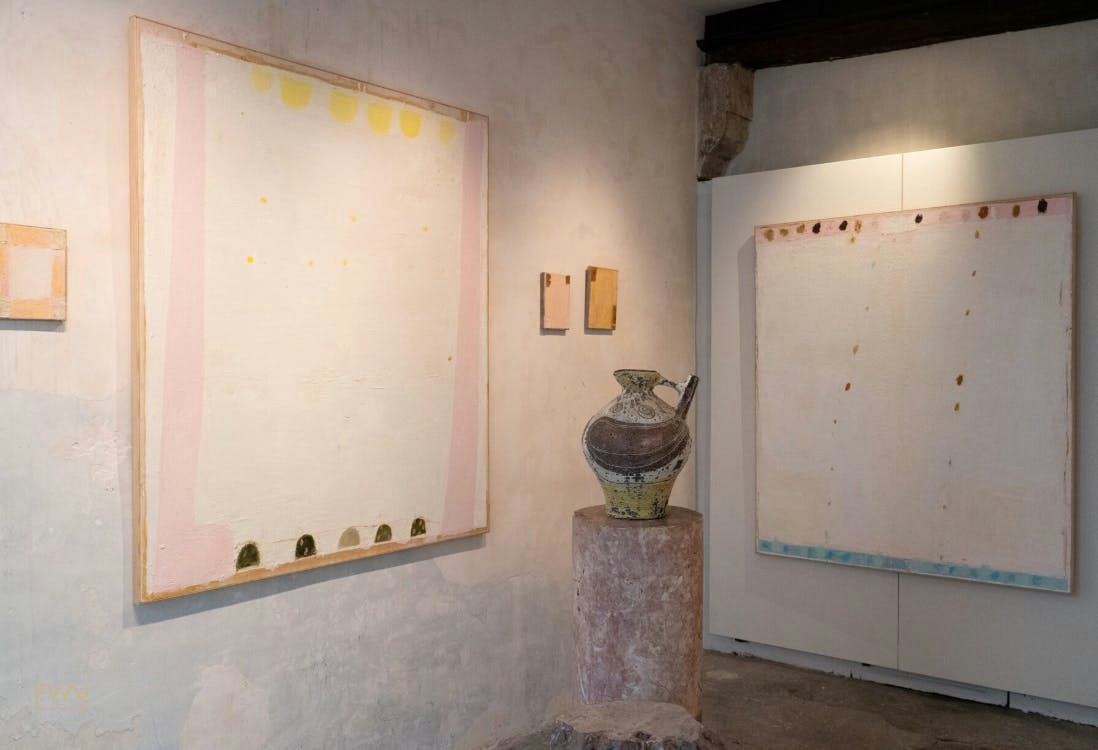
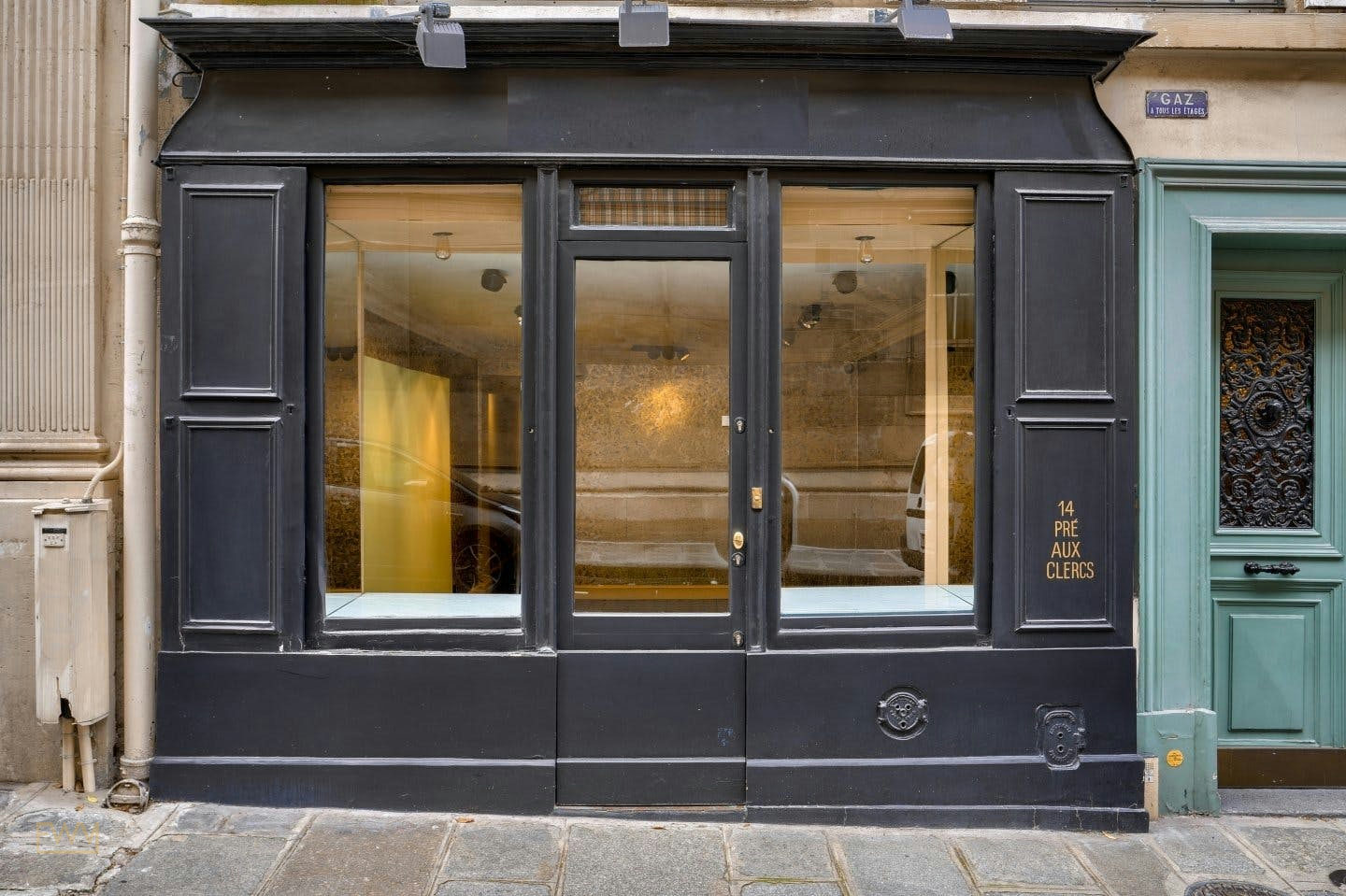
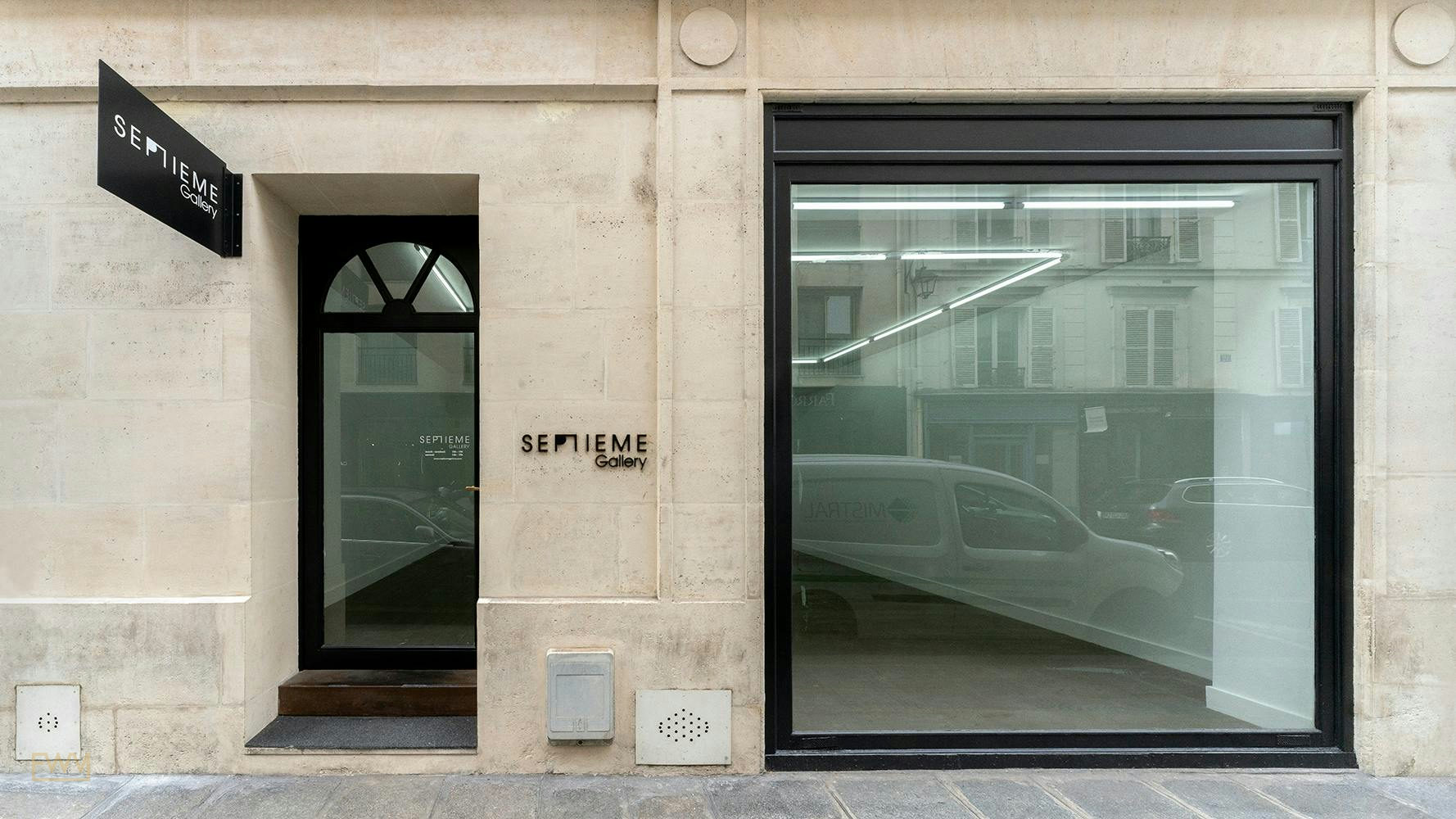
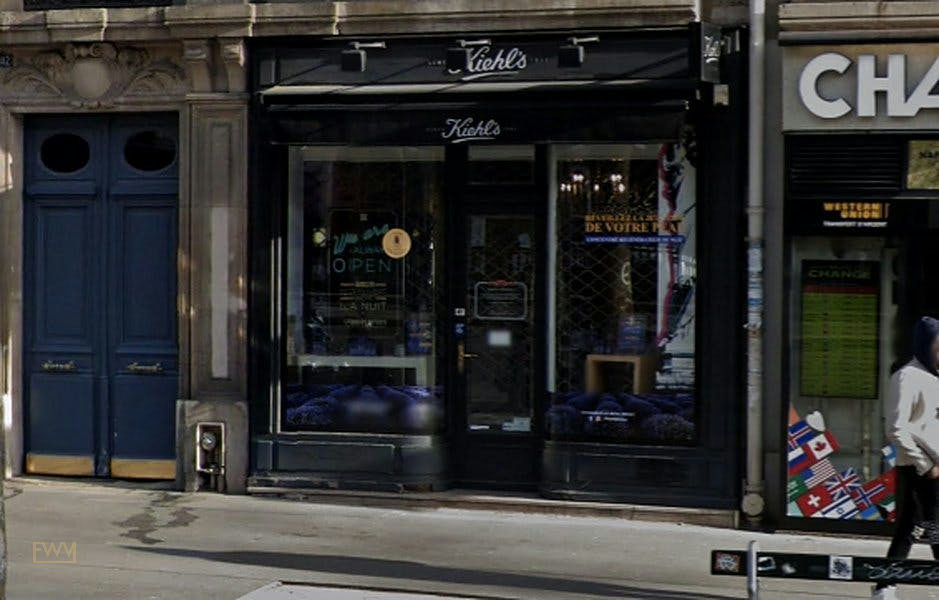
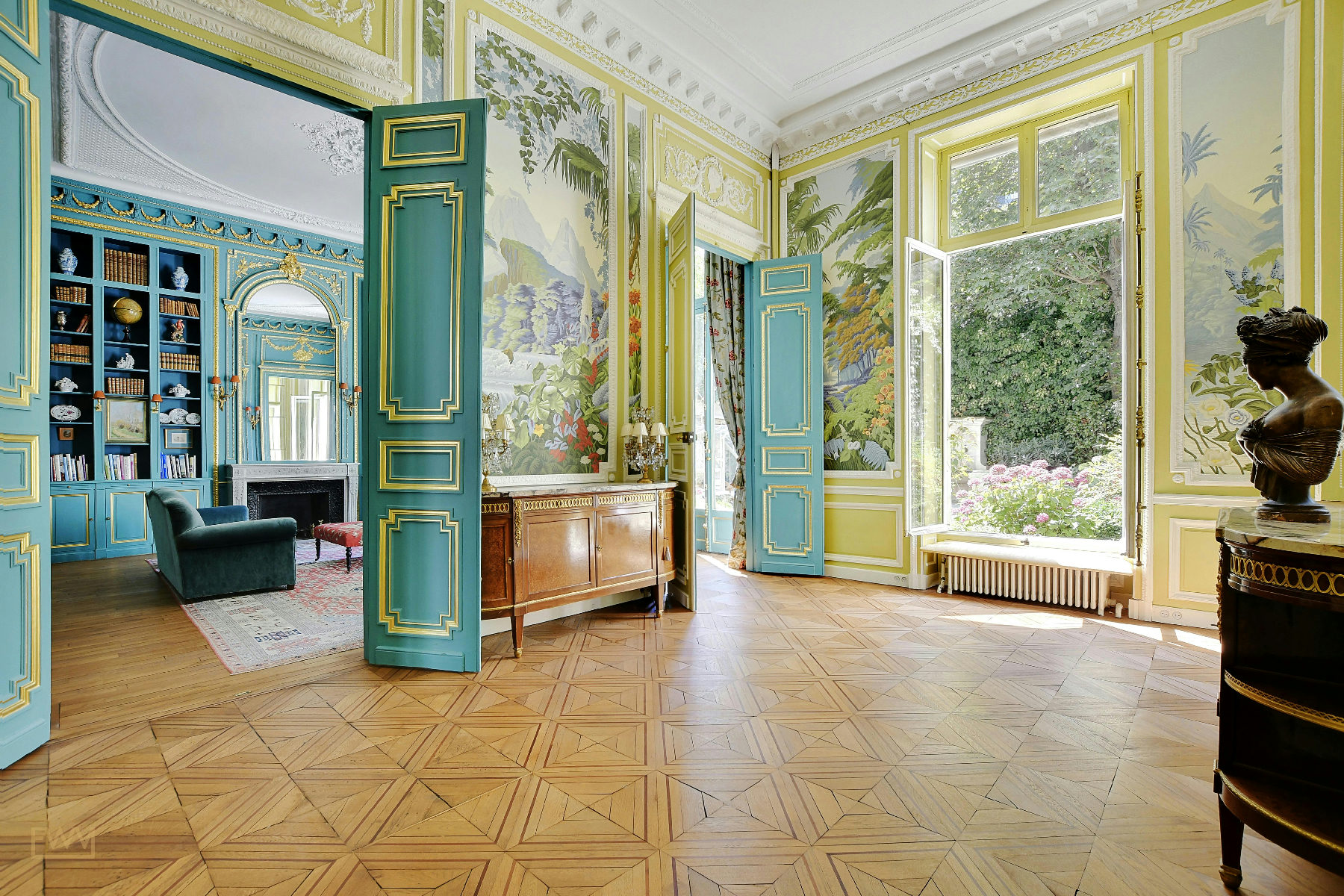
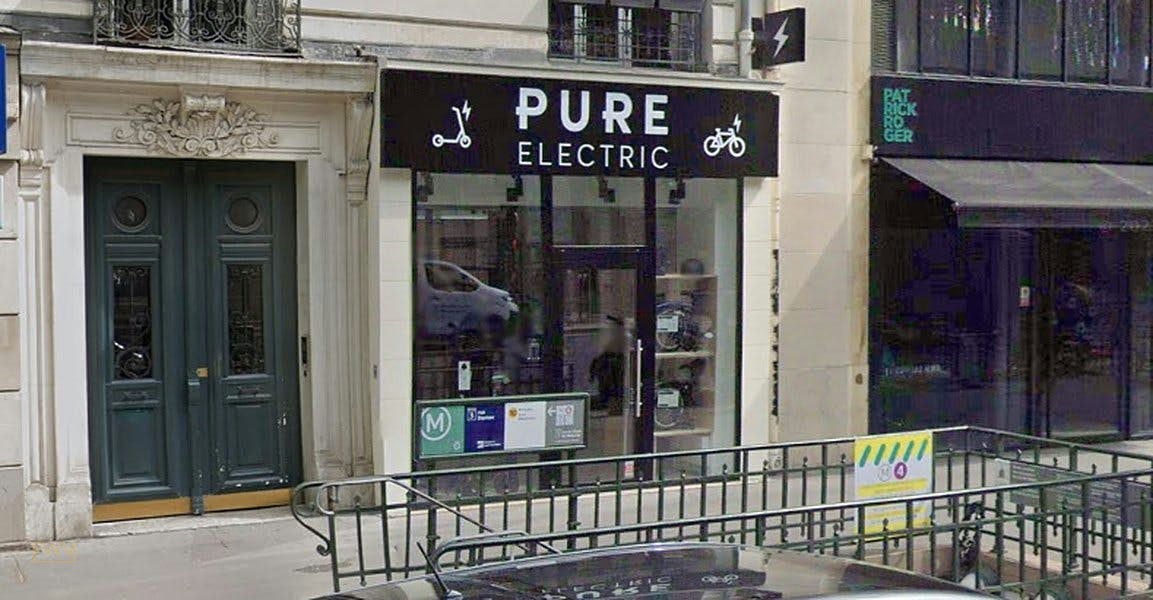
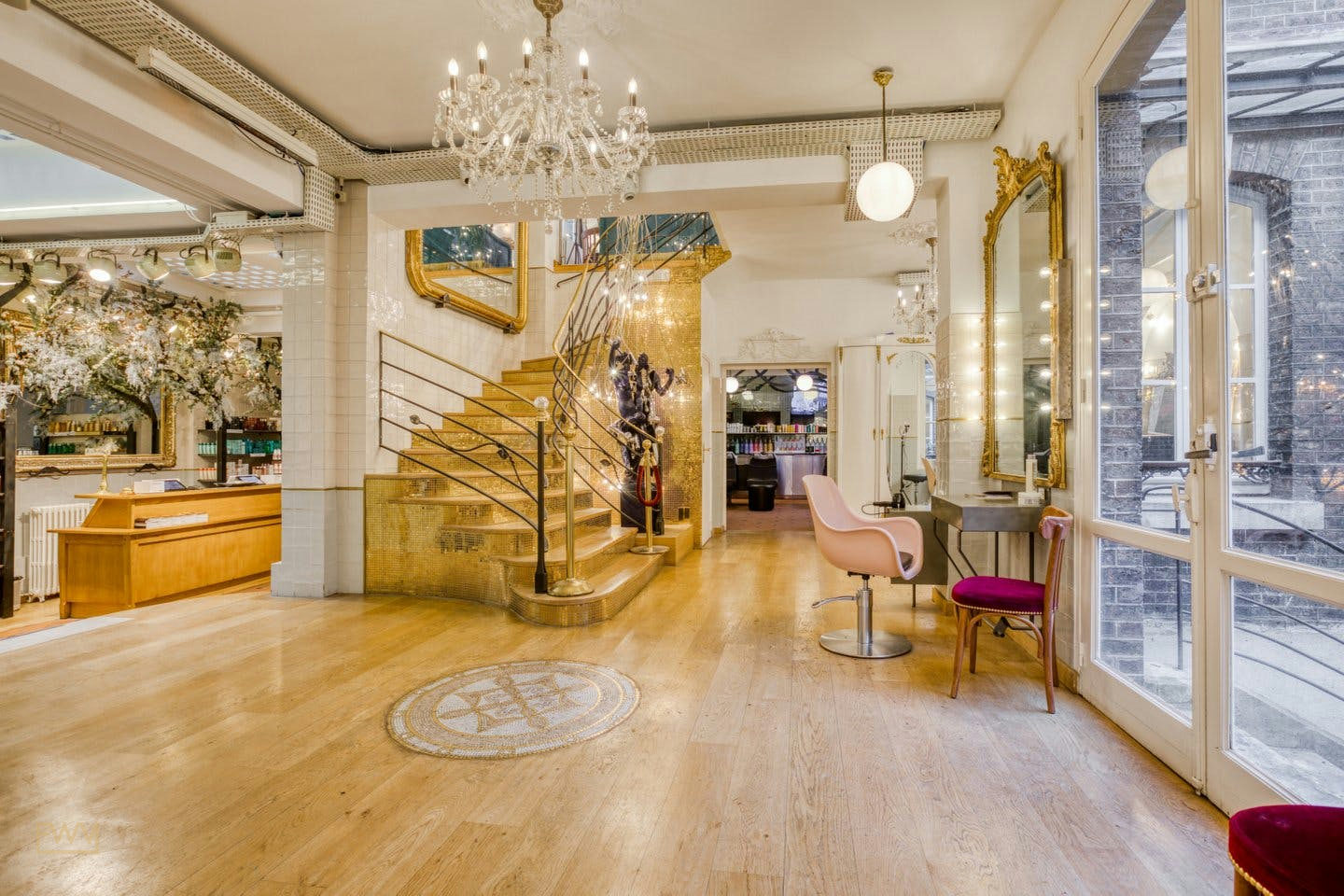
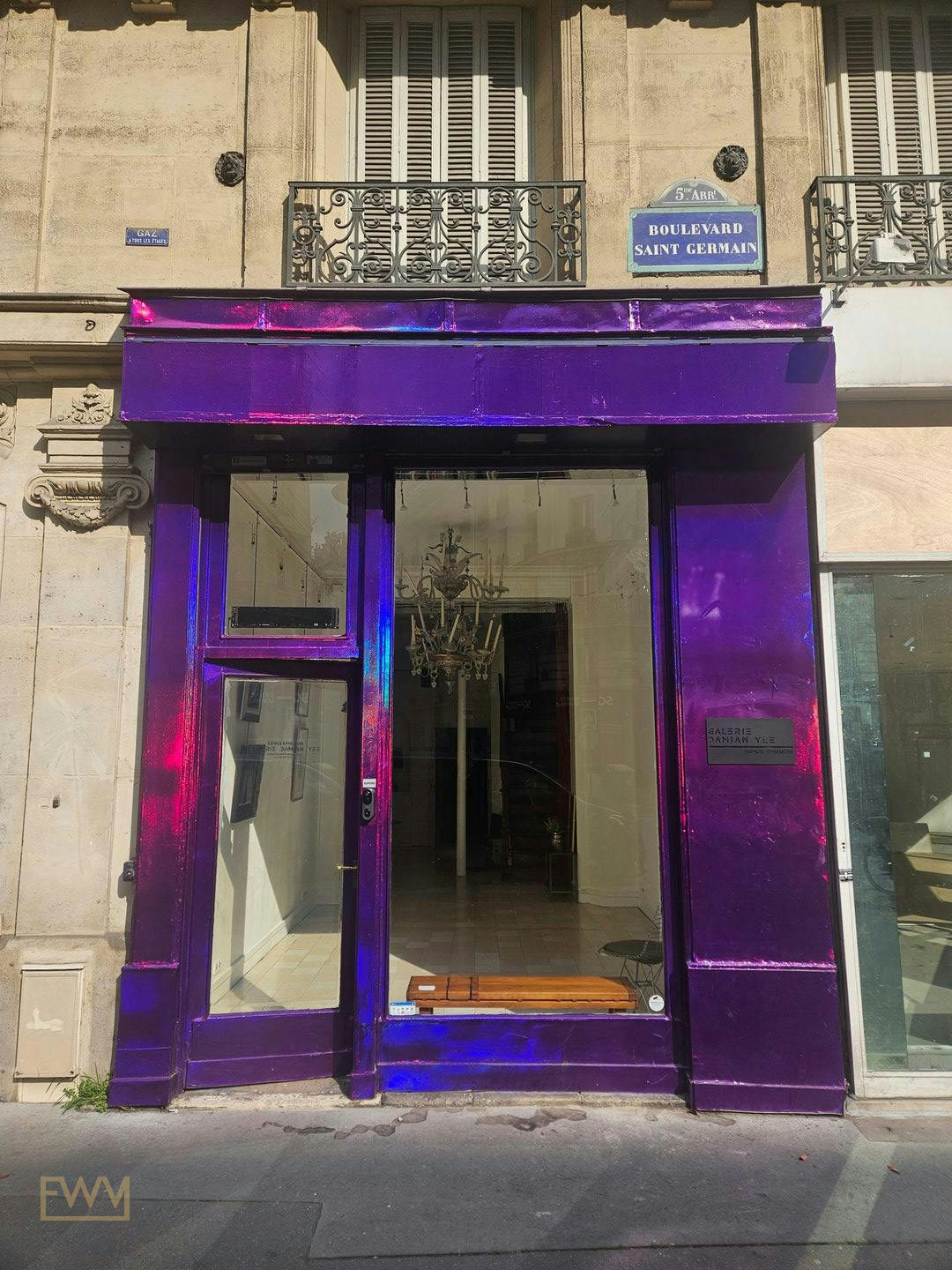
To rent a pop-up shop in Opéra, Paris is to place your brand at one of the most commercially powerful intersections in the French capital, a district where Galeries Lafayette, Place Vendôme, rue Saint-Honoré, and the Opéra Garnier converge to create extraordinary foot traffic, international visibility, and cultural prestige. The Opéra arrondissement and its surrounding neighbourhoods in the Paris 1st and 2nd attract a uniquely mixed audience of Parisian shoppers, international tourists, fashion professionals, and press, making it a natural choice for pop-up stores, showrooms, product launches, and brand activations. Fashion Week Venues supports brands planning pop-up activations across Paris, including in the Opéra quarter and its neighbouring districts.
Why the Opéra Quarter Is One of Paris's Most Powerful Pop-Up Retail Zones
Quick answer: The Opéra district in Paris combines luxury retail heritage, elite foot traffic, and proximity to key transport links including the Opéra and Pyramides metro stations. For brands seeking short-term retail visibility, the density of high-spend consumers and media attention in this zone is difficult to replicate elsewhere in France.
The area surrounding the Opéra Garnier encompasses several of the most commercially significant streets and squares in Paris. Rue Saint-Honoré runs west toward the Tuileries Garden, lined with flagship boutiques, jewellery houses, and luxury hospitality. Place Vendôme, just minutes away, is synonymous with French fine jewellery and high watchmaking. To the north, boulevard Haussmann leads directly to Galeries Lafayette and Printemps, drawing millions of tourists and domestic shoppers each year. To the east, the Châtelet and République areas provide access to younger creative demographics. In between, you find streets such as rue Saint-Roch, rue de la Paix, and the blocks surrounding the Pyramides and Opéra stations that offer a range of venue typologies from gallery-style ground-floor spaces to apartment lofts with natural light and open plan configurations.
For fashion brands, beauty labels, and lifestyle concepts, this concentration is genuinely rare. The Opéra district attracts not just high-footfall shopping traffic but also press offices, stylist studios, and the editorial infrastructure that supports earned media coverage. During Paris Fashion Week, the density of international buyers, journalists, and creative directors in this area spikes dramatically, making it one of the most sought-after windows for a fashion showroom or a pop-up store rental in Paris.
The arrondissement also benefits from some of the best transport connectivity in central Paris. The Opéra and Pyramides stations serve multiple metro lines, with RER access providing reach into the broader Île-de-France region and direct links from CDG Airport. This accessibility matters practically: it means your team, suppliers, temporary staff, and customers can all reach the venue without difficulty, regardless of where in Paris they are based.
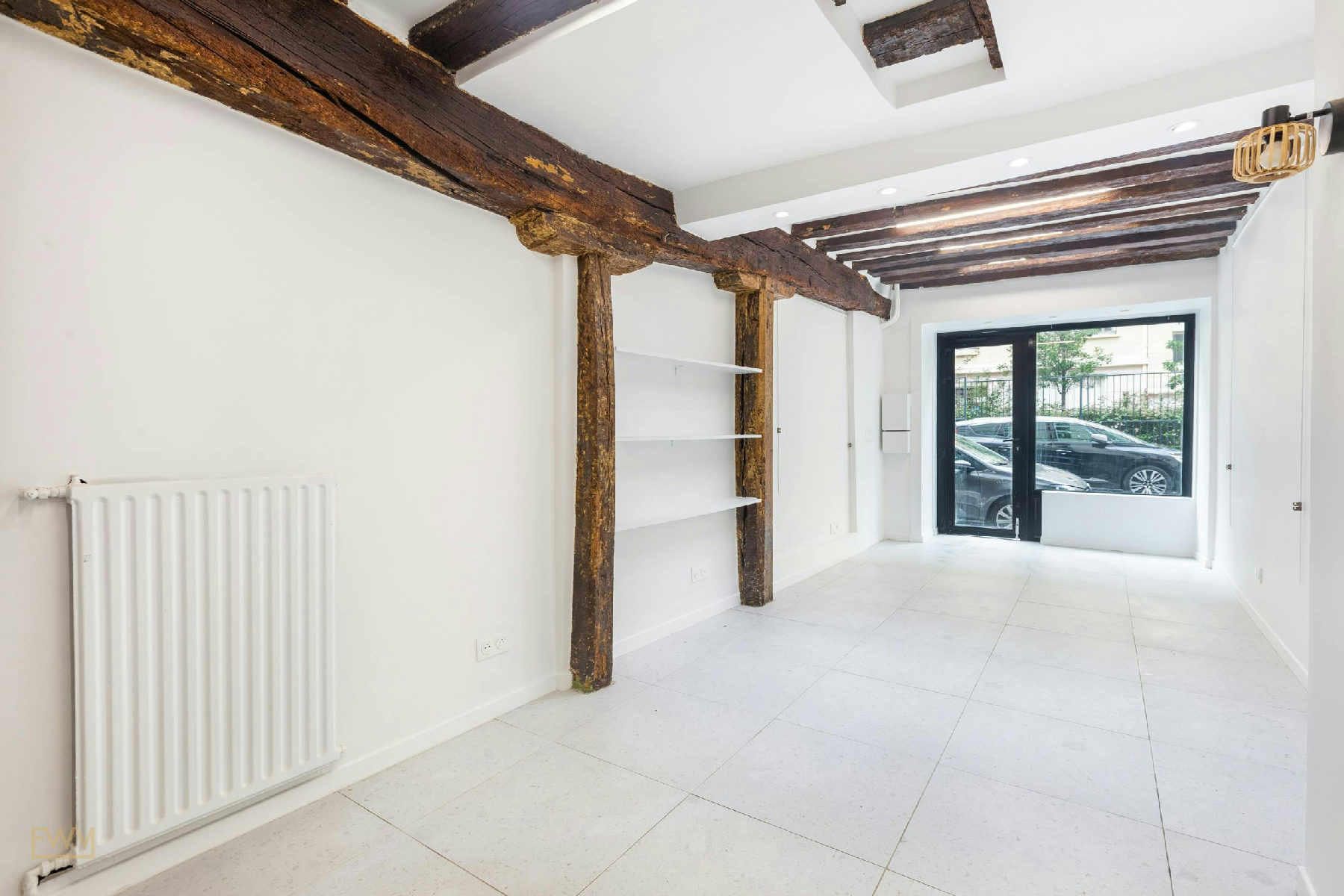
From a scenography perspective, venues in the Opéra quarter frequently feature architectural character that supports brand storytelling. High ceilings, wooden floors, bright spaces with spotlights, ground-floor facades with large door entrances, and in some cases private courtyards or rooftop terrasses are all available within this zone. These space features allow brands to build immersive retail environments without starting from a blank box.
DID YOU KNOW: The Galeries Lafayette Haussmann flagship on boulevard Haussmann attracts over 30 million visitors per year, making the surrounding blocks in the Opéra district among the highest-footfall retail zones in all of Europe.
KEY TAKEAWAY: The Opéra district offers a combination of luxury positioning, elite foot traffic, fashion industry proximity, and strong transport links that makes it one of the highest-performing locations in Paris for pop-up retail, brand activations, fashion showrooms, and product launches. Understanding the specific streets and sub-zones within the district helps brands identify the right space type for their target audience and activation goals.
The choice of exact location within and around Opéra matters as much as the district itself, which is why understanding each neighbourhood's character is the essential next step.
Locations and Neighbourhoods: Mapping the Opéra Quarter and Its Surrounding Arrondissements
Quick answer: The Opéra district is anchored in the Paris 9th arrondissement but borders the Paris 1st, 2nd, and 8th. Each sub-zone has distinct retail demographics, space typologies, and brand associations. Choosing the right micro-location significantly affects who discovers your activation and how your brand is perceived.
Brands planning to rent a pop-up shop near Opéra in Paris should understand that "Opéra" refers to a broader retail ecosystem rather than a single street. Here is how the key zones break down.
Rue Saint-Honoré and the Paris 1st Arrondissement
Rue Saint-Honoré and its luxury extension, rue du Faubourg Saint-Honoré, represent the apex of Parisian fashion retail. The Paris 1st arrondissement is home to flagship concept stores, haute couture houses, and a significant density of international brand offices and press agencies. Pop-up spaces here command premium pricing and are typically suited to established luxury, beauty, or lifestyle brands with clear positioning in the high-end market. The proximity to the Tuileries Garden and the Tuileries metro station also makes events in this area naturally scenic for both press and consumer activations.
Place Vendôme and the Luxury Jewellery Quarter
Place Vendôme is one of the most architecturally distinctive squares in Paris and carries immediate associations with French luxury craftsmanship. Brands launching jewellery, watches, leather goods, or premium accessories often seek pop-up venues within sight of Vendôme. Spaces here tend to be boutique hotels, private salons, or gallery-style ground floors. The audience skews toward high-net-worth individuals and international press, making this an excellent zone for private sales, press previews, and VIP cocktail events rather than open-door consumer retail.
Boulevard Haussmann and the Galeries Lafayette Zone
The boulevard Haussmann corridor, including the immediate vicinity of Galeries Lafayette and Printemps, attracts an extraordinarily broad range of consumers, from Parisian locals to Chinese, American, and Gulf tourists. This zone suits accessible luxury, contemporary fashion, beauty, and lifestyle brands that benefit from volume-driven foot traffic. Pop-up spaces in this area often include storefront units with large facades, open plan interiors, and strong merchandising potential. Availability calendars in this zone tend to fill quickly around Paris Fashion Week and the summer tourist season.
Pyramides and Opéra Stations Zone
The blocks between the Pyramides and Opéra metro stations offer a compelling mid-tier zone that blends accessibility with relative affordability compared to rue Saint-Honoré. Streets here such as rue de la Paix, avenue de l'Opéra, and rue Saint-Roch offer a range of space types including ground-floor boutiques, gallery spaces with natural light, and lofts on upper floors. This zone works well for contemporary fashion brands, emerging designers, beauty launches, and fashion showrooms during Fashion Week.
République, Arts et Métiers, and Le Marais
Moving east, the République and Arts et Métiers areas border Le Marais, one of the most vibrant retail and cultural neighbourhoods in Paris. Le Marais is particularly strong for contemporary and emerging fashion, art-oriented brands, and concept stores. The Marais attracts a younger, more design-conscious demographic compared to the Opéra core, making it ideal for brands with a strong visual identity and social-first activation strategy. The arrondissement has a high density of galeries, boutiques, and apartment-style lofts that lend themselves to creative scenography.
Saint-Germain-des-Prés and Montmartre
Saint-Germain-des-Prés offers intellectually positioned luxury and lifestyle retail, attracting media professionals, academics, and culturally engaged shoppers. Montmartre, by contrast, offers a more residential and bohemian character, well-suited to artisan brands, independent designers, and experiential concepts targeting domestic Parisian consumers rather than international luxury tourists.
To compare specific neighbourhoods and shortlist spaces, explore the Paris city hub on Fashion Week Venues and identify spaces that match your district preference, space type, and activation calendar.
| Zone | Best Brand Fit | Primary Audience | Space Types Available |
|---|---|---|---|
| Rue Saint-Honoré / Paris 1st | Luxury, haute couture, premium accessories | High-net-worth, international press | Boutiques, flagship units, gallery spaces |
| Place Vendôme | Jewellery, watches, leather goods | HNW individuals, VIP buyers | Private salons, boutique hotels, gallery floors |
| Boulevard Haussmann / Galeries Lafayette | Accessible luxury, beauty, contemporary fashion | Broad consumer, international tourists | Storefront units, open plan retail spaces |
| Pyramides / Opéra Stations | Contemporary fashion, showrooms, beauty launches | Fashion professionals, urban consumers | Ground floor boutiques, lofts, galleries |
| Le Marais / Arts et Métiers | Emerging designers, concept stores, art brands | Design-conscious, younger demographic | Apartments, lofts, courtyard spaces |
| Saint-Germain-des-Prés | Lifestyle, intellectually positioned luxury | Media professionals, cultural consumers | Boutiques, galleries, salons |
| Montmartre | Artisan brands, independent designers | Domestic Parisians, creative community | Studios, ateliers, small storefronts |
KEY TAKEAWAY: Each zone within and around the Opéra district has distinct brand associations, audience profiles, and space typologies. Aligning your micro-location choice with your target consumer profile and activation goals is one of the most important decisions in the pop-up planning process.
Once you have identified your preferred zone, the next step is understanding which type of space will best serve your activation format and objectives.
Pop-Up Space Types in Paris: From Storefronts to Showrooms and Lofts
Quick answer: Paris offers a diverse range of short-term retail space types beyond the standard high-street storefront. Fashion brands, beauty labels, and lifestyle concepts can choose from gallery spaces, apartment lofts, boutique hotel venues, private courtyard spaces, and full fashion showrooms depending on their activation format and audience.
Understanding the available space types in Paris helps brands match their concept to the right venue before beginning the search process. Each format carries different implications for scenography, logistics, audience access, and regulatory requirements.
Ground-Floor Storefronts with Facade Access
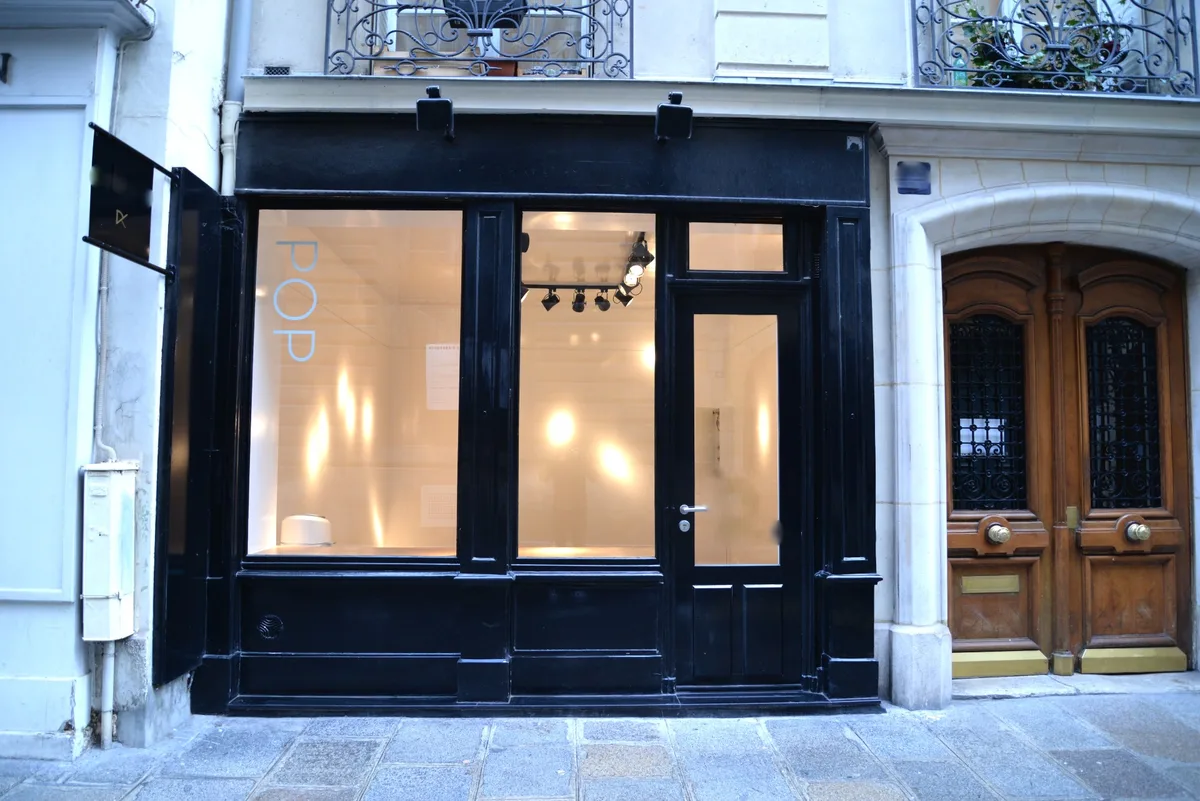
The classic pop-up shop format: a street-level unit with a prominent facade, large door entrance, and direct pedestrian access. These spaces work well for open-door retail activations, beauty launches, and consumer-facing events where foot traffic conversion is a primary goal. In the Opéra district, storefronts on key shopping streets benefit from significant Parisian and tourist footfall. Space features typically include wooden floors, spotlights, open plan layouts, and fitting rooms for fashion retailers. Many include storage areas at the back or on a mezzanine level.
Gallery Spaces and Galeries
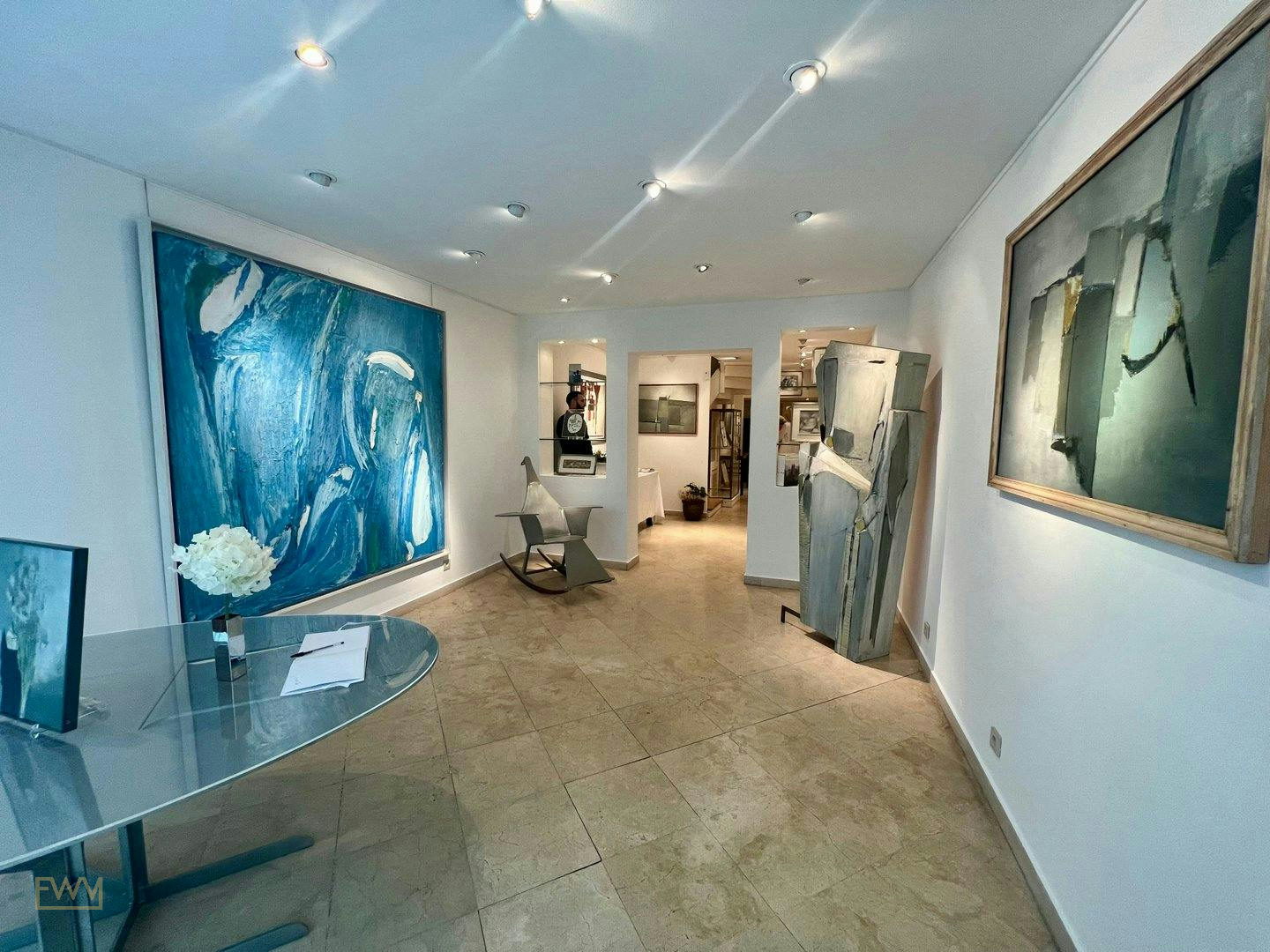
Gallery-format spaces combine retail functionality with an art-world aesthetic that resonates strongly with fashion, jewellery, and beauty brands. High ceilings, white or stone walls, polished concrete or wooden floors, and gallery-quality lighting make these venues highly adaptable for branded scenography. In Paris, galeries frequently feature architectural details including ornate facades, private courtyards, and natural light from large windows or skylights. These spaces work well for press previews, VIP events, product launches, and private sales.
Apartment Lofts
Apartment-style lofts on upper floors offer an intimate, editorial quality that suits contemporary fashion, lifestyle, and beauty brands seeking a residential feel for their activation. These spaces often have natural light from multiple exposures, wooden floors, high ceilings, and an open plan configuration that allows flexible scenography. Lofts are particularly effective for fashion showrooms during Paris Fashion Week, press appointments, and brand immersion events where the environment itself communicates brand identity.
Fashion Showrooms
Dedicated fashion showrooms are fitted specifically for collection presentations, buyer appointments, and press reviews. They typically include professional lighting, hanging rails, display plinths, fitting rooms, and in some cases technical equipment such as video screens for lookbook presentations. A fashion showroom in the Opéra or Marais area during Fashion Week positions a brand at the centre of the industry calendar and buyer circuit.
Virtual Showrooms
An increasingly relevant complement to physical activations, virtual showrooms allow brands to extend their Paris Fashion Week reach beyond the physical space. Fashion Week Venues' Imagine visualisation tool helps brands conceptualise and communicate their space concept before committing to a physical venue, supporting both physical and digital activation planning.
Boutique Hotels and Private Salons
Several boutique hotels and private clubs in central Paris offer their spaces for short-term brand activations, particularly in the Vendôme and Saint-Honoré zones. These venues provide an immediate association with French luxury hospitality and attract an audience of high-value guests and media contacts. They work well for cocktail parties, private sales, press dinners, and VIP brand events.
Toits-Terrasses and Courtyard Spaces
Paris is uniquely well-supplied with rooftop terrasses and private courtyard spaces that can be activated for brand events, photo shoots, film productions, and cocktail parties. These outdoor formats require specific permits and seasonal planning but offer genuinely spectacular visual environments for brands seeking earned media coverage and social content production.
TIP: If you are planning a photo shooting, filming, or seminar alongside your retail activation, identify spaces with separate functional zones, adequate technical equipment such as fiber internet, BOSE sono installations, and video equipment, and sufficient storage to manage product and furniture logistics efficiently.
KEY TAKEAWAY: The range of space types available in Paris is broad, and each format serves different activation goals. Matching the space type to the activation format and target audience from the outset prevents costly misalignment between the venue and the brand experience you intend to deliver.
With space type selection comes the practical matter of understanding rental terms, booking processes, and the administrative requirements specific to short-term retail in Paris.
Rental, Booking, and Administrative Processes for Pop-Up Shops in Paris
Quick answer: Renting a pop-up shop in Paris involves navigating short-term lease structures including the bail dérogatoire, and in some cases authorisations d'occupation temporaire (AOT) for non-traditional commercial spaces. The booking process varies depending on whether you work directly with a property owner, through a platform like a space marketplace, or via a full-service agency.
Understanding the administrative landscape for pop-up retail in Paris is essential before committing to any space. France has a specific legal framework for short-term commercial leases that differs significantly from standard commercial tenancy law in most other countries.
The Bail Dérogatoire: Short-Term Lease Structures in France
The bail dérogatoire, sometimes called a short-term commercial lease, allows landlords and tenants to agree on a commercial rental for a fixed period of up to three years without triggering the protections of the standard French commercial lease (bail commercial 3-6-9). For pop-up shops, showrooms, and short-term retail activations, this is the most commonly used legal framework. It must be agreed explicitly in writing between both parties, and both parties must acknowledge at the outset that it is a bail dérogatoire rather than a standard commercial lease.
Key practical implications include: the tenant does not have a renewal right at the end of the term; the duration is capped; and the lease must not be tacitly renewed into a standard commercial lease. Brands planning a pop-up in Paris should verify the precise terms of their contrats with a qualified French legal advisor before signing.
IMPORTANT: Requirements for short-term leases in Paris vary by space type, duration, and arrondissement. Always verify your specific contractual and regulatory situation with a qualified French legal advisor before signing any rental agreement or commencing an activation.
Authorisation d'Occupation Temporaire (AOT)
For spaces that occupy public domain, such as terrasses on public pavements, outdoor areas adjacent to streets, or spaces within publicly managed buildings, an Autorisation d'Occupation Temporaire (AOT) from the relevant municipal authority may be required. The process for obtaining an AOT depends on the specific space and its legal status, and approval timescales can vary significantly. Use the permit guidance tool to understand which requirements may apply to your planned activation.
Minimum Duration and Availability Calendars
Most pop-up space listings in Paris specify a minimum duration for rental, which typically ranges from a single day (for gallery and event spaces) to one week (for storefronts and showrooms) to one month or more (for longer retail pilots). Availability calendars are central to the booking process: the Opéra district in particular becomes heavily booked during Paris Fashion Week in January, February, September, and October, so early réservation is strongly advisable for these windows. Brands planning a weekend pop-up or a five-day launch event should account for the possibility of high demand during peak fashion calendar periods.
The Booking and Transactions Process
The booking process for pop-up spaces in Paris typically involves: identifying the space type and zone; submitting a brief or inquiry; reviewing space details including floor plans, access, and space features; agreeing on lease start date and minimum duration; reviewing and signing the contrats; arranging insurance and deposit payment; and confirming operational details including storage access, technical equipment, and furniture arrangements. Platforms such as the Fashion Week Venues marketplace streamline this process by aggregating verified space listings and providing standardised information on space features, capacity, and availability.
Permits for Specific Activation Formats
Beyond the core lease structure, certain activation formats require additional permits. Photo shooting and filming on public streets in Paris requires authorisation from the Mairie de Paris. Signage and facade installations may require a permit from the Direction de l'Urbanisme. Commercial activity in covered passages or historic buildings may require heritage authority clearance. Food and beverage service at a cocktail party or product launch may require a temporary food service licence. Each of these requirements varies by location and activation format, and requirements should be verified well in advance of your activation date.
KEY TAKEAWAY: The administrative process for renting a pop-up space in Paris is more layered than in many other markets. Understanding the bail dérogatoire framework, relevant permits for your specific activation format, and the booking timeline for peak calendar periods significantly reduces the risk of delays or compliance issues.
With the administrative framework understood, brands can approach budget planning with greater precision, matching space type, location, duration, and service requirements to a realistic financial model.
Budget Planning for a Pop-Up Shop in Opéra, Paris
Quick answer: The cost of renting a pop-up shop in Opéra, Paris varies considerably based on space type, location, duration, season, and included services. Directional estimates suggest significant variation between a small gallery space rented for a weekend and a full-floor storefront on a premium street rented for a month. Brands should build budgets that include not only space rental but also production, fit-out, staffing, permits, insurance, and marketing.
Paris is one of the highest-cost retail markets in Europe, and the Opéra district specifically commands premium rental pricing due to its foot traffic, prestige positioning, and proximity to luxury retail infrastructure. However, the total cost of a pop-up activation in Paris is made up of several distinct components, and understanding each component separately allows brands to make informed decisions about where to allocate their budget.
Space Rental Costs
Space rental in the Opéra district and surrounding areas is priced on a per-day, per-week, or per-month basis depending on the listing. Premium storefronts on rue Saint-Honoré or in the immediate Vendôme zone command the highest daily rates, while upper-floor lofts, gallery spaces in the Pyramides zone, or spaces in adjacent arrondissements such as the Marais may offer more accessible pricing. Rates vary considerably between listings, and any directional pricing presented by third-party platforms should be treated as indicative only. Use the Fashion Week Venues budget calculator to generate brand-specific estimates based on your space type, zone, and duration requirements.
Production and Fit-Out
Beyond space rental, production and fit-out costs include scenography, furniture rental, lighting installation, signage, fitting room construction, and any technical equipment installation such as fiber connectivity, BOSE sono installation, video equipment, or POS systems. The scope of fit-out depends heavily on the space's existing character and the brand experience you intend to create. A minimalist gallery-format activation in a space with wooden floors and spotlights requires less intervention than a fully branded consumer retail environment built from an empty shell.
Staffing Costs
Temporary staff for a Paris pop-up typically includes sales associates, brand ambassadors, a store manager, and potentially a dedicated customer service coordinator. French labour law applies to all staff working in France, and international brands should verify applicable employment regulations before recruiting. Staffing through a specialist agency that understands French retail labour requirements is advisable for brands without an existing French entity.
Marketing and Activation Costs
Influencer marketing, earned media outreach, event production for a cocktail party or product launch, and social content creation are all budget line items that brands frequently underestimate in their initial pop-up planning. Paris specifically offers significant opportunities for earned media coverage and social content due to the city's visual character and media infrastructure, but activating these opportunities requires planned investment rather than hope.
Insurance and Compliance Costs
Commercial insurance for a temporary retail space in France is a mandatory requirement and should be factored into the budget from the outset. Insurance costs vary based on space size, duration, stock value, and activation format. Permit fees, if applicable to your activation type, are an additional administrative cost.
DID YOU KNOW: Brands that include data and analytics investment in their Paris pop-up budgets are able to capture consumer data and retail compatibility insights that inform future permanent retail and wholesale decisions in the French market, significantly improving the ROI of the initial activation.
KEY TAKEAWAY: The total budget for a pop-up shop activation in Opéra, Paris is a composite of space rental, production, staffing, marketing, insurance, and compliance costs. Planning each component separately and using a structured budget tool prevents the underestimation that frequently causes brand teams to scale back activations at the last moment.
Understanding your budget accurately positions you to make a confident decision about the space type, duration, and service model that will deliver the best return on your investment in Paris.
Space Features to Prioritise When Renting a Pop-Up in Opéra, Paris
Quick answer: The most commercially effective pop-up spaces in the Opéra district combine strong architectural character with practical retail infrastructure. Features such as natural light, wooden floors, open plan layouts, large door entrances, ground-floor access, fitting rooms, and storage are critical for fashion and beauty activations. Technical features such as fiber internet, integrated spotlights, and video equipment support multi-format activations.
When briefing a pop-up space search, specifying your non-negotiable space features upfront saves significant time and prevents you from viewing venues that cannot physically support your activation. Here is a breakdown of the most important features to consider.
Natural Light and Lighting Infrastructure
Natural light is highly desirable for fashion and beauty pop-ups because it provides the most accurate colour rendering for product display and creates an inviting retail environment. Spaces with large windows, skylights, or a terrasse create natural opportunities for social content and press photography. Alongside natural light, integrated spotlights or track lighting systems are important for evening events, product focus, and controlled brand atmosphere. Spaces without adequate lighting infrastructure require additional investment in temporary lighting hire.
Floor Type and Access
Wooden floors are the most common and commercially versatile floor type for fashion pop-ups in Paris. They provide a neutral but warm visual environment, they are easy to style with furniture and fixtures, and they photograph well for earned media. Ground floor access with a large door entrance is essential for deliveries, furniture installation, and consumer accessibility. Check whether the space has a private courtyard or ground floor backyard for receiving deliveries without disrupting the public facade.
Fitting Rooms and Storage
Fashion retailers presenting wearable collections require fitting rooms as a basic operational requirement. Confirm whether the space includes existing fitting room infrastructure or whether temporary fitting rooms need to be constructed. Storage space, either within the unit or in an adjacent area, is critical for stock management throughout the activation period. Inadequate storage is one of the most common operational complaints from brands running pop-ups in Paris.
Technical Equipment and Connectivity
Modern pop-up activations increasingly require reliable technical infrastructure. Fiber internet connectivity is essential for POS systems, digital signage, video equipment, and social media publishing. Spaces with BOSE sono installations or integrated audio systems support product launches, cocktail events, and immersive brand experiences. Verify the availability and condition of all technical equipment before signing any lease agreement.
Scenography and Facade
The exterior facade of a pop-up space in Paris is a significant communication asset. A distinctive facade on a high-traffic street generates organic awareness, social media coverage, and Parisian visitor curiosity that no paid media campaign can fully replicate. Consider the facade's visibility, its customisation potential (including signage permissions), and its alignment with your brand's visual identity when evaluating spaces.
KEY TAKEAWAY: The combination of architectural character and practical retail infrastructure determines whether a pop-up space in Opéra, Paris can efficiently deliver your brand experience at the standard required. Checking every space feature against your activation brief before committing avoids costly retrofits or operational compromises during the activation itself.
The features of the space directly shape what kinds of events, activations, and retail formats you can run, which leads naturally to the question of which activation formats work best for brands in this district.
Events, Activations, and Use Cases for Pop-Up Spaces in Opéra, Paris
Quick answer: Pop-up spaces in the Opéra district support a wide range of activation formats beyond standard open-door retail. Product launches, private sales, fashion showrooms, press previews, cocktail parties, photo shoots, film productions, seminars, and brand immersion events all benefit from the district's prestige, transport access, and media infrastructure.
Understanding which activation format best serves your commercial objectives helps you brief the right space, allocate your budget effectively, and structure your Paris presence for maximum return. Here is a breakdown of the most common and commercially effective activation formats used by fashion, beauty, and lifestyle brands in the Opéra district.
Product Launches and Press Previews
The Opéra district's concentration of fashion press offices, style editors, and creative agencies makes it one of the most efficient zones in Paris for press preview activations. A well-positioned space near the Opéra Garnier or on rue Saint-Roch provides a credible backdrop for collection previews, beauty launches, and lifestyle brand introductions. Press events here benefit from walkability between venues, which is particularly valuable during Paris Fashion Week when editors are moving between multiple appointments per day.
Private Sales and VIP Events
Private sales and VIP brand events in boutique-style spaces near Place Vendôme or on rue Saint-Honoré create an exclusive atmosphere that aligns with the positioning of luxury and premium fashion labels. Invitation-only access, a curated cocktail experience, and a tightly edited product presentation in an architecturally distinctive Parisian space generate significant earned media and brand loyalty among high-value customers.
Fashion Showrooms During Paris Fashion Week
Paris Fashion Week in January and September is the single most commercially important activation window for international fashion brands seeking buyer appointments and press coverage. A fashion showroom in the Opéra, Pyramides, or Marais zone during Fashion Week positions your collection at the centre of the global buying circuit. The showroom format requires professional lighting, dedicated hanging and display infrastructure, fitting rooms, and a calm, appointment-focused atmosphere distinct from open consumer retail.
Open-Door Retail Pop-Ups
Consumer-facing retail pop-up stores in the Opéra district generate direct revenue, acquire new customers, and build brand awareness among the district's mixed international and domestic audience. Brands that open pop-up stores near Galeries Lafayette or on high-traffic streets in the Paris 1st or 2nd benefit from significant organic discovery by Parisian visitors and international tourists who were not specifically looking for the brand. The magasin éphémère format is well-established in Paris retail culture and generates strong press and social media interest.
Photo Shooting and Film Production
Paris is one of the world's most photographed and filmed cities, and the Opéra district offers extraordinary visual backdrops including the Opéra Garnier facade, the Tuileries Garden, covered passages, and distinctive Haussmann-era building interiors. Renting a pop-up space in this zone for a photo shoot or film production provides a controlled interior environment alongside ready access to iconic exterior locations for outdoor shooting.
Seminars and Brand Education Events
B2B brand education events, retailer seminars, and media briefings benefit from the accessibility and prestige of the Opéra district. Spaces with adequate technical equipment, fiber connectivity, audio-visual infrastructure, and catering facilities can host events for small to medium-sized professional audiences in a setting that reinforces brand credibility.
Twin Co-Activations
Brands looking to amplify their Paris presence can explore the Fashion Week Venues twin co-activation concept, which pairs complementary brands in a shared space to split costs, cross-promote audiences, and create a more compelling editorial narrative. This model works particularly well for fashion and lifestyle brand pairings with overlapping target audiences but non-competing product categories.
KEY TAKEAWAY: The Opéra district supports multiple activation formats, and the most successful brands plan their pop-up activation around a clear primary objective, whether that is press coverage, buyer appointments, consumer sales, content production, or B2B engagement, and select their space type accordingly.
Executing any of these formats effectively in Paris requires a planned approach to the full activation workflow, from space selection through to post-activation reporting.
How Fashion Week Venues Helps Brands Rent Pop-Up Shops in Opéra, Paris
Quick answer: Fashion Week Venues is a full-service pop-up shop agency and space marketplace that supports brands at every stage of their Paris activation, from initial space discovery and concept direction through to production, staffing, permits, and data analytics. The agency is particularly well-positioned for international brands entering Paris without an existing local team or operational infrastructure.
For brand teams navigating the Paris pop-up market for the first time, the combination of a space marketplace, a suite of planning tools, and access to full-service activation management is a significant practical advantage. Here is how the Fashion Week Venues offer maps to the specific challenges of renting and running a pop-up in the Opéra district.
Space Discovery and Shortlisting
The Fashion Week Venues marketplace aggregates verified space listings across Paris, including the Opéra district and its surrounding arrondissements. Brands can filter by space type, zone, capacity, minimum duration, and space features to build a focused shortlist aligned with their activation brief. The compare tool allows side-by-side evaluation of multiple spaces before arranging viewings.
Venue Sourcing and Concept Direction
For brands with specific requirements that are not easily met through standard marketplace listings, the venue sourcing service provides a proactive search and negotiation capability. The concept direction service supports brands in defining the creative brief for their pop-up, aligning space selection with brand identity, target audience, and activation objectives before any lease commitment is made.
Production and Fit-Out
The production and build service covers the physical transformation of the rented space, including scenography, branded store design, furniture installation, lighting setup, and technical equipment configuration. This service removes the significant operational burden of coordinating multiple contractors in Paris and ensures that the fit-out is delivered on time and within brief.
Staffing, POS, and Payments
The retail staffing service provides French-speaking temporary staff familiar with Paris retail norms and consumer expectations. The POS and payments service ensures that the activation can process transactions from the first day of opening, including support for multi-currency transactions relevant to international tourist sales in the Opéra district.
Data Analytics and ROI Measurement
Consumer data captured during a Paris pop-up, including foot traffic counts, dwell time, conversion rates, and purchase data, has lasting value for brands making decisions about permanent retail, wholesale partnerships, and future marketing investment in France. The data and analytics service structures this capture from the outset and delivers post-activation reporting that quantifies the return on the pop-up investment. Use the ROI calculator to build a pre-activation financial model.
Planning Tools
Fashion Week Venues provides a set of planning tools specifically designed for pop-up activation planning, including a budget calculator, an ROI calculator, a timeline planner, a permits tool, a space locator, and a space comparison tool. These tools help brand teams move from an initial brief to a fully scoped activation plan with realistic costs and timelines before committing to any space or vendor.
IMPORTANT: Fashion Week Venues facilitates and supports the activation process but does not guarantee space availability, permit approval, or specific commercial outcomes. All legal and regulatory requirements should be verified independently with qualified French advisors.
KEY TAKEAWAY: Fashion Week Venues provides the broadest available combination of space marketplace access, planning tools, and full-service activation support for brands renting pop-up shops in Opéra, Paris. The most significant benefit for international brands is the ability to access Paris expertise, vendor networks, and operational infrastructure without building these capabilities internally from scratch.
The Paris Fashion Week Calendar: Timing Your Opéra Pop-Up for Maximum Impact
Quick answer: Paris Fashion Week takes place in January for Haute Couture, late January to early February for menswear, late February to early March for womenswear ready-to-wear, and again in September and October for the autumn-winter season. These five windows represent the peak demand periods for pop-up spaces in the Opéra district, but several other seasonal and commercial windows also offer strong retail activation opportunities.
The Paris fashion calendar creates distinct peaks and troughs in the demand for short-term retail space. Understanding these windows allows brands to plan their activation for the highest-impact period while also managing the reality that premium spaces in the Opéra district are reserved many months in advance for Fashion Week periods.
Paris Fashion Week Windows
The five Fashion Week windows are the most commercially intense periods for fashion brands in Paris. During these weeks, the concentration of international buyers, press, stylists, and creative directors in the city creates unparalleled visibility for fashion showrooms, press preview spaces, and brand activations positioned in the Opéra and surrounding districts. Brands should note that minimum durations for Fashion Week bookings are typically longer than at other times of year, and deposit and booking requirements are more stringent.
Summer Tourist Season
Paris receives tens of millions of international tourists between June and August, with particularly high concentrations of American, Asian, and Gulf visitors in the Opéra and boulevard Haussmann zones. This period suits consumer-facing retail pop-up stores, beauty activations, and lifestyle brand launches targeting international tourists who are actively shopping in premium Parisian locations.
Christmas and End-of-Year Season
The November and December retail season in Paris is commercially strong for luxury, gift, and lifestyle brands. Foot traffic in the Opéra district increases significantly around the Galeries Lafayette Christmas windows, and the emotional context of gift-giving supports premium pricing and conversion rates for well-positioned pop-up activations.
Soldes and Sale Periods
France has legally regulated sale periods (soldes) in January and July that drive very high volumes of shopping activity, particularly in department store zones. Brands running pop-up stores during these periods may benefit from elevated foot traffic but should be aware that the competitive discount environment may not suit all brand positionings.
Use the timeline planning tool to map your activation window against the Paris retail calendar and identify the optimal booking dates for your target period and space type.
KEY TAKEAWAY: Paris offers strong pop-up activation windows throughout the year, but the Fashion Week periods in January-February and September-October represent the highest-impact opportunities for fashion brands. Planning your booking well in advance, typically six months or more for peak Fashion Week windows, is essential to securing premium space in the Opéra district.
Common Myths About Renting a Pop-Up Shop in Paris Debunked
MYTH: You need a French legal entity to rent a pop-up shop in Paris.
FACT: International brands without a registered French entity can rent pop-up space in Paris under certain contractual structures, particularly through bail dérogatoire agreements and with appropriate commercial insurance. However, the precise legal and tax implications vary depending on the duration of the activation, the nature of trading activity, and whether staff are employed in France. Independent legal and tax advice from a qualified French advisor is essential before proceeding, and some landlords may have their own requirements regarding tenant entity status.
MYTH: Paris Fashion Week is the only viable window for a successful pop-up activation in Paris.
FACT: While Paris Fashion Week represents the highest-intensity window for fashion-specific activations, Paris offers strong retail activation opportunities throughout the year, including the summer tourist season, the Christmas period, trade show windows, and the soldes. Many brands achieve their strongest direct-to-consumer results outside Fashion Week when premium spaces are more accessible and the retail environment is less saturated with competing brand activations.
MYTH: Commission brokers are the only way to find and book a pop-up space in Paris.
FACT: The Paris short-term retail market has become significantly more accessible through dedicated space marketplaces and full-service agencies that aggregate verified listings, provide transparent pricing information, and offer planning tools that allow brands to self-qualify spaces before contacting vendors. Commission-only brokers remain active but are no longer the sole access route, and their economic model is not always aligned with the brand's best interests.
MYTH: Short-term leases in Paris are legally straightforward and require no specialist help.
FACT: The bail dérogatoire framework in France has specific technical requirements that, if not properly documented, can inadvertently create a standard commercial lease with far longer notice periods and tenant protections than the parties intended. Permit requirements, insurance obligations, and tax registration requirements add further complexity. Brands activating in Paris for the first time consistently benefit from working with advisors or agencies with direct Paris market experience rather than attempting to navigate the administrative process independently.
MYTH: A pop-up shop in Paris is only relevant for fashion brands.
FACT: While fashion and beauty brands are the most frequent users of pop-up spaces in the Opéra district, the format is equally effective for technology brands, food and beverage concepts, automotive and lifestyle labels, art and design studios, and financial services seeking consumer proximity in a premium urban context. The Opéra district's diverse audience, including Parisian residents, international tourists, and business professionals, supports a wide range of brand categories.
Frequently Asked Questions About Renting a Pop-Up Shop in Opéra, Paris
What is a pop-up shop and how does it differ from a permanent retail space?
A pop-up shop, or magasin éphémère, is a temporary retail or brand activation space rented for a defined period ranging from a single day to several months. Unlike a permanent boutique with a standard French commercial lease (bail commercial 3-6-9), a pop-up shop operates under a short-term lease structure such as the bail dérogatoire. This means the brand does not carry long-term lease obligations, can test a new market or concept with limited financial commitment, and can align the activation precisely with a specific commercial calendar window such as Paris Fashion Week or the summer tourist season.
How much does it cost to rent a pop-up shop in Opéra, Paris?
Rental costs for pop-up spaces in the Opéra district vary significantly based on space type, floor area, street location, duration, and the season. Premium storefronts on rue Saint-Honoré or in the Vendôme zone command higher daily rates than upper-floor lofts or spaces in adjacent arrondissements. Any per-day figures you encounter on listing platforms should be treated as directional estimates only, as actual pricing is influenced by negotiation, demand, and lease terms. For a personalised cost estimate based on your specific space type, zone, and duration requirements, use the budget calculator available through Fashion Week Venues.
How long can I rent a pop-up shop in Opéra, Paris?
Minimum rental durations in the Opéra district typically range from one day for event and gallery spaces to one week for fashion showrooms and storefronts, with many premium spaces requiring a minimum booking of two to four weeks. Maximum durations under a bail dérogatoire can extend up to three years, though most pop-up activations in this district are planned for one day to three months. During Paris Fashion Week windows, minimum duration requirements tend to increase due to high demand. Confirm the minimum duration and lease start terms with each specific space listing before proceeding.
Do I need a permit to open a pop-up shop in Opéra, Paris?
Permit requirements for pop-up shops in Paris depend on the type of space, the nature of the activation, and the arrondissement. A standard ground-floor storefront rented under a bail dérogatoire may require relatively minimal additional permitting beyond the lease itself and standard commercial insurance. However, activations involving outdoor terrasses, public-facing signage or facade installations, food and beverage service, public events, photo shooting or filming on public streets, or spaces in historic or publicly managed buildings will require specific authorisations. Use the permit guidance tool provided by Fashion Week Venues and verify all requirements with a qualified French legal advisor before your activation begins.
What are the best streets and areas for a pop-up shop near Opéra in Paris?
The most sought-after streets for pop-up retail near Opéra include rue Saint-Honoré and rue du Faubourg Saint-Honoré for luxury positioning, the blocks surrounding Place Vendôme for jewellery and premium accessories, boulevard Haussmann near Galeries Lafayette for high-volume consumer retail, and the streets around the Pyramides and Opéra metro stations for accessible luxury and fashion showrooms. Le Marais offers a strong alternative for contemporary and emerging brands seeking a younger, design-conscious audience. The best location depends entirely on your brand positioning, target audience, and activation format.
Can I rent a pop-up shop in Opéra for just a weekend?
Yes, some spaces in and around the Opéra district are available for weekend rentals of two to three days, particularly gallery-format spaces, apartment lofts, and event venues. However, premium storefronts on high-traffic streets often require longer minimum booking periods, and weekend availability is limited during peak seasons including Fashion Week and the Christmas period. It is advisable to begin your search at least two to three months in advance for a weekend activation in a prime Opéra location, and six months or more for any booking that coincides with Paris Fashion Week.
Are pop-up stores common in Paris, and how are they perceived by Parisian consumers?
The pop-up store format is well-established in Paris retail culture and is viewed positively by both Parisian consumers and the fashion industry. Parisians and international tourists who visit frequently are familiar with the magasin éphémère concept and often engage with pop-up activations because of the novelty and exclusivity they communicate. Press and social media interest in Paris pop-up openings is consistently strong, meaning a well-positioned and well-executed pop-up in the Opéra district generates earned media coverage that significantly multiplies the return on the space rental investment.
What is a bail dérogatoire and why does it matter for my pop-up in Paris?
The bail dérogatoire is the short-term commercial lease framework under French law that allows commercial tenants and landlords to agree on a rental period of up to three years without triggering the full protections and obligations of a standard bail commercial 3-6-9. For pop-up shops, this means the tenant does not acquire renewal rights and the lease ends definitively at the agreed date. Both parties must explicitly acknowledge in writing that the lease is a bail dérogatoire. Failure to document this correctly can inadvertently create a standard commercial lease with significantly longer obligations. Always review your lease contrats with a qualified French legal advisor.
What space features should I prioritise for a fashion pop-up near Opéra?
For a fashion pop-up in the Opéra district, prioritise natural light for product display and press photography, wooden floors for visual warmth and merchandising flexibility, an open plan layout for scenography freedom, fitting rooms for wearable collections, adequate storage for stock management, and ground-floor access with a large door entrance for deliveries and customer accessibility. Technical features including fiber internet for POS and digital signage, integrated spotlights, and audio equipment are increasingly important for multi-format activations. A distinctive facade on a high-footfall street amplifies the activation's organic discovery and social media visibility.
How do I find and book a pop-up space in Opéra, Paris?
The process begins with defining your activation brief, including your preferred zone, space type, minimum size, required space features, duration, and target calendar window. You can then browse verified listings through a space marketplace such as the Fashion Week Venues marketplace, shortlist spaces using comparison tools, request availability and pricing for your target dates, review space details and lease terms, and confirm the booking by signing the contrats and arranging insurance and deposit payment. For brands without prior Paris market experience, working with a full-service agency that manages the space search, lease negotiation, and administrative process provides significant efficiency and risk reduction.
Is Paris Fashion Week the only time worth activating in Paris?
No. While Paris Fashion Week is the highest-profile window for fashion-specific activations, many brands achieve their strongest direct-to-consumer results and highest foot traffic conversion during the summer tourist season from June to August and the Christmas gift-giving season in November and December. Trade show windows, beauty industry calendars, and domestic Parisian retail seasons also offer relevant activation opportunities. The optimal timing depends on your primary commercial objective, whether that is press coverage, buyer appointments, consumer sales, or brand awareness among specific audience segments.
Can international brands without a French company activate a pop-up in Paris?
International brands without a registered French entity can activate a pop-up in Paris, but the legal and tax implications of doing so depend on the nature and duration of the commercial activity. Some landlords may have requirements regarding tenant entity status or financial guarantees. Tax registration obligations may arise if the activation involves direct retail sales in France above certain thresholds. It is essential to obtain advice from a qualified French legal and tax advisor before committing to any space rental or beginning any trading activity in Paris. Fashion Week Venues can connect brands with relevant advisors as part of the full-service support process.
What is the difference between a pop-up shop and a fashion showroom in Paris?
A pop-up shop is a consumer-facing temporary retail activation designed for direct sales, brand awareness, and customer acquisition. A fashion showroom is a trade-facing space designed for buyer appointments, press previews, and collection presentations to industry professionals. Both formats are widely used in Paris, often simultaneously during Fashion Week when a brand may run a showroom for trade appointments and a separate consumer activation. Space requirements differ: showrooms need professional rail systems, display plinths, fitting rooms, and a calm appointment atmosphere, while retail pop-ups need storefront visibility, strong merchandising infrastructure, and POS systems.
How far in advance should I book a pop-up space in Opéra, Paris?
For peak Paris Fashion Week windows, brands should begin their space search at least four to six months in advance. Premium storefronts on rue Saint-Honoré, in the Vendôme zone, and near Galeries Lafayette are heavily booked and often reserved through established agency relationships. For non-Fashion Week activations in the summer or Christmas periods, two to three months of advance planning is generally sufficient for most space types. For one-off weekend events or short activations outside peak demand periods, shorter lead times may be possible, but availability for the most desirable spaces is never guaranteed.
What services does Fashion Week Venues provide beyond space rental for a Paris pop-up?
Beyond space discovery and marketplace access, Fashion Week Venues provides a comprehensive range of activation services including concept direction, branded store design, production and fit-out, furniture rental, retail staffing, POS and payment systems, influencer marketing, data and analytics reporting, and full activation management. For brands planning their first Paris activation or those scaling an existing presence, this full-service model removes the complexity of coordinating multiple local vendors and ensures that the activation is delivered to the standard required in one of the world's most competitive retail markets. Review the full service offer and past activations through the Fashion Week Venues work section.
Conclusion: Taking the Next Step Toward Your Opéra, Paris Pop-Up Activation
The Opéra district in Paris represents one of the most commercially powerful and culturally resonant locations in the world for short-term retail activations, fashion showrooms, product launches, and brand events. Its combination of luxury retail heritage, extraordinary foot traffic, international media infrastructure, and architectural character creates conditions that few other urban retail zones can match. Whether you are a global fashion house planning a Fashion Week showroom, a beauty brand launching a new collection to the Parisian press, an emerging designer testing direct consumer sales in France, or a lifestyle label seeking earned media visibility among international tourists, the Opéra district and its surrounding arrondissements offer the right environment, audience, and brand context.
Executing a successful pop-up activation in Paris requires more than finding an available space. It requires aligning the right micro-location, space type, activation format, administrative structure, and operational infrastructure with your specific commercial objectives and calendar window. The administrative complexity of short-term leases in France, the permit requirements specific to certain activation formats, and the operational demands of running a retail environment in a high-expectation Parisian context all require careful planning and local expertise.
Fashion Week Venues provides the tools, marketplace access, and full-service support to help brand teams navigate every stage of this process, from initial brief definition through to post-activation reporting. The Paris city hub, planning tools, and agency services are designed specifically for brands that want to move quickly, confidently, and professionally in one of the world's most demanding retail markets.
To move from research to activation, start exploring available spaces on the Fashion Week Venues marketplace and build a focused brief for your target neighbourhood, space type, and calendar window.