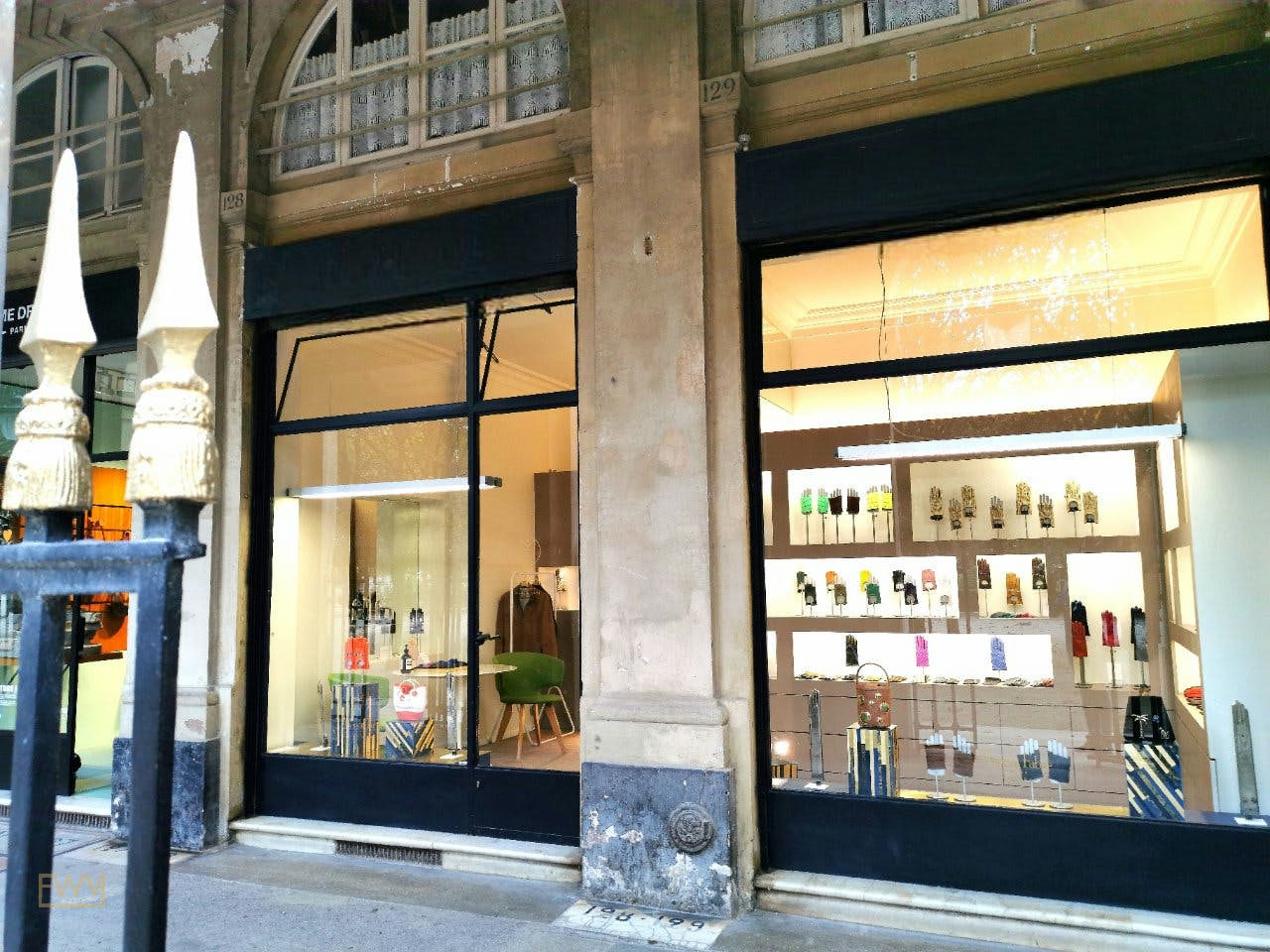
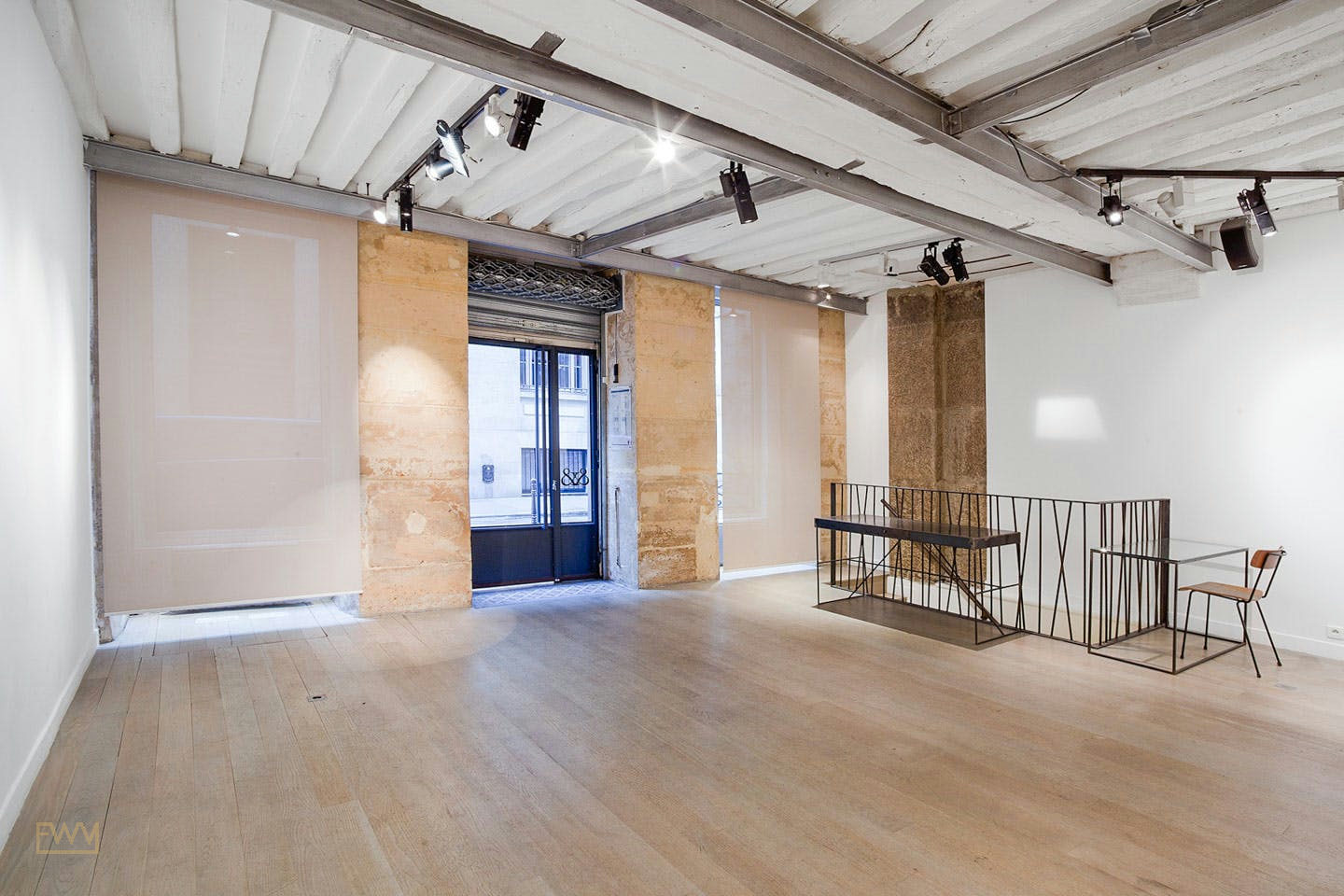
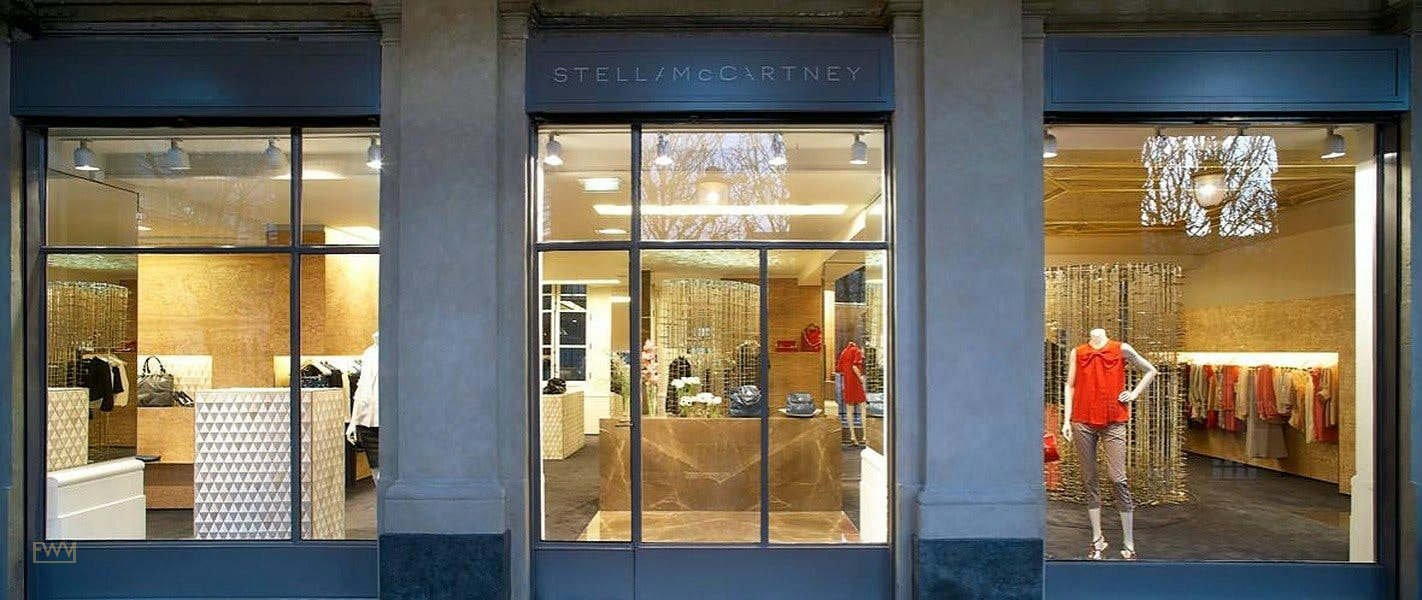
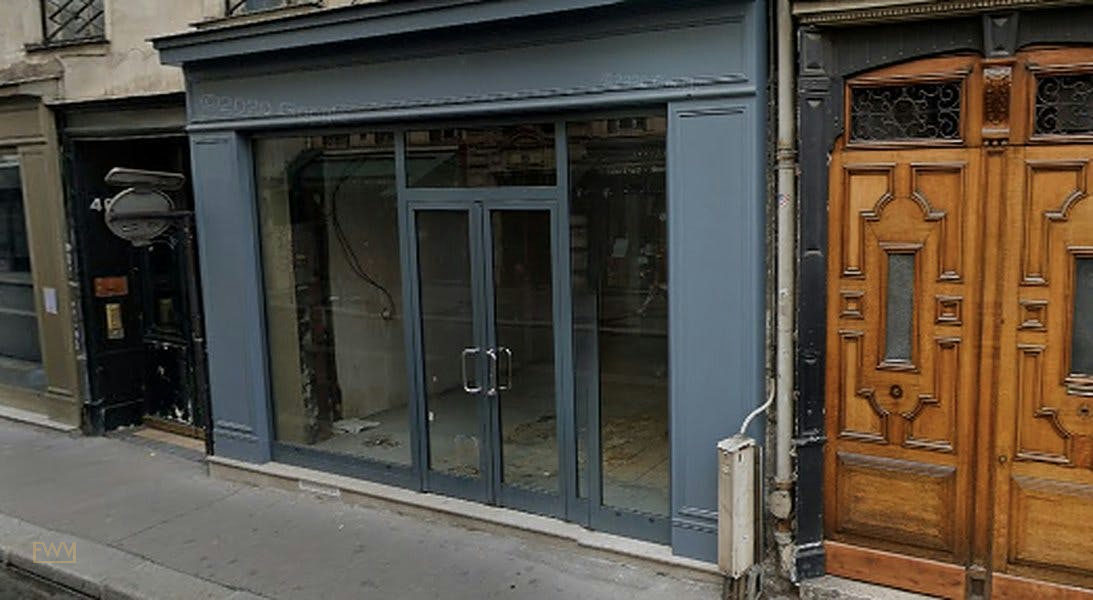
Brands that want to rent a pop-up shop in Palais Royal are choosing one of the most strategically valuable retail locations in Paris. The Palais-Royal quarter sits at the intersection of the Paris 1st arrondissement's luxury corridor, cultural institutions, and some of the highest concentrations of international visitors in the city. Whether you are planning a fashion week showroom, a brand launch, an ephemeral gallery, or a short-term retail activation, Palais Royal delivers a setting that combines architectural prestige with genuine commercial footfall. Fashion Week Venues supports brands across every stage of the Paris activation process, from venue sourcing and concept direction through to production, staffing, and data capture.
Why Palais Royal Is One of the Most Sought-After Locations for Pop-Up Retail in Paris
Quick answer: Palais Royal sits within walking distance of the Louvre Museum, Tuileries Garden, Place Vendôme, and rue Saint-Honoré, creating a hyper-centre position that delivers consistent foot traffic from luxury shoppers, Parisian visitors, international tourists, fashion professionals, and cultural audiences year-round.
Few locations in Paris carry the cultural and commercial weight of the Palais-Royal quarter. The Palais Royal Gardens, a UNESCO-adjacent landmark surrounded by arcaded galleries, attract a specific type of visitor: design-literate, style-conscious, and predisposed to discovery. The enclosed garden creates a natural dwell-time effect that is rare in open street retail environments. Visitors arrive intentionally, stay longer, and are therefore more receptive to brand experiences and retail moments than they would be on a busy thoroughfare.
The surrounding geography amplifies this advantage significantly. To the west, rue Saint-Honoré and its extension toward Place Vendôme and the Arc de Triomphe represent the densest concentration of luxury brands and boutique hotels in the world. To the south, Rue de Rivoli and the Tuileries connect the area to the grand tourist circuit of central Paris. To the east, Rue du Louvre and the Louvre Museum anchor a cultural tourism flow that runs continuously from spring through autumn. To the north, Étienne Marcel and the Montorgueil district bring a younger, fashion-forward audience into the same catchment zone.
The Palais-Royal arcade itself, with its distinctive colonnaded architecture, hosts a carefully curated roster of independent boutiques, galleries, and concept stores. Brands that secure spaces within or immediately adjacent to the Palais Royal area benefit from an implicit association with this curatorial sensibility. The Pinault Collection's nearby presence at the Bourse de Commerce reinforces the district's positioning as a nexus of art, fashion, and design. Cultural institutions in this zone include the Comédie-Française, the Bibliothèque nationale de France's Richelieu site, and a network of private foundations that draw culturally engaged audiences throughout the year.
Foot traffic in the Palais Royal quarter is notably diverse in profile. International tourists visiting the Louvre Museum funnel through Pyramides and Palais Royal metro stations daily in significant numbers. Fashion professionals during Paris Fashion Week use the quarter as a base for showroom appointments, with rue Saint-Honoré and the surrounding streets hosting flagship activations from the world's leading luxury houses. Parisian visitors and locals treat the gardens and arcades as a regular destination for leisurely shopping rather than transactional retail, which means engagement rates per visitor tend to be higher than in high-velocity shopping corridors.
Beyond Palais Royal itself, brands frequently extend their search into adjacent zones. Place des Victoires, a few minutes on foot to the east, is a circular neoclassical square surrounded by established ready-to-wear boutiques and independent retailers that attract a fashion-conscious local clientele. La Samaritaine to the south on Rue de Rivoli brought a significant luxury retail anchor back to the area after its landmark restoration, drawing additional footfall from the western end of the Marais and the Châtelet district. Saint Germain des Prés to the south across the Seine offers an alternative if a brand requires a more residential, literary, or gallery-adjacent tone.
Understanding the micro-geography of the hyper-centre is essential before committing to a specific space. The difference between a ground-floor storefront on rue Saint-Roch and a first-floor apartment above the Palais Royal gardens is not simply a question of rent or size. Each location carries a distinct visitor profile, foot traffic pattern, and format implication. A showroom benefits from a quieter, appointment-led location. A retail pop-up store requires street-level access and visible frontage. An ephemeral gallery or exposition can work in upper-floor spaces with the right directional signage strategy.
KEY TAKEAWAY: Palais Royal's value as a pop-up location comes from its combination of architectural prestige, hyper-central geography, diverse visitor profiles, and proximity to Paris's core luxury and cultural circuits. No other single arrondissement in Paris delivers this range of audience types within a walkable radius.
Understanding what type of space best suits your brief is the essential next step, and the range of space formats available in and around Palais Royal is broader than many brand teams initially expect.
Space Types Available for Pop-Up Shops and Showrooms Near Palais Royal
Quick answer: The Palais Royal area and the broader Paris 1st arrondissement offer a wide range of space types for short-term rental, including ground-floor boutiques with street-level access, apartment lofts with high ceilings and natural light, gallery formats with polished concrete or marble floors, and converted commercial units with large door entrances and backyard access.
The physical diversity of spaces available for a pop-up shop rental near Palais Royal reflects the layered architectural history of the Paris 1st arrondissement. Haussmann-era buildings sit alongside earlier royal-era structures, creating a mix of floor plans, ceiling heights, and internal configurations that suits a variety of activation formats.
Ground-Floor Boutiques and Storefront Spaces
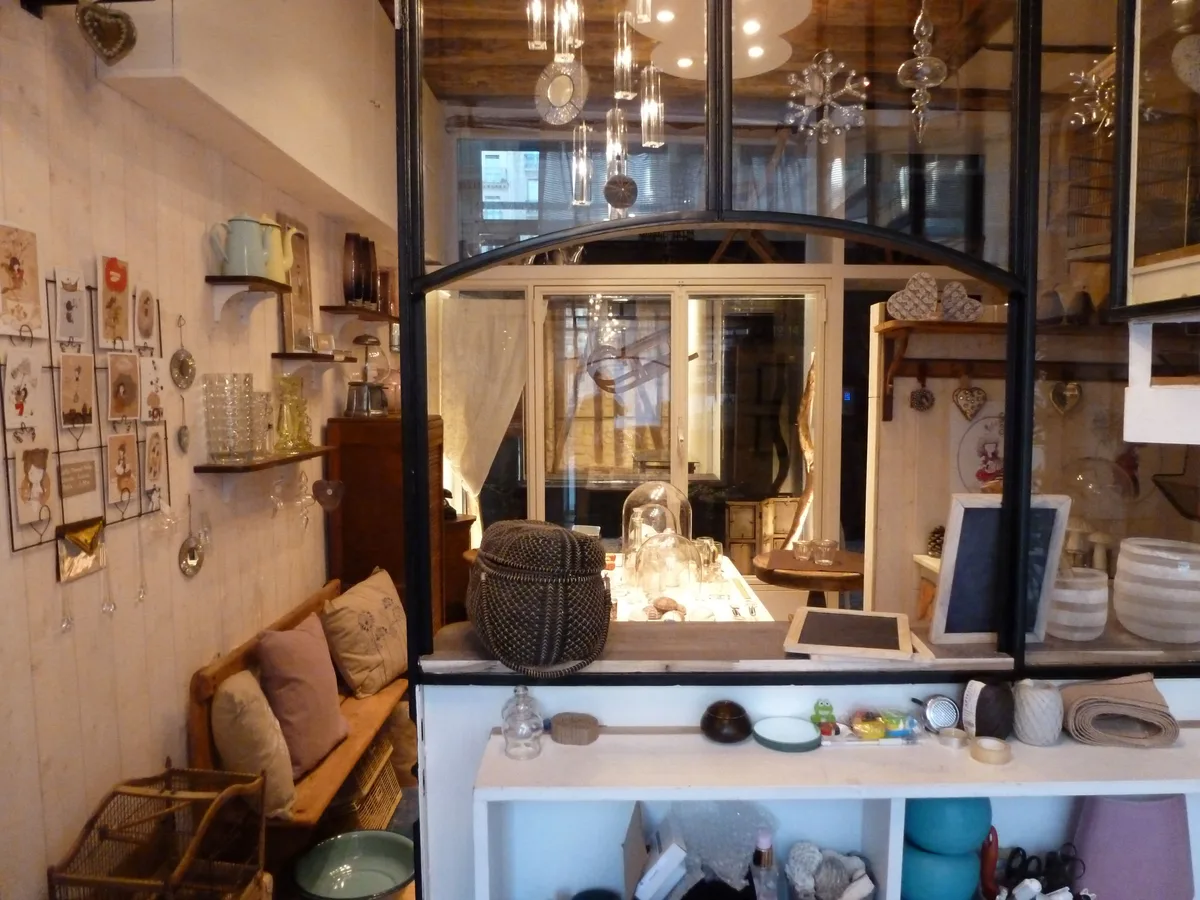
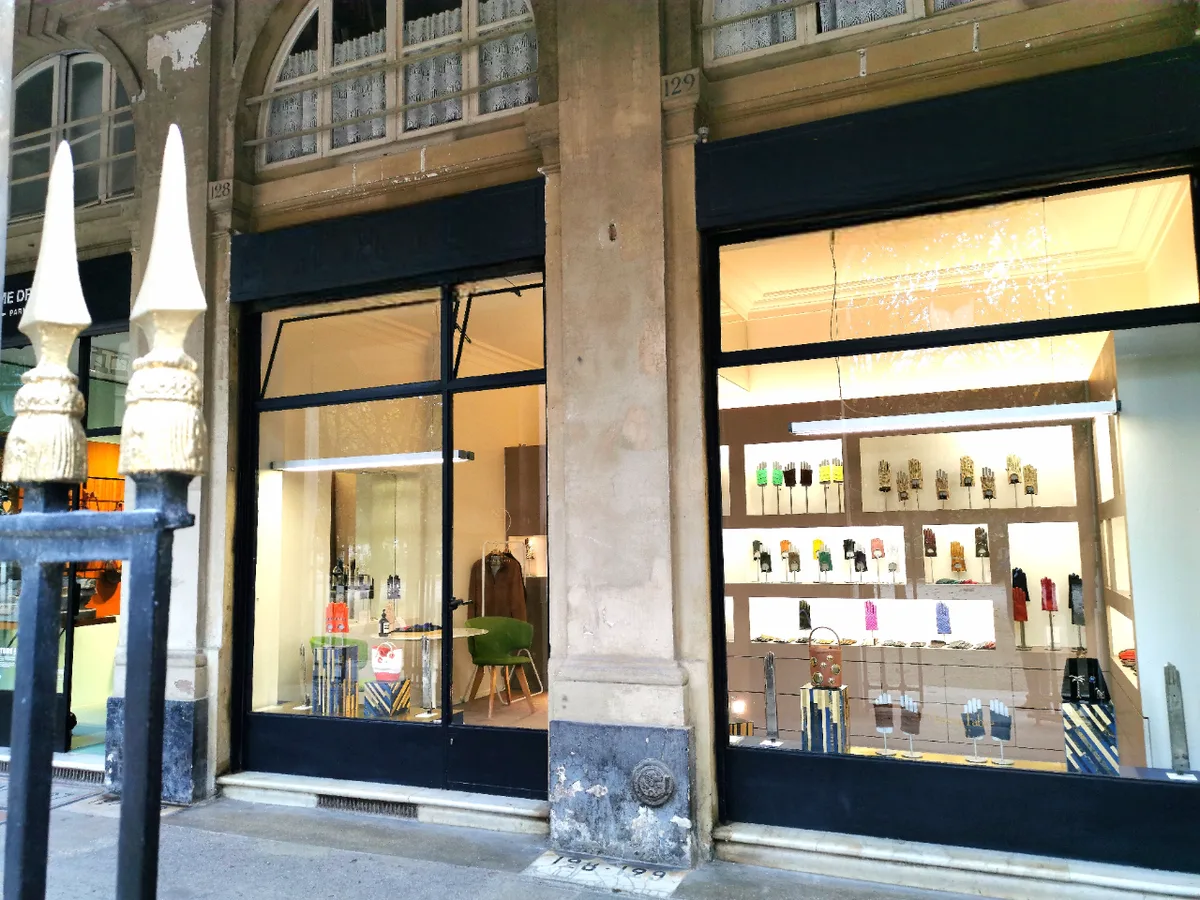
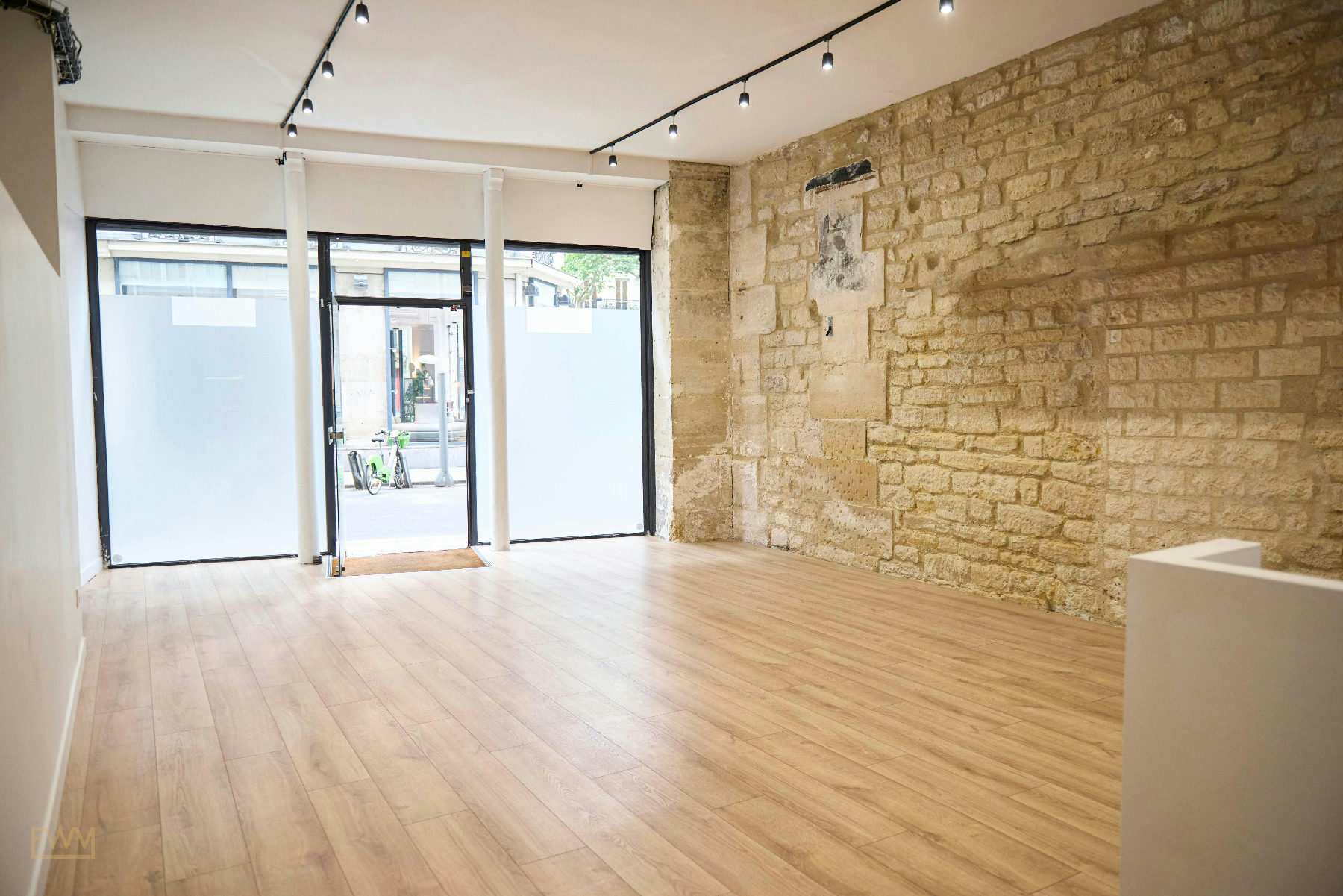
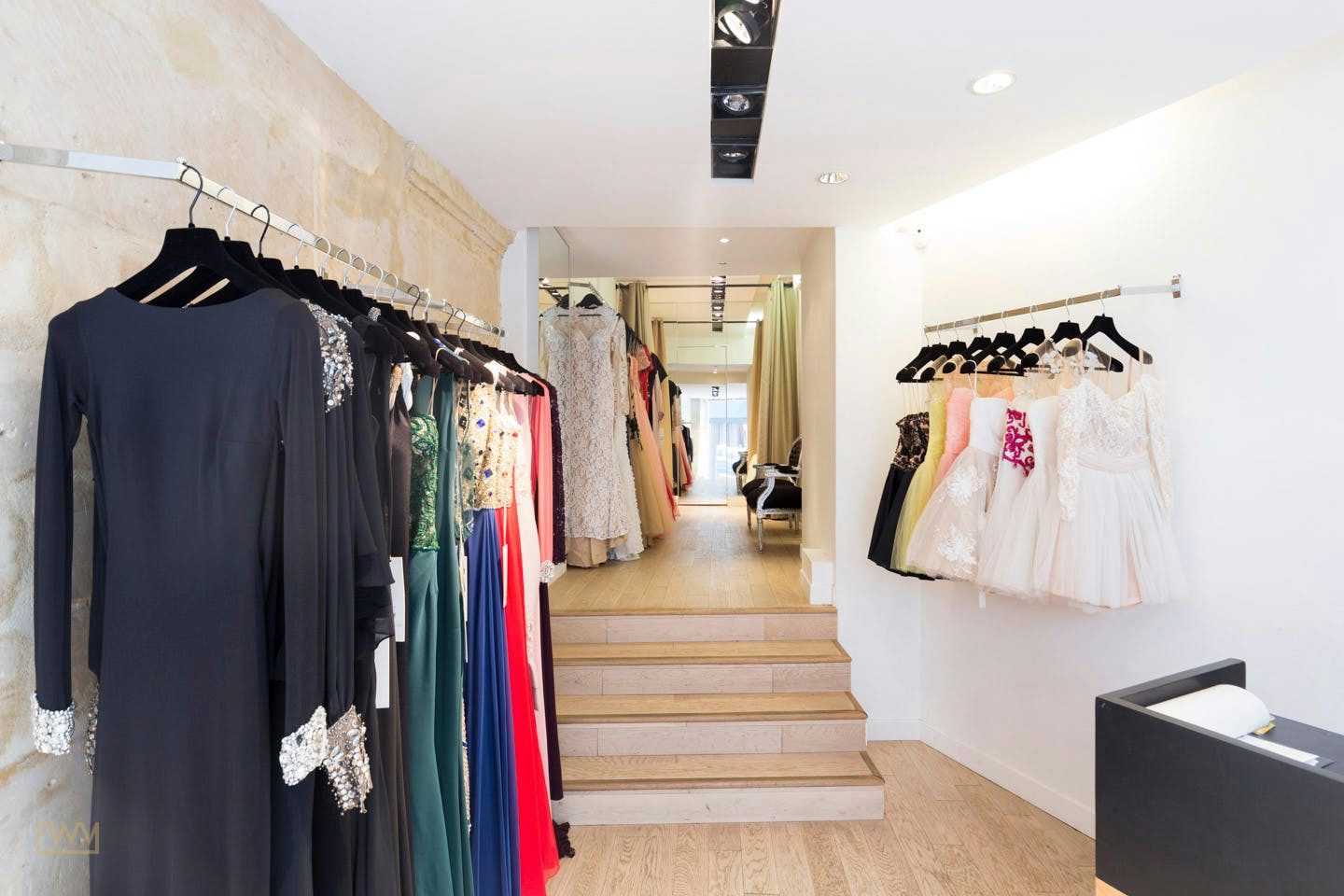
The most immediately functional space type for a retail pop-up shop is the ground-floor boutique with direct street-level access. These spaces typically feature display windows facing the street or arcade, which provide passive marketing value throughout the rental period. A charming boutique format in this quarter often combines parquet floors, original architectural details, and a compact footprint of between 30 and 80 square metres. These spaces suit direct-to-consumer sales activations, capsule collection launches, and brand pop-up shops where footfall conversion is a primary objective. The presence of a fitting room and storage room within the unit significantly improves operational practicality for fashion brands handling physical product.
Apartment and Loft Spaces
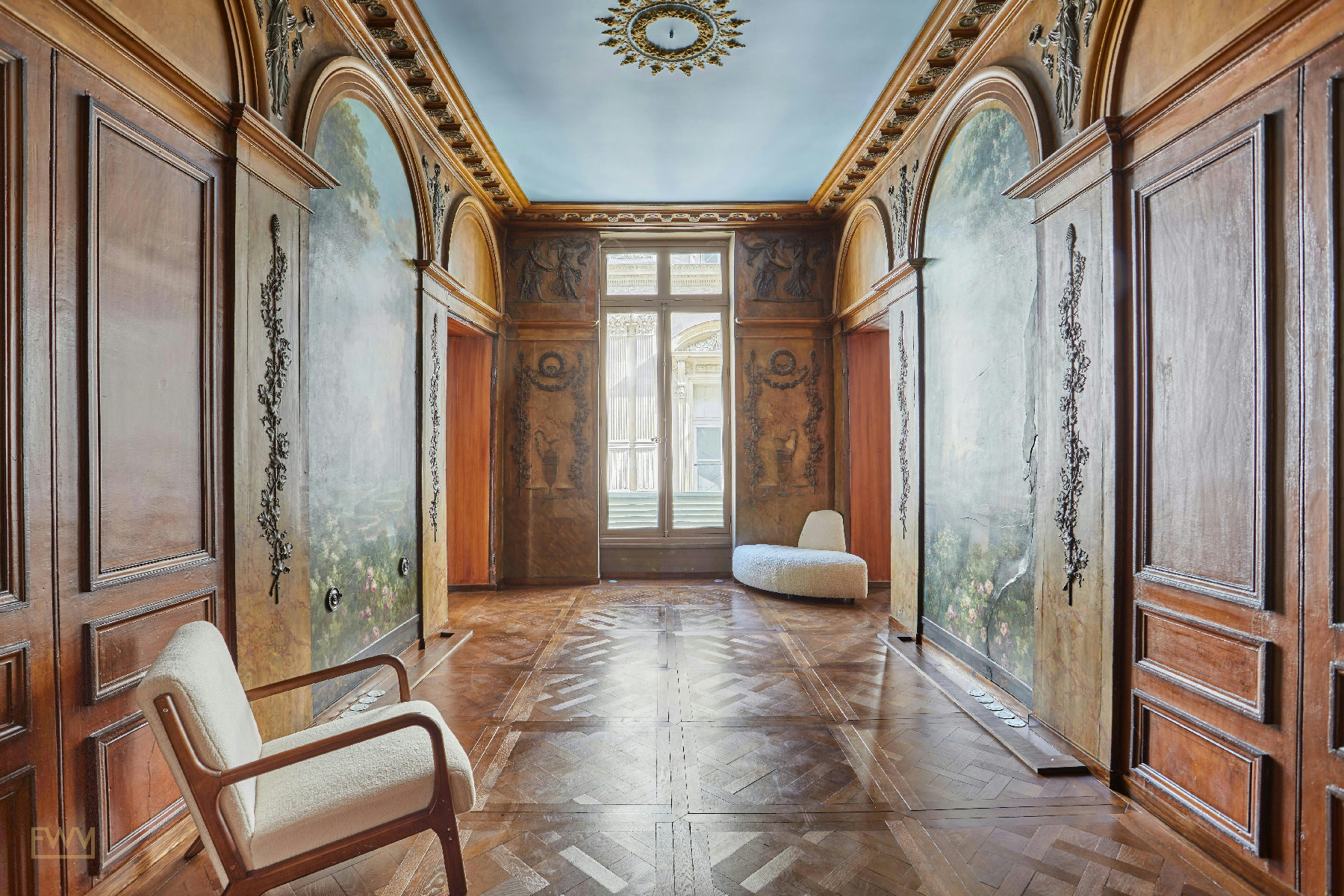
Apartment and loft formats are particularly popular for showrooms, press events, and invitation-only brand experiences. An Appartement Palais Royale or a loft space on an upper floor of a building within the arcade or surrounding streets offers characteristics that differ fundamentally from a ground-floor retail unit. High ceilings create space for editorial-style merchandising and art installations. Natural light through large windows provides an atmosphere that photographs well and creates a distinctive visit experience. Marble floors, original fireplaces, and period architectural details reinforce the luxury positioning of the brand activating within the space. These formats are particularly well-suited for fashion week showrooms, artworks exhibitions, editorial shoots, and intimate retail experiences for pre-qualified guests.
Gallery and Exhibition Spaces
Gallery formats, including purpose-built art gallery spaces and former commercial units converted for exhibition use, are increasingly in demand among brands that want to position their pop-up as a cultural event rather than purely a sales exercise. An ephemeral gallery format allows a brand to present a collection as an artistic direction, inviting press, buyers, and cultural audiences into a curated environment. These spaces often feature polished concrete floors, neutral walls, track lighting, and the spatial flexibility to support a video-projector for brand film or product storytelling. The proximity of the Palais Royal area to cultural institutions including the Fondation Quartier and the broader Marais gallery circuit makes this format particularly resonant in the district.
Event and Multi-Purpose Spaces
Larger event spaces in the Palais Royal quarter and the adjacent Le Marais and Tuileries zones offer the spatial planning flexibility needed for brand launches, trade presentations, collaborations, and hybrid retail-event formats. These spaces may include a ground floor backyard for outdoor seasonal activations, a large door entrance for logistics and furniture delivery, disability access for inclusive brand experiences, and full utilities provision including internet connectivity and a sound system. Some multi-purpose spaces in this zone are associated with boutique hotels or cultural organisations, which adds an additional layer of audience affinity and brand legitimacy.
| Space Type | Typical Use Case | Key Features | Typical Footprint |
|---|---|---|---|
| Ground-Floor Boutique | Direct-to-consumer retail pop-up | Street-level access, display window, fitting room, storage room | 30 to 80 sqm |
| Apartment / Loft | Showroom, press event, editorial | High ceilings, natural light, marble or parquet floors, residential character | 50 to 150 sqm |
| Gallery / Exhibition Space | Ephemeral gallery, collection launch, brand exposition | Polished concrete or marble floors, neutral walls, track lighting, video-projector | 40 to 200 sqm |
| Event / Multi-Purpose Space | Brand launch, trade presentation, hybrid retail-event | Large door entrance, backyard, disability access, full utilities, sound system | 100 to 400 sqm |
| Loft Space | Creative studio, pop-up with installations | Open plan, industrial character, high ceilings, flexible layout | 80 to 250 sqm |
KEY TAKEAWAY: Matching your space type to your activation objective before beginning your Palais Royal search saves significant time and budget. A showroom requires different spatial features than a direct-to-consumer retail pop-up shop, and both require different features than an ephemeral gallery or brand launch event.
Once you have defined your space type, the next decision involves the specific neighbourhood zone within the broader Palais Royal area that best aligns with your brand's audience and operational requirements.
Neighbourhood Zones Around Palais Royal and Where to Focus Your Search
Quick answer: The immediate Palais Royal zone in Paris 1st is surrounded by distinct micro-districts including the rue Saint-Honoré luxury corridor, the Place des Victoires and Étienne Marcel fashion zone, the Tuileries and Rue de Rivoli tourist circuit, and the Montorgueil and Le Marais districts to the east. Each zone carries a different audience, rent profile, and format implication.
Brands approaching Palais Royal as a pop-up destination frequently focus their initial search too narrowly on the arcade itself and miss the significant opportunities in the surrounding streets and squares. A strategic reading of the broader neighbourhood allows brand teams to calibrate their location choice against their specific audience profile, budget range, and operational requirements.
Palais Royal Gardens and the Arcades
The enclosed gardens and the three galleries of the Palais Royal, Galerie de Valois, Galerie de Montpensier, and Galerie Beaujolais, represent the most prestigious and architecturally distinctive retail addresses in the arrondissement. Spaces within the arcade are tightly controlled, rarely available for very short durations, and carry significant premiums. They are best suited for established luxury brands, high-profile collection launches, or activations where the architectural prestige of the location is itself a brand statement. Natural light in the garden-facing units and the covered colonnade provide a distinctive atmospheric quality that is impossible to replicate elsewhere.
Rue Saint-Honoré and Place Vendôme
The rue Saint-Honoré corridor running west from the Palais Royal toward Place Vendôme and beyond to the Arc de Triomphe is the primary luxury retail axis in Paris. Brands activating on or immediately adjacent to this street benefit from proximity to the flagship stores of the world's leading luxury houses and the constant flow of high-spending shoppers and tourists. Rue Saint-Roch, which crosses Saint-Honoré perpendicular to the Palais Royal, offers slightly smaller and more accessible spaces while retaining the neighbourhood's luxury positioning. Place Vendôme itself, dominated by jewellery houses and palace hotels, provides the aspirational address for the highest-tier brand activations.
Place des Victoires and Étienne Marcel
Place des Victoires, the neoclassical circular square a few minutes east of Palais Royal, is anchored by established fashion houses including Kenzo and Victoire, and draws a fashion-literate local and international audience. The surrounding streets, including those connecting to the Étienne Marcel metro station, have developed a strong independent fashion and design retail character over the past two decades. This zone suits emerging designer brands, limited-edition collections, and creative retail concepts that want proximity to the fashion circuit without the full cost of a rue Saint-Honoré address.
Tuileries, Rue de Rivoli, and Poste du Louvre
The southern border of the Palais Royal catchment area runs along Rue de Rivoli toward the Tuileries Garden and the Louvre Museum. This corridor carries extremely high tourist volumes and is suited to activations targeting international visitors. The Poste du Louvre building on Rue du Louvre has been redeveloped and now houses a mix of retail, hospitality, and event spaces that represent a relatively recent addition to the short-term rental market in this zone. Spaces near the Pyramides and Opéra metro stations to the north extend the catchment further and provide strong transit-linked footfall.
Montorgueil and Le Marais
The Montorgueil district to the northeast of Palais Royal and the wider Le Marais quarter offer alternative positioning for brands that want proximity to the hyper-centre without the highest-tier address costs. Montorgueil retains a market-town character that appeals to younger Parisian consumers and creative professionals. Le Marais, covering the 3rd and 4th arrondissements, is the primary destination for contemporary fashion, art galleries, and independent retail and is particularly active during Paris Fashion Week as a hub for showrooms and brand activations. La Samaritaine, the landmark department store on Rue de Rivoli at the western edge of the Marais catchment, reinforces the luxury retail anchor in this zone.
| Zone | Primary Audience | Best Activation Type | Relative Rent Level |
|---|---|---|---|
| Palais Royal Arcades | International tourists, luxury shoppers, design audiences | Prestige retail pop-up, gallery, high-end showroom | Highest |
| Rue Saint-Honoré / Place Vendôme | Luxury consumers, high-spending international visitors | Luxury pop-up shop, brand launch, exclusive retail | Very High |
| Place des Victoires / Étienne Marcel | Fashion professionals, local creative consumers | Fashion pop-up, showroom, emerging designer retail | High |
| Tuileries / Rue de Rivoli / Pyramides | International tourists, mass-premium shoppers | High-volume retail pop-up, brand awareness event | High to Moderate |
| Montorgueil / Le Marais | Younger fashion consumers, creative professionals | Fashion week showroom, concept store, art pop-up | Moderate to High |
To compare neighbourhoods and space types in detail, explore the Paris city hub on Fashion Week Venues and shortlist spaces that match your brief, budget, and calendar window.
KEY TAKEAWAY: Palais Royal is a district of distinct micro-zones, each with different rent levels, audience profiles, and format implications. Defining your target audience and activation type before choosing a specific street or square will produce a more focused and cost-effective brief.
With the geography established, the next critical factor is timing, and specifically how the Paris Fashion Week calendar and other seasonal events should shape your rental window decision.
The Paris Fashion Week Calendar and Optimal Rental Timing for Palais Royal
Quick answer: Paris Fashion Week occurs twice annually, in late February to early March for the Autumn/Winter collections and in late September to early October for the Spring/Summer collections. Both windows drive peak demand and peak pricing for pop-up shops and showrooms in Palais Royal and the surrounding arrondissements.
Paris Fashion Week is the most commercially significant event window for pop-up shops and showrooms in the city, but it is far from the only viable rental period. Understanding the full annual calendar of Paris events that drive high-value footfall through the Palais Royal quarter helps brand teams make smarter decisions about when to activate, how long to rent, and what type of space format best serves their objectives at a given time of year.
During Fashion Week itself, the demand for showroom spaces in the Paris 1st arrondissement, Le Marais, and Saint Germain des Prés reaches its annual peak. Press, buyers, stylists, brand executives, and influencers converge on the city over a ten-day period and move between brand presentations, showrooms, and social events concentrated in a relatively compact geographic zone. Securing a showroom during this window requires advance planning of three to six months for desirable locations. Brands that delay their search often find the most suitable spaces already committed and must either accept less ideal locations or pay significant premium rates for late availability.
The shoulder seasons around Fashion Week, the two to three weeks immediately before and after each season, offer a practical alternative for brands that cannot secure space during the peak window or whose budgets do not support Fashion Week rates. Press and buyers extend their Paris visits beyond the official calendar, and the concentration of fashion professionals in the city during this broader window remains high. Showroom appointments, press previews, and trade presentations conducted in the shoulder season can reach a significant proportion of the target audience at lower rental costs.
Beyond Fashion Week, several other annual events drive strong footfall through the Palais Royal quarter. Paris Design Week in September, the Foire Internationale d'Art Contemporain in October, and the annual sales periods of January and July all generate elevated visitor volumes in the hyper-centre. Brands from sectors adjacent to fashion, including homeware, jewellery, fragrance, and beauty, frequently use these windows for pop-up activations in the Palais Royal area with strong results.
The ideal rental duration for a pop-up shop in Palais Royal depends on the activation objective. A brand awareness event or collection launch may require only three to seven days to generate the press coverage and social media visibility it needs. A direct-to-consumer retail pop-up shop designed to generate sales and build customer loyalty may benefit from a longer window of two to four weeks to develop word of mouth, drive repeat visits, and allow the activation to reach operational maturity. A fashion week showroom is typically structured around the specific ten-day window of the season, though some brands extend their showroom periods by one to two weeks before or after the official calendar to maximise appointment availability.
DID YOU KNOW: Paris receives approximately 44 million visitors annually, according to data from the Paris Region Tourism Committee, making it consistently the most-visited city in the world. A significant proportion of these visitors pass through the hyper-centre, including the Palais Royal, Louvre Museum, and Tuileries Garden circuit.
Use the timeline planning tool to map your rental window against the Paris event calendar and identify the optimal booking period for your specific activation type and budget constraints.
KEY TAKEAWAY: Paris Fashion Week is the peak demand window for pop-up shops and showrooms in Palais Royal, but the broader Paris calendar offers multiple viable activation windows throughout the year. Matching your rental duration to your activation objective, whether awareness, sales, or trade, is more important than simply aligning with Fashion Week dates.
Understanding the timing of your activation leads directly to the question of budget, which is one of the most frequently misunderstood aspects of renting a pop-up shop in Palais Royal.
Understanding the Cost of Renting a Pop-Up Shop in Palais Royal
Quick answer: Rental costs for pop-up shops in Palais Royal vary significantly based on space type, size, duration, season, and location within the quarter. Published rates should be treated as directional estimates only. The total cost of a Paris activation includes venue rental, fit-out and production, staffing, permits, insurance, and operational costs beyond the base rent.
One of the most common misunderstandings among brand teams approaching the Palais Royal market for the first time is treating venue rental as the only significant cost item. In reality, the base rent is typically one component of a total activation budget that includes several other material cost categories.
Venue Rental Rates
Rental rates in the Palais Royal quarter reflect the area's status as one of the most prestigious retail addresses in Europe. Ground-floor boutique spaces in the arcade or on rue Saint-Honoré carry the highest day rates in Paris, particularly during Fashion Week windows. Apartment and loft spaces on upper floors of buildings within the district typically offer lower day rates than ground-floor retail units but may require additional investment in signage and directional marketing to drive visitor traffic. Gallery and event spaces vary widely based on size, facilities, and the specific building. Rates across the hyper-centre generally follow peak-season premiums during Fashion Week and the major sale periods, with more accessible rates available in shoulder and off-peak windows.
It is important to note that published rates on space marketplaces should be treated as starting points for negotiation rather than fixed prices. Longer rental durations, early commitment, and repeat bookings by established brands can all influence the final agreed rate. Conversely, last-minute bookings during peak windows typically carry premiums. For a calibrated budget estimate based on your specific brief, use the budget calculator tool rather than relying on generic market averages.
Fit-Out and Production Costs
Most short-term rental spaces in Palais Royal are offered as empty shells or lightly furnished environments. Transforming a bare space into a branded retail pop-up shop, showroom, or ephemeral gallery requires investment in fit-out and production. This includes furniture rental, display fixtures, branding and signage, lighting adjustments, flooring treatments where permitted, and any structural modifications agreed with the space owner. Production costs for a Fashion Week showroom in a well-specified Paris 1st apartment can range from modest for a brand working with existing furniture and minimal build, to significant for a fully custom-built branded environment with bespoke fixtures and an immersive design concept.
Staffing and Operational Costs
A retail pop-up shop in Palais Royal requires at minimum a retail store manager and sales staff for each day of operation. Fashion week showrooms typically require showroom hosts, a brand representative, and logistical support for sample management and appointment scheduling. Staffing costs in Paris are governed by French labour law, which sets minimum wage levels and employment conditions that apply to temporary retail staff. POS systems and payment infrastructure add further operational cost for sales-focused activations. Brands unfamiliar with French employment regulations should factor in agency or specialist support for staffing compliance.
Permit and Compliance Costs
Depending on the space type, the nature of the activation, and the arrondissement, certain permits and compliance certifications may be required before trading can begin. These vary based on whether the space is classified as a commercial premises, a private apartment, or a cultural venue, and whether the activation involves public-facing trading, event hosting, or purely trade-facing showroom use. Costs associated with permits, insurance, and compliance vary and should be investigated early in the planning process. For permit guidance specific to your activation type, refer to the permits guidance tool.
| Cost Category | Description | Planning Priority |
|---|---|---|
| Venue Rental | Base rent for the space for the agreed duration | Book early for peak windows, negotiate for longer durations |
| Fit-Out and Production | Furniture, fixtures, branding, lighting, build | Brief production team early; lead times extend during Fashion Week |
| Staffing | Retail store manager, sales staff, showroom hosts | Confirm French employment compliance before hiring |
| Permits and Insurance | Trading permits, public liability, property insurance | Verify requirements with a French legal advisor |
| POS and Payments | Point-of-sale system, card payment infrastructure, receipts | Integrate with inventory and data systems from day one |
| Marketing and Influencer Activation | Press outreach, social content, influencer partnerships | Plan pre-opening to maximise opening-week traffic |
| Utilities and Operational Costs | Electricity, internet, cleaning, security | Confirm what is included in the rental fee versus additional costs |
KEY TAKEAWAY: The total cost of a Palais Royal pop-up activation is consistently higher than the base venue rental alone. Budgeting across all cost categories from the outset, and using a purpose-built tool to estimate each line, produces more accurate financial planning and avoids mid-activation surprises.
Cost planning leads naturally into the question of permits and legal structure, which is one of the areas most likely to catch international brands off guard when activating in Paris for the first time.
Permits, Leases, and Legal Compliance for Short-Term Retail in Paris
Quick answer: Short-term retail activations in Paris are governed by specific lease structures, primarily the bail dérogatoire for commercial use and the autorisation d'occupation temporaire for public or semi-public spaces. Requirements vary by space type, duration, arrondissement, and activation format. International brands do not automatically need a French legal entity to enter a short-term lease, but specialist legal and operational guidance is strongly recommended.
Legal and compliance requirements for pop-up shops and temporary retail spaces in Paris represent one of the most complex and consequential aspects of the activation planning process. Brand teams that underestimate this complexity risk delays, financial penalties, or the inability to trade legally from their chosen space.
The Bail Dérogatoire
The bail dérogatoire, sometimes called a short-term commercial lease or convention d'occupation précaire, is the primary legal instrument used for short-term commercial retail use in France. It is specifically designed to allow commercial occupation of premises for a duration of less than two years without triggering the protections and obligations of the standard commercial lease, known as the bail commercial. The bail dérogatoire provides flexibility for the property owner to recover their space at the end of the agreed period without the renewal rights that attach to a standard commercial tenancy. For a brand renting a pop-up shop in Palais Royal for a period of days, weeks, or months, this is the most commonly applicable lease structure. However, the specific terms, conditions, fees, and security deposit requirements vary by property owner, building type, and the nature of the intended use.
The Autorisation d'Occupation Temporaire
For activations taking place in publicly owned or semi-public spaces, including certain sections of the Palais Royal gardens, courtyards managed by public bodies, or spaces within cultural institutions, an autorisation d'occupation temporaire, or AOT, may be required. This is an administrative permit granted by the relevant public authority and typically involves an application process, a review period, and payment of an occupancy fee. AOTs are also relevant for certain outdoor activations or events held on public land adjacent to rented spaces. The process and timeline for obtaining an AOT varies significantly by location and should be investigated as early as possible in the planning process.
Do International Brands Need a French Legal Entity?
This is a frequent source of confusion for international brands entering the Paris market. In many cases, a foreign company can enter into a short-term lease or bail dérogatoire without establishing a French legal entity, provided the property owner accepts the arrangement and appropriate guarantees are in place. However, trading in France, collecting VAT, and employing staff on French contracts introduces additional compliance obligations that may require at minimum a French tax registration or VAT number. The specific requirements depend on the scale, duration, and commercial structure of the activation. All permit and legal requirements should be verified with a qualified French legal advisor before committing to a space or a lease.
IMPORTANT: The permit and compliance requirements described in this guide are directional only. Requirements vary by space type, duration, location within Paris, and the specific nature of the activation. Always verify current requirements with a qualified French legal advisor and with the relevant local authorities before signing a lease or beginning an activation.
KEY TAKEAWAY: The bail dérogatoire and the AOT are the two primary legal instruments for short-term retail and event activations in Paris. Neither is straightforward to navigate without specialist knowledge of French commercial property law and the administrative processes of the Paris municipal authorities.
With the legal framework understood, the practical question shifts to how brand teams can source, compare, and book suitable spaces efficiently without losing time to inadequate platforms or fragmented information.
How Fashion Week Venues Supports Your Palais Royal Pop-Up Activation
Fashion Week Venues operates as a full-service pop-up shop agency and space marketplace with Paris as its primary and most deeply developed market. For brands seeking to rent a pop-up shop in Palais Royal or the surrounding arrondissements, the agency provides a structured pathway from initial brief through to post-activation analysis that is specifically designed for the Paris market.
The agency's venue sourcing service covers the full range of space types available in the Palais Royal quarter and the broader Paris 1st, Le Marais, and hyper-centre zones. Rather than relying on a single listing database, the sourcing process combines the space marketplace with direct relationships with space owners, property managers, and commercial agents to identify spaces that are not always publicly listed. This is particularly relevant during Fashion Week windows, when the most desirable spaces are often committed through direct relationships before they appear on any public platform.
For brands that arrive with a spatial brief but no design concept, the concept direction service provides creative development from mood board through to final activation design. For brands with an established creative direction, the production and build service translates that direction into a finished physical environment, managing contractor relationships, furniture rental, and fit-out logistics within the Paris market. The Imagine tool and the Build planning tool support the early-stage spatial and design planning process before final decisions are made.
Operational support services include retail staffing for brands that need a team of sales staff, showroom hosts, or a retail store manager for the duration of their activation. POS and payment infrastructure, data capture and analytics, and influencer marketing services are also available as part of a full-service activation package or as individual service additions.
The Twin concept, available at fashionweekvenues.com/twin, offers brands the opportunity to co-activate within a single space, sharing costs and audiences with a complementary brand. This format is particularly suited to emerging brands with limited activation budgets who want to achieve a Palais Royal address without bearing the full cost of a standalone pop-up shop.
For brands in the early research and planning phase, the tool suite at Fashion Week Venues provides structured support across every decision area. The budget calculator generates directional cost estimates based on space size, duration, and activation type. The ROI calculator helps brand teams build an internal business case. The compare tool allows parallel evaluation of multiple spaces. The locator maps available spaces against the neighbourhood zones described in this guide. The timeline tool plots the planning milestones against the Paris event calendar. The permits tool provides guidance on the compliance requirements relevant to specific space types and activation formats.
It is important to understand that Fashion Week Venues does not guarantee specific spaces, permit approvals, or activation outcomes. The agency operates as a strategic partner and operational facilitator, and the quality of any activation ultimately depends on the brand team's brief, budget, timeline, and decision-making process. Brands that engage earlier in the planning cycle consistently achieve better space options, more competitive rental rates, and smoother production processes than those that begin their search late.
To understand how the agency works in practice, the process page outlines the typical engagement structure from initial brief to post-activation review.
KEY TAKEAWAY: Fashion Week Venues provides end-to-end support for brands seeking to rent a pop-up shop in Palais Royal, from venue sourcing and concept direction through to production, staffing, and analytics. The agency's Paris market depth is most valuable for brands approaching the city for the first time or scaling their activation complexity beyond what an in-house team can manage.
Planning Your Pop-Up Activation: A Step-by-Step Workflow for Palais Royal
Quick answer: A successful pop-up shop activation in Palais Royal requires structured planning across six to eight key stages, beginning with brief definition and ending with post-activation analysis. The optimal lead time for a Fashion Week window activation is three to six months. For off-peak windows, a minimum of six to eight weeks is recommended.
The following workflow reflects the planning stages that brand teams should move through to execute a pop-up shop or showroom activation in the Palais Royal area with confidence and control.
| Stage | Key Actions | Recommended Lead Time Before Opening |
|---|---|---|
| 1. Brief Definition | Define activation objective, audience, space type, budget range, and duration | 6 months (Fashion Week) / 8 weeks (off-peak) |
| 2. Neighbourhood and Zone Selection | Review zone options, map against audience profile and budget, shortlist preferred zones | 5 months / 7 weeks |
| 3. Space Search and Comparison | Use marketplace and agency sourcing to identify candidate spaces, compare against brief | 4 to 5 months / 5 to 6 weeks |
| 4. Legal and Permit Review | Confirm lease structure, verify permit requirements, consult French legal advisor | 3 to 4 months / 4 to 5 weeks |
| 5. Booking and Confirmation | Confirm rental fees, sign lease, pay deposit, receive booking confirmation | 3 months / 4 weeks |
| 6. Concept and Production Planning | Finalise design concept, commission fit-out, order furniture, plan merchandising | 2 to 3 months / 3 weeks |
| 7. Marketing and Influencer Planning | Brief press, plan influencer activations, prepare opening event communications | 6 to 8 weeks / 2 to 3 weeks |
| 8. Build, Opening, and Operations | Complete fit-out, brief retail store manager and staff, open to visitors | 1 to 2 weeks before opening |
| 9. Data Capture and Post-Activation Review | Collect sales, visitor, and engagement data, calculate ROI, prepare brand report | Immediately after closing |
A key decision within this workflow is whether to manage the activation entirely in-house or to engage an agency for part or all of the process. Brands with established Paris market knowledge and in-house production capability may choose to manage sourcing, concept, and build internally while using specialist support for permits and staffing. Brands entering Paris for the first time, or scaling their activation significantly beyond previous formats, typically benefit from full-service agency engagement from the brief stage onward. The guide on hiring a pop-up agency provides structured criteria for making this decision.
One activation format that is increasingly used by brands managing tight budgets in the Palais Royal area is the co-activation or twin pop-up model. By sharing a space with a complementary brand, two brands can split the rental and production costs while potentially attracting a broader combined audience. This model requires careful partner selection to ensure that the two brands' positioning, aesthetics, and customer profiles are genuinely complementary rather than competitive. When structured correctly, twin activations in prestigious addresses can deliver disproportionate brand impact relative to individual cost.
KEY TAKEAWAY: The single most effective action a brand team can take to improve the quality and cost-effectiveness of a Palais Royal pop-up activation is to begin the planning process earlier. Every stage of the workflow benefits from additional lead time, and the most desirable spaces, production teams, and marketing partnerships are consistently secured by brands that start planning at least three months before their target opening date.
Space Features and Amenities to Prioritise for Your Palais Royal Pop-Up
Quick answer: The specific features that matter most in a Palais Royal pop-up space depend on your activation type, but key considerations include natural light, ceiling height, floor type, fitting room and storage room availability, street-level access, disability access, utility provision including internet connectivity, and the presence of a video-projector or sound system for events.
When evaluating spaces in the Palais Royal quarter, brand teams often focus initially on location and price while treating space features as secondary considerations. In practice, the physical characteristics of a space directly determine whether a given activation concept is operationally achievable and how much additional investment will be required to make the space fit for purpose.
Natural Light and Ceiling Height
Natural light is one of the most valued features in Palais Royal pop-up spaces across all activation types. For retail and showroom formats, natural light reduces the need for extensive artificial lighting solutions and creates an environment that is more flattering for both product presentation and social media content. For gallery and exhibition formats, natural light is an intrinsic part of the curatorial environment. Ceiling height is equally significant for brands planning large-scale installations, rail systems for fashion showrooms, or any format that benefits from vertical visual merchandising. The high-ceilinged apartments characteristic of Haussmann-era buildings in the Paris 1st arrondissement are among the most sought-after features in the market.
Floor Type and Surface Quality
Floor type is both a practical and aesthetic consideration. Marble floors create an immediate luxury positioning but limit the adhesive treatments, floor graphics, and carpet overlays that some brands use for branded environments. Parquet floors provide warmth and character but may require protection during the fit-out period to avoid damage that would be charged to the tenant at the end of the rental. Polished concrete is the preferred floor type for gallery and exhibition formats because of its neutral, adaptable character. Brands should confirm the floor type, condition, and any restrictions on treatment with the space owner before completing their booking.
Fitting Rooms, Storage, and Operational Infrastructure
For fashion pop-up shops and showrooms, the presence of a fitting room within the space is a significant operational advantage. Many short-term rental spaces in the Palais Royal area were not originally designed as retail environments and may not include a dedicated fitting room. Installing a temporary fitting room requires space, fixtures, and often the space owner's approval. A storage room within the unit, or accessible via the building, is essential for brands managing physical stock, sample collections, packaging materials, and operational supplies. Brands that underestimate storage requirements during Fashion Week activations typically encounter significant day-to-day operational friction.
Accessibility and Health and Safety
Disability access is both a legal obligation for brands trading from commercial premises in France and an important brand values consideration. Ground-floor street-level access units are most likely to provide compliant disability access, though the specific requirements of French accessibility regulations, known as accessibilité aux personnes handicapées, apply to any publicly accessible commercial space. Upper-floor spaces accessed only by stairs require specific consideration if the brand's customer experience includes unrestricted public access. Health and safety measures including fire safety equipment, emergency exit compliance, and sanitized operating conditions are standard requirements that space owners and tenants share responsibility for under French law.
Technology and Connectivity
Internet connectivity is a basic operational requirement for any modern pop-up shop or showroom. Brands should confirm the quality and reliability of the internet connection in any candidate space before booking, as the building's connectivity can vary significantly even within a small geographic area. For activations that include a video-projector for brand film, product presentations, or immersive content, the space's electrical infrastructure, wall surfaces, and available projection distances need to be confirmed in advance. Sound system requirements should similarly be confirmed with the space owner and reviewed for any noise restrictions that apply to the building or the specific zone.
TIP: When evaluating a shortlist of candidate spaces in Palais Royal, create a standardised features checklist that covers each of these categories and complete it during your site visit. This makes direct comparison between spaces significantly easier and reduces the risk of discovering a disqualifying feature after a booking has been confirmed.
KEY TAKEAWAY: Space features are not secondary to location and price in the evaluation of a Palais Royal pop-up. The physical characteristics of a space directly determine the operational complexity and additional investment required to make your activation concept achievable. Identify your non-negotiable features before beginning your search.
Building a Business Case: Brand Awareness, Sales, and ROI for Palais Royal Activations
Quick answer: Pop-up shops and showrooms in Palais Royal deliver value across brand awareness, direct sales, customer loyalty, press coverage, and data collection. Building an internal business case requires defining success metrics before the activation begins and capturing structured data throughout the rental period.
The strategic value of a pop-up shop activation in Palais Royal extends significantly beyond the direct sales generated during the rental period. For most brands activating in Paris, particularly international brands entering the French market or luxury brands deepening their relationship with a core audience, the pop-up format functions simultaneously as a marketing tool, a customer loyalty investment, a brand awareness event, and a data collection exercise.
Brand awareness is generated through the physical presence in a prestigious location, through press and editorial coverage triggered by the opening, through social media content created by visitors and influencers during the activation, and through the brand associations created by proximity to adjacent luxury houses and cultural institutions in the Palais Royal quarter. Quantifying this awareness value requires tracking media impressions, social reach, and brand search uplift during and after the activation period. These metrics are increasingly expected by brand boards and investors as evidence of the return on activation investment.
Direct sales from a Palais Royal pop-up shop are a function of foot traffic volume, conversion rate, average transaction value, and the duration of the rental period. Each of these variables can be estimated in advance using data from comparable activations, and measured during the activation through POS data, visitor counts, and transaction records. The ROI calculator tool provides a structured framework for building this analysis before and after activation.
Customer loyalty effects are generated when a brand creates a memorable physical experience that deepens the relationship with existing customers and creates genuine emotional connection with new ones. The Palais Royal setting, with its architectural grandeur and cultural associations, provides an inherently distinctive backdrop for this kind of experience. Brands that invest in the quality of the in-store experience, the quality of the staff interaction, and the design of the physical environment consistently report higher rates of post-visit purchase, social sharing, and brand advocacy than those that treat the pop-up primarily as a temporary retail unit.
Data collection is an increasingly important dimension of pop-up shop value. A well-structured activation in Palais Royal can generate visitor profile data, purchase behaviour data, product preference data, and geographic origin data that is directly useful for marketing strategy, product development, and future activation planning. Brands that invest in POS integration, visitor registration, and post-visit email follow-up create a data asset from their activation that continues to generate value long after the space has been vacated.
KEY TAKEAWAY: A Palais Royal pop-up activation should be evaluated as a multi-dimensional investment delivering brand awareness, direct sales, customer loyalty, and data value simultaneously. Defining success metrics across all four dimensions before the activation begins is essential for accurately assessing the return on the total investment.
Common Myths About Renting a Pop-Up Shop in Palais Royal
MYTH: International brands need a French legal entity to rent a pop-up space in Palais Royal.
FACT: In many cases, a foreign company can enter into a short-term lease or bail dérogatoire in Paris without establishing a French legal entity, provided the property owner accepts appropriate guarantees. However, collecting VAT, employing staff under French contracts, and trading commercially in France introduces additional compliance obligations. Each situation is different and requires verification with a qualified French legal advisor before any lease is signed.
MYTH: Paris Fashion Week is the only viable timing window for a Palais Royal pop-up activation.
FACT: While Paris Fashion Week generates peak demand and peak foot traffic from fashion professionals, the Palais Royal quarter attracts high volumes of international tourists, luxury shoppers, and culturally engaged Parisian visitors throughout the year. Activations tied to Paris Design Week, the art fair calendar, the summer tourism peak, and the January and July sale periods have all delivered strong results for brands across multiple sectors. Off-peak windows also offer more accessible rental rates and greater availability of premium spaces.
MYTH: Commission-based brokers are the only way to find a pop-up space in Palais Royal.
FACT: Commission brokers represent one route to market, but specialised space marketplaces, full-service pop-up agencies, and direct relationships with property owners and managers all provide viable and often superior alternatives. A full-service agency with deep Paris market knowledge can access spaces not publicly listed, provide comparative analysis across multiple options, and support the booking process with legal and operational expertise. Commission structures also vary significantly between brokers and agencies, and should be reviewed carefully before engaging any intermediary.
MYTH: Short-term leases in Paris are legally straightforward and require no specialist guidance.
FACT: The bail dérogatoire and the autorisation d'occupation temporaire are specific legal instruments with requirements, limitations, and implications that vary by space type, duration, and location. An incorrectly structured short-term lease can expose a brand to unexpected financial obligations, disputes with space owners, or the inability to trade legally from the rented space. Specialist guidance from a French commercial property lawyer and an experienced agency is strongly recommended for any brand entering a Paris short-term lease for the first time.
MYTH: A pop-up shop in Palais Royal is only viable for luxury fashion brands.
FACT: While the Palais Royal quarter is strongly associated with luxury fashion, the diversity of space types, audience profiles, and micro-zones within the broader area supports activations across a wide range of sectors and brand tiers. Design brands, fragrance houses, jewellery labels, art galleries, food and lifestyle brands, and digital-native direct-to-consumer brands have all executed successful activations in the Palais Royal area. The key is matching the specific space, location within the quarter, and activation format to the brand's positioning and audience rather than assuming the entire district operates at a single price point or exclusivity level.
Frequently Asked Questions About Renting a Pop-Up Shop in Palais Royal
Why should a brand rent a pop-up shop in Palais Royal specifically?
Palais Royal offers a combination of factors that is unique in Paris: a hyper-central location within the Paris 1st arrondissement, a prestigious architectural setting, proximity to both luxury retail on rue Saint-Honoré and cultural institutions including the Louvre Museum, and consistent foot traffic from international tourists, Parisian visitors, and fashion professionals. For brands seeking brand awareness, press coverage, or a high-profile direct-to-consumer retail experience, the Palais Royal quarter delivers audience quality and location prestige that is difficult to replicate in other parts of Paris. The area also benefits from proximity to Place Vendôme, the Tuileries Garden, and the broader hyper-centre, which extends the catchment zone significantly.
What types of spaces are available for short-term rental in the Palais Royal area?
The Palais Royal area and surrounding streets offer ground-floor boutiques with street-level access, upper-floor apartments and lofts with high ceilings and natural light, gallery and exhibition spaces with polished concrete or marble floors, and larger event and multi-purpose spaces with full utilities provision. Space formats range from compact charming boutiques of around 30 square metres to larger loft spaces and event venues exceeding 200 square metres. The Appartement Palais Royale format, combining residential character with fashion-forward design, is particularly sought after for showrooms and press events. Each format suits different activation types and visitor profiles, so matching space type to activation objective is essential.
How much does it cost to rent a pop-up shop in Palais Royal, Paris?
Rental costs in Palais Royal vary based on space type, size, floor level, duration, and the specific rental window, with Fashion Week periods carrying significant premiums over off-peak windows. The total cost of an activation extends well beyond the base venue rental to include fit-out and production, retail staffing, permits and insurance, POS infrastructure, marketing, and operational costs. Published rates on space platforms should be treated as directional starting points rather than fixed prices. For a structured cost estimate based on your specific brief, use the budget calculator tool on Fashion Week Venues rather than relying on generic market averages that may not reflect your specific requirements.
What is the ideal duration for a pop-up shop rental in Palais Royal?
The ideal duration depends on your activation objective. A brand awareness event or collection launch may require only three to seven days to generate the press and social media visibility it targets. A direct-to-consumer retail pop-up shop designed to build sales and customer loyalty typically benefits from a two-to-four-week window to allow word of mouth to develop and the activation to reach operational maturity. A Fashion Week showroom is most commonly structured around the ten-day official calendar window, though many brands extend by one to two weeks before or after the official schedule to maximise appointment availability. Longer durations generally offer better per-day rental rates and allow marketing investment to generate compound returns.
Do I need a French legal entity to rent a pop-up shop in Paris?
In many cases, an international brand can enter a short-term lease in Paris without a French legal entity, depending on the property owner's requirements and the structure of the rental agreement. However, trading commercially in France, collecting French VAT, and employing staff under French contracts introduces compliance obligations that may require tax registration or other administrative steps. The specific requirements depend on your corporate structure, the nature of the activation, and the duration of the rental. Requirements vary by situation and should be verified with a qualified French legal advisor before signing any lease or beginning any commercial activity in France.
What is a bail dérogatoire and does it apply to pop-up shops in Palais Royal?
A bail dérogatoire is a short-term commercial lease under French law that allows occupation of commercial premises for a period of less than two years without triggering the renewal rights and protections of a standard commercial lease. It is the most commonly applicable lease structure for pop-up shops and short-term retail activations in Paris. The bail dérogatoire provides flexibility for the property owner to recover their space at the end of the agreed period, and for the tenant to vacate without long-term obligations. Specific terms, fees, deposits, and conditions vary by property and owner. Not all short-term rentals in Palais Royal are structured as bail dérogatoires; some use informal licence agreements or platform-mediated booking structures. Legal advice is recommended before signing any commercial lease.
What is the best time of year to activate a pop-up shop in Palais Royal?
The peak activation windows aligned with Paris Fashion Week in late February to early March and late September to early October deliver the highest concentration of fashion professionals, press, and buyers in the city. However, these windows also carry the highest rental rates and greatest competition for desirable spaces. The Paris summer tourist season from June through August brings extremely high visitor volumes through the hyper-centre, favouring retail-focused and brand awareness activations. October's art fair season and September's Paris Design Week support gallery and design-oriented activations. Brands with flexible calendars should weigh the specific audience their activation targets against the cost and availability implications of each window.
How far in advance should I book a pop-up space in Palais Royal?
For activations targeting the Fashion Week window, a lead time of three to six months is recommended for desirable spaces. The most prestigious and well-known spaces in the Palais Royal area are often committed six months or more in advance for peak season dates. For off-peak windows, a minimum lead time of six to eight weeks is advisable to allow for lease negotiation, legal review, permit processing, and production planning. Brands that begin their search with shorter lead times during peak periods typically encounter reduced space availability and face higher costs for any spaces still accessible. Early engagement with a venue sourcing specialist significantly improves the range of options available at any lead time.
What amenities should I look for in a Palais Royal pop-up space?
Key amenities to evaluate include natural light and ceiling height for retail and showroom formats, floor type and condition for branded environment compatibility, fitting room and storage room availability for fashion brands, street-level access and disability access for publicly accessible activations, and utility provision covering internet connectivity, heating, air conditioning, and electrical capacity. For event-oriented activations, the presence of a sound system and video-projector capability adds significant value. Confirm what is included in the base rental fee and what attracts additional charges or requires separate installation. Health and safety measures including fire safety compliance and sanitized operating conditions should be confirmed with the space owner before booking.
Can a brand share a pop-up space with another brand to reduce costs in Palais Royal?
Yes. Co-activation, sometimes structured as a twin pop-up format, allows two complementary brands to share a space and split rental and production costs while potentially reaching a broader combined audience. This model is increasingly used by emerging brands and international brands testing the Paris market for the first time, as it makes prestigious Palais Royal addresses accessible at a lower individual cost. Successful co-activations require careful brand matching to ensure that the positioning, aesthetics, and audience profiles of both brands are complementary rather than competitive. The twin concept format at Fashion Week Venues provides a structured framework for identifying and executing co-activation partnerships in Paris.
What marketing support does a Palais Royal pop-up activation typically require?
An effective marketing strategy for a Palais Royal pop-up typically combines press outreach for editorial and media coverage, social media content creation capitalising on the location's photogenic qualities, influencer partnerships targeting fashion, lifestyle, and design audiences, and email marketing to existing customer databases and press lists. A pre-opening announcement builds anticipation and ensures that target audiences have the activation on their calendar. An opening event or exclusive press preview generates concentrated media and influencer content on the opening day. Ongoing in-activation content creation, including user-generated content from visiting customers, sustains visibility throughout the rental period. Brands that invest in pre-activation marketing consistently achieve higher visitor numbers and stronger press outcomes than those that rely on the location's reputation alone.
How do I measure the success of a pop-up shop in Palais Royal?
Measuring success requires defining metrics before the activation begins, not after it closes. Key performance indicators typically include visitor count, conversion rate, total sales revenue, average transaction value, press coverage volume and reach, social media impressions and engagement, email list growth, and post-visit customer retention indicators. For showroom activations, buyer appointment numbers, collection order values, and press pick-up rates are the primary metrics. Brand awareness metrics including social listening data, branded search volume, and media value equivalency provide a broader measure of the activation's impact beyond direct sales. Use a structured ROI framework and data capture systems from day one to ensure you have the evidence base to evaluate and report on the activation's performance.
Is it possible to rent a Palais Royal pop-up space for just a few days?
Yes, short-term rentals of three to seven days are available in the Palais Royal market for suitable space types and activation formats. Very short durations are most commonly associated with brand awareness events, collection launches, press previews, and ephemeral gallery formats rather than extended direct-to-consumer retail operations. The rental terms for very short durations are often structured differently from week-long or month-long leases, and the per-day rate for a three-day rental will typically be higher than the per-day equivalent of a two-week rental. Some space owners in the Palais Royal area set minimum rental duration thresholds, particularly for ground-floor commercial units. Confirm minimum duration requirements during the initial space enquiry process.
What neighbourhoods near Palais Royal are also suitable for pop-up shops?
The most immediately adjacent neighbourhoods with strong pop-up potential include Place des Victoires and Étienne Marcel for fashion-forward activations, Rue de Rivoli and the Tuileries zone for tourist-facing retail, the Montorgueil district for a younger creative audience, and Le Marais for contemporary fashion and art-adjacent activations. Saint Germain des Prés on the left bank offers a more residential and literary character suited to premium lifestyle and design brands. Each neighbourhood carries distinct audience profiles, rent levels, and format implications. Brands should define their target audience and activation type before selecting a neighbourhood, rather than defaulting to proximity to Palais Royal as the sole selection criterion.
What happens if I need to cancel my pop-up shop booking in Palais Royal?
Cancellation terms for short-term rental spaces in Paris vary by space owner, platform, and the structure of the lease or booking agreement. Most rental agreements include a defined cancellation window, sometimes referred to as a grace period, during which a booking can be cancelled with full or partial refund of the deposit. Beyond this window, cancellation typically results in partial or full forfeiture of the deposit and may involve additional fees depending on the lead time before the agreed start date. Brands should review cancellation, refund, and fee terms carefully before confirming any booking, and should ensure that their activation insurance covers costs arising from unavoidable cancellation. Platform-mediated bookings may have standardised cancellation policies that differ from direct landlord agreements.
Conclusion: Making Your Palais Royal Pop-Up Activation Work
Renting a pop-up shop in Palais Royal represents one of the most strategically valuable activation opportunities available to fashion, luxury, design, and lifestyle brands operating in Europe. The combination of architectural prestige, hyper-central location, diverse visitor profiles, and proximity to Paris's core luxury and cultural circuits creates conditions for brand awareness, direct sales, customer loyalty, and data collection that are difficult to replicate in any other single location in the city.
The key decisions that determine whether a Palais Royal activation succeeds or falls short are not primarily about the space itself. They are about how early you begin planning, how precisely you match your space type to your activation objective, how thoroughly you understand the legal and permit requirements, how completely you budget across all cost categories, and how systematically you measure performance against pre-defined success metrics.
Brands that approach Palais Royal with a detailed brief, realistic budget, adequate lead time, and specialist local support consistently achieve stronger outcomes than those that treat the activation as a venue rental exercise with logistics as an afterthought. The planning investment made before the space is booked directly determines the quality of every stage that follows.
Whether you are activating for the first time in Paris or scaling a proven concept from a previous season, the structural complexity of the market rewards preparation, local knowledge, and operational rigour. Fashion Week Venues is designed to provide exactly this kind of structured, market-specific support across every stage of the process.
To move from research to activation, start exploring available spaces on the Fashion Week Venues marketplace and build a focused brief for your target neighbourhood, space type, and calendar window.