To rent a pop-up shop in Paris, brands need to identify the right neighbourhood, understand short-term lease structures under French commercial law, budget accurately for space and activation costs, and navigate local regulations before keys change hands. Paris remains the world's most prestigious city for fashion, beauty, and lifestyle brand activations, and competition for prime short-term retail space in districts like Le Marais, République, and Batignolles is intense, particularly around the major fashion calendar windows. This guide covers everything brand teams, creative directors, and retail strategists need to know before signing a lease, from choosing the right arrondissement and space type to permit compliance, staffing, and POS setup. Fashion Week Venues supports brands activating across Paris with venue sourcing, production, and full activation management.
Why Brands Choose Paris for Pop-Up Retail Activations
Quick answer: Paris attracts international fashion, beauty, and lifestyle brands because it combines exceptional foot traffic in its historic shopping districts, a globally influential press and buyer community, and a consumer culture that treats retail as an experience. The city's identity as the City of Light gives any brand activation an implicit prestige premium that no other market can replicate.
Paris is not simply a prestigious backdrop. It is a functional, commercially productive market for short-term retail. The city receives tens of millions of international visitors annually, and its historic shopping corridors, from Rue des Francs-Bourgeois in Le Marais to the designer boutiques of Saint-Germain-des-Prés, generate foot traffic volumes that rival or exceed permanent retail flagships in other European capitals. For fashion brands, the seasonal calendar anchored by Paris Fashion Week in January and September creates concentrated windows where press, buyers, stylists, influencers, and consumers converge in a single city.
Beyond fashion, Paris has become a leading market for beauty brand pop-up stores, concept stores testing product ranges before wider retail distribution, art gallery crossover activations, and experiential showrooms designed to generate earned media and social media coverage. The city's culture of appreciation for innovation in retail scenography means that a well-designed pop-up store in Paris will receive editorial coverage, Instagram visibility, and press attention that brands in other markets would need to spend considerably more to achieve.
The arrondissement structure of Paris also gives brands a highly granular tool for positioning. Opening in the 3rd arrondissement near Arts et Métiers sends a different signal to opening near Place des Vosges in the 4th, near République in the 10th, or in the emerging Batignolles district in the 17th. Each location carries its own consumer profile, foot traffic pattern, press associations, and commercial expectations. Understanding these nuances is essential before committing to a lease start date.
DID YOU KNOW: The Le Marais district, spanning the 3rd and 4th arrondissements, consistently ranks as one of the highest foot traffic shopping corridors in Paris, with Rue des Francs-Bourgeois and Rue Vieille-du-Temple attracting a mix of local Parisian shoppers, fashion tourists, and press contacts throughout the year.
Paris also rewards brands that treat their pop-up store as a media asset rather than purely a transactional retail space. A pop-up store in Paris that generates social media coverage, influencer content, and press features can deliver a return on investment that far exceeds what simple sales data would suggest. Brands entering Paris for the first time should budget for the communication and marketing component of their activation just as rigorously as they budget for space rental and fit-out.
KEY TAKEAWAY: Paris offers a combination of prestigious consumer culture, concentrated fashion calendar windows, high-profile shopping districts, and earned media potential that makes it the most commercially efficient city in Europe for brand pop-up activations. The choice of arrondissement is a strategic positioning decision, not just a logistics one.
Understanding why Paris works for pop-up retail is one thing. Understanding which specific neighbourhoods deliver on that promise for your brand type, product category, and target audience is the next step.
Le Marais and the Best Paris Neighbourhoods for Pop-Up Stores
Quick answer: Le Marais, covering the 3rd and 4th arrondissements, is the most consistent and commercially proven neighbourhood for fashion and lifestyle pop-up stores in Paris. Its concentration of concept stores, designer boutiques, art galleries, and high foot traffic streets makes it the default choice for most brand activations.
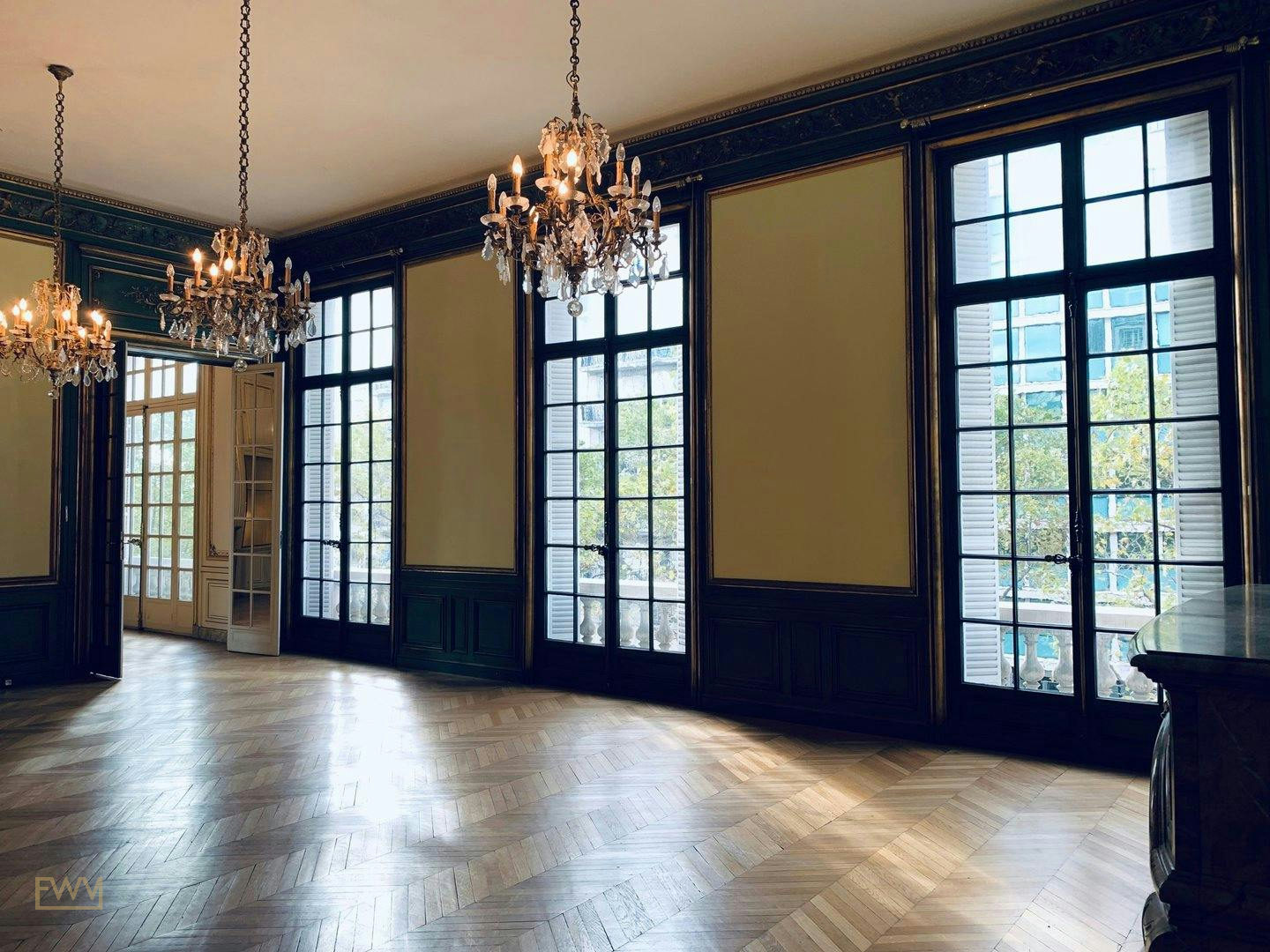
Le Marais has earned its reputation as Paris's premier pop-up retail district through a combination of geography, cultural identity, and commercial density. The neighbourhood's main axes, Rue des Francs-Bourgeois, Rue Vieille-du-Temple, Rue de Bretagne, and the streets radiating from Place des Vosges, offer a range of space types from compact boutique formats to large open-plan spaces with wooden floors, spotlights, private courtyards, and fitting rooms suitable for fashion showrooms and retail events.
The Espace Turenne on Rue Turenne is one of the most frequently referenced addresses for pop-up retail in the Marais, offering flexible space configurations that brands have used for everything from product launches to photo shooting and filming. The Galerie Joseph, one of the neighbourhood's original flexible event and retail spaces, continues to be a benchmark for the combination of gallery aesthetics and retail compatibility that Le Marais does better than any other Paris district.
Beyond the core Marais streets, brands should consider the following neighbourhood options:
- République (10th/11th arrondissement): Emerging creative district with strong foot traffic from younger Parisian consumers and proximity to the press and creative agency community.
- Batignolles (17th arrondissement): A quieter, neighbourhood-oriented market with growing appeal for lifestyle brands seeking an authentic local positioning rather than a tourist-heavy environment.
- Arts et Métiers (3rd arrondissement): The northern edge of the Marais, offering more affordable space options while maintaining proximity to the district's cultural institutions and showroom cluster.
- Atelier du Palais Royal (1st arrondissement): A prestige address for luxury and high-end beauty brands seeking an association with the historic grandeur of the Palais Royal gardens and arcades.
- Galerie Bellecour Gauche (6th arrondissement): A gallery and event space format suited to brands seeking a Saint-Germain positioning for press events, cocktail parties, and editorial activations.
When choosing between these neighbourhoods, brands should model foot traffic against their target consumer profile rather than simply choosing the most famous address. A beauty brand launching a new skincare range may find that a bright space with spotlights and a private courtyard near République generates better social media content and press coverage than a more expensive boutique on Rue des Francs-Bourgeois. A fashion showroom hosting press and buyers during Fashion Week may prioritise proximity to hotel clusters and press offices over retail foot traffic.
| Neighbourhood | Arrondissement | Best For | Key Streets / Spaces | Foot Traffic Profile |
|---|---|---|---|---|
| Le Marais | 3rd and 4th | Fashion, beauty, concept stores | Rue des Francs-Bourgeois, Rue Vieille-du-Temple, Rue Turenne | High, mixed local and tourist |
| Place des Vosges | 4th | Luxury, editorial, prestige | Place des Vosges arcade | High tourism, aspirational |
| République | 10th and 11th | Emerging brands, youth lifestyle | Canal Saint-Martin area | High local, creative demographic |
| Arts et Métiers | 3rd | Showrooms, ateliers, studios | Rue de Bretagne | Moderate, neighbourhood |
| Batignolles | 17th | Lifestyle, food, local brands | Village Batignolles | Moderate, residential |
| Palais Royal | 1st | Luxury, heritage brands | Galeries du Palais Royal | High tourism, luxury |
TIP: Brands that visit their shortlisted neighbourhoods in person at different times of day and on both weekdays and weekends will have a much clearer picture of real foot traffic patterns than any online listing can provide. Ask space owners for pedestrian count data where available.
KEY TAKEAWAY: Le Marais remains the strongest default choice for fashion pop-up stores in Paris, but the right neighbourhood depends on brand positioning, consumer target, and activation type. Brands should evaluate foot traffic, press associations, and space configuration before committing to any specific arrondissement.
Once you have identified the right neighbourhood, the next step is understanding the specific space types available for short-term retail rental in Paris and how they differ in terms of configuration, amenities, and operational requirements.
Pop-Up Space Types in Paris: Formats, Features, and Use Cases
Quick answer: Paris offers a wide range of short-term retail space formats including boutique retail units, art gallery conversions, photo studios with video equipment, fashion showrooms with fitting rooms, open-plan event spaces, and courtyard venues. Each format serves different activation objectives and brand types.
The diversity of pop-up space types in Paris is one of the city's structural advantages for brands. Unlike cities where short-term retail is limited to mall kiosks or temporary market stalls, Paris has a rich ecosystem of spaces that were originally designed for art galleries, ateliers, showrooms, photography studios, and private salons, all of which have been adapted for short-term retail and brand activation use.
Fashion Showrooms
A fashion showroom in Paris is typically a private, appointment-based space used during Fashion Week windows to present collections to press, buyers, and stylists. These spaces prioritise clean white walls, good natural light, sufficient hanging space and rails, fitting rooms, and a reception or meeting area. Spaces like Espace Turenne and similar addresses in the Marais have historically served this function. For brands using Paris as their primary market entry point, a well-positioned fashion showroom with the right technical equipment can generate press coverage and buyer orders that justify the entire activation cost.
Boutique Retail Formats
A boutique retail pop-up store is a fully transactional space where brands sell products directly to consumers. These spaces typically feature wooden floors, bright lighting with spotlights, display furniture, fitting rooms where relevant, and a clear customer flow. Key considerations include POS and payments infrastructure, inventory management capacity, and storage for stock. Platforms like Shopify POS, SumUp, and Zettle are commonly used by international brands operating short-term retail in Paris.
Open-Plan Event and Gallery Spaces
For product launches, cocktail parties, press events, and seminars, open-plan spaces with flexible configurations are often the most practical choice. These spaces offer high ceilings, clean architectural finishes, and the ability to transform from a gallery aesthetic to a retail layout within a single activation. Many of the most frequently used event spaces in Le Marais, including Galerie Joseph and similar venues, fall into this category. Sound equipment, video equipment, and technical infrastructure are often available as extra services from space owners.
Photo Studios and Production Spaces
A growing category of Paris pop-up space rental is the photo studio or Studio Photo Moderne format, used by fashion and beauty brands for photo shooting, filming, and content creation. These spaces typically feature cyclorama walls, spotlights, video equipment, and sometimes private courtyards for outdoor shooting. Platforms like Peerspace list some of these spaces alongside more conventional retail formats.
Concept Store Hybrids
The concept store format, pioneered in Paris by retailers like Colette and sustained by dozens of independent operators across the Marais and beyond, remains a template for pop-up brands seeking to combine retail, editorial display, and experiential elements in a single space. These hybrid formats work particularly well for lifestyle brands that want to communicate a broader brand world rather than simply selling products.
| Space Type | Primary Use | Key Features | Typical Minimum Duration | Best Brand Categories |
|---|---|---|---|---|
| Fashion Showroom | Press, buyers, trade | Rails, fitting rooms, natural light | 3 to 7 days | Fashion, accessories |
| Boutique Retail | Consumer sales | Wooden floors, spotlights, POS | 1 to 4 weeks | Fashion, beauty, lifestyle |
| Gallery Space | Events, launches, press | Open plan, high ceilings, flexible | 1 to 3 days | Art, luxury, editorial |
| Photo Studio | Content creation | Video equipment, cyclorama, courtyard | 1 to 2 days | Fashion, beauty, media |
| Concept Store Hybrid | Brand experience | Mixed display, experiential elements | 2 to 8 weeks | Lifestyle, beauty, fashion |
| Virtual Showroom | Remote presentation | Digital infrastructure, streaming | Varies | All categories |
KEY TAKEAWAY: The space type you choose should be determined by your activation objective first, your brand category second, and your budget third. A fashion showroom optimised for press appointments will fail as a consumer retail space, and a boutique retail unit will not perform as a content creation studio without significant additional investment.
Understanding space types is foundational, but equally important is understanding the operational and legal framework that governs short-term retail rental in Paris before you sign anything.
Short-Term Leases, Permits, and French Commercial Law for Pop-Up Stores
Quick answer: Renting a pop-up space in Paris typically involves either a bail dérogatoire (a short-term commercial lease of up to 36 months that derogates from standard commercial lease protections) or an AOT (Autorisation d'Occupation Temporaire) for publicly owned or semi-public spaces. Neither structure is legally simple, and both require careful review before signing.
One of the most common mistakes international brands make when attempting to rent a pop-up shop in Paris is assuming that a short-term lease is inherently simpler than a standard commercial lease. In French commercial law, the opposite is often true. Standard commercial leases (baux commerciaux) in France carry significant tenant protections that landlords cannot easily waive, which is why short-term arrangements require specific legal structures to be valid and enforceable.
Bail Dérogatoire
The bail dérogatoire, sometimes called a convention d'occupation précaire, allows landlords and tenants to agree on a short-term occupation of commercial premises for a period of up to 36 months without triggering the full protections of the standard commercial lease statute. After the bail dérogatoire expires, if the tenant remains in occupation and a new agreement is not signed, the arrangement automatically converts to a standard commercial lease, which the landlord may not want. For pop-up brands, the bail dérogatoire is the most commonly used structure for activations lasting more than a few days, particularly for durations of one to six months.
AOT (Autorisation d'Occupation Temporaire)
For spaces in or adjacent to publicly owned land, municipal property, or spaces under the management of urban planning authorities, an AOT may be required. This is particularly relevant for activations in covered passages, public squares, or spaces near the Palais Royal or other heritage sites. AOT requirements vary significantly by location, arrondissement, and the specific nature of the activation. Brands should not assume that an AOT issued for one type of activation automatically covers additional activities such as amplified sound, food service, or extended hours.
ERP Regulations and Safety Standards
Any space open to the public in France must comply with ERP (Etablissement Recevant du Public) regulations, which govern safety standards including fire safety, emergency exit capacity, accessibility, and maximum occupancy. The ERP classification of a space depends on its size, the nature of the activities conducted, and the expected maximum number of visitors. Brands should confirm the ERP classification of any space before committing to a lease and ensure that their planned activation is compatible with that classification. Local regulations can vary by arrondissement, and the Chamber of Commerce and Industry can provide guidance on compliance requirements.
Insurance Requirements
Insurance is a non-negotiable component of any Paris pop-up store rental. Space owners will typically require proof of comprehensive public liability insurance before releasing keys, and brands should also consider stock and inventory insurance, event cancellation insurance where relevant, and employer liability cover if using temporary staff. Requirements vary by space type, activation type, and lease duration.
IMPORTANT: The legal structures governing short-term leases and temporary use permits in France are complex and vary by space type, location, and duration. Always verify your specific situation with a qualified French legal advisor before signing any agreement. The permit guidance tool on Fashion Week Venues can help you understand the framework, but it does not substitute for professional legal advice.
KEY TAKEAWAY: Short-term pop-up leases in Paris require specific legal structures (bail dérogatoire or AOT), must comply with ERP safety standards, and require comprehensive insurance. Brands that approach these requirements without specialist guidance risk contract invalidity, permit refusals, or activation delays.
With the legal framework understood, the next practical question for any brand team is how to budget accurately for a Paris pop-up store and what operational costs to anticipate beyond the headline rental figure.
Budgeting for a Paris Pop-Up Store: Costs, Variables, and Planning Tools
Quick answer: The total cost of renting and operating a pop-up shop in Paris depends on the neighbourhood, space size, duration, fit-out requirements, staffing levels, and activation complexity. Rental costs are only one component of the total budget, and brands that plan only for space rental consistently underestimate their true activation cost.
Budgeting accurately for a Paris pop-up store requires a systematic approach that accounts for every cost category from initial space rental through to post-activation data analysis. The following framework covers the primary cost categories that brand teams should model before committing to a space or timeline.
Space Rental Costs
Space rental costs in Paris vary significantly by neighbourhood, space type, size, and duration. Premium locations in Le Marais, particularly on Rue des Francs-Bourgeois, Rue Vieille-du-Temple, and around Place des Vosges, command higher rates than equivalent spaces in Arts et Métiers, République, or Batignolles. Minimum duration requirements also vary, with some gallery and event spaces available for single-day rental and more established retail units typically requiring a minimum of one to four weeks. Brands should treat any published rental figure as a starting point for negotiation rather than a fixed price, particularly for longer duration bookings during non-peak calendar windows. Use the Fashion Week Venues budget estimation tool to model space and activation costs specific to your brief.
Fit-Out and Production Costs
Fit-out and production costs cover everything from branded store design and furniture rental to signage, display fixtures, lighting upgrades, and technical equipment installation. For a basic boutique pop-up with minimal bespoke design, fit-out costs may be relatively modest. For a fully branded concept store with custom scenography, video equipment, sound equipment, and immersive design elements, fit-out can represent the largest single cost category in the entire activation budget. Brands should also budget for de-fit costs, the cost of restoring the space to its original condition at lease end, which landlords will typically require.
Utilities and Operational Costs
Utilities including electricity, heating, and internet connectivity may or may not be included in the rental price depending on the agreement. Brands should clarify utility responsibility before signing and budget for any utilities not covered by the landlord. Additional operational costs include packaging, POS and payments infrastructure (Shopify POS, SumUp, Zettle, or equivalent), inventory management systems, security, and cleaning.
Staffing Costs
Temporary staff for a Paris pop-up store must comply with French employment law, which has specific requirements for short-term contracts, minimum wage, and employer contributions. Brands hiring directly should consult with a French employment specialist. Using a specialist retail staffing agency with experience in the Paris market is often more efficient for short activations. Staffing costs should include recruitment, training, uniforms, and employer-side contributions.
Marketing and Communication Costs
A Paris pop-up store that does not communicate its existence will not generate foot traffic, social media coverage, or earned media. Marketing costs should include pre-activation digital content creation, influencer marketing, local PR, social media advertising, and any photography or filming required for post-activation content. Brands that invest in strong communication around their pop-up store consistently achieve better ROI than those that treat the space as self-marketing.
| Cost Category | Included in Rental? | Key Variables | Planning Priority |
|---|---|---|---|
| Space rental | Yes | Neighbourhood, size, duration | High |
| Fit-out and production | No | Design complexity, bespoke elements | High |
| Utilities | Sometimes | Lease terms, usage level | Medium |
| Insurance | No | Space type, stock value | High |
| Staffing | No | Hours, roles, duration | High |
| POS and payments | No | Transaction volume, system choice | Medium |
| Marketing and PR | No | Channel mix, influencer tier | High |
| De-fit and restoration | No | Lease terms, fit-out extent | Medium |
| Storage and stock logistics | Sometimes | Inventory volume, delivery frequency | Medium |
TIP: Brands that calculate their target revenue from a Paris pop-up store and work backwards to a maximum budget using an ROI model are better positioned to make informed space and production decisions than those that start with a fixed rental budget and add costs incrementally. The ROI calculator on Fashion Week Venues supports this planning approach.
KEY TAKEAWAY: The total cost of a Paris pop-up store activation is typically two to four times the headline rental cost when fit-out, staffing, marketing, insurance, and operational costs are included. Brands should model total cost from the outset rather than anchoring to the rental figure alone.
With budget modelled and legal structures understood, the next critical question is timing. The Paris fashion and retail calendar creates specific windows where pop-up stores perform very differently from quieter periods.
The Paris Fashion and Retail Calendar: Timing Your Pop-Up Activation
Quick answer: Paris Fashion Week in January and September creates the most commercially concentrated windows for fashion showrooms and press-focused pop-up stores, but consumer-facing retail activations can be highly effective throughout the year, with key peaks around major trade periods, school holidays, and the summer tourist season.
The Paris fashion calendar is often the first reference point for brands considering a pop-up store in the city, but it is not the only viable window. Understanding how different calendar periods affect foot traffic, press availability, consumer behaviour, and space availability is essential for timing decisions.
Paris Fashion Week Windows
Paris Fashion Week takes place twice a year: in January for the Autumn/Winter season (Menswear and Haute Couture) and in late February and early March for Women's Ready-to-Wear, with additional windows in June and October. During these periods, the fashion press, buyers, stylists, and brand partners are all concentrated in the city, creating exceptional conditions for showroom activations, press events, and trade-focused pop-up stores. Space availability during Fashion Week windows is extremely limited, and brands should begin their venue sourcing process a minimum of three to six months in advance of the relevant calendar window.
Outside Fashion Week: Consumer Retail Peaks
Consumer-facing pop-up stores in Paris can perform exceptionally well outside Fashion Week periods. Key peaks include:
- Spring (April to May): High tourist volumes, strong local consumer engagement, ideal for lifestyle and beauty brand launches.
- Summer (July to August): Very high international tourist traffic in central arrondissements, particularly in Le Marais, with reduced local consumer activity.
- Autumn (October to November): Strong local consumer return from summer, pre-Christmas purchasing activity begins, and the period overlaps with Paris Fashion Week October window.
- Holiday Season (December): Highest consumer spending period, premium foot traffic across all central shopping districts.
Availability Calendars and Lead Times
Premium pop-up spaces in Le Marais and other central arrondissements publish availability calendars that fill quickly, particularly for Fashion Week windows and the December peak. Brands should use a timeline planning tool to map their activation goals against realistic lead times for venue sourcing, permit applications, fit-out production, and staffing recruitment.
KEY TAKEAWAY: Fashion Week is the most commercially concentrated window for press and trade pop-up stores in Paris, but consumer retail activations perform well across multiple calendar peaks throughout the year. Lead times for premium spaces are typically three to six months for Fashion Week windows and one to three months for other periods.
Choosing the right timing is one dimension of the activation strategy. Choosing whether to manage the activation independently or work with a specialist agency is equally important and has significant implications for cost, quality, and outcomes.
How to Find and Rent a Pop-Up Space in Paris: The Process
| Step | Action | Key Considerations | Typical Timeline |
|---|---|---|---|
| 1 | Define your activation objective | Sell, exhibit, press, test concept, meet buyers | Before any search begins |
| 2 | Set budget and duration parameters | Total budget including fit-out, staffing, marketing | Before any search begins |
| 3 | Identify target neighbourhood and space type | Foot traffic, brand positioning, space configuration | 3 to 6 months before lease start |
| 4 | Source and shortlist spaces | Marketplace listings, agency recommendations, direct outreach | 3 to 5 months before lease start |
| 5 | Visit shortlisted spaces in person | Foot traffic, natural light, technical specifications | 2 to 4 months before lease start |
| 6 | Negotiate lease terms and confirm legal structure | Bail dérogatoire, AOT, ERP compliance, insurance | 2 to 3 months before lease start |
| 7 | Confirm permits and insurance | Local regulations, ERP classification, public liability | 6 to 8 weeks before lease start |
| 8 | Plan fit-out, staffing, and logistics | Furniture rental, POS setup, stock delivery, temporary staff | 4 to 6 weeks before lease start |
| 9 | Plan marketing and communication | Social media, influencer marketing, PR, photography | 4 to 6 weeks before lease start |
| 10 | Execute activation and monitor performance | Data analytics, consumer data, daily sales reporting | During activation |
| 11 | De-fit, restore space, and analyse results | De-fit costs, lease-end obligations, ROI review | At and after lease end |
The process of renting a pop-up shop in Paris is more structured than many brands anticipate. The most common failure point is underestimating lead times, particularly for permit applications, fit-out production, and the recruitment of vetted temporary staff. Brands that begin their venue search fewer than eight weeks before their target lease start date will typically find that the best spaces in premium neighbourhoods are already committed.
The sourcing step deserves particular attention. Pop-up space listings in Paris are distributed across multiple platforms and channels including specialist marketplaces, agency portfolios, property management companies, and direct relationships with space owners. Brands that rely on a single listing platform risk missing the best-matched spaces for their brief. Using a specialist venue sourcing service gives brands access to spaces that are not publicly listed, negotiated on better terms, and validated against ERP and permit requirements before viewing.
When evaluating a shortlisted space, brands should assess not only the aesthetic and technical specifications but also the practical logistics of stock delivery and storage, parking access for fit-out and de-fit operations, proximity to accommodation for visiting press and buyers, and the quality of the neighbourhood at different times of day.
KEY TAKEAWAY: The pop-up space search process in Paris requires a minimum lead time of three to six months for premium spaces and Fashion Week windows, and must include legal, permit, insurance, and operational planning from the outset. Treating venue sourcing as a last-minute task is the most reliable way to compromise the quality of your activation.
Understanding the process is essential. Understanding how a specialist agency can improve the quality and efficiency of that process is the next question for brand teams evaluating their options.
How Fashion Week Venues Helps Brands Rent Pop-Up Shops in Paris
Fashion Week Venues operates as a full-service pop-up shop agency and space marketplace with Paris as its primary market. For brand teams planning a pop-up store, showroom, or short-term retail activation in Paris, the agency provides end-to-end support across venue sourcing, concept direction, production and build, activation management, branded store design, furniture rental, retail staffing, POS and payments, data and analytics, and influencer marketing.
The agency's space marketplace gives brands a structured starting point for browsing available spaces across Paris neighbourhoods, filtered by space type, size, duration, and category suitability. Brands can compare spaces using the compare tool, estimate total activation costs using the budget calculator, model ROI using the ROI calculator, and understand permit requirements through the permit guidance tool, all before engaging an agency consultant.
For brands that want managed support rather than a self-service approach, the agency's full-service model covers every stage from initial brief to post-activation analysis. This is particularly valuable for international brands entering Paris for the first time, brands activating during Fashion Week windows where lead times are compressed, and brands with complex production or design requirements that need coordination across multiple vendors.
The twin co-activation concept, available through Fashion Week Venues, allows two complementary brands to share a space, split costs, and co-create an activation that offers greater brand interest than either could achieve independently. This model is particularly relevant for emerging brands with limited budgets seeking premium Le Marais or Place des Vosges locations.
The agency's imagine tool allows brands to visualise a space before committing, mapping their design concept against the actual dimensions and architectural features of shortlisted spaces. The build planning tool supports production scheduling, and the locator tool helps brands identify spaces that match a specific neighbourhood and street-level brief.
Brands seeking guidance on agency selection can review the considerations covered in the hiring an agency guide, which addresses how to evaluate service scope, cost structures, and agency experience before appointing a partner.
IMPORTANT: Fashion Week Venues does not guarantee space availability, permit approvals, or activation outcomes. All space availability is subject to landlord confirmation, and permit compliance is the responsibility of the activating brand with guidance from relevant legal and regulatory advisors.
KEY TAKEAWAY: Fashion Week Venues provides brands with both a self-service discovery and planning toolkit and a full-service managed activation offering, making it suitable for brands at different stages of Paris market experience and with different levels of in-house activation capability.
To compare neighbourhoods and space types, explore the Paris city hub on Fashion Week Venues and shortlist spaces that match your brief, budget, and calendar window.
Operating Your Paris Pop-Up Store: Logistics, Staffing, and Technology
Quick answer: Successfully operating a pop-up store in Paris requires careful advance planning across stock logistics, POS and payments technology, temporary staff management, inventory management, and customer service standards. Operational failures in any of these areas will directly damage brand perception during what is typically a high-visibility activation.
Once a space is secured and the fit-out is complete, the operational phase of a Paris pop-up store begins. This phase is often underestimated in planning, with most of the pre-activation attention focused on the creative and sourcing elements. In practice, operational quality, the ability to serve customers efficiently, manage stock accurately, process payments without friction, and deliver consistent customer service, is what determines whether a pop-up store achieves its commercial and brand objectives.
POS and Payments Infrastructure
International brands operating consumer-facing pop-up stores in Paris need a reliable and legally compliant point-of-sale and payments solution. Options commonly used in the Paris market include Shopify POS for brands already using Shopify's e-commerce infrastructure, SumUp for a compact and cost-effective card reader solution, and Zettle by PayPal for brands that prioritise integration with existing financial systems. All three options support multi-currency transactions and can be configured to operate without permanent internet infrastructure, which is relevant for spaces where connectivity is unreliable. French VAT (TVA) compliance must be built into any POS configuration from day one.
Inventory Management and Stock Logistics
Stock management for a Paris pop-up store requires a plan for initial stock delivery, daily replenishment if needed, secure overnight storage, and return logistics at activation end. Many pop-up spaces in Paris do not include dedicated storage areas, making it essential to confirm storage capacity before signing a lease. Brands running high-volume consumer retail activations should consider whether a partner warehouse or Nestore-type storage service in Paris makes sense for the duration of the activation.
Temporary Staff Management
Temporary staff for a Paris pop-up store must be recruited, contracted, trained, and managed in compliance with French employment law. This includes short-term employment contracts (Contrat à Durée Déterminée), minimum wage compliance, employer contribution requirements, and any sector-specific collective agreements that apply to retail workers in France. Using a specialist retail staffing service experienced in the Paris market eliminates most of the administrative complexity and ensures that staff are trained in brand standards, customer service expectations, and product knowledge before the activation opens.
Data Collection and Consumer Analytics
Pop-up stores in Paris are increasingly expected to generate consumer data that informs wider brand strategy decisions. This includes foot traffic counting, transaction data, dwell time analysis, conversion rate tracking, and post-visit customer feedback. Data analytics tools integrated with POS systems can provide real-time reporting on sales performance, product mix, and peak trading hours. Brands that collect and analyse consumer data from their Paris pop-up store are better positioned to make evidence-based decisions about future activations, permanent retail strategies, and product range prioritisation.
KEY TAKEAWAY: Operational quality during a Paris pop-up store activation is as important as creative quality. Brands that plan for POS infrastructure, stock logistics, staffing compliance, and data collection from the outset deliver better customer experiences and generate more commercially useful results from their activations.
Communicating Your Paris Pop-Up Store: Marketing, Influencers, and Earned Media
Quick answer: A Paris pop-up store without a communications plan will attract far fewer visitors than the location alone can deliver. Effective communication combines pre-activation social media content, influencer partnerships, local PR, and in-store content creation to maximise both foot traffic and earned media reach.
The communication strategy for a Paris pop-up store should begin well before the lease start date and continue throughout the activation. The goal is to create multiple waves of awareness: an anticipation phase before opening, a live trading phase during the activation, and a post-activation content phase that extends the life of the investment beyond the physical opening period.
Social Media and Content Strategy
Social media is the most direct and cost-efficient channel for communicating a Paris pop-up store to both local consumers and international audiences. Brands should plan a content calendar that includes teaser content revealing the Paris location, behind-the-scenes content from the fit-out and build phase, live content during the activation including stories, reels, and live video, and post-activation editorial content using photography and filming captured during the pop-up.
Influencer Marketing in Paris
Paris has one of the most developed influencer ecosystems of any fashion capital, with a strong community of fashion, beauty, and lifestyle content creators across Instagram, TikTok, and YouTube. Brands that partner with relevant Paris-based influencers before their activation opens can generate significant pre-activation awareness and drive qualified foot traffic from audiences that trust the influencer's recommendations. The influencer marketing service offered by Fashion Week Venues connects brands with vetted Paris market influencers matched to their category and audience profile.
PR and Earned Media
Paris has a dense fashion and lifestyle press community, and a well-positioned pop-up store in the right neighbourhood with a compelling creative concept can generate editorial coverage in French and international publications. Earned media from a Paris activation, measured in terms of press mentions, digital coverage, and social media reach, can represent a significant multiple of the paid media investment. Brands should engage a Paris-based PR agency or a specialist with strong local press relationships to support their activation, particularly for Fashion Week window activations where press attention is concentrated.
KEY TAKEAWAY: The communication investment for a Paris pop-up store should be planned and budgeted as a core component of the activation, not an afterthought. Brands that treat their pop-up as a media asset and invest in pre-activation social media, influencer partnerships, and local PR consistently achieve better total ROI than brands that rely on location alone to generate awareness.
Security, Verification, and Online Platforms for Paris Pop-Up Space Research
Quick answer: When researching Paris pop-up spaces online, brands may encounter security verification systems on certain listing platforms, including WAF (Web Application Firewall) checks, automated browser redirects, and security challenges such as Cloudflare Ray ID verification. These are standard security measures and not indicators of a problem with the platform itself.
Brand teams and event producers researching Paris pop-up spaces online will often use a range of platforms and listing sites as part of their initial discovery phase. Some of these platforms use robust security systems to protect against automated scraping, SQL command injection, and malformed data submissions. Security services such as Tiger Protect WAF and Cloudflare are commonly deployed on high-traffic listing sites and marketplace platforms to protect space owner and user data.
Understanding Security Challenges on Listing Platforms
If you encounter a security check, browser redirect, or verification challenge while researching Paris pop-up spaces on a listing platform, this is typically a standard automated security system response rather than an indication that your access has been blocked for suspicious reasons. Common triggers for security verification include browsing from a VPN or shared IP address, using automated browser tools or scraping software, submitting a search form in a way that the security system identifies as potentially automated, or accessing the site from an unusual geographic location.
In most cases, completing the verification process by confirming that you are a human user via a standard verification prompt or browser challenge will restore normal access. If you receive a Cloudflare Ray ID error or a similar security service block message, the site owner can use that reference to investigate and resolve the issue. Submitting a legitimate request through the platform's standard contact or verification process is the appropriate response.
Verifying Platform Legitimacy
When using online platforms to research and book Paris pop-up spaces, brands should apply a verification process to the platform itself. Legitimate pop-up space listing platforms will have a clear website, verifiable contact details including email and telephone, published terms and conditions, a transparent payment and cancellation policy, and evidence of real past listings and reviews. Platforms that cannot demonstrate these elements should be approached with caution, regardless of the quality of their individual listings.
KEY TAKEAWAY: Security checks and automated verification systems on pop-up space listing platforms are standard digital security measures. Brands encountering these challenges should complete the verification process as prompted. When evaluating any new listing platform, apply a structured due diligence process to verify its legitimacy before making any payment or signing any agreement.
Common Myths About Renting a Pop-Up Shop in Paris
MYTH: You need a French legal entity to rent a pop-up space in Paris.
FACT: International brands can rent short-term retail spaces in Paris without establishing a French legal entity, but they will need to provide appropriate documentation including proof of business registration in their home country, insurance documentation, and in some cases a guarantor or security deposit in lieu of a French business registration. Requirements vary by space owner and lease structure, and specialist advice is recommended for brands entering the French market for the first time.
MYTH: Paris Fashion Week is the only viable calendar window for pop-up activations in Paris.
FACT: Paris Fashion Week creates the most concentrated window for press and trade-focused pop-up stores, but consumer-facing retail activations perform well across multiple periods throughout the year, including the spring tourist peak, the autumn return from summer, and the December holiday period. Brands focused on consumer sales rather than press and buyer appointments often achieve better commercial results outside the Fashion Week window when competition for consumer attention is lower and space costs may be more negotiable.
MYTH: The only way to find a pop-up space in Paris is through a commission broker.
FACT: Commission brokers are one channel for finding pop-up spaces in Paris, but they are not the only option. Specialist marketplaces, full-service agencies, direct outreach to space owners, and curated platform listings all offer access to Paris retail spaces. The advantage of a specialist full-service agency over a commission broker is that the agency relationship typically includes support with production, permits, staffing, and activation management, not just the introduction to a space owner.
MYTH: Short-term leases in Paris are legally simple and require no specialist review.
FACT: Short-term commercial leases in France (bail dérogatoire) are specifically structured to avoid triggering the full protections of standard commercial leases, but they are not simple documents. They require specific language to be legally valid, must be structured to avoid automatic conversion to a standard commercial lease, and must address ERP compliance, insurance requirements, and restoration obligations. Brands that sign short-term leases without legal review risk unenforceable agreements and significant financial exposure.
MYTH: A pop-up store in Paris will generate press coverage automatically because of its location.
FACT: Location in a prestigious Paris neighbourhood creates the conditions for press coverage but does not guarantee it. Paris hosts hundreds of brand activations every season, and press attention is competed for, not automatically granted. Brands that invest in a dedicated PR strategy, influencer partnerships, and compelling creative concepts generate substantially more earned media than those that rely on location alone.
Frequently Asked Questions
What is a pop-up store in Paris and how does it differ from a permanent retail space?
A pop-up store in Paris is a temporary retail or brand activation space rented for a defined short-term period, typically ranging from a single day to several months. Unlike a permanent retail space governed by a full French commercial lease (bail commercial), a pop-up store operates under a bail dérogatoire or a convention d'occupation précaire, which allows landlords and tenants to agree on short-term terms without triggering long-term lease protections. Pop-up stores can serve as consumer retail environments, fashion showrooms, press event spaces, photo studios, or concept store hybrids depending on the brand's activation objective.
How do I rent a pop-up shop in Paris as an international brand?
To rent a pop-up shop in Paris as an international brand, you need to identify your activation objective and budget, source shortlisted spaces through a marketplace or specialist agency, visit and evaluate spaces in person, negotiate a short-term lease structure (bail dérogatoire) with the space owner, confirm insurance requirements, verify permit compliance for your planned activation type, and plan fit-out, staffing, and logistics before your lease start date. International brands that have not previously operated in France should consult with a French legal advisor before signing any lease and use specialist agencies for permit guidance and operational support.
What neighbourhoods in Paris are best for pop-up retail?
Le Marais, covering the 3rd and 4th arrondissements, is consistently the strongest neighbourhood for fashion and lifestyle pop-up stores in Paris, with key streets including Rue des Francs-Bourgeois, Rue Vieille-du-Temple, Rue de Bretagne, and Rue Turenne. Other strong options include the area around Place des Vosges for luxury and prestige brands, République for emerging and youth lifestyle brands, Arts et Métiers for showroom and studio formats, Batignolles for local lifestyle positioning, and the Palais Royal area for heritage and luxury brand activations.
How much does it cost to rent a pop-up shop in Paris?
The cost of renting a pop-up shop in Paris varies significantly depending on the neighbourhood, space size, space type, and duration of the rental. Premium addresses in Le Marais and around Place des Vosges command higher rates than equivalent spaces in Arts et Métiers or Batignolles. Rental costs are only one component of the total activation budget, which must also include fit-out and production, staffing, insurance, utilities, POS and payments infrastructure, marketing, and de-fit costs. For brand-specific budget estimates, use the Fashion Week Venues budget estimation tool to model your total activation cost.
Can I rent a pop-up space in Paris for just one day?
Yes, some pop-up spaces in Paris are available for single-day rental, particularly gallery spaces, photo studios, and event venues used for product launches, cocktail parties, and press events. However, boutique retail spaces and fashion showrooms typically have minimum duration requirements of three to seven days or longer. Minimum duration varies by space owner, space type, and calendar period. Fashion Week window availability is particularly constrained, and one-day rentals during peak periods are rare. Always confirm minimum duration directly with the space owner or through your agency before shortlisting a space.
What permits do I need to open a pop-up store in Paris?
Permit requirements for a pop-up store in Paris depend on the space type, the nature of the planned activities, the expected number of visitors, and the specific arrondissement. All spaces open to the public must comply with ERP (Etablissement Recevant du Public) safety regulations, which govern fire safety, emergency exits, and maximum occupancy. Spaces on or adjacent to publicly owned land may require an AOT (Autorisation d'Occupation Temporaire). Additional permits may be required for amplified sound, food service, signage, and extended operating hours. Verify your specific permit requirements with a qualified French legal advisor and use the Fashion Week Venues permit guidance tool for an initial framework overview.
What is a bail dérogatoire and why does it matter for pop-up stores?
A bail dérogatoire is a specific type of short-term commercial lease under French law that allows landlords and tenants to agree on temporary occupation of commercial premises for up to 36 months without triggering the full protections of the standard French commercial lease statute. For pop-up brands, the bail dérogatoire is the most commonly used legal structure for activations lasting more than a few days. It must be correctly drafted to be valid, and brands should not sign a bail dérogatoire without legal review, as an improperly structured agreement can automatically convert to a standard commercial lease, creating significant financial obligations for both parties.
What types of brands use pop-up stores in Paris?
Pop-up stores in Paris are used by a wide range of brand categories including international fashion brands presenting seasonal collections during Fashion Week, beauty brands launching new products to press and consumers, lifestyle brands testing new markets or product ranges before committing to permanent retail, emerging designers seeking visibility in a prestigious market, luxury brands creating exclusive experiential activations, and art and culture organisations using gallery-format spaces for creative events. The common thread is the desire to access Paris's consumer base, press community, and cultural prestige without the commitment and cost of permanent retail.
How far in advance should I start planning a Paris pop-up store?
For Fashion Week window activations, brands should begin their venue search a minimum of three to six months in advance of their target lease start date. For non-Fashion Week activations in premium neighbourhoods, a lead time of two to four months is typically sufficient for most space types, though longer lead times improve the quality of available options. Permit applications, fit-out production, staffing recruitment, and marketing planning should all begin well before the lease start date, making early planning a structural requirement rather than a strategic preference.
Do I need to use an agency to rent a pop-up space in Paris?
Brands are not required to use an agency to rent a pop-up space in Paris, and many brands source spaces independently through marketplaces and direct outreach to space owners. However, specialist agencies bring access to unlisted spaces, negotiated lease terms, permit and compliance guidance, production management, staffing solutions, and post-activation analytics that are difficult to replicate through independent research alone. For brands activating in Paris for the first time, during Fashion Week windows, or with complex production requirements, working with a specialist agency typically delivers better outcomes and reduces operational risk compared to a fully self-managed approach.
What is the difference between a fashion showroom and a pop-up retail store in Paris?
A fashion showroom in Paris is primarily a private, appointment-based space used to present collections to press, buyers, and stylists during Fashion Week or trade periods. It is optimised for presentation quality, with clothing rails, fitting rooms, good natural light, and a reception or meeting area. A pop-up retail store is a consumer-facing transactional space where products are sold directly to the public, requiring POS and payments infrastructure, inventory management, customer service staffing, and a retail-optimised layout. Some spaces in Paris can serve both functions depending on the configuration and the brand's activation schedule.
What is the twin co-activation concept and how does it work for pop-up stores?
The twin co-activation concept, offered by Fashion Week Venues, allows two complementary brands to share a single pop-up space, split the rental and production costs, and co-create an activation that offers greater brand interest and media appeal than either brand could achieve independently. This model is particularly relevant for emerging brands with limited individual budgets seeking access to premium Le Marais or Place des Vosges locations, or for brands in complementary categories, such as fashion and beauty, or fashion and homeware, that want to create a curated shopping environment with a broader product offer than a single brand could provide.
Are pop-up stores in Paris common outside of Le Marais?
Yes, pop-up stores and brand activations operate across a wide range of Paris neighbourhoods beyond Le Marais, including the 1st arrondissement around the Palais Royal and Rue de Rivoli, the 6th arrondissement in Saint-Germain-des-Prés, the 10th and 11th arrondissements around République and Canal Saint-Martin, the 8th arrondissement near the Champs-Elysées for high-visibility mass-market activations, and emerging areas like Batignolles in the 17th. The right neighbourhood depends on brand positioning, target consumer profile, and activation type rather than a single default choice.
What insurance do I need for a pop-up store in Paris?
Pop-up store operators in Paris typically need comprehensive public liability insurance covering injury or property damage to third parties, stock and inventory insurance covering the value of goods on the premises, and employer liability insurance if using temporary staff. Event cancellation insurance is advisable for activations with significant upfront production costs. Space owners will require proof of insurance before releasing keys, and some spaces have minimum coverage requirements that brands must meet. Insurance requirements can vary by space type, activation type, and the specific terms of the lease agreement, so it is advisable to confirm requirements early in the planning process.
How do I communicate my Paris pop-up store to generate foot traffic and media coverage?
Effective communication for a Paris pop-up store combines a pre-activation social media campaign building anticipation, influencer partnerships with Paris-based content creators matched to your brand category, local PR outreach to fashion and lifestyle press, and in-store content creation for ongoing social media and post-activation editorial use. A clear and visually distinctive pop-up design generates organic social media content from visitors and contributes to earned media reach. Brands should plan and budget for communication as a core component of the activation, beginning outreach to influencers and press contacts at least four to six weeks before the activation opens.
Conclusion
Renting a pop-up shop in Paris is one of the most commercially powerful and brand-elevating moves available to fashion, beauty, and lifestyle brands in 2026. The city's combination of prestigious shopping districts, concentrated fashion calendar windows, a globally influential press and buyer community, and a consumer culture that values exceptional retail experiences makes it the most valuable short-term retail market in Europe. Success in Paris requires more than finding the right address. It requires a structured approach to legal compliance, budget planning, operational logistics, and marketing communications that few brand teams can execute well without specialist local knowledge and support.
Le Marais remains the default starting point for most fashion and lifestyle brands, with streets like Rue des Francs-Bourgeois, Rue Vieille-du-Temple, Rue Turenne, and Rue de Bretagne offering the highest concentration of proven pop-up retail formats and the most commercially relevant foot traffic. But the right neighbourhood, space type, and calendar window are always specific to your brand's activation objectives, consumer target, and budget parameters. Invest in defining these before beginning any space search, and build a realistic total budget that accounts for every cost category from fit-out and staffing to insurance and marketing.
For brands ready to move from planning to activation, Fashion Week Venues provides both the discovery tools and the managed service capability to navigate Paris efficiently. To move from research to activation, start exploring available spaces on the Fashion Week Venues marketplace and build a focused brief for your target neighbourhood, space type, and calendar window.