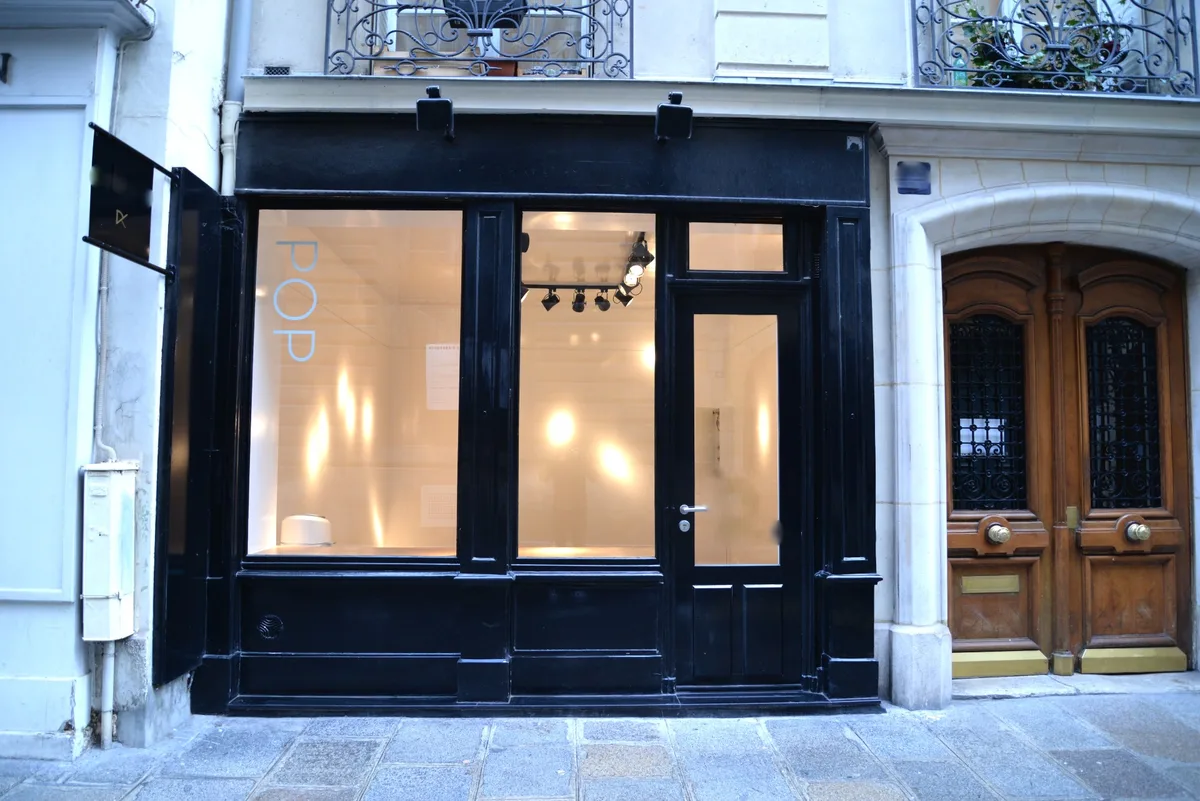
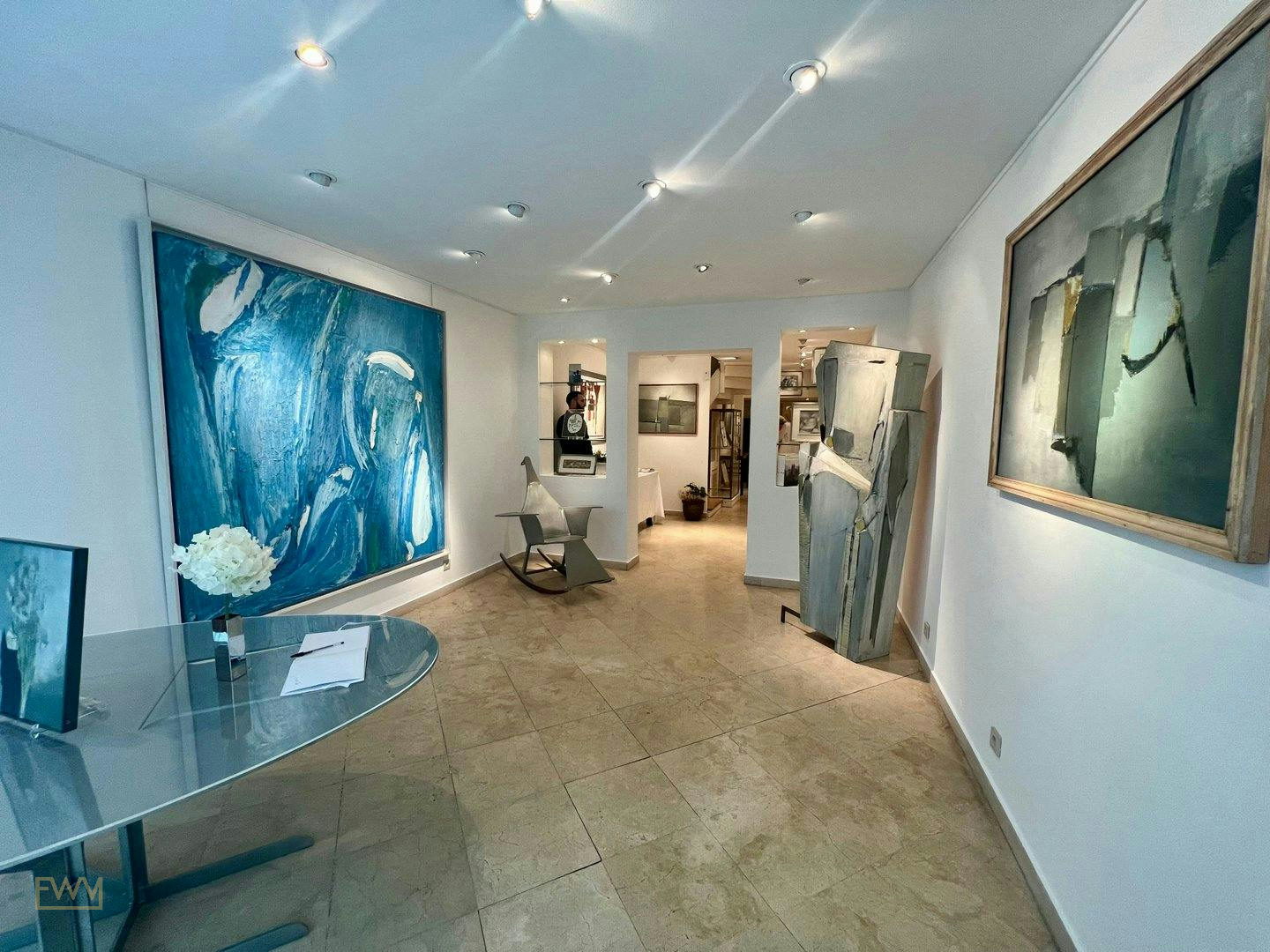
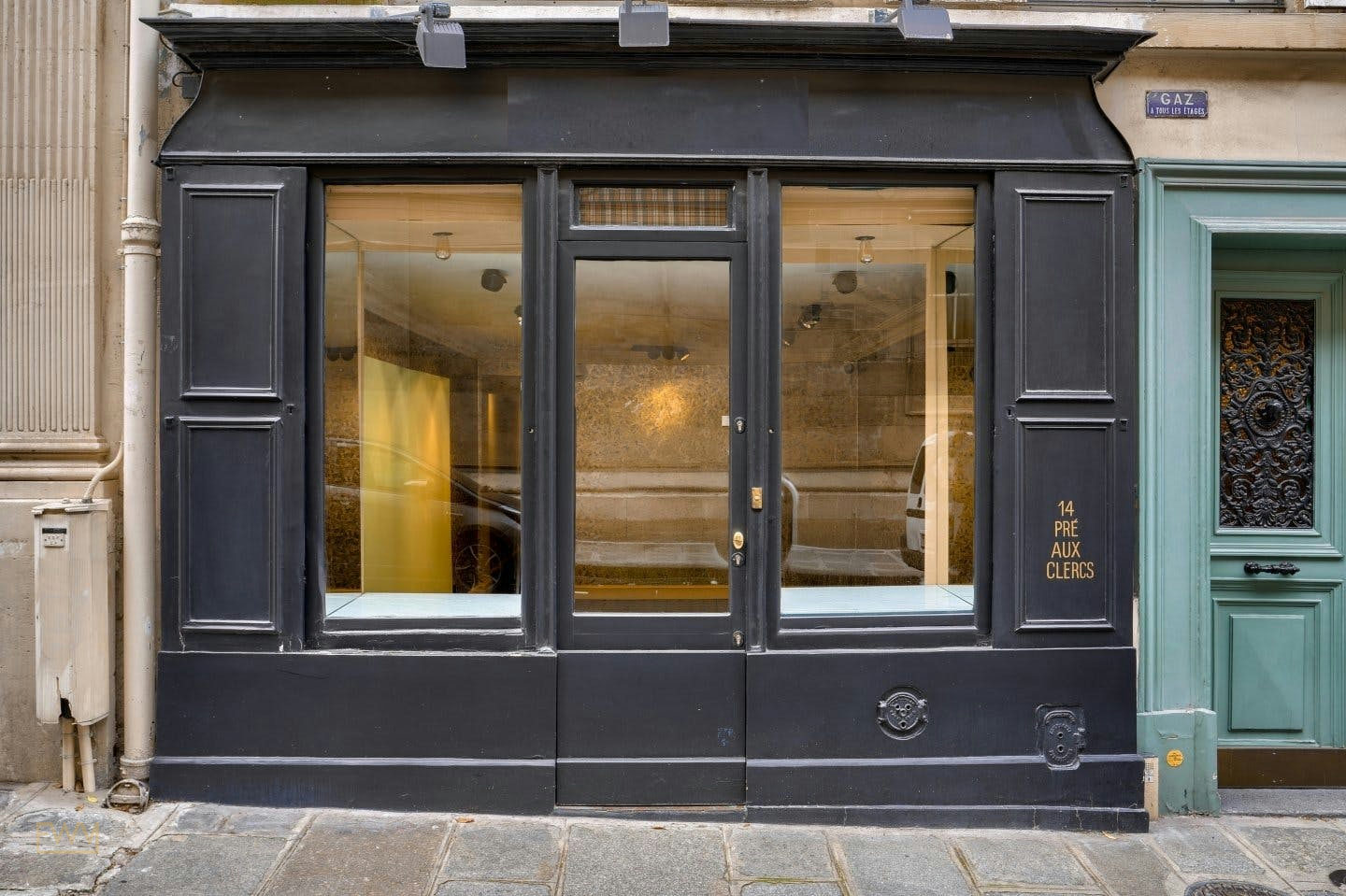
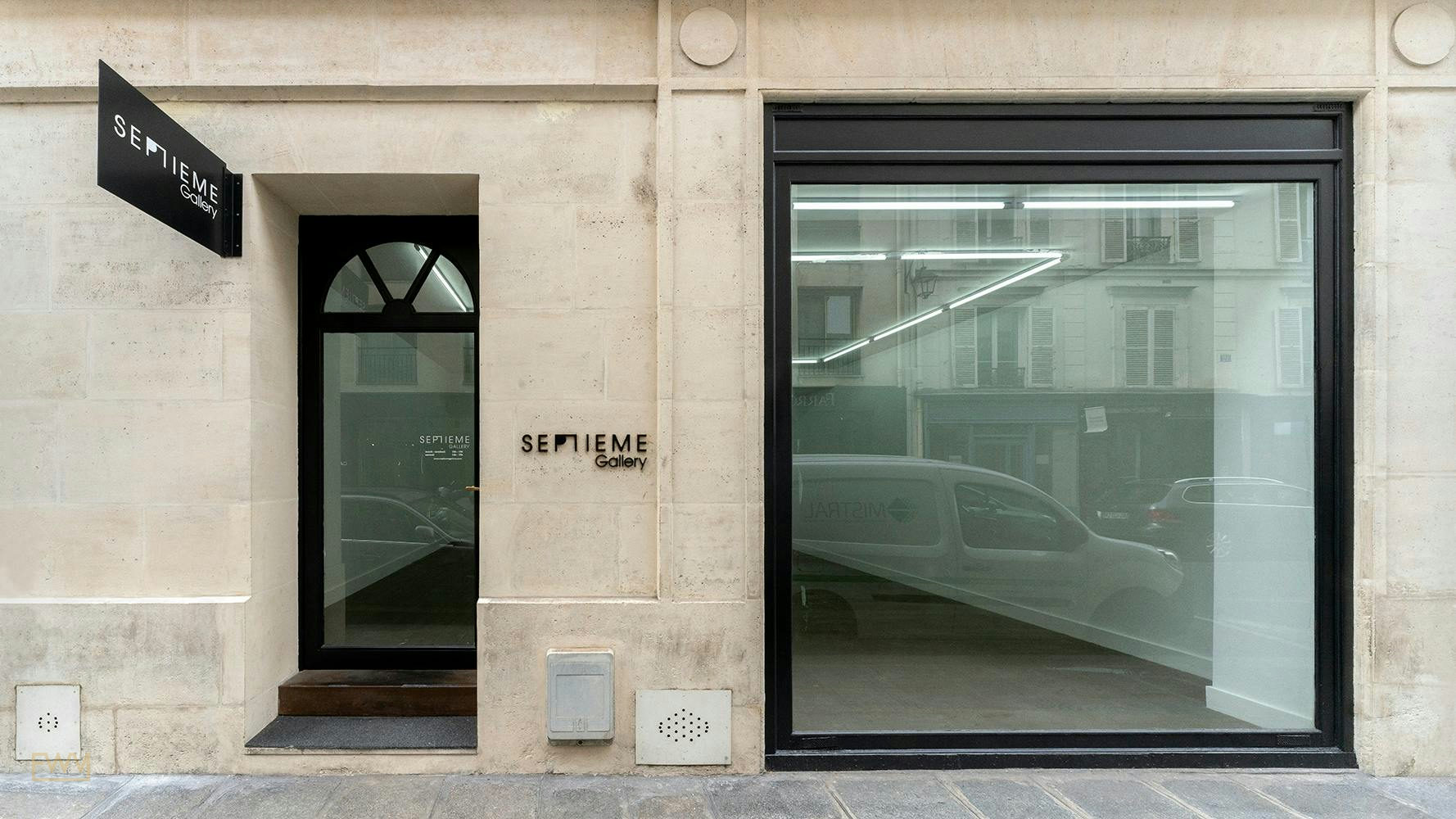
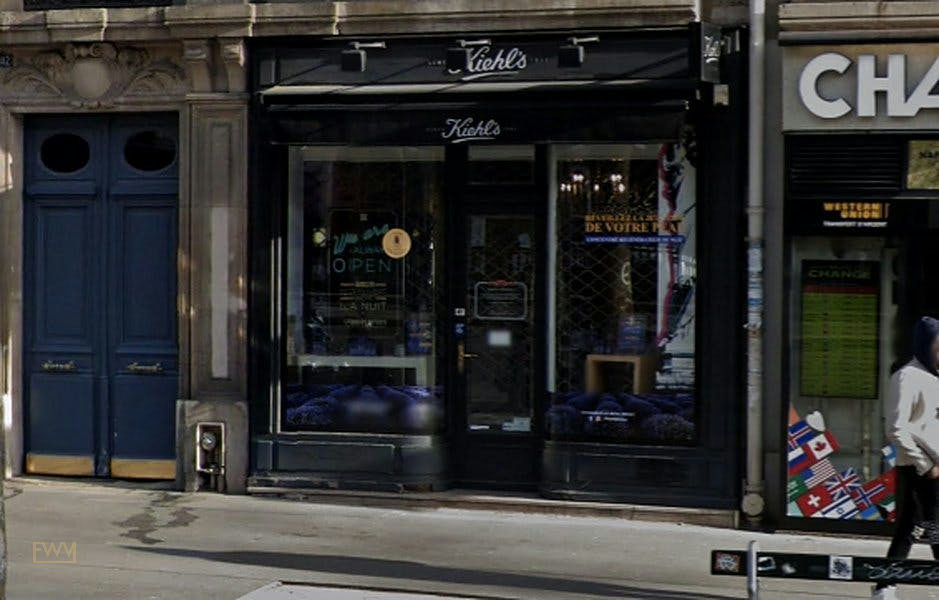
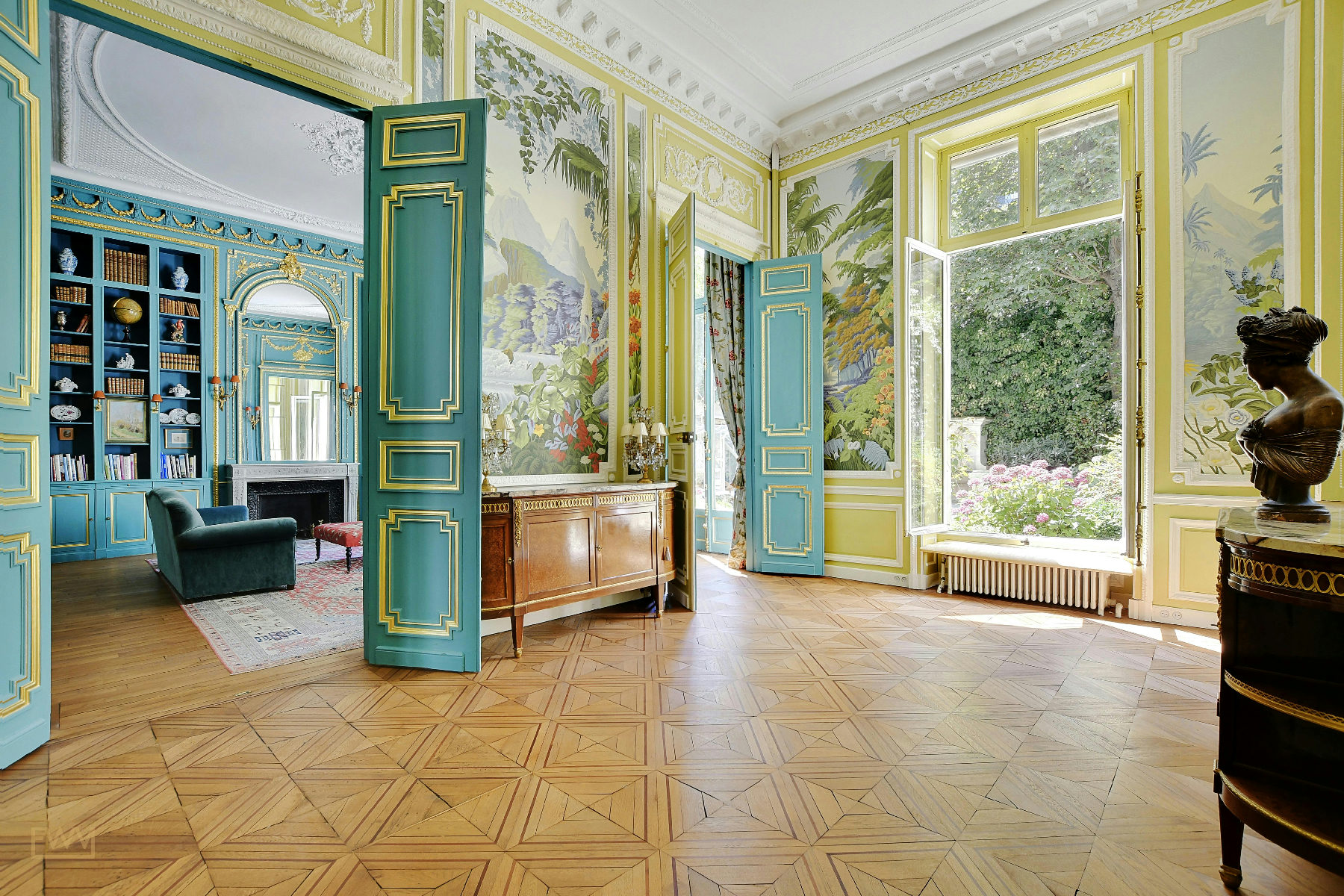
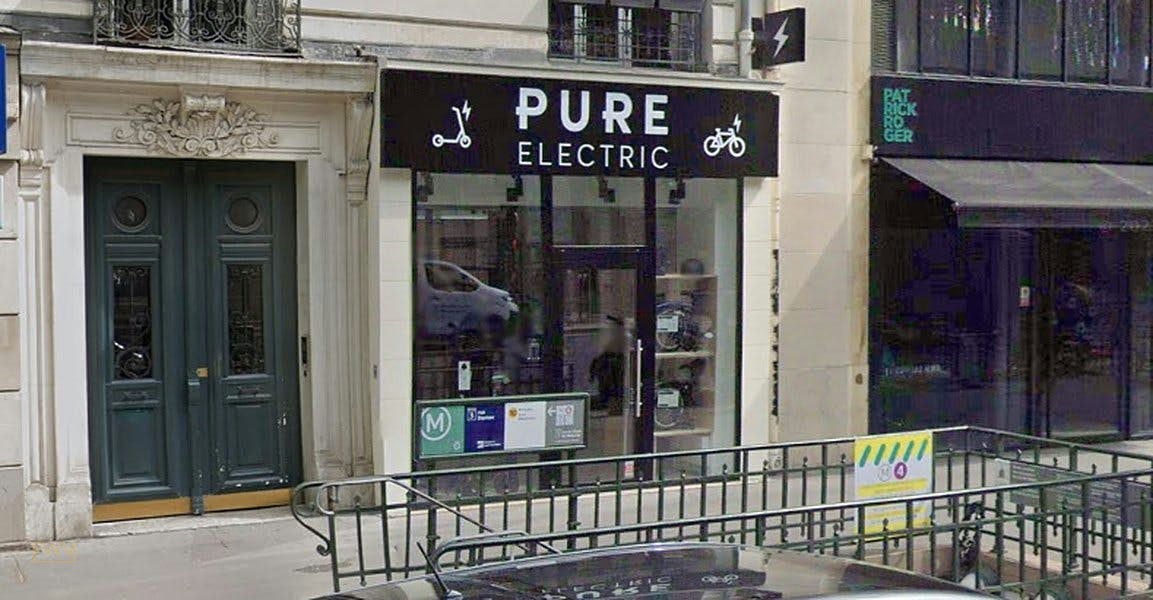
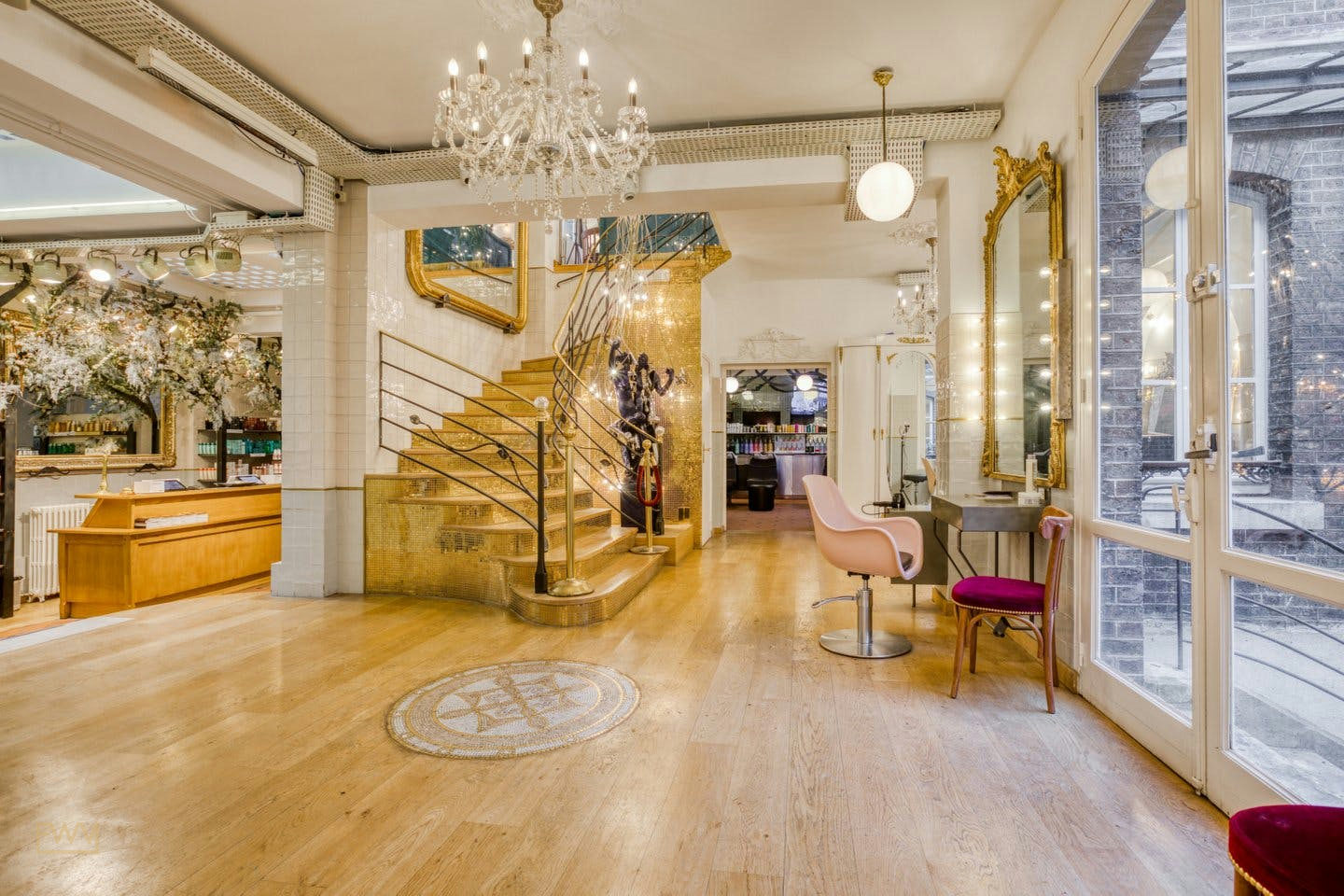
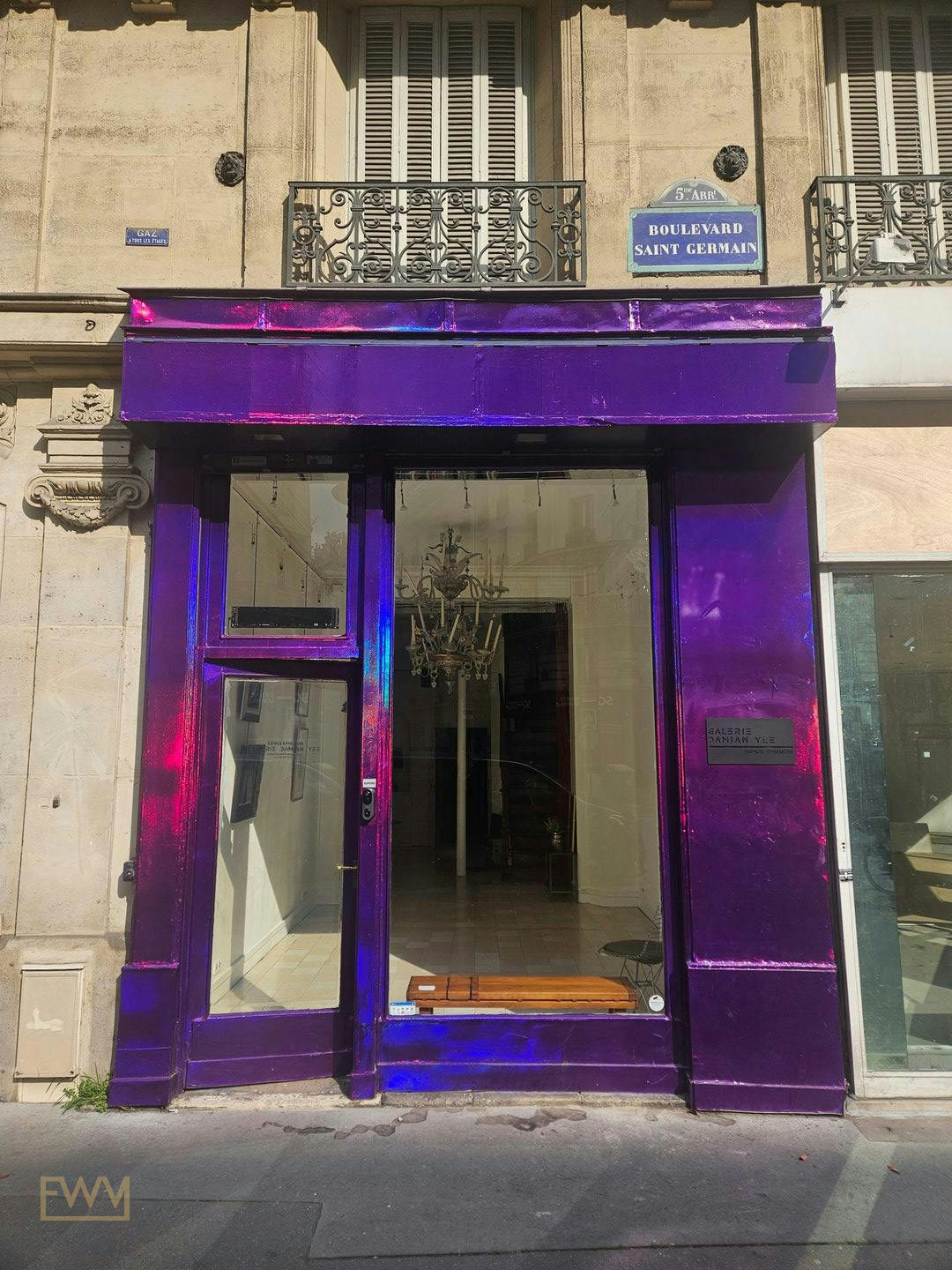
Short term retail in the 6th arrondissement Paris offers fashion brands, creative houses, and international labels one of the most prestigious and culturally resonant activation settings in the world. Saint-Germain-des-Prés sits at the heart of the Left Bank, drawing a sophisticated audience of art collectors, literary tourists, luxury shoppers, and high-net-worth residents who engage with brands in a fundamentally different way than in any other Paris neighbourhood. The 6th arrondissement is not simply a postcode; it is a statement of intent. For brands that want to be taken seriously in Paris, a well-executed pop-up, showroom, or temporary flagship in this arrondissement communicates credibility, taste, and cultural alignment. Fashion Week Venues supports brands activating across Paris, with deep experience in the spaces, streets, and seasonal rhythms of the 6th.
What Makes the 6th Arrondissement Paris a Premium Retail Destination
The 6th arrondissement occupies a singular position in the geography of Parisian retail. Bordered by the River Seine to the north, the Latin Quarter to the east, Montparnasse to the south, and the 7th arrondissement to the west, it combines foot traffic from some of the city's most visited cultural institutions with the quiet residential density of old money Paris. Boulevard Saint-Germain serves as its commercial spine, but it is the network of side streets, rues, and covered passages that give the area its texture and commercial variety.
The neighbourhood has historically been the meeting point of intellectual, artistic, and commercial life. Café de Flore and Les Deux Magots draw visitors from across the world, not just for coffee but for the proximity to a particular idea of Parisian identity. Shakespeare and Company, the legendary English-language bookshop technically just across the Seine on the boundary with the 5th, reinforces the area's literary reputation. Le Procope, widely considered Paris's oldest restaurant, sits on Rue de l'Ancienne-Comédie and reminds visitors that the 6th has been commercially active for centuries. The Abbaye de Saint-Germain-des-Prés, the Church of Saint-Germain-des-Prés, and the Palais du Luxembourg anchor the arrondissement in deep cultural history.
For retail brands, this cultural density translates directly into consumer behaviour. Shoppers in the 6th are not browsing out of convenience; they are making deliberate choices about where they spend their time and money. Le Bon Marché, located just across the boundary in the 7th arrondissement on Rue de Sèvres, exerts a gravitational pull on luxury shoppers who regularly cross into the 6th for independent boutiques, art galleries, and design spaces. The Marché Couvert Saint-Germain on Rue Lobineau and Rue Mabillon provides a covered market environment that has historically hosted a range of retail concepts, making it familiar territory for short-term commercial activations.
The arrondissement is served by Metro lines 4, 10, and 12, connecting it efficiently to the broader Paris network. Line 4 stops at Saint-Germain-des-Prés and Odéon, both of which put shoppers immediately into the commercial heart of the neighbourhood. Rue de Rennes, running south from Saint-Germain-des-Prés station, is one of the higher footfall retail streets in the arrondissement and functions as a more accessible complement to the rarefied boutique culture of Rue Mazarine, Rue des Saints-Pères, Rue de Seine, and Rue de Buci.
The Musée d'Orsay, technically in the 7th arrondissement but immediately adjacent to the 6th along the Seine River, contributes significant daily visitor numbers to the area. The Musée Delacroix on Place de Furstemberg, the Zadkine Museum on Rue d'Assas, the École des Beaux-Arts on Rue Bonaparte, and the Institut de France on the Quai de Conti collectively create an arts and culture corridor that makes the 6th arrondissement more than a shopping district. It is an experience destination, and brands that position themselves within this ecosystem benefit from visitors who are already primed for aesthetic engagement.
KEY TAKEAWAY: The 6th arrondissement delivers a rare combination of cultural authority, high-value residents, international tourist volume, and boutique retail infrastructure that makes it one of the most effective locations in Paris for premium short-term retail activations.
Understanding why the 6th works commercially is only the first step. The next question is which specific streets, space types, and activation formats perform best for different brand objectives.
Key Streets and Micro-Neighbourhoods for Short-Term Commercial Space in the 6th
The 6th arrondissement is not a uniform commercial zone. It contains distinct micro-neighbourhoods, each with its own footfall profile, aesthetic character, and suitability for different kinds of retail activation. Matching your brand to the right street is as important as selecting the right space type.
Quick answer: The most commercially active streets for short-term retail in the 6th arrondissement are Boulevard Saint-Germain, Rue de Rennes, Rue de Seine, Rue de Buci, Rue Mazarine, and Rue des Saints-Pères. Each street attracts a different audience mix, and the right choice depends on your brand positioning, budget, and target customer profile.
Boulevard Saint-Germain
Boulevard Saint-Germain is the arrondissement's primary commercial artery. It runs from the Pont de la Concorde in the east through the heart of Saint-Germain-des-Prés and continues west toward Saint-Michel and the Latin Quarter. The boulevard hosts flagship stores from established luxury and contemporary brands alongside the iconic literary cafés that define the area's global reputation. Space on Boulevard Saint-Germain commands premium rents even for short-term leases, and availability is limited, but for brands that can secure a frontage here, the visibility and brand association value is exceptional.
Rue de Rennes and the Southern Commercial Zone
Running south from Saint-Germain-des-Prés toward Montparnasse and the 15th arrondissement, Rue de Rennes carries high pedestrian traffic from a broader demographic than the boutique streets further north. It has a more accessible commercial character, with a mix of mid-market and premium retailers, making it suitable for brands that want volume alongside credibility. Rue Notre-Dame-des-Champs, running parallel to the east, has a quieter residential character with occasional commercial spaces suited to appointment-led showrooms and concept stores.
Rue de Seine, Rue Mazarine, and the Gallery District
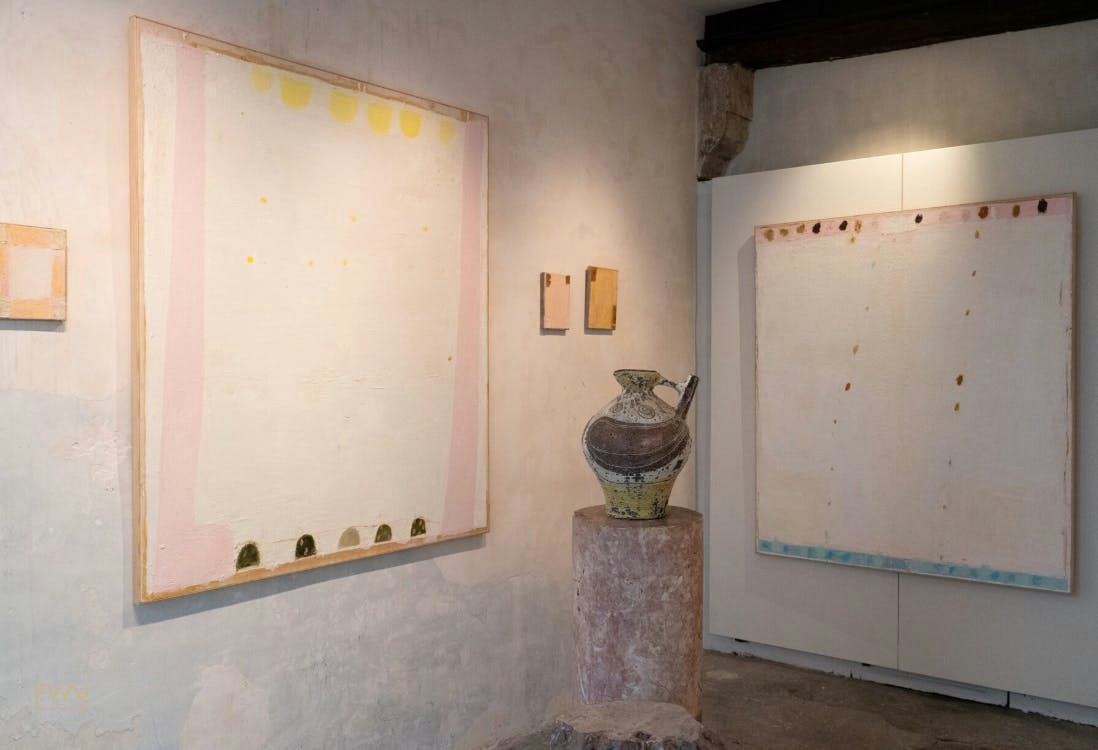
The cluster of streets between Boulevard Saint-Germain and the Seine River forms one of the densest concentrations of art galleries in Europe. Rue de Seine and Rue Mazarine are lined with Galerie d'art spaces, many of which operate on short-term or rotating exhibition formats that make them structurally compatible with temporary retail activations. Brands in fashion, jewellery, design, and lifestyle categories that have an arts-adjacent positioning benefit enormously from the gallery district's aesthetic credibility and its ability to attract collectors, curators, and culturally engaged visitors.
Rue de Buci and the Market Streets
Rue de Buci is one of the most photographed market streets in Paris, combining a daily fresh produce market with small boutiques, wine bars, and cheese shops. The street draws a high volume of local residents alongside tourists who seek an authentic Parisian neighbourhood experience. Retail spaces on and around Rue de Buci benefit from a convivial atmosphere that encourages dwell time and spontaneous purchase behaviour. It is particularly well suited to food and beverage concepts, artisan brands, and lifestyle labels with a strong sensory or craft identity.
Rue des Saints-Pères and the Design Corridor
Rue des Saints-Pères and its continuation south toward Le Bon Marché form a design and homewares corridor that benefits from the gravitational pull of the department store. The proximity to the 7th arrondissement means that shoppers moving between Le Bon Marché and the Saint-Germain core pass through this zone, creating consistent footfall for boutique and showroom formats. The Haussmannian style buildings on this street, with their characteristic stone facades, high ceilings, and generous window proportions, provide some of the most photogenic retail environments in Paris.
Marché Couvert Saint-Germain
The Marché Couvert Saint-Germain on Rue Lobineau offers a covered market environment that has hosted retail and food concepts in a purpose-built mixed-use setting. The market's covered structure, track lighting, and tiled flooring give it a distinctive character that contrasts with the more formal boutique environments on the surrounding streets. It is one of the few locations in the 6th arrondissement where brands can access a short-term unit within an established market format, reducing some of the complexity associated with fitting out a standalone space from scratch.
DID YOU KNOW: The 6th arrondissement contains more art galleries per square kilometre than almost any other area in Paris, making it a natural home for brands that want to position their retail activation as a cultural experience rather than a purely commercial transaction.
KEY TAKEAWAY: Each street in the 6th arrondissement carries a distinct commercial personality. Selecting the right micro-location requires matching your brand's visual identity, target audience, and activation format to the specific character of the street, not simply finding any available space.
Once you have identified the right micro-location, the next step is understanding which space types are available for short-term commercial use in the arrondissement and how they differ in terms of configuration, permit requirements, and operational fit.
Space Types Available for Short-Term Retail in Paris 6th Arrondissement
The 6th arrondissement offers a wider variety of short-term commercial space configurations than most Paris neighbourhoods, reflecting its long history as a hub for galleries, boutiques, showrooms, and cultural enterprises. Understanding the practical differences between space types is essential for making an informed decision.
Quick answer: Short-term commercial spaces in the 6th arrondissement typically include charming boutiques, gallery spaces, showroom spaces, lofts, apartments converted to commercial use, storefronts on market streets, and covered market units. Each type suits different brand formats, activation durations, and visitor engagement models.
| Space Type | Typical Size | Best For | Key Characteristics |
|---|---|---|---|
| Charming Boutique | 30 to 80 sqm | Ready-to-wear, jewellery, accessories, beauty | Street frontage, intimate atmosphere, neighbourhood footfall |
| Gallery Space | 50 to 200 sqm | Artistic installations, exhibitions, luxury fashion, design | White walls, high ceilings, flexible layout, natural light |
| Showroom Space | 60 to 150 sqm | Press days, buyer appointments, B2B activations, trade shows | Private, appointment-led, professional ambience |
| Loft or Converted Apartment | 80 to 300 sqm | Multi-room brand experiences, editorial shoots, VIP events | Residential character, architectural detail, exclusive feel |
| Storefront on Market Street | 20 to 60 sqm | Food and beverage, artisan brands, lifestyle concepts | Daily market footfall, convivial atmosphere, local audience |
| Covered Market Unit | 15 to 40 sqm | Short activations, product launches, sensory experiences | Infrastructure provided, lower fit-out cost, high dwell time |
| Haussmannian Ground Floor | 40 to 120 sqm | Flagship pop-ups, concept stores, premium retail | Stone facade, parquet floors, classic Parisian aesthetic |
Gallery spaces in the Rue de Seine and Rue Mazarine corridor are particularly well suited to brands that want to present their collection as a cultural object rather than a commercial product. These spaces often come with white walls, polished concrete or parquet floors, and exhibition-grade lighting that makes visual merchandising relatively straightforward. Many gallery operators in the 6th are accustomed to licensing their space on a weekly or monthly basis during periods when they are between exhibitions, creating natural windows for brand activations.
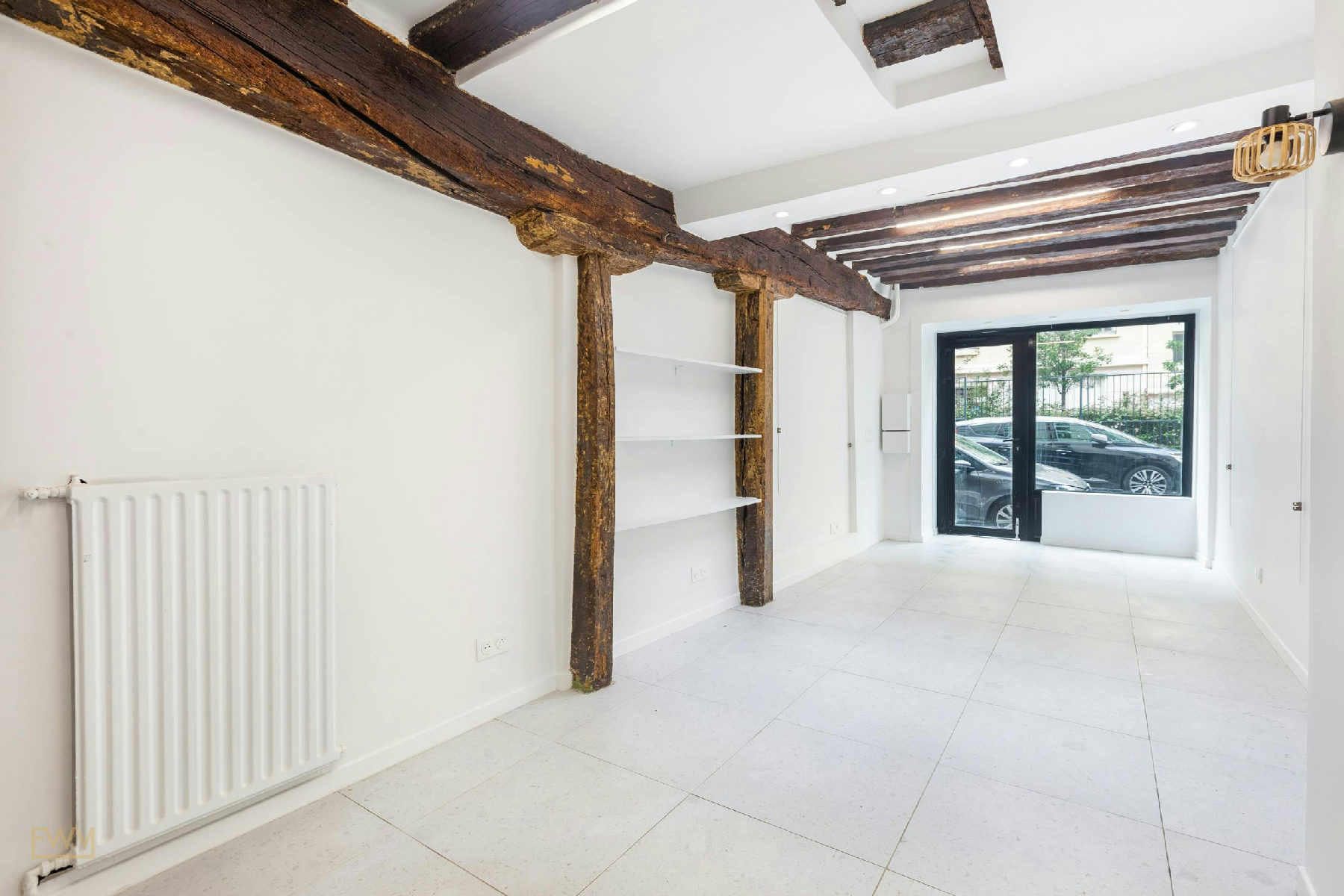
Loft spaces and converted apartments in the 6th arrondissement offer a residential warmth that is difficult to replicate in purpose-built retail environments. The Haussmannian style buildings that characterise much of the arrondissement typically feature high ceilings, detailed cornicing, parquet floors, and generous window openings that photograph exceptionally well. For brands producing editorial content alongside their activation, these architectural qualities reduce the need for additional set dressing and contribute directly to the quality of visual output.
TIP: When considering a converted apartment or loft space in the 6th, always verify with the space owner and a French legal advisor whether the space has the correct commercial use classification for your planned activation. Residential spaces do not automatically permit commercial retail activity, and this distinction matters significantly for insurance, permit compliance, and lease validity.
Showroom spaces in the 6th are in particular demand during Paris Fashion Week seasons, when buyers and press converge on the area from around the world. The arrondissement's proximity to the major fashion week showroom hubs in the Marais and around the Carrousel du Louvre makes it a logical complement for brands that want appointment-led B2B activity in a more intimate setting away from the main fashion week concentration.
KEY TAKEAWAY: The right space type in the 6th arrondissement depends on your activation format, visitor flow model, content production needs, and the story you want to tell. Gallery spaces prioritise aesthetics and cultural positioning; boutique storefronts prioritise spontaneous retail; showrooms prioritise professional B2B engagement; lofts prioritise immersive brand experience.
With space type selected, the next critical area to understand is the regulatory and legal framework that governs short-term commercial use in Paris, including the specific instruments that make temporary retail legally possible in the 6th arrondissement.
Permits, Leases, and Legal Frameworks for Short-Term Retail in Paris 6th
Short-term commercial activations in Paris operate within a specific legal framework that differs significantly from standard commercial leases. Understanding the key instruments, and the practical implications of each, is essential before committing to any space in the 6th arrondissement.
Quick answer: The two primary legal frameworks for short-term commercial use in Paris are the bail dérogatoire, a short-term derogatory lease for commercial spaces, and the autorisation d'occupation temporaire, or AOT, which governs temporary occupation of certain public or semi-public spaces. Requirements vary by space type, duration, and arrondissement. Always verify with a qualified French legal advisor before signing any agreement.
The Bail Dérogatoire
The bail dérogatoire is the most commonly used legal instrument for short-term commercial space in Paris. Under French commercial law, a standard commercial lease, known as a bail commercial, grants the tenant significant statutory rights including the right to renewal. These protections make long-term leases unsuitable for temporary retail concepts from the landlord's perspective. The bail dérogatoire allows both parties to agree in writing to a lease of up to 36 months that explicitly waives the tenant's right to a bail commercial. This instrument is widely used across Paris for pop-up shops, temporary showrooms, and short-term retail activations.
Key practical points for brands using a bail dérogatoire in the 6th arrondissement include the requirement that the derogation agreement be explicitly stated in writing at the outset, the fact that once 36 months of cumulative occupation has passed the tenant may acquire rights to a full commercial lease, and the importance of clearly defining the permitted use within the lease to avoid disputes with the landlord or regulatory authorities. Requirements and standard terms vary by space type, building classification, and the specific arrondissement, and professional legal advice is strongly recommended before signing.
Autorisation d'Occupation Temporaire
For activations in public spaces, covered markets operating on public land, or certain heritage buildings in the 6th arrondissement, an autorisation d'occupation temporaire may be required. This is a permit issued by a public authority granting temporary occupation rights, and it typically comes with specific conditions governing the nature of the activity, the hours of operation, the visual appearance of any installations, and the requirement to restore the space to its original condition at the end of the occupation period.
In the 6th arrondissement, relevant public authorities include the Mairie du 6ème arrondissement for local street-level activations and the City of Paris administration for spaces involving public property. The Marché Couvert Saint-Germain, for example, operates under a management structure that may require brands to secure both a space licence from the market manager and confirmation from the relevant public authority that the activation is permissible under the market's operating conditions.
IMPORTANT: The 6th arrondissement contains a significant number of heritage-listed buildings and protected streetscapes. Any external signage, temporary structures, or modifications to a listed building facade require specific authorisation from the Architectes des Bâtiments de France and potentially the Direction Régionale des Affaires Culturelles. Do not assume that permission from a landlord is sufficient for external brand expressions in heritage contexts.
Commercial Registration and VAT Considerations
International brands operating a commercial retail activation in France may need to register for French VAT and comply with local commercial registration requirements, even for short-term operations. Requirements vary depending on the brand's existing French legal structure, the duration of the activation, and whether revenue is being generated directly in France. Brands without an existing French entity should seek advice from a French accountant or tax advisor well in advance of their activation date.
The Fashion Week Venues permit guidance tool provides a structured starting point for understanding the permit landscape for Paris activations, though it does not replace professional legal advice for specific lease or permit situations.
KEY TAKEAWAY: Short-term retail in the 6th arrondissement is legally achievable through instruments such as the bail dérogatoire and the AOT, but the regulatory environment is nuanced and requires specialist guidance. Legal and permit preparation should begin at least eight to twelve weeks before your target opening date, and for heritage buildings or public space activations, significantly earlier.
Understanding the legal framework provides the foundation for making sound financial decisions. The next section addresses the budget variables that brands should factor into their planning for a 6th arrondissement activation.
Budget Planning for a Short-Term Retail Activation in Paris 6th Arrondissement
Budgeting accurately for a short-term retail activation in the 6th arrondissement requires understanding the full cost stack, not just the headline rent. The 6th is one of the most expensive retail locations in Paris, and underestimating the ancillary costs of fit-out, staffing, permits, and operational management is one of the most common planning errors made by brands entering the market for the first time.
Quick answer: The total cost of a short-term retail activation in the 6th arrondissement Paris includes space rental, fit-out and production, furniture and display, retail staffing, permit and legal fees, insurance, cleaning and security, waste management, technology and POS, and brand communications. Space rental is typically the largest single line item, but fit-out and staffing costs can collectively exceed it for more complex activations.
Space Rental
Space rental in the 6th arrondissement commands a premium that reflects the neighbourhood's cultural cachet and limited availability of short-term commercial units. Rates vary significantly by street, space type, size, and season, with demand peaking during Paris Fashion Week windows in January, February, June, and October. Because pricing in the short-term retail market is fluid and subject to supply and demand dynamics, directional estimates should be treated with care. The Fashion Week Venues budget calculator provides brand-specific estimates based on your space requirements, duration, and activation type.
Fit-Out and Production
Fitting out a space in the 6th arrondissement involves considerations specific to Haussmannian and heritage building stock. Floor protection, wall covering, specialist lighting installation, and the requirement to return the space to its original condition at the end of the lease all add to production costs relative to purpose-built retail environments. Brands should budget for a professional dilapidation assessment before and after the activation to protect their deposit.
Staffing and Operations
Retail staffing in Paris requires compliance with French employment law, including minimum wage requirements, mandatory rest periods, and social charges that typically add significantly to the gross cost of labour. For international brands without a French legal entity, engaging staff through a compliant staffing agency or employer of record arrangement is often the most practical solution. The retail staffing service at Fashion Week Venues is structured to address exactly this requirement.
Timeline and Seasonal Factors
Budget requirements escalate during peak demand windows. Fashion Week periods in the 6th arrondissement, particularly around Haute Couture Week in January and July and the main ready-to-wear shows in February and October, drive space rental rates upward and reduce availability sharply. Brands that can flex their activation timing to shoulder seasons, such as March and April or September, may find significantly more favourable rental terms without a material reduction in foot traffic from the arrondissement's permanent resident and tourist base.
Use the ROI calculator at Fashion Week Venues to model the financial return on your activation against the full cost stack before committing to a specific space, duration, or activation format.
KEY TAKEAWAY: Budget planning for the 6th arrondissement requires a full cost stack analysis that goes well beyond space rental. Production, staffing, legal, and operational costs can collectively represent fifty percent or more of total activation spend. Start with a complete budget model, not a headline rent figure.
With budget parameters defined, the next question is how to find and evaluate specific spaces in the 6th arrondissement that match your brief, timeline, and commercial objectives.
How to Find the Right Short-Term Retail Space in the 6th Arrondissement
Finding a short-term commercial space in the 6th arrondissement is more complex than searching a general property platform. The most desirable spaces are rarely publicly advertised, and the relationships between short-term space operators, gallery owners, and building managers that govern availability are largely invisible to brands approaching the market cold.
Quick answer: The most effective routes to finding a short-term retail space in the 6th arrondissement are a specialist short-term retail agency with Paris market knowledge, a dedicated space marketplace with verified listings, and direct outreach to gallery operators and boutique owners in the target streets. General property portals rarely carry the kind of short-term flexible commercial inventory that brands need for pop-up and temporary retail activations.
Using a Specialist Agency
A specialist short-term retail agency with deep knowledge of the 6th arrondissement can access inventory that is not publicly available, negotiate lease terms that protect the brand's interests, and manage the permit and compliance process in a way that significantly reduces execution risk. For international brands entering Paris for the first time, this route typically delivers better outcomes than independent sourcing, despite the additional agency cost. The guide to hiring a pop-up agency provides a practical framework for evaluating whether agency support is right for your activation.
Space Marketplaces
Dedicated short-term retail space marketplaces aggregate verified listings from gallery owners, boutique operators, and commercial landlords across Paris, including the 6th arrondissement. These platforms allow brands to filter by location, space type, size, availability window, and price range, making initial research significantly more efficient than manual outreach. The Fashion Week Venues space marketplace lists spaces across Paris and other major fashion capitals, with Paris 6th arrondissement inventory updated regularly as new spaces become available.
Direct Outreach to Gallery Operators
Art gallery operators on Rue de Seine, Rue Mazarine, and adjacent streets in the 6th frequently make their spaces available for short-term commercial use between exhibitions. Direct outreach to gallery directors, ideally through an introduction from a shared contact in the Paris arts or fashion community, can surface spaces that never appear on any marketplace or property platform. This approach is time-intensive and requires cultural sensitivity, but it can yield spaces with exceptional aesthetic credentials at competitive rates.
Fashion Week Venues Tools for Space Discovery
Fashion Week Venues provides a set of tools designed to support the space discovery and evaluation process. The space locator tool allows brands to identify spaces by neighbourhood and street within the 6th arrondissement. The space comparison tool enables side-by-side evaluation of shortlisted spaces against criteria relevant to the brand's activation brief. The timeline planning tool helps brands align their space search with the production, permit, and operational timelines required for a successful activation.
To compare neighbourhoods and space types, explore the Paris city hub on Fashion Week Venues and shortlist spaces that match your brief, budget, and calendar window.
KEY TAKEAWAY: The most effective space discovery process for the 6th arrondissement combines marketplace research with specialist agency relationships. Cold independent sourcing in this neighbourhood is time-intensive and yields limited results without existing contacts in the Paris market.
Finding the right space is only one part of a successful short-term retail activation. The following section addresses the operational and strategic factors that determine whether an activation in the 6th arrondissement achieves its commercial and brand objectives.
Strategic Planning for a Pop-Up or Showroom in Saint-Germain-des-Prés
A short-term retail activation in Saint-Germain-des-Prés operates in a neighbourhood where aesthetic standards are exceptionally high and where the cultural context of the space matters as much as its physical dimensions. Strategic planning for the 6th arrondissement requires thinking about concept, audience, calendar timing, and content output simultaneously.
Quick answer: Successful pop-up and showroom activations in the 6th arrondissement share three common characteristics: a clearly defined concept that fits the cultural register of Saint-Germain, a calendar window aligned with either Paris Fashion Week or a high-traffic tourist and resident season, and a multi-channel content strategy that amplifies the physical activation across digital and social platforms.
Concept and Cultural Alignment
The 6th arrondissement has a cultural identity built on literary history, fine art, haute couture heritage, and intellectual discourse. Café Bonaparte, Café de Flore, and Les Deux Magots are not simply cafés; they are cultural reference points that signal the kind of conversation the arrondissement invites. Brands activating in this neighbourhood benefit most when their concept draws on these associations, even obliquely, rather than ignoring them. An exhibition-style pop-up that references the area's art gallery culture, a literary-themed installation, a wine and cheese pairing experience that nods to the local food market tradition of Rue de Buci, or a fashion showroom that treats the collection as a cultural artefact are all concept directions that resonate naturally in the 6th.
Conversely, high-energy, high-volume retail concepts that rely on urgency, aggressive promotional mechanics, or purely transactional customer experiences tend to feel tonally misaligned in this neighbourhood. The Parisian charm of the 6th rewards brands that slow down, create dwell time, and invite the kind of considered engagement that residents and visitors come to Saint-Germain to find.
Calendar Timing and Key Windows
The 6th arrondissement has strong commercial momentum throughout the year, but certain calendar windows offer exceptional activation conditions. Paris Fashion Week in February and October coincides with the highest concentration of international fashion media, buyers, and brand-adjacent consumers in the city. Haute Couture Week in January and July draws a smaller but extremely high-value audience. The spring and summer months from April through August benefit from strong tourist volumes, with visitors to Notre Dame, the Musée d'Orsay, the Panthéon, Jardin du Luxembourg, and the Luxembourg Palace providing consistent daily footfall through the arrondissement.
December is a high-value window for brands targeting gift-oriented luxury shoppers, with the 6th arrondissement drawing strong spending from both Parisian residents and international visitors. September benefits from the return of Parisian residents after the August holiday period and typically sees strong engagement from local fashion and culture audiences.
Multi-Channel Content Strategy
The physical beauty of the 6th arrondissement, with its Haussmannian stone facades, flower markets, Seine River views from the Pont-Neuf, and iconic café terraces, provides an exceptional backdrop for content production. Brands that plan their content strategy as an integral part of their activation concept, rather than treating it as an afterthought, consistently achieve greater digital amplification from their Paris activations. Influencer visits to the space, behind-the-scenes production content, and editorial photography against the arrondissement's streetscape all contribute to brand storytelling that extends the life of the physical activation well beyond its operational window.
The influencer marketing service at Fashion Week Venues supports brands in building and executing an influencer and content strategy around their Paris activation, drawing on an established network of Paris-based creators and fashion media contacts.
The Twin Co-Activation Model
For brands that want to maximise their presence in Paris during Fashion Week without bearing the full cost of a standalone activation in the 6th arrondissement, the twin co-activation model offers a structured alternative. Two complementary brands share a space, splitting costs while creating a richer visitor experience through complementary product offerings. The 6th arrondissement, with its strong base of lifestyle, design, fashion, and food concepts, is one of the most natural environments in Paris for this kind of brand partnership. The Fashion Week Venues twin concept is designed specifically to support this model.
KEY TAKEAWAY: Strategic success in the 6th arrondissement depends on concept alignment with the neighbourhood's cultural identity, precise calendar timing, and a content strategy that treats the activation as a content production opportunity from day one. Operational excellence matters, but it is the cultural fit of the concept that determines whether the neighbourhood's audience engages on its own terms.
Understanding how Fashion Week Venues specifically supports brands planning short-term retail in the 6th arrondissement is the next practical step for teams moving from research to execution.
How Fashion Week Venues Supports Short-Term Retail in Paris 6th Arrondissement
Fashion Week Venues operates as a full-service agency and space marketplace specialising in pop-up shops, showrooms, temporary flagships, and brand activations across Paris and other major fashion capitals. For brands planning a short-term retail activation in the 6th arrondissement, the agency provides practical support across every stage of the activation lifecycle, from initial space discovery through to post-activation data analysis.
The service offering at Fashion Week Venues is structured to address the specific challenges that international and domestic brands face when executing in Paris. These challenges include navigating the French short-term lease framework, accessing spaces that are not publicly advertised, managing production and fit-out within heritage building constraints, hiring compliant retail staff without a French legal entity, and generating measurable commercial return from a time-limited physical presence.
Venue Sourcing and Space Marketplace
The venue sourcing service combines marketplace inventory with off-market relationships to identify spaces in the 6th arrondissement that match a brand's specific brief in terms of location, size, aesthetic character, and availability window. The process begins with a detailed brief that captures the brand's objectives, target audience, concept direction, and budget parameters, and it concludes with a shortlist of verified, available spaces that have been assessed for permit compatibility and operational feasibility.
Concept, Design, and Production
Once a space is identified, Fashion Week Venues supports the brand through concept development, branded store design, and the full production and build process. The Imagine visualisation tool allows brand teams to explore how their concept will look in a specific space before committing to a fit-out decision. The build planning tool provides a structured framework for scoping the production requirements and timeline for the fit-out. The agency's production team has specific experience working within the constraints of Haussmannian buildings and listed heritage properties, which are common in the 6th arrondissement.
Operational Services
Operational services include retail staffing, POS and payments setup, data and analytics, and ongoing activation management during the operational period. These services are particularly valuable for international brands that do not have an existing operational infrastructure in Paris and need a turnkey solution that delivers a professionally managed retail experience from opening day. The activation management service covers day-to-day operational oversight, staff management, and real-time reporting during the activation period.
Tools for Planning and Decision-Making
Fashion Week Venues provides a suite of planning tools that support brands at the research and decision-making stage. These include the budget calculator, the ROI calculator, the space comparison tool, the timeline planning tool, the permit guidance tool, and the space locator tool. These tools are designed to help brand teams build a rigorous business case for their activation, identify the right space and timing, and approach the execution phase with a clear and validated plan.
It is important to note that Fashion Week Venues does not guarantee space availability, permit approval, specific commercial outcomes, or the performance of any individual activation. The agency provides expert support, market access, and operational capability, but ultimate success depends on the brand's concept, execution quality, and market conditions at the time of activation. The work and case studies section provides examples of past activations that illustrate the range of outcomes achievable through the agency's approach.
KEY TAKEAWAY: Fashion Week Venues provides a structured, full-service pathway from initial brief to operational activation for brands targeting the 6th arrondissement. The combination of marketplace access, specialist agency relationships, production capability, and operational services significantly reduces execution risk for brands that are new to the Paris market or that need to move quickly within tight calendar windows.
Comparing Short-Term Retail Locations: 6th Arrondissement vs Other Paris Neighbourhoods
The 6th arrondissement is one of several Paris neighbourhoods that offer strong conditions for short-term retail activations, but it is not the right choice for every brand. Understanding how it compares to the Marais, the 1st arrondissement around the Louvre and Palais-Royal, the 8th arrondissement on the Right Bank, and the 7th arrondissement helps brands make a more informed location decision.
Quick answer: The 6th arrondissement is best suited to brands with a cultural, artistic, or intellectual positioning that aligns with the Saint-Germain aesthetic. The Marais offers a more contemporary, youth-oriented audience and higher fashion week concentration. The 1st and 8th arrondissements offer maximum luxury brand association and tourist volume but at the highest cost. The 7th is quieter and more residential, with specific strengths for appointment-led showrooms.
| Neighbourhood | Audience Profile | Space Cost | Brand Positioning Fit | Fashion Week Relevance |
|---|---|---|---|---|
| 6th Arrondissement (Saint-Germain) | Affluent locals, cultural tourists, art collectors, fashion insiders | High | Cultural, literary, artistic, luxury lifestyle | Strong showroom and boutique activity |
| 3rd and 4th (Marais) | International fashion audience, young creatives, tourists | High to very high during fashion week | Contemporary, streetwear, avant-garde, emerging | Very high, primary showroom district |
| 1st (Louvre, Palais-Royal) | Luxury shoppers, international tourists, fashion press | Very high | Luxury flagship, haute couture, heritage brands | High, major runway and event hub |
| 8th (Champs-Élysées, Triangle d'Or) | International tourists, ultra-luxury shoppers | Very high to extreme | Global luxury, flagship retail, automotive | Moderate for fashion week specifically |
| 7th (Left Bank) | Affluent Parisians, quiet residential, museum visitors | Medium to high | Lifestyle, design, homeware, fine food | Low to moderate |
| 9th (South Pigalle, Opéra) | Mixed urban, young professional, emerging creative | Medium | Emerging brands, concept stores, beauty | Low |
One frequently overlooked advantage of the 6th arrondissement relative to the Marais is its greater concentration of gallery spaces that can be configured as retail environments without extensive structural modification. The Marais has more purpose-built event spaces and higher fashion week showroom density, but the 6th offers a more distinctive and less competitive activation environment during Fashion Week periods when the Marais is saturated with brand activations.
The adjacency of the 6th to the 7th arrondissement and Le Bon Marché creates a natural luxury shopping corridor that benefits spaces in the southern part of the arrondissement along Rue des Saints-Pères and Rue de Sèvres. This corridor draws a consistent stream of high-spending shoppers who visit both the department store and the independent boutiques in the surrounding streets, making it an effective location for brands that want department store adjacency without department store rents.
DID YOU KNOW: The Samaritaine department store, located near Pont-Neuf on the boundary of the 1st arrondissement, and Le Bon Marché in the 7th, both contribute to the gravitational pull of luxury retail in and around the 6th arrondissement. Brands activating near these anchors benefit from the elevated shopping mindset they create in the surrounding area.
KEY TAKEAWAY: The 6th arrondissement is not the highest-volume or lowest-cost option in Paris, but it offers a combination of cultural prestige, architectural quality, and audience sophistication that is difficult to replicate in any other Paris neighbourhood. It is the right choice for brands for whom the story of the location is as important as the commercial output of the activation.
Operational Step-by-Step Workflow for Activating in Paris 6th Arrondissement
Executing a short-term retail activation in the 6th arrondissement successfully requires a structured operational workflow that accounts for the neighbourhood's specific permit requirements, heritage building constraints, and the lead times associated with the Paris fashion calendar. The following workflow is applicable to most pop-up and showroom activations of one to four weeks in duration.
| Stage | Activity | Recommended Lead Time | Key Dependencies |
|---|---|---|---|
| 1. Brief Development | Define objectives, audience, concept direction, budget range, and preferred streets | 16 to 20 weeks before opening | Internal brand strategy, marketing calendar |
| 2. Space Discovery | Search marketplace, engage agency, shortlist spaces | 14 to 16 weeks before opening | Brief clarity, budget approval |
| 3. Space Selection and Legal Review | Visit shortlisted spaces, review lease terms with French legal advisor | 12 to 14 weeks before opening | Space availability, legal advisor engagement |
| 4. Permit Applications | Apply for AOT, notify relevant authorities, confirm commercial use classification | 10 to 12 weeks before opening | Lease signed, space confirmed |
| 5. Concept and Design | Develop visual concept, prepare design drawings, source furniture and fixtures | 8 to 12 weeks before opening | Space confirmed, permit applications submitted |
| 6. Production and Build | Execute fit-out, install lighting and graphics, furnish and dress the space | 1 to 2 weeks before opening | Design approved, materials sourced, permits confirmed |
| 7. Staffing and Training | Recruit and brief retail staff, train on brand, product, and POS systems | 1 to 2 weeks before opening | Staff confirmed, POS system installed |
| 8. Soft Launch and Press Preview | Host media and influencer preview, test operations, refine | 1 to 3 days before public opening | Space ready, staff trained, invitations sent |
| 9. Operational Period | Manage daily operations, monitor data, respond to performance signals | Duration of activation | Staff rota confirmed, data tools active |
| 10. Deactivation and Dilapidations | Strip out fit-out, restore space, complete dilapidation assessment | 1 to 3 days after close | Removal contractors booked, dilapidations protocol agreed |
This workflow assumes a relatively complex activation with a custom fit-out. Simpler activations using gallery spaces with minimal modification can compress some stages significantly, but the permit, legal, and staffing stages should never be shortened below the minimum lead times recommended.
TIP: For Fashion Week windows in February or October, the demand for skilled bilingual retail staff in Paris is extremely high. Begin staffing recruitment at least eight weeks before your target opening date to secure the right people, particularly if you need staff with specific product knowledge or language skills beyond French and English.
KEY TAKEAWAY: A structured operational workflow with realistic lead times is the single most effective risk management tool available to brands activating in the 6th arrondissement. Compressed timelines in Paris invariably create permit delays, fit-out compromises, and staffing gaps that undermine the quality of the final activation.
Common Myths About Short-Term Retail in the 6th Arrondissement Paris
MYTH: You need a French legal entity to rent a commercial space in the 6th arrondissement.
FACT: International brands without a French legal entity can enter into a bail dérogatoire or short-term licence agreement in many cases, often through a French intermediary or with appropriate guarantees provided to the landlord. However, VAT registration, commercial activity declarations, and employment of staff in France may trigger separate legal and tax obligations that require specialist advice. Requirements vary by space type, duration, and the specific terms of the lease, so engaging a French legal and tax advisor early in the process is strongly recommended.
MYTH: Paris Fashion Week is the only viable calendar window for a pop-up activation in the 6th arrondissement.
FACT: The 6th arrondissement generates strong commercial foot traffic throughout the year. Spring and summer tourist seasons, the Christmas and holiday period in December, and the September return of Parisian residents after summer all create valuable activation windows. Fashion Week periods do offer concentrated fashion industry audiences, but they also bring the highest rents, most limited space availability, and most competitive activation environment. Shoulder season activations in the 6th can achieve excellent results at significantly lower cost.
MYTH: Commission brokers are the only way to find a short-term retail space in Paris.
FACT: Dedicated short-term retail space marketplaces, full-service pop-up agencies, and direct outreach to gallery operators and boutique owners all provide viable alternatives to commission brokers for finding space in the 6th arrondissement. Specialist agencies and marketplaces often provide greater transparency, verified inventory, and additional services that reduce total activation risk compared to broker-only arrangements.
MYTH: Short-term leases in Paris are legally straightforward and do not require specialist help.
FACT: The bail dérogatoire framework in France is specific and requires careful drafting to be legally valid. If the derogation is not properly documented, or if the cumulative occupation period crosses the 36-month threshold, the tenant may inadvertently acquire rights to a full commercial lease, with significant financial and legal consequences. Heritage building constraints, public space permit requirements, and commercial use classification add further complexity. Professional legal guidance is not optional; it is essential for any brand entering into a short-term commercial lease in Paris.
MYTH: The 6th arrondissement is only suitable for established luxury brands.
FACT: While the 6th arrondissement does attract established luxury and heritage brands, it is equally receptive to emerging designers, independent labels, and international brands entering Paris for the first time, provided their concept aligns with the cultural register of the neighbourhood. The area's art gallery infrastructure, literary identity, and design-literate resident base make it a hospitable environment for brands with a strong conceptual story, regardless of their commercial scale.
Frequently Asked Questions About Short-Term Retail in the 6th Arrondissement Paris
What is the 6th arrondissement of Paris known for?
The 6th arrondissement is known primarily for Saint-Germain-des-Prés, its historic intellectual and literary neighbourhood. It is home to iconic cafés including Café de Flore and Les Deux Magots, the Jardin du Luxembourg and the Palais du Luxembourg, a dense concentration of art galleries on Rue de Seine and Rue Mazarine, the École des Beaux-Arts, the Institut de France, and a network of independent boutiques and design shops along Boulevard Saint-Germain and its surrounding streets. It is widely considered one of the most culturally prestigious residential and commercial neighbourhoods in Paris.
Why is the 6th arrondissement a good location for a pop-up shop?
The 6th arrondissement combines high-value residents, significant international tourist volumes, proximity to major cultural institutions, and a neighbourhood aesthetic that elevates the perception of brands that activate here. The concentration of art galleries provides flexible short-term space infrastructure, and the arrondissement's cultural identity creates a natural context for brands that want to position their retail experience as something more than a purely transactional event. Its proximity to Le Bon Marché and the luxury shopping corridors of the 7th arrondissement also drives high-spending consumer traffic through the area consistently throughout the year.
What types of short-term commercial spaces are available in the 6th arrondissement?
Available space types include charming boutique storefronts, gallery spaces on the art dealer streets, showroom spaces for appointment-led B2B activations, converted lofts and apartments for immersive brand experiences, ground-floor units in Haussmannian buildings, covered market units in the Marché Couvert Saint-Germain, and storefront spaces on market streets such as Rue de Buci. Each type suits different brand formats, activation durations, and visitor engagement models, and the right choice depends on the brand's specific objectives and concept direction.
What is a bail dérogatoire and how does it apply to pop-up retail in Paris?
A bail dérogatoire is a short-term derogatory commercial lease in France that allows landlords and tenants to agree, in writing, to waive the statutory protections of a full commercial lease, known as a bail commercial. It can be used for occupation periods of up to 36 months in total and is the most commonly used legal instrument for pop-up shops, temporary showrooms, and short-term retail activations in Paris. It must be explicitly documented as a derogatory agreement at the outset to be legally valid. Professional legal advice is essential before signing any such agreement, as the requirements and risks vary by specific situation.
Do international brands need a French company to rent a pop-up space in Paris?
Not necessarily, but the answer depends on the specific lease structure, the duration of the activation, and the commercial activities planned. Some landlords in the 6th arrondissement will accept international entities as counterparties to a bail dérogatoire, particularly with appropriate financial guarantees. However, VAT registration, commercial activity in France, and employment of French-based staff may trigger separate legal and tax obligations regardless of whether a French entity exists. A French legal and tax advisor should be engaged at the earliest stage of planning to assess the specific requirements for your situation.
How far in advance should a brand start planning a short-term retail activation in the 6th arrondissement?
For most activations, a planning lead time of 16 to 20 weeks is recommended to allow adequate time for space discovery, legal review, permit applications, concept development, production, staffing, and pre-opening communications. For activations during Paris Fashion Week windows, longer lead times are advisable due to the competitive demand for spaces, skilled staff, and production resources. Heritage building activations and those requiring public space permits may require even longer lead times due to the approval processes involved.
Is the 6th arrondissement suitable for showroom activations during Paris Fashion Week?
Yes. While the Marais is the primary concentration of fashion week showrooms in Paris, the 6th arrondissement is a well-established alternative for brands that want a more intimate, culturally resonant showroom environment. The area's gallery spaces and converted apartments are particularly well suited to appointment-led press and buyer showrooms, and the neighbourhood's cultural prestige adds an editorial quality to the showroom experience that can reinforce brand positioning. The proximity to key fashion week hotels and restaurants in the area also makes it convenient for international buyers and press during the fashion week period.
What permits are typically required for a pop-up shop in the 6th arrondissement?
Permit requirements vary depending on the space type, the nature of the activation, the duration, and whether the space is located within a heritage-protected building or involves any form of external signage or structural modification. Common requirements include confirmation of the commercial use classification of the space, an autorisation d'occupation temporaire for public or semi-public spaces, and approvals from the Architectes des Bâtiments de France for any external brand expression on a listed building. Requirements vary by specific situation and should be verified with a French legal advisor. The permit guidance tool at Fashion Week Venues provides a useful starting framework.
How do I get to the 6th arrondissement for my activation logistics and deliveries?
The 6th arrondissement is served by Metro lines 4, 10, and 12, with key stations at Saint-Germain-des-Prés, Odéon, Mabillon, and Notre-Dame-des-Champs. For logistics and deliveries, vehicle access to many streets in the arrondissement is restricted during peak hours, and some streets near the market areas and heritage buildings have permanent or seasonal vehicle restrictions. It is essential to confirm vehicle access conditions with the space owner and to plan deliveries for early morning windows that comply with local traffic and noise regulations. Failure to plan logistics correctly can delay fit-out significantly in this neighbourhood.
What is the best season for a short-term retail activation in the 6th arrondissement?
The 6th arrondissement has strong commercial activity throughout the year, but specific windows offer distinct advantages. February and October align with Paris Fashion Week and deliver the highest concentration of fashion industry audiences. April through June offers strong tourist volumes with favourable weather for outdoor-adjacent activations on market streets. September marks the return of Parisian residents from summer and delivers a highly engaged local audience. December is strong for gift-oriented luxury retail. Shoulder seasons between these peaks can offer more favourable rental terms while maintaining solid visitor numbers from the arrondissement's residential and tourism base.
Can two brands share a space in the 6th arrondissement for a co-activation?
Yes. Co-activation or twin activation formats, where two complementary brands share a single space to split costs and create a richer visitor experience, are well suited to the 6th arrondissement's lifestyle and design audience. This model works particularly well for brands with complementary rather than competing product categories, such as fashion and jewellery, wine and food, or beauty and homeware. A structured co-activation framework helps both brands maintain clear identity within the shared space while presenting a coherent experience to visitors. Fashion Week Venues offers a dedicated twin co-activation concept designed for exactly this model.
Is the 6th arrondissement safe for retail staff working late hours?
The 6th arrondissement is consistently regarded as one of the safest neighbourhoods in Paris for both residents and visitors. It has a low crime rate relative to other central Paris areas and benefits from a strong presence of local residents, hotel staff, and restaurant workers throughout the evening. Retail staff working evening activations or press preview events in the arrondissement can generally travel safely within the neighbourhood, though standard city safety precautions apply as they do anywhere in a major urban centre. The area is well lit and has good late-night transport connections through its Metro stations.
How does the 6th arrondissement compare to the Marais for a brand's first Paris pop-up?
The Marais offers higher fashion week showroom concentration, a younger and more internationally fashion-focused audience, and a slightly more accessible entry point in terms of cultural expectations. The 6th arrondissement offers greater cultural prestige, a more affluent and design-literate resident base, and a neighbourhood identity that confers automatic credibility on brands that activate thoughtfully within it. For a brand's first Paris pop-up, the right choice between the two neighbourhoods depends on the brand's positioning, target audience, and concept direction rather than on any universal superiority of one neighbourhood over the other.
What should a brand look for when evaluating a short-term retail space in the 6th arrondissement?
Key evaluation criteria include the space's location on a commercially active street with appropriate footfall for the brand's format, the physical condition and aesthetic character of the interior, natural light levels and the quality of existing lighting infrastructure, the ease of vehicle access for deliveries and fit-out, the heritage status of the building and any associated permit constraints, the commercial use classification of the space, the landlord's experience with short-term commercial tenants, the condition of electrical and data infrastructure, and the terms and flexibility of the short-term lease. A physical visit with your agency or production team before signing is always advisable.
What data and analytics should a brand track during a short-term retail activation in the 6th arrondissement?
Core metrics to track during a short-term retail activation include daily and hourly visitor counts, conversion rates from visitors to purchasers, average transaction value, revenue by product category, staff performance by sales advisor, customer acquisition data for CRM purposes, social media reach and engagement generated by in-space content, press and media coverage generated, and influencer-driven traffic to the space. Post-activation analysis should also capture brand awareness uplift and any wholesale or e-commerce lift attributable to the activation period. Fashion Week Venues provides data and analytics support as part of its activation management service.
Conclusion: Making Short-Term Retail in the 6th Arrondissement Work for Your Brand
Short-term retail in the 6th arrondissement Paris represents one of the most compelling brand activation opportunities available in any city in the world. The combination of Saint-Germain-des-Prés's cultural authority, the neighbourhood's architectural beauty, its sophisticated resident and visitor base, and the diversity of available gallery, boutique, showroom, and loft spaces creates conditions that few other locations can match for brands that want to make a meaningful statement in Paris.
Success in the 6th arrondissement is not a matter of simply finding an available space and opening a temporary store. It requires a concept that respects and engages with the cultural identity of the neighbourhood, a legal and permit framework that is correctly structured from the outset, a production approach that honours the architectural constraints and opportunities of Haussmannian and heritage building stock, a staffing model that delivers the quality of customer service the arrondissement's audience expects, and a content strategy that amplifies the physical presence across digital channels.
Brands that approach the 6th arrondissement with the depth of preparation and cultural intelligence the neighbourhood demands consistently report that it delivers commercial results, media attention, and brand positioning value that exceed what they have achieved in more obviously commercial activation environments. The Left Bank's capacity to elevate a brand's perceived cultural authority is real, measurable, and durable.
The practical pathway from initial interest to a successfully executed activation in the 6th arrondissement involves building a rigorous brief, understanding the regulatory landscape, selecting the right space through specialist channels, planning production with appropriate lead times, and engaging the right operational support for staffing, data, and activation management. None of these steps is trivially simple, but all of them are achievable with the right expertise and preparation.
To move from research to activation, start exploring available spaces on the Fashion Week Venues marketplace and build a focused brief for your target neighbourhood, space type, and calendar window. The 6th arrondissement rewards brands that arrive with a clear vision and the commitment to execute it with the care and quality the City of Light deserves.