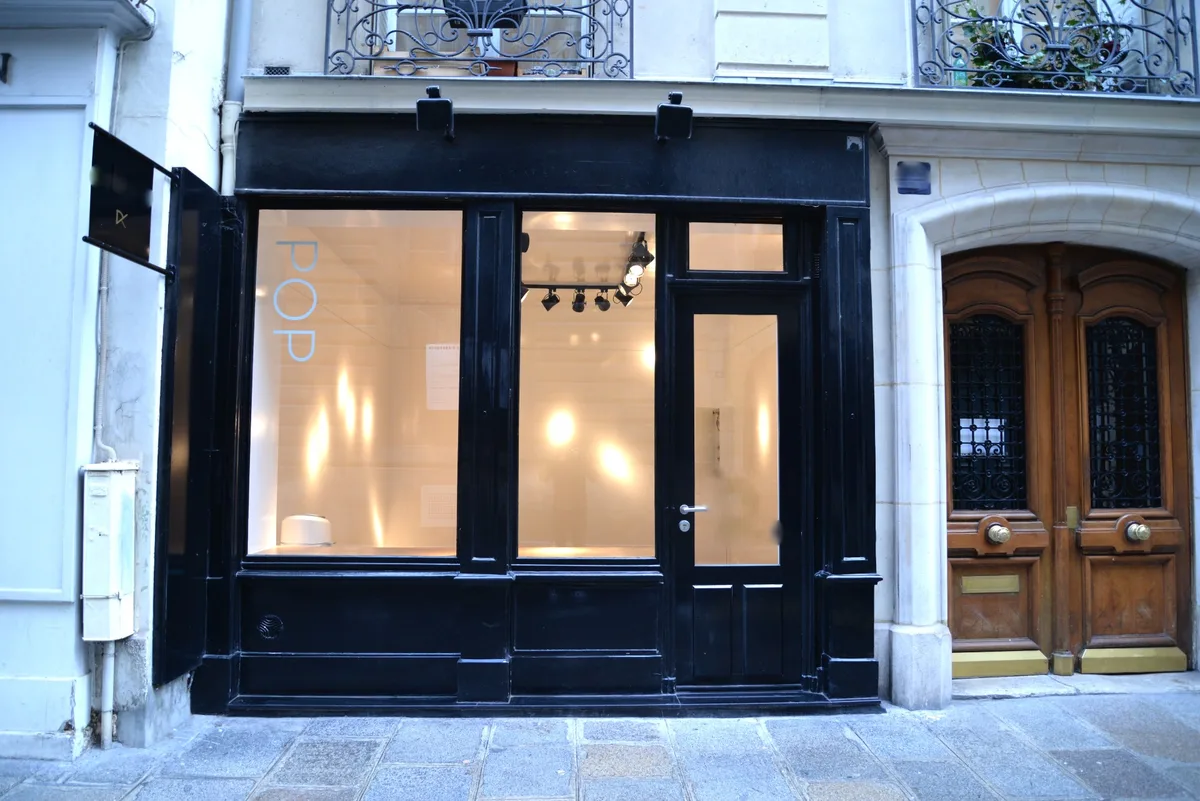
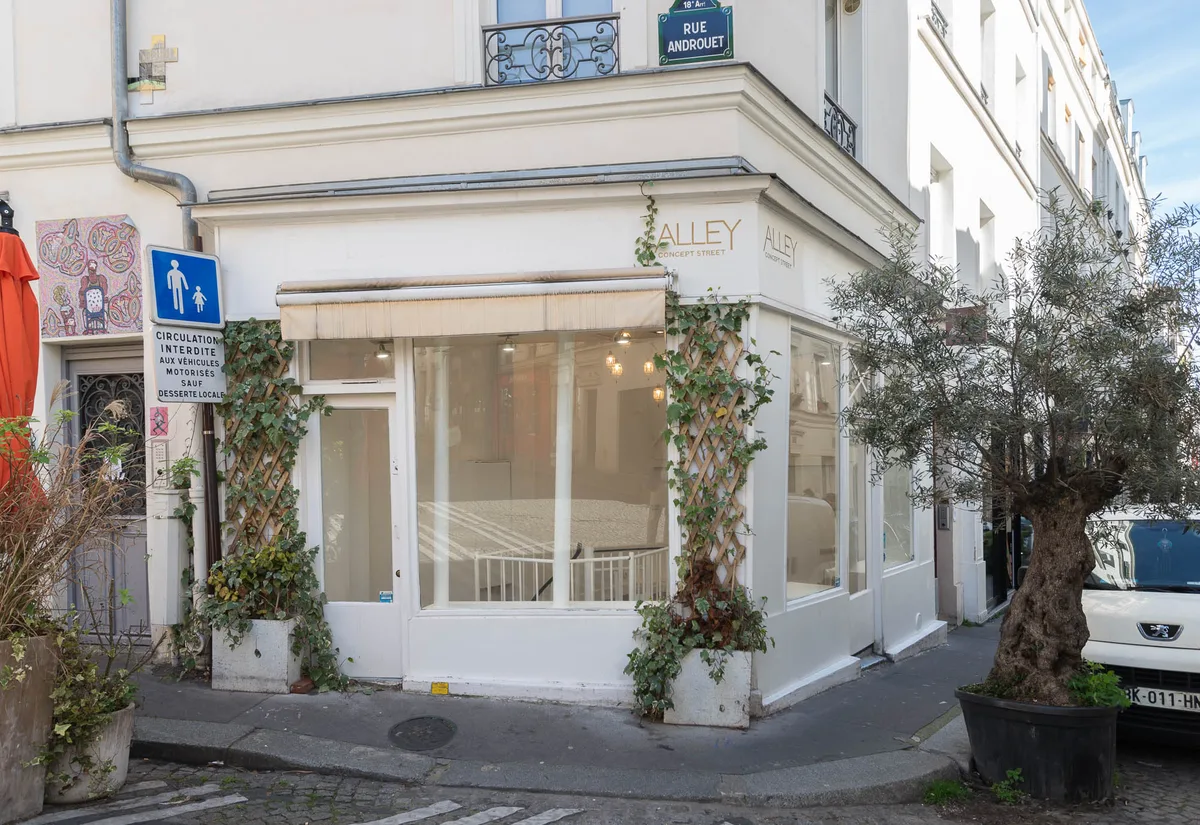
To rent a pop-up shop on Rue Saint-Honoré is to position your brand at the heart of one of the most commercially powerful streets in global fashion retail. The 1st arrondissement address carries immediate prestige, attracting high-net-worth shoppers, international press, and the kind of foot traffic that few streets in any city can match during Fashion Week and beyond. Whether you are launching a seasonal collection, hosting a private sale, presenting a showroom to buyers, or testing a new market, the Rue Saint-Honoré corridor offers a concentration of retail energy that justifies the planning effort required to activate there. Fashion Week Venues works with brands and brand teams at every stage of that process, from sourcing the right space to managing the full activation.
Why Rue Saint-Honoré Is the Right Address for a Pop-Up Store in Paris
Quick answer: Rue Saint-Honoré and the adjacent Rue de Rivoli form a luxury retail corridor in the 1er arrondissement where international fashion brands, designers, and concept stores compete for visibility. The street's proximity to Place Vendôme, the Tuileries, and the Palais Royal makes it one of the highest-profile pop-up locations in Paris, drawing both domestic shoppers and international visitors throughout the year.
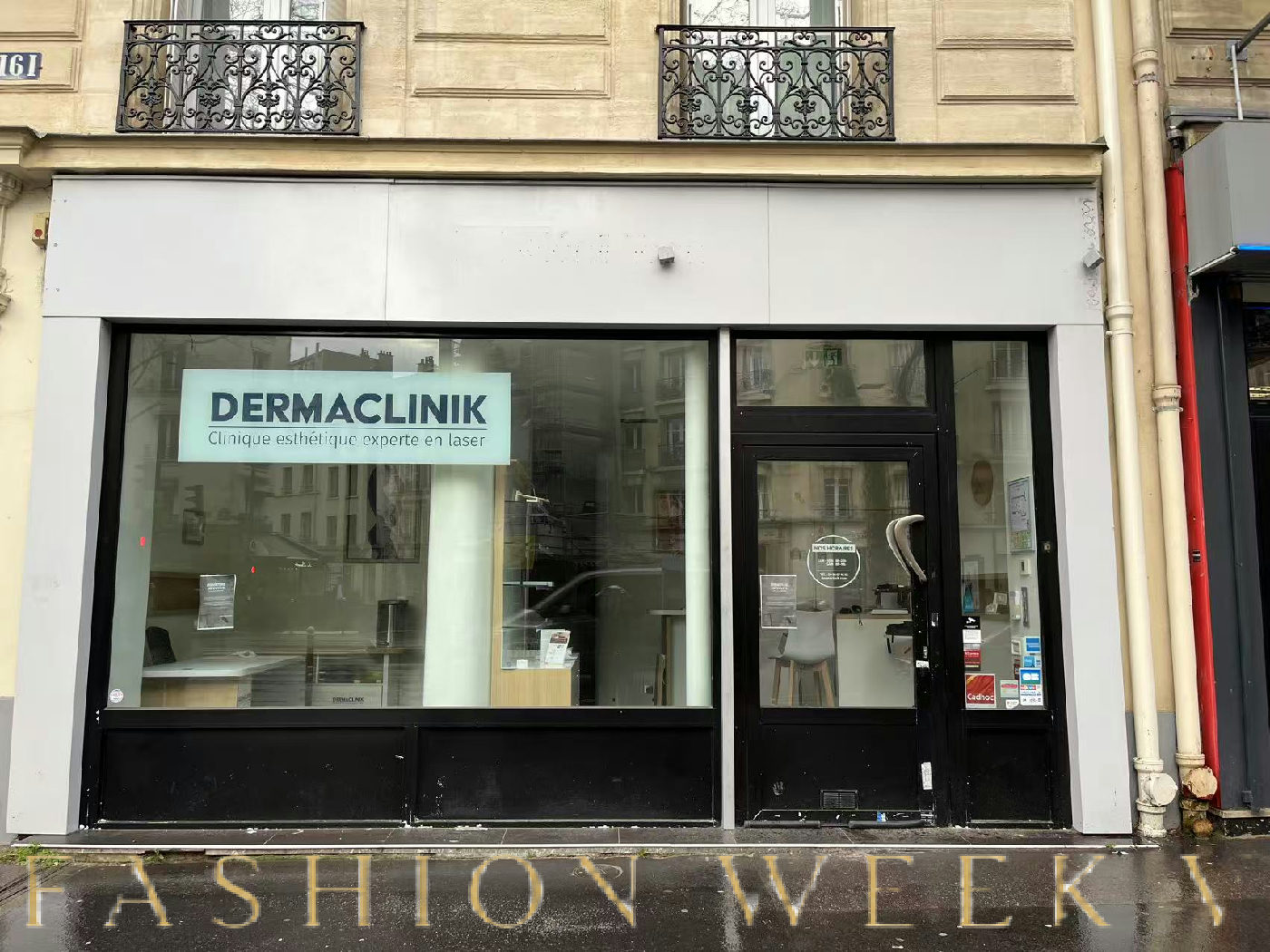
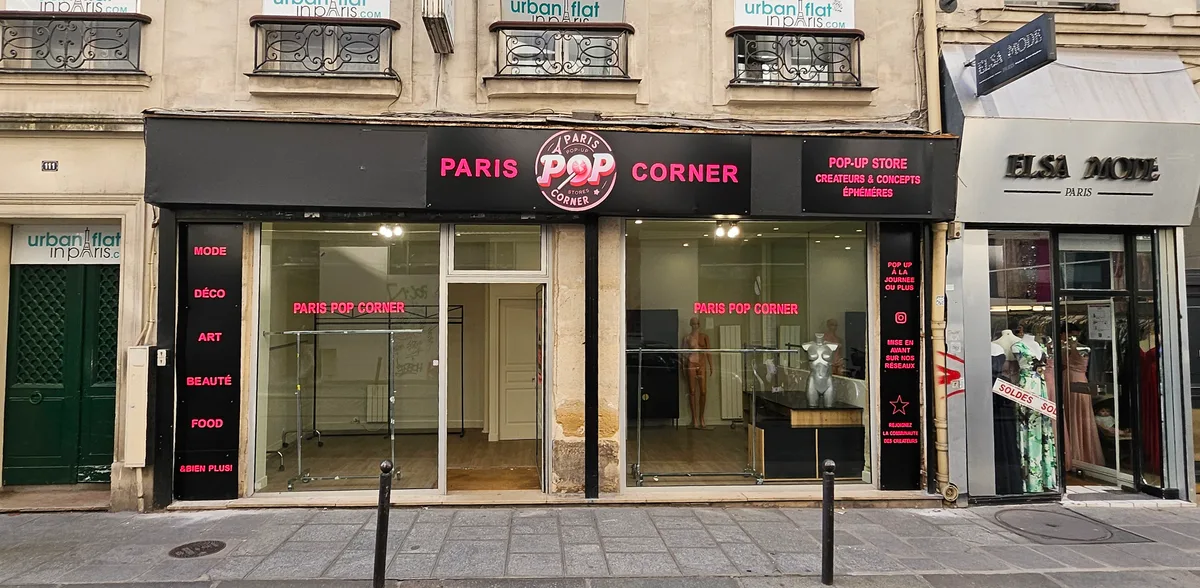
The Rue Saint-Honoré, and its extension the Rue du Faubourg Saint-Honoré, has functioned as the spine of Parisian luxury retail for well over a century. Today it houses flagship boutiques for Louis Vuitton, Prada, Courrèges, and dozens of comparable houses, alongside newer concept stores, independent designers, and short-term retail activations. The street's identity is defined by its architectural consistency, with Paris stone facades, private entrances, and ground-floor storefronts that range from tight, gallery-scale rooms to expansive retail floors with vaulted cellars below.
For brands entering Paris for the first time, the address sends a signal before a single shopper walks through the door. For established brands returning to the city, the Rue Saint-Honoré provides a recognisable anchor that editorial teams, buyers, and influencers associate with credibility. The street is also within easy reach of major cultural and tourist infrastructure, including the Louvre, the Rue de Rivoli arcade, and the Palais Royal gardens, which means foot traffic is not solely dependent on fashion calendar events. Outside of Fashion Week, the 1st arrondissement continues to draw visitors, making it one of the more commercially reliable short-term rental locations in Île-de-France.
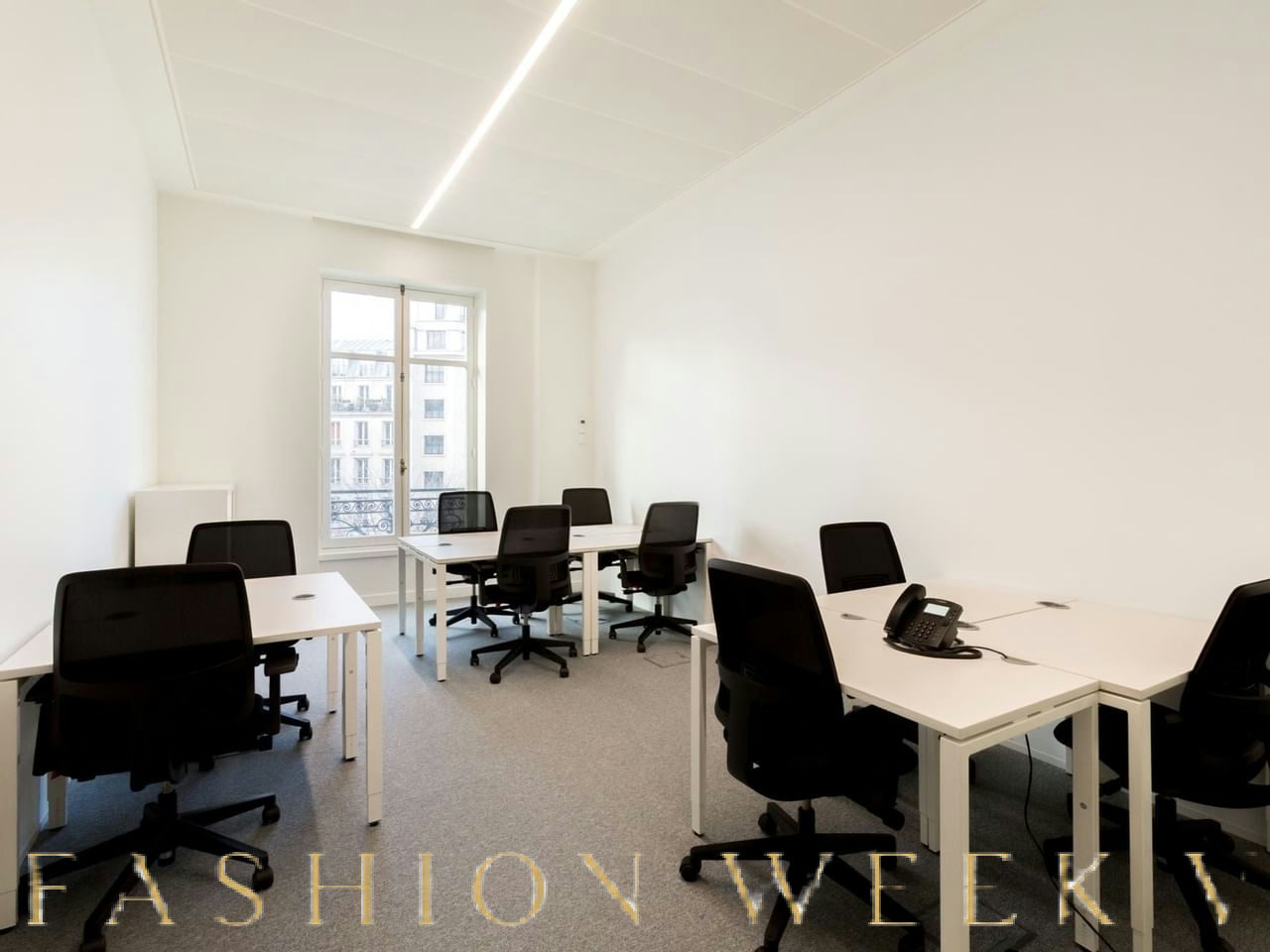
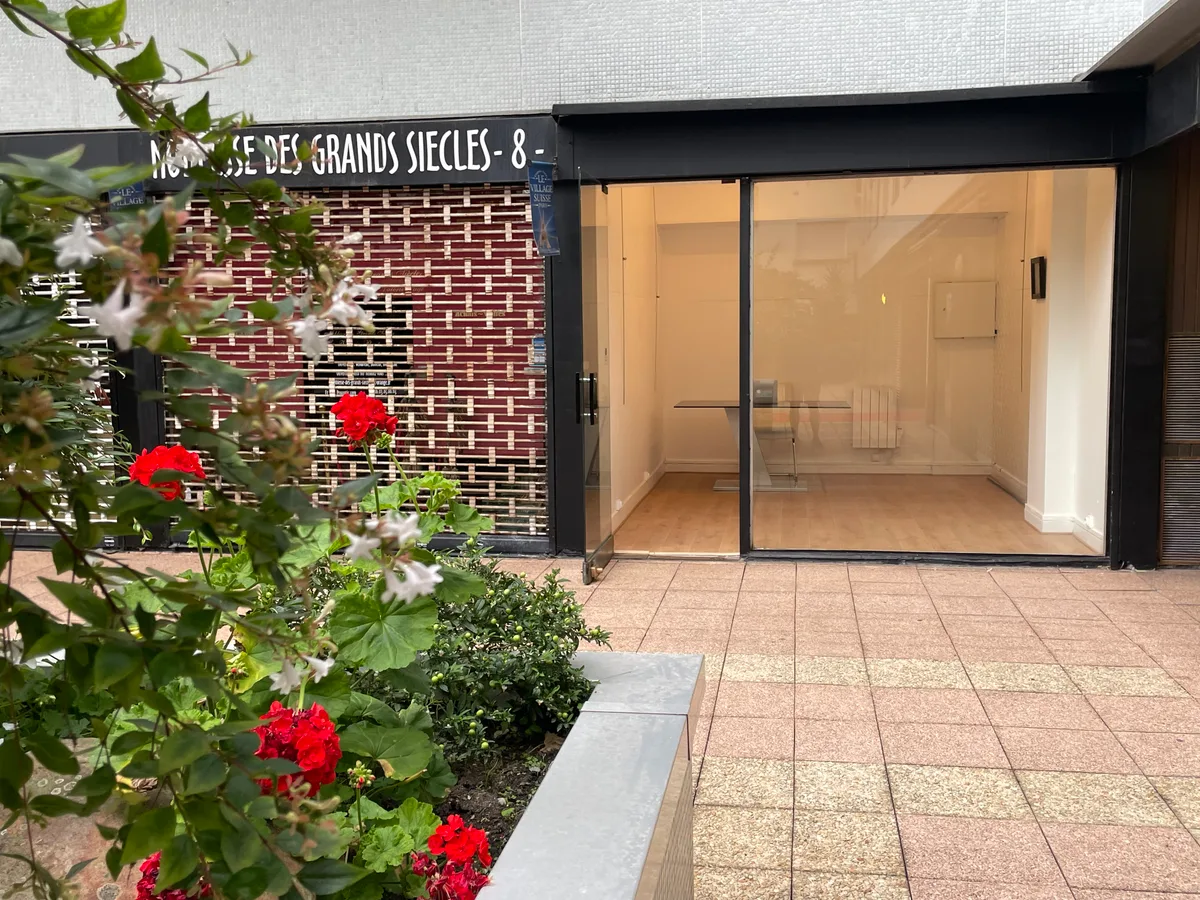
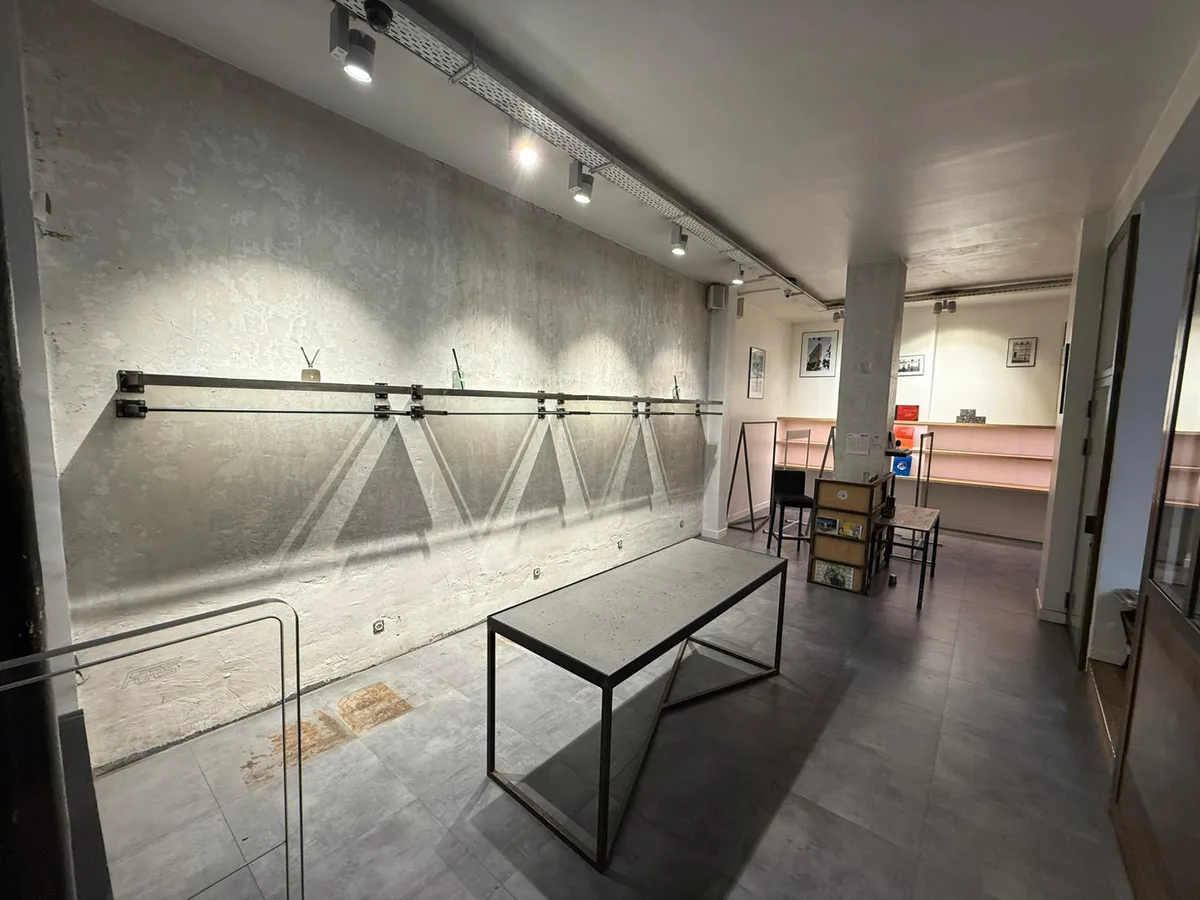
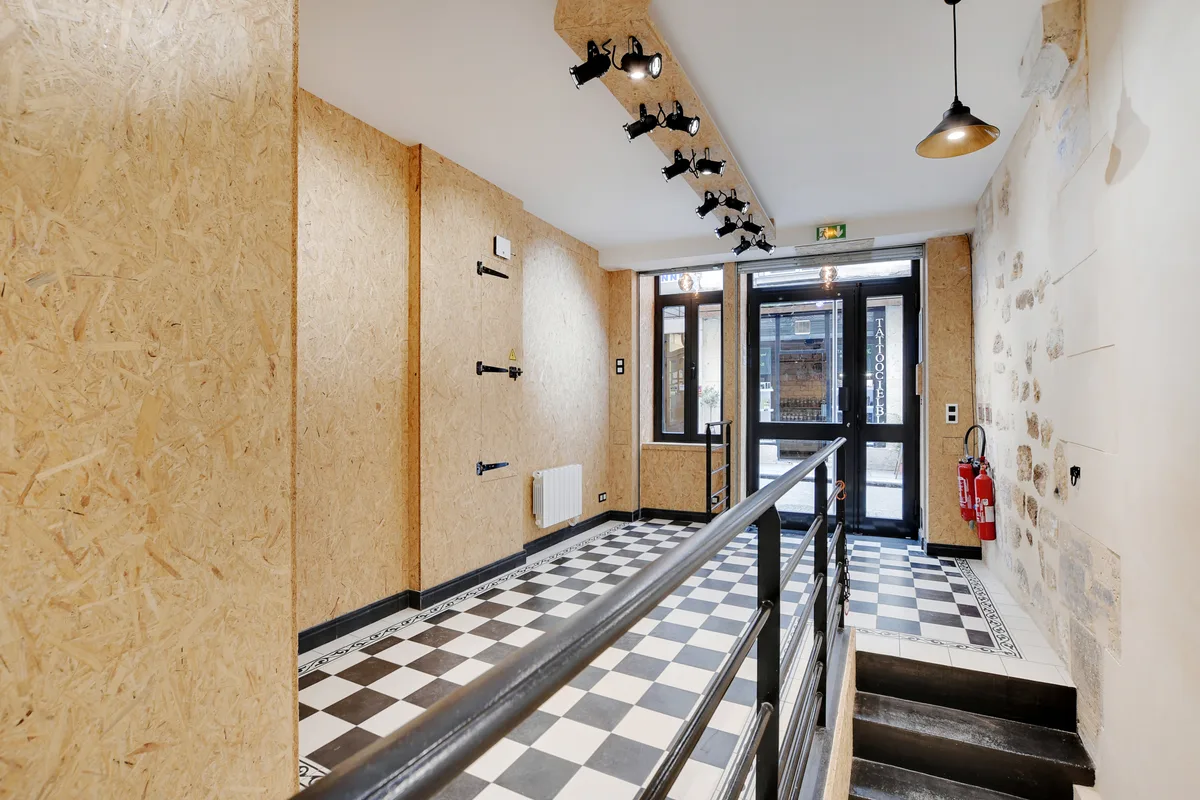
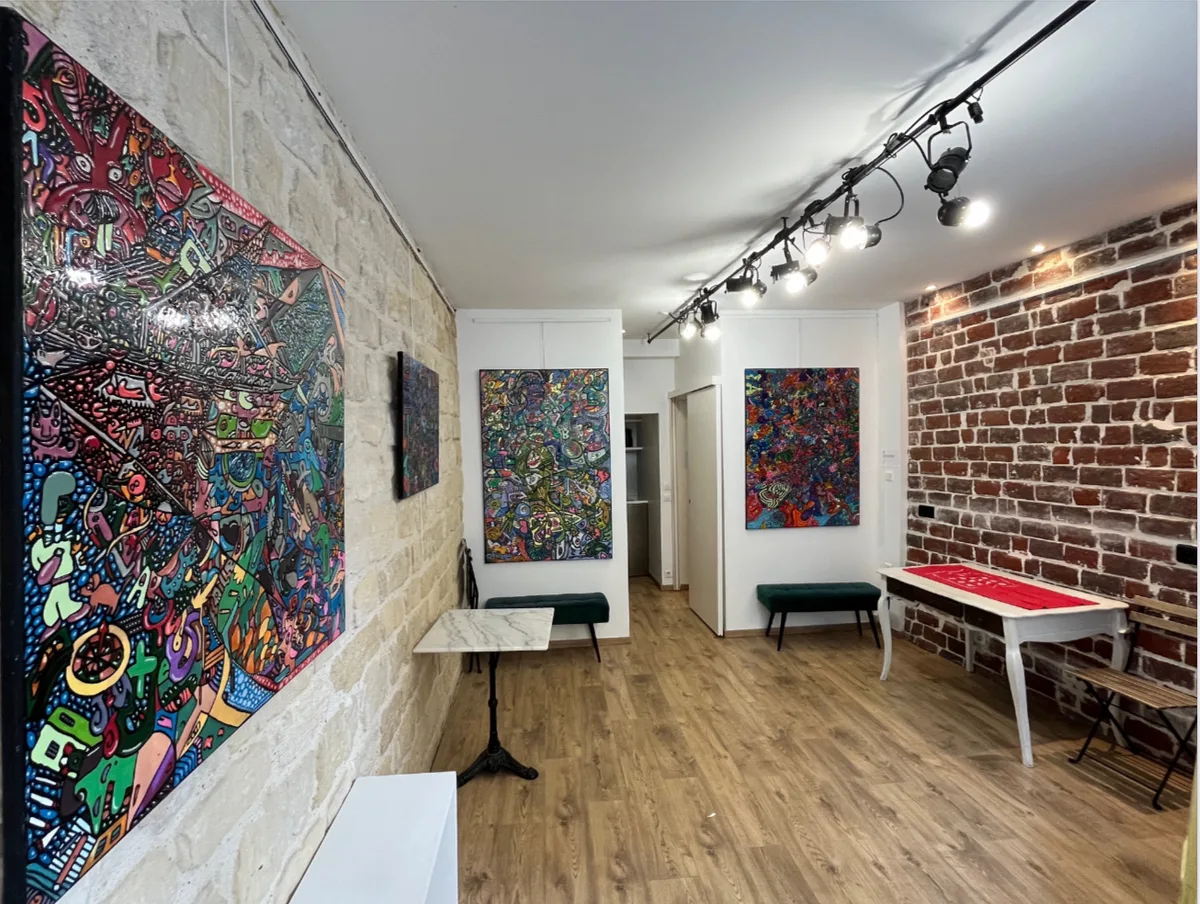
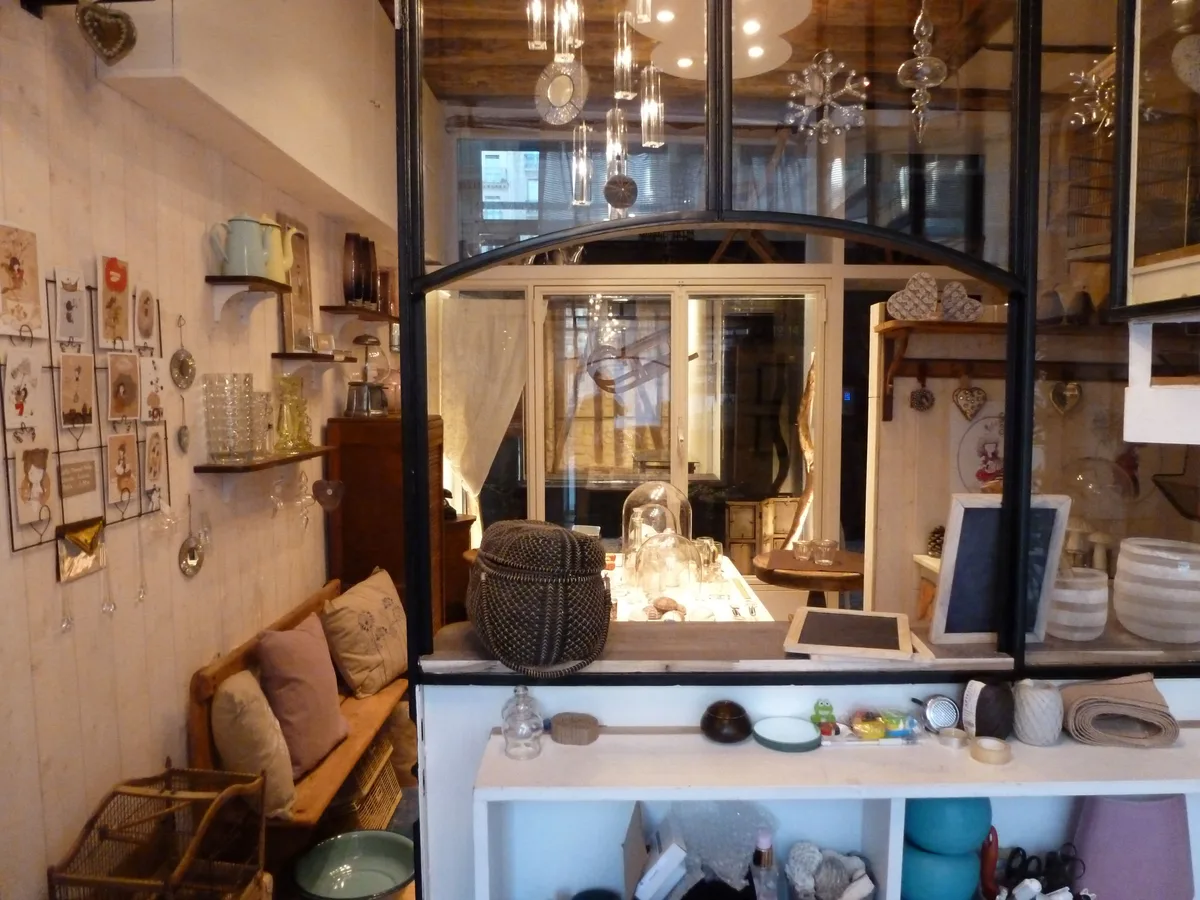
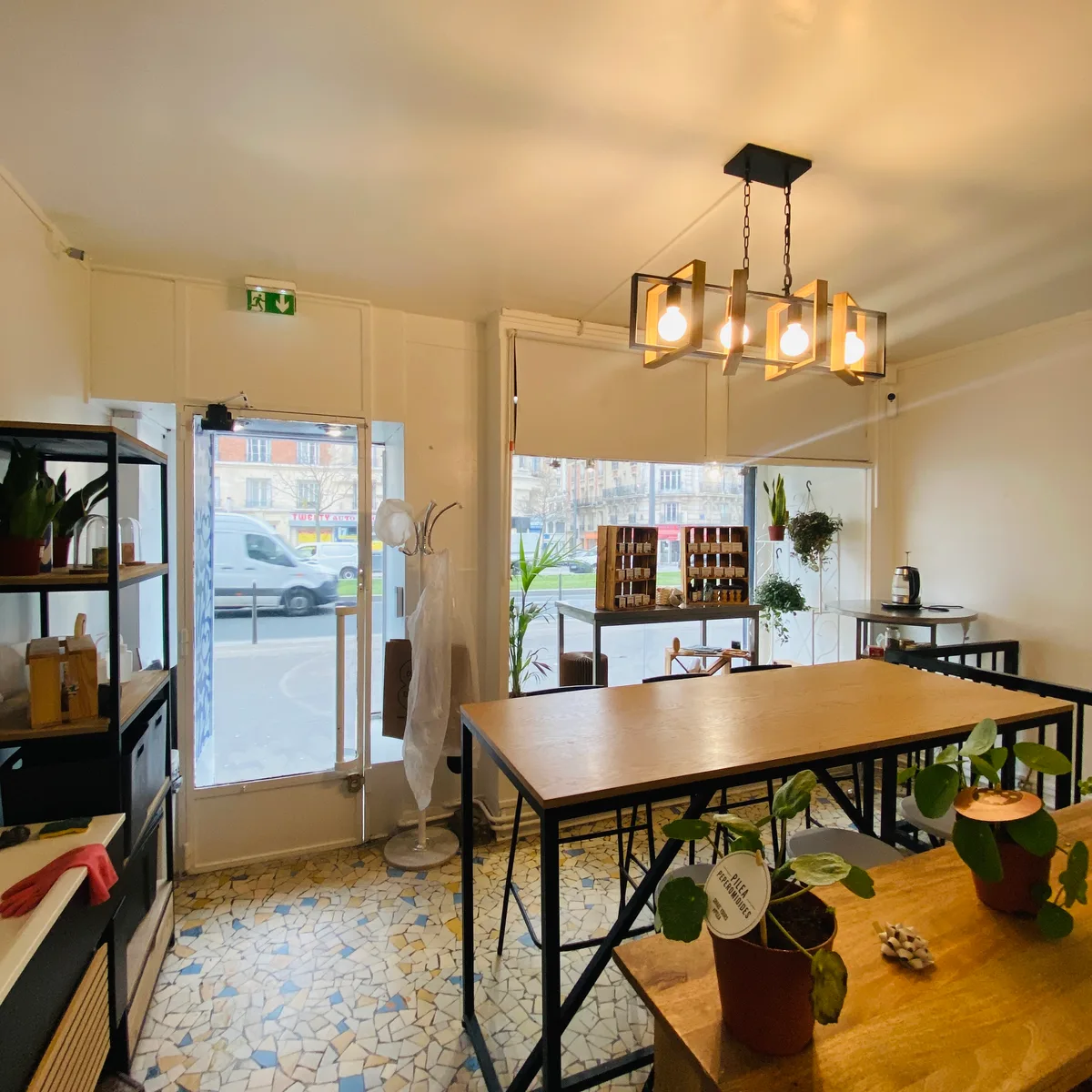
The nature of available spaces on and around Rue Saint-Honoré reflects the neighbourhood's history. Many units are former boutiques or galleries with white walls, wooden floors, and natural light from large shopfront windows. Others occupy former commercial premises with Paris stone walls, concrete floors, and a raw industrial character that suits contemporary brand aesthetics. A smaller number include terrasse access, private exhibition rooms, or vaulted cellar storage, which expands the operational possibilities during activations requiring multiple zones.
The adjacent street, Rue de Place Marguerite de Navarre, sits within the broader 1er arrondissement zone and connects the Rue Saint-Honoré corridor to Les Halles and the Marais district to the east. Understanding the full geography of the neighbourhood is important when briefing for a pop-up, because the specific block determines foot traffic volume, proximity to competing activations, loading access, and compliance requirements from the relevant arrondissement authority.
DID YOU KNOW: The Rue du Faubourg Saint-Honoré has been associated with French couture since the early twentieth century and remains one of only a handful of streets in the world where a temporary retail presence is itself considered a form of editorial content.
KEY TAKEAWAY: Renting a pop-up shop on Rue Saint-Honoré means buying into one of the most legible luxury retail addresses in the world. The street delivers prestige, footfall, and editorial credibility, but it demands careful planning, early booking, and a clear understanding of the space types and compliance requirements specific to the 1er arrondissement.
Understanding the Rue Saint-Honoré corridor fully requires comparing it against other Paris neighbourhoods, particularly Le Marais, which offers a different but equally compelling commercial and cultural profile for short-term retail activations.
Le Marais as an Alternative: Comparing Paris Neighbourhoods for Pop-Up Shops
Quick answer: Le Marais, covering parts of the 3rd and 4th arrondissements, is the most popular alternative to the Rue Saint-Honoré corridor for fashion pop-ups and showrooms in Paris. It offers a younger, more design-forward audience, a concentration of art galleries, concept stores, and vintage fashion destinations, and a neighbourhood identity strongly aligned with sustainable fashion, emerging designers, and creative brand activations.
The Marais district has undergone several decades of commercial evolution, transforming from a historic Jewish quarter into one of the most densely creative retail environments in Europe. Today, the Marais is home to Galerie Joseph, one of Paris's best-known event and pop-up rental venues, alongside dozens of independent spaces that accommodate exhibitions, product launches, private sales, and showroom presentations. Landmarks including Musée Picasso, Place des Vosges, and Carreau du Temple sit within the neighbourhood, each drawing a specific audience that overlaps with the fashion and design community.
The Rue de Turenne and surrounding streets such as Turenne itself form the northern spine of the Marais retail corridor, connecting the more residential upper Marais to the commercial and gallery-heavy lower Marais near the Place des Vosges. Spaces on Rue de Turenne tend to offer high ceilings, natural light, and the kind of ambience that suits both fashion showrooms and art openings. The area also has a strong association with vintage fashion, secondhand fashion markets, and eco-responsible brands, making it a natural home for sustainable fashion activations and upcycled accessories launches.
Neighbourhood Comparison Table: Rue Saint-Honoré vs Le Marais vs Other Paris Zones
| Neighbourhood | Arrondissement | Primary Audience | Typical Space Character | Best For |
|---|---|---|---|---|
| Rue Saint-Honoré / Faubourg | 1er, 8ème | Luxury shoppers, international tourists, press | Paris stone facades, storefronts, private entrances, vaulted cellars | Flagship launches, luxury brand activations, editorial moments |
| Le Marais (Lower) | 3ème, 4ème | Design community, fashion insiders, tourists | White walls, wooden floors, gallery-style, minimalist | Showrooms, exhibitions, concept store activations, art openings |
| Le Marais (Upper / Rue de Turenne) | 3ème | Creative professionals, emerging designers | High ceilings, natural light, raw or semi-finished | Sustainable fashion, vintage launches, private sales |
| Rue de Rivoli / Les Halles | 1er | High-volume tourists, commuters | Vitrines, street-level storefronts, arcade units | Volume-driven activations, pop-up shops with high footfall |
| Carreau du Temple Area | 3ème | Fashion-forward, culturally engaged | Industrial, concrete floors, open-plan | Fashion Week events, large-format product launches |
The decision between Rue Saint-Honoré and Le Marais ultimately depends on what your brand is communicating and to whom. Luxury heritage brands and international houses entering Paris for Fashion Week often default to the Saint-Honoré corridor for its prestige. Independent designers, sustainable fashion labels, and brands with a strong creative or cultural identity frequently find that Le Marais delivers better alignment with their community. Both neighbourhoods are represented in the Paris city hub on Fashion Week Venues, where you can filter spaces by neighbourhood, space type, and availability window.
TIP: If your activation combines a commercial component such as a product launch or private sale with a cultural element such as an art exhibition or designer presentation, the Marais district offers more flexible space configurations and a broader range of venues willing to accommodate mixed-use programmes.
KEY TAKEAWAY: Rue Saint-Honoré and Le Marais serve different strategic purposes for fashion pop-ups in Paris. Understanding which neighbourhood aligns with your brand identity, target audience, and activation format is the first decision to make before searching for specific spaces.
Once the neighbourhood is identified, the next practical question is what types of spaces are available and which physical characteristics matter most for a successful short-term retail activation.
Space Types, Features, and Configurations for Paris Pop-Up Shops and Showrooms
Quick answer: Paris pop-up spaces range from minimalist gallery formats with white walls and wooden floors to raw industrial units with concrete floors and exposed Paris stone. Storefront visibility, natural light, private entrance availability, vaulted cellar access, and terrasse space are the features that most directly affect the commercial performance and creative potential of a short-term retail activation in the city.
The physical character of a space shapes every aspect of an activation, from the visual language of the fit-out to the operational logistics of receiving stock, managing customer flow, and hosting private events. In Paris specifically, the historic building stock of the 1st arrondissement and Le Marais means that most spaces carry distinctive architectural features that are part of their identity rather than obstacles to design.
Key Space Features and Their Commercial Relevance
Natural light is among the most frequently requested features in Paris pop-up spaces, particularly for fashion and product launches where visual presentation depends on accurate colour rendering and an open, welcoming ambience. Ground-floor spaces on Rue Saint-Honoré and Rue de Rivoli often have large vitrines, the full-height shopfront windows characteristic of Haussmann-era Paris buildings, which deliver excellent natural light while also functioning as high-visibility display surfaces for the street.
Paris stone walls, or mur en pierre naturelle, are a defining feature of spaces in the older buildings of the 1er and 3ème arrondissements. These walls carry a textural quality that works particularly well for luxury brands, art galleries, and sustainable fashion activations where the material authenticity of the environment reinforces brand values. Spaces with exposed Paris stone command premium rental rates but also generate a distinctive ambience that white-box gallery formats cannot replicate.
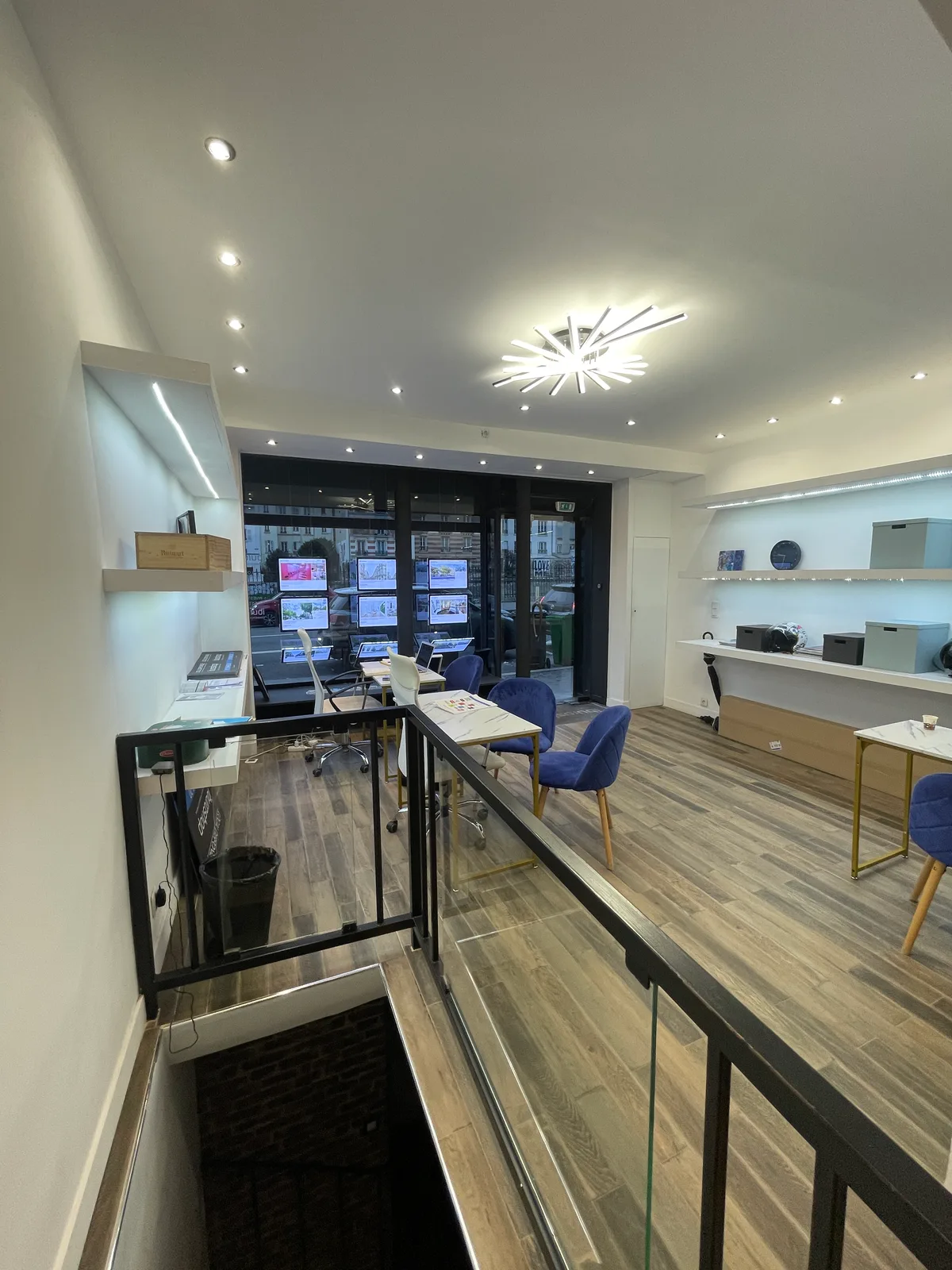
Vaulted cellars beneath ground-floor retail spaces are common in the central Paris building stock. These spaces can function as storage areas, private sale rooms, or secondary exhibition zones depending on ceiling height and access configuration. For brands running a product launch or private exhibition alongside a public-facing retail activation, a vaulted cellar provides a discreet space for high-value moments without disrupting the main retail floor.
Concrete floors and minimalist gallery configurations are characteristic of spaces in the Marais district, particularly on streets north of the Place des Vosges and around the Carreau du Temple. These spaces suit contemporary fashion brands, emerging designers, and concept store activations where the architectural finish is meant to function as a neutral backdrop for the product. The industrial aesthetic also aligns well with sustainable fashion and eco-responsible brands whose visual language deliberately avoids conventional luxury signifiers.
Terrasse access adds a significant operational dimension to a Paris pop-up, enabling outdoor brand moments, pop-up bars, or additional retail surface during good weather. Terrasse availability in the 1st arrondissement is subject to specific authorisation requirements from the Mairie, and brands should not assume that a space description mentioning a terrasse automatically includes the right to use it commercially without a separate AOT, or Autorisation d'Occupation Temporaire.
Space Type Reference Table: Reference RMSNS and Paris Pop-Up Categories
| Space Category | Typical Size Range | Defining Features | Common Activation Uses | Typical Minimum Duration |
|---|---|---|---|---|
| Boutique Storefront | 30 to 80 sqm | Vitrines, Paris stone, wooden floors, natural light | Pop-up shops, product launches, private sales | 1 week |
| Minimalist Gallery | 50 to 150 sqm | White walls, concrete floors, high ceilings, private entrance | Exhibitions, showrooms, art openings, Fashion Week presentations | 3 days to 1 week |
| Concept Store Unit | 80 to 200 sqm | Mixed materials, multiple zones, display fixtures included | Multi-brand activations, press previews, concept store launches | 1 to 2 weeks |
| Haussmann Retail Floor with Cellar | 60 to 120 sqm ground + cellar | Paris stone, vaulted cellar, high ceilings, storefront | Luxury launches, private exhibitions, VIP sales events | 1 week |
| Industrial Open-Plan Space | 150 to 500 sqm | Concrete, exposed structure, flexible layout | Large-format Fashion Week events, trade showrooms, installations | 3 to 5 days |
IMPORTANT: Space descriptions in Paris, including those using terms like lumière naturelle, mur en pierre naturelle, or terrasse, reflect the architectural character of the building at the time of listing. Confirm specific features, technical specifications, and permitted uses directly with the landlord or through a specialist agency before committing to a booking or signing any rental documentation.
KEY TAKEAWAY: Matching space features to activation requirements is as important as choosing the right neighbourhood. Natural light, Paris stone, storefront vitrines, and vaulted cellar access all affect how a brand story is told, how efficiently the space operates, and what additional permits or preparations may be needed.
Beyond the physical features of the space, the commercial effectiveness of a Rue Saint-Honoré or Marais pop-up depends heavily on understanding the full rental and booking process, including what happens between initial enquiry and lease start.
How to Rent a Pop-Up Shop in Paris: The Booking and Rental Process
Quick answer: Renting a pop-up shop in Paris involves identifying the right space, submitting an enquiry, agreeing rental terms including duration, rate, and conditions, signing a short-term rental agreement such as a bail dérogatoire, and confirming logistics including ménage, opening hours, meubles availability, and any space-specific rules before the lease start date.
The process of securing a short-term retail space in Paris differs meaningfully from standard commercial property transactions in France. Pop-up rentals typically operate under a bail dérogatoire, a derogatory lease that permits short-term occupancy outside the protections and obligations of standard French commercial lease law. This format is designed specifically for temporary retail, and its use has become standard practice for spaces of one week, one month, or up to a defined short-term maximum.
Step-by-Step Pop-Up Rental Workflow for Paris
| Step | Action | Responsible Party | Typical Timeframe Before Lease Start |
|---|---|---|---|
| 1 | Define brief: dates, neighbourhood, space type, budget, activation format | Brand team | 12 to 16 weeks minimum for Fashion Week windows |
| 2 | Browse marketplace and shortlist spaces by availability and feature match | Brand team or agency | 10 to 14 weeks before |
| 3 | Submit formal enquiry with reference code (e.g. Reference RMSNS for relevant listings) | Brand team or agency | 8 to 12 weeks before |
| 4 | Receive availability confirmation and provisional rental rates from landlord | Landlord or space platform | 6 to 10 weeks before |
| 5 | Negotiate terms: minimum duration, payment schedule, deposit, discounts if applicable | Both parties | 6 to 8 weeks before |
| 6 | Legal review of bail dérogatoire and any supplementary space rules documentation | French legal advisor | 4 to 6 weeks before |
| 7 | Confirm ménage arrangements, meubles availability, opening hours, and access schedule | Brand team and landlord | 4 weeks before |
| 8 | Apply for any necessary permits (AOT, commercial activity, terrasse) | Brand team with permit guidance | 3 to 4 weeks before |
| 9 | Fit-out and production period | Production team | 2 to 7 days before opening |
| 10 | Activation period: operations, staffing, POS and payments, events | Activation team | During rental period |
Enquiries for spaces on or near Rue Saint-Honoré during Fashion Week windows should be submitted significantly earlier than the table above suggests as a minimum. The September and March Paris Fashion Week periods in particular see demand far exceed available inventory in the 1st arrondissement. Brands that begin their space search with fewer than eight weeks of lead time frequently find that preferred spaces are already optioned or under discussion with other parties.
Rental rates for Paris pop-up spaces vary considerably by neighbourhood, space size, feature set, and calendar timing. Spaces on Rue Saint-Honoré and the Rue du Faubourg Saint-Honoré command a premium relative to comparable floor areas in other arrondissements, particularly during Fashion Week. Rates are typically quoted per week or per month depending on the landlord's preferred structure, and payment terms vary. Some landlords require full payment in advance, others accept a deposit and balance structure. The budget planning tool on Fashion Week Venues allows brand teams to build a realistic cost model before entering formal negotiations.
The ménage, or cleaning and maintenance, arrangements should be clarified in writing before the lease start. Some Paris landlords include daily or end-of-tenancy cleaning within the rental agreement, while others expect the tenant to arrange and fund this separately. Similarly, meubles, the furnishings or fixtures included with the space, vary considerably. A space described as furnished may include only basic display fixtures, or it may include purpose-built retail furniture appropriate for the brand category. Fashion Week Venues offers furniture rental as a standalone service for brands that need to supplement or replace what a space provides.
Opening hours and space rules are landlord-defined and should be reviewed carefully before signing. Some Rue Saint-Honoré spaces are governed by building-level rules that restrict late-evening events, loud activations, or certain commercial categories. Understanding these constraints before committing prevents conflicts during the activation period and protects the deposit against deductions for rule violations.
To explore and compare spaces, use the space comparison tool alongside the availability calendar for your target dates.
KEY TAKEAWAY: The Paris pop-up rental process requires early action, careful legal review, and detailed pre-booking confirmation of operational terms. For Fashion Week windows specifically, brands that begin the process at least twelve weeks in advance are significantly better positioned than those who start late.
Understanding the rental process is inseparable from understanding the permit and compliance landscape, which carries specific requirements for short-term commercial activity in the 1er arrondissement and the Marais district.
Permits, Compliance, and Legal Requirements for Paris Pop-Up Shops
Quick answer: Pop-up shops in Paris operating under a bail dérogatoire do not require a full commercial lease registration, but they may need additional authorisations depending on the type of commercial activity, the use of public space such as a terrasse, signage, or specific product categories. Requirements vary by arrondissement, space type, and activation format, and brands are strongly advised to seek guidance from a qualified French legal advisor before signing any rental agreement or beginning commercial operations.
The bail dérogatoire is the legal instrument most commonly used for short-term commercial rentals in Paris. It permits occupancy for a defined period without triggering the automatic renewal rights and tenant protections that apply under standard French commercial lease law, known as a bail commercial. While the bail dérogatoire simplifies the entry process for temporary retailers, it does not exempt them from other legal obligations that apply to commercial activity in France.
Understanding the AOT for Rue Saint-Honoré and Marais Activations
An Autorisation d'Occupation Temporaire, or AOT, is a permit issued by the Mairie authorising the temporary use of public space, most commonly for a terrasse, outdoor display, or branded signage extending beyond the property boundary. For activations on or near Rue Saint-Honoré, the Rue de Rivoli, or in the Marais district, AOT requirements are managed by the relevant arrondissement administration. The process, cost, and approval timeline for an AOT vary and are not automatic. Brands planning outdoor elements must begin this process well in advance of the planned activation date.
Commercial signage and branded window treatments, including the use of vitrines for large-format brand displays, may also require notification to the Mairie in certain arrondissements. The scale and permanence of the installation affect the level of authorisation required. Temporary vinyl window graphics are generally treated differently from illuminated signage or structural projections, but the specific rules should be confirmed through the relevant authority or through the permits guidance tool on Fashion Week Venues.
Brands selling regulated product categories, including food and beverage, cosmetics, or certain apparel items with specific labelling requirements under French or EU law, face additional compliance obligations regardless of the short-term nature of the tenancy. This applies equally to eco-responsible and sustainable fashion brands, whose product claims must comply with French environmental labelling regulations.
Insurance requirements for short-term retail tenants in France are standard. Most landlords require proof of liability insurance before handing over keys, and some require coverage to be extended to cover the specific space and contents during the rental period. Brands entering France from outside the EU should verify that their existing insurance policies extend to commercial activities in Île-de-France or arrange supplementary cover before the lease start.
IMPORTANT: Do not assume that a bail dérogatoire alone satisfies all compliance obligations for a commercial pop-up in Paris. Permit requirements for terrasse use, signage, and specific product categories are separate from the lease and must be addressed independently. All information in this section is provided for general orientation only. Verify all requirements with a qualified French legal advisor and the relevant arrondissement administration before proceeding.
KEY TAKEAWAY: Paris pop-up compliance involves the bail dérogatoire for the tenancy itself plus additional authorisations for outdoor use, signage, and regulated product categories. Early legal review prevents delays, cost overruns, and activation disruptions, particularly for first-time entrants to the French market.
With the legal and logistical framework understood, the next step is building the commercial strategy for the activation itself, covering which fashion calendar windows to target and how to maximise the return on a Rue Saint-Honoré or Marais pop-up investment.
Fashion Week Timing and the Paris Activation Calendar for Pop-Up Shops
Quick answer: Paris Fashion Week takes place twice annually, in late February or early March for the Autumn/Winter collections and in late September or early October for the Spring/Summer collections. Both windows create intense demand for pop-up shops, showrooms, and retail activation spaces across the 1st arrondissement and Le Marais, but the Paris activation calendar extends far beyond these ten-day windows to include fashion trade fairs, private sales periods, the holiday retail season, and year-round tourist-driven footfall.
The conventional assumption that Paris Fashion Week is the only commercially viable window for a pop-up shop underestimates the breadth of the Paris retail calendar. The two Fashion Week periods are undeniably the peak demand moments, and spaces on Rue Saint-Honoré, in Le Marais, and at venues such as Galerie Joseph or around the Carreau du Temple fill months in advance for these dates. However, brands that cannot secure space during the peak window, or that find the peak rental premium exceeds their budget, have genuine commercial alternatives across the year.
Key Calendar Windows for Paris Pop-Up Activations
The January and late June private sale periods, known as the soldes, generate substantial retail footfall throughout central Paris. Pop-up shops aligned with discounts, private sales, or limited editions perform particularly well during these windows. The Marais district, with its concentration of vintage fashion destinations, secondhand fashion markets, and independent designers, benefits disproportionately from the soldes, as its audience actively seeks fashion value rather than full-price luxury.
The pre-Christmas period from late November through late December is a consistently strong window for short-term retail activations in the 1er arrondissement. The combination of domestic shoppers, international tourists, and corporate gifting activity sustains premium foot traffic on Rue Saint-Honoré and the Rue de Rivoli. Concept stores, boutique activations, and product launch pop-ups in this window benefit from heightened consumer spending intent.
Fashion trade fairs including Première Vision, Tranoï, and Who's Next draw international buyers and press to Paris in January, February, July, and September. Brands with wholesale distribution strategies often align showroom rentals in Le Marais or the 1st arrondissement to these fairs, using the increased buyer traffic to drive appointment volume and order meetings. This is a particularly efficient use of short-term space rental for brands that cannot justify the cost of a standalone Paris showroom year-round.
Sustainable fashion events and eco-responsible brand activations have grown in prominence across the Paris calendar over the past several years. The Marais district has become the natural home for these activations, with brands offering upcycled accessories, hand-knitted scrunchies, reusable sponges, and eco-responsible collections finding an audience that is both commercially engaged and culturally aligned with the neighbourhood's identity.
For detailed timeline planning aligned to your target activation window, the timeline planning tool provides a structured framework for working backwards from your target opening date to the earliest actions required for space sourcing, legal review, and production.
DID YOU KNOW: Outside of Paris Fashion Week, the 1er arrondissement attracts over 30 million visitors per year due to the proximity of the Louvre, the Tuileries, and the Palais Royal, sustaining consistent retail footfall that benefits pop-up shops and short-term activations regardless of the fashion calendar.
KEY TAKEAWAY: Fashion Week is the peak demand window for Paris pop-up spaces but not the only viable one. Private sales periods, trade fair alignments, holiday retail seasons, and sustainable fashion events all offer strong commercial rationale for short-term activations in the Rue Saint-Honoré corridor and Le Marais throughout the year.
Making the most of any calendar window requires matching the right activation format to the right space and the right audience, and that creative and strategic work is where specialist agency support delivers the most significant return.
What Fashion Brands Actually Do in Rue Saint-Honoré and Marais Pop-Up Shops
Quick answer: Fashion brands use Paris pop-up shops for a wide range of commercial and cultural activities, including product launches, private sales, showroom presentations, art openings, exhibitions, fashion week activations, concept store formats, and brand awareness campaigns. The specific use case shapes every decision about space type, location, duration, fit-out, staffing, and marketing.
The range of commercial activity that takes place in short-term retail spaces in Paris is broader than the term pop-up shop suggests. Understanding the specific activation format that suits a brand's objectives is essential for making the right neighbourhood, space, and duration choices.
Product Launches and Lancements de Produits
Product launch activations on Rue Saint-Honoré typically use boutique storefronts or Haussmann ground-floor spaces with strong vitrine visibility. The objective is to create a press-facing, consumer-facing, and influencer-facing moment that generates media coverage and social content during and after the event. The space needs to accommodate photography, product display, guest management, and often a private VIP preview in the early hours of the activation before opening to the public. Vaulted cellars or private entrance spaces work well for the VIP component.
Showrooms and Buyer Presentations
Showroom rentals in Le Marais are common during the Paris Fashion Week trade calendar, with brands presenting collections to buyers, stockists, and press in a controlled, appointment-driven environment. Spaces used for showroom presentations prioritise natural light for accurate colour assessment, sufficient hanging rail space, and a reception or meeting area for buyer discussions. Minimalist gallery formats with white walls and wooden floors are the standard preference for this activation type.
Private Sales and Ventes Privées
Private sales in Paris require spaces with controlled access, discreet street-level visibility, and sufficient floor area for product display and transaction management. The Marais district, with its concentration of private entrance spaces and neighbourhood audience already predisposed to fashion purchasing, is a strong location for this format. Brands including both established fashion houses and emerging independent labels use private sale events in short-term Paris spaces to clear seasonal inventory, reward loyal customers, and generate cash flow during transition periods.
Exhibitions and Art Openings
Art openings and private exhibitions combining fashion and art have become a significant part of the Paris activation calendar, particularly in the Marais district where the density of art galleries creates an audience primed for culturally oriented commercial events. Spaces near Musée Picasso and around the Carreau du Temple are particularly suited to this format. The distinction between an art opening and a commercial retail activation is meaningful from a permit perspective, and brands running combined fashion and art events should take specific advice on the appropriate compliance approach.
Sustainable Fashion and Concept Store Activations
Brands built around sustainable fashion, secondhand fashion, eco-responsible production, or community-oriented retail models are increasingly using Paris as a test market and visibility platform. The Marais district, and specifically the streets around the Carreau du Temple, functions as the natural hub for this activation type. Brands offering upcycled accessories, vintage fashion curation, or eco-responsible collections find that the Marais audience engages actively with both the commercial proposition and the brand story. These activations often combine retail with educational or experiential elements, requiring spaces that can accommodate both sales and storytelling simultaneously.
KEY TAKEAWAY: The activation format determines the space specification, neighbourhood choice, duration, permit requirements, and staffing model. Clarity about what the brand is actually doing in the space, beyond simply being present on Rue Saint-Honoré or in Le Marais, is the single most important input to the entire planning process.
Fashion Week Venues supports brands across all of these activation formats, from initial concept direction through to full production and ongoing management during the activation period.
How Fashion Week Venues Helps Brands Rent Pop-Up Shops in Paris
Fashion Week Venues is a full-service pop-up shop agency and space marketplace with Paris as its primary market. The agency works with fashion brands, luxury houses, independent designers, sustainable fashion labels, creative directors, and international brands entering France for the first time. The range of services covers every stage from initial space discovery to post-activation performance reporting.
Space Marketplace and Venue Sourcing
The Fashion Week Venues space marketplace allows brand teams to browse available spaces across Paris neighbourhoods including Rue Saint-Honoré, Le Marais, the Rue de Rivoli corridor, and the Carreau du Temple area. Spaces are filterable by size, feature set, neighbourhood, and availability window, enabling brands to shortlist options that match their brief before making any commitment. The venue sourcing service adds a specialist research and negotiation layer for brands that want expert support in identifying and securing the right space rather than managing this process independently.
Concept Direction, Production, and Fit-Out
For brands that need support beyond space access, the concept direction service provides creative strategy and spatial design input that ensures the chosen space communicates the brand story effectively. This is particularly relevant for brands using spaces with strong architectural character, such as Paris stone boutiques or minimalist gallery formats, where the relationship between the brand aesthetic and the space architecture needs to be managed intentionally. The production and build service translates the concept into a physically realised fit-out, managing contractors, timelines, and delivery within the constraints of the specific space and building.
Activation Management and Retail Staffing
The activation management service covers the operational running of the pop-up during its active period, including team coordination, event scheduling, and day-to-day management. For international brands entering Paris without a local team, this service provides a critical operational backbone. The retail staffing service provides trained, brand-briefed staff with relevant language skills and experience in the Paris luxury and fashion retail environment.
Tools for Planning and Decision-Making
Fashion Week Venues provides a set of planning tools that allow brand teams to model decisions before committing to a space or budget. The budget tool helps estimate total activation costs. The ROI tool models expected returns against investment. The timeline tool structures the planning process from brief to opening. The permits tool provides orientation on the compliance requirements relevant to the planned activation format. These tools are available at fashionweekvenues.com/tools and are designed to reduce the uncertainty that brands face when planning their first or subsequent Paris pop-up.
Who Benefits Most
Fashion Week Venues is most valuable to brands that are either entering Paris for the first time and lack existing landlord relationships, local production contacts, or legal familiarity with French short-term rental law; or to brands that have previously self-managed Paris activations and experienced the cost and risk of doing so without specialist support. The twin concept at fashionweekvenues.com/twin also offers a co-activation model for brands interested in sharing a space and costs with a complementary brand, which can be a cost-effective approach for emerging designers or sustainable fashion labels with smaller budgets.
KEY TAKEAWAY: Fashion Week Venues offers end-to-end support for Paris pop-up activations, from space discovery and legal guidance orientation through to creative production, operational management, and performance reporting. The agency is not a guarantee of space availability or permit approval, but it provides the specialist knowledge, landlord network, and toolset that significantly reduce the complexity and risk of operating in the Paris short-term retail market.
Common Myths About Renting a Pop-Up Shop on Rue Saint-Honoré and in Paris
MYTH: You need a French legal entity or registered company to rent a pop-up shop in Paris.
FACT: A French legal entity is not always required to sign a bail dérogatoire for a short-term commercial rental in Paris. International brands and foreign companies can in many cases rent spaces directly, though the specific requirements depend on the landlord, the space, and the nature of the planned commercial activity. Working with a specialist agency that understands French rental practice significantly simplifies this process for overseas brands. Always seek advice from a qualified French legal advisor before signing any agreement.
MYTH: Paris Fashion Week is the only viable window to activate a pop-up shop in the city.
FACT: Paris Fashion Week creates the highest demand and the most concentrated industry audience, but it is one of several strong activation windows across the year. Private sales periods, trade fair alignments, the pre-Christmas retail season, and year-round tourist footfall in the 1st arrondissement all support commercially viable pop-up activations. Brands that cannot secure space or budget for the peak Fashion Week window have genuine alternatives throughout the Paris calendar.
MYTH: Using a commission broker is the only way to find a pop-up space in Paris.
FACT: Commission brokers exist in the Paris short-term retail market, but they are not the only route to securing a space. Dedicated pop-up space marketplaces, direct landlord relationships, and full-service agencies like Fashion Week Venues provide alternative routes that offer greater transparency on pricing, availability, and terms. Brands should understand the fee structure of any intermediary before engaging them, and should compare the total cost of different sourcing approaches before making a decision.
MYTH: Short-term leases in Paris are legally straightforward and do not require specialist review.
FACT: The bail dérogatoire is simpler than a standard French commercial lease, but it is still a legally binding document governed by French contract law. The specific terms covering deposit, restoration obligations, permitted uses, sub-letting rights, and early termination conditions vary between landlords and spaces. Without a review by a qualified French legal advisor, brands risk signing agreements with obligations they do not fully understand. This risk is highest for brands entering Paris from non-EU markets without prior experience of French commercial property practice.
MYTH: Any space described as a pop-up venue automatically permits all commercial activity without additional authorisations.
FACT: The classification of a space as a pop-up venue by a landlord or marketplace does not automatically satisfy all local planning, signage, or commercial activity permit requirements in Paris. Terrasse use, external signage, certain product categories, and late-evening events all require separate authorisations from the relevant arrondissement administration regardless of what the lease permits. Brands are responsible for ensuring their planned activities comply with applicable local regulations.
Frequently Asked Questions About Renting a Pop-Up Shop on Rue Saint-Honoré and in Paris
What is the minimum rental duration for a pop-up shop on Rue Saint-Honoré in Paris?
Minimum rental duration for spaces on and near Rue Saint-Honoré varies by landlord and space. Many boutique storefronts and gallery-format spaces in the 1er arrondissement have a minimum duration of one week, though some accept shorter bookings of three to five days for Fashion Week-adjacent activations. Larger spaces in the Marais district and around the Carreau du Temple may have different minimums. Minimum duration terms are typically stated in the listing or confirmed during the initial enquiry stage. It is important to confirm this before progressing a booking, as landlords in high-demand locations are unlikely to negotiate downward from their stated minimum during peak calendar windows.
How far in advance should I book a Rue Saint-Honoré pop-up space for Paris Fashion Week?
For the September and March Paris Fashion Week windows, brands targeting spaces in the Rue Saint-Honoré corridor or in Le Marais should begin their search at least twelve to sixteen weeks before their intended opening date. Popular spaces at venues such as Galerie Joseph, or in key Marais streets like Rue de Turenne, are frequently reserved four to six months in advance. Starting the search late significantly reduces the available inventory and increases the likelihood of paying a premium for last-minute availability. The timeline planning tool on Fashion Week Venues helps brands structure their preparation process against their target dates.
Do I need to speak French or have a French company to rent a pop-up shop in Paris?
Neither is strictly required in all cases, but both can simplify the process. Rental agreements are typically in French, and having a legally qualified French advisor review documents is strongly recommended regardless of your own language skills. Many landlords in the Rue Saint-Honoré and Marais areas have experience dealing with international brands and may provide bilingual support, particularly when working through an agency. A French legal entity can in some cases make the signing process smoother, but international companies without French registration have successfully rented short-term Paris spaces through appropriate legal structuring and advisor support.
What does ménage mean in the context of a Paris pop-up rental agreement?
Ménage refers to the cleaning and maintenance of the space during and after the rental period. In Paris pop-up rental agreements, ménage terms specify who is responsible for daily cleaning, end-of-tenancy deep cleaning, and the condition in which the space must be returned to the landlord. Some landlords include a ménage service within the rental rate, while others require tenants to arrange and fund cleaning independently. Failing to meet ménage obligations can result in deductions from the security deposit. Brands should confirm exactly what ménage responsibilities fall to them before signing, and factor any associated cost into their activation budget.
What is a bail dérogatoire and how does it differ from a standard French commercial lease?
A bail dérogatoire is a short-term derogatory lease used for temporary commercial occupancy in France. Unlike a standard bail commercial, it does not grant the tenant automatic renewal rights or the broader protections of French commercial tenancy law. It is the standard lease instrument for pop-up shops, short-term retail activations, and temporary showrooms in Paris. The bail dérogatoire must be for a defined, limited term and cannot be used as a substitute for a long-term commercial lease. All terms, including duration, rent, deposit, permitted uses, and restoration obligations, are negotiated and included in the document. Legal review before signing is always advisable.
What permits might I need for a pop-up shop in the 1er arrondissement of Paris?
Requirements vary depending on the planned activities, the space configuration, and the building. Common permit considerations include an Autorisation d'Occupation Temporaire for terrasse or outdoor brand use, notification to the Mairie for certain types of commercial signage, and compliance authorisations for regulated product categories. Late-evening events may require additional notification or approval from local authorities. The bail dérogatoire itself does not substitute for these permits. The permits guidance tool on Fashion Week Venues provides orientation on what to investigate, and all final determinations should be confirmed with a qualified French legal advisor and the relevant arrondissement administration.
Can I share a pop-up space with another brand in Paris to reduce costs?
Co-activation with another brand is a recognised model in the Paris short-term retail market and can significantly reduce per-brand costs, particularly for emerging designers, sustainable fashion labels, or brands with smaller activation budgets. Fashion Week Venues operates a twin concept specifically designed for co-activation, matching complementary brands within a shared space framework. The key considerations for co-activation are brand compatibility, audience alignment, space configuration, and the specific terms of the rental agreement regarding permitted occupants and activities. Brands considering this model should ensure co-activation rights are explicitly permitted under the lease before confirming the arrangement.
What types of spaces are available in Le Marais for fashion showrooms and exhibitions?
Le Marais offers a wide range of space types suited to fashion showrooms, exhibitions, and pop-up shops. Minimalist gallery formats with white walls, concrete floors, and high ceilings are common in the lower Marais near Place des Vosges. Spaces on Rue de Turenne and nearby streets tend to feature natural light, wooden floors, and more residential-scale configurations suitable for buyer showrooms. Larger open-plan spaces near Carreau du Temple accommodate exhibition-format events and multi-brand activations. The Paris city hub on Fashion Week Venues provides a filtered view of available Marais spaces by size, feature, and availability calendar.
What is the AOT and do I need one for a pop-up shop on Rue Saint-Honoré?
An Autorisation d'Occupation Temporaire is a permit from the relevant Mairie authorising temporary use of public space, such as an outdoor terrasse, branded exterior display, or promotional structure extending beyond the private property boundary. For pop-up shops on Rue Saint-Honoré or the Rue de Rivoli, an AOT may be required if the activation includes any outdoor commercial component. The application process, cost, and timeline vary by arrondissement and specific location. Not all activations require an AOT, but any outdoor brand presence should be checked against local requirements before proceeding. The permits tool on Fashion Week Venues provides a starting framework for this assessment.
What is the difference between renting a pop-up shop during Fashion Week versus outside Fashion Week in terms of cost and availability?
Fashion Week windows, particularly September and March in Paris, represent peak demand periods during which rental rates in prime locations such as Rue Saint-Honoré and Le Marais are at their highest and availability is most constrained. Spaces that are readily available at directional rates during quieter periods may be subject to premium pricing or minimum duration requirements during Fashion Week. Brands with flexibility on timing may find that activating in adjacent windows, such as the trade fair periods of January, February, or July, offers a favourable combination of industry audience and more manageable rental economics. The budget calculator tool helps model cost differences across calendar windows.
How do I know if a Paris pop-up space has the features I need, such as natural light, a vaulted cellar, or a private entrance?
Space listings on quality pop-up marketplaces include detailed feature descriptions and typically specify whether natural light, Paris stone walls, vaulted cellars, private entrances, wooden floors, or terrasse access are present. However, descriptions should always be verified in person or through a trusted intermediary before signing a rental agreement. Key features relevant to your activation, including technical specifications like ceiling height, electrical capacity, and loading access, should be explicitly confirmed with the landlord and included in the rental documentation. The imagine tool on Fashion Week Venues supports space visualisation before committing to a booking.
What role does a pop-up agency play compared to renting a space directly from a landlord?
Renting directly from a landlord is possible but requires independent management of legal review, permit applications, production, staffing, and operations. A full-service pop-up agency provides specialist expertise across all of these dimensions and typically has established landlord relationships that give brands access to spaces and terms not readily available through direct approaches. The trade-off is agency fees versus the time, risk, and operational burden of self-management. For brands entering Paris for the first time, or brands running complex activations with multiple concurrent workstreams, the agency model generally provides a more reliable and cost-efficient outcome. The guide on hiring an agency on Fashion Week Venues covers how to evaluate and select the right agency partner.
Are sustainable fashion and eco-responsible brands suitable for Rue Saint-Honoré pop-ups, or is Le Marais a better fit?
Both neighbourhoods can work for sustainable fashion activations, but Le Marais, and particularly the area around Carreau du Temple and Rue de Turenne, has a stronger existing audience alignment with eco-responsible brands, vintage fashion, and independent designers. The Rue Saint-Honoré corridor is more aligned with luxury heritage brands and high-fashion labels, and a sustainable fashion pop-up there may need to work harder to build contextual credibility with the street's primary audience. That said, the visibility and prestige of a Rue Saint-Honoré address can itself be a strategic statement for a sustainable brand seeking to challenge conventional luxury conventions. The decision should be grounded in a clear understanding of the target audience and the brand communication objective.
What is the availability calendar and how does it work for Paris pop-up spaces?
An availability calendar shows which dates a specific space is available for rental and which are already reserved or under option. For Paris pop-up spaces, the availability calendar is the critical tool for matching a brand's target activation window to the specific spaces that can accommodate it. Calendars are typically managed by the landlord or the marketplace platform and updated in real time, though confirmation of provisional availability should always be obtained before investing further planning effort in a specific space. Brands should be prepared to move quickly when a preferred space shows availability during a high-demand window, as the gap between indicating interest and confirming a booking can be narrow in peak periods.
Can Fashion Week Venues help me find a showroom in Paris for Fashion Week buyer presentations?
Yes. Fashion Week Venues works with brands seeking showroom spaces in Paris for buyer presentations, press previews, and trade appointments alongside its pop-up shop and retail activation services. The venue sourcing service covers showroom identification and negotiation, and the activation management service supports the operational running of the showroom during the presentation period. The Paris city hub on Fashion Week Venues includes spaces suited to showroom use in Le Marais and the 1st arrondissement, filterable by size, feature set, and Fashion Week calendar alignment.
Conclusion: Activating Your Brand on Rue Saint-Honoré and in Paris
Renting a pop-up shop on Rue Saint-Honoré, in Le Marais, or anywhere across the Paris retail landscape is one of the most commercially and culturally potent brand decisions available to fashion businesses today. The city offers a concentration of high-value audiences, architectural settings of genuine distinction, and a short-term rental market sophisticated enough to accommodate brands of every size and category, from luxury heritage houses to emerging sustainable fashion designers. The process is demanding and the stakes are real, but the framework is clear for brands that approach it with the right preparation, the right legal guidance, and the right agency partnerships.
The key decisions are not complex in principle: choose the neighbourhood that matches your audience, select a space whose physical features support your activation format, plan the timeline with sufficient lead time, address compliance and permit requirements before they become obstacles, and build a budget that reflects the full cost of the activation rather than just the rental rate. Each of these decisions is navigable with the right information and support.
Fashion Week Venues exists to make that navigation practical and reliable for brand teams at every stage. Whether you are planning your first Paris activation or your twentieth, the combination of marketplace access, full-service agency support, specialist tooling, and established landlord relationships means you can move from brief to opening with greater confidence and lower risk than the self-managed alternative.
To move from research to activation, start exploring available spaces on the Fashion Week Venues marketplace and build a focused brief for your target neighbourhood, space type, and calendar window. The Paris activation you have been planning is closer to realisation than it might currently appear.