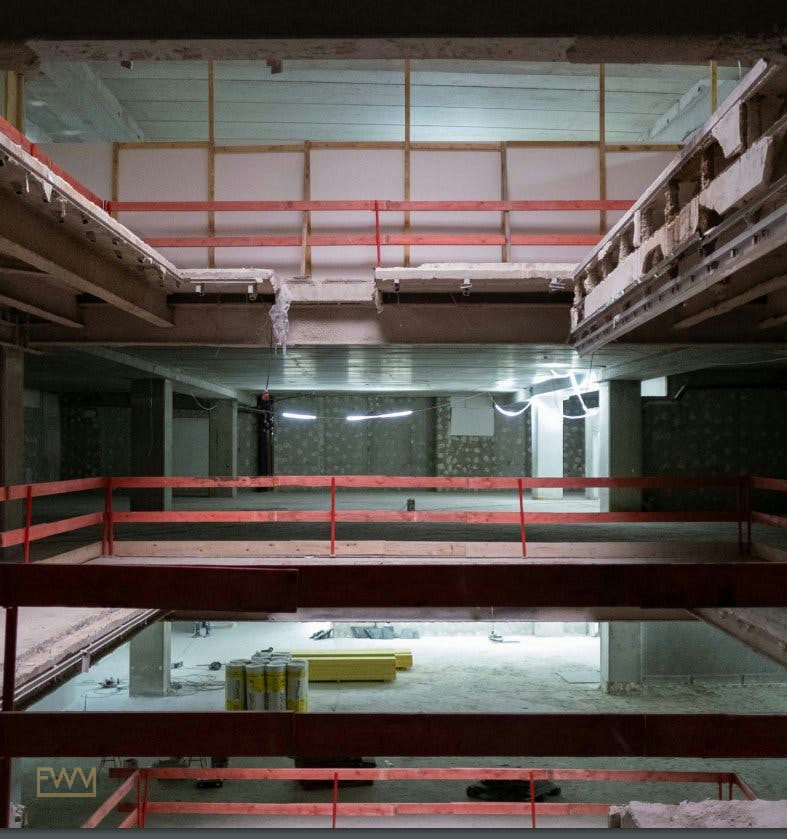
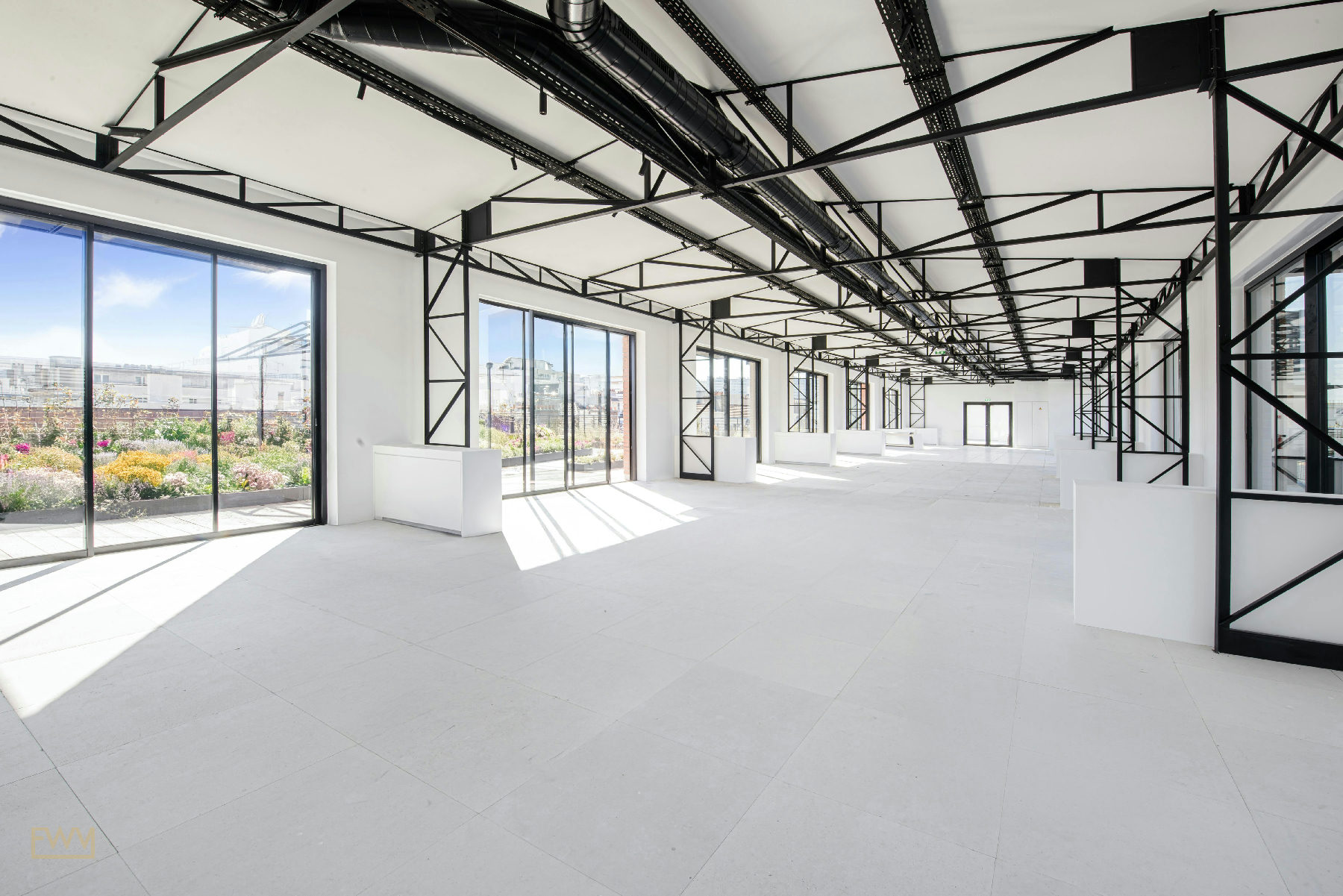
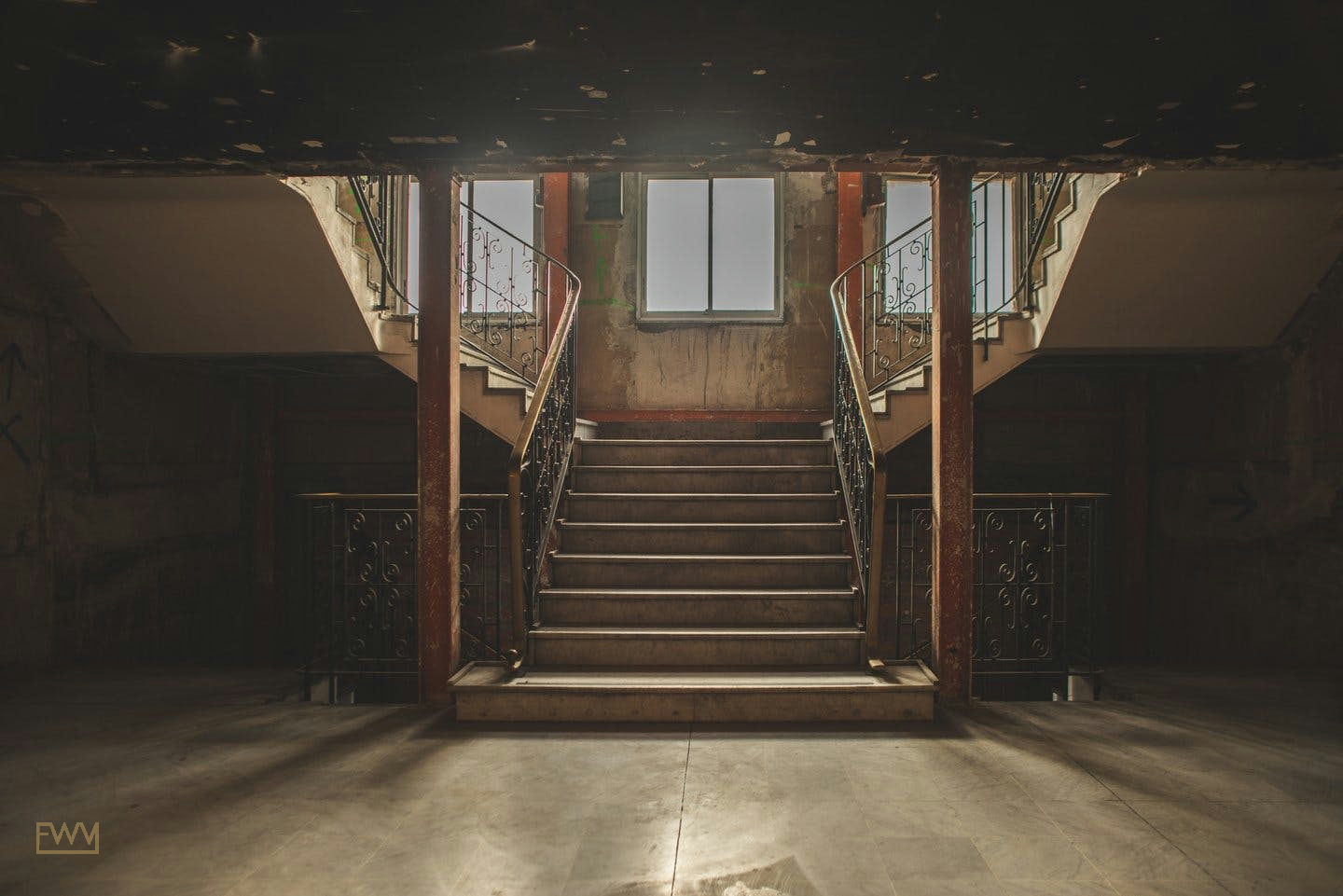
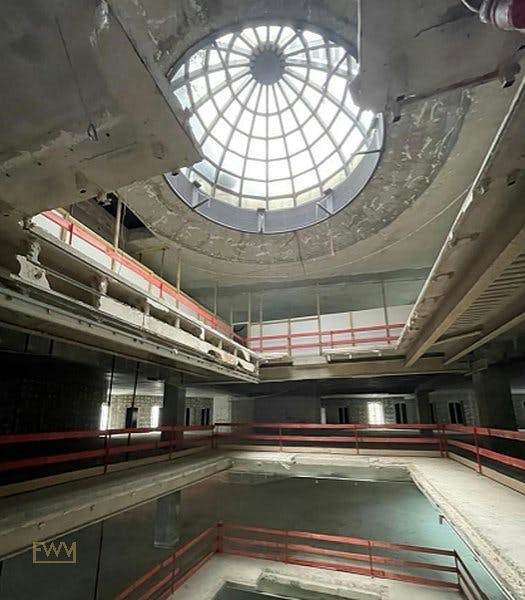
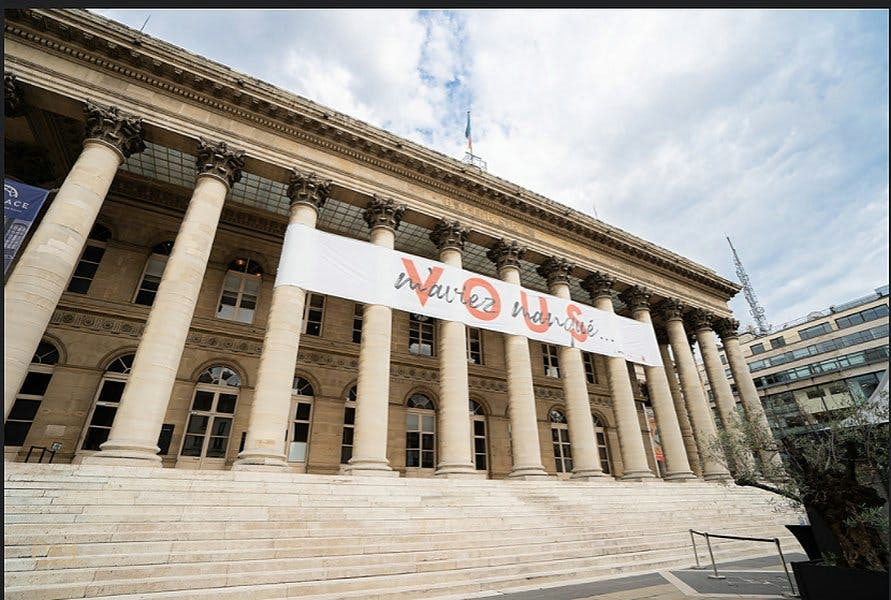
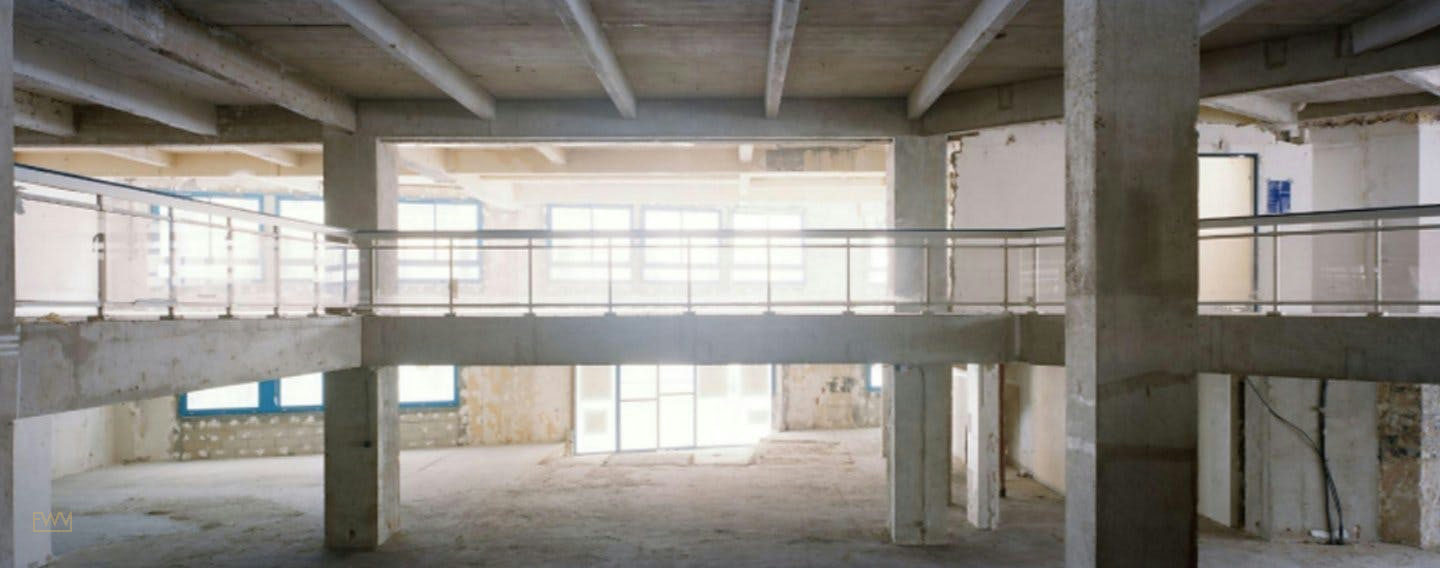
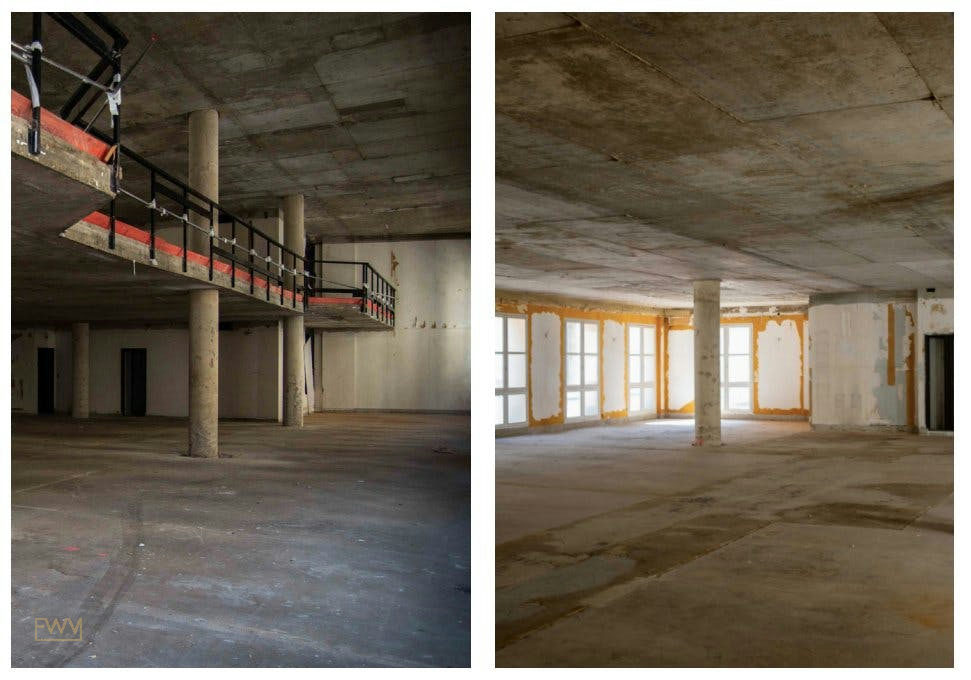
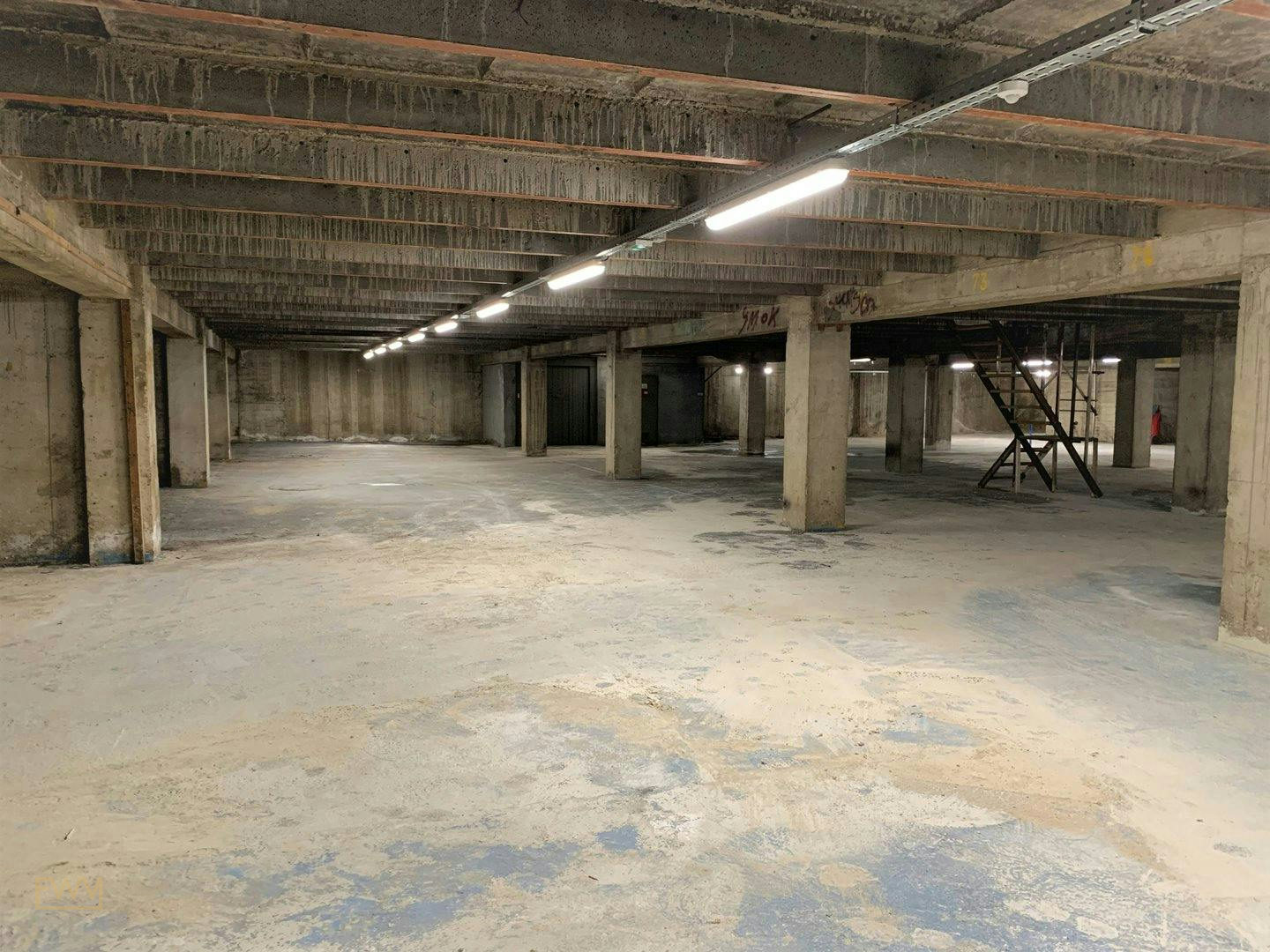
To rent a pop-up store on Champs-Élysées is to place your brand at the most internationally recognised retail address in France. The Avenue des Champs-Élysées and its surrounding Golden Triangle neighbourhoods attract millions of visitors annually, making the area one of the most competitive and rewarding locations in the world for temporary retail, fashion showrooms, brand activations, product launches, and private exhibitions. Whether you need space for a few days during Paris Fashion Week or a month-long concept store activation, the Champs-Élysées corridor offers a range of venue types suited to international fashion brands, luxury houses, and independent designers. Fashion Week Venues works with brands across this district and the wider Paris market to source, produce, and manage activations from brief to close.
Why Champs-Élysées Is the Premier Address for Pop-Up Retail in Paris
Quick answer: The Champs-Élysées offers unmatched footfall, global brand recognition, proximity to luxury retail institutions, and a concentration of international visitors that no other Parisian avenue can replicate. For fashion brands seeking maximum visibility during or outside Paris Fashion Week, it remains the benchmark address for temporary retail and showroom activations.
The Avenue des Champs-Élysées stretches approximately 1.9 kilometres from Place de la Concorde to the Arc de Triomphe, passing through the 8th arrondissement of Paris. It is flanked by the Grand Palais, the Théâtre du Rond-Point, the Palais de la Découverte, and the historic Lido de Paris. The avenue draws an estimated 100 million visitors per year, making it one of the most trafficked thoroughfares in Europe. For a brand seeking to connect with tourists, local luxury consumers, press, and buyers simultaneously, no other Paris location delivers the same combination of reach and prestige.
The Champs-Élysées is not simply a street but an ecosystem. The immediate surroundings include Avenue Montaigne, the spiritual home of French haute couture and flagship luxury retail, as well as Rue du Faubourg Saint-Honoré, which connects to the city's most established fashion institutions. George V, the four-star hotel anchoring the Golden Triangle, provides accommodation infrastructure for international buyers and press attending fashion week events. Within this cluster, brands find an audience that is primed for premium experiences and high-value brand engagement.
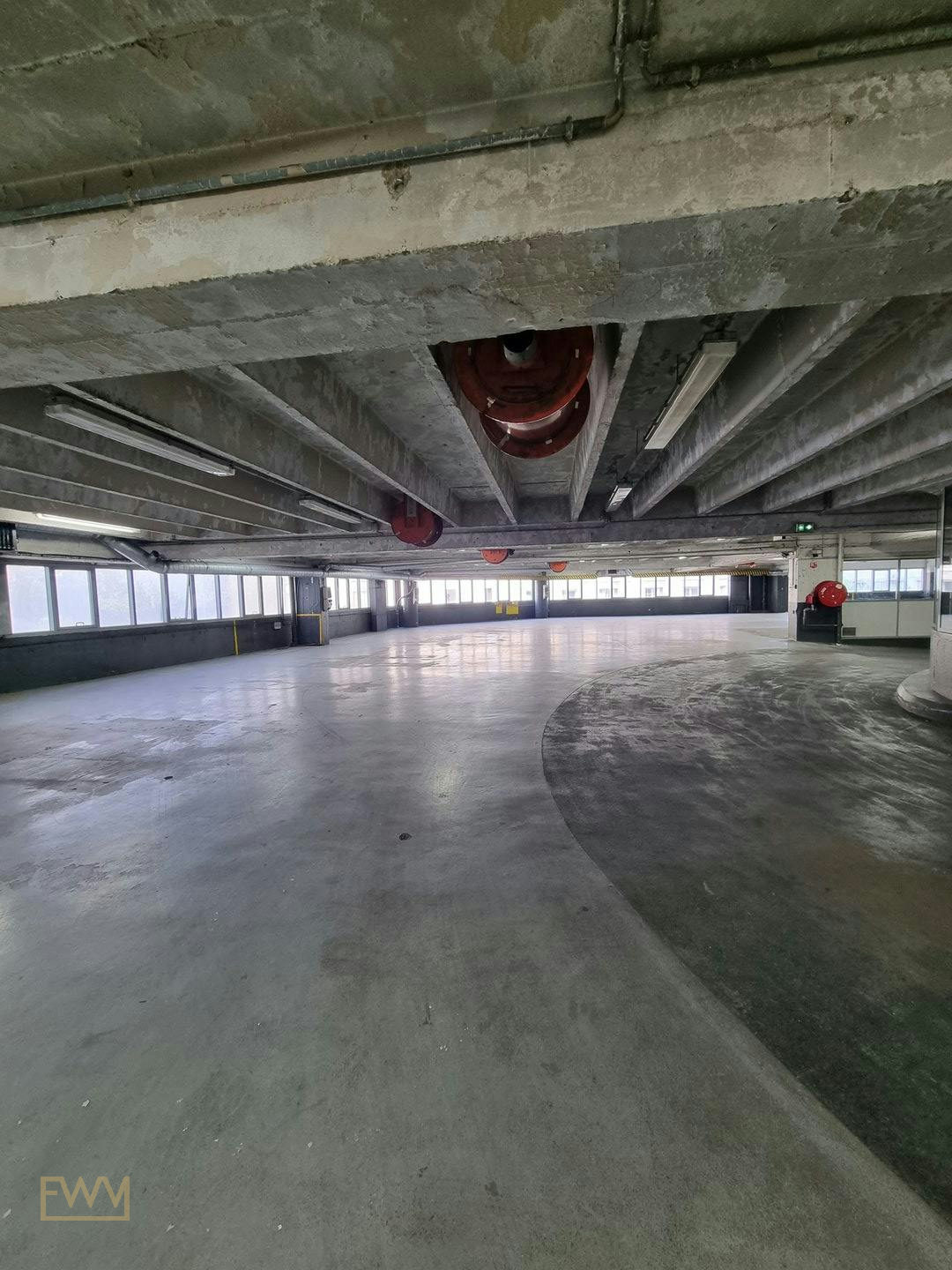
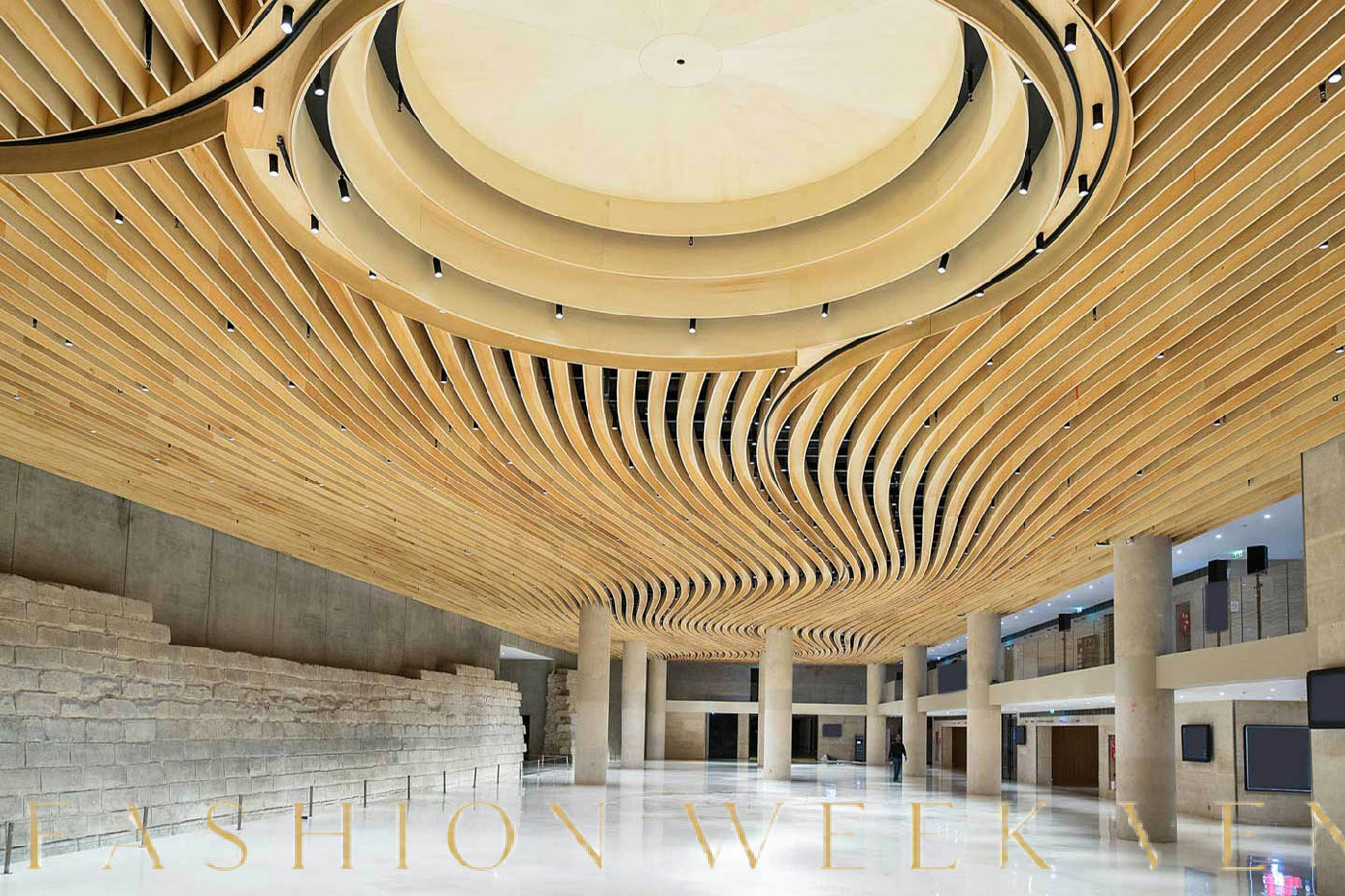
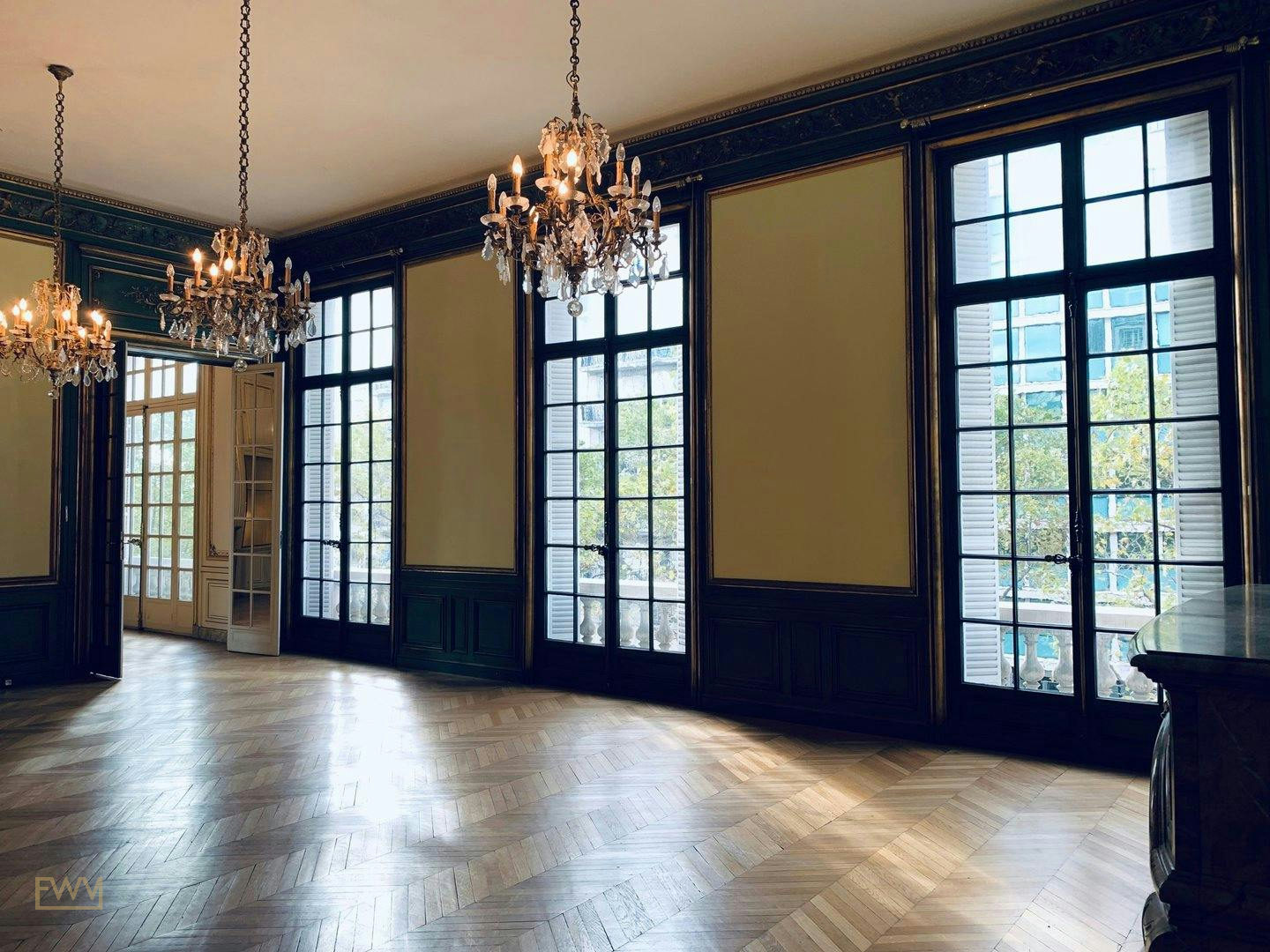
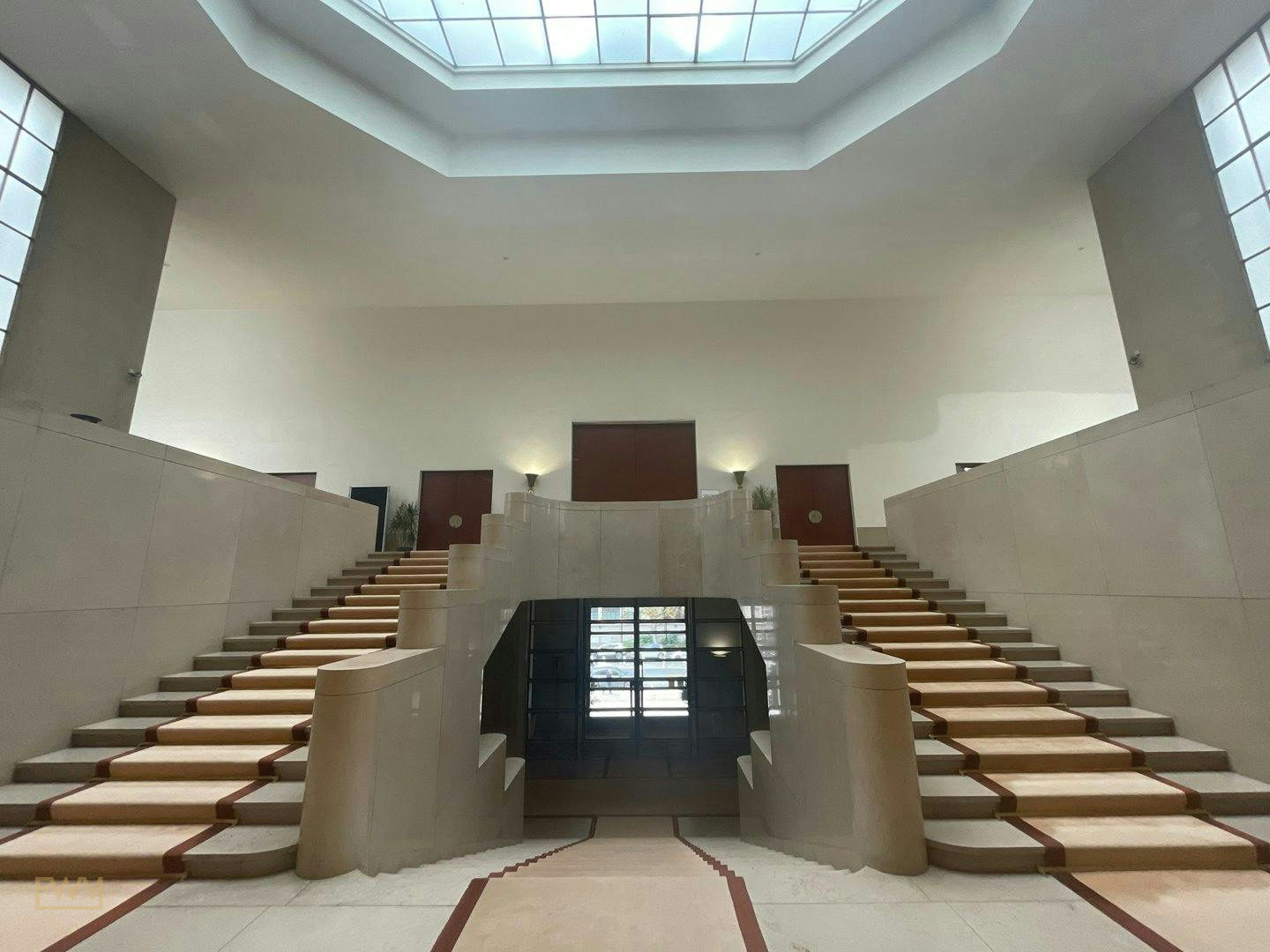
Pop-up spaces in and around the Champs-Élysées vary considerably in character. You will find Haussmann-style boutiques with large windows, high ceilings, and parquet floors; gallery-style venues suited to fashion exhibitions and private presentations; commercial units on secondary streets adjacent to the main avenue; and private event spaces with terraces offering views toward the Arc de Triomphe or the Eiffel Tower. The variety of venue formats means that brands can select a space type aligned with their activation concept, whether that is a sales pop-up, a showroom, a cocktail event, a filming location, or a seminar space.
The Golden Triangle specifically refers to the area bounded by the Champs-Élysées, Avenue Montaigne, and Avenue George V. This triangle is synonymous with French luxury, housing flagship stores for the world's most recognisable fashion houses alongside independent concept stores and art galleries. Renting space inside the Golden Triangle positions a brand within a curated retail environment where the audience is already aligned with luxury spending and fashion awareness.
DID YOU KNOW: The Champs-Élysées was redesigned in the early 1990s to widen pavements and improve the pedestrian experience, making it one of the most comfortable high-footfall shopping environments in any European capital.
For fashion brands entering Paris for the first time, the Champs-Élysées corridor also offers a practical logistical advantage: its proximity to major hotels, press offices, and the Paris Convention Centre means that buyers, journalists, and influencers can access a pop-up or showroom space without significant travel time during an already congested Fashion Week calendar.
KEY TAKEAWAY: The Champs-Élysées and its surrounding Golden Triangle remain the highest-visibility address in Paris for temporary retail and fashion showroom activations. The combination of footfall, audience quality, venue variety, and surrounding infrastructure makes it a sound strategic choice for brands seeking both sales outcomes and brand-building impact during Paris Fashion Week and beyond.
Understanding the full geography of Paris fashion districts is essential before committing to a specific space, because each arrondissement offers a different visitor profile, rental dynamic, and brand positioning opportunity.
Paris Fashion Districts Compared: Champs-Élysées, Le Marais, Saint-Germain, and Beyond
Quick answer: Paris offers several distinct fashion districts for pop-up stores and showrooms, each with different visitor profiles, price points, venue types, and brand positioning advantages. Champs-Élysées suits high-traffic luxury activations; Le Marais suits creative and streetwear brands; Saint-Germain-des-Prés suits intellectual luxury and press-facing showrooms; and the Louvre and Concorde areas suit high-end events and private presentations.
Every brand team planning to rent a pop-up in Paris faces the same foundational decision: which district best aligns with the brand's audience, activation goals, and budget? The following breakdown covers the major fashion districts and their practical considerations for temporary retail and showroom use.
Champs-Élysées and the 8th Arrondissement
The 8th arrondissement encompasses the Champs-Élysées itself, the Golden Triangle, Avenue Montaigne, Rue du Faubourg Saint-Honoré, and Rue de la Paix. This is the heartland of Parisian luxury retail and the location most associated with international fashion houses. Pop-up stores here attract a predominantly tourist-heavy audience alongside local luxury consumers and fashion industry professionals during Fashion Week. Rental rates in this district reflect the prestige of the address, and brands should budget accordingly, particularly for spaces on or directly adjacent to the main avenue. Smaller units on secondary streets within the 8th can offer more accessible entry points while still benefiting from the district's brand equity.
Le Marais and the 3rd and 4th Arrondissements
Le Marais District occupies the 3rd and 4th arrondissements on the Right Bank. It is home to Carreau du Temple, Galerie Turenne, the Musée Picasso (Picasso Museum), Place des Vosges, and a dense concentration of independent boutiques, galleries, and concept stores. Le Marais has become the preferred location for streetwear, emerging designer, and contemporary luxury activations. The visitor profile skews younger and more fashion-forward than the Champs-Élysées, with a significant creative industry presence. Venues like Galerie Turenne, the Turenne Boutique format, and gallery-style spaces such as Galerie d'exception give brands options that range from gallery-white showroom environments to characterful heritage spaces. The Charlot area within Le Marais, named informally after the Rue Charlot corridor, concentrates art galleries and design boutiques that attract press and buyers during Fashion Week.
Saint-Germain-des-Prés and the 6th Arrondissement
Saint-Germain-des-Prés remains the intellectual and aesthetic counterpart to the commercial energy of Champs-Élysées. The 6th arrondissement includes Rue de Rennes, Rue de Seine, Rue Dauphine, and the area around Saint-Sulpice church. Le Bon Marché and Le Bon Marché Rive Gauche are anchored here, drawing a refined, fashion-literate local audience. Pop-up spaces in Saint-Germain tend to suit brands seeking a more curated, editorial, and press-centric activation rather than mass-market footfall. The atmosphere of Saint-Germain, with its literary heritage and design boutique culture, is particularly well-suited to fashion showrooms, private exhibition spaces, and photo shooting or filming locations.
Concorde, Louvre, and the 1st Arrondissement
Place de la Concorde sits at the western end of the Tuileries Garden, connecting the Champs-Élysées to the Louvre axis. The 1st arrondissement encompasses the Louvre, the Rue de Rivoli retail corridor, and Rue Royale. This area suits brands seeking institutional gravitas and proximity to cultural landmarks. Event spaces near Concorde or with Tuileries-adjacent access can support cocktail parties, private exhibition openings, and fashion show presentations with a backdrop that communicates cultural authority.
| District | Arrondissement | Best For | Visitor Profile | Key Landmarks |
|---|---|---|---|---|
| Champs-Élysées / Golden Triangle | 8th | Luxury pop-ups, flagship-style activations | International tourists, luxury consumers, Fashion Week professionals | Arc de Triomphe, Grand Palais, Avenue Montaigne |
| Le Marais | 3rd and 4th | Creative, streetwear, contemporary luxury | Fashion-forward locals, creatives, international visitors | Carreau du Temple, Musée Picasso, Place des Vosges |
| Saint-Germain-des-Prés | 6th | Showrooms, press activations, editorial filming | Design-literate Parisians, media, buyers | Le Bon Marché, Saint-Sulpice, Rue de Seine |
| Concorde / Louvre | 1st | Private events, cultural presentations | Cultural tourists, VIP guests, institutional contacts | Louvre, Place de la Concorde, Rue Royale |
TIP: Brands targeting fashion week buyers and press should consider whether their showroom location is within comfortable walking or short cab distance from the primary show venues. During Paris Fashion Week, buyer schedules are tight and location convenience directly affects appointment conversion rates.
To compare neighbourhoods and space types, explore the Paris city hub on Fashion Week Venues and shortlist spaces that match your brief, budget, and calendar window.
KEY TAKEAWAY: No single Paris district is universally superior for pop-up retail or showroom activations. The right neighbourhood depends on your brand positioning, target audience, activation format, and budget range. A clear brief will narrow the choice considerably and help your agency or venue platform surface the most relevant spaces.
Once you have identified your target district, the next critical question is understanding the specific types of spaces available within each area and how they align with different activation formats.
Types of Venues Available for Pop-Up Stores and Showrooms in Paris
Quick answer: Paris offers a wide range of venue types for temporary retail and showroom activations, from classic Haussmann retail units and art galleries to concept stores, private townhouses, event spaces with terraces, and virtual showroom environments. Each type serves a different activation goal, brand aesthetic, and budget profile.
Understanding the range of venue formats available in Paris prevents brands from making location decisions based solely on neighbourhood prestige. The right venue type for your activation depends on your operational requirements as much as your aesthetic preferences.
Haussmann Retail Units and Boutiques
Classic Haussmann-style retail units are the architectural backbone of Paris street-level commerce. These spaces typically feature large windows providing street visibility, high ceilings allowing for dramatic merchandising and lighting fixtures, parquet or stone flooring, and ground-floor access with street frontage. In the Champs-Élysées and 8th arrondissement, these units are the closest equivalent to a traditional boutique rental and suit brands wanting a retail-led activation with walk-in traffic. Signage opportunities, window display capability, and parking space availability vary by specific address and must be confirmed during the venue enquiry process.
Art Galleries and Galeries d'Art
Art gallery spaces, or galeries d'art, are among the most sought-after venue types for fashion brands seeking a premium aesthetic without the commercial associations of a standard retail unit. Gallery spaces offer white or neutral wall surfaces, excellent lighting infrastructure, open floor plans suited to both display and event configurations, and an atmosphere that elevates fashion presentations to cultural experiences. In Le Marais, galleries such as Galerie Turenne and spaces described as Galerie d'exception provide this format. On and around the Champs-Élysées, gallery-style venues within heritage buildings near the Grand Palais and Palais de la Découverte create high-value contexts for private exhibitions and fashion presentations.
Concept Stores and Multi-Brand Spaces
Concept stores offer an alternative rental model where brands take over an existing curated retail environment, either fully or as a dedicated zone within a multi-brand space. This format is particularly well-established in Le Marais and Saint-Germain, where established concept stores with loyal customer bases occasionally offer residency arrangements to visiting brands. The advantage is an existing footfall and a pre-qualified audience; the trade-off is less control over the total environment and shared visual language with the host store's identity.
Private Townhouses and Hôtels Particuliers
Paris's private townhouses, known as hôtels particuliers, offer a distinctly Parisian setting for high-end showroom presentations, fashion show backdrops, cocktail parties, and VIP events. These properties typically include multiple rooms across several floors, private courtyards or terraces, architectural details including fireplaces and moulded ceilings, and a sense of exclusivity that is difficult to replicate in purpose-built retail environments. They are particularly suited to luxury brands seeking to host intimate presentations, press dinners, or private sales events during Paris Fashion Week.
Event Spaces and Venues with Private Terraces
For brands whose activation concept centres on events, cocktail parties, seminars, or fashion shows rather than direct retail, dedicated event spaces with private terraces are available across Paris. Some locations near the Champs-Élysées offer views toward the Arc de Triomphe or the Eiffel Tower, which carry significant social media and press value. These spaces often include built-in catering infrastructure, AV capability, and furniture and decoration packages that reduce the production overhead for short activations.
Virtual and Hybrid Showrooms
The virtual showroom concept has grown significantly in the post-pandemic retail landscape. Some brands combine a physical pop-up presence in Paris with a virtual showroom environment to extend their buyer and press reach globally without requiring all stakeholders to travel. Fashion Week Venues supports brands thinking about hybrid activation models through its Imagine tool, which allows teams to visualise space configurations before committing to a booking.
| Venue Type | Best Activation Format | Typical Features | Key Districts |
|---|---|---|---|
| Haussmann Retail Unit | Sales pop-up, concept store | Street frontage, large windows, high ceilings | Champs-Élysées, 8th, 1st |
| Art Gallery / Galerie d'Art | Fashion exhibition, showroom, private event | White walls, gallery lighting, open plan | Le Marais, Golden Triangle |
| Concept Store | Brand residency, collaborative pop-up | Existing footfall, curated audience | Le Marais, Saint-Germain |
| Hôtel Particulier | Showroom, fashion show, VIP event | Multiple rooms, courtyard, heritage architecture | Marais, Saint-Germain, 8th |
| Event Space with Terrace | Cocktail party, launch event, seminar | Catering infrastructure, views, AV | 8th, Champs-Élysées surroundings |
| Virtual Showroom | Hybrid buyer presentation, remote access | Digital environment, no physical footprint | Platform-based, all markets |
KEY TAKEAWAY: The venue type decision is as strategic as the neighbourhood decision. Brands should define their activation format clearly before shortlisting spaces, because the operational requirements of a retail pop-up differ substantially from those of a showroom, a fashion show, or a cocktail event.
With venue types and districts clarified, the next essential area of planning is the financial structure of a Paris pop-up, including rental rate context, budget components, and the cost variables that most frequently surprise brand teams.
Budgeting to Rent a Pop-Up Store or Showroom in Paris
Quick answer: Budgeting for a Paris pop-up store or showroom involves multiple cost components beyond the base rental rate. These include production and fit-out, furniture rental, staffing, permits, data and analytics, and marketing support. Costs vary significantly by district, venue type, duration, and season. Use a dedicated budget tool to model your specific scenario rather than relying on generic estimates.
One of the most common planning errors for brands new to Paris is treating the rental rate as the total cost of the activation. In reality, the rental fee represents one component of a multi-part budget. Understanding the full cost structure before shortlisting spaces prevents budget shortfalls mid-project and ensures that the venue choice is financially sustainable across the full activation period.
Base Rental Rates
Base rental rates for pop-up spaces in Paris vary considerably depending on the district, the size of the space, the quality of the building, and the time of year. Spaces on or immediately adjacent to the Champs-Élysées command premium rates that reflect the avenue's global brand recognition and footfall levels. Spaces on secondary streets within the 8th arrondissement, or in districts such as Le Marais and Saint-Germain, are generally more accessible in terms of daily or weekly rates, though still competitive compared with most European retail markets. During Paris Fashion Week calendar windows, demand for suitable spaces intensifies and rates can increase accordingly. Brands should use the Fashion Week Venues budget calculator to generate directional estimates based on their specific space requirements, district preference, and activation duration.
Production and Fit-Out Costs
Production and fit-out costs cover the physical transformation of a raw or partially equipped venue into a branded retail or showroom environment. This includes temporary partitioning, painted surfaces, lighting fixtures, display structures, and any custom built elements. For brands operating with a strong design identity, fit-out costs can exceed the rental cost itself, particularly for short-term activations where the cost of installation is amortised over a limited number of trading days. Brands working with Fashion Week Venues can access production and build support through dedicated production services, which coordinate supplier management, timeline adherence, and compliance with the venue's reinstatement requirements.
Furniture, Decoration, and Interior Elements
Most pop-up venues in Paris are rented empty or with minimal furnishing. This means that brands must source or rent furniture, display fixtures, bespoke furniture pieces, meubles, and decoration items to complete the environment. Furniture rental services reduce the logistical burden of sourcing items locally and avoid the cost of purchasing and disposing of items after a short activation. Fashion Week Venues offers furniture rental as a standalone service for brands managing their own activation as well as within full-service agency engagements.
Staffing Costs
Temporary staff are essential for any pop-up that involves customer service, retail sales, event hosting, or appointment management. In France, temporary staffing engagements are subject to local labour regulations, which require careful compliance to avoid penalties. Staffing costs for bilingual or fashion-literate temporary staff in Paris are reflective of the city's premium labour market. Brands should budget for staff briefing time, training, travel allowances where applicable, and any required agency fees for sourced staff. Fashion Week Venues provides retail staffing support for brands who need vetted, fashion-sector-experienced staff for their Paris activations.
Permits and Compliance Costs
Paris commercial premises operate under specific regulatory frameworks that affect pop-up activations. Short-term leases in France typically use a bail dérogatoire arrangement, which allows temporary occupation of commercial space outside the standard 3-6-9 commercial lease structure. Permits for commercial use, temporary advertising or signage, and any outdoor or terrace use require applications to the relevant arrondissement authority and in some cases to the Préfecture de Paris. Requirements vary by space type, duration, and arrondissement. Brands should verify their specific permit requirements with a French legal advisor and can use the Fashion Week Venues permits tool as a starting reference point. Permit costs themselves are generally modest, but the time and expertise required to navigate the process correctly should be factored into the project timeline and budget.
Marketing and Influencer Support
A physical pop-up in Paris generates the most commercial and brand value when supported by a coordinated marketing programme. This includes influencer marketing, press outreach, social media content creation, photo shooting and filming within the venue, and digital amplification. Brands should budget for content production costs, influencer fees where relevant, and any paid media support. The venue itself, particularly in high-profile locations near the Champs-Élysées or the Arc de Triomphe, provides inherent visual context that enhances social content quality.
IMPORTANT: Rental rates quoted by landlords or venue platforms for Champs-Élysées and 8th arrondissement spaces typically reflect base rental only. Service charges, utility costs, cleaning, security, and reinstatement deposits are often additional and should be confirmed before signing any agreement.
KEY TAKEAWAY: A realistic Paris pop-up budget encompasses rental, production, furniture, staffing, permits, and marketing as distinct line items. Brands that model all components before committing to a venue are significantly better positioned to deliver an activation that achieves its commercial and brand objectives within financial parameters.
Understanding the budget framework is inseparable from understanding the timeline and calendar considerations that govern when spaces are available, how much lead time the production process requires, and how Fashion Week calendar windows affect every aspect of the project.
Paris Fashion Week Calendar and Pop-Up Timing Strategy
Quick answer: Paris Fashion Week runs twice annually in the main official schedule, with womenswear in February and September and menswear and couture events in January, June, and July. Beyond these windows, Paris hosts a year-round calendar of trade fairs, cultural events, and retail seasons that create additional opportunities for pop-up store activations outside the peak competition periods.
Paris Fashion Week is the primary driver of demand for temporary showroom and pop-up retail space in the city. During Fashion Week windows, the concentration of buyers, journalists, stylists, influencers, and brand executives creates a uniquely receptive audience for brand activations. However, it also creates intense competition for the most desirable spaces, compressed lead times, and premium pricing in the most sought-after districts.
Planning for Fashion Week Windows
Brands aiming to activate during Paris Fashion Week should begin their space search at least 12 to 16 weeks before the target calendar window. The most appropriate venues in the Champs-Élysées corridor, Le Marais, and Saint-Germain-des-Prés are frequently reserved months in advance, particularly for multi-week Fashion Week activations. A build week before the public opening date must also be factored into the lease start date, meaning that brands typically need to secure spaces for longer than the activation itself requires. Similarly, a reinstatement period after the activation closes extends the effective lease duration. The Fashion Week Venues timeline tool helps brand teams map these phases accurately against the target calendar window.
Activating Outside Fashion Week
Paris Fashion Week is not the only viable calendar window for a pop-up activation, and brands that assume otherwise miss significant opportunity. The Christmas retail season, January and July sale periods, the Fête de la Musique period in June, and major trade fair calendars including Première Classe, WHO'S NEXT, and Maison et Objet all create concentrated audience moments that suit brand activations. Outside peak periods, rental rates are more competitive, spaces are more available, and brands face less logistical pressure in the production timeline. For emerging brands or those testing the Paris market for the first time, an initial activation outside Fashion Week can provide valuable operational learning before committing to a peak-window investment.
Minimum Duration and Lease Structure
Most pop-up spaces in Paris operate on a minimum rental duration of between three and seven days, though this varies by venue. Some gallery and event spaces are available for single-day rentals suited to a product launch, cocktail party, or seminar. Longer activations of two to four weeks are common during Fashion Week when brands want sustained presence for buyer appointments and press visits throughout the week and into the showroom season immediately following. The bail dérogatoire lease structure accommodates these short durations legally, but all parties must understand the specific terms, including the absence of renewal rights and the reinstatement obligations at lease end.
DID YOU KNOW: Paris Fashion Week for womenswear typically spans approximately nine to ten days of official shows, but the broader showroom season that follows can extend brand activity in the city for three to four weeks when combined with trade appointments and press days.
KEY TAKEAWAY: Calendar strategy for a Paris pop-up requires brands to balance the audience opportunity of Fashion Week windows against the higher costs, competition, and logistical pressure that peak periods create. Activating outside Fashion Week is a legitimate and sometimes strategically superior option, particularly for brands with specific trade, media, or consumer audience goals that do not depend on the Fashion Week audience mix.
Navigating the legal and permit landscape is one of the most frequently misunderstood aspects of renting a pop-up store in Paris, and it is where good agency or specialist support pays dividends most quickly.
Permits, Legal Frameworks, and Compliance for Paris Pop-Up Stores
Quick answer: Renting a pop-up store or showroom in Paris requires navigating French commercial lease law, short-term rental permit requirements, temporary signage authorisations, and in some cases authorisation d'occupation temporaire (AOT) for any outdoor or semi-public space use. Requirements vary by space type, arrondissement, and activation duration, and professional guidance is strongly recommended.
The French regulatory framework for commercial property distinguishes clearly between standard commercial leases, which carry significant tenant protections and long minimum terms under the statute du bail commercial, and short-term arrangements that fall outside this protection. For pop-up brands, the relevant legal mechanism is typically the bail dérogatoire, a derogatory lease that allows temporary occupation of commercial space for a period of up to 36 months without triggering the rights and obligations of the standard commercial lease. Understanding this distinction matters because it affects the terms a landlord will offer, the deposit requirements, the reinstatement obligations, and the tenant's rights in the event of a dispute.
Bail Dérogatoire: The Short-Term Lease Structure
A bail dérogatoire must be explicitly agreed in writing between landlord and tenant before the tenant takes possession of the space. Once the tenant has been in occupation under a bail dérogatoire for more than 36 months, the arrangement can legally convert to a full commercial lease under French law, which carries substantially different obligations for both parties. For activations lasting days, weeks, or a few months, the bail dérogatoire provides a straightforward legal basis for temporary occupation. Brands should ensure that any bail dérogatoire they sign specifies the exact start and end dates, the rental amount, the deposit terms, the permitted use of the space, and the reinstatement obligations.
Authorisation d'Occupation Temporaire (AOT)
Where a brand wishes to use outdoor space associated with a venue, such as a terrace, pavement display, or temporary structure on public land, an Authorisation d'Occupation Temporaire is required from the relevant municipal authority. In Paris, this typically means application to the arrondissement mayor's office or the Préfecture de Paris depending on the nature and location of the proposed occupation. AOT applications require advance notice, and approval is not guaranteed. Brands planning activations that include any outdoor element should factor AOT lead times into their overall project timeline and seek specialist advice on the specific application process for their venue address.
Temporary Signage and Advertising Permits
External signage in Paris is governed by the Code de l'environnement and the Règlement Local de Publicité applicable to each arrondissement. Temporary promotional signage, window graphics, banners, and any form of outdoor advertising associated with a pop-up store require authorisation from the relevant authority. In the 8th arrondissement, where the Champs-Élysées is located, signage regulations are particularly stringent in order to protect the visual character of the avenue and surrounding areas. Brands should not assume that signage rights are included in a standard rental agreement and must verify the specific permissions granted with the landlord and the relevant authority.
Do You Need a French Legal Entity?
A frequently misunderstood requirement is whether international brands must establish a French legal entity, such as a SARL or SAS, before they can rent commercial space in Paris. In most cases, this is not a mandatory requirement for short-term pop-up arrangements under a bail dérogatoire, although landlords may require a French guarantor or an enhanced deposit in lieu of a local entity. However, any trading activity in France, including retail sales, incurs French VAT obligations and may trigger corporate tax considerations depending on the brand's overall tax structure. Brands should take specific advice from a French tax advisor or avocat before committing to an activation that involves direct retail sales. Use the permits tool on Fashion Week Venues as a starting reference, and confirm requirements with a qualified French legal professional.
IMPORTANT: Do not rely on a landlord or venue platform for compliance advice on permits, VAT, or legal entity requirements. These are matters for qualified legal and tax advisors familiar with French commercial law and the specific regulations applicable to your activation type and location.
KEY TAKEAWAY: The French commercial property system provides a workable legal framework for short-term pop-up activations through the bail dérogatoire, but the surrounding permit, signage, and tax compliance landscape requires careful navigation. Professional support from specialists familiar with Paris commercial regulations is not optional for international brands entering the market.
Having covered the legal and regulatory landscape, the next essential area of planning is understanding how a specialist agency can structure and manage the full activation from venue sourcing through to post-event analysis.
How Fashion Week Venues Supports Brands Renting Pop-Up Stores in Paris
Quick answer: Fashion Week Venues provides end-to-end support for brands seeking pop-up stores, showrooms, and event spaces in Paris, covering venue sourcing, concept direction, production and build, activation management, staffing, furniture rental, data analytics, and influencer marketing. Brands can engage Fashion Week Venues for the full service or for specific service components depending on their needs and existing team capabilities.
Fashion Week Venues operates as both a space marketplace and a full-service agency for pop-up retail and brand activation in Paris and other major fashion capitals. This dual model means that brands can use the platform independently to browse and shortlist spaces, or they can engage the agency team for end-to-end project management that covers every phase from brief to close.
Venue Sourcing and Space Discovery
The starting point for most brand engagements is venue sourcing, which involves matching a brand's activation brief against available spaces in the target district. This goes beyond simply listing options: effective venue sourcing assesses the space's suitability for the specific activation format, confirms availability against the required calendar window, evaluates the venue's permit history and compliance status, and negotiates rental terms on the brand's behalf. The Fashion Week Venues marketplace allows brands to browse available spaces by district, size, and venue type, and to compare shortlisted options before committing to a viewing.
Concept Direction and Space Design
Once a space is confirmed, the concept direction process translates the brand's identity and activation objectives into a spatial concept. This includes the layout, the material palette, the lighting approach, the display strategy, and the customer journey through the space. Fashion Week Venues provides concept direction as a standalone service or as part of a full activation package. Brands can also use the Imagine tool to visualise how a specific space might look with their concept applied before committing to the full production investment.
Production, Fit-Out, and Build
The production and build phase covers the physical transformation of the rented space into the branded environment. This includes sourcing and managing contractors, coordinating delivery and installation schedules, managing the venue's reinstatement requirements, and ensuring that all work meets relevant building and fire safety standards. The Build planning tool on Fashion Week Venues helps brand teams structure the production schedule and identify critical path dependencies before the project begins.
Activation Management and Retail Operations
During the live activation period, Fashion Week Venues provides activation management support covering day-to-day operations, staff coordination, supplier management, issue resolution, and reporting. This is particularly valuable for brands activating in Paris from a remote base who cannot sustain a full on-the-ground management presence throughout the activation period. The activation management service ensures that the brand's physical presence in Paris operates at the intended standard throughout the rental period.
Data Analytics and ROI Measurement
Post-activation analysis provides brands with the data needed to evaluate commercial outcomes, refine their approach for future activations, and demonstrate return on investment to internal stakeholders. Data analytics services cover footfall measurement, sales conversion rates, social media reach from the activation location, influencer content performance, and buyer appointment outcomes. The Fashion Week Venues ROI calculator helps brands set measurable targets at the outset and track performance against them throughout the activation.
Tools for Independent Brand Teams
Brands with existing internal capabilities can use Fashion Week Venues' suite of planning tools independently. These include the budget calculator for financial modelling, the timeline tool for project scheduling, the compare tool for side-by-side space evaluation, the locator tool for neighbourhood mapping, the permits tool for compliance reference, and the twin co-activation concept for brands interested in sharing a space and costs with a complementary brand partner. The full tools suite is accessible at fashionweekvenues.com/tools.
KEY TAKEAWAY: Fashion Week Venues is structured to support brands at any level of engagement, from fully independent space browsing to comprehensive end-to-end agency management. The most important step is defining clearly what your team can manage internally and where specialist support will deliver better outcomes faster and with less risk.
Understanding the full range of support available sets the context for addressing the specific questions, misconceptions, and practical concerns that brand teams most frequently encounter when planning a Paris pop-up activation.
Interior Design, Venue Features, and the Physical Experience of a Champs-Élysées Pop-Up
Quick answer: The interior design of a Champs-Élysées pop-up store or showroom is a critical brand communication tool. Venue features including large windows, ceiling height, lighting infrastructure, available furniture, and outdoor access all influence the design concept and the overall customer or buyer experience. Brands should assess venue features against their design ambitions before signing a rental agreement.
The physical character of a pop-up venue shapes the visitor experience as profoundly as any marketing activity. In the Champs-Élysées district, venue interiors range from the grandeur of Haussmann architecture with its ornate details and high ceilings to contemporary gallery white boxes designed for flexibility. Each physical context requires a different design approach and offers different opportunities for brand expression.
Key Venue Features to Assess
Large windows facing the street are among the most commercially valuable features of a Champs-Élysées retail unit. Street-level visibility on or adjacent to the avenue generates organic pedestrian awareness, and window display capability effectively creates an outdoor advertising format without requiring a separate permit. Brands should confirm the window display permissions included in their lease and understand any restrictions on adhesive applications or structural changes to window frames.
Ceiling height affects both the visual impact of the space and the practical options for display and lighting. High ceilings allow for suspended installation pieces, large-scale hanging displays, and the kind of dramatic spatial composition that translates well to social media content and press photography. They also typically provide better natural light distribution, reducing the supplementary lighting required to achieve an even, flattering environment for product presentation.
Existing lighting fixtures should be assessed during the venue viewing. Standard commercial lighting may not meet the quality requirements for fashion product presentation, and supplementary track lighting, pendant fixtures, or specialist display lighting may be needed. Furniture rental services can supply bespoke furniture pieces and lighting fixtures that align with a specific brand aesthetic without the cost of purchasing items outright.
Design Principles for Fashion Pop-Up Interiors
Effective fashion pop-up interior design balances brand identity expression with operational functionality. In a showroom context, the design must facilitate buyer appointments, product presentation, and private consultation without feeling crowded or visually complicated. In a retail pop-up context, the design must guide customers through a logical product journey, support efficient payment transactions, and create visual moments that encourage photography and social sharing. In an event context, the design must be flexible enough to accommodate both a standing cocktail configuration and a seated presentation format within the same space.
Material choices for a short-term activation should prioritise visual impact over permanence. Modular display systems, rental furniture, removable wall treatments, and temporary lighting solutions allow brands to achieve a premium aesthetic without the cost or logistical complexity of permanent installation. The reinstatement obligation at lease end also makes non-destructive installation methods essential: adhesive hooks rather than fixings, freestanding display structures rather than wall-mounted systems, and floor-protection solutions under heavy furniture.
Availability Calendars and Booking Confirmation
Venue availability in Paris changes rapidly, particularly during Fashion Week calendar windows. Brands should treat an availability confirmation from a venue platform or landlord as time-limited and move to formal booking confirmation as quickly as possible once a space has been shortlisted. The Fashion Week Venues marketplace provides current availability information for listed spaces, and the compare tool allows brands to evaluate multiple shortlisted venues side by side before making a final selection.
TIP: When viewing a potential pop-up venue in Paris, visit at the time of day when your activation is most likely to be operating. Natural light levels, ambient noise from the street, and pedestrian traffic patterns all vary significantly by time of day and directly affect the visitor experience your brand will be creating.
KEY TAKEAWAY: The physical features of a pop-up venue in the Champs-Élysées district are both an opportunity and a constraint. Conducting a thorough venue assessment against your specific design, operational, and brand communication requirements prevents costly surprises during the production phase and ensures that the finished environment achieves the intended brand experience.
Common Myths About Renting a Pop-Up Store in Paris Debunked
MYTH: International brands must establish a French legal entity before they can rent a pop-up space or showroom in Paris.
FACT: A French legal entity is not a mandatory requirement for most short-term commercial rentals under a bail dérogatoire. However, landlords may require an enhanced deposit or a French guarantor in the absence of a local entity. Brands conducting retail sales in France will incur French VAT obligations regardless of their legal structure, and qualified French legal and tax advice is essential before any commercial trading activity begins.
MYTH: Paris Fashion Week is the only viable calendar window for a successful pop-up activation in Paris.
FACT: Paris Fashion Week creates exceptional audience concentration, but it is one of many commercially valuable calendar windows in the city. The Christmas retail season, major trade fairs, the summer tourist peak, and cultural event periods all generate concentrated audiences suited to specific brand activation objectives. Outside peak Fashion Week windows, rental rates are more competitive and space availability is significantly broader, which can make for a more cost-effective and operationally manageable first Paris activation.
MYTH: Using a commission broker is the only practical way to find a pop-up space in Paris as an international brand.
FACT: Commission brokers remain one route to sourcing space in Paris, but purpose-built space marketplaces and full-service pop-up agencies now provide transparent, direct access to curated venue inventories without requiring brands to work through intermediaries. Platforms and agencies like Fashion Week Venues combine marketplace functionality with specialist agency support, allowing brands to choose the level of assistance that matches their internal capabilities and budget.
MYTH: Short-term commercial leases in Paris are legally straightforward and do not require specialist legal review.
FACT: The bail dérogatoire framework provides a workable mechanism for short-term commercial occupation, but the specific terms of any rental agreement require careful review. Reinstatement obligations, deposit structures, permitted use clauses, signage rights, and the interaction with French VAT and trading regulations all carry risk for brands that sign without qualified legal support. Specialist review is not a luxury; it is a practical necessity for any brand making a meaningful financial commitment to a Paris activation.
MYTH: A Champs-Élysées address is always the best choice for a Paris fashion brand activation.
FACT: The Champs-Élysées is the highest-footfall address in Paris, but it is not the optimal location for every brand or every activation type. Brands targeting a fashion-forward, creative, or press-centric audience may achieve better results in Le Marais or Saint-Germain-des-Prés, where the visitor profile is more aligned with fashion industry engagement. District selection should be driven by brand positioning, activation objectives, and audience alignment rather than by address prestige alone.
Frequently Asked Questions
What is the process for renting a pop-up store on the Champs-Élysées as an international brand?
The process typically begins with defining your activation brief, covering the space size required, the activation format, your target calendar window, and your total budget. From this brief, a venue search is conducted across available spaces in the 8th arrondissement and surrounding districts. Once a space is shortlisted and viewed, a rental offer is submitted and, if accepted, a bail dérogatoire lease is drafted and signed. A production period follows before the activation opens, and a reinstatement period closes the engagement after the activation ends. Working with a specialist agency or using a platform such as Fashion Week Venues streamlines each stage of this process.
How far in advance should brands book a pop-up space for Paris Fashion Week?
For Paris Fashion Week calendar windows, brands should begin their space search a minimum of 12 to 16 weeks before the intended activation start date. The most desirable venues in the Champs-Élysées corridor, Le Marais, and Saint-Germain-des-Prés are often reserved several months in advance. Brands that begin their search later than this risk finding that their preferred districts and venue types are no longer available during the target window. Using the timeline planning tool helps brand teams work backwards from their target opening date to set realistic search and booking milestones.
What lease structure governs short-term pop-up rentals in Paris?
Short-term commercial rentals in Paris most commonly operate under a bail dérogatoire, which is a derogatory short-term lease arrangement that sits outside the protections and obligations of the standard French commercial lease statute. A bail dérogatoire must be agreed in writing before the tenant takes possession and can cover periods from a few days to a maximum of 36 months. It does not confer renewal rights on the tenant and requires the tenant to vacate and reinstate the space at the end of the agreed term. Brands should have any bail dérogatoire reviewed by a qualified French legal advisor before signing.
Do I need a permit to open a pop-up retail store in Paris?
The permit requirements for a pop-up store in Paris depend on the specific space, the type of activation, and the arrondissement in which the venue is located. External signage, window graphics, and any outdoor space use typically require separate authorisations from the local authority. The space itself may require a change of use consent if it is not already classified for commercial retail activity. Brands should use the permits reference tool on Fashion Week Venues as a starting point and confirm all specific requirements with a qualified French legal advisor before committing to an activation.
What are the most sought-after showroom locations near the Champs-Élysées for fashion brands?
The most sought-after showroom locations in the Champs-Élysées area include spaces on or directly adjacent to the avenue itself, as well as venues on Avenue Montaigne, Rue du Faubourg Saint-Honoré, and within the Golden Triangle bounded by the Champs-Élysées, Avenue George V, and Avenue Montaigne. Secondary streets within the 8th arrondissement that connect these main arteries also attract fashion brands seeking proximity to the prestige address at more accessible rental rates. Availability in these locations is particularly limited during Fashion Week windows.
How much does it cost to rent a pop-up store or showroom near the Champs-Élysées?
Rental rates for pop-up stores and showrooms in and around the Champs-Élysées vary significantly based on the size of the space, the quality of the venue, the specific street address, and the time of year. Rates during Paris Fashion Week windows are typically higher than rates at other times of year due to concentrated demand. The base rental rate is one component of a broader activation budget that should also include production, furniture, staffing, permits, and marketing costs. Brands should use the Fashion Week Venues budget calculator to model their specific scenario and generate directional cost estimates.
Can I rent a pop-up space in Paris for a single day or for a photo shooting or filming session?
Yes, many venues in Paris are available for single-day rentals suited to photo shooting, filming, product launches, cocktail events, or seminars. Some gallery spaces, private townhouses, and event venues specifically cater to this format. Single-day rates in premium districts reflect the high operational cost of short-duration rentals, and brands should confirm what is included in the fee, such as furniture, equipment, cleaning, and building management support, before comparing options. Specific venues suited to photo shooting or filming may have additional production permissions or requirements that must be agreed in advance.
What is the difference between a pop-up store, a showroom, and an event space in the context of Paris Fashion Week?
A pop-up store is a temporary retail environment open to the public or to invited customers where products are available for direct purchase. A showroom is a presentation environment, typically invite-only, where buyers, press, and trade visitors view collections and place orders without necessarily making direct retail purchases on-site. An event space is a venue configured for a specific programmed occasion such as a fashion show, cocktail party, product launch, or private exhibition. In practice, many venues can serve all three functions with different configurations, and some activations combine elements of all three within the same rental period.
What should I look for when viewing a potential pop-up venue in Paris?
During a venue viewing, assess the structural condition of the space, the quality of existing lighting fixtures, the extent and nature of any existing furniture or fittings, the street visibility and window display capability, the loading and access arrangements for production and deliveries, the availability of a back-of-house area for storage and staff, the condition of floors and walls relative to your reinstatement obligations, the proximity to public transport and parking for visitors and staff, and the specific permitted uses included in the proposed lease. Visiting at the time of day when your activation will operate most actively helps you assess natural light, street noise, and pedestrian traffic levels accurately.
What types of events can I host in a pop-up venue on or near the Champs-Élysées?
Depending on the venue and the applicable permits, brands can host retail sales activations, fashion show presentations, buyer appointment days, press preview events, cocktail parties, private exhibitions, product launch events, seminar sessions, photo shooting sessions, filming days, influencer events, and hybrid physical and virtual showroom experiences. Each event type may have specific requirements related to catering, sound, lighting, capacity, and outdoor access, and these should be discussed with the venue operator and confirmed in the rental agreement before the lease is signed.
How do I find available pop-up spaces in Paris outside of Fashion Week periods?
Pop-up spaces in Paris are available year-round, and many of the most desirable venues in the Champs-Élysées corridor, Le Marais, and Saint-Germain offer better availability and more negotiable rates outside Fashion Week windows. The Fashion Week Venues marketplace allows brands to search available spaces by district, size, duration, and activation type at any point in the year. The locator tool helps brands map spaces by neighbourhood relative to their target audience locations and event infrastructure.
What staffing support is available for brands running a pop-up in Paris without a local team?
Brands without an existing Paris-based team can access temporary staff through specialist retail staffing services. For a fashion pop-up in Paris, ideal temporary staff should be bilingual or multilingual, familiar with luxury or fashion retail customer service standards, and comfortable with the specific sales or appointment management requirements of the activation format. Fashion Week Venues provides retail staffing support as part of its service offering, connecting brands with vetted, fashion-sector-experienced staff for activations of any duration.
Can two brands share a pop-up space in Paris to reduce costs?
Yes, co-activation arrangements where two complementary brands share a space and split costs can be a strategically and financially effective model, particularly for smaller brands or those testing the Paris market for the first time. Fashion Week Venues offers a twin co-activation concept that structures this type of shared activation, managing the space division, design concept, and operational logistics to ensure that both brands benefit from the arrangement without compromising either's brand integrity or customer experience.
What data and analytics support is available to measure the performance of a Paris pop-up?
Fashion Week Venues provides data and analytics services that cover footfall measurement, sales conversion tracking, social media reach and engagement from the activation location, influencer content performance analysis, and buyer appointment outcome reporting. These services allow brands to evaluate the commercial and brand performance of their Paris activation objectively and to build a data-informed case for future investment in the market. The ROI calculator tool allows brands to set measurable performance targets before the activation begins and to track results against those benchmarks in real time during the live period.
Is Saint-Germain-des-Prés or Champs-Élysées better for a fashion showroom during Paris Fashion Week?
The answer depends primarily on the brand's target visitor profile and activation objectives. The Champs-Élysées area delivers higher pedestrian footfall and a predominantly tourist-heavy audience, which suits brands seeking retail sales volume and broad brand exposure. Saint-Germain-des-Prés attracts a more fashion-literate, design-aware local audience and is particularly well-suited to press-centric showrooms, editorial presentations, and buyer appointment days where the intimacy and creative atmosphere of the district reinforces the brand's positioning. Some brands choose to run complementary activations in both districts simultaneously to serve different audience segments across the same Fashion Week period.
Step-by-Step Workflow for Renting a Pop-Up Store in Paris
| Phase | Key Actions | Typical Timeline Before Opening | Tools and Support |
|---|---|---|---|
| Brief Definition | Define activation format, district, size, dates, and budget | 16 to 20 weeks | Budget calculator, ROI calculator |
| Space Search | Browse marketplace, shortlist venues, request viewings | 14 to 16 weeks | Marketplace, locator tool, compare tool |
| Venue Viewing and Selection | View shortlisted spaces, assess features, confirm availability | 12 to 14 weeks | Venue sourcing service, Imagine tool |
| Negotiation and Lease Signing | Negotiate terms, obtain legal review, sign bail dérogatoire | 10 to 12 weeks | Legal advisor, permits tool |
| Concept and Design | Develop spatial concept, finalise design, source furniture | 8 to 10 weeks | Concept direction service, furniture rental |
| Permits and Compliance | Apply for signage permits, AOT if required, confirm VAT obligations | 8 to 12 weeks | Permits tool, French legal advisor |
| Production and Build | Coordinate contractors, install fit-out, deliver furniture | 1 to 2 weeks before opening | Production and build service, Build tool |
| Staffing and Training | Confirm staff roster, conduct brand briefing, confirm schedules | 1 week before opening | Retail staffing service |
| Live Activation | Operate pop-up, manage appointments, execute marketing | Activation period | Activation management, influencer marketing |
| Data Collection and Analysis | Track footfall, sales, social reach, buyer outcomes | Throughout and post-activation | Data analytics service, ROI calculator |
| Reinstatement and Close | Remove fit-out, restore space, confirm deposit return | Within agreed reinstatement period | Production and build service |
This workflow applies to most Paris pop-up activations regardless of district or venue type. Specific phases may compress or extend depending on the complexity of the activation concept, the condition of the venue, and the time of year relative to peak Fashion Week periods.
To explore how Fashion Week Venues has managed activations of this type for brands across Paris and other fashion capitals, review case studies and past activations at the Fashion Week Venues work portfolio.
Conclusion: Making the Right Decision When You Rent a Pop-Up Store on Champs-Élysées
The decision to rent a pop-up store on the Champs-Élysées or in any of Paris's premier fashion districts is a significant strategic and financial commitment. Done well, a Paris activation positions a brand within the world's most prestigious fashion retail ecosystem, creates direct engagement with an international audience of consumers, buyers, and press, and generates content and commercial outcomes that sustain brand momentum well beyond the activation period itself.
Done without adequate planning, however, a Paris pop-up can absorb budget without delivering proportionate results, create compliance exposure through insufficient permit or legal preparation, or underperform because the wrong venue type or neighbourhood was selected for the brand's specific audience and activation objectives.
The most important factors in a successful Paris pop-up activation are a clearly defined brief, a realistic and comprehensive budget that covers all cost components, a venue selection driven by brand and audience alignment rather than address prestige alone, and professional support for the legal, production, and operational phases that are most prone to costly errors. The Champs-Élysées remains the benchmark address for global fashion visibility in Paris, but it is one of several excellent districts, each with its own character, audience, and opportunity profile.
Whether your brand is planning its first Paris activation or refining an established presence in the market, the combination of specialist venue sourcing, production expertise, and operational management that a dedicated agency provides is consistently the most reliable route to an activation that achieves its objectives without avoidable cost or complication.
To move from research to activation, start exploring available spaces on the Fashion Week Venues marketplace and build a focused brief for your target neighbourhood, space type, and calendar window. The team is structured to support brands at every stage, from initial space discovery through to post-activation data analysis, and the tools available on the platform allow brand teams to model, plan, and compare options with confidence before making any financial commitment.