If you want to rent a pop-up store on Canal Saint-Martin, you are choosing one of the most commercially compelling and culturally resonant neighbourhoods in Paris. The canal corridor, stretching from République through the 10th arrondissement toward Parc de la Villette, has become a destination for independent shoppers, design-conscious tourists, and local creatives who actively seek out new brands and experiences. For fashion brands, emerging designers, product-launch teams, and international labels testing the French market, this neighbourhood offers something that the Champs-Élysées and Saint-Honoré rarely can: an authentic, community-embedded setting where retail activations generate genuine word of mouth. Fashion Week Venues supports brands activating across Paris, including the Canal Saint-Martin corridor, with full-service sourcing, production, and activation management.
Why Canal Saint-Martin Is One of Paris's Most Strategic Pop-Up Neighbourhoods
Quick answer: Canal Saint-Martin offers brands a rare combination of high organic foot traffic, a creative and culturally engaged audience, strong social media shareability, and a cluster of flexible short-term spaces. It is among the most requested neighbourhoods by international brands entering Paris for the first time.
The Canal Saint-Martin is not simply a scenic waterway in the 10th arrondissement. It is an active cultural and commercial ecosystem that has evolved over the past two decades into a go-to destination for concept stores, artistic installations, independent cafés, wine bars, and temporary retail activations. The canal itself, flanked by Quai de Valmy on the west bank and Quai de Jemmapes on the east bank, creates a linear pedestrian environment where foot traffic flows naturally between République in the south and the Canal de l'Ourcq and Parc de la Villette in the north.
Unlike the polished luxury corridors of Saint-Germain-des-Prés or the heritage-heavy streets around rue de Rivoli, Canal Saint-Martin carries a distinct bohemian atmosphere that draws a younger, socially active, and brand-curious demographic. This is the neighbourhood of Point Ephémère, the concert and music venue and cultural centre on Quai de Valmy that has shaped the area's identity since 2004. Hotel du Nord, the legendary 19th century waterfront café made famous by French cinema, anchors the cultural narrative of Quai de Jemmapes. These landmarks are not just tourist destinations; they are signifiers of a neighbourhood that takes culture, creativity, and independent commerce seriously.
Rue Beaurepaire and Rue des Vinaigriers, which run parallel to the canal and connect it to the broader 10th arrondissement street network, have become important secondary retail streets where smaller concept stores, artisanal brands, and short-term pop-up shops have found homes. These streets offer a more intimate scale than the quais themselves while still drawing visitors who explore on foot or by bike, one of the most common modes of getting around this neighbourhood.
The audience profile matters enormously for brand strategy. Canal Saint-Martin shoppers tend to be design-literate, sustainability-aware, and predisposed toward independent and emerging brands over mass-market retailers. This makes the neighbourhood particularly well-suited for product launches in fashion, beauty, lifestyle, and food categories, especially for brands looking to generate authentic customer feedback before scaling. The area also has strong organic social media behaviour: the combination of photogenic canal scenery, waterfront terraces, and visually interesting storefronts means that visitors naturally document and share their experiences, extending a brand's reach far beyond in-store footfall.
For international brands, Canal Saint-Martin also functions as a credibility signal. Being present in this neighbourhood communicates a level of cultural intelligence and editorial taste that resonates with French media, influencers, and buyers who are based in Paris or pass through during fashion seasons.
DID YOU KNOW: Point Ephémère on Quai de Valmy hosts art exhibitions, live music, and independent market events year-round, drawing a consistent cultural audience that extends directly into the surrounding commercial streets.
KEY TAKEAWAY: Canal Saint-Martin is not a second-tier alternative to central Paris neighbourhoods. It is a strategically distinct environment that offers brands access to a creative, engaged, and socially active audience that is genuinely receptive to new retail experiences and temporary activations.
Understanding the geography of the canal corridor helps brands make smarter decisions about which street, quai, or cross-street to target when securing a pop-up space. The next section examines the specific micro-locations and space types available across the neighbourhood.
Canal Saint-Martin Street-by-Street: Where to Rent Your Pop-Up Space
Quick answer: The Canal Saint-Martin neighbourhood offers several distinct micro-locations for pop-up rental, each with different pedestrian volumes, audience profiles, and space formats. Quai de Valmy and Quai de Jemmapes have the highest visibility; Rue Beaurepaire and Rue des Vinaigriers offer smaller, more intimate settings at generally more accessible rental rates.
When brands begin the search to rent a pop-up store on Canal Saint-Martin, one of the most common mistakes is treating the neighbourhood as a single homogeneous location. In practice, different streets and quais serve very different commercial functions, and the right choice depends on your brand's goals, audience, and activation format.
Quai de Valmy and Quai de Jemmapes
The two quais running along either side of the canal represent the neighbourhood's most prestigious and highest-footfall addresses. Ground-floor storefronts on these streets benefit from direct exposure to pedestrians walking the canal path, cyclists, and visitors who come specifically to experience the waterfront terraces and lively cafes. Spaces here tend to be more competitive to secure and command higher short-term rental rates, but the combination of organic foot traffic and social media backdrop can justify the investment for brands that want maximum visibility during a Paris activation.
Space formats on the quais range from traditional street-level retail units to loft-style converted spaces above ground floor. Ceiling heights, natural light from canal-facing windows, and period architectural features make many of these spaces highly suitable for branded store design and immersive retail concepts. Brands activating during Paris Fashion Week or adjacent seasons benefit particularly from the density of international visitors and press who walk the canal district during these periods.
Rue Beaurepaire
Rue Beaurepaire has established itself as one of the most interesting independent retail streets in Paris. It connects the canal corridor to the broader 10th arrondissement and has a well-developed culture of concept stores, independent shops, and creative businesses. Pop-up spaces on this street attract a local Parisian shopper as well as visitors who explore beyond the canal itself. The street scale is more intimate than the quais, which works particularly well for showroom formats, appointment-based retail, and brand presentations that benefit from a quieter, more focused environment.
Rue des Vinaigriers
Running parallel to the canal between Rue Beaurepaire and the Quai de Valmy, Rue des Vinaigriers has seen significant growth in independent retail, restaurants, and creative businesses over the past decade. It offers a genuine neighbourhood feel with bakeries, wine bars, and artisanal brands creating a commercial environment that draws local residents as well as visitors. Short-term rental spaces here can be particularly appealing for lifestyle brands that want to embed themselves in daily Parisian life rather than existing as isolated activations.
Comparing Micro-Locations for Pop-Up Rental
| Street or Quai | Foot Traffic Level | Audience Profile | Best For | Space Types Typically Available |
|---|---|---|---|---|
| Quai de Valmy | Very High | Mixed: tourists, locals, creatives, press | Brand visibility, product launches, fashion activations | Storefronts, lofts, converted ground floors |
| Quai de Jemmapes | High | Local Parisians, cultural visitors, younger demographic | Community-embedded activations, lifestyle brands | Storefronts, apartments, loft spaces |
| Rue Beaurepaire | Medium to High | Design-literate locals, concept store shoppers | Showrooms, appointments, brand presentations | Boutique units, concept store formats |
| Rue des Vinaigriers | Medium | Local residents, artisanal brand shoppers | Lifestyle activations, small-format retail | Small storefronts, ground floor units, apartment lofts |
TIP: If your activation combines retail with a social or cultural element, such as an artist collaboration, live event, or exposition d'art, Quai de Valmy spaces near Point Ephémère create a natural alignment with the cultural programming already drawing audiences to that part of the canal.
KEY TAKEAWAY: The street you choose within the Canal Saint-Martin neighbourhood has a direct impact on your audience, foot traffic, space format options, and rental cost. Matching your micro-location to your specific brand goals is more important than simply securing the most visible address.
With location strategy clear, the next step is understanding which space types and formats are available across the corridor, and how each format supports different retail and brand activation objectives.
Space Types Available to Rent on Canal Saint-Martin
Quick answer: Canal Saint-Martin offers a range of pop-up space formats including ground-floor storefronts, apartment and loft spaces, ground floor units with outdoor backyards, and modern loft formats. Each format supports different activation types, from transactional retail to immersive brand experiences and showroom presentations.
One of the defining features of the Canal Saint-Martin neighbourhood is the architectural diversity of its available spaces. Unlike purpose-built retail districts where space formats are relatively standardised, the canal corridor includes Haussmann-era buildings, 19th century converted warehouses, and more recent architectural interventions that create a genuinely varied inventory of short-term rental options.
Ground Floor Storefronts
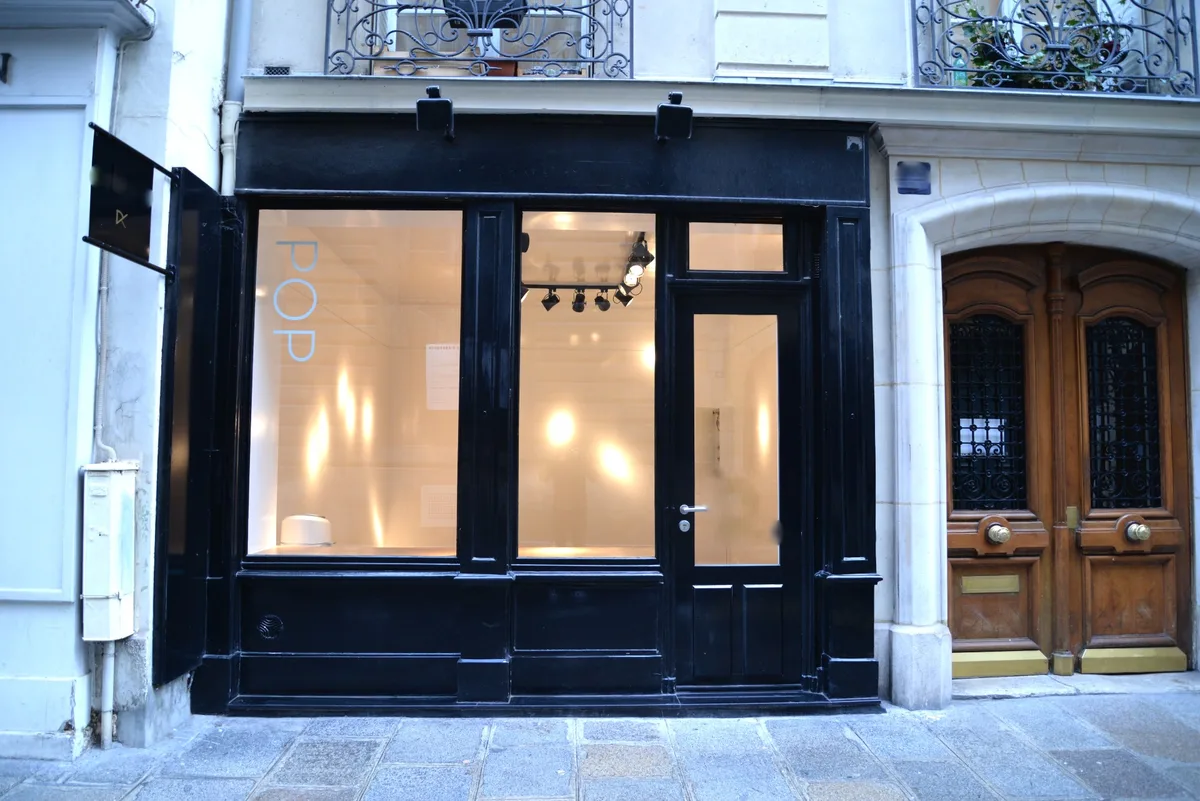
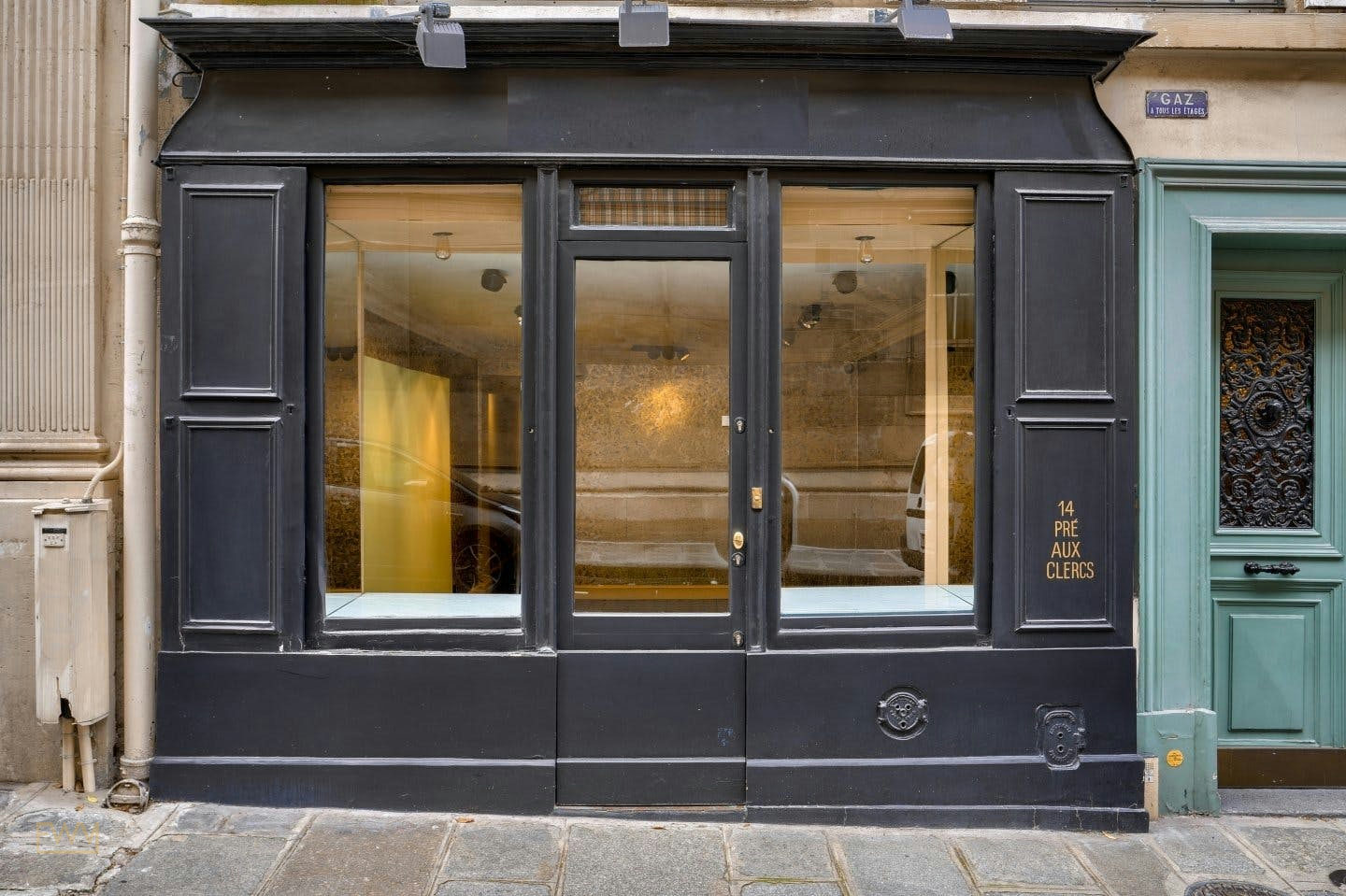
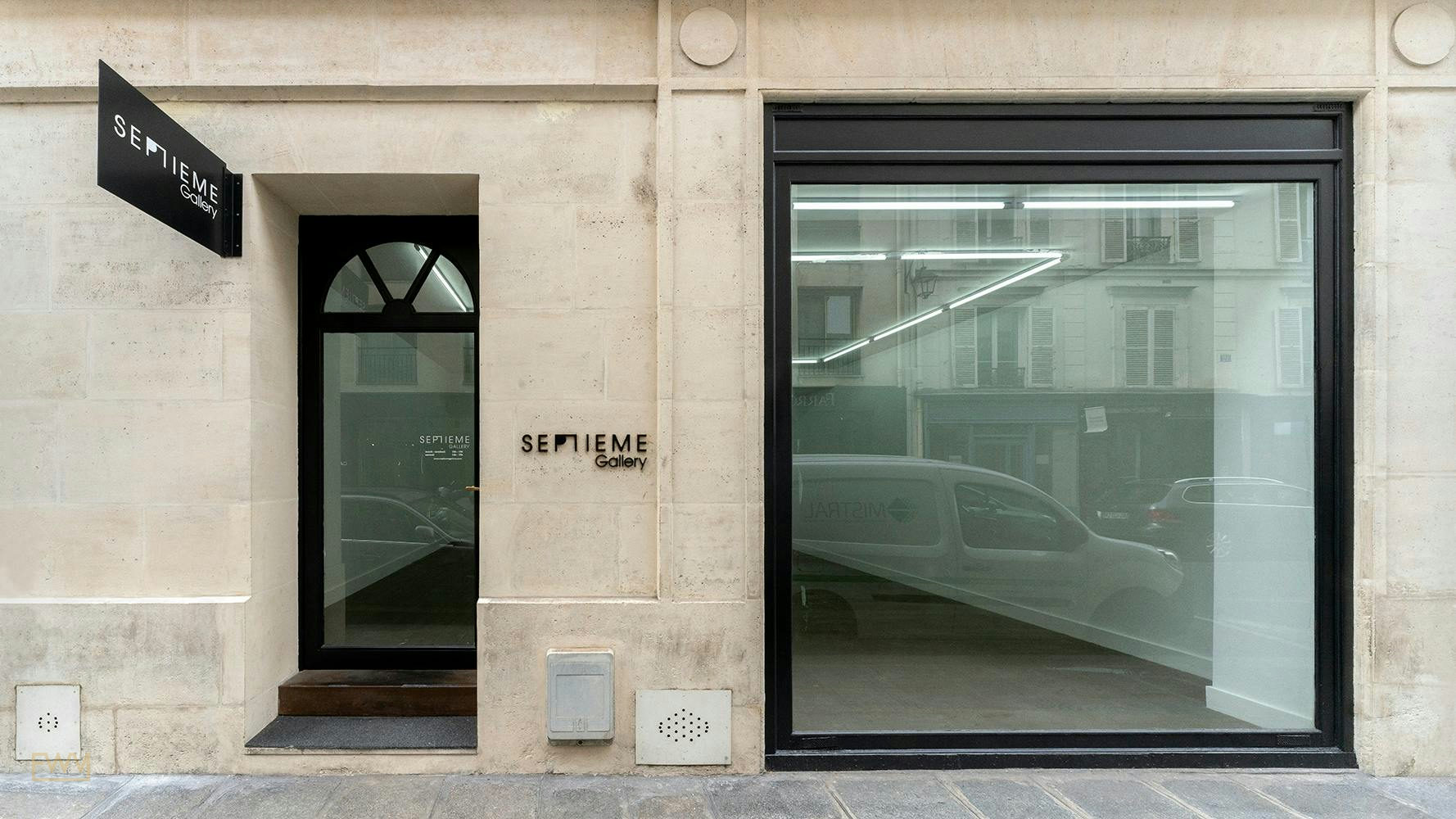
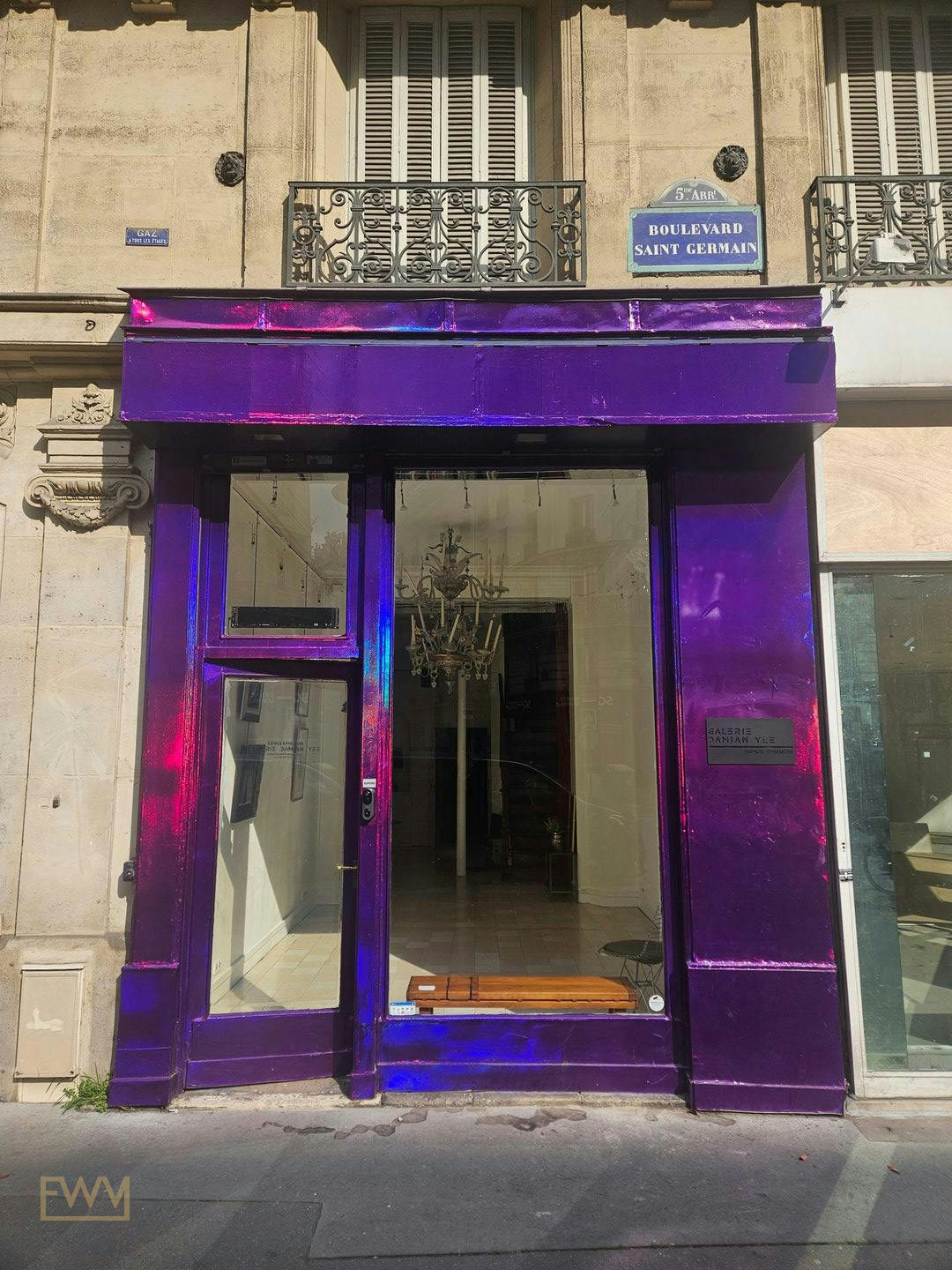
Traditional street-level retail units represent the most straightforward format for brands wanting direct engagement with passing foot traffic. These spaces offer the classic pop-up store experience: window display visibility, direct walk-in access, and clear merchandising opportunities. Ground floor storefronts on the canal quais and surrounding streets vary significantly in size, from compact units of around 20 to 40 square metres suitable for focused product launches, to larger formats of 80 to 150 square metres that can support full immersive retail concepts with dedicated zones for display, events, and customer experience.
Ground Floor with Backyard
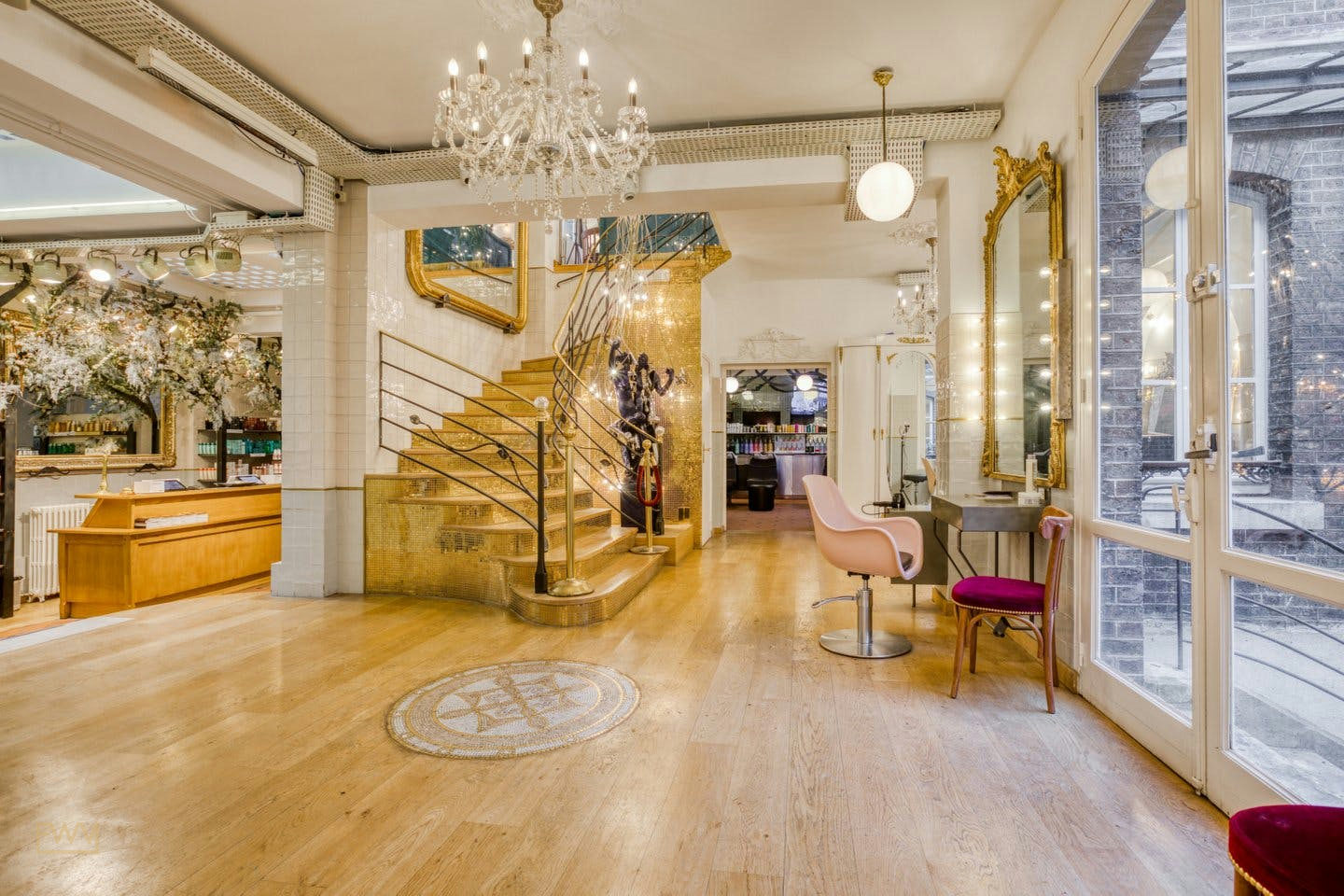
Some of the most sought-after spaces on Canal Saint-Martin include ground floor retail units with access to a private backyard or courtyard. This format is particularly valuable for brands that want to create an extended brand world beyond the retail floor, hosting intimate events, cocktail presentations, influencer evenings, or outdoor installations. The indoor-outdoor configuration also expands the spatial planning options for brands that want to separate a public-facing retail zone from a more curated invitation-only area.
Apartment and Loft Spaces
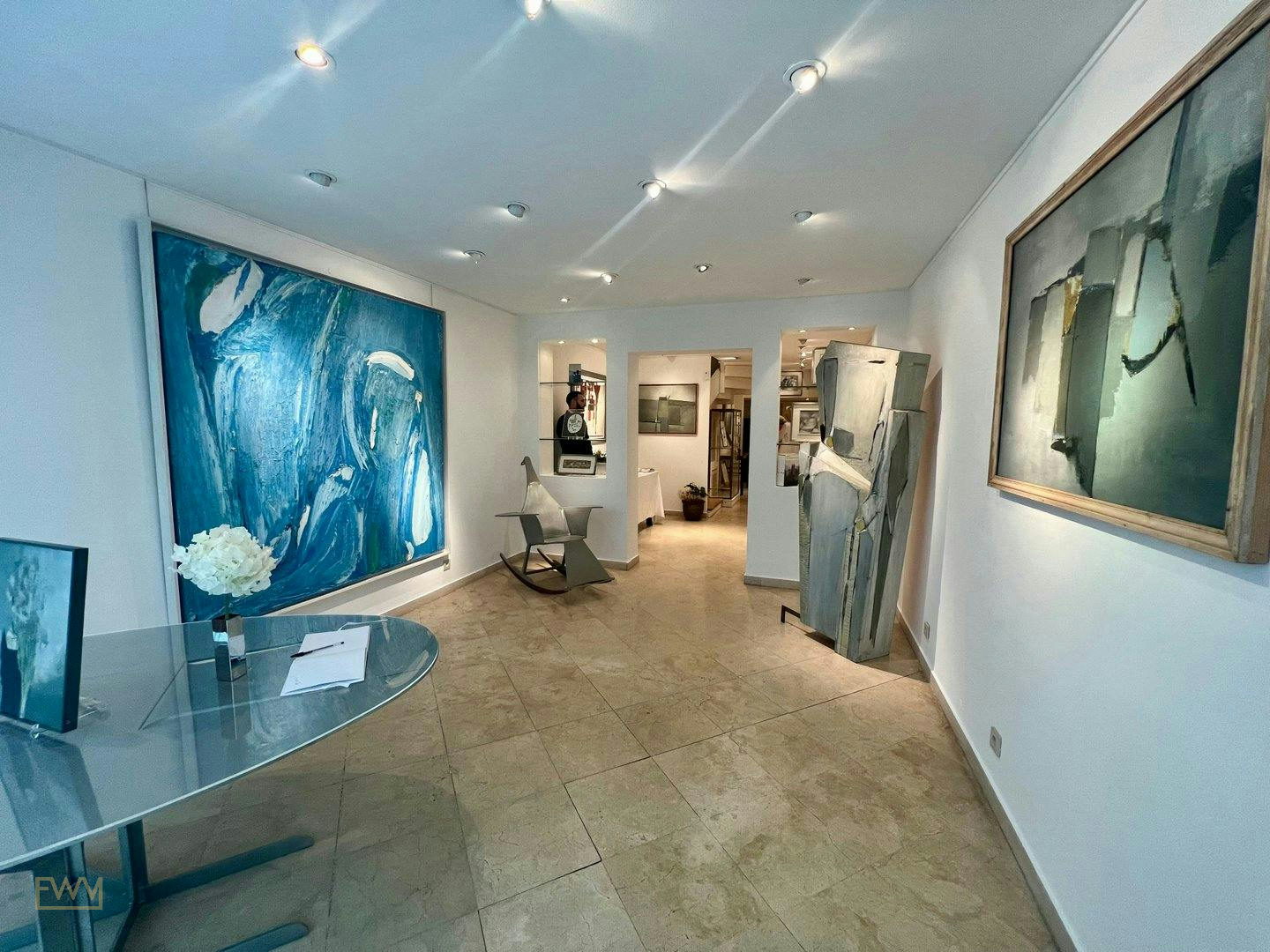
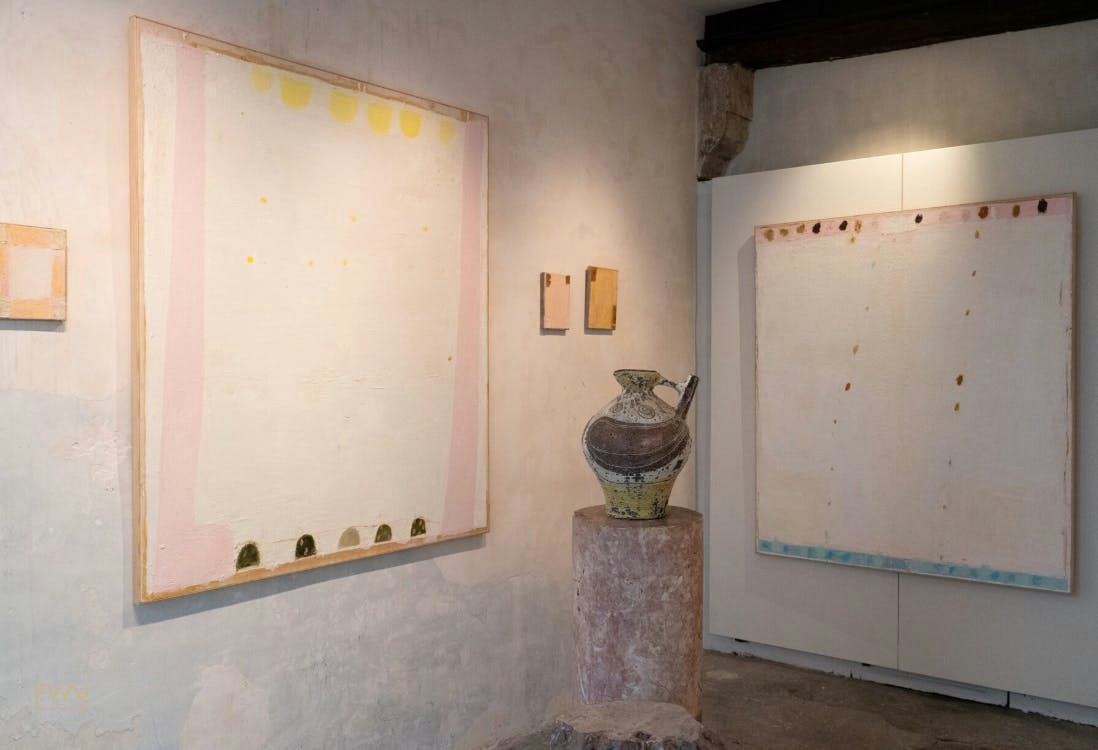
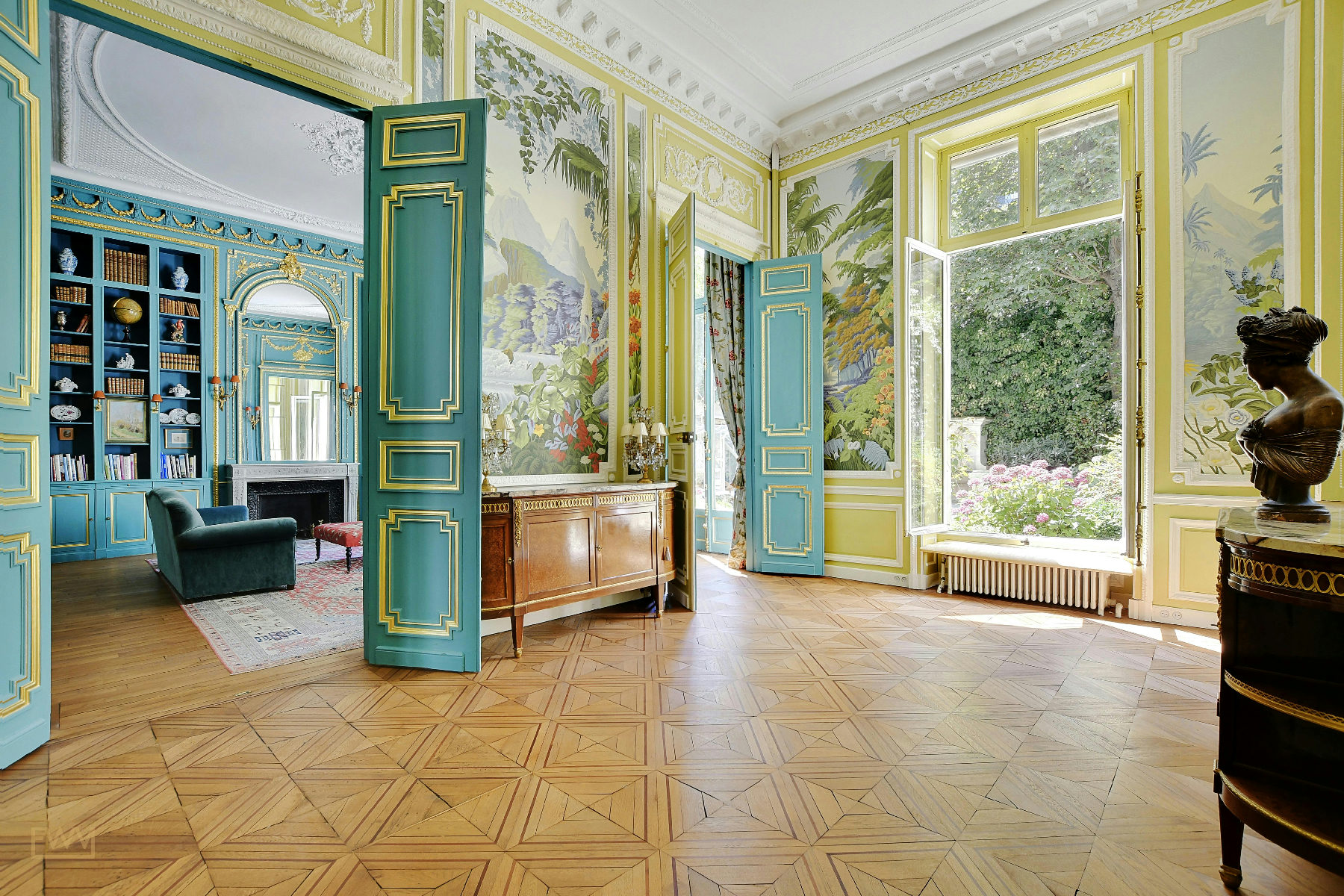
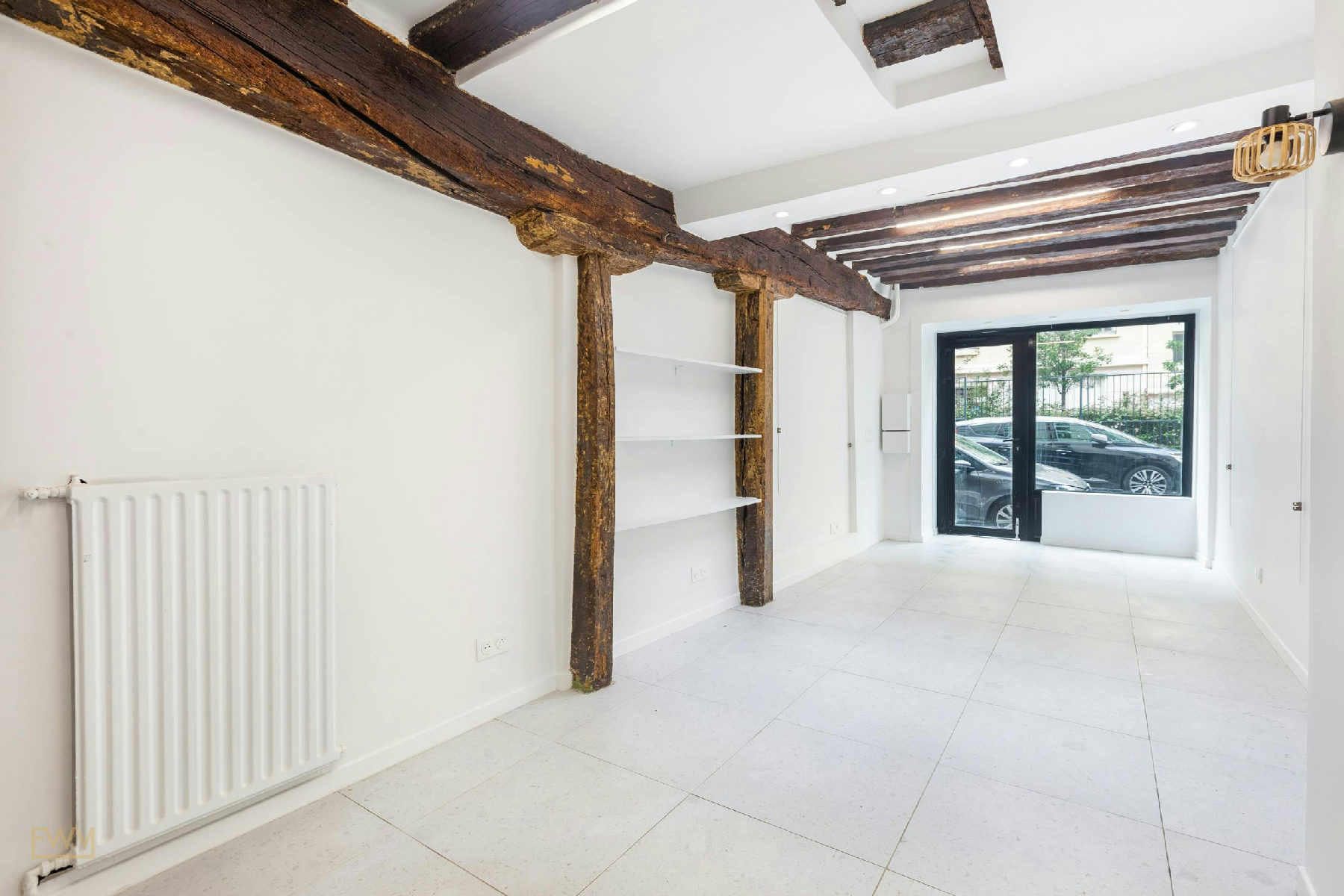
The Apartment and Loft format has grown significantly in popularity for fashion brands and lifestyle labels because it moves the pop-up experience away from conventional retail signalling and into something that feels more editorial and residential. Spaces of this type in the Canal Saint-Martin area typically feature high ceilings, exposed brickwork or beams, large windows, and flexible open-plan layouts that support both retail display and event programming. The Loft moderne et spacieux format, a contemporary version of this concept with clean industrial finishes, has become particularly popular for brands that want a visually distinct backdrop for product launches, press previews, and social content creation.
Showroom Formats
Fashion brands using Paris as a market during the season often require showroom spaces rather than transactional retail units. Canal Saint-Martin showrooms offer a more relaxed and residential-feeling alternative to the formal showroom buildings near rue du Faubourg Saint-Honoré or the Marais showroom cluster around rue Froissart and rue Vieille du Temple. For emerging or mid-size brands, the neighbourhood offers an authentically creative environment that can actually strengthen positioning with buyers and press who appreciate the curation involved in choosing Canal Saint-Martin over more conventional showroom addresses.
Space Format Summary
| Space Format | Typical Size Range | Best Activation Types | Key Features |
|---|---|---|---|
| Ground Floor Storefront | 20 to 150 sqm | Direct retail, product launch, walk-in pop-up | Street visibility, window display, direct access |
| Ground Floor with Backyard | 40 to 120 sqm interior plus outdoor | Retail with events, influencer evenings, installations | Indoor-outdoor flexibility, private exterior zone |
| Apartment and Loft | 50 to 200 sqm | Editorial retail, brand experience, press preview | High ceilings, natural light, residential aesthetic |
| Modern Loft | 60 to 180 sqm | Product launch, social content, concept store | Industrial finishes, open plan, versatile layout |
| Showroom | 40 to 100 sqm | Trade presentation, buyer appointments, brand meeting | Appointment-based access, controlled environment |
DID YOU KNOW: Furst-Eventspace and Hors Des Sentiers are among the independent venues and event agencies operating within or adjacent to the Canal Saint-Martin ecosystem, contributing to the area's reputation for creative and non-standard activation formats.
To compare spaces across formats and neighbourhoods and shortlist the options that match your brief, explore the Fashion Week Venues space marketplace where you can filter by space type, size, location, and availability.
KEY TAKEAWAY: Canal Saint-Martin's architectural diversity means that brands can find spaces ranging from conventional storefronts to editorial loft environments. The format you choose should align with your activation type, audience expectations, and the visual identity you want to project.
Once you have identified the right space format, the operational and legal requirements of renting short-term in Paris come into focus. Understanding permits, insurance, and contractual structures is essential before confirming a booking.
Operational and Legal Requirements for Short-Term Pop-Up Rentals in Paris
Quick answer: Renting a pop-up space in Paris involves specific contractual structures, permit requirements, insurance obligations, and regulatory compliance considerations. The two most relevant legal frameworks for short-term commercial use are the bail dérogatoire and the autorisation d'occupation temporaire. Requirements vary by space type, duration, arrondissement, and intended use.
International brands and even French brands unfamiliar with short-term commercial leasing in Paris frequently underestimate the legal and operational complexity of securing and activating a pop-up space. Getting these fundamentals right before you move in protects your investment, prevents enforcement delays, and allows your activation to proceed without disruption.
Understanding the Bail Dérogatoire
The bail dérogatoire is the primary contractual mechanism used for short-term commercial space rental in France. It allows landlords and tenants to enter into a commercial lease of up to 36 months without the tenant acquiring the statutory rights that attach to a standard commercial lease, known as a bail commercial. For pop-up retailers, this is the typical structure used for rentals ranging from a few days to several months. It provides flexibility for both parties and is widely used across Paris's pop-up and temporary retail sector. However, it still requires a written agreement and should be reviewed by a qualified French legal advisor before signing, particularly for international brands unfamiliar with French contract law.
Autorisation d'Occupation Temporaire (AOT)
For activations that involve any use of public space, including outdoor displays, signage visible from the street, or temporary structures on or adjacent to the pavement, an autorisation d'occupation temporaire may be required from the relevant local authority or arrondissement mairie. The Canal Saint-Martin area falls primarily within the 10th arrondissement, and requirements for AOT applications vary depending on the nature and scale of the proposed use. Brands planning outdoor elements as part of their activation should factor the AOT process into their timeline, as approvals are not guaranteed and processing times vary.
Fire Safety and Electrical Safety
Commercial spaces open to the public in France are subject to fire safety regulations under the ERP classification system, which categorises establishments receiving the public by type and capacity. Short-term pop-up spaces must comply with applicable fire safety standards, including adequate means of egress, fire extinguisher provision, and in some cases formal safety inspections. Electrical safety compliance is also a landlord and tenant shared responsibility, and brands installing temporary fixtures, lighting rigs, or additional electrical equipment must ensure that installations are safe and compliant. Working with a professional production partner who understands French safety regulations significantly reduces risk in this area.
Insurance Requirements
Most landlords in the Canal Saint-Martin area will require tenants to hold adequate public liability insurance before granting access. Brands must also consider product liability coverage, particularly if they are selling goods to the public. Some spaces have specific insurance requirements written into their rental agreements. International brands should verify that their existing commercial insurance extends to French territory and covers the specific activities planned during the activation.
Permits for Marketing and Signage
Beyond the space itself, any exterior signage, banners, window graphics, or street-level marketing installations may require separate permits from the Mairie de Paris or the relevant arrondissement authority. Regulations around outdoor advertising in Paris are relatively strict compared to many other European cities, and non-compliant signage can be subject to removal. Brands should clarify exactly what exterior branding is permitted under their rental agreement and under local regulations before installing anything.
IMPORTANT: The requirements summarised above represent general guidance only. Specific requirements vary by space type, intended use, duration, and arrondissement. Always verify your specific situation with a qualified French legal advisor before signing a lease or beginning fit-out work.
For an overview of permit considerations relevant to your specific activation type and location, use the Fashion Week Venues permits tool as a starting reference point before consulting legal counsel.
KEY TAKEAWAY: The legal and operational framework for short-term commercial rental in Paris is genuinely distinct from other European markets. The bail dérogatoire, AOT requirements, ERP fire safety rules, and insurance obligations all require attention before an activation begins, not after.
With the legal framework understood, the next critical task is budgeting realistically for a Canal Saint-Martin pop-up activation. Space rental is only one component of the total cost.
Budgeting for a Canal Saint-Martin Pop-Up Store
Quick answer: The total cost of a pop-up store activation on Canal Saint-Martin includes space rental, fit-out and production, furniture, staffing, permits, insurance, marketing, and operational expenses. Rental rates in this neighbourhood vary by location, size, format, and booking span. Use a dedicated budget tool to model your specific requirements before committing to a space.
One of the most common planning errors brands make when renting a pop-up space in Paris is budgeting only for the rental cost and significantly underestimating the full cost of activation. Understanding the complete cost picture from the outset protects cashflow and allows for realistic ROI planning.
Space Rental Costs
Rental rates on Canal Saint-Martin are directional and vary considerably based on location on the canal versus cross-streets, space size, format, and the booking span. Quai de Valmy and Quai de Jemmapes addresses with direct canal visibility typically command a premium over equivalent spaces on Rue Beaurepaire or Rue des Vinaigriers. Weekly rates for smaller spaces and monthly rates for larger formats differ significantly, and most landlords price short-term rental at a meaningful premium over long-term commercial lease equivalents to reflect the flexibility and shorter commitment they are providing. Specific current rates should be verified through direct enquiry with space owners or through the Fashion Week Venues marketplace, where availability and indicative pricing can be reviewed for spaces matching your brief.
Fit-Out, Production, and Design Costs
The cost of transforming a raw or lightly fitted space into a fully branded retail environment varies enormously depending on the ambition of the design, the structural condition of the space, and the timeline available for fit-out. A minimal intervention activation using moveable furniture and graphic elements will cost considerably less than a fully bespoke build with custom fixtures, specialist lighting, and architectural interventions. Understanding your store design brief and the scope of production required before you select a space is important, because some spaces require more work than others to achieve the same visual result.
Furniture, Fixtures, and Inventory
Furniture rental is often more cost-effective for short-term activations than purchasing and transporting furniture. It also avoids the inventory decisions and cashflow implications of owning furniture that needs to be stored or disposed of after the activation ends. Fixture requirements depend on your product category and merchandising approach. Brands should plan their spatial planning and layout carefully before selecting furniture to ensure the space functions efficiently for both display and customer flow. Packaging and inventory decisions should also be aligned with the space capacity and expected daily sales volume to avoid over-ordering or running out of stock during peak periods.
Staffing and Operations
In France, retail staffing involves specific employment law considerations, including minimum wage requirements, working time regulations, and in some cases collective bargaining agreements for the retail sector. International brands hiring staff locally in Paris for a short-term activation should understand these requirements or work with a staffing partner who manages compliance on their behalf.
Marketing and Influencer Activation
A Canal Saint-Martin pop-up that is not supported by a coordinated marketing plan will underperform relative to its potential. The neighbourhood's organic social media behaviour provides a foundation, but brands should invest in pre-launch awareness building, influencer marketing strategies to drive opening weekend attendance, and ongoing social media content production during the activation. The combination of a visually compelling space, a culturally resonant location, and a well-executed influencer outreach programme can generate media coverage and online reach that far exceeds the in-store footfall figures alone.
Budget Component Summary
| Budget Component | Notes | Planning Priority |
|---|---|---|
| Space rental | Varies by location, size, and booking span | High: confirm before other costs |
| Fit-out and production | Depends on design ambition and space condition | High: scope before space selection |
| Furniture rental | Often more efficient than purchasing for short-term use | Medium: plan with layout design |
| Staffing | Must comply with French employment law | High: plan early, allow lead time |
| Permits and insurance | Non-negotiable legal requirements | Critical: begin process immediately |
| Marketing and influencer activation | Essential for driving footfall and brand coverage | Medium to High: start before opening |
| POS and payments | Must be set up before opening day | Medium: allow setup time |
| Analytics and data | Critical for post-activation ROI assessment | Medium: set up from day one |
For a brand-specific estimate that factors in your space size, activation duration, and service requirements, use the Fashion Week Venues budget calculator as a starting point for financial planning.
KEY TAKEAWAY: Space rental is typically only 30 to 50 percent of the total cost of a Paris pop-up activation. Budgeting for the full stack, including production, staffing, permits, and marketing, is essential for realistic planning and cashflow management.
Budget clarity enables better space selection and activation planning. The next section examines how Canal Saint-Martin fits within the broader Paris pop-up neighbourhood landscape and how brands can decide which arrondissement and district is right for their specific objectives.
Canal Saint-Martin vs Other Paris Pop-Up Neighbourhoods
Quick answer: Canal Saint-Martin offers a distinct value proposition compared to Le Marais, Saint-Germain-des-Prés, rue Saint-Honoré, and the Champs-Élysées. Each neighbourhood serves different brand objectives, audience profiles, and budget ranges. Canal Saint-Martin is particularly strong for brands prioritising creative credibility, social media engagement, and community embeddedness.
Paris is not a single retail market. It is a collection of distinct neighbourhood ecosystems, each with its own commercial character, visitor profile, and brand positioning implications. International brands selecting a pop-up location in Paris should approach this decision the same way they approach brand positioning: with clarity about what they are trying to communicate and to whom.
Le Marais and the 3rd and 4th Arrondissements
Le Marais, centred around rue Vieille du Temple, rue des Rosiers, rue Froissart, and the surrounding streets, is the most densely active pop-up and concept store neighbourhood in Paris. It combines high tourist volumes with a strong local design and fashion consumer base. Spaces like Galerie Joseph have established the area as a proven venue for brand activations and fashion events. Nestore and other flexible space operators have also contributed to the Marais's inventory of short-term rental options. The neighbourhood is more saturated than Canal Saint-Martin and tends to command higher rental rates for comparable space sizes. It suits brands with established recognition that want to capitalise on the Marais's organic footfall and established retail culture.
Saint-Germain-des-Prés and Le Bon Marché's Orbit
Saint-Germain-des-Prés and the area around Le Bon Marché in the 6th arrondissement represent the most refined and literary end of Paris retail. The neighbourhood attracts a wealthy, culturally engaged French consumer alongside international visitors drawn by the area's intellectual heritage. Short-term rental rates here are among the highest in Paris. This neighbourhood is well-suited to luxury or premium brands seeking the prestige association of Saint-Germain-des-Prés positioning.
Rue Saint-Honoré and the 1st Arrondissement
The rue Saint-Honoré corridor, including rue du Faubourg Saint-Honoré, is the traditional heartland of Parisian luxury retail. Pop-up spaces here are relatively rare and tend to be expensive. This area is most relevant for established luxury labels seeking flagship-adjacent temporary presences rather than emerging or independent brands testing the market.
République and the Broader 10th Arrondissement
République sits at the southern gateway to the Canal Saint-Martin neighbourhood and functions as a transit hub that feeds pedestrian traffic northward along the canal. Pop-up spaces in and around République benefit from strong metro connectivity and a mixed residential and commercial catchment. The 10th arrondissement more broadly is one of the most diverse in Paris in terms of available space inventory, spanning everything from former industrial units to neighbourhood storefronts and artist studios.
Neighbourhood Comparison Table
| Neighbourhood | Arrondissement | Key Streets | Audience Profile | Best Brand Fit |
|---|---|---|---|---|
| Canal Saint-Martin | 10th | Quai de Valmy, Quai de Jemmapes, Rue Beaurepaire | Creatives, design-conscious locals, cultural visitors | Emerging fashion, lifestyle, artisanal, sustainability-led brands |
| Le Marais | 3rd and 4th | Rue Vieille du Temple, Rue des Rosiers, Turenne | Tourists, fashion shoppers, design consumers | Established fashion, concept retail, lifestyle, accessories |
| Saint-Germain-des-Prés | 6th | Boulevard Saint-Germain, Rue du Four | Affluent French consumers, literary and cultural visitors | Premium, luxury adjacent, culturally positioned brands |
| Rue Saint-Honoré | 1st and 8th | Rue Saint-Honoré, Rue du Faubourg Saint-Honoré | International luxury shoppers, high-net-worth tourists | Established luxury, heritage, and flagship-tier brands |
| Champs-Élysées | 8th | Avenue des Champs-Élysées | Mass tourists, international brand shoppers | Mass premium, global brands, high-volume activations |
To compare spaces across multiple Paris neighbourhoods and find the right match for your brief, use the Fashion Week Venues space comparison tool to evaluate options side by side.
KEY TAKEAWAY: Canal Saint-Martin is not a compromise or budget alternative to Le Marais or Saint-Germain-des-Prés. It is a strategically distinct neighbourhood that consistently outperforms more central locations for certain brand types, particularly those where creative credibility and community embeddedness are core to the brand positioning.
Having identified the right neighbourhood and space type, the next critical factor is timing. When you activate in Paris matters as much as where you activate.
When to Rent a Pop-Up Store in Paris: Calendar and Fashion Season Strategy
Quick answer: Paris Fashion Week is the most competitive and highest-profile calendar window for pop-up activations, but it is not the only viable option. September and January are the primary fashion season peaks; however, June, October, and the pre-Christmas period also offer strong commercial and media opportunities depending on the brand's objectives.
Paris operates on a distinctive retail and cultural calendar shaped by the fashion industry's biannual rhythm, but also by trade fairs, tourism peaks, public holidays, and city-wide events. Brands planning a Canal Saint-Martin pop-up need to align their timing with the calendar window that best matches their commercial and marketing objectives.
Paris Fashion Week Windows
Paris Fashion Week takes place twice annually: in late September and October for the spring and summer collections, and in late January and February for the autumn and winter collections. These periods bring an influx of international press, buyers, industry professionals, and brand-conscious tourists to the city, dramatically increasing the potential reach of a pop-up activation. Spaces in creative neighbourhoods like Canal Saint-Martin are often booked months in advance for these windows, and rental rates may reflect the seasonal premium. Brands activating during Fashion Week benefit from concentrated media attention, but face more competition for visibility and must execute with greater precision to stand out.
Beyond Fashion Week: Other Strong Calendar Windows
June and July represent a strong summer activation window driven by international tourism and the cultural programming that makes Paris an attractive destination year-round. Pre-Christmas activations in November and December benefit from high consumer spending intent and the festive atmosphere that draws both local Parisians and tourists to creative neighbourhoods. The spring season between March and May offers good conditions for product launches that want editorial press coverage outside the Fashion Week noise cycle.
Booking Span and Lead Time
The booking span for Canal Saint-Martin pop-ups ranges from as short as three days for focused product launches to multiple months for brands using the neighbourhood as a semi-permanent base for their Paris market activities. Most successful short-term activations run for two to four weeks, which provides enough time to build word of mouth and community engagement while remaining operationally manageable. Lead time for securing a well-located space and completing permits, insurance, and production planning is typically eight to twelve weeks for a medium-complexity activation. Brands activating during Fashion Week should begin their search at minimum four to six months in advance.
TIP: Use the Fashion Week Venues timeline planning tool to map your activation milestones from initial brief to opening day and identify any scheduling risks early in the planning process.
KEY TAKEAWAY: Paris Fashion Week is the highest-profile window for a Canal Saint-Martin pop-up, but the neighbourhood supports strong activations across multiple calendar periods. Matching your booking span to your objectives and building in sufficient lead time for permits and production are the most common planning factors that determine whether an activation launches on schedule.
With calendar strategy addressed, the next section examines how to run a successful pop-up activation once the space is secured, covering brand experience, merchandising, staffing, and post-activation analytics.
Running a Successful Pop-Up Activation on Canal Saint-Martin
Quick answer: A successful Canal Saint-Martin pop-up combines a well-designed brand experience, effective in-store merchandising, trained retail staff, a coordinated marketing and influencer strategy, and a systematic approach to data collection and customer feedback. The activation should be planned as a complete brand exercise, not just a temporary sales event.
Renting a pop-up space on Canal Saint-Martin is a means to an end, not an end in itself. The space provides the physical environment; what you do with it determines whether the activation generates brand value, sales, media coverage, and actionable intelligence that justify the investment.
Brand Experience and Concept Direction
The Canal Saint-Martin audience has a well-developed visual literacy and a low tolerance for retail experiences that feel generic or disconnected from the neighbourhood's creative character. Your store design and artistic direction should reflect genuine brand positioning rather than default retail formats. Whether that means a spare, editorial aesthetic with minimal fixtures and strong spatial planning, or a rich sensory environment with artistic installation elements and product storytelling, the concept must feel intentional and coherent. Brands that take concept direction seriously in this neighbourhood tend to generate stronger organic social media content, better press coverage, and more meaningful customer feedback than those that treat the space as a simple temporary shop.
Merchandising and Layout
Effective merchandising in a pop-up context differs from permanent retail planning in important ways. Because the duration is short, every day of the activation must perform commercially. Inventory decisions need to be tightly calibrated to avoid both overproduction waste and stockout situations during peak trading periods. Layout should prioritise flow, discovery, and moments of engagement rather than simple density of product display. Sustainability-conscious consumers in this neighbourhood respond positively to brands that make responsible overproduction choices visible, framing limited inventory as a deliberate choice rather than a limitation.
Retail Staffing and Customer Engagement
The quality of in-store staff significantly affects both sales conversion and brand perception. In a neighbourhood where consumers are accustomed to knowledgeable, enthusiastic staff in independent concept stores, generic retail behaviour stands out negatively. Briefing your team thoroughly on brand story, product details, and the narrative behind the activation is as important as their transactional skills. Staff should also be equipped to collect customer feedback systematically, which provides data for post-activation analysis and future inventory decisions.
POS, Payments, and Operations
POS and payments setup for a short-term retail activation in Paris should include card payment capability from day one, as cash transactions represent a diminishing share of consumer spending in France. POS systems that integrate with inventory management and analytics platforms allow brands to monitor sales in real time and make informed decisions about restocking, opening hours, and promotional activity during the activation period.
Influencer Marketing and Social Media Strategy
Canal Saint-Martin has a highly active influencer community rooted in fashion, lifestyle, design, and food culture. The neighbourhood's aesthetic qualities, including the waterfront terraces, lively cafes, photogenic canal scenery, and independent shop culture, make it naturally content-rich. Brands should develop influencer marketing strategies that are tailored to this context: partnering with creators whose audiences are aligned with the brand's target demographic, creating clear content briefs that capture the neighbourhood's character as part of the brand story, and building a pre-launch awareness programme that drives opening weekend footfall. Micro-influencers with authentic Canal Saint-Martin connections often generate more effective engagement than larger accounts with less relevant audiences.
Analytics and Post-Activation Learning
The most strategically sophisticated brands treat each Paris pop-up as a data collection exercise as much as a commercial and marketing event. Tracking footfall, sales conversion, average transaction value, bestselling products, customer demographics, and social media reach gives you the quantitative foundation for assessing ROI and informing future inventory decisions and lancement de produits strategy. Qualitative customer feedback gathered in-store provides insight into brand positioning resonance and product reception that no other research method can replicate at this cost. Collaborations with local cultural organisations, cafés, or artisanal brands during the activation can also extend reach and provide additional data points on audience receptivity.
KEY TAKEAWAY: A Canal Saint-Martin pop-up activation should be conceived as an integrated brand exercise combining physical retail, event programming, social media content strategy, influencer engagement, and systematic data collection. Brands that plan at this level consistently achieve better commercial and brand outcomes than those that focus exclusively on the retail transaction.
Understanding how a specialist agency like Fashion Week Venues supports brands through this complete activation process is the next important topic.
How Fashion Week Venues Helps Brands Rent and Activate Pop-Up Spaces on Canal Saint-Martin
Quick answer: Fashion Week Venues is a full-service pop-up shop agency and space marketplace that supports brands from initial space sourcing through to activation management, branded store design, staffing, permits, and analytics. The agency works across Paris and other major fashion capitals, with deep knowledge of the Canal Saint-Martin neighbourhood and its specific requirements.
Fashion Week Venues operates at the intersection of space marketplace and full-service activation agency. This dual model means that brands can use the platform purely for space discovery and direct enquiry, or engage the agency's full range of services for a managed end-to-end activation. Understanding where the agency adds most value for your specific brief helps brands engage more effectively from the outset.
Venue Sourcing and Space Discovery
The venue sourcing service goes beyond what is visible on the open marketplace. The team has relationships with space owners across the Canal Saint-Martin corridor, including spaces that are not publicly listed and become available only through direct network access. For brands with specific requirements around size, layout, location, or booking span, this network access significantly expands the available options compared to searching publicly listed platforms alone. Brands provide a brief detailing their space requirements, activation type, calendar window, and budget range, and the team identifies and vets options accordingly.
Concept Direction and Branded Store Design
The concept direction and branded store design services are particularly relevant for international brands that do not have a Paris-based creative team capable of translating their global brand identity into a space that resonates in the Canal Saint-Martin context. The creative team works with brand guidelines and campaign direction to develop a spatial concept that communicates clearly to the neighbourhood's audience while remaining true to the brand's visual identity. Store design at this level encompasses layout planning, fixture specification, lighting design, graphic elements, and the overall brand experience architecture of the space.
Production, Build, and Furniture Rental
The production and build service manages the physical transformation of the space from handover to opening-ready condition, coordinating contractors, suppliers, and fit-out teams within the constraints of the rental agreement and the building's technical specifications. Furniture rental is integrated into this service for brands that want to avoid purchasing and transporting furniture, drawing on a curated inventory of pieces suited to both retail and event environments.
Retail Staffing and POS
Retail staffing in Paris involves navigating French employment law, and Fashion Week Venues provides staffing solutions that handle compliance and team briefing for brands activating on short timelines. POS and payment system setup is managed in parallel with staffing, ensuring that the commercial operation of the space is fully functional from day one.
Influencer Marketing and Data Analytics
The influencer marketing service develops and executes influencer engagement programmes tailored to the Canal Saint-Martin neighbourhood and the brand's target audience. Data and analytics services provide real-time and post-activation reporting that translates trading and engagement data into actionable insights for brand teams.
Tools for Independent Planning
For brands in the research and planning phase, Fashion Week Venues provides a set of practical planning tools. The ROI calculator at fashionweekvenues.com/tools/roi helps brands model expected returns against activation costs. The locator tool helps identify spaces by neighbourhood and space type. The compare tool enables side-by-side evaluation of shortlisted spaces. The timeline tool maps the activation planning process from brief to opening day. These tools are designed to support independent planning while providing a natural pathway to agency engagement for brands that identify requirements beyond their in-house capacity.
What to Understand About the Agency's Scope
Fashion Week Venues does not guarantee specific spaces, permit approvals, or activation outcomes. The agency operates as a facilitator and delivery partner, and the quality of outcomes depends on brand clarity of brief, realistic budgets, and sufficient lead time. Brands with very short timelines, incomplete briefs, or significant budget constraints relative to their activation ambitions will benefit from a frank early conversation about what is achievable within those parameters. For guidance on evaluating and selecting an agency for a Paris activation, review the agency hiring guide on Fashion Week Venues.
KEY TAKEAWAY: Fashion Week Venues offers brands a spectrum of engagement from self-directed space search through the marketplace to fully managed end-to-end activation. The most effective partnerships are those where brands come with a clear brief, a realistic budget, and sufficient lead time to allow every element of the activation to be executed properly.
The Cultural Identity of Canal Saint-Martin: Why It Matters for Brand Positioning
Quick answer: Canal Saint-Martin's cultural identity as a neighbourhood of artistic creativity, independent commerce, bohemian atmosphere, and urban innovation directly shapes how brands activating there are perceived. Choosing this neighbourhood is a brand positioning signal as well as a commercial decision.
Understanding why Canal Saint-Martin has developed the cultural identity it has is essential for brands that want to activate authentically in the neighbourhood rather than simply occupying space within it. The canal's history as a 19th century industrial waterway, now surrounded by a thriving creative and residential community, gives it a layered character that distinguishes it sharply from Paris's more formally curated luxury districts.
Point Ephémère on Quai de Valmy remains one of the most important anchors of the neighbourhood's cultural identity. As a concert and music venue, art exhibition space, and creative hub that has operated on the canal since 2004, it has consistently attracted the artists, musicians, designers, and cultural practitioners who define the neighbourhood's character. Hotel du Nord, the iconic waterfront café on Quai de Jemmapes that appears in Marcel Carné's celebrated French cinema classic of the same name, adds a layer of cinematic and literary heritage to the neighbourhood's personality.
The Canal Saint-Martin neighbourhood is also embedded in Paris's broader creative geography, sitting at the intersection of the 10th arrondissement's diverse residential community, the growing cultural corridor stretching north toward Canal de l'Ourcq and Parc de la Villette, and the established independent retail culture of the surrounding streets. This position at the edge of multiple communities makes Canal Saint-Martin a genuinely porous neighbourhood where different audiences intersect naturally, a quality that is commercially valuable for brands seeking both cultural credibility and broad reach.
The neighbourhood's relationship with sustainability and responsible commerce is also significant. Independent shops, artisanal brands, organic cafés, and bicycle-oriented lifestyle businesses create a commercial environment where sustainability-led brand positioning resonates authentically rather than feeling grafted on. For fashion brands with sustainability credentials to communicate, Canal Saint-Martin offers an audience that is genuinely receptive to these values rather than indifferent or sceptical.
For international brands, Canal Saint-Martin also provides a credibility pathway into the broader Parisian creative community. Activating successfully in this neighbourhood generates the kind of word-of-mouth and press coverage that positions a brand within the City of Light's cultural conversation in a way that purely transactional retail in tourist corridors does not.
Fashion Week Venues' concept direction service helps brands translate their identity into activations that speak authentically to the Canal Saint-Martin audience rather than feeling out of place in the neighbourhood's cultural context.
KEY TAKEAWAY: Canal Saint-Martin's cultural identity as a neighbourhood of bohemian atmosphere, urban creativity, artistic installation culture, and independent commerce is an asset for brands whose positioning aligns with these values. Activating here is as much a brand statement as a commercial decision.
Common Myths About Renting a Pop-Up Store in Paris
MYTH: You need a French legal entity to rent a commercial space in Paris for a pop-up activation.
FACT: International brands without a French company registration can rent short-term commercial spaces in Paris. Many landlords and specialist agencies work regularly with international brands and can structure agreements appropriately. However, specific landlord requirements vary, and some space owners may ask for a French guarantor or equivalent security arrangement. Working with a specialist agency or legal advisor simplifies this process considerably.
MYTH: Paris Fashion Week is the only viable calendar window for a Canal Saint-Martin pop-up.
FACT: Canal Saint-Martin supports successful activations across multiple calendar periods throughout the year, including the summer tourist season, pre-Christmas, and spring product launch windows. Fashion Week is the highest-profile window, but it is also the most competitive and expensive. Brands with objectives centred on community engagement, product testing, or sustained sales rather than industry press may find other calendar windows equally or more effective.
MYTH: Commission brokers are the only way to find a pop-up space in Paris.
FACT: Commission brokers are one channel for space discovery, but they are not the only option. Dedicated pop-up space marketplaces, full-service agencies with direct space relationships, and direct outreach to commercial landlords are all viable routes. Each channel has different cost structures, service levels, and access to inventory. A specialist agency with a marketplace component like Fashion Week Venues combines space access with activation expertise in ways that a commission broker typically does not.
MYTH: Short-term commercial leases in Paris are straightforward to sign without specialist guidance.
FACT: The bail dérogatoire and other short-term commercial lease structures in France contain specific legal provisions that differ significantly from equivalent structures in other European markets. Signing without proper legal review exposes brands to risks including unexpected liability, restrictions on permitted use, and complications around the return of the space in its original condition. International brands in particular should always have short-term French commercial leases reviewed by a qualified French legal advisor before signing.
MYTH: A pop-up store in Canal Saint-Martin is only suitable for emerging or small brands.
FACT: Canal Saint-Martin attracts brands across the full spectrum of scale, from independent designers testing new products to established international labels seeking credibility within Paris's creative community. The neighbourhood's cultural cache and social media visibility make it attractive for brands at many stages of development. What matters more than brand size is whether the brand's positioning and aesthetic are coherent with the neighbourhood's character.
Frequently Asked Questions
Why should I choose Canal Saint-Martin over Le Marais for my pop-up store?
Canal Saint-Martin and Le Marais serve different strategic purposes. Le Marais has higher overall tourist footfall and a more saturated pop-up culture, which means greater competition for visibility. Canal Saint-Martin offers a more engaged creative audience, stronger organic social media behaviour driven by the neighbourhood's photogenic environment, and a cultural context that benefits brands whose positioning is centred on innovation, sustainability, or artistic direction. For brands prioritising community embeddedness and creative credibility over raw footfall volume, Canal Saint-Martin frequently outperforms Le Marais on brand outcomes even when in-store transaction volumes are comparable.
How much does it cost to rent a pop-up space on Canal Saint-Martin?
Rental rates vary significantly by street, space size, format, and booking span. Quai de Valmy and Quai de Jemmapes addresses command a premium over equivalent spaces on Rue Beaurepaire or Rue des Vinaigriers. Short-term rates are typically calculated on a weekly or monthly basis and reflect a premium over long-term commercial lease equivalents. Rather than relying on generic estimates, use the Fashion Week Venues budget calculator to model costs based on your specific space size, activation type, and booking duration, and verify current availability and pricing through direct enquiry.
How long can I rent a pop-up space on Canal Saint-Martin?
Booking spans range from as short as three days for focused product launches to several months for brands using the neighbourhood as a semi-permanent Paris market base. The most common duration for fashion brand activations is two to four weeks, which provides sufficient time to build community awareness and word-of-mouth while remaining operationally manageable. Longer activations of one to three months are structured under a bail dérogatoire, which provides contractual clarity for both landlord and tenant without conferring the statutory tenant protections of a standard commercial lease.
Do I need a permit to run a pop-up shop on Canal Saint-Martin?
Permit requirements depend on the specific nature of your activation. The space itself is typically covered by the rental agreement, but any use of exterior space, outdoor signage, pavement structures, or public space installations may require an autorisation d'occupation temporaire from the relevant local authority. Fire safety and electrical safety compliance obligations apply to commercial spaces open to the public under French ERP regulations. Requirements vary by space type, arrondissement, and intended use, so always verify your specific situation with a qualified French legal advisor and use the Fashion Week Venues permits tool as an initial reference point.
What is a bail dérogatoire and is it the right structure for my activation?
A bail dérogatoire is a short-term commercial lease structure under French law that allows rental periods of up to 36 months without the tenant acquiring the statutory rights attached to a standard bail commercial. It is the most commonly used contractual framework for pop-up and temporary retail in France, and it provides flexibility for both landlord and tenant. For most pop-up activations of days to several months, it is the appropriate structure. However, its provisions vary depending on how it is drafted, and international brands should have any bail dérogatoire reviewed by a qualified French commercial law advisor before signing.
Can an international brand without a French company rent a pop-up space in Paris?
Yes, international brands without French company registration can rent short-term commercial spaces in Paris. Many landlords who work with the temporary retail sector have experience dealing with international entities. In practice, some landlords may require additional security arrangements or prefer to work through a specialist agency that can provide local contractual support. Working with an agency like Fashion Week Venues that has established relationships with Canal Saint-Martin space owners simplifies this process and reduces the risk of contractual complications arising from international entity differences.
What space types are available for pop-up rental on Canal Saint-Martin?
The canal corridor offers a range of space formats including traditional ground-floor storefronts, ground floor units with private backyard or courtyard access, apartment and loft spaces with high ceilings and residential aesthetics, modern industrial loft formats, and showroom configurations. Space sizes range from compact 20 square metre units to larger 200 square metre multi-room environments. The right format depends on your activation type, desired brand aesthetic, expected footfall, and whether you are prioritising transactional retail, brand experience events, or trade and press presentations.
When is the best time to run a pop-up activation on Canal Saint-Martin?
The best timing depends on your objectives. Paris Fashion Week windows in September and October and in January and February bring the highest concentration of industry press and buyers. The summer period from June to August offers strong tourist footfall combined with the canal's waterfront atmosphere. November and December benefit from high consumer spending intent and festive energy. For product launches targeting general consumer audiences, spring and early autumn often offer the best combination of audience quality and media availability outside the Fashion Week noise cycle.
How far in advance should I book a Canal Saint-Martin pop-up space?
Lead time depends on your activation complexity and timing. For Fashion Week windows, booking four to six months in advance is strongly recommended, as well-located spaces in the neighbourhood are typically reserved early for these periods. For activations outside peak fashion calendar windows, eight to twelve weeks of lead time is generally sufficient for a well-organised activation, allowing time for space confirmation, permit applications, production planning, staffing arrangements, and pre-launch marketing. Brands with complex production requirements or bespoke design briefs should allow more lead time regardless of calendar window.
What role does influencer marketing play in a Canal Saint-Martin pop-up?
Influencer marketing is one of the most effective tools for driving footfall and amplifying brand reach during a Canal Saint-Martin pop-up. The neighbourhood has a strong organic influencer community rooted in fashion, design, food, and lifestyle, and its visual qualities make it naturally content-rich. A well-structured influencer programme targeting creators with audiences aligned with the brand's demographic can generate significant pre-opening awareness and during-activation footfall. Micro-influencers with authentic local connections often deliver stronger engagement rates than large accounts with less specific audience alignment. The Fashion Week Venues influencer marketing service develops and executes tailored programmes for Canal Saint-Martin activations.
How do I measure the ROI of a Canal Saint-Martin pop-up?
ROI measurement for a Canal Saint-Martin pop-up should account for direct sales revenue, but also for brand value metrics including social media reach and engagement, press coverage, new customer acquisition, email and CRM data collected, buyer and wholesale enquiries generated, and qualitative customer feedback on brand positioning and product reception. Brands that measure only direct sales frequently undervalue the full commercial impact of a well-executed Paris activation. Using a structured analytics approach from day one of the activation and conducting a formal post-activation review significantly improves the ability to attribute ROI accurately.
What is the difference between a pop-up store and a showroom on Canal Saint-Martin?
A pop-up store is a consumer-facing temporary retail environment where products are sold directly to the public during defined opening hours. A showroom is a trade or press-facing environment where products are presented to buyers, journalists, and industry contacts typically by appointment. Many brands use Canal Saint-Martin spaces for hybrid formats that combine elements of both, with public retail hours and private appointment-based presentations operating in parallel or in dedicated sections of the same space. The space format and layout choices differ between these functions, and the lease and permit requirements may also vary depending on whether the space is primarily retail or primarily event and trade use.
Do I need insurance to rent a pop-up space in Paris?
Yes. Most Canal Saint-Martin space owners require tenants to hold adequate public liability insurance as a condition of the rental agreement. Brands selling products to the public should also hold appropriate product liability coverage. International brands should verify that their existing commercial insurance extends to operations in France and covers the specific activities planned, including any production work, public events, or staffing arrangements. If existing cover is insufficient, supplementary French commercial insurance can be arranged. Your rental agreement should specify the minimum insurance requirements the landlord requires.
What sustainability considerations should I factor into a Canal Saint-Martin pop-up?
Canal Saint-Martin's audience is particularly receptive to sustainability credentials and responsible commerce practices. Brands activating in this neighbourhood should consider the environmental impact of fit-out and production choices, including material selection, energy use, and the end-of-life plan for temporary fixtures and fittings. Furniture rental rather than purchase reduces waste and avoids overproduction of materials that will only be used for the activation duration. Packaging decisions, inventory management to reduce overproduction, and any collaborations with local artisanal or sustainability-aligned brands can all strengthen the brand's positioning with the neighbourhood's audience.
Can I activate on Canal Saint-Martin and Le Marais simultaneously?
Yes, and this is a model that some brands use effectively during Paris Fashion Week and adjacent periods. Running concurrent activations in Canal Saint-Martin and Le Marais serves different audience segments and can amplify total Paris reach during a concentrated activation window. The twin co-activation concept offered by Fashion Week Venues is specifically designed for this type of multi-location strategy, allowing brands to manage two Paris activations with coordinated production, staffing, and marketing rather than as two entirely separate projects, which significantly improves cost efficiency and brand consistency across both locations.
Conclusion: Take the Next Step Toward Your Canal Saint-Martin Pop-Up
Renting a pop-up store on Canal Saint-Martin is one of the most strategically compelling options available to fashion brands, emerging designers, and international labels entering the Paris market. The neighbourhood combines genuine cultural credibility, a design-conscious and socially active audience, strong organic social media behaviour, and a diverse inventory of flexible short-term spaces that can support everything from transactional retail to immersive brand experiences and trade showrooms.
The most successful Canal Saint-Martin activations are those that are planned with the full activation picture in mind, including space selection, legal structure, permits, production, staffing, marketing, and post-activation analytics, rather than those that focus narrowly on securing a space and improvising the rest. The neighbourhood rewards brands that engage authentically with its character and bring a concept that respects the creative intelligence of its audience.
Fashion Week Venues supports brands at every stage of this process, from initial space discovery and brief development through to fully managed activation delivery. Whether you are planning a focused product launch, a Fashion Week showroom, a multi-week concept store, or an integrated brand experience, the team has the Paris market knowledge, space relationships, and activation expertise to help you execute with precision.
To move from research to activation, start exploring available spaces on the Fashion Week Venues marketplace and build a focused brief for your target neighbourhood, space type, and calendar window. The Paris market is competitive and well-serviced; the brands that move decisively with a clear brief and realistic budget are consistently those that secure the best spaces and deliver the strongest activations.