When international brands and independent labels decide to rent a pop up store in Opera, Paris, they gain immediate access to one of the city's most commercially potent districts. The Opera arrondissement, centred on the 2nd and 9th arrondissements, draws millions of visitors annually, sits within walking distance of Place Vendôme and rue Saint-Honoré, and serves as a natural gateway between the historic Grands Boulevards and the luxury retail corridor stretching west. Whether you are launching a product, hosting a fashion week showroom, staging a private exhibition, or testing a retail concept in a new market, renting a pop-up space in this district offers unmatched foot traffic, cultural cachet, and proximity to press, buyers, and influencers. Explore Paris pop-up spaces and venues to begin scoping your options across every major arrondissement.
What Is a Pop-Up Store and Why Does It Matter in Paris
A pop-up store is a short-term retail or brand activation space, typically rented for a period ranging from a few days to several months, that allows a brand to establish a temporary physical presence without committing to a long-term commercial lease. The format emerged from the desire to test markets, create scarcity-driven consumer experiences, and generate social media attention through time-limited, highly designed environments.
In Paris, the pop-up store, known locally as a boutique éphémère, has become a core pillar of brand strategy for both established luxury houses and emerging independent labels. The city's cultural weight, its international press community, and the density of fashion buyers concentrated during fashion week make Paris an ideal test and launch environment. Unlike permanent retail, a pop-up store can be adapted, refined, and repositioned for each market entry without the financial exposure of a traditional bail commercial.
Quick answer: A pop-up store in Paris is a temporary retail or brand activation space rented for days, weeks, or months. It allows brands to test markets, launch products, host press events, or sell directly to consumers in high-visibility Parisian neighbourhoods without signing a long-term lease. Short-term rental agreements make the format accessible to brands of all sizes.
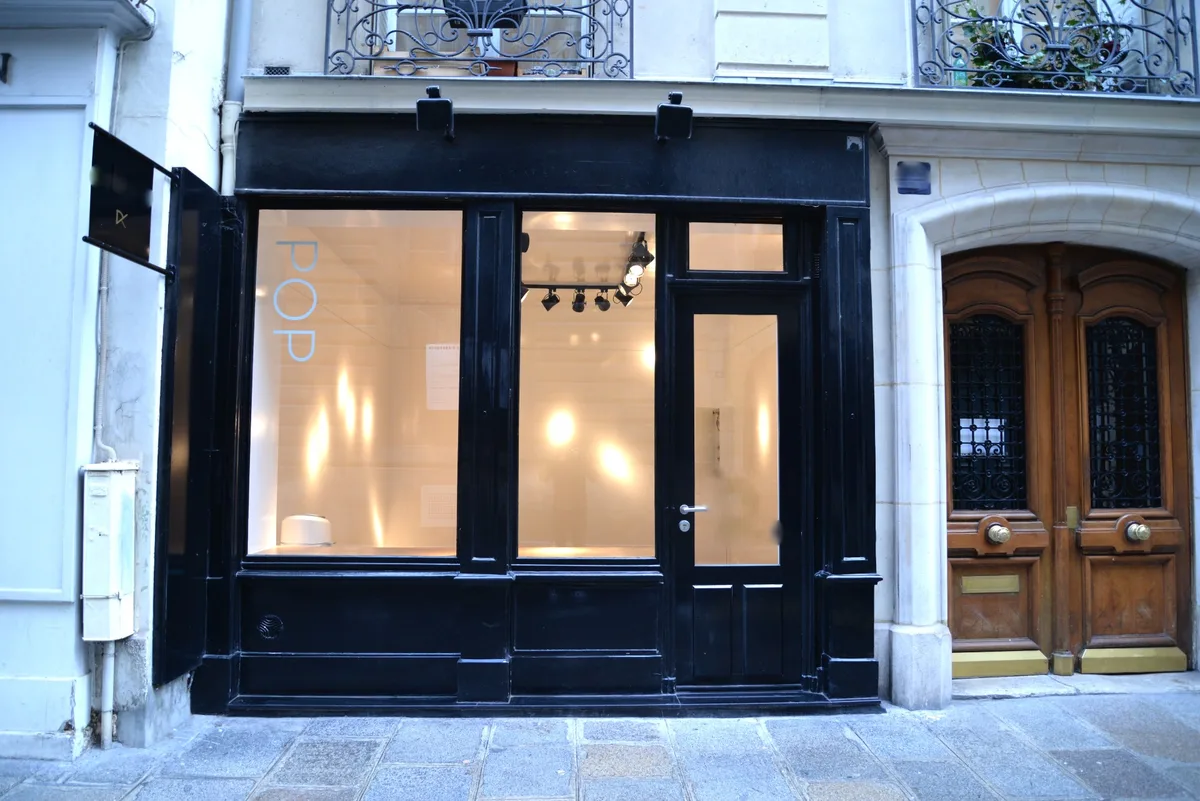
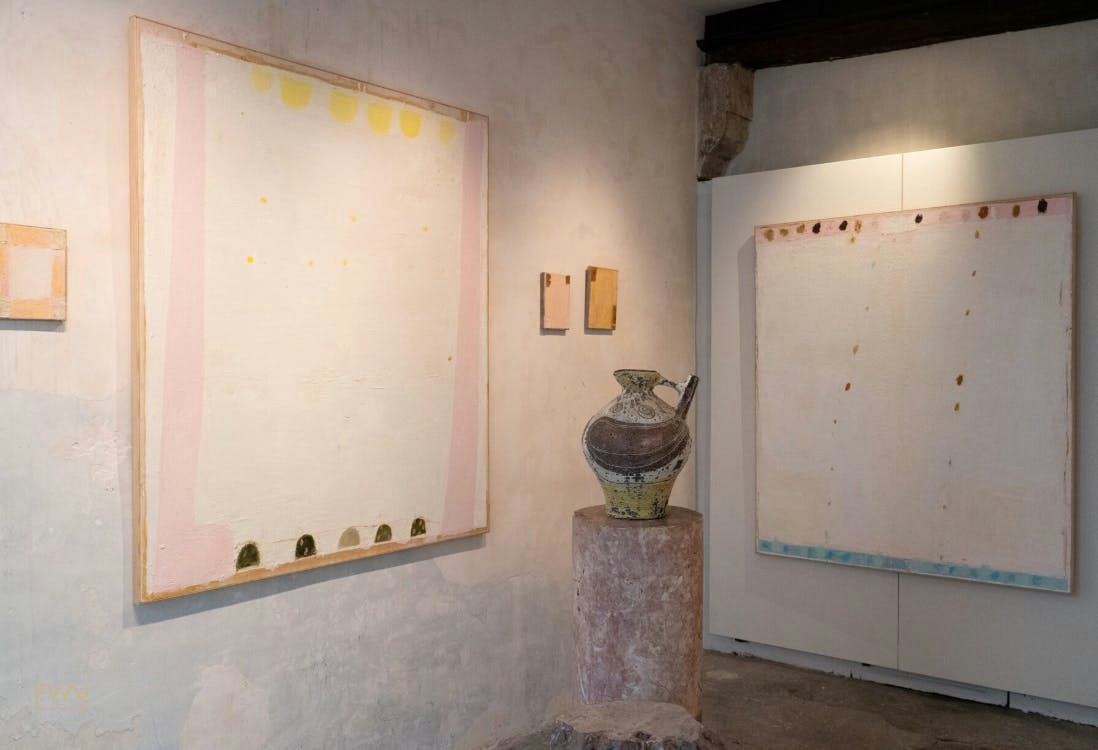
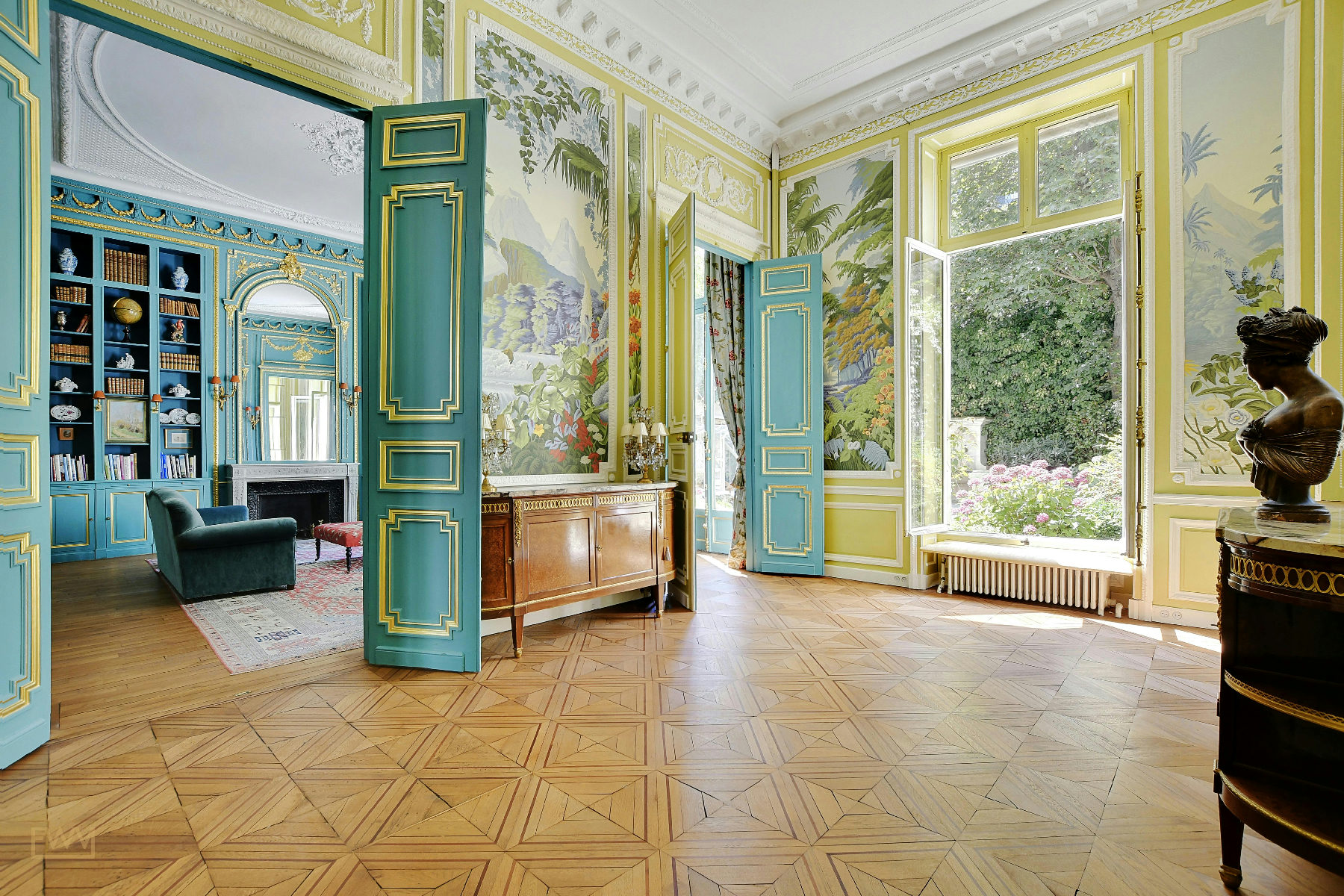
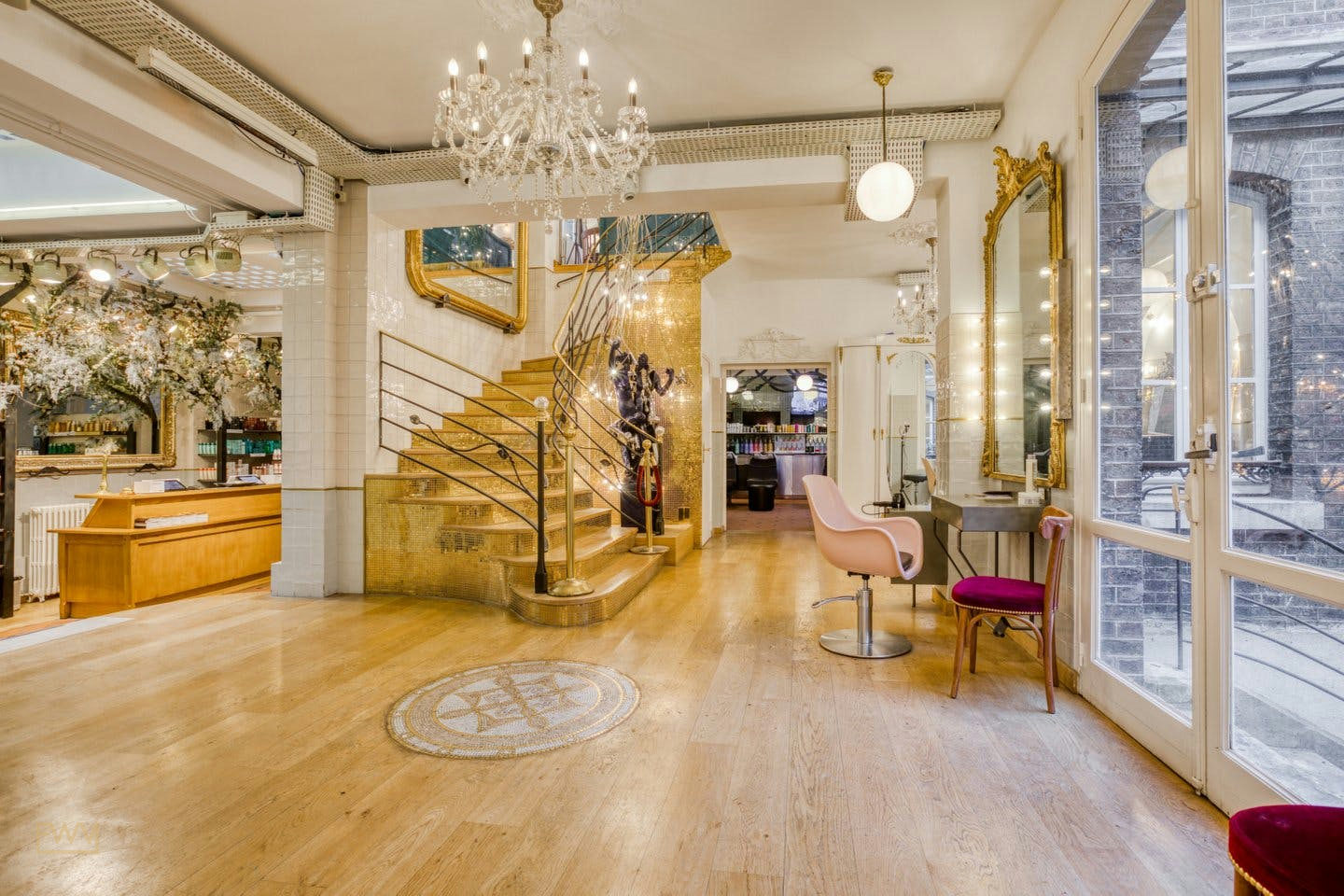
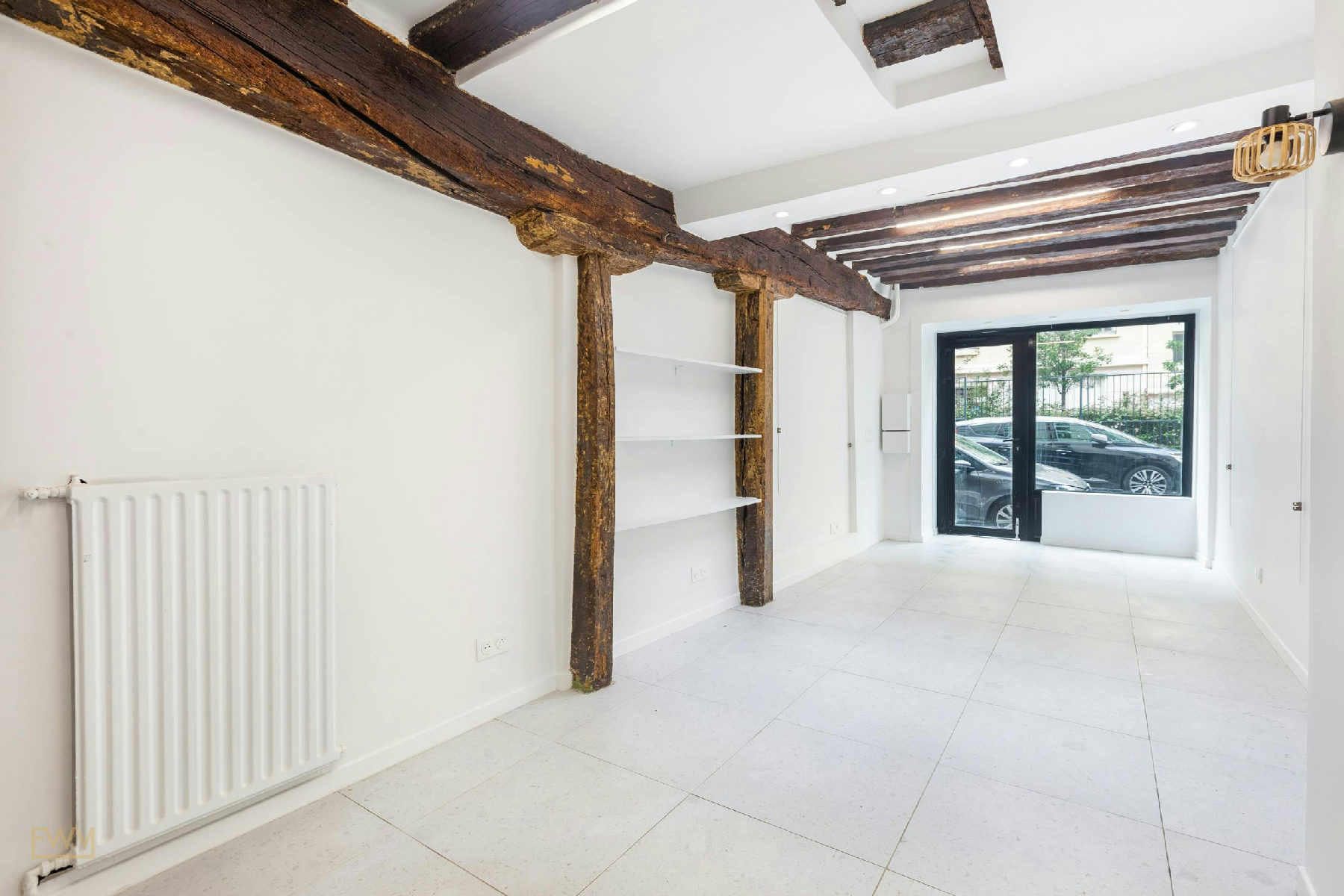
Paris pop-up spaces span a wide range of typologies. You will find raw industrial lofts with exposed brick walls and steel pillars in the eastern districts, Haussmann-era apartment showrooms with ornate mouldings in the 8th and 9th arrondissements, converted art galleries near Marais with vaulted cellars and beamed ceilings, and purpose-built commercial storefronts on prime pedestrian routes. Each typology serves a different brand positioning and activation objective.
The city hosts several major calendar moments that amplify the value of a physical presence. Paris Fashion Week, which occurs in both February or March and September or October, brings an enormous concentration of press, buyers, stylists, and influencers. Paris Design Week and FIAC, the international art fair, each create distinct windows of cultural attention that smart brands use to anchor their pop-up calendar. During these windows, foot traffic in the Opera district, Le Marais, Saint-Germain-des-Prés, and along rue Saint-Honoré increases substantially.
DID YOU KNOW: Paris Fashion Week is consistently ranked among the four most commercially influential fashion weeks globally, alongside New York, London, and Milan, drawing thousands of accredited buyers, press, and industry professionals to the city over a concentrated ten-day window.
The boutique éphémère model is also popular among direct-to-consumer brands testing physical retail for the first time, international brands entering the French market before committing to a permanent flagship, and creative studios using gallery or showroom formats to build client relationships and press exposure.
KEY TAKEAWAY: A pop-up store in Paris is not simply a sales tool. It is a brand communication, relationship-building, and market-testing instrument. The format is uniquely suited to Paris because the city concentrates press, buyers, cultural institutions, and fashion industry decision-makers within a relatively compact geography.
Understanding what type of space, what neighbourhood, and what calendar window serves your brand objective is the essential first step before you begin the rental process.
The Opera District: Why Rent a Pop-Up Store in Paris Opera
The Opera district encompasses the 2nd and 9th arrondissements and the eastern fringe of the 1st arrondissement, making it one of the most commercially active zones in central Paris. Renting a pop-up store here places your brand at the intersection of heritage architecture, luxury adjacency, and genuine urban foot traffic drawn by tourists, office workers, and local shoppers alike.
The Palais Garnier, the historic Paris Opera house, anchors the cultural identity of the district. Boulevard Haussmann, home to the department stores Galeries Lafayette and Printemps, runs through its heart. Rue de la Paix connects the district directly to Place Vendôme, the world's most prestigious jewellery and watchmaking address. Rue Saint-Honoré and its continuation as rue du Faubourg Saint-Honoré run to the west, linking Opera to the luxury corridor of the 8th arrondissement.
Quick answer: The Opera district in Paris is one of the city's highest foot traffic commercial zones, bordered by Place Vendôme to the west, the Grands Boulevards to the north, and the 1st arrondissement's rue de Rivoli corridor to the south. It offers brands a combination of tourist traffic, luxury adjacency, and strong transport links that make it particularly valuable for short-term retail activations.
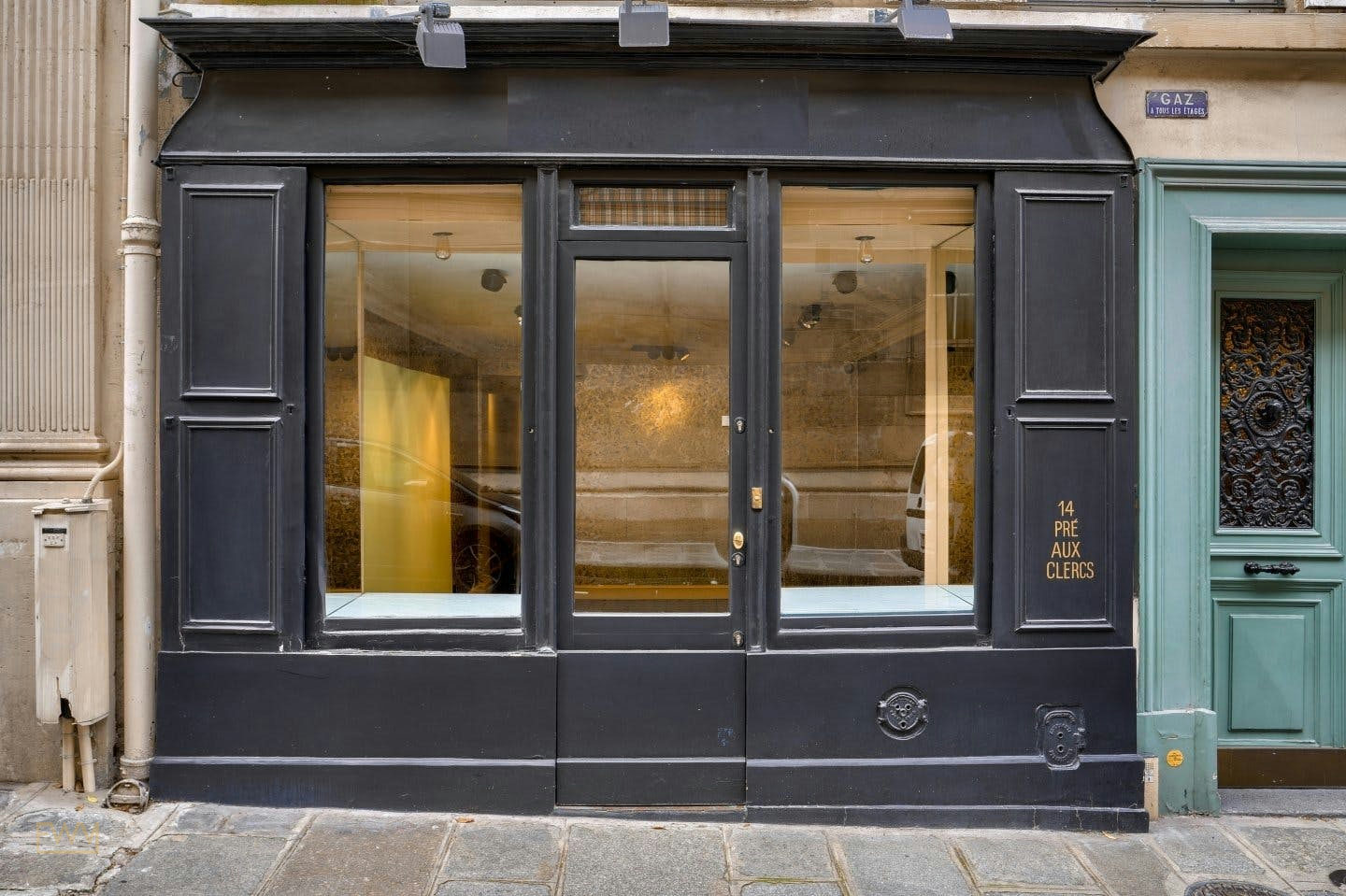
Space types available in the Opera district range from Haussmann-era ground-floor retail units with large window frontages, to upper-floor showroom apartments suitable for trade events and press presentations, to refurbished office spaces that can be transformed into branded environments. Spaces along rue Taitbout, rue du Quatre-Septembre, and near the Opéra Comique offer a blend of architectural character and commercial visibility.
Key Streets and Micro-Locations Within the Opera District
Rue Saint-Honoré and the western approach toward Place Vendôme represent the premium end of the Opera and 1st arrondissement market. Spaces on or adjacent to these streets command the highest rental rates and attract luxury and premium brands seeking proximity to established maisons. Rue de Rivoli, running along the northern edge of the Tuileries, provides a high-pedestrian alternative with consistent tourist and local foot traffic.
Boulevard des Capucines and Boulevard de la Madeleine serve as strong secondary corridors with a mix of retail, hospitality, and cultural venues. The Châtelet and République zones, while slightly east of the Opera core, offer more accessible rental rates and appeal to contemporary and lifestyle brands that want central Paris presence without the premium pricing of the luxury corridor.
Arts et Métiers, on the boundary between the 3rd arrondissement and the eastern edge of the Opera district's wider cultural geography, is popular with design-oriented brands, concept stores, and creative studios. The neighbourhood's industrial heritage buildings offer raw architectural backdrops suited to product launches and editorial shoots.
TIP: Brands presenting during Paris Fashion Week often prioritise spaces within a fifteen-minute walk of major press hotels and fashion week venues concentrated around the 8th and 9th arrondissements. Proximity to the Palais Garnier, Grand Palais, and Palais Royal reduces friction for buyers and press attending multiple appointments in a single day.
The Opera district also benefits from exceptional transport infrastructure. The major RER and metro interchange at Châtelet-Les-Halles, the Opera metro hub served by lines 3, 7, and 8, and the proximity of the Madeleine and Concorde stations all make the district accessible from every corner of the city and directly from both Charles de Gaulle and Orly airports.
KEY TAKEAWAY: Renting a pop-up store in the Opera district gives brands access to one of Paris's most commercially dense and architecturally prestigious zones, with direct adjacency to luxury retail corridors, strong transport links, and year-round foot traffic that peaks during fashion week and major cultural events.
Beyond Opera itself, many brands expanding their Paris activation strategy also look to Le Marais and Saint-Germain-des-Prés as complementary or alternative locations, each offering distinct audiences and architectural environments.
Le Marais: Paris's Most Dynamic Pop-Up Retail District
Le Marais, spanning the 3rd and 4th arrondissements, is consistently one of the most requested neighbourhoods for pop-up stores, showrooms, and gallery-format activations in Paris. Its combination of historic architecture, independent retail culture, strong international tourist footfall, and concentration of fashion, art, and design institutions makes it arguably the city's single most versatile pop-up destination.
The neighbourhood's streets are a study in contrasts. Rue des Francs-Bourgeois, the main commercial artery, is lined with concept stores, fashion boutiques, and galleries. Rue de Bretagne connects the district to the Carreau du Temple, a restored iron-and-glass market hall now used for events, exhibitions, and fashion presentations. Rue des Rosiers, the historic Jewish quarter street, has evolved into a shopping destination for locals and international visitors alike. Place des Vosges, the oldest planned square in Paris, anchors the southern Marais with galleries, restaurants, and cultural institutions under its arcades.
Quick answer: Le Marais is the best-known neighbourhood in Paris for pop-up retail because it combines historic Haussmann and pre-Haussmann architecture with a concentrated fashion and design audience, strong foot traffic from both local and international visitors, and a permissive culture that welcomes short-term retail and gallery-format activations from brands of all sizes and categories.
Space types in Le Marais are exceptionally varied. Galerie Joseph on rue Saint-Merri is one of the city's most celebrated event and exhibition spaces, known for its raw industrial volumes and flexible layout. Espace Turenne offers showroom and event space suited to fashion presentations. Numerous private apartments and maisonettes in the northern Marais function as intimate showrooms during fashion week. Vaulted cellars beneath centuries-old buildings provide atmospheric settings for immersive retail and installation work.
Architecture and Atmosphere in Le Marais Pop-Up Spaces
What distinguishes Marais spaces from those in the Opera district or Saint-Germain-des-Prés is the raw quality of many of the available venues. Exposed brick walls, original stone floors, heavy wooden beams, vaulted cellars, and the occasional courtyard with terrasse access give Marais spaces a photogenic quality that translates directly into social media content and editorial imagery. Brands launching products with strong visual identity, or presenting collections with a narrative tied to craft or heritage, find the Marais architectural vocabulary particularly effective.
The Musée Picasso and the Musée Carnavalet sit within the district, contributing to a cultural density that elevates the perception of any brand active in the neighbourhood. During FIAC and Paris Design Week, the Marais becomes a focal point for cultural tourism, generating additional foot traffic that benefits retail and gallery activations.
Spaces described as Photo Studio or Studio Photo Moderne in the Marais market typically feature high ceilings, north-facing windows or skylight configurations, and polished concrete or hardwood floors. These are increasingly sought by brands that want to combine a consumer-facing activation with editorial production during the same rental period.
IMPORTANT: Rental demand in Le Marais peaks sharply during Paris Fashion Week and during the FIAC and Paris Design Week calendar windows. Brands planning activations during these periods should begin their search and negotiation at least three to four months in advance to avoid being priced out or finding only secondary spaces available.
The Carreau du Temple, a short walk from the northern Marais, is popular for larger-format activations requiring flexible floor plates and loading access. Its industrial heritage and central location make it a viable alternative for brands that need more square metres than a typical Marais boutique or gallery can provide.
KEY TAKEAWAY: Le Marais offers the broadest spectrum of pop-up space typologies in Paris, from intimate apartment showrooms to large gallery lofts and industrial event spaces. Its architectural character, cultural density, and strong fashion week association make it the default choice for many brands entering the Paris market for the first time.
To compare the Opera district, Le Marais, and other key Paris neighbourhoods side by side, use the space comparison tool on Fashion Week Venues to evaluate locations against your brief, budget, and target audience.
Paris Pop-Up Neighbourhoods Compared: Opera, Marais, Vendôme, and Beyond
Paris offers a wide range of neighbourhoods suitable for pop-up retail, each with a distinct character, audience, price point, and architectural typology. Choosing the right location depends on your brand positioning, target consumer, budget, and the type of activation you are planning.
| Neighbourhood | Arrondissement | Best For | Typical Space Types | Foot Traffic Profile |
|---|---|---|---|---|
| Opera District | 2nd, 9th | Luxury, premium, fashion week showrooms | Haussmann retail, apartment showrooms, offices | High: tourists, office workers, shoppers |
| Le Marais | 3rd, 4th | Fashion, art, design, lifestyle, concept brands | Galleries, lofts, apartment showrooms, vaulted spaces | Very high: international tourists, fashion crowd |
| Place Vendôme and rue Saint-Honoré | 1st | Ultra-luxury, jewellery, couture, prestige launches | Flagship storefronts, private salons, Haussmann units | Premium: luxury shoppers, press, VIP visitors |
| Saint-Germain-des-Prés | 6th | Intellectual luxury, beauty, art, publishing, design | Boutique storefronts, galleries, bookshop spaces | High: affluent locals, cultural tourists |
| Champs-Élysées | 8th | Mass premium, international brand launches, beauty | Large format storefronts, flagship units | Very high: international mass tourism |
| République and Canal Saint-Martin | 10th, 11th | Streetwear, contemporary, independent, youth brands | Industrial lofts, concept spaces, warehouse units | Moderate to high: young local and creative crowd |
| Arts et Métiers | 3rd | Design, craft, product launches, editorial | Industrial, workshop spaces, raw concrete lofts | Moderate: design and creative community |
This comparison reflects general market positioning rather than fixed pricing tiers. Rental rates within each neighbourhood vary considerably based on surface area in square metres, floor level, access type, architectural quality, and the specific street or micro-location within the arrondissement.
Quick answer: The Opera district, Le Marais, rue Saint-Honoré, and Saint-Germain-des-Prés are the four most sought-after neighbourhoods for pop-up retail in Paris. Each serves a different brand profile. Opera and Vendôme suit luxury and premium brands. Marais suits fashion, art, and design brands. Saint-Germain serves intellectual luxury and beauty. République and Canal Saint-Martin serve emerging and streetwear brands.
Brands entering Paris for the first time often underestimate how much micro-location matters within a single neighbourhood. Being on the pedestrian side of a street, having a window frontage on a high-traffic route, or being within sight of a recognisable cultural landmark can significantly affect the volume and quality of organic visitor traffic to your activation.
TIP: Before finalising a location, visit the space at different times of day, including weekday evenings and weekend afternoons, to assess the actual pedestrian rhythm of the street. A space that appears central on a map may sit on a quieter secondary street with limited passing trade.
KEY TAKEAWAY: Paris is not a single retail market. It is a collection of distinct micro-markets, each with its own cultural identity, consumer profile, and space typology. Matching your brand to the right neighbourhood is as important as finding the right space within that neighbourhood.
Space Types Available for Pop-Up Rental in Paris
Understanding the different space types available for short-term rental in Paris helps brands shortlist effectively and align their space brief with their activation concept. The Paris market offers an unusually diverse range of venue typologies, from purpose-built commercial storefronts to historic apartment showrooms, galleries, and industrial lofts.
Retail Storefronts and Boutiques
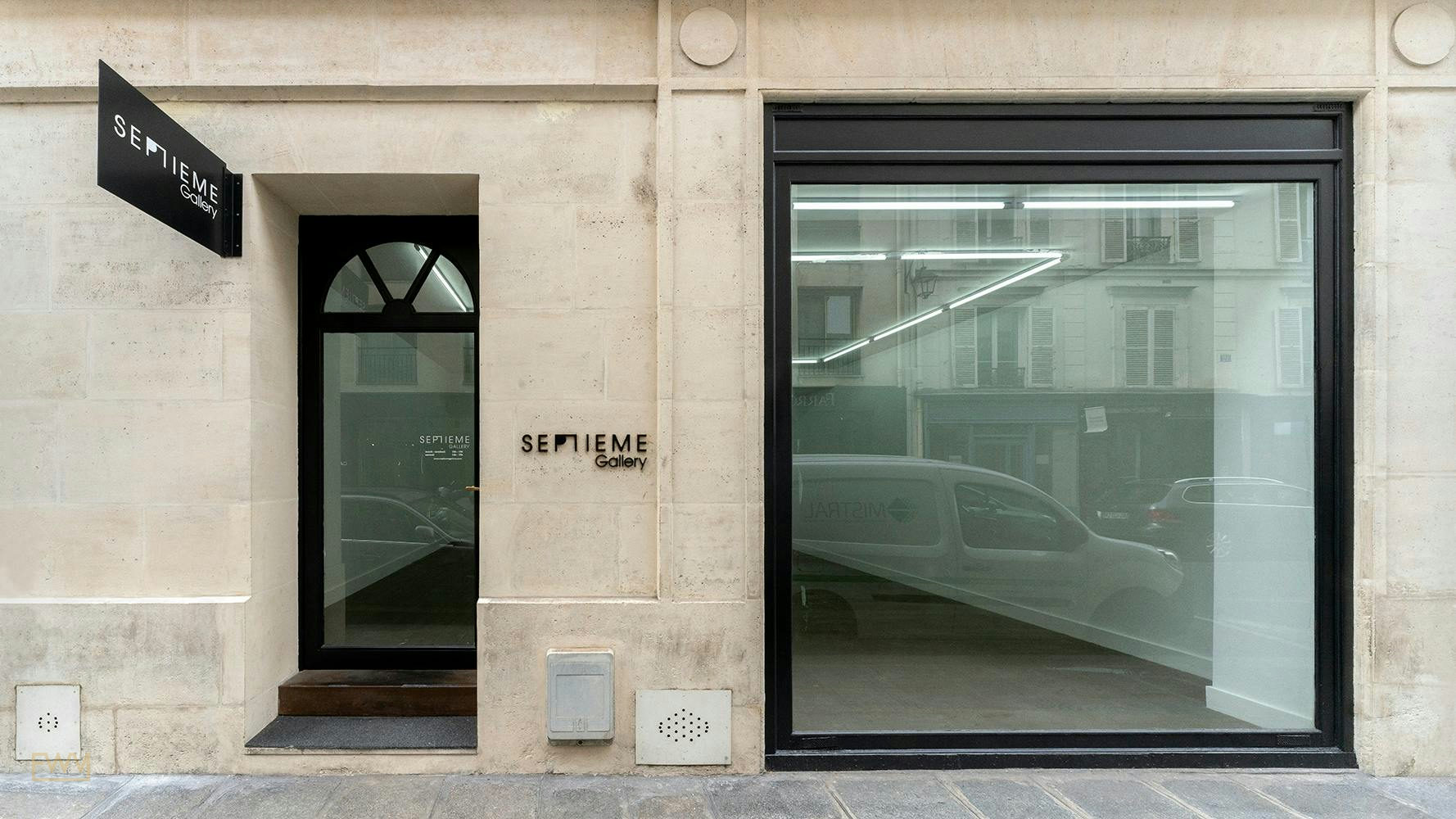
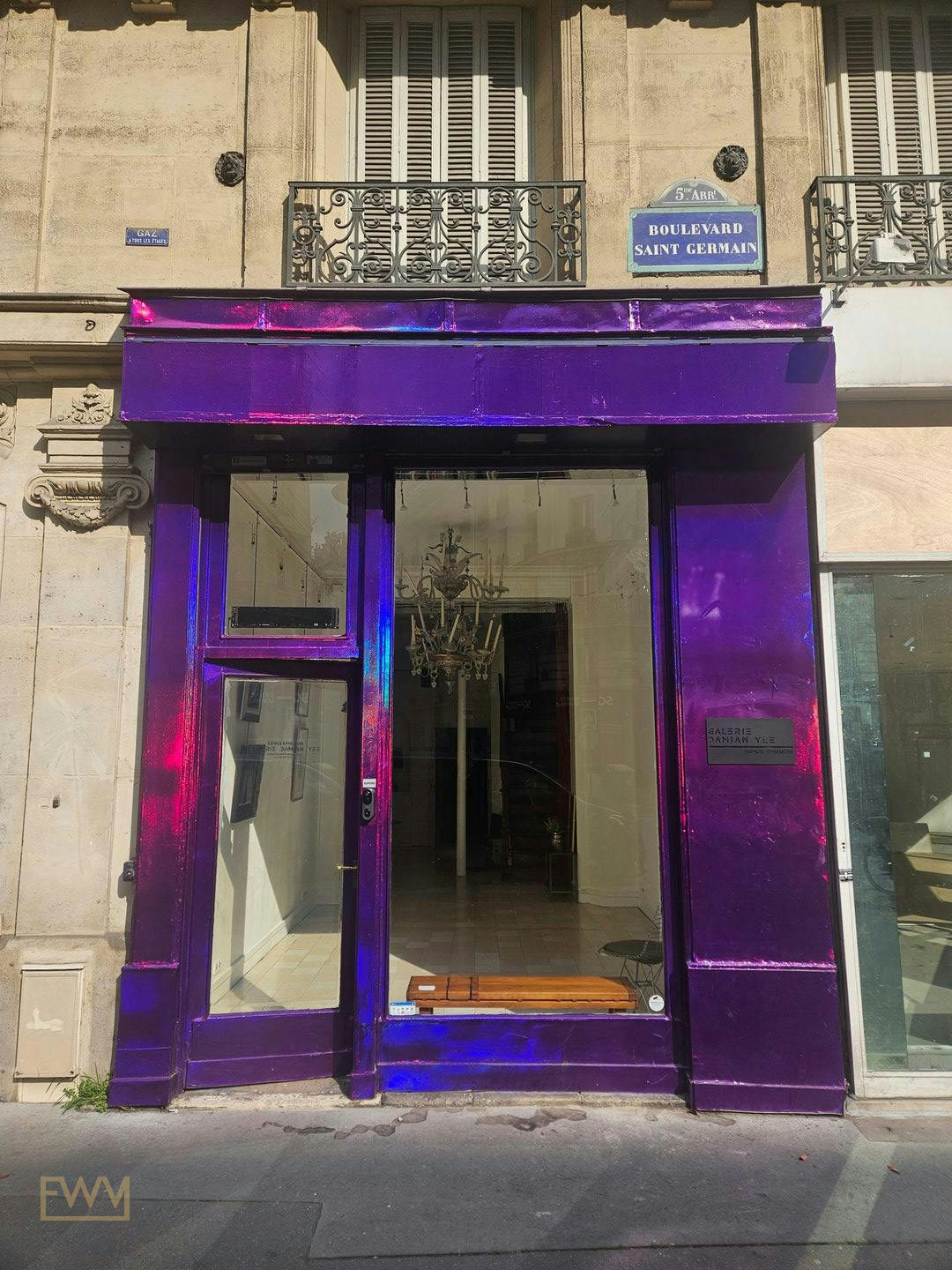
Traditional ground-floor retail units with street-facing window displays are the most recognisable pop-up format. In neighbourhoods like rue Saint-Honoré, rue de Bretagne, and the Marais, these spaces typically range from small boutique footprints of around 30 to 60 square metres to larger units exceeding 200 square metres. They often come with existing shop fittings, POS infrastructure, and lighting rigs, though many brands choose to strip and refit for a fully branded environment.
Fashion Showrooms and Apartment Spaces
Upper-floor apartment and showroom spaces are particularly popular during fashion week for trade presentations, press days, and buyer appointments. These spaces, often found in Haussmann buildings with ornate architectural detailing, create an intimate and brand-controlled environment distinct from street-level retail. They are suited to ready-to-wear, accessories, jewellery, and beauty brands seeking a curated presentation format rather than a consumer-facing sales environment.
Art Galleries and Exhibition Spaces
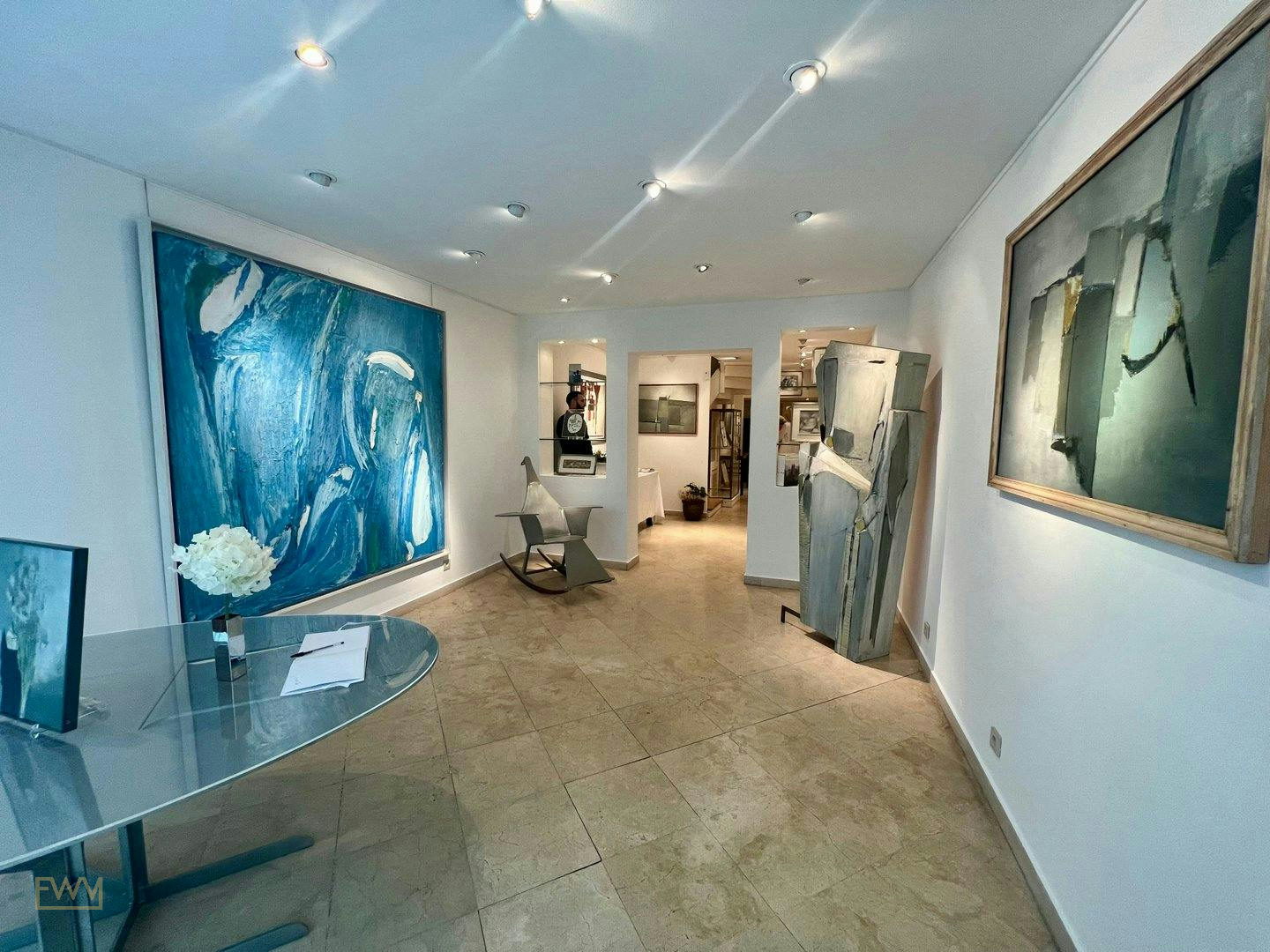
Gallery spaces in the Marais, Saint-Germain-des-Prés, and around the Opera district offer clean, flexible volumes with high ceilings, polished concrete or hardwood floors, and professional lighting infrastructure. Galerie Joseph on rue Saint-Merri is among the most recognised examples. These spaces work particularly well for brands that want to blur the boundary between retail, art, and cultural programming, creating immersive brand environments that generate editorial coverage and social media content.
Industrial Lofts and Workshop Spaces
Raw industrial spaces with exposed raw concrete floors, steel pillars, and brick walls are concentrated in the eastern arrondissements, around Arts et Métiers, République, and Canal Saint-Martin. These spaces suit brands with strong visual identity that want an unmediated architectural backdrop for their products, particularly useful for product launches, editorial shoots, and streetwear or design brand activations.
Photo Studios and Dual-Purpose Spaces
Studio Photo Moderne and similarly positioned photo studio spaces in Paris offer brands the opportunity to combine consumer-facing retail or exhibition activity during the day with production shoots using the same space in off-hours. The practical efficiency of this dual-use model has made photo studio rental an increasingly popular option for small to mid-size brands with limited activation budgets.
| Space Type | Typical Use | Common Neighbourhoods | Key Features |
|---|---|---|---|
| Retail Storefront | Direct-to-consumer sales, product launches | Marais, Saint-Honoré, Saint-Germain | Window display, street access, POS points |
| Apartment Showroom | Trade presentations, press days, buyer appointments | Opera, Marais, 8th arrondissement | Haussmann detailing, private atmosphere, natural light |
| Art Gallery | Immersive brand activations, exhibitions, launches | Marais, Saint-Germain, Opera | High ceilings, flexible layout, track lighting |
| Industrial Loft | Product launches, streetwear, design brands | Arts et Métiers, République, Canal | Raw concrete, beams, brick walls, large floor plates |
| Photo Studio | Dual retail and production use | Marais, 10th, 11th arrondissements | Professional lighting, neutral finishes, loading access |
| Courtyard and Terrasse | Seasonal activations, hospitality, events | Marais, Saint-Germain, Opera | Outdoor access, visual impact, flexible use |
KEY TAKEAWAY: Paris offers a broader range of pop-up space typologies than almost any other European city. Matching your space type to your activation format, brand positioning, and target audience is as important as choosing the right neighbourhood. A brand presenting to trade buyers has very different space requirements from a brand seeking to generate direct consumer sales or social media content.
To explore and compare specific space types across Paris arrondissements, the Fashion Week Venues space marketplace allows you to filter by space type, neighbourhood, size, and availability window.
How Much Does It Cost to Rent a Pop-Up Store in Paris Opera and Le Marais
Rental rates for pop-up stores in Paris vary considerably based on neighbourhood, space type, surface area, duration, and the specific street location within an arrondissement. Providing a single definitive price is not possible without a specific brief, but understanding the factors that drive cost helps brands plan realistic budgets before beginning their search.
Quick answer: Pop-up rental rates in Paris are influenced by neighbourhood prestige, space size in square metres, duration, space type, and calendar timing. Prime locations on rue Saint-Honoré or Place Vendôme command significantly higher rates than equivalent-sized spaces in the eastern Marais or Arts et Métiers district. Short durations of one week or less typically carry a premium per-day rate compared to month-long agreements.
The main cost drivers for a Paris pop-up rental include the base space rental rate, which is typically quoted per day or per week for short-term agreements. On top of the base rate, brands should budget for fit-out and production costs, furniture rental if the space is not furnished, staffing, insurance, permits where required, and operational costs such as Bluetooth sound systems, POS setup, and cleaning.
Duration has a significant effect on total cost and per-day rate. Very short activations of two to three days tend to carry the highest per-day rates, as landlords factor in the administrative and preparation costs of a short tenancy. Week-long and month-long agreements typically offer better per-day economics. Some spaces in the Marais market, including smaller boutique units and gallery spaces, are specifically designed for short-term rental and priced accordingly.
Calendar timing is another major cost variable. Spaces in proximity to fashion week venues, buyer hotels, and press headquarters command premium rates during the Paris Fashion Week windows in February or March and September or October. Brands booking outside these peak windows often find significantly more flexibility on price and availability, which can make off-peak activations an attractive option for market testing or direct-to-consumer sales campaigns.
IMPORTANT: Do not rely on aggregated marketplace estimates alone when budgeting for a Paris pop-up. The total cost of a successful activation typically includes space rental, fit-out and production, staffing, insurance, marketing support, permits, and logistics. Brands that budget only for the rental rate often underestimate the true total investment required. Use the Fashion Week Venues budget calculator to model a realistic total activation budget.
Insurance is a mandatory consideration for any Paris pop-up activation. Most landlords require proof of adequate liability and contents insurance before handing over keys. The cost of short-term event insurance in France varies based on space size, duration, and the nature of activities taking place, and should be factored into your budget from the outset.
Operational costs within the space also accumulate. High-quality merchandising fixtures, Bluetooth sound systems, branded display furniture, and professional lighting setups all contribute to the overall spend. Brands that opt for fully raw industrial or gallery spaces face higher fit-out costs than brands renting spaces with existing commercial infrastructure.
KEY TAKEAWAY: The rental rate for a Paris pop-up space is only one component of the total activation budget. Brands should model full costs including fit-out, staffing, permits, insurance, and marketing from the outset. Planning tools and specialist agencies can significantly reduce the risk of budget overruns.
How to Rent a Pop-Up Store in Paris: A Step-by-Step Process
Renting a pop-up store in Paris, particularly in the Opera district or Le Marais, involves a sequence of decisions and logistics that are distinct from renting commercial space in most other markets. Understanding the process before you begin saves time, reduces costs, and significantly improves the likelihood of a successful activation.
| Step | Action | Key Considerations |
|---|---|---|
| 1 | Define your objective | Are you selling, exhibiting, testing a concept, or meeting press and buyers? This determines space type and neighbourhood. |
| 2 | Set your calendar window | Fashion week periods, FIAC, Paris Design Week, or off-peak dates each have different availability and pricing implications. |
| 3 | Establish your budget | Model the full activation budget including space rental, fit-out, staffing, insurance, permits, and marketing. |
| 4 | Identify target neighbourhoods | Match your brand positioning to the correct arrondissement and micro-location. |
| 5 | Browse and compare spaces | Filter by size, type, neighbourhood, and availability. Visit shortlisted spaces in person where possible. |
| 6 | Negotiate terms and sign agreement | Understand bail dérogatoire and autorisation d'occupation temporaire frameworks. Take specialist legal advice. |
| 7 | Secure permits and insurance | Requirements vary by space type, duration, and arrondissement. Start this process early. |
| 8 | Plan fit-out and logistics | Confirm how products will be transported to the space, who will manage reception, and whether additional furniture is needed. |
| 9 | Staff the activation | Identify French-speaking front-of-house staff, security if required, and brand ambassadors. |
| 10 | Communicate the activation | Prepare social media content, press outreach, influencer invitations, and any advertising supporting the launch. |
Defining your objective before searching for space is the single most important step. A brand opening a consumer-facing pop-up shop to drive sales needs a different space from a brand hosting a trade showroom for buyers, which in turn differs from a brand staging a private exhibition or press preview. Confusing these objectives at the start of the process leads to misaligned space choices that underperform.
Legal Agreements for Short-Term Retail Space in Paris
France's commercial property law gives landlords and tenants relatively limited flexibility under a standard bail commercial, which typically requires a minimum nine-year term. For short-term activations, two alternative legal frameworks are commonly used.
A bail dérogatoire, also known as a bail précaire, is a short-term commercial lease that operates outside the standard nine-year framework. It is available for terms of up to three years and allows brands to occupy commercial space without acquiring the long-term rights of a standard tenant. This is the most common legal vehicle for pop-up retail agreements in Paris.
An autorisation d'occupation temporaire, or AOT, is used for occupying public or semi-public space for temporary events and installations. This framework applies to pop-ups in public markets, cultural institutions, and certain civic spaces. Requirements for AOTs vary by arrondissement and by the nature of the occupancy.
IMPORTANT: Short-term lease frameworks in France involve specific legal protections and obligations that are not always apparent from the space listing alone. Requirements vary by space type, duration, and arrondissement. Always verify your specific agreement with a qualified French legal advisor. Use the Fashion Week Venues permits tool for initial guidance on permit and compliance requirements for your activation type.
Logistics: Products, Furniture, Staffing, and Communication
Once you have secured a space, the logistical preparation phase begins. Brands frequently underestimate the time and complexity involved in transporting products to a Paris pop-up space, particularly if the space has limited loading access or is on an upper floor of a building without a service lift.
Additional furniture rental is often required even in furnished spaces, because brand-specific merchandising fixtures, display plinths, and branded furniture are central to the visual identity of the activation. Some brands use a combination of rented furniture and custom-built elements fabricated on-site during the fit-out period.
Staffing the activation requires identifying French-speaking front-of-house staff with retail or hospitality experience, security personnel if the space or product value requires it, and brand representatives capable of hosting press, buyers, and VIP guests. For fashion week activations, a guard or security solution is standard for any space handling high-value products.
Communication around the activation should be planned in parallel with the space logistics. Social media content calendars, press invitations, influencer outreach, and any paid advertising supporting the opening should be prepared before the space is live, not after.
KEY TAKEAWAY: A successful Paris pop-up activation is the product of coordinated decisions across space, legal, logistics, staffing, and marketing workstreams. Brands that treat these as sequential rather than parallel tasks typically face delays, cost overruns, and underperformance against their objectives.
Paris Fashion Week and the Pop-Up Calendar: Timing Your Activation
Paris Fashion Week is the single most commercially important calendar window for pop-up retail and showroom activations in the city. The February or March edition covers womenswear and the September or October edition covers the following season, with menswear weeks occurring in January and June. Each window concentrates an extraordinary density of press, buyers, stylists, photographers, influencers, and brand decision-makers in a geographically compact area of central Paris.
Quick answer: Paris Fashion Week creates the highest concentration of industry audience for pop-up stores and showrooms in Paris, making it the most commercially attractive window for brand activations targeting press, buyers, and influencers. However, demand for prime spaces during fashion week peaks sharply, with availability narrowing and rates rising significantly compared to off-peak periods. Brands should begin their search three to four months before their target fashion week window.
Beyond fashion week, Paris Design Week in September and FIAC, the international art fair typically held in October, create secondary peaks of cultural tourism and industry attention that benefit brands in design, art, and luxury categories. Brands in the beauty, wellness, and lifestyle categories sometimes prefer to activate during these windows rather than competing directly with fashion brands during fashion week.
Off-peak activations, particularly in November through January and May through July, offer brands substantially more availability and pricing flexibility. The absence of fashion week pressure means brands can secure better located and better-sized spaces for longer durations at lower rates, making off-peak periods well suited to market testing, community building, and direct-to-consumer sales campaigns where the brand itself generates the audience rather than relying on ambient fashion week foot traffic.
DID YOU KNOW: Several brands active in the Paris market deliberately schedule their most ambitious pop-up activations outside fashion week, precisely to avoid competing for attention with the hundreds of brand events, presentations, and parties that fill the fashion week calendar. An activation during a quieter window can generate more focused press attention and consumer engagement.
The Fashion Week Venues timeline planning tool helps brands map their activation calendar against key Paris industry dates, ensuring that space availability, fit-out periods, and operational windows align with their target audience's presence in the city.
KEY TAKEAWAY: Paris Fashion Week is the highest-value but most competitive window for pop-up retail and showroom activations. Off-peak windows offer better availability and pricing but require brands to generate their own audience. Matching your calendar window to your brand objective and budget is essential.
Permits, Insurance, and Compliance for Paris Pop-Up Stores
Operating a pop-up store in Paris involves navigating a set of legal, regulatory, and insurance requirements that differ meaningfully from those in other European markets. Understanding these requirements before signing a lease or booking a space prevents costly delays and ensures your activation operates legally throughout its duration.
The primary legal vehicle for most short-term pop-up rentals in Paris is the bail dérogatoire, which allows commercial occupancy for up to three years without triggering the standard protections of a long-term bail commercial. This agreement must be correctly drafted and executed to ensure it remains legally valid as a dérogatoire rather than defaulting to a standard commercial lease.
For events in public or semi-public spaces, including pop-ups in covered markets, public squares, or within cultural institutions, an autorisation d'occupation temporaire may be required from the relevant municipal authority or institution. The requirements for these authorisations vary by arrondissement and by the specific type of activity planned.
Insurance is a non-negotiable requirement for virtually all Paris pop-up rentals. Most landlords require brands to provide a certificate of liability insurance covering the rental period before access is granted. This typically includes general liability coverage, contents insurance for the brand's products and equipment, and in some cases event cancellation coverage. Brands should work with an insurer familiar with the French short-term commercial rental market to ensure their coverage meets landlord and legal requirements.
IMPORTANT: Local regulations governing retail trading hours, noise levels, public access, and product categories vary across Paris arrondissements and specific streets. Brands selling products subject to specific regulations, including food and beverage, tobacco, pharmaceuticals, or financial services, face additional compliance requirements. Always verify your specific situation with a qualified French legal advisor and the relevant local authority. The permits tool on Fashion Week Venues provides initial guidance for the most common activation types.
Security is a practical requirement for any activation handling high-value products, celebrity guests, or significant cash or card transaction volumes. A professional security service or guard solution appropriate to the space and activation type should be factored into the operational plan from the outset.
KEY TAKEAWAY: Permit, insurance, and compliance requirements for Paris pop-up stores are specific, variable by arrondissement and space type, and non-trivial to navigate without specialist support. Engaging legal, insurance, and agency expertise early in the planning process is a cost-effective way to avoid delays and risks that could compromise your activation.
How Fashion Week Venues Helps Brands Rent Pop-Up Stores in Paris
Fashion Week Venues is a full-service pop-up shop agency and space marketplace with Paris as its primary market. The platform and agency model is designed specifically to help brand teams, creative directors, retail strategists, and event producers navigate the complexity of renting and activating pop-up spaces in Paris and other major fashion capitals.
For brands seeking to rent a pop-up store in the Opera district, Le Marais, or any other Paris neighbourhood, Fashion Week Venues offers a combination of curated space discovery and end-to-end activation support that eliminates many of the information gaps and logistical challenges that brands face when approaching the Paris market independently.
Space Discovery and Venue Sourcing
The Fashion Week Venues marketplace lists available spaces across Paris's key pop-up neighbourhoods, filterable by space type, size, arrondissement, and availability window. The venue sourcing service goes beyond marketplace browsing, with specialist consultants actively identifying and approaching spaces that match a brand's specific brief, including off-market spaces that never appear on public listings.
Concept, Production, and Activation Services
Beyond space finding, Fashion Week Venues offers concept direction, production and build, branded store design, furniture rental, retail staffing, POS and payments setup, and full activation management. This service model means brands can engage Fashion Week Venues at whatever level of support they require, from space-only sourcing through to a fully managed end-to-end activation where the agency handles every operational workstream.
The activate service covers on-the-ground operational management during the pop-up period itself, including reception management, visitor flow, event programming, and reporting. This is particularly valuable for international brands activating in Paris without a permanent local team, or for brands running simultaneous activations in multiple cities during fashion week.
Tools for Planning, Budgeting, and Decision-Making
Fashion Week Venues has developed a suite of planning tools specifically for brands evaluating Paris pop-up activations. The budget calculator helps brands model realistic total activation costs. The ROI calculator estimates expected returns against investment for different activation formats and durations. The timeline tool maps the critical path from initial brief to activation day. The locator tool visualises available spaces against key Paris landmarks, transport nodes, and industry event venues.
The imagine tool provides space visualisation capability for brands that want to conceptualise how a specific space will look once branded and fitted out before committing to a rental agreement. The build planning tool supports brands managing their own fit-out process with a structured project management framework.
Who Benefits Most From Fashion Week Venues
Fashion Week Venues is most useful for international brands entering the Paris market for the first time, brands with limited local Paris infrastructure, creative teams that need a trusted partner to translate their brand vision into a physical space, and event producers managing complex multi-city fashion week activations. The platform is also valuable for brands that want to run simultaneous pop-up activations in Paris and another fashion capital, using the twin co-activation concept offered by Fashion Week Venues.
TIP: If you are considering your first Paris pop-up activation, review the guide to hiring a pop-up agency before deciding whether to manage the activation independently or with agency support. The guide outlines the scenarios where agency expertise delivers the most measurable value.
KEY TAKEAWAY: Fashion Week Venues operates as both a curated space marketplace and a full-service agency, making it relevant at every stage of the Paris pop-up activation journey. Brands can engage the platform for space discovery only or for comprehensive end-to-end support, depending on their internal capabilities and budget.
Brand Activation Strategies for Paris Pop-Up Stores
Renting the right space is necessary but not sufficient for a successful Paris pop-up activation. The most effective brand activations combine a well-chosen location with a coherent concept, a targeted communication strategy, and operational execution that delivers on the brand's promises to visitors, press, and buyers.
Brand positioning in the space is a fundamental strategic decision. A brand that presents itself as a crafted, heritage-led label should ensure that its space, fixtures, merchandising approach, and ambient environment all reinforce that narrative. A brand that positions itself as contemporary and digitally native should create an environment that generates shareable content, with spatial planning and lighting designed for social media imagery and video.
Concept and Artistic Direction
The concept for a Paris pop-up should be developed before the space is selected, not after. A coherent creative concept informs which space typology, which neighbourhood, which architectural vocabulary, and which spatial planning approach will serve the brand most effectively. Brands that begin by finding a space and then try to impose a concept on it often end up with activations that feel incoherent or generic.
Artistic direction for a Paris pop-up encompasses the selection of furniture, fixtures, and meubles, the merchandising strategy, the ambient sound design including Bluetooth sound system setup, lighting, scent, and any installation or art elements integrated into the space. For fashion brands, the relationship between product display and spatial narrative is particularly important. Products should feel like they belong in the space, not like they have been placed in a neutral showroom.
Communicating Your Pop-Up
A Paris pop-up activation generates value only if the right people know it exists. Communication strategy should be planned in parallel with space and operational planning, not as an afterthought. Key communication channels for Paris pop-up stores include social media content calendars beginning two to three weeks before opening, targeted press outreach to fashion, lifestyle, and culture editors at Parisian and international publications, influencer invitations to preview events or opening days, and email communication to existing clients and wholesale partners.
Collaborations with complementary brands, local galleries, or cultural institutions can significantly amplify the reach of a Paris pop-up activation. A private exhibition, a workshop series, or a co-branded event creates news hooks that a straightforward retail opening does not. These collaborative formats are particularly effective in the Marais, where the neighbourhood's cultural density makes cross-disciplinary programming feel natural rather than forced.
Testimonials and case studies from previous Paris activations serve as powerful credibility signals for brands presenting the concept to stakeholders, investors, or wholesale partners. Documenting the activation through professional photography and video content, with content structured for both social media and press use, maximises the long-term value of the investment.
KEY TAKEAWAY: The most successful Paris pop-up activations integrate space, concept, operational execution, and communication into a coherent whole from the outset of planning. Brands that treat these as separate tracks often underdeliver against the potential of their Paris presence.
To review examples of how brands have activated in Paris and other fashion capitals, explore the Fashion Week Venues work section for case studies and activation showcases.
Common Myths About Renting a Pop-Up Store in Paris
MYTH: You need a French legal entity to rent a pop-up space in Paris.
FACT: Many short-term pop-up rental agreements in Paris, particularly under a bail dérogatoire framework or through a pop-up marketplace intermediary, can be executed by international brands without a registered French entity. Requirements vary by landlord, space type, and agreement structure. Some landlords do require a French company or guarantor, which is why working with a specialist agency or marketplace that understands the local market significantly reduces this friction. Always take qualified French legal advice for your specific situation.
MYTH: Paris Fashion Week is the only viable calendar window for a Paris pop-up store.
FACT: While Paris Fashion Week offers the highest concentration of industry audience, off-peak windows including May through July and November through January offer substantially better space availability, more favourable rental rates, and reduced competition for press and consumer attention. Direct-to-consumer brands, beauty labels, and lifestyle concepts often perform strongly in off-peak periods. Paris attracts significant tourist footfall year-round, ensuring a viable consumer audience outside fashion week windows.
MYTH: Commission brokers are the only reliable way to find a pop-up space in Paris.
FACT: The Paris short-term retail market has evolved considerably, with dedicated pop-up space marketplaces, specialist agencies, and curated platforms now providing transparent access to spaces across all major arrondissements. Brands no longer need to rely exclusively on commission-based property brokers, who may have limited visibility of the short-term rental market. Specialist pop-up platforms provide better category-specific knowledge, more transparent pricing, and operational support that goes beyond pure space introduction.
MYTH: Short-term leases in France are legally straightforward and do not require specialist advice.
FACT: French commercial property law is specific and technically complex. The bail dérogatoire framework that underpins most short-term pop-up agreements has precise requirements that, if not met, can result in the agreement defaulting to a standard nine-year commercial lease, with significant consequences for both landlord and tenant. The autorisation d'occupation temporaire framework for public and semi-public spaces has its own procedural requirements. All short-term lease agreements in Paris should be reviewed by a qualified French legal advisor before signing.
MYTH: Le Marais is the right location for every fashion brand in Paris.
FACT: Le Marais is the most widely known fashion pop-up neighbourhood in Paris, but it is not universally the best choice. Ultra-luxury brands seeking proximity to their natural consumer and peer environment are typically better served by the rue Saint-Honoré corridor or Place Vendôme adjacency. Contemporary and streetwear brands targeting a younger Parisian consumer may find République, Canal Saint-Martin, or the eastern arrondissements more authentic and cost-effective. Brand positioning, target consumer, and activation format should always drive neighbourhood selection over name recognition alone.
Frequently Asked Questions
What are the most sought-after locations for renting a pop-up shop in Opera, Paris?
The most in-demand micro-locations within the Opera district include streets adjacent to Place Vendôme and rue Saint-Honoré for luxury and premium brands, the Boulevard Haussmann corridor near Galeries Lafayette and Printemps for brands seeking mass premium foot traffic, and streets around the Palais Garnier itself for brands wanting strong cultural adjacency. Rue Taitbout, rue du Quatre-Septembre, and the streets surrounding the Opéra Comique offer a blend of architectural character and commercial visibility that appeals to fashion and design brands. Proximity to major metro stations on lines 3, 7, and 8 is a key practical consideration for press and buyer accessibility during fashion week activations.
How much does it cost to rent a pop-up shop in Opera, Paris?
Rental rates in the Opera district vary significantly based on the specific street, space size in square metres, floor level, architectural quality, and rental duration. Spaces in premium locations adjacent to rue Saint-Honoré and Place Vendôme command the highest rates in central Paris. Spaces on secondary streets within the Opera district offer more accessible pricing. The total cost of a pop-up activation also includes fit-out, staffing, insurance, and operational costs beyond the base rental rate. Use the Fashion Week Venues budget calculator to model realistic total activation costs for your specific brief, space type, and duration.
What are the benefits of renting a pop-up shop in Opera, Paris for a brand?
Renting a pop-up store in the Opera district offers several strategic advantages. The district combines genuine commercial foot traffic from tourists, office workers, and local shoppers with proximity to the luxury retail corridors of rue Saint-Honoré and Place Vendôme. For fashion brands, the Opera district's location within walking distance of major press hotels and fashion week venues makes it highly accessible for buyers and editors during fashion week. The district's Haussmann architecture provides prestigious and photogenic settings for both consumer-facing activations and trade presentations. Its exceptional transport connections via multiple metro and RER lines also reduce friction for all visitor types.
What is the ideal duration to rent a pop-up shop in Opera, Paris?
The ideal duration depends entirely on the brand's objective. For fashion week showroom and trade presentations, one to two weeks aligned with the fashion week schedule is typically sufficient. For direct-to-consumer brand launches targeting both press exposure and sales, two to four weeks provides enough runway to build awareness, generate editorial coverage, and convert visiting consumers. For market testing, one to three months allows a brand to gather meaningful retail performance data and consumer feedback. Shorter durations of two to three days are viable for product launches and event-format activations but carry higher per-day rental costs and require very focused communication investment to justify the expenditure.
How do I find pop-up retail spaces in Le Marais?
Finding pop-up retail spaces in Le Marais can be done through specialist pop-up space marketplaces, direct approaches to property owners and management companies familiar with short-term rental agreements, and through specialist agencies with established relationships in the neighbourhood. The Marais market has a significant off-market component, with some of the most sought-after spaces available only through agency or personal introduction. Brands seeking specific space types, sizes, or street locations in Le Marais benefit from working with a specialist who has active knowledge of what becomes available, when, and at what rates. The Fashion Week Venues marketplace and venue sourcing service cover the Marais market comprehensively.
What types of brands use pop-up spaces in Le Marais?
Le Marais attracts an exceptionally diverse range of brand categories. Ready-to-wear fashion labels, both emerging and established, use the neighbourhood for press showrooms, seasonal sales pop-ups, and fashion week presentations. Jewellery, accessories, and luxury goods brands are drawn to the neighbourhood's concentration of culturally engaged affluent consumers. Beauty brands, particularly those with strong visual identity and artisan or ingredient-focused narratives, use gallery and boutique spaces in the Marais to build direct relationships with their target audience. Art, design, and craft brands leverage the neighbourhood's cultural density and proximity to institutions like the Musée Picasso for gallery-format activations. International brands entering the French market for the first time frequently choose the Marais as their launch neighbourhood due to its international name recognition and fashion-forward reputation.
What permits are required for a pop-up store in Paris?
Permit requirements for pop-up stores in Paris depend on the type of space, the duration of occupancy, the nature of activities planned, and the specific arrondissement. For most commercial pop-up activations in private space, the primary legal framework is the bail dérogatoire, which does not require a separate trading permit but does require a correctly executed short-term lease agreement. Activations involving public space, food and beverage service, outdoor terrasse use, or activities in regulated categories may require additional authorisations from the relevant municipal authority. Noise, signage, and public access regulations also vary by location. The Fashion Week Venues permits tool provides initial guidance, and a qualified French legal advisor should review your specific situation before you commit to a space.
Do I need a French company to rent a pop-up space in Paris?
Not necessarily. Many short-term pop-up agreements in Paris can be executed by international brands operating through their home company entity, particularly where the agreement is structured as a licence or short-term dérogatoire rather than a standard commercial lease. Some landlords require a French entity or guarantor, especially for higher-value spaces or longer durations. Working with a specialist marketplace or agency that has existing landlord relationships can significantly reduce this friction by providing the legal and commercial context that makes international brands credible counterparties to French landlords. Always take qualified French legal advice for your specific agreement and corporate structure.
Are pop-up stores common in Paris?
Yes. Paris has one of the most developed short-term retail markets in Europe, with a well-established ecosystem of pop-up spaces, boutiques éphémères, showroom rentals, and gallery-format activations spanning every major arrondissement. The city's fashion week calendar, cultural event programme, and international tourism base create year-round demand for temporary retail and brand activation spaces. The Marais, rue Saint-Honoré corridor, Saint-Germain-des-Prés, and the Opera district all have established infrastructures for short-term rental. The format is used by brands ranging from major luxury houses conducting invitation-only press presentations to independent designers selling directly to consumers for the first time.
What is the difference between a pop-up store and a showroom in Paris?
A pop-up store in Paris is primarily a consumer-facing or public-facing temporary retail space, designed to generate direct sales, brand awareness, and social media engagement from a broad audience. A showroom is typically a trade-facing space used for presenting collections to buyers, press, and industry contacts in a more controlled and appointment-based environment. The distinction matters for space selection because a consumer-facing pop-up prioritises street visibility, window display capability, and accessible location, while a showroom prioritises atmosphere, privacy, appointment management capability, and proximity to the buyers and press it needs to attract. Many activations combine both functions, with a consumer-facing ground floor and a private showroom space on an upper floor.
How far in advance should I book a pop-up space in Paris for fashion week?
Brands targeting Paris Fashion Week in February or March should begin their search and negotiation no later than October or November of the preceding year. For the September or October fashion week, the search should begin by May or June at the latest. Prime spaces in the Opera district, along rue Saint-Honoré, and in Le Marais are routinely reserved three to six months in advance for fashion week periods. Last-minute searches during fashion week windows typically result in either unavailability of suitable spaces or significantly elevated rental rates due to demand pressure. Using the Fashion Week Venues timeline planning tool helps brands identify the optimal booking window for their target activation date.
What is a bail dérogatoire and why does it matter for pop-up stores?
A bail dérogatoire, sometimes called a bail précaire, is a short-term commercial lease that operates outside the protections of France's standard nine-year commercial lease framework. It allows brands to occupy commercial space in Paris for periods of up to three years without acquiring the long-term occupancy rights that a standard commercial tenant would have. This framework is the primary legal vehicle for pop-up retail agreements in France. It is important because if the agreement is not correctly structured and executed, a French court may treat it as a standard commercial lease, giving the occupant rights and obligations the landlord did not intend to grant. All dérogatoire agreements should be reviewed and executed with the support of a qualified French legal advisor.
Can I rent a pop-up space in Paris without using an agency?
Yes, it is possible to rent a pop-up space in Paris independently, particularly through specialist marketplaces that list available spaces with transparent pricing and availability. However, brands that manage the process independently typically face challenges including limited visibility of the best off-market spaces, complexity in negotiating with French landlords without local market knowledge, difficulty navigating legal agreement structures, and the absence of operational support during the activation itself. Whether agency support is worthwhile depends on the brand's internal capabilities, the complexity of the activation, and the strategic importance of the Paris market. The Fashion Week Venues guide to hiring a pop-up agency outlines the scenarios where specialist support delivers measurable value.
What should I consider before renting a pop-up space in the Opera district?
Key considerations before renting a pop-up space in the Opera district include the specific street location and its pedestrian traffic patterns, the floor level and access configuration of the space, natural light availability and the quality of existing lighting infrastructure, loading and delivery access for products and fixtures, proximity to the press hotels and fashion week venues most relevant to your brand category, the legal framework of the proposed rental agreement, insurance requirements, and the total activation budget including fit-out, staffing, and operational costs beyond the base rental rate. Visiting the space at different times of day before committing is strongly recommended to assess the actual environment your brand will be operating in.
How does Fashion Week Venues support brands renting pop-up spaces in Paris?
Fashion Week Venues supports brands through every stage of the Paris pop-up activation journey, from initial space discovery and venue sourcing through concept direction, production and build, branded store design, furniture rental, retail staffing, POS and payments setup, activation management, influencer marketing, and data and analytics. Brands can engage Fashion Week Venues for space sourcing only or for comprehensive end-to-end activation management. The platform's suite of planning tools, including budget calculator, ROI calculator, timeline tool, permits tool, and space comparison tool, supports independent research and decision-making. The marketplace provides transparent access to available spaces across Paris and other major fashion capitals, with the Paris city hub offering the deepest coverage and most current availability data.
Conclusion: Renting a Pop-Up Store in Paris Opera and Beyond
Renting a pop-up store in the Opera district, Le Marais, or any of Paris's distinctive retail neighbourhoods is one of the most powerful market entry and brand activation strategies available to fashion and lifestyle brands. Paris concentrates press, buyers, cultural institutions, and fashion industry decision-makers in a geographically compact, architecturally extraordinary city that amplifies the impact of any well-executed physical brand presence.
Success depends on matching the right space type and neighbourhood to your brand positioning, activation objective, and target audience, on understanding the legal and compliance landscape for short-term retail in France, on planning a realistic total budget that accounts for all activation costs, and on building a communication and community strategy that ensures the right people know your pop-up exists before the doors open.
Paris Fashion Week, FIAC, Paris Design Week, and a year-round calendar of cultural moments provide a framework of high-attention windows around which pop-up activations can be structured. But off-peak periods also offer compelling opportunities for brands that want better availability, more favourable pricing, and a less crowded landscape for press and consumer attention.
Whether you are a first-time brand entering the French market, an established label refreshing your Paris presence, or an international brand building a multi-city fashion week activation strategy, the quality of your space, your concept, and your execution will determine whether your Paris pop-up becomes a brand-defining moment or a missed opportunity.
To move from research to activation, start exploring available spaces on the Fashion Week Venues marketplace and build a focused brief for your target neighbourhood, space type, and calendar window. The team and tools are available to support you at every stage of the journey.