Brands that want to rent retail space near Notre-Dame Paris are choosing one of the most visited and symbolically charged locations in the entire French capital. The cathedral and its surrounding arrondissements draw millions of international visitors each year, and the adjacent neighbourhoods of the Marais, Saint-Germain-des-Prés, and the Ile de la Cité corridor sit within walking distance of some of Paris's most concentrated retail energy. Whether you are planning a pop-up store, a fashion showroom, a brand activation, or a short-term boutique, the question is not whether the location delivers footfall but how to navigate the French property market, permit obligations, and platform limitations to actually secure the right space. Fashion Week Venues operates a dedicated Paris city hub designed to help brands at exactly this stage.
Why the Notre-Dame Area Is a Strategic Choice for Retail and Pop-Up Brands
The Notre-Dame district is not simply a tourist landmark. It sits at the geographic and cultural centre of Paris, placing any brand that activates here in conversation with both the international visitor economy and the deeply local clientele that gravitates toward the surrounding neighbourhoods. The cathedral's ongoing restoration and reopening momentum has renewed international attention on the 4th arrondissement and the blocks extending south toward Saint-Germain-des-Prés and east into the Marais.
For fashion, beauty, and lifestyle brands specifically, the area offers a density of customer types that few other European retail corridors can match. You have international tourists from North America, Asia, and the Gulf states passing through the Ile de la Cité and Rue de Rivoli axis. You have the design-conscious Parisian residential clientele of the Marais and the 5th and 6th arrondissements. You have the cultural and creative communities drawn to the galleries, studios, and independent boutiques that define this stretch of the Right and Left Banks. When you layer in the calendar effect of Paris Fashion Week, the area becomes one of the most commercially dense short-term retail environments anywhere in the world.
Foot traffic data from major French retail associations has consistently shown that the streets immediately surrounding Notre-Dame de Paris, including Rue de Rivoli, the Boulevard Saint-Michel approach, and the eastern Marais corridors, rank among the top twenty highest-footfall retail corridors in France. That is not an argument to open a permanent flagship here. For most international brands, the cost-to-benefit ratio of a long-term commercial lease in this zone is prohibitive. But for a carefully executed pop-up store or showroom running for two to six weeks, the combination of location, foot traffic, and media visibility is exceptional.
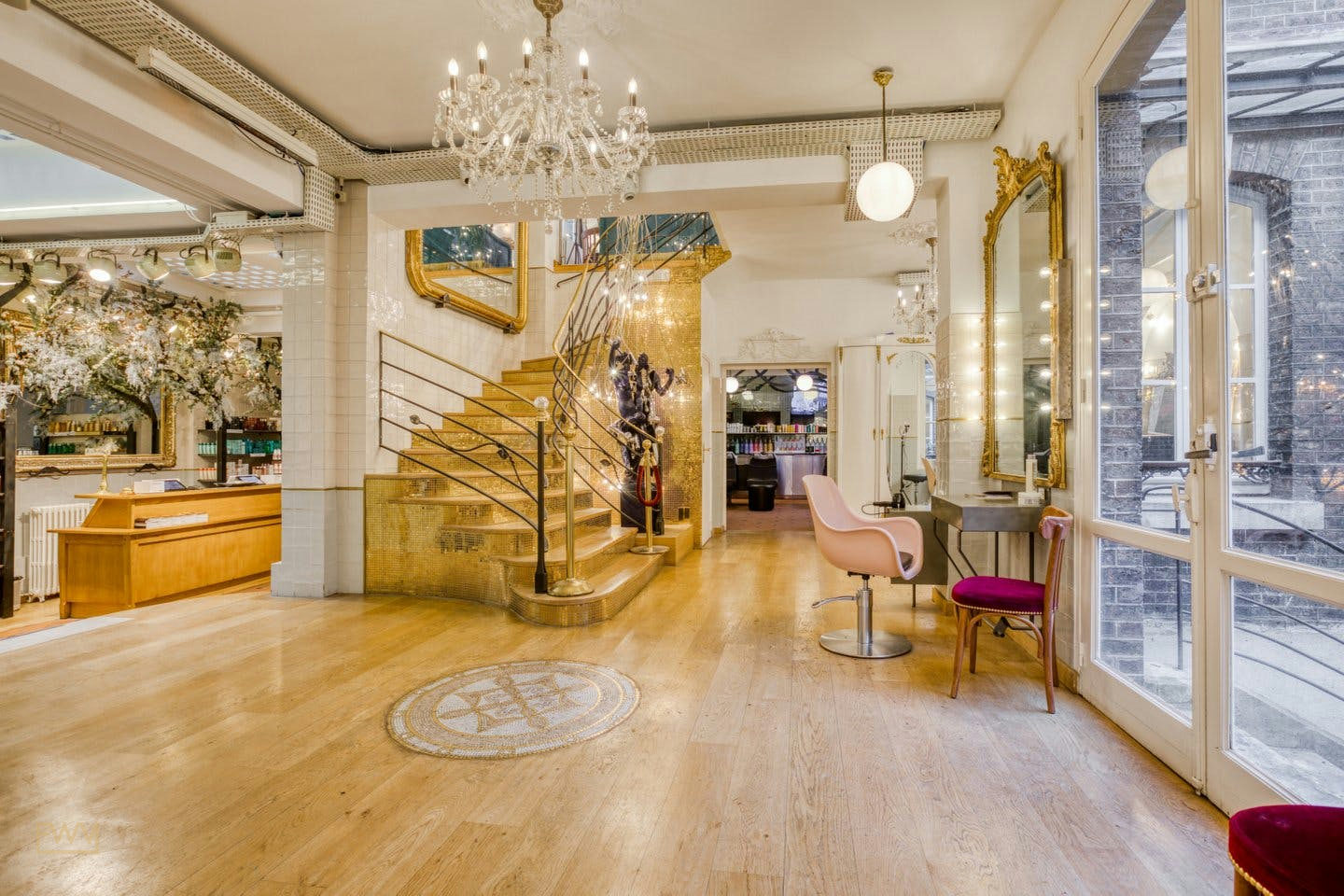
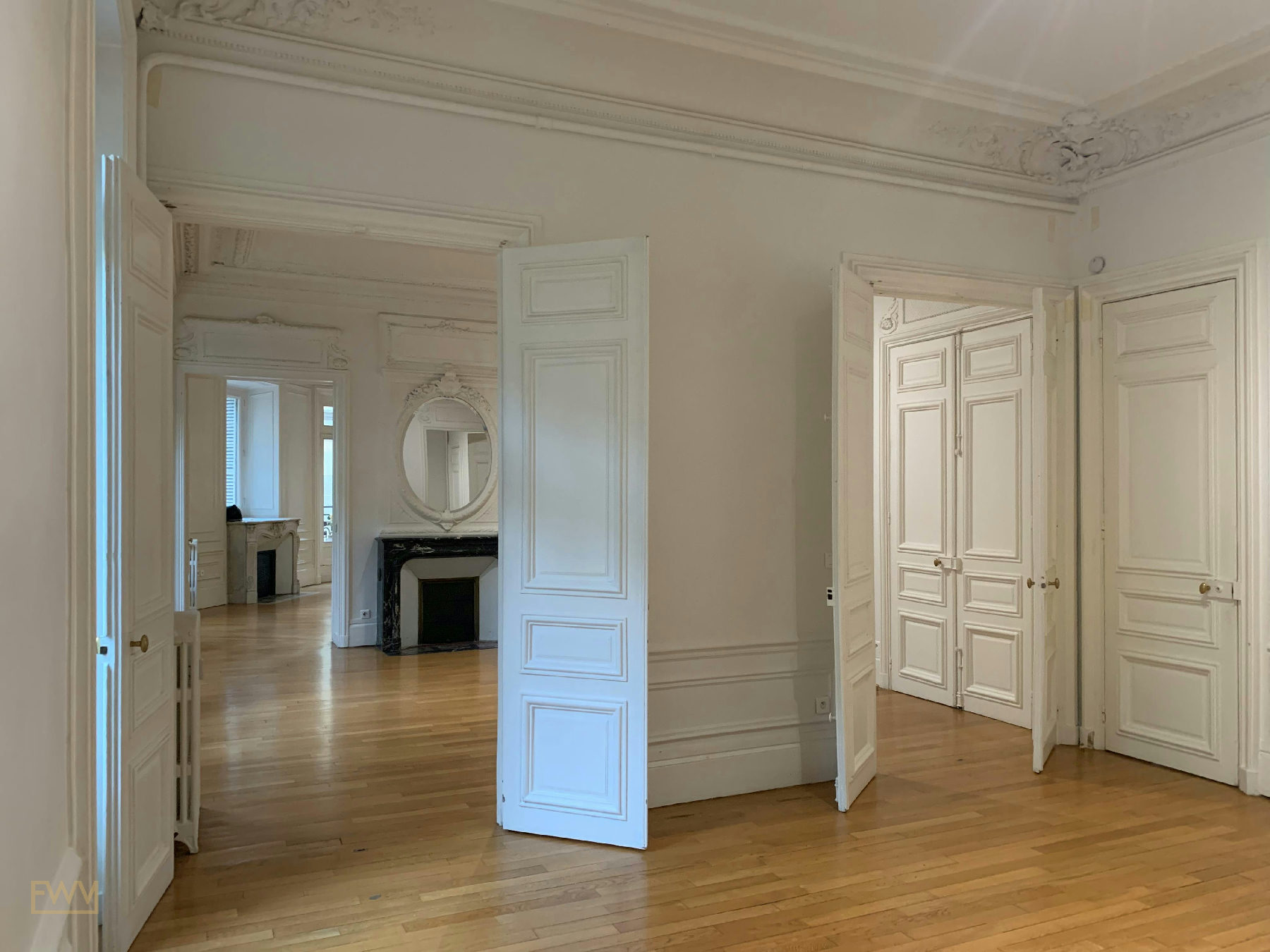
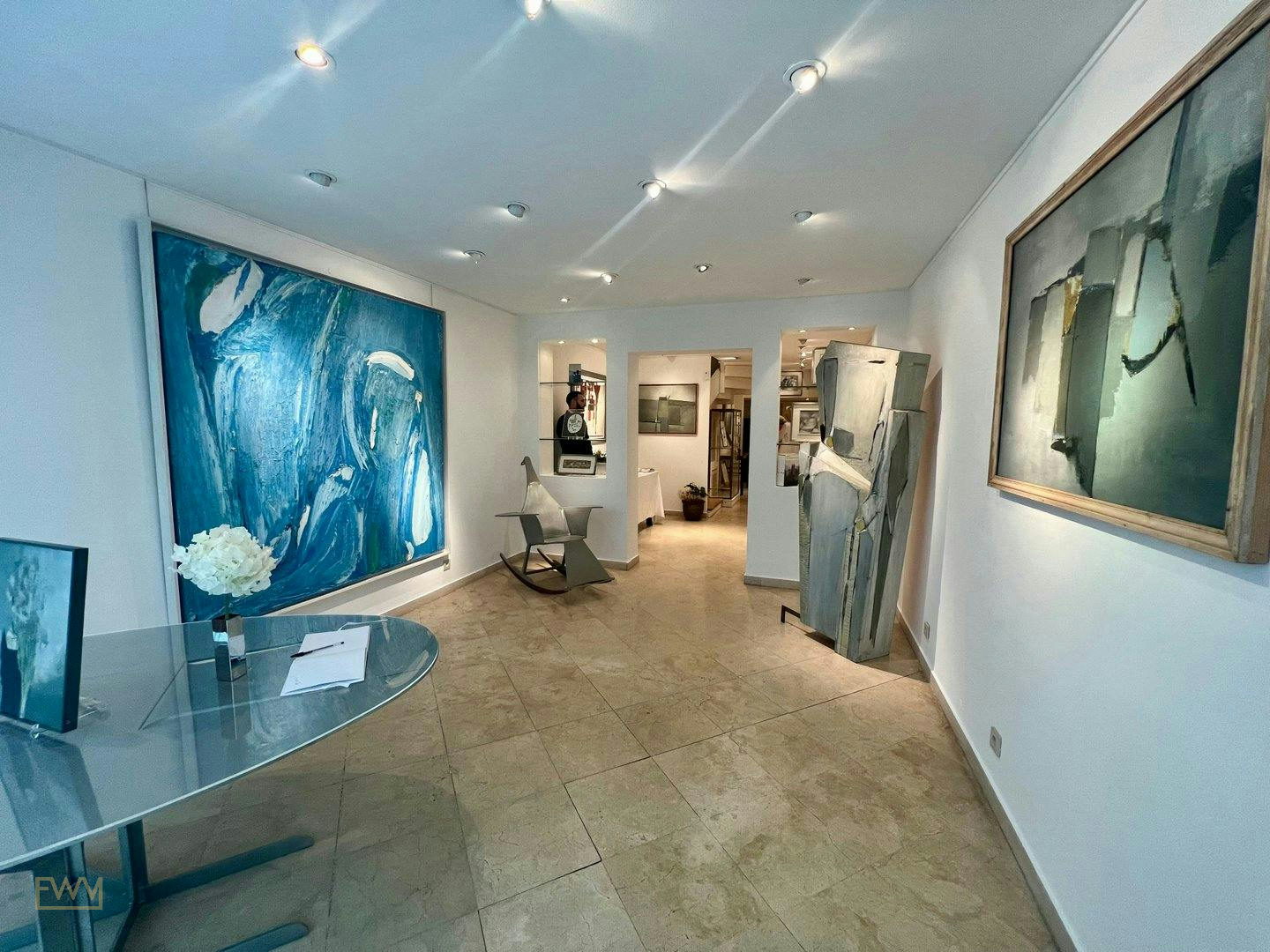
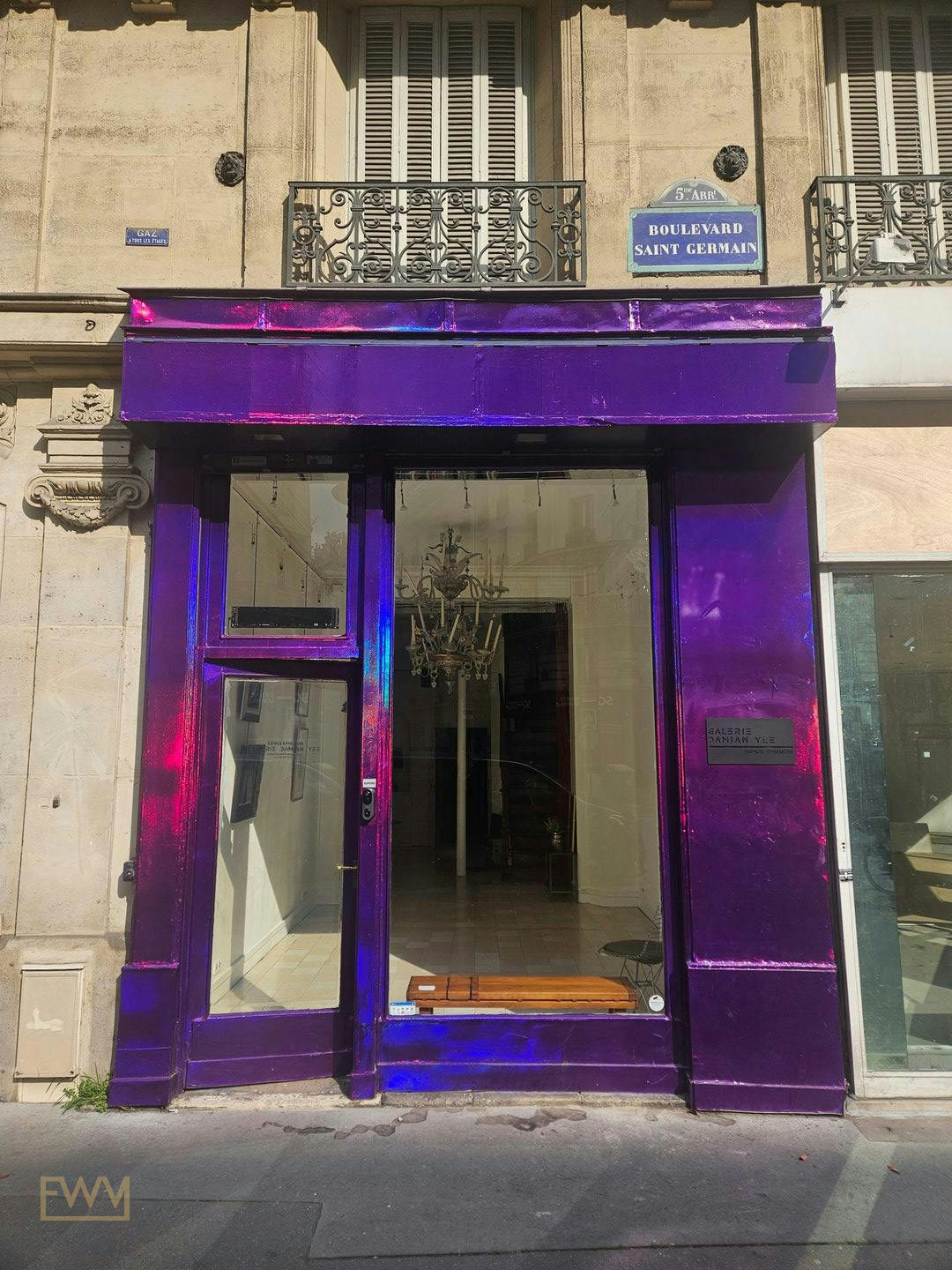
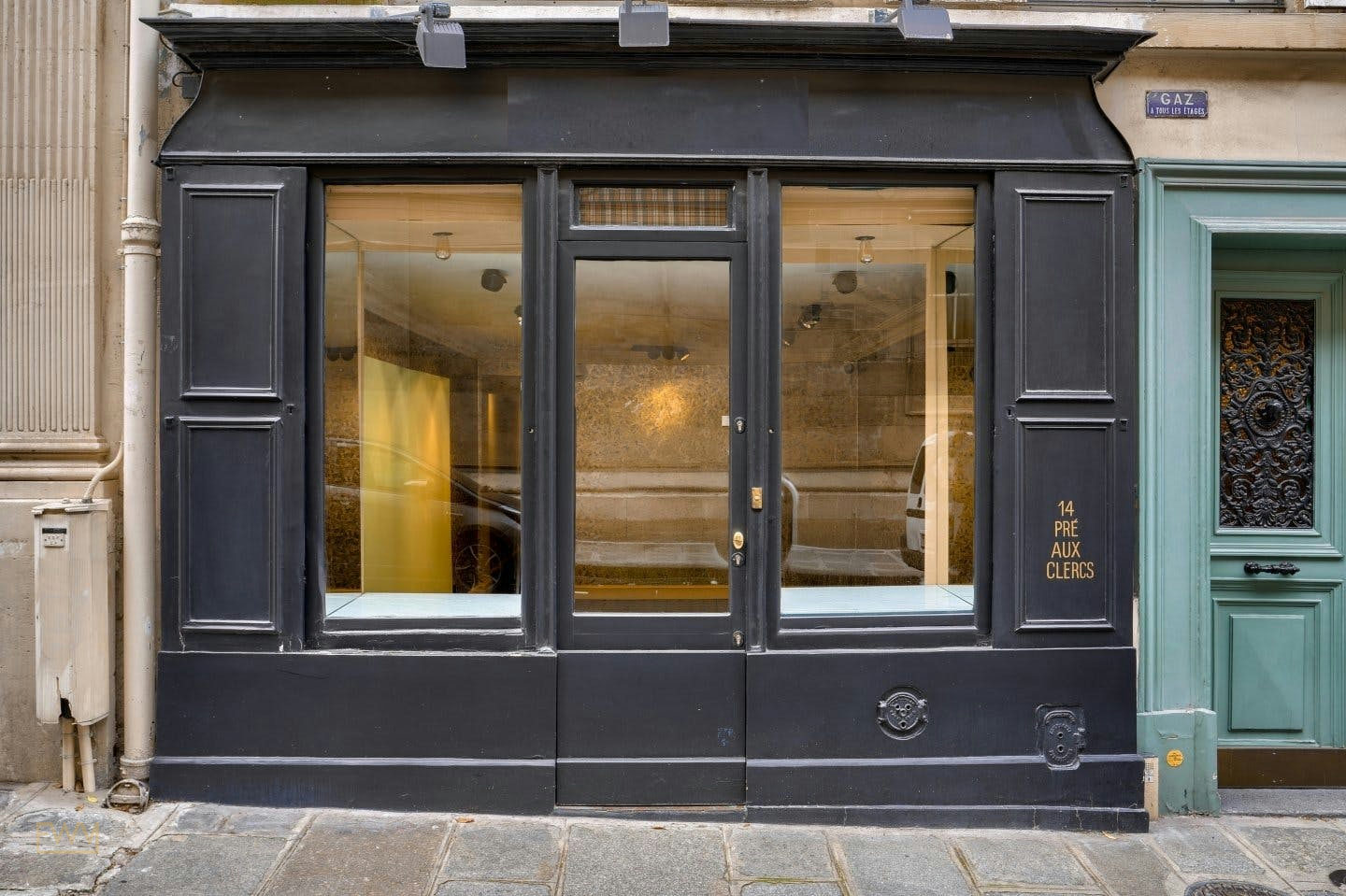
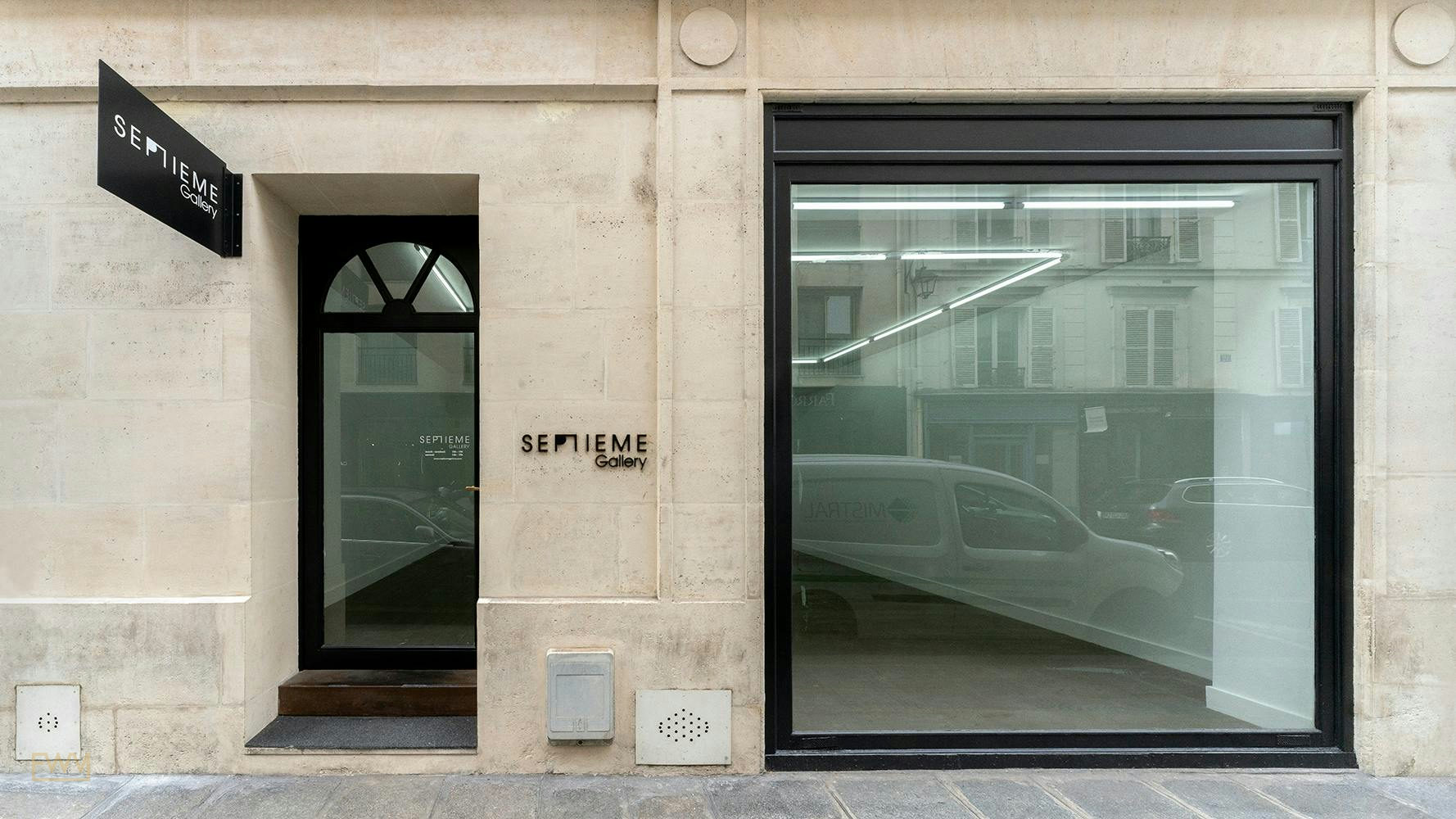
The practical consideration is that space types in this zone vary significantly. You will find historic Haussmann-era storefronts with vaulted limestone cellars, converted art galleries with polished concrete floors and spotlights already installed, apartment-format pop-up studios with raw concrete floors and roof terrace access, and formal fashion showroom spaces designed specifically for wholesale presentations. Each type serves a different activation purpose, and each carries different permit, access, and build requirements.
Quick answer: Renting retail space near Notre-Dame Paris gives brands access to one of Europe's highest-footfall cultural corridors, combined with proximity to the fashion-forward neighbourhoods of the Marais and Saint-Germain-des-Prés. This makes the area particularly effective for pop-up stores, showrooms, brand activations, and beauty or lifestyle experiences targeting both international visitors and Parisian clientele.
DID YOU KNOW: Following the reopening of Notre-Dame de Paris in late 2024, footfall projections for the surrounding 4th arrondissement have been revised sharply upward by Paris tourism bodies, with estimates suggesting the area will attract more visitors per year than at any prior point in its recorded tourism history.
KEY TAKEAWAY: The Notre-Dame area is not just a backdrop for retail. It is a commercially active corridor with diverse space types, layered customer demographics, and strong calendar alignment with Paris Fashion Week. Brands that plan early, brief correctly, and choose the right space type for their concept will find it one of the most effective short-term retail environments in Europe.
Understanding which specific neighbourhood within the broader Notre-Dame zone is right for your brand requires mapping your target customer against the distinct character of each arrondissement and district. The next section breaks down the key Paris neighbourhoods surrounding and adjacent to the Notre-Dame catchment.
Key Paris Neighbourhoods for Retail Space Near Notre-Dame
Paris operates in arrondissements, and the neighbourhoods surrounding Notre-Dame de Paris each carry distinct retail identities, customer profiles, and space availability patterns. Knowing which district aligns with your brand's target customer, price positioning, and activation format is the first step toward an effective space search.
Le Marais and the 3rd and 4th Arrondissements
Le Marais is the most commercially active neighbourhood immediately adjacent to the Notre-Dame zone. It runs from the Rue de Rivoli in the south to the Rue du Temple and Place des Vosges in the north, with the 3rd and 4th arrondissements covering the full span. The Marais is where international fashion brands, independent designers, concept stores, and art galleries coexist at the highest concentration anywhere in central Paris. The clientele is fashion-conscious, internationally aware, and highly engaged with new brand discovery. For pop-up stores, charming boutique formats, and fashion showrooms, the Marais offers the strongest combination of ambient foot traffic and editorial credibility.
Space types in the Marais range from converted historic mansions with internal courtyard access to modern gallery-format spaces with polished concrete floors and professional lighting rigs already installed. Studio photo formats are also common here, and many spaces can serve dual purposes as both showroom and event venue. Average space sizes in the Marais typically run from 30 to 200 square meters for short-term retail listings, though larger flagship-format spaces do become available, particularly during Fashion Week windows.
Saint-Germain-des-Prés and the 6th Arrondissement
Saint-Germain-des-Prés sits on the Left Bank directly south of Notre-Dame across the Seine. It carries a different energy from the Marais: quieter, more literary, and historically associated with luxury fashion, independent publishing, and the café culture that defines Parisian intellectual life. Brands with a heritage, artisan, or understated luxury positioning often find Saint-Germain a better fit than the more energetic Marais. The clientele here includes a higher proportion of French national luxury consumers and established Parisian households alongside the international visitor base.
Retail space in Saint-Germain is typically in high demand and short supply. Storefronts are predominantly in Haussmann-era buildings with high ceilings, traditional parquet or stone flooring, and street-facing window displays. Gallery-format spaces are also present, and several venues along the Boulevard Saint-Germain and its side streets are specifically designed for art and fashion activations.
Les Halles, Rue de Rivoli, and the 1st Arrondissement
The 1st arrondissement connects the Notre-Dame axis directly to the Louvre, the Rue de Rivoli retail corridor, and the Les Halles district. This is one of the highest-footfall zones in all of Paris, driven by the proximity to the Louvre Museum, the Tuileries Garden, and the massive retail infrastructure of Les Halles and the Forum des Halles. Rue de Rivoli itself runs along the northern edge of the Tuileries and connects to Place du Palais-Royal, making it a continuous retail corridor with exceptional visibility.
Brands considering a pop-up store or storefront in this zone should be aware that space competition is significant, and short-term retail listings here often move quickly during Fashion Week windows. The space types available skew toward formal commercial storefronts, gallery formats, and some apartment or studio spaces in the upper floors of historic buildings.
The Golden Triangle, Champs-Élysées, and the 8th Arrondissement
The Golden Triangle refers to the luxury retail triangle bounded by Avenue des Champs-Elysées, Avenue Montaigne, and Avenue George V. This is where Paris's highest concentration of international luxury flagship stores operates. Galeries Lafayette and Printemps both sit to the north near the 9th arrondissement boundary. For brands with a luxury or premium fashion positioning, the Champs-Élysées and Golden Triangle zones offer the greatest international prestige, but also the most competitive and costly short-term rental environment in the city.
Saint-Honoré, Place Vendôme, and Rue Saint-Honoré
Place Vendôme and the Rue Saint-Honoré corridor connect the 1st arrondissement's retail spine with the 8th arrondissement's luxury core. This is the address of choice for jewellery, haute couture, and the highest tier of accessories brands. Short-term retail space here is rare, highly sought after, and commands premium rates. For brands that can justify the positioning and cost, a Vendôme-adjacent pop-up carries significant editorial and social media impact, particularly during Paris Fashion Week.
Montmartre and Pigalle
Montmartre and its immediate neighbour Pigalle sit in the 18th and 9th arrondissements to the north of central Paris. These neighbourhoods have undergone significant creative and commercial transformation over the past decade. Montmartre in particular attracts a younger creative audience and has seen strong growth in independent fashion, beauty, and design activations. Space costs here are generally lower than in central Paris, and the neighbourhood offers a strong social media aesthetic that suits brands targeting a creative or emerging luxury positioning.
Quick answer: The most sought-after locations for leasing commercial and pop-up retail space in Paris include Le Marais (4th), Saint-Germain-des-Prés (6th), Rue de Rivoli and Les Halles (1st), the Golden Triangle and Champs-Élysées (8th), Saint-Honoré and Place Vendôme (1st and 8th), and Montmartre and Pigalle (18th and 9th).
To compare neighbourhoods and space types, explore the Paris city hub on Fashion Week Venues and shortlist spaces that match your brief, budget, and calendar window.
| Neighbourhood | Arrondissement | Best For | Typical Space Types | Customer Profile |
|---|---|---|---|---|
| Le Marais | 3rd, 4th | Fashion, concept, gallery, showroom | Gallery, boutique, studio, showroom | International fashion-conscious, creative |
| Saint-Germain-des-Prés | 6th | Heritage, artisan, understated luxury | Storefront, gallery, apartment | Affluent Parisian, literary, luxury |
| Les Halles, Rue de Rivoli | 1st | High-footfall pop-up, tourist-facing retail | Commercial storefront, gallery | International tourist, mass market |
| Golden Triangle, Champs-Élysées | 8th | Luxury flagship, premium activation | Flagship storefront, event space | International luxury consumer |
| Saint-Honoré, Place Vendôme | 1st, 8th | Jewellery, haute couture, accessories | Boutique, showroom, gallery | Ultra-high-net-worth, press, buyers |
| Montmartre, Pigalle | 18th, 9th | Creative, beauty, emerging brands | Studio, apartment, boutique | Creative, younger luxury, influencer |
KEY TAKEAWAY: Each Paris neighbourhood within or adjacent to the Notre-Dame catchment carries a distinct brand positioning effect. Choosing a location based on foot traffic alone, without considering customer profile alignment, frequently results in high impressions but low conversion for short-term retail activations.
Once you have identified your target neighbourhood, the next critical question is what types of retail space are actually available on a short-term or pop-up basis and what distinguishes them from standard commercial property.
Retail Space Types Available for Short-Term Rental in Paris
The Paris short-term retail and pop-up space market encompasses a wide range of formats, and understanding which type aligns with your activation concept is essential before beginning any property search or engaging a broker.
Storefronts and Commercial Boutiques
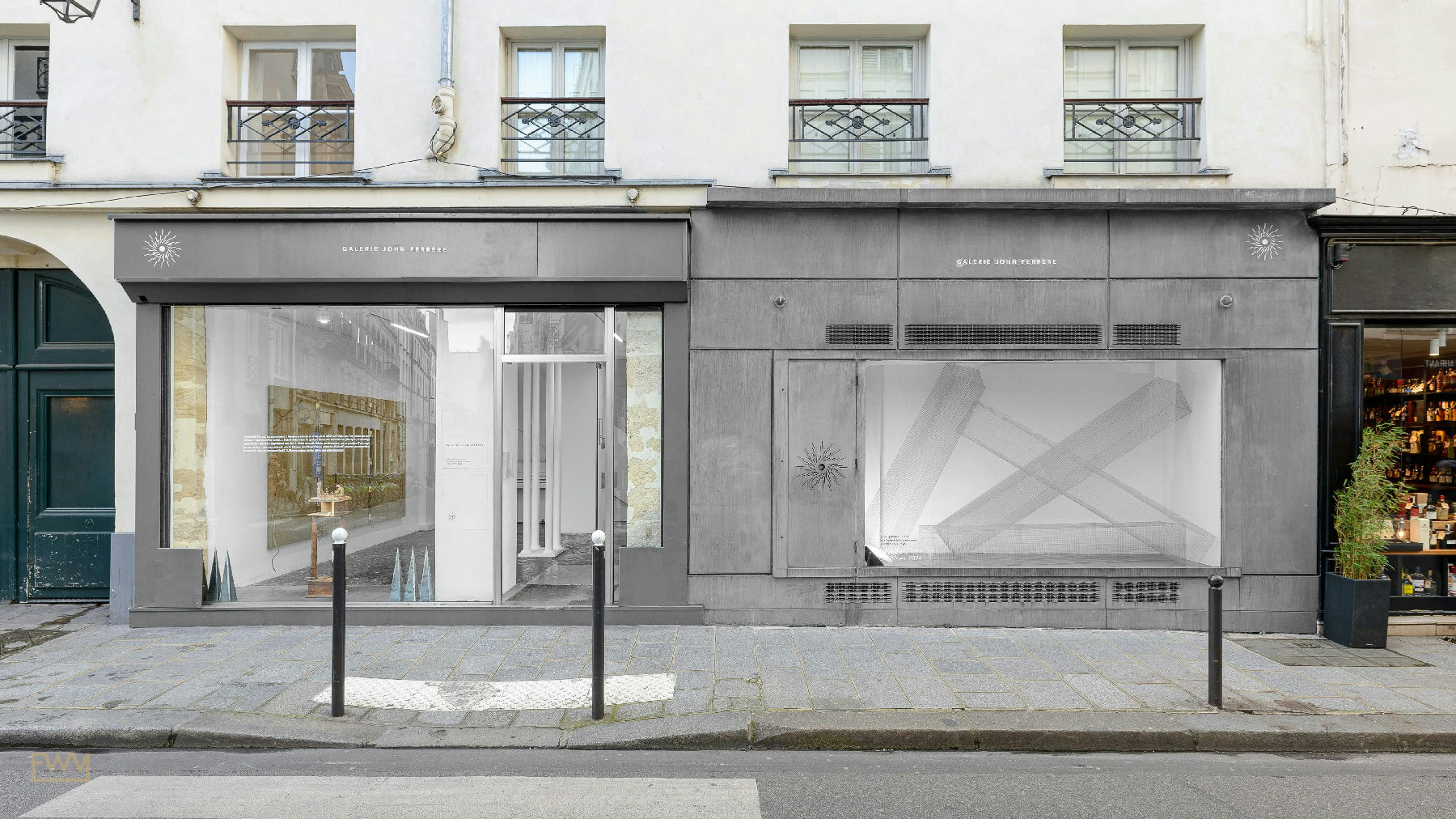
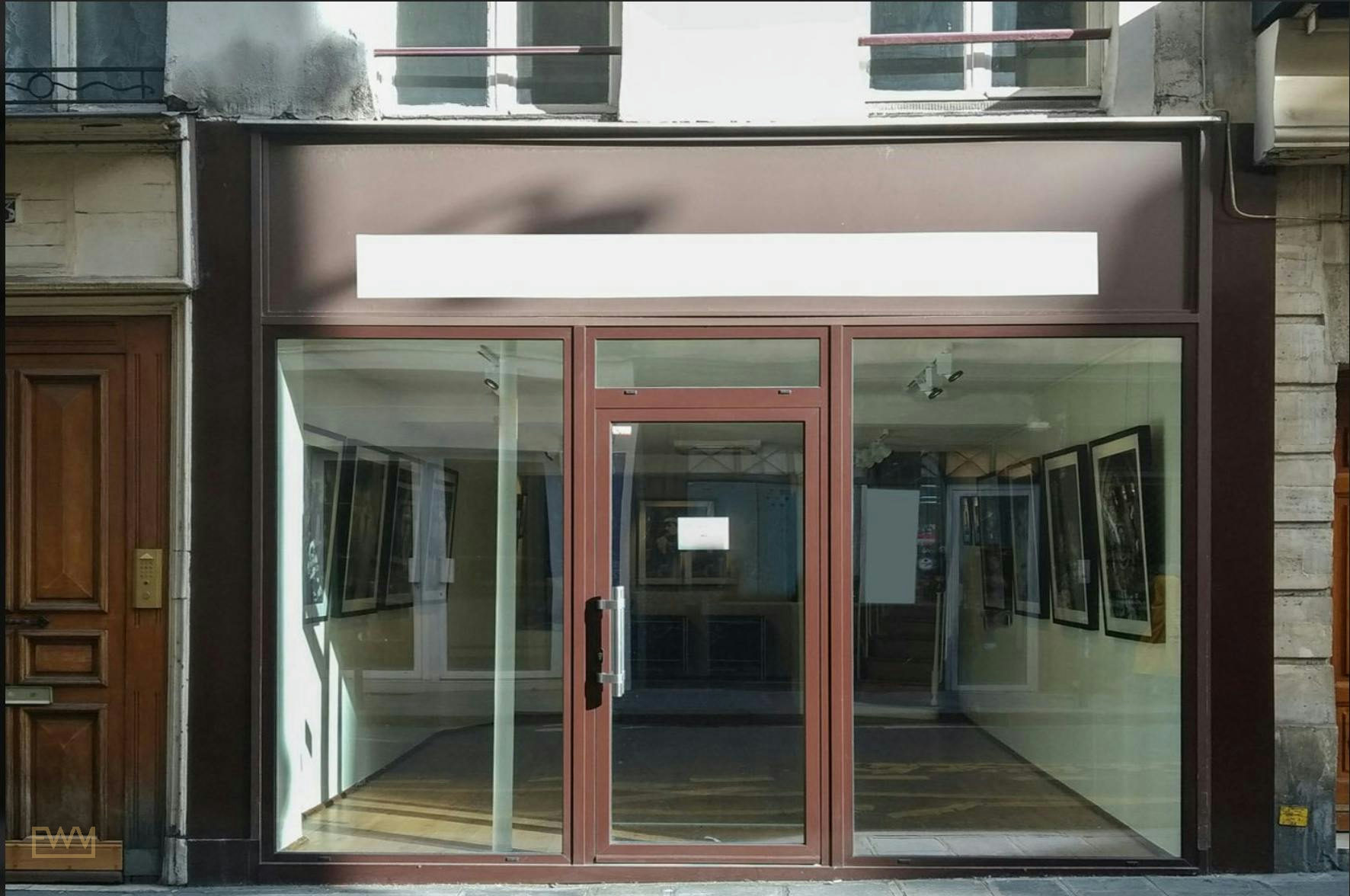
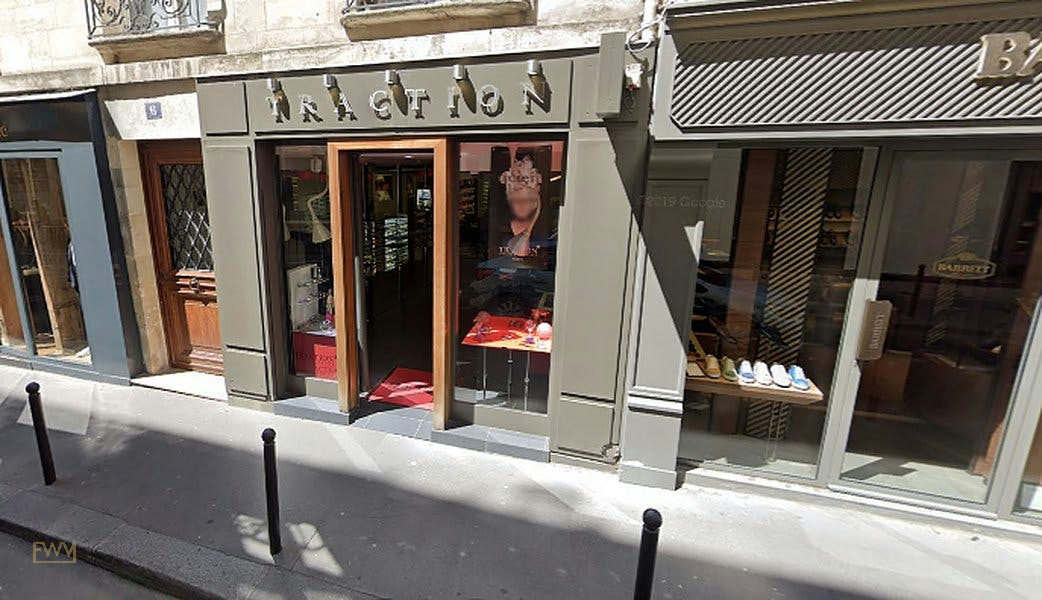
The traditional storefront is the most recognisable format. These are street-facing premises with display windows, a retail floor, and typically a back office or stockroom. In Paris, storefronts range from narrow Marais-style single-room premises to large Haussmann-era multi-room configurations with high ceilings and original architectural features. For brands launching a charming boutique pop-up, a storefront is usually the natural format choice. The challenge is that true commercial storefronts in prime Paris locations are rarely available for periods of less than three months on the open market without specialist assistance.
Gallery and Art Gallery Formats
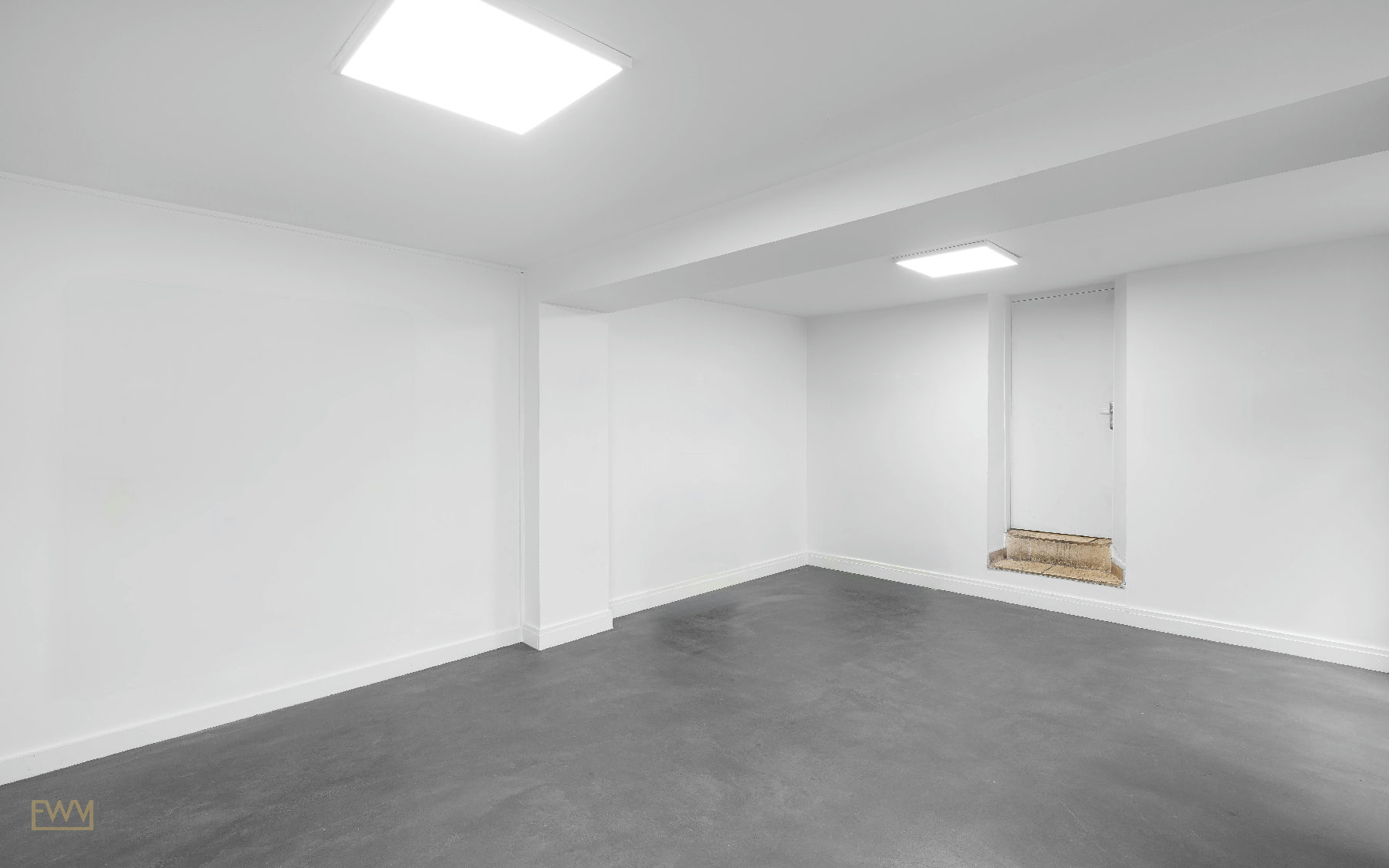
Gallery spaces are among the most versatile formats for fashion and beauty brand activations in Paris. They typically feature polished concrete floors or raw concrete floors, spotlights on adjustable track systems, white or neutral wall surfaces, and open-plan layouts that can be reconfigured for retail, showroom, event, or exhibition use. Many of the most effective pop-up stores in the Marais and Saint-Germain have used gallery spaces as their base format precisely because the aesthetic is neutral enough to accept a full brand identity transformation while retaining the elevated Parisian creative credential.
Fashion Showrooms
Fashion showrooms are a distinct category optimised for wholesale and press presentations rather than direct retail sales. They are typically equipped with professional hanging rails, good natural or artificial lighting for garment presentation, and private meeting areas. During Paris Fashion Week, demand for fashion showroom spaces in the Marais, the 8th arrondissement, and Saint-Germain reaches its annual peak. Booking windows for showroom spaces during Fashion Week season typically open three to six months in advance for the most sought-after addresses.
Studio Photo and Apartment Formats
Studio photo spaces and apartment-format venues occupy a growing niche in the Paris short-term rental market. These are residential or semi-residential spaces with exceptional natural light, distinctive interior architecture, and strong social media aesthetics. They are used by brands for content creation, intimate press days, small-scale retail activations, and influencer events. The apartment format in particular has become central to the Paris Fashion Week media calendar, with brands using private Haussmann apartments in the 1st, 4th, and 8th arrondissements as immersive brand worlds rather than traditional retail environments.
Pop-Up Stores and Pop-Up Store Concepts
The pop-up store as a format has matured significantly in Paris. It is no longer simply a temporary shop. The most effective pop-up stores in Paris combine retail function with experiential design, social media content generation, press engagement, and data capture. Space types that support this multi-function model include those with flexible internal layouts, private or semi-private entrance control, outdoor terrace or courtyard access, and proximity to press hotels and editorial offices.
Quick answer: The main short-term retail space types available in Paris include commercial storefronts, gallery-format spaces, fashion showrooms, studio photo and apartment venues, and purpose-designed pop-up store formats. Each carries different permit requirements, build specifications, and activation use cases.
| Space Type | Typical Size Range | Key Features | Best Activation Format | Permit Complexity |
|---|---|---|---|---|
| Commercial Storefront | 30 to 200 sqm | Display windows, street access, stockroom | Pop-up shop, charming boutique | Moderate (bail dérogatoire) |
| Gallery Space | 50 to 400 sqm | Polished or raw concrete floors, spotlights, open plan | Brand activation, art gallery, showroom | Moderate to high (AOT or bail) |
| Fashion Showroom | 40 to 150 sqm | Hanging rails, professional lighting, meeting areas | Wholesale, press presentations | Low to moderate |
| Studio Photo / Apartment | 60 to 250 sqm | Natural light, distinctive interiors, social media aesthetic | Content creation, press days, intimate retail | Low to moderate |
| Pop-Up Store Format | 20 to 500 sqm | Flexible layout, brand-transformable, event-capable | Multi-function brand activation | Variable |
KEY TAKEAWAY: Selecting the correct space type for your activation concept is as important as selecting the correct neighbourhood. A fashion showroom is not optimised for consumer retail, and a studio photo space is not designed for high-footfall transactional selling. Match the space type to the primary commercial objective of your activation.
Before you can activate in any of these space types, you need to understand the French property and permit framework. The legal and compliance layer of renting retail space in Paris is one of the most common sources of delay and unexpected cost for international brands.
French Property Law, Permits, and Compliance for Short-Term Retail in Paris
Understanding the French legal framework for short-term commercial rentals is not optional for any brand planning to operate in Paris. The consequences of non-compliance can include forced closure, loss of deposit, and reputational damage with the property owner and the local arrondissement authority.
Bail Dérogatoire: The Short-Term Commercial Lease
The bail dérogatoire is the principal legal instrument for short-term commercial property rental in France. It allows landlords and tenants to agree on a rental period of up to three years without the tenant acquiring the statutory renewal rights that attach to standard French commercial leases under the Statut des Baux Commerciaux. For brands seeking temporary retail space, the bail dérogatoire is the most commonly used instrument for durations between one month and thirty-six months. It requires clear written agreement between both parties, and it is important to note that if a tenant continues to occupy a premises after the expiry of a bail dérogatoire without a new agreement, the lease may automatically convert to a full commercial lease under French law. Requirements and application vary by space type, duration, and arrondissement. Always verify the specific terms with a qualified French legal advisor.
Autorisation d'Occupation Temporaire (AOT)
The Autorisation d'Occupation Temporaire, commonly referred to as an AOT, is a public law instrument that governs temporary commercial use of public domain spaces in Paris, including certain spaces on streets, in public squares, and in municipally owned buildings. Pop-up stores, market stalls, and kiosks operating on or within publicly owned land or structures typically require an AOT from the relevant Paris municipal authority. The application process, timelines, and approval criteria differ significantly from those for private commercial leases. For most brands operating in private premises, the bail dérogatoire is the relevant instrument; for those considering publicly owned or managed spaces such as covered markets or certain gallery buildings, the AOT framework applies.
Additional Permits and Local Regulations
Beyond the lease instrument itself, brands operating retail spaces in Paris must navigate a range of additional regulations. These include compliance with accessibility regulations for public-facing commercial premises, signage and exterior display permissions which vary by arrondissement, alcohol licensing if any element of the activation involves drinks service, food handling permits for any edible product sampling, and noise and nuisance regulations that apply particularly in residential arrondissements. The Marais and Montmartre in particular have specific local regulations governing external signage, facade alterations, and trading hours that reflect their historic building designations.
IMPORTANT: Do not assume that a short-term commercial lease in Paris is administratively simple. The permit and regulatory layer involves multiple bodies including the Mairie de Paris, the relevant arrondissement administration, and in some cases national heritage bodies. Engage specialist advice before committing to a space and explore the permit guidance tool on Fashion Week Venues for an initial orientation to the requirements relevant to your space type and duration.
Do You Need a French Legal Entity?
One of the most common questions from international brands is whether they need to establish a French legal entity to sign a retail lease or operating agreement in Paris. In most cases, a foreign company can sign a bail dérogatoire directly without establishing a French entity, though landlords may require additional financial guarantees or a French guarantor. Some landlords operating through institutional property managers will insist on a French entity for risk management purposes. This is a landlord-specific requirement rather than a universal legal obligation. Again, verify the requirements for your specific space with a French legal advisor.
Quick answer: International brands do not universally require a French legal entity to rent retail space in Paris on a short-term basis, but individual landlords may impose this requirement. The bail dérogatoire is the standard instrument for short-term commercial rentals of up to three years, and the AOT governs public domain activations. Always seek qualified French legal advice before signing.
KEY TAKEAWAY: The French short-term commercial rental framework is navigable but technical. Brands that approach it without specialist guidance regularly encounter delays, unexpected costs, and compliance issues. Building the permit and legal advisory cost into your overall activation budget from the outset is strongly advisable.
The legal framework determines what you can sign. The next question is what it will cost, and how to build a realistic budget for renting and activating retail space in Paris.
Understanding the Cost of Renting Retail Space in Paris Near Notre-Dame
Rental costs for short-term retail space in Paris vary substantially depending on location, space type, size, duration, season, and the level of finish and equipment already in place. The figures discussed below are directional estimates only, based on general market observations rather than guaranteed current pricing. For a brand-specific estimate, use the budget estimation tool on Fashion Week Venues.
Factors That Drive Space Rental Costs in Paris
The primary cost drivers for short-term retail space in Paris include the arrondissement, the street-level prestige of the address, the space size in square meters, the duration of the rental period, the season and proximity to Fashion Week dates, and the level of fit-out already present in the space. A gallery space in the Marais with polished concrete floors, track lighting already installed, and a street-facing display window will command a premium over an equivalent footprint in a secondary side street in the 10th arrondissement. Similarly, a space booked during the Paris Fashion Week calendar window in September or January will typically cost significantly more than the same space during an off-peak period.
Paris Fashion Week Calendar Premiums
Paris hosts two major Fashion Week seasons annually: the Women's Ready-to-Wear shows in late February and March, and the Women's Ready-to-Wear spring presentations in late September and October. There are also Men's Fashion Week windows in June and January, and the Haute Couture schedule in January and July. During these calendar windows, demand for showroom spaces, gallery-format venues, and premium storefronts surges dramatically, and rental rates for prime locations reflect that demand. Brands that have not committed to a space at least three to six months before a target Fashion Week date will find the most desirable spaces already reserved or priced at peak rates.
Total Activation Cost Beyond the Rent
The space rental is typically the largest single line item in a Paris pop-up budget, but it is rarely more than forty to sixty percent of the total activation cost. Additional costs include the design and fit-out of the space, production and build, furniture rental, retail staffing, point-of-sale systems and payment processing, influencer and press engagement, insurance, and the administrative costs of the lease and permit process. Brands that budget only for the space rental and then discover the total activation cost is two to three times higher than expected frequently compromise on execution quality, which undermines the return on the original investment in the location.
TIP: Build your total activation budget from the outset using all cost categories simultaneously, not sequentially. Use the ROI calculator on Fashion Week Venues to model the commercial return against your projected total investment before committing to a space and location.
Space Rental Across Paris Neighbourhoods: Directional Context
Without citing specific figures that may not reflect current market conditions, it is accurate to say that the Saint-Honoré and Vendôme corridor represents the highest rental tier in Paris for short-term commercial space, followed closely by the Golden Triangle and prime Champs-Élysées. The Marais and Saint-Germain occupy a strong mid-to-premium tier. Les Halles, Rue de Rivoli, and the broader 1st arrondissement sit at a wide range depending on exact address. Montmartre and Pigalle generally represent the most accessible entry point for brands seeking central Paris exposure at lower rental cost, though rates in the most sought-after Montmartre creative spaces have risen considerably in recent years.
Quick answer: Retail space rental costs in Paris vary enormously by location, size, season, and fit-out level. No single figure applies across the market. Prime Marais and Saint-Germain gallery spaces during Fashion Week windows sit at a significant premium. Use a structured budget tool and seek specialist advice to develop accurate cost projections for your specific brief.
KEY TAKEAWAY: The rental cost of space is only one component of a Paris activation budget. Brands that plan for total activation cost from the start, including build, staffing, permits, and marketing, consistently achieve better commercial outcomes than those who optimise only for space rental cost in isolation.
With location, space type, permits, and budget frameworks in place, the next question is how to actually find and secure the right space. This is where the choice of platform or agency approach becomes critical.
How to Find and Secure Retail Space Near Notre-Dame Paris
The process of finding short-term retail space in Paris is materially different from searching for long-term commercial property. The tools, platforms, and professional relationships that serve the permanent commercial leasing market are only partially applicable to the short-term and pop-up space sector.
Commercial Real Estate Platforms and Their Limitations
Platforms such as LoopNet, CoStar, and their French equivalents aggregate commercial real estate listings primarily for the investment and long-term leasing market. The listings on these platforms typically represent properties marketed by broker professionals for permanent tenants, and the Commercial Real Estate and Investment Properties inventory they present is not designed for short-term or pop-up retail use cases. Searching these platforms for a two-week or two-month pop-up space near Notre-Dame will generally yield either no relevant results or properties that are technically available but whose landlords have no infrastructure or interest in managing a short-term retail tenancy.
Some users attempt to use saved search alerts and email notification features on these platforms to track when appropriate listings appear. While saved searches and listing alerts can be a useful supplementary signal, they are not a primary sourcing strategy for brands seeking quality short-term pop-up space in Paris. The transactional infrastructure for short-term retail is fundamentally different from the permanent commercial leasing market, and the most relevant inventory is not systematically listed on general commercial property platforms.
Pop-Up Specific Marketplaces
Dedicated pop-up and short-term retail space marketplaces have emerged specifically to address the gap between general commercial property platforms and the needs of brand teams seeking temporary retail space. These platforms aggregate curated inventory of spaces that are genuinely available on short-term bases, with landlords who understand and welcome the pop-up model. They typically provide search and filter functionality by location, space type, size, and price, as well as space features such as floor type, lighting type, floor level and access, and available equipment. The ability to filter by space type, floor and access, and space features is significantly more useful for pop-up brand teams than the investment-focused filters on general commercial platforms.
Agency-Led Space Sourcing
For brands with specific or complex briefs, an agency-led sourcing approach delivers the most reliable results. Specialist pop-up and short-term retail agencies maintain active relationships with Paris landlords, property managers, and space owners that are not reflected in any public marketplace. They can access unlisted inventory, negotiate terms, manage the administrative and permit process, and brief the brand on compliance requirements from the outset. The agency model adds a layer of cost, but for brands where the activation investment is significant and the execution standard is high, that cost is almost always justified by the quality and speed of the outcome. Review the guide to hiring a pop-up agency for a framework on evaluating agency partners.
Broker Professionals and Traditional Property Intermediaries
Traditional commercial property brokers in Paris operate on commission-based models and are most effective for permanent or long-term lease negotiations. For short-term retail, their value proposition is narrower. Some broker professionals do maintain short-term retail contacts, but their fee structures are typically calibrated for larger and longer transactions. For a two-week Fashion Week pop-up, engaging a traditional commercial broker is generally not the most efficient or cost-effective approach.
Quick answer: Finding short-term retail space in Paris near Notre-Dame requires using pop-up specific marketplaces or specialist agencies rather than general commercial real estate platforms like LoopNet or CoStar. The best inventory for short-term and pop-up use is not systematically listed on general commercial property portals, and the most effective sourcing combines a curated marketplace with agency-led access to unlisted space.
The Practical Sourcing Workflow
The table below outlines the recommended step-by-step sourcing workflow for brands seeking to rent retail space near Notre-Dame Paris on a short-term or pop-up basis.
| Step | Action | Timing Before Activation | Key Decision |
|---|---|---|---|
| 1 | Define activation brief: concept, format, duration, budget, target customer | 6 to 12 months out | What is the primary commercial objective? |
| 2 | Map target neighbourhoods and space types against brief | 5 to 10 months out | Which district best serves the target customer? |
| 3 | Set total activation budget across all cost categories | 5 to 10 months out | Is the total investment commercially justified? |
| 4 | Search curated pop-up marketplaces and shortlist spaces | 4 to 8 months out | Which spaces meet the brief on size, type, and features? |
| 5 | Engage a specialist agency for complex or high-value briefs | 4 to 8 months out | Is the activation complex enough to require full-service support? |
| 6 | Conduct space viewings and verify permit requirements | 3 to 6 months out | Does the space support the intended activation and comply with regulations? |
| 7 | Negotiate and sign lease (bail dérogatoire or equivalent) | 2 to 5 months out | Are all lease terms, exit conditions, and deposit terms agreed? |
| 8 | Commence design, production, and build planning | 2 to 4 months out | Does the production plan align with the lease start date and build window? |
| 9 | Staff recruitment, POS setup, influencer briefing | 4 to 6 weeks out | Are all operational elements confirmed for opening day? |
| 10 | Activate and collect data throughout the rental period | During activation | Is the activation meeting its commercial KPIs? |
KEY TAKEAWAY: Successful space sourcing for Paris pop-up retail is a structured, multi-month process. Brands that start the sourcing process six months or more before their target activation date consistently access higher-quality spaces, secure better lease terms, and have more time to invest in design and production quality.
Knowing how to find the space is one dimension of the challenge. Understanding how a full-service agency can support every stage of the process from sourcing to activation is the next.
How Fashion Week Venues Supports Brands Seeking Retail Space Near Notre-Dame Paris
Fashion Week Venues is a full-service pop-up shop agency and space marketplace with Paris as its primary market. The platform and agency model is specifically designed to support brand teams seeking short-term retail space, showrooms, event venues, and brand activations in Paris and other major fashion capitals including London, Milan, New York, Tokyo, and Dubai.
Space Sourcing and Marketplace
The Fashion Week Venues marketplace aggregates curated short-term retail and activation spaces across Paris's key neighbourhoods, including the Marais, Saint-Germain-des-Prés, the 1st arrondissement, and other zones within and adjacent to the Notre-Dame catchment. Brands can search and filter the marketplace by location, space type, size, and availability to develop an initial shortlist. The marketplace is designed specifically for pop-up and short-term retail use cases, with inventory curated for brands rather than investment buyers. Explore the venue sourcing service for specialist assistance beyond the marketplace search.
Full-Service Agency Support
Beyond the marketplace, Fashion Week Venues offers a comprehensive suite of agency services covering every stage of the activation lifecycle. The services include concept direction and creative strategy, production and build management, branded store design, furniture rental, retail staffing, POS and payments infrastructure, data and analytics, and influencer marketing. For brand teams that need a single accountable partner for the full activation, the end-to-end service model removes the coordination complexity of managing multiple vendors across the production, legal, operational, and marketing dimensions.
Planning Tools for Budget, Timeline, and Permits
Fashion Week Venues provides a suite of digital planning tools that allow brand teams to develop structured plans before committing to a space. These include a budget calculator for developing cost projections, an ROI calculator for modelling commercial return, a timeline tool for planning the full sourcing-to-activation workflow, a compare tool for evaluating shortlisted spaces against each other, and a permit guidance tool for understanding the regulatory requirements relevant to your specific space type and location. These tools are designed to reduce the information asymmetry that international brands face when entering the Paris market without local expertise.
Which Brand Teams Benefit Most
The Fashion Week Venues model is most immediately useful for international brands entering Paris for the first time, brands planning activations aligned with Paris Fashion Week calendar windows, brands with complex or multi-format activation concepts that require coordinated production, design, and staffing, and brands that want access to curated short-term space inventory without engaging traditional commercial property brokers. The twin co-activation concept available at the Fashion Week Venues twin page is specifically designed for brands that want to share a premium Paris space with a complementary brand to reduce individual activation cost while retaining high impact.
Important Limitations
Fashion Week Venues does not guarantee space availability for any specific date, neighbourhood, or size requirement. Space inventory is subject to market availability and prior commitment. The planning tools provide directional estimates and guidance rather than legally binding cost or permit approvals. Brands with complex French legal requirements should engage a qualified French legal advisor independently of any agency or marketplace relationship.
Quick answer: Fashion Week Venues offers brands seeking retail space near Notre-Dame Paris a combination of a curated short-term space marketplace, full-service agency support covering design to staffing, and digital planning tools for budget, timeline, ROI, and permit orientation. The platform is designed specifically for pop-up and activation use cases, not permanent commercial leasing.
KEY TAKEAWAY: For international brands entering Paris without existing landlord relationships or local market expertise, a specialist marketplace and agency approach consistently outperforms general commercial property platforms and traditional broker routes for short-term and pop-up retail space sourcing.
Understanding the practical realities of the Paris short-term retail market requires addressing a number of persistent misconceptions that regularly lead brands to make poor timing, budgeting, and process decisions.
Paris Pop-Up Retail Myths Debunked
MYTH: International brands must establish a French legal entity before they can rent retail space in Paris.
FACT: Foreign companies can sign a bail dérogatoire directly in many cases without incorporating a French entity. However, individual landlords may impose their own requirements for local guarantees or a French company structure as a condition of signing. This is a landlord-specific commercial decision rather than a universal legal obligation. Always verify the requirements with a qualified French legal advisor for your specific space and landlord.
MYTH: Paris Fashion Week is the only viable calendar window for a brand activation or pop-up in Paris.
FACT: Paris Fashion Week generates the highest peak demand and greatest press and buyer concentration, but Paris receives international visitors and sustains strong retail footfall across all twelve months of the year. The reopening of Notre-Dame de Paris has created a renewed year-round tourism surge in the 4th arrondissement and surrounding areas. Many brands achieve excellent commercial results with activations during trade show windows, summer peak tourist periods, the Christmas retail season, and other non-Fashion Week calendar events. The Fashion Week window is important but not exclusive.
MYTH: Commission-based brokers are the only way to find short-term retail space in Paris.
FACT: Dedicated pop-up and short-term retail marketplaces, specialist full-service agencies, and direct outreach to space owners provide effective alternative routes to quality short-term inventory in Paris. Traditional commercial property brokers are most effective for long-term and investment-grade transactions. For pop-up and short-term retail, curated marketplaces and specialist agencies with established landlord relationships typically offer faster access to better-matched inventory than the traditional broker route.
MYTH: Short-term commercial leases in Paris are administratively simple and require minimal legal input.
FACT: The bail dérogatoire and AOT frameworks are technical legal instruments operating within a detailed body of French commercial property law. Signing a short-term lease without qualified legal review creates real exposure to unintended tenancy protections, deposit disputes, and compliance failures. The permit layer, which varies by space type, arrondissement, and intended use, adds further complexity. Budgeting for qualified French legal and permit advice from the outset is not optional for any brand making a meaningful activation investment in Paris.
MYTH: Platforms like LoopNet and CoStar provide comprehensive coverage of short-term retail space available in Paris.
FACT: LoopNet, CoStar, and equivalent commercial real estate platforms are primarily designed for the permanent commercial leasing and investment property market. Their inventory reflects long-term tenancy and investment-grade transactions. Short-term pop-up and retail activation spaces in Paris are systematically underrepresented on these platforms. The most relevant short-term retail inventory in the Marais, Saint-Germain, and other prime Paris neighbourhoods circulates through specialist pop-up marketplaces, agency networks, and direct landlord relationships rather than general commercial property portals.
Frequently Asked Questions
Why should a brand rent retail space near Notre-Dame de Paris specifically?
Notre-Dame de Paris sits at the geographic centre of Paris and is surrounded by neighbourhoods with exceptional retail credentials. The Marais to the east and Saint-Germain-des-Prés to the south both offer high-quality short-term retail inventory with strong fashion and lifestyle customer profiles. The area combines one of the highest international visitor concentrations in Paris with a genuinely fashion-conscious local clientele. Following the cathedral's high-profile reopening, the 4th arrondissement has received renewed global media attention, which amplifies the visibility of any brand activating in the area. For international brands seeking both foot traffic volume and editorial credibility, the Notre-Dame catchment is among the strongest in Europe for short-term retail.
What is the typical cost of renting a shop near Notre-Dame Paris?
Rental costs vary significantly by space size, type, neighbourhood, season, and fit-out level. There is no single applicable rate for the Notre-Dame area. Spaces in the adjacent Marais and Saint-Germain neighbourhoods command higher rates than those in secondary streets or less central arrondissements, particularly during Fashion Week calendar windows. The total cost of a Paris pop-up activation typically extends well beyond the space rental to include design, production, staffing, permits, and marketing. For a brand-specific cost estimate based on your space type, duration, and location requirements, use the budget planning tool available on the Fashion Week Venues platform rather than relying on generalised market figures.
How far in advance do I need to book a pop-up space near Notre-Dame for Paris Fashion Week?
For prime spaces in the Marais, Saint-Germain-des-Prés, and the 1st arrondissement during Paris Fashion Week windows, the practical lead time for securing space is three to six months before the target activation date. The most sought-after gallery spaces, fashion showrooms, and premium storefronts in these neighbourhoods are often fully committed by the time most brands begin their search. Brands that approach the space search with six months or more of lead time access significantly better inventory, more negotiable lease terms, and more time for design and production development. Brands searching with four weeks of lead time during Fashion Week season will find prime inventory largely unavailable.
Do I need to speak French or have a French legal entity to rent a space in Paris?
Neither fluency in French nor the establishment of a French legal entity is a universal prerequisite for renting short-term retail space in Paris. Many Paris landlords operating in the international fashion and pop-up market communicate in English and have experience working with international brands. However, all formal lease documentation will be in French, and the bail dérogatoire is a French law instrument. Engaging a qualified French legal advisor to review any lease before signing is strongly recommended regardless of language ability. On the entity question, some landlords do require a French company or local guarantor, but this is a landlord-specific requirement, not a blanket legal obligation.
What is a bail dérogatoire and why does it matter for pop-up retail in Paris?
The bail dérogatoire is the standard short-term commercial lease instrument used in France for tenancy periods of up to three years. It allows landlords to let premises for a fixed short term without the tenant automatically acquiring the statutory renewal and compensation rights that come with a standard commercial lease under French law. For pop-up brands, it is the primary legal vehicle for short-term retail tenancy. The key risk to understand is that if occupancy continues after the agreed end date without a new agreement, the tenancy can convert to a full commercial lease with significantly greater tenant protection and landlord obligation. Always exit cleanly by the agreed date or formalise any extension with a new written agreement.
What permits do I need to operate a pop-up store in Paris?
The permits required for a Paris pop-up store depend on the space type, the intended use, the duration, and the arrondissement. For a private commercial space operated under a bail dérogatoire, the primary permit requirement relates to compliance with French commercial premises regulations including accessibility, fire safety, and signage rules. For activations in public or municipally managed spaces, an Autorisation d'Occupation Temporaire from the relevant Paris authority is required. Additional permits may apply if the activation involves alcohol service, food handling, amplified sound, or external signage modifications. Requirements vary by space type, duration, and arrondissement, and all permit questions should be verified with a qualified French advisor before signing a lease.
What types of floor finishes and lighting should I expect in Paris pop-up spaces?
The floor and lighting specification of a Paris pop-up or gallery space significantly affects both the cost of your fit-out and the aesthetic impact of your activation. Common floor types include polished concrete floors, which are particularly prevalent in Marais gallery spaces and provide a clean, neutral base for brand transformation. Raw concrete floors are found in more industrial or loft-format spaces and suit brands with an elevated contemporary aesthetic. Traditional parquet and stone flooring are typical in Haussmann-era storefronts and Saint-Germain boutiques. For lighting, many gallery-format spaces include track spotlight systems already installed and adjustable, which reduces production cost. Confirming the floor finish, lighting specification, natural light levels, and electrical capacity is essential during the space viewing stage.
Can I use a Paris pop-up space as both a showroom and a consumer retail space?
Yes, many Paris pop-up spaces are used for dual-format activations that combine wholesale and press showroom presentations with direct consumer retail selling. Gallery-format spaces in the Marais are particularly well-suited to this model because their open-plan layouts can be reconfigured between formats. The most effective dual-format activations typically separate the showroom and consumer periods either by day of the week, time of day, or sequential phases within the rental period. Brands operating both formats simultaneously should ensure the space is large enough to physically separate the two functions and that the overall aesthetic supports both buyer and consumer engagement without compromising either experience.
How does the Paris Fashion Week calendar affect space availability and pricing?
Paris Fashion Week generates the single largest annual demand surge for short-term retail and showroom space in the city. The Women's Ready-to-Wear seasons in late February to March and late September to October are the primary peaks, with Men's Fashion Week in January and June and the Haute Couture schedule in January and July creating secondary demand spikes. During these windows, prime spaces in the Marais, Saint-Germain, and the 1st and 8th arrondissements are in very high demand, and rental rates reflect that demand. Brands seeking Fashion Week space are competing with each other and with the full global fashion industry. Early commitment, specialist marketplace access, and agency relationships with existing landlord networks are the most effective ways to secure quality space during peak calendar windows.
What are the most common mistakes international brands make when renting retail space in Paris?
The most common mistakes include starting the space search too late, typically with less than three months of lead time before a Fashion Week window. Others include budgeting only for the space rental without accounting for the total activation cost including design, production, permits, and staffing. Many brands also underestimate the complexity of French commercial lease law and sign without qualified legal review, assume that general commercial property platforms provide comprehensive short-term retail inventory when they do not, and fail to verify permit requirements specific to their space type and intended use before committing to a location. Addressing each of these points in the planning phase consistently improves both the quality and commercial outcome of Paris activations.
What is the difference between a pop-up store and a fashion showroom in Paris?
A pop-up store is primarily designed for direct consumer engagement, retail sales, brand experience, and content generation. It is open to the public, focused on the end customer, and often combines retail function with event programming, social media activation, and brand storytelling. A fashion showroom is designed for trade and press audiences, specifically wholesale buyers, press editors, and stylists. It typically operates by appointment, presents seasonal collections for order placement or editorial consideration, and is not oriented toward public retail sales. Many brands operate both formats during a Paris Fashion Week season, sometimes in the same space at different times, and sometimes in adjacent or connected spaces.
Can small or emerging brands realistically afford to activate near Notre-Dame Paris?
Yes, but with careful strategy. Small and emerging brands are not automatically priced out of the Notre-Dame catchment area. The adjacent Marais offers a wide range of space sizes and price points, and not all compelling spaces are in the most expensive streets. The twin co-activation model, which allows two complementary brands to share a premium space and split the total cost, is specifically designed to make high-impact Paris locations accessible to brands that could not justify the full cost individually. Brands with realistic budgets, clear concepts, and early planning horizons can absolutely execute credible and commercially effective activations near Notre-Dame without the resources of an international luxury house.
How do I compare shortlisted spaces before committing to one?
Comparing shortlisted spaces requires evaluating them across multiple dimensions simultaneously: location and street-level prestige, space type and suitability for your activation format, size and layout flexibility, existing fit-out quality including floor finish and lighting specification, rental cost and total activation cost including any required build work, permit requirements and compliance burden, landlord track record with short-term tenants, and calendar availability aligned with your target activation dates. A structured comparison tool that maps all of these dimensions against each other is significantly more effective than informal note-taking or email chains. The compare tool available on the Fashion Week Venues platform is designed specifically for this purpose.
What role does social media play in planning a Paris pop-up near Notre-Dame?
Social media is both a planning input and an activation output for Paris pop-up retail. On the planning side, the visual and spatial character of the space you choose directly determines the quality and quantity of organic social content generated during the activation. Spaces with distinctive architectural features, strong natural light, polished concrete floors, or proximity to iconic Paris landmarks including Notre-Dame itself consistently generate higher volumes of organic visitor-generated content than generic commercial spaces. On the activation side, Paris pop-ups that integrate influencer marketing, press seeding, and structured content creation programmes alongside the retail function consistently achieve greater brand reach and commercial impact than those focused solely on transactional retail.
What should I look for when evaluating space features for a Paris pop-up?
The key space features to evaluate for a Paris pop-up include floor type and condition, ceiling height, natural light quality and direction, existing lighting infrastructure particularly track spotlights, electrical capacity for displays and POS systems, storage and back-of-house space, floor and access including whether the space is at street level or requires stairs or lift access, facade and window display potential, signage permissions, delivery access for production and build, and proximity to press hotels, editorial offices, and retail neighbours that complement your brand positioning. Confirm all of these features during a physical viewing rather than relying solely on listing photographs or descriptions, as these frequently omit limitations that are material to the activation plan.
Conclusion: From Brief to Activation Near Notre-Dame Paris
Renting retail space near Notre-Dame Paris is a commercially compelling and operationally complex undertaking. The location offers exceptional access to a layered customer base of international visitors, Parisian fashion consumers, and the global press and buyer community that converges on the city during Fashion Week. The adjacent neighbourhoods of the Marais, Saint-Germain-des-Prés, and the 1st arrondissement provide a wide range of space types from gallery-format venues with polished concrete floors and professional lighting to charming boutique storefronts and apartment-format pop-up studios, each suited to different brand concepts, budgets, and activation objectives.
Navigating this market effectively requires understanding the French legal framework for short-term commercial leases, building a realistic total activation budget from the outset, starting the sourcing process with sufficient lead time, and using the right platforms and professional relationships to access curated short-term inventory rather than relying on general commercial property portals that are not designed for pop-up and short-term retail use cases.
The brands that achieve the strongest commercial outcomes from Paris activations are those that treat the space selection as one component of a fully integrated strategy that connects location, concept, design, production, staffing, media, and data into a coherent programme with clear commercial objectives. No single element delivers impact in isolation.
To move from research to activation, start exploring available spaces on the Fashion Week Venues marketplace and build a focused brief for your target neighbourhood, space type, and calendar window. The tools, agency services, and curated space inventory available on the platform are designed specifically to support brands making exactly this decision in Paris and across the world's major fashion capitals.