For brands seeking to rent retail space near Le Bon Marché Paris, the 6th and 7th arrondissements offer some of the most coveted short-term retail addresses in Europe. The Rive Gauche corridor, anchored by Le Bon Marché Rive Gauche on Rue de Sèvres, draws a uniquely affluent, design-literate clientele with strong purchasing intent and genuine brand curiosity. Securing the right pop-up store, showroom, or boutique in this part of Paris requires understanding neighbourhood demand, space type trade-offs, leasing mechanisms, permit requirements, and the calendar windows that determine whether your activation reaches the right visitors at the right moment. Fashion Week Venues supports brands across every stage of this process, from space discovery through to full activation management.
Why the Le Bon Marché Neighbourhood Attracts Premium Retail Activations
The area surrounding Le Bon Marché Rive Gauche is not simply a high-footfall retail zone. It is one of the most concentrated intersections of purchasing power, cultural authority, and design taste in Paris. Brands that activate here are placing themselves in direct proximity to one of the world's most famous luxury department stores, a store whose curated buying strategy and exclusive collaborations set the tone for the entire neighbourhood.
Le Bon Marché, officially Le Bon Marché Rive Gauche, sits within the 7th arrondissement at the edge of the 6th. The streets radiating outward from its flagship entrance connect directly into Saint-Germain-des-Prés, one of the most desirable addresses in European retail for fashion, art, and beauty brands. Rue du Bac, Rue de Sèvres, Boulevard Raspail, and the smaller residential streets feeding into them carry a consumer base that skews toward affluent Parisian residents, international tourists, and the fashion press community that congregates in Paris during the seasonal fashion weeks.
This combination of local foot traffic, neighbourhood demand, and proximity to press-facing institutions makes the zone directly competitive with more visible addresses like Avenue des Champs-Élysées or Place Vendôme, but with a distinctly different register. Where the Golden Triangle attracts mass tourism and aspirational window shopping, the Rive Gauche attracts buyers. That distinction matters enormously for brands running short-term retail or showroom activations where conversion quality matters more than raw visitor volume.
The neighbourhood also benefits from strong transport links. The Saint-Germain-des-Prés metro station on Line 4 and the Sèvres-Babylone station serving Lines 10 and 12 place the area within easy reach of central Paris. This accessibility combines with the neighbourhood's walkability to generate consistent daily foot traffic from both residents and visitors.
Seasonal peaks are significant. During Paris Fashion Week in February and September and October, the neighbourhood becomes a working hub for international press, buyers, and brand teams. During the Christmas period, foot traffic intensifies as Le Bon Marché itself runs its famous annual themed installation, drawing visitors from across France and internationally. Brands that position a pop-up store or fashion showroom in this zone during these windows can benefit directly from the ambient energy and press attention that the anchor department store generates.
DID YOU KNOW: Le Bon Marché was the world's first modern department store, established in 1838. Its current owner, LVMH, positions it as a laboratory for luxury discovery, hosting exclusive brand collaborations and limited-edition product drops throughout the year.
KEY TAKEAWAY: The streets surrounding Le Bon Marché offer a rare combination of affluent local clientele, strong seasonal press traffic, and a cultural positioning that gives pop-up stores, showrooms, and boutique activations a credibility advantage that purely high-footfall tourist zones cannot replicate.
Understanding the specific geography of this zone, and how it connects to the broader Rive Gauche and Saint-Germain-des-Prés retail ecosystem, is the essential starting point before any space search begins.
Mapping the Key Locations: From Saint-Germain-des-Prés to the Broader Rive Gauche
Paris is a city of distinct micro-neighbourhoods, and successful temporary retail strategy depends on matching your brand's positioning to the specific character of each street, not just the arrondissement. The area around Le Bon Marché connects to several distinct retail pockets, each with its own clientele, space typology, and rental dynamics.
Saint-Germain-des-Prés (6th Arrondissement)
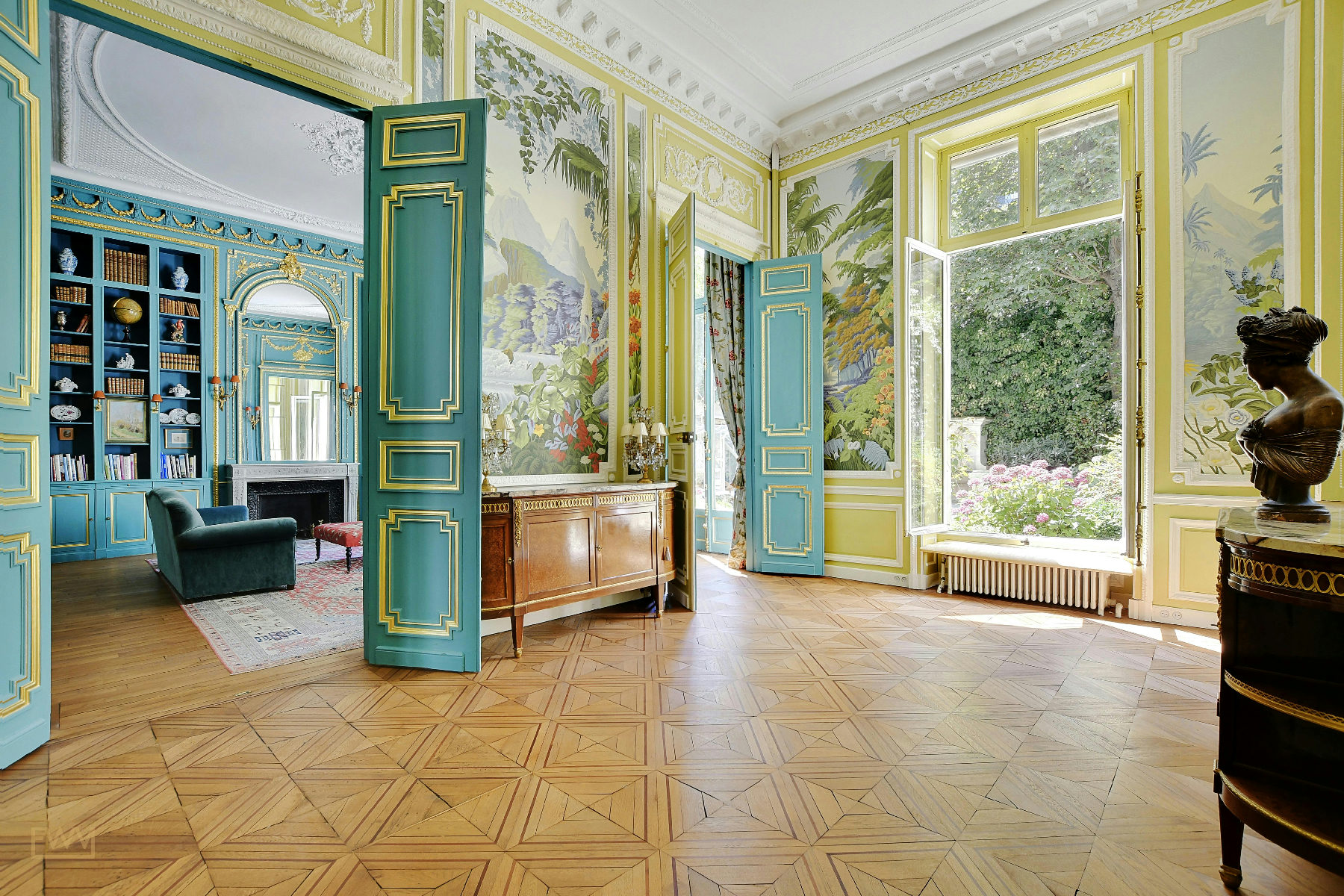
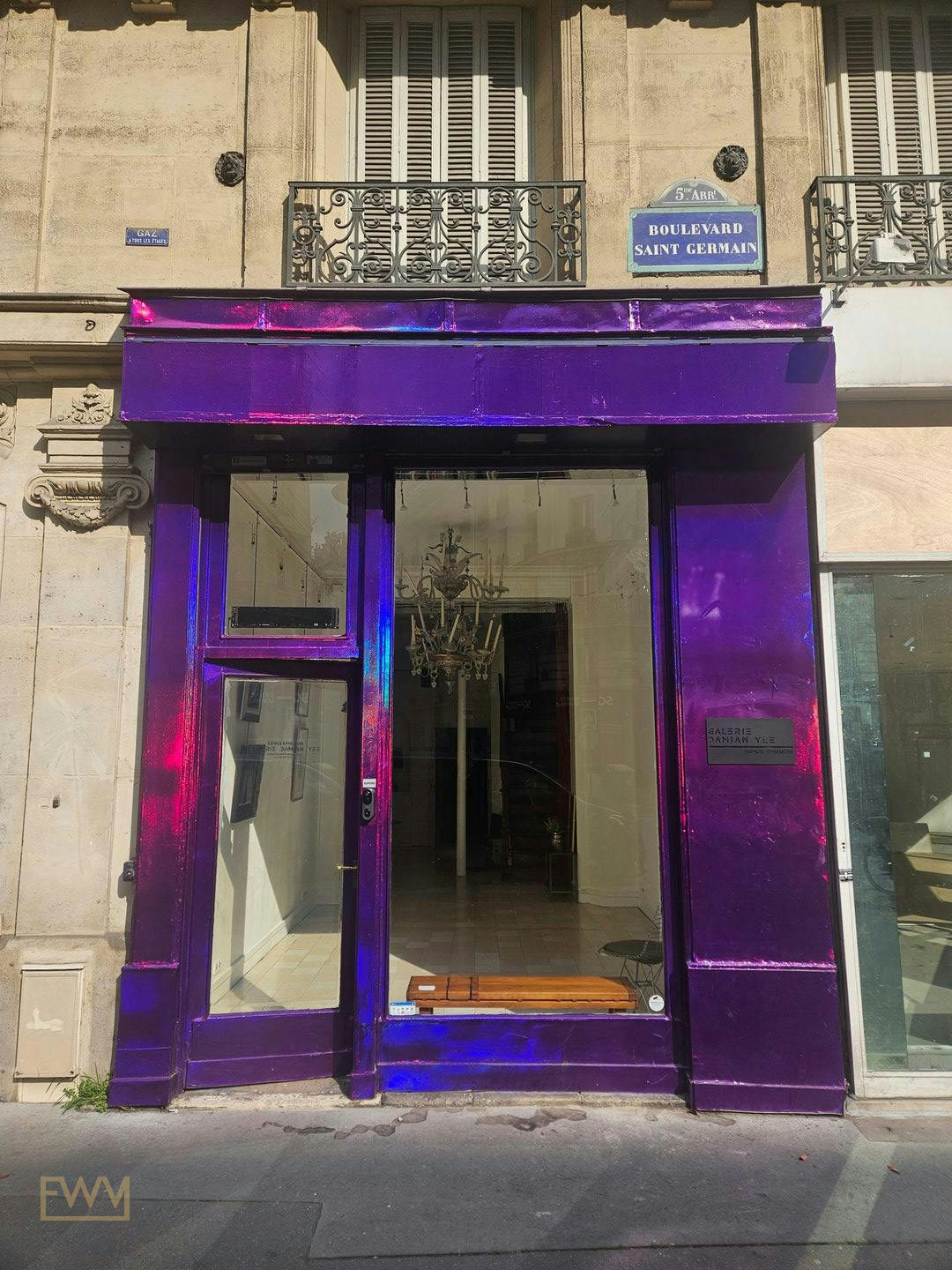
Saint-Germain-des-Prés is the intellectual and artistic heart of the Rive Gauche. Boulevard Saint-Germain and the streets surrounding it house a mix of established luxury boutiques, art galleries, and independent fashion retailers. Space types here tend to be ground-floor storefronts with Haussmannian architecture, high ceilings, parquet floors, and significant street visibility. The clientele skews toward design professionals, established luxury consumers, and culturally engaged international visitors. For fashion brands, beauty brands, and gallery-format activations, this is a natural home. Spaces on Rue de Grenelle and Rue du Four are particularly sought after for boutique and charming boutique formats.
Rue du Bac and the 7th Arrondissement
Running directly north from Le Bon Marché toward the Seine, Rue du Bac is one of the most consistently trafficked retail streets in the 7th arrondissement. It is residential in character but punctuated with carefully curated independent retailers, concept stores, and art galleries. Spaces here suit showroom formats, fashion showroom activations, and brand discovery pop-up stores that benefit from a slightly quieter, more residential feel. Surface area tends to be compact, and furnishings and design quality matter enormously to the neighbourhood aesthetic.
Place des Vosges and Le Marais (3rd and 4th Arrondissements)
While technically a short distance from Le Bon Marché itself, Le Marais is often considered in the same brand strategy conversation. The Marais, particularly around Place des Vosges and Rue de Turenne, offers a denser concentration of temporary retail spaces, pop-up stores, and exhibition spaces. The clientele here is younger, more fashion-forward, and more open to discovery retail. Rue de Turenne and streets feeding into it, including areas near L'Agence Les Enfants Rouges market, attract a high volume of design-conscious visitors. Haussmannian storefronts with parquet floors and exposed architectural details are common.
Palais Royal and Rue Saint-Honoré
The Palais Royal area connects the 1st arrondissement to the premium luxury corridor running through Rue Saint-Honoré. While not on the Rive Gauche, it is frequently considered alongside it for brand activations targeting the same luxury-curious press and buyer audience. Spaces within and around the Palais Royal arcades and on Rue Saint-Honoré offer extremely high credibility for fashion and luxury brands. Place Vendôme, further west, serves a different but equally valuable clientele for jewellery, watches, and ultra-premium fashion activations.
Champs-Élysées and the Golden Triangle
The Avenue des Champs-Élysées and the Golden Triangle formed by Avenue Montaigne, Avenue George V, and Avenue des Champs-Élysées represent Paris's most internationally recognised luxury retail address. Foot traffic here is extremely high, skewing toward international tourism. Brands seeking maximum visibility and volume rather than the precise clientele of the Rive Gauche frequently consider this zone for pop-up stores and flagship activations. Rue de Rivoli, running along the north side of the Tuileries gardens, connects this zone to central Paris and offers additional storefront options.
Montmartre and Pigalle (18th Arrondissement)
For brands targeting a younger, more creative demographic and seeking lower rental costs relative to the Rive Gauche, Montmartre and Pigalle offer a growing portfolio of temporary retail spaces, studio photo spaces, exhibition spaces, and event spaces. The neighbourhood has seen significant creative migration over the past decade and now supports a meaningful fashion and beauty brand activation ecosystem.
Quick answer: The neighbourhoods closest to Le Bon Marché for retail activation are Saint-Germain-des-Prés and Rue du Bac in the 6th and 7th arrondissements. Le Marais, Palais Royal, and Rue Saint-Honoré offer comparable brand positioning for different clientele profiles. Each neighbourhood has a distinct space typology, rental cost range, and foot traffic character.
KEY TAKEAWAY: Neighbourhood selection is a strategic brand decision, not just a property search. The area around Le Bon Marché suits brands that prioritise clientele quality over visitor volume, a trade-off that directly affects your space brief, budget, and activation model.
With the geography established, the next step is understanding what types of spaces are actually available in this part of Paris and what they offer operationally.
Types of Retail and Commercial Spaces Available Near Le Bon Marché
The range of space types available in the Rive Gauche and surrounding neighbourhoods is broader than many brands expect when they begin their search. Understanding the operational differences between space types prevents costly mismatches between your activation concept and the property you ultimately select.
Ground-Floor Storefronts
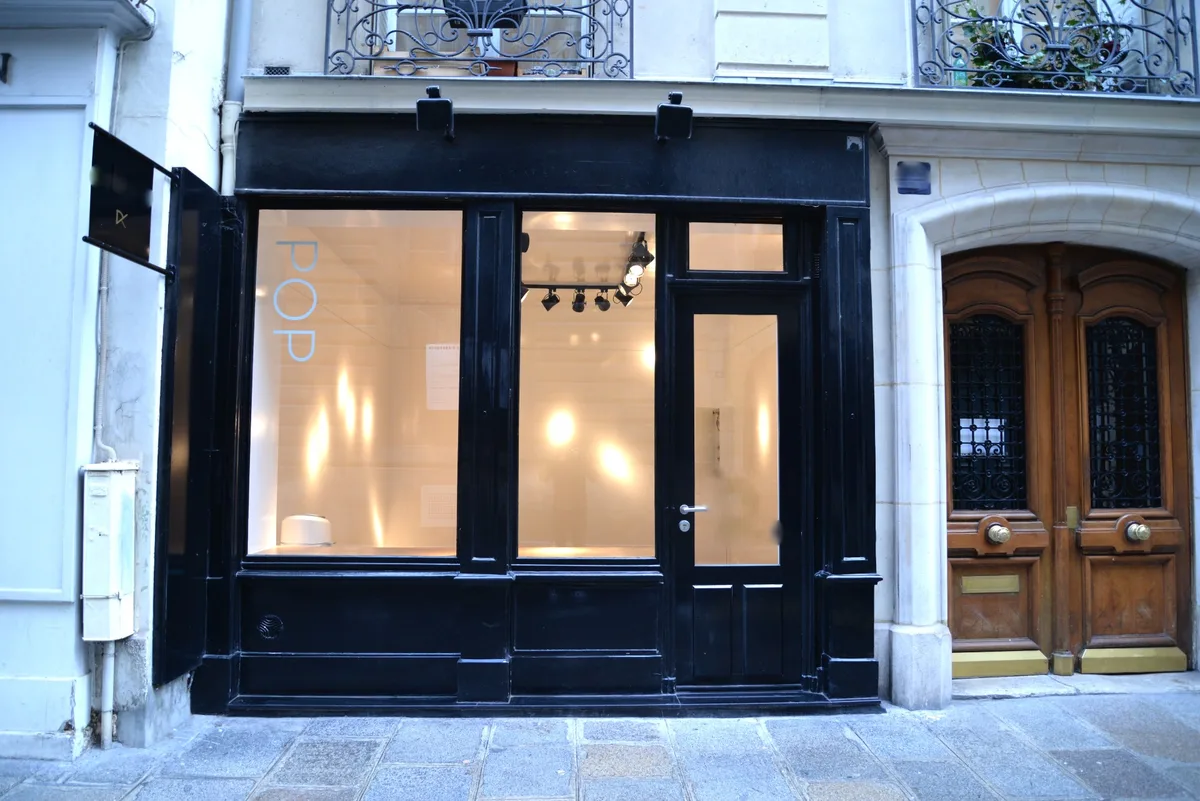
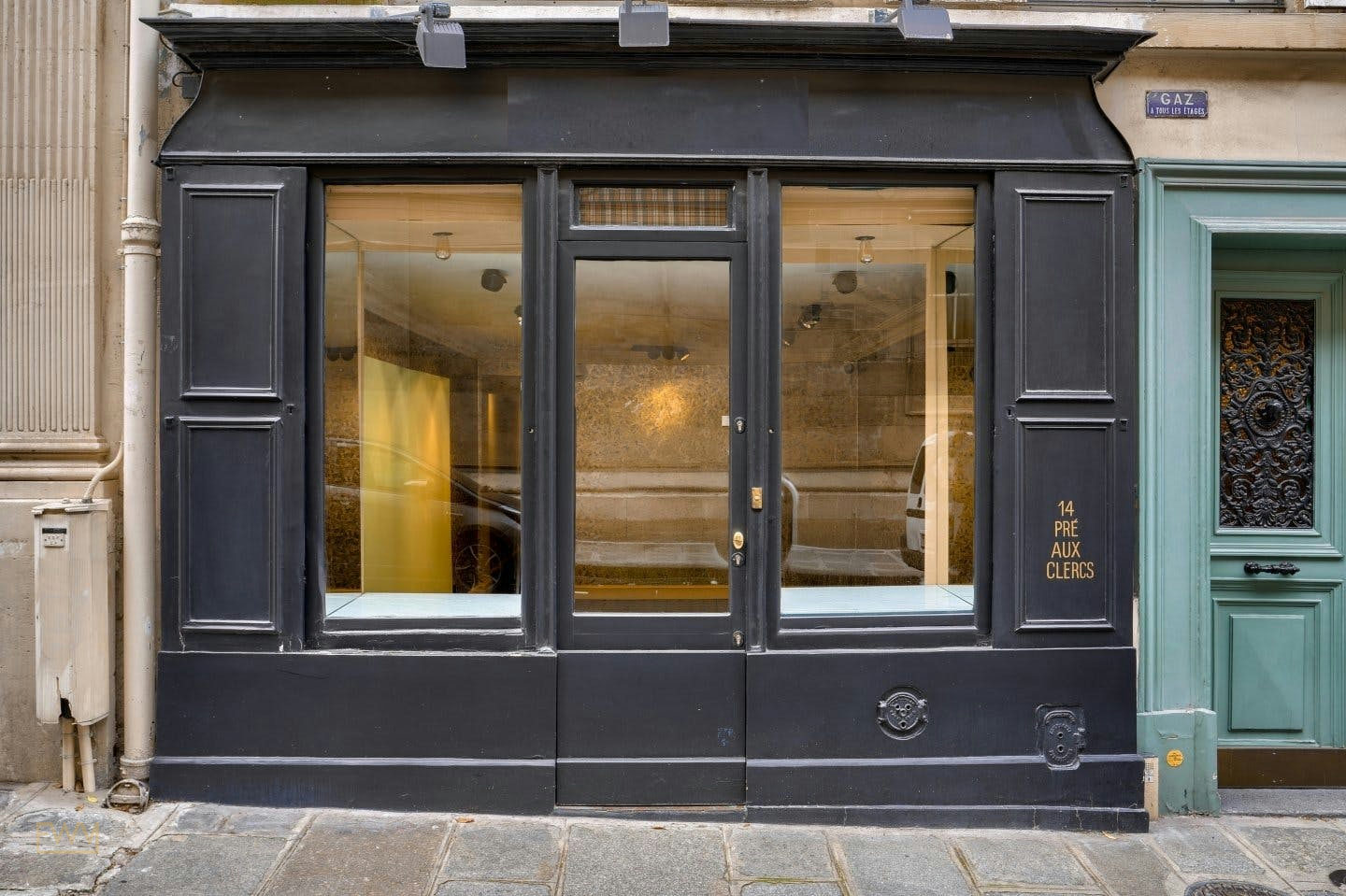
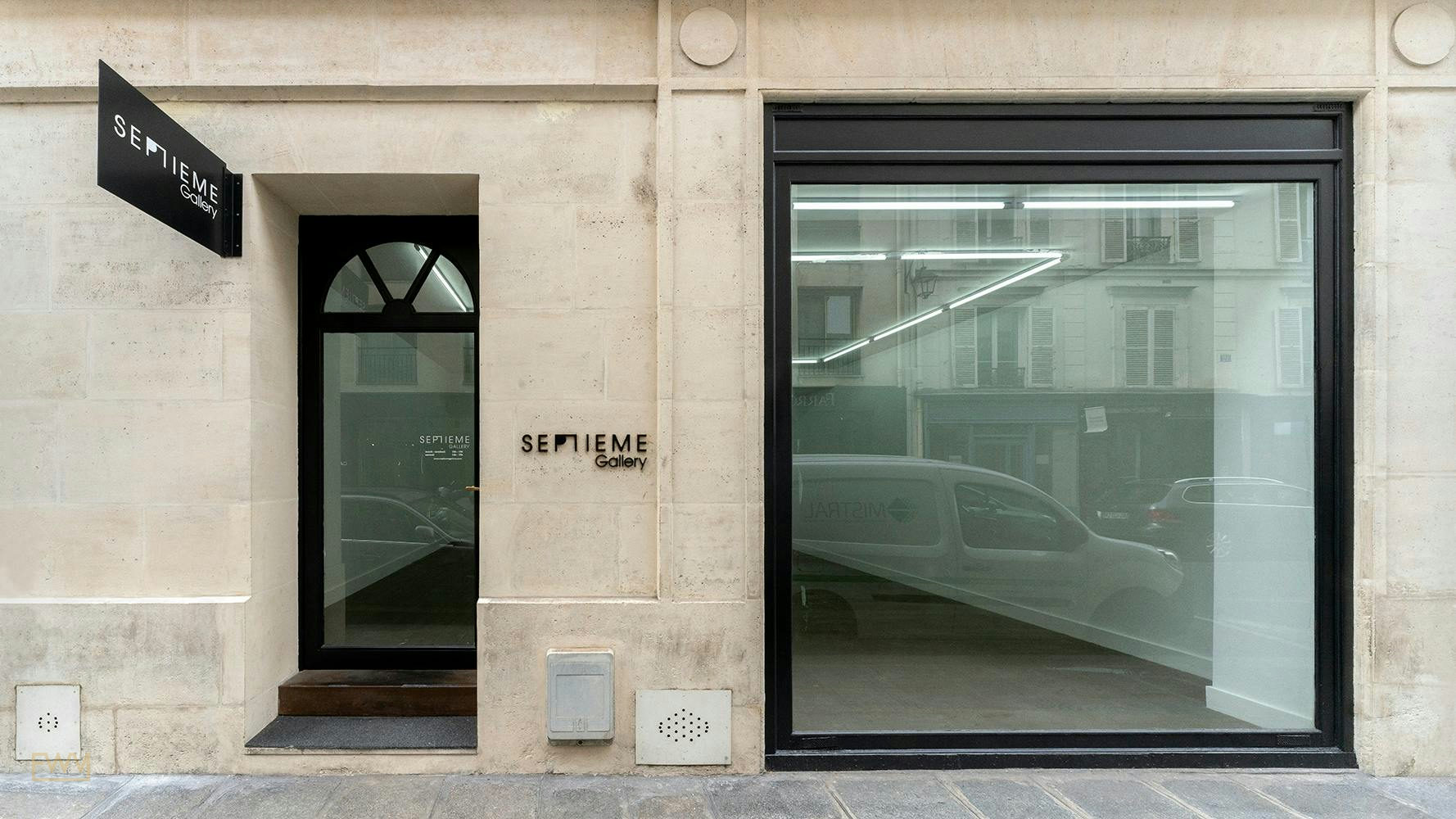
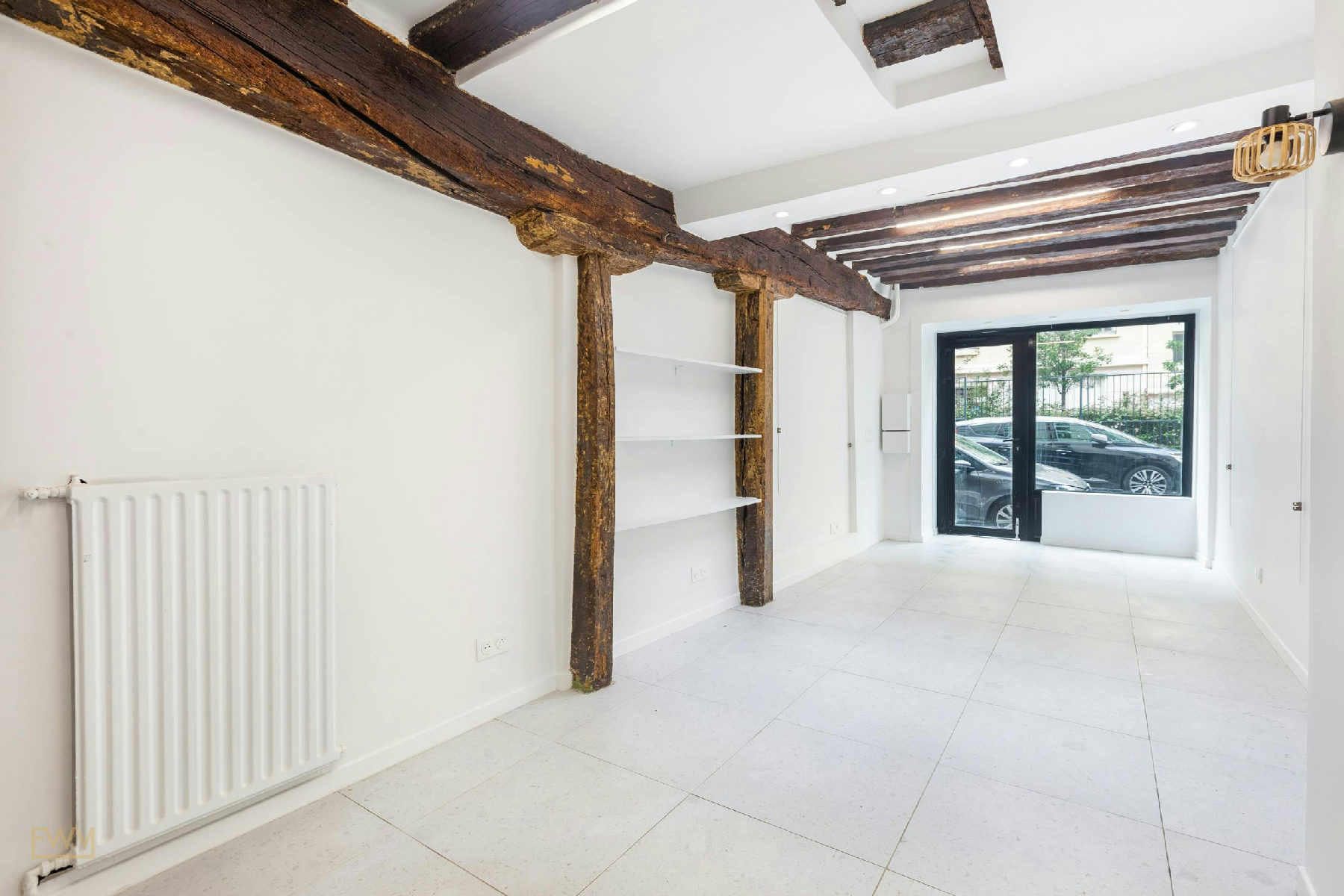
The classic pop-up store format. Ground-floor storefronts on or near Rue de Sèvres, Boulevard Raspail, and the side streets of Saint-Germain-des-Prés offer direct street visibility, signage opportunity, and natural footfall capture. Haussmannian architecture is common, bringing high ceilings, parquet floors, and large display windows. These spaces typically require fitting out, meaning your production and build budget needs to account for temporary fixtures, lighting, and furnishings. Surface area in this zone tends to range from compact boutique formats of 30 to 80 square metres to larger retail floor spaces of 150 square metres or more, though availability of larger spaces at short notice is limited.
Gallery Spaces and Exhibition Spaces
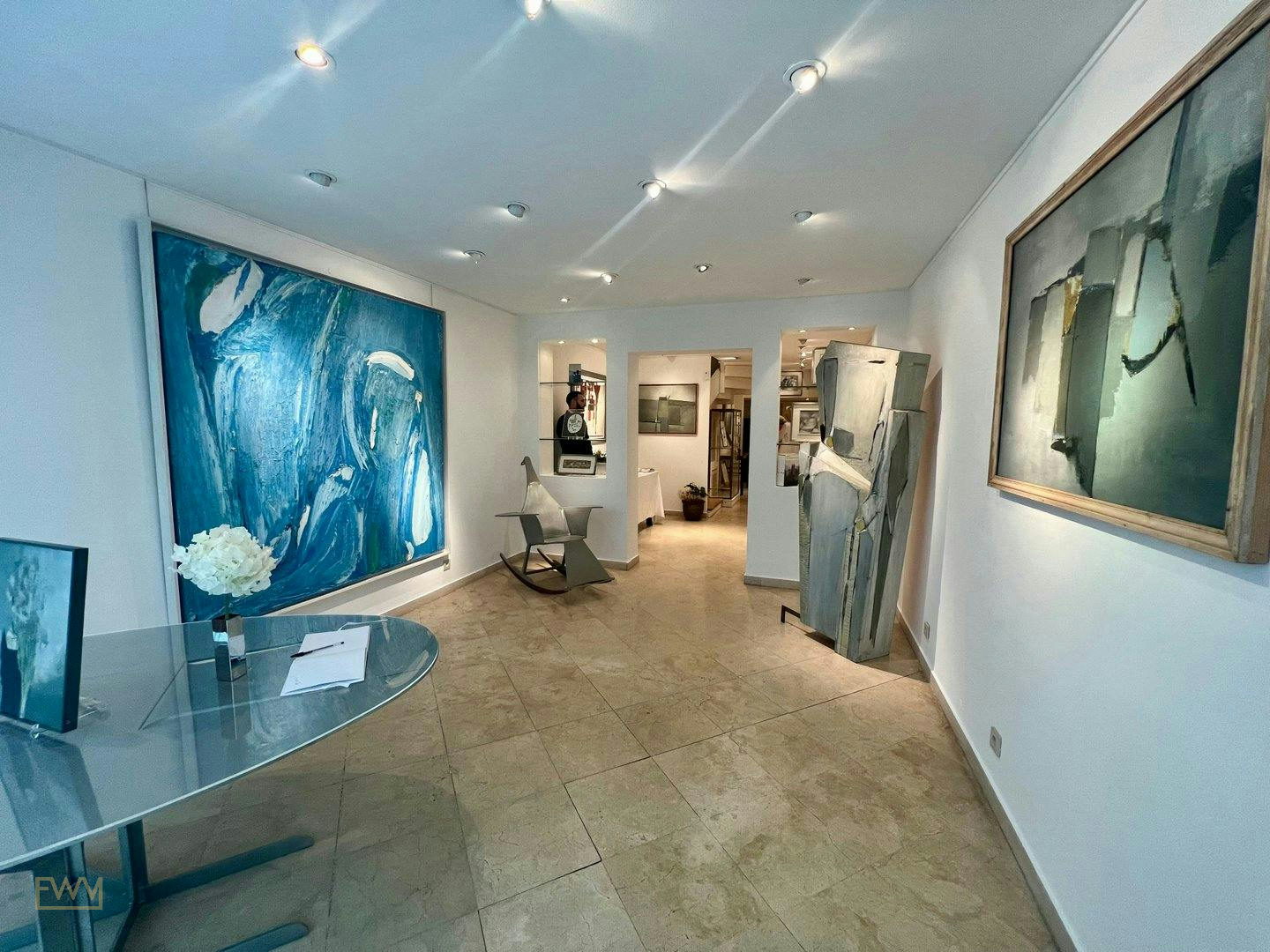
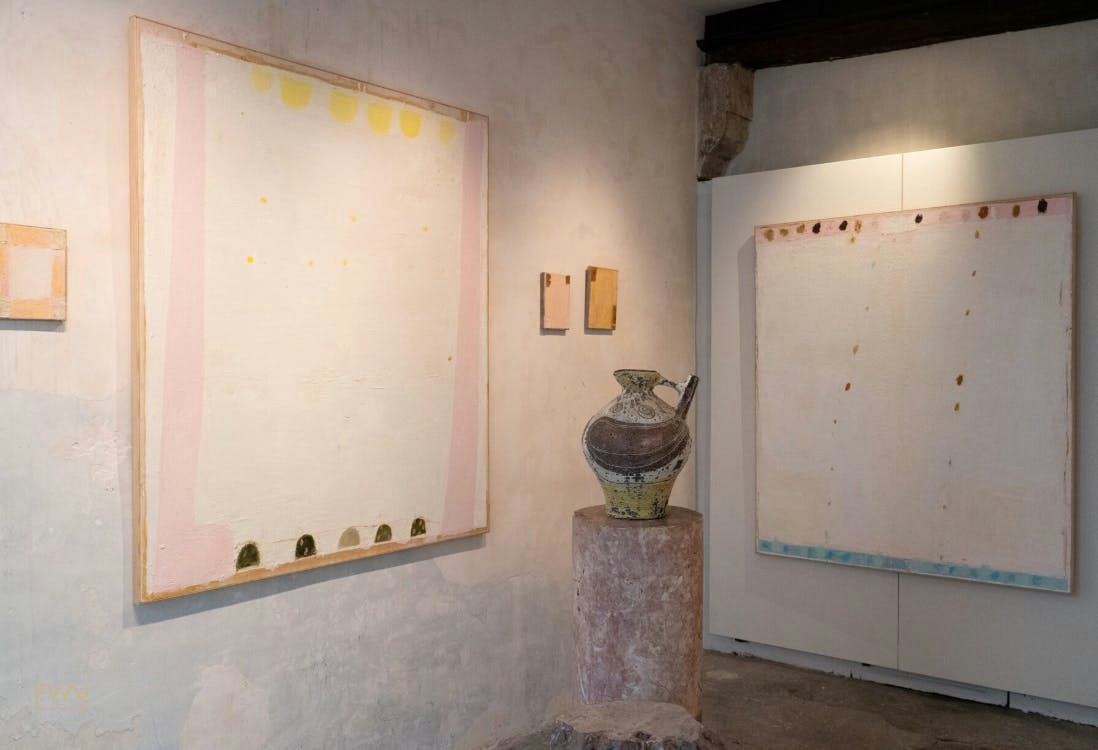
Art galleries along Rue du Bac, Rue Mazarine, and similar streets in the 6th arrondissement frequently open their spaces to temporary brand activations, particularly during periods between exhibitions. These spaces offer white-wall environments, professional lighting including spotlights, polished concrete floors or parquet floors, and an immediate cultural credibility that branded retail environments often lack. They suit fashion brands, beauty brands, and luxury accessories brands seeking a gallery retail format rather than a conventional store experience.
Fashion Showrooms
Showroom spaces in this zone serve a specific function during Paris Fashion Week in February and September and October. They are typically residential-scale spaces, apartments or converted upper-floor properties, that accommodate appointment-based brand presentations for press, buyers, and wholesale clients. A fashion showroom near Le Bon Marché benefits from the neighbourhood's established positioning with the press community. Requirements typically include private lounge areas, storage areas, good natural light, and access to basic kitchen and restroom facilities.
Charming Boutiques and Concept Stores
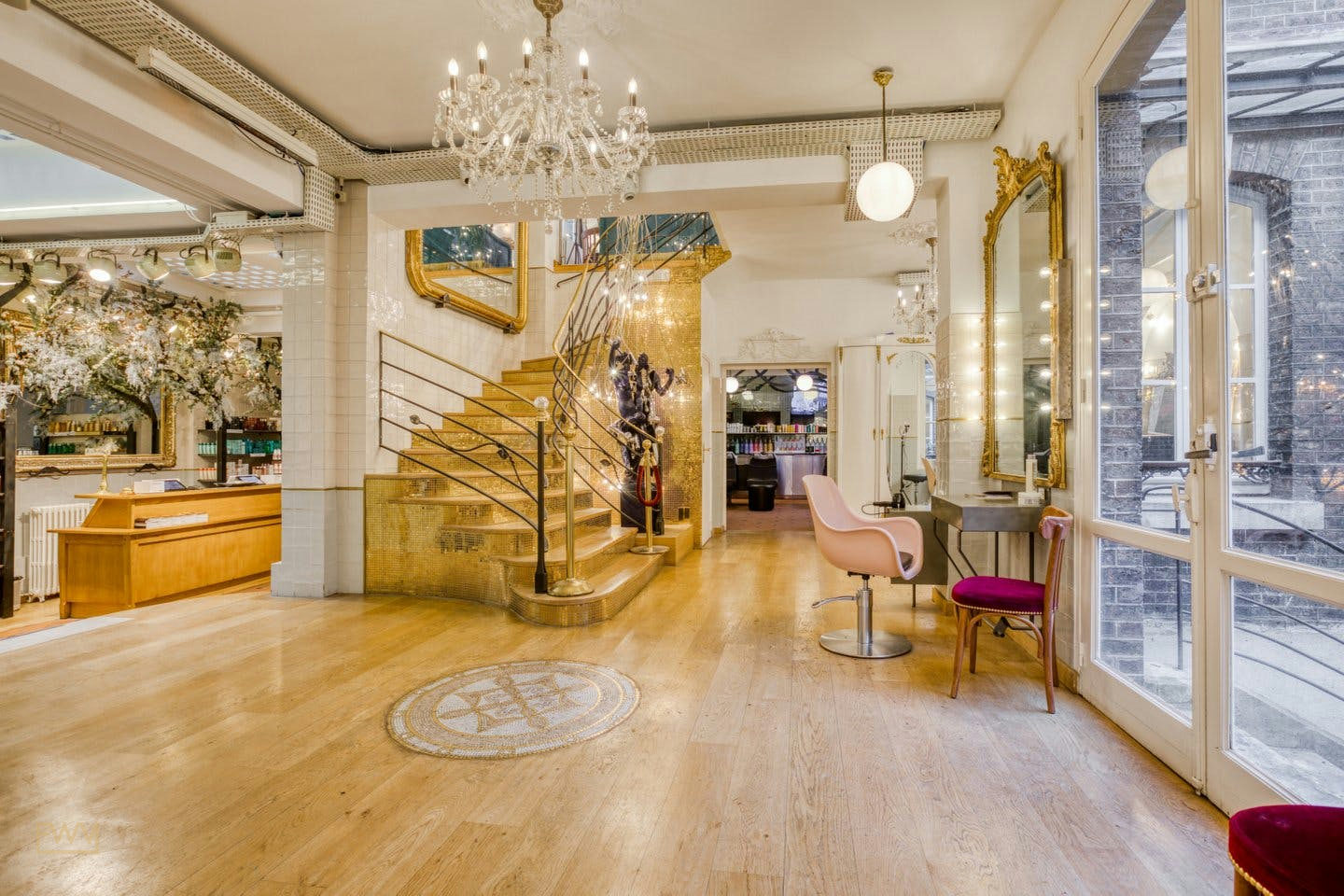
Some existing retailers in the area make their spaces available during specific calendar periods, including the Christmas period and Fashion Week windows. These charming boutique formats come partially furnished and carry an existing neighbourhood identity that can benefit brands looking for authentic local context. They require less production investment than raw storefronts but offer less creative freedom in terms of design and signage.
Event Spaces and Multi-Purpose Venues
Event spaces in the Rive Gauche neighbourhood are typically Haussmannian apartments on upper floors, former private clubs, or cultural venues with flexible floor plans. They suit launch events, press presentations, influencer activations, and brand experiences that combine retail with hospitality. These spaces often include furnishings, lighting rigs, kitchen facilities, restrooms, and private lounge configurations. They are also relevant for brands planning a Studio Photo activation alongside their retail presence.
| Space Type | Best For | Typical Surface Area | Key Features |
|---|---|---|---|
| Ground-Floor Storefront | Pop-up retail, product launch, seasonal store | 30 to 200 sq m | Street visibility, signage, display windows |
| Art Gallery | Fashion brand, beauty, luxury accessories | 50 to 300 sq m | White walls, spotlights, polished concrete or parquet floors |
| Fashion Showroom | Press and buyer appointments, wholesale presentations | 50 to 150 sq m | Private lounge, storage, natural light, apartment feel |
| Charming Boutique | Short-term retail with ambient credibility | 20 to 100 sq m | Existing furnishings, neighbourhood identity |
| Event Space | Launch, press night, influencer activation | 80 to 500 sq m | Flexible layout, kitchen, restrooms, private lounge |
| Studio Photo | Content creation, lookbook shoots | 40 to 200 sq m | Neutral backdrops, lighting rigs, access flexibility |
KEY TAKEAWAY: Space type selection should follow activation format, not the other way around. Defining whether you need a retail storefront, a fashion showroom, a gallery format, or an event space before you begin browsing listings will save significant time and prevent budget overruns from late-stage concept changes.
Once the space type is clear, the next question is the leasing structure that makes short-term access to these spaces legally and practically viable in France.
Understanding Short-Term Leasing in Paris: Bail Dérogatoire, AOT, and Temporary Retail Agreements
Short-term retail leasing in France operates under a legal framework that differs significantly from standard commercial leases and from the informal pop-up arrangements common in some other markets. Brands unfamiliar with French property law frequently underestimate the complexity of this process, which can create delays, compliance risks, and unexpected costs.
Quick answer: In France, short-term commercial property access is most commonly structured as a bail dérogatoire, an AOT (autorisation d'occupation temporaire), or a convention d'occupation précaire. Each has different duration limits, legal implications, and requirements. Brands should always verify their specific situation with a qualified French legal advisor before signing any agreement.
Bail Dérogatoire (Short-Term Derogatory Lease)
A bail dérogatoire allows a commercial tenant to occupy a space for a fixed term of up to 36 months without triggering the protections of the standard French commercial lease (bail commercial). This is the most commonly used structure for short-term retail activations in Paris. The key requirement is that both parties explicitly agree in writing that the lease is derogatory and that the tenant does not acquire the right to renewal at the end of the term. Duration minimums and maximums, notice periods, and exit conditions vary by agreement and landlord. This structure is suitable for pop-up stores, temporary retail activations, and seasonal boutiques lasting from a few weeks to a few months. Requirements vary by space type, duration, and arrondissement.
Autorisation d'Occupation Temporaire (AOT)
An AOT is a form of temporary occupation permission, frequently used for public or semi-public spaces including certain spaces within cultural institutions, municipal properties, and Palais Royal-type venues. The AOT is not a lease in the strict sense but grants a licence to occupy for a defined purpose and period. It typically carries more conditions regarding use, trading hours, and signage than a bail dérogatoire, and the granting authority retains more control over the activation. AOTs are particularly relevant for brands seeking to activate within or adjacent to publicly owned heritage spaces.
Convention d'Occupation Précaire
A convention d'occupation précaire is a precarious occupancy agreement used when the temporary nature of the arrangement is justified by a specific circumstance, such as a pending property sale or planning decision. It offers less security than a bail dérogatoire and should be approached with particular care. Brands should seek legal verification before entering this structure.
Loi Carrez and Surface Area Declarations
The Loi Carrez requires that residential properties above a certain size sold or leased under specific conditions declare their surface area accurately. While Loi Carrez primarily applies to residential sales, its principles of surface area transparency are relevant when evaluating commercial spaces, particularly converted residential properties used for showroom or event space purposes. Always verify the declared square metres against your operational requirements and ensure that floor and access configurations are clearly specified in any agreement.
Property Tax Considerations
Property tax obligations in France, including taxe foncière and, where applicable, taxe sur les locaux commerciaux, may be passed to tenants under certain lease structures. Brands should clarify which taxes, if any, are borne by the tenant under the specific agreement, as this affects total occupancy cost. This is particularly important for activations lasting more than a few weeks where the apportionment of ancillary costs becomes material.
IMPORTANT: French commercial property law is complex, and the specific requirements, obligations, and risks attached to any leasing structure depend on the individual property, the intended use, and the arrondissement. Always verify your leasing structure with a qualified French legal advisor before committing. Fashion Week Venues provides directional guidance through its permit and compliance tool but this does not constitute legal advice.
KEY TAKEAWAY: Short-term retail leasing in France is not legally straightforward. Understanding the difference between a bail dérogatoire, an AOT, and a convention d'occupation précaire, and knowing which structure applies to your specific space and use case, is essential before any agreement is signed.
Alongside the legal structure, the physical requirements of the activation itself, covering permits, signage, and local regulations, add another layer of planning that brands must address early.
Permits, Regulations, and Local Compliance for Pop-Up Stores in Paris
Running a temporary retail activation or pop-up store in Paris requires navigating a set of local regulations that go beyond the lease agreement itself. Permit requirements vary by activity type, space location, duration, and arrondissement, and non-compliance can result in fines, forced closure, or reputational damage.
Commercial Activity Permits
Depending on the nature of the activation, brands may need to register a commercial activity with the relevant French authorities. International brands without a French legal entity can in many cases operate through a short-term commercial licence or through a French legal partner, but the specifics depend on the trading structure, the products sold, and the VAT obligations arising from French sales. Requirements vary by situation and should be verified with a French legal and tax advisor.
Signage and External Display Permits
The display of external signage, including window graphics, banners, and temporary facades, in Paris is regulated by the city's signage charter (règlement local de publicité). This is particularly strict in protected heritage zones, which include significant portions of Saint-Germain-des-Prés, Le Marais, and the areas around Place Vendôme and Palais Royal. Brands should confirm signage permissions with their landlord and, where necessary, with the relevant mairie (arrondissement town hall) before installing any external display materials.
Trading Hours and Noise Regulations
Paris imposes specific restrictions on trading hours in residential areas, and the streets around Le Bon Marché include significant residential populations. Event-format activations that involve music, live entertainment, or late-night trading require specific authorisation and may face objections from local residents if not properly permitted. Brands planning evening events or installations should confirm their intended trading hours against local regulations before finalising the activation format.
Fire Safety and Accessibility
All publicly accessible commercial spaces in France must comply with the regulations governing établissements recevant du public (ERP), which cover fire safety, emergency exit provision, and accessibility for people with disabilities. Temporary retail activations are not exempt from these requirements. Brands should verify that their chosen space already holds the necessary ERP classification or can achieve it within the activation timeline.
TIP: Use the Fashion Week Venues permits tool to generate a directional checklist of likely permit requirements for your specific activation type, location, and duration. This does not replace legal advice but provides a useful starting framework for early planning conversations.
KEY TAKEAWAY: Permit compliance in Paris is not optional and is not simplified by the short duration of a temporary retail activation. Early engagement with permit requirements, ideally at the briefing stage before a space is confirmed, prevents costly delays and forced modifications to the activation plan.
With the legal and compliance framework clear, the practical question of cost becomes the central planning challenge for most brands.
What Does It Cost to Rent Retail Space Near Le Bon Marché Paris?
Rental costs for temporary retail spaces in the Rive Gauche and Saint-Germain-des-Prés area are among the highest in Paris, reflecting the neighbourhood's demand profile, the quality of available spaces, and the limited supply of genuinely desirable storefronts and showrooms in this arrondissement. Brands approaching this market for the first time frequently underestimate the total cost of activation, focusing on the headline rental figure while overlooking the full range of direct and indirect costs.
Quick answer: Rental costs for temporary retail spaces near Le Bon Marché depend on space type, surface area, duration, condition, and the specific calendar window. The Rive Gauche and Saint-Germain-des-Prés consistently rank among the most expensive temporary retail markets in Paris. Directional estimates should be treated as planning ranges only, and brand-specific figures should be developed using a dedicated budget tool rather than published averages.
Components of Total Activation Cost
The headline rental figure for a temporary space is only one element of total activation cost. Brands planning a pop-up store or showroom near Le Bon Marché should budget for the following components:
- Space rental: the per-day, per-week, or per-month cost agreed with the landlord
- Security deposit: typically equivalent to one to three months of rental
- Production and build: fit-out, temporary fixtures, display systems, and signage
- Furniture rental: if the space is unfurnished and a furnishings brief is required
- Lighting: installation or rental of spotlights and supplementary lighting
- Retail staffing: sales staff, brand ambassadors, and security
- POS and payment systems: card readers, POS software, and cash management
- Permit fees: where applicable, costs associated with commercial activity registration and signage permits
- Utilities: where not included in the rental agreement
- Restoration: the cost of returning the space to its original condition at lease end
- Insurance: public liability and property insurance, which may be required by the landlord
Understanding Pricing Dynamics in the Rive Gauche
Pricing for temporary retail spaces in Paris is not listed uniformly. Many landlords in the Rive Gauche and Saint-Germain-des-Prés area operate through their own networks, through curated agencies, or through direct relationships built over time. Published listings on commercial property platforms represent only a portion of available inventory. This means that brands relying solely on online search may access a narrower and potentially less favourable selection of spaces than those working through an established agency with direct landlord relationships.
Calendar window significantly affects price. Spaces available during Paris Fashion Week in February and September attract a premium relative to off-peak periods. The Christmas period similarly drives up demand and pricing in the Rive Gauche neighbourhood given Le Bon Marché's major annual Christmas installation and the resulting visitor surge. Brands with flexible calendar windows can achieve more favourable terms by targeting shoulder periods.
TIP: Use the Fashion Week Venues budget calculator to build a structured cost estimate for your activation. The tool accounts for space type, surface area, duration, and service requirements, giving you a more reliable planning figure than published averages.
KEY TAKEAWAY: Total activation cost near Le Bon Marché is significantly higher than the headline rental figure alone. Brands must budget comprehensively across space, production, staffing, permits, and restoration to avoid mid-activation cost surprises. Early budget planning using a structured tool prevents the most common financial overruns.
Cost is closely linked to the calendar, and in Paris, the calendar is defined by the fashion week schedule, seasonal retail peaks, and the specific windows that attract the most valuable visitors to any given neighbourhood.
Paris Fashion Week and the Seasonal Calendar for Retail Activations
Paris Fashion Week is the most important calendar event for any brand considering a temporary retail activation or showroom in the city. The February and the late September to early October windows draw the highest concentration of international press, buyers, brand teams, and fashion-literate consumers anywhere in the world. For brands renting space near Le Bon Marché, these windows represent both the highest opportunity and the highest competition for quality spaces.
Paris Fashion Week Windows
Paris Fashion Week Womenswear typically runs in late February for the autumn-winter collections and in late September to early October for the spring-summer collections. Menswear Fashion Week runs in January and June. Each window lasts approximately ten days, but the surrounding weeks before and after each event extend the period of elevated visitor quality considerably. Brands planning showroom activations for press and buyers typically need their space operational from two to three days before the official fashion week schedule begins.
The Christmas Period and Seasonal Peaks
The period from late November through to early January is a major retail peak for the Le Bon Marché neighbourhood specifically. Le Bon Marché's annual Christmas installation, which typically occupies significant internal and external space and draws an international visitor audience, creates a spill-over effect on surrounding streets. Brands with products suited to gifting, luxury accessories, fashion, beauty, and home categories can benefit significantly from this period. Space availability for this window typically needs to be secured by late summer at the latest.
Other Relevant Calendar Windows
Maison et Objet, the international design and decoration fair held in January and September at Paris Nord Villepinte, draws significant design and interior professional traffic to Paris and can benefit brands operating in the home, design, and lifestyle categories. Paris Photo in November and FIAC in October attract art-adjacent consumers to the city. Brands with gallery-format or exhibition-space activations should consider aligning with these windows where relevant.
| Calendar Window | Period | Relevant Neighbourhoods | Best Space Types |
|---|---|---|---|
| PFW Womenswear AW | Late February | Rive Gauche, Le Marais, Palais Royal | Showroom, Pop-up Store, Gallery |
| PFW Womenswear SS | Late September to early October | Rive Gauche, Le Marais, Palais Royal | Showroom, Pop-up Store, Gallery |
| Christmas Season | Late November to early January | Rive Gauche, Saint-Germain-des-Prés, Champs-Élysées | Pop-up Store, Charming Boutique, Event Space |
| Maison et Objet | January and September | Marais, Palais Royal, Saint-Honoré | Showroom, Exhibition Space |
| Paris Photo | November | Grand Palais, Saint-Germain-des-Prés | Gallery, Exhibition Space |
Quick answer: For brands renting near Le Bon Marché, the two Paris Fashion Week windows and the Christmas season are the highest-value calendar targets. Space for all three should be secured well in advance, often six months or more ahead, as demand in the Rive Gauche zone consistently outpaces available inventory during peak periods.
KEY TAKEAWAY: Calendar planning is as important as neighbourhood selection. The most strategically positioned space in Paris will underperform if it is activated during a low-traffic window. Aligning your activation calendar with the city's major fashion, design, and retail peaks is the single highest-leverage planning decision a brand can make.
Planning the calendar correctly sets the stage for a well-executed activation, but execution quality depends on the team and services behind the activation itself.
How Fashion Week Venues Supports Brands Renting Near Le Bon Marché
Fashion Week Venues is a full-service pop-up agency and space marketplace operating across Paris and other major fashion capitals including London, Milan, New York, Tokyo, and Dubai. For brands seeking to rent retail space near Le Bon Marché or anywhere in the Rive Gauche and Saint-Germain-des-Prés zone, Fashion Week Venues provides end-to-end support from initial brief through to activation close-down.
Space Discovery and Sourcing
The Fashion Week Venues marketplace provides access to a curated portfolio of temporary retail spaces, showrooms, gallery spaces, and event venues across Paris. Rather than relying solely on commercial property platforms or cold outreach to landlords, brands can access venue sourcing services that draw on direct landlord relationships, off-market inventory, and neighbourhood-specific knowledge. This is particularly valuable in the Rive Gauche zone, where many of the most desirable spaces are not publicly listed.
Creative Direction and Concept
Once a space is identified, Fashion Week Venues provides concept direction services to develop the activation identity, format, and visitor experience. For brands activating near Le Bon Marché, this includes advice on how to position the space relative to the neighbourhood aesthetic, how to use Haussmannian architectural features such as parquet floors and high ceilings to brand advantage, and how to develop a concept that resonates with the Rive Gauche clientele specifically.
Production, Build, and Fit-Out
The production and build service covers the physical transformation of a raw or semi-furnished space into a fully operational retail environment. This includes temporary fixtures, display systems, branded design elements, lighting including spotlights, and all elements required to meet both the brand brief and the ERP safety requirements of the space. Brands benefit from a managed production process that coordinates decorators, architects, and technical contractors through a single point of accountability.
Retail Staffing and Operations
Running a temporary retail activation in Paris requires French-speaking staff who understand both the product and the local clientele. Fashion Week Venues provides retail staffing solutions covering sales staff, brand ambassadors, and operational management. For brands without a French-language experience infrastructure, this is a critical service that directly affects conversion quality and customer experience.
Tools and Planning Resources
Fashion Week Venues provides a suite of planning tools designed to support brand teams at every stage of the process. These include a timeline planning tool, a budget calculator, an ROI calculator, a space comparison tool, a locator tool, and a permits tool. These tools do not replace professional advice but provide a structured framework for early-stage planning and internal briefing.
Who Benefits Most
Fashion Week Venues is most valuable for international brands entering Paris for the first time, brands without an established French retail infrastructure, creative directors and brand teams who need a production partner rather than just a space broker, and activation managers who need a single point of accountability across space, design, build, and operations. The service is also relevant for brands that have previously managed Paris activations independently and have experienced the cost and time overruns that come from coordinating multiple local suppliers without specialist oversight.
Quick answer: Fashion Week Venues handles space sourcing, creative direction, production and build, retail staffing, POS and payments, data and analytics, and influencer marketing for temporary retail activations in Paris. The service is structured as a full-service agency engagement, not just a space listing platform, and is particularly suited to brands with complex briefs or limited Paris-specific infrastructure.
To compare neighbourhoods and space types for your specific brief, explore the Paris city hub on Fashion Week Venues and shortlist spaces that match your budget, calendar window, and activation format.
KEY TAKEAWAY: For brands renting near Le Bon Marché, the most common source of preventable cost and delay is the gap between space discovery and operational readiness. Fashion Week Venues closes this gap by managing the full activation pipeline through a single accountable agency relationship.
Understanding the services available is one dimension of preparation. Understanding common misconceptions about the market is equally important for avoiding strategic and operational errors.
Operational Requirements for a Successful Pop-Up Near Le Bon Marché
The operational requirements of a temporary retail activation near Le Bon Marché go beyond the physical space itself. Brands that approach the activation purely as a real estate transaction, focused only on securing the right address, frequently encounter operational challenges that undermine the activation's commercial performance.
Space Configuration and Practical Features
Before committing to any space, brands should assess the full operational configuration, not just the footprint and location. Key practical features to evaluate include: floor type and condition, with polished concrete floors and parquet floors requiring different display and fixture approaches; lighting provision, including whether spotlights, track lighting, or natural light are the primary source; restroom provision and accessibility for public use; kitchen facilities if hospitality is part of the activation; private lounge areas for VIP or buyer appointments; storage areas for back-of-house stock management; and access configuration, including whether the space has ground-floor access, a lift for upper floors, or step-free access for accessibility compliance.
Signage and Street Visibility
Street visibility and signage capability are critical for pop-up stores targeting walk-in foot traffic. In the Rive Gauche neighbourhood, heritage restrictions may limit external signage options. Brands should verify signage permissions before finalising the space, not after the lease is signed. Window graphics, pavement boards, and temporary banners each carry different permission requirements and landlord approval processes.
Digital and Social Infrastructure
Modern pop-up activations near Le Bon Marché are expected to generate social media content as a primary output alongside direct sales. This means the space needs to support a content creation programme: strong lighting for photography and video, photogenic architectural features, and sufficient space for a Studio Photo setup if content production is a formal part of the activation plan. Brands should also plan for reliable internet connectivity for POS systems, social media posting, and data tracking from day one of the activation.
Influencer and Press Integration
The Rive Gauche neighbourhood carries inherent press credibility, but maximising press and influencer coverage of a temporary activation requires active planning. Invite lists, editorial narratives, and social media amplification strategies should be developed before the space opens. Fashion Week Venues provides influencer marketing support as part of its activation management service, which is particularly valuable for international brands that have not yet built a Paris-specific press and influencer network.
Data Tracking and ROI Measurement
Temporary retail activations that do not track performance data lose the learning value that justifies future activation investment. Brands should plan from the outset to capture visitor numbers, conversion rates, average transaction values, social media reach, and press coverage metrics. The Fashion Week Venues data and analytics service provides a framework for structured tracking that connects activation performance to brand and commercial objectives.
KEY TAKEAWAY: Operational readiness determines whether a well-located space becomes a successful activation. Checking floor configuration, lighting, signage permissions, digital infrastructure, and data tracking requirements before signing a lease prevents the most common operational failures in Paris temporary retail.
With operations planned, it is worth addressing the misconceptions that most frequently lead brands to make avoidable mistakes in this market.
Comparing Paris Neighbourhoods for Brand Activation: A Decision Framework
Choosing between Saint-Germain-des-Prés, Le Marais, Rue Saint-Honoré, and other Paris neighbourhoods for a temporary retail activation requires a structured comparison framework rather than a purely instinctive response to address prestige. The right neighbourhood depends on the brand's target clientele, activation format, budget, and calendar objectives.
Quick answer: No single neighbourhood in Paris is universally the best choice for every brand. Saint-Germain-des-Prés suits design-literate, affluent clientele; Le Marais suits fashion-forward, discovery-oriented consumers; Rue Saint-Honoré suits luxury credibility-building; and the Champs-Élysées suits maximum visitor volume. The Le Bon Marché neighbourhood sits squarely in the Saint-Germain-des-Prés category with the added benefit of proximity to one of the world's most prestigious department stores.
| Neighbourhood | Clientele Profile | Space Availability | Relative Rental Cost | Best Activation Types |
|---|---|---|---|---|
| Saint-Germain-des-Prés / Rive Gauche | Affluent, design-literate, residential and visiting | Limited, curated | Very High | Showroom, Gallery, Charming Boutique |
| Le Marais | Fashion-forward, younger, international | Moderate, varied | High | Pop-up Store, Exhibition Space, Gallery |
| Rue Saint-Honoré / Palais Royal | Luxury, press, buyers | Limited, prestigious | Very High | Luxury Pop-up, Brand Experience, Showroom |
| Champs-Élysées / Golden Triangle | High volume, international tourism | Moderate | Very High | Flagship Pop-up, Brand Awareness |
| Montmartre / Pigalle | Creative, younger, local | Higher, growing | Moderate | Concept Store, Studio Photo, Event Space |
| Neuilly-sur-Seine / Porte de Champerret | Affluent suburban, professional | Moderate | Moderate to High | Showroom, B2B Presentation, Office Space |
Neuilly-sur-Seine and Porte de Champerret deserve a specific mention for brands requiring showroom or professional presentation spaces outside central Paris. The area offers a more corporate character with good transport links and a resident population of affluent Paris-area professionals. It is a viable alternative for brands whose activation format suits a quieter, more appointment-oriented environment rather than walk-in foot traffic.
TIP: Use the Fashion Week Venues space comparison tool to evaluate multiple spaces across different neighbourhoods against your specific brief criteria, including location, floor and access, space features, and surface area.
KEY TAKEAWAY: Neighbourhood comparison should be anchored to your specific clientele target, activation format, and budget, not to prestige alone. The Le Bon Marché zone wins on clientele quality and cultural credibility but requires careful budget planning and early space commitment given the limited inventory of suitable spaces.
With the comparison framework in place, it is time to address the practical timeline required to successfully execute an activation in this part of Paris.
Timeline for Renting and Activating a Pop-Up Space Near Le Bon Marché
One of the most consistent sources of avoidable difficulty in Paris temporary retail is an underestimation of the lead time required to secure a space, complete compliance checks, negotiate and sign the lease, produce the fit-out, and open to the public. Brands that approach the process too late frequently find that the best spaces are already committed or that permit and production timelines cannot be compressed without significant cost penalties.
| Phase | Activity | Recommended Lead Time Before Opening |
|---|---|---|
| 1. Strategic Brief | Define activation format, neighbourhood, space type, budget, and calendar window | 6 months or more |
| 2. Space Search | Brief agency, search marketplace, visit shortlisted spaces | 4 to 6 months |
| 3. Legal and Compliance Review | Review lease structure, permit requirements, ERP classification, signage permissions | 3 to 4 months |
| 4. Lease Negotiation and Signing | Finalise terms, deposit, restoration obligations, insurance requirements | 2 to 3 months |
| 5. Concept Direction | Develop space concept, visual identity, and visitor experience framework | 2 to 3 months |
| 6. Production and Build | Commission fit-out, fixtures, lighting, signage, furnishings | 4 to 8 weeks |
| 7. Staffing and Operations Setup | Recruit and brief staff, set up POS and payment systems, configure data tracking | 3 to 4 weeks |
| 8. Press and Influencer Outreach | Send invitations, coordinate preview events, brief social media partners | 4 to 6 weeks |
| 9. Opening and Activation | Launch, manage daily operations, track performance | Activation period |
| 10. Close-Down and Restoration | Derig, restore space, return deposit documentation, capture final data | 1 to 2 weeks after close |
For Fashion Week windows specifically, the timeline compression risk is highest. Paris Fashion Week space inventory in desirable neighbourhoods is frequently committed by January for the February window and by June or July for the September and October window. Brands that begin their search after these points are working against the market rather than with it.
KEY TAKEAWAY: A realistic minimum lead time for a fully compliant, well-produced temporary retail activation near Le Bon Marché is four to six months for most brand teams. Brands with complex concepts, large surface areas, or significant permit requirements should plan for six months or more. Use the Fashion Week Venues timeline tool to map your specific activation against this framework.
Common Myths About Renting Retail Space in Paris Debunked
MYTH: You need a French legal entity to rent a commercial space in Paris.
FACT: International brands without a French legal entity can, in many cases, access temporary retail spaces through a bail dérogatoire or AOT structure, sometimes with the support of a French legal partner or agency acting on their behalf. The specific requirements depend on the leasing structure, the landlord's preferences, and the intended trading activity. Brands should verify their specific situation with a French legal advisor rather than assuming that the absence of a French company automatically blocks access. Working with an established Paris activation agency can significantly simplify this process.
MYTH: Paris Fashion Week is the only viable calendar window for a temporary retail activation near Le Bon Marché.
FACT: While Paris Fashion Week in February and September to October are the highest-profile windows, the Christmas period, Maison et Objet in January and September, and Paris Photo in November all generate significant high-quality visitor traffic to the Rive Gauche neighbourhood. Shoulder periods between major events can also offer strong value for brands targeting resident Parisians rather than event-driven visitors. Calendar strategy should match the brand's specific clientele objective, not default to the most famous event window.
MYTH: Commission-based brokers are the only way to find a pop-up space in Paris.
FACT: Commission-based space brokers represent one route to market but not the only one. Curated agency marketplaces, direct landlord relationships, cultural institution partnerships, and specialist fashion activation agencies all provide alternative access to temporary retail inventory. In many cases, working through a full-service agency with direct landlord relationships provides access to off-market spaces that are never publicly listed, including some of the most sought-after addresses in Saint-Germain-des-Prés and Le Marais.
MYTH: Short-term commercial leases in Paris are legally straightforward and require minimal expert input.
FACT: Short-term commercial leasing in France involves a specific legal framework, including bail dérogatoire and AOT structures, that carries material risks if not properly understood. Permit requirements, surface area declarations under Loi Carrez principles, ERP compliance, signage restrictions, and property tax apportionment are all issues that have caught international brands by surprise. The cost of engaging a French legal advisor at the outset is significantly lower than the cost of resolving a compliance issue or lease dispute mid-activation.
MYTH: Any standard retail staffing agency can provide staff for a Paris pop-up near Le Bon Marché.
FACT: The Rive Gauche clientele has specific expectations regarding service quality, French-language proficiency, and product knowledge. Generic retail staffing that may work adequately in high-volume tourist locations is frequently insufficient for the standard expected by the affluent, design-literate consumers who frequent the Le Bon Marché neighbourhood. Staffing selection for activations in this zone should prioritise language capability, brand knowledge, and customer experience skills alongside basic retail competence.
Frequently Asked Questions About Renting Retail Space Near Le Bon Marché Paris
What is a pop-up store and how does it differ from a standard retail lease in Paris?
A pop-up store is a temporary retail activation, typically lasting from a few days to a few months, that operates in a rented commercial space without the long-term commitments of a standard retail lease. In France, pop-up stores are most commonly structured under a bail dérogatoire, which allows short-term occupancy without triggering the tenant protections of a standard commercial lease. The key distinctions are duration, renewal rights, and exit conditions. Standard commercial leases in France carry significant tenant protections and minimum terms that make them unsuitable for temporary activations. Pop-up structures are purpose-built for the flexibility that brand activations require.
How much does it cost to rent a pop-up shop near Le Bon Marché in Paris?
Rental costs in the Rive Gauche and Saint-Germain-des-Prés zone are among the highest in Paris for temporary retail. The total cost depends on space type, surface area in square metres, duration, condition, and the specific calendar window. Fashion Week windows and the Christmas period attract a premium. Total activation cost includes not just the rental figure but production and build, staffing, POS and payments, permits, insurance, and restoration. Brands should use a structured budget tool rather than relying on published averages, which can be significantly misleading for specific space types and durations.
Do I need a French company to rent retail space in Paris?
Not necessarily. International brands can in many cases access temporary retail spaces in Paris under a bail dérogatoire or AOT structure, sometimes through a French legal partner or agency acting on their behalf. The specific requirements depend on the lease structure, the landlord, and the intended trading activity, including VAT and commercial registration obligations. Brands should verify their specific situation with a qualified French legal advisor before assuming that the absence of a French entity is either a barrier or irrelevant to their situation.
What is a bail dérogatoire and why does it matter for pop-up shops?
A bail dérogatoire is a short-term commercial lease structure under French law that allows a tenant to occupy a commercial space for up to 36 months without acquiring the renewal rights and protections of a standard bail commercial. For pop-up stores and temporary retail activations, this structure provides the legal flexibility needed for short-duration occupancy. Both parties must explicitly agree in writing that the lease is derogatory. Specific terms, including duration limits, notice periods, and exit conditions, vary by agreement. Brands should have any bail dérogatoire reviewed by a French legal advisor before signing.
What neighbourhoods in Paris are closest to Le Bon Marché for a pop-up store?
The streets directly surrounding Le Bon Marché Rive Gauche fall primarily within the 6th and 7th arrondissements. Saint-Germain-des-Prés, Rue du Bac, Boulevard Raspail, and Rue de Sèvres are the most immediately adjacent retail corridors. Le Marais, including Rue de Turenne and the area around Place des Vosges, is a short distance away and frequently considered alongside the Rive Gauche zone for comparable clientele profiles. Palais Royal, Rue Saint-Honoré, and Place Vendôme are also within the broader luxury retail geography of central Paris.
How far in advance should I book a pop-up space for Paris Fashion Week?
For Paris Fashion Week windows in February and in September and October, brands should begin their space search at least four to six months in advance. The most desirable spaces in Saint-Germain-des-Prés, Le Marais, and Palais Royal are frequently committed months before the event. Brands that begin searching in the six to eight weeks before Fashion Week are typically working against a heavily depleted inventory of quality spaces. For the Christmas window, spaces should ideally be secured by late summer of the same year.
What permits do I need to run a pop-up shop in Paris?
Permit requirements for a Paris pop-up store depend on the space type, activity, location, signage plans, and duration. Common requirements include commercial activity registration, ERP fire safety and accessibility compliance, and signage permits under the city's local signage charter. In heritage-protected areas, which include significant portions of the Rive Gauche and Le Marais neighbourhoods, signage restrictions are stricter than in other zones. Brands should verify specific permit requirements with a French legal advisor and use directional guidance tools to build an early-stage checklist of likely requirements.
Can I find a fashion showroom near Le Bon Marché for Paris Fashion Week?
Yes. The Rive Gauche and Saint-Germain-des-Prés neighbourhood is one of the most established locations for Paris Fashion Week showrooms, particularly for brands targeting press and buyers with a design-forward, culturally engaged positioning. Showroom spaces in this zone are typically apartment-format or upper-floor properties with good natural light, private lounge areas, and storage capability. Supply is limited and demand from established brands is high, so early briefing and space search are essential for securing a quality showroom in this neighbourhood.
What is the Loi Carrez and does it apply to commercial rental spaces in Paris?
The Loi Carrez is a French law that mandates accurate surface area declarations for residential properties sold under specific conditions. While it primarily applies to residential sales rather than commercial rentals, its principles of surface area transparency are relevant when evaluating any space, particularly converted residential properties used as showrooms or event spaces. Brands should always verify the declared square metres of any space they are considering, as discrepancies between listed and actual surface areas can affect both the operational suitability of the space and the basis for rental price negotiation.
Are there spaces near Le Bon Marché suitable for beauty brand activations?
Yes. The Rive Gauche neighbourhood and Saint-Germain-des-Prés are well-suited to beauty brand activations, particularly those targeting an affluent, design-literate consumer who is drawn to curation and quality over mass-market accessibility. Gallery formats, charming boutique spaces, and event spaces in this zone provide environments that support experiential beauty activations, product discovery, and appointment-based service experiences. The Le Bon Marché department store itself regularly hosts beauty exclusives and limited-edition brand collaborations, which validates the neighbourhood's beauty brand appetite.
What is the difference between a storefront pop-up and a showroom in Paris?
A storefront pop-up is a ground-floor, publicly accessible retail space where brands sell directly to consumers, generate walk-in foot traffic, and operate standard retail hours. A showroom is typically an upper-floor or apartment-format space where brands present collections or products to appointment-based visitors, most commonly press, buyers, or wholesale clients, without conducting public-facing retail transactions. Some activations combine both formats, using a ground-floor retail presence to drive foot traffic awareness while running appointment-based showroom presentations on an upper floor or in a separate space nearby.
How do I compare multiple pop-up spaces in Paris before committing?
Comparing multiple spaces effectively requires a structured framework that goes beyond headline rental cost and location. Key comparison criteria include surface area and floor configuration, access type and floor level, available space features including kitchen and restrooms, lighting provision, signage permissions, ERP classification status, lease structure flexibility, restoration obligations, and total estimated activation cost inclusive of production and build. Using a dedicated comparison tool that holds these criteria consistently across multiple options is significantly more reliable than comparing spaces through informal notes or site visit impressions alone.
Can international brands without Paris experience successfully activate near Le Bon Marché?
Yes, but the complexity of the Paris market means that international brands without existing local infrastructure, landlord relationships, permit knowledge, or staffing networks benefit significantly from working with an established Paris activation agency. The most common failure points for first-time Paris activators are late space search, underestimated lead times, permit non-compliance, production cost overruns, and staffing mismatches. An agency with direct knowledge of the Le Bon Marché and Saint-Germain-des-Prés zone can prevent most of these failures through early-stage planning support and end-to-end activation management.
What types of luxury brand activations work best near Le Bon Marché?
The Le Bon Marché neighbourhood is particularly well-suited to luxury brand activations that prioritise clientele quality over visitor volume, and cultural credibility over street visibility. Fashion, beauty, accessories, fragrance, and home design brands all perform well in this zone when the activation format is matched to the neighbourhood character. Gallery retail formats, invitation-only launch events, appointment showrooms, and curated charming boutique formats are more congruent with the Rive Gauche aesthetic than high-energy, volume-driven pop-up formats. The neighbourhood rewards restraint and design quality over spectacle.
How does the twin co-activation model work for brands sharing a Paris space?
The twin co-activation model allows two complementary brands to share a single Paris space, splitting rental and production costs while creating a combined visitor experience that is more compelling than either brand could achieve individually. This model works particularly well in high-rental neighbourhoods like Saint-Germain-des-Prés, where space costs can make solo activations difficult to justify for smaller or emerging brands. The key to a successful co-activation is selecting brand partners whose clientele, aesthetic, and activation objectives are genuinely complementary rather than simply sharing a cost-reduction motivation.
Conclusion: Making the Right Decisions When You Rent Retail Space Near Le Bon Marché Paris
Renting retail space near Le Bon Marché Paris is one of the most strategically rewarding decisions a fashion, beauty, or luxury brand can make, and one of the most operationally demanding. The neighbourhood offers exceptional clientele quality, deep cultural credibility, and the proximity to one of the world's most famous department stores. But it also requires careful navigation of French leasing law, permit regulations, heritage restrictions, and a competitive space market where the best addresses are committed months in advance.
The brands that succeed in this neighbourhood are those that approach the process early, plan comprehensively across space, budget, compliance, production, staffing, and calendar, and choose their activation format based on honest assessment of their clientele objectives rather than address prestige alone. Whether the goal is a fashion showroom for Fashion Week, a boutique pop-up store for the Christmas period, a gallery-format brand experience, or a discovery-oriented charming boutique activation, the framework for success is consistent: start early, plan in detail, and work with partners who know the market.
To move from research to activation, start exploring available spaces on the Fashion Week Venues marketplace and build a focused brief for your target neighbourhood, space type, and calendar window. The team at Fashion Week Venues supports brands at every stage, from initial space discovery through to full activation close-down, with direct knowledge of the Paris market and the Rive Gauche neighbourhood specifically.