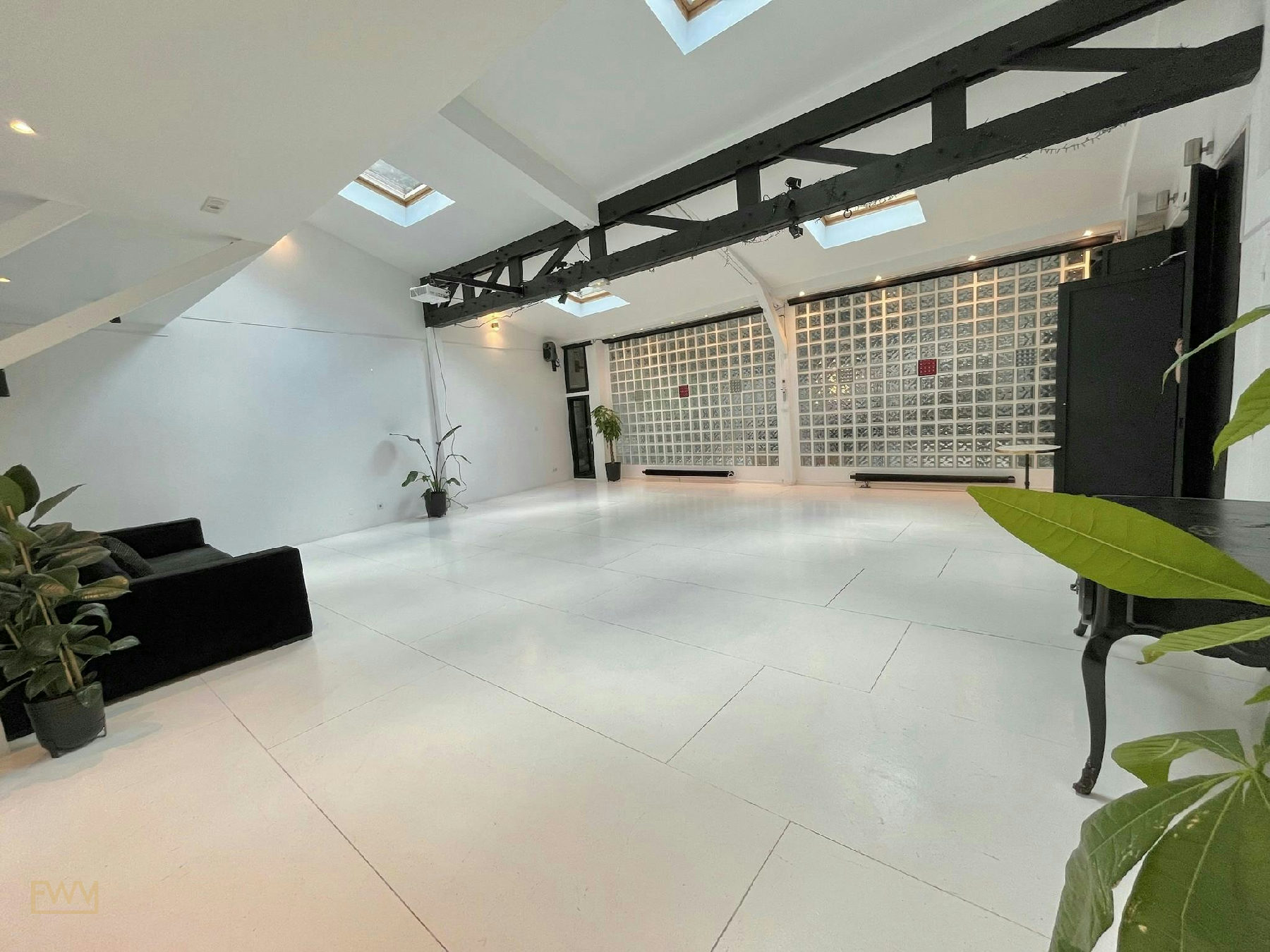
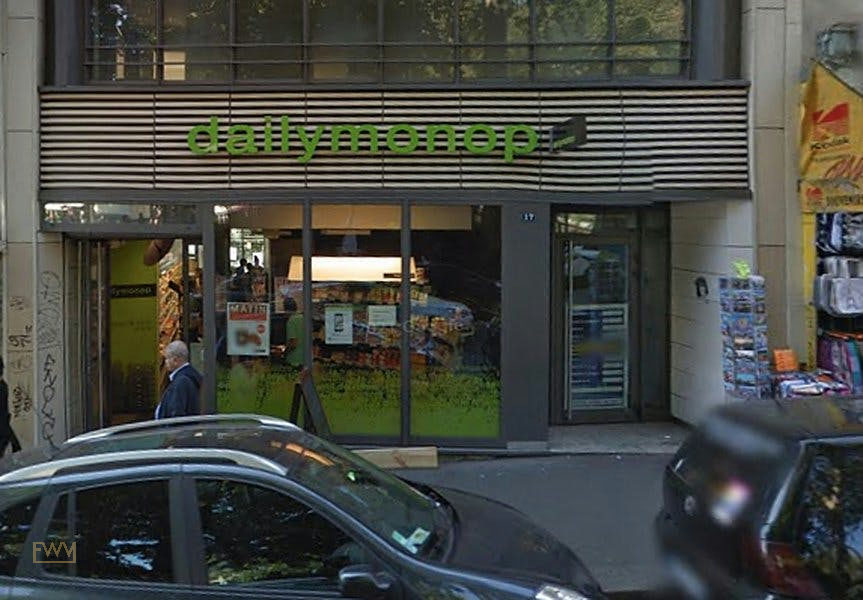
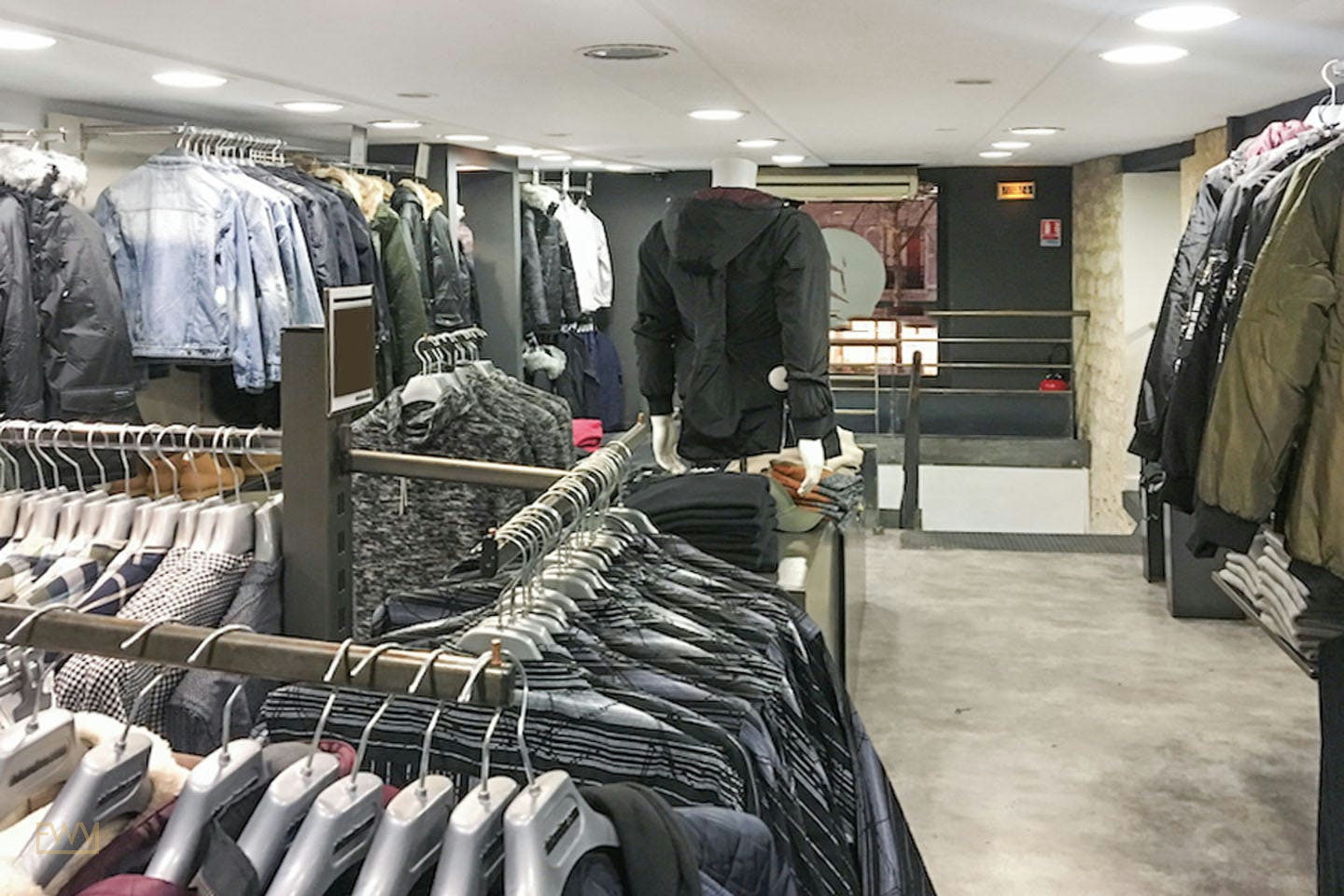
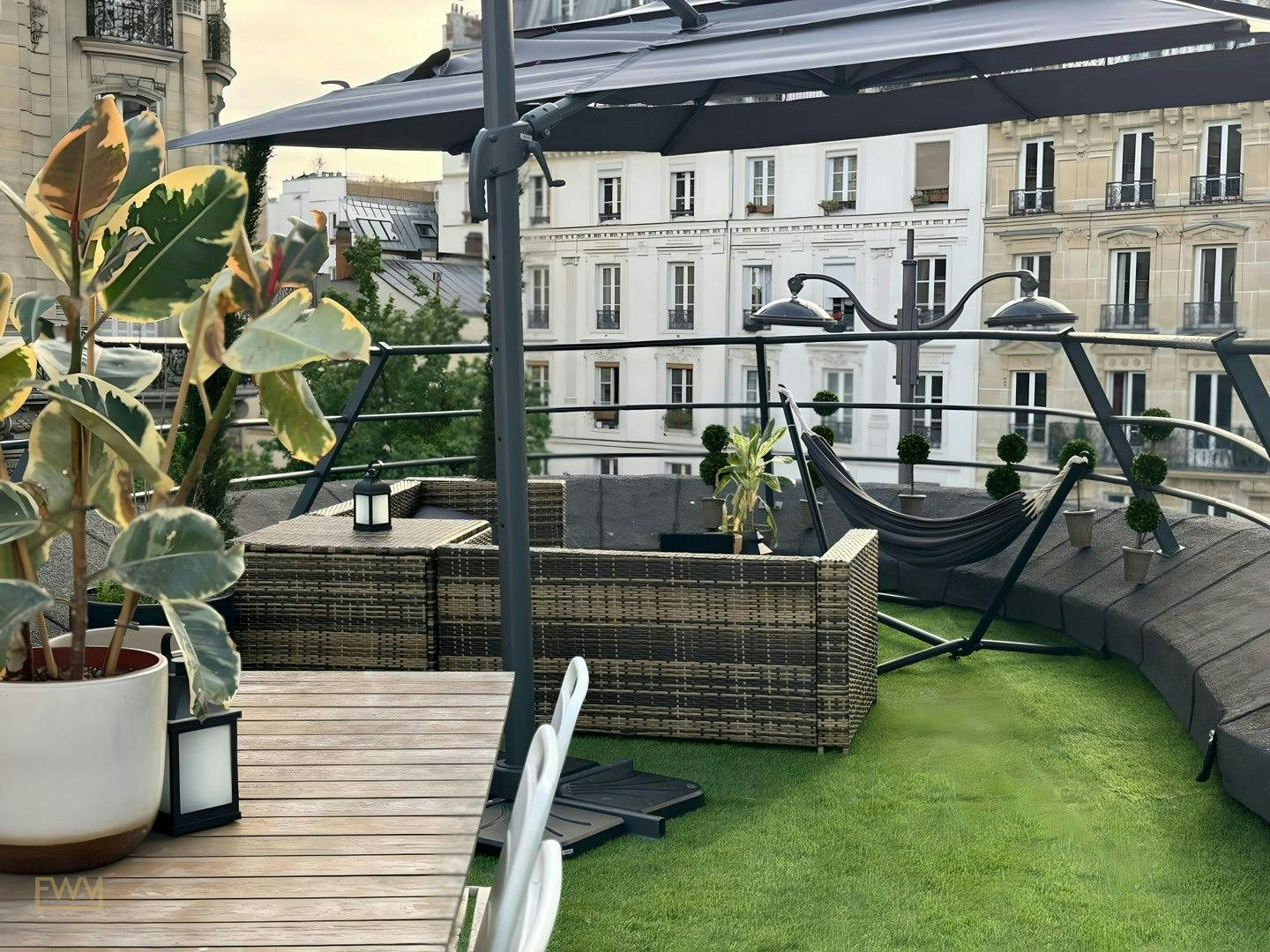
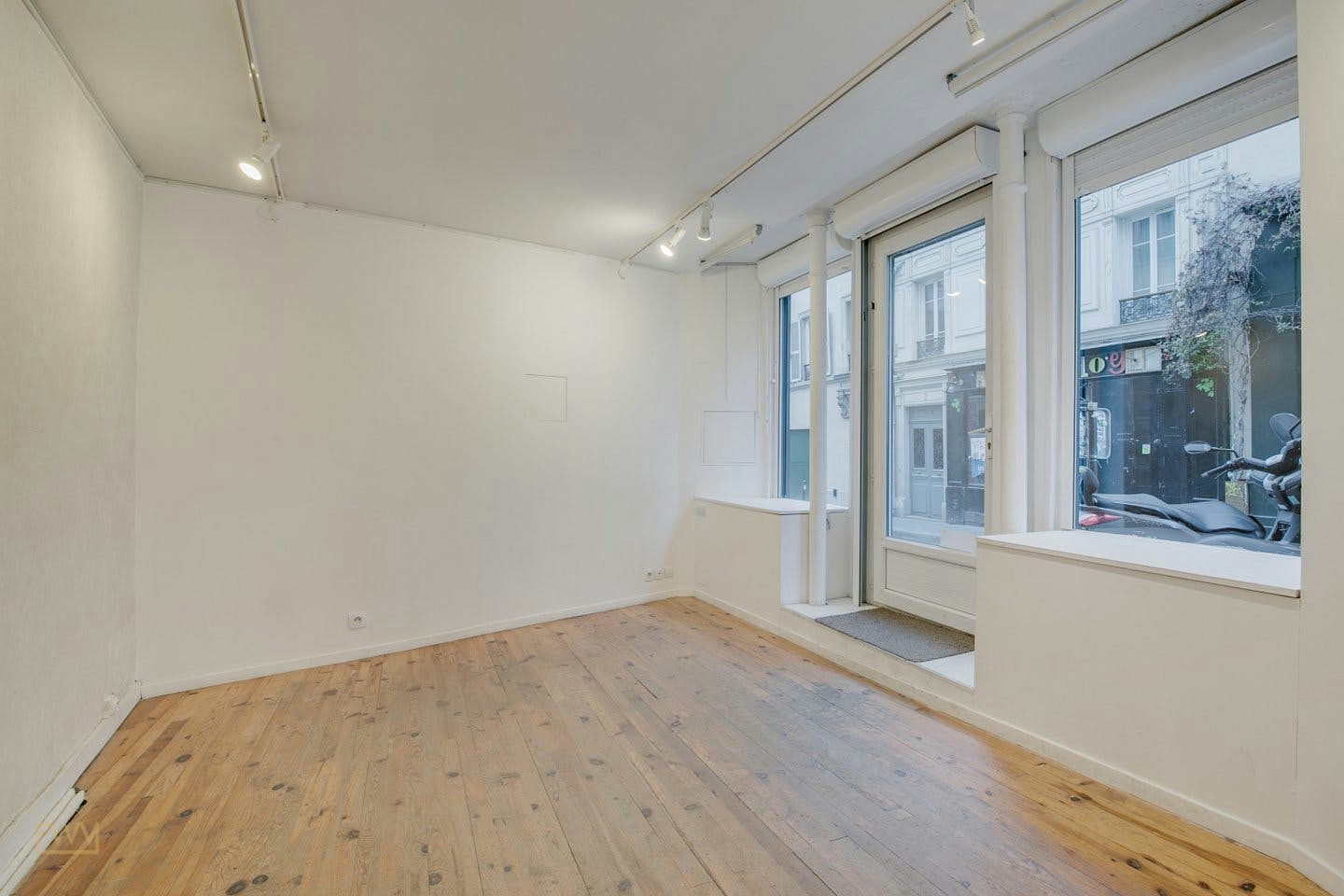
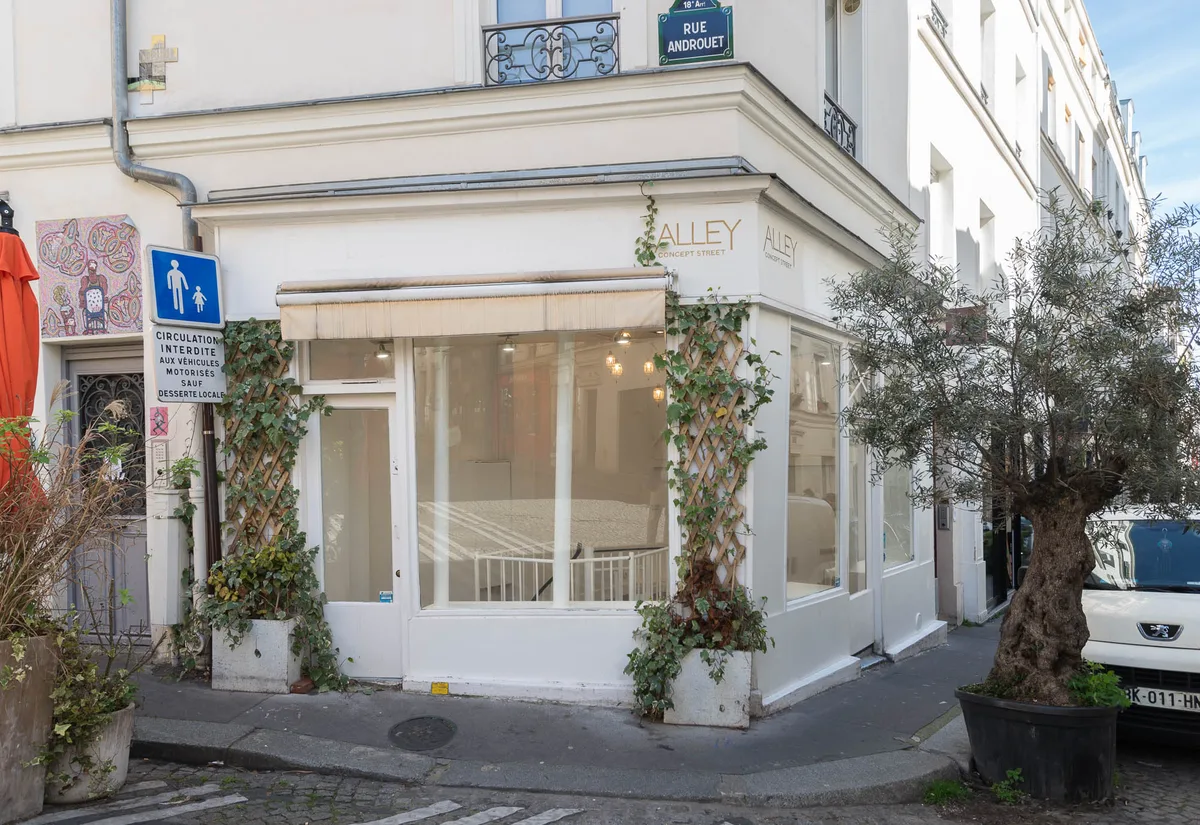
The world of fashion demands a dynamic approach to brand activations, especially during crucial times like Fashion Week. Selecting the right venue can make or break your brand's impact, making it vital to choose wisely. Fashion Week Venues is at the forefront, offering an unparalleled marketplace and agency service that simplifies the process of finding pop-up spaces, showrooms, and event venues across major fashion capitals, with a special focus on Paris. Understanding the intricacies involved in venue selection, from concept direction to permits, is key to a successful activation.
Understanding Fashion Week Venue Selection
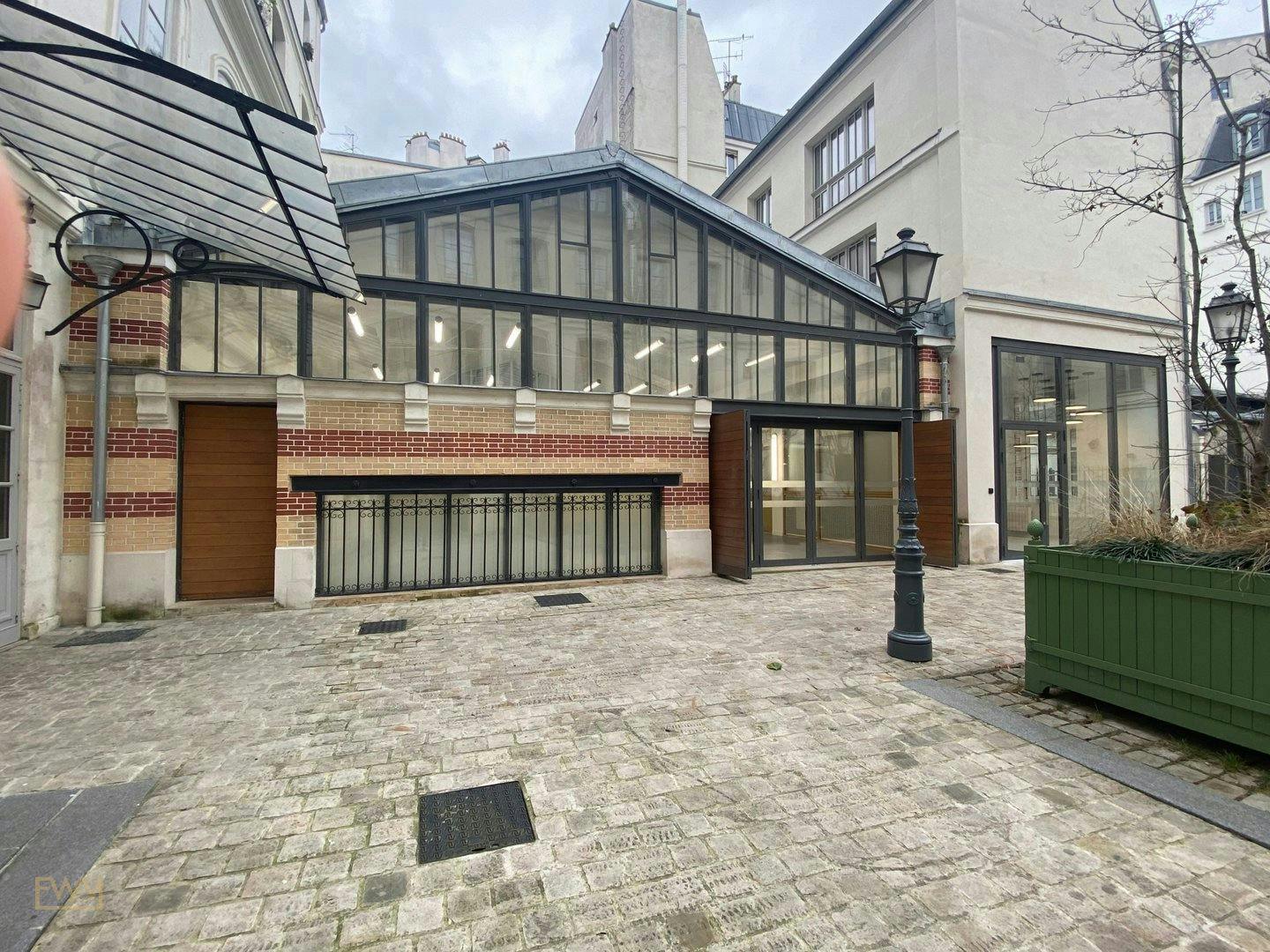
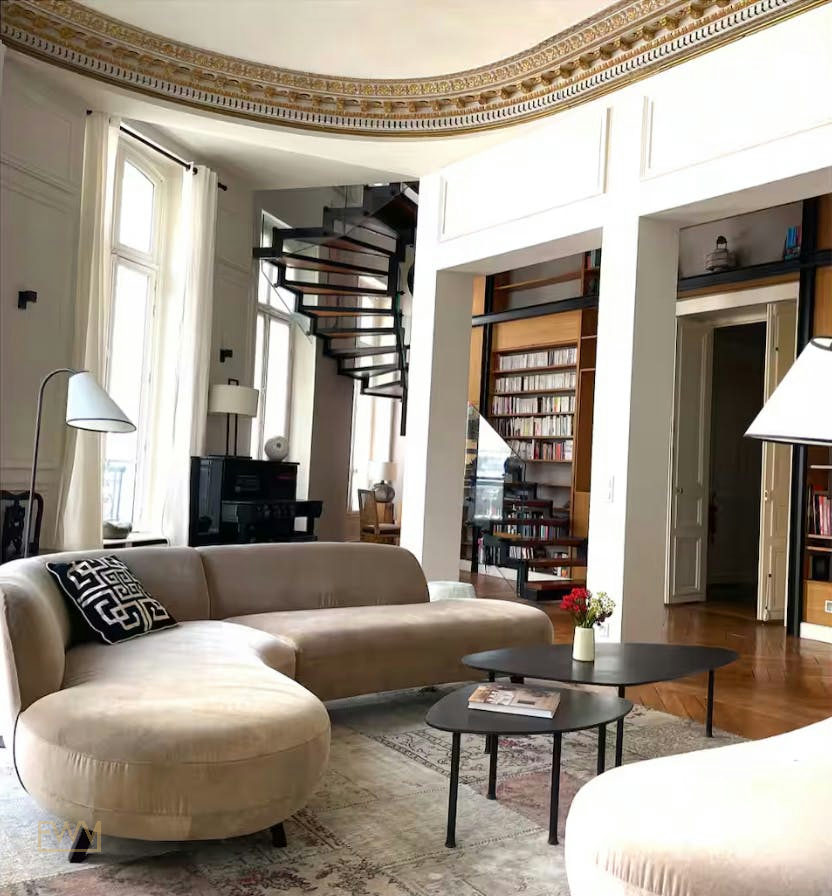
Choosing the right venue for Fashion Week involves a layered decision-making process. It requires an understanding of the brand's aesthetic, the event's nature, and logistical considerations. Equally important is the city in which the event is hosted, as each fashion capital offers distinct advantages. For example, Paris is known for its opulent spaces and historical architecture serving as iconic backdrops for fashion showcases.
Several factors impact venue selection, including space availability, budget, and the desired customer experience. These elements must align with your brand strategy to ensure that the activation not only resonates with your audience but also stands out during the crowded fashion week calendar. Cost-effective solutions do exist, especially if brands consider short-term retail leases or temporary event spaces that offer flexibility.
KEY TAKEAWAY: A strategic approach to venue selection, considering aesthetics and logistics, is essential to stand out during Fashion Week. Utilize existing tools to match your brand's needs with available spaces.
This foundational understanding sets the stage for exploring the types of spaces available, each with unique benefits tailored to specific brand goals.
Types of Spaces for Fashion Week Events
Fashion Week events can be hosted in a variety of spaces, each offering distinct features that can enhance the brand experience. The choice of venue often reflects the brand identity and the type of interaction it aims to foster with its audience.
Some popular types of spaces include:
- Showrooms: Ideal for creating an intimate experience where buyers and influencers can interact closely with new collections.
- Pop-Up Shops: Provide brands with a temporary retail presence that allows experimentation with new markets or concepts without long-term commitments. This is ideal for testing product strategies or connecting directly with consumers in key locations such as Le Marais or Saint-Germain-des-Prés.
- Event Venues: Larger spaces that can host runway shows or large-scale brand activations. These spaces are perfect for capturing media attention and providing a platform for experiential marketing.
Quick answer: Brands can choose from showrooms, pop-up shops, or large event venues based on their specific activation goals and desired audience engagement during Fashion Week.
Each option serves different strategic goals and budget constraints. While showrooms focus on targeted consumer or buyer engagement, pop-up shops provide excellent platforms for broader public reach and market testing. Large event venues, on the other hand, are well-suited for headline-grabbing spectacles.
To further customize the venue selection, consider the audience demographic and desired brand message.
KEY TAKEAWAY: Selecting the appropriate space type is crucial. It should align with the brand's activation strategy, audience, and budget. Evaluate the unique advantages of each venue type to determine the optimal choice for your event.
Key Considerations for International Brands in Paris
Paris, a pivotal center in the fashion world, offers a wealth of opportunities for international brands aiming to make a significant impact during Fashion Week. However, entering such a competitive market demands a comprehensive understanding of the local landscape and regulatory environment.
Quick answer: International brands must navigate regulatory considerations such as bail dérogatoire and AOT permits when activating in Paris during Fashion Week.
One crucial aspect is understanding the legal framework for short-term retail leasing in Paris, including the bail dérogatoire, which is distinct from standard commercial leases. This involves compliance with specific regulatory approvals such as Autorisation d'Occupation Temporaire (AOT) for public spaces, which is particularly pertinent for street-level activations.
Working with a French legal advisor is crucial to ensure all permits and local regulations are met, minimizing the risk of non-compliance that could jeopardize the event. This is where reliable partners, such as Fashion Week Venues' venue sourcing service, provide invaluable insights and logistical support.
DID YOU KNOW: Legal requirements for temporary space use in Paris can vary significantly between arrondissements, influencing where events can be feasibly held.
Understanding neighbourhood demographics and logistical capabilities can further refine decision-making. Locations like Rue Saint-Honoré are synonymous with luxury and offer a more upscale footfall, while areas like Canal Saint-Martin provide creative and vibrant atmospheres appealing to a younger demographic.
KEY TAKEAWAY: For international brands, comprehensively understanding Paris' legal landscape and target neighbourhoods is crucial to a successful Fashion Week activation.
Permits and Compliance for Fashion Week Events
Securing the necessary permits and complying with local regulations is a critical aspect of organizing a successful Fashion Week event. In Paris, specific permits like the bail dérogatoire and AOT are essential to understand.
The bail dérogatoire allows for short-term commercial leases, providing flexibility but requiring understanding of compliance nuances unique to Paris. The Autorisation d'Occupation Temporaire (AOT) pertains to temporary occupation rights for public or semi-public spaces, which may be needed for events held in locations like sidewalks or open-air venues.
IMPORTANT: Caution is required when navigating these legal waters, as non-compliance can lead to event cancellations. Reliable legal guidance ensures adherence to all necessary regulations.
To further assist, Fashion Week Venues offers a permit guidance tool to streamline this process, helping brands anticipate required documentation and timelines.
Quick answer: Temporary events in Paris require permits such as the bail dérogatoire and possibly AOT. Professional legal advice is recommended to ensure compliance.
Understanding these legal contexts allows brands to tailor their events to comply with local regulations, securing their activation success during one of the world's premier fashion platforms.
KEY TAKEAWAY: Navigating Parisian permits and compliance is critical but manageable with the right legal tools and advice. Preparation ensures smoother operations and event success.
Key Neighbourhoods for Fashion Week Venues
Paris is a city of distinct neighbourhoods, each offering unique opportunities and challenges for fashion brands looking to engage with specific audiences. The choice of neighbourhood can significantly impact the outcome of your brand activation.
Here are a few neighborhoods to consider:
- Le Marais: Known for its blend of historic charm and modern fashion boutiques, Le Marais is ideal for brands seeking an eclectic and trendy audience.
- Saint-Germain-des-Prés: This arrondissement offers a touch of classic Parisian elegance, perfect for high-end and luxury brands.
- Opéra: A bustling area with an abundance of foot traffic, Opéra is suitable for large-scale events wanting maximum exposure.
- Canal Saint-Martin: Attracting a youthful, creative crowd, this area is perfect for innovative and experimental brand activations.
Quick answer: Key Parisian neighborhoods like Le Marais and Saint-Germain-des-Prés are top choices for fashion week events, each offering distinct demographic advantages.
The choice of neighbourhood should align with the brand's identity and strategic objectives, considering factors like foot traffic, accessibility, and the local demographic profile.
Utilize Fashion Week Venues' locator tool to explore and compare these areas in greater detail.
KEY TAKEAWAY: Selecting the right Paris neighbourhood is critical, impacting audience reach and event success. Each area has unique advantages, requiring thoughtful alignment with brand goals.
To find the right balance between location, audience, and event goals, it is essential to delve deeper into the specific characteristics of each neighbourhood.
Budgeting for Fashion Week Events
Creating a budget for a fashion week event is a complex process that requires careful planning and consideration of various factors. Venue costs, production expenses, marketing outlays, and staffing are some of the key areas to address in your budget.
Breakdown of typical budget considerations:
- Venue Costs: Include leasing fees, permits, and any modifications needed to the space.
- Production and Build: Expenses for staging, lighting, and sound systems.
- Marketing and Promotion: Includes social media campaigns, influencer partnerships, and public relations efforts.
- Staffing and Logistics: Costs related to hiring staff and managing the logistics of the event.
Quick answer: Budgeting for fashion events includes venue, production, marketing, and staffing costs, necessitating a detailed planning approach.
Fashion Week Venues offers a budget calculator tool that helps brands create a realistic financial plan tailored to their specific event needs.
Lack of proper budgeting can lead to unforeseen expenses and jeopardize the event's success. By taking advantage of available tools, brands can better anticipate costs and allocate their resources efficiently.
KEY TAKEAWAY: Effective budget planning is crucial for managing Fashion Week expenses. A detailed approach helps predict costs, allowing for smoother event execution and resource allocation.
How Fashion Week Venues Can Help
Fashion Week Venues provides comprehensive support for brands navigating the complexities of venue selection and activation during Fashion Week. As a full-service agency and space marketplace, it offers a range of services and tools designed to streamline the process.
Services offered by Fashion Week Venues include:
- Venue Sourcing
- Activation Management
- Concept and Creative Direction
- Production and Fit-Out
- Retail Staffing
- Budget and ROI Calculators
- Legal and Compliance Tools
Quick answer: Fashion Week Venues offers venue sourcing, activation management, and creative direction services to streamline fashion event planning.
By utilizing these resources, brands can effectively reduce the operational burden and focus on strategic objectives, ensuring their Fashion Week activations are executed flawlessly and within budget. The emphasis is on efficiency, creativity, and compliance, providing a comprehensive solution for international brands.
KEY TAKEAWAY: Fashion Week Venues eases the complexity of planning fashion activations by offering a wide range of services and tools. Brands can concentrate on strategy while relying on expert support for execution.
Leveraging the expertise of Fashion Week Venues can transform your Fashion Week event from concept to reality, providing a distinct competitive advantage in the bustling world of luxury fashion retail.
Common Myths Debunked
MYTH: You need a French legal entity to rent a space in Paris.
FACT: It is not necessary to form a French legal entity to rent a space in Paris. However, understanding the legal framework and permits, such as bail dérogatoire, is crucial. International brands can work with agencies like Fashion Week Venues to navigate these requirements effectively.
MYTH: Paris Fashion Week is the only viable calendar window for launching a brand in Paris.
FACT: While Paris Fashion Week is a significant event, the city offers year-round opportunities for brand activations and pop-up events. Timing can be tailored to align with specific marketing strategies and brand goals, widening potential impact beyond just Fashion Week.
MYTH: Commission brokers are the only way to find a space.
FACT: Although brokers can aid in finding spaces, brands can independently explore venues using platforms like Fashion Week Venues' marketplace. This not only opens up a variety of options but also often proves more cost-effective and aligned with specific brand briefs.
MYTH: Short-term leases are legally straightforward and do not require specialist help.
FACT: Short-term leases in Paris, such as bail dérogatoire, can involve significant legal intricacies. Specialist guidance is recommended to ensure compliance with local regulations and smooth execution of the lease agreement.
Frequently Asked Questions
What is a bail dérogatoire?
A bail dérogatoire is a type of short-term commercial lease in France, granting flexibility for temporary use of premises. Unlike standard commercial leases, it can be tailored to meet the needs of short-term events or activations, providing brands with the agility to engage in temporary retail without long-term commitments. However, understanding and complying with its specific terms is crucial.
How does Fashion Week Venues assist with concept direction?
Fashion Week Venues provides tailored concept direction services, helping brands align their event strategy with creative expression. This includes developing themes and narratives that resonate with the target audience, ensuring the venue aesthetics match the brand identity and engaging execution to captivate audiences and drive brand sentiment during activations.
Can I host a pop-up shop in Paris outside of Fashion Week?
Yes, Paris offers numerous opportunities for hosting pop-up shops year-round. Factors such as tourist influx, local events, and seasonal trends can influence the ideal timing for pop-ups. Working with local experts, like Fashion Week Venues, can provide insights into optimal timing and locations based on current market dynamics and brand strategy.
What is AOT and is it necessary for my event?
Autorisation d'Occupation Temporaire (AOT) is a permit required for temporary use of public or semi-public spaces in France, such as sidewalks or parks. It is particularly relevant for events that utilize street-level or open-air spaces. Consulting with a specialist is advisable to determine if your event requires an AOT and to navigate the application process properly.
How can I estimate the cost of a pop-up event in Paris?
Estimating the cost requires a detailed understanding of various factors such as venue lease, staffing, production, and marketing. Fashion Week Venues offers a budget tool that provides a framework for brands to input specific needs and receive tailored cost estimates, aiding in comprehensive financial planning for the event.
What are some considerations for international brands entering Paris?
International brands need to navigate cultural nuances, local consumer preferences, and regulatory requirements unique to Paris. Securing legal advice, familiarizing with the local fashion calendar, and understanding consumer behaviors are critical for successful market entry and effective brand activations. Collaborating with local experts ensures these complexities are effectively managed.
Is Fashion Week Venues useful for small brands?
Yes, Fashion Week Venues accommodates brands of all sizes, providing resources and expertise to optimize venue selection and activation strategies. Small brands particularly benefit from tailored support in navigating logistics and maximizing the impact of their activations within their budget constraints. Tailored tools can provide scalable solutions that adapt to smaller yet impactful campaigns.
How does Fashion Week Venues ensure compliance with local laws?
Fashion Week Venues offers a comprehensive suite of compliance and permit tools and collaborates with legal experts to ensure brands meet all regulatory requirements. This includes guiding clients through permits, understanding local legislation like bail dérogatoire, and managing legal logistics, thus mitigating risks associated with non-compliance.
What is the difference between showrooms and pop-up shops?
Showrooms and pop-up shops serve different strategic purposes in brand activations. Showrooms provide a controlled environment focusing on intimate buyer interactions, ideal for display and wholesale. In contrast, pop-up shops target broader consumer engagement, enabling brands to test markets and foster direct consumer relationships in a flexible retail setup without long-term commitment.
Are there limitations on the types of events you can host during Paris Fashion Week?
While the scope of events is broad, limitations may be imposed by venue capacity, legal regulations, and brand positioning strategies. Factors like neighbourhood characteristics, compliance with local permits, and desired audience impact can influence event types. Consulting with experts ensures that brands align their creative direction and logistic execution within permissible scopes.
Conclusion
In conclusion, planning a successful event during Fashion Week requires a nuanced understanding of venue types, strategic location selection, and compliance with legal frameworks in a bustling fashion capital like Paris. By utilizing the resources and expertise of an agency and marketplace like Fashion Week Venues, brands can seamlessly transition from planning to execution, ensuring maximum impact and engagement. To move from research to activation, start exploring available spaces on the Fashion Week Venues marketplace and build a focused brief for your target neighbourhood, space type, and calendar window.