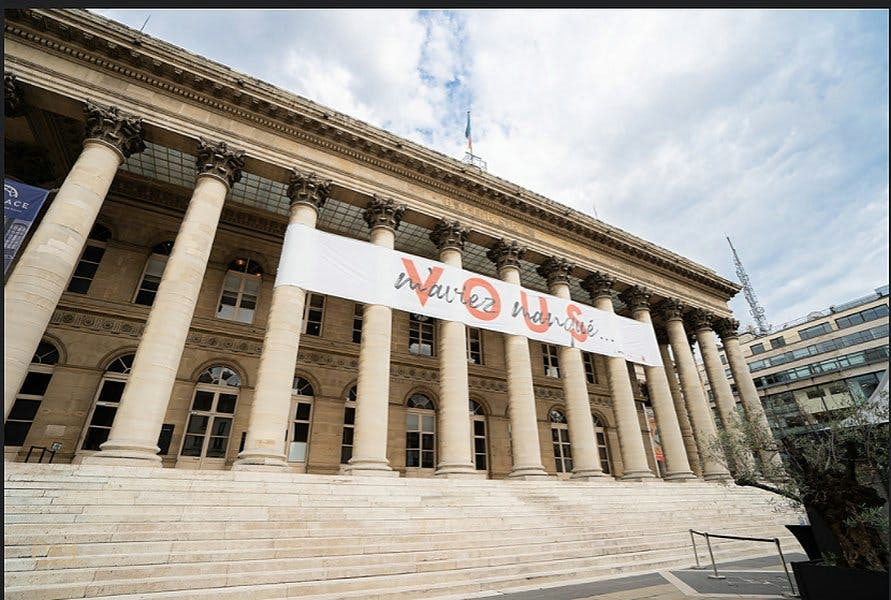
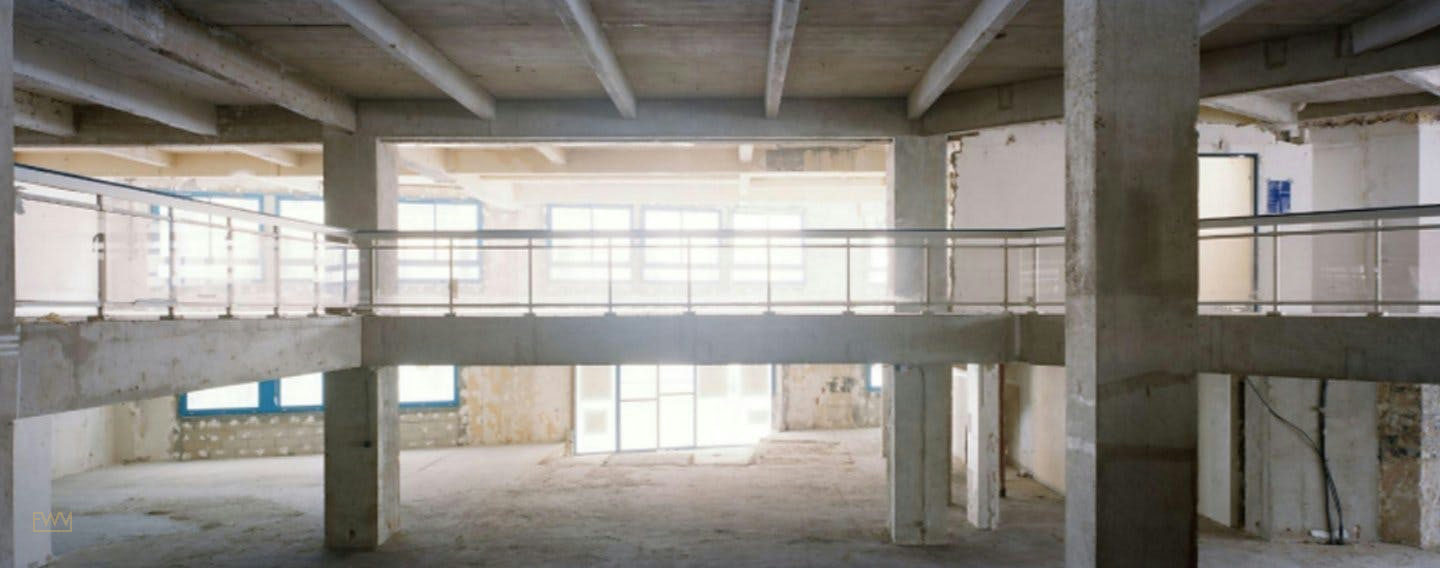
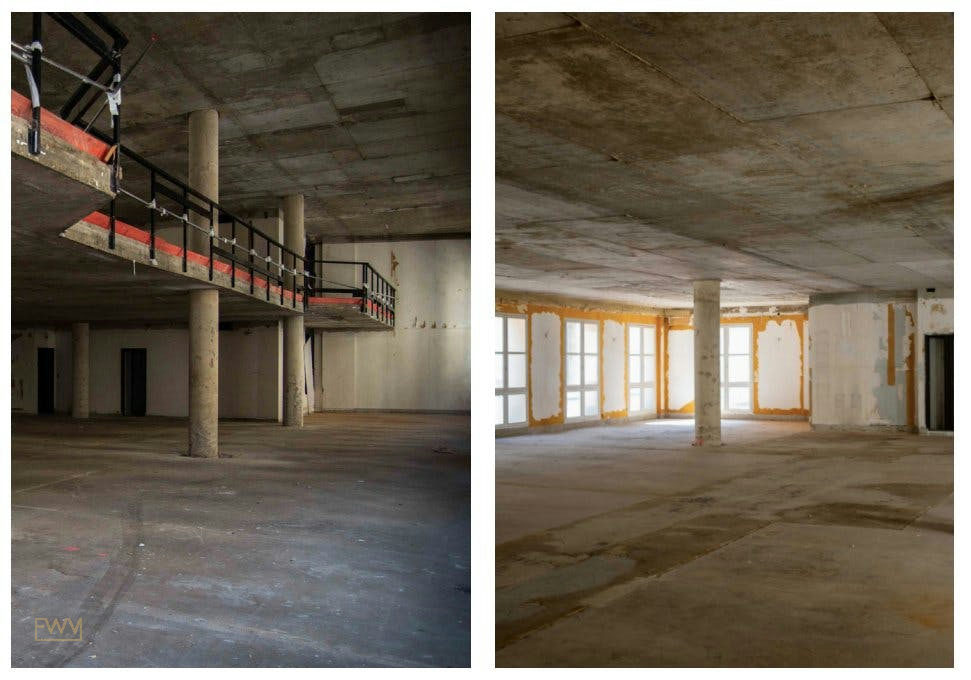
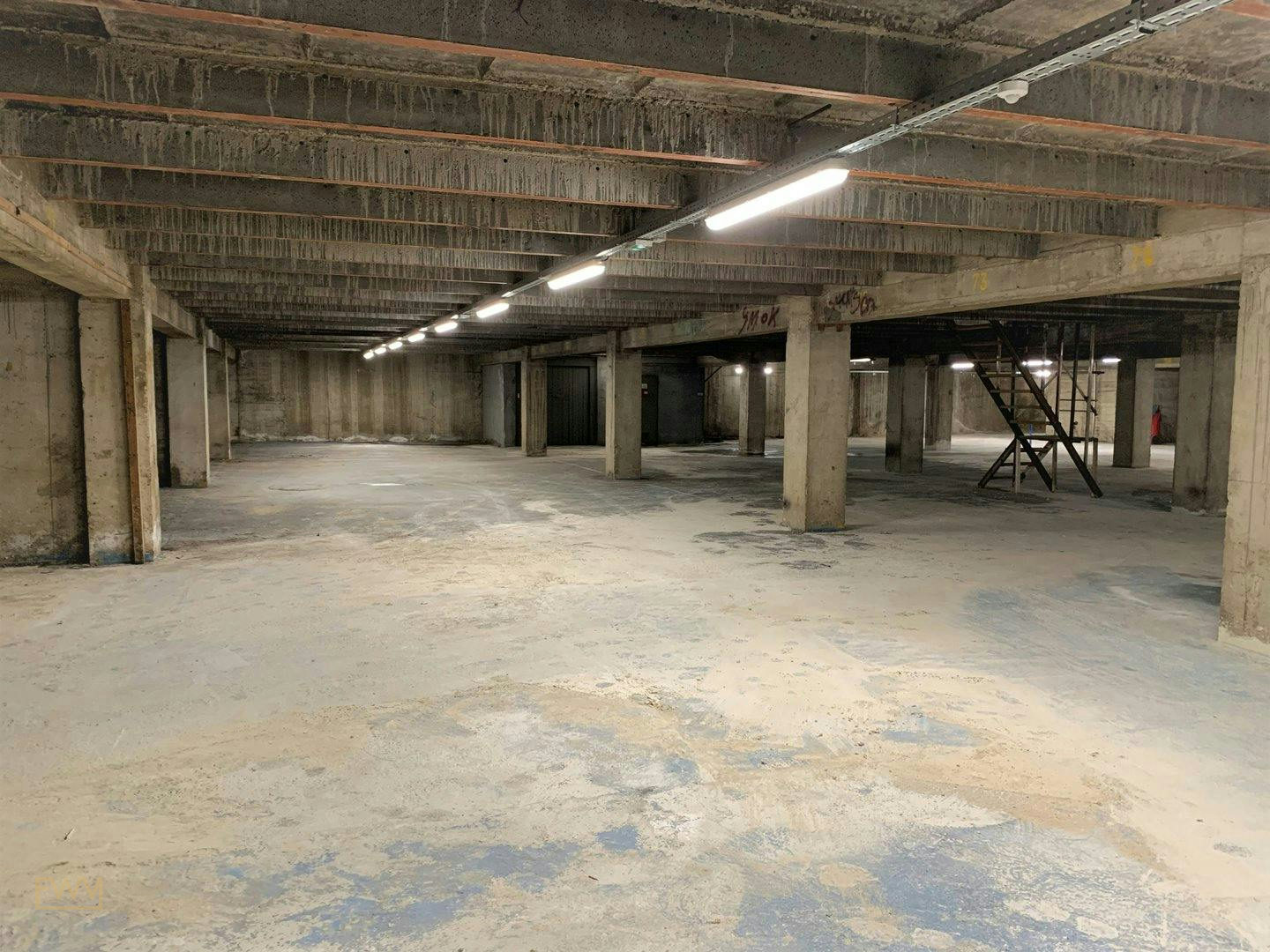
Finding the right temporary retail space near Notre-Dame Paris is one of the most strategically significant decisions a fashion brand, beauty label, or luxury concept can make when planning a Paris activation. The 4th arrondissement, its neighbouring districts, and the broader historic core of the city offer unrivalled foot traffic, architectural gravitas, and cultural resonance that few retail environments in the world can match. Since Notre-Dame de Paris reopened in December 2024 following the devastating 2019 fire, the area has attracted intensified international visitor volumes, creating a renewed commercial opportunity for brands that position themselves within reach of the cathedral and its surrounding neighbourhoods. Fashion Week Venues works with brand teams navigating exactly these decisions, from venue sourcing through to full activation management, across Paris and other major fashion capitals.
Why Notre-Dame Paris and Its Surrounding Districts Are a Magnet for Temporary Retail
The area surrounding Notre-Dame de Paris sits at the intersection of historic prestige, cultural tourism, and contemporary fashion commerce. No other location in Paris concentrates so many disparate audiences in such a compact geography.
Notre-Dame itself drew approximately 14 million visitors annually before the 2019 fire, making it one of the most visited monuments in the world. Following the cathedral's reopening in December 2024, visitor projections have returned to or exceeded pre-fire levels, reinforced by intense global media coverage, a renewed sense of cultural pilgrimage, and the surrounding programme of events linked to the reconstruction story. For brands, this translates directly into consistent, high-density, international foot traffic that is extraordinarily difficult to replicate anywhere else in Paris.
The 4th arrondissement, which contains both the Île de la Cité where the cathedral stands and the Le Marais district stretching east, is not a monolithic retail environment. It contains multiple distinct micro-markets. The area immediately around Parvis Square and the cathedral itself is dominated by tourist-facing commerce, but within a short radius, the streets of Le Marais offer a sophisticated blend of luxury concept stores, independent boutiques, art galleries, and design showrooms that attract a very different consumer: style-conscious locals, international fashion buyers, creative professionals, and press. The Place des Vosges, the oldest planned square in Paris, anchors the district's high-end residential and cultural character. Rue de Rivoli connects the area westward toward the Louvre, Palais Royal, and the 1st arrondissement's institutional retail ecosystem.
The proximity to the Châtelet and Les Halles transport hub makes the district extraordinarily accessible. Châtelet-Les Halles is the largest underground station complex in the world, connecting five RER lines and numerous metro lines. A brand operating a temporary retail space in the 4th or 1st arrondissement benefits from this connectivity not just for consumers but for logistics, staff commute, and press visits.
The architectural context matters as much as the footfall data. Operating a pop-up store, showroom, or temporary shop within visual or walking distance of Notre-Dame's Gothic structure creates a brand positioning opportunity that no advertising placement can replicate. The cathedral's verticality, its limestone facades, and the visual drama of its post-reconstruction presence provide a photographic and experiential backdrop that generates organic social media amplification. For brands whose identity is built around craftsmanship, heritage, or design innovation, the association is commercially and narratively powerful.
Fashion Week further amplifies the opportunity. Men's Fashion Week and Haute Couture Week in Paris take place in January, with dates in 2026 running from approximately January 20 to 29. Womenswear Fashion Week follows in late February and early March. These concentrated calendar windows see the city fill with international press, buyers, stylists, brand partners, and influencers. A temporary retail space or showroom near Notre-Dame during these periods benefits from both the ambient cultural energy of Fashion Week and the specific professional audience moving through the city.
Cultural calendar events beyond Fashion Week are equally relevant. Paris Design Week, the FIAC contemporary art fair, and major exhibitions at the Louvre and Centre Pompidou all bring specific audiences through the neighbourhoods surrounding Notre-Dame. A brand with a strong design or art positioning can align its activation timing with these events to access a pre-qualified audience whose values match the brand's identity.
KEY TAKEAWAY: The area surrounding Notre-Dame de Paris offers a rare combination of mass international tourism, sophisticated local consumer culture, strong cultural calendar programming, and architectural context that actively supports brand storytelling. For temporary retail, it represents one of the highest-opportunity zones in Paris.
Understanding which specific neighbourhood within this broader zone fits your brand positioning, price point, and audience is the next critical step in planning a successful activation.
Parisian Neighbourhoods Near Notre-Dame: A District-by-District Guide for Pop-Up Retail
The historic core of Paris contains several distinct retail neighbourhoods, each with a different character, audience profile, and suitability for temporary retail. Choosing the right district is as important as selecting the right space.
Quick answer: The best neighbourhoods for temporary retail near Notre-Dame Paris are Le Marais for contemporary and luxury fashion, Saint-Germain-des-Prés for heritage and lifestyle brands, Palais Royal for concept-driven and designer retail, and Les Halles for high-footfall accessible activations. Each district attracts a different mix of local and international consumers and carries different rental dynamics and permit considerations.
Le Marais and the 4th Arrondissement
Le Marais is the most commercially active neighbourhood in the Notre-Dame zone for fashion and design brands. Its street-level retail is characterised by a mix of established luxury houses, concept stores, independent boutiques, and art galleries. The neighbourhood's architecture, with its distinctive hôtels particuliers and courtyard buildings, offers a range of unusually characterful spaces including converted galleries, vaulted cellars, and large ground-floor storefronts. The Place des Vosges sits at the district's historic heart, surrounded by covered arcades that have housed galleries, jewellers, and boutiques for centuries. Rue de Bretagne, Rue des Archives, and Rue Vieille du Temple are currently among the most commercially active streets for fashion-adjacent retail.
Le Marais attracts a relatively sophisticated, design-literate audience. International tourists are present but are accompanied by a strong contingent of Parisian residents and creative professionals. Pop-up stores, showrooms, and temporary retail concepts operate successfully here year-round, with peak intensity during Paris Fashion Week seasons.
Saint-Germain-des-Prés and the 6th Arrondissement
Saint-Germain-des-Prés, southwest of Notre-Dame across the Seine, carries a different energy. It is associated with intellectual and literary Paris, high-quality artisan retail, and established luxury lifestyle brands. Rents and positioning here tend toward the premium end of the Paris market. Brands in beauty, fragrance, leather goods, or heritage fashion find the neighbourhood's associations particularly powerful. Temporary retail here tends to be highly curated, smaller in footprint, and strongly oriented toward press and VIP audiences rather than mass consumer traffic.
Palais Royal, the Louvre, and the 1st Arrondissement
The area around the Palais Royal and the Louvre, due west of Notre-Dame along the rue de Rivoli, is one of Paris's most architecturally prestigious retail zones. The Palais Royal's arcaded gardens house some of the city's most idiosyncratic boutiques and have become a destination for concept-led retail. The Louvre's proximity brings enormous cultural weight. Brands operating here benefit from associations with French institutional culture and the design-conscious museum audience. Galerie Vivienne and the nearby covered passages offer atmospheric spaces that work particularly well for luxury and design-led concepts.
Vendôme, Saint-Honoré, and the 1st and 8th Arrondissements
Place Vendôme and rue Saint-Honoré represent Paris's highest-concentration luxury retail corridor. Brands in jewellery, haute couture, high watchmaking, or aspirational accessories find natural alignment here. Temporary retail on or near rue Saint-Honoré carries very high brand positioning value and very high associated costs. The Champs-Élysées, further northwest in the 8th arrondissement, offers maximum footfall but a more mass-market consumer profile. The Opéra district, linking the 1st and 9th arrondissements, provides an intermediate option with strong tourist and business traffic.
Les Halles and Châtelet
The Les Halles and Châtelet zone, immediately north of the Île de la Cité, offers the highest accessible footfall density in central Paris. Forum des Halles is a major commercial centre, and the surrounding streets attract extremely high daily pedestrian volumes. For brands seeking volume-oriented pop-up retail, product launches, or experience-led activations designed for broad audience reach, this area provides unmatched accessibility and throughput.
DID YOU KNOW: The Châtelet-Les Halles transport hub serves over 750,000 passengers per day, making it the most used underground station complex in the world. A pop-up store or activation within the zone benefits from this catchment in a way that almost no other Paris location can match.
| Neighbourhood | Arrondissement | Primary Audience | Best For | Relative Positioning |
|---|---|---|---|---|
| Le Marais | 3rd and 4th | Fashion-literate locals and tourists | Fashion, design, concept stores | Mid to high luxury |
| Saint-Germain-des-Prés | 6th | Affluent locals and heritage tourists | Beauty, fragrance, lifestyle, heritage brands | Premium |
| Palais Royal and Louvre | 1st | Design-conscious, museum visitors | Concept-led, luxury, design | Premium to ultra-premium |
| Vendôme and Saint-Honoré | 1st and 8th | Luxury consumers and press | Haute couture, jewellery, accessories | Ultra-premium |
| Les Halles and Châtelet | 1st | Mass transit users, broad public | Volume-oriented pop-ups, launches | Mid-market to accessible luxury |
| Champs-Élysées | 8th | International tourists, mainstream | Mass-market launches, flagship visibility | Mid to high |
KEY TAKEAWAY: Each neighbourhood near Notre-Dame carries a different audience profile and brand positioning outcome. Selecting the wrong district, regardless of space quality or budget, can undermine the entire activation's strategic value.
Once you have identified the right neighbourhood, the next question is what type of temporary retail space or showroom format will best serve your objectives.
Types of Temporary Retail Space Available Near Notre-Dame Paris
Temporary retail in Paris operates across a wide range of space types, from small street-level storefronts to multi-floor gallery spaces, and understanding the distinctions helps brands match space format to activation objective.
Quick answer: The main types of temporary retail space available near Notre-Dame Paris include short-term storefronts, art gallery hires, showroom spaces, courtyard or garden activations, covered passage bays, and event-format venues. The right format depends on your audience size, activation type, duration, budget, and brand positioning requirements.
Short-Term Storefronts and Boutique Units
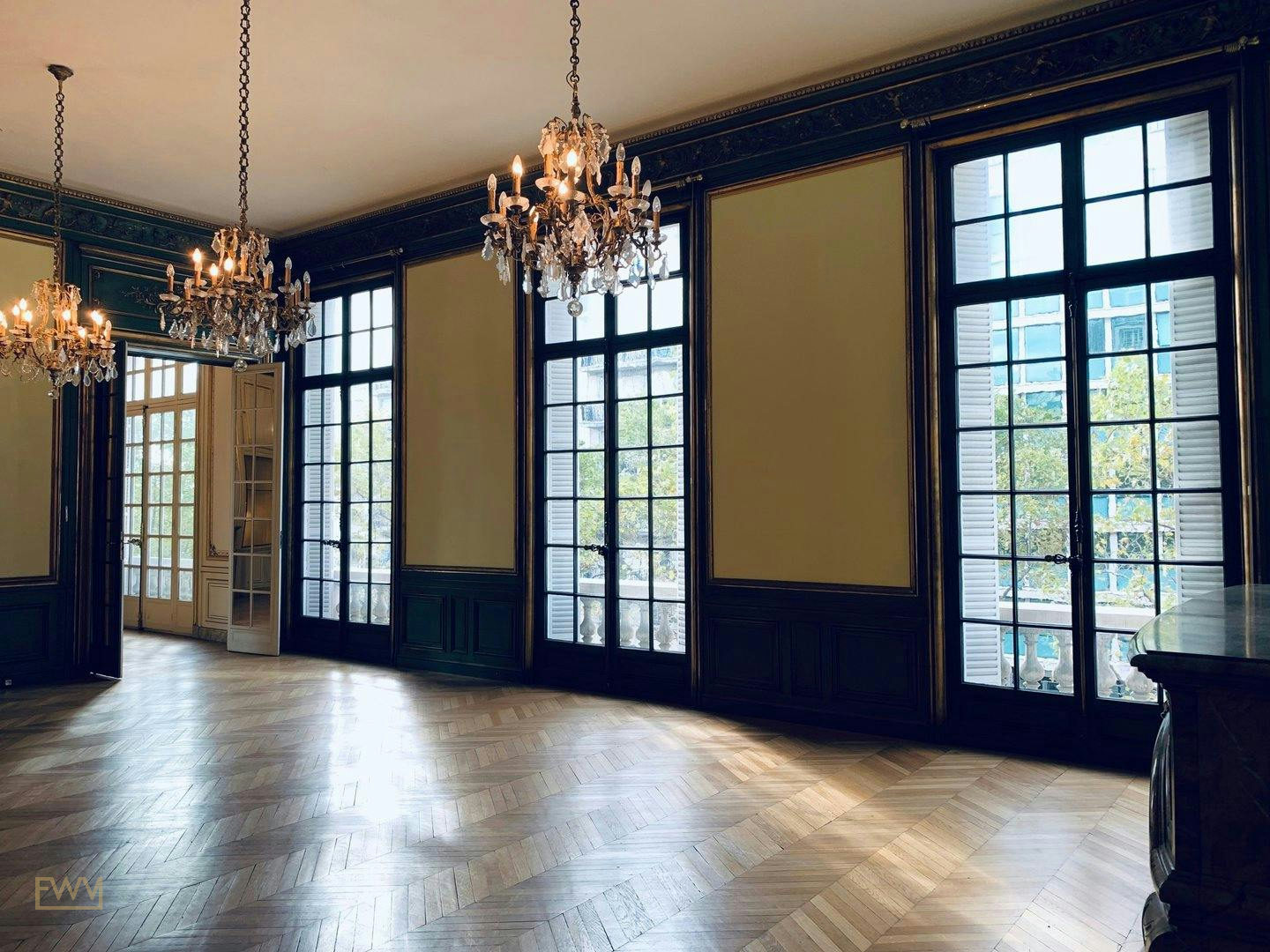
Street-level commercial storefronts are the most recognisable format for a pop-up store in Paris. These range from compact units of 30 to 50 square metres ideal for single-brand launches or limited-edition retail to larger 150 to 300 square metre spaces capable of housing full collection presentations, immersive retail installations, and press-day programmes. In Le Marais and Saint-Germain-des-Prés, converted historical buildings provide storefronts with original architectural features including stone walls, herringbone timber floors, and double-height ceiling sections that provide significant visual and social media value over modern retail units.
Art Galleries as Temporary Retail Spaces
Paris's concentration of commercial art galleries, particularly in Le Marais and the 6th arrondissement, makes gallery hire a popular format for fashion and luxury brands. Galleries offer white-cube spaces with professional lighting infrastructure, established social and press audiences, and cultural associations that work particularly well for brands launching a new collection or design collaboration. Galerie Joseph in Le Marais is one of the most frequently cited examples of a dedicated events-and-retail gallery space used for fashion activations.
Showrooms and Wholesale Presentation Spaces
During Fashion Week periods, the demand for showroom space near Notre-Dame and across the central arrondissements is extremely competitive. Showrooms serve a different function from consumer-facing pop-up stores: they are designed for press, buyers, and trade visitors, and prioritise clear merchandise display, private meeting zones, and controlled access over retail conversion. Apartment-format spaces, studio spaces, and upper-floor gallery rooms work well for showroom activations. Many brands combine consumer retail and trade showroom functions within a single space by separating the activation into distinct time slots or floor areas.
Courtyard and Garden Activations
Paris's hôtels particuliers, many of which are located in Le Marais, often include private courtyard spaces that can be activated for events, retail experiences, and brand installations. These spaces offer a dramatic departure from street-level retail and provide exceptional photographic and experiential value. They are typically available for shorter activation windows and require more complex production planning due to weather exposure and structural access constraints.
Covered Passages and Arcade Spaces
Paris's covered passages, including Galerie Vivienne, Galerie Colbert, and Passage des Panoramas, offer a distinctive nineteenth-century Parisian aesthetic that carries strong cultural and architectural associations. These spaces work particularly well for heritage-conscious brands or for activations that use Paris's urban history as part of the brand narrative.
| Space Type | Typical Size Range | Best Activation Format | Key Advantage | Key Consideration |
|---|---|---|---|---|
| Street-level storefront | 30 to 300 sqm | Consumer pop-up, product launch | Footfall, visibility | High demand during Fashion Week |
| Art gallery | 80 to 400 sqm | Collection launch, brand installation | Cultural credibility, lighting | Gallery may have booking lead time |
| Showroom space | 50 to 200 sqm | Trade press, buyer previews | Private, controlled access | Less consumer visibility |
| Courtyard or garden | Variable | Events, experience retail | Dramatic aesthetic, social media | Weather dependency, logistics |
| Covered passage bay | 20 to 100 sqm | Heritage, luxury, concept retail | Unique architectural context | Limited availability, long booking lead |
KEY TAKEAWAY: Matching space type to activation objective is as critical as neighbourhood selection. A press showroom has entirely different requirements from a consumer-facing pop-up, and Paris offers formats suited to both.
Understanding space types leads naturally to one of the most operationally complex aspects of running a temporary retail space in Paris: the legal and regulatory framework governing short-term leases.
French Regulations, Short-Term Leases, and Permits for Temporary Retail in Paris
Operating a temporary retail space in Paris requires navigating French commercial real estate law, arrondissement-level planning regulations, and in some cases specific permit processes. This is one of the areas where international brands most frequently encounter unexpected complexity, and where specialist guidance is most valuable.
Quick answer: Temporary retail in Paris typically operates under a bail dérogatoire, also called a short-term commercial lease or convention d'occupation précaire. This is legally distinct from a standard commercial lease and offers flexibility for activations of a few days to 24 months. Additional permits may be required for signage, outdoor structures, sound, or food and drink service. Requirements vary significantly by space type, duration, activity type, and arrondissement.
Understanding the Bail Dérogatoire
The bail dérogatoire is the standard legal instrument used for short-term retail in France. Under French commercial law, a standard commercial lease (bail commercial) provides very strong tenant protections including rights of renewal and minimum lease terms of nine years. For temporary or short-term occupations, the bail dérogatoire allows landlords and tenants to agree a fixed-term occupation of up to 36 months without triggering these long-term tenant protections. It is widely used for pop-up stores, showrooms, and temporary retail concepts in Paris. The agreement must explicitly state that both parties understand and accept that the occupation is temporary and does not create the rights associated with a standard commercial lease. If the tenant remains in occupation after the agreed term without a new agreement being signed, the arrangement risks converting to a standard commercial lease with all associated obligations and rights.
For very short activations, often referred to as convention d'occupation précaire or agreements for precarious occupation, the terms can be even more flexible, though the legal protections for the occupying brand are correspondingly limited. Brands should ensure that insurance, liability, and reinstatement obligations are clearly documented regardless of the lease type used.
Autorisation d'Occupation Temporaire
For spaces on or adjacent to public land, including terraces, pavements, or public squares in the area around Notre-Dame and Parvis Square, an Autorisation d'Occupation Temporaire (AOT) may be required from the relevant authority, typically the City of Paris or the Préfecture de Police. AOTs are used for outdoor retail structures, branded installations, and temporary kiosks. The application process, approval timeline, and conditions attached to an AOT vary depending on the specific location, the nature of the proposed occupation, and the period requested. The Notre-Dame surroundings have been subject to specific urban planning and public space management regimes since the 2019 fire and subsequent reconstruction, which may affect what activities are permissible in the immediate vicinity of the cathedral.
Signage, Fire Safety, and Commercial Activity Permits
In addition to the lease or occupation agreement, brands operating a retail space in Paris may need to comply with local regulations governing external signage, fire safety and maximum occupancy, commercial activity declarations, and in some cases food and drink service licensing. Fire safety regulations (the rules governing establishments receiving the public, or ERP regulations) apply to any space open to consumers and require that the space meets specific standards for emergency exits, fire suppression, and capacity limits. Requirements vary by space type and capacity, and a space that was compliant for a previous occupant may still require documentation review for a new activity type.
IMPORTANT: French commercial real estate law is complex and requirements vary by space type, arrondissement, activity, and duration. This article provides general orientation only. Brands should verify all permit and lease requirements with a qualified French legal advisor before signing any agreement or commencing any build-out. For a practical starting point, the permit guidance tool on Fashion Week Venues can help you understand what permissions your specific activation may require.
The Role of the Chamber of Commerce and Industry
The Paris Île-de-France Chamber of Commerce and Industry (CCI) provides guidance and registration services for commercial activities in Paris. For international brands establishing a temporary retail presence without a permanent French legal entity, understanding the registration and VAT implications of commercial activity in France is essential. Brands that are generating revenue from retail sales in France during a temporary activation are generally required to comply with French VAT and commercial registration rules, regardless of whether they have a permanent establishment in France. Specialist advice from a French accountant or commercial lawyer is strongly recommended.
KEY TAKEAWAY: The French short-term lease framework offers real flexibility for pop-up retail, but it operates within a broader regulatory environment that requires professional navigation. The bail dérogatoire is the primary legal instrument, but permit, fire safety, signage, and tax compliance obligations sit alongside it.
With the regulatory framework understood, brands can begin to think practically about planning timelines, budget estimation, and production requirements for a successful temporary retail activation near Notre-Dame.
Planning Timeline and Budget Framework for a Paris Pop-Up Near Notre-Dame
Successful temporary retail activations near Notre-Dame Paris require significantly more lead time than many brand teams initially anticipate. The combination of high demand for quality spaces, complex permit processes, production build requirements, and Fashion Week calendar pressure means that inadequate planning lead time is one of the most common reasons activations are compromised or delayed.
Quick answer: For a pop-up store or showroom near Notre-Dame during Paris Fashion Week, a minimum planning lead time of 12 to 16 weeks is recommended for a straightforward activation. Complex productions, spaces requiring significant fit-out, or activations during peak Fashion Week periods may require 20 to 24 weeks of lead time or more. Starting the space search even earlier significantly improves the quality of available options.
Recommended Planning Timeline
| Stage | Activity | Recommended Lead Time Before Open Date |
|---|---|---|
| 1. Brief and strategy | Define objectives, audience, budget envelope, neighbourhood preference, space type, and duration | 20 to 24 weeks |
| 2. Space search and shortlisting | Identify candidate spaces, visit shortlisted options, request terms | 16 to 20 weeks |
| 3. Lease negotiation and signing | Agree bail dérogatoire or convention d'occupation, confirm insurance and liability terms | 14 to 16 weeks |
| 4. Permit applications | Submit applications for signage, AOT, ERP compliance, and any event-specific permits | 12 to 14 weeks |
| 5. Concept and design | Finalise spatial design, fixture and furniture plan, visual merchandising strategy | 10 to 14 weeks |
| 6. Production and build | Fabricate, procure, and install fixtures, graphics, and branded elements | 4 to 8 weeks |
| 7. Staff recruitment and training | Recruit, brief, and train retail staff, set up POS and payments | 3 to 6 weeks |
| 8. Soft launch and press preview | Controlled opening for press, partners, and influencers before public opening | 1 to 2 weeks |
| 9. Live activation | Consumer-facing operation, daily reporting and analytics | During activation period |
| 10. Closure and reinstatement | Deinstall, restore space to agreed condition, complete exit inspection | Within agreed post-close window |
Budget Considerations for Temporary Retail Near Notre-Dame
Paris temporary retail budgets vary widely depending on neighbourhood, space size, duration, production complexity, and service requirements. It would be misleading to publish specific rental rates or total budget figures without knowledge of a brand's specific brief, as the range of outcomes is very broad. What can be said directionally is that prime locations in Le Marais, Saint-Germain-des-Prés, and the area surrounding the Louvre command significant rental premiums, particularly during Fashion Week periods when demand substantially outstrips supply. Build and production costs for a fit-out in Paris are subject to French labour regulations and material costs that differ from other markets.
The main cost categories to budget for in a Paris temporary retail activation include: space rental, legal and compliance costs, production and fit-out, furniture and fixtures, staffing, marketing and PR, POS and payments infrastructure, logistics and freight, insurance, and deinstall and reinstatement. Some of these costs are one-time while others are recurring across the activation period. For a brand-specific estimate, the budget calculator on Fashion Week Venues provides a structured framework for building a realistic cost model based on your specific inputs.
TIP: Brands that are flexible on neighbourhood and can consider spaces one or two streets away from the highest-demand addresses often achieve significantly better value without meaningful loss of audience quality or foot traffic. The best address is not always the best activation location.
KEY TAKEAWAY: Planning lead time and budget realism are the two variables most strongly correlated with activation quality. Brands that begin planning early and budget comprehensively across all cost categories consistently achieve better outcomes than those that focus only on rental cost.
With timeline and budget frameworks in place, the next question is how to find and evaluate the right space for your specific brief.
How to Find and Evaluate Temporary Retail Spaces Near Notre-Dame Paris
The Paris temporary retail space market operates very differently from property markets in other major cities. Understanding how it works helps brands avoid common missteps and identify the highest-quality opportunities.
Quick answer: The most effective ways to find temporary retail space near Notre-Dame Paris are to work with a specialist agency that has active relationships with Paris property owners and landlords, to use a dedicated marketplace platform for short-term retail, or to approach commercial real estate agents with experience in bail dérogatoire transactions. Cold approaches to landlords without local relationships or market knowledge are rarely effective for prime locations.
Using a Space Marketplace
Dedicated online marketplaces for short-term retail and event spaces have transformed how brands discover Paris activation locations. Platforms that aggregate short-term retail listings allow brand teams to filter by neighbourhood, space size, available dates, and space type, shortlisting candidates before committing to agency fees or viewing trips. When evaluating any listing, it is important to verify that the stated short-term rental terms are genuinely available under a bail dérogatoire or equivalent instrument, that the space complies with ERP safety requirements for the proposed use, and that the landlord has experience with short-term retail occupants and understands the associated management requirements. The Fashion Week Venues space marketplace is built specifically for brand teams planning temporary retail and showroom activations across Paris and other fashion capitals.
Working with a Specialist Agency
For brands that are new to Paris, planning a high-visibility activation, or working to a tight timeline, working with a specialist pop-up agency with deep Paris market knowledge significantly reduces risk and increases access to quality spaces. An established agency will have direct relationships with the landlords and property managers of the most desirable spaces, many of which are never publicly listed. They will also understand the regulatory environment, manage permit applications, and coordinate the production and build process in a way that a brand team operating remotely cannot easily replicate. The tradeoffs involve agency fees and some reduction in direct control over the process, but for most international brands entering Paris for the first time, the value exchange is strongly positive. The guide to hiring a pop-up agency on Fashion Week Venues covers what to look for and what to ask before committing to an agency relationship.
Evaluating a Space Before Committing
When evaluating a candidate space, brand teams should assess the following factors in addition to rent and location. First, the physical condition of the space: is it ready to trade with standard lighting and power, or does it require significant work? Second, the lease terms: what restrictions does the landlord impose on build-out, signage, noise, trading hours, and permitted uses? Third, the technical specifications: what is the power capacity, what is the floor load rating, is there adequate ventilation and natural light? Fourth, the logistics access: how easily can merchandise, fixtures, and production materials be moved in and out? Fifth, the surrounding context: what is trading on adjacent units, and does that context complement or conflict with the brand's positioning?
For a structured side-by-side evaluation of multiple candidate spaces, the space comparison tool on Fashion Week Venues allows brand teams to assess key parameters across multiple options before making a final decision.
To compare neighbourhoods and space types, explore the Paris city hub on Fashion Week Venues and shortlist spaces that match your brief, budget, and calendar window.
KEY TAKEAWAY: The Paris temporary retail market is relationship-driven and opaque compared to traditional commercial real estate. Brands that invest in agency relationships or specialist marketplace access consistently find better spaces at better value than those relying solely on open-market searches.
Once a space is secured, the focus shifts to designing and building out an environment that delivers against the activation's commercial and brand objectives.
Designing and Building a Pop-Up Store or Showroom Near Notre-Dame Paris
The design and production quality of a temporary retail space near Notre-Dame Paris directly affects visitor experience, social media amplification, press coverage, and commercial performance. In a city with exceptionally high visual and aesthetic standards, underinvesting in design carries real reputational risk.
Quick answer: An effective pop-up store or showroom design near Notre-Dame Paris balances brand identity with the architectural character of the space, creates clear customer journey logic, maximises social media shareability, and achieves all of this within the constraints of a temporary lease that prohibits permanent alterations. Paris's historic buildings offer dramatic architectural opportunities but also impose practical constraints on what can be built or installed.
Working with Paris's Architectural Heritage
Many of the most desirable spaces in Le Marais, Saint-Germain-des-Prés, and the 1st arrondissement are within historic buildings that carry conservation restrictions. Landlords in these properties typically prohibit permanent fixtures, drilling into original surfaces, or any modifications that could damage historic fabric. Designers working in these spaces rely on freestanding systems, tension wire suspension systems, modular display structures, and furniture that can be installed and removed without trace. This constraint is frequently a creative advantage rather than a limitation: the tension between a contemporary brand identity and a seventeenth-century stone vault or a nineteenth-century painted ceiling creates visual drama that more neutral modern spaces cannot provide.
Spatial Concept and Customer Journey
Effective retail design in a pop-up context requires particular attention to the spatial concept and customer journey, given that first-time visitors have no prior familiarity with the space or the brand's retail format. The entrance moment, the primary display logic, the focal product or installation point, the path to checkout, and the exit experience all need to be legible within seconds of entering. For showrooms, the separation of public circulation from private meeting or negotiation zones is a critical design consideration that is often overlooked in favour of display density.
Social Media as a Design Brief
For most temporary retail activations near Notre-Dame, organic social media amplification is a primary performance objective alongside direct sales. This means that at least one element of the spatial design should be explicitly conceived as a social media moment: a distinctive installation, an unexpected material combination, a view through the space that frames the product in a way that invites photography. The architectural backdrop of Paris, including the views from upper-floor spaces toward the Seine or the Notre-Dame spire, can be incorporated into the spatial concept where available.
Production and Build in Paris
Production and build in Paris is subject to French labour law, which imposes working hour restrictions, mandatory rest periods, and union agreements on construction and installation work in commercial spaces. For brands used to London or New York build timelines and working practices, this can be a source of surprise. Overnight builds and weekend-only installations may be subject to constraints not present in other markets. Working with a production partner that has established Paris contractor relationships and understands the local regulatory environment is strongly advisable. Fashion Week Venues provides fit-out and production services for brand teams planning Paris activations, including contractor coordination, material sourcing, and installation management.
KEY TAKEAWAY: Design quality in a Paris pop-up is not a luxury. It directly determines social media performance, press interest, and consumer dwell time. Working with designers and production partners who understand both the brand's identity and the specific architectural character of Paris spaces is essential for an effective activation.
Strong design and production establishes the stage, but the activation's commercial performance ultimately depends on the people operating it and the broader activation management strategy.
The Notre-Dame Reconstruction and Its Impact on the Surrounding Retail Environment
The 2019 fire that partially destroyed Notre-Dame de Paris and the subsequent reconstruction programme represent one of the most significant urban events in recent Parisian history. For brands considering temporary retail near Notre-Dame, understanding this context is directly relevant to location strategy, brand positioning, and audience expectations.
Quick answer: Notre-Dame de Paris reopened in December 2024 following a five-year reconstruction effort. The reopening brought renewed and intensified international attention to the cathedral and its surrounding neighbourhood, significantly increasing foot traffic in the 4th arrondissement and adjacent areas. For brands, this creates a heightened audience opportunity but also requires sensitivity to the cultural and emotional weight of the location.
The Fire, the Reconstruction, and the Pavillon Notre-Dame
The fire of April 2019 caused the collapse of the cathedral's spire and destroyed much of the roof, with charred timber beams and other debris requiring extensive clearance from the site. French President Emmanuel Macron committed to the cathedral's full reconstruction within five years, a goal that was met with the December 2024 reopening. The reconstruction project involved thousands of craftspeople working with both traditional Gothic construction techniques and contemporary building science, including the use of translucent polycarbonate walls and temporary enclosures during the rebuild phase. Wooden beams salvaged from the fire became significant cultural objects, and the story of the reconstruction itself attracted enormous global media coverage.
During the reconstruction period, a temporary structure called the Pavillon Notre-Dame was created near the cathedral to serve as an information and visitor centre. This structure, designed with the aesthetic sensibility associated with major French architectural commissions, incorporated live performances, exhibitions, and public programming alongside its informational function. Its design used contrasting materials that acknowledged both the Gothic structure it served and the contemporary moment of its creation. The Parvis Square in front of the cathedral remained a major gathering point throughout the reconstruction, with mass services and public events maintaining the site's spiritual and cultural significance even while the interior was inaccessible.
Implications for Retail Brand Strategy Near Notre-Dame
The reopening of Notre-Dame has changed the retail and experiential landscape of the 4th arrondissement in measurable ways. Visitor numbers to the island and surrounding area have increased substantially. The cultural and emotional resonance of the cathedral's return has created a heightened awareness of Paris as a symbol of resilience, craftsmanship, and cultural continuity. For brands whose identity connects to any of these themes, operating near Notre-Dame carries specific narrative value beyond standard location strategy.
At the same time, the concentration of tourism around the cathedral creates a very specific audience profile in the immediate vicinity that may not align with the target consumers for every brand. High-volume tourism generates foot traffic but also creates an environment with different commercial dynamics than the more residential and fashion-conscious character of the wider Le Marais neighbourhood. Brands should be explicit about whether they are targeting the tourist-facing economy of the Parvis Square and cathedral approach or the fashion and design audience of the broader 4th arrondissement.
DID YOU KNOW: The reconstruction of Notre-Dame de Paris involved over 2,000 craftspeople from across France, including specialists in stone cutting, lead work, carpentry, and Gothic vault construction. The cathedral's reopening in December 2024 attracted heads of state from across the world and generated billions of media impressions globally, intensifying Paris's profile as the definitive City of Light.
KEY TAKEAWAY: The reopening of Notre-Dame has materially elevated the retail and cultural opportunity in the 4th arrondissement. Brands that understand the nuance of this environment and position themselves accordingly will benefit most from the increased international attention.
Understanding how Fashion Week Venues supports brands navigating all of these considerations brings together the practical and strategic elements covered so far.
How Fashion Week Venues Supports Brands Seeking Temporary Retail Space Near Notre-Dame Paris
Fashion Week Venues operates as a full-service pop-up agency and space marketplace with Paris as its primary market. For brand teams planning temporary retail activations near Notre-Dame and across the broader Paris fashion district, the agency provides end-to-end support from initial space discovery through to activation closure and performance analysis.
The services most directly relevant to brands planning a temporary retail space or showroom near Notre-Dame Paris include venue sourcing, concept direction, production and build, activation management, branded store design, furniture rental, retail staffing, POS and payments, data and analytics, and influencer marketing. These services can be engaged individually or as a coordinated full-service programme depending on the brand's existing capabilities and the complexity of the activation.
Space Marketplace and Discovery Tools
The Fashion Week Venues space marketplace aggregates short-term retail, showroom, and event spaces across Paris and other fashion capitals, allowing brand teams to search, filter, and shortlist spaces against their specific brief. The marketplace is built for temporary and short-term use, with listings that reflect realistic short-term rental availability rather than standard long-term commercial lettings. Alongside the marketplace, a range of planning tools supports the decision-making process. The activation timeline tool helps teams map their critical path from initial brief to opening day. The ROI calculator supports financial justification for activation investment. The locator tool enables geographic exploration of available spaces within specific arrondissements.
Full-Service Agency Support
For brands that need more than space discovery, Fashion Week Venues functions as a full-service agency managing the entire activation journey. The concept direction service translates brand briefs into spatial and experiential concepts suited to the chosen space and neighbourhood. The production and build service manages contractor relationships, material sourcing, installation, and deinstall in Paris. The retail staffing service provides French-speaking brand-trained staff for the duration of the activation. The activation management service coordinates all operational elements during the live period, including daily reporting, visitor data capture, and issue resolution.
The Twin Co-Activation Concept
For brands looking to maximise activation value across multiple neighbourhoods or to share operational costs with a complementary brand, the Fashion Week Venues Twin concept enables co-activations in which two non-competing brands share a space or operate simultaneous activations in paired spaces. This model is particularly relevant for emerging brands with tighter budgets seeking access to prime Paris locations that would be cost-prohibitive for a single-brand rental. The twin model also creates natural cross-audience exposure opportunities that single-brand activations cannot generate.
What Fashion Week Venues Cannot Guarantee
It is important to be clear about what Fashion Week Venues does not guarantee. No agency can guarantee specific foot traffic volumes, sales conversion rates, press coverage outcomes, or permit approvals. Permit approval depends on French regulatory authorities whose decisions are independent of any agency. Space availability is subject to real-time market conditions and cannot be guaranteed until a signed agreement is in place. Activation performance is influenced by factors including market conditions, weather, competing events, and consumer behaviour that are outside any agency's control.
KEY TAKEAWAY: Fashion Week Venues provides the market access, specialist knowledge, and operational infrastructure that allows brand teams to focus on their brand and product while the activation's practical complexity is managed by Paris-experienced specialists. This is the core value proposition for international brands entering Paris for the first time or scaling their Paris activation programme.
Common Myths About Temporary Retail Spaces Near Notre-Dame Paris Debunked
MYTH: You need a French legal entity to rent a temporary retail space in Paris.
FACT: A French legal entity is not always required to enter into a bail dérogatoire for a short-term retail space in Paris. International brands can in many cases operate temporary activations under their existing corporate structure, provided appropriate legal and tax advice is taken regarding French VAT, commercial activity registration, and liability. The requirements vary depending on the duration, the nature of the commercial activity, and the landlord's specific requirements. Working with a French commercial lawyer is strongly recommended to confirm the appropriate structure for your specific situation.
MYTH: Paris Fashion Week is the only viable calendar window for a temporary retail activation near Notre-Dame.
FACT: While Paris Fashion Week periods generate peak demand and premium foot traffic from press, buyers, and industry professionals, they are far from the only viable window for temporary retail near Notre-Dame. The reopening of Notre-Dame has created year-round elevated visitor volumes in the 4th arrondissement. Paris Design Week, the FIAC contemporary art fair, major Louvre exhibition openings, the holiday season, and summer tourist peak all represent strong activation windows that may actually be more commercially efficient for consumer-facing brands than the concentrated Fashion Week calendar. Non-Fashion Week periods also typically have greater space availability and more competitive rental terms.
MYTH: Commission-based brokers are the only way to find a quality temporary retail space in Paris.
FACT: The Paris short-term retail market has evolved significantly and now encompasses specialist marketplace platforms, full-service agencies, and direct landlord relationships that provide alternatives to traditional commission-based brokers. While established broker relationships can still provide access to off-market spaces, they are not the only or always the most efficient route to finding a quality space. Dedicated temporary retail marketplaces and agencies with marketplace components offer more transparent pricing, more accessible discovery processes, and often better alignment between space supply and brand-specific requirements.
MYTH: Short-term leases in Paris are legally straightforward and do not require specialist advice.
FACT: Short-term commercial leases in France operate under a specific legal framework that is materially different from equivalent arrangements in the UK, the US, or other major markets. The bail dérogatoire has specific legal requirements regarding how it is drafted and terminated, and failure to comply with these requirements can result in the creation of unintended long-term lease obligations. Fire safety compliance, insurance requirements, commercial activity permits, and VAT obligations add further layers of regulatory complexity. All of these areas require specialist legal and compliance advice before any agreement is signed. The convenience of an apparently simple short-term lease can obscure significant legal risk for brands that do not take appropriate professional advice.
MYTH: The immediate area around Notre-Dame cathedral is the best location for any fashion or luxury pop-up in the 4th arrondissement.
FACT: The immediate surroundings of Notre-Dame and Parvis Square are dominated by high-volume tourism with a consumer profile that is not necessarily aligned with fashion, luxury, or design-led brands. The most commercially effective locations for fashion pop-ups in the 4th arrondissement are typically in the Le Marais neighbourhood, several streets east of the cathedral, where the combination of fashion-conscious locals, international fashion tourists, and design-literate visitors creates a more targeted and commercially relevant audience. Brand positioning, not proximity to the cathedral, should drive location selection within the arrondissement.
Frequently Asked Questions About Temporary Retail Space Near Notre-Dame Paris
Why should a fashion brand rent a temporary retail space near Notre-Dame Paris?
The Notre-Dame area combines one of Paris's highest international visitor concentrations with the cultural prestige of the city's most iconic landmark and the sophisticated consumer ecosystem of Le Marais and adjacent neighbourhoods. For fashion and luxury brands, this creates a location with exceptional audience diversity, strong social media backdrop value, and direct alignment with Paris's global reputation as the centre of fashion culture. The reopening of Notre-Dame in December 2024 has further elevated the area's international profile, creating a renewed opportunity for brands to associate their activation with one of the most resonant cultural moments in recent Parisian history. The proximity to major transport connections and the concentration of press, buyers, and influencers during Fashion Week periods adds further commercial rationale.
How much does it cost to rent a temporary retail space near Notre-Dame Paris?
Rental costs for temporary retail spaces near Notre-Dame Paris vary very widely depending on the neighbourhood, space size, duration, lease format, and time of year. Prime Fashion Week period rentals in Le Marais or Saint-Germain-des-Prés command significant premiums over off-peak periods. Total activation costs extend well beyond rental to include production, staffing, permits, insurance, and marketing. It is not possible to provide meaningful cost figures without knowing a brand's specific brief, space requirements, and calendar window. For a brand-specific estimate, the budget planning tools available through specialist agencies and marketplace platforms provide the most reliable starting point for building a realistic cost model.
What is a pop-up store and how does it differ from a standard retail space?
A pop-up store is a temporary retail space that operates for a fixed period, ranging from a few days to several months, with no intention of permanent occupation. Pop-up stores are typically used for new product launches, seasonal activations, brand awareness campaigns, market testing in new geographies, and Fashion Week showroom or retail programmes. They differ from standard retail spaces in that they are occupied under short-term or precarious lease arrangements rather than long-term commercial leases, and they are designed for a specific campaign objective rather than ongoing retail operations. In Paris, pop-up stores range from small single-brand boutiques to large-scale multi-brand retail experiences and press showrooms.
What is the bail dérogatoire and why does it matter for a Paris pop-up?
The bail dérogatoire is a short-term commercial lease instrument under French law that allows a landlord and tenant to agree a fixed-term commercial occupation of up to 36 months without activating the long-term tenant protections of a standard French commercial lease. It is the primary legal instrument for pop-up stores, showrooms, and temporary retail concepts in Paris. Its correct drafting and termination is important because failure to comply with the legal requirements can inadvertently create long-term lease obligations. All brands entering into a bail dérogatoire should take specialist French legal advice before signing. Requirements vary by space type, activity, and duration.
How far in advance should a brand start looking for a temporary retail space near Notre-Dame?
For a Paris Fashion Week activation in January or March, the search should begin no later than 20 to 24 weeks before the required opening date, and ideally earlier for prime locations in Le Marais or the 1st arrondissement. The best spaces are frequently reserved well in advance of formal public availability, particularly during Fashion Week periods when competition from international brands is at its highest. Brands that start early have significantly more negotiating leverage and a wider range of quality options than those approaching the market with six to eight weeks of lead time. The permit application and production build timeline further reinforces the case for early planning.
Which neighbourhoods near Notre-Dame are best for a fashion pop-up in Paris?
Le Marais is generally considered the strongest neighbourhood for fashion-oriented pop-up retail near Notre-Dame, combining a sophisticated local consumer base with strong international fashion tourism and a diverse supply of characterful spaces. Saint-Germain-des-Prés is preferred for heritage, lifestyle, and beauty brands. The Palais Royal and Louvre area suits concept-driven and luxury retail. Les Halles and Châtelet offer maximum footfall for volume-oriented activations. The immediate surroundings of the cathedral itself are better suited to tourist-facing commerce than fashion or luxury positioning. The right neighbourhood depends entirely on the brand's positioning, target audience, and activation objectives.
Do I need a French company to rent a pop-up space in Paris?
A French legal entity is not always required to rent a temporary retail space in Paris under a bail dérogatoire. International brands can in many cases enter into short-term lease agreements under their existing corporate structure. However, there are French VAT, commercial registration, and employment law obligations associated with operating a retail activity in France, and these require specialist advice from a French commercial lawyer and accountant regardless of whether a French entity is established. The requirements vary depending on the specific activity, duration, and revenue structure of the activation. Brands should not assume that the absence of a French entity removes all compliance obligations.
What permits are required for a pop-up store in Paris?
The permits required for a pop-up store in Paris depend on the specific space, the activity type, the duration, and the arrondissement. Common requirements include fire safety compliance documentation for spaces open to the public, signage permits for external branding, and in some cases an Autorisation d'Occupation Temporaire for any use of public or semi-public space. Events that include live music, food and drink service, or outdoor structures may require additional authorisations. Requirements vary significantly and should be verified for each specific space and activation before committing to a lease. The permit guidance resources available through specialist agencies provide a useful framework for understanding what permissions your activation may require.
How does Notre-Dame's reopening affect the retail opportunity in the 4th arrondissement?
The reopening of Notre-Dame de Paris in December 2024 has materially increased international visitor volumes in the 4th arrondissement and the Île de la Cité, intensifying foot traffic across the entire area. The global media coverage surrounding the reopening elevated Paris's profile as a cultural destination and generated renewed international interest in the area that extends beyond the cathedral itself into Le Marais and adjacent neighbourhoods. For brands, this represents both a higher audience opportunity and a heightened demand environment for quality retail spaces. Brands that connect their activation narrative to themes of craftsmanship, restoration, heritage, or Parisian culture benefit from particular resonance in this environment.
What is the difference between a pop-up showroom and a consumer-facing pop-up store?
A pop-up showroom is a temporary space designed primarily for trade, press, and professional visitors such as buyers, stylists, journalists, and brand partners, rather than for general consumer retail. Showrooms prioritise controlled access, clear merchandise presentation, and private meeting facilities. Consumer-facing pop-up stores are designed for public access, retail conversion, and broader brand awareness. During Paris Fashion Week, many brands operate both formats simultaneously, either in a single space divided by time slot or access level, or in separate spaces in complementary neighbourhoods. The design, staffing, and operational requirements differ significantly between the two formats, and the space selection criteria should reflect these differences.
Can a brand from outside France run a pop-up in Paris during Fashion Week without a local agency?
It is technically possible for an international brand to manage a Paris Fashion Week pop-up without a local agency, but the practical challenges are considerable. Navigating French commercial real estate law, identifying quality spaces with short-term availability, managing French-language contractor relationships, complying with fire safety and permit requirements, and recruiting bilingual brand-trained staff all require local knowledge and established relationships that most international brands do not have. The risk of timeline slippage, regulatory non-compliance, and suboptimal space selection is significantly higher without local specialist support. For brands new to Paris or planning a high-visibility activation, the cost of agency support is typically justified by the risk reduction and quality improvement it provides.
What is the Pavillon Notre-Dame and is it available for brand activations?
The Pavillon Notre-Dame was a temporary structure created near the cathedral during its reconstruction period to serve as a visitor information centre and event space. It hosted exhibitions, live performances, and public programming during the reconstruction years. The Pavillon was a notable example of how a temporary structure can carry significant cultural weight and audience interest through thoughtful design and programming. Whether the structure or similar temporary venues near the cathedral remain available for brand activations following the cathedral's reopening depends on current authorisations and management arrangements, and brands interested in activation opportunities in the immediate cathedral zone should verify current availability directly with the relevant Paris authorities.
How does social media amplification factor into pop-up retail strategy near Notre-Dame?
Social media amplification is a primary performance objective for most temporary retail activations in Paris. The architectural backdrop of the Notre-Dame area, including the Seine, the historic facades of Le Marais, and the visual drama of the post-reconstruction cathedral, provides organic social media value that many other retail locations cannot match. Effective pop-up design in Paris incorporates at least one spatial element explicitly conceived as a social media moment, whether a distinctive installation, a product display framed against a notable architectural feature, or an exterior facade treatment that generates street-level visual interest. Integrating an influencer marketing strategy with the activation programme from the planning stage maximises the reach and quality of social content generated during the live period.
What fashion calendar events beyond Paris Fashion Week are relevant for temporary retail near Notre-Dame?
Beyond the main Paris Fashion Week seasons in January and March, several major calendar events create strong activation windows for temporary retail near Notre-Dame. Paris Design Week in September attracts a design-literate international audience highly relevant for brands in furniture, objects, beauty, and lifestyle. The FIAC contemporary art fair brings a sophisticated collecting and cultural audience. Major Louvre exhibitions generate sustained elevated footfall in the 1st and 4th arrondissements. The summer tourism peak from June to August creates extremely high visitor volumes across the central arrondissements. The Christmas and holiday season from late November through December generates strong consumer spending energy across the city. Each window carries a different audience profile and may suit different brand categories.
What is the Twin concept and how does it work for a Paris pop-up?
The Twin concept is a co-activation model in which two non-competing brands share a single space or operate simultaneous activations in paired spaces, sharing costs and cross-amplifying each other's audiences. For brands with tighter budgets, the Twin model provides access to prime Paris locations that would be cost-prohibitive for a single-brand rental. For brands seeking new audience exposure, the model creates natural organic cross-pollination with a complementary brand's customer base. The practical logistics of a Twin activation require careful briefing, clearly defined space allocation, coordinated scheduling, and explicit agreement on shared operational responsibilities. The model works best when both brands share a broadly aligned positioning and audience profile without being direct competitors.
Conclusion: Making the Most of Temporary Retail Space Near Notre-Dame Paris
Temporary retail space near Notre-Dame Paris sits at the intersection of one of the world's most visited cultural sites, one of Europe's most dynamic fashion neighbourhoods, and the global luxury capital's most concentrated brand activity calendar. The reopening of Notre-Dame de Paris in December 2024 has intensified the area's international audience and elevated the cultural stakes for brands operating in its vicinity. The combination of mass tourism, sophisticated local consumers, Fashion Week press and buyer concentration, and year-round cultural programming creates an activation environment with few equivalents anywhere in the world.
Realising that opportunity requires early planning, neighbourhood-specific strategy, robust legal and regulatory preparation, and production quality that meets Paris's exceptionally high aesthetic standards. Brands that invest properly in all of these dimensions, ideally with the support of Paris-experienced specialists who understand the market's complexities, consistently achieve stronger awareness, sales, and brand positioning outcomes than those that approach the market reactively or with insufficient preparation.
The right space, in the right neighbourhood, with the right design, the right team, and the right compliance framework is not an accident. It is the result of structured planning, market knowledge, and specialist execution that the Fashion Week Venues team exists to provide.
To move from research to activation, start exploring available spaces on the Fashion Week Venues marketplace and build a focused brief for your target neighbourhood, space type, and calendar window.