
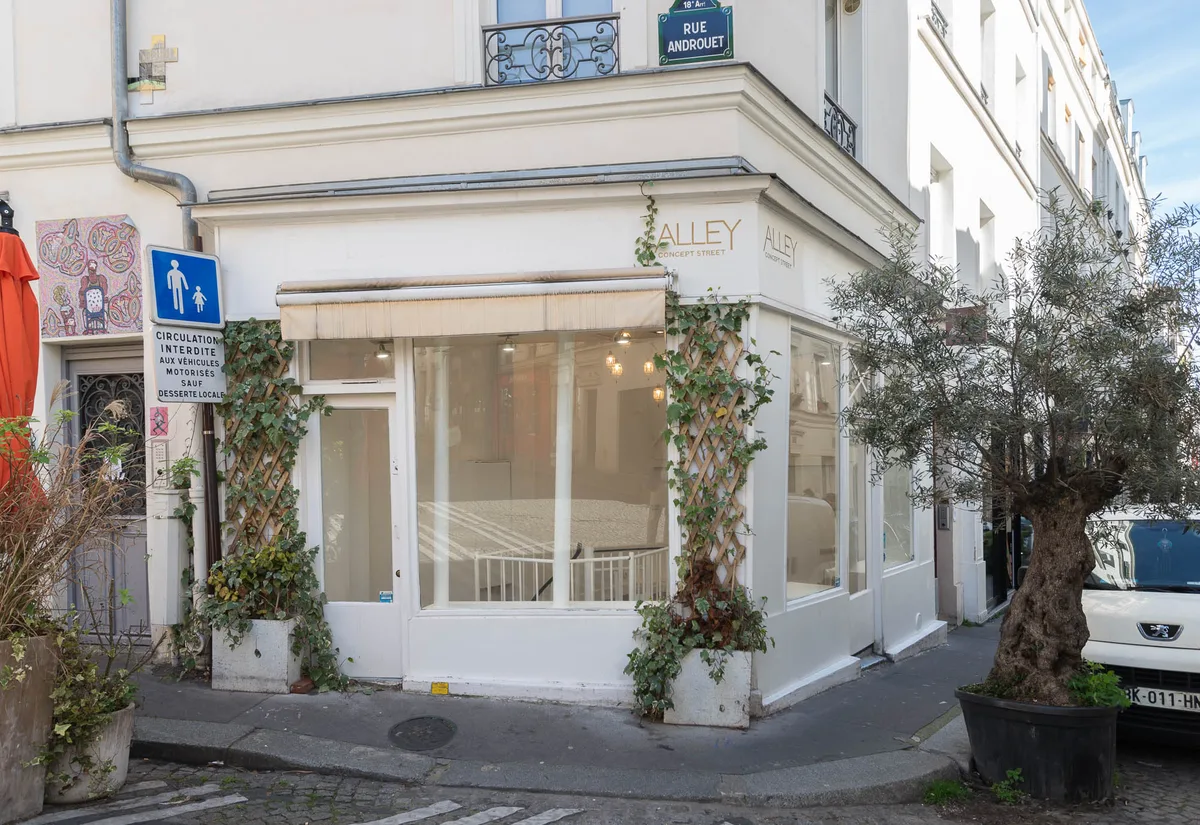
Boutique rental in Montmartre sits at the intersection of creative ambition and commercial opportunity. The 18th arrondissement of Paris offers fashion labels, DTC brands, and independent retailers a neighbourhood unlike any other in the city: a layered, walkable area defined by artistic heritage, daily local footfall, and growing appetite for considered retail experiences. Whether you are planning a product launch, a private sale, a showroom, or a week-long pop-up shop, Montmartre delivers an atmosphere that no purpose-built retail district can replicate. Fashion Week Venues works directly with brands seeking short-term retail spaces across Paris, with dedicated coverage of the 18th arrondissement and the streets that define its commercial and cultural identity. This guide covers everything brand teams need to know about finding, booking, fitting out, and activating a boutique rental in Montmartre.
Why Montmartre Attracts Fashion Brands, Retailers, and Creative Activations
Montmartre is one of the most visited and most photographed neighbourhoods in Paris, yet it retains a genuine residential and artisanal character that most tourist-heavy districts have long lost. That combination makes it commercially compelling for fashion retailers and brands seeking spaces that carry intrinsic cultural credibility.
The neighbourhood sits on a hill in the north of Paris, anchored by the Sacré-Cœur basilica at its summit and bounded to the south by Boulevard de Clichy and the Pigalle district. Its streets are narrow, often stepped, and lined with a mix of independent ateliers, galleries, wine bars, and specialist boutiques. This is not a shopping mall environment. Foot traffic in Montmartre tends to be curious, unhurried, and browsing-oriented, which creates conditions well suited to discovery-driven retail formats.
For fashion labels, the neighbourhood communicates artistry. For DTC brands making a first move into physical retail, it communicates authenticity. For luxury brands seeking an alternative to the Faubourg Saint-Honoré corridor, it communicates independence. These signals matter when the goal is not just sales volume but brand positioning and press coverage.
The area also benefits from year-round tourist flow drawn by landmarks including Place du Tertre, the Moulin Rouge on Boulevard de Clichy, and the winding streets between Rue Lepic and Rue des Abbesses. International visitors from North America, Japan, South Korea, Australia, and across Europe pass through Montmartre in significant numbers, creating genuine cross-border consumer exposure for brands running short-term activations.
Importantly, Montmartre is not a single retail micromarket. Different streets serve different purposes and attract different customer profiles. Rue des Abbesses and its surrounding blocks form the neighbourhood's most concentrated retail spine, with independent boutiques, concept stores, and food businesses drawing a mix of local residents and fashion-aware visitors. Rue Lepic is more market-oriented, with a slower, more community-facing character. The streets climbing toward Place du Tertre are high-volume but skew heavily toward souvenir trade, which may or may not align with a brand's positioning goals.
Understanding these micro-distinctions is essential for any brand choosing a boutique rental location in Montmartre. A space on the wrong street, even if the square footage and interiors are right, can underperform simply because the surrounding commercial context does not match the target customer profile.
DID YOU KNOW: Montmartre's 18th arrondissement is one of the most photographed urban neighbourhoods in the world, with its visual distinctiveness functioning as free organic marketing for brands that activate there and benefit from visitor social content.
KEY TAKEAWAY: Montmartre offers fashion brands and retailers a rare combination of high foot traffic, cultural credibility, and neighbourhood character. Choosing the right street within the arrondissement is as important as choosing Montmartre itself.
The following section examines the specific streets, sub-districts, and spatial formats available within Montmartre for short-term retail and pop-up activations.
Montmartre's Key Streets and Sub-Districts for Pop-Up Retail
The geography of Montmartre matters for boutique rental decisions because each street and sub-district carries a distinct commercial character, footfall profile, and brand association. Brands that match their space selection to the right micro-location consistently outperform those that prioritise price or availability alone.
Rue des Abbesses and the Lower Village
Rue des Abbesses is the commercial heart of lower Montmartre and the street most aligned with fashion, lifestyle, and design retail. The street and its immediate surroundings host independent boutiques, concept stores, galleries, and specialist food and drink outlets. Its customers include local residents who have high discretionary spend, design-aware tourists, and Parisian visitors who make the trip specifically for the neighbourhood's independent retail offer. For fashion labels and DTC brands seeking a boutique rental in Montmartre, Rue des Abbesses and the blocks between it and Place des Abbesses represent the highest-quality commercial environment in the arrondissement.
Spaces available on and around Rue des Abbesses vary from compact storefronts of 20 to 40 square metres to more generous atelier-style units with exposed stone, natural light, and separate back-of-house areas. These spaces are suitable for pop-up shops, private sales, small showrooms, and press days.
Rue Lepic and the Market Street Character
Rue Lepic runs from the lower reaches of Montmartre up toward the Butte, connecting Place Blanche at the bottom with the winding streets approaching the summit. It is primarily a market and food street, famous for its daily produce traders and independent food businesses. While less overtly fashion-oriented than Rue des Abbesses, Rue Lepic attracts significant foot traffic from local residents and offers a more community-embedded character that suits brands seeking an authentic neighbourhood presence rather than a pure fashion district positioning.
Boutique rental opportunities on Rue Lepic tend to offer larger ground-floor retail spaces with traditional Parisian shopfront facades, often including back rooms or basement storage. These spaces can work well for lifestyle brands, food and beverage activations, or fashion labels seeking an unexpected and editorial location choice.
Place du Tertre and the Summit
Place du Tertre sits at the top of the Butte Montmartre adjacent to Sacré-Cœur and is one of the most heavily visited public squares in Paris. Footfall volume here is very high, particularly in warmer months and during school holidays. However, the commercial mix is dominated by art sales, tourist souvenirs, and traditional café and restaurant trade. Brands considering boutique rental near Place du Tertre should be clear-eyed about the customer profile, which skews heavily toward first-time visitors rather than fashion or lifestyle consumers.
Boulevard de Clichy and the Pigalle Border
The southern edge of Montmartre merges into Pigalle along Boulevard de Clichy, a wide boulevard that has undergone significant commercial regeneration over the past decade. The South Pigalle area, sometimes referred to as SoPi, now hosts a cluster of independent restaurants, bars, and boutiques that attract a younger, creative Parisian audience. For brands seeking a Montmartre-adjacent boutique rental with a more urban and nightlife-adjacent positioning, the Boulevard de Clichy corridor and the streets running north from it offer relevant spaces.
Quick answer: The best streets in Montmartre for a fashion pop-up or boutique rental are Rue des Abbesses and its immediate surroundings for fashion-forward retail, Rue Lepic for lifestyle and community-positioned activations, and the Boulevard de Clichy corridor for brands targeting a younger, creative Parisian customer. Place du Tertre suits high-volume, broad-audience formats rather than targeted fashion retail.
| Street or Sub-District | Primary Foot Traffic Profile | Best For | Space Types Available |
|---|---|---|---|
| Rue des Abbesses | Local residents, design-aware visitors | Fashion labels, DTC brands, showrooms, private sales | Boutique storefronts, ateliers, studios |
| Rue Lepic | Local residents, food-oriented visitors | Lifestyle brands, food activations, community-facing retail | Ground-floor shops, traditional facades |
| Place du Tertre | High-volume international tourists | High-volume product sales, art, broad-audience activations | Galleries, small storefronts |
| Boulevard de Clichy and Pigalle | Young creative Parisians, nightlife visitors | Brand activations, events, youth-oriented fashion | Lofts, event spaces, converted retail |
KEY TAKEAWAY: Within Montmartre, micro-location decisions determine customer profile, brand fit, and commercial performance. Rue des Abbesses is the primary destination for fashion and lifestyle boutique rentals in the 18th arrondissement.
With location logic established, the next question is what types of spaces are available, and how their physical characteristics should influence the selection process.
Space Types Available for Boutique Rental in Montmartre
Montmartre's building stock is predominantly 19th-century Haussmann-era and pre-Haussmann residential and artisanal, which means the space types available for boutique rental differ markedly from those found in purpose-built commercial districts. This architectural heritage is both an asset and a constraint.
Storefronts and Ground-Floor Boutique Spaces
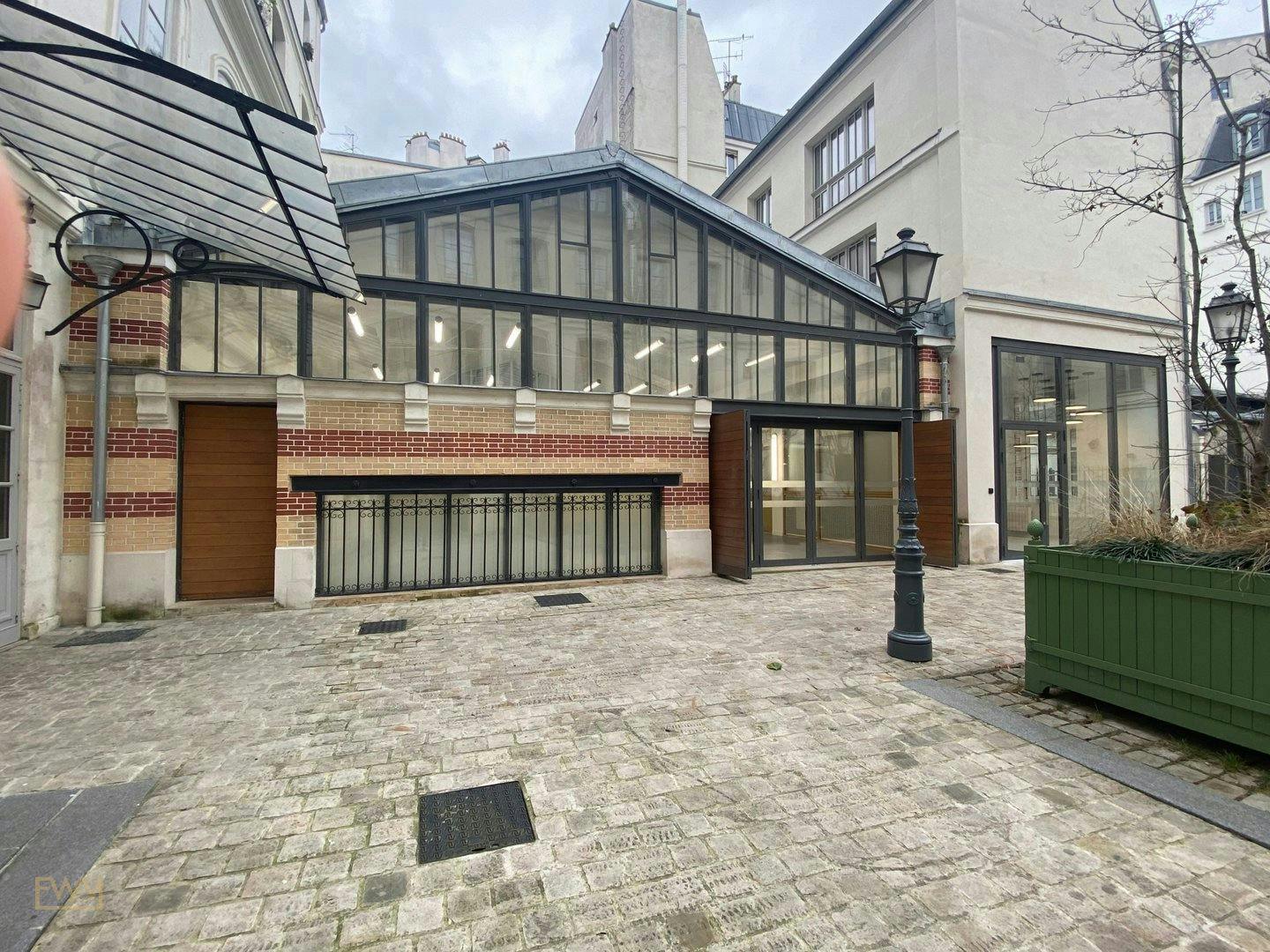
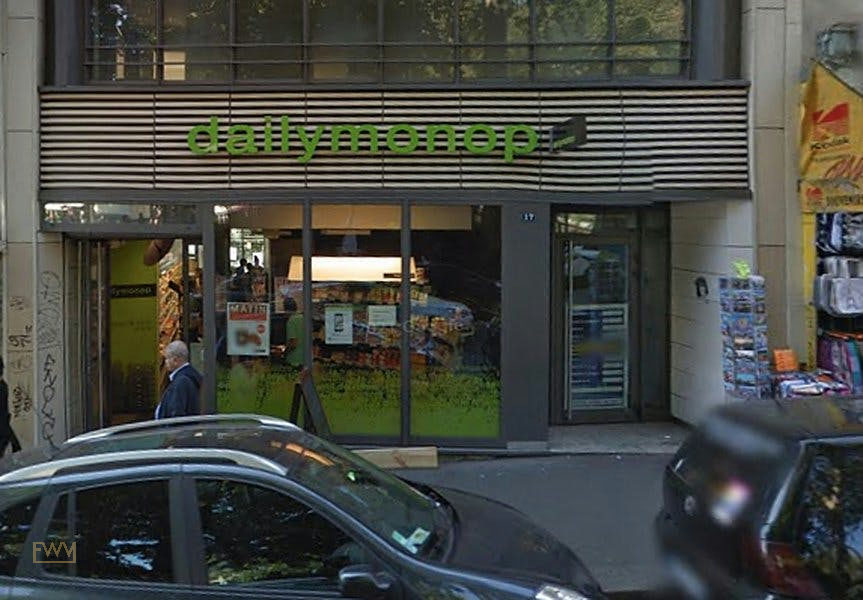
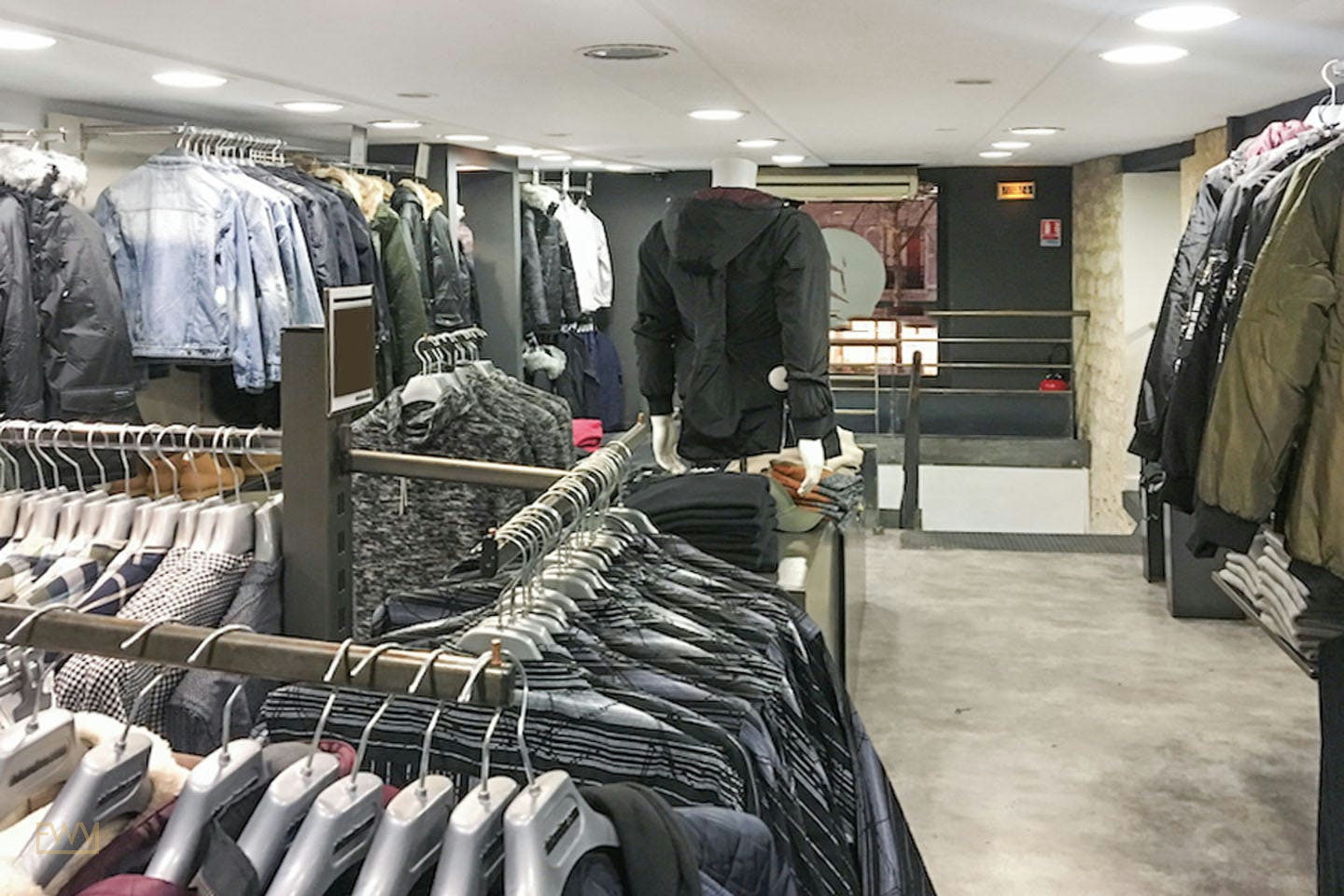
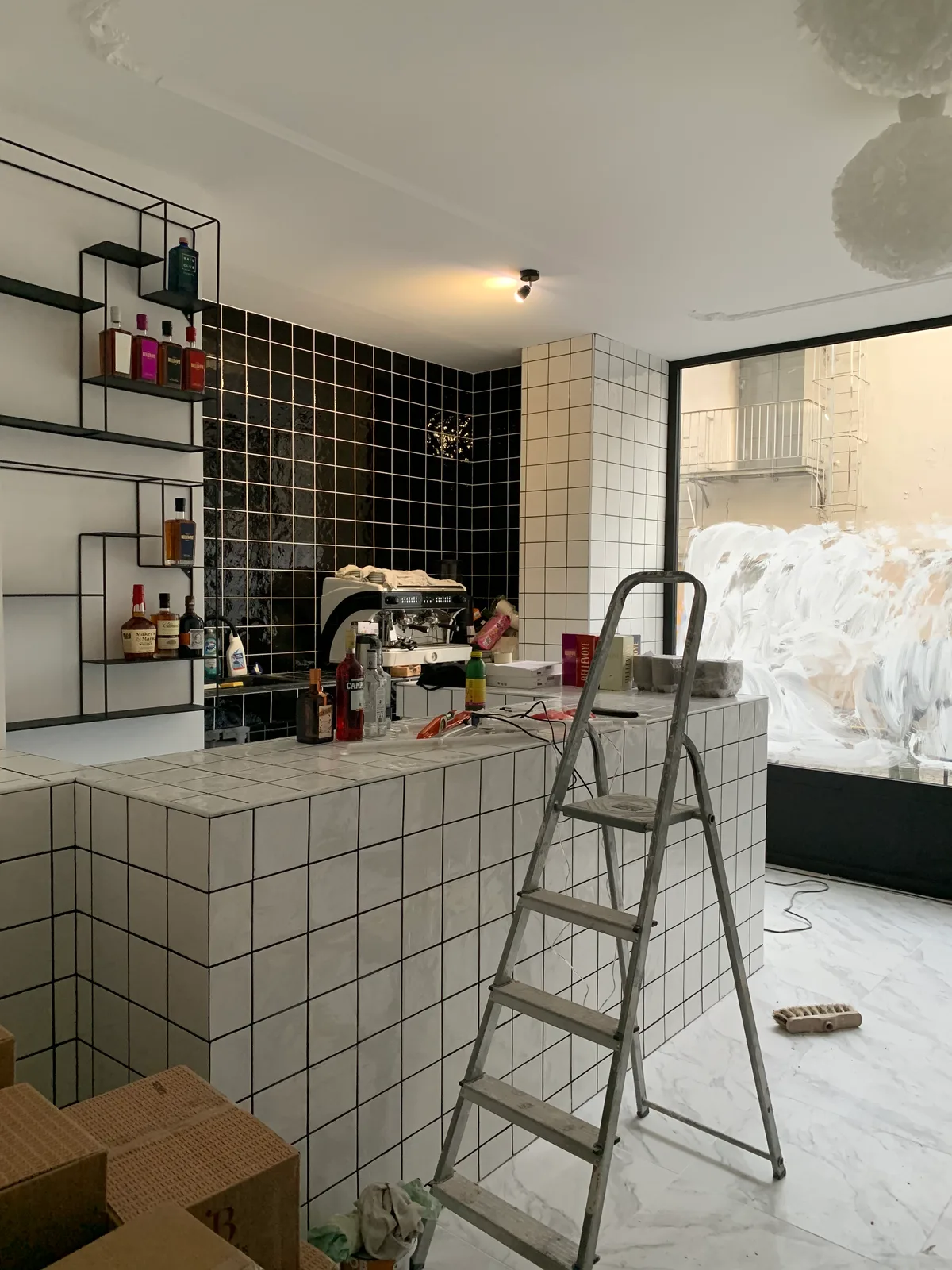
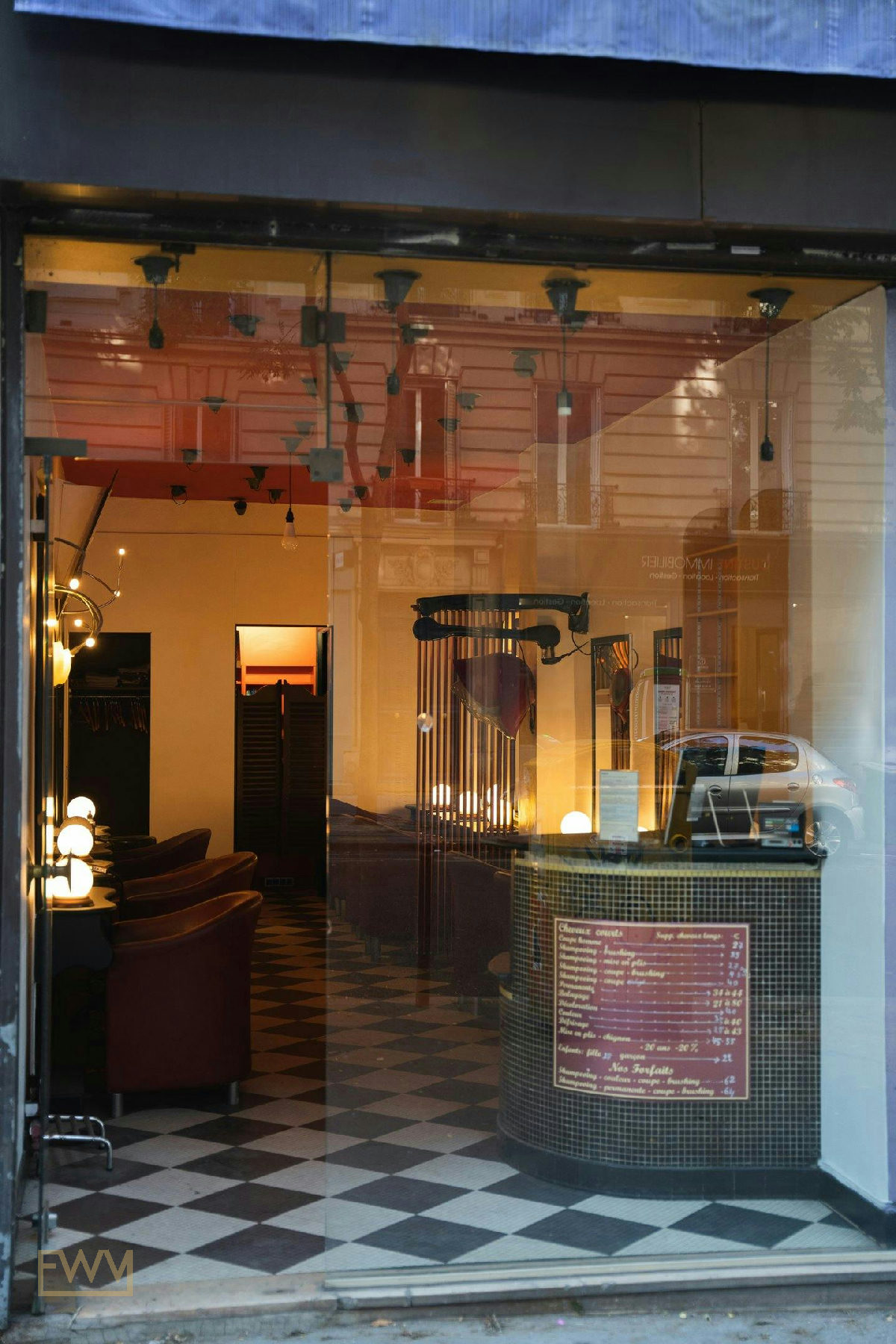
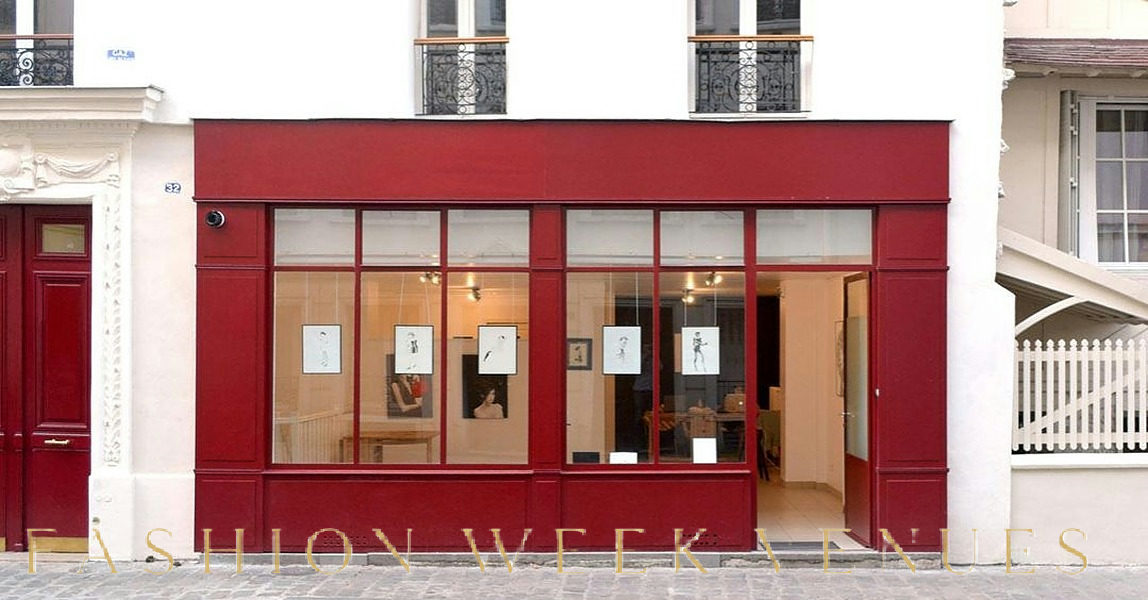
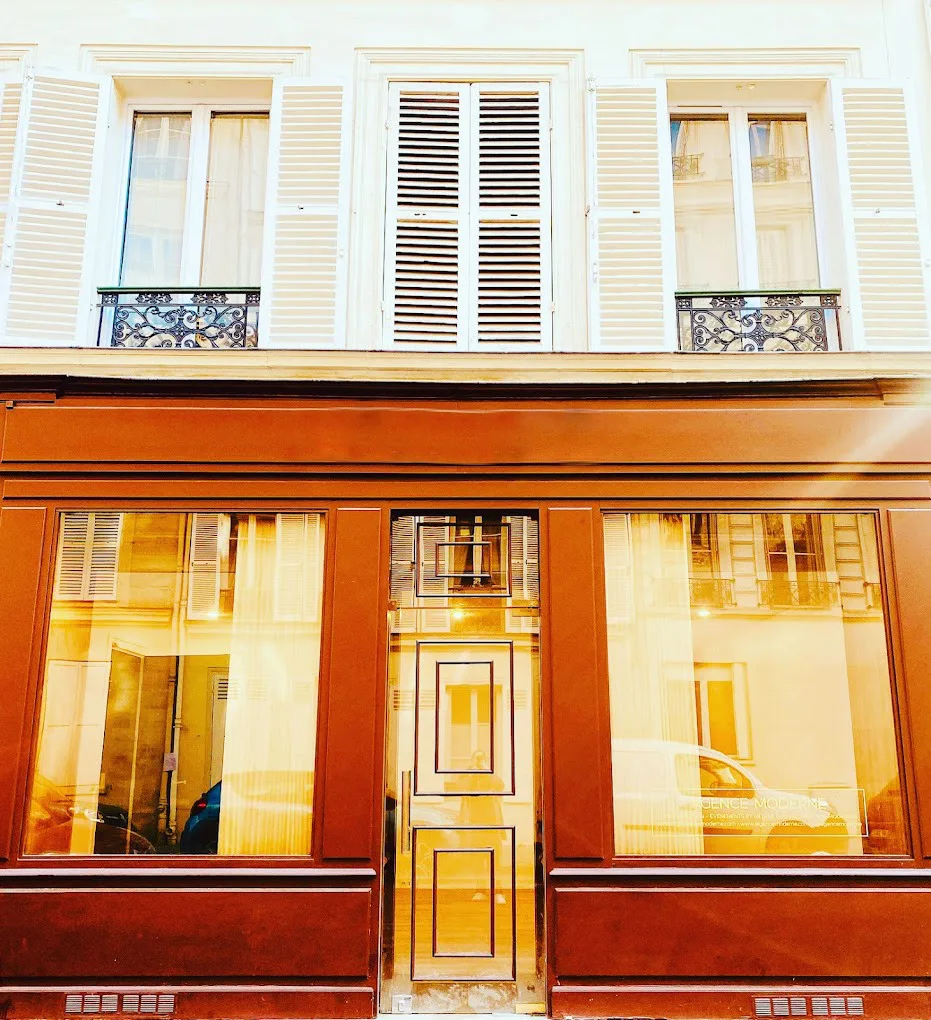
The most common space type available for short-term boutique rental in Montmartre is the traditional Parisian ground-floor storefront. These spaces typically feature a glazed facade with shuttered street frontage, a single open-plan retail floor of between 20 and 80 square metres, and rear access or a small back-of-house area for storage and team operations. Many retain original tiled floors, exposed stone walls, or wooden ceiling beams, all of which contribute to the aesthetic character that makes Montmartre boutique rentals attractive to fashion brands.
Storefronts in Montmartre are best suited to pop-up shops, capsule collection launches, private sales, and single-category fashion retailers. Their compact size rewards edited curation over comprehensive product ranges.
Ateliers and Studios
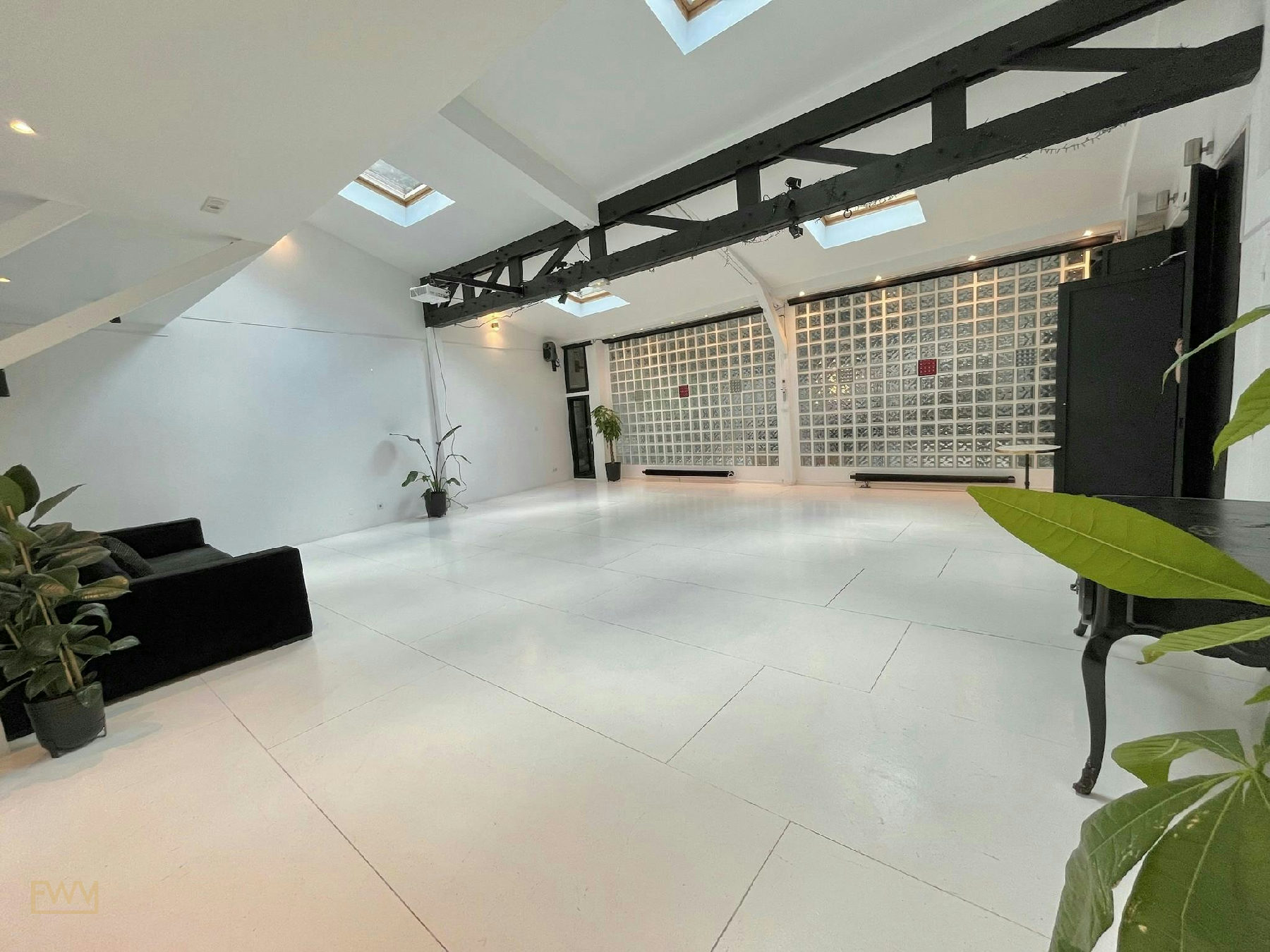
Montmartre has a strong atelier and studio tradition rooted in its historical association with artists, craftspeople, and designers. Atelier spaces available for boutique rental in the arrondissement tend to be first-floor or mezzanine units with high ceilings, north-facing or skylighted natural light, and open-plan configurations that support both display and production. These spaces suit showrooms, press days, brand presentations, and fashion labels that want to communicate the craft and process behind their work.
An atelier rental in Montmartre also typically carries more flexibility in terms of configuration, since the absence of a traditional shopfront reduces some of the visual merchandising constraints that apply to ground-floor units.
Lofts and Multi-Floor Spaces
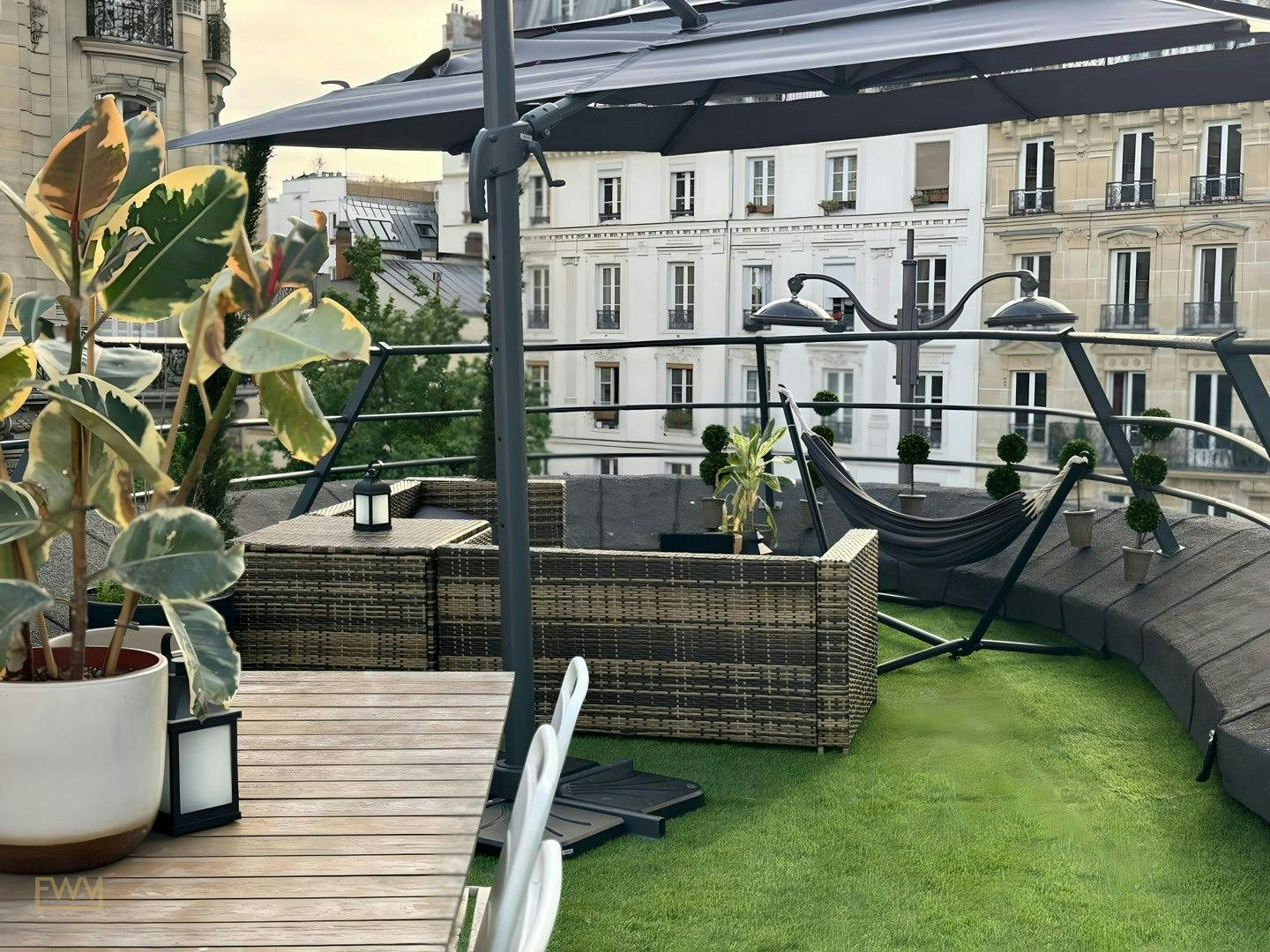
Larger boutique rental formats in Montmartre sometimes span two floors, combining a ground-level retail or gallery space with an upper residential or studio level. These loft-format spaces are less common but increasingly sought after by brands seeking an immersive activation environment where product display, brand storytelling, and guest hospitality can coexist. A multi-floor space in Montmartre can support a pop-up shop on the ground level, a showroom or private client area on the first floor, and a terrace or roof access for press or influencer events.
Galleries and Galerie Spaces
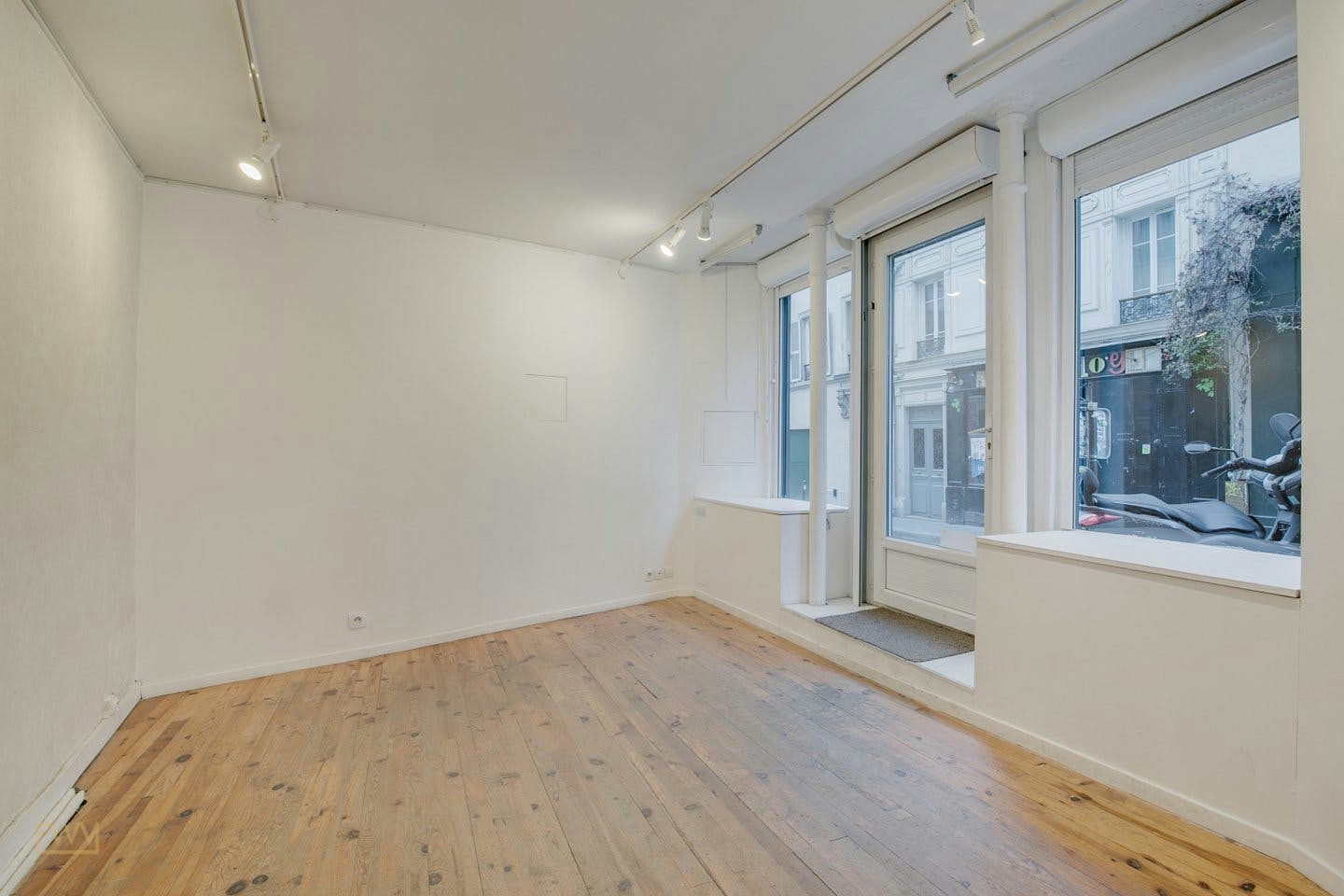
Several gallery spaces in Montmartre are available for short-term rental, particularly around Rue des Abbesses and the streets leading toward the Butte. Gallery formats offer white-wall, minimal interiors with professional lighting rigs and polished concrete or parquet floors. Fashion brands using gallery spaces in Montmartre can benefit from the art-adjacent positioning, which reinforces messages of craftsmanship, limited edition production, and cultural seriousness.
Residential Spaces and Holiday Rental Conversions
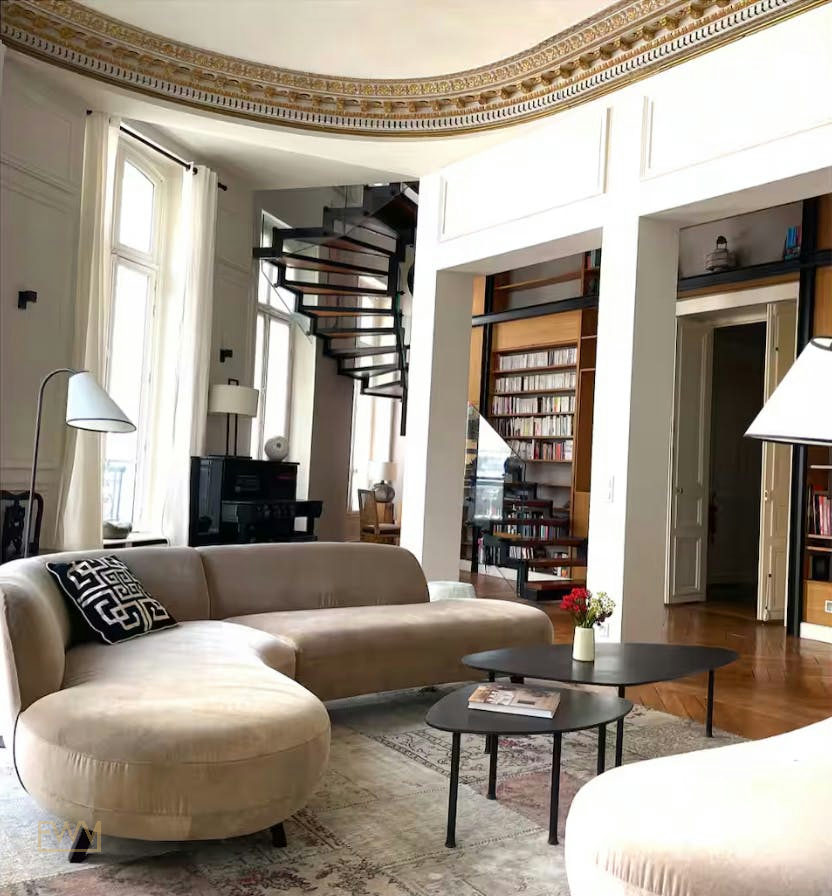
A specific category of boutique rental in Montmartre involves residential spaces that are temporarily adapted for commercial use. These include apartments, maisons, and townhouses that have been approved for short-term commercial activation. Platforms like Plum Guide list vetted luxury holiday rentals in Montmartre that combine residential comfort with commercial usability. These spaces often feature elements such as professional kitchens, high-quality linen, bathroom toiletries, and curated interiors with furniture, natural light, and design details that make them suitable for intimate brand activations, private client events, press breakfasts, and editorial shoots.
The distinction between a residential holiday rental and a commercial pop-up space is legally significant in Paris. Brands using residential spaces for commercial purposes must verify the applicable permissions and ensure that the activation structure complies with the landlord's terms and relevant municipal rules. Requirements vary by space type, duration, and arrondissement.
Quick answer: Space types available for boutique rental in Montmartre include traditional storefronts, ateliers, studio units, multi-floor lofts, gallery spaces, and residential properties adapted for short-term commercial use. Each type serves different activation formats, team sizes, and brand positioning goals.
| Space Type | Typical Size Range | Best Activation Format | Key Physical Characteristics |
|---|---|---|---|
| Ground-floor storefront | 20 to 80 sqm | Pop-up shop, capsule launch, private sale | Glazed facade, original flooring, compact rear area |
| Atelier or studio | 40 to 150 sqm | Showroom, press day, brand presentation | High ceilings, natural light, open-plan layout |
| Loft or multi-floor | 80 to 300 sqm | Immersive activation, event with retail | Multiple levels, terrasse access, flexible configuration |
| Gallery space | 50 to 200 sqm | Art-adjacent fashion presentation, limited edition launch | White walls, professional lighting, polished floors |
| Residential conversion | 60 to 250 sqm | Private client event, press breakfast, editorial shoot | Curated interiors, furniture, kitchen, natural light |
TIP: When reviewing space listings for boutique rental in Montmartre, pay close attention to ceiling height, facade visibility from the street, available power supply, and whether the space has a terrasse, courtyard, or garden. These features significantly affect what activation formats are viable.
KEY TAKEAWAY: Montmartre's architectural heritage produces a diverse range of boutique rental formats that reward brands willing to adapt their activation concept to the space's physical character rather than imposing a generic retail template.
Choosing the right space type is inseparable from understanding the rental and booking logistics that govern short-term retail in Paris's 18th arrondissement.
Boutique Rental Logistics: Rates, Booking, and Short-Term Lease Structures in Paris
Short-term boutique rental in Montmartre operates under different legal and commercial structures than standard commercial leases. Understanding those structures is essential for any brand team planning a pop-up shop, showroom, or temporary retail activation in Paris.
Understanding Bail Dérogatoire and Short-Term Lease Structures
In France, commercial leases are primarily governed by the Statut des Baux Commerciaux, which establishes a standard nine-year commercial lease with significant tenant protections. For short-term activations, two alternative frameworks are commonly used: the bail dérogatoire and the autorisation d'occupation temporaire (AOT).
A bail dérogatoire is a short-term commercial lease that derogates from the standard nine-year statute. It can be used for periods of up to three years and must be agreed in writing by both parties. It does not grant the tenant the right to renewal or commercial goodwill, making it appropriate for temporary retail formats. A bail dérogatoire requires careful drafting and both parties must explicitly agree to opt out of the standard commercial lease framework. Brands should verify the structure of any lease with a qualified French legal advisor before signing.
An AOT, or autorisation d'occupation temporaire, is used for spaces on public land or in regulated public areas. It is less common for standard boutique rental situations but may apply to pop-up activations in public squares, market halls, or semi-public retail environments.
Brands should also be aware that some spaces marketed as pop-up rentals in Montmartre are offered under contrat de mise à disposition or licence d'exploitation agreements, which are distinct from bail dérogatoire structures and carry different rights and obligations. The specific structure used affects insurance responsibilities, liability, modification rights, and exit terms.
IMPORTANT: Do not assume that a short-term boutique rental in Montmartre is legally straightforward without specialist input. Requirements vary by space type, duration, arrondissement, and landlord structure. Always verify the lease framework with a qualified French legal advisor.
Rental Rates and Budget Expectations
Rental rates for boutique spaces in Montmartre vary based on location within the arrondissement, space size, duration of rental, and the season or calendar period. Rue des Abbesses commands premium rates relative to quieter streets, and Fashion Week periods in January, March, September, and October typically see availability tighten and rates increase.
Rather than citing specific figures that may not reflect current market conditions, brands should use a dedicated budget planning tool to generate directional estimates for their specific space size, duration, and location requirements. The Fashion Week Venues budget calculator provides brand-specific estimates based on real market inputs and helps teams build a realistic total cost model before committing to a space.
Total boutique rental costs in Paris typically include the base rent, an agency or sourcing fee where applicable, fit-out and production costs, permit or compliance costs, staffing, visual merchandising, technology, and brand communications. Each of these categories should be budgeted separately and stress-tested against the brand's sales and awareness objectives.
Availability, Booking, and Check-In Timelines
Short-term retail spaces in Montmartre are genuinely limited in number. The neighbourhood's small-scale street grid and predominantly residential upper floors mean that genuine ground-floor boutique spaces available for commercial short-term rental represent a finite and competitive inventory. During Paris Fashion Week windows and peak tourist season from May through September, availability tightens significantly.
Brands targeting a specific calendar window should begin their space search at minimum eight to twelve weeks before their intended activation start date. For Fashion Week-aligned activations, twelve to sixteen weeks of lead time is more realistic. Early engagement with a venue sourcing specialist significantly increases the probability of securing a preferred location on Rue des Abbesses or its immediate surroundings.
The booking process for most boutique rentals in Montmartre involves initial enquiry, space viewing or virtual tour, negotiation of terms, lease or licence agreement execution, payment of deposit, and a structured check-in process that covers space condition, key handover, and operational briefing. Brands should build the check-in process into their production timeline rather than treating it as a standalone administrative step.
Quick answer: Boutique rental in Montmartre typically operates under a bail dérogatoire or licence d'exploitation framework rather than a standard French commercial lease. Brands should budget for base rent, fit-out, staffing, permits, and marketing as separate cost categories, and should begin their space search at least eight to twelve weeks before their planned activation date.
KEY TAKEAWAY: The legal and logistical complexity of short-term boutique rental in Paris requires specialist support. Assuming that a short-term lease is administratively simple is one of the most common and costly mistakes brands make when entering the Paris market.
The next section addresses the permit requirements that apply to pop-up shops and temporary commercial activations in Montmartre specifically.
Permits and Compliance for Pop-Up Shops in Montmartre and the 18th Arrondissement
Operating a commercial pop-up shop or boutique rental in Montmartre requires navigating Paris's municipal permit framework, which differs from standard retail regulations and varies depending on the specific nature of the activation, the type of space used, and the activities conducted.
Commercial Activity Permits and Declarations
Opening a retail space in Paris, even on a short-term basis, typically requires the brand or operator to have a legally registered entity in France, or to operate through a structure that holds the relevant commercial registration. International brands without a French legal entity should explore whether their chosen lease or licence structure requires local registration, and should consult a French business attorney or commercial accountant before committing to a space.
Depending on the arrondissement and the specific location, operating a temporary commercial space may also require a declaration to the local Mairie, the town hall of the 18th arrondissement. Requirements vary by space type, duration, and specific street classification. The Mairie de Paris has specific rules around signage, facade modification, and the use of public footpath space for promotional purposes.
Signage, Terrace Use, and Public Space Permissions
Brands wishing to place signage on the exterior facade, hang banners, or use the public footpath in front of their boutique rental in Montmartre must obtain the relevant autorisation de la voirie from the local authority. Unauthorised signage or street-level brand installations in the 18th arrondissement can result in enforcement action and removal, which can disrupt a time-sensitive activation. Applications for voirie permissions can take several weeks to process, so they must be built into the pre-activation timeline.
Similarly, if a boutique rental includes a terrasse or external courtyard that the brand wishes to use for events or consumer engagement, separate permissions may apply depending on whether the terrasse is classified as private or public space.
Food, Drink, and Hospitality Activations
Brands incorporating food or drink service into their Montmartre pop-up activation, including branded beverages, catered events, or product launches with hospitality elements, must comply with French food safety regulations and may require a licence to serve alcohol if applicable. These requirements are separate from the retail or commercial permit framework and must be verified with the relevant authorities before activation.
Music, Audio Installations, and Sound Considerations
Audio installations including BOSE Sono systems and curated in-store music require compliance with French copyright and neighbouring rights regulations, typically managed through SACEM licensing. Brands planning branded sound environments in their Montmartre boutique should confirm SACEM compliance as part of their pre-opening checklist.
TIP: Use the Fashion Week Venues permit guidance tool to understand the permit categories that apply to your specific activation type, space classification, and planned duration in the 18th arrondissement. This tool does not replace qualified legal advice but provides a structured starting point for permit planning.
Quick answer: Pop-up shops and boutique rentals in Montmartre require attention to commercial registration, Mairie declarations, signage and facade permissions, public footpath authorisations, and any additional licences for food, drink, or audio installations. Requirements vary by activity type, space classification, and specific location within the arrondissement.
KEY TAKEAWAY: Permit compliance for boutique rental in Montmartre is not a formality. It is a substantive planning requirement that affects timelines, costs, and the legal standing of the activation. Specialist support reduces risk significantly.
Understanding permit requirements sets the foundation for planning the activation itself, including how to attract and serve customers effectively during the boutique's operational period.
Customer Experience, Foot Traffic, and Activation Strategy in Montmartre
A boutique rental in Montmartre only delivers commercial and brand value if it attracts the right customers and creates a memorable, shareable experience. The physical space is the platform; the experience is the product. Brands that invest in space quality but underinvest in customer experience strategy consistently underperform.
Driving Foot Traffic to a Montmartre Pop-Up
Montmartre generates significant organic foot traffic, but brands should not assume that location alone will drive customers into their boutique. Organic discovery from street-level visibility is valuable, particularly on Rue des Abbesses where browsing behaviour is high. However, the most successful Montmartre pop-up activations combine location visibility with a layered marketing and communication strategy that begins weeks before the doors open.
Pre-activation marketing for a Montmartre boutique rental typically includes geo-targeted social media content highlighting the neighbourhood and the space, influencer seeding and invitation to preview events, PR outreach to Paris-based fashion and lifestyle media, email communication to existing customer databases flagging the Paris activation, and collaboration with local Montmartre businesses for cross-promotional exposure.
The neighbourhood's strong social media presence, driven by millions of visitors photographing Sacré-Cœur, Rue des Abbesses, and the village streets, creates an ambient amplification channel. Brands with a distinctive facade treatment or a visually compelling window display benefit from unpaid sharing by visitors who photograph the space simply because it looks interesting.
The Human Side of Boutique Retail in Montmartre
One of the most important and most frequently underestimated elements of a successful boutique activation is the quality of human customer service. In a neighbourhood defined by its artisanal and community character, customers entering a pop-up boutique in Montmartre have expectations shaped by the surrounding independent retail environment. They expect genuine interaction, knowledgeable conversation, and a level of personal attention that automated or transactional retail cannot provide.
Brands should invest in staffing that reflects this expectation. French-speaking team members with genuine product knowledge, the ability to engage in unscripted conversation, and comfort with the specific cultural register of Montmartre's customer base will consistently outperform generic retail staff. The customer experience in a Montmartre boutique is not a secondary concern. It is a primary driver of sales, repeat visits, social sharing, and word-of-mouth.
Communication with customers before, during, and after the activation matters equally. Automated email sequences, instant response systems, and social media management should be set up in advance, but they should serve human connection rather than replace it. A well-timed follow-up email to a customer who visited the boutique but did not purchase can convert interest into a sale. A personalised social media response to a visitor's photograph of the space can turn a casual visitor into a brand advocate.
Audio, Atmosphere, and Sensory Brand Environment
The sensory environment of a boutique rental in Montmartre contributes directly to dwell time, purchase intent, and brand recall. Audio is one of the most powerful and most controllable elements of in-store atmosphere. A curated playlist delivered through a professional audio installation, such as a BOSE Sono system, creates a consistent and branded sound environment that supports the overall experience without requiring constant manual management.
Beyond audio, the use of scent, lighting, furniture selection, and tactile material choices in the space design all contribute to how customers perceive and remember the boutique experience. In Montmartre, where the surrounding neighbourhood already communicates quality and craftsmanship, the interior environment of the boutique should amplify rather than contradict those signals.
Data, Analytics, and Post-Activation Learning
Every boutique activation in Montmartre generates data that can inform future decisions. Foot traffic counts, conversion rates, average transaction values, customer postcode or country of origin, social impressions, press mentions, and influencer reach all contribute to a measurable picture of the activation's performance. Brands that capture and analyse this data systematically are able to make better decisions about future Paris activations, including space selection, timing, staffing levels, and marketing channel allocation.
Integrating a POS and payments system that captures transaction data at the point of sale, combined with a foot traffic counter at the entrance and a social listening tool for brand mentions during the activation period, provides a minimum viable data set for post-activation analysis.
Quick answer: Successful boutique activations in Montmartre combine location visibility with pre-activation marketing, high-quality human customer service, a curated sensory environment, and systematic data capture. Foot traffic is generated organically by the neighbourhood, but converting visitors into customers requires deliberate experience design and genuine personal interaction.
To compare neighbourhoods and space types across Paris, explore the Paris city hub on Fashion Week Venues and shortlist spaces that match your brief, budget, and calendar window.
KEY TAKEAWAY: Customer experience quality, staffing investment, sensory environment design, and post-activation data analysis are the differentiating factors between a boutique rental in Montmartre that performs and one that simply occupies space.
The final major operational consideration for brands planning a Montmartre boutique rental is how to select and brief the right agency or partner to manage the process end to end.
How Fashion Week Venues Supports Boutique Rental in Montmartre and Across Paris
Fashion Week Venues operates as a full-service pop-up shop agency and space marketplace, with Paris as its anchor market and the 18th arrondissement of Montmartre among its core sourcing areas. The agency exists to help fashion labels, DTC brands, creative agencies, and retail teams navigate the entire boutique rental process from initial brief to post-activation review.
Venue Sourcing in the 18th Arrondissement
The venue sourcing service from Fashion Week Venues covers active identification of spaces in Montmartre that match a brand's specific requirements for size, location, duration, configuration, and budget. Rather than relying on a static database of listings, the sourcing team works directly with landlords, building managers, and space owners to surface options that may not be publicly listed, including private ateliers, gallery spaces, and boutique properties on Rue des Abbesses and Rue Lepic.
This active sourcing approach is particularly valuable in a neighbourhood like Montmartre where the most desirable spaces rarely remain on the market long and where the best landlord relationships are built over time rather than through platform searches alone.
Concept Direction and Space Visualisation
Once a space is identified, the concept direction service helps brands develop a spatial and experiential concept that maximises the character of the Montmartre location. Montmartre boutiques reward concept thinking that works with the space's architectural heritage rather than against it. Exposed stone, original flooring, ceiling height, and natural light are assets to be amplified, not covered or ignored.
The Imagine tool on the Fashion Week Venues platform allows brand teams to visualise how a space will look under different design scenarios before committing to a fit-out direction. This reduces decision-making risk and supports more confident briefing of the production and build team.
Production, Fit-Out, and Furniture Rental
The production and build service covers the physical transformation of the boutique space, from fixture installation and lighting rigs to bespoke display systems and temporary wall treatments. In Montmartre, fit-out work must often be completed with minimal structural impact, since short-term lease agreements typically require the space to be returned to its original condition at the end of the rental period. Fashion Week Venues manages this constraint through reversible fit-out techniques and a furniture rental inventory that can be configured and removed cleanly.
Staffing, POS, and Activation Management
The retail staffing service provides French-speaking sales associates, brand ambassadors, and retail managers with experience in high-quality boutique environments. Staffing in Montmartre specifically benefits from individuals who understand the neighbourhood's customer culture and can engage authentically with the mix of local residents and international visitors who make up the boutique's daily audience.
The activation management service coordinates all operational elements of the boutique rental from opening day through to close, including daily staff management, inventory replenishment, customer feedback capture, and real-time problem resolution. Brands that have activated previously in Paris describe this operational coordination as the highest-value element of working with a specialist agency rather than attempting to self-manage a Paris boutique from a remote head office.
Tools for Planning and Decision-Making
Fashion Week Venues provides a suite of planning tools relevant to boutique rental decisions in Montmartre. These include the budget calculator for total cost estimation, the ROI calculator for commercial objective setting, the timeline tool for pre-activation planning, the permits tool for compliance guidance, and the compare tool for evaluating multiple space options against each other. These tools do not replace specialist advice but provide a structured framework for brand teams to build and test their activation plans before committing resources.
For brands new to Paris or working with Fashion Week Venues for the first time, the guide on how to select the right pop-up agency provides a practical framework for evaluating agency partnerships against brand-specific criteria.
Quick answer: Fashion Week Venues supports boutique rental in Montmartre through active venue sourcing, concept direction, production and fit-out management, retail staffing, activation coordination, and a suite of digital planning tools. The agency works across the full activation lifecycle from initial brief to post-activation debrief.
KEY TAKEAWAY: Working with a specialist agency for boutique rental in Montmartre reduces the risk of location misalignment, permit errors, fit-out overruns, and staffing failures, all of which are common and costly in the Paris short-term retail market.
Residential and Holiday Rental Spaces in Montmartre: What Brands Need to Know
A growing category within the Montmartre boutique rental market involves residential properties that are used temporarily for brand activations, press events, private client experiences, and editorial production. These spaces differ from conventional retail units and operate under different rules, but they offer a distinctive environment that purpose-built commercial spaces rarely replicate.
The Appeal of Residential Spaces for Brand Activations
Montmartre's residential architecture is exceptional. Maisons de ville, private townhouses, converted ateliers with living quarters, and period apartments with double-height salons, exposed timbers, and original Haussmann-era detail are available in the neighbourhood in a way that simply does not exist in Paris's central commercial districts. These spaces carry an inherent warmth, domesticity, and design authority that creates a fundamentally different activation environment.
For fashion brands hosting a private sale, a press breakfast, a VIP client event, or a multi-day editorial shoot, a vetted residential space in Montmartre can be far more effective than a blank commercial unit. The interiors communicate taste and discernment. The furniture, linen, bathroom toiletries, kitchen equipment, and soft feel elements of a well-curated residential space allow the brand to present itself in a fully realised lifestyle context rather than a stripped-out retail shell.
Platforms such as Plum Guide specialise in handpicked, vetted luxury holiday rentals and residential properties with a strong emphasis on the quality of interiors, design details, and experiential elements. Plum Guide's collection in Montmartre includes properties that have been evaluated for the quality of their kitchens, natural light, furniture, and overall aesthetic coherence, which makes them relevant not just for personal stays but for brand teams considering Montmartre as a base for client entertainment and intimate activations.
Important Distinctions and Compliance Considerations
Brands should be explicit about one important distinction: a luxury holiday rental listed on Plum Guide or a comparable platform is intended for residential use. Using such a property for a commercial brand activation, consumer-facing pop-up, or any form of retail trade requires the explicit permission of the property owner and may require additional insurance, permits, or declarations to the local authority.
The line between a private brand event in a residential space and a commercial retail activation is a meaningful legal distinction in France. Brands should obtain written confirmation from the property owner or rental platform that the planned use is permitted under the terms of the rental agreement, and should seek legal advice if the planned activity involves direct sales to consumers or public-facing brand communications from the address.
Residential holiday rentals in Montmartre that have been approved or configured for commercial use, including press events, brand presentations, and private client experiences, are a legitimate and increasingly popular boutique rental category. The key is ensuring that the specific use case is clearly defined, agreed in writing, and appropriately insured.
What Vetted and Handpicked Means in Practice
In the context of residential boutique rental in Montmartre, the terms vetted and handpicked carry specific meaning. A vetted property has been assessed against a defined set of quality criteria covering physical condition, design quality, equipment provision, and guest experience elements. A handpicked property is one that has been specifically selected from a broader pool of available properties based on its suitability for the intended use.
For brand teams assessing residential spaces in Montmartre for activation use, the most relevant vetting criteria include the quality and originality of the interiors, the availability and condition of professional kitchen facilities, the provision of high-quality linen and bathroom amenities, the level of natural light across the main reception and salon areas, the acoustic quality of the space for audio installations or in-person presentations, and the ease of furniture reconfiguration for product display purposes.
Quick answer: Luxury holiday rental properties in Montmartre, including those listed on platforms like Plum Guide, can be suitable for intimate brand activations, press events, and private client experiences when the property owner explicitly permits commercial use. Brands must confirm permitted use in writing and obtain appropriate insurance before conducting any consumer-facing or sales-generating activity from a residential address.
KEY TAKEAWAY: Residential spaces in Montmartre offer a distinctive and design-rich environment for brand activations that purpose-built commercial spaces cannot replicate. Using them for commercial purposes requires explicit permission, appropriate insurance, and compliance verification.
Paris Fashion Week and the Montmartre Activation Calendar
Paris Fashion Week is one of the most commercially significant calendar windows for boutique rental in Montmartre, but it is not the only viable period for a brand activation. Understanding the full Paris retail and fashion calendar allows brands to choose timing that aligns with their objectives, budget, and target customer availability.
Paris Fashion Week Windows
Paris hosts four primary Fashion Week events annually. Menswear Fashion Week typically takes place in January and June. Haute Couture Fashion Week occurs in January and July. Womenswear Fashion Week, the largest and most internationally attended of the four, takes place in late September and October. Each of these windows generates significant international visitor flow of buyers, press, influencers, and creative professionals, making them attractive periods for brands wishing to reach a concentrated fashion-industry audience in Paris.
During Fashion Week, boutique rental demand in Paris increases across all arrondissements. Montmartre is not the primary Fashion Week district, which means that availability may be slightly better here than in areas like Le Marais or the 1st arrondissement, but prices still reflect the broader demand surge. Brands targeting a Fashion Week window for their Montmartre boutique should secure their space at minimum twelve weeks in advance.
Beyond Fashion Week: Year-Round Activation Opportunities
Montmartre's year-round tourist and resident footfall makes it a viable boutique rental destination outside Fashion Week periods. Several calendar windows generate strong commercial conditions for short-term retail in the neighbourhood.
The December holiday period, from late November through the first week of January, generates exceptionally high consumer spending in Paris, with both local shoppers and international tourists making discretionary fashion and lifestyle purchases at elevated rates. Summer, from June through August, brings Montmartre's largest tourist volumes, with Sacré-Cœur and the surrounding streets at peak international visitor numbers. The spring window of March through May, following Womenswear Fashion Week in March for some brands, offers a post-Fashion-Week period when Paris is active, comfortable, and welcoming to both leisure and business visitors.
Brands that position their boutique rental as aligned with a specific Parisian lifestyle moment, rather than exclusively as a Fashion Week activation, can achieve strong commercial results in these off-peak Fashion Week windows with potentially lower rental rates and better space availability.
Comparing Montmartre with Le Marais for Fashion Activations
The most common comparison brands make when evaluating boutique rental in Paris is between Montmartre and Le Marais. Both are established creative and fashion neighbourhoods with strong boutique retail traditions, international visitor appeal, and active local communities. However, they serve different brand positioning goals and attract meaningfully different customer profiles.
Le Marais, centred on the 3rd and 4th arrondissements, is the primary destination for luxury fashion retail, emerging designer boutiques, and international fashion brand activations in Paris. It has a higher density of fashion retail, higher average consumer spend, and stronger alignment with the global fashion industry calendar. Spaces in Le Marais are typically more expensive, more competitive to secure, and more standardised in their commercial configuration.
Montmartre offers more character, more neighbourhood authenticity, and more spatial diversity at comparable or lower cost. For brands whose positioning is rooted in creativity, artisanship, or independent sensibility, Montmartre can outperform Le Marais for brand-building purposes even if the raw sales volume per square metre is lower. The choice between the two depends on what the brand is trying to achieve and which customer it is trying to reach.
Quick answer: Paris Fashion Week windows in January, March, June, July, September, and October are the peak demand periods for boutique rental in Montmartre, but year-round opportunities exist in December, summer, and spring. Montmartre suits brands seeking neighbourhood character and creative positioning over pure sales volume, distinguishing it from Le Marais as a Fashion Week activation destination.
KEY TAKEAWAY: The Paris activation calendar extends well beyond Fashion Week. Brands that align their boutique rental timing with their specific commercial and positioning objectives, rather than defaulting to Fashion Week windows, often achieve stronger results with better space availability and more manageable costs.
Common Myths About Boutique Rental in Montmartre Debunked
MYTH: You need a French legal entity to rent a boutique space in Montmartre.
FACT: International brands without a French legal entity can operate short-term retail activations in Paris through specific lease structures, including licence d'exploitation and mise à disposition agreements, which may not require the tenant to hold a French SIRET number. However, the specific requirements vary by landlord, space type, and lease structure. Some landlords do require a French registered entity or a French bank account. Verifying the requirements for each specific space with a qualified French legal advisor is essential before proceeding.
MYTH: Paris Fashion Week is the only viable calendar window for a Montmartre boutique rental.
FACT: Montmartre generates strong commercial foot traffic throughout the year. The December holiday period, the summer tourist season, and the spring window of March through May all offer excellent conditions for boutique activations. Fashion Week windows are competitive and often more expensive. Brands with clear year-round objectives frequently find that off-Fashion-Week periods deliver better space availability, lower costs, and a less congested media and influencer environment.
MYTH: Commission brokers are the only way to find a boutique rental space in Montmartre.
FACT: Commission brokers are one channel for space discovery, but they are not the only option. Full-service agencies like Fashion Week Venues source spaces through direct landlord relationships, active market monitoring, and proprietary networks that often surface options not available through broker channels. A specialist agency also manages the full activation lifecycle beyond space identification, which a commission broker typically does not.
MYTH: Short-term leases in Paris are legally straightforward and can be managed without specialist help.
FACT: French commercial lease law is among the most complex in Europe. Bail dérogatoire agreements, licence d'exploitation structures, and AOT permits each carry specific drafting requirements, time limits, and party obligations that differ meaningfully from standard short-term rental agreements in other markets. Errors in lease structure can expose brands to financial liability or disrupt the activation timeline. Specialist legal and agency support is strongly recommended for any brand activating in Paris for the first time.
MYTH: A boutique rental in Montmartre works for any brand because the neighbourhood attracts so many visitors.
FACT: High visitor volume does not guarantee commercial success for every brand type. Montmartre's customer profile varies significantly by street and sub-district. A fashion brand positioned on the wrong street relative to its target customer will underperform regardless of overall neighbourhood footfall. Matching the specific micro-location to the brand's positioning and customer profile is as important as choosing Montmartre as a city-level decision.
Frequently Asked Questions About Boutique Rental in Montmartre
How much does a pop-up shop in Montmartre cost?
The total cost of a pop-up shop in Montmartre depends on the space size, street location, rental duration, fit-out specification, staffing model, and marketing investment. Base rental rates vary based on season, availability, and specific micro-location within the 18th arrondissement. Total activation budgets across the full cost model, including rent, fit-out, staffing, permits, and marketing, typically range significantly based on activation scale. Brands should use the Fashion Week Venues budget calculator to generate a directional estimate based on their specific requirements rather than relying on general market averages, which can be misleading without context.
How long can I rent a pop-up shop in Montmartre?
Short-term boutique rentals in Montmartre are available from as little as three to five days for a product launch or press event format, through to several weeks or months for a longer seasonal activation. Bail dérogatoire agreements in France can cover periods of up to three years and are the most common legal structure for commercial short-term rentals. The specific minimum and maximum rental periods available depend on the individual landlord's terms and the space's classification. Most pop-up activations in Montmartre run for one to four weeks during a defined calendar window.
What streets in Montmartre are best for a pop-up shop?
Rue des Abbesses and its immediate surroundings represent the strongest commercial environment for fashion labels and DTC brands in Montmartre, offering a mix of local resident footfall and design-aware visitor traffic. Rue Lepic suits lifestyle and food-adjacent brands with a community-facing positioning. The Boulevard de Clichy and Pigalle corridor suits brands targeting a younger, urban, creative audience. Place du Tertre is best suited to high-volume, broad-audience activations rather than targeted fashion retail. Street selection should always be matched to the specific brand positioning and target customer profile.
Do I need a permit for a pop-up shop in Paris?
Yes. Operating a commercial retail activation in Paris, including a short-term boutique rental in Montmartre, requires compliance with a range of permit and regulatory requirements. These may include commercial registration or local authority declaration, signage and facade permissions from the Mairie, public footpath authorisations for any street-level brand elements, food and beverage licences if hospitality is included, and SACEM licensing for in-store music. Requirements vary by space type, activity, duration, and specific arrondissement. The Fashion Week Venues permit guidance tool provides a structured starting point, but brands should verify specific requirements with a qualified French legal advisor.
Can I run a pop-up food or drink activation in Montmartre?
Food and drink activations are possible in Montmartre but require additional regulatory compliance beyond standard retail permits. French food safety regulations apply to any food preparation or service, and a licence may be required to serve alcohol. If the activation involves a branded café or bar element, the space must meet the relevant hygiene and health standards, and staff may need specific food handler certifications. Brands planning hospitality-integrated activations should confirm all food and beverage requirements with the relevant local authority and a food law specialist before finalising their concept.
What is the difference between Montmartre and Le Marais for a fashion pop-up?
Le Marais is Paris's primary destination for luxury and emerging designer fashion retail, with higher commercial density, higher average spend, and stronger Fashion Week alignment. Montmartre offers more neighbourhood character, architectural diversity, and creative positioning, often at comparable or lower rental cost. The two neighbourhoods attract different customer profiles and support different brand positioning goals. Brands prioritising sales volume and fashion industry visibility often choose Le Marais; brands prioritising brand-building, creative credibility, and neighbourhood authenticity often achieve stronger results in Montmartre. The right choice depends on the brand's specific objectives and target customer.
How far in advance should I book a boutique rental in Montmartre?
For Fashion Week-aligned activations, twelve to sixteen weeks of lead time is the practical minimum for securing a preferred space in Montmartre. For non-Fashion-Week activations, eight to twelve weeks is a reasonable planning horizon. The most desirable spaces on Rue des Abbesses and its surroundings are limited in number and are secured quickly by brands with established landlord relationships. Starting the space search late significantly reduces the available options and can force brands into less suitable locations. Early engagement with a venue sourcing specialist maximises the probability of securing the right space for the right calendar window.
Can I see luxury holiday rentals in Montmartre that are suitable for brand events?
Vetted luxury holiday rentals in Montmartre are available through specialist platforms, with Plum Guide being among the most recognised for handpicked, quality-assessed residential properties. These spaces can be suitable for intimate brand events, press breakfasts, private client experiences, and editorial shoots when the property owner explicitly permits commercial use. Brands must confirm the permitted use in writing before booking and should obtain appropriate event insurance. The interiors, furniture, kitchen facilities, natural light, and soft design elements of curated residential properties in Montmartre make them particularly effective for brand activations that benefit from a domestic and design-rich environment.
What is a bail dérogatoire and does it apply to Montmartre boutique rentals?
A bail dérogatoire is a short-term commercial lease in France that derogates from the standard nine-year Statut des Baux Commerciaux. It allows brands and landlords to agree a commercial rental for a defined short period, typically up to three years, without granting the tenant the right to lease renewal or commercial goodwill. It is one of the most common legal structures for short-term boutique rentals in Paris, including in the 18th arrondissement. It must be agreed in writing with both parties explicitly opting out of the standard commercial lease framework. Brands should verify the applicable structure for their specific space with a French legal advisor.
How do I staff a boutique rental in Montmartre effectively?
Effective staffing for a boutique rental in Montmartre requires French-speaking team members with genuine product knowledge, comfort with the neighbourhood's cultural register, and the ability to engage authentically with a mixed audience of local Parisian residents and international visitors. Staffing through a specialist agency that understands the Paris boutique retail environment reduces the risk of misalignment between brand expectations and team capability. Staff briefing should cover the brand's positioning, product range, customer service philosophy, and any specific messaging or sales objectives for the activation period. Quality human interaction is one of the most significant drivers of sales and brand advocacy in a Montmartre boutique context.
What data should I capture during a boutique activation in Montmartre?
A minimum viable data set for a Montmartre boutique activation includes daily foot traffic counts, conversion rates from visitor to purchaser, average transaction value, customer country or postcode of origin, social media impressions and mentions during the activation period, press coverage generated, and influencer reach if applicable. POS and payments systems should be configured to capture transaction data cleanly and consistently. Post-activation analysis of this data set allows brands to assess commercial performance, identify improvement opportunities, and build a stronger case for future Paris activations. Fashion Week Venues provides data and analytics support as part of its full-service activation offering.
Is Montmartre suitable for a DTC brand's first physical retail experience in Paris?
Montmartre is an excellent first physical retail market for DTC brands entering Paris, particularly those whose positioning is rooted in creativity, craftsmanship, independent sensibility, or lifestyle rather than conventional luxury or mass fashion. The neighbourhood's walkable character, design-aware resident community, and international visitor mix create conditions well suited to discovery-driven retail. The neighbourhood also rewards brands that invest in experience quality, storytelling, and human customer service, which are the natural strengths of DTC brands that have built community online. A well-planned boutique rental on Rue des Abbesses can serve as both a commercial event and a media moment for a DTC brand making its Paris debut.
What POS and payment systems work in a Montmartre boutique rental?
A Montmartre boutique rental requires a POS and payments setup that supports card payments in euros, ideally including contactless and mobile payment options, as well as currency conversion for international customers if the brand is selling in non-euro markets. Standalone card terminals connected to a mobile network are practical in spaces where fixed broadband may be limited. Cloud-based POS systems allow inventory to be managed remotely and transaction data to be accessed in real time. Fashion Week Venues provides POS and payments support as part of its full-service offering, covering system selection, configuration, staff training, and post-activation data export.
How does Fashion Week Venues help with boutique rental in Montmartre specifically?
Fashion Week Venues supports boutique rental in Montmartre through active venue sourcing in the 18th arrondissement, concept direction and space visualisation, production and fit-out management using reversible techniques appropriate for short-term leases, French-speaking retail staffing, full activation management throughout the operational period, permit guidance, and post-activation data analysis. The agency's tools, including the budget calculator, ROI calculator, timeline planner, and permits tool, support brand teams in building and testing their activation plan before committing resources. The process is designed to reduce the risk of location misalignment, permit errors, and operational failures that are common for brands activating in Paris without specialist support.
Conclusion: Making the Most of Boutique Rental in Montmartre
Montmartre is one of Paris's most compelling boutique rental destinations for fashion labels, DTC brands, and creative retailers seeking a location that communicates character, authenticity, and design intelligence. The 18th arrondissement offers a range of space types, from traditional storefronts on Rue des Abbesses to atelier studios, gallery spaces, multi-floor lofts, and vetted residential properties, each suited to different activation formats and brand positioning goals.
Success in Montmartre depends on more than securing the right space. It requires precise micro-location selection, a realistic understanding of the legal and permit framework governing short-term commercial rental in Paris, investment in human customer service quality, a curated sensory environment, and systematic data capture for post-activation learning. Brands that approach boutique rental in Montmartre with this level of planning and operational rigour consistently achieve stronger commercial and brand-building outcomes than those that treat the space search as the primary challenge.
The Paris market rewards preparation, local knowledge, and specialist partnership. Whether this is a brand's first Paris activation or a recurring seasonal presence, working with a specialist agency that understands the Montmartre market, the French lease framework, and the full activation lifecycle reduces risk and increases the probability of a measurably successful outcome.
To move from research to activation, start exploring available spaces on the Fashion Week Venues marketplace and build a focused brief for your target neighbourhood, space type, and calendar window. The team at Fashion Week Venues is available to support every stage of the process, from initial space identification through to post-activation review.