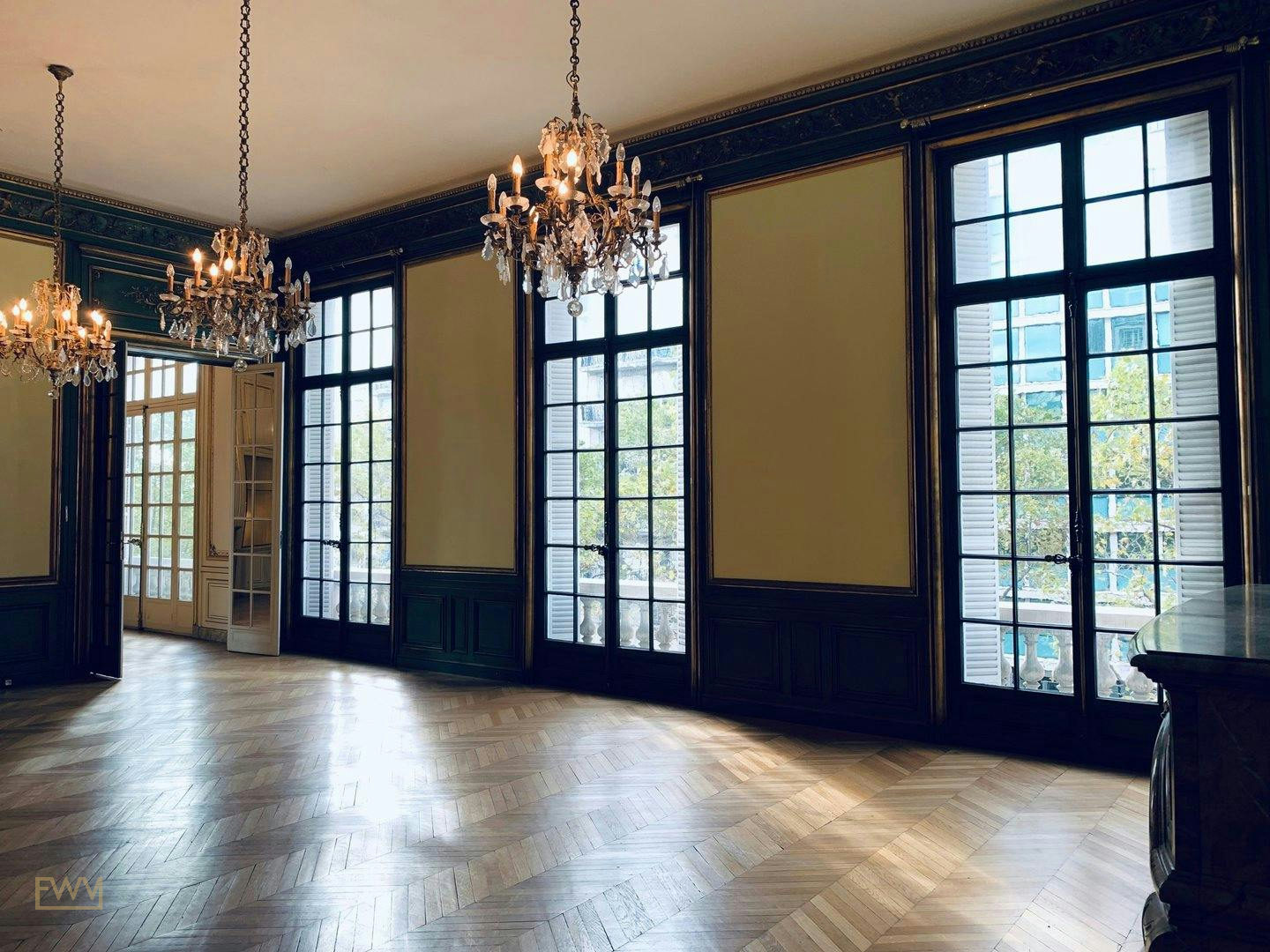
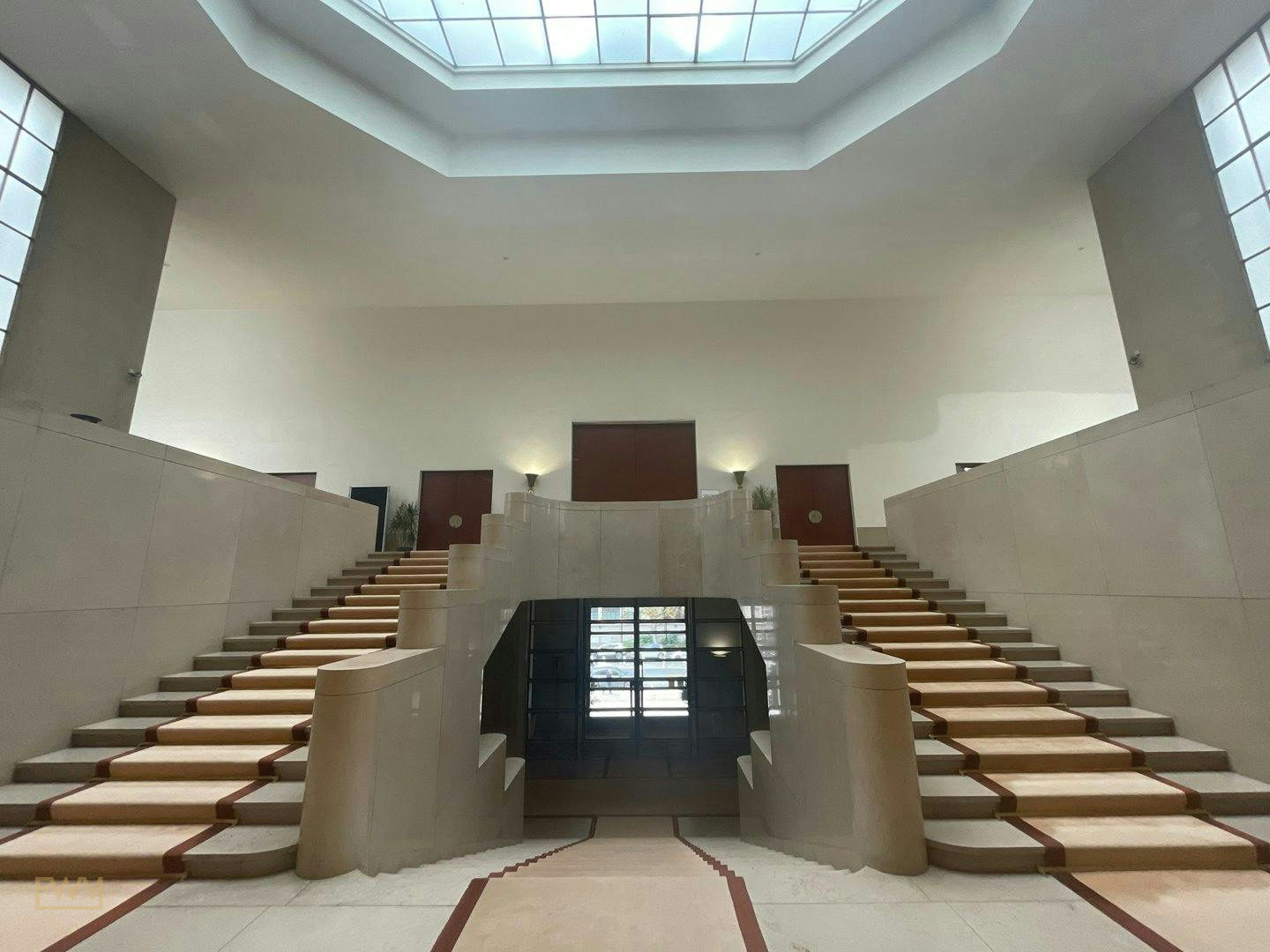
Finding the right retail space for rent in the 4th arrondissement Paris requires more than browsing listings on LoopNet or Deskeo. Le Marais is one of the most commercially active, culturally layered, and visitor-dense districts in the French capital, and the options range from intimate storefronts on Rue de Bretagne to expansive gallery-style spaces near Place des Vosges. For fashion brands, beauty labels, design houses, and international pop-up operators, Paris 4 represents a rare convergence of heritage architecture, contemporary retail energy, and an affluent, design-literate clientele. Fashion Week Venues operates across this market, connecting brands with curated spaces and managing the full activation journey from concept to close. This guide covers every dimension of renting retail, showroom, pop-up, and gallery space in Paris 4, including costs, permits, neighbourhoods, space types, and how to approach the process without unnecessary risk.
Why the 4th Arrondissement Is One of Paris's Most Competitive Retail Markets
The 4th arrondissement, home to Le Marais, Île de la Cité, Île Saint-Louis, and the Hôtel de Ville quarter, consistently ranks among the most sought-after commercial addresses in the French capital. Its retail density, foot traffic volumes, and visitor demographics make it a primary target for both established brands and emerging labels seeking short-term retail presence in Paris.
Le Marais specifically has evolved from a historic Jewish quarter and artisan district into one of the most commercially successful fashion and design neighbourhoods in Europe. The streets around Rue des Francs-Bourgeois, Rue de Bretagne, Rue Vieille du Temple, and the blocks surrounding Place des Vosges now host a mix of independent boutiques, concept stores, flagship retail spaces, showrooms, and art galleries that attract millions of visitors annually. The area draws a dual audience: tourists visiting the Centre Pompidou, the Picasso Museum, and Place des Vosges, alongside local Parisians with significant disposable income and a strong appetite for design, fashion, and beauty.
The district borders Châtelet-les-Halles to the west, which is one of the busiest transport intersections in Europe, served by metropolitan lines 1, 7, 11, and 14. This connectivity brings foot traffic into Le Marais throughout the day and evening, and the proximity to Rue de Rivoli adds additional commercial exposure for spaces with street-facing frontage in the northern and western parts of the arrondissement.
Saint-Paul, the village-like pocket within Le Marais, is particularly favoured for boutique retail and pop-up activations. The streets around Saint-Paul are quieter than the central Marais corridors but retain a loyal, high-spending local clientele. The contrast between the high-traffic areas near Châtelet and the more curated atmosphere of Saint-Paul gives brands genuine strategic choice when selecting a space in Paris 4.
Sully-Morland, at the eastern edge of the arrondissement near the Seine, represents a transitional zone where commercial property is often slightly more accessible in terms of availability and competition, while still retaining proximity to the core Marais footfall. For brands prioritising space size over prime address, this eastern corridor can be worth exploring.
The area also benefits from strong social media visibility. Le Marais is one of the most photographed and tagged commercial districts in Paris, which means any retail activation or pop-up in the 4th arrondissement carries an inherent content amplification advantage. Brands that design spaces with visual identity and shareability in mind consistently benefit from organic social media reach generated by visitors who document their experience.
DID YOU KNOW: Le Marais is one of the only major Paris commercial districts that retained significant medieval and Renaissance architecture, which is a primary reason why its gallery spaces, converted courtyards, and hôtel particulier showrooms are so distinct from any other neighbourhood in the French capital.
KEY TAKEAWAY: The 4th arrondissement offers a combination of heritage space quality, diverse foot traffic, and cultural credibility that few other Paris districts can match. For fashion, design, and luxury brands, Le Marais is not just a convenient location but a strategic positioning choice.
Understanding what makes Paris 4 commercially exceptional is only the starting point. The more practical challenge is navigating the specific space types, lease structures, permit requirements, and market dynamics that determine whether an activation in Le Marais succeeds or stalls at the planning stage.
Types of Retail and Commercial Space Available in Paris 4th Arrondissement
The 4th arrondissement offers a wider variety of commercial space typologies than most comparable districts in Paris, which is one of the reasons it attracts brands across different categories, budgets, and activation formats.
Storefronts and Boutique Retail Spaces
Ground-floor storefronts with direct street access are the most immediately recognisable commercial space type in Le Marais. These range from narrow, single-room formats on pedestrianised side streets to larger multi-room layouts with display windows on higher-traffic thoroughfares. Charming boutique formats, typically between 30 and 80 square metres, are well suited to fashion pop-ups, jewellery presentations, beauty launches, and curated product drops. The visual character of these spaces, often featuring parquet floors, exposed stone walls, and high ceilings, aligns naturally with premium brand aesthetics without requiring significant fit-out investment.
Gallery and Gallery-Hybrid Spaces
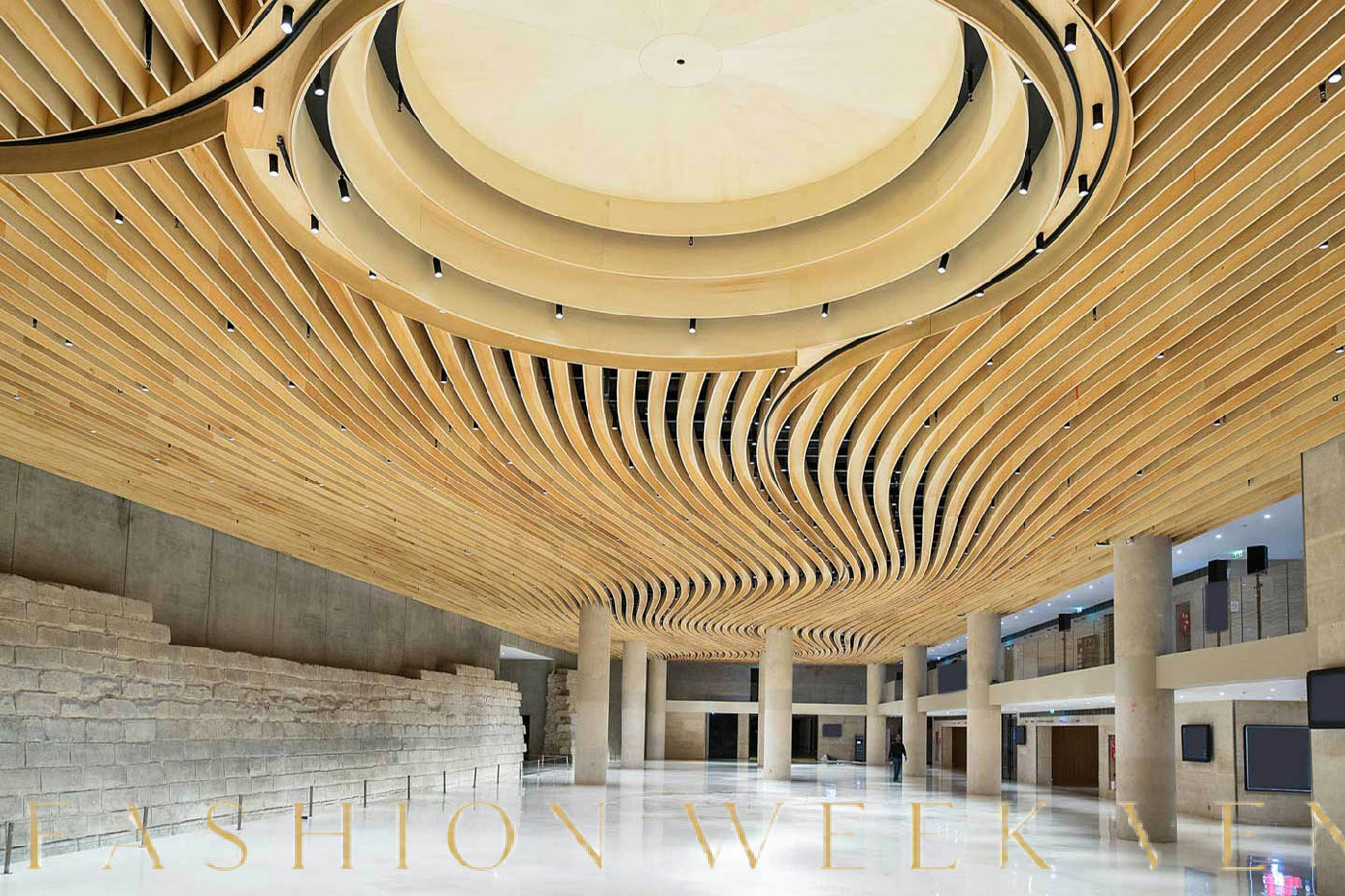
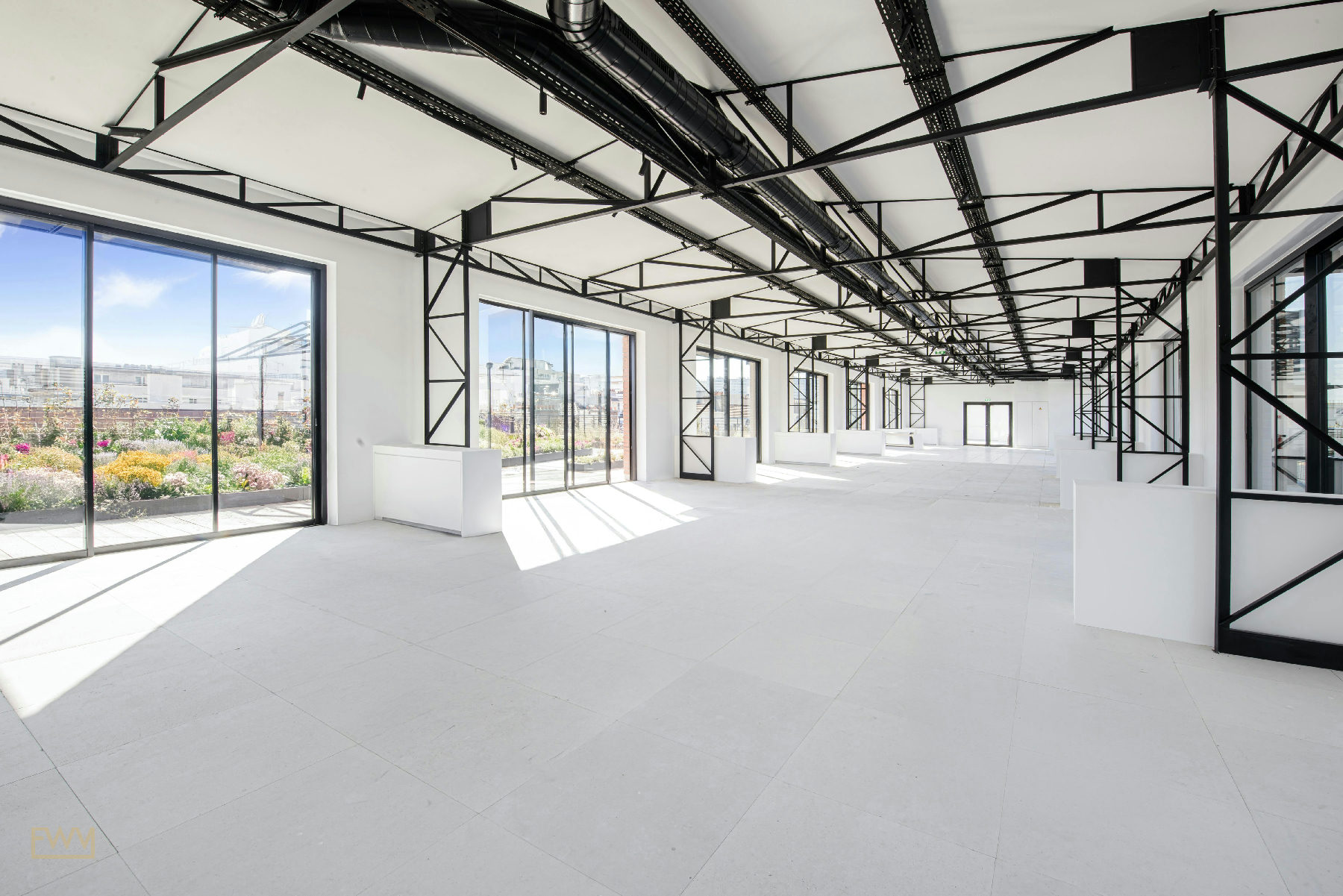
Art gallery spaces and galerie d'art formats are particularly prevalent in the Marais district, reflecting the area's longstanding relationship with the contemporary art world. These spaces typically feature white walls, polished concrete or raw concrete floors, natural light through large windows or skylights, and flexible open plans that adapt well to both product display and experience-led retail. Brands in fashion, design, ceramics, and beauty have used gallery-format spaces in Le Marais to create immersive activations that function equally as retail environments and media moments.
Showrooms and Fashion Showrooms
Fashion showrooms represent a distinct space category within Paris 4, particularly relevant during Paris Fashion Week and the broader trade calendar. A showroom in Le Marais serves a different operational purpose from a consumer-facing retail space: it is a controlled environment designed for wholesale buyers, press, stylists, and brand partners rather than general foot traffic. These spaces often require appointment-based access, specific lighting setups, and discreet signage. The arrondissement hosts a significant number of fashion showroom properties, including converted apartments, first-floor loft formats, and dedicated commercial units with separate entrances.
Converted Apartments and Residential-Commercial Hybrid Spaces
One of the most distinctive features of Le Marais as a retail location is the availability of converted apartment formats for commercial activation. These spaces, often accessed via coded courtyard doors and located on upper floors of Haussmann-era or pre-Haussmann buildings, offer an intimate, editorial atmosphere that is almost impossible to replicate in purpose-built retail environments. Brands in luxury accessories, high-end beauty, bespoke fashion, and collectible design regularly use apartment-format spaces in Paris 4 to create exclusive, invite-only shopping experiences that generate significant editorial and social media attention.
Studio Photo and Content Production Spaces
Studio photo spaces with professional lighting, configurable backdrops, and strong natural light are increasingly in demand in the 4th arrondissement, particularly for brands that need both an operational production base and a consumer-facing activation surface. These hybrid formats are well suited to brands launching visual campaigns during Fashion Week, beauty labels photographing collections in situ, and direct-to-consumer brands that combine content creation with limited retail sales.
Co-working and Professional Office Formats
While the focus for most brands entering Paris 4 is retail-facing space, the arrondissement also contains professional office space, co-working spaces, business centres, and meeting rooms that serve brand teams operating in Paris during trade or press periods. These formats are typically used as operational bases rather than consumer-facing activations, but can be combined with adjacent retail or showroom spaces for brands running multi-week programmes.
Quick answer: Paris 4th arrondissement offers storefronts, gallery spaces, fashion showrooms, converted apartments, studio photo formats, and professional office space. The most in-demand formats for brand activations are ground-floor boutiques, gallery-hybrid spaces, and showrooms, all of which are well suited to fashion, beauty, design, and luxury categories.
| Space Type | Typical Use Case | Common Features | Best Suited For |
|---|---|---|---|
| Storefront Boutique | Consumer pop-up, product launch | Street frontage, display window, parquet or tiled floors | Fashion, accessories, beauty |
| Gallery Space | Immersive activation, editorial retail | White walls, high ceilings, natural light, concrete floors | Design, art, premium fashion |
| Fashion Showroom | Trade presentation, press access | Controlled access, neutral interiors, good lighting | Wholesale brands, press events |
| Converted Apartment | Exclusive retail, brand experience | Residential character, courtyard access, unique architecture | Luxury, bespoke, invite-only |
| Studio Photo | Content creation with retail element | Professional lighting, open plan, flexible layout | Beauty, lifestyle, campaign shoots |
| Co-working / Office | Brand team base, operational hub | Desks, meeting rooms, air-conditioned offices, wifi | Brand ops during trade periods |
KEY TAKEAWAY: Space type selection in Paris 4 should be driven by your activation format and audience model first, not by size or price. The converted apartment and gallery formats that define Le Marais are not interchangeable with standard retail units, and choosing the wrong typology undermines both the brand experience and the commercial outcome.
With a clear picture of space typologies in mind, the next critical question is how Le Marais compares to other Paris districts and what specific neighbourhoods within Paris 4 best serve different brand objectives.
The Most Sought-After Locations for Leasing Commercial Space in Paris
Paris commercial real estate is highly location-sensitive, and understanding how the 4th arrondissement positions against other prime districts helps brands make better strategic decisions about where to activate.
Le Marais vs Other Paris Districts
The Golden Triangle, centred on Avenue des Champs-Élysées, Avenue Montaigne, and Avenue George V in the 8th arrondissement, is the traditional luxury retail address in Paris. Streets including Rue de Marignan, Rue de la Baume, and Rue Boissière host flagship boutiques for the world's largest luxury houses. Place Vendôme and Rue Saint-Honoré in the 1st arrondissement anchor the high jewellery and couture sectors. Boulevard Haussmann at 134 Boulevard Haussmann and around Galeries Lafayette and Printemps draws the highest tourist retail volumes in Paris. Place de la Madeleine and Boulevard Malesherbes attract premium food, beauty, and lifestyle brands. Rue du Quatre Septembre and the 2nd arrondissement are associated with professional services and media-adjacent commercial property.
Le Marais, by contrast, is the preferred address for brands that want cultural credibility alongside commercial performance. It draws a more design-literate, younger affluent visitor than the Champs-Élysées corridor and attracts significantly more international press and social media documentation than comparable fashion districts. For brands in contemporary fashion, independent luxury, emerging design, and lifestyle beauty, Le Marais in the 4th arrondissement consistently outperforms the Golden Triangle as a pop-up and short-term retail location in terms of brand perception value.
Saint-Germain-des-Prés in the 6th arrondissement is the closest comparable market to Le Marais, with a similarly affluent and design-aware clientele. However, Saint-Germain tends to attract older, more established brand profiles and generates less social media engagement per square metre than Le Marais. Montmartre and Pigalle in the 18th arrondissement are growing as creative-commercial destinations but lack the commercial infrastructure and international visitor density of Paris 4. Montparnasse, La Défense, and Gare de Lyon are primarily professional and corporate addresses with limited relevance for fashion brand activations.
Key Streets and Micro-Locations Within Paris 4
Within the 4th arrondissement itself, micro-location matters significantly. Rue des Francs-Bourgeois is the central commercial spine of Le Marais, with the highest pedestrian counts and the most concentrated mix of fashion, accessories, and lifestyle retail. Rue de Bretagne, connecting to the 3rd arrondissement, is associated with food market culture and an increasingly upscale independent retail scene. Rue Vieille du Temple runs north to south through the heart of the Marais and hosts a particularly strong gallery and concept store cluster. The streets around Place des Vosges, including Rue de Birague and Rue de Turenne, attract visitors to the square itself and benefit from both tourist volumes and a premium local clientele. Rue de Rivoli, along the southern edge of Paris 4 near Hôtel de Ville, provides high-volume foot traffic from tourists moving between central Paris attractions and the Marais.
Quick answer: Among Paris districts for brand pop-ups and retail activations, Le Marais in the 4th arrondissement leads on cultural credibility, design-aware foot traffic, and social media amplification. The Champs-Élysées and Saint-Honoré corridors lead on luxury flagship visibility, while Saint-Germain-des-Prés competes on affluent local clientele but at lower social media engagement levels.
To compare neighbourhoods and space types, explore the Paris city hub on Fashion Week Venues and shortlist spaces that match your brief, budget, and calendar window.
KEY TAKEAWAY: Le Marais is not simply a fashionable neighbourhood. It is a commercially structured district with distinct micro-locations, each offering different foot traffic profiles, visitor demographics, and brand perception outcomes. Choosing between Rue des Francs-Bourgeois and the Place des Vosges environs is a strategic decision, not an aesthetic one.
Understanding location context helps brands focus their search, but the practical and legal dimensions of securing a space in Paris 4 require an equally detailed approach, particularly around lease structures and permit requirements.
Lease Structures, Permits, and Legal Considerations for Retail Space in Paris 4
Renting commercial space in Paris involves a legal and administrative framework that differs substantially from short-term rental markets in the UK, US, or most other European markets. Brands unfamiliar with French commercial real estate regulations frequently encounter delays, unexpected costs, or compliance issues when attempting to navigate this process without specialist support.
Understanding the Bail Dérogatoire
The bail dérogatoire, sometimes called a short-term commercial lease or bail précaire, is the lease structure most commonly used for pop-up stores, temporary retail activations, showrooms, and short-term commercial occupations in Paris. Unlike a standard French commercial lease, which triggers a nine-year statutory minimum term with significant tenant protections, a bail dérogatoire allows landlords and tenants to agree on a shorter fixed period without the tenant acquiring long-term occupation rights. The maximum duration under this structure is 36 months, and it must be established clearly in writing at the outset. Requirements vary by space type, duration, and specific arrondissement, and brands should verify their specific situation with a French legal advisor before signing.
Autorisation d'Occupation Temporaire (AOT)
For spaces on public land, in shared courtyards with public access components, or in certain historic buildings, an Autorisation d'Occupation Temporaire may be required in addition to the lease agreement. AOT permits are administrative authorisations granted by the relevant public authority and are particularly relevant for activations in the areas around Place des Vosges, Hôtel de Ville, and any spaces with frontage on publicly managed land. The AOT framework is distinct from private lease law and operates under separate administrative procedures. Brands planning activations in such locations should factor AOT lead times into their planning calendars.
Permits for Retail Activations and Pop-Up Stores
Beyond the lease structure itself, retail activations in Paris may require additional permits depending on the nature of the activity, the space type, and the duration of the occupation. Commercial signage on façades requires authorisation from the mairie. Certain food or beverage elements require hygiene certifications and licences. Temporary structures, external installations, and certain event formats require specific declarations or approvals from the City of Paris. Local regulations vary by arrondissement and by the specific heritage or urban zone classification of the building or street. For guidance on the permit landscape specific to your activation, use the permit guidance tool on Fashion Week Venues, which provides structured information to help brands understand their compliance requirements.
Leasehold Improvements and Fit-Out Responsibilities
Leasehold improvements, which are modifications made to a rented space to make it suitable for a specific commercial use, are a significant consideration in Paris retail rentals. In most short-term lease arrangements, the tenant is responsible for any modifications and is required to restore the space to its original condition at the end of the term. This make-good obligation means that fit-out costs must be viewed as entirely temporary and reversible, which has implications for both budget planning and the design of retail installations. Brands that install fixed elements, painting, or structural changes without clear written agreement on restoration obligations frequently encounter financial disputes at the end of their lease.
IMPORTANT: A standard commercial lease in France is not the same as a short-term or pop-up lease. Signing a standard bail commercial without specialist advice can create long-term obligations that extend years beyond the intended activation period. Always confirm the exact lease structure with a qualified French legal professional before committing.
Quick answer: Retail activations in Paris 4th arrondissement typically use a bail dérogatoire for short-term commercial occupation, which avoids the nine-year statutory term of a standard French commercial lease. AOT permits may be required for public-land spaces. Brands should confirm all legal structures with a French legal advisor, as requirements vary significantly by space type, duration, and location.
KEY TAKEAWAY: The legal and permit framework for renting retail space in Paris 4 is distinct from standard European commercial lease law. Brands that approach this process without specialist support risk delays, financial exposure, and compliance failures that could prevent an activation from operating at all.
With the legal structure clarified, the next practical question is cost: what should brands realistically budget for a retail space in the 4th arrondissement, and how do costs vary across space types and locations?
Cost of Renting Retail Space in Paris 4th Arrondissement
Commercial rental costs in Le Marais vary considerably depending on space type, size, street, floor level, duration, and the specific services included in the rental agreement. It is not possible to provide universally accurate pricing without knowing the specific brief, and any figures circulating on general property platforms should be treated as directional indicators rather than definitive market rates.
What Drives Rental Cost in Paris 4
Street-level exposure is the single largest cost driver in Le Marais retail rentals. Ground-floor storefronts on Rue des Francs-Bourgeois and the immediate streets around Place des Vosges command a significant premium over equivalent spaces on parallel secondary streets. Natural light, ceiling height, floor condition, and the presence of display windows are also material cost factors. Spaces with parquet floors, polished concrete floors, or raw concrete floors in good condition typically cost more than equivalent-size spaces requiring significant preparation, because the aesthetic quality of the finish directly affects the brand value of the activation.
Duration is another major variable. Very short-term rentals of one to two weeks, which are common for Fashion Week pop-ups, typically carry a higher per-day or per-week cost than medium-term rentals of one to three months, because landlords price short-duration occupancy to reflect the administrative overhead and vacancy risk of frequent turnovers. Brands that can commit to longer minimum terms, or that book well in advance for peak calendar periods, often secure better rates.
The services included in the rental also affect the all-in cost significantly. Some Paris 4 spaces are rented as bare shells requiring full fit-out, furniture supply, and technology installation. Others are available as plug-and-play environments with existing furniture, lighting, and point-of-sale infrastructure already in place. Understanding what is and is not included in the headline rental figure is essential for accurate budget planning.
Additional Cost Components to Budget For
Beyond the space rental itself, brands should budget for fit-out and production costs, furniture rental, retail staffing, signage, technology and POS systems, insurance, permit fees, waste removal and post-activation cleaning, and any restoration costs required under the lease. For activations that include influencer marketing, content production, or event programming, these represent additional budget lines that are distinct from the property rental itself.
TIP: Use the budget estimation tool on Fashion Week Venues to build a cost model for your Paris 4 activation that accounts for space rental, fit-out, staffing, and operational costs in one structured framework. This avoids the common error of planning against a headline rental figure that excludes the majority of real activation costs.
Quick answer: Rental costs for retail space in the 4th arrondissement Paris vary widely based on street, size, floor, duration, and included services. Headline rental is only one component of total activation cost. Brands should budget separately for fit-out, furniture, staffing, permits, and restoration. Use a structured budget tool rather than relying on per-square-metre averages from general property platforms.
| Cost Component | Applies To | Notes |
|---|---|---|
| Space Rental | All formats | Varies by street, size, floor, duration, and services included |
| Fit-Out and Production | Bare shell spaces | All modifications must typically be reversible |
| Furniture Rental | Unfurnished spaces | Can be sourced through activation agencies or specialist suppliers |
| Retail Staffing | Consumer-facing activations | French labour law applies; local bilingual staff often required |
| POS and Payments Technology | All transactional formats | Must support French card payment standards and EU data compliance |
| Permit Fees | Varies by activation type | Signage, AOT, and specific activity licences may apply |
| Insurance | All formats | Typically required by landlord and advisable for brand protection |
| Post-Activation Restoration | Modified spaces | Contractual make-good obligations vary by lease |
KEY TAKEAWAY: Total activation cost in Paris 4 is consistently higher than the headline space rental figure suggests. Brands that plan against the full cost stack from the outset avoid the budget overruns that are the most common cause of Paris pop-up activations failing to meet their commercial objectives.
The calendar context for a Paris activation shapes both the cost structure and the strategic opportunity. Fashion Week is the most prominent calendar peak, but it is far from the only window worth considering.
Paris Fashion Week and the Broader Activation Calendar for Paris 4
Paris Fashion Week is the most internationally visible activation window for brands seeking retail space in the 4th arrondissement, but it is not the only commercially viable period and is not always the most cost-effective or operationally practical choice.
Fashion Week as a Primary Activation Window
Paris Fashion Week occurs twice annually, in February or March for the Autumn/Winter collections and in September or October for the Spring/Summer collections. During these weeks, the international fashion press, major wholesale buyers, stylists, creative directors, and brand executives converge on Paris in volumes that have no equivalent at any other point in the fashion calendar. The density of industry visitors, combined with significant general consumer interest and intense social media activity, makes Fashion Week a powerful amplification window for brand activations in Le Marais. Showrooms, press presentations, product launches, and brand experience events in the 4th arrondissement during Fashion Week benefit from both direct industry access and substantial organic media exposure.
However, demand for space during Fashion Week is extremely high, and advance booking lead times are correspondingly long. Brands that begin their space search fewer than three to four months before their target Fashion Week frequently find that the best locations are already committed. Rental rates during Fashion Week also reflect the peak demand, and operational complexity increases because of the number of competing activations, logistics restrictions, and the pace of the programme.
Other High-Value Calendar Windows
The weeks surrounding Maison et Objet, Paris Design Week, the Fiac and Paris+ art fairs, and the international trade shows concentrated around Paris in January and June all represent commercially viable windows for brand activations in Paris 4. These periods attract specific professional audiences that align closely with the design, art, luxury, and lifestyle categories most naturally served by Le Marais as a location. Brands that activate outside the Fashion Week peaks often benefit from lower space costs, greater operational flexibility, and access to spaces that are simply not available during the most congested periods of the fashion calendar.
Summer tourist season, particularly July and August, generates very high foot traffic through Le Marais from international visitors, and consumer-facing retail activations targeting tourist clientele can perform strongly during this period. The trade and press dimensions of a Paris activation are less relevant in summer, but direct consumer engagement and brand awareness objectives are well served by the volume of international visitors moving through the district.
Quick answer: Paris Fashion Week is the highest-visibility calendar window for brand activations in the 4th arrondissement, but it is not the only viable period. Design Week, art fair season, trade show periods, and the summer tourist peak all offer strong commercial opportunities with different audience profiles and cost structures. The right window depends on your brand category, activation objectives, and target audience.
KEY TAKEAWAY: Over-indexing on Fashion Week as the only viable Paris activation window leads to missed opportunities, higher costs, and supply-constrained space selection. A broader understanding of the Paris activation calendar allows brands to match their specific objectives to the most appropriate and cost-efficient period.
How Fashion Week Venues approaches this market, and what it can practically offer brands planning activations in Paris 4, is the logical next step.
How Fashion Week Venues Supports Retail Activations in Paris 4th Arrondissement
Fashion Week Venues operates as a full-service pop-up agency and curated space marketplace with Paris as its primary market. For brands planning retail space rental, pop-up activations, showroom presentations, or gallery-format experiences in the 4th arrondissement, the platform provides a structured alternative to the fragmented, opaque, and often frustrating process of navigating Paris commercial real estate independently.
Venue Sourcing in Le Marais
The venue sourcing service covers space identification, shortlisting, negotiation, and access management in Paris 4 and across the broader Paris market. Rather than relying on commercial real estate agents who typically work on commission structures that may not align with short-term rental formats, Fashion Week Venues works directly within its established network of landlords, space owners, and property managers in Le Marais and across the French capital. This approach is particularly effective for brands seeking non-standard formats such as converted apartments, gallery hybrids, and courtyard spaces that do not appear on mainstream property platforms like LoopNet or Deskeo.
Full Activation Services
Beyond space sourcing, Fashion Week Venues offers concept and creative direction, fit-out and production, activation management, retail staffing, branded store design, furniture rental, POS and payments integration, data and analytics, and influencer marketing. These services can be engaged individually or as part of a full-service activation package depending on what the brand team needs and what it already has in-house.
For brands entering Paris for the first time, or operating without a permanent Paris-based team, the full-service model significantly reduces operational risk. Fashion Week Venues manages the relationships with local contractors, suppliers, and logistics providers that are essential to executing a Paris activation at the required quality level and within the time constraints of Fashion Week or other peak calendar windows.
Planning and Decision Tools
Fashion Week Venues provides a suite of planning tools accessible without a full service commitment. The ROI calculation tool helps brands model the commercial return potential of a Paris activation before committing budget. The timeline planning tool structures the phases from brief to opening day against a realistic calendar. The space comparison tool allows brands to evaluate multiple shortlisted spaces against a consistent set of criteria. The locator tool maps spaces against specific neighbourhood and foot traffic criteria.
The Imagine visualisation tool allows brand teams to conceptually visualise how a space in Le Marais could be configured and designed before committing to it, which reduces the risk of selecting a space that cannot deliver the brand experience envisioned. The Twin co-activation concept allows two compatible brands to share a space in Paris 4, splitting rental and operational costs while creating a richer consumer experience than either brand could achieve alone in the same space.
Which Brand Teams Benefit Most
Fashion Week Venues is most useful for brand teams that are commercially serious about Paris as a market but do not have a permanent Paris retail infrastructure. This includes international fashion brands preparing their first Paris Fashion Week presence, established brands seeking short-term retail space for a product launch or campaign activation, beauty and lifestyle labels entering the French market, design brands seeking showroom representation, and creative agencies managing brand activations on behalf of clients. The platform is also relevant for brands that have previously activated in Paris independently and encountered the permit, staffing, or space quality challenges that are common without local specialist support.
TIP: To understand how Fashion Week Venues has structured previous activations in Paris and comparable markets, review the case studies and past work on the platform before deciding whether to engage services or begin with the self-service tools.
KEY TAKEAWAY: Fashion Week Venues reduces the information asymmetry, operational complexity, and local knowledge gaps that make Paris retail activations unnecessarily difficult for brands without an established Paris team. The platform combines curated space access with full-service activation capability and structured self-service tools, giving brand teams genuine flexibility in how they engage.
Evaluating any agency or platform requires an honest understanding of what it does well and what limitations apply. The next section addresses a set of persistent misconceptions about renting retail space in Paris 4 that mislead brand teams at the planning stage.
Practical Steps to Rent Retail Space in Paris 4th Arrondissement
The process of renting retail space in Le Marais follows a defined sequence of steps, and brands that understand this sequence before beginning their search consistently achieve better outcomes than those who approach it reactively.
Step One: Define Your Brief Before Starting Your Search
The single most effective thing a brand team can do before beginning a space search in Paris 4 is to produce a clear written brief that specifies the space type, minimum and maximum size in square metres, target streets or micro-locations, preferred floor level and access requirements, specific space features required such as natural light, spotlights, or polished concrete floors, the calendar window, the duration, the operational model, and the total available budget including all costs beyond the headline rental. Brands that begin searching without a defined brief frequently waste weeks evaluating spaces that cannot meet their actual requirements, and risk losing the spaces that could have worked while reviewing unsuitable ones.
Step Two: Understand the Timeline Required
Space availability in Le Marais for prime periods is limited, and the lead time between beginning a space search and taking occupation is longer than most brands expect. For Fashion Week periods specifically, the best spaces are typically committed four to six months in advance. For non-peak periods, a lead time of six to ten weeks between brief and opening is a reasonable minimum for a professionally managed activation. Brands attempting to compress this timeline take on significant risk of space quality compromise or operational failure. The timeline planning tool provides a structured framework for working backwards from your target opening date to establish what needs to happen and when.
Step Three: Conduct a Structured Space Search
Space search in Paris 4 can be conducted through commercial real estate agents working on standard commission structures, through direct landlord relationships, through property platforms, or through specialist pop-up agencies such as Fashion Week Venues. Each channel has different strengths and limitations. Commercial agents are well suited to standard medium and long-term leases but less effective for short-term and pop-up formats. Property platforms provide broad market visibility but often lack the non-standard formats that are most in demand for brand activations in Le Marais. Specialist agencies provide curated access and local negotiation capability but require a budget commitment.
Step Four: Evaluate Spaces Against Consistent Criteria
Space evaluation should go beyond the aesthetic impression of a first visit. Key criteria include the structural condition of the space, the quality and controllability of lighting, the floor condition and whether it aligns with brand aesthetic requirements, the access and egress setup for deliveries and fit-out, the electrical capacity for retail technology and lighting rigs, the heating and ventilation provision, the sanitary facilities, and the specific lease terms and restoration obligations. Taking a structured evaluation approach, and comparing multiple spaces against the same set of criteria, consistently produces better selection decisions than relying on intuitive judgements.
Step Five: Confirm Lease Structure and Permit Requirements
Before committing to a space, confirm in writing with the landlord or their representative the exact lease structure, the permitted use under the lease, any specific restrictions on commercial activity, the restoration obligations, the notice and deposit requirements, and the permit landscape for the intended activation. This step is the one most frequently skipped by brand teams under time pressure, and it is the step whose omission most frequently creates serious problems during or after the activation.
Step Six: Plan and Execute Fit-Out, Staffing, and Operations
Once the space is confirmed, the fit-out and production phase begins. In Paris 4, fit-out work in historic buildings is subject to specific restrictions, and structural modifications may require building authority approval. Furniture rental, technology installation, signage, and the recruitment or briefing of retail staff are all parallel workstreams that need to be coordinated against the opening date. Having a single point of coordination, whether an in-house producer or an external agency, significantly reduces the risk of delays or quality failures at this stage.
| Step | Action | Key Consideration | Lead Time |
|---|---|---|---|
| 1 | Define brief | Size, type, location, budget, calendar window | Before search begins |
| 2 | Establish timeline | Work back from opening date | 4 to 6 months for Fashion Week peaks |
| 3 | Conduct space search | Use curated or specialist channels for non-standard formats | 4 to 8 weeks of active search |
| 4 | Evaluate shortlisted spaces | Assess against consistent structural and operational criteria | 1 to 2 weeks of visits |
| 5 | Confirm lease and permits | Verify with French legal advisor; confirm all restrictions | 1 to 3 weeks |
| 6 | Execute fit-out and operations | Coordinate all workstreams to opening date | 2 to 6 weeks depending on complexity |
Quick answer: Renting retail space in Paris 4th arrondissement follows a six-step process: define your brief, establish your timeline, search for spaces, evaluate shortlisted options, confirm lease and permit requirements, then execute fit-out and operations. Each step requires specific expertise, and compressing the timeline significantly increases operational and commercial risk.
KEY TAKEAWAY: The brands that execute the best Paris 4 activations are those that plan methodically and start early. The Paris short-term retail market rewards preparation and local knowledge, and penalises improvisation.
Space Features That Determine Brand Activation Quality in Le Marais
The physical features of a retail space in Paris 4 directly determine the quality of the brand experience that can be created within it. Understanding which features matter most for different activation types helps brands make better shortlisting decisions and avoid expensive compromises.
Natural Light and Lighting Control
Natural light is consistently cited by brand teams and creative directors as one of the most important space features in Le Marais. The prevalence of courtyard-facing windows, skylights, and large street-facing glazing in the converted and gallery-format spaces that characterise Paris 4 creates a distinctive quality of light that is difficult to replicate artificially. For brands in fashion, beauty, design, and art, natural light directly affects how products are perceived and how photographic content from the activation looks. Equally important is lighting control: the ability to dim natural light, supplement it with spotlights, and create different lighting environments within the space for different times of day or activation moments. Spaces that offer only fixed overhead lighting with no controllability are significantly more limiting for brand-led activations.
Floor Surfaces and Architectural Character
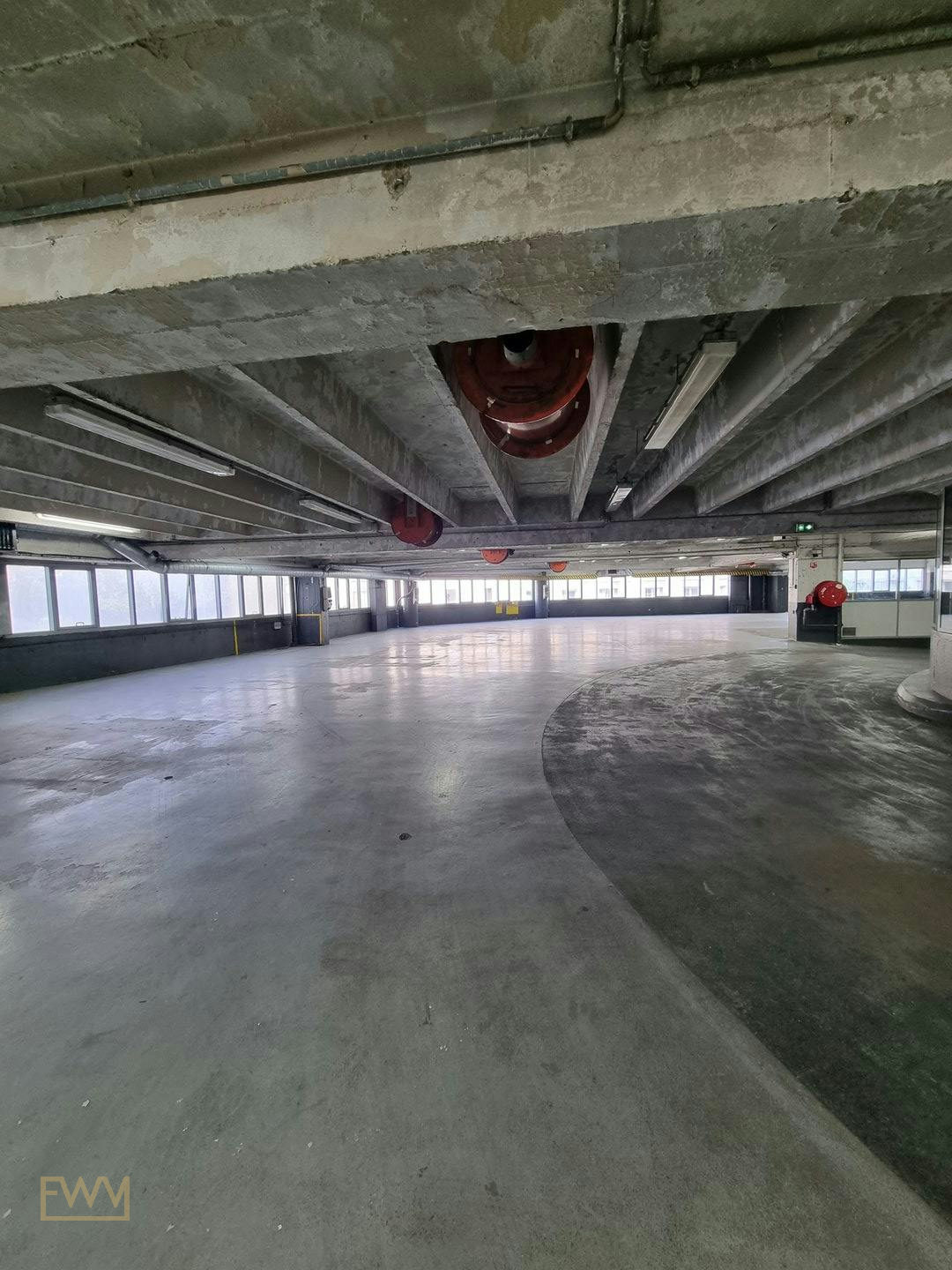
Parquet floors, polished concrete floors, and raw concrete floors are the three most prevalent high-value floor types in Le Marais retail and showroom spaces. Parquet floors provide warmth and historical character suited to fashion and lifestyle presentations. Polished concrete floors project a contemporary gallery aesthetic most relevant to design, art, and premium fashion. Raw concrete floors are associated with a deliberately industrial or unfinished aesthetic that works well for creative, streetwear, and experimental brand formats. The floor surface is often the single most visually dominant element of the space and the hardest to modify temporarily, so selecting a space whose existing floor aligns with your brand aesthetic is more cost-effective than attempting to cover or treat it.
Access, Floor Level, and Delivery Logistics
Floor level and access configuration are practical concerns that significantly affect activation quality. Ground floor spaces with direct street access allow the most straightforward fit-out logistics, customer entry experience, and visibility for passers-by. First and second floor spaces offer greater privacy and intimacy suited to showroom formats but require a compelling entry experience and clear directional communication to drive foot traffic upward. Courtyard-accessed spaces, a uniquely Marais typology, create a sense of discovery and exclusivity that works particularly well for invite-only presentations and premium brand activations, but require active directional signage and digital pre-promotion to ensure visitors find the space.
Delivery access for fit-out materials, furniture, and stock is a critical logistical consideration that is often overlooked in the initial space evaluation. Many Le Marais streets are narrow and pedestrianised at certain hours, which means delivery windows are restricted and vehicle access may require specific permits. Brands planning significant fit-out should confirm delivery access hours and vehicle size restrictions before selecting a space.
Transport Connectivity
The 4th arrondissement benefits from excellent public transport connectivity. The Châtelet metro hub connects directly to metropolitan lines 1, 7, 11, and 14, making the western Marais among the most accessible commercial districts in Paris for both visitors and brand team members travelling from other parts of the city. The Saint-Paul station on line 1 serves the heart of Le Marais, and the Hôtel de Ville station provides a further entry point on lines 1 and 11. Vélib' bicycle-sharing stations are distributed throughout the arrondissement, reflecting the area's strong cycling culture and providing a further access option for the design-aware, environmentally conscious clientele that characterises the Marais. For brands with lively restaurants, bars, or evening programming components to their activation, the late-night metro service on lines 1 and 14 extends the commercial window significantly.
Quick answer: The most commercially valuable space features in Le Marais for brand activations are natural light with controllable supplementary lighting, a floor surface that aligns with brand aesthetic, ground-floor or clearly signposted upper-floor access, and strong public transport connectivity. These features directly affect brand experience quality and cannot be compensated for by budget allocation to other activation elements.
KEY TAKEAWAY: Space feature evaluation in Paris 4 is not an aesthetic exercise. Each feature has direct commercial implications for activation quality, customer experience, and operational efficiency. Brands that treat space selection as a checklist exercise against practical criteria consistently outperform those that select on visual impression alone.
Common Myths About Renting Retail Space in the 4th Arrondissement Paris
MYTH: You need a French legal entity to rent a retail space in Paris 4th arrondissement.
FACT: Many short-term rental arrangements in Paris, including bail dérogatoire structures commonly used for pop-ups and temporary retail activations, can be entered into by foreign companies without a French legal entity in place. However, requirements vary by landlord, space type, and duration, and some landlords do require a French guarantor or entity. Confirming the specific requirements of each space and landlord before progressing a shortlist is essential, and specialist agencies can provide guidance on structuring arrangements that satisfy landlord requirements without the overhead of incorporating a French entity.
MYTH: Paris Fashion Week is the only viable calendar window for a brand activation in Le Marais.
FACT: Fashion Week generates the highest concentration of industry visitors, but it is not the only commercially viable period for activations in Paris 4. Maison et Objet, Paris Design Week, the Paris art fair season, the international trade show calendar, and the summer tourist peak all generate significant and commercially relevant foot traffic through Le Marais. Many brands achieve better ROI by activating outside the Fashion Week peaks, when space costs are lower, operational competition is reduced, and foot traffic is still high. The right calendar window depends on the specific objectives, audience, and budget of each brand.
MYTH: Commission-based property brokers are the only way to find a retail space in Paris 4th arrondissement.
FACT: Commission brokers operating within standard commercial real estate frameworks are one channel for finding space, but they are not the only one and are often not the most effective for short-term, pop-up, or non-standard formats. Specialist pop-up agencies, curated marketplaces, and direct landlord relationships frequently provide access to space typologies, including converted apartments, gallery formats, and courtyard spaces, that do not circulate through standard agency channels. Platforms like the Fashion Week Venues marketplace are specifically designed for the short-term and activation format that most brands in Le Marais are actually looking for.
MYTH: Short-term leases in Paris are legally straightforward and do not require specialist help.
FACT: Short-term commercial leases in France, including bail dérogatoire structures, operate within a specific and sometimes complex legal framework that differs significantly from comparable structures in other European or international markets. The distinction between a bail dérogatoire and a standard bail commercial, the obligations around permitted use, restoration requirements, and permit compliance, and the risk of inadvertently creating long-term lease rights through improper execution are all genuine legal risks for brands unfamiliar with French commercial law. Specialist legal advice and experienced local support are not optional for brands that want to activate in Paris 4 without creating significant legal or financial exposure.
MYTH: All the best spaces in Le Marais are already taken or reserved for established Paris brands.
FACT: The short-term and pop-up retail market in Le Marais has a genuinely high turnover of available spaces, with landlords regularly making properties available for short-duration activations between longer-term tenants. International brands with strong creative concepts and professional operational plans are welcomed by Le Marais landlords, who benefit from the energy and footfall that well-executed brand activations bring to their buildings. Early engagement with the market, a clear brief, and a credible activation concept are the practical requirements for accessing the best spaces, not existing Paris connections or brand heritage.
Frequently Asked Questions About Retail Space for Rent in Paris 4th Arrondissement
Why should a fashion brand rent a pop-up shop in Paris 4th arrondissement?
The 4th arrondissement, specifically Le Marais, offers a combination of cultural credibility, design-aware foot traffic, heritage architecture, and strong social media amplification that is uniquely valuable for fashion brand activations. The district attracts an affluent, internationally engaged clientele alongside millions of cultural tourists, and its gallery-quality spaces provide an inherently premium brand context. For brands seeking to build awareness, test a physical retail concept, or generate editorial and social coverage in the French capital, Paris 4 consistently outperforms other Paris districts on brand perception value relative to cost.
What are the most sought-after locations for commercial space rental in Paris?
The most sought-after locations for retail and commercial space rental in Paris vary by brand category. For luxury flagship presence, the Golden Triangle, Place Vendôme, and Rue Saint-Honoré lead. For design-forward and contemporary fashion, Le Marais in the 4th arrondissement is the primary destination. For mainstream consumer retail, the Champs-Élysées and Boulevard Haussmann corridors generate the highest volumes. Saint-Germain-des-Prés serves premium lifestyle brands seeking an affluent local clientele. Each district has distinct lease cost structures, audience profiles, and permit considerations that should be evaluated against specific brand objectives.
How much does it cost to rent retail space in Paris 4th arrondissement?
Rental costs in Paris 4 vary significantly depending on space type, size, street, floor level, duration, and what is included in the rental agreement. Ground-floor storefronts on premium streets command the highest rates, while upper-floor or secondary-street spaces offer more accessible entry points. The headline rental figure is only one component of total activation cost, which also includes fit-out, furniture, staffing, permits, POS technology, insurance, and restoration obligations. Brands should use a structured budget tool rather than relying on per-square-metre averages, as these rarely reflect the full cost landscape of a Paris 4 activation.
Do I need a French company to rent a retail space in Le Marais?
Not necessarily, but requirements vary by landlord, space type, lease structure, and duration. Many short-term rental arrangements in Paris can be structured without a French legal entity, particularly under bail dérogatoire formats. However, some landlords require a French guarantor or registered entity before they will complete a transaction. Specialist agencies and legal advisors experienced in the Paris short-term retail market can advise on structuring arrangements that satisfy landlord requirements without the cost and time of French entity formation. Always confirm the specific requirements of each space early in the negotiation process.
What permits are required for a pop-up store in Paris 4th arrondissement?
Permit requirements for pop-up stores in Paris 4 depend on the space type, the duration of the activation, the nature of the commercial activity, and the specific building or street classification. Commercial signage on building façades typically requires municipal authorisation. Spaces on or adjacent to public land may require an Autorisation d'Occupation Temporaire. Food, beverage, and certain event formats require specific licences. Requirements vary by arrondissement and by heritage zone classification. Brands should use structured permit guidance resources and verify all requirements with a qualified French legal advisor before beginning their activation.
What types of retail space are available for short-term rent in Le Marais?
The 4th arrondissement offers a diverse range of short-term rental formats including ground-floor storefronts, gallery and gallery-hybrid spaces, fashion showrooms, converted apartments used as commercial environments, studio photo spaces, and professional office and co-working formats. The most distinctive and in-demand formats for brand activations are the gallery-hybrid and converted apartment typologies that are unique to Le Marais, offering architectural character and brand prestige that purpose-built retail units cannot match. Space type selection should be driven by the intended activation format and target audience rather than by size or price alone.
How far in advance should I book a retail space in Paris for Fashion Week?
For Fashion Week periods specifically, the best spaces in Le Marais and across Paris are typically committed four to six months in advance. Brands that begin their space search fewer than three months before their target Fashion Week risk finding that the most suitable locations are already under agreement. For non-peak periods, a lead time of six to ten weeks between beginning the search and taking occupation is a realistic minimum for a professionally managed activation. Starting earlier allows more time for thorough evaluation, permit confirmation, and fit-out planning, all of which directly affect the quality of the final activation.
What is a bail dérogatoire and why does it matter for pop-up retail in Paris?
A bail dérogatoire is a specific short-term commercial lease structure in French law that allows a landlord and tenant to agree on an occupation period of up to 36 months without the tenant acquiring the long-term statutory rights that arise under a standard French commercial lease. This structure is the primary legal framework for pop-up stores, temporary retail activations, and short-term showroom uses in Paris. It is distinct from residential leases and from standard commercial leases, and requires careful drafting to ensure it operates as intended. Brands should always confirm the exact lease structure with a qualified French legal professional before signing any commercial space agreement in Paris.
Can I share a retail space with another brand in Paris 4th arrondissement?
Yes, co-activation formats where two complementary brands share a space are commercially viable and increasingly common in Le Marais. This approach allows brands to split rental and operational costs while creating a richer consumer experience through brand complementarity. The Twin concept offered by Fashion Week Venues is designed specifically to facilitate structured co-activations, matching compatible brands to shared spaces in a way that benefits both partners. Co-activation works best when the two brands share a target clientele but operate in adjacent rather than competing categories, for example a fashion label and a fine jewellery brand, or a beauty brand and a lifestyle accessories label.
What floor and access features should I prioritise when selecting a space in Le Marais?
Ground-floor spaces with direct street access provide the best foot traffic capture and the most straightforward fit-out and delivery logistics. The floor surface, whether parquet, polished concrete, or raw concrete, is one of the most visually dominant features of the space and should align with the brand's aesthetic. Natural light quality, lighting controllability, ceiling height, and delivery access hours and vehicle restrictions are all practical considerations that directly affect activation quality and operational efficiency. Upper-floor and courtyard-accessed spaces require clear directional communication and pre-activation promotion to drive visitor engagement, but can deliver a premium brand experience that ground-floor units cannot match.
How does public transport connectivity affect retail space selection in Paris 4?
The 4th arrondissement benefits from excellent public transport connectivity via metropolitan lines 1, 7, 11, and 14 converging at Châtelet, with Saint-Paul and Hôtel de Ville providing direct Marais access on line 1. This connectivity makes Le Marais one of the most accessible commercial districts in Paris for both local visitors and international tourists. Vélib' bicycle-sharing stations throughout the arrondissement provide a further access option. For activations with evening or weekend programming, line 1 and line 14 late-night services extend the viable commercial window. Proximity to the nearest metro station and the quality of pedestrian connections from it to the specific space are worth evaluating during space selection.
What is the difference between a retail pop-up and a fashion showroom in Paris 4?
A retail pop-up in Paris 4 is a consumer-facing commercial space designed to sell products directly to members of the public, generate brand awareness, and create content. A fashion showroom is a controlled, typically appointment-based environment designed for wholesale buyers, press, stylists, and brand partners rather than general consumers. The two formats have different space requirements, permit considerations, staffing models, and commercial objectives. Some activations in Le Marais combine both functions within a single space, operating as a press showroom during the day and a consumer retail environment in the evening, but this requires careful design and operational planning to execute effectively.
Are there restrictions on commercial signage for pop-up stores in Paris 4th arrondissement?
Yes. Commercial signage on building façades in Paris, including in the 4th arrondissement, is subject to municipal regulation and typically requires authorisation from the relevant local authority. The Marais contains a high proportion of listed and heritage-classified buildings where specific restrictions on external modifications, including signage, apply. Brands that install external signage without the required authorisations risk fines and mandatory removal, which can significantly disrupt an activation. Confirm signage permissions with the landlord and, where required, obtain the appropriate authorisation before the activation opens.
How do I compare multiple retail spaces in Le Marais efficiently?
Comparing multiple spaces effectively requires a consistent evaluation framework that covers space type, size, street and micro-location, floor level and access, key features including natural light, floor surface, and lighting, lease structure and duration flexibility, permit requirements, total cost including restoration obligations, and operational considerations including delivery access and transport connectivity. Evaluating spaces against an inconsistent or purely aesthetic criteria set leads to poor selection decisions. The space comparison tool available through Fashion Week Venues provides a structured framework for shortlisting and evaluating multiple spaces against consistent criteria relevant to brand activations.
What should a brand brief for a Paris 4th arrondissement retail space include?
A complete brief for a Paris 4 retail space should specify the space type required, the target micro-location within Le Marais or specific streets, the minimum and maximum size in square metres, the floor level preference and access requirements, specific space feature requirements such as natural light, particular floor types, or ceiling height, the target calendar window and duration, the operational model including whether it is consumer-facing or trade-only, the total available budget for the rental and the full activation cost stack, and any brand-specific restrictions such as heritage building preferences or logistical constraints. A detailed brief significantly accelerates the space search process and improves the quality of spaces presented by any sourcing channel.
Conclusion: Finding and Activating Retail Space in Paris 4th Arrondissement
The 4th arrondissement of Paris, anchored by Le Marais, remains one of the most commercially compelling short-term retail markets in Europe for fashion, design, beauty, and lifestyle brands. The combination of heritage space quality, culturally engaged foot traffic, exceptional transport connectivity via metropolitan lines 1, 7, 11, and 14, and an inherently premium brand perception makes Paris 4 a consistently strong choice for brands that want to establish or amplify their presence in the French capital.
Successfully renting and activating retail space in Le Marais requires a methodical approach: a well-defined brief, an honest understanding of the legal and permit framework, realistic budget planning that accounts for the full activation cost stack, a space search strategy that accesses the non-standard gallery, apartment, and courtyard formats that define the district, and the local expertise to execute a fit-out and activation at the quality level that Paris audiences and landlords expect.
The myths that surround this market, including the belief that a French entity is always required, that Fashion Week is the only viable window, or that standard lease structures apply to pop-up formats, create unnecessary barriers and risks for brands that accept them uncritically. The reality is that the Paris short-term retail market is genuinely accessible to well-prepared international brands, and the support infrastructure exists to navigate it without unnecessary complexity.
Whether your brand needs a three-week fashion showroom during the September collections, a two-month concept store for a product launch, or a gallery-format retail installation for Paris Design Week, the framework and the spaces exist to make it possible. Specialist guidance, local expertise, and a structured approach to brief, budget, and compliance are what separate successful Paris activations from costly mistakes.
To move from research to activation, start exploring available spaces on the Fashion Week Venues marketplace and build a focused brief for your target neighbourhood, space type, and calendar window.