Finding the right retail space for rent near Galeries Lafayette Paris is one of the most strategically valuable moves a fashion brand, beauty label, or luxury concept can make in Europe. The Boulevard Haussmann corridor in the 9th arrondissement draws tens of millions of visitors annually, places your brand in direct proximity to one of the world's most iconic department stores, and positions you within a neighbourhood saturated with high-spending international clientele. Whether you are planning a pop-up shop around Paris Fashion Week, a seasonal activation, a brand showroom, or a longer-form temporary retail presence, the area surrounding Galeries Lafayette offers a concentration of foot traffic, architectural character, and commercial credibility that few locations on earth can match. Fashion Week Venues supports brands activating across Paris, including the 9th arrondissement and surrounding districts, with full-service venue sourcing, production, and activation management.
Why the Galeries Lafayette Neighbourhood Is a Strategic Retail Location
The Galeries Lafayette neighbourhood in the 9th arrondissement of Paris sits at the intersection of cultural heritage, architectural grandeur, and commercial intensity. Boulevard Haussmann has been a retail destination since the late 19th century, and the presence of both Galeries Lafayette and Printemps Haussmann on the same stretch means that the area benefits from a permanent gravitational pull on shoppers, tourists, and fashion professionals from across the world.
Galeries Lafayette Paris Haussmann is not simply a department store. It is an urban agora, a cultural institution, a destination in its own right. The main building, anchored by its extraordinary Art Nouveau glass dome designed by Georges Chedanne and Ferdinand Chanut, with ironwork by Louis Majorelle, draws visitors who have no intention of shopping. They come to see the Coupole, to access the famous rooftop terrace with its unobstructed view toward the Eiffel Tower and the Opéra Garnier, and to experience what Parisian retail grandeur actually looks like. Fashion shows happen weekly inside the store, not just during Paris Fashion Week, reinforcing the area's status as a live fashion destination rather than a passive retail corridor.
The practical transport infrastructure underpins this volume. The Chaussée d'Antin La Fayette metro station sits directly beneath the store. The Auber RER A station connects the area to Charles de Gaulle Airport, Disneyland Paris, and Versailles. Gare Saint-Lazare, one of the busiest rail termini in Europe, is less than ten minutes on foot. The result is an area with foot traffic levels that most retail districts in the world cannot replicate.
For brands, proximity to Galeries Lafayette carries a strong halo effect. Being located in the same neighbourhood signals a level of commercial seriousness and aesthetic ambition. This is not a background location. It is a foreground one. The visitors who walk past a retail space on Rue de la Chaussée d'Antin, Rue de Mogador, or any of the connecting streets have already made the decision to enter a retail environment. They are primed, engaged, and present.
The 9th arrondissement also connects naturally to adjacent high-value retail zones. The Golden Triangle sits to the west along Avenue des Champs-Elysées and toward Place Vendôme and Saint-Honoré. Montmartre and Pigalle are accessible to the north, offering a contrasting bohemian energy that appeals to streetwear, independent design, and art-forward concepts. Saint-Germain-des-Prés and Le Marais are within accessible distance for brand teams running multi-site or touring activations across Paris.
DID YOU KNOW: The Galeries Lafayette glass dome, completed in 1912, spans 43 metres in diameter and rises 33 metres from the ground floor. It remains one of the finest examples of Art Nouveau architecture in commercial retail design anywhere in the world and draws visitors specifically for the architectural experience rather than the retail offering.
KEY TAKEAWAY: The 9th arrondissement and the Boulevard Haussmann corridor are not simply convenient for foot traffic. They are active fashion and cultural destinations with architectural heritage, transport depth, and international visitor profiles that make them among the most commercially productive environments for temporary retail and brand activation in Europe.
Understanding the specific types of spaces available in and around this neighbourhood is the essential next step for any brand team building an activation brief.
Types of Retail Space Available Near Galeries Lafayette Paris
The immediate and extended neighbourhood around Galeries Lafayette offers a diverse range of space typologies, and matching the right space to your brand concept, visitor target, and operational requirements is critical to a successful activation.
Quick answer: The area near Galeries Lafayette Paris includes storefronts with vitrines on major pedestrian routes, gallery-like spaces with skylights and high ceiling heights, fashion showrooms, boutique apartments adapted for temporary retail, studio photo and event spaces, and larger atrium or multi-floor venues suited to brand installations and exhibitions. The 9th arrondissement and surrounding streets offer formats ranging from 20 square metres to several hundred square metres.
Storefronts and Vitrines on Boulevard Haussmann and Connecting Streets
The most direct form of retail presence in this neighbourhood comes from ground-floor storefronts with vitrines facing pedestrian traffic. Boulevard Haussmann itself is dominated by the two major department stores, but the connecting streets, including Rue de la Chaussée d'Antin, Rue de Mogador, Rue Saint-Lazare, and Rue de Provence, offer smaller commercial units that become available for short-term rental. These spaces typically feature polished concrete floors or original parquet, spotlights or track lighting, and street-facing display windows. For beauty brands, accessories labels, and independent fashion concepts, a well-positioned storefront vitrine in this zone can generate significant daily walk-in traffic without requiring paid media investment.
Gallery-Like Spaces and Atrium Venues
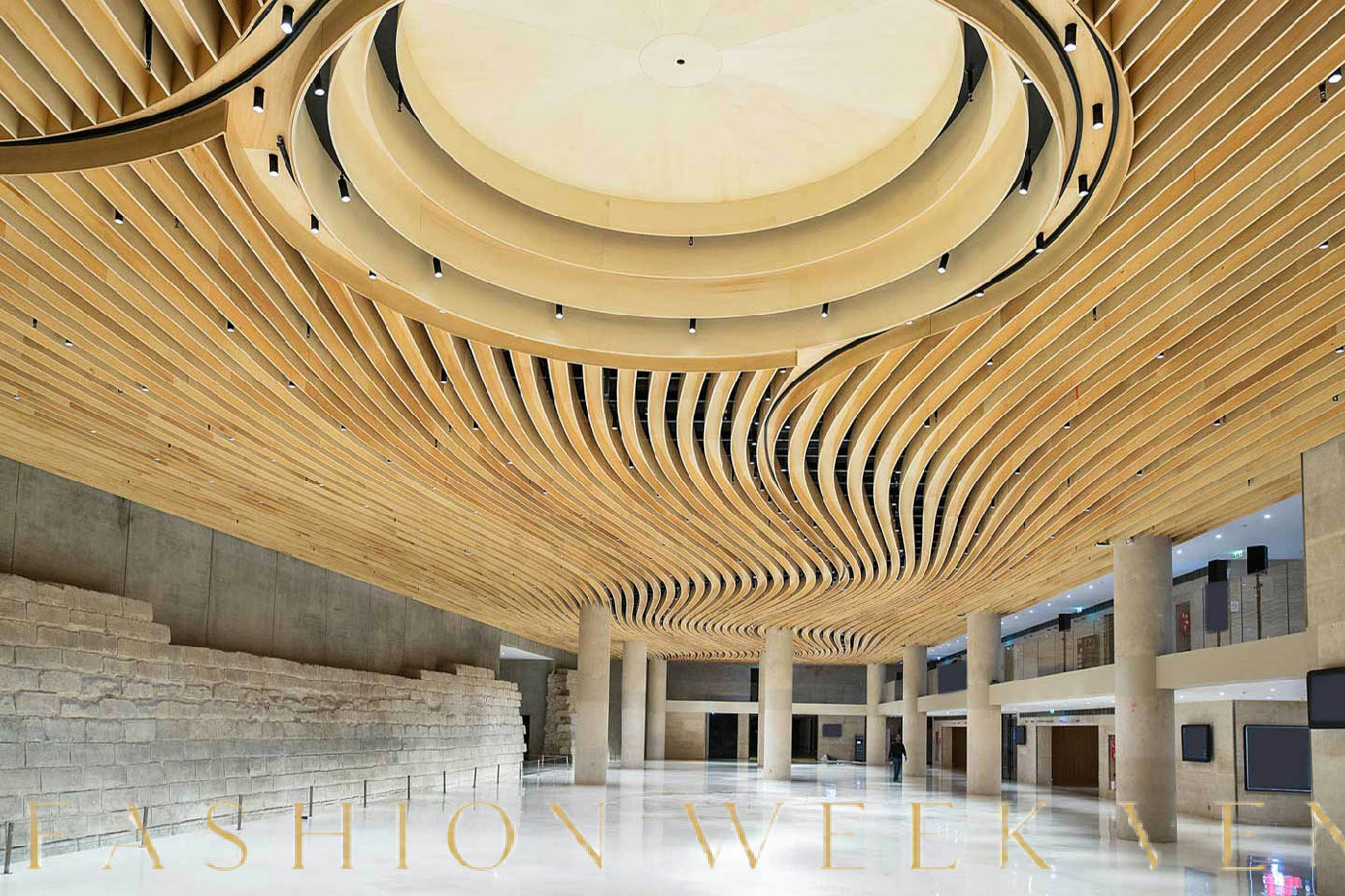
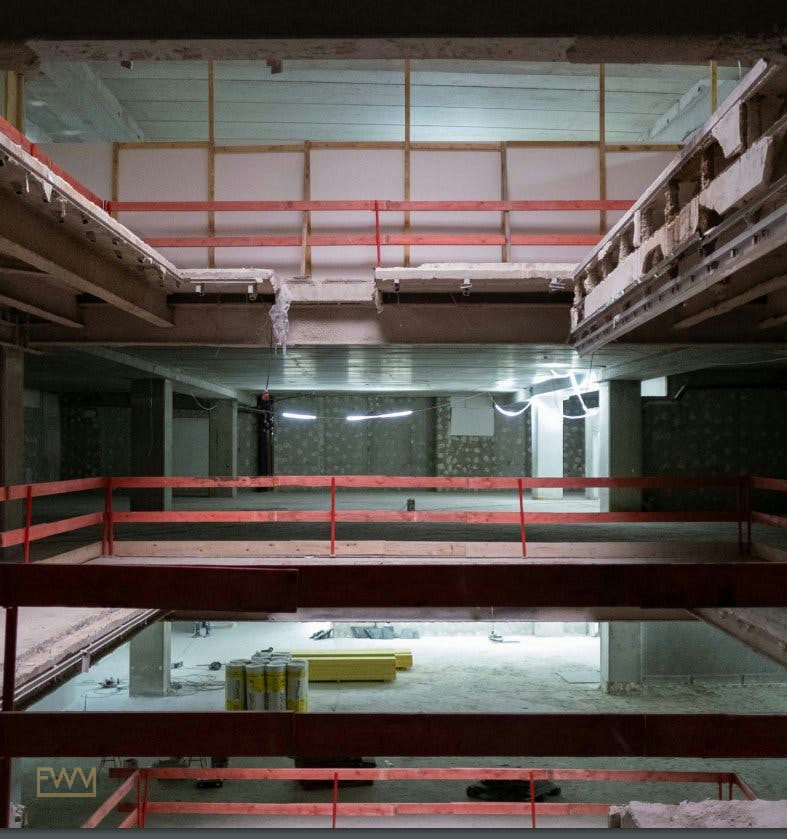
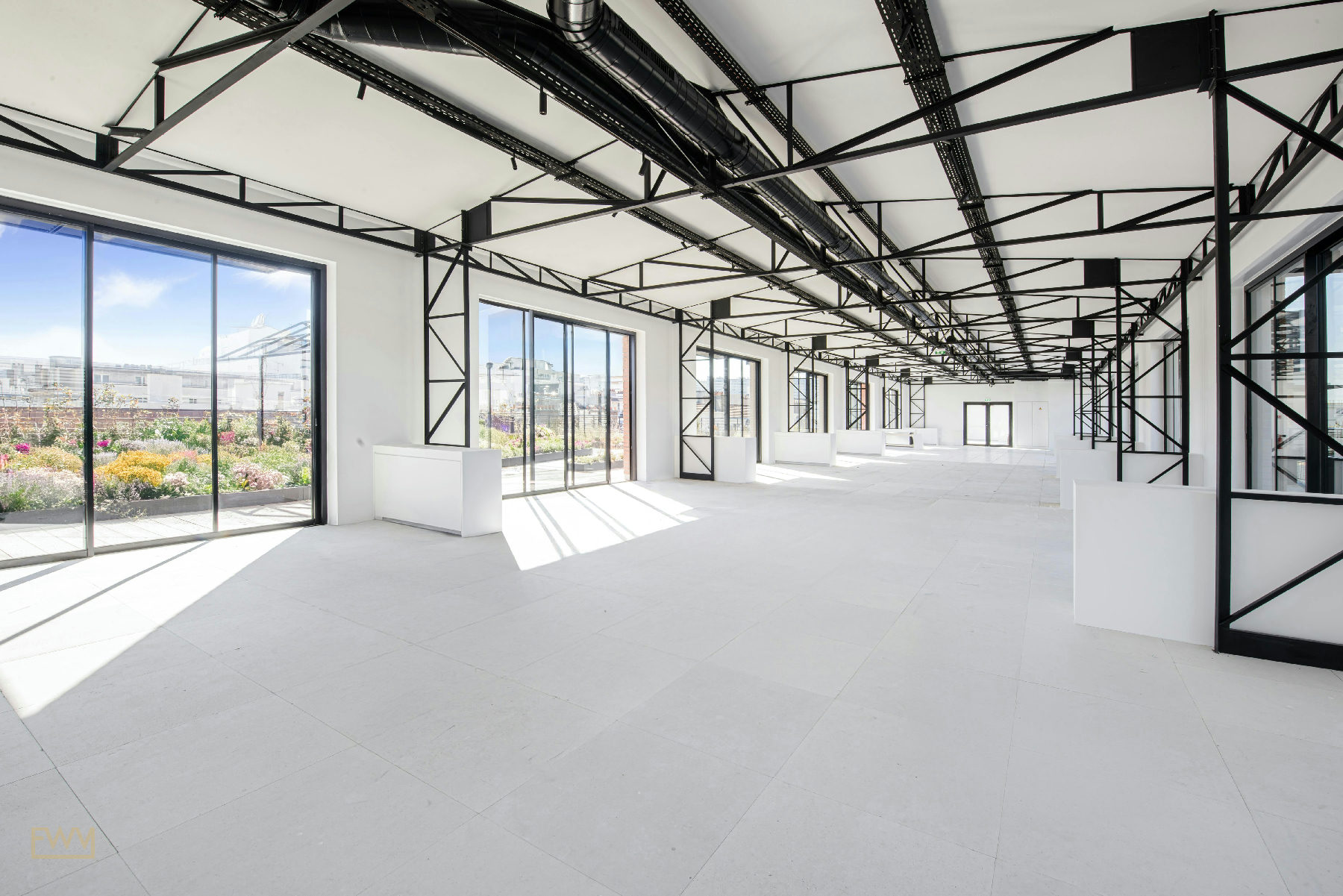
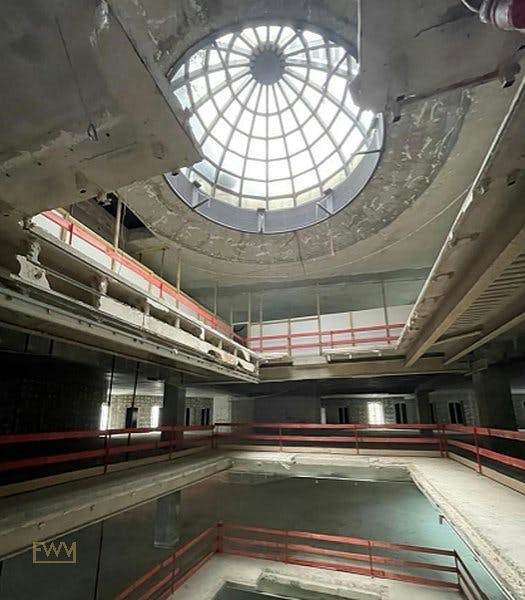
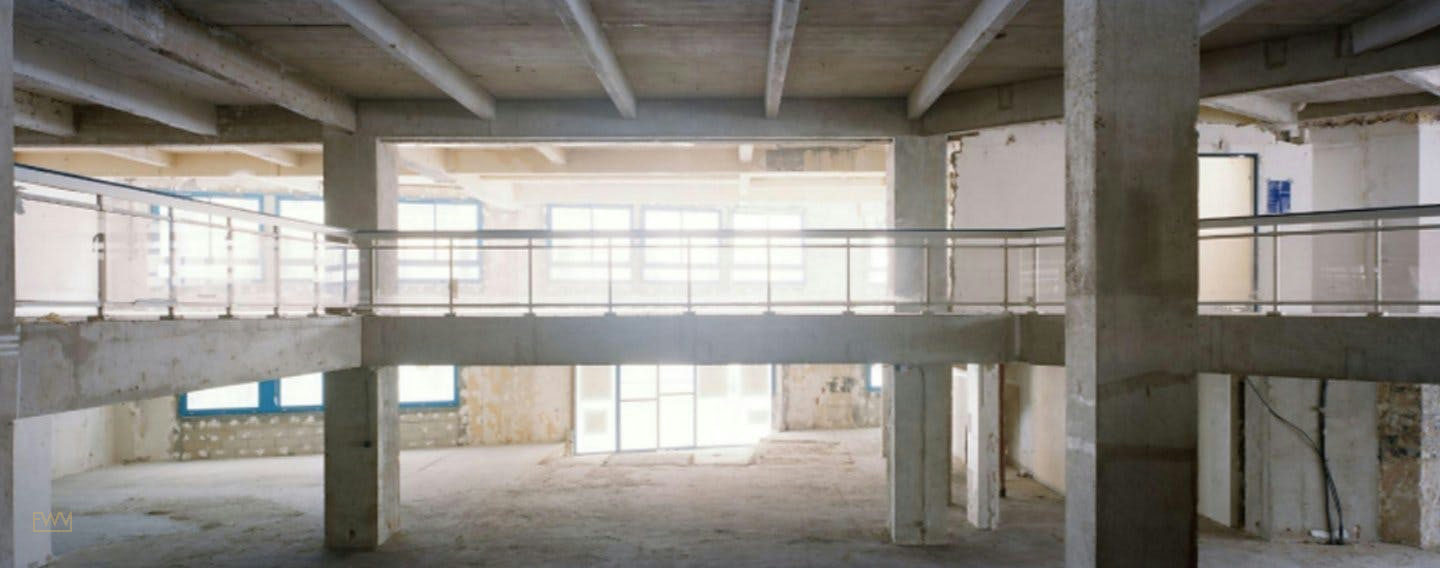
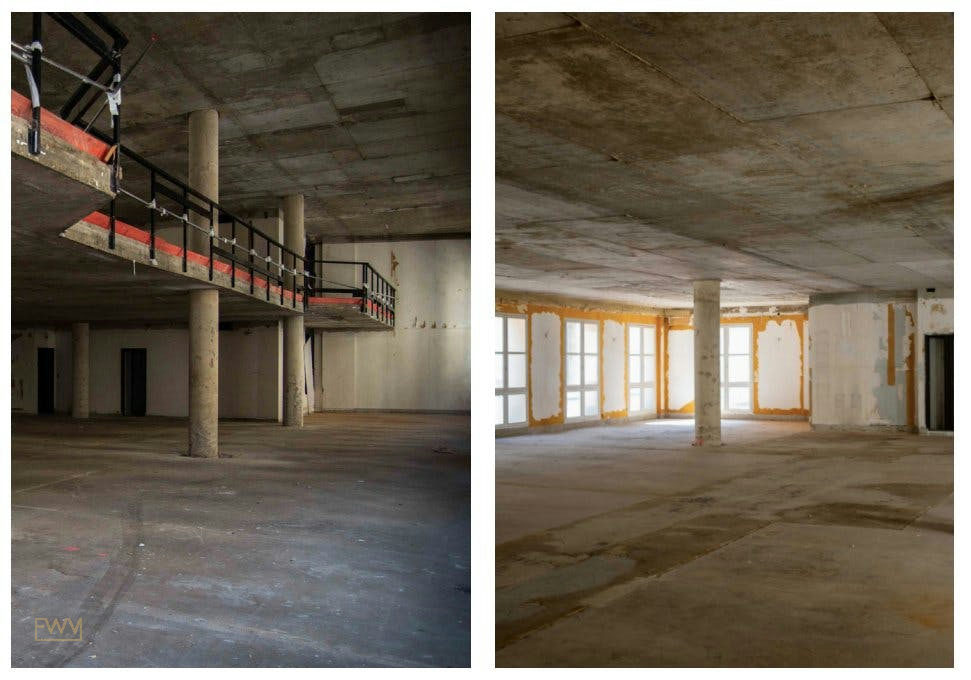
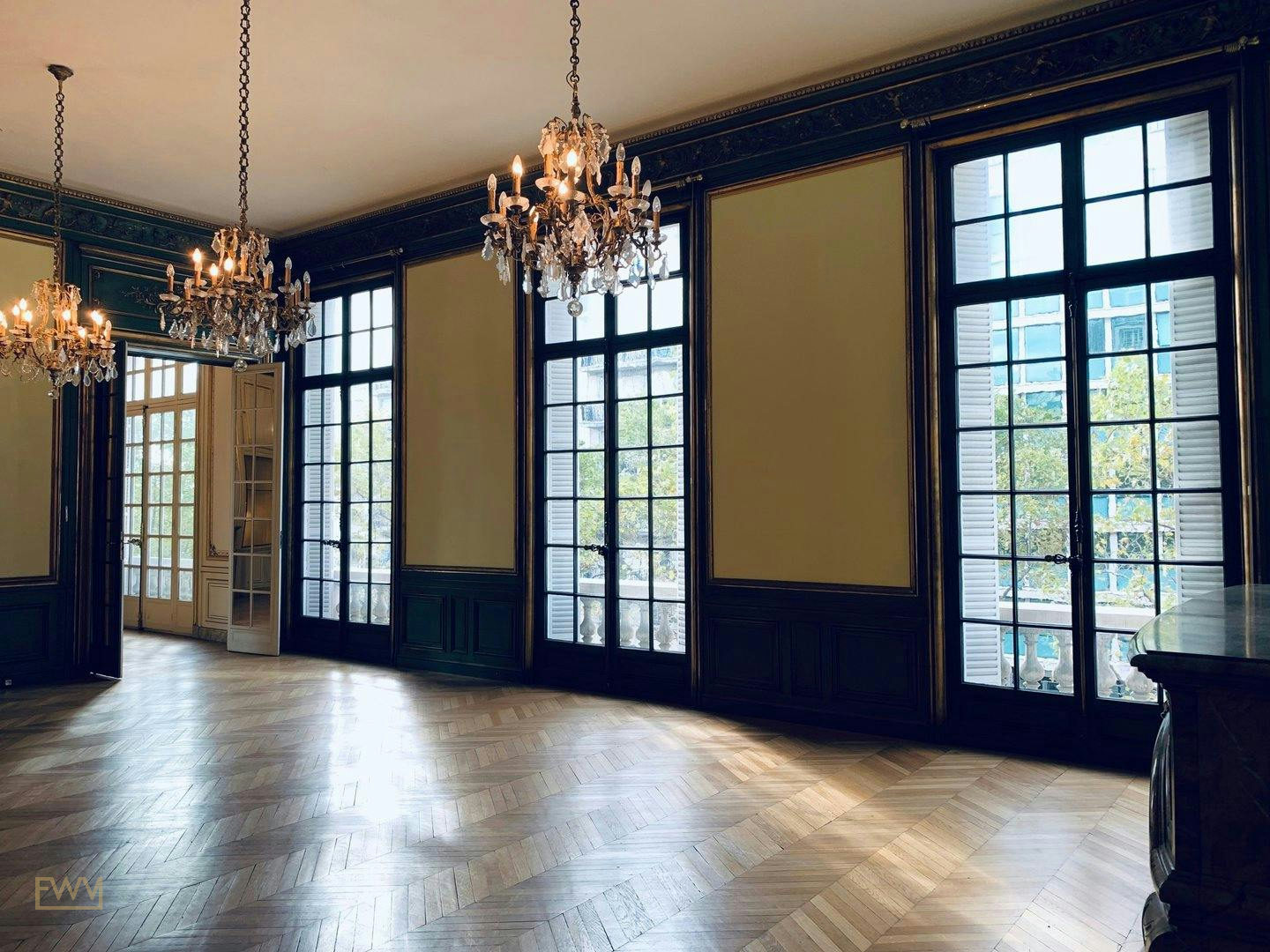
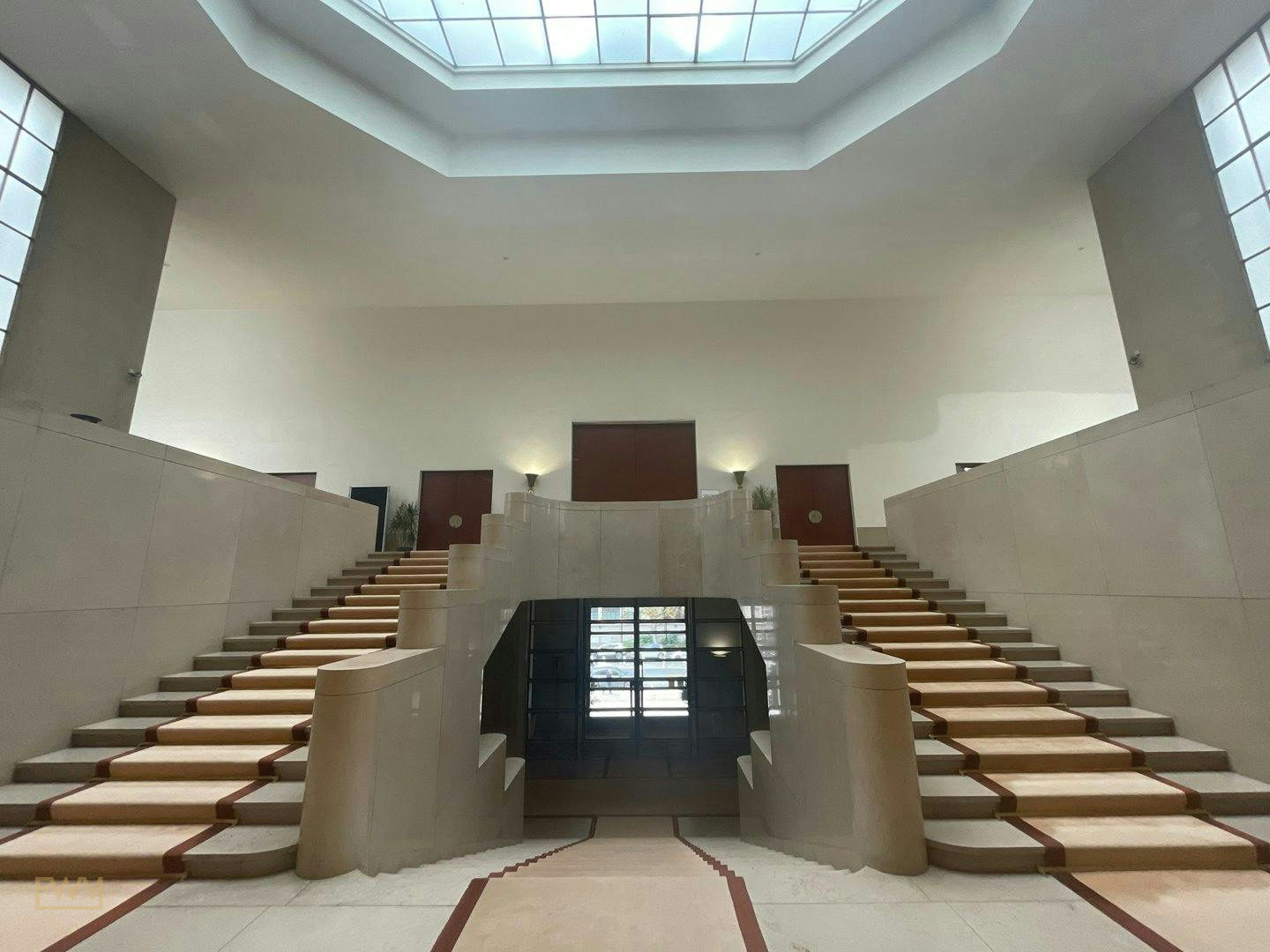
Paris has a strong tradition of gallery-converted-retail spaces, and the 9th arrondissement and neighbouring 1st, 2nd, and 3rd arrondissements offer examples where former galleries, art spaces, or private salons have been adapted for temporary retail. These spaces typically feature raw concrete or polished stone floors, skylight or daylight from high ceiling heights, minimal drywall intervention, and a neutral palette that allows brand identity to dominate. For luxury brands, concept stores, or fashion labels seeking an environment that elevates product presentation, gallery-like spaces offer an alternative to conventional commercial retail units.
Fashion Showrooms Near the Opéra District
The area between Boulevard Haussmann, the Opéra Garnier, Palais Garnier, and the streets running toward Place Vendôme has historically been home to fashion showrooms, particularly during the pre- and post-runway calendar around Paris Fashion Week. Showroom spaces in this zone tend to be upper-floor units with formal reception areas, open-plan product display floors, natural light, and meeting or consultation rooms. They suit brands presenting collections to press, buyers, and retail partners rather than direct-to-consumer retail, but hybrid formats are increasingly common.
Boutique Formats and Charming Boutiques
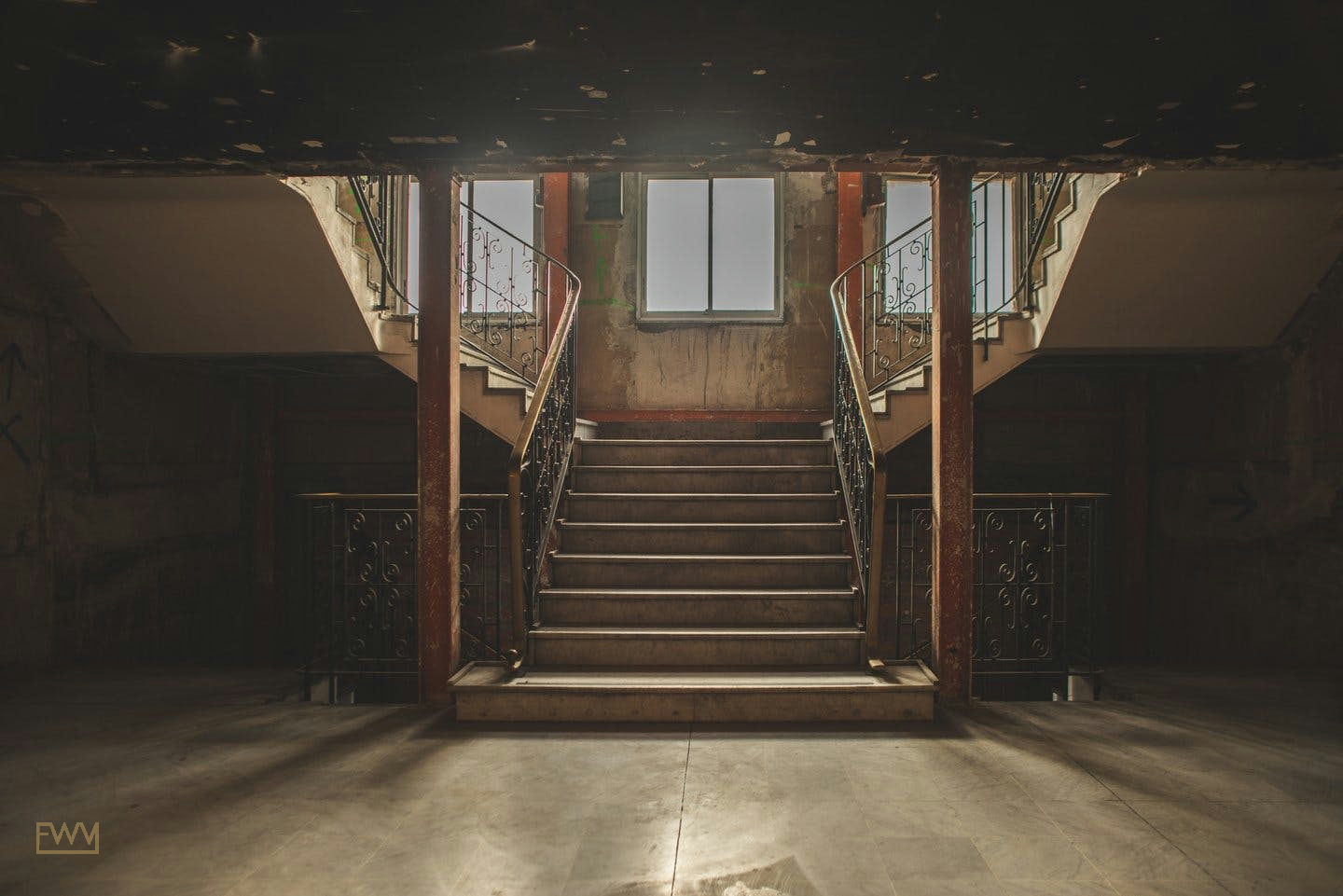
For brands seeking intimacy, character, and neighbourhood authenticity rather than raw volume, the side streets between the 9th arrondissement and Le Marais offer charming boutique formats. These spaces typically run between 30 and 100 square metres, feature period architectural details such as exposed stone, ornate ceiling mouldings, or original tile, and feel closer to an independent Parisian boutique than a commercial retail unit. They suit premium beauty concepts, jewellery activations, slow fashion brands, and artisanal food and gourmet food concepts, particularly if the brand narrative depends on curation and intimacy rather than volume.
Studio Photo and Multi-Purpose Event Spaces
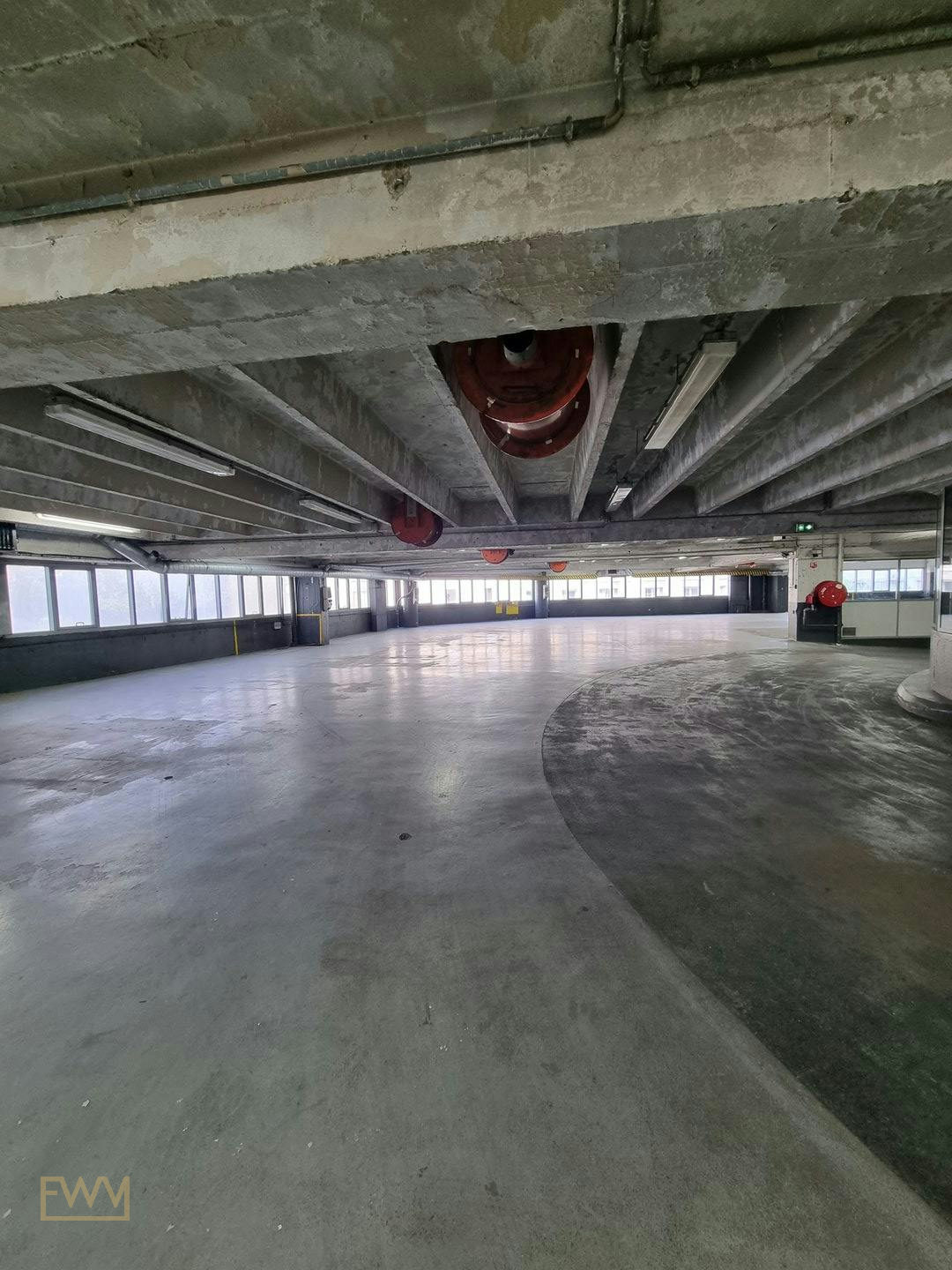
A growing category near major fashion districts in Paris is the hybrid studio and event space: a unit that functions as a studio photo environment, a sample sale venue, an influencer content space, or an installation backdrop. These spaces are often characterised by controlled lighting rigs, perforated metal ceilings, raw or polished concrete floors, modular furniture systems, and blackout capability. They appeal to brands running content-first activations where social media output is as important as physical footfall.
KEY TAKEAWAY: The neighbourhood around Galeries Lafayette supports a wide range of space typologies, and the right choice depends on your brand's visitor target, activation format, operational requirements, and budget parameters. A fashion showroom near the Opéra serves different strategic goals than a ground-floor vitrine on a pedestrian connector route or a gallery-like space in Le Marais.
| Space Type | Typical Size | Floor Access | Key Features | Best Suited For |
|---|---|---|---|---|
| Storefront with Vitrine | 30 to 150 sq m | Ground floor | Street-facing display, spotlights, direct foot traffic | Pop-up shops, beauty brands, accessories |
| Gallery-Like Space | 80 to 300 sq m | Ground or mezzanine | Skylight, high ceiling heights, minimal drywall, daylight | Luxury brand installations, exhibitions, concept launches |
| Fashion Showroom | 100 to 400 sq m | Upper floors | Meeting rooms, open display, natural light, reception area | Buyer appointments, press days, trade showrooms |
| Charming Boutique | 20 to 80 sq m | Ground floor | Period details, intimate scale, neighbourhood location | Jewellery, beauty, artisanal food, slow fashion |
| Studio Photo Space | 50 to 200 sq m | Any floor | Lighting rigs, modular layout, social media-ready | Content creation, influencer activations, sample sales |
Once you understand the space typologies available, the next consideration is the specific neighbourhoods and micro-locations that sit within or adjacent to the Galeries Lafayette zone.
Neighbourhood Map: Where to Look for Retail Space Around Galeries Lafayette
Paris retail geography rewards precision. The difference between a space on Rue de Mogador and one on Rue du Faubourg Saint-Honoré is not simply a matter of distance. It reflects different visitor profiles, different pricing expectations, different competitive sets, and different logistical considerations. Understanding the micro-geography of the area helps brands brief space-finders and venue agents accurately.
Quick answer: The most commercially productive zones for retail space near Galeries Lafayette Paris are the immediate Boulevard Haussmann corridor, the Opéra district connecting to Palais Garnier and Place Vendôme, the Golden Triangle near Avenue des Champs-Elysées, the Saint-Honoré axis, Le Marais, and Saint-Germain-des-Prés. Each zone carries a distinct visitor profile and commercial character.
Boulevard Haussmann and the Opéra District
This is the anchor zone. The area within three to five minutes walking distance of Galeries Lafayette Haussmann and the Opéra Garnier represents the highest-footfall, highest-visibility real estate in the northern Paris retail belt. Visitor numbers are driven by international tourism, local commuters using Auber RER A and Gare Saint-Lazare, and the gravitational pull of both Galeries Lafayette and Printemps Haussmann as destinations. A retail space in this zone immediately inherits the context of both institutions. The Chaussée d'Antin La Fayette metro stop deposits visitors almost directly in front of the department store, meaning the surrounding streets benefit from overflow pedestrian traffic throughout the day.
Place Vendôme and Saint-Honoré
Moving southwest from the Opéra district, the Place Vendôme and Rue Saint-Honoré axis represents the apex of Parisian luxury retail. This zone is not appropriate for all budgets or all brand profiles, but for established luxury labels, jewellery houses, or beauty brands with premium positioning, a temporary space in this zone signals extraordinary ambition. The vitrines here, including those along Rue de Rivoli and approaching the 1st arrondissement, carry architectural grandeur and a clientele that is among the most high-spending in Europe.
The Golden Triangle and Champs-Elysées
The Golden Triangle, bounded by Avenue des Champs-Elysées, Avenue Montaigne, and Avenue George V, is a distinct zone from the Haussmann corridor but is reachable within fifteen minutes. The Avenue des Champs-Elysées itself has undergone significant transformation in recent years, with luxury flagships, concept stores, and experiential retail taking precedence over purely transactional commerce. For brands seeking maximum international tourist exposure alongside a fashion-forward environment, this zone offers visibility that few others can match.
Le Marais
Le Marais remains Paris's most consistently productive neighbourhood for independent retail activations, pop-up stores, and design-led concepts. The area draws a local Parisian clientele alongside international visitors, has a high concentration of gallery-like spaces and charming boutiques, and is characterised by strong social media visibility thanks to its distinctive architectural and street character. For brands that value curation, discovery, and independent retail credibility over raw volume, Le Marais is frequently the first choice.
Saint-Germain-des-Prés and Montmartre
Saint-Germain-des-Prés appeals to brands seeking to position within Paris's intellectual and cultural heritage, alongside a high concentration of premium beauty, fashion, and home concepts. Montmartre, and particularly the Pigalle area at its base, has become a significant destination for streetwear, independent fashion, and creative brand activations. Both zones offer space types that differ materially from the Haussmann corridor and benefit from distinct visitor demographics.
| Neighbourhood | Primary Visitor Profile | Space Character | Best Activation Format |
|---|---|---|---|
| Boulevard Haussmann / Opéra | International tourists, commuters | Commercial, high-footfall | Pop-up shop, beauty activation, fashion retail |
| Place Vendôme / Saint-Honoré | High-net-worth, luxury buyers | Formal, palatial, prestigious | Luxury showroom, jewellery, exclusive launch |
| Golden Triangle / Champs-Elysées | International luxury tourists | Grand, experiential, flagships | Brand experience, large-format activation |
| Le Marais | Local Parisians, design-aware tourists | Gallery-like, boutique, intimate | Design concept, independent fashion, art activation |
| Saint-Germain-des-Prés | Cultural tourists, affluent locals | Heritage, quiet prestige | Concept store, beauty, literary or cultural brand |
| Montmartre / Pigalle | Creative community, younger demographics | Raw, artistic, neighbourhood | Streetwear, independent label, creative studio |
To compare neighbourhoods and space types side by side, explore the Paris city hub on Fashion Week Venues and shortlist spaces that match your brief, budget, and calendar window.
KEY TAKEAWAY: Choosing a neighbourhood is not just a logistics decision. It is a brand positioning decision. Each zone communicates something different about your brand to the visitors who encounter it, and the right choice depends on your target customer profile as much as on rent level or floor size.
Galeries Lafayette as a Cultural and Architectural Reference Point
Any brand strategy in the 9th arrondissement must account for Galeries Lafayette as more than a commercial competitor or a source of foot traffic. It is a cultural institution with a specific set of values and experiences that shapes the expectations of visitors to the entire neighbourhood.
The main building was designed in phases by Georges Chedanne and completed under the direction of Ferdinand Chanut. The Art Nouveau glass dome, the Coupole, completed in 1912, remains the architectural centrepiece of the building and one of the most photographed interior spaces in Paris. The ironwork, designed by Louis Majorelle, is characteristic of the Nancy School of Art Nouveau design. The Glasswalk suspended above the ground floor atrium allows visitors to experience the dome from a mid-level perspective. During the Christmas period, the Christmas tree installed beneath the dome becomes one of Paris's most visited seasonal spectacles.
The rooftop terrace offers one of Paris's most accessible panoramic views, with clear sightlines to the Eiffel Tower, the Opéra Garnier, and on clear days toward Notre Dame and beyond. This rooftop is free to access and draws visitors who would not otherwise enter the retail floors, reinforcing the position of Galeries Lafayette as a destination rather than simply a department store.
The store's departments span fashion, beauty, lingerie, food, and home, with a Gourmet food hall and a food court operating separately from the main fashion floors. The Ferrandi culinary school has a visible presence in the food offer, and bakeries, macarons, and Macaron Baking Class experiences are part of the cultural programming. Weekly fashion shows on the upper floors bring a live performance element to the retail experience that is unusual for a department store at this scale.
The store also functions as a hub for Parisian designers and emerging French fashion labels, giving it a curation role that extends beyond the international luxury names. This creates a visitor profile that includes genuine fashion industry professionals, buyers, and press alongside tourists and local shoppers.
The adjacent Galeries Lafayette Champs-Elysées, the Art Deco building opened on Avenue des Champs-Elysées in 2019, represents the brand's attempt to create an urban department store that functions as an urban agora, featuring exhibitions, art gallery spaces, independent brand pop-up stores, and a different retail philosophy from the main Haussmann flagship. This building has become a destination for brand activations and pop-up concepts in its own right.
DID YOU KNOW: Galeries Lafayette Champs-Elysées deliberately positions itself as a platform for emerging and independent brands, with a significant portion of its floor space dedicated to rotating concepts, pop-up stores, and short-term brand activations rather than permanent concessions.
KEY TAKEAWAY: Understanding Galeries Lafayette as a cultural institution, architectural landmark, and fashion programming destination gives brands a clearer view of the visitor expectations they must meet when activating nearby. The bar for experience quality in this neighbourhood is set by one of the world's most visited retail environments.
Permits, Regulations, and Legal Frameworks for Short-Term Retail in Paris
One of the most common areas of confusion for international brands seeking retail space for rent near Galeries Lafayette Paris is the legal and regulatory framework governing short-term and temporary commercial occupation. French property and commercial law operates on a distinct basis from common-law systems, and the requirements for temporary retail differ meaningfully from those governing standard commercial leases.
Quick answer: Short-term retail occupation in Paris typically operates under a bail dérogatoire, which allows a lease of up to 36 months without triggering the protections of the French Commercial Lease Code. Certain public-space activations may also require an autorisation d'occupation temporaire, commonly known as an AOT. Requirements vary by space type, duration, arrondissement, and intended use, and brands should verify their specific situation with a qualified French legal advisor.
Understanding the Bail Dérogatoire
The bail dérogatoire, sometimes called a convention d'occupation précaire, is the standard legal instrument for short-term commercial occupation in France. It allows landlords and tenants to agree a lease of up to 36 months without triggering the full protections of the French Statut des Baux Commerciaux, which would otherwise give tenants significant renewal rights and impose obligations on landlords. For brands running temporary retail activations, this is the primary framework. However, the bail dérogatoire has specific formal requirements, and a lease that does not comply correctly may inadvertently be treated as a standard commercial lease under French law. This is a risk that requires expert legal review before signing any agreement.
Autorisation d'Occupation Temporaire
For activations in public spaces, on public footpaths, in markets, or in spaces owned by the City of Paris or other public bodies, an autorisation d'occupation temporaire is required. This permit authorises the temporary commercial occupation of a public space for a defined period and purpose. The application process, approval timeline, and conditions attached to an AOT vary by arrondissement and by the specific nature of the use. Brands planning pavement activations, outdoor pop-up installations, or events using public-facing space adjacent to their rented unit should obtain specialist advice on whether an AOT is required alongside their private lease.
Planning, Fit-Out, and Local Regulations
Interior fit-out of temporary retail spaces in Paris is subject to local regulations including fire safety compliance, signage restrictions, and in some cases heritage or conservation rules where spaces are located within listed buildings or protected streetscapes. The 9th arrondissement includes a number of buildings with heritage designations, and modifications to vitrines, facades, or interior structural elements require prior consent. Drywall partitions, ceiling heights, and lighting installations all fall within the scope of works that may require declaration or approval depending on their scale and the nature of the building.
IMPORTANT: Do not assume that a verbal agreement with a landlord or agent is sufficient to proceed with a fit-out or commercial operation in France. Written agreements, translated where necessary, reviewed by a French legal advisor, and accompanied by appropriate permit documentation are essential. Failing to comply with local regulations can result in immediate closure, financial penalties, and reputational consequences.
The Fashion Week Venues permit guidance tool provides an orientation to the permit landscape for temporary retail in Paris and other cities. It is a starting point for planning, not a substitute for professional legal advice tailored to your specific activation.
KEY TAKEAWAY: The French regulatory framework for temporary retail is navigable but specific. Brands that treat the bail dérogatoire as a straightforward short-term rental agreement without legal review, or that fail to establish whether an AOT or fit-out approval is required, expose themselves to significant operational and legal risk. Specialist support is strongly advisable for any brand without direct prior experience of the French commercial property market.
Budget Planning for Retail Space Near Galeries Lafayette
Budget planning for a retail activation near Galeries Lafayette Paris requires a detailed understanding of the cost components involved. Rent is the most visible line item but rarely the most significant one, and brands that plan only for rental costs frequently underestimate the total investment required to open, operate, and close a temporary retail space successfully.
Quick answer: The total cost of a temporary retail activation near Galeries Lafayette Paris includes venue rental, fit-out and production, staffing, permits, insurance, utilities, marketing and social media, and post-activation restoration. Rental rates vary significantly by space type, size, arrondissement, and calendar period, with peak rates applying during Paris Fashion Week and the Christmas season. Brands should use a dedicated budget tool to generate estimates based on their specific parameters.
Rental Costs and Rate Drivers
Rental rates for temporary retail spaces in the 9th arrondissement and surrounding zones are driven by several variables: the size of the space in square metres, the floor level and access type, the presence and quality of vitrines, the proximity to Boulevard Haussmann and key footfall generators, the duration of the rental, and the time of year. Spaces during Paris Fashion Week, the Christmas season, and major trade calendar windows command premium rates. Rates for spaces outside these peak windows are generally more accessible, and brands with flexible activation calendars can achieve better value by avoiding peak demand periods.
Because this page does not hold live pricing data and rental rates in Paris change based on market conditions, we do not publish specific rental figures. The Fashion Week Venues budget calculator allows brands to generate directional cost estimates based on their space type, size, location, and duration parameters.
Fit-Out and Production Costs
Beyond rental, the fit-out and production of a temporary retail space represents a significant budget category. This includes furniture rental, lighting design and installation, vitrine dressing, signage, POS and payment systems, and any structural modifications permitted under the lease. Brands entering spaces for the first time frequently underestimate the cost of bringing a raw or neutral space to the level of finish required to represent their brand credibly. In the neighbourhood of Galeries Lafayette, where the surrounding retail environment is exceptionally polished, a low-quality fit-out can actively damage brand perception rather than simply underperform.
Staffing and Operational Costs
Retail staffing in Paris involves both cost and compliance considerations. French employment law governs working hours, contracts, minimum wage, and social charges in ways that are materially different from other markets. For international brands without a French legal entity, staffing through a specialist retail staffing provider may be both legally and practically preferable to direct employment. This is an area where specialist support delivers real value.
Marketing, Social Media, and Influencer Activation
A temporary retail space near Galeries Lafayette is not inherently self-marketing. Brands need to invest in driving awareness, generating foot traffic, and converting the neighbourhood's existing visitor volume into store visits. Social media content, influencer marketing activations, local PR, and digital amplification are all budget items that should be planned from the outset rather than added as an afterthought. A well-produced studio photo session from within the space can generate content that drives online retail traffic as well as in-store visits.
TIP: Plan your ROI framework before you finalise your space selection. A space with higher rent in a prime footfall zone may deliver better returns than a cheaper space in a secondary location if your activation model depends on volume. Use the ROI calculator on Fashion Week Venues to test your assumptions before committing to a space.
KEY TAKEAWAY: Budget planning for a Paris retail activation is a multi-variable exercise. Brands that account for all cost categories, including fit-out, staffing, permits, insurance, and marketing as well as rent, will plan more accurately and avoid the cost overruns that most commonly affect first-time activators in the Paris market.
Timing Your Activation: The Paris Fashion and Retail Calendar
The timing of a retail activation near Galeries Lafayette Paris is as important as the space selection itself. Paris operates on a dense and internationally observed calendar that creates distinct windows of peak visitor concentration, press attention, and commercial opportunity.
Quick answer: The primary activation windows near Galeries Lafayette Paris are Paris Fashion Week in February and March for ready-to-wear, September and October for the spring collections, the Christmas and holiday season from late November through early January, and the mid-year sales period in late June and early July. Showroom activations also align with trade calendar windows in January and July for the menswear and haute couture schedules.
Paris Fashion Week and Showroom Season
Paris Fashion Week for womenswear ready-to-wear takes place twice annually, typically in late February to early March and late September to early October. These windows draw the highest concentration of international press, buyers, and industry professionals to the city, creating exceptional conditions for brand activations, showrooms, and concept launches aimed at a fashion industry audience. The area around Boulevard Haussmann, the Opéra district, and the streets connecting to the major show venues benefits from this intensification of fashion-aware visitor traffic.
Weekly fashion shows at Galeries Lafayette operate independently of the Paris Fashion Week calendar, meaning that the department store itself generates a live fashion audience throughout the year, not only during the major calendar windows.
The Christmas and Holiday Season
The period from late November through early January represents one of the highest-volume retail periods in Paris. The Christmas tree installation beneath the Galeries Lafayette Coupole is a major draw, as are the vitrines dressing across Boulevard Haussmann and the rooftop terrace illuminations. For brands in beauty, accessories, gifting, and food categories, this window offers exceptional conditions for a retail activation that benefits from the celebratory and high-spending atmosphere of the Parisian Christmas season.
Sales Periods and Off-Peak Activation
French law mandates two main sales periods annually: Les Soldes d'Hiver in January and Les Soldes d'Été in late June and early July. These periods generate very high retail traffic volumes but are characterised by price-sensitive shopping behaviour. Brands whose positioning is not discount-oriented should be thoughtful about whether these windows serve their activation goals. Conversely, off-peak periods between the major calendar events, particularly April to May and October to November, can offer better value rental rates and more focused visitor demographics.
KEY TAKEAWAY: Aligning your activation timing to a specific calendar window should be a deliberate decision rather than a default. The Paris Fashion Week windows offer industry reach. The Christmas season offers consumer volume. The off-peak windows offer better economics and a more targeted visitor profile. Each demands a different activation brief and a different success metric.
How Fashion Week Venues Helps Brands Find and Activate Retail Space Near Galeries Lafayette
Fashion Week Venues is a full-service pop-up shop agency and space marketplace that supports brands at every stage of planning and executing a retail activation in Paris and other major fashion capitals. The agency is specifically designed for the needs of fashion brands, beauty labels, luxury concepts, and international brands entering the Paris market for the first time or expanding their activation footprint.
The services Fashion Week Venues provides cover the complete activation lifecycle. Venue sourcing connects brands with suitable spaces in the right neighbourhood, at the right scale, for the right calendar window. This removes the risk of navigating an unfamiliar market through agents or directories that lack either Paris-specific depth or fashion industry context. The venue sourcing process accounts for space type, size, floor access, vitrine presence, ceiling heights, daylight, and neighbourhood positioning, not simply postcode and square metres.
Once a space is identified, concept and creative direction translates a brand's identity into a spatial brief that works within the constraints of a temporary lease and the specific architectural characteristics of the space. This is particularly important for brands activating in Paris for the first time, where the city's architectural heritage and design standards create an environment where execution quality is immediately visible.
Production and fit-out is managed through the production and build service, which covers furniture rental, lighting, drywall work where permitted, vitrine dressing, and all physical elements of the space build. Staffing is handled through the retail staffing service, including compliance with French employment law and the practicalities of managing a temporary team in an unfamiliar regulatory environment.
The tool suite on Fashion Week Venues supports decision-making at every stage of the process. The timeline planning tool helps brands map their activation schedule against permit lead times, fit-out windows, and calendar events. The budget calculator generates cost estimates. The compare tool allows brands to evaluate multiple spaces against their brief criteria simultaneously. The locator tool maps available spaces against neighbourhood and footfall parameters.
The twin co-activation concept offers brands the opportunity to share a space with a complementary brand, reducing rental and operational costs while creating a richer visitor experience. This model is particularly well-suited to brands that share a target customer but operate in adjacent categories, such as a fashion label and a beauty brand, or a food concept and a lifestyle brand.
It is important to be clear about what Fashion Week Venues does not guarantee. No agency can guarantee space availability in any specific location, permit approval by any specific date, or commercial outcomes from any activation. Fashion Week Venues provides expertise, relationships, and process support. The decision-making and financial commitment rests with the brand.
Brands at the research stage should explore the agency selection guide to understand what to look for when choosing a pop-up agency for Paris, and the work and case studies section to understand the types of activations the agency has previously supported.
KEY TAKEAWAY: Fashion Week Venues is most valuable to brands that need to compress the learning curve of the Paris market, manage permit and regulatory complexity, and deliver a high-quality physical activation without building an internal Paris logistics function. The agency works most effectively when engaged early in the planning process, with sufficient lead time to source the right space, obtain the necessary permissions, and execute the build to the required standard.
Step-by-Step Workflow for Securing and Activating a Retail Space Near Galeries Lafayette
The process of moving from a concept idea to a live retail activation near Galeries Lafayette Paris involves a defined sequence of steps, and understanding this sequence helps brands allocate time and resources correctly.
| Stage | Activity | Typical Timeline | Key Output |
|---|---|---|---|
| 1. Strategy | Define activation goals, target customer, calendar window, budget range, and neighbourhood priority | 4 to 8 weeks before engagement | Activation brief |
| 2. Space Search | Identify candidate spaces, shortlist by size, type, location, and availability | 8 to 12 weeks before activation | Shortlist of 3 to 5 spaces |
| 3. Legal and Permit Review | Review lease terms, confirm bail dérogatoire compliance, identify AOT or fit-out permit requirements | 8 to 10 weeks before activation | Legal confirmation, permit applications submitted |
| 4. Concept and Design | Develop spatial concept, produce design drawings, confirm furniture and fit-out specification | 6 to 8 weeks before activation | Approved design brief |
| 5. Production and Build | Execute fit-out, install furniture, lighting, vitrines, signage, and POS systems | 1 to 2 weeks before opening | Space ready for operation |
| 6. Staffing and Operations | Recruit or deploy retail staff, brief on brand, train on POS and payments | 1 week before opening | Operational team in place |
| 7. Activation and Marketing | Launch activation, execute social media and influencer programme, monitor foot traffic and transactions | During activation period | Live activation, content output |
| 8. Data and Closure | Analyse data and analytics, restore space to original condition, submit permit closure documentation | Final week and post-activation | Performance report, space handed back |
TIP: Brands frequently underestimate the time required for stages 3 and 4. Permit applications in Paris can take several weeks to process, and design revisions after the initial concept stage add time that collapses the build window. Engaging a specialist agency early in stage 2 reduces the risk of timeline compression in the critical stages before opening.
KEY TAKEAWAY: A realistic timeline for a Paris retail activation from initial concept to opening day is a minimum of ten to twelve weeks for a well-managed process, and longer for activations requiring significant fit-out, public space permits, or first-time market entry. Brands that compress this timeline risk permit delays, build quality compromises, and staffing gaps.
Common Myths Debunked
MYTH: You need a French legal entity to rent a retail space in Paris.
FACT: International brands can rent retail spaces in Paris under a bail dérogatoire without necessarily having a registered French company, though the specific requirements depend on the landlord, the nature of the lease, and the operational structure of the activation. Many brands use an agency or local representative to facilitate the lease and manage compliance obligations. Requirements vary and should be confirmed with a French legal advisor before proceeding.
MYTH: Paris Fashion Week is the only viable calendar window for a brand activation near Galeries Lafayette.
FACT: While Paris Fashion Week in February, March, September, and October generates the highest concentration of industry visitors, the area around Galeries Lafayette draws tens of millions of visitors annually across every month of the year. The Christmas season, the summer tourist peak, the sales periods, and the weekly fashion shows at Galeries Lafayette itself all create commercially productive windows outside the Fashion Week calendar. Brands with direct-to-consumer activation models may find off-peak windows more cost-effective and better suited to their target visitor profile.
MYTH: Commission brokers are the only way to find a short-term retail space in Paris.
FACT: Commission-based space brokers represent one channel for finding retail space in Paris, but they are neither the only nor always the most efficient route. Specialist pop-up agencies with existing landlord relationships, direct marketplace platforms, and full-service agencies that combine sourcing with activation management often provide better value, greater transparency, and more relevant space options for fashion and brand activation contexts. The Fashion Week Venues marketplace provides a direct space discovery tool for brands briefing a Paris activation.
MYTH: Short-term retail leases in France are legally straightforward and do not require specialist help.
FACT: The French commercial property framework, including the bail dérogatoire and AOT instruments, is legally specific and requires precise compliance to function as intended. A lease that fails to meet the formal requirements of a bail dérogatoire may inadvertently grant tenants long-term commercial lease rights, which has significant financial and legal consequences for both parties. Fit-out works, permit applications, and employment arrangements all involve distinct French regulatory frameworks that require specialist knowledge to navigate correctly.
MYTH: A pop-up store near Galeries Lafayette will automatically benefit from the department store's foot traffic without additional marketing.
FACT: Proximity to Galeries Lafayette increases the volume of potential passers-by but does not automatically convert them into store visitors. A temporary retail space without clear signage, vitrine dressing, social media visibility, and an active marketing programme will capture a fraction of its potential audience. Brands that invest in social media content, influencer marketing, and local digital amplification consistently outperform those that rely on walk-in traffic alone.
Frequently Asked Questions
What are the most sought-after locations for leasing commercial space near Galeries Lafayette Paris?
The most sought-after locations for short-term commercial space near Galeries Lafayette Paris are the streets directly connecting to Boulevard Haussmann, including Rue de la Chaussée d'Antin, Rue de Mogador, and Rue Saint-Lazare, as well as the Opéra district toward Palais Garnier. The surrounding 9th arrondissement offers the best combination of foot traffic volume, fashion industry credibility, and space typology diversity. Le Marais, Saint-Honoré, and the Golden Triangle are also consistently sought-after but for different brand positioning reasons and at different price points.
What does it cost to rent a retail space near Galeries Lafayette Paris?
Rental costs for temporary retail spaces near Galeries Lafayette Paris vary significantly based on space size, floor level, vitrine presence, proximity to Boulevard Haussmann, duration, and the time of year. Peak calendar windows such as Paris Fashion Week and the Christmas season carry premium rates. Because live pricing depends on current market conditions and specific space parameters, brands should use a specialist budget planning tool or engage a venue sourcing agency to obtain directional estimates. Publishing generic figures would be misleading given the variance across space types and locations.
Do I need a French company to rent a pop-up space in Paris?
Not necessarily. Many international brands successfully rent temporary retail spaces in Paris under a bail dérogatoire without having a registered French legal entity, often by engaging a local agency or representative to structure the lease and manage compliance. However, requirements vary depending on the specific landlord, the terms of the lease, and the operational structure of the activation. Specific advice from a qualified French legal advisor is essential before committing to a rental agreement, as the legal framework is detailed and the consequences of non-compliance are significant.
What is a bail dérogatoire and why does it matter for pop-up retail in Paris?
A bail dérogatoire is a short-term commercial lease instrument in French law that allows landlord and tenant to agree an occupancy of up to 36 months without triggering the full protections of the French Statut des Baux Commerciaux. This is the standard legal framework for temporary retail occupations, pop-up stores, and short-term brand activations in France. It matters because a lease that does not comply with the specific formal requirements of a bail dérogatoire may inadvertently be classified as a standard commercial lease, granting tenants renewal rights that were not intended and creating significant obligations for both parties.
What permits are required for a temporary retail activation near Galeries Lafayette?
The permits required depend on the nature and location of the activation. Indoor temporary retail under a bail dérogatoire typically requires the lease agreement itself plus any fire safety and fit-out approvals required by the building owner or local authority. Activations that use public-facing outdoor space, pavement areas, or public property require an autorisation d'occupation temporaire from the relevant arrondissement or municipal authority. In listed or heritage buildings, additional consent may be required for any modifications to the interior. Requirements vary by arrondissement, space type, and duration, and specialist permit guidance is strongly advisable.
When is the best time of year to activate a pop-up store near Galeries Lafayette?
The best time depends on your activation goals. Paris Fashion Week in February and March, and September and October, offers the highest concentration of international fashion industry visitors including press and buyers. The Christmas season from late November to early January delivers the highest consumer shopping volumes in the neighbourhood. The summer months, particularly July and August, see strong international tourist traffic. Off-peak windows in April, May, and early November offer better rental economics with a more focused visitor demographic. Brands should align their timing to their target audience rather than defaulting to the most obvious calendar window.
What types of spaces are available for temporary retail near Galeries Lafayette Paris?
The area offers a diverse range of space typologies including ground-floor storefronts with vitrines, gallery-like spaces with high ceiling heights and skylights, fashion showrooms on upper floors, charming boutiques in side streets, studio photo and event spaces, and larger atrium-style venues. Sizes range from under 30 square metres for intimate boutique formats to several hundred square metres for brand installation or flagship-scale activations. The specific availability of any format at any given time depends on the rental market, which is best assessed through a specialist venue sourcing service.
Can international brands without Paris experience run a successful retail activation in the 9th arrondissement?
Yes, but the complexity of the Paris market, including the legal framework, permit requirements, fit-out standards, staffing regulations, and the high execution quality expected in the Galeries Lafayette neighbourhood, means that brands without prior Paris experience benefit significantly from specialist agency support. The risk of errors in lease compliance, permit applications, or fit-out execution is higher for first-time market entrants, and the reputational consequences of a poorly executed activation in a high-visibility neighbourhood can be lasting. Engaging a specialist agency with established Paris market experience compresses the learning curve substantially.
What is the difference between a pop-up shop and a fashion showroom for activations near Galeries Lafayette?
A pop-up shop is a direct-to-consumer retail format focused on product sales, brand experience, and walk-in customer engagement. A fashion showroom is a trade-facing format focused on presenting collections to buyers, press, and retail partners through appointments. Both formats are viable near Galeries Lafayette, but they require different space types, different locations, different staffing profiles, and different marketing approaches. Showrooms typically seek upper-floor units with formal presentation environments, while pop-up shops prioritise ground-floor vitrine visibility and pedestrian accessibility. Some brands run hybrid formats during Paris Fashion Week that serve both audiences simultaneously.
How far in advance should brands begin planning a retail activation near Galeries Lafayette?
A realistic minimum lead time for a well-executed Paris retail activation is ten to twelve weeks from initial engagement to opening day. Activations requiring significant fit-out, public space permits, or first-time market entry may need longer. Brands targeting Paris Fashion Week windows should begin planning at least three to four months in advance, as the best spaces are sought by multiple brands simultaneously and availability in prime locations closes early. Starting the planning process late compresses every subsequent stage and increases the risk of quality compromises or permit delays.
What role does social media play in a retail activation near Galeries Lafayette Paris?
Social media is integral to the performance of a temporary retail activation in this neighbourhood. The visual character of the 9th arrondissement, the proximity to Galeries Lafayette's glass dome and rooftop terrace, and the general photogenic quality of Parisian retail environments make social media content generation a natural output of any well-designed activation. Brands that build a content production brief into their activation plan, including studio photo sessions within the space, influencer visit programming, and real-time social coverage, consistently generate greater awareness and foot traffic than those that treat social media as an afterthought. The neighbourhood is already a major social media destination, and activations that leverage this context perform better.
Are there co-activation or shared space options available near Galeries Lafayette Paris?
Yes. The twin co-activation model allows two complementary brands to share a space, dividing the rental and operational costs while creating a richer combined visitor experience. This model works particularly well for brands that share a target customer but operate in adjacent or non-competing categories, such as a fashion label and a beauty brand, a food concept and a lifestyle brand, or a jewellery house and a fragrance label. Co-activation also increases the social media and press appeal of the activation by offering two distinct discovery moments within a single visit. The twin concept is available through Fashion Week Venues for qualifying brand combinations.
What architectural and design standards should brands meet for a pop-up near Galeries Lafayette?
The neighbourhood around Galeries Lafayette sets an exceptionally high bar for retail design quality. Visitors to this zone have experienced some of the world's most accomplished retail environments and will benchmark a temporary activation against that standard. Brands should invest in thoughtful vitrine design, appropriate lighting, high-quality furniture and materials, and a coherent spatial narrative that communicates brand identity clearly. Raw or unfinished spaces that have not received a considered fit-out underperform both commercially and perceptually in this neighbourhood. Working with a specialist in branded store design and production for the Paris market ensures that the activation meets the environmental quality expected of the location.
What data and analytics should brands track during a retail activation near Galeries Lafayette?
Key performance metrics for a temporary retail activation include foot traffic volume and conversion rate, average transaction value, total revenue against projections, social media reach and engagement generated during the activation period, press coverage, influencer output, and customer acquisition data. For showroom activations, buyer and press visit numbers, order values, and follow-up conversion rates are the primary measures. Brands should establish their measurement framework before opening, not after, so that data collection is built into the operational setup of the space from day one. Post-activation analysis should feed directly into planning for future Paris activations.
How does the Galeries Lafayette Champs-Elysées differ from the Haussmann flagship for brand strategy purposes?
The Galeries Lafayette Champs-Elysées, opened in 2019 in a renovated Art Deco building on Avenue des Champs-Elysées, operates with a different retail philosophy from the main Haussmann flagship. It positions itself as an urban agora and platform for emerging and independent brands, with a significant proportion of its space dedicated to rotating pop-up stores, exhibitions, and short-term brand activations. For brands whose positioning aligns with discovery, curation, and independent retail credibility, this location offers an alternative activation environment that draws a different visitor demographic from the more internationally tourist-oriented Haussmann building. Both locations sit within accessible walking distance of prime temporary retail spaces in the broader 9th arrondissement and Champs-Elysées corridor.
Conclusion
Securing the right retail space for rent near Galeries Lafayette Paris is a multi-stage process that demands clarity of strategy, precision in space selection, compliance with French legal and permit frameworks, and execution quality that meets the standards of one of the world's most sophisticated retail environments. The 9th arrondissement and the broader Boulevard Haussmann corridor offer an unmatched combination of foot traffic, fashion industry credibility, architectural heritage, and transport connectivity. But proximity to Galeries Lafayette is a starting point, not a guarantee. The brands that perform best in this neighbourhood are those that invest in the right space type for their activation model, align their timing to a calendar window that serves their target audience, execute their fit-out and vitrine design to a high standard, and support their physical presence with an active social media and marketing programme.
The complexity of the Paris market, from the bail dérogatoire and AOT requirements to French employment law and heritage building consent, means that specialist support consistently delivers better outcomes than self-navigation for brands without established Paris market experience. Understanding the full cost picture, planning sufficiently far in advance, and building a detailed brief before engaging any landlord or agent are the three habits that most reliably separate successful Paris activations from costly failures.
Fashion Week Venues supports brands across every stage of this process, from initial space discovery and concept development through production, staffing, permits, and activation management. The agency's Paris-specific expertise, landlord relationships, and full-service toolkit make it a practical partner for brands seeking to activate in the most commercially demanding retail district in Europe.
To move from research to activation, start exploring available spaces on the Fashion Week Venues marketplace and build a focused brief for your target neighbourhood, space type, and calendar window.