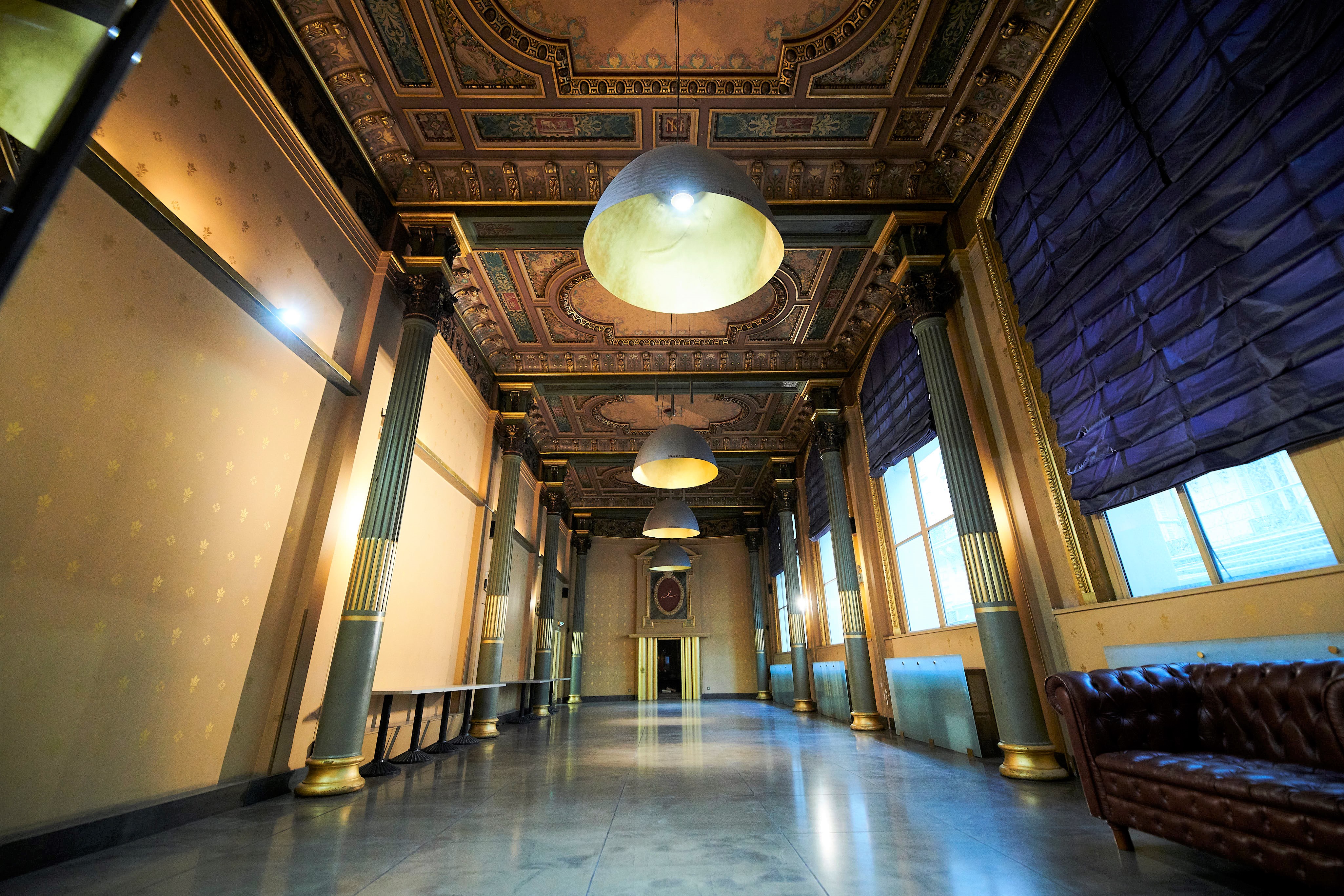
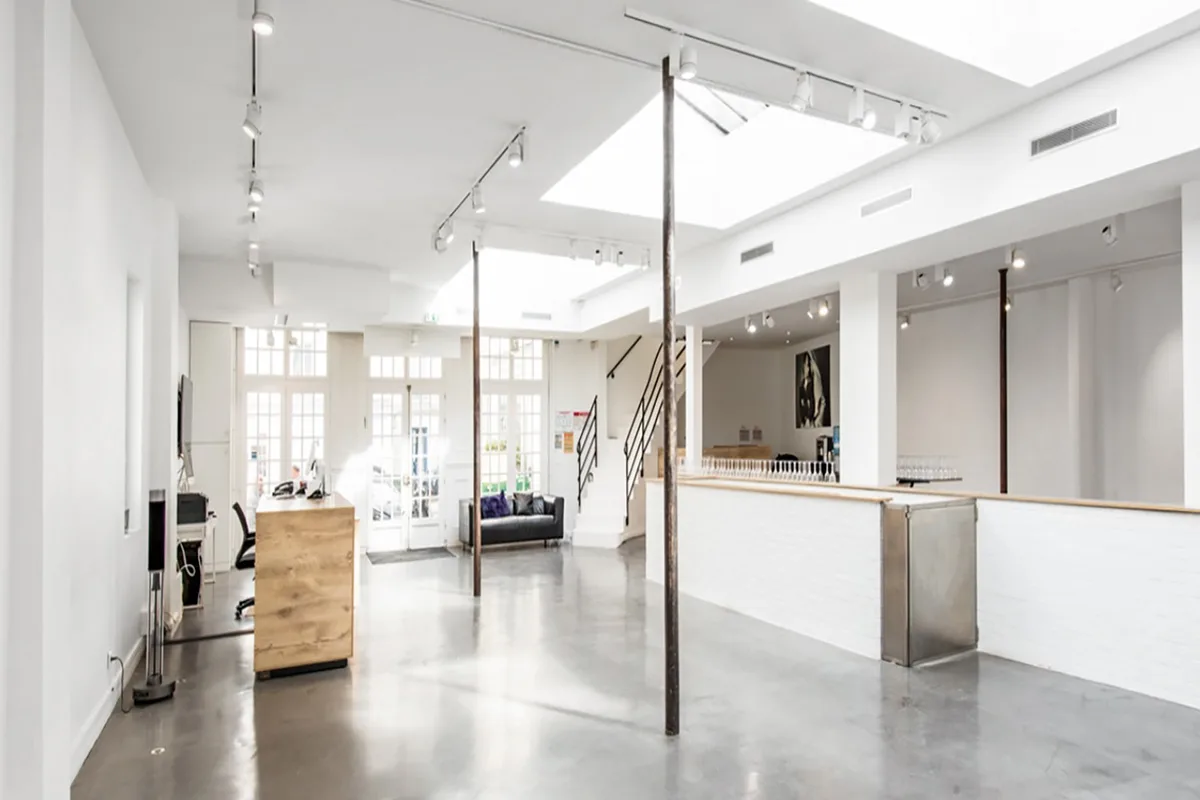
Choosing to rent retail space near Galeries Lafayette Paris places your brand at the heart of one of the highest-footfall retail corridors in Europe. The Boulevard Haussmann district in the 9th arrondissement draws millions of shoppers annually, attracts international press during Paris Fashion Week, and sits within walking distance of the Opéra Garnier, the Grands Boulevards, and major transport hubs including Chaussée d'Antin-Lafayette, Havre-Caumartin, and Auber on the RER A. For fashion brands, DTC labels, luxury houses, and emerging designers, this postcode offers cultural cachet and commercial density that few locations in France can match. Fashion Week Venues supports brand activations across Paris, with deep expertise in the 9th arrondissement and surrounding neighbourhoods.
Why the Galeries Lafayette District Attracts Fashion Brands and Retail Activations
Quick answer: The area surrounding Galeries Lafayette Haussmann combines exceptional foot traffic, proximity to luxury retail neighbours like Printemps Haussmann and the Place Vendôme axis, excellent public transport access, and a high concentration of press, buyers, and fashion insiders during key calendar windows including Paris Fashion Week.
The Boulevard Haussmann district is not simply a shopping street. It is a retail ecosystem with layered appeal for brands at every stage of growth. At its core sits Galeries Lafayette Haussmann, the original flagship store of the Galeries Lafayette group, built in the Belle Époque era with architecture by Georges Chedanne and interior features by Louis Majorelle and Jacques Grüber. The iconic Art Nouveau coupole, completed in 1912, has become one of Paris's most photographed interior spaces, attracting tourists and fashion enthusiasts alongside serious shoppers. The building's dramatic atrium, perforated metal balconies, and stained-glass skylight create a gallery-like atmosphere that has shaped expectations for high-end retail design across the city.
For brands looking to activate nearby, the surrounding streets offer a dense concentration of potential customers. The 9th arrondissement, or 9ème arrondissement, serves as a bridge between the luxury axis of the 1st and 8th arrondissements and the creative energy of Pigalle, Montmartre, and the Rue des Martyrs. This positioning makes it attractive to both heritage luxury brands and younger contemporary labels seeking cultural credibility without the immediate price pressure of the Golden Triangle or Saint-Germain-des-Prés.
The area's transport connectivity further amplifies its appeal. The Chaussée d'Antin-Lafayette metro station, Havre-Caumartin, and the Auber RER A stop place the district within reach of visitors from across the Île-de-France region and directly connected to Charles de Gaulle Airport. This infrastructure ensures that brands activating in the district can draw not just Parisians but international visitors throughout the year, with peaks during Paris Fashion Week, fashion shows, and major exhibition seasons.
Neighbouring Printemps Haussmann reinforces the area's identity as a premier urban department store corridor. The combined footfall of both grands magasins creates a pedestrian density on Boulevard Haussmann that rivals the Avenue des Champs-Élysées while offering a more curated, fashion-forward atmosphere. Brands activating in spaces along or near this boulevard benefit from halo effects without paying the premium associated with flagship Champs-Elysées addresses.
Beyond Boulevard Haussmann itself, the broader La Fayette Area extends toward Rue Henry Monnier, the lower slopes of Montmartre, and the transitional zone between the 9th and 18th arrondissements. This provides a spectrum of space types and rental price points, from polished storefronts with vitrines facing high footfall streets to more intimate showroom apartments and studio rentals in residential courtyards.
DID YOU KNOW: Galeries Lafayette Haussmann receives approximately 35 million visitors per year, making it one of the most visited retail destinations in Europe and a powerful gravitational centre for any brand activation in the surrounding blocks.
KEY TAKEAWAY: The Galeries Lafayette district offers a rare combination of heritage prestige, active foot traffic, fashion calendar relevance, and transport accessibility that makes it one of the most strategically valuable locations in Paris for temporary retail, pop-up shops, showroom activations, and brand experiences.
Understanding which specific streets, space types, and activation formats work best for different brand objectives is the next critical step before committing to a rental.
Space Types Available Near Galeries Lafayette: From Storefronts to Showroom Apartments
Quick answer: The area around Galeries Lafayette Paris offers storefronts with street-level vitrines, gallery-like spaces with high ceiling heights and skylights, showroom apartments, furnished studio rentals, event venues for press days and fashion shows, and atrium-style spaces suitable for immersive brand experiences.
One of the most common misconceptions about renting retail space near Galeries Lafayette is that options are limited to traditional storefront commercial units. In practice, the 9th arrondissement and its immediate neighbours offer one of the most varied inventories of temporary retail space in Paris, spanning multiple categories that suit different brand objectives, team sizes, and activation budgets.
Storefronts and Commercial Ground Floor Units
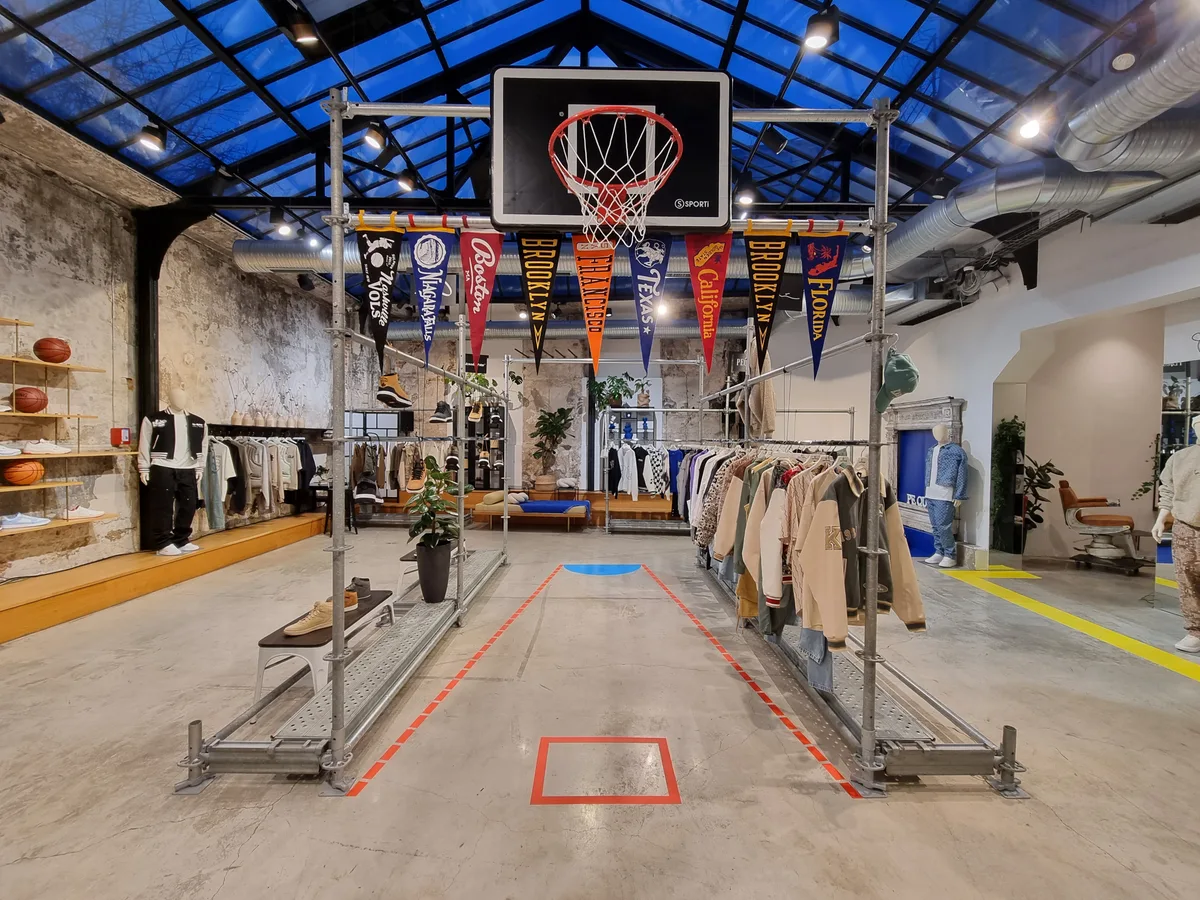
Traditional storefronts facing Boulevard Haussmann and its immediate side streets offer maximum visibility, direct pavement access, and prominent vitrines for window installations. These spaces typically feature polished or raw concrete floors, spotlights, and ceiling heights that accommodate standard retail fixtures. Some units include basement storage, which is valuable for brands managing stock rotation during a pop-up store or market-testing activation. These spaces require compliance with commercial regulations covering capacity, signage, and in some cases security service arrangements depending on the nature of the goods being sold.
Gallery-Like Spaces and Atrium Venues
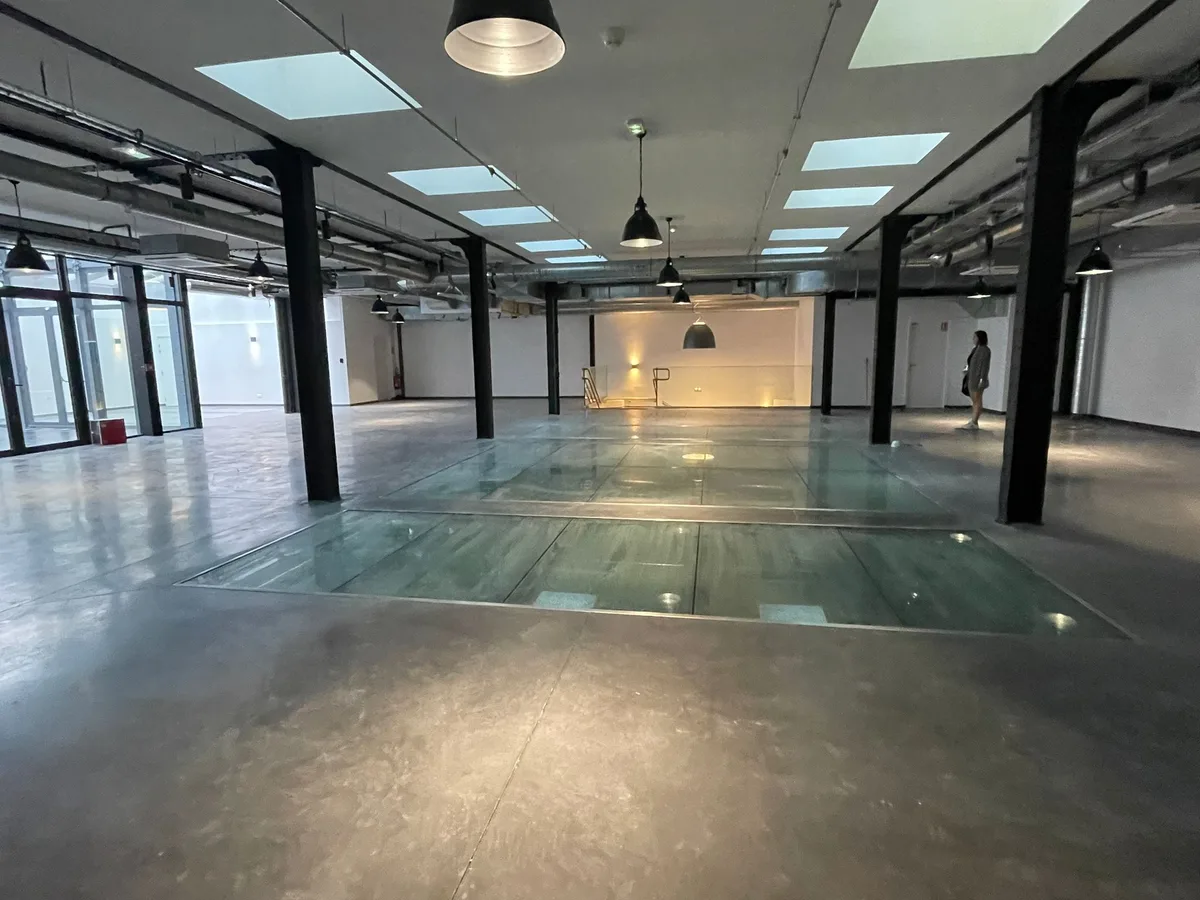
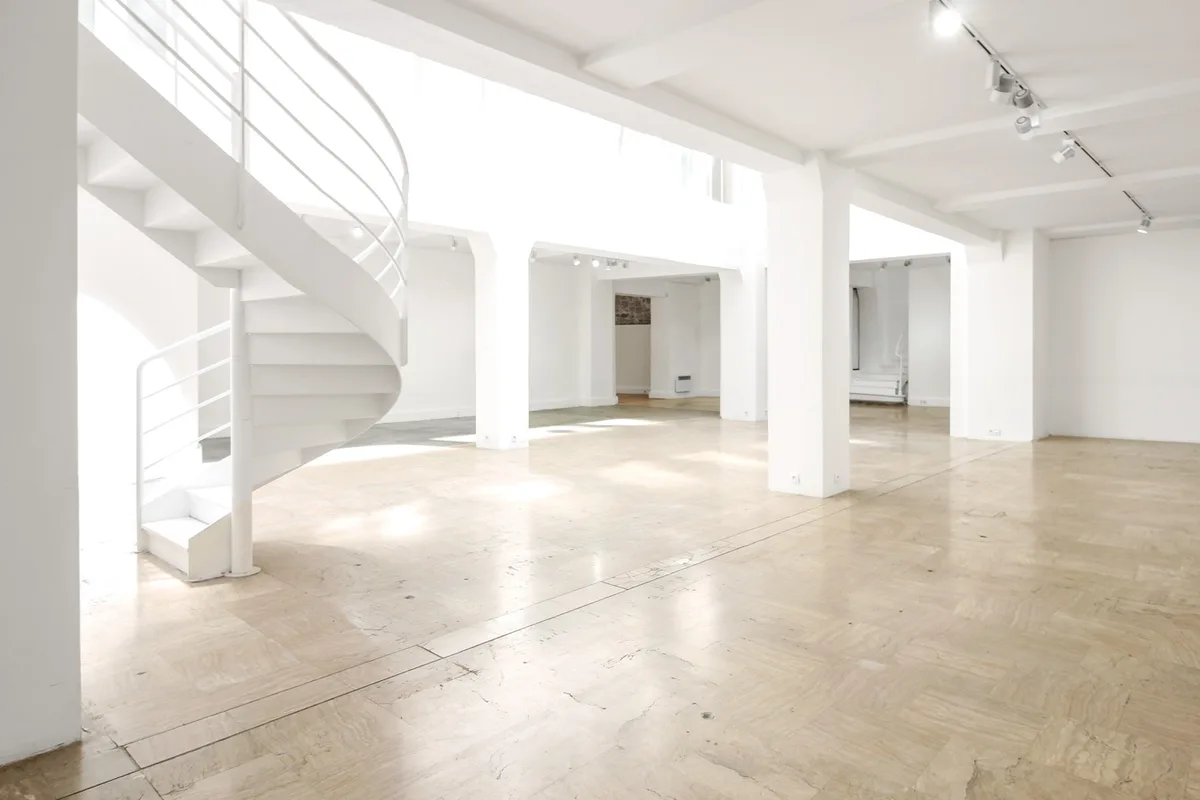
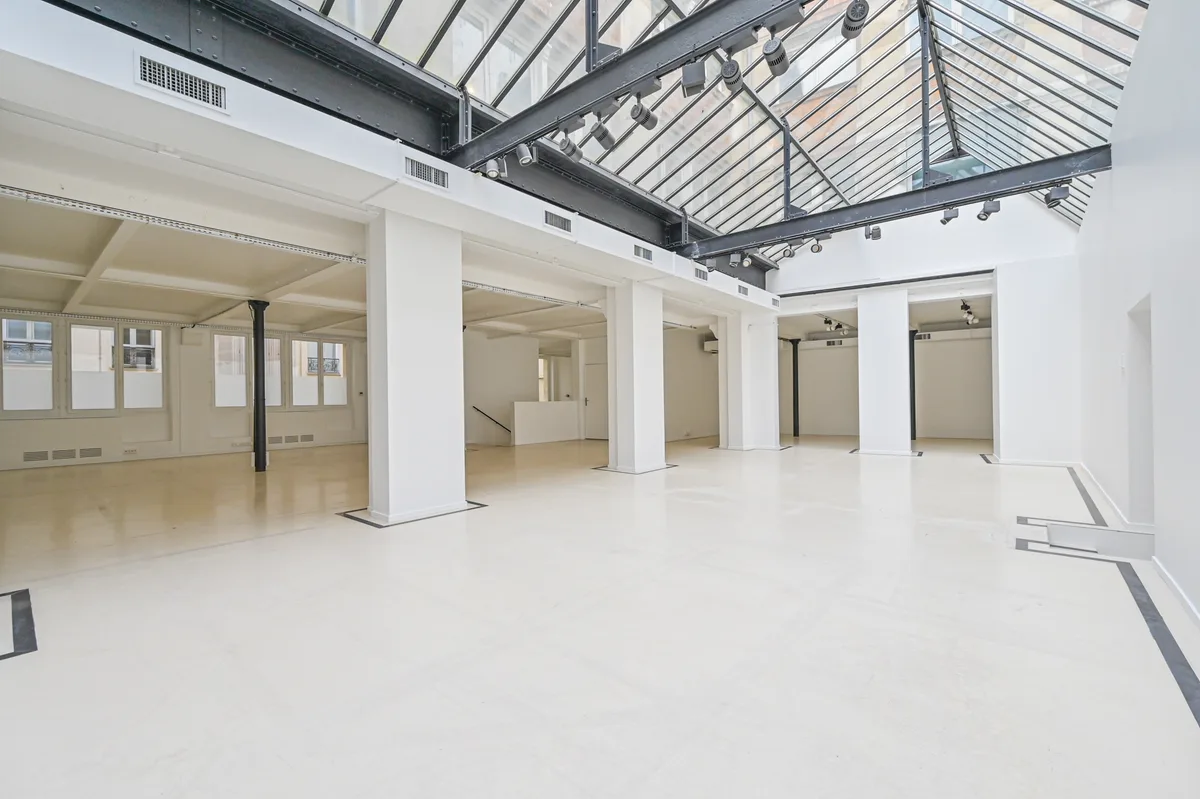
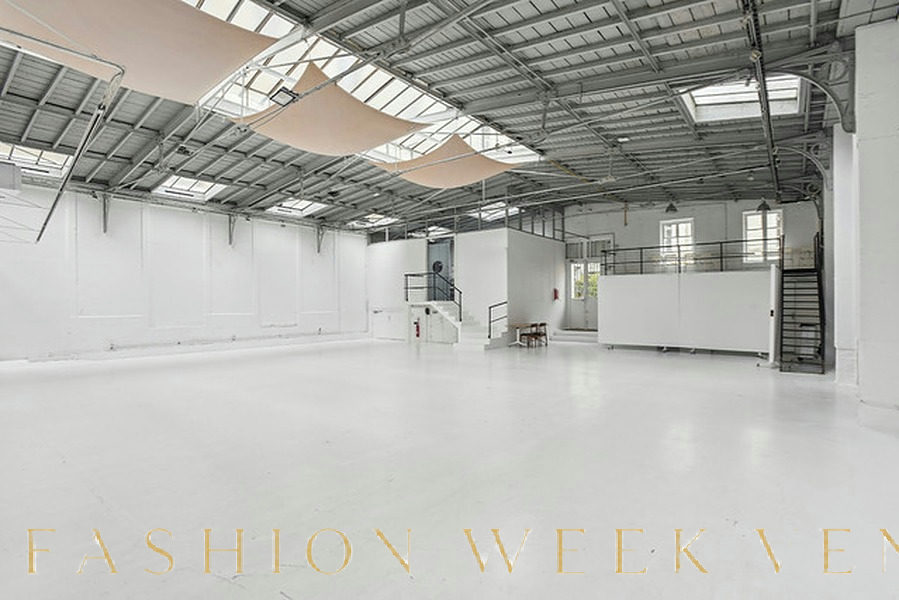
Several buildings in the district feature architectural heritage that creates gallery-like spaces with exceptional natural daylight, skylight access, and clean, neutral interiors suited to fashion exhibitions, art gallery crossover activations, and luxury brand experiences. These venues often attract brands seeking an elevated aesthetic without full Art Nouveau heritage interiors. Ceiling heights in the best examples exceed five metres, providing room for installation art, branded drywall constructions, and dramatic lighting schemes that would be difficult to achieve in standard retail units.
Showroom Apartments and Fashion Showrooms
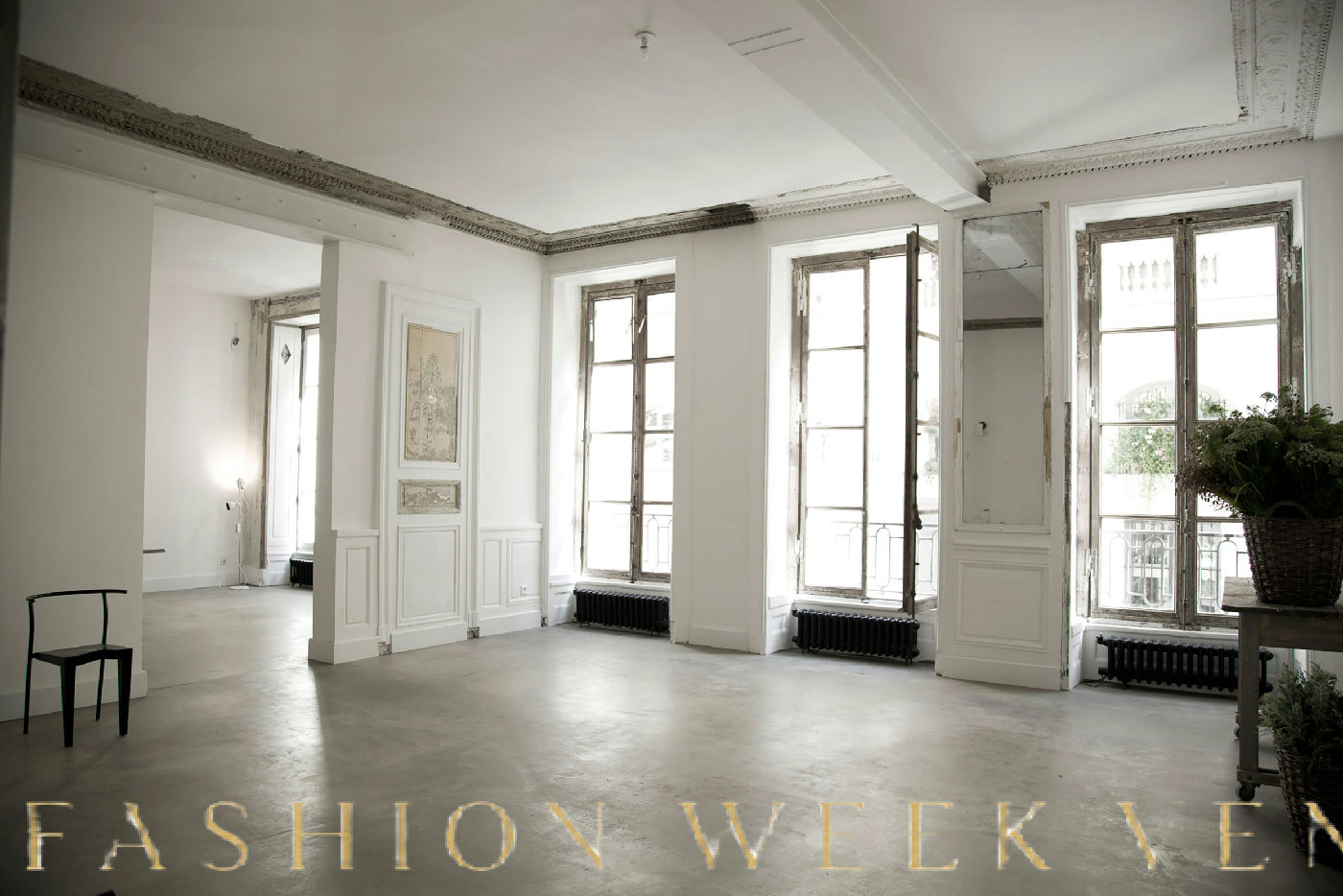
Showroom apartments are among the most sought-after space types in the 9th arrondissement for fashion brands. Typically located on the first or second floor of Haussmann-era buildings, these furnished or unfurnished spaces combine residential scale with professional presentation possibilities. They work exceptionally well for press days, buyer appointments, private visits, and intimate fashion showroom presentations during Paris Fashion Week. The residential character also suits brands that want to present collections in a curated home-like environment rather than a clinical retail setting.
Studio Rentals and Event Venues
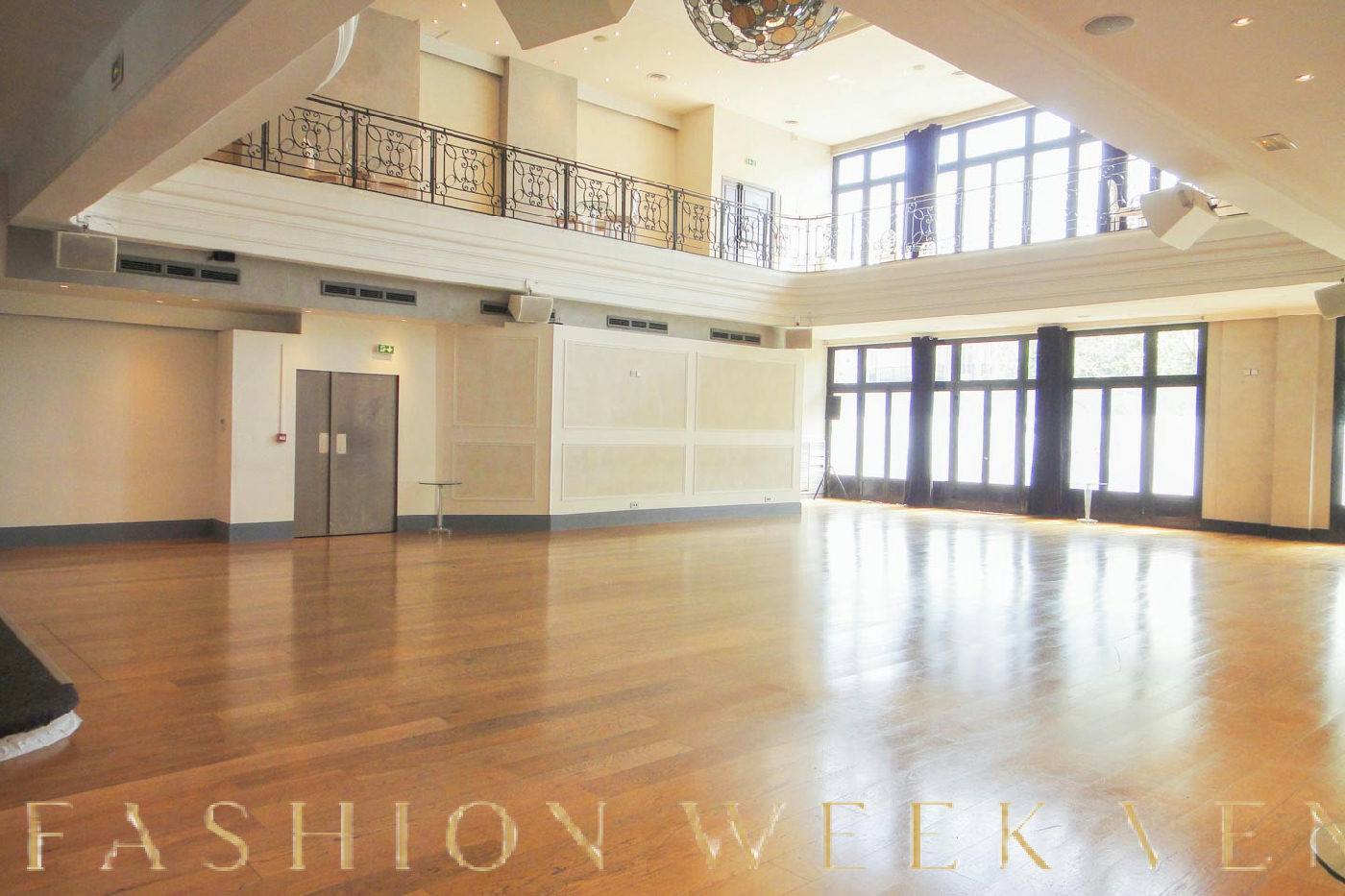
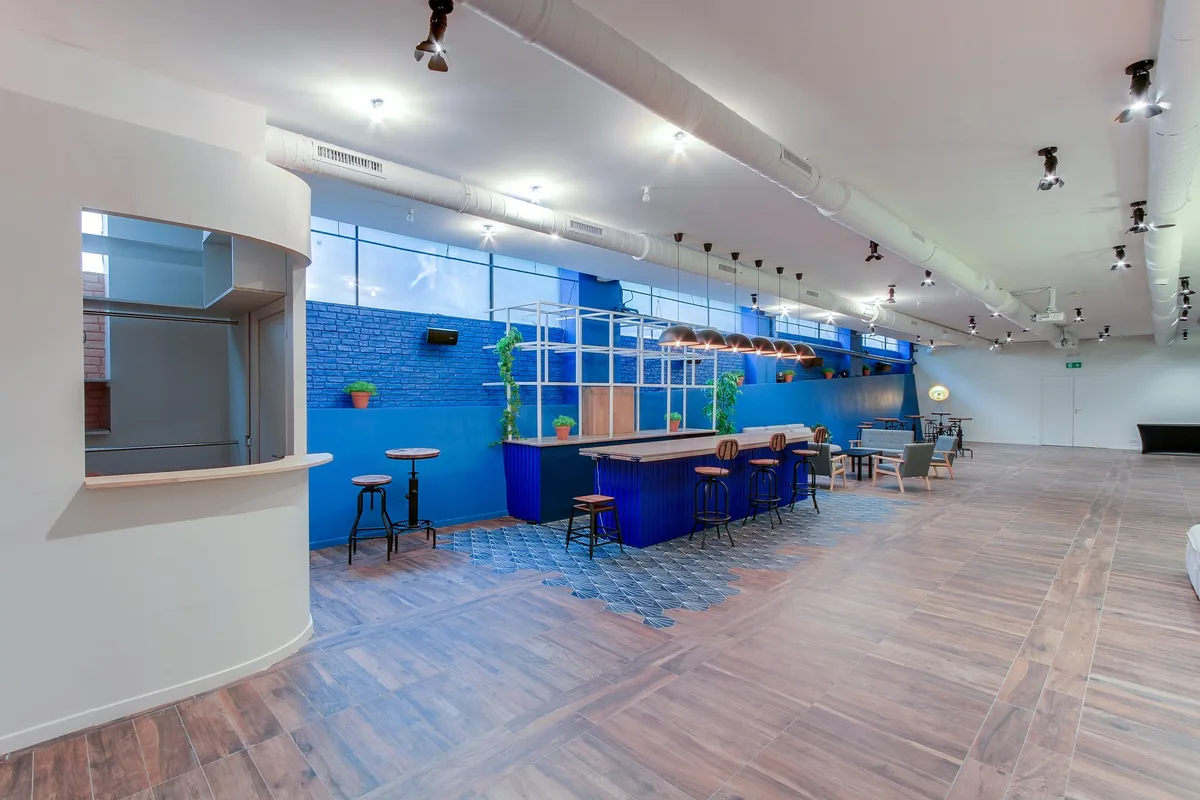
Larger studio rentals in the district accommodate fashion shows, seminars, dinners, privatisations, and multi-brand exhibitions. Some venues in the broader Grands Boulevards zone have hosted events for the Ferrandi culinary school, Fondation-linked cultural programmes, and major Paris Grands Magasins brand partners. These spaces bridge the gap between pure retail and experiential event production, making them ideal for brands that want to combine a sales-driving pop-up with an immersive cultural experience.
| Space Type | Best For | Typical Features | Key Consideration |
|---|---|---|---|
| Storefront with Vitrine | Pop-up shops, DTC brands, market-testing | Street-level access, display windows, basement storage | Signage and commercial regulations apply |
| Gallery-Like Space | Luxury activations, exhibitions, installations | High ceilings, skylights, daylight, clean interiors | May require specific fit-out permissions |
| Showroom Apartment | Press days, buyer appointments, Fashion Week | Furnished or unfurnished, first-floor access, residential scale | Capacity and egress requirements |
| Studio Rental | Fashion shows, dinners, privatisations | Open floor plan, flexible layout, AV infrastructure | Event permit may be required |
| Boutique Commercial Unit | Short-term retail, brand partnerships | Retail shell, stockroom, customer-facing layout | Bail dérogatoire lease structure advised |
KEY TAKEAWAY: Matching your space type to your activation objective is as important as choosing the right neighbourhood. A press day showroom apartment and a DTC pop-up storefront serve entirely different operational and aesthetic purposes, and conflating the two leads to suboptimal results for both brand experience and commercial performance.
With space types clarified, the next critical area for any brand team is understanding the legal and lease framework that governs temporary retail in Paris, which differs significantly from commercial leasing in the UK, US, or other markets.
Leases, Permits, and Commercial Regulations for Temporary Retail in the 9th Arrondissement
Quick answer: Temporary retail in Paris most commonly uses a bail dérogatoire, a short-term commercial lease of up to three years that bypasses the protections and obligations of a standard French commercial lease. For use of public space, an Autorisation d'Occupation Temporaire (AOT) may apply. Requirements vary significantly by space type, duration, and arrondissement.
One of the most important differences between renting temporary retail space in Paris and doing the same in London or New York is the complexity of the French commercial lease framework. Brands entering the Paris market for the first time frequently underestimate this complexity, which can result in delays, unexpected costs, or legal exposure if the right lease structure is not used from the outset.
Understanding the Bail Dérogatoire
The bail dérogatoire, also known as a convention d'occupation précaire in some contexts, is the principal legal instrument used for short-term commercial space rental in France. Unlike the standard French commercial lease, known as the bail commercial, the bail dérogatoire does not grant the tenant automatic renewal rights or the right to compensation at the end of the term. This makes it the preferred structure for pop-up shops, temporary retail, market-testing pop-ups, and seasonal activations where the brand intends to occupy the space for a limited period. The maximum cumulative duration under a bail dérogatoire is typically capped, and if the tenant continues to occupy after expiry without a new agreement, the lease can convert automatically to a full commercial lease. Brands must obtain specialist French legal advice before signing any lease agreement.
Autorisation d'Occupation Temporaire (AOT)
An Autorisation d'Occupation Temporaire is required when a brand wishes to use public or semi-public space, such as a pavement terrace, a covered public arcade, or a public building interior for commercial purposes. The AOT is administered by the relevant public authority, which may be the Mairie de Paris, a specific arrondissement administration, or a public institution depending on the location. AOT requirements can also apply to certain venues within or adjacent to heritage-protected buildings. The process involves formal application, compliance with specific use conditions, and in some cases a fee calculated on the basis of commercial value and duration. Requirements vary by space type, duration, and arrondissement, and brands should verify all requirements with a qualified French legal advisor before proceeding.
SIRET Number and Business Registration
International brands operating a commercial retail activity in France, even on a short-term basis, may need to register a SIRET number with the French business registry. This is a unique business identification number used for tax, customs, and commercial purposes. The requirement applies particularly to brands selling goods directly to consumers, processing transactions in France, or employing staff under French labour contracts. Obtaining a SIRET can take several weeks, so brands should begin this process well in advance of their planned activation date. A qualified French accountant or legal advisor can guide international brands through the registration process.
Security, Capacity, and Operational Permits
Depending on the nature of the activation, brands may also need to comply with capacity regulations, fire safety requirements, and in some cases arrange a security service or security solution for events involving large numbers of visitors. Fashion shows, privatisations, and large-scale exhibitions typically require a formal safety assessment and in some cases a notification to the local fire service or police. These requirements are not optional and are enforced by French authorities. Brands should factor the time and cost of compliance into their planning timeline from the outset.
IMPORTANT: Permit and compliance requirements in Paris can be complex and vary by venue, space type, activity type, and arrondissement. Do not rely on general summaries. Always verify specific requirements with a qualified French legal advisor and use the Fashion Week Venues permit guidance tool as a starting reference point for your activation planning.
KEY TAKEAWAY: The bail dérogatoire is the standard short-term lease structure for pop-up and temporary retail in Paris, but it must be used correctly and with professional legal oversight. The AOT framework governs public and semi-public space use, and SIRET registration requirements may apply to international brands conducting commercial activity in France.
Understanding the legal framework prepares brands for the budget planning stage, which requires a realistic assessment of all costs beyond the headline rental figure.
Budget Planning for Retail Space Rental Near Galeries Lafayette
Quick answer: Costs for temporary retail space in the 9th arrondissement vary significantly based on space type, size, location quality, duration, and season. Headline rental costs represent only one component of total activation spend, which also includes fit-out, staffing, permits, insurance, and operational costs. Use a dedicated tool to generate brand-specific estimates.
Budget planning for a pop-up shop or showroom near Galeries Lafayette requires a full-cost view rather than a focus on the headline daily or weekly rental rate. Many brands enter discussions with landlords or space platforms having budgeted only for the rental itself, and subsequently face significant surprises when fit-out, staffing, insurance, permit fees, and operational costs are added. A clear budget framework prevents this problem and helps brands make better decisions about space type, duration, and neighbourhood.
Rental Cost Factors in the 9th Arrondissement
Rental costs in the area surrounding Galeries Lafayette are influenced by multiple variables. Street-level storefronts on Boulevard Haussmann itself command a premium over side streets or upper-floor units. Spaces with prime vitrines facing high foot traffic areas are priced accordingly. Duration also affects cost per day or week, with shorter activations typically attracting higher per-day rates than longer-term rentals. Seasonality plays a significant role, with Paris Fashion Week periods, particularly the February and September editions, representing the highest-demand windows when availability tightens and costs rise. Fully furnished and equipped spaces cost more than shells that require a complete fit-out, but they also reduce production costs and lead times significantly.
Beyond the Rental: The Full Cost Stack
A realistic budget for a temporary retail or showroom activation in Paris typically includes the headline rental, a security deposit, fit-out and production costs, furniture rental if not included, branded store design and signage, retail staffing, POS and payment systems, insurance, waste management, and in some cases a security service. Brands planning events or fashion shows on the premises should also budget for event production, lighting, AV equipment, catering, and any required permits. For international brands, legal and administrative costs related to SIRET registration, lease review, and AOT applications add further to the total.
TIP: Use the Fashion Week Venues budget calculator to generate a structured estimate based on your specific space type, duration, team size, and activation objectives. This avoids the common mistake of anchoring your total budget to the rental headline and underestimating operational costs.
ROI Considerations for the Galeries Lafayette District
The return on investment for a pop-up or showroom near Galeries Lafayette depends on your primary activation objective. Brands focused on direct sales will measure ROI through transaction volume and average order value. Brands focused on awareness, press coverage, and influencer engagement will use different metrics including media value equivalency, social reach, and press mentions. Brands using the activation for market-testing purposes will measure product feedback, customer behaviour data, and conversion rates. Defining your primary and secondary objectives before committing to a space is essential for setting a meaningful ROI framework. Fashion Week Venues offers an ROI calculation approach through its tools suite to help brands structure this analysis before signing a lease.
KEY TAKEAWAY: Total activation cost in the Galeries Lafayette district consistently exceeds the headline rental figure by a substantial margin when all fit-out, operational, staffing, and compliance costs are included. Build your budget from the full-cost stack, not the rental headline, and validate assumptions using dedicated planning tools before committing.
Once budget is established, effective timeline planning becomes the next priority, particularly for brands targeting Paris Fashion Week windows where lead times are compressed and competition for premium spaces is intense.
Timeline Planning for Paris Fashion Week Pop-Ups and Showroom Rentals
Quick answer: For activations during Paris Fashion Week in February or September, brands should begin space search and negotiation at least four to six months in advance. For off-season activations in the Galeries Lafayette district, three months of lead time is a minimum for quality spaces. Complex fit-outs, permit applications, and SIRET registration extend the required timeline further.
Paris Fashion Week is the primary calendar driver for brands activating near Galeries Lafayette. The February edition of Paris Fashion Week, which coincides with the autumn/winter collection season, and the September edition for spring/summer collections represent the two peak demand windows of the year. During these periods, press, buyers, stylists, and brand directors flood the city, creating exceptional organic audience density for any brand with an active space. However, this same density means that premium spaces in the 9th arrondissement are reserved months in advance, and brands that begin their search too late either face poor availability or are forced into less desirable locations or dates.
Recommended Timeline by Activation Type
For a straightforward pop-up shop or showroom using an existing furnished space with minimal fit-out requirements, a three-month lead time from first contact to activation launch is a working minimum. This allows time for space sourcing, lease negotiation and signing, permit applications, fit-out planning, staff recruitment, and operational setup. For activations involving significant branded store design, bespoke fit-out construction, or complex event programming, five to six months is more realistic. For Fashion Week-aligned activations in peak windows, beginning the process six months ahead provides the best chance of securing a premium location.
| Activity | Recommended Lead Time | Key Dependencies |
|---|---|---|
| Initial brief and space search | 5 to 6 months before activation | Clear objectives, budget, and date range |
| Space shortlisting and visits | 4 to 5 months before activation | Site access, agent coordination |
| Lease negotiation and signing | 3 to 4 months before activation | Legal advisor, French lease expertise |
| SIRET registration if required | 3 months before activation | French legal or accounting advisor |
| Permit applications (AOT, events) | 2 to 3 months before activation | Space type, activity type, arrondissement |
| Fit-out design and production | 2 to 3 months before activation | Space dimensions, brand brief, supplier lead times |
| Staff recruitment and briefing | 6 to 8 weeks before activation | Retail staffing brief, language requirements |
| POS, payments, and tech setup | 4 weeks before activation | Transaction volumes, currency requirements |
| Installation and brand dressing | 3 to 7 days before opening | Space handover date, fit-out completion |
IMPORTANT: Paris Fashion Week dates shift slightly year to year and are confirmed by the Fédération de la Haute Couture et de la Mode. Always verify the official dates before committing to a rental period. Building buffer days before and after the main Fashion Week window into your lease is strongly advisable to accommodate installation, deinstallation, and any overrun.
TIP: Use the Fashion Week Venues timeline planning tool to map your specific activation milestones against the Paris Fashion Week calendar and identify critical path dependencies before you begin space negotiations.
KEY TAKEAWAY: Lead time is the single most common underestimation in Paris pop-up planning. Premium spaces near Galeries Lafayette in Fashion Week windows are reserved months in advance. Build your timeline backwards from your intended opening date, account for all compliance and production dependencies, and begin the process earlier than feels necessary.
With budget and timeline in place, the practical work of finding and comparing spaces begins, and this is where neighbourhood knowledge and local market expertise make a decisive difference to outcomes.
Neighbourhood Guide: The 9th Arrondissement and Surrounding Retail Districts
Quick answer: The 9th arrondissement anchors the Galeries Lafayette district, but brands activating in Paris should understand the distinct character and commercial profile of each surrounding neighbourhood, from the Grands Boulevards axis to Pigalle, Montmartre, Rue des Martyrs, and the adjacent luxury corridors of the 1st and 8th arrondissements.
Choosing the right neighbourhood for your activation is as strategic as choosing the right space type. The area around Galeries Lafayette is not a monolithic zone. It encompasses several micro-markets with distinct audiences, pedestrian patterns, aesthetic identities, and commercial rental profiles. Understanding these differences allows brands to make a more precise brief and find spaces that genuinely match their target audience and activation objectives.
To compare neighbourhoods and space types, explore the Paris city hub on Fashion Week Venues and shortlist spaces that match your brief, budget, and calendar window.
Boulevard Haussmann and the Grands Boulevards Axis
Boulevard Haussmann is the primary commercial spine of the district, defined by the presence of Galeries Lafayette Haussmann, Printemps Haussmann, and a dense concentration of international retail brands. Foot traffic on this axis is among the highest in Paris, with a mix of tourist shoppers, local Parisians, and fashion-industry professionals during key calendar windows. Spaces immediately on Boulevard Haussmann command premium rents but deliver unparalleled exposure. The Grands Boulevards, running east toward the 10th arrondissement, offer slightly lower rents with continued high pedestrian density, a more eclectic retail mix, and growing appeal among contemporary fashion brands and cultural institutions.
Pigalle and Lower Montmartre
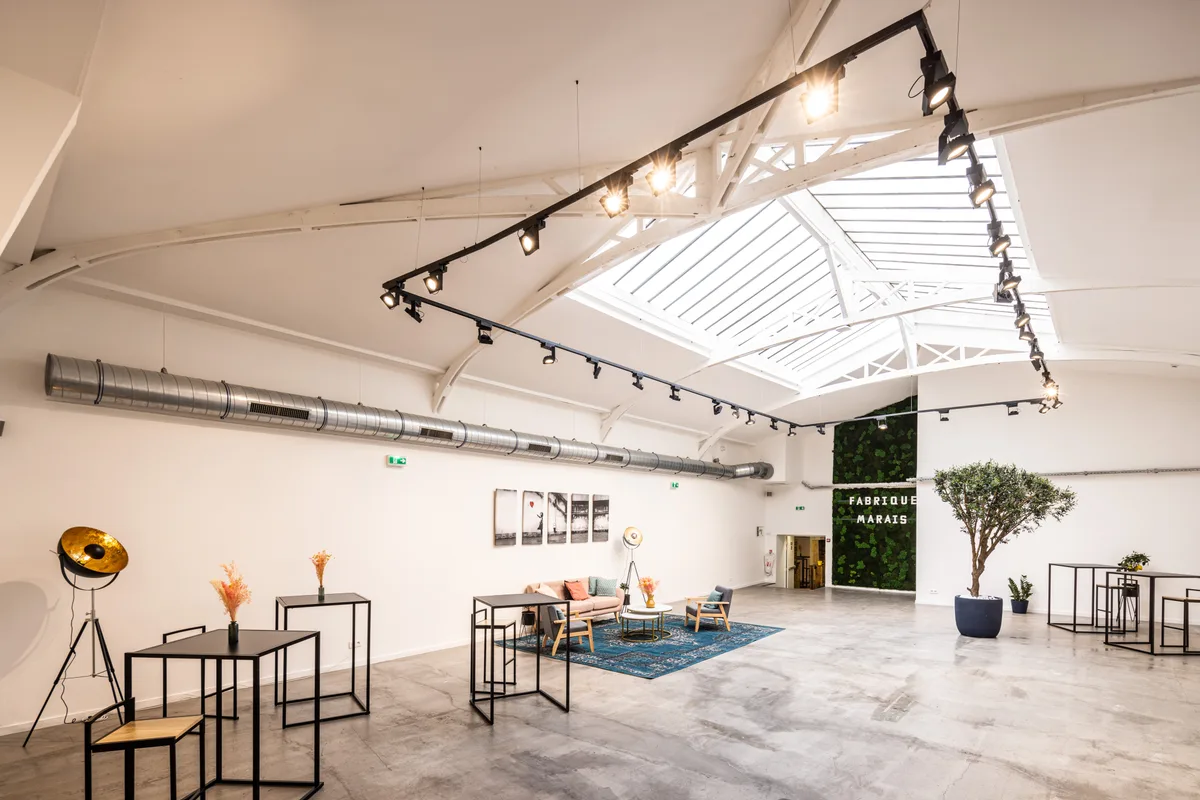
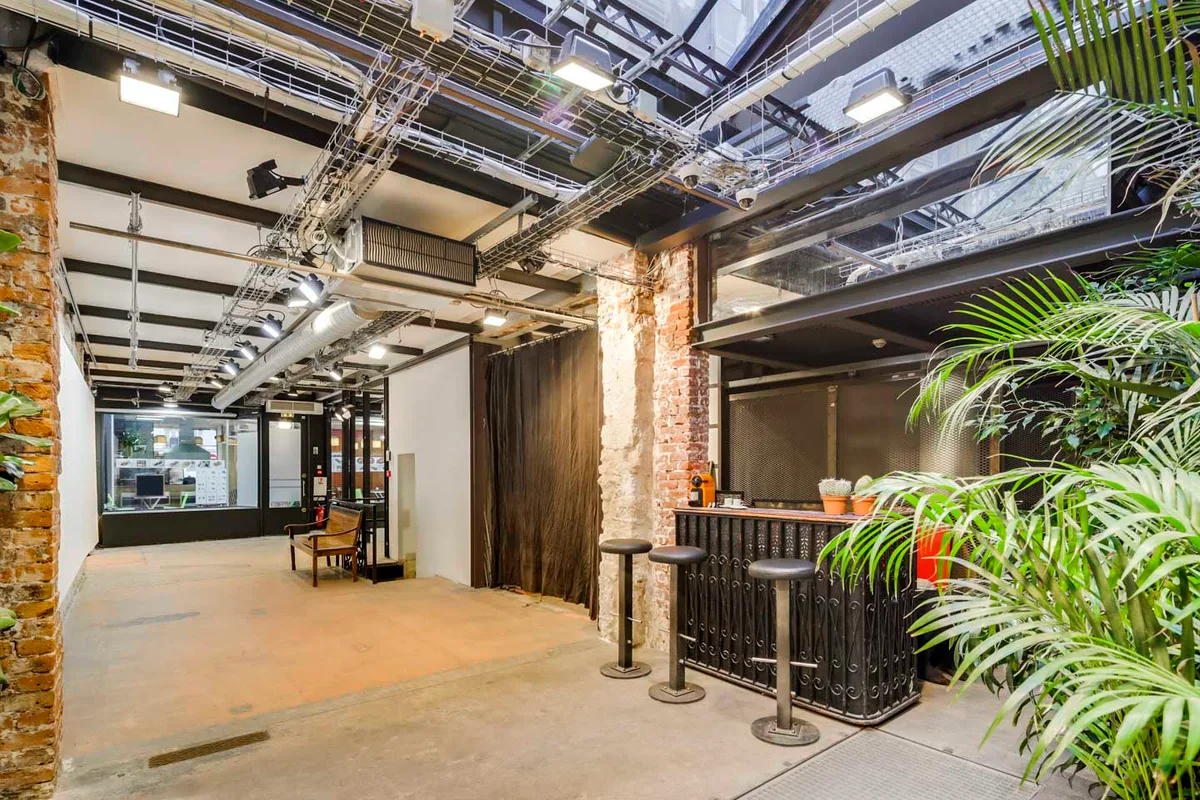
The northern edge of the 9th arrondissement, around Pigalle and the lower slopes of Montmartre, has undergone significant transformation over the past decade. This zone now attracts a creative and fashion-forward crowd, with a concentration of concept stores, independent boutiques, art galleries, and music venues. Rue Henry Monnier and the surrounding streets represent a particularly active cluster of cultural retail. Brands targeting a younger, style-conscious audience often find better brand alignment in this sub-district than on the more commercially mainstream Boulevard Haussmann. Rental costs are generally lower, and space aesthetics tend toward the raw and industrial, with exposed brick, concrete floors, and high ceiling heights that suit creative retail concepts.
Rue des Martyrs and the Residential Interior
Rue des Martyrs cuts through the heart of the 9th arrondissement and is known for a combination of independent food retailers, bakeries, and small boutiques serving a local residential population alongside an increasingly destination-oriented visitor audience. For brands seeking an authentic Parisian neighbourhood context, showroom apartments and boutique commercial units on and around Rue des Martyrs offer a distinctive alternative to the high-street environments of Boulevard Haussmann. This area suits intimate showroom formats, press-day activations, and concept retail with a strong local community dimension.
The Adjacent Luxury Corridors
Brands seeking proximity to the Galeries Lafayette district while positioning within the luxury retail axis of central Paris can also explore spaces near the Opéra Garnier, toward Place Vendôme and the Rue de Rivoli, or within the Golden Triangle between Avenue des Champs-Élysées, Avenue Montaigne, and Avenue George V. These locations command significantly higher rents but place brands in direct proximity to the highest concentration of Parisian luxury retail and the international press and buyer infrastructure that gravitates around it during Fashion Week.
| Neighbourhood | Primary Audience | Best For | Relative Rental Cost |
|---|---|---|---|
| Boulevard Haussmann | Tourists, shoppers, fashion insiders | High-visibility pop-ups, DTC brands | Premium |
| Grands Boulevards | Mixed Parisian and tourist | Contemporary fashion, multi-brand events | Mid to high |
| Pigalle / Lower Montmartre | Creative, fashion-forward, younger | Concept retail, art gallery crossovers | Mid |
| Rue des Martyrs | Local residential, destination visitors | Showrooms, intimate boutiques, press days | Mid to lower |
| Opéra / Place Vendôme axis | Luxury shoppers, international buyers | Luxury brand activations, flagship-scale | High to very high |
| Le Marais | Fashion, culture, international visitors | Showrooms, concept stores, Fashion Week | Mid to high |
KEY TAKEAWAY: The 9th arrondissement offers a spectrum of micro-markets rather than a single retail environment. Boulevard Haussmann delivers maximum footfall and visibility; Pigalle and lower Montmartre offer creative credibility; Rue des Martyrs provides neighbourhood authenticity. Define your audience and activation objective before selecting your sub-district.
Once you have identified the right neighbourhood and space type, the practical mechanics of managing a Paris activation require specialist operational support, which is where a full-service agency makes the most significant difference to outcomes.
How Fashion Week Venues Supports Brands Renting Retail Space Near Galeries Lafayette
Quick answer: Fashion Week Venues operates as a full-service pop-up shop agency and space marketplace that supports international brands across every stage of a Paris activation, from initial space discovery and lease navigation to fit-out, staffing, activation management, and post-activation data analysis.
For international brands, creative directors, and brand activation managers approaching Paris for the first time, the gap between finding a space and successfully running an activation in it is substantial. The French legal framework, local supplier networks, permit processes, and operational realities of the Parisian retail market all require local knowledge that most international brand teams do not have in-house. Fashion Week Venues exists to bridge this gap, providing expertise, relationships, and infrastructure that reduce risk and accelerate time to market.
Space Discovery and Venue Sourcing
The Fashion Week Venues marketplace provides a searchable inventory of spaces across Paris, including the Galeries Lafayette district and surrounding neighbourhoods. Brands can filter by space type, size, neighbourhood, price range, and available dates to shortlist options that match their brief. The venue sourcing service goes further, with a dedicated team that conducts active search on behalf of brands, accesses off-market listings, arranges private visits, and negotiates terms on the brand's behalf. This is particularly valuable for Fashion Week window activations where the best spaces are never publicly listed and require direct relationships to access.
Concept Direction and Branded Store Design
Once a space is secured, Fashion Week Venues supports brands with concept development, spatial planning, and branded store design. The imagine tool allows brand teams to visualise how their concept will look in a given space before committing to a fit-out. The build planning tool helps map the production timeline, supplier coordination, and installation logistics. For brands with an existing creative direction, Fashion Week Venues can translate that direction into a spatial brief that guides the production team. For brands that need to develop a concept from scratch, the concept direction service provides strategic and creative input aligned with the brand's positioning and the specific characteristics of the chosen space.
Production, Fit-Out, and Operational Services
The production and build service covers the full fit-out process from design sign-off to installation and deinstallation, including furniture rental, branded fixtures, lighting design, drywall and ceiling treatments, and floor finishing. For brands that need operational infrastructure, Fashion Week Venues also provides retail staffing, POS and payment systems, and data and analytics services to track activation performance in real time. This integrated approach means brands can run a professionally staffed, data-enabled retail activation without assembling a separate network of local suppliers from scratch.
Tools for Independent Brand Teams
Brand teams with existing agency relationships or in-house production capacity can use Fashion Week Venues as a research, discovery, and planning resource independently. The budget calculator, ROI calculation tool, timeline planner, space comparison tool, and permit guidance tool are all available to help teams make more informed decisions before engaging suppliers or signing leases. The locator tool helps identify spaces by neighbourhood and proximity to landmarks including Galeries Lafayette, the Opéra Garnier, and transport hubs. These tools are designed to reduce the information asymmetry that disadvantages international brands entering an unfamiliar market.
TIP: Review past activations on the Fashion Week Venues work page to understand the range of space types, brand categories, and activation formats the agency has delivered in Paris and other fashion capitals. This provides practical context for briefing conversations and helps calibrate expectations for your own activation.
KEY TAKEAWAY: Fashion Week Venues reduces the operational complexity and risk of activating in Paris by combining space marketplace access with a full-service agency capability that covers every stage from search to post-activation analysis. The tools suite also allows brand teams to conduct independent research and planning before committing to a full-service engagement.
Understanding the architecture and cultural context of the Galeries Lafayette building itself is also valuable for brands positioning their activation in relation to this landmark, so the following section provides essential background on the building and its significance for fashion and retail.
The Architecture and Cultural Significance of Galeries Lafayette Haussmann
Quick answer: Galeries Lafayette Haussmann is a Belle Époque landmark completed between 1906 and 1912, featuring an Art Nouveau coupole designed by Ferdinand Chanut, interior ironwork by Louis Majorelle, stained glass by Jacques Grüber, and a facade attributed to Georges Chedanne. Its architecture defines the aesthetic standard of luxury retail in the Grands Boulevards district.
For any brand activating in the vicinity of Galeries Lafayette, understanding the building's architectural and cultural identity is strategically important. The store is not simply a commercial venue. It is an institution that defines the visual and cultural grammar of high-end French retail, and its influence extends far beyond its own walls into the aesthetic expectations of the surrounding district.
The original flagship building was constructed in stages from 1893 onward, with the central structure and iconic dome completed in 1912. The glass and steel coupole, rising approximately 33 metres above the main selling floor, draws direct comparison to the great railway stations and exhibition halls of the Belle Époque era. The Art Nouveau ironwork, the perforated metal balconies that curve around the central atrium on multiple levels, the stained-glass panels by Jacques Grüber, and the elaborate decorative programme overseen by Louis Majorelle create an interior that functions simultaneously as architecture, decorative art, and retail theatre.
The building has been extended and renovated multiple times, with notable interventions including the addition of contemporary architectural elements under the influence of the Rem Koolhaas/OMA design philosophy that has influenced urban department store thinking globally. The contemporary fashion floor, known by some as the Glasswalk level, reflects this layering of historical and contemporary design languages that characterises the building as a whole. The building also houses a rooftop terrace that has become one of the most popular viewpoints in Paris, offering sight lines toward the Eiffel Tower, Notre Dame, and the Opéra Garnier.
The cultural programme of Galeries Lafayette extends well beyond retail. The Fondation, the fashion show calendar, exhibitions on the selling floors, and the building's history as a venue for Parisian luxury events and privatisations give it a character closer to a cultural institution than a standard urban department store or urban agora. This context elevates the brand association value of any activation in the immediate vicinity, as proximity to the building implies proximity to this cultural legacy.
For brands designing spaces in the neighbourhood, the architectural vocabulary of the Galeries Lafayette building provides both inspiration and constraint. The Art Nouveau and Art Deco aesthetic language of the surrounding Haussmann-era buildings sets a visual context that strongly-designed contemporary interiors can either complement or deliberately contrast with. Both approaches can be successful, but they require intentional creative direction rather than generic retail design.
DID YOU KNOW: The rooftop terrace of Galeries Lafayette Haussmann is free to access during store opening hours and offers one of the most direct views of the Opéra Garnier's Palais Garnier facade, making it one of the most visited free attractions in central Paris.
KEY TAKEAWAY: The architecture and cultural programme of Galeries Lafayette Haussmann set a high aesthetic standard for the entire Boulevard Haussmann district. Brands activating nearby should engage with this context deliberately in their spatial design and creative direction, rather than treating the neighbourhood as a generic commercial backdrop.
Practical Operational Considerations for Running a Pop-Up in the 9th Arrondissement
Quick answer: Running a pop-up shop near Galeries Lafayette requires managing French employment regulations for retail staffing, establishing compliant POS and payment systems, arranging appropriate insurance, coordinating waste and logistics within a dense urban environment, and planning for the specific operational rhythms of the Parisian retail calendar.
Beyond the legal and lease framework, the operational realities of running a temporary retail activation in the 9th arrondissement demand careful advance planning. Many of the challenges that brands face mid-activation could have been anticipated and resolved in the planning phase with the right preparation and local expertise.
Retail Staffing in Paris
Retail staffing in France is governed by French employment law, which includes specific rules on working hours, employment contracts, minimum wage, and social contributions. Brands hiring staff directly in France must comply with these regulations regardless of their home country. For short-term activations, temporary employment contracts through certified French staffing agencies are the most common solution. Brands should specify language requirements in their staffing brief, as multilingual staff who can serve French-speaking, English-speaking, and international customers are essential in a tourist-heavy district like Boulevard Haussmann. Fashion Week Venues provides retail staffing support as part of its service offering, which reduces the administrative burden on international brand teams.
POS, Payments, and Transaction Infrastructure
Setting up compliant POS and payment systems for a temporary retail space in France requires advance planning, particularly for brands that want to accept multiple currencies, process international card payments, and generate the transaction data needed for post-activation performance reporting. French consumer protection regulations require specific receipt and returns policies to be communicated to customers at the point of sale. For brands entering the market for market-testing pop-ups or DTC brand activations, the choice of payment infrastructure also affects the quality of data collected, which feeds directly into ROI analysis and future commercial strategy.
Logistics, Deliveries, and Urban Access
The Boulevard Haussmann district operates under strict Parisian urban logistics regulations that limit delivery windows, vehicle access, and loading zone use in the surrounding streets. Brands must plan their stock deliveries, fit-out material arrivals, and deinstallation logistics in compliance with these restrictions. Failing to do so results in fines and operational disruption at the most critical moments of the activation. Working with a local logistics provider familiar with the specific constraints of the 9th arrondissement is strongly recommended.
Insurance Requirements
All temporary retail activities in Paris require appropriate commercial liability insurance, and most landlords will require proof of coverage as a condition of lease signing. Brands should verify that their existing corporate insurance policies extend to commercial retail activities in France, and should arrange specific event liability coverage for any activation involving fashion shows, privatisations, or high-capacity public events. French insurance law has specific requirements that may differ from policies issued in other jurisdictions.
KEY TAKEAWAY: Operational success for a Paris pop-up depends on advance resolution of staffing, payments, logistics, and insurance requirements before the activation goes live. These are not details to manage reactively mid-activation. Build them into your planning timeline as primary deliverables alongside space and fit-out.
Common Myths About Renting Retail Space Near Galeries Lafayette Debunked
MYTH: You need a French legal entity to rent a commercial space in Paris for a pop-up activation.
FACT: Many short-term space rentals under the bail dérogatoire structure do not require a French legal entity, although some landlords and certain space types do impose this as a condition. International brands can in many cases rent spaces directly as a foreign entity, particularly for short activations, but they may still need to obtain a SIRET number for commercial activity. Requirements vary significantly by space, landlord, duration, and activity type, and should always be verified with a qualified French legal advisor before assuming either position.
MYTH: Paris Fashion Week is the only viable calendar window for activating near Galeries Lafayette.
FACT: While Paris Fashion Week generates exceptional density of press, buyers, and brand professionals, the Boulevard Haussmann district maintains strong year-round foot traffic driven by international tourism, local shopping, and the broader cultural programming of Galeries Lafayette and Printemps Haussmann. Off-season activations can achieve excellent results at lower rental costs with less competition for premium spaces, and the district's transport connectivity ensures a reliable audience across the calendar year.
MYTH: The only way to find a short-term retail space in Paris is through a commission broker or commercial property agent.
FACT: The Paris pop-up and temporary retail market has developed a significant direct marketplace infrastructure, including specialist platforms and full-service agencies that provide both search tools and active sourcing services without the conflict of interest inherent in commission-only brokerage models. Fashion Week Venues operates a space marketplace alongside a venue sourcing service, giving brands both self-service and full-service options without requiring engagement with traditional commission brokers.
MYTH: Short-term commercial leases in Paris are legally straightforward and do not require specialist legal input.
FACT: The bail dérogatoire is a specific legal instrument with strict rules about duration, renewal, and conversion to a standard commercial lease. Errors in how it is drafted or applied can inadvertently create long-term tenancy rights or expose the brand to financial obligations that extend beyond the intended activation period. All lease agreements in France should be reviewed by a qualified French legal advisor before signing, regardless of the duration or apparently informal nature of the arrangement.
MYTH: Running a pop-up shop near Galeries Lafayette requires the same level of investment as a permanent boutique.
FACT: Temporary retail activations can be structured across a wide range of investment levels depending on space type, duration, fit-out specification, and service scope. A furnished showroom apartment for a three-day press event requires fundamentally different investment to a six-week branded storefront with full fit-out. The key is matching the investment level to the activation objective and using planning tools to build an accurate full-cost budget before committing to a space.
Frequently Asked Questions About Renting Retail Space Near Galeries Lafayette Paris
How much does temporary retail space cost in the Paris 9th arrondissement?
Rental costs for temporary retail space in the 9th arrondissement vary significantly based on space type, size, location quality, duration, and season. Street-level storefronts on Boulevard Haussmann command higher rates than side-street or upper-floor units. Fashion Week periods in February and September represent the highest-cost windows. Published headline rates represent only one component of total activation cost, which also includes fit-out, staffing, insurance, permits, and operational expenses. Use the Fashion Week Venues budget calculator to generate a structured estimate tailored to your specific brief, space type, and activation timeline rather than relying on general market ranges.
How long can I rent a temporary retail space in Paris?
Under the bail dérogatoire framework, short-term commercial space rentals can range from a single day to a maximum cumulative term before the lease risks converting to a full commercial lease. In practice, fashion brands typically rent spaces for periods ranging from three days for press events and showroom presentations to four to eight weeks for fully operational pop-up shops. The practical lower limit is often set by the economics of fit-out and staffing rather than legal constraints. Verify the specific maximum duration applicable to your space and use situation with a qualified French legal advisor.
Do I need a permit to run a pop-up in the 9th arrondissement?
Permit requirements depend on the specific nature of your activation, the space type, and the activities involved. A pure showroom presentation in a private apartment may require no additional permits beyond the lease. A fashion show, public event, or activation using public-facing space may require an Autorisation d'Occupation Temporaire or event notification to local authorities. Selling goods to consumers and processing transactions in France may trigger SIRET registration requirements. Requirements vary by space type, duration, arrondissement, and activity type. Use the Fashion Week Venues permit guidance tool as a starting reference and verify all requirements with a qualified French legal advisor.
What is the difference between the 9th arrondissement and neighbouring districts for pop-ups?
The 9th arrondissement offers the highest concentration of fashion-aligned foot traffic in the immediate vicinity of Galeries Lafayette and Printemps Haussmann, combined with proximity to the creative energy of Pigalle and Montmartre. Neighbouring arrondissements offer different profiles: the 1st and 8th provide luxury retail adjacency at higher cost; the 10th offers lower rents with a young creative audience; Le Marais in the 3rd and 4th combines fashion credibility with strong international visitor traffic. The right district depends on your target audience, brand positioning, and activation objectives rather than a universal ranking.
Can I rent a space for a showroom or press day near Galeries Lafayette?
Yes. Showroom apartments and gallery-like spaces in the 9th arrondissement are well-suited to press day activations, buyer appointments, and private visits. These spaces are particularly popular during Paris Fashion Week, when the district is heavily frequented by press and industry professionals. Showroom apartments typically offer first-floor Haussmann-era interiors with natural light, high ceilings, and a curated residential atmosphere that suits intimate brand presentations. Booking well in advance of Fashion Week windows is essential, as the best showroom spaces are reserved months ahead of the main season dates.
What is a bail dérogatoire and why does it matter for pop-up rentals in Paris?
A bail dérogatoire is a short-term commercial lease structure under French law that allows landlords and tenants to agree a limited-term occupancy without triggering the renewal rights and protections of a full commercial lease. It is the standard legal instrument for pop-up shops, temporary retail activations, and short-term showroom rentals in France. If used incorrectly or if the term limits are exceeded, the lease can convert automatically to a full commercial lease with significantly more complex obligations. All lease agreements should be reviewed by a qualified French legal advisor before signing, regardless of apparent simplicity.
What is the best time of year to activate near Galeries Lafayette?
Paris Fashion Week in February and September represents the highest-value windows for fashion brands due to the concentration of press, buyers, and industry professionals in the city. However, these windows also attract the highest rental rates and greatest competition for premium spaces. For brands focused on consumer sales rather than industry visibility, the pre-Christmas period and the tourist season from April through August also offer strong foot traffic in the Boulevard Haussmann district. Off-peak activations can deliver strong results at lower cost if timed to align with brand marketing campaigns, product launches, or specific cultural moments in the Parisian calendar.
Do I need to register a SIRET number to operate a pop-up in Paris?
International brands conducting commercial retail activity in France, including selling goods directly to consumers and processing transactions, may be required to register a SIRET number with the French business registry. The requirement applies regardless of the duration of the activation if commercial sales are taking place. The registration process can take several weeks, so brands should initiate this well in advance of their planned activation date. Consult a qualified French legal advisor or accountant to determine whether SIRET registration applies to your specific situation and activity type.
Are there spaces near Galeries Lafayette suitable for fashion shows or events?
Yes. The broader Grands Boulevards and 9th arrondissement area includes several studio-scale venues and event spaces that have hosted fashion shows, brand privatisations, press dinners, and exhibitions. These venues vary significantly in size, infrastructure, and aesthetic character. Some are purpose-designed event spaces with full AV and lighting infrastructure; others are raw architectural spaces that require more extensive production investment. For fashion shows in particular, technical requirements including ceiling height, floor load capacity, and egress arrangements need to be verified against the specific space before booking.
Which Galeries Lafayette in Paris is most relevant for nearby brand activations?
Galeries Lafayette Haussmann on Boulevard Haussmann is the original flagship and the primary reference point for brand activations in the area. It is the largest store, the most architecturally significant, and the one that generates the highest foot traffic and fashion-week profile. Galeries Lafayette also operates a store on the Champs-Elysées, which serves a different audience profile with stronger tourist orientation. For brands seeking proximity to the fashion industry, press, and buyers during Paris Fashion Week, the Haussmann location and its immediate surrounding streets represent the most strategically valuable zone.
What are the opening hours of Galeries Lafayette Haussmann?
Galeries Lafayette Haussmann is generally open Monday to Saturday with extended hours and Sunday opening during peak tourist and shopping seasons. Opening hours can vary and are subject to change around French public holidays, Fashion Week events, and special retail periods. Brands activating in the surrounding area should verify current opening hours directly with Galeries Lafayette when planning events that depend on visitor flows from the store. Nearby spaces benefit from the store's operating hours as a footfall driver, so aligning activation hours with peak store traffic periods is a practical strategy for maximising visitor numbers.
What should brands look for when comparing spaces near Galeries Lafayette?
Key factors for space comparison include street-level visibility and vitrine quality, ceiling heights and natural daylight, floor condition and finish, basement or back-of-house storage capacity, power supply and lighting infrastructure, broadband and connectivity, proximity to transport links including Chaussée d'Antin-Lafayette, Havre-Caumartin, and the Auber RER A, lease structure and permitted use conditions, and the landlord's experience with temporary retail tenants. The Fashion Week Venues space comparison tool allows brands to evaluate multiple spaces across these criteria simultaneously, reducing the risk of missing critical details during shortlisting.
Can DTC brands and emerging designers afford to activate near Galeries Lafayette?
Yes, although the specific format of the activation needs to be calibrated to the available budget. The 9th arrondissement offers a spectrum of space types and price points, from high-cost flagship storefronts on Boulevard Haussmann to more affordable showroom apartments and studio rentals on side streets and in the Pigalle sub-district. DTC brands and emerging designers often achieve strong results through focused short-duration activations in carefully selected spaces rather than expensive long-term rentals. The Fashion Week Venues twin co-activation concept also allows two brands to share a space and split costs while maintaining separate brand identities, making premium locations more financially accessible for smaller budgets.
How do I find off-market pop-up spaces near Galeries Lafayette?
The best spaces in the Galeries Lafayette district are often not publicly listed and require direct relationships with landlords, property managers, and specialist agencies to access. Fashion Week Venues maintains an active network of space owners and landlords across the 9th arrondissement and surrounding districts, including off-market listings that are only available through the agency's venue sourcing service. Brands that rely solely on general property platforms often see only a fraction of the available inventory, particularly for premium Fashion Week window dates when demand significantly exceeds publicly listed supply.
What is the twin co-activation concept and is it suitable for the Galeries Lafayette district?
The twin concept offered by Fashion Week Venues allows two complementary brands to co-activate within a single shared space, splitting rental and production costs while creating a curated dual-brand experience for visitors. This format is particularly well-suited to the Galeries Lafayette district for brands that want to access premium space at a lower individual cost, or for brands that actively benefit from being presented alongside a complementary partner. The concept works best when the two brands have aligned positioning, compatible audiences, and a clearly delineated spatial arrangement within the venue. It is most popular during Fashion Week windows when both cost pressure and collaborative opportunity are highest.
Conclusion: Finding and Activating the Right Retail Space Near Galeries Lafayette Paris
The area surrounding Galeries Lafayette on Boulevard Haussmann represents one of the most strategically valuable retail activation zones in Europe for fashion brands, DTC labels, luxury houses, and emerging designers. The combination of exceptional foot traffic, fashion calendar relevance, architectural heritage, strong transport infrastructure, and a diverse inventory of space types makes the 9th arrondissement a compelling choice for pop-up shops, showrooms, press days, brand experiences, and temporary retail across a range of investment levels and activation formats.
Success in this market requires more than finding a space. It demands an accurate understanding of French commercial lease structures, permit and compliance requirements, realistic full-cost budgeting, disciplined timeline planning, and the operational infrastructure to run a professional activation in a competitive urban environment. Brands that approach these requirements systematically, engage the right local expertise, and begin their planning process well in advance of their target dates consistently achieve better outcomes than those that treat the process as a simple transactional rental.
Whether your priority is maximum visibility during Paris Fashion Week, a curated press-day showroom in a Haussmann-era apartment, a market-testing pop-up for a new product line, or a fully immersive brand experience in a gallery-like space, the right space and activation approach exists in this district. The work lies in identifying it precisely, securing it early, and delivering it with the quality of execution that the Parisian fashion context demands.
To move from research to activation, start exploring available spaces on the Fashion Week Venues marketplace and build a focused brief for your target neighbourhood, space type, and calendar window.