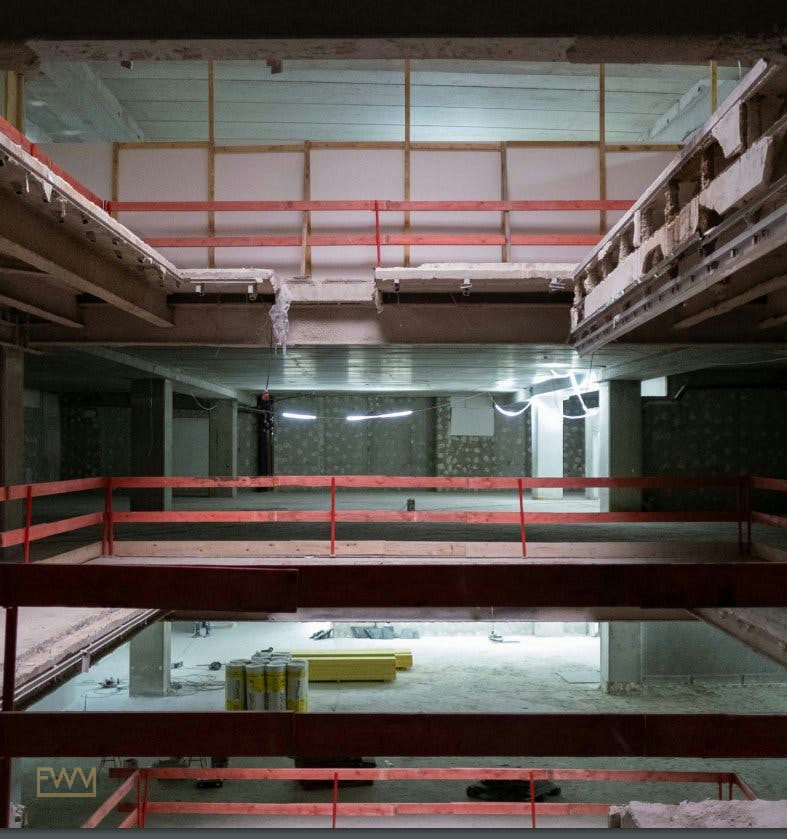
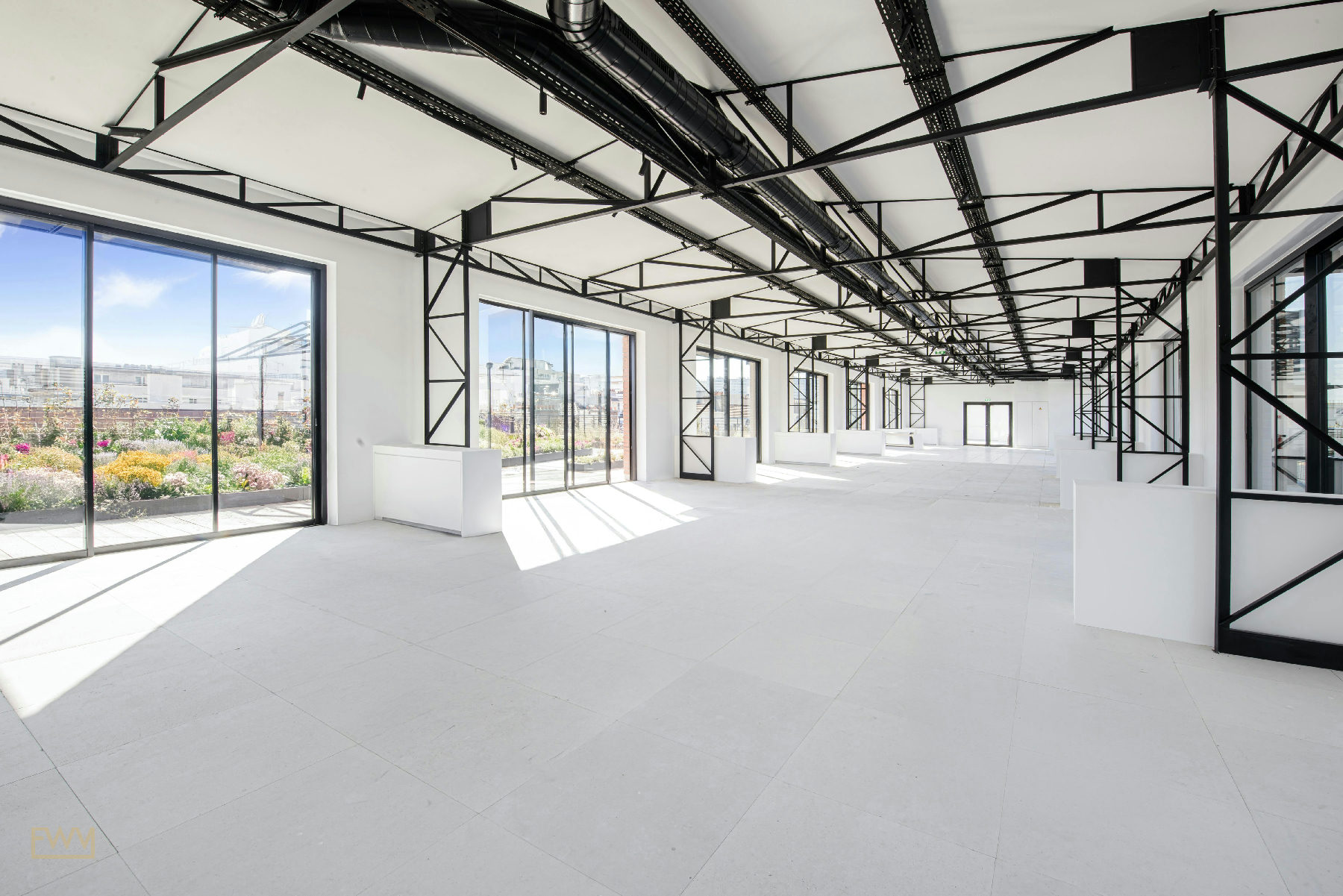
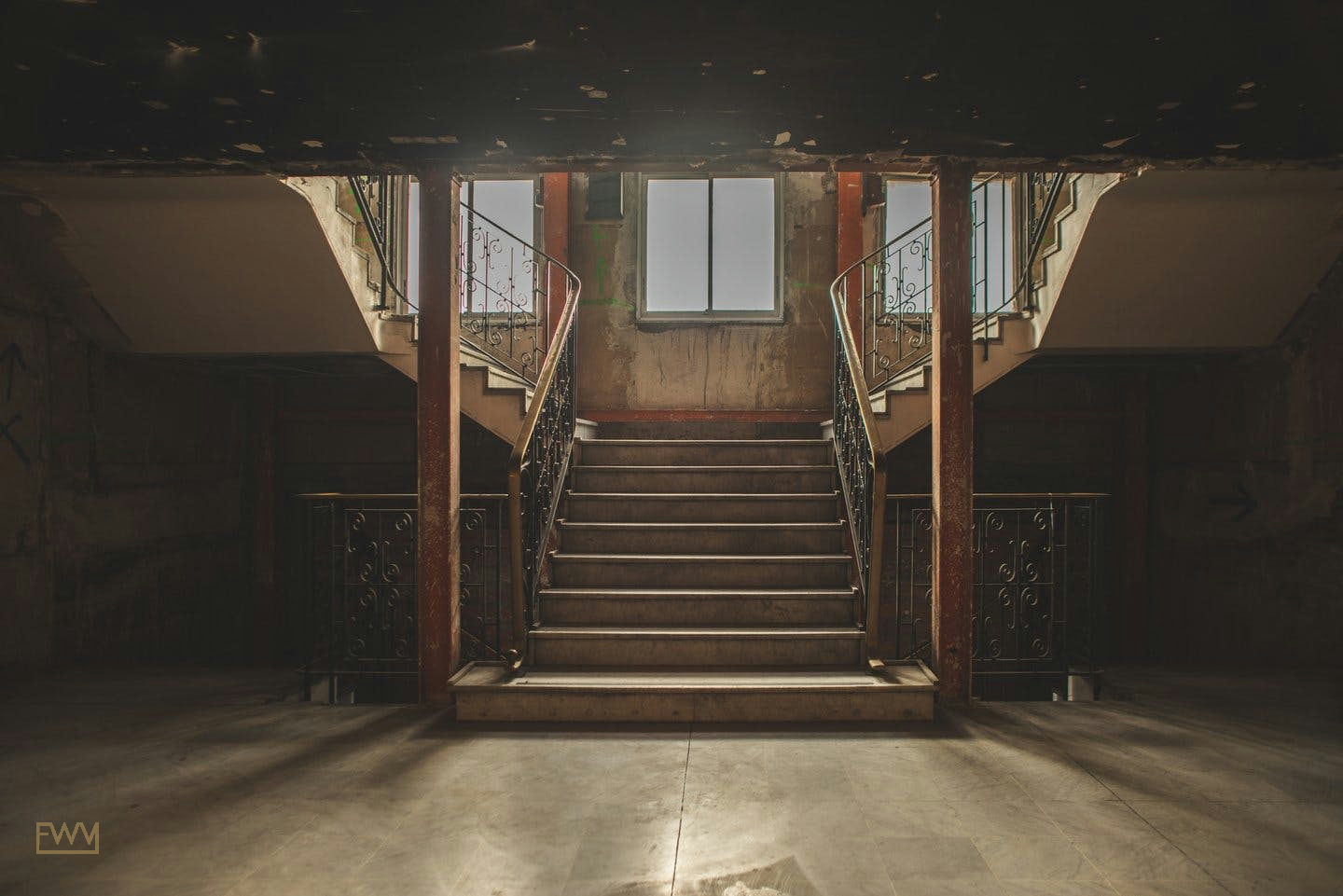
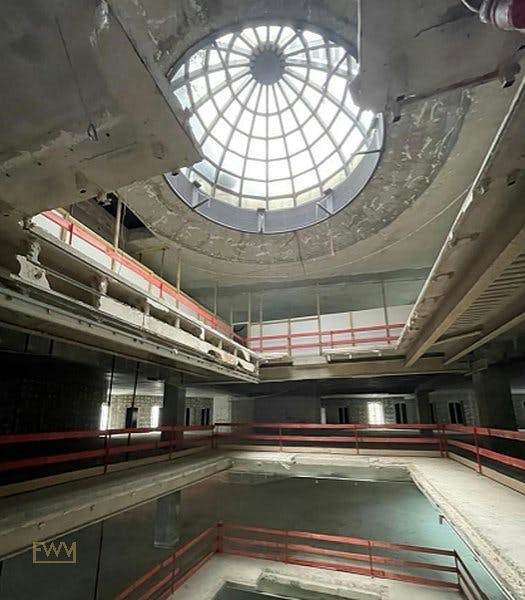
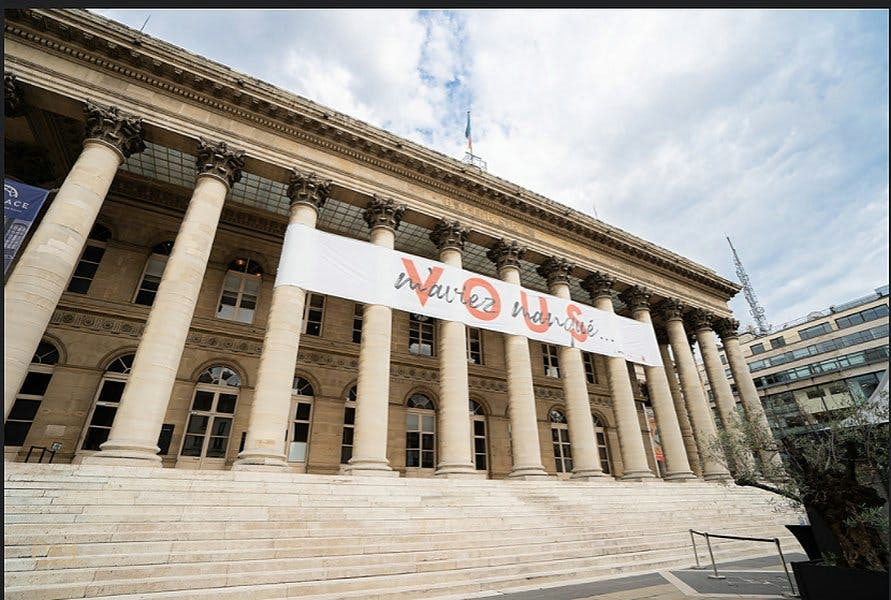
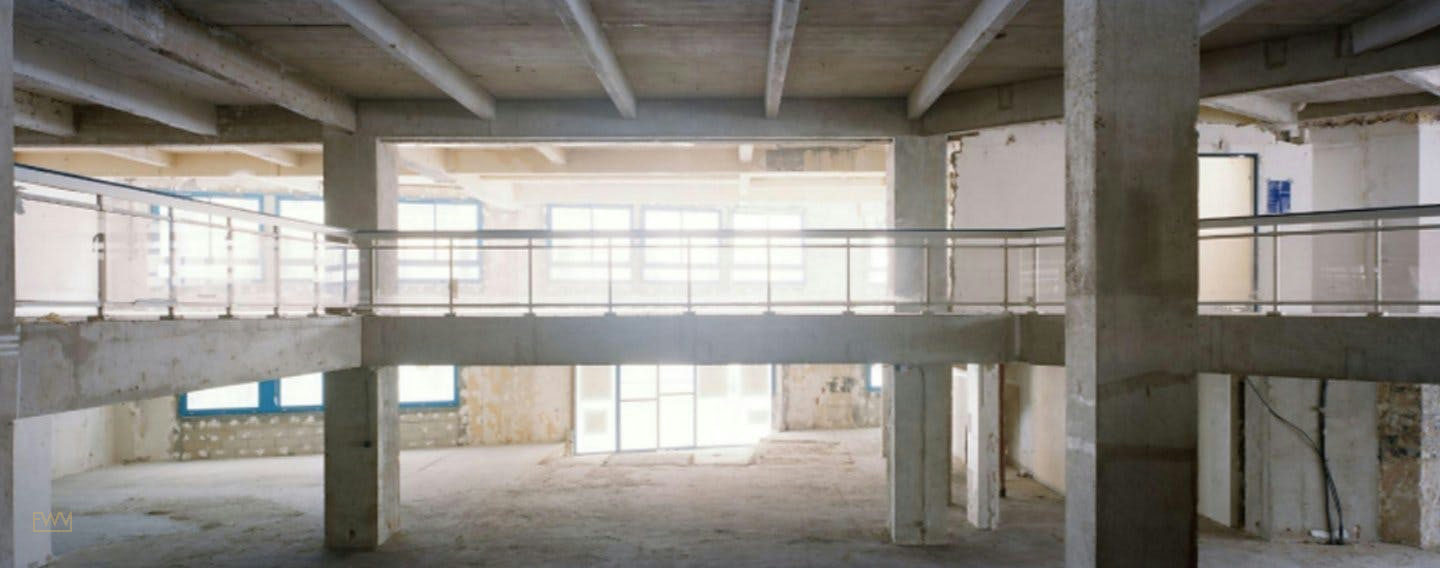
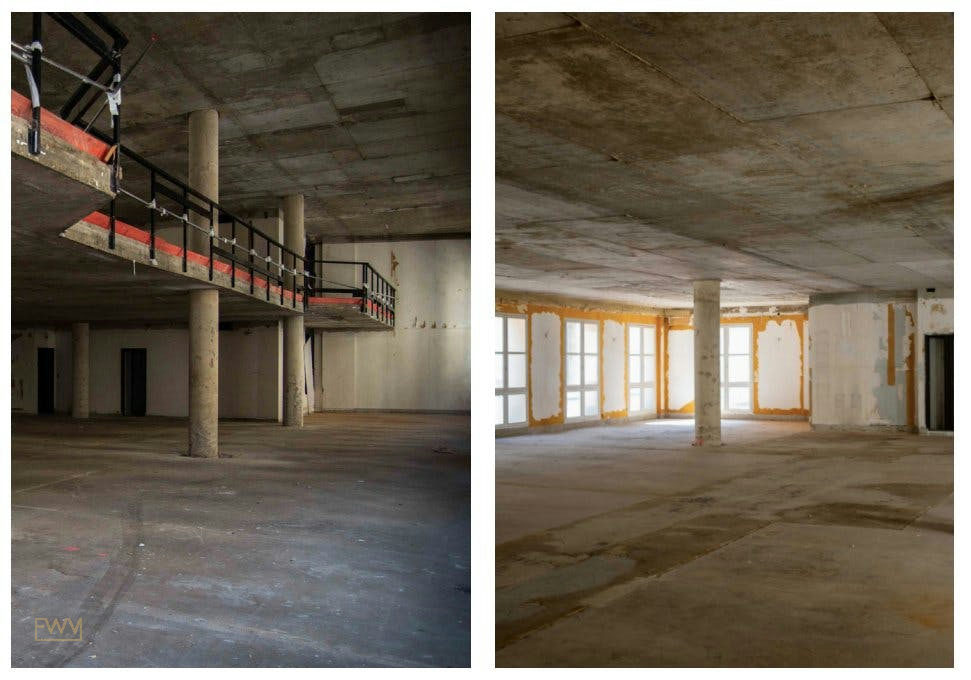
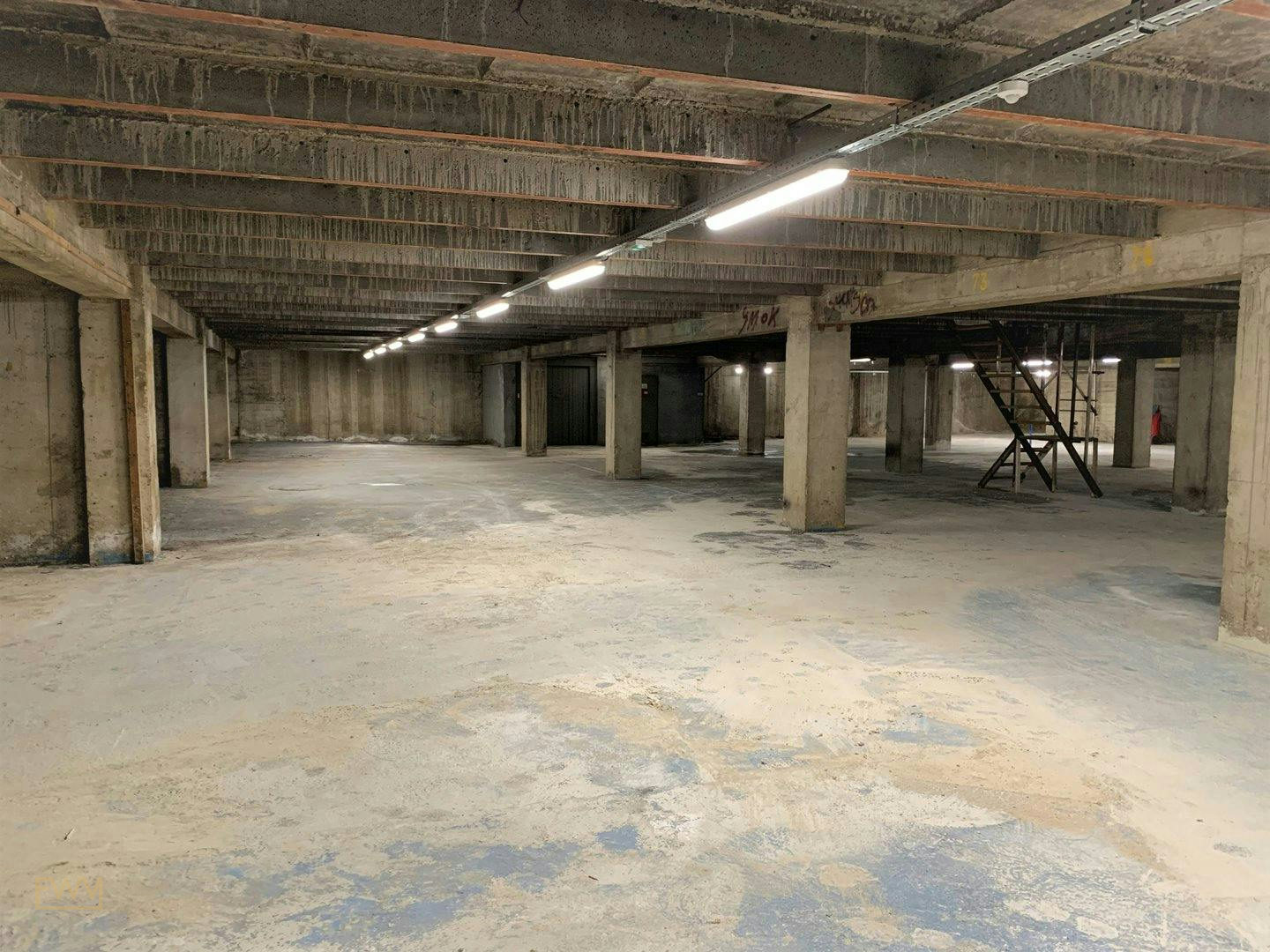
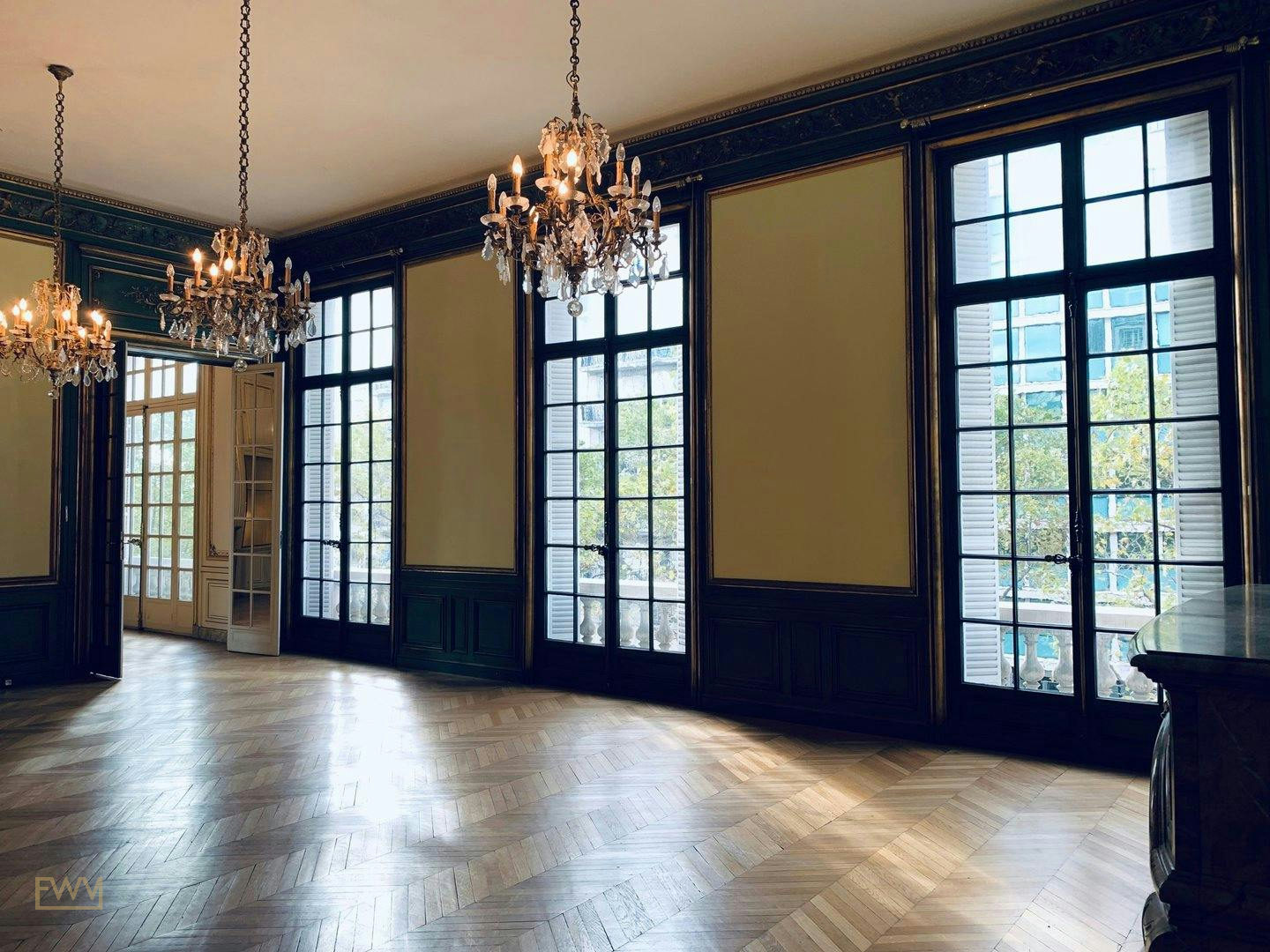
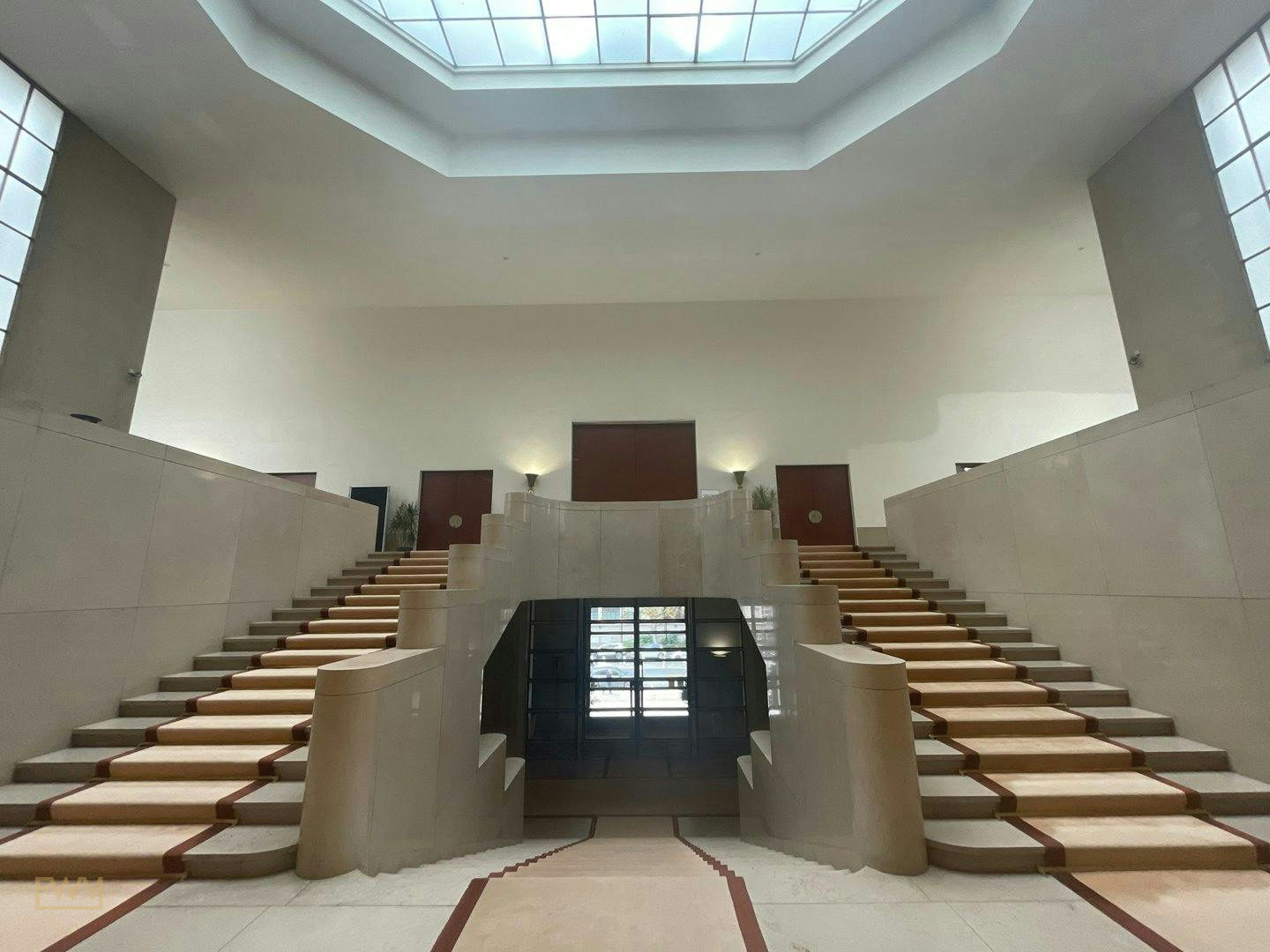
Finding the right retail space for rent near Notre-Dame Paris requires more than a property search. It demands an understanding of the 4th arrondissement's distinct commercial rhythms, the short-term lease frameworks available under French law, the permit landscape specific to temporary activations, and the neighbourhood dynamics that separate a high-performing pop-up from a costly experiment. Whether you are a beauty brand seeking a flagship moment during Paris Fashion Week, an international retailer testing the French market, or a creative studio planning a cultural experience activation, the Notre-Dame district offers a rare combination of historic footfall, premium positioning, and surprising operational flexibility. Fashion Week Venues works with brands navigating exactly this territory, providing venue sourcing, activation management, and end-to-end production support across Paris.
Why the Notre-Dame Area Is One of Paris's Most Valuable Retail Locations
Quick answer: The Notre-Dame area in central Paris draws millions of visitors annually, sits at the crossroads of the Île de la Cité, the Marais, and the Left Bank, and offers brands a concentration of cultural prestige, tourist footfall, and local resident spending that few other Paris neighbourhoods can match.
The Cathédrale Notre-Dame de Paris is one of the most recognised landmarks on earth. The reopening of the cathedral in December 2024 following the fire of April 2019 marked the beginning of a significant increase in visitor numbers to the entire island and surrounding streets. Projections from French cultural tourism bodies suggested the reopened Notre-Dame could draw upward of 15 million visitors annually, restoring and potentially exceeding pre-fire attendance levels. That concentration of foot traffic radiates outward into the 4th arrondissement, the Latin Quarter, the Marais, and across the Seine into the 5th and 6th arrondissements.
For brands, this matters because retail performance in Paris is closely tied to neighbourhood context. The streets immediately surrounding Notre-Dame de Paris include the Île de la Cité itself, the northern bank along the Quai de la Corse and Quai de l'Hôtel de Ville, and the southern bank near the Quai de Montebello and Saint-Michel. Each zone carries different pedestrian demographics. Tourists visiting Notre-Dame tend to skew international, with high spending propensity in luxury goods, beauty, souvenirs, and experiential retail. Local Parisians moving through the area on their way between the Marais and the Left Bank represent a separate and equally valuable audience.
The Notre-Dame district also benefits from its proximity to several of Paris's most commercially active zones. The rue de Rivoli commercial corridor is minutes away by foot or metro. Les Halles and the Forum des Halles shopping complex, located in the 1st arrondissement, sit to the northwest, providing an established retail infrastructure that brands can leverage when planning broader Paris activations. The Pompidou Centre and the Marais gallery district are accessible from the same neighbourhood, which means the area attracts culturally engaged consumers who respond well to experiential retail, immersive brand stories, and limited-edition product launches.
The post-restoration moment for Notre-Dame de Paris also coincides with a wider Paris urban renewal programme. The Île de la Cité itself has been partially pedestrianised and redesigned, with new public spaces, improved wayfinding, and enhanced visitor infrastructure. For brands planning short-term retail activations or longer pop-up windows, this means the physical environment is more accessible, more photogenic, and more aligned with the premium brand environments that fashion, beauty, and lifestyle brands require.
DID YOU KNOW: Notre-Dame de Paris attracted approximately 13 million visitors per year before the 2019 fire, making it the most visited paid monument in Europe. Its reopening in December 2024 is expected to restore and potentially surpass those figures, with significant commercial implications for all retail spaces within walking distance.
KEY TAKEAWAY: The Notre-Dame area offers brands a rare combination of mass international footfall, cultural prestige, proximity to premium retail corridors, and a post-restoration visitor boom that makes it one of the most strategically valuable locations for short-term retail in Paris right now.
Understanding the geography in more detail helps brands choose the right sub-zone within the broader Notre-Dame district, and that neighbourhood breakdown shapes every decision from space selection to permit type to brand positioning.
Neighbourhood Breakdown: Arrondissements, Sub-Zones, and Streets Near Notre-Dame
Quick answer: Retail spaces near Notre-Dame de Paris span several arrondissements, primarily the 1st, 4th, 5th, and 6th. Each zone has distinct commercial character, lease availability, pedestrian profiles, and suitability for different brand types and activation formats.
Paris is divided into 20 arrondissements, numbered from the centre outward in a clockwise spiral. Notre-Dame sits on the Île de la Cité, which falls administratively within the 4th arrondissement. However, the commercial real estate landscape around Notre-Dame extends meaningfully across several neighbouring arrondissements, each offering different advantages for brands seeking retail space.
4th Arrondissement: The Marais and the Île Saint-Louis
The 4th arrondissement is one of the most commercially vibrant in central Paris. The Marais district, which occupies much of the 4th, is home to an exceptionally dense concentration of independent boutiques, concept stores, galleries, and experiential retail spaces. The rue des Francs-Bourgeois is arguably the most commercially active street in the arrondissement, lined with fashion brands ranging from high street to premium. The Marais attracts a sophisticated local and international shopper who expects design-led environments and editorial brand stories. For beauty brands, fashion labels, and lifestyle concepts, the Marais offers the cultural alignment that makes a pop-up activation feel authentic rather than opportunistic.
The Île Saint-Louis, directly east of the Île de la Cité, is quieter and more residential, but the rue Saint-Louis en l'Île offers intimate retail opportunities for brands seeking premium positioning with lower competitive density. Spaces here tend to be smaller and are suited to exclusive product launches, private client events, or collector-focused activations.
1st Arrondissement: Les Halles, the Louvre Corridor, and Rivoli
The 1st arrondissement borders Notre-Dame to the northwest and contains some of Paris's highest-footfall commercial real estate. The Forum des Halles shopping centre and the surrounding streets of the Les Halles district represent a mass-market retail environment with extremely high pedestrian volumes. Les Halles underwent major renovation between 2010 and 2016, transforming the underground mall into a contemporary retail and leisure destination. The area around Les Halles attracts a broad demographic, making it suited to brands seeking volume and visibility rather than exclusivity.
The rue de Rivoli corridor running east from the Place de la Concorde through the 1st arrondissement into the 4th is one of the most visited shopping streets in Paris. International brands, department stores, and flagship boutiques line this route. Retail space here carries premium pricing but delivers commensurate footfall and brand association.
5th Arrondissement: The Latin Quarter
Directly south of Notre-Dame across the Petit Pont, the 5th arrondissement's Latin Quarter is defined by the streets around the Sorbonne, the Boulevard Saint-Michel, and the bookshops and cafés of the rue de la Huchette area. This zone is characterised by a mix of student and tourist footfall, with growing interest from brands seeking a more intellectual and culturally nuanced brand association. Beauty, books, craft goods, and independent fashion brands find natural resonance here.
6th Arrondissement: Saint-Germain-des-Prés
The 6th arrondissement's Saint-Germain neighbourhood is one of the most prestigious retail districts in Paris. Brands activating here benefit from association with the world's most recognised luxury fashion and art scene. Spaces on the Boulevard Saint-Germain, the rue de Rennes, or the side streets around the Café de Flore are among the most sought-after in the city. Availability is limited and lead times are longer, but the brand positioning value is exceptional.
| Arrondissement | Key Zones | Pedestrian Profile | Best Suited For |
|---|---|---|---|
| 4th | Marais, Île Saint-Louis | Design-led, international, local premium | Fashion, beauty, concept stores, galleries |
| 1st | Les Halles, Rivoli, Louvre | High volume, tourist and local mix | Mass visibility, flagship moments, lifestyle |
| 5th | Latin Quarter, Saint-Michel | Student, intellectual tourist, cultural | Independent fashion, books, craft, beauty |
| 6th | Saint-Germain-des-Prés | Luxury, art world, international affluent | Luxury brands, exclusive launches, art-led retail |
KEY TAKEAWAY: The choice of arrondissement is not simply a matter of proximity to Notre-Dame. Each sub-zone carries a distinct commercial identity, pedestrian demographic, and availability profile. Matching your brand positioning to the right neighbourhood is the first strategic decision in any Paris retail activation.
Once you have identified the right neighbourhood, the next decision is the type of retail space and lease structure that works for your brand's operational needs, timeline, and budget.
Types of Retail Space and Short-Term Lease Options Near Notre-Dame
Quick answer: Brands renting retail space near Notre-Dame Paris typically use short-term lease structures including the bail dérogatoire, the autorisation d'occupation temporaire, and other flexible rental agreements. Each structure carries different protections, obligations, and timeframes that brands must understand before committing.
The French commercial lease market operates under a distinct legal framework that differs significantly from the UK, US, or other international markets. International brands entering Paris for the first time frequently underestimate this complexity, which can lead to delays, compliance issues, or unexpected costs. Understanding the available lease structures is essential to choosing the right space type and managing your activation effectively.
Bail Dérogatoire: The Short-Term Commercial Lease
The bail dérogatoire is a short-term commercial lease available under French law for durations of up to 36 months. Unlike the standard bail commercial, which provides tenants with significant statutory protections including the right to renewal, the bail dérogatoire is explicitly temporary. This makes it the most commonly used lease structure for pop-up shops, seasonal retail activations, and short-term brand experiences in Paris.
The key characteristics of a bail dérogatoire include its fixed term of up to three years, its explicit exclusion of the commercial tenant's right to renewal or indemnity, and the requirement that both parties clearly agree to the temporary nature of the arrangement. It is important to note that if a tenant remains in occupation beyond the agreed term without the parties formally terminating or converting the arrangement, the lease can automatically convert to a standard bail commercial, which carries significantly different obligations and protections.
IMPORTANT: Brands must ensure that the bail dérogatoire is formally terminated at the end of the agreed period. Remaining in occupation past the expiry date without formal action can trigger conversion to a standard nine-year bail commercial under French law. Always work with a qualified French legal advisor to manage lease exit procedures.
Autorisation d'Occupation Temporaire (AOT)
For brands seeking to use public or semi-public spaces, outdoor areas, historic building courtyards, or other non-standard commercial venues, the Autorisation d'Occupation Temporaire is the relevant permit framework. An AOT is granted by the relevant public authority and allows temporary occupation of public domain space for commercial purposes. AOTs are particularly relevant for brands seeking to activate in the spaces immediately surrounding Notre-Dame, which fall within the Île de la Cité's public realm managed by the City of Paris and associated authorities.
The process for obtaining an AOT varies by location, duration, and intended use. Requirements can include detailed plans of the proposed installation, evidence of public liability insurance, a description of the commercial activity, and payment of occupancy fees. Lead times for AOT applications can be substantial, particularly for high-footfall tourist zones like the Notre-Dame area. Brands should plan AOT applications at least three to six months in advance.
The permit guidance tool on Fashion Week Venues provides a structured starting point for understanding which permit types apply to different space categories and activation formats.
Space Types Available Near Notre-Dame
The range of physical space types available near Notre-Dame reflects the architectural and commercial diversity of central Paris. Understanding which space types suit which brand objectives helps narrow the search before approaching landlords or agencies.
| Space Type | Typical Size Range | Best Suited For | Lease Structure |
|---|---|---|---|
| Former retail unit | 30 to 200 sqm | Full pop-up store, capsule collection launch | Bail dérogatoire |
| Gallery or studio space | 50 to 300 sqm | Brand experience, art-led activation, showroom | Bail dérogatoire or rental agreement |
| Historic hôtel particulier room | 20 to 150 sqm | Luxury launches, press events, private client | Event hire or short-term agreement |
| Shared or co-activation space | 15 to 80 sqm per brand | Budget-conscious brands, emerging labels | Shared lease or licence agreement |
| Public domain installation | Variable | Outdoor brand experience, cultural activation | AOT |
TIP: For brands new to Paris, shared or co-activation formats offer a cost-effective way to access premium neighbourhoods without bearing the full cost of a standalone lease. The twin co-activation concept from Fashion Week Venues is specifically designed for brands who want to share space, overheads, and footfall in a complementary brand pairing.
KEY TAKEAWAY: Short-term retail in Paris requires navigating French lease law carefully. The bail dérogatoire and AOT are the primary instruments for temporary commercial occupation. Both have specific requirements, timeframes, and exit obligations that differ from standard commercial leases in most other markets. Specialist guidance significantly reduces the risk of compliance failures or unintended legal exposure.
With the right lease structure selected, the next critical question for most brand teams is cost. Understanding the factors that drive retail rental pricing near Notre-Dame helps brands build realistic budgets before committing to a space search.
Understanding Rental Costs for Retail Space Near Notre-Dame Paris
Quick answer: Rental costs for short-term retail space near Notre-Dame Paris vary significantly by location within the district, space type, duration, fit-out condition, and season. Pricing is typically quoted per square metre per month or as a fixed weekly or monthly rate for short-term leases. Because market rates shift frequently, brands should use directional estimates only and obtain current quotes for their specific brief.
The cost of retail space in central Paris is among the highest in Europe. The streets immediately surrounding Notre-Dame, the Marais, and the Saint-Germain district command premium rates that reflect both the volume of foot traffic and the scarcity of available space. However, the short-term retail market operates somewhat differently from the long-term commercial market, and there are meaningful cost differences between space types, lease structures, and neighbourhoods that brands can use to their advantage.
Factors That Drive Short-Term Rental Pricing
Several variables determine the rental cost of a short-term retail space near Notre-Dame. Location is the primary driver: a ground-floor unit on the rue de Rivoli facing the Tuileries will command a higher rate per square metre than a comparable space two streets back from the main tourist axis. Visibility from the street, corner positioning, window display frontage, and proximity to transport links all contribute to pricing.
Space size affects the total cost, but not always proportionally. Smaller units in premium locations can carry higher per-square-metre rates than larger spaces in secondary streets. The fit-out condition of the space also affects pricing. A turnkey space with existing flooring, lighting, and fixtures typically commands a premium over a shell unit, but saves brands the cost and time of a complete build-out.
Duration matters significantly. Very short activations of one to four weeks often carry higher per-day rates than monthly or quarterly leases, because landlords price in the vacancy risk and administrative costs of frequent tenant changes. However, brands activating around specific calendar events such as Paris Fashion Week, major trade shows, or seasonal retail peaks may have no choice but to accept short-window pricing.
Season and calendar alignment also affect availability and pricing. The weeks surrounding Paris Fashion Week in January and February for Haute Couture and in September for ready-to-wear are peak demand periods for short-term retail space across the city. Spaces in the most desirable neighbourhoods near Notre-Dame book out months in advance for these windows, and pricing reflects that demand concentration.
DID YOU KNOW: Paris Fashion Week takes place twice annually, with Haute Couture shows typically in January and July, and ready-to-wear shows in February and October. Brands planning activations tied to the fashion calendar should begin their space search at least four to six months before the target activation window.
Additional Costs Beyond Rental
Rental costs represent only one component of the total budget for a short-term retail activation near Notre-Dame. Brands must also budget for fit-out and production costs, furniture and display systems, staffing, point-of-sale technology, permits and legal fees, insurance, cleaning and maintenance, and dismantling and reinstatement costs at the end of the lease.
In historic buildings and protected zones near Notre-Dame, there may be additional constraints on what modifications brands can make to the space, which can affect both fit-out costs and creative direction. Working in a classified or heritage-adjacent building may require prior approval for signage, window graphics, lighting changes, and other temporary modifications.
For brand-specific budget modelling, the budget estimation tool on Fashion Week Venues allows teams to input their space type, duration, location category, and service requirements to generate a directional cost framework. This is a planning tool and not a quote, but it helps brands arrive at landlord and agency conversations with realistic parameters.
KEY TAKEAWAY: Retail rental costs near Notre-Dame Paris are influenced by location, size, fit-out condition, duration, and season. Rental fees are only part of the total activation budget, and brands should model the full cost stack including production, staffing, permits, and reinstatement before committing to a space. Directional cost planning tools help frame conversations with landlords and agencies.
Understanding costs is essential, but the stronger strategic question is why brands choose to activate near Notre-Dame specifically, and what return on investment this location can realistically deliver.
Why Brands Choose to Rent Near Notre-Dame: Strategic and Commercial Benefits
Quick answer: Brands rent retail space near Notre-Dame Paris for the combination of extraordinary international footfall, cultural prestige, proximity to the city's most affluent residential and tourist districts, and the credibility that comes from associating a brand with one of the world's most iconic addresses.
The decision to activate near Notre-Dame is rarely purely transactional. Brands choosing this location are making a deliberate positioning statement. The Cathédrale Notre-Dame de Paris is among the most universally recognised symbols of French heritage, craft, and cultural identity. For brands in beauty, fashion, luxury, lifestyle, and design, proximity to this landmark carries an implicit endorsement of those same values. This is particularly true in the post-restoration period, when the cathedral's return has generated global media coverage and a fresh wave of international interest in Paris as a cultural destination.
Footfall and International Visibility
The visitor volumes flowing through the Notre-Dame district are exceptional by any global standard. The combination of Notre-Dame de Paris itself, the Sainte-Chapelle, the Palais de Justice, and the surrounding historic streets creates a visitor concentration that persists year-round rather than peaking only in summer. For brands whose target customers include international travellers, this location offers a genuinely global consumer audience within a single activation footprint.
Brands in the beauty category benefit particularly from this dynamic. International travellers are among the most engaged purchasers of beauty products in Paris, drawn by the perception of French expertise in skincare, fragrance, and cosmetics. A beauty brand activating near Notre-Dame can reach consumers from North America, Asia, the Gulf, and across Europe who are specifically seeking French beauty credentials and are predisposed to purchase.
Brand Experience and Cultural Storytelling
The Notre-Dame district provides a physical context that enhances brand storytelling in ways that generic retail locations cannot. A brand experience located steps from a UNESCO World Heritage monument, in a Haussmannian building or a medieval stone courtyard, carries a visual and narrative authority that amplifies social content, press coverage, and consumer memory formation. This is particularly valuable for experiential activations where the brand story and the environment are designed to work together.
The experience economy in Paris has matured significantly. Consumers visiting the city in 2025 and 2026 are sophisticated and experience-aware. A retail space near Notre-Dame that delivers a distinctive, beautifully designed environment alongside a curated product offer can generate organic content creation, influencer coverage, and editorial placement that extend the activation's commercial reach far beyond the physical space's footfall alone.
Proximity to Key Retail and Cultural Infrastructure
The Notre-Dame area's geographic position at the centre of Paris means brands activating here are also positioned close to the city's most important fashion and retail institutions. The Place Vendôme jewellery district, the Palais Royal concept stores, the Marais galleries, and the Bon Marché department store in the 7th arrondissement are all within a short distance. For brands seeking to create a Paris presence that connects multiple retail touchpoints during a single visit, the Notre-Dame area offers the most efficient central position.
To compare how the Notre-Dame district compares with other Paris activation zones, explore the Paris city hub on Fashion Week Venues, which provides a detailed breakdown of neighbourhood characteristics, space availability, and strategic positioning considerations.
KEY TAKEAWAY: The Notre-Dame district delivers brand value through a combination of exceptional international footfall, cultural prestige, powerful visual context for brand storytelling, and central geographic positioning within Paris's retail and fashion ecosystem. For beauty, fashion, and luxury brands, few other Paris locations offer this full combination.
Identifying the right space is only the beginning of a successful retail activation. The operational steps from space selection to activation delivery involve a structured process that brands must plan carefully to avoid the most common delays and cost overruns.
Step-by-Step Process for Renting and Activating a Retail Space Near Notre-Dame
Quick answer: Activating a retail space near Notre-Dame Paris follows a structured process from brief development through space search, legal due diligence, fit-out, staffing, and activation management. Most brands require a minimum of three to six months from brief to opening, depending on space availability and the complexity of the activation.
The process of securing and activating a retail space in central Paris involves more steps than many brand teams anticipate, particularly those approaching the French market for the first time. The following workflow represents a typical timeline for a brand working with a specialist agency to deliver a short-term pop-up or retail activation near Notre-Dame.
| Phase | Key Activities | Typical Timeframe | Responsible Party |
|---|---|---|---|
| 1. Brief Development | Define objectives, budget, space requirements, calendar window, brand guidelines | 2 to 4 weeks | Brand team + agency |
| 2. Space Search and Shortlisting | Identify candidate spaces, assess location fit, condition, size, and availability | 2 to 6 weeks | Agency or marketplace |
| 3. Legal and Commercial Review | Review lease terms, permit requirements, insurance obligations, reinstatement clauses | 2 to 4 weeks | Legal advisor + agency |
| 4. Concept and Design | Develop spatial concept, brand environment, fixture and furniture plan | 3 to 6 weeks | Design team + agency |
| 5. Permits and Compliance | Submit AOT or other permit applications, register business activity if required | 4 to 12 weeks | Agency + legal advisor |
| 6. Production and Fit-Out | Build, install fixtures, branding, lighting, technology, and display systems | 1 to 3 weeks | Production team |
| 7. Staffing and Operations | Recruit, brief, and deploy retail staff, set up POS and payments | 2 to 4 weeks | Staffing team + agency |
| 8. Activation and Management | Run the activation, manage daily operations, track data, respond to issues | Duration of lease | Activation manager |
| 9. Dismantling and Exit | Remove all installations, restore space to agreed condition, formalise lease exit | 1 to 2 weeks | Production team + legal advisor |
Brief Development: Starting with Clarity
The quality of your initial brief directly determines the quality of the spaces you will be shown and the efficiency of the search process. A strong brief should define the target activation dates and duration, the intended brand story and consumer experience, the space size range, the neighbourhood preference and any specific streets or sub-zones of interest, the budget range for rental and total activation, the commercial objectives whether those are sales, press coverage, data capture, or market entry validation, and any specific operational requirements such as delivery access, changing rooms, or digital infrastructure.
A vague brief results in a diffuse search that wastes time for both the brand team and the agency. Investing two to four weeks in brief development, including internal alignment across marketing, commercial, and logistics teams, pays dividends throughout the process.
Legal Due Diligence: An Essential Step International Brands Often Underestimate
French commercial property law contains several provisions that are counter-intuitive for international brands used to UK or US lease frameworks. The automatic conversion risk of a bail dérogatoire mentioned earlier is one example. Others include reinstatement obligations, which require tenants to restore the space to its exact original condition at lease end, sometimes at significant cost; stamp duty or registration fees on certain types of commercial agreements; and the specific insurance requirements that French landlords typically require from short-term tenants.
International brands without a French legal entity can still rent space in Paris through several mechanisms, but the specific structure used affects the lease terms available and the level of documentation required by landlords. This is discussed further in the myth and fact section below.
Using the timeline planning tool helps brands reverse-engineer their activation calendar from a target opening date, identifying the latest viable start dates for each process phase and surfacing lead time risks before they become critical path problems.
KEY TAKEAWAY: Successful retail activations near Notre-Dame Paris require structured process management across brief development, space search, legal review, design, permits, fit-out, and operations. Most brands underestimate lead times, particularly for permit applications in heritage zones. Starting six months ahead of your target activation date is recommended for complex activations in the Notre-Dame area.
The process is complex, but it is manageable with the right specialist support. Understanding what Fashion Week Venues offers brands at each stage of this process helps brand teams decide which elements to handle internally and which to delegate.
How Fashion Week Venues Supports Brands Renting Retail Space Near Notre-Dame Paris
Quick answer: Fashion Week Venues offers brands a full-service agency model covering venue sourcing, concept development, production, activation management, staffing, and retail technology, alongside a curated space marketplace and a suite of planning tools. The agency works across all major fashion capitals with Paris as its primary market.
Fashion Week Venues was built specifically to address the operational complexity that brands face when activating in cities like Paris. The combination of a curated space marketplace, specialist local knowledge, and a full-service agency capability means brands can choose the level of support that matches their internal capacity, from independent space browsing on the marketplace to fully managed end-to-end activation delivery.
Venue Sourcing and Space Discovery
The space discovery process is often the most time-consuming element of a Paris retail activation for brand teams without existing local relationships. The Fashion Week Venues space marketplace provides a curated selection of spaces across Paris and other major fashion capitals, allowing brand teams to browse, filter, and shortlist spaces by neighbourhood, size, type, and availability. For brands who need more tailored sourcing support, the venue sourcing service provides active outreach to off-market spaces and direct landlord relationships that are not accessible through standard property portals.
Concept Direction and Branded Store Design
Activating near Notre-Dame demands a level of creative quality that reflects the prestige of the location. The concept direction and branded store design services help brands translate their creative brief into a physical environment that works within the constraints of a French historic building, a short-term lease, and a realistic production budget. This includes spatial planning, material selection, fixture and furniture specification, window display design, and visual merchandising.
Production, Fit-Out, and Furniture Rental
The production and build service manages the physical delivery of the designed environment, coordinating contractors, managing timelines, handling deliveries within the constraints of central Paris access restrictions, and ensuring the space is ready for trading on the agreed date. Furniture rental reduces upfront capital cost and eliminates the logistical challenge of sourcing and disposing of fixtures at the end of a short-term activation.
Staffing, POS, and Activation Management
Running a retail activation in Paris requires French-speaking staff who understand both the brand and the operational requirements of the space. The retail staffing service provides experienced bilingual staff for customer-facing, operational, and brand ambassador roles. Point-of-sale and payments technology is configured to handle multi-currency transactions, receipting, and inventory tracking appropriate for a short-term retail context. Activation management covers the day-to-day running of the activation, allowing brand teams to focus on press, commercial relationships, and brand programme delivery rather than operational management.
Data, Analytics, and Influencer Marketing
Short-term retail activations generate valuable commercial data that brands can use to inform long-term market entry decisions. The data and analytics service captures footfall, conversion, dwell time, and sales data throughout the activation, producing a post-activation report that quantifies commercial performance and identifies insights for future activations. The influencer marketing service supports activations with targeted influencer seeding, event-based content creation, and social amplification strategies appropriate for the Paris market.
Planning Tools for Brand Teams
For brand teams in the research and planning phase, the suite of tools on Fashion Week Venues provides structured support at every decision point. The ROI calculator helps brands model the commercial return of a Paris activation against their investment. The space comparison tool allows side-by-side evaluation of shortlisted spaces. The permit guidance tool surfaces relevant permit requirements by space type and location. The budget tool generates directional cost frameworks for planning conversations.
KEY TAKEAWAY: Fashion Week Venues provides brand teams with a spectrum of support from independent marketplace access through to fully managed activation delivery. The agency's Paris-specific expertise, local landlord relationships, and suite of planning tools reduce the risk and complexity of activating near Notre-Dame for both first-time and repeat brands.
Before finalising any decision about a retail activation near Notre-Dame, it is worth addressing some of the most persistent misconceptions that brand teams bring into the planning process.
Common Myths About Renting Retail Space Near Notre-Dame Paris
MYTH: You need a French legal entity to rent a retail space in Paris.
FACT: International brands without a French société or SARL can rent short-term retail space in Paris through several legal mechanisms, including corporate leases in the name of the parent company, agreements brokered through a French intermediary, or through a specialist agency that holds the lease on behalf of the brand. The specific mechanism affects lease terms, landlord requirements, and insurance obligations, so professional guidance is essential, but the absence of a French legal entity is not an automatic barrier to renting space near Notre-Dame.
MYTH: Paris Fashion Week is the only viable calendar window for a retail activation near Notre-Dame.
FACT: Paris Fashion Week generates exceptional demand for short-term retail space, but it represents only one of many commercially viable windows during the year. The Christmas retail season, the spring tourism surge, Maison et Objet, Paris Deco Off, Paris Art Week, and the summer high season all generate significant footfall and commercial opportunity in the Notre-Dame district. Brands should evaluate their target consumer calendar rather than defaulting to the fashion week window, which is the most competitive and typically the most expensive period for space rental.
MYTH: Commission brokers are the only way to find a short-term retail space in Paris.
FACT: The market for short-term retail space in Paris has become significantly more accessible in recent years through curated marketplaces, specialist pop-up agencies, and direct landlord platforms. Commission brokers remain one channel among several, and brands should understand the full landscape of sourcing options before committing to any single channel. Using a specialist agency that also operates a marketplace, such as Fashion Week Venues, allows brands to combine curated discovery with agency support in a single relationship.
MYTH: Short-term leases in France are legally straightforward and do not require specialist help.
FACT: The bail dérogatoire and related short-term lease instruments operate within a detailed legal framework that has specific requirements for validity, exit procedures, and protection limitations. International brands that approach these agreements without specialist legal or agency support regularly encounter issues including unintended automatic conversion to long-term leases, unexpected reinstatement costs, inadequate insurance coverage, and non-compliant permit situations. Working with a French legal advisor and a specialist agency for Paris activations is strongly recommended, not optional.
MYTH: Any shop near Notre-Dame will benefit from the cathedral's visitor footfall automatically.
FACT: Visitor footfall from Notre-Dame de Paris concentrates heavily on the immediate forecourt, the bridge approaches, and the main tourist axes. A space located two or three streets away from these primary routes may see significantly lower passing trade than its proximity on a map suggests. Street-level visibility, signage quality, the depth of the space from the street, and the active curation of the shop window and façade all significantly affect whether tourist footfall translates into retail engagement. Location analysis should go beyond postcode and assess actual pedestrian routing and visibility conditions.
Frequently Asked Questions
Why should a fashion or beauty brand rent retail space specifically near Notre-Dame de Paris?
The Notre-Dame district offers a uniquely powerful combination of exceptional international visitor volumes, deep cultural prestige, and proximity to Paris's most commercially active retail corridors. For beauty brands, the association with French heritage and craftsmanship is commercially potent, particularly with international tourists who are predisposed to purchase French beauty products. For fashion and lifestyle brands, the visual richness of the area provides an environment that elevates brand storytelling and generates strong editorial and social content. The post-restoration visitor surge makes this an especially well-timed moment to activate in the district.
What is the minimum duration for a short-term retail lease near Notre-Dame Paris?
There is no fixed minimum duration for a short-term retail lease in Paris, but practical and commercial realities mean that most landlords near Notre-Dame are reluctant to consider occupancies of less than two to four weeks for standard shop units. Very short activations of a few days are more typically structured as event hires or temporary licences rather than leases. The bail dérogatoire is designed for durations up to 36 months and is most commonly used for activations of one to twelve months. For very short windows, brands should explore event hire agreements or shared activation formats, which offer more flexibility for brief occupancy periods.
How far in advance should a brand begin searching for retail space near Notre-Dame?
For activations tied to high-demand calendar windows such as Paris Fashion Week or the Christmas retail season, brands should begin their space search at least four to six months before the target activation date. For non-peak periods, three to four months is typically sufficient for a straightforward activation in a standard unit. Complex activations in heritage buildings, spaces requiring significant fit-out, or activations involving public realm permits near Notre-Dame may require longer lead times of six months or more. Starting early significantly increases the range of available options and reduces the risk of having to accept a suboptimal space under time pressure.
Do I need a French company to rent a pop-up space near Notre-Dame?
No, a French legal entity is not a prerequisite for renting short-term retail space near Notre-Dame Paris. International brands can rent space through various legal mechanisms including corporate leases, intermediary arrangements, and agency-held agreements. However, the specific mechanism used affects the documentation required, the tax obligations that may arise, and the level of confidence that French landlords have in the arrangement. Working with a specialist agency that understands the Paris short-term rental market significantly simplifies this process for international brands and reduces the risk of legal complications.
What permits are required for a pop-up shop or retail activation near Notre-Dame Paris?
The permit requirements for a retail activation near Notre-Dame depend on the type of space, the nature of the commercial activity, the duration of the activation, and whether the space involves any public realm or outdoor elements. For standard indoor shop units let on a bail dérogatoire, the primary legal requirement is the lease itself, supported by appropriate business registration and insurance. For activations involving outdoor elements, public space, or heritage-adjacent modifications, additional permits including an Autorisation d'Occupation Temporaire may be required. Requirements vary by location within the district and should be verified with a French legal advisor and through the permit guidance tool on Fashion Week Venues.
How does the Les Halles area compare to the Marais for a retail activation?
Les Halles and the Marais represent distinct commercial environments suited to different brand objectives. Les Halles offers very high footfall from a broad demographic including significant local Parisian traffic, strong transport connectivity, and an established retail infrastructure, making it well suited to brands seeking volume and visibility. The Marais provides a more design-conscious and internationally sophisticated consumer audience, stronger cultural alignment for premium and luxury brands, and a neighbourhood aesthetic that enhances brand storytelling. The right choice depends on your brand positioning, target consumer profile, and commercial objectives for the activation.
What are the typical total costs for a pop-up retail activation near Notre-Dame?
Total activation costs include rental fees, fit-out and production, furniture and fixtures, staffing, permits and legal fees, insurance, point-of-sale technology, and reinstatement costs. Each of these components varies significantly based on space size, location, duration, and activation complexity. Rental fees in central Paris neighbourhoods near Notre-Dame are among the highest in the city, and fit-out costs in historic buildings can be elevated by heritage constraints and access limitations. Brands should model the full cost stack before committing to a space. The budget estimation tool on Fashion Week Venues provides a structured framework for building a directional cost model based on your specific brief parameters.
Can beauty brands specifically benefit from activating near Notre-Dame?
Yes, beauty brands are particularly well positioned to benefit from the Notre-Dame district's consumer profile. International tourists visiting Notre-Dame de Paris include a high proportion of consumers from North America, Asia, and the Gulf who are specifically motivated to purchase French beauty products and who associate Paris with beauty expertise and cultural authority. A well-designed beauty retail experience near Notre-Dame can capitalise on both purchase intent and the social content creation dynamic that characterises modern tourist retail behaviour. The combination of product discovery, immersive environment, and iconic Parisian backdrop is a powerful formula for beauty brand activations.
What is the difference between a bail dérogatoire and a standard French commercial lease?
A standard French commercial lease, known as a bail commercial, provides the tenant with extensive statutory protections including the right to a nine-year term, the right to renew at the end of the term, and the right to an indemnity if the landlord refuses renewal. These protections make a bail commercial very secure for tenants but unattractive to landlords for short-term arrangements. The bail dérogatoire is a specific short-term instrument that explicitly excludes these protections for terms of up to 36 months, allowing landlords to let space temporarily without granting long-term rights. This is the instrument most commonly used for pop-up shops and short-term retail activations in Paris.
What should a brand look for when assessing a specific retail space near Notre-Dame?
Key assessment criteria for a retail space near Notre-Dame include the precise location on the pedestrian routing map from the main visitor flows, ground-floor visibility and window frontage, delivery and access logistics in central Paris's restricted traffic zones, the physical condition and heritage constraints of the building, the fit-out status of the unit, natural light availability, ceiling height, power capacity, Wi-Fi infrastructure, and the landlord's flexibility on lease terms, permitted modifications, and reinstatement requirements. Brands should also assess the immediate commercial context, including neighbouring businesses, competitive retailers, and the overall environment quality that will frame their brand experience.
How does Paris Fashion Week affect space availability near Notre-Dame?
Paris Fashion Week generates exceptional demand for short-term retail space across the entire city, including the Notre-Dame district. The weeks immediately surrounding the ready-to-wear shows in February and October and the Haute Couture shows in January and July see the highest concentration of demand from fashion brands, beauty companies, and lifestyle labels seeking to activate in Paris. Space availability in premium locations near Notre-Dame becomes extremely limited during these windows, and rental pricing reflects the demand concentration. Brands planning to activate during Paris Fashion Week should begin their space search at least four to six months in advance.
Can a brand from outside Europe open a pop-up near Notre-Dame without a permanent Paris presence?
Yes, international brands without an existing Paris presence can successfully activate near Notre-Dame through appropriate legal structures and with specialist agency support. The key considerations are establishing the correct legal and tax framework for commercial activity in France, ensuring the lease or hire agreement is structured appropriately for a non-European entity, and having operational support on the ground to manage the activation on a day-to-day basis. A full-service agency that provides venue sourcing, activation management, staffing, and compliance guidance can significantly reduce the operational complexity for brands entering the Paris market for the first time.
What is the Notre-Dame district like for brand activations outside the tourist season?
The Notre-Dame district maintains meaningful commercial activity year-round, with visitor and local resident footfall patterns that vary by season but never fall to the very low levels seen in more peripheral Paris locations. During the autumn and winter months, the area benefits from increased local Parisian activity as the tourist composition shifts but total footfall remains substantial. The Christmas retail season in November and December is a particularly strong period for experiential retail and gifting-focused activations. Brands should analyse monthly footfall data by the specific streets they are considering rather than applying a generic seasonal model to the whole district.
Are there co-activation or shared space options near Notre-Dame?
Yes, shared or co-activation space formats are available in the Notre-Dame area and offer brands a cost-effective route into premium locations. These formats are particularly suitable for emerging brands, international brands testing the Paris market for the first time, or brands with a specific activation objective that does not require an entire unit. The twin co-activation model from Fashion Week Venues pairs complementary brands within a shared space, splitting rental and production costs while maintaining distinct brand identities within the shared environment. This format is well suited to brands that benefit from audience crossover, such as a fashion label and a beauty brand activating together.
How do I measure the success of a retail activation near Notre-Dame?
Measuring the success of a retail activation near Notre-Dame requires defining objectives before the activation begins and building a measurement framework that captures both commercial and brand-building outcomes. Commercial metrics typically include total revenue, average transaction value, conversion rate from footfall, and new customer acquisition rate. Brand metrics include press coverage volume and quality, social media reach and engagement, influencer amplification, and consumer sentiment data. Data collected during the activation, including footfall counts, dwell time, and sales data by product category, provides the evidence base for post-activation reporting and informs the decision-making process for future activations. The data and analytics service from Fashion Week Venues structures this measurement framework within the activation management process.
Conclusion: Renting Retail Space Near Notre-Dame Paris With Confidence
The Notre-Dame district represents one of the most strategically compelling locations for short-term retail in the world. The combination of extraordinary international footfall, deep cultural prestige, proximity to Paris's most significant retail and fashion infrastructure, and the commercial uplift driven by the cathedral's post-restoration visitor surge creates an exceptional environment for brands across fashion, beauty, lifestyle, and luxury to activate with impact. The complexity of the Paris retail market, including its French legal frameworks, heritage building constraints, permit landscape, and seasonal calendar dynamics, rewards brands that plan carefully, engage specialist support, and approach the activation as a strategic investment rather than a transactional space rental.
Whether you are a beauty brand seeking to connect with international tourists at the epicentre of French cultural life, a fashion label planning a press and consumer activation during Paris Fashion Week, or an international retailer using a Notre-Dame district pop-up to validate a French market entry strategy, the principles of success are consistent: start early, choose the right sub-zone within the district, understand your lease structure, build a complete budget including all activation costs, and ensure your space delivers a brand experience that matches the prestige of its location.
Fashion Week Venues provides the specialist expertise, local relationships, and operational infrastructure to support brands at every stage of this process, from initial space discovery through to post-activation analysis. The guides, tools, and services available through the platform are designed for brand teams working in the Paris market, and the agency's experience across the full spectrum of short-term retail formats means brands can access the right level of support for their specific objectives and internal capabilities.
To move from research to activation, start exploring available spaces on the Fashion Week Venues marketplace and build a focused brief for your target neighbourhood, space type, and calendar window.