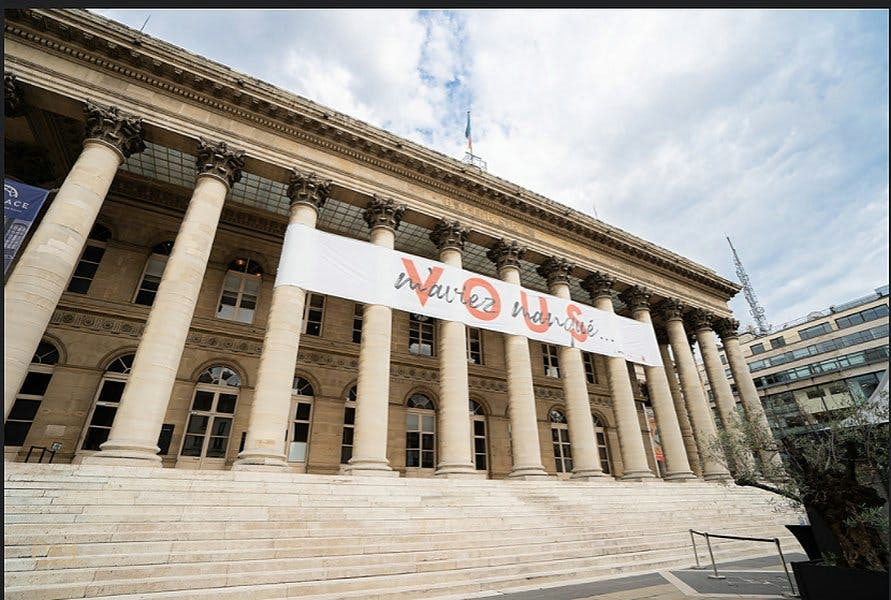
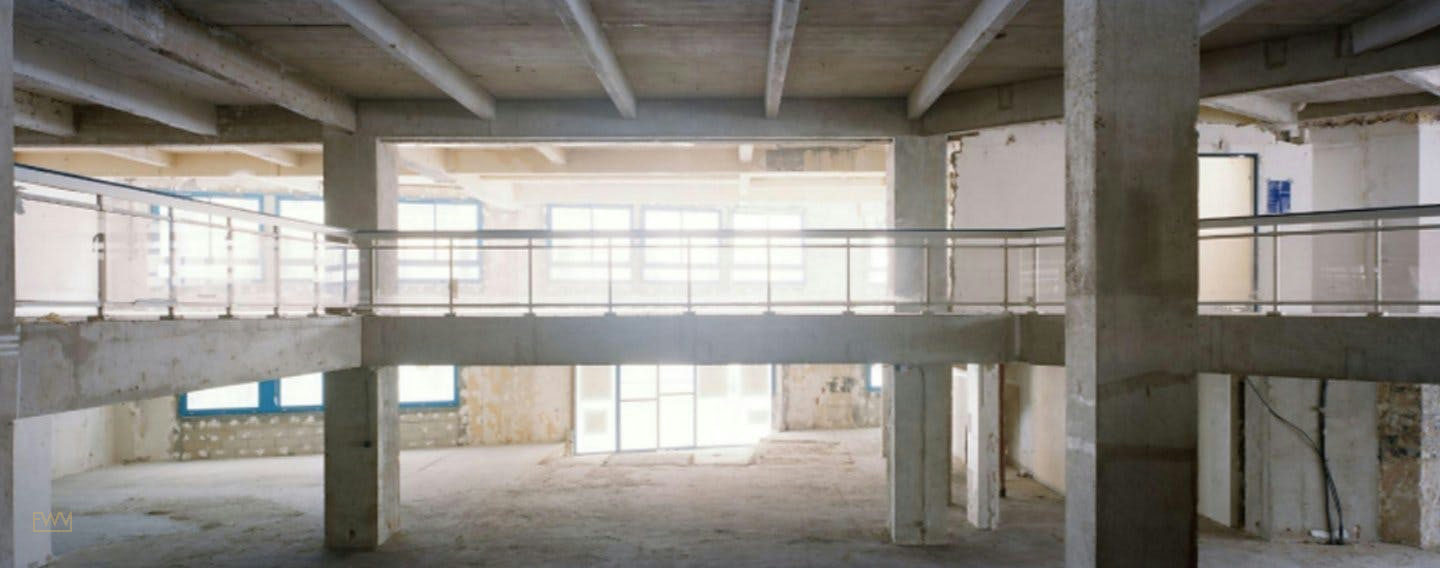
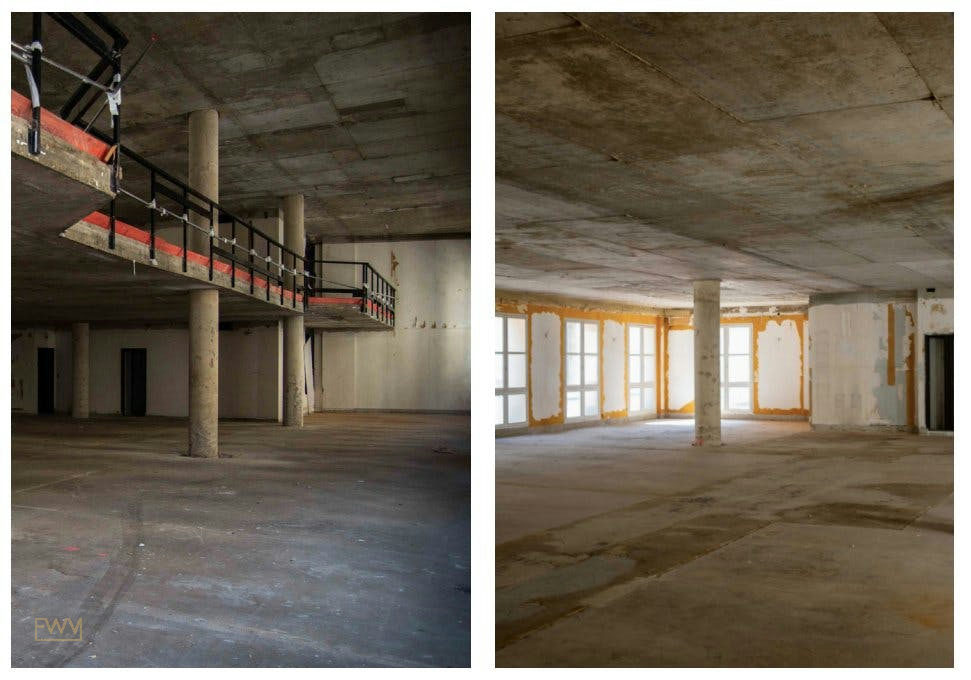
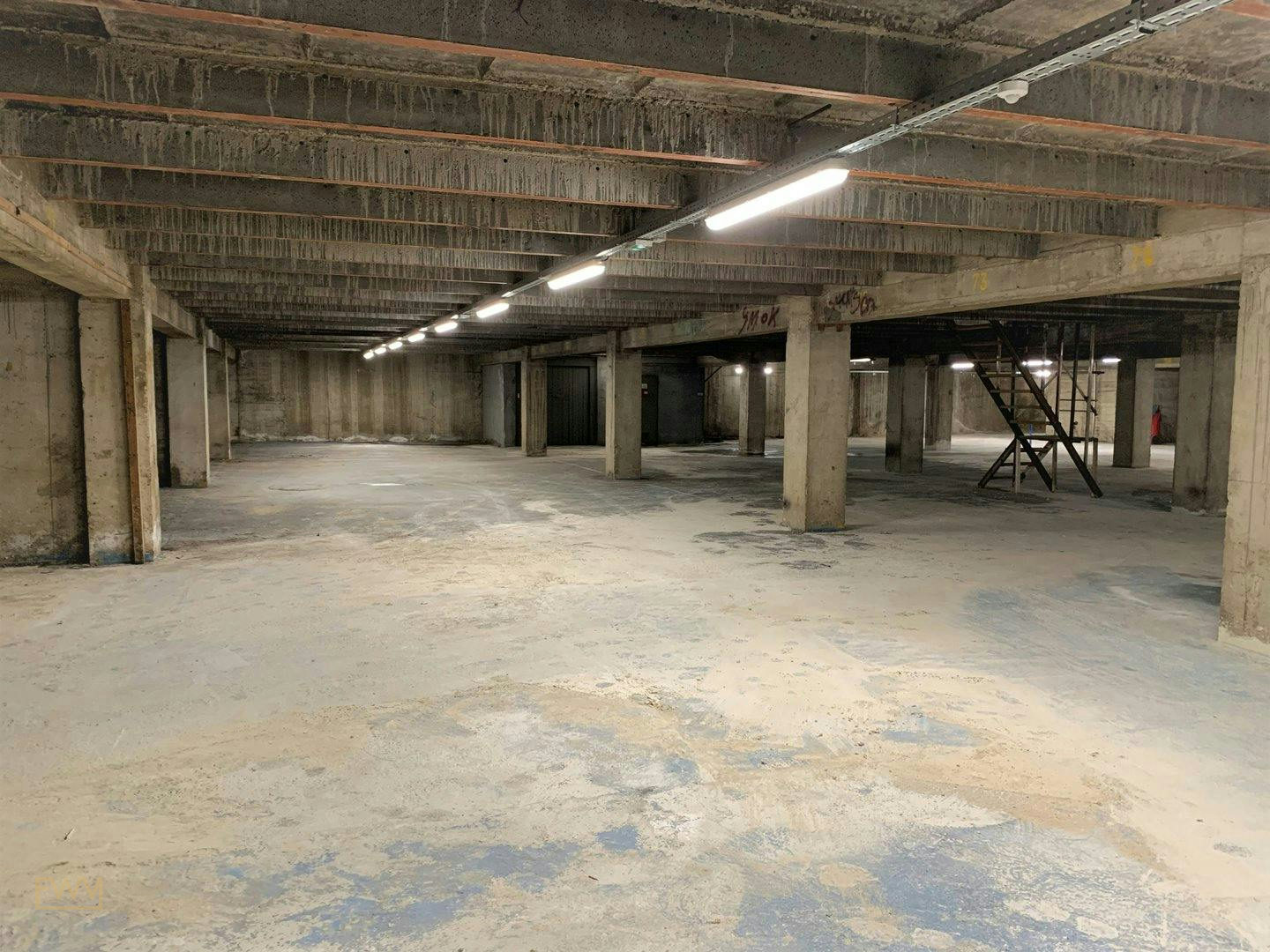
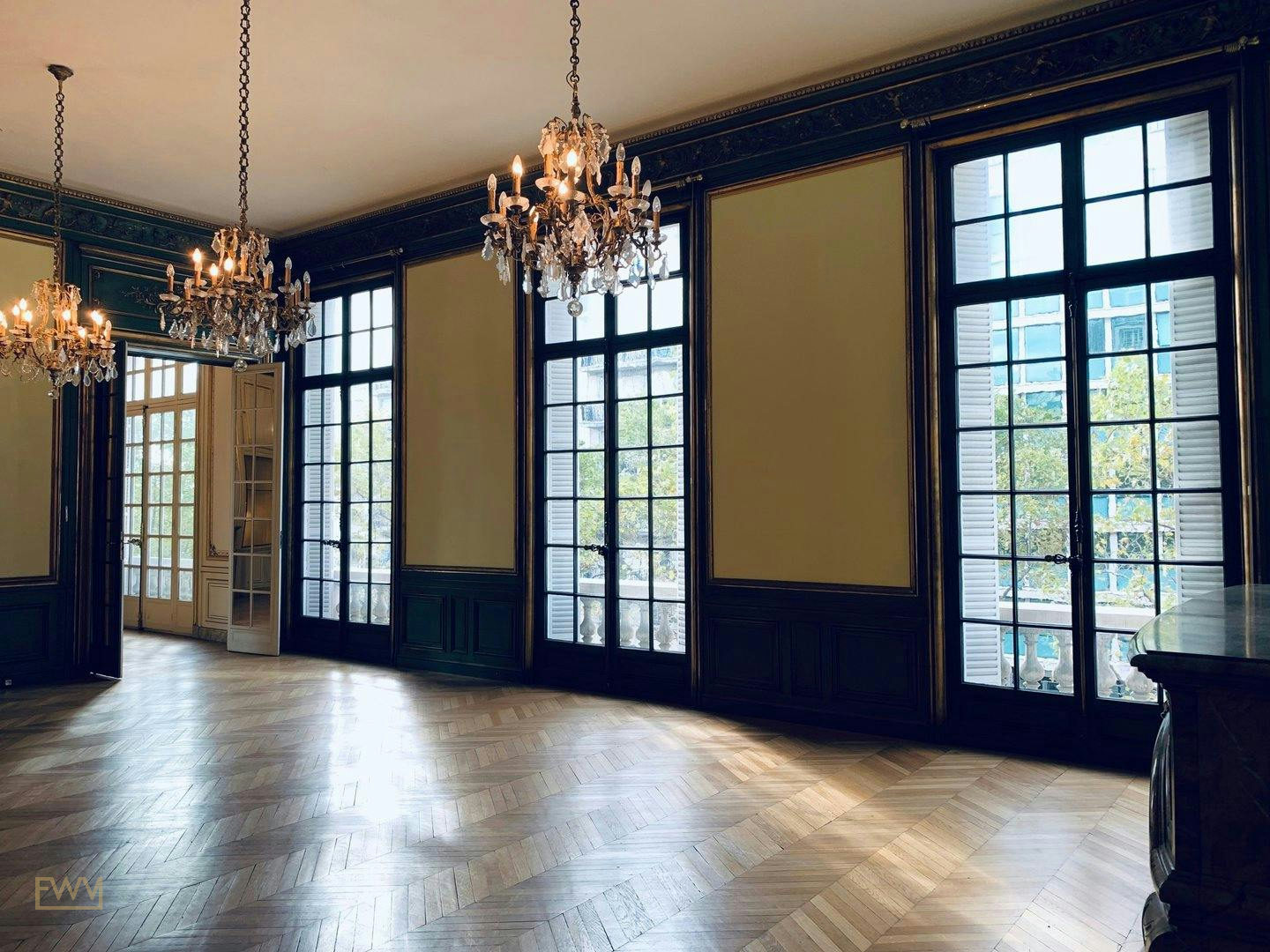
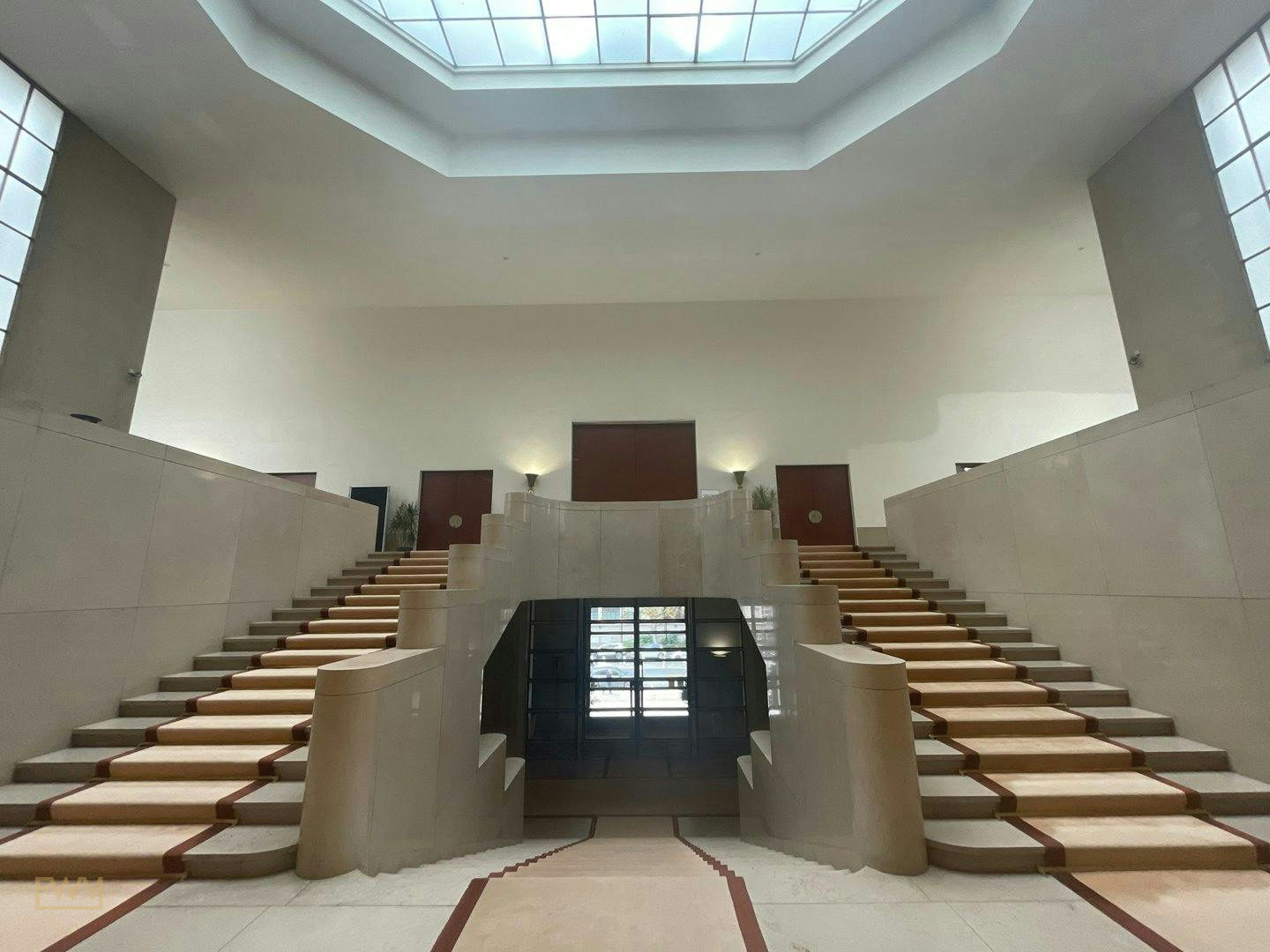
Securing a temporary retail space near the Louvre, Paris puts your brand at the intersection of global tourism, cultural prestige, and some of the highest foot traffic in Europe. The 1st arrondissement, anchored by the Louvre Museum, the Carrousel du Louvre, and rue de Rivoli, attracts tens of millions of visitors every year, making it one of the most commercially potent addresses a brand can occupy, even for a short-term period. For fashion labels, beauty brands, jewellery houses, and creative concepts entering or re-establishing themselves in Paris, a pop-up store or showroom in this neighbourhood delivers reach, brand positioning, and cultural relevance simultaneously. Fashion Week Venues' Paris city hub supports brands at every stage of this process, from initial space discovery through to full activation management.
Why the Louvre District Is One of the Most Valuable Locations for a Pop-Up Store in Paris
The Louvre district generates visitor volumes that few other urban retail locations in the world can match. The Louvre Museum alone welcomed over nine million visitors in recent pre-pandemic years, making it consistently the most visited art museum on earth. Even as annual figures fluctuate, the area around the Louvre Pyramid, through the Tuileries, along rue de Rivoli, and into the adjacent Palais-Royal, sustains a year-round flow of international tourists, Parisian residents, students, fashion professionals, collectors, and cultural tourists that no single demographic defines but all brands benefit from reaching.
This density of visitor traffic is not incidental. It is the product of a deliberate cultural geography. The Louvre Museum, with its Egyptian Antiquities collections, paintings, and sculptures including the Mona Lisa, draws visitors from every continent. The Carrousel du Louvre shopping space beneath the Louvre Pyramid offers an established precedent for luxury retail and branded activations within the cultural footprint of the museum complex. The Salon du Carrousel du Louvre hosts major art and trade fairs including exhibitions for peintres, sculpteurs, photographes, illustrateurs, engravures, and art contemporain practitioners, reinforcing the area as a destination for culture, design, and commerce simultaneously.
Beyond the museum complex, the 1st arrondissement connects directly to several of Paris's most commercially significant corridors. Rue de Rivoli runs the length of the area and connects the Louvre to the Champs-Élysées axis in one direction and to Le Marais in the other. Place Vendôme is a short walk north, hosting the most concentrated density of high jewellery and luxury fashion maisons in the city. The Châtelet area anchors one of the busiest public transport hubs in Europe, making the entire zone exceptionally accessible for both locals and tourists arriving from any direction across the City of Light.
For fashion brands, the calendrical alignment is equally important. Paris Fashion Week for womenswear, menswear, and Haute Couture all bring waves of international press, buyers, and industry professionals to the city. Paris Design Week, FIAC, and the city's extensive exhibition calendar mean that the cultural audience around the Louvre is not seasonal but continuous. A temporary retail space activated during Haute Couture week in January or July, or aligned with Paris Fashion Week in September or October, captures an audience primed for fashion discovery, editorial coverage, and social media amplification.
DID YOU KNOW: The Carrousel du Louvre, located beneath the Louvre Pyramid, has hosted international brand activations, fashion exhibitions, and trade fairs. The Société Nationale des Beaux Arts holds annual salons in this space, alongside commercial and creative events that draw artistes and collectors to the heart of the 1st arrondissement.
The cultural legitimacy of the Louvre district also carries a positioning value that retail metrics alone cannot capture. Being present in the same neighbourhood as the world's most visited art museum, with its collections of artworks spanning antiquity to the modern era, communicates something specific about a brand's ambitions, taste, and cultural seriousness. This is particularly relevant for jewellery, leather goods, beauty, and fashion brands seeking to elevate their perception in the French and European markets.
KEY TAKEAWAY: The Louvre district combines exceptional tourist foot traffic, proximity to luxury and fashion corridors, a strong cultural calendar, and the brand positioning advantages of one of the world's most recognised cultural addresses. For brands seeking a temporary retail space in Paris with maximum reach and prestige, this area consistently delivers on multiple dimensions simultaneously.
Understanding why the Louvre district works for pop-up retail naturally leads to a practical question: which specific spaces and formats are available, and how do the adjacent neighbourhoods compare for different brand objectives?
Parisian Neighbourhood Breakdown: Louvre, Marais, Saint-Germain, and Beyond
Choosing the right Parisian neighbourhood for a temporary retail space depends on your target audience, aesthetic, brand positioning, and budget. The Louvre district is the dominant anchor, but the surrounding arrondissements each offer distinct commercial and cultural characteristics worth understanding before committing to a location.
The 1st Arrondissement: Louvre, Palais-Royal, and rue de Rivoli
The 1st arrondissement is the highest-profile option for brands seeking maximum visitor exposure. Spaces along rue de Rivoli and within the Palais-Royal arcades attract both high-spending international tourists and a fashion-literate local audience. The Palais-Royal gardens and its boutique-lined arcades have a long history of hosting independent designers, concept stores, and culturally significant retail concepts. Galerie Joseph, one of Paris's established event and exhibition spaces, operates within this broader area and has hosted brand activations, fashion presentations, and art exhibitions. Rents in the 1st arrondissement reflect the premium positioning of the address, and availability of short-term retail spaces requires advance planning, particularly around fashion week and cultural event windows.
Le Marais: The 3rd and 4th Arrondissements
Le Marais is consistently one of the most sought-after neighbourhoods for pop-up stores in Paris. It combines high residential density with significant tourist traffic, a dense concentration of independent boutiques, galleries, and concept stores, and strong fashion-week activation history. Place des Vosges, Paris's oldest planned square, sits within Le Marais and provides one of the city's most photographed and socially media-friendly addresses. The area's mix of historic architecture, art galleries, and contemporary fashion retail creates a natural environment for brands in fashion, beauty, jewellery, leather goods, and design. Short-term retail spaces in Le Marais range from small gallery-format units of under 50 square metres to larger event-capable spaces, and the neighbourhood's reputation for pop-up culture means landlords are often familiar and comfortable with short-term lease arrangements.
Saint-Germain-des-Prés: The 6th Arrondissement
Saint-Germain-des-Prés is the intellectual and cultural heart of the Left Bank. The neighbourhood's identity is built around literature, art, and independent luxury, with a resident population of high cultural sophistication. For beauty brands, independent fashion labels, and concept-led activations, Saint-Germain-des-Prés offers a quieter but highly curated audience. Foot traffic is lower than Le Marais or the 1st arrondissement, but the spend-per-visitor and editorial quality of the audience can be higher. Spaces here tend to suit showrooms, intimate retail installations, and press-facing activations more than high-volume tourist-oriented pop-ups.
Saint-Honoré and Vendôme: The 1st and 8th Arrondissements
Rue Saint-Honoré and the Vendôme corridor represent the luxury epicentre of Paris. Brands seeking the highest-prestige address in French fashion retail concentrate here. Temporary retail spaces in this corridor are limited and command significant premiums, but the audience quality, foot traffic from luxury shoppers, and adjacency to the major fashion maisons make it the natural choice for established luxury labels seeking a Paris presence during Haute Couture or Fashion Week calendars.
Champs-Élysées and Boulevard Haussmann
The Champs-Élysées and its side streets, along with Boulevard Haussmann home to Galeries Lafayette and Printemps, offer the highest mass-market tourist volumes in Paris. For brands seeking sheer visitor numbers rather than curated positioning, these corridors deliver. The Herbarium pop-up store format and comparable activations including the Pokémon store and similar culturally resonant retail moments have used this area to reach a genuinely mass audience. Temporary retail in this zone suits brands with consumer-facing launches, licensing collaborations, or market-entry strategies aimed at broad awareness.
| Neighbourhood | Primary Audience | Space Types Available | Best Brand Fit | Calendar Alignment |
|---|---|---|---|---|
| 1st Arr. / Louvre / Palais-Royal | International tourists, fashion professionals | Boutiques, gallery formats, arcade units | Luxury, jewellery, fashion, culture-led concepts | Fashion Week, Haute Couture, FIAC |
| Le Marais (3rd / 4th) | Local residents, tourists, creatives | Gallery spaces, boutiques, loft formats | Fashion, beauty, jewellery, concept stores | Paris Fashion Week, Paris Design Week, year-round |
| Saint-Germain-des-Prés (6th) | Cultured locals, press, buyers | Salons, boutiques, exhibition spaces | Independent fashion, beauty, art-led concepts | Haute Couture, press periods |
| Saint-Honoré / Vendôme | High-spending luxury shoppers | Boutiques, flagship temporaries | Established luxury, jewellery, leather goods | Haute Couture, Fashion Week |
| Champs-Élysées / Haussmann | Mass market tourists, international visitors | Large format spaces, department store concessions | Consumer brands, licensed concepts, mass-market launches | Year-round, peak tourist seasons |
KEY TAKEAWAY: Each Parisian neighbourhood surrounding the Louvre serves a different brand objective. The 1st arrondissement maximises cultural prestige and tourist reach, Le Marais delivers fashion-week credibility and pop-up familiarity, Saint-Germain-des-Prés suits curated press-facing activations, and the Vendôme corridor anchors the highest luxury positioning. Selecting the right neighbourhood requires aligning audience profile, brand positioning, and calendar timing before committing to a space.
Once neighbourhood fit is established, brands face the practical challenge of understanding what types of temporary retail spaces are actually available and how the short-term leasing process works in France.
Types of Temporary Retail Spaces Available Near the Louvre
The range of temporary retail formats available in the Louvre district and the adjacent arrondissements is broader than many international brands initially expect. Paris has a well-developed ecosystem of short-term and pop-up retail, supported by a variety of space types, lease structures, and intermediary platforms.
Quick answer: Temporary retail spaces near the Louvre include standalone boutiques on rue de Rivoli, gallery-format spaces within the Palais-Royal arcades, showroom-sized units in Saint-Germain-des-Prés and Le Marais, salon formats in historic Haussmann buildings, and branded activation spaces within the Carrousel du Louvre complex. Space sizes range from under 30 square metres to over 500 square metres depending on the specific location and format.
Gallery and Art-Format Spaces
Many spaces in the Louvre district are designed or historically used as galleries. These environments naturally suit fashion and lifestyle brands seeking a cultural, editorial presentation rather than a conventional retail format. Gallery spaces offer high ceilings, open floor plans, and often significant natural light from street-facing windows or skylights. They are well-suited to showrooms, editorial installations, and curated product presentations for press and buyers during fashion week. Galerie Joseph in the broader Marais and Palais-Royal area is one of the better-known examples of a gallery-format space with a history of hosting fashion, art, and brand events.
Boutique and Street-Level Retail Units
Street-level boutique spaces are the most conventional temporary retail format. In the 1st arrondissement and Le Marais, these range from compact neighbourhood stores of 30 to 80 square metres to larger multi-room units capable of supporting full retail merchandising, fitting rooms, and a staffed sales floor. Rue de Rivoli, rue Saint-Honoré, and the side streets of Le Marais each offer boutique-format units that landlords are increasingly willing to let on short-term arrangements, particularly during high-demand calendar periods when a temporary tenant at market rent is preferable to vacancy.
Salon and Apartment Formats
Paris has a distinctive tradition of salon-style retail, where residential or semi-residential spaces on upper floors of Haussmann buildings are converted into showroom or intimate retail environments. These spaces suit jewellery presentations, accessories launches, beauty concepts, and invitation-only events. The combination of authentic Parisian architectural detail with a private, curated atmosphere makes salon formats particularly effective for press days and buyer appointments during Haute Couture or ready-to-wear fashion week.
Carrousel du Louvre and Exhibition Formats
The Carrousel du Louvre, located directly beneath the Louvre Pyramid, is a unique hybrid of shopping mall, exhibition venue, and cultural space. The Salon du Carrousel du Louvre hosts major annual fairs and exhibitions in this space, and brands with the right category and creative positioning can explore activations within this environment. The footfall here is extraordinary, combining museum visitors, shoppers, and event attendees. Brands in luxury goods, art, design, and fashion with a cultural or exhibition-led concept are best positioned to activate here.
Showroom Spaces
Showrooms serve a different commercial purpose than retail pop-ups. They are designed for trade presentations, press appointments, and buyer meetings rather than direct consumer sales. In Paris, showrooms are typically used during the official fashion week and Haute Couture calendar weeks, when wholesale buyers, international press, and retail partners visit the city. A well-located showroom near the Louvre or in Le Marais places a brand within reach of the key industry venues and hotel bases used by visiting professionals, reducing travel friction and increasing appointment volume.
TIP: If your primary objective is press coverage and buyer appointments rather than consumer sales, a showroom format in a prestigious address near the Louvre or in Le Marais will often deliver stronger commercial outcomes than a conventional retail pop-up. Consider your audience before committing to a format.
KEY TAKEAWAY: Temporary retail near the Louvre is not limited to conventional street-level shops. Gallery spaces, salon formats, showroom configurations, and exhibition-linked activations in the Carrousel du Louvre complex all offer distinct commercial and brand-building opportunities depending on your objectives, audience, and calendar timing.
Understanding the types of spaces available is only the starting point. The next critical element is navigating the leasing frameworks, permits, and compliance requirements that govern temporary retail in France.
Short-Term Leases, Permits, and Legal Compliance for Temporary Retail in Paris
Operating a temporary retail space in Paris requires an understanding of French commercial leasing law and the specific permit and compliance frameworks that apply to pop-up stores, short-term activations, and event-based retail. This area is consistently one of the most underestimated challenges for international brands entering Paris without specialist support.
Quick answer: Temporary retail in Paris is typically structured under a bail dérogatoire, a short-term commercial lease of up to 36 months that allows landlords and tenants to operate outside the standard nine-year commercial lease protections. For activations in public or semi-public spaces, an Autorisation d'Occupation Temporaire (AOT) may be required. Both frameworks have specific conditions, and requirements vary by space type, duration, arrondissement, and intended use. Professional legal advice is strongly recommended before signing any agreement.
The Bail Dérogatoire
The bail dérogatoire is the most common lease instrument for pop-up stores and short-term retail in France. It allows landlords and tenants to agree a lease outside the statutory protections of the standard French commercial lease, known as the bail commercial, for periods of up to 36 months. Under a bail dérogatoire, the tenant does not acquire the right to lease renewal and the landlord does not have to pay eviction compensation. This flexibility makes it the preferred instrument for short-term retail, but it also means tenants have less legal protection and must ensure the terms of the agreement are carefully reviewed. Once a bail dérogatoire expires, if the tenant remains in occupation without a new agreement, it may convert to a standard bail commercial, which carries entirely different rights and obligations.
Autorisation d'Occupation Temporaire (AOT)
For activations in public spaces, squares, passages, or spaces owned by public bodies, an Autorisation d'Occupation Temporaire is required. This applies to certain spaces within or immediately adjacent to public cultural institutions, public squares, and municipal property. The AOT is a permission rather than a lease and is typically issued for a defined period with specific conditions attached. For brands considering activations in or near spaces governed by public ownership, such as certain areas adjacent to the Louvre, the AOT framework is relevant and requires advance application.
Permits, Insurance, and Local Regulations
Beyond the lease instrument, temporary retail in Paris may require additional permits depending on the nature of the activation. These can include planning permissions for external signage or facade modifications, commercial activity notifications to the local mairie or Chamber of Commerce and Industry, and compliance with urban planning regulations governing permitted uses in specific zones. Insurance is a mandatory requirement for any commercial tenant in France, covering public liability, property damage, and in some cases the specific merchandise and artworks displayed on-site.
IMPORTANT: Requirements for permits, insurance, and compliance vary significantly by arrondissement, space type, intended use, and duration of the activation. Do not assume that a permit obtained for a previous Paris activation will apply to a different space or a different use. Always verify current local regulations with a qualified French legal advisor before committing to a space. Use the permit guidance tool on Fashion Week Venues as a starting point for understanding the permit landscape for your specific activation type.
Platform Access and Digital Security Considerations
When researching temporary retail spaces in Paris using international commercial real estate platforms including LoopNet, CoStar, Peerspace, and similar listing services, brands should be aware that these platforms may present access challenges for users based outside the United States or within regions with certain network configurations. Access issues including being blocked by a security service, encountering a Cloudflare Ray ID error, or receiving alerts about SQL command or malformed data submissions can occur on these platforms, particularly for international users. These are platform-specific technical issues rather than indicators of a legal problem. If you encounter a blocked access message on a commercial real estate platform while searching for Paris listings, the most practical resolution is to contact the site owner directly, use an alternative search method, or work with a local specialist who has direct access to the listings and broker professionals needed to identify available spaces.
It is also worth noting that commercial listing platforms including LoopNet and CoStar operate primarily in the Anglo-American market and their Paris coverage, while useful for identifying Blue Listings and investment properties, is not comprehensive for the short-term retail and pop-up market. Dedicated pop-up space platforms and local French agencies offer more relevant and current inventory for temporary retail in Paris.
KEY TAKEAWAY: Temporary retail in Paris operates under specific French legal frameworks including the bail dérogatoire and AOT that differ substantially from commercial leasing norms in the United Kingdom, United States, or other markets. Understanding these instruments, securing appropriate insurance, and verifying local permit requirements before activation are non-negotiable steps that protect the brand, the activation, and the commercial investment.
With the legal framework understood, the next practical consideration is the financial dimension: what does a temporary retail space near the Louvre actually cost, and how should brands think about budgeting for the full activation?
Budgeting for a Pop-Up Store Near the Louvre: What Brands Need to Know
The cost of a temporary retail space near the Louvre in Paris reflects the premium nature of the address. Brands planning activations in this area should approach budgeting with a realistic understanding of both the rental costs and the associated expenses that the rental fee alone does not cover.
Quick answer: Rental costs for temporary retail spaces near the Louvre vary significantly depending on space size, location specificity, duration, and season. The 1st arrondissement and the Saint-Honoré corridor command the highest premiums in Paris. Brands should budget not only for rent but for fit-out, production, staffing, insurance, merchandising, permits, and activation management. The total cost of a Paris pop-up activation is typically several multiples of the base rent alone. Use a dedicated tool to generate brand-specific estimates rather than relying on generalised market figures.
Understanding the True Cost of a Paris Pop-Up
The rent or short-term lease fee is typically the most visible cost component but not always the largest. Production and fit-out costs, which include any branded store design, furniture rental, lighting installation, signage, and technical infrastructure, can equal or exceed the rental cost depending on the ambition of the build. Staffing for a retail pop-up in Paris requires compliance with French employment law, including URSSAF contributions and relevant sectoral agreements, which adds cost and administrative complexity for brands without an existing French legal entity. POS and payments infrastructure, insurance, and any influencer or social media activation costs add further to the total budget requirement.
Seasonal demand has a significant impact on pricing. Spaces in the Louvre district and Le Marais command premium pricing during Paris Fashion Week, Haute Couture week, FIAC, and other major calendar events when demand from brands seeking short-term activations spikes. Brands that can commit earlier in the planning cycle, ideally six to twelve months in advance for fashion-week-aligned activations, are better positioned to secure spaces at more favourable rates.
Cost Variables to Factor Into Your Budget
- Base rent: Varies by address, size, and duration. Premium addresses in the 1st arrondissement and Vendôme corridor carry the highest base rates.
- Fit-out and production: Design, build, furniture rental, and de-rig costs that vary significantly by concept ambition and space condition.
- Staffing: Retail sales staff, security, and management, all subject to French employment law.
- Insurance: Mandatory for commercial tenants in France, covering public liability and property.
- Permits and compliance: Application fees and professional advice costs for relevant permits.
- Merchandising and logistics: Shipping, customs, stock handling, and in-store merchandising.
- Marketing and activation: Influencer engagement, social media content, press outreach, and event costs.
- Technology: POS systems, payments, and any data and analytics infrastructure.
To generate a realistic budget estimate for a specific concept, space type, and calendar window in Paris, the budget planning tool on Fashion Week Venues provides a structured framework for brand teams to build a complete cost picture rather than working from incomplete rental-only figures.
TIP: Many brands entering Paris for the first time significantly underestimate the production and staffing components of their activation budget. Build your cost model from the full activation outward, not from the rental fee inward. A space that appears affordable on rent alone can become financially strained once fit-out, compliance, and operational costs are properly accounted for.
KEY TAKEAWAY: Budgeting for a pop-up store near the Louvre in Paris requires accounting for rental costs, production, staffing, insurance, permits, marketing, and technology as a combined package. The rental fee is only the entry point. Brands that plan and budget for the full activation rather than the headline rent are consistently better positioned to achieve their commercial and brand objectives without mid-activation financial pressure.
Understanding the budget landscape raises the question of how to find the right space in the first place, and which channels and methods are most effective for locating temporary retail spaces near the Louvre in Paris.
How to Find and Secure Temporary Retail Spaces Near the Louvre
Finding a suitable temporary retail space in the Louvre district involves navigating several overlapping channels, each with different advantages, coverage, and practical limitations. Understanding the landscape of available search methods is the first step toward an efficient space-finding process.
Quick answer: Temporary retail spaces near the Louvre can be found through dedicated pop-up space marketplaces, full-service agencies with local Paris inventory, commercial real estate brokers, and direct landlord outreach. Each channel has different coverage, cost structures, and practical suitability for short-term retail. For international brands without existing Paris relationships, a specialist agency or marketplace with local market knowledge typically delivers faster and more reliable results than general commercial real estate platforms.
Dedicated Pop-Up Space Marketplaces
Dedicated pop-up space platforms allow brands to browse available short-term retail spaces by location, size, availability dates, and category. These platforms differ from general commercial real estate sites such as LoopNet, CoStar, or standard property listing portals in that they are specifically structured around short-term rental formats and have landlords who are already oriented toward temporary tenants. The Fashion Week Venues marketplace, for example, provides curated listings of pop-up stores, showrooms, and event venues across Paris and other major fashion capitals, with search functionality suited to brand teams working to specific calendar windows and activation briefs.
Full-Service Agencies with Paris Inventory
A full-service agency with an established Paris presence and landlord relationships offers advantages that a self-service search cannot replicate. Off-market spaces, negotiated rates, and early access to availability during high-demand periods are typically accessible only through agencies with existing relationships. For brands without Paris experience, a specialist agency also provides critical support on lease structure, permit requirements, and local compliance, reducing the risk of costly errors in the space securing process. The trade-off is that agency fees add to the total cost, though for many brands the risk reduction and speed advantages justify this investment. The guide to hiring a pop-up agency on Fashion Week Venues outlines what to look for when selecting an agency partner for a Paris activation.
Commercial Real Estate Brokers and Professionals
French commercial real estate broker professionals can access a wide range of available properties including those listed on platforms such as LoopNet, CoStar, and dedicated French property portals. However, broker professionals in France typically focus on standard commercial leases rather than short-term arrangements, and their fees, structures, and timelines may not align with the urgency of a pop-up activation planning cycle. For brands seeking a longer-term temporary presence of six months or more, brokers can be an effective channel alongside specialist pop-up agencies.
Direct Landlord Outreach
Some landlords in the Louvre district and Le Marais manage their short-term retail inventory directly without listing on public platforms. Direct outreach through local business networks, neighbourhood associations, and existing brand relationships can surface availability that does not appear in any public search. This channel is most effective for brands with established Paris networks or for brands working with a local consultant who can facilitate introductions.
| Search Channel | Coverage | Speed | Short-Term Suitability | Best For |
|---|---|---|---|---|
| Pop-up space marketplace | Good for fashion capitals | Fast | High | Brands with clear briefs browsing self-serve |
| Full-service agency | Off-market and curated | Fast with relationships | Very high | International brands new to Paris needing full support |
| Commercial broker | Wide but lease-focused | Moderate | Moderate | Longer-term temporary or transitional retail |
| Direct landlord outreach | Limited to known contacts | Variable | Variable | Brands with existing Paris networks |
| General platforms (LoopNet, CoStar) | Investment and commercial focus | Moderate | Low | Research and market intelligence rather than pop-up sourcing |
KEY TAKEAWAY: The most effective route to securing a temporary retail space near the Louvre in Paris depends on your brand's existing Paris relationships, timeline, and support requirements. Dedicated pop-up marketplaces and full-service agencies with local Paris expertise consistently outperform general commercial real estate channels for short-term retail in this market.
Once a space has been identified and secured, the activation itself requires careful planning across concept direction, production, staffing, and commercial operations. This is where many brands benefit most from specialist support.
Planning and Executing a Successful Pop-Up Activation Near the Louvre
A successful pop-up store activation near the Louvre requires detailed planning across multiple workstreams running in parallel. The activation phase is not simply the period the pop-up is open. It encompasses everything from initial concept direction through to post-activation analysis, and the quality of pre-opening planning largely determines the quality of the activation outcome.
Quick answer: Executing a pop-up activation near the Louvre requires a structured planning workflow covering concept development, space confirmation, permits and legal compliance, branded store design and production, staffing recruitment, POS and payments setup, merchandising, marketing and influencer activation, and post-activation data analysis. Brands that begin this process at least four to six months before their intended activation date are significantly better positioned than those working on compressed timescales.
| Stage | Key Activities | Recommended Lead Time |
|---|---|---|
| Strategic brief | Define objectives, audience, budget, neighbourhood, and calendar window | 6 to 12 months before activation |
| Space sourcing | Browse marketplace, shortlist spaces, conduct viewings, negotiate lease | 4 to 8 months before activation |
| Permits and compliance | Identify required permits, engage legal advisor, submit applications | 3 to 6 months before activation |
| Concept and design | Develop store concept, branded store design, fixture and furniture selection | 3 to 5 months before activation |
| Production and build | Commission fit-out, order furniture and fixtures, plan installation schedule | 2 to 4 months before activation |
| Staffing | Recruit and train retail staff, confirm employment compliance | 2 to 3 months before activation |
| POS and payments | Set up point-of-sale systems, payment processing, inventory management | 1 to 2 months before activation |
| Marketing and influencers | Plan press and influencer strategy, social media content calendar | 2 to 3 months before activation |
| Launch and activation | Opening event, ongoing operations, daily reporting | Activation period |
| Data and analytics | Capture foot traffic, sales data, customer feedback, social performance | During and post-activation |
Concept Direction and Branded Store Design
The concept and creative direction for a pop-up near the Louvre should reflect both the brand's identity and the cultural context of the location. The Louvre district rewards concepts with cultural depth, artistic coherence, and editorial quality. A format that would perform well on the Champs-Élysées may feel incongruous in the Palais-Royal arcades or a Saint-Germain salon. Developing a concept that respects the cultural register of the chosen neighbourhood while communicating the brand's distinctive identity is the creative challenge at the heart of every successful Paris pop-up.
Retail Staffing and Operations
Staffing a pop-up store in Paris requires navigating French employment law, which differs significantly from employment norms in the United Kingdom, United States, or other English-speaking markets. French retail staff are covered by sectoral collective agreements, and hiring arrangements must comply with URSSAF contributions and relevant contracts. For brands without an existing French legal entity, this adds complexity. Working with a staffing specialist who understands both the operational requirements of fashion retail and the French employment compliance framework is strongly advisable. Fashion Week Venues provides retail staffing support as part of its full-service activation offer, covering recruitment, compliance, and on-the-ground management.
POS, Payments, and Data Capture
A Paris pop-up near the Louvre can generate significant transaction volumes, particularly during fashion week and peak tourist periods. Ensuring that POS infrastructure can handle multilingual transactions, multiple currencies, and relevant French fiscal compliance requirements is a practical operational necessity rather than an optional upgrade. Data capture during the activation, covering foot traffic, dwell time, conversion rates, and customer profile data where legally permissible, provides commercial intelligence that justifies the activation investment and informs future Paris strategy.
Influencer and Social Media Activation
The Louvre district offers extraordinary social media potential. The Louvre Pyramid, the Palais-Royal columns, the Tuileries, and the surrounding architectural context provide backdrops that no studio shoot can replicate. Building an influencer and social media content strategy around the physical location as well as the brand concept itself amplifies the reach of the activation well beyond the physical footfall of the pop-up store. Identifying the right mix of fashion, lifestyle, art, and travel influencers whose audiences align with the brand's target market in France and internationally is a core component of a high-performing Paris activation.
KEY TAKEAWAY: Successful pop-up execution near the Louvre depends on the quality and completeness of planning across concept, production, staffing, compliance, POS, and marketing. Brands that treat the activation as an integrated project across all these workstreams, rather than addressing each in isolation, consistently achieve stronger commercial and brand outcomes than those focusing narrowly on the physical space alone.
For brands considering multiple Paris activations or wanting to maximise the efficiency of their physical footprint, the twin co-activation concept offers a distinctive alternative to standalone pop-ups.
The Twin Co-Activation Model and Paris Fashion Week Calendar Alignment
Running a pop-up store near the Louvre during Paris Fashion Week or Haute Couture week offers exceptional brand exposure, but it also raises the question of how to maximise the commercial efficiency of the investment. The twin co-activation model provides one answer to this question.
The Fashion Week Venues twin concept is designed for two non-competing brands to share a single Paris space during a defined activation window. Rather than each brand bearing the full cost of an independent pop-up, the twin model distributes costs including rent, production, staffing, and shared operational infrastructure between two brands whose audiences and aesthetics are complementary. This model is particularly well-suited to fashion-week windows when short-term retail spaces in the Louvre district and Le Marais are at a premium in both cost and availability.
The Paris fashion calendar creates several concentrated windows of commercial opportunity throughout the year. Haute Couture week typically takes place in January and July, with the July edition falling during the summer tourist peak when the Louvre area receives among its highest annual visitor volumes. Paris Fashion Week for womenswear ready-to-wear typically takes place in late September and early October. Menswear fashion week and Paris Design Week add further activation opportunities across the calendar year. FIAC, the international contemporary art fair, brings a distinct collector and cultural audience to the Paris market in the autumn. Brands that align their pop-up timing with these calendar events access a concentrated audience of the most commercially relevant visitors during their activation period.
The Printemps du Louvre is another landmark worth noting in the retail calendar near the Louvre. This seasonal event in the Carrousel du Louvre shopping space signals the beginning of the spring-summer retail period and creates a promotional moment that brands in the vicinity can leverage through aligned activation timing and collaborative marketing.
DID YOU KNOW: The Salon du Carrousel du Louvre hosts numerous annual fairs and exhibitions across categories including art contemporain, jewellery, design, and fashion. These events draw dedicated collector and professional audiences who represent high-value customers for brands in adjacent categories. Timing a pop-up activation to coincide with relevant fairs at the Carrousel du Louvre can significantly enhance both footfall and audience quality.
KEY TAKEAWAY: Aligning a temporary retail activation near the Louvre with the Paris fashion and cultural calendar is one of the highest-leverage decisions a brand can make. Haute Couture week, Paris Fashion Week, FIAC, Paris Design Week, and the Salon du Carrousel du Louvre all create concentrated windows of commercially valuable footfall that a well-planned pop-up can directly capture. The twin co-activation model offers an efficient route to participating in these calendar windows at a shared cost structure.
How Fashion Week Venues Supports Brands Seeking Temporary Retail Near the Louvre
Fashion Week Venues is a full-service pop-up shop agency and space marketplace operating across the major fashion capitals, with Paris as the primary market. For brands seeking a temporary retail space near the Louvre or in any of the adjacent arrondissements, Fashion Week Venues offers a structured approach that covers the full activation lifecycle from initial space sourcing through to post-activation data analysis.
The agency's Paris presence means that brands benefit from an established understanding of the local leasing landscape, neighbourhood-specific nuances, permit requirements, and the timing dynamics of the Paris fashion and cultural calendar. Rather than navigating each of these dimensions independently, brands working with Fashion Week Venues access a consolidated set of capabilities through a single relationship.
Services Relevant to a Louvre District Activation
The venue sourcing service covers space identification, shortlisting, viewing management, and lease negotiation support for temporary retail across Paris. The concept direction service develops the creative and spatial strategy for the activation, ensuring that the brand's identity is expressed coherently within the chosen Parisian context. Production and fit-out are managed through the production and build service, covering everything from branded store design through to installation and de-rig. Retail staffing, POS and payments setup, influencer marketing, and data analytics are all available as additional service components that can be combined into a full-service activation package or accessed as standalone modules depending on the brand's existing capabilities and internal resources.
Tools Available for Brand Teams Planning a Paris Activation
In addition to its agency services, Fashion Week Venues provides a suite of planning tools specifically designed for brand teams at the research and decision-making stages of a Paris activation. The timeline planning tool helps brands map their activation milestones against the Paris fashion and cultural calendar. The ROI calculator at the ROI tool page supports brands in modelling the expected commercial return of an activation against its projected costs. The compare tool allows teams to evaluate multiple shortlisted spaces against each other on key criteria before making a final selection decision.
Understanding the Limitations
Fashion Week Venues does not guarantee space availability, permit approval, or specific commercial outcomes. Space inventory changes continuously, and Paris's most desirable short-term retail spaces during peak calendar windows are subject to significant competition from multiple brands. The agency's role is to maximise the probability of a successful outcome through specialist knowledge, established relationships, and structured process, not to guarantee results that depend on market conditions beyond any agency's control. Brands should approach the Paris pop-up market with realistic expectations about lead times, availability, and the complexity of operating commercially in France.
To explore what Fashion Week Venues has delivered for other brands, the work and case study section provides concrete examples of past activations across categories and neighbourhoods in Paris and other fashion capitals.
KEY TAKEAWAY: Fashion Week Venues provides brands seeking a temporary retail space near the Louvre with access to venue sourcing, concept direction, production, staffing, compliance navigation, and commercial planning tools through a single specialist agency relationship. The most significant value for international brands is the combination of Paris market knowledge, established landlord relationships, and a structured full-service process that reduces both risk and internal resource burden.
Common Myths About Temporary Retail and Pop-Up Stores Near the Louvre, Debunked
MYTH: You need a French legal entity to rent a short-term retail space in Paris.
FACT: Many landlords in Paris will negotiate short-term leases with foreign companies under a bail dérogatoire without requiring a local French legal entity. However, the requirements vary by landlord, space type, and duration, and having a local representative or agency relationship significantly facilitates the process. For staffing, taxation, and compliance purposes, operating without a French entity does carry specific obligations that require specialist advice.
MYTH: Paris Fashion Week is the only viable calendar window for a pop-up near the Louvre.
FACT: While Paris Fashion Week generates exceptional brand exposure, the Louvre district sustains high foot traffic year-round. Haute Couture week in January and July, FIAC in the autumn, Paris Design Week, and the summer tourist peak when the Louvre Museum receives among its highest annual visitor volumes all represent strong activation windows. Brands with objectives other than press coverage, such as direct consumer sales or tourism-led awareness, may achieve stronger results outside the fashion week periods when costs are lower and spaces more available.
MYTH: Commission-based property brokers are the only way to find a short-term retail space in Paris.
FACT: Dedicated pop-up space marketplaces, full-service activation agencies with direct landlord relationships, and direct outreach to property owners are all effective routes to securing temporary retail in Paris. Commission brokers focused on standard commercial leases may have limited coverage of the short-term pop-up market, and their fee structures may not be aligned with the smaller and shorter-duration transactions typical of temporary retail activations.
MYTH: Short-term commercial leases in France are legally straightforward and do not require specialist help.
FACT: The bail dérogatoire is a specific legal instrument with conditions that, if not correctly observed, can inadvertently create the rights and obligations of a full nine-year bail commercial. The conversion risk alone justifies obtaining qualified legal advice before signing any short-term commercial lease in France. Permit requirements, insurance obligations, and employment law compliance add further layers of complexity that make specialist support a practical necessity rather than an optional luxury for most international brands.
MYTH: A pop-up near the Louvre is prohibitively expensive for emerging or independent brands.
FACT: While the most prestigious addresses in the 1st arrondissement command significant premiums, the broader Louvre district and adjacent neighbourhoods including Le Marais offer a range of space sizes and formats at varying price points. Smaller gallery-format spaces, upper-floor salon concepts, and twin co-activation arrangements can make a presence near the Louvre financially viable for brands at various budget levels. Thorough budget planning from the outset, including all cost components beyond base rent, is the key to ensuring affordability.
Frequently Asked Questions About Temporary Retail Space Near the Louvre, Paris
What is a pop-up store?
A pop-up store is a temporary retail space that a brand opens for a defined and limited period, typically ranging from a few days to several months. Pop-up stores are used for product launches, brand awareness campaigns, market testing, fashion week activations, direct-to-consumer sales, and cultural experiences. Unlike permanent retail, pop-up stores allow brands to create a physical presence in a specific location or during a specific event window without committing to a long-term lease. In Paris, pop-up stores have become a well-established part of the city's retail and fashion landscape across all major neighbourhoods.
How do I rent a pop-up shop in Paris?
Renting a pop-up shop in Paris typically involves identifying a suitable space through a dedicated marketplace, specialist agency, or commercial real estate channel, negotiating a short-term lease arrangement usually structured as a bail dérogatoire, securing any required permits, and arranging insurance and compliance documentation. For international brands, working with a specialist agency that understands both the Paris market and French legal requirements significantly streamlines this process. Fashion Week Venues provides venue sourcing and full activation support across the major Parisian neighbourhoods including the Louvre district and Le Marais.
Are pop-up stores common in Paris?
Yes. Pop-up stores are a well-established and frequently used retail format in Paris. The city's status as a global fashion capital, combined with a strong cultural calendar of fashion weeks, art fairs, and design events, makes it one of the most active markets in the world for temporary retail activations. Neighbourhoods including Le Marais, Saint-Germain-des-Prés, the 1st arrondissement around the Louvre, and the Champs-Élysées corridor regularly host pop-up stores across fashion, beauty, jewellery, art, and lifestyle categories.
What neighbourhoods are best for pop-up retail in Paris?
The best neighbourhood for a Paris pop-up depends on your brand's objectives, target audience, and budget. Le Marais is the most established neighbourhood for pop-up culture and suits fashion, beauty, and concept-led brands. The 1st arrondissement near the Louvre offers exceptional tourist foot traffic and cultural prestige. Saint-Germain-des-Prés suits curated, press-facing activations. The Saint-Honoré and Vendôme corridor anchors the highest-luxury positioning. The Champs-Élysées and Boulevard Haussmann corridors deliver the highest mass-market tourist volumes. Each neighbourhood has distinct cost, audience, and availability characteristics that should inform the selection process.
Why rent a retail space near the Louvre in Paris?
The Louvre district offers a combination of extraordinary foot traffic from the world's most visited art museum, cultural prestige that enhances brand positioning, proximity to major fashion and luxury corridors including Saint-Honoré and Vendôme, strong public transport access through the Châtelet hub, and alignment with multiple major annual events including Paris Fashion Week, Haute Couture week, and FIAC. For brands in fashion, jewellery, beauty, and design seeking to establish or reinforce a Paris presence, the Louvre district consistently delivers on reach, prestige, and commercial potential simultaneously.
How much does it cost to rent a temporary retail space near the Louvre?
Rental costs for temporary retail spaces near the Louvre vary significantly based on space size, specific location, condition, duration, and the demand level of the chosen calendar window. The 1st arrondissement and Saint-Honoré corridor command the highest rental rates in Paris. Total activation costs, including production, staffing, insurance, permits, merchandising, and marketing, are typically several multiples of the base rental cost alone. For brand-specific estimates based on your concept, size requirements, and timeline, the budget planning tool on Fashion Week Venues provides a structured framework for building a complete cost picture.
What is a bail dérogatoire and why does it matter for pop-up stores?
A bail dérogatoire is a short-term commercial lease instrument under French law that allows landlords and tenants to agree a lease for up to 36 months outside the protections of the standard nine-year bail commercial. It is the most common lease structure for pop-up stores and temporary retail in France. Under a bail dérogatoire, the tenant does not have renewal rights and the landlord does not pay eviction compensation. If the tenant remains in occupation after the bail dérogatoire expires without a new agreement, it may convert automatically to a full bail commercial. This conversion risk is a significant legal consideration that makes specialist legal advice essential before signing any short-term lease in France.
What permits does a pop-up store near the Louvre require?
Permit requirements for a pop-up store near the Louvre depend on the specific space type, intended use, duration, and any modifications or external signage planned. Requirements may include notifications to the local mairie, planning permissions for facade changes or signage, and in the case of activations in public or semi-public spaces, an Autorisation d'Occupation Temporaire. Requirements vary by arrondissement and space type, and specifications can change. Brands should verify current requirements with a qualified French legal advisor and use the permit guidance tool on Fashion Week Venues as a reference starting point rather than a definitive compliance checklist.
Can I open a pop-up near the Louvre during Paris Fashion Week?
Yes, and it is one of the most commercially effective windows for a Paris pop-up activation. Paris Fashion Week brings waves of international press, buyers, influencers, and industry professionals to the city, creating a concentrated and commercially valuable audience. However, demand for short-term retail spaces during fashion week is intense, costs are elevated, and availability is limited. Brands should begin their space search at least six to twelve months in advance for fashion-week-aligned activations and be prepared for significant competition for the most desirable addresses in the Louvre district and Le Marais.
What is the Carrousel du Louvre?
The Carrousel du Louvre is an underground shopping and event complex located beneath the Louvre Pyramid in the 1st arrondissement of Paris. It connects the Louvre Museum to the Palais du Louvre and includes retail spaces, restaurants, and a large event hall used for exhibitions, fairs, and branded activations. The Salon du Carrousel du Louvre hosts major annual events across categories including art, jewellery, design, and fashion. The Carrousel du Louvre benefits from the extraordinary foot traffic of the Louvre Museum complex and offers unique visibility for brands able to activate within this culturally loaded environment.
What is the difference between a pop-up store and a showroom in Paris?
A pop-up store is a consumer-facing temporary retail space where products are sold directly to the public. A showroom is a trade-facing space used for presentations to buyers, press, and retail partners, typically during fashion week or Haute Couture week. Showrooms are generally not open to the general public and prioritise appointment-driven visits from wholesale buyers and journalists. Some Paris activations combine both functions, offering public retail hours alongside private trade appointments. The choice between a pop-up store, showroom, or hybrid format depends on the brand's commercial objectives and the relative importance of direct consumer sales versus trade and press relationships.
How far in advance should I start planning a Paris pop-up near the Louvre?
For activations aligned with major calendar events such as Paris Fashion Week or Haute Couture week, a planning lead time of six to twelve months is strongly recommended. Space availability in prime Louvre district locations during these windows is limited, and the best spaces are typically committed well in advance. For activations outside peak calendar windows, a lead time of three to six months is generally sufficient to allow for space sourcing, permit applications, concept development, production planning, and staffing recruitment. Compressed timescales are possible with specialist agency support but typically involve trade-offs on space quality, cost, or concept ambition.
What is the twin co-activation model and is it suitable for a Louvre area pop-up?
The twin co-activation model involves two non-competing brands sharing a single temporary retail space during a defined activation window, splitting the costs of rent, production, and operations while each benefiting from the shared foot traffic and marketing reach. It is particularly well-suited to the Louvre area during premium calendar windows when both space costs and competition for availability are highest. The model works best when the two brands have complementary aesthetics and target audiences that enhance rather than dilute each other's presence. Fashion Week Venues' twin concept is designed specifically for this format and can be explored through the dedicated twin page.
Do I need a French company to open a pop-up store near the Louvre?
Not necessarily. Many landlords in Paris are willing to negotiate short-term leases with foreign companies, and a bail dérogatoire can in principle be entered into by a non-French entity. However, operating commercially in France without a local legal structure creates complexity around VAT, employment, and fiscal compliance. The practical requirements depend on the specific landlord, the nature of the commercial activities, and the duration of the activation. Specialist legal advice specific to your company's situation is essential, and working with a Paris-based agency that can act as a local representative significantly facilitates the process for brands without an existing French presence.
How does social media and influencer strategy relate to a pop-up near the Louvre?
The Louvre district provides one of the most recognisable and photogenic urban environments in the world. The Louvre Pyramid, the Palais-Royal columns, the Tuileries gardens, and the historic street architecture of rue de Rivoli and the Marais all offer visually distinctive backdrops that enhance the editorial quality of social media content created at or around a pop-up activation. Incorporating the location into the visual and narrative strategy of the activation, through influencer partnerships, press content, and brand-owned social media, amplifies reach well beyond the physical footfall of the pop-up itself. Fashion Week Venues provides influencer marketing support as part of its activation services for brands seeking to maximise the social and digital impact of their Paris pop-up.
Conclusion: From Brief to Activation, Securing Your Temporary Retail Space Near the Louvre
A temporary retail space near the Louvre in Paris represents one of the most potent brand activation opportunities available anywhere in the world. The combination of extraordinary foot traffic from the world's most visited art museum, the cultural prestige of the 1st arrondissement, the proximity to the city's luxury fashion corridors, and the alignment potential with Paris Fashion Week, Haute Couture week, and other major calendar events creates conditions that very few alternative locations can match. The pop-up store format is the natural vehicle for capitalising on this opportunity, offering the flexibility, brand control, and commercial focus that the Paris market rewards when executed with the right concept, the right space, and the right operational foundations.
The path from initial brief to successful activation requires discipline across multiple dimensions: neighbourhood selection, space sourcing, legal and permit compliance under French law, concept development, production, staffing, POS and payments infrastructure, and a social media and influencer strategy that extends the activation's reach far beyond the physical space. Each of these dimensions has specific Paris-market characteristics that differ from the norms of other retail markets, and underestimating any one of them carries real commercial risk.
Fashion Week Venues exists to make this process structured, navigable, and commercially effective for brands across all stages of Paris market entry and established local presence. Whether you are sourcing a first Paris pop-up, scaling an existing activation programme, or exploring co-activation models that optimise cost efficiency during premium calendar windows, the combination of marketplace access, specialist agency services, and practical planning tools available through Fashion Week Venues covers the full scope of what a Paris activation requires.
To move from research to activation, start exploring available spaces on the Fashion Week Venues marketplace and build a focused brief for your target neighbourhood, space type, and calendar window. The right space, secured at the right time with the right support, is the foundation of a Paris pop-up that delivers both commercially and for the long-term positioning of your brand in the most culturally significant retail market in the world.